Phone Mounts for Motorcycle Handlebars

Find phone mounts for motorcycle handlebars to keep your smartphone within view while riding. Browse handlebar mounting options and compare phone compatibility, handlebar fit, and adjustment features to find a holder that suits your bike and device.

Read More

Sort

Why handlebar fit matters beyond holding your phone

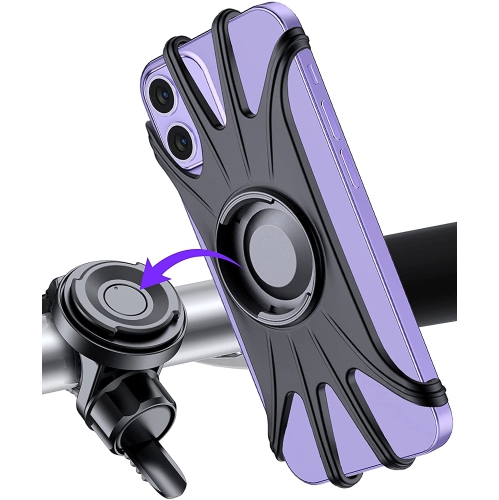
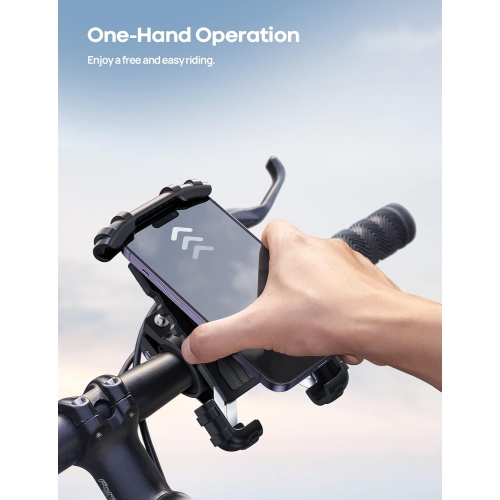
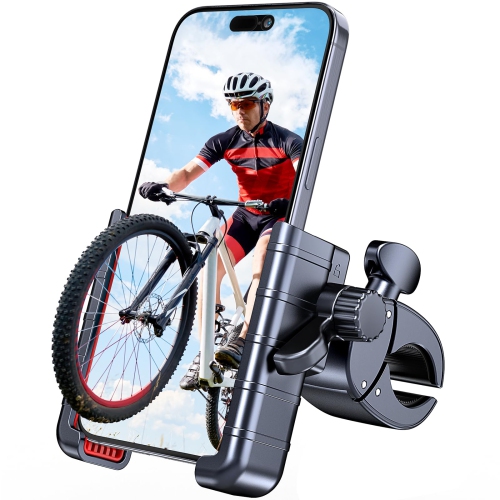
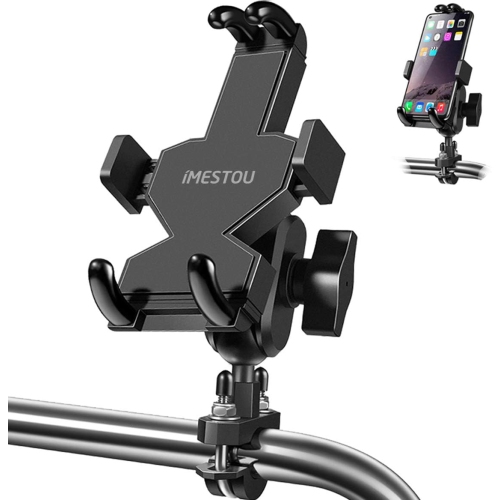
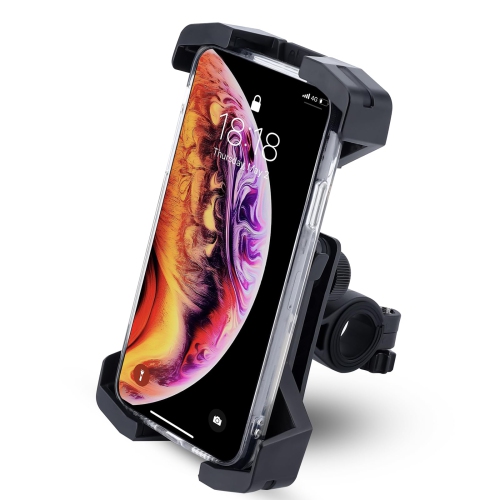
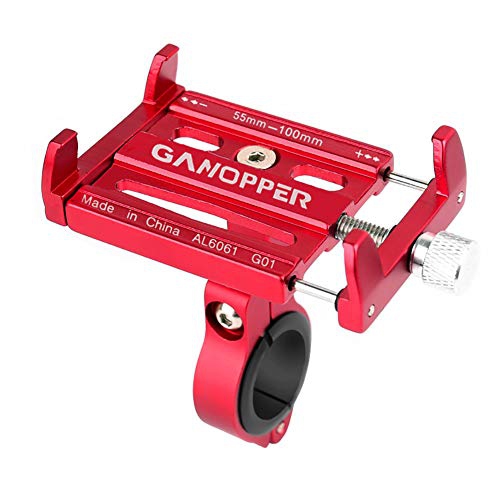
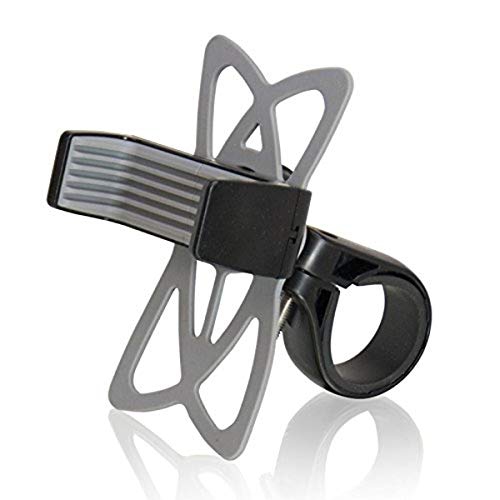
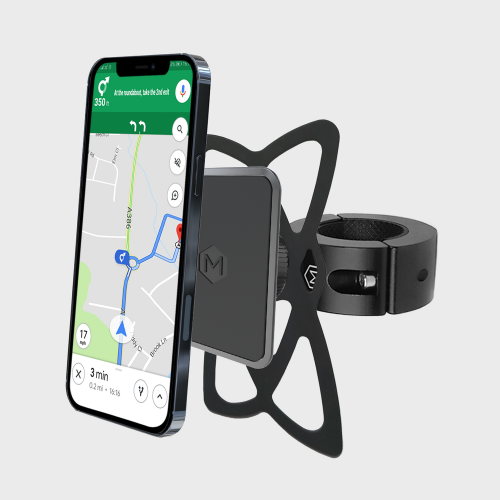
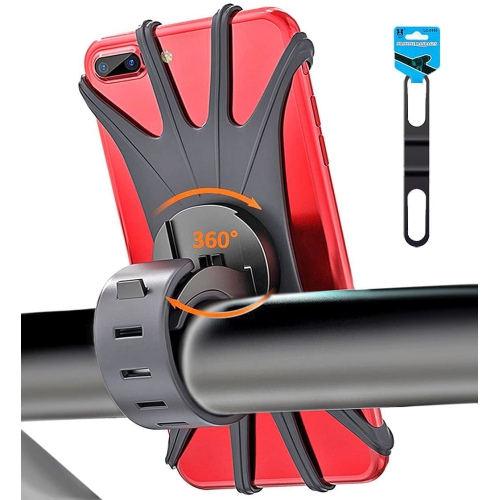
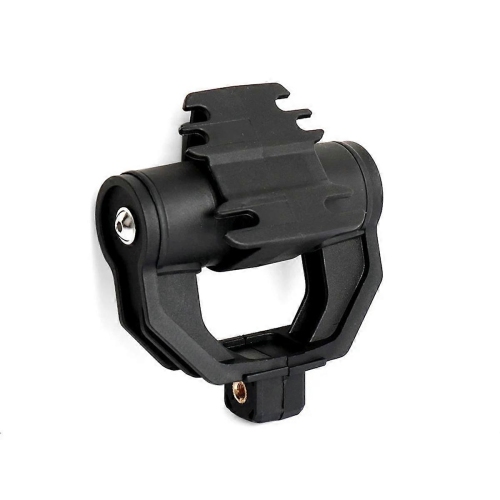
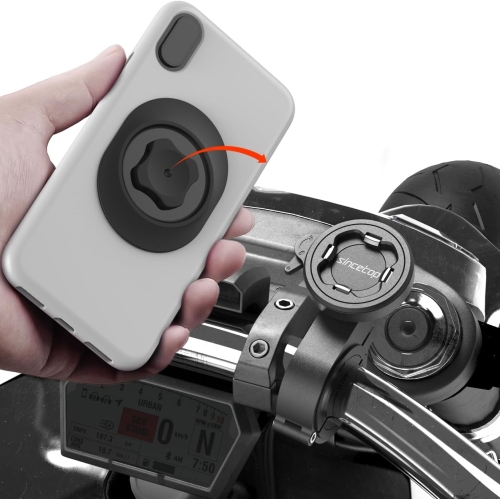
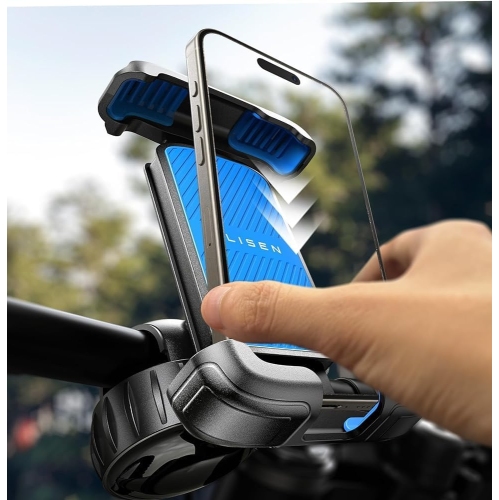
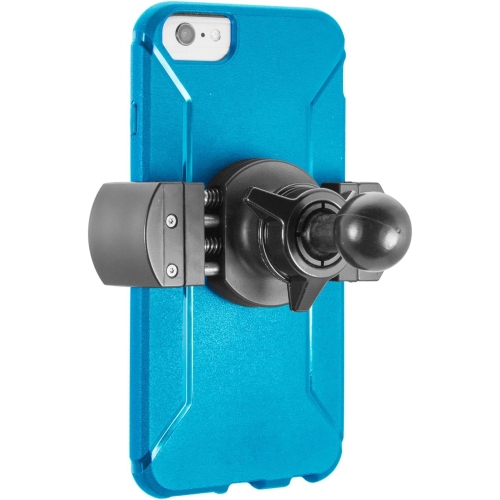
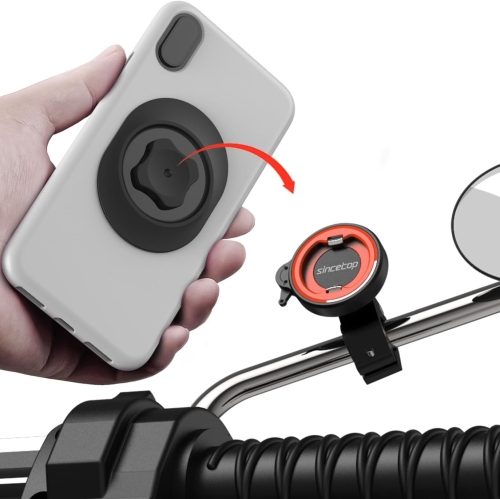
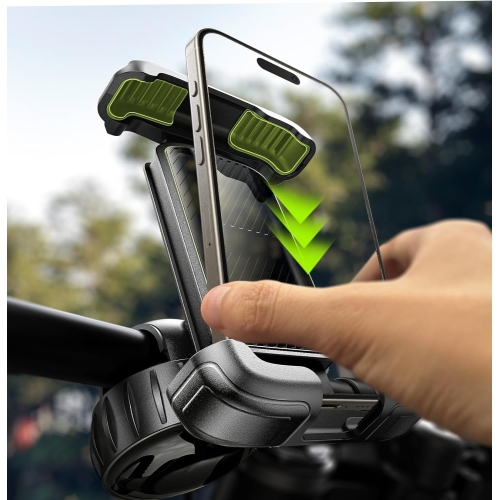
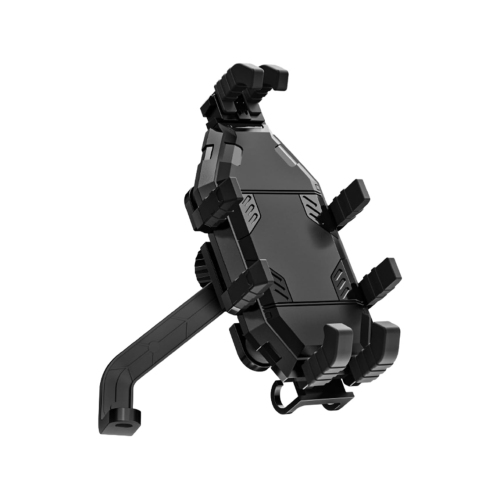
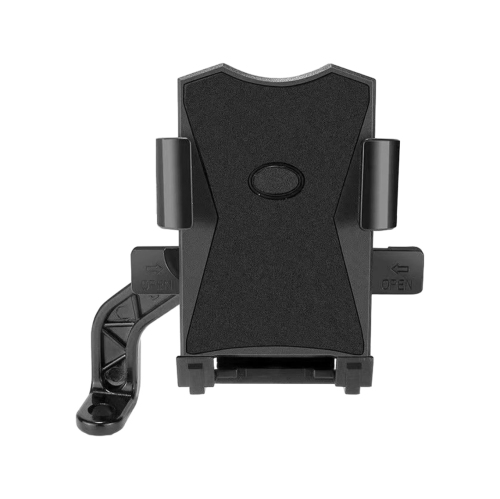
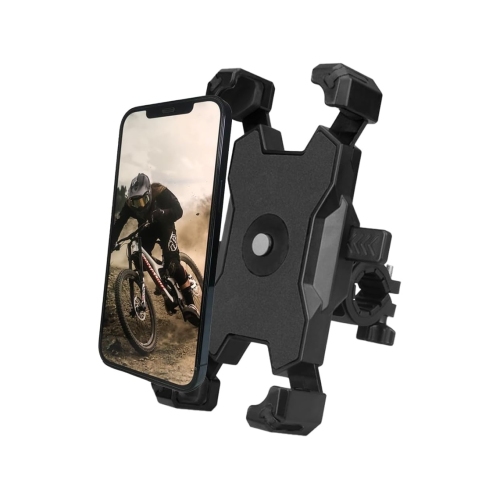
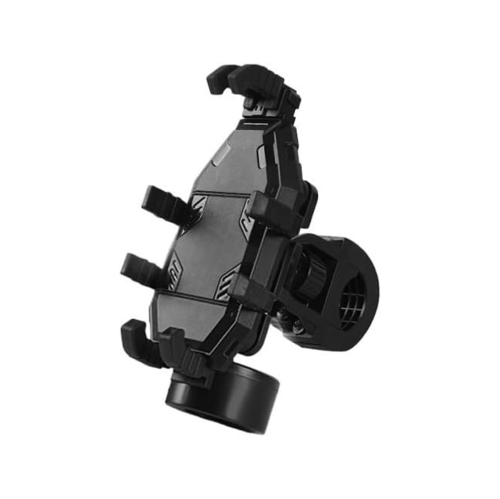
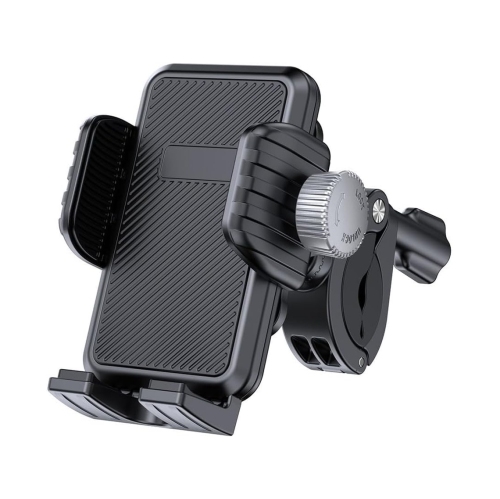
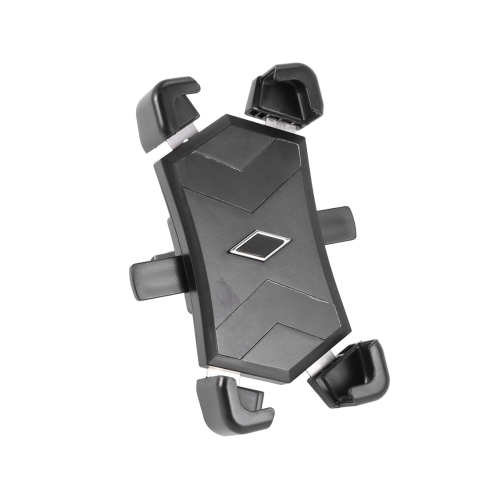
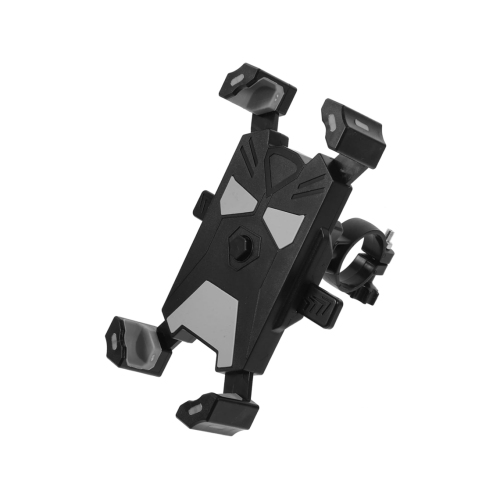
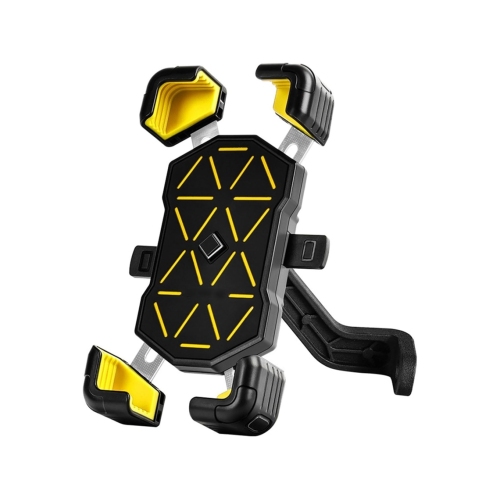
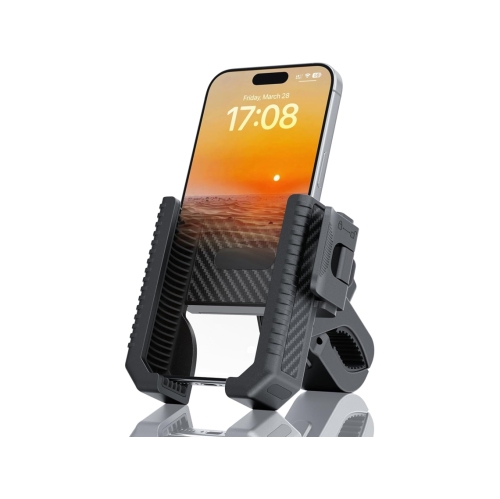
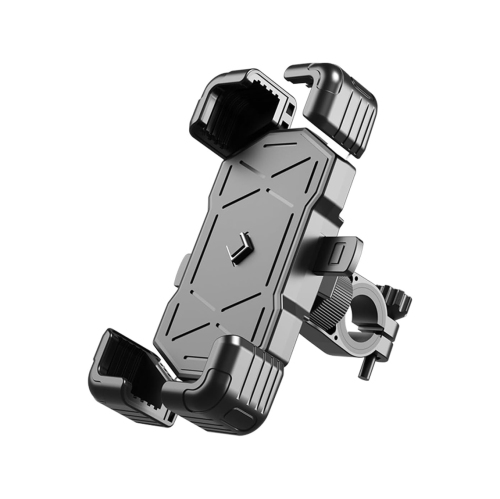
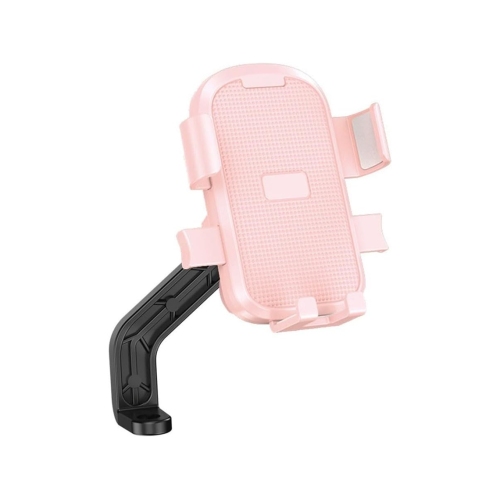
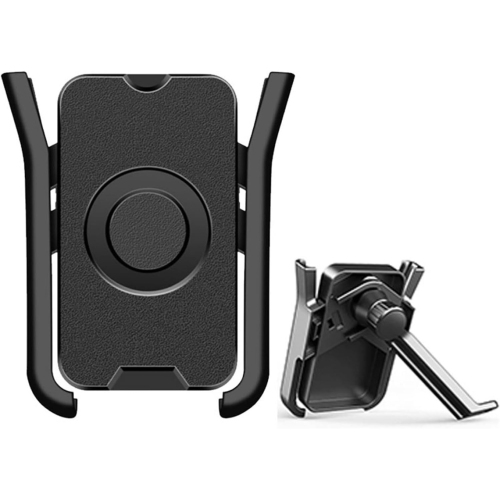
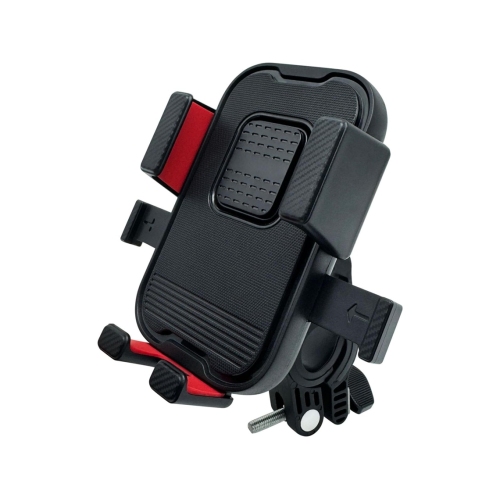
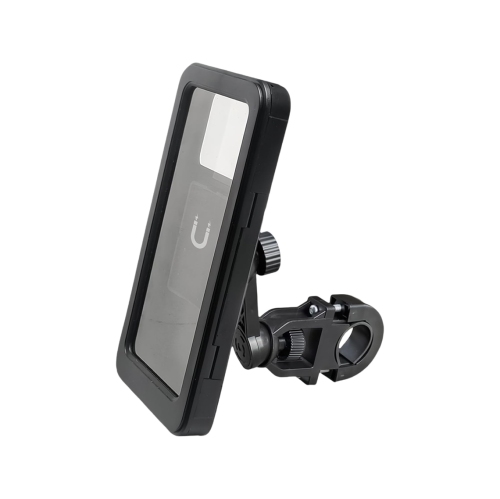
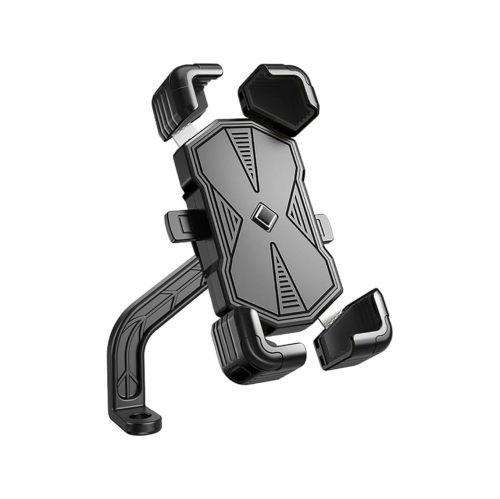
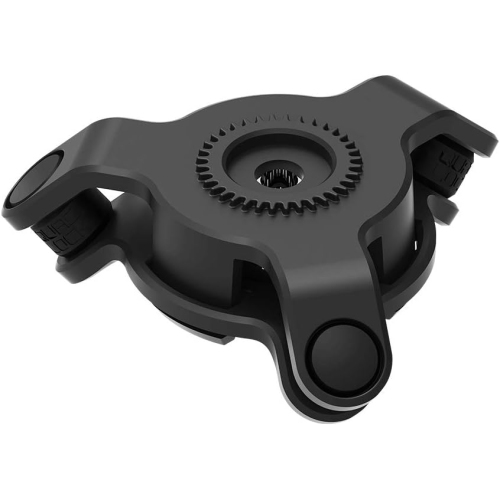
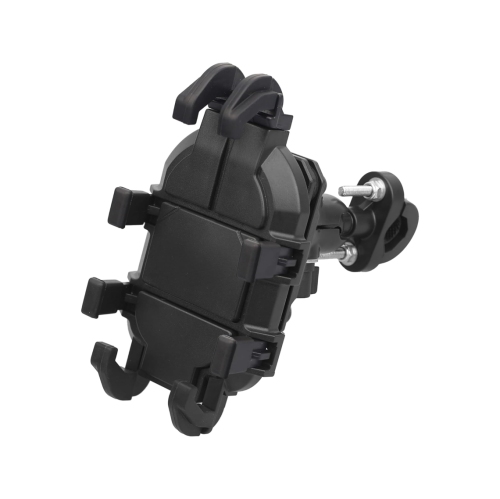
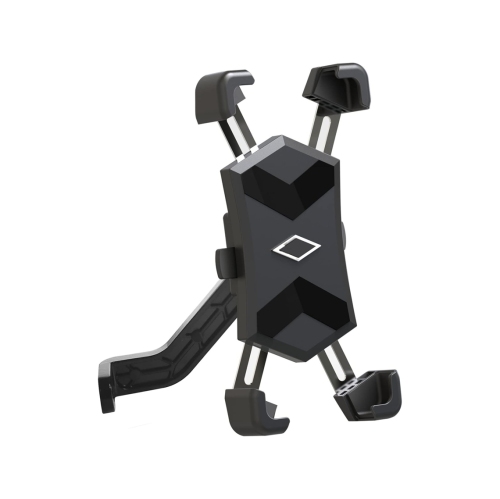
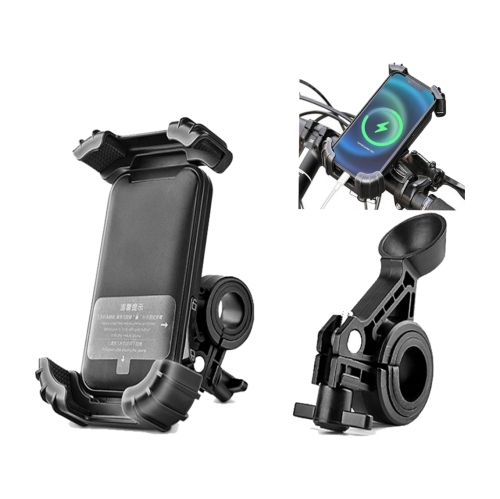
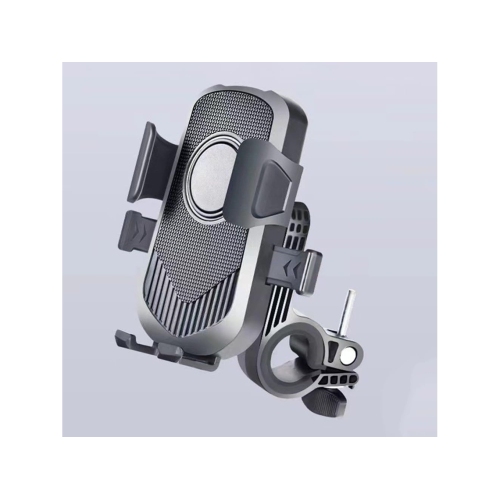
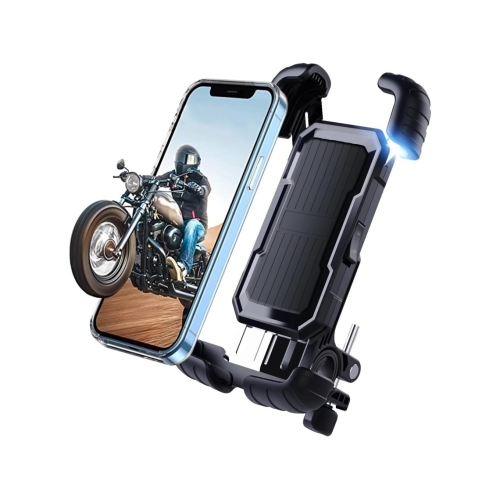
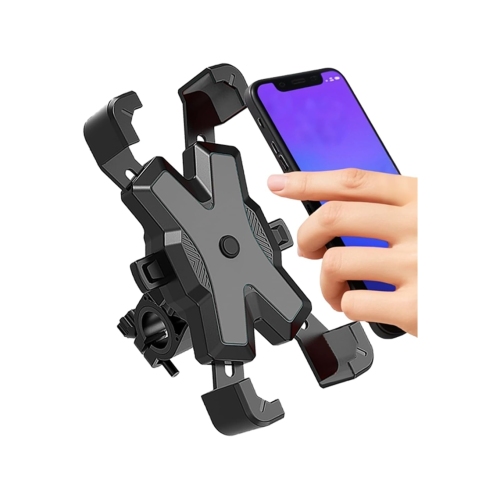
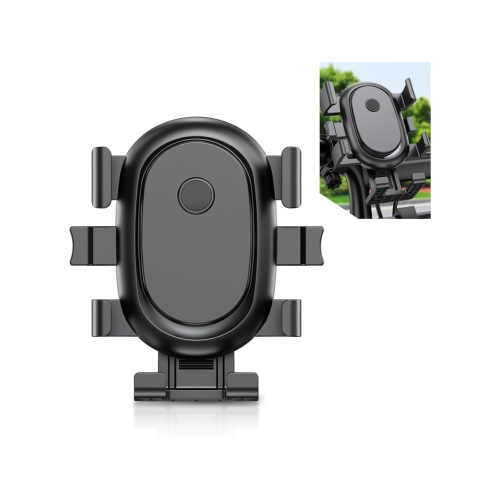
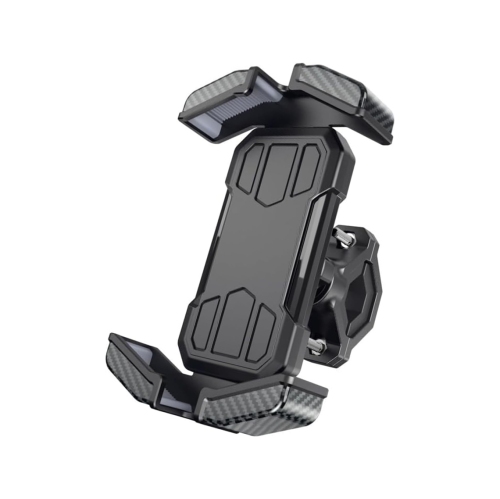
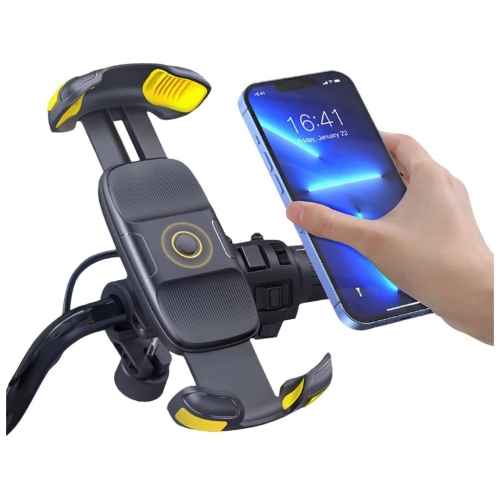
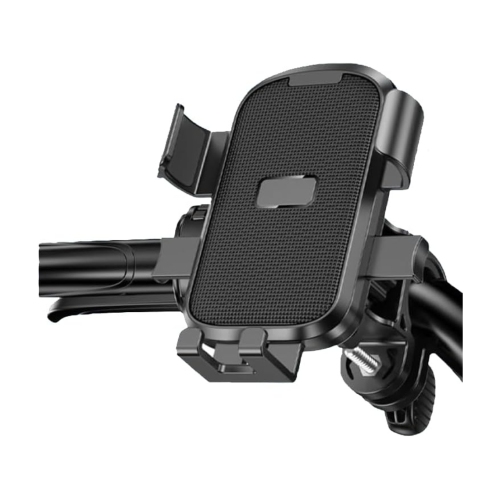
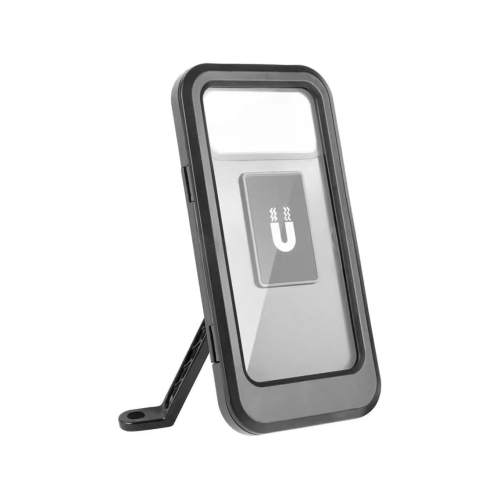
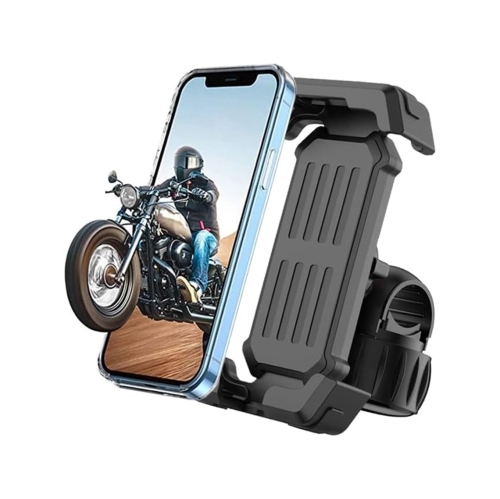
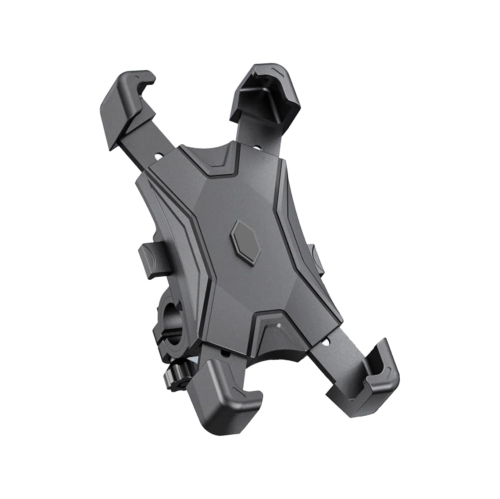
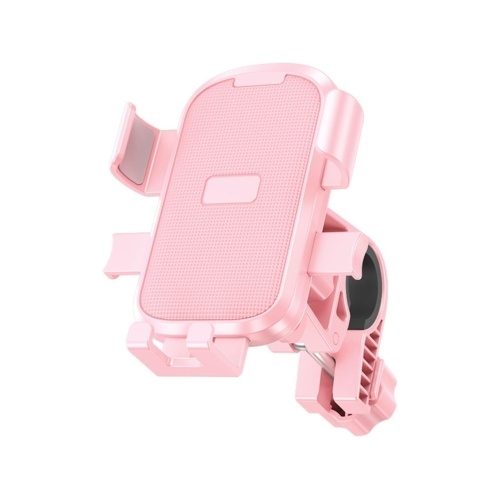
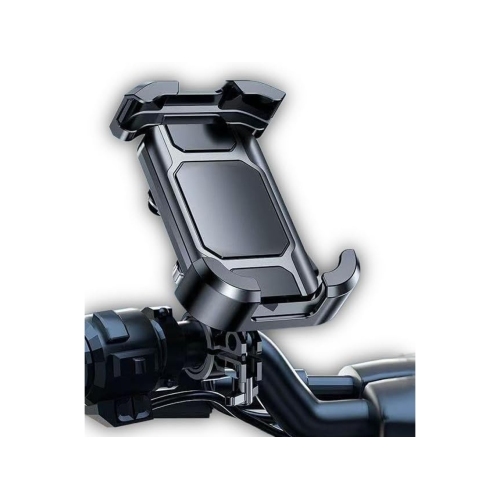
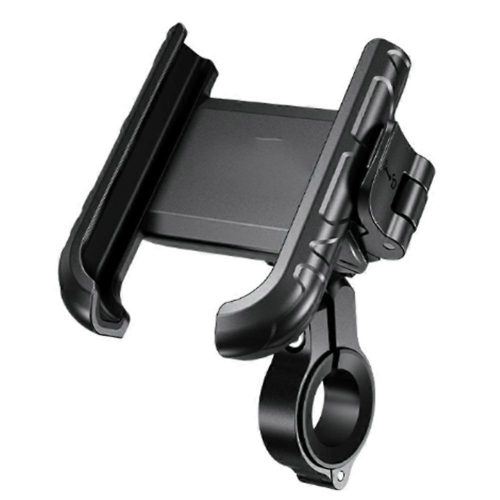
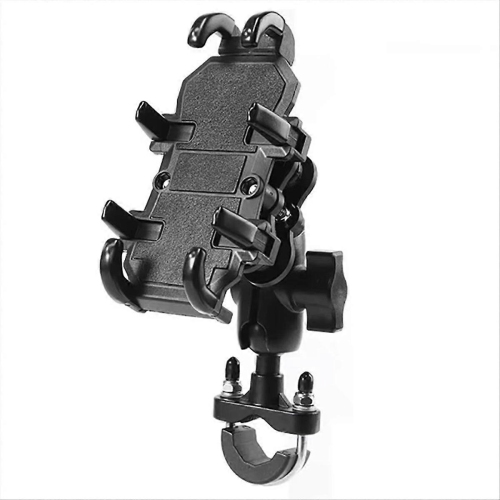
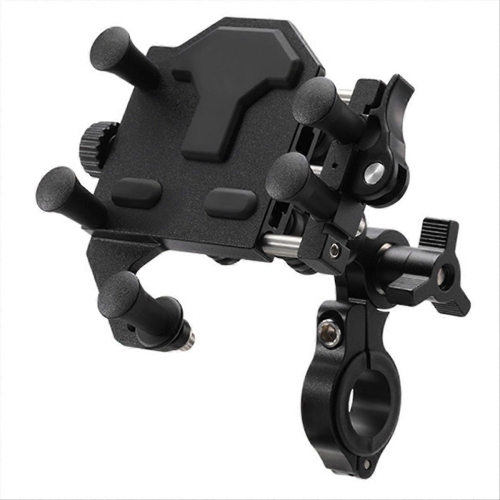
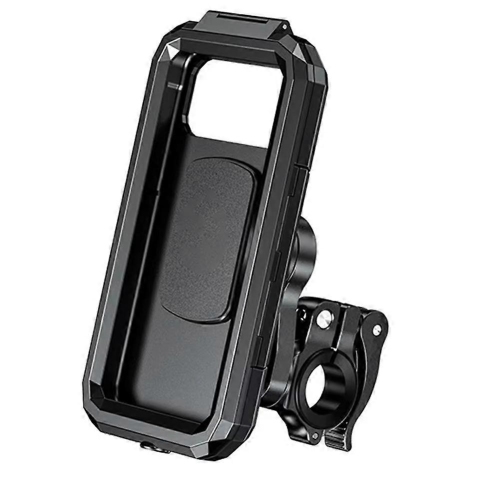
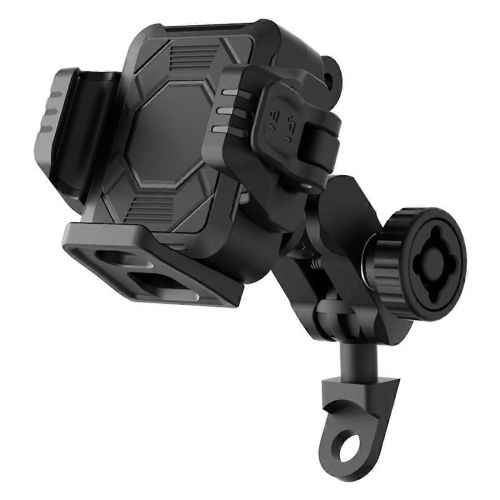
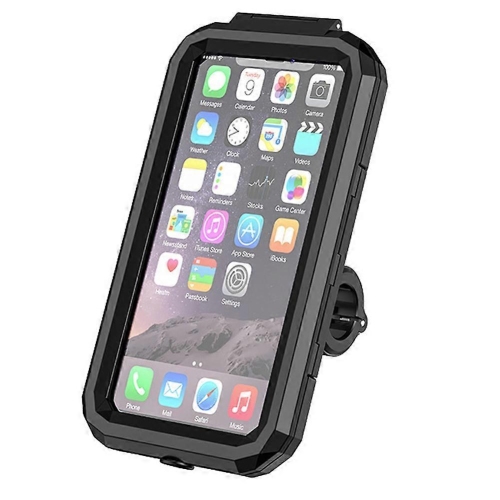
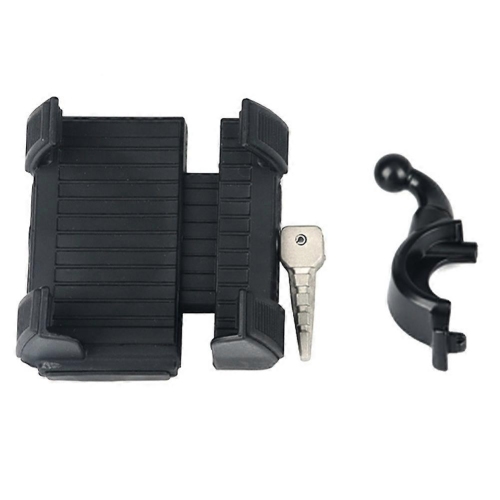
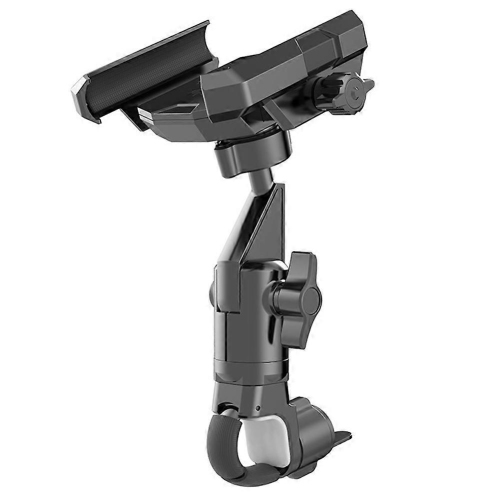
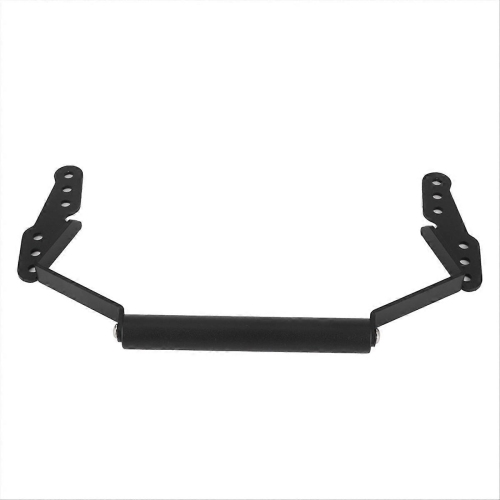
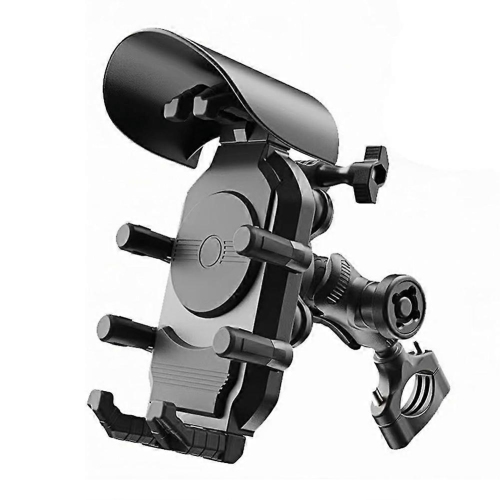
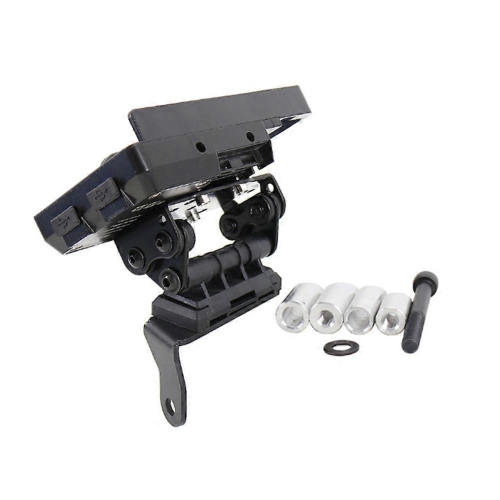
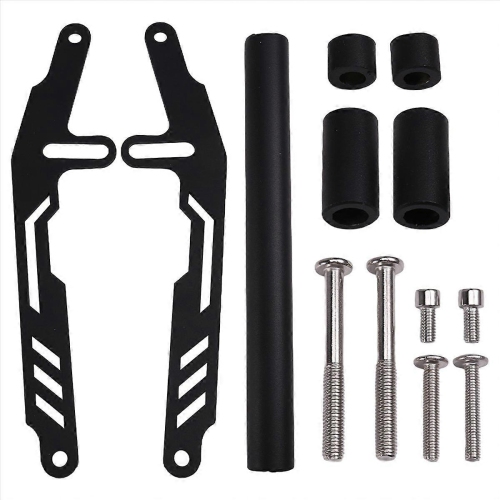
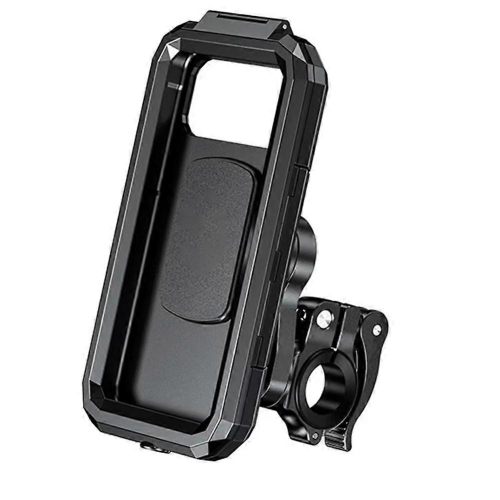
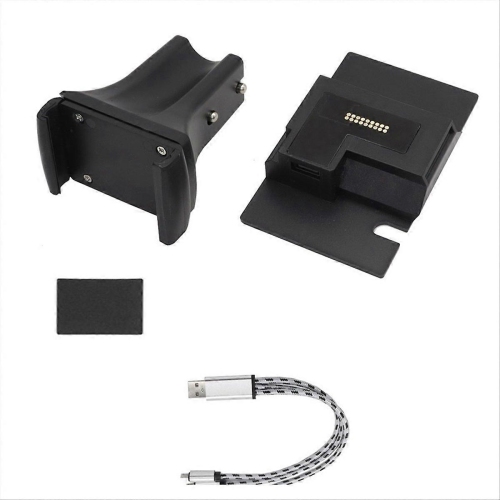
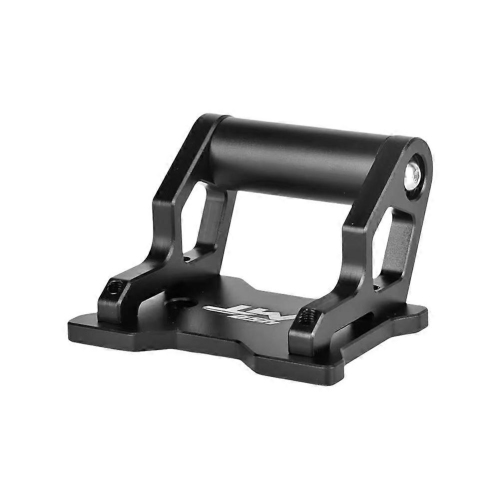
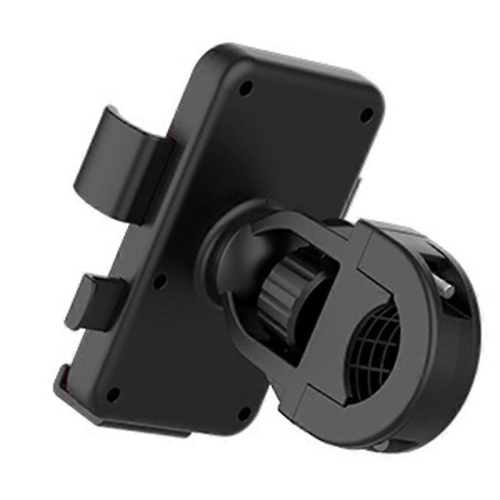
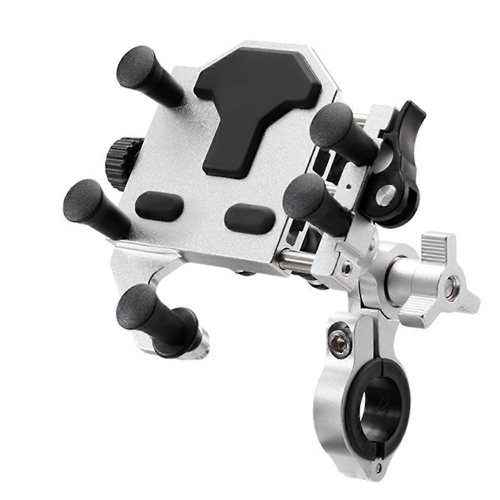
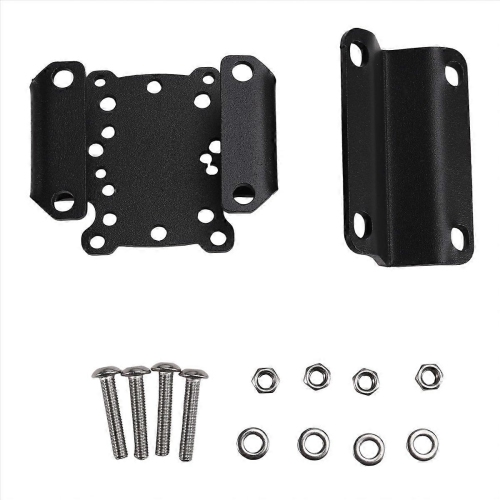
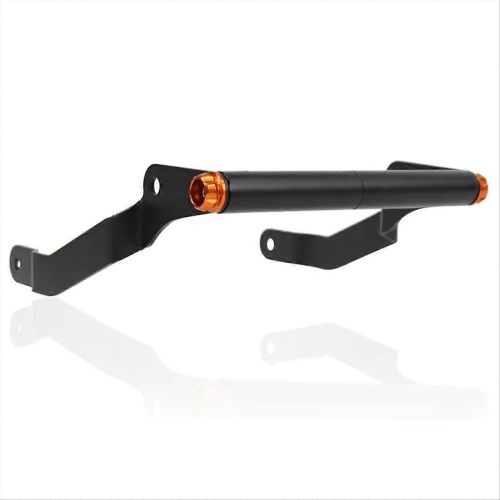
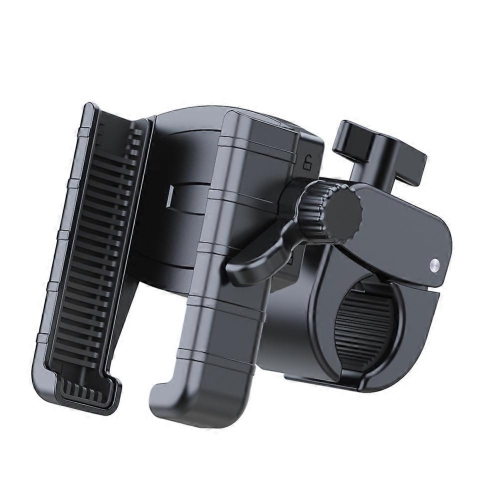
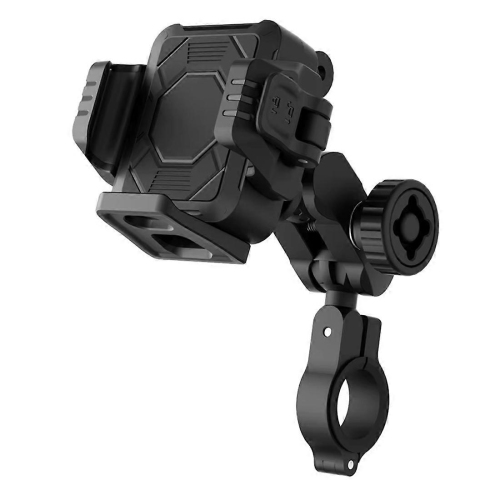
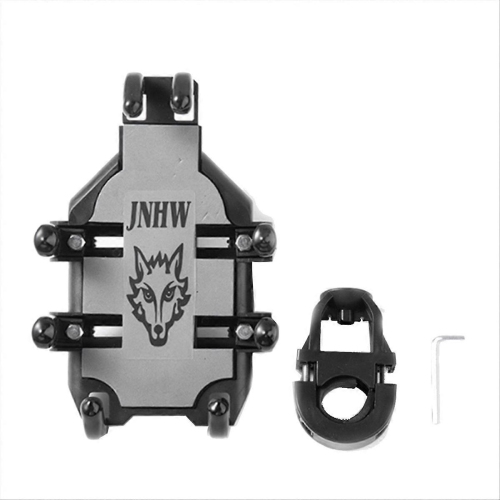
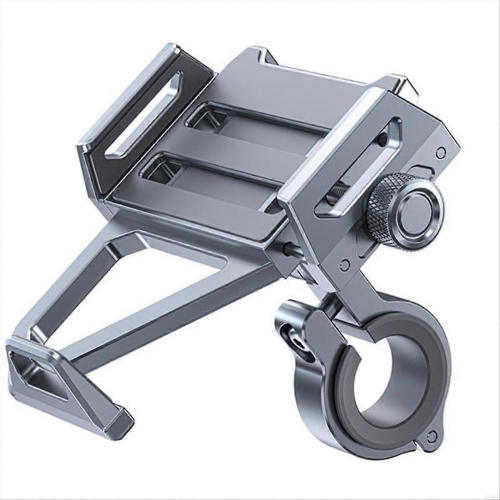
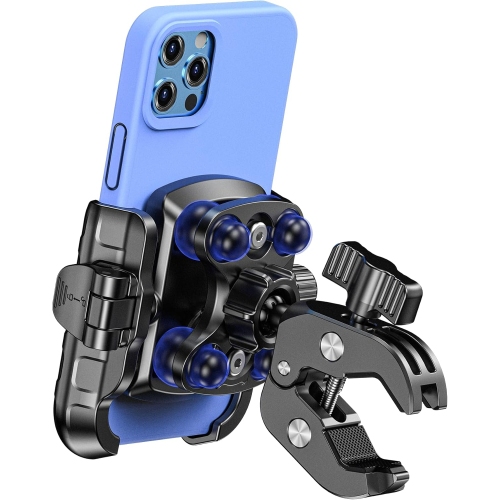
Phone mounts for motorcycle handlebars provide a dedicated place for a compatible smartphone, keeping navigation information visible without requiring the rider to hold the device. A suitable mount combines secure attachment to the motorcycle, dependable phone retention, and positioning that leaves essential instruments and controls unobstructed. For commuting, that might mean a compact holder beside the instrument cluster; for longer rides, an adjustable arm can bring a map into a comfortable viewing position without stretching across the cockpit. Handlebar fit is fundamental because motorcycle bars vary in diameter, shape, and usable mounting space. A clamp designed for a straight, round section needs enough room to sit evenly, while tapered bars may offer only a limited area with the correct diameter. Included spacers can help accommodate different bar sizes when used within the mount’s stated compatibility range. The complete assembly also needs clearance from brake lines, throttle cables, switches, and nearby bodywork throughout the steering range. Phone mounts for motorcycle handlebars generally use either an adjustable cradle that grips the device or a locking interface paired with a compatible case or adapter. Cradles offer flexibility across phone sizes, while case-based systems connect through a dedicated attachment point. Quick-release designs can make it easier to take a phone along at a stop, but convenient removal should be paired with a positive locking action and clear confirmation that the connection is engaged. Retention at road speeds depends on the entire setup: the handlebar clamp, adjustment joints, phone holder, and any required case or adapter. A mount intended for motorcycle use is a more relevant choice than a general-purpose holder whose attachment has not been designed for that application. A compact assembly can also reduce the amount of hardware projecting from the bars, although the best position depends on the motorcycle’s layout and the rider’s sightline. Navigation and other settings should be arranged before departure, with adjustments made only after stopping somewhere safe.
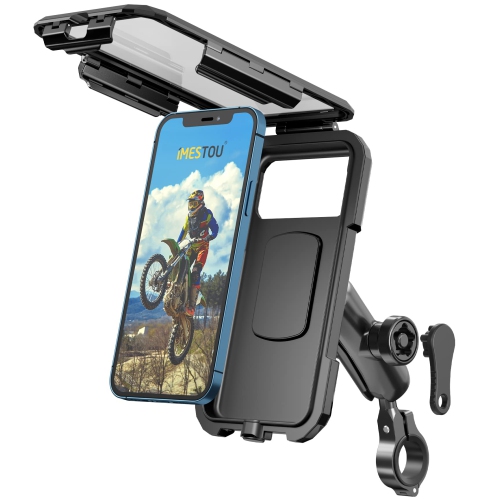
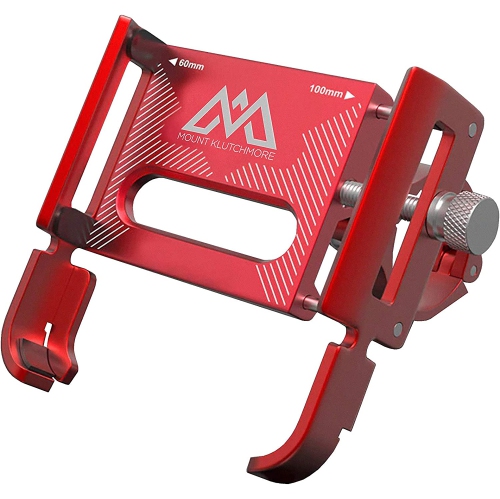
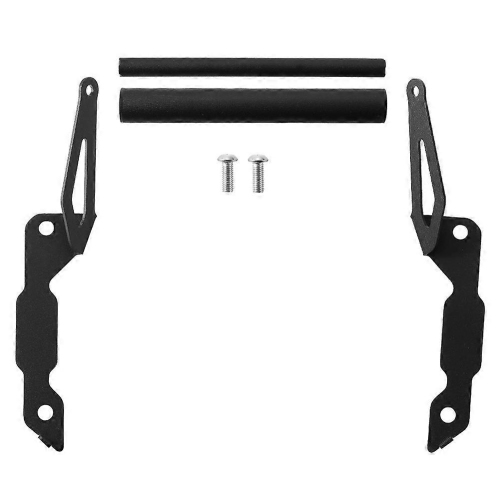
Materials and construction influence how a motorcycle phone mount feels in daily use and how well its moving parts hold their position. Aluminium components can provide a rigid structure without excessive bulk, while steel fasteners and reinforced polymer housings serve different roles within the assembly. Material alone does not establish durability: the design of a clamp, the quality of its threads, and the way an adjustment joint locks are just as important. Rubber or similar contact pads can cushion the phone, improve grip, and help limit marks on handlebars, but padding is not necessarily a substitute for a dedicated vibration-damping mechanism. Motorcycle vibration can affect some smartphones, particularly camera systems with moving stabilization or autofocus components. A mount with an integrated or compatible vibration damper may reduce the vibration transferred to the phone, but it does not guarantee protection against damage. Compatibility information from both the phone manufacturer and the mount manufacturer remains important, especially for riders using a phone with an advanced camera system. Fit at the device end deserves equal attention. A holder’s supported dimensions need to account for the phone with its everyday case attached, including its thickness and any raised camera housing. Corner grips and side arms should hold the device without pressing volume or power buttons, covering a camera lens, or blocking access to the charging port. A thick protective case, rear grip, or folding phone design may require a different attachment style from a slim, flat-backed handset. Adjustable portrait and landscape positioning can accommodate different navigation layouts, provided the joint locks firmly after rotation. Charging access is useful on longer journeys, though a cable needs enough slack for steering movement without hanging where it could snag. A handlebar mount does not automatically include power delivery, so charging capability depends on the complete setup rather than the holder alone. Some attachment systems also require a separate compatible case or adapter, making it worth treating the mount, phone interface, and any optional accessories as parts of one assembly.

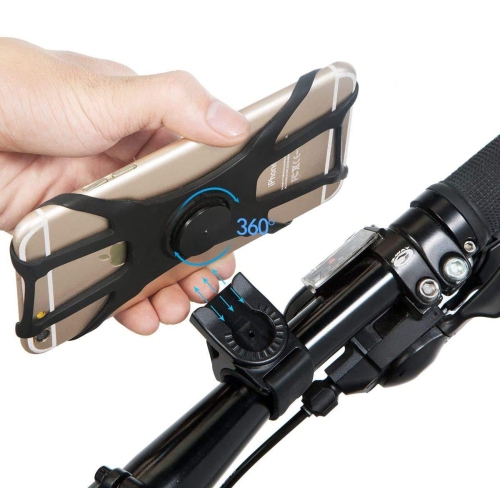
Everyday usability often comes down to details that are easy to appreciate at a fuel stop or after arriving at a destination. A release lever that is accessible with riding gloves, a cradle that opens without an awkward reach, and adjustment hardware that stays put can make the mount feel like a natural part of the motorcycle rather than an added obstacle. Longer extension arms offer more positioning flexibility, while shorter assemblies may suit crowded handlebars and keep the phone closer to the mounting point. Neither layout is automatically better; the useful arrangement is one that preserves access to the ignition, switches, instruments, and any other essential equipment. Riders moving a phone between vehicles may appreciate a detachable holder or a compatible mounting system, whereas someone who uses one motorcycle regularly may prefer a straightforward installation with fewer adjustable sections. For passengers who navigate during planned stops, easy phone removal can be more useful than a wide range of on-bike viewing angles. Routine care helps preserve those practical benefits. Dust and grit can collect around locking tabs, grip pads, and moving joints, so cleaning according to the manufacturer’s directions helps keep the mechanism working as intended. Contact surfaces should be kept free of oily residue, and cleaning products should be suitable for the mount’s materials. Periodic inspection can reveal worn pads, loose hardware, damaged threads, or a latch that no longer engages cleanly. Tightening should follow the specified method and torque where provided, rather than relying on extra force. As a gift for a motorcyclist, a phone mount is most useful when the recipient’s handlebar dimensions, phone model, case, and preferred attachment style are known. Riders shopping for a separate pedal-bike setup can also explore Best Phone Holders for Bikes, while keeping motorcycle-specific fit, retention, and vibration requirements central to the choice for powered riding.
Read More

FAQ

Some products may be subject to Environmental Handling Fees (EHF) depending on your province. Learn more about EHFs.