Mochi Squishy Toys
Dive into a world of tactile delight with our collection of mochi squishy toys, perfect for stress relief and endless fun. These irresistibly soft and squeezable companions are designed to bring joy to both kids and adults alike, making them a must-have addition to your relaxation routine or playtime activities. Whether you're looking to enhance your desk space with a touch of whimsy or seeking the perfect gift that delivers smiles, mochi squishy toys offer a playful escape from the everyday hustle. Explore our selection and discover the soothing charm of these adorable collectibles today.
Sort
![TOMY Club Mochi-Mochi Animal Crossing Kk Slider Large 15" Squishy Plush [] Great addition to Tom Nook and Isabelle](https://multimedia.bbycastatic.ca/multimedia/products/500x500/174/17449/17449319.jpeg)
![TOMY Club Mochi-Mochi Animal Crossing Blathers Large 15" Squishy Plush []](https://multimedia.bbycastatic.ca/multimedia/products/500x500/174/17449/17449467.jpeg)
![TOMY Club Mochi-Mochi My Hero Academia Deku Mask Large 15" Squishy Plush []](https://multimedia.bbycastatic.ca/multimedia/products/500x500/174/17449/17449338.jpeg)
![TOMY Club Mocchi-Mocchi Animal Crossing Celeste Large 14" Squishy Plush []](https://multimedia.bbycastatic.ca/multimedia/products/500x500/174/17449/17449552.jpeg)
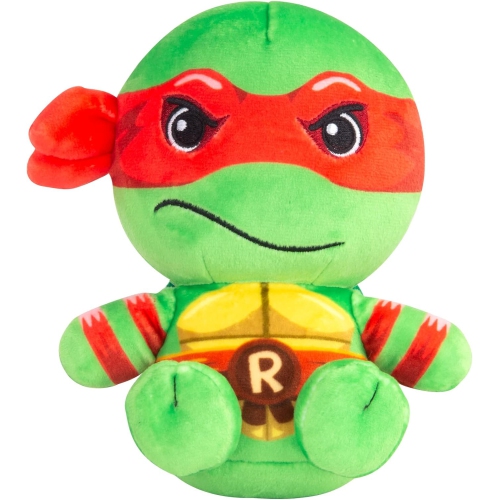
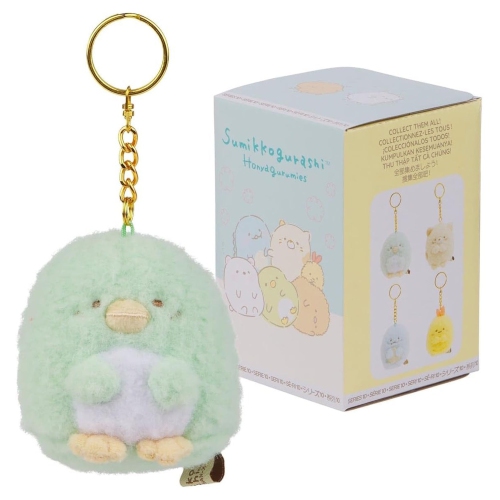
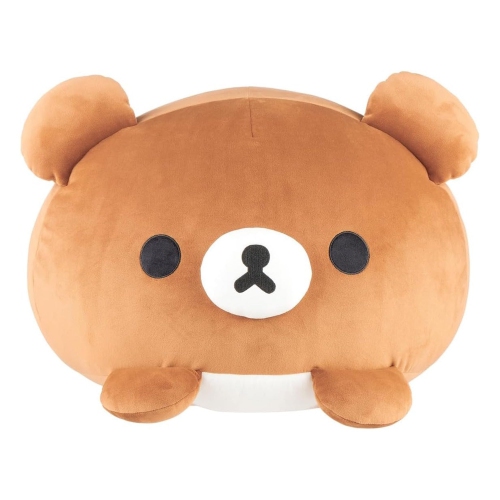
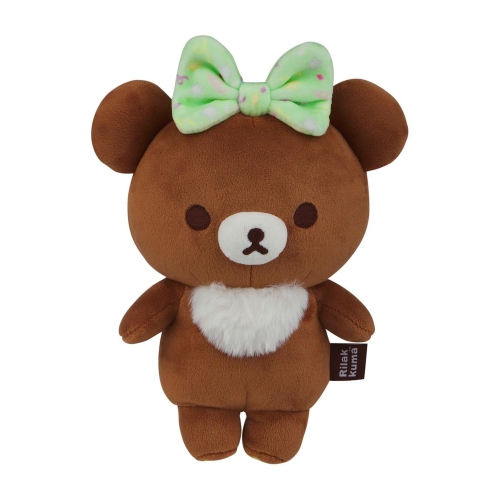
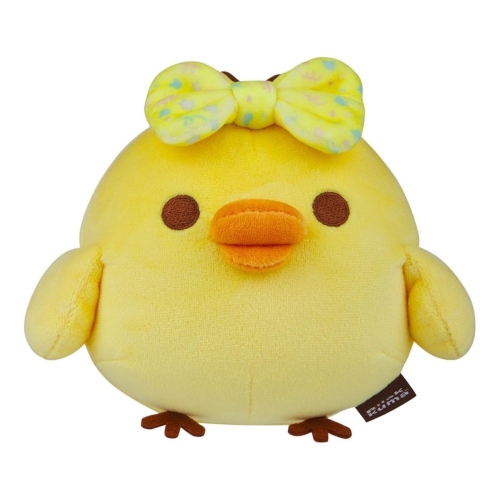
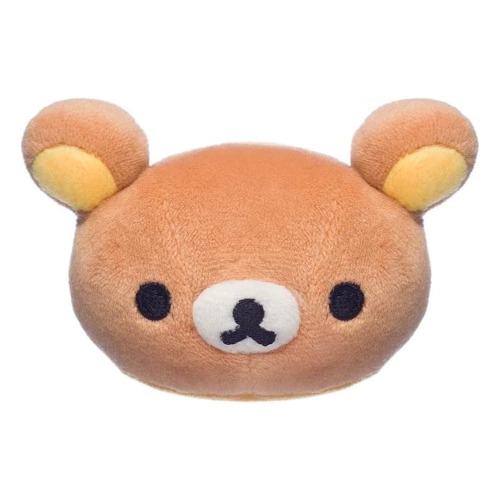
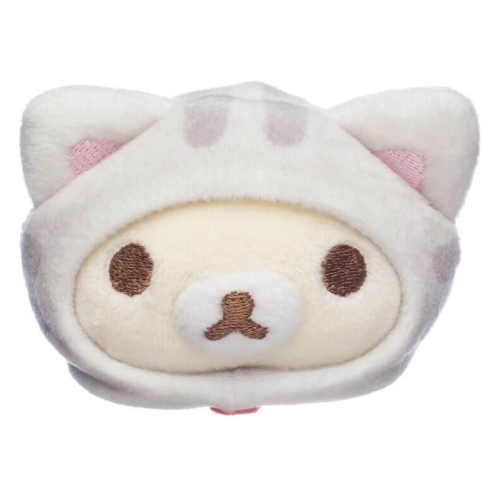
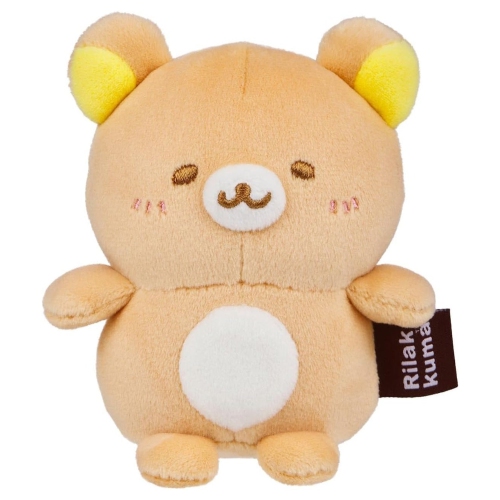
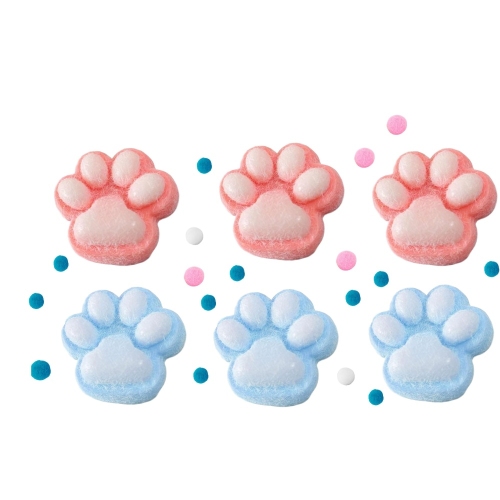
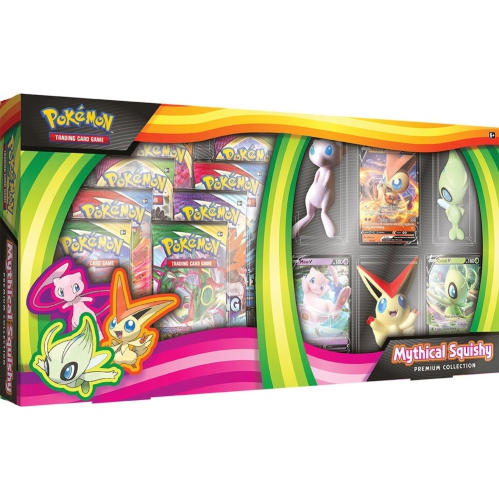
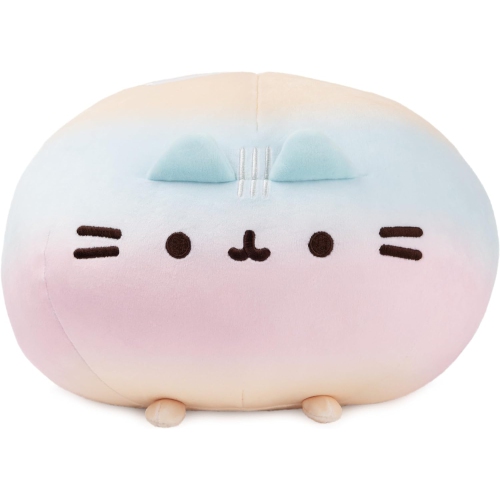
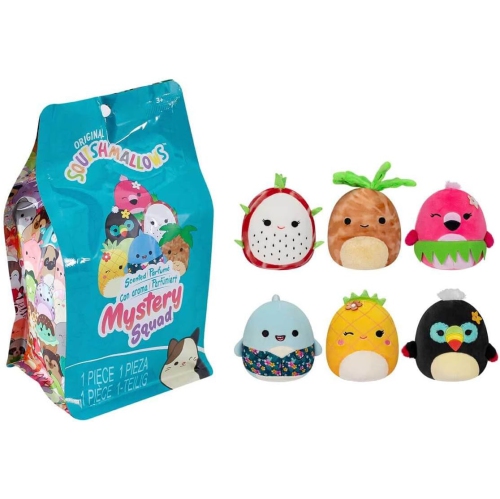
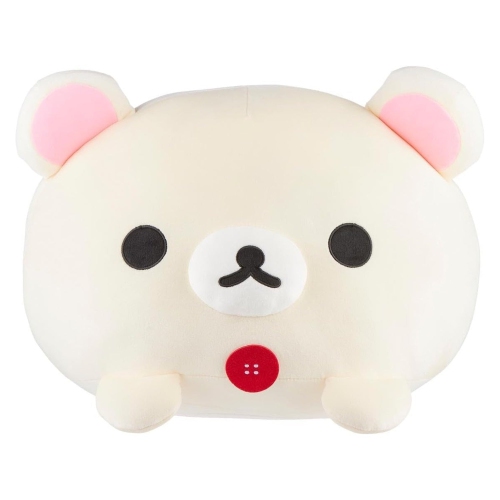
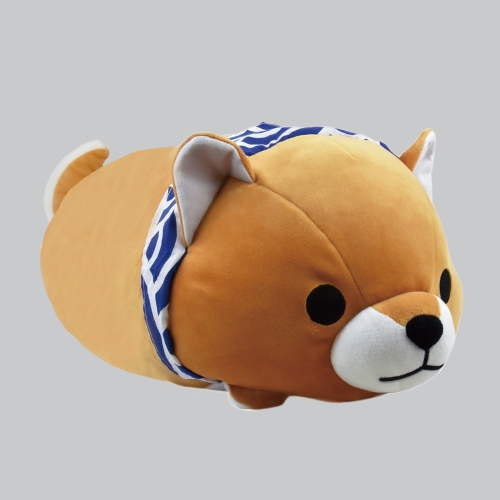
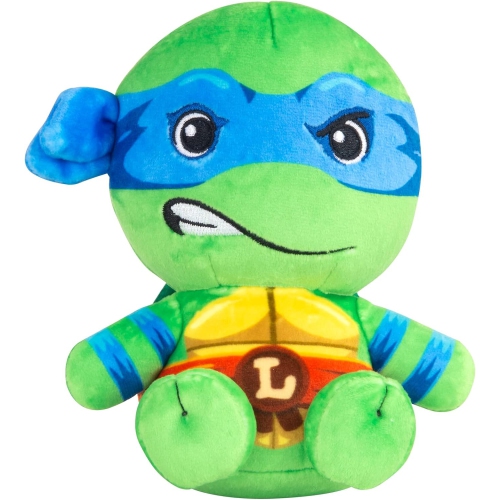
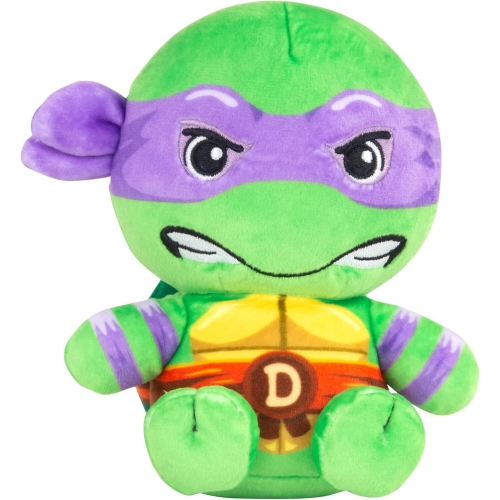
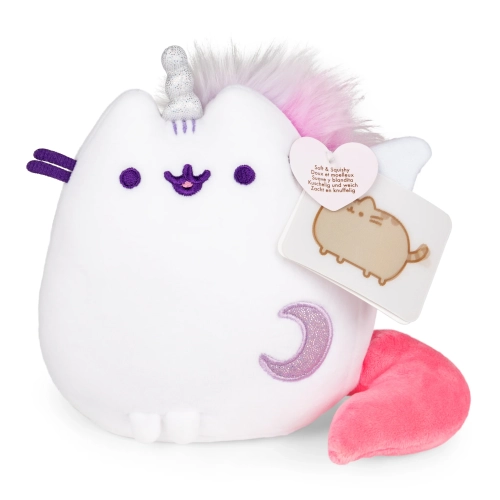
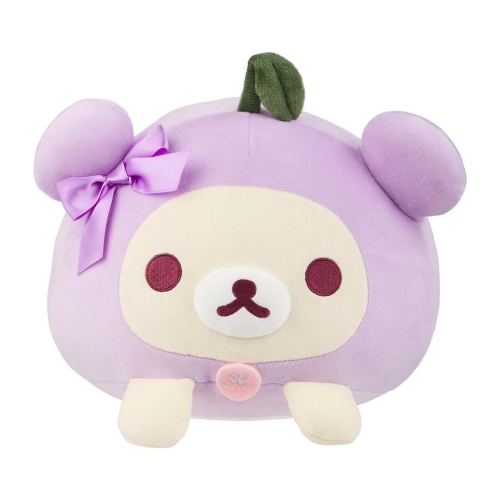
A jelly-like feel that sets these squishies apart
Mochi squishy toys are small, soft sensory toys designed to compress under gentle pressure and return towards their original shape when released. Their name refers to a rounded, pillowy appearance reminiscent of mochi, the Japanese rice cake, but these toys are not edible. Many are made from thermoplastic rubber, often called TPR, although materials and finishes vary, so the individual material description matters more than the name alone. Unlike fabric stuffed toys, mochi squishies typically have a smooth, slightly tacky surface and a yielding, jelly-like feel. They also differ from many foam squishies, which tend to have a more sponge-like texture and may rise back into shape more slowly. Much of their appeal comes from that simple tactile interaction: a gentle squeeze between finger and thumb, a soft press into the palm, or the gradual release of a flattened shape. Rounded animal characters, food-inspired shapes, pastel colours, and expressive faces give this category a playful look that suits both collecting and everyday fidgeting. For someone who likes having something to handle while reading, listening, or taking a short break from a screen, a mochi squishy offers a simple, hands-on activity without batteries or a complicated setup. The experience is personal, though; a texture that feels satisfying to one person may feel too sticky or too soft to another. These toys can be enjoyable sensory accessories, but they should not be treated as a treatment for anxiety or a guarantee of better concentration. Their compact scale makes them easy to keep in a small storage case, while their character details can bring a little personality to a desk or shelf. Anyone drawn to the same rounded styling but looking for a fabric-covered toy can also explore Mochi Plushies, which offer a different texture and a more traditional stuffed-toy feel. The distinction is useful when choosing between something intended primarily for squeezing in the hand and something intended for cuddling or display.
Size, softness, and shape all influence how a mochi squishy feels during use. Photographs can make a tiny toy look much larger, so stated dimensions are worth checking, especially when choosing a gift or something intended to sit comfortably in the palm. A small, rounded shape may suit light fingertip squeezing, while a broader shape offers more surface area for a whole-hand press. Neither size alone nor a cute appearance establishes whether a toy is suitable for a child. Follow the manufacturer's age rating and warnings, and keep small squishies away from children who still mouth objects. Small toys and pieces torn from damaged toys can present choking hazards; adult supervision does not make an unsuitable toy appropriate for a younger child. Food-like designs deserve particular care because their appearance can invite confusion. Mochi squishies are not teethers, chew toys, or pet toys, and they should be stored where young children and pets cannot reach them without supervision. For an age-appropriate recipient, consider how the toy will actually be handled. Someone who enjoys slow, gentle presses may appreciate a very soft texture, while a person who habitually pulls or twists a fidget needs to check whether that use is permitted. A flexible material is not necessarily designed for forceful stretching. Thin ears, tails, and other projecting details can be more vulnerable to tearing than a simple rounded body. Painted faces and surface details can also wear with repeated rubbing. Material descriptions may identify added fragrance or other features, which can matter for people with sensory preferences or sensitivities; softness alone does not establish that a material is hypoallergenic or latex-free. For birthday gifts, party loot bags, or classroom rewards, age suitability, clear care information, and the recipient's preferences are more useful considerations than the number of pieces alone. In a classroom or shared workspace, a squishy is best used where quiet hand movement is welcome, rather than assumed to be suitable for every activity.
Care and storage make a noticeable difference to the condition of mochi squishy toys. Their slightly tacky surfaces can pick up lint, hair, crumbs, and dust, particularly when they are carried loose in a pocket or dropped into the bottom of a bag. A clean, smooth play surface and a separate storage container help limit that buildup. After handling a toy during a snack break, washing hands before returning to it can keep sticky food residue from transferring to the surface. Cleaning methods depend on the material, paint, and any added components, so the manufacturer's directions should always come first. If washing is permitted, a gentle hand wash with mild soap and water may be appropriate; avoid vigorous scrubbing, and allow the toy to dry as directed before putting it away. Do not assume that every squishy can be soaked or cleaned with alcohol, disinfectant, or household cleaning sprays. Likewise, powders and oils sometimes suggested as home fixes for stickiness may change the finish or leave residue, so they should not be added unless the manufacturer specifically recommends them. A naturally tacky feel is different from a surface that has begun to break down. Check periodically for splits, loose details, flaking finishes, or changes in texture, and stop using a toy that is damaged or deteriorating. Gentle squeezing is generally less demanding on delicate shapes than pulling limbs, digging in fingernails, or pressing the toy against a sharp desk edge. Store squishies away from sharp objects and avoid prolonged contact with paper, unfinished wood, or other absorbent surfaces, since some soft materials may leave marks or residue. Where several people share sensory toys, individual storage and a cleaning routine suited to the material are practical considerations. With realistic expectations, mochi squishies can serve as cheerful little desk companions, collection pieces, or tactile gifts. Their appeal lies less in elaborate features than in a pleasing combination of shape, softness, and touch, supported by sensible handling and care.
Size, softness, and shape all influence how a mochi squishy feels during use. Photographs can make a tiny toy look much larger, so stated dimensions are worth checking, especially when choosing a gift or something intended to sit comfortably in the palm. A small, rounded shape may suit light fingertip squeezing, while a broader shape offers more surface area for a whole-hand press. Neither size alone nor a cute appearance establishes whether a toy is suitable for a child. Follow the manufacturer's age rating and warnings, and keep small squishies away from children who still mouth objects. Small toys and pieces torn from damaged toys can present choking hazards; adult supervision does not make an unsuitable toy appropriate for a younger child. Food-like designs deserve particular care because their appearance can invite confusion. Mochi squishies are not teethers, chew toys, or pet toys, and they should be stored where young children and pets cannot reach them without supervision. For an age-appropriate recipient, consider how the toy will actually be handled. Someone who enjoys slow, gentle presses may appreciate a very soft texture, while a person who habitually pulls or twists a fidget needs to check whether that use is permitted. A flexible material is not necessarily designed for forceful stretching. Thin ears, tails, and other projecting details can be more vulnerable to tearing than a simple rounded body. Painted faces and surface details can also wear with repeated rubbing. Material descriptions may identify added fragrance or other features, which can matter for people with sensory preferences or sensitivities; softness alone does not establish that a material is hypoallergenic or latex-free. For birthday gifts, party loot bags, or classroom rewards, age suitability, clear care information, and the recipient's preferences are more useful considerations than the number of pieces alone. In a classroom or shared workspace, a squishy is best used where quiet hand movement is welcome, rather than assumed to be suitable for every activity.
Care and storage make a noticeable difference to the condition of mochi squishy toys. Their slightly tacky surfaces can pick up lint, hair, crumbs, and dust, particularly when they are carried loose in a pocket or dropped into the bottom of a bag. A clean, smooth play surface and a separate storage container help limit that buildup. After handling a toy during a snack break, washing hands before returning to it can keep sticky food residue from transferring to the surface. Cleaning methods depend on the material, paint, and any added components, so the manufacturer's directions should always come first. If washing is permitted, a gentle hand wash with mild soap and water may be appropriate; avoid vigorous scrubbing, and allow the toy to dry as directed before putting it away. Do not assume that every squishy can be soaked or cleaned with alcohol, disinfectant, or household cleaning sprays. Likewise, powders and oils sometimes suggested as home fixes for stickiness may change the finish or leave residue, so they should not be added unless the manufacturer specifically recommends them. A naturally tacky feel is different from a surface that has begun to break down. Check periodically for splits, loose details, flaking finishes, or changes in texture, and stop using a toy that is damaged or deteriorating. Gentle squeezing is generally less demanding on delicate shapes than pulling limbs, digging in fingernails, or pressing the toy against a sharp desk edge. Store squishies away from sharp objects and avoid prolonged contact with paper, unfinished wood, or other absorbent surfaces, since some soft materials may leave marks or residue. Where several people share sensory toys, individual storage and a cleaning routine suited to the material are practical considerations. With realistic expectations, mochi squishies can serve as cheerful little desk companions, collection pieces, or tactile gifts. Their appeal lies less in elaborate features than in a pleasing combination of shape, softness, and touch, supported by sensible handling and care.
Top selling and popular products
-
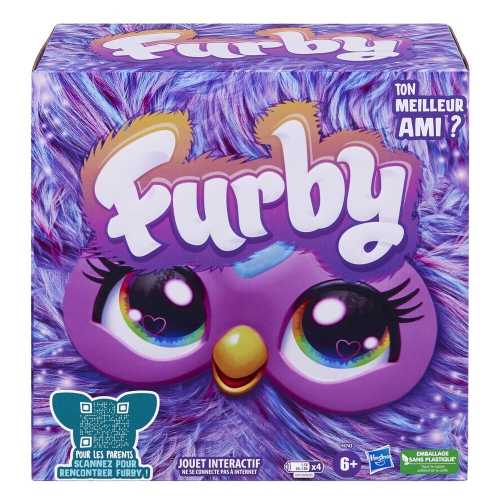 Your price for this item is $79.99
 -
![TOMY Club Mochi-Mochi Super Mario Piranha Plant Large 15" Squishy Plush []](https://multimedia.bbycastatic.ca/multimedia/products/500x500/179/17903/17903081.jpeg) Your price for this item is $72.99
Your price for this item is $72.99 -
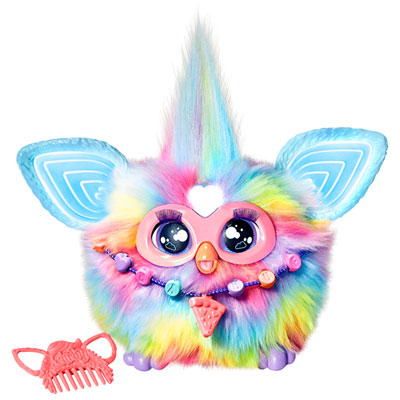 Your price for this item is $60.95
 -
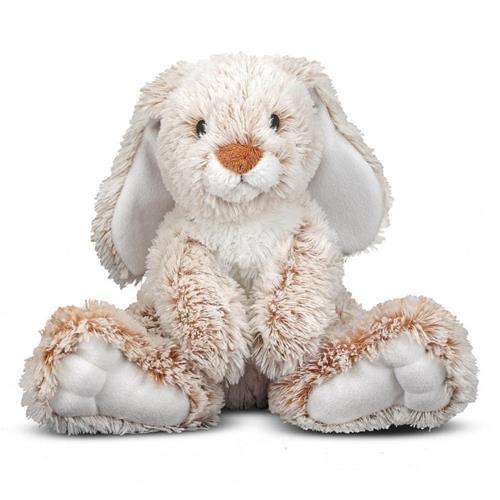 Your price for this item is $38.99
 -
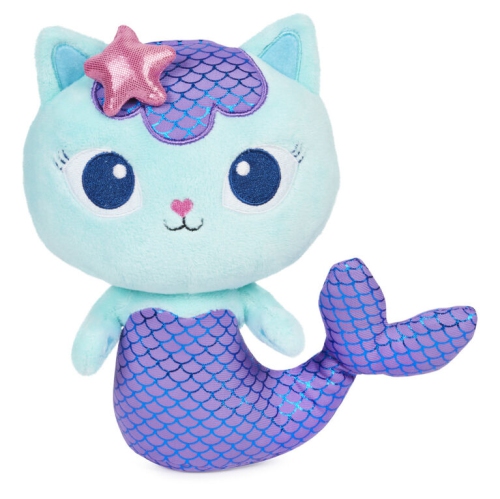 Your price for this item is $37.99
 -
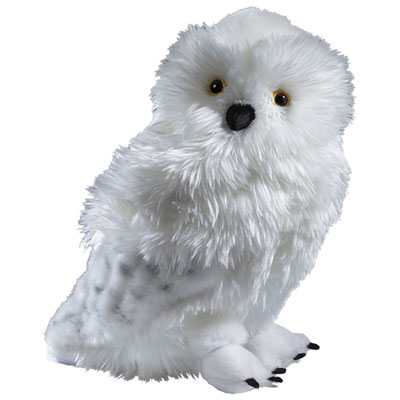 Your price for this item is $34.99
 -
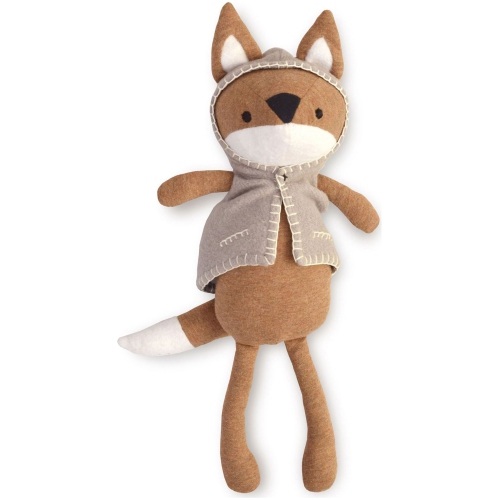 Your price for this item is $34.98
 -
 Your price for this item is $35
Discover more categories related to Mochi Squishy Toys
Top Collections:
Pokemon Centers, Kindle Devices, Best Budget Office Chairs, Apple iPhones 16, Best Laptops for Writers, iPhone 15 Apple, Canon G7X Cameras, Refurbished Apple Laptops, Alarm Clock, Motorola Razr Phones
Some products may be subject to Environmental Handling Fees
(EHF) depending on your province.
Learn more about EHFs.