Pet Toys
Unleash endless fun and excitement for your furry friends with our diverse selection of pet toys. Designed to cater to pets of all personalities and play styles, these engaging toys are perfect for keeping your pets entertained and active. Whether your pet loves to chew, chase, or cuddle, you'll find a variety of options that can help stimulate their mind and satisfy their playful instincts. Explore our collection today and discover the perfect playtime companions that promise to bring joy and enrichment to your pet's daily routine.
Sort
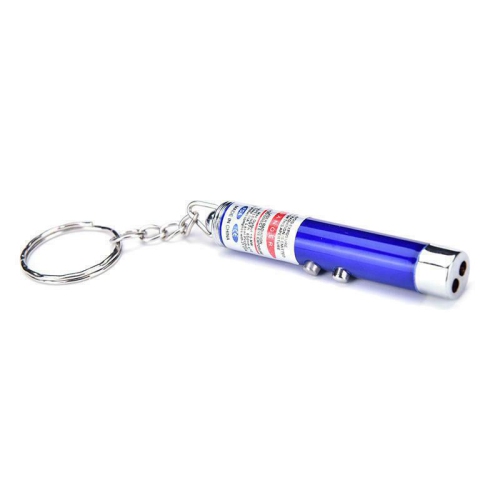
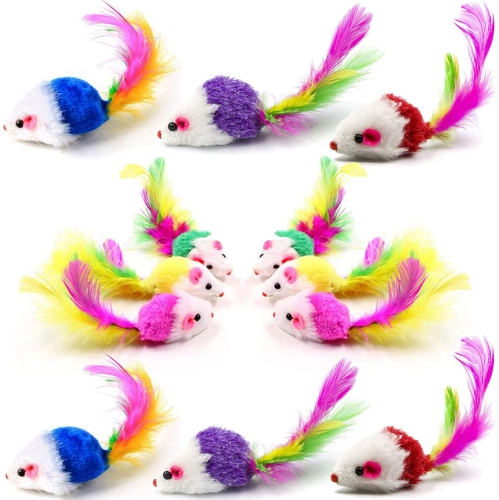
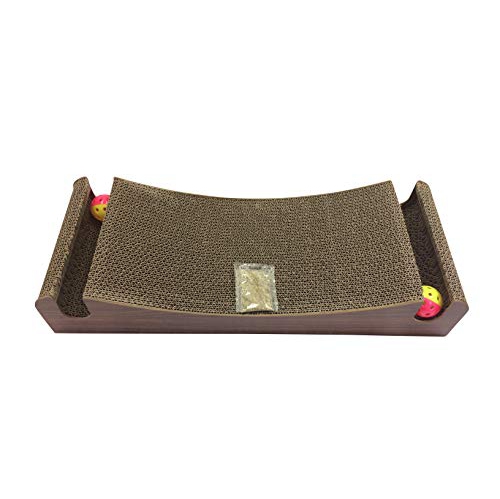
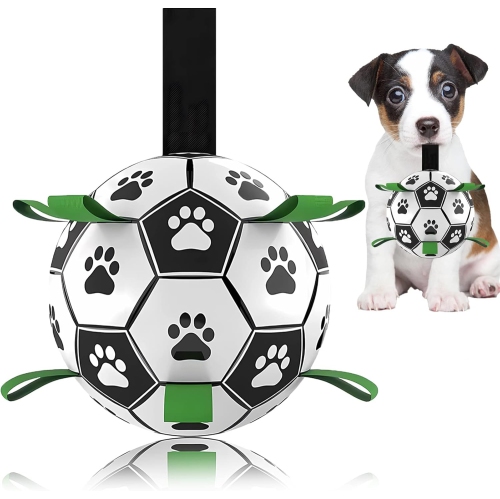
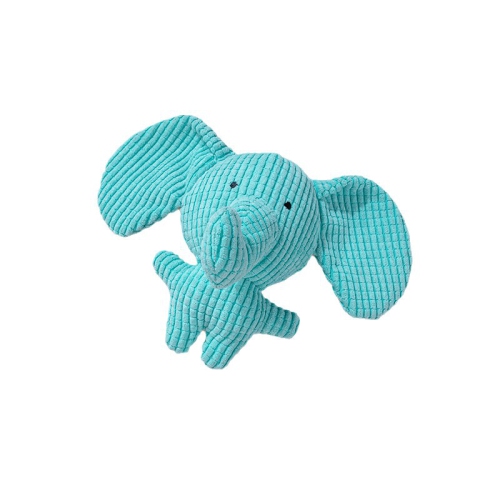
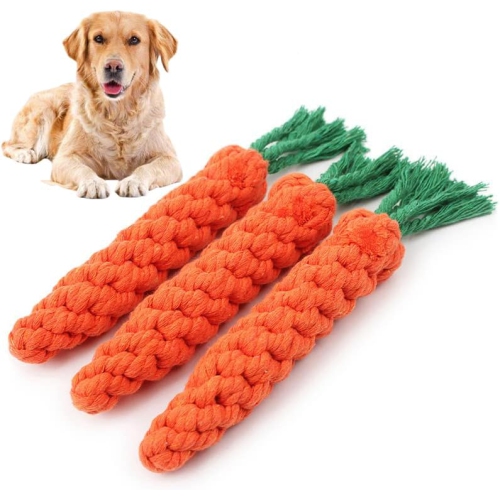
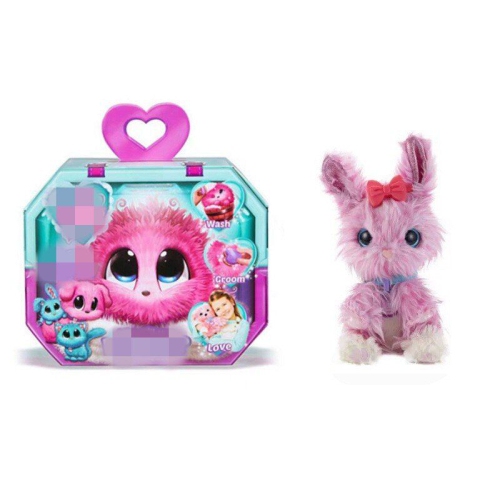
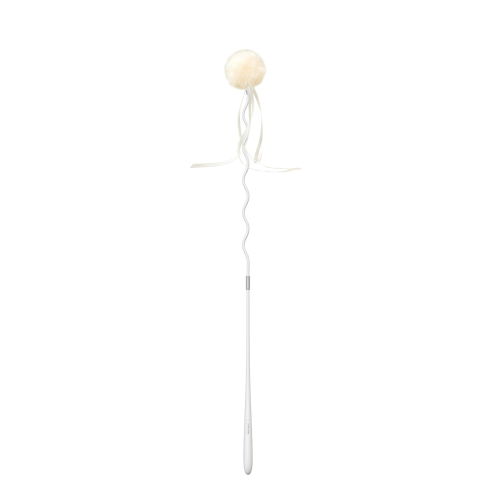
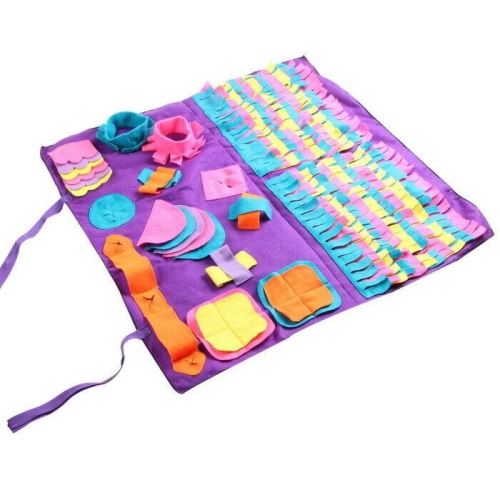
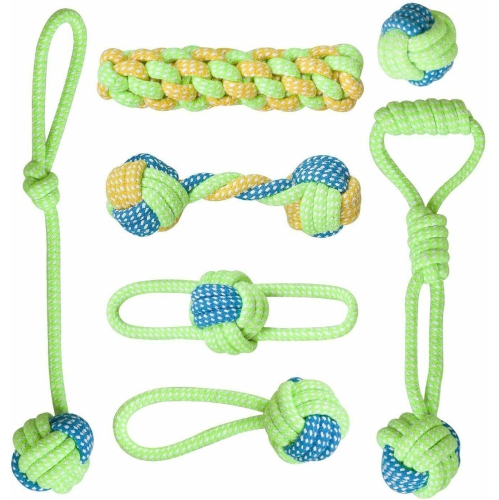
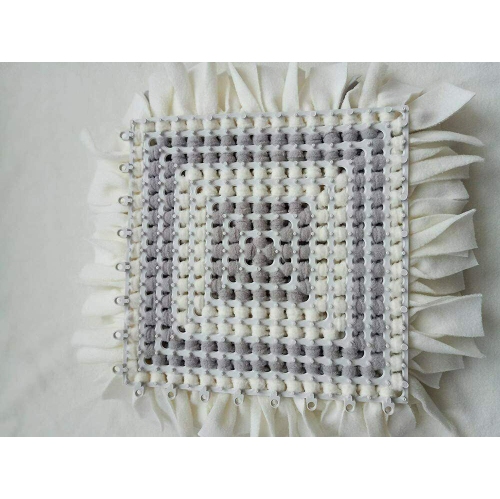
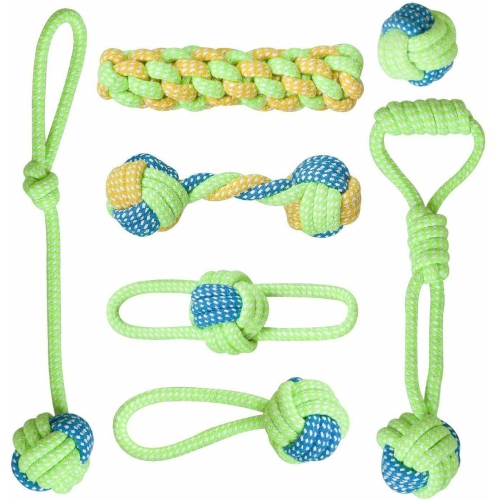
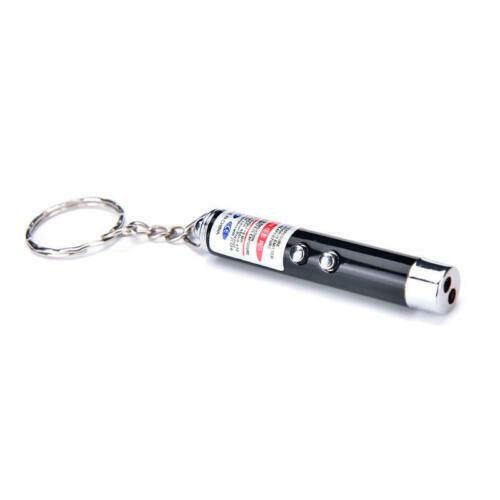
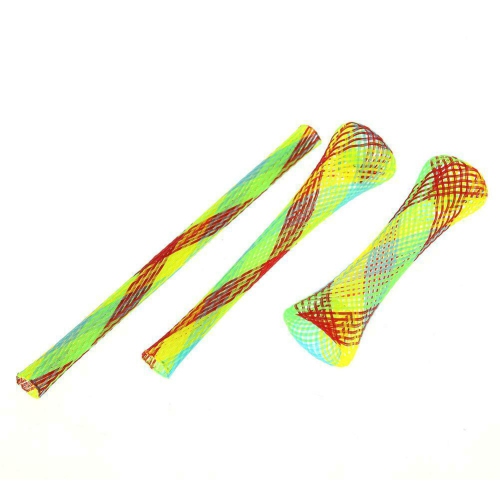
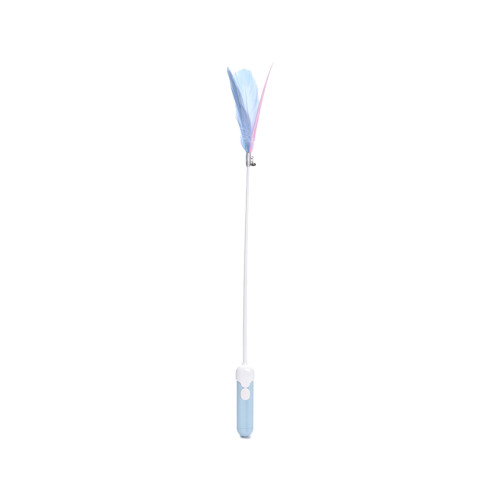
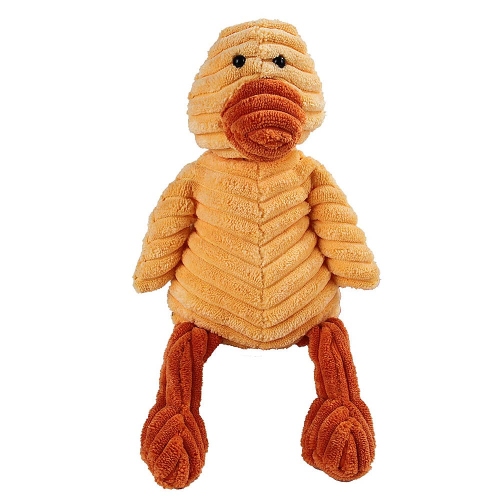
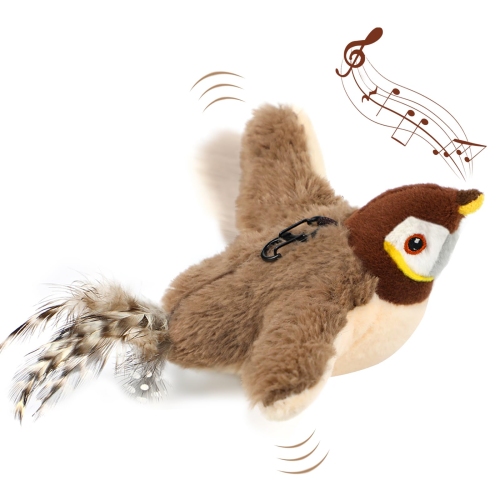
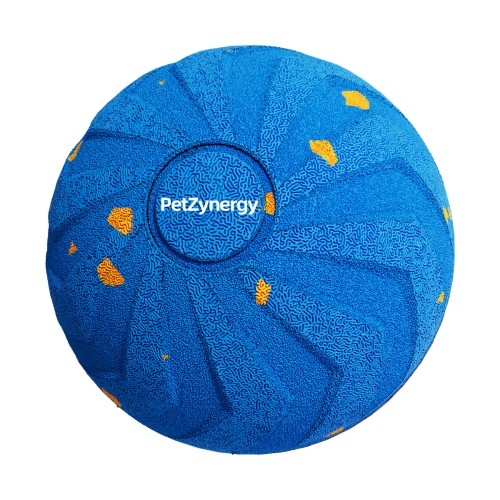
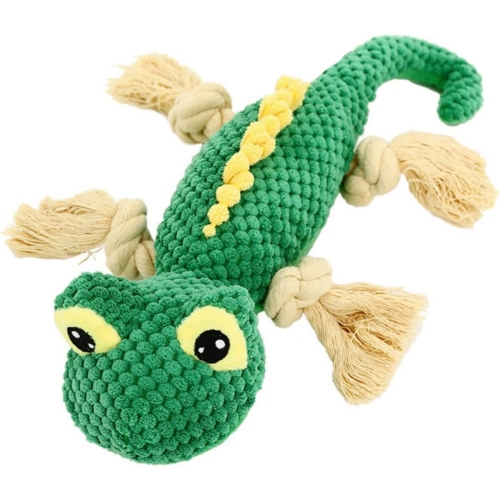

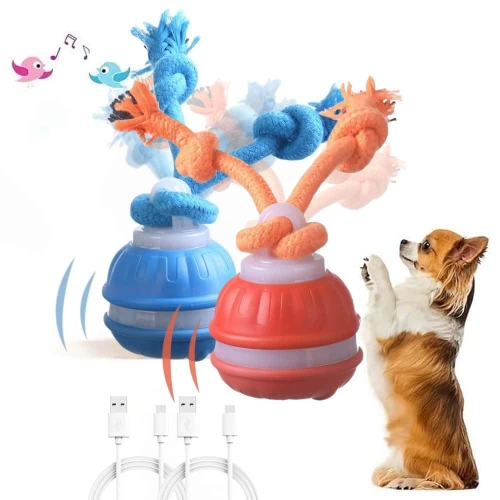
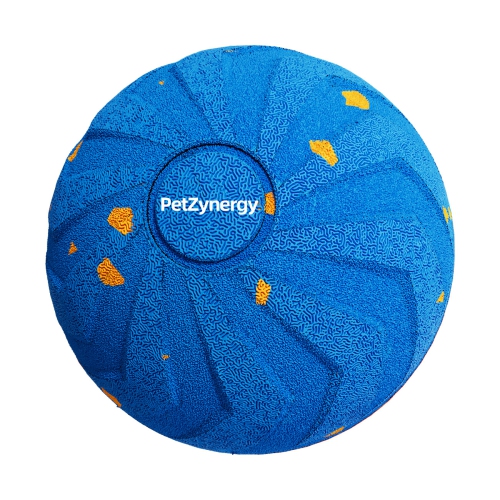
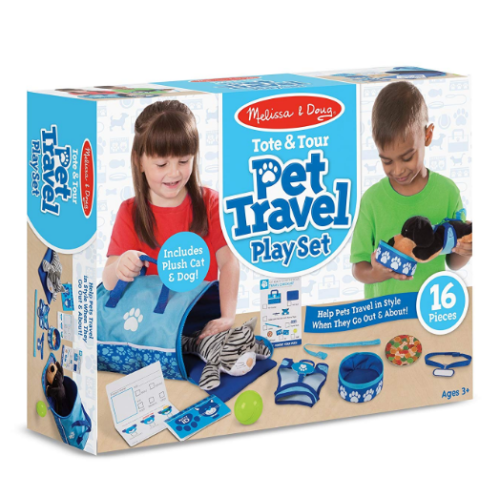
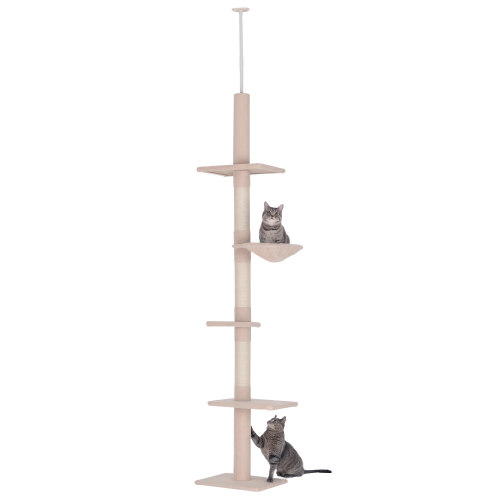
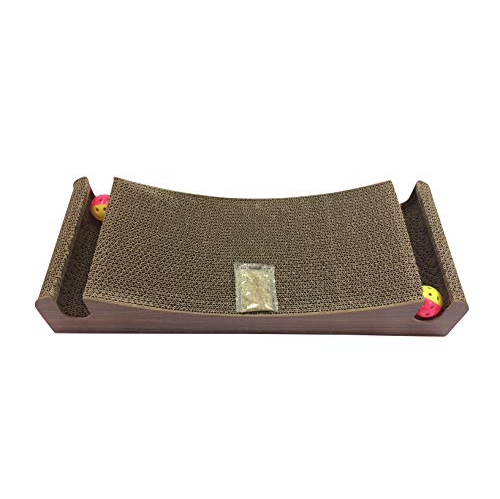
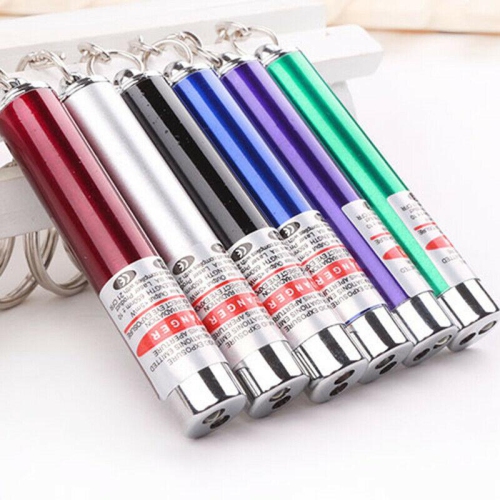
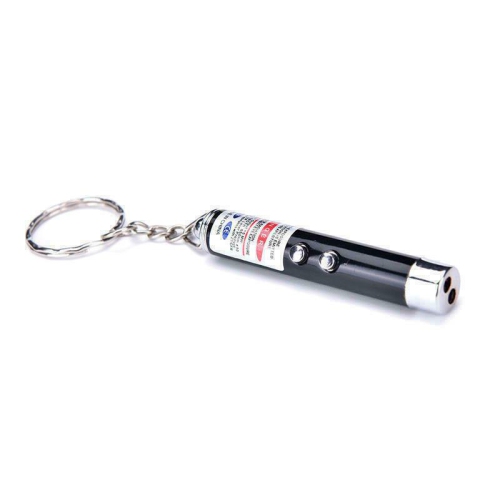
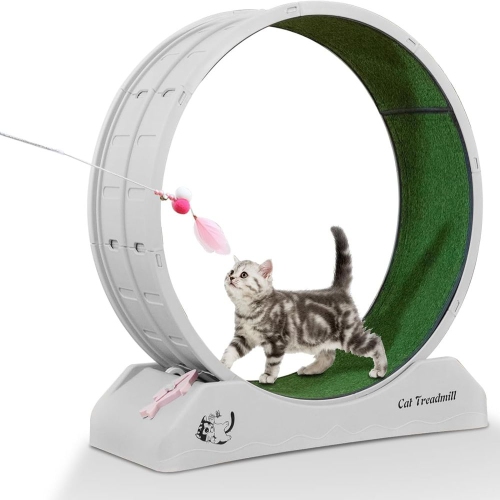
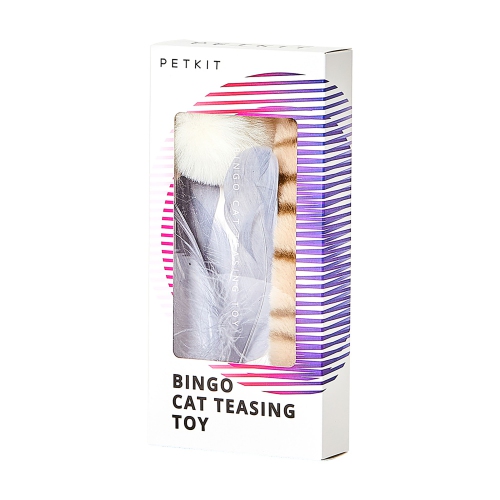
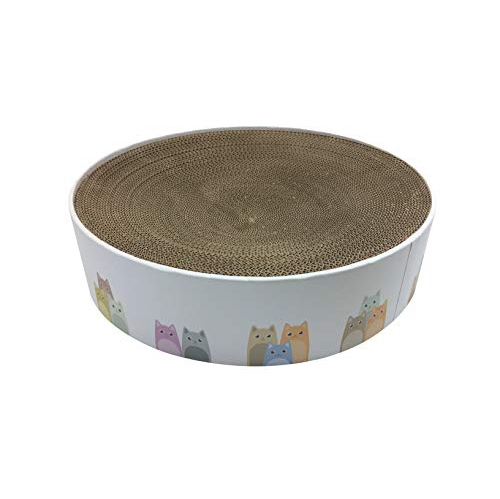
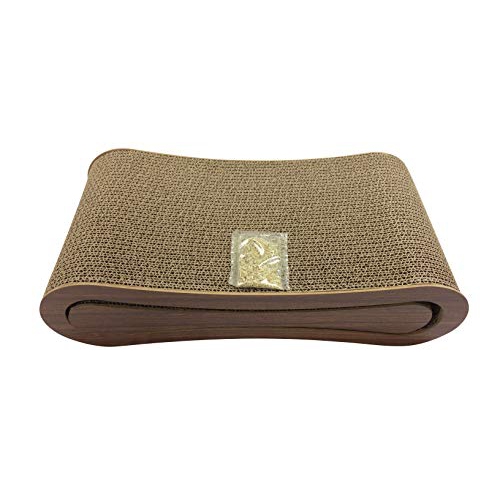
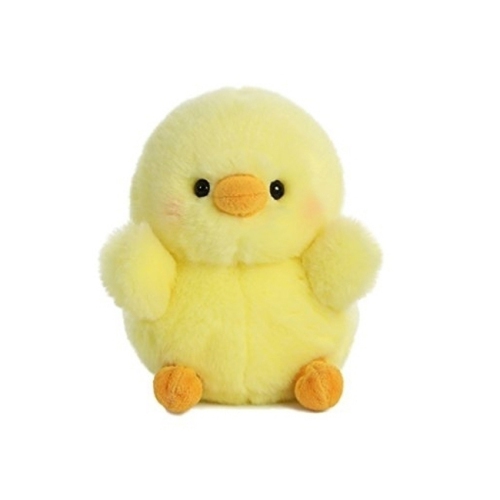
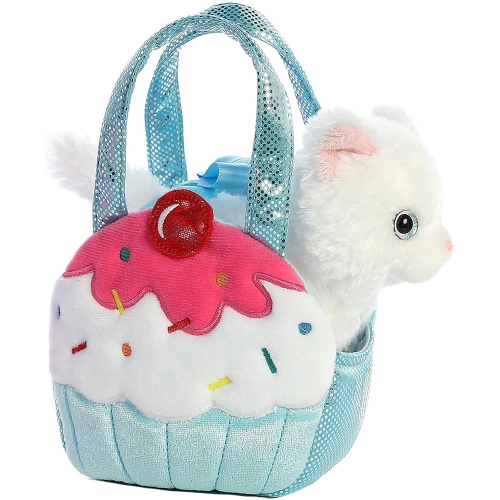

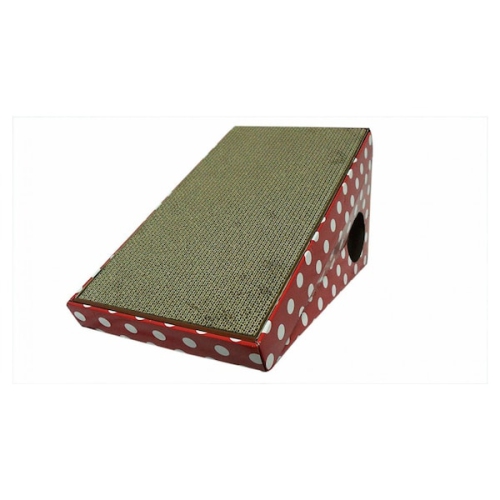
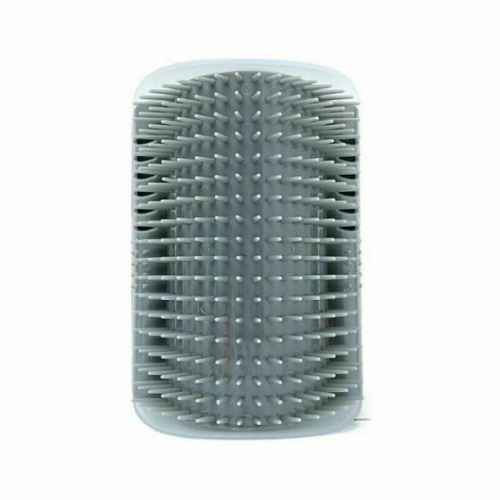
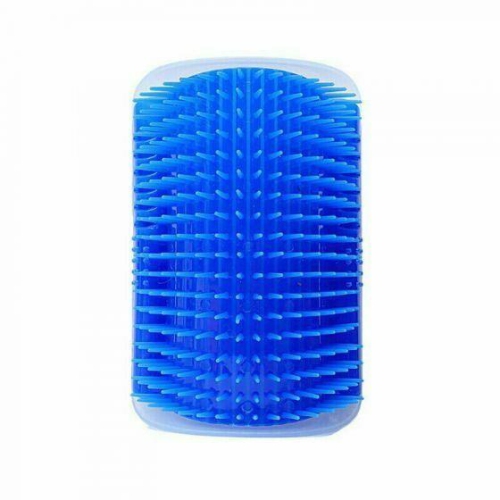
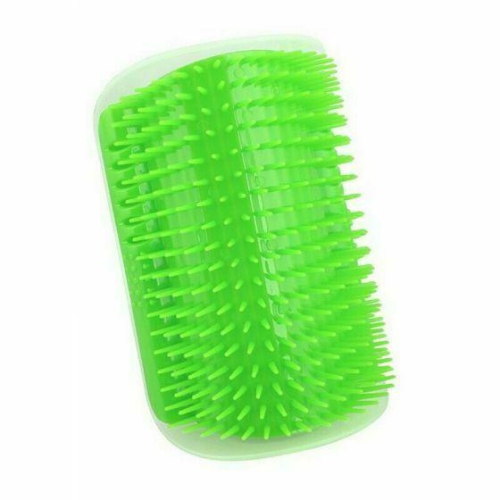
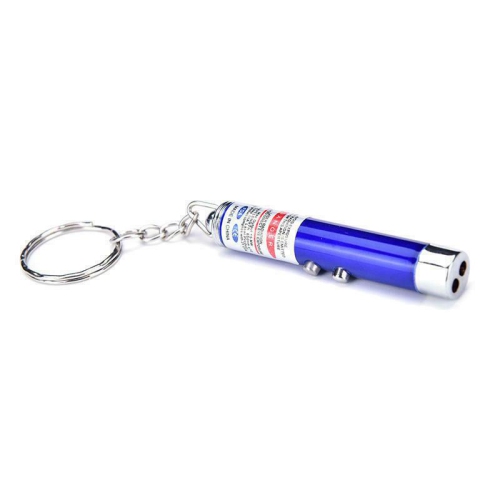
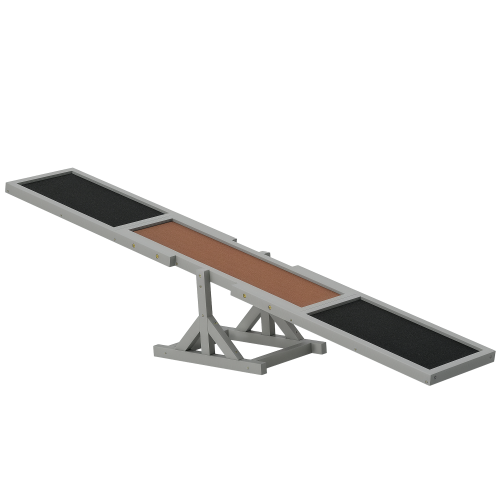
The right toy starts with your pet’s play style
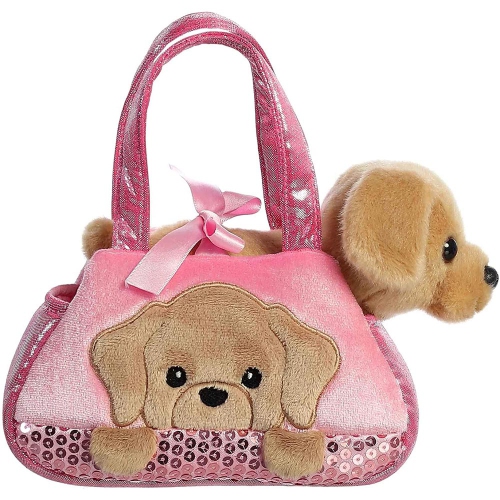
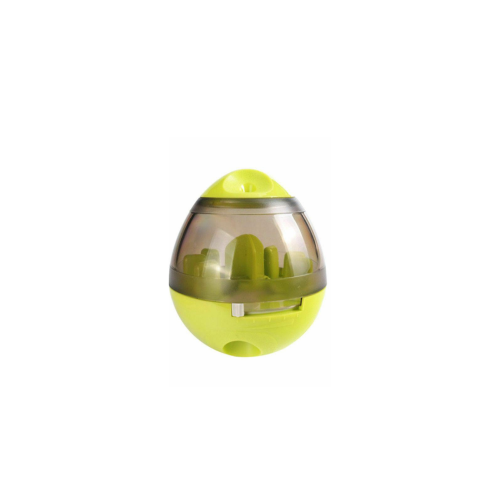
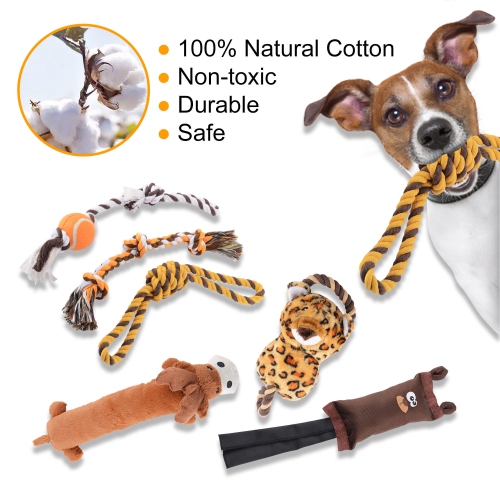
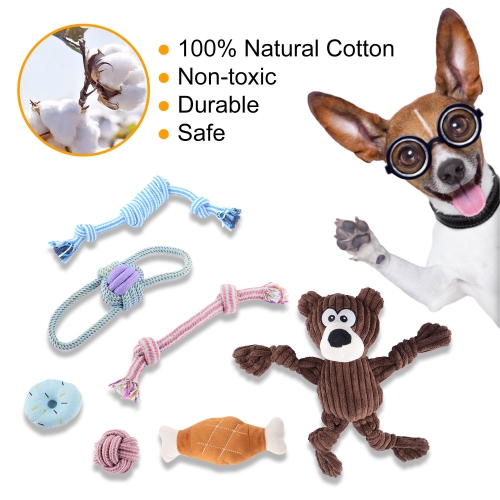
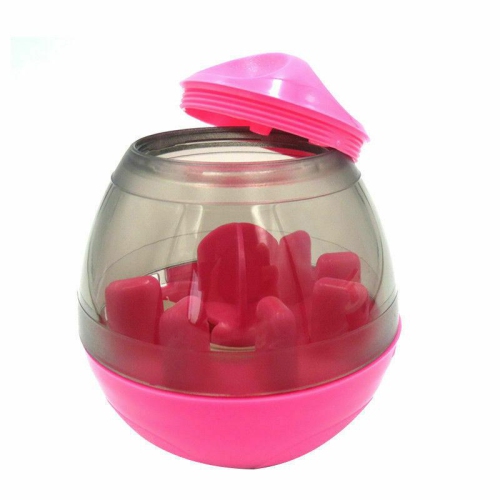
Pet toys give animals an outlet for natural behaviours such as chewing, chasing, pouncing, carrying, and searching for food. The main types include chew toys, fetch toys, plush toys, tug toys, and interactive puzzles, with different shapes and materials suited to different ways of playing. For dogs, a resilient rubber toy can provide a satisfying chewing surface, while a soft fabric toy may suit a gentle companion that likes to carry something from room to room. Treat-dispensing designs add a food-searching element, encouraging a pet to nudge, roll, or manipulate a toy to release small rewards. Puzzle toys offer a different pace from active games, making them useful for short, focused play sessions alongside regular exercise and companionship. A dog that eagerly retrieves a ball may enjoy predictable bounce and an easy-to-grip surface; one that prefers tugging needs a design with enough space between the person’s hand and the dog’s mouth. Size matters as much as play style. A toy should be large enough that the pet cannot swallow it, yet manageable enough to pick up or move as intended. Manufacturer sizing and age recommendations provide a starting point, but chewing strength, mouth shape, and individual habits also affect suitability. A small dog that tears through fabric may need a different construction from a much larger dog that gently mouths its toys. Puppies may benefit from chewing textures specifically designed for their age and developing teeth, while older pets may find lighter toys and easy-to-reach puzzle openings more comfortable. For any age, extremely hard chewing surfaces can pose a risk to teeth, and no toy is indestructible. Durable construction means a toy is better matched to its intended use, not that it can safely withstand every kind of chewing. Supervised play helps reveal whether a pet enjoys carrying, chasing, or dismantling a toy, making those everyday habits a useful basis for choosing materials and features.
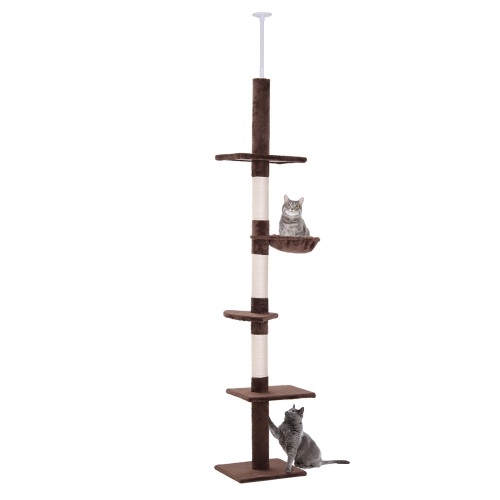
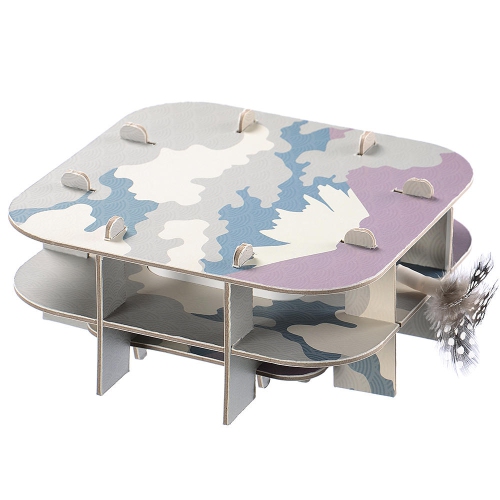
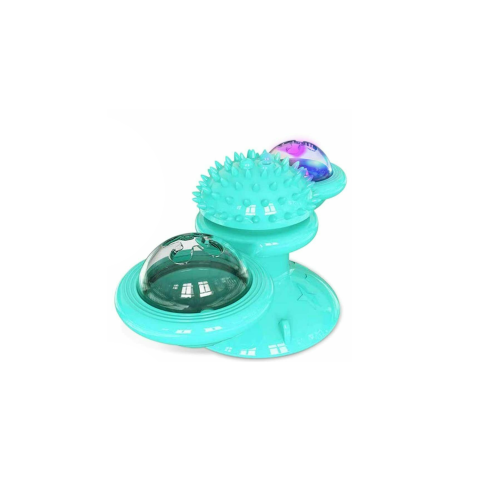
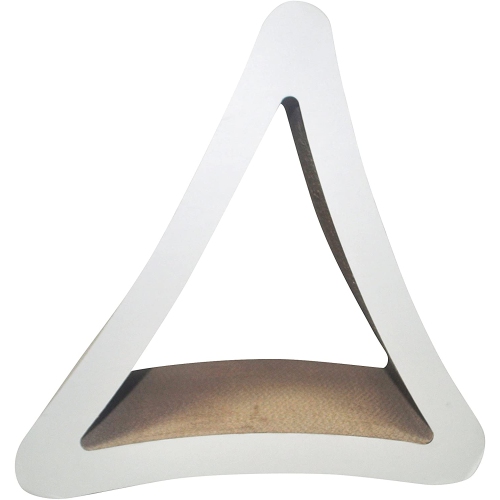
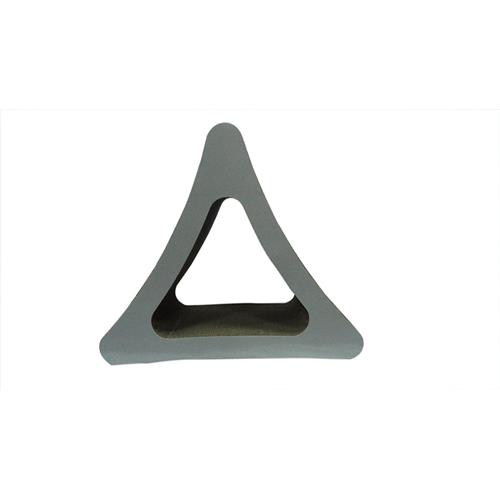
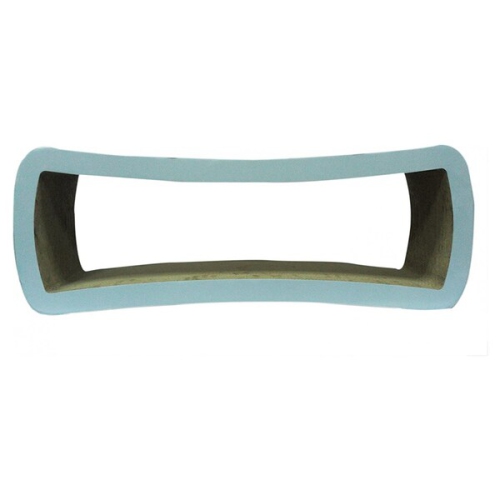
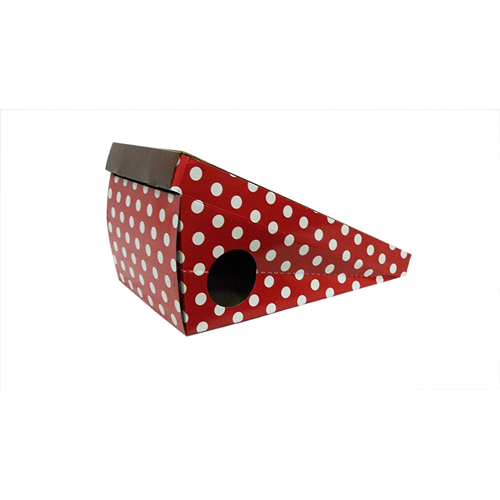
Cats often favour toys that invite stalking, batting, and quick bursts of movement rather than prolonged chewing. Lightweight shapes that slide across the floor, fabric textures that are easy to grasp, and wand-style designs that move in short, irregular paths can appeal to those instincts. A selection of cat toys can accommodate both shared play and independent batting, with suitability depending on the toy’s construction and the cat’s habits. A cat that watches quietly before pouncing may respond to a lure moving around the edge of a box, while an enthusiastic chaser may prefer a rolling toy with room to travel across an uncluttered floor. Catnip-filled toys appeal to some cats, though responses vary and not every cat shows interest. Kicker-style toys give cats a larger surface to hold with their front paws and push against with their back feet. Wand toys, ribbons, and strings need active supervision and should be put away after play because swallowed strands can cause serious harm. Securely attached details matter, too, particularly for cats that bite or pull at feathers and fabric trim. Interactive play is often most satisfying when a cat can catch the moving target rather than chase endlessly without contact. Food puzzles can add variety for interested cats, beginning with accessible openings that allow an easy reward before introducing more demanding designs. Pet toys also extend beyond dogs and cats, but smaller animals need options made for their particular species. Rabbits and guinea pigs may enjoy suitable chewable materials and tunnels sized to allow comfortable movement, while birds may engage with species-appropriate foraging and shredding toys. Safe materials, opening sizes, and attachment methods differ between animals, so a toy intended for a dog or cat should not automatically be repurposed for another pet. Across species, play should leave room for choice: some animals investigate immediately, while others prefer a familiar shape or a gradual introduction without pressure.
Materials and construction influence how pet toys feel, how they wear, and how easily they can be cleaned. Rubber comes in different levels of firmness and flexibility, so the material name alone does not indicate whether a toy suits a powerful chewer. Fabric and plush offer softer surfaces for carrying and cuddling, but seams, stuffing, and internal squeakers deserve regular inspection. Rope textures can appeal to dogs that enjoy tug games, although loose fibres are a reason to remove the toy rather than leave it for continued chewing. For treat-dispensing toys, accessible interiors make it easier to remove food residue, and openings should be appropriate for the pet’s size and the intended filling. Care requirements vary: some designs can be washed in a dishwasher or washing machine, while others require handwashing or surface cleaning according to the manufacturer’s directions. Thorough rinsing and drying are important, especially where food can settle into grooves or enclosed spaces. Cracks, missing pieces, exposed filling, and damaged attachments are signs that a toy should leave the play rotation. Battery-powered toys add movement or sound, but require a secure battery compartment and careful inspection for damage; electronic parts should never be immersed unless the care instructions explicitly permit it. Household routines also shape a useful assortment. Quieter toys may suit shared living spaces, while easily washable designs make sense for pets that carry toys between different play areas. Keeping a few suitable toys in rotation can provide variety without covering every floor with them, and storing shared-play toys separately helps reserve them for supervised sessions. Pet toys can also make thoughtful gifts for someone welcoming an animal into their home or celebrating a longtime companion. Knowing the pet’s species, size, age, chewing habits, and preferences is more useful than choosing by appearance alone. For food-based toys, the recipient’s usual treats and any dietary restrictions matter as well. A well-matched toy fits both the animal’s preferred activity and the household’s ability to supervise, clean, and maintain it, supporting enjoyable play as part of everyday care.
Cats often favour toys that invite stalking, batting, and quick bursts of movement rather than prolonged chewing. Lightweight shapes that slide across the floor, fabric textures that are easy to grasp, and wand-style designs that move in short, irregular paths can appeal to those instincts. A selection of cat toys can accommodate both shared play and independent batting, with suitability depending on the toy’s construction and the cat’s habits. A cat that watches quietly before pouncing may respond to a lure moving around the edge of a box, while an enthusiastic chaser may prefer a rolling toy with room to travel across an uncluttered floor. Catnip-filled toys appeal to some cats, though responses vary and not every cat shows interest. Kicker-style toys give cats a larger surface to hold with their front paws and push against with their back feet. Wand toys, ribbons, and strings need active supervision and should be put away after play because swallowed strands can cause serious harm. Securely attached details matter, too, particularly for cats that bite or pull at feathers and fabric trim. Interactive play is often most satisfying when a cat can catch the moving target rather than chase endlessly without contact. Food puzzles can add variety for interested cats, beginning with accessible openings that allow an easy reward before introducing more demanding designs. Pet toys also extend beyond dogs and cats, but smaller animals need options made for their particular species. Rabbits and guinea pigs may enjoy suitable chewable materials and tunnels sized to allow comfortable movement, while birds may engage with species-appropriate foraging and shredding toys. Safe materials, opening sizes, and attachment methods differ between animals, so a toy intended for a dog or cat should not automatically be repurposed for another pet. Across species, play should leave room for choice: some animals investigate immediately, while others prefer a familiar shape or a gradual introduction without pressure.
Materials and construction influence how pet toys feel, how they wear, and how easily they can be cleaned. Rubber comes in different levels of firmness and flexibility, so the material name alone does not indicate whether a toy suits a powerful chewer. Fabric and plush offer softer surfaces for carrying and cuddling, but seams, stuffing, and internal squeakers deserve regular inspection. Rope textures can appeal to dogs that enjoy tug games, although loose fibres are a reason to remove the toy rather than leave it for continued chewing. For treat-dispensing toys, accessible interiors make it easier to remove food residue, and openings should be appropriate for the pet’s size and the intended filling. Care requirements vary: some designs can be washed in a dishwasher or washing machine, while others require handwashing or surface cleaning according to the manufacturer’s directions. Thorough rinsing and drying are important, especially where food can settle into grooves or enclosed spaces. Cracks, missing pieces, exposed filling, and damaged attachments are signs that a toy should leave the play rotation. Battery-powered toys add movement or sound, but require a secure battery compartment and careful inspection for damage; electronic parts should never be immersed unless the care instructions explicitly permit it. Household routines also shape a useful assortment. Quieter toys may suit shared living spaces, while easily washable designs make sense for pets that carry toys between different play areas. Keeping a few suitable toys in rotation can provide variety without covering every floor with them, and storing shared-play toys separately helps reserve them for supervised sessions. Pet toys can also make thoughtful gifts for someone welcoming an animal into their home or celebrating a longtime companion. Knowing the pet’s species, size, age, chewing habits, and preferences is more useful than choosing by appearance alone. For food-based toys, the recipient’s usual treats and any dietary restrictions matter as well. A well-matched toy fits both the animal’s preferred activity and the household’s ability to supervise, clean, and maintain it, supporting enjoyable play as part of everyday care.
Top selling and popular products
-
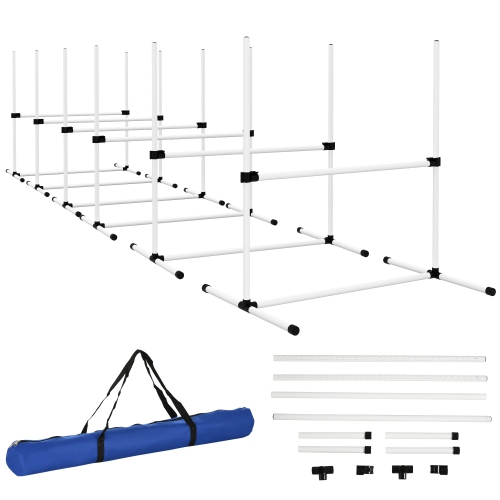 Your price for this item is $89.99
 -
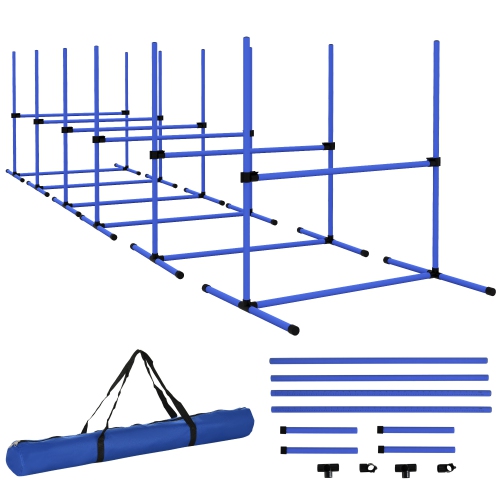 Your price for this item is $94.99
 -
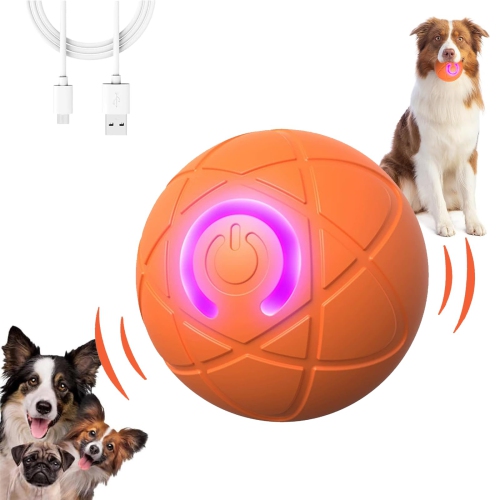 Your price for this item is $30.99
 -
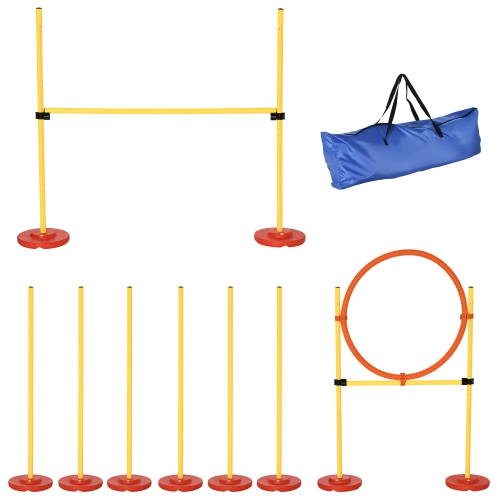 Your price for this item is $69.99
 -
 Your price for this item is $18
 -
 Your price for this item is $18
 -
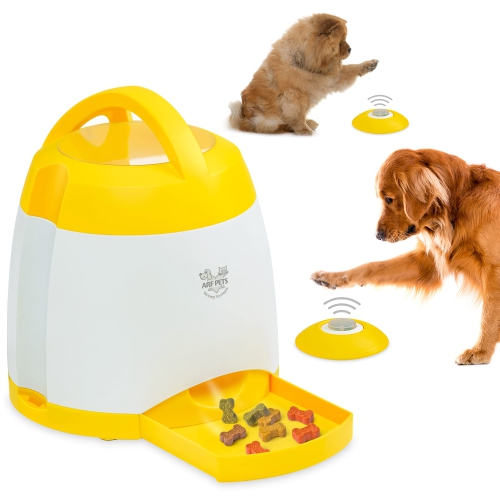 Your price for this item is $109.99
 -
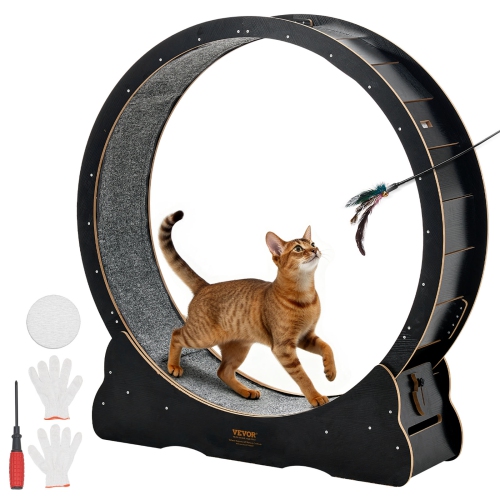 Your price for this item is $149.9
Discover more categories related to Pet Toys
Top Collections:
Pokemon Centers, Kindle Devices, Best Budget Office Chairs, Apple iPhones 16, Best Laptops for Writers, iPhone 15 Apple, Canon G7X Cameras, Refurbished Apple Laptops, Alarm Clock, Motorola Razr Phones
Some products may be subject to Environmental Handling Fees
(EHF) depending on your province.
Learn more about EHFs.