Sanrio Plushies
Dive into the whimsical world of Sanrio plushies, where charm and cuteness come together to create the perfect companions for fans of all ages. These delightful plush toys capture the essence of beloved characters, offering a cozy and adorable addition to any collection. Whether you're looking to brighten up your living space or searching for a thoughtful gift, these plushies bring joy and warmth with their soft textures and vibrant designs. Explore an enchanting array of options that celebrate the playful spirit and timeless appeal of Sanrio's iconic creations.
Sort
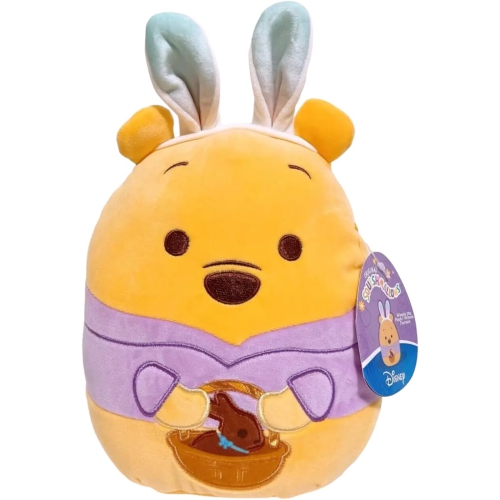
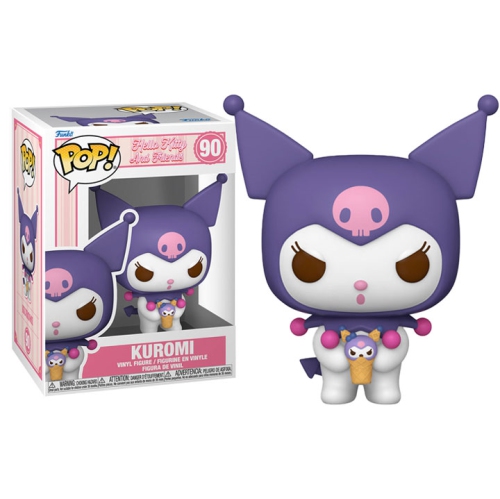
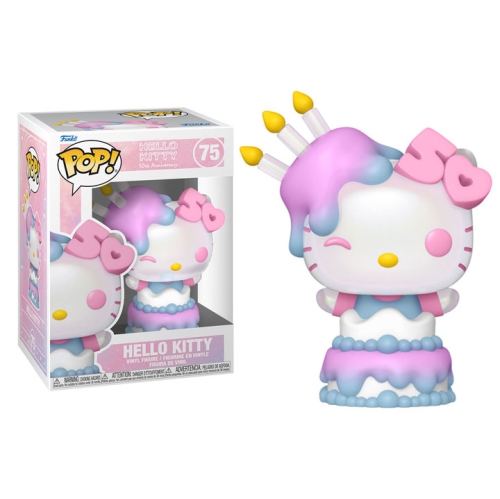
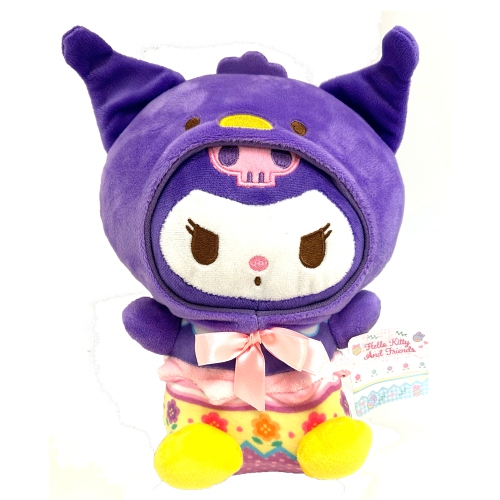
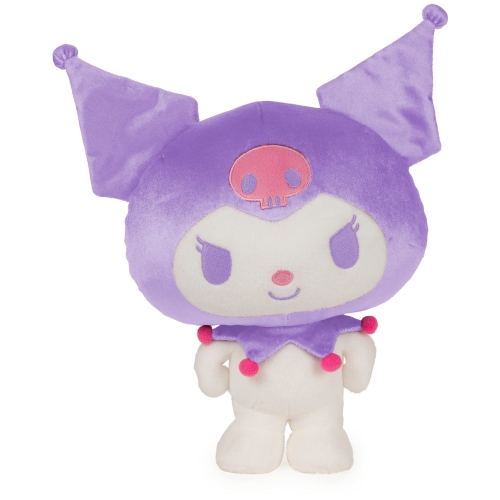

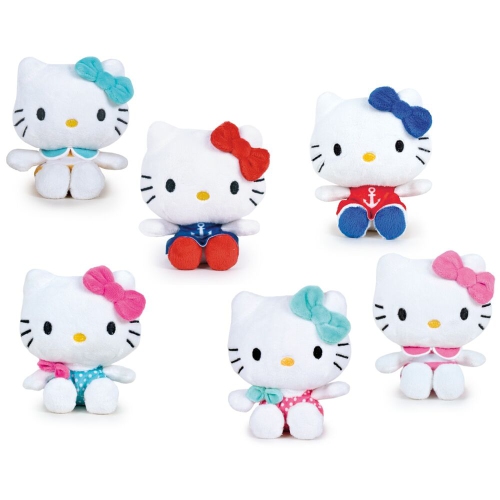
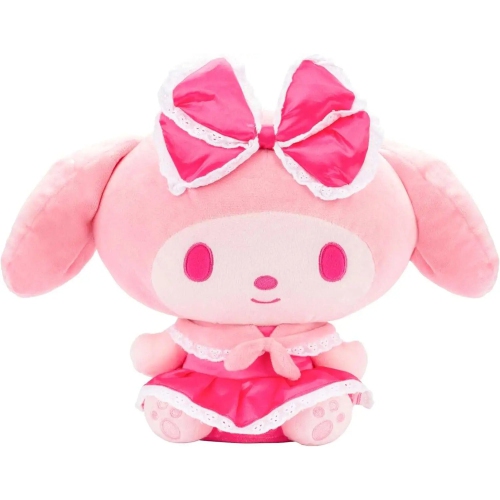
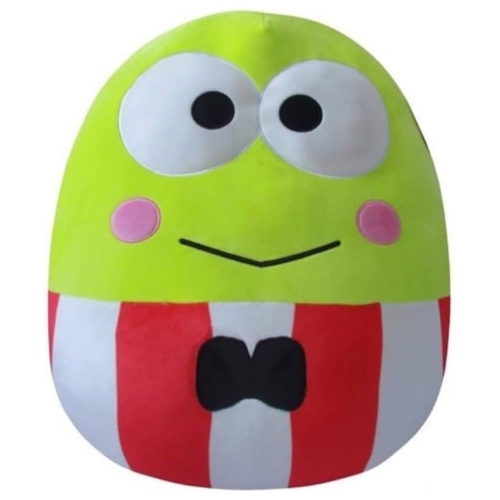
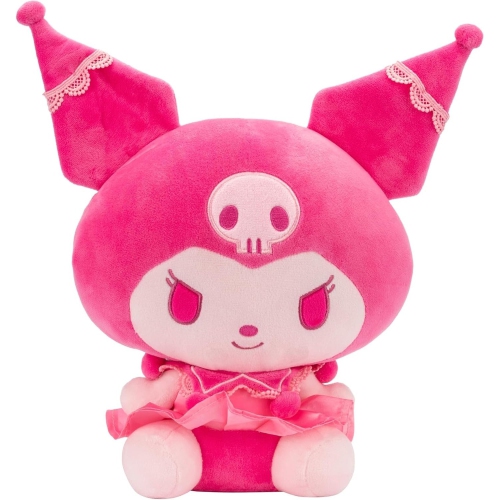
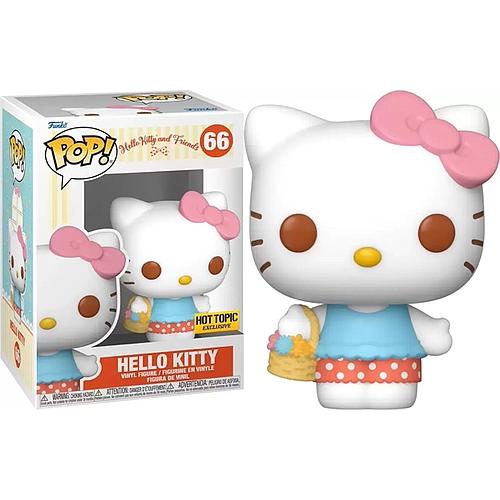
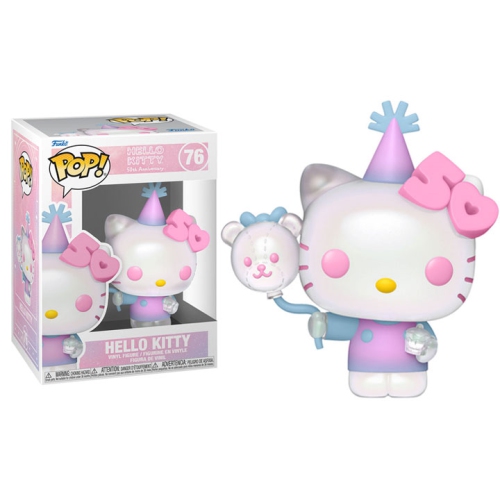
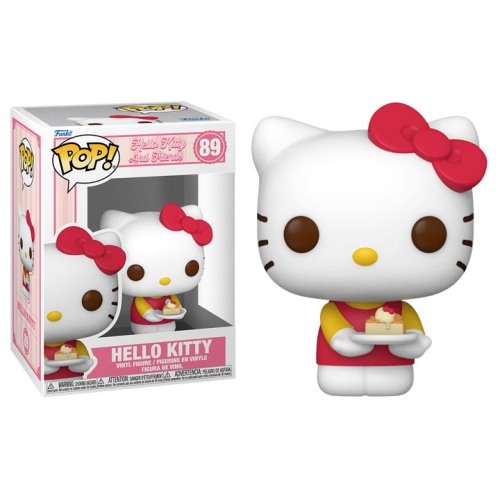
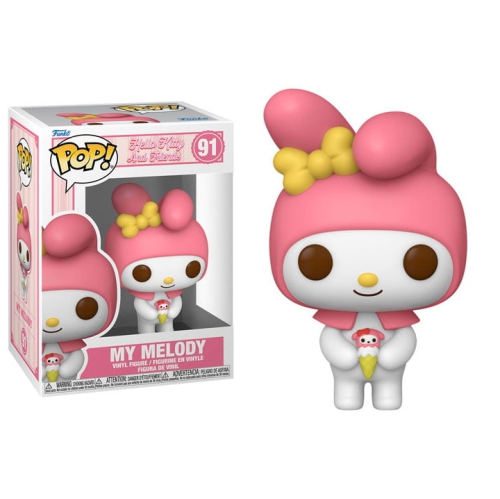
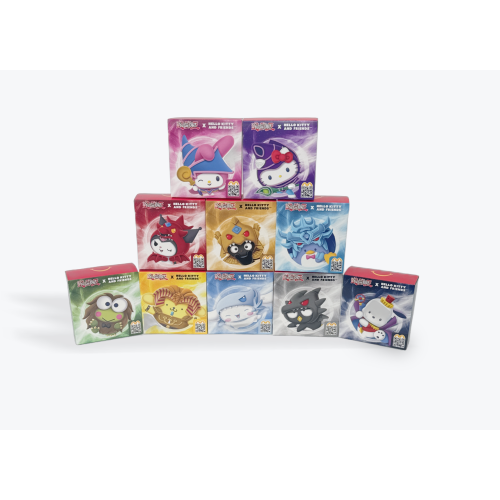
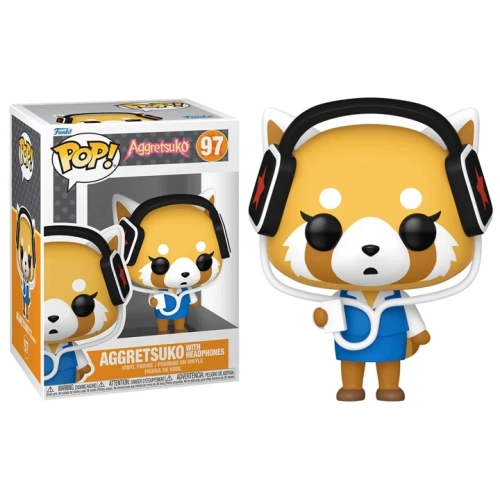
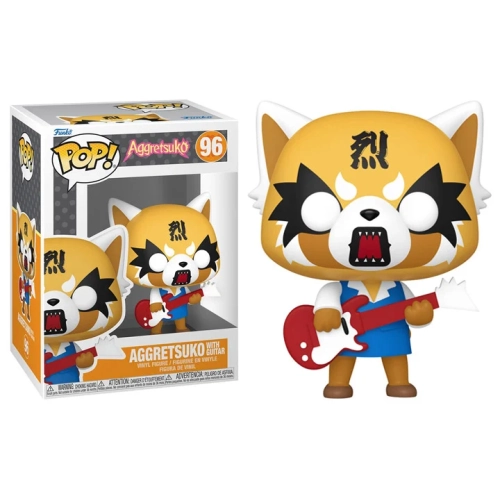
Small stitched details give familiar characters their personality
Sanrio plushies bring the charm of character illustration into a soft, three-dimensional form, with rounded shapes, expressive faces, and small details that give each design its personality. Their appeal often lies in that balance between simplicity and recognition: a neatly stitched smile, a pair of floppy ears, or a carefully shaped accessory can make a plush feel familiar without an elaborate design. Rooted in Japanese character culture and the idea of kawaii, or cuteness, these plush toys appeal to children, teens, and adults for different reasons. A child might make one a companion for imaginative play, while an adult might keep a favourite character beside a monitor or arrange a few plushies on a bedroom shelf. Some people enjoy a coordinated display with similar colours and proportions; others prefer a varied collection that reflects different moods and interests. The right size depends as much on where a plush will live as on how it looks. A compact design can fit into a small reading nook or sit comfortably beside books, while a larger plush needs enough room to rest without being squeezed between furniture or hanging over a narrow ledge. Listed dimensions are worth checking against the intended space, especially when long ears, hats, or other features contribute to the overall height. A seated shape may suit a shelf, whereas a rounded, cushion-like form may be easier to hold during reading or quiet downtime. Shoppers interested in the broader character-inspired aesthetic can also explore Japanese Plushies for a related range of soft-toy styles. Within a personal collection, visual balance can come from repeating one colour, mixing a few sizes, or leaving a little space around each character so its silhouette remains visible. These details help a plush feel at home in a room rather than simply filling an empty spot. Whether chosen for play, display, or gifting, the most appealing plush is often the one whose expression and proportions feel just right to the person receiving it.
Materials and construction influence how a plush feels in the hand and how well it suits its intended use. Many plush toys use polyester outer fabrics and filling, but the exact composition should be checked in the individual description or sewn-in label. A short, velvety pile tends to show facial details clearly, while a longer, fluffier surface gives a softer outline and may need more attention to keep fibres looking tidy. Smooth fabrics, fuzzy panels, and stitched accents can create pleasing contrasts, although someone who prefers an even texture may be happier with fewer raised details. Filling makes a difference, too. A firmly stuffed body usually holds its shape more clearly for display, while a softer fill can feel more yielding when hugged. Neither finish is automatically better; the choice depends on whether the plush will sit upright, travel in a bag, or be handled throughout the day. For a child who carries a toy by its arm or ear, attachment points and seam construction deserve particular attention. Secure stitching around limbs, tails, and accessories helps with repeated handling, though no soft toy is immune to damage from pulling or rough play. Embroidered facial features can offer a smoother surface than attached pieces, but the full design and stated age suitability still matter. Small accessories, removable clothing, fasteners, or weighted filling may affect whether a plush is appropriate for a younger recipient. Follow the manufacturer’s age guidance and safety warnings rather than judging suitability by a cute appearance alone. Plush toys should not be placed in an infant’s sleep space, and a display-oriented design may not be intended for active play. For a backpack companion, consider whether projecting details could snag on zippers or become flattened among books. For a bedside shelf, consider whether the base is broad enough to sit steadily. Matching those physical details to everyday use helps preserve both the shape and the enjoyment of the toy, particularly when it becomes a frequently handled favourite.
Care requirements are another useful distinction between a plush meant for regular cuddling and one kept mainly on display. The care label should always take priority: some designs permit machine washing, while others require surface cleaning because of their fabric, filling, internal structure, or attached details. Machine washing should never be assumed from the softness of the outer material. For a surface-cleanable plush, a small amount of a suitable mild cleaning solution applied with a damp cloth may be enough for a minor mark, provided that approach matches the manufacturer’s directions. Testing an inconspicuous area first can help avoid an obvious change in colour or texture. Excess moisture can be difficult to remove from dense filling, so avoid soaking a toy unless its instructions specifically allow it, and let it dry fully before returning it to a shelf or storage container. Heat can affect some fibres and decorative elements, making the recommended drying method just as important as the wash instructions. Between cleanings, gentle dust removal using a method appropriate to the fabric can help a displayed plush stay presentable. A spot away from direct sunlight can also help limit fading, and avoiding prolonged compression helps ears, faces, and rounded bodies retain their intended shape. When choosing a gift, the recipient’s habits offer useful clues. Someone with a carefully arranged desk may appreciate a modestly sized plush that leaves room for daily tasks, while a child who acts out stories may enjoy an easy-to-hold shape without delicate embellishments. A collector may care more about the character’s expression, outfit details, or how the proportions complement an existing display. Birthdays, graduations, and thank-you gifts are all occasions where a familiar character can add a personal touch without needing an elaborate presentation. Checking space, texture preferences, age suitability, and care needs helps turn an appealing choice into a well-matched gift—one that can be enjoyed in the way its recipient naturally likes to play, relax, or collect.
Materials and construction influence how a plush feels in the hand and how well it suits its intended use. Many plush toys use polyester outer fabrics and filling, but the exact composition should be checked in the individual description or sewn-in label. A short, velvety pile tends to show facial details clearly, while a longer, fluffier surface gives a softer outline and may need more attention to keep fibres looking tidy. Smooth fabrics, fuzzy panels, and stitched accents can create pleasing contrasts, although someone who prefers an even texture may be happier with fewer raised details. Filling makes a difference, too. A firmly stuffed body usually holds its shape more clearly for display, while a softer fill can feel more yielding when hugged. Neither finish is automatically better; the choice depends on whether the plush will sit upright, travel in a bag, or be handled throughout the day. For a child who carries a toy by its arm or ear, attachment points and seam construction deserve particular attention. Secure stitching around limbs, tails, and accessories helps with repeated handling, though no soft toy is immune to damage from pulling or rough play. Embroidered facial features can offer a smoother surface than attached pieces, but the full design and stated age suitability still matter. Small accessories, removable clothing, fasteners, or weighted filling may affect whether a plush is appropriate for a younger recipient. Follow the manufacturer’s age guidance and safety warnings rather than judging suitability by a cute appearance alone. Plush toys should not be placed in an infant’s sleep space, and a display-oriented design may not be intended for active play. For a backpack companion, consider whether projecting details could snag on zippers or become flattened among books. For a bedside shelf, consider whether the base is broad enough to sit steadily. Matching those physical details to everyday use helps preserve both the shape and the enjoyment of the toy, particularly when it becomes a frequently handled favourite.
Care requirements are another useful distinction between a plush meant for regular cuddling and one kept mainly on display. The care label should always take priority: some designs permit machine washing, while others require surface cleaning because of their fabric, filling, internal structure, or attached details. Machine washing should never be assumed from the softness of the outer material. For a surface-cleanable plush, a small amount of a suitable mild cleaning solution applied with a damp cloth may be enough for a minor mark, provided that approach matches the manufacturer’s directions. Testing an inconspicuous area first can help avoid an obvious change in colour or texture. Excess moisture can be difficult to remove from dense filling, so avoid soaking a toy unless its instructions specifically allow it, and let it dry fully before returning it to a shelf or storage container. Heat can affect some fibres and decorative elements, making the recommended drying method just as important as the wash instructions. Between cleanings, gentle dust removal using a method appropriate to the fabric can help a displayed plush stay presentable. A spot away from direct sunlight can also help limit fading, and avoiding prolonged compression helps ears, faces, and rounded bodies retain their intended shape. When choosing a gift, the recipient’s habits offer useful clues. Someone with a carefully arranged desk may appreciate a modestly sized plush that leaves room for daily tasks, while a child who acts out stories may enjoy an easy-to-hold shape without delicate embellishments. A collector may care more about the character’s expression, outfit details, or how the proportions complement an existing display. Birthdays, graduations, and thank-you gifts are all occasions where a familiar character can add a personal touch without needing an elaborate presentation. Checking space, texture preferences, age suitability, and care needs helps turn an appealing choice into a well-matched gift—one that can be enjoyed in the way its recipient naturally likes to play, relax, or collect.
Top selling and popular products
-
 Your price for this item is $19.99
 -
 Your price for this item is $17.25
 -
![MATTEL Jurassic World: Roarin' Super Colossal Tyrannosaurus Rex [Toys, Ages 4+]](https://multimedia.bbycastatic.ca/multimedia/products/500x500/151/15136/15136683.jpg) Your price for this item is $189.99
Your price for this item is $189.99 -
 Your price for this item is $59.95
 -
 Your price for this item is $59.95
 -
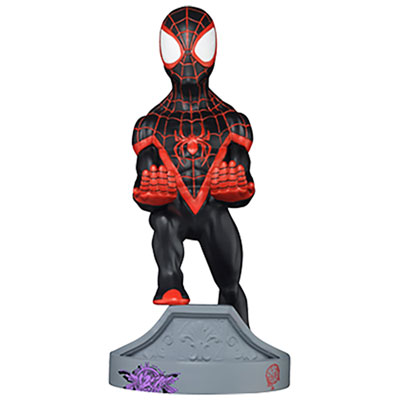 Your price for this item is $39.99
 -
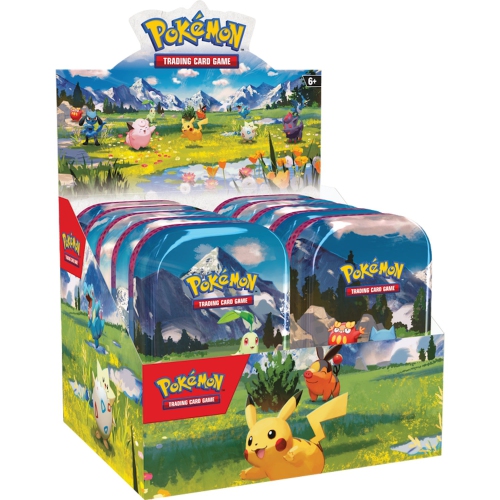 Your price for this item is $517.44
 -
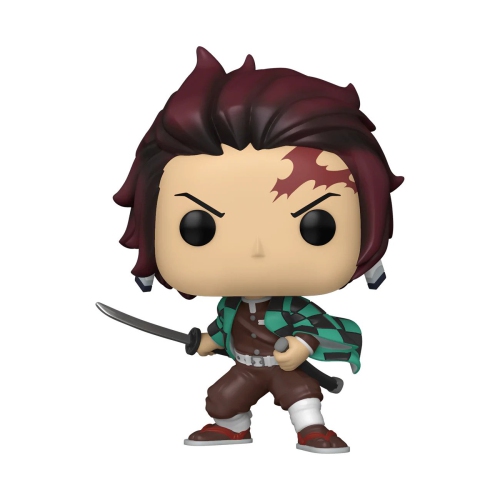 Your price for this item is $34.55
Discover more categories related to Sanrio Plushies
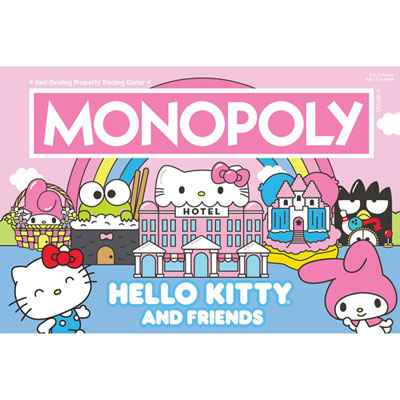
Top Collections:
Pokemon Centers, Kindle Devices, Best Budget Office Chairs, Apple iPhones 16, Best Laptops for Writers, iPhone 15 Apple, Canon G7X Cameras, Refurbished Apple Laptops, Alarm Clock, Motorola Razr Phones
Some products may be subject to Environmental Handling Fees
(EHF) depending on your province.
Learn more about EHFs.