Power Banks 5000mah
Stay powered up on the go with these 5000mAh power banks. Whether you're traveling, commuting, or simply out and about, these portable chargers are designed to keep your devices juiced up and ready for action. With their compact size and high-capacity batteries, these 5000mAh power banks offer a convenient solution for those moments when you need an extra boost of power.
Sort
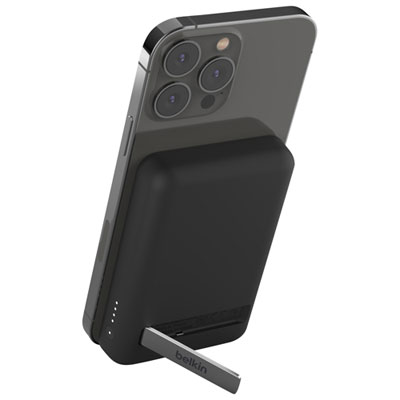
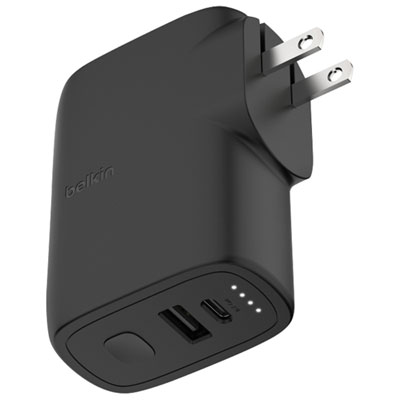
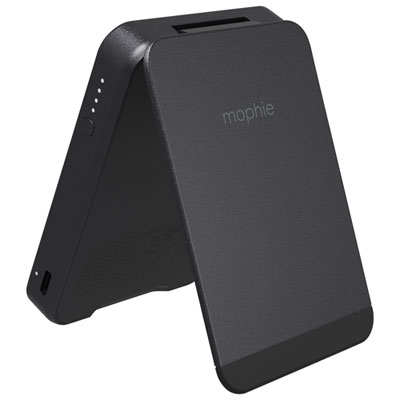
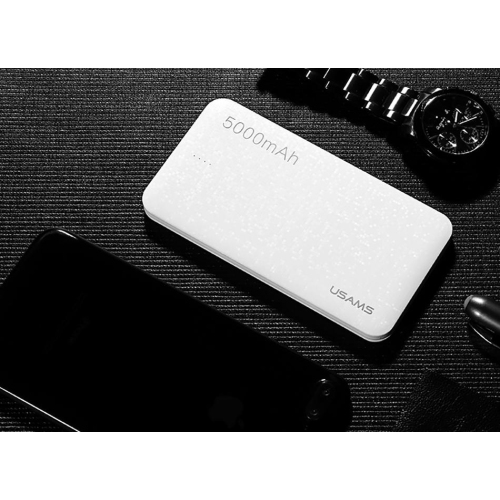

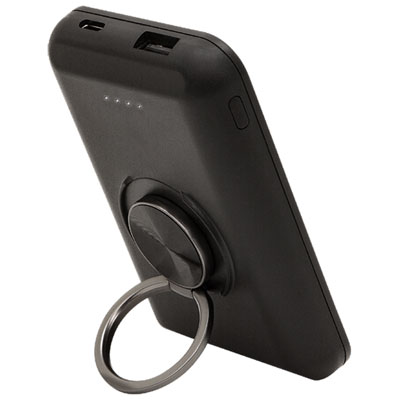


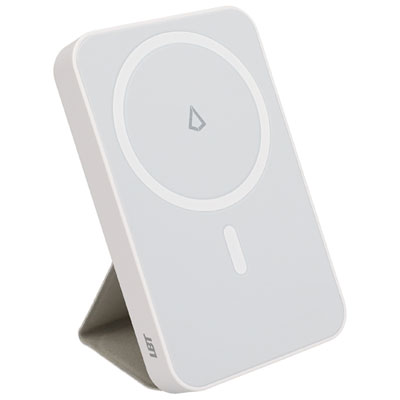

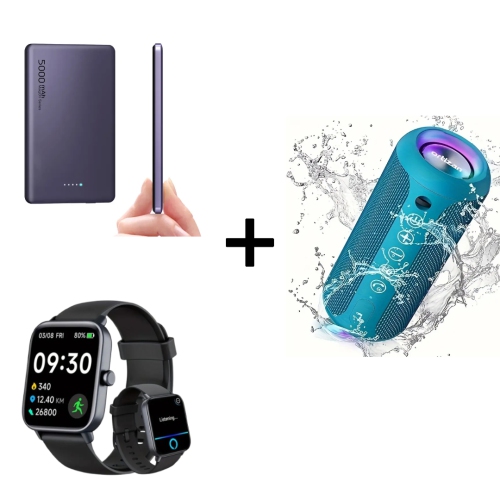

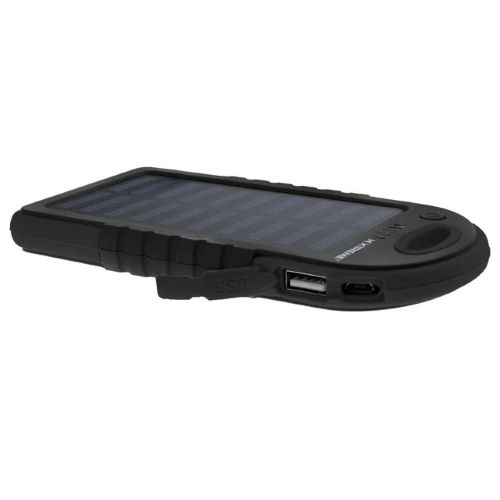
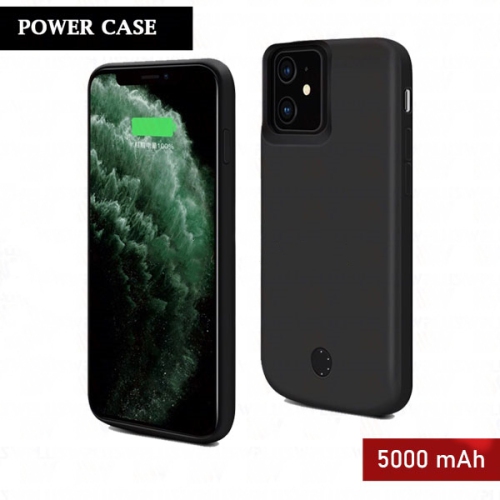
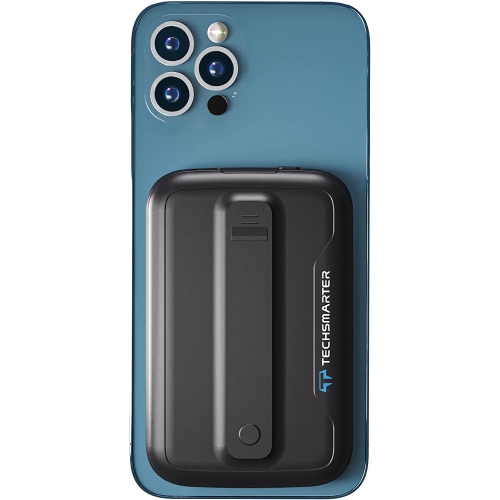
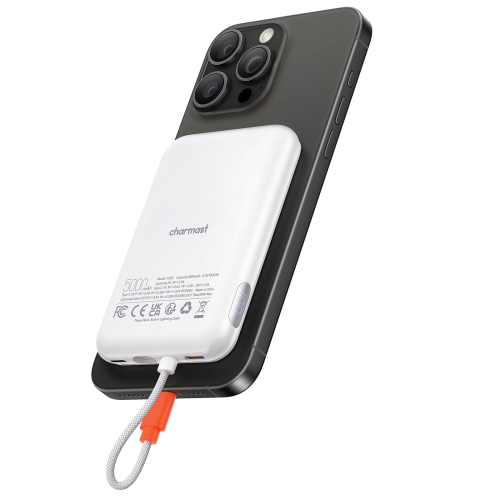
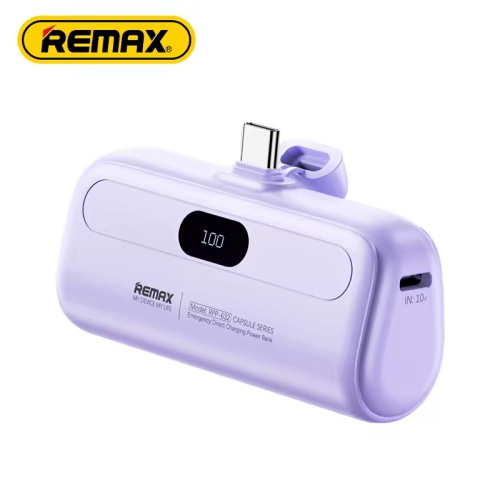
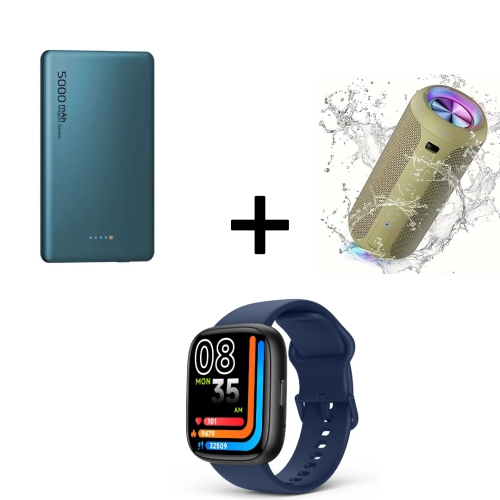
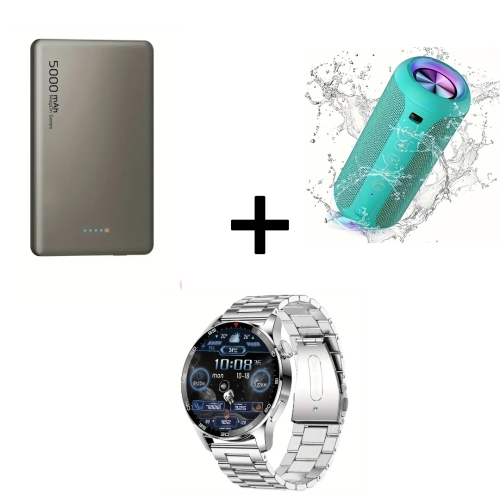
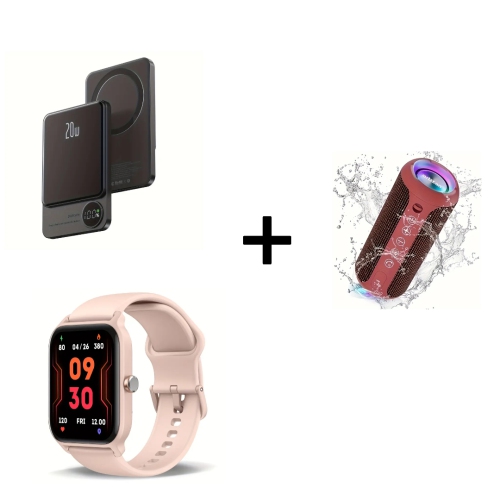
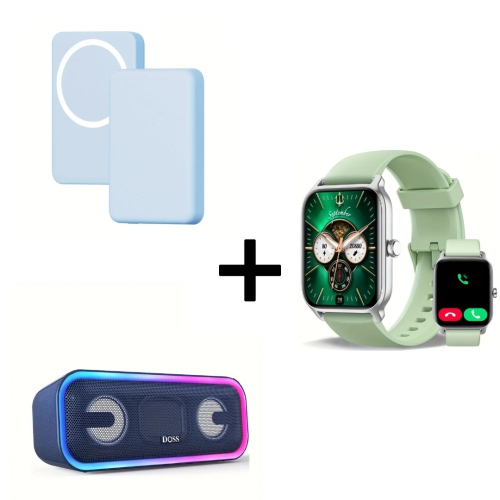
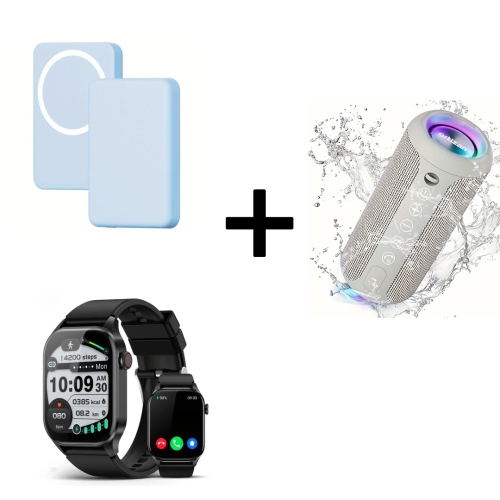
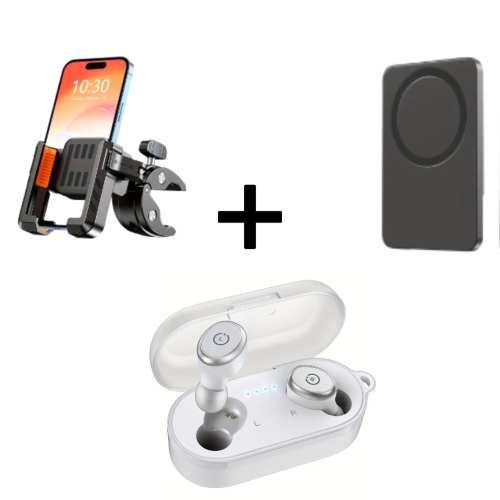
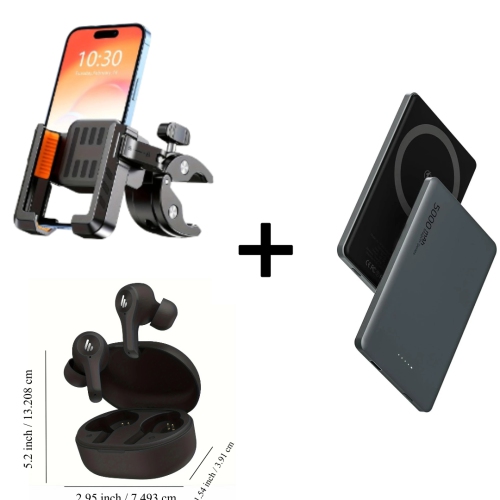
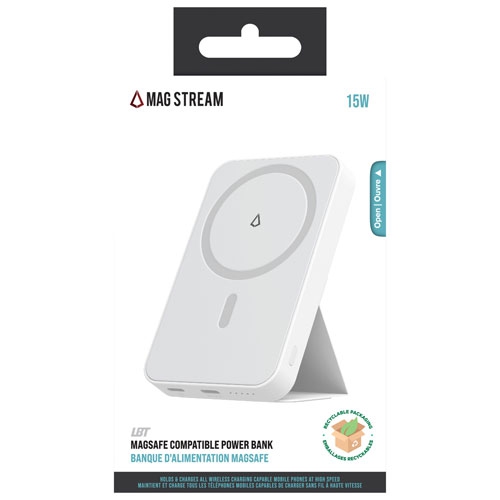
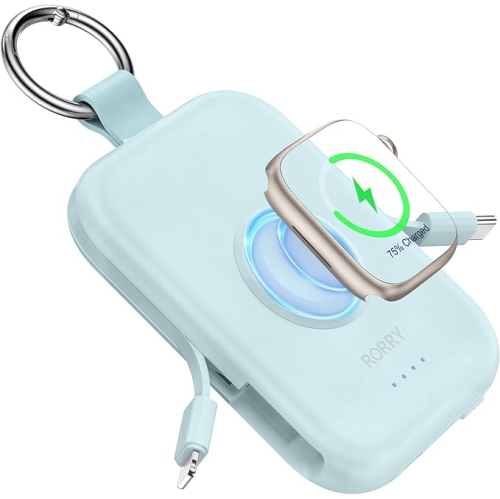
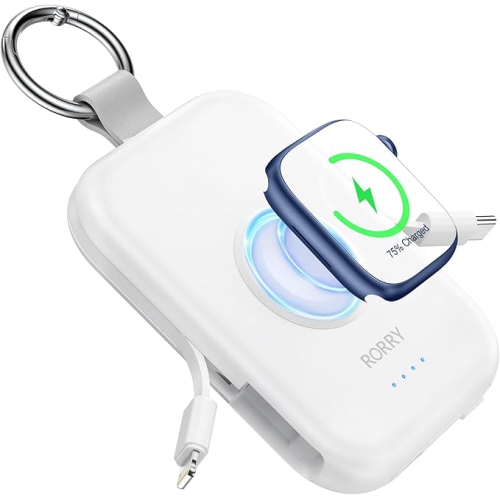
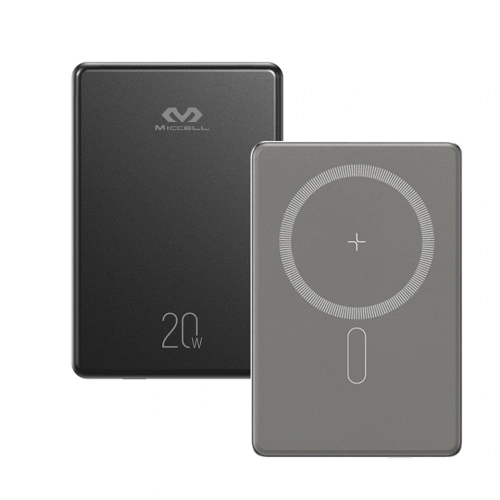
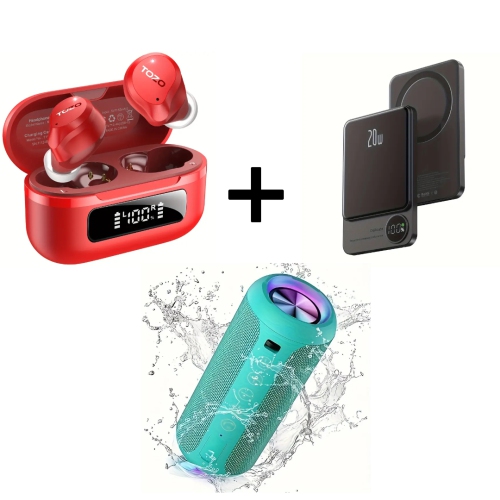
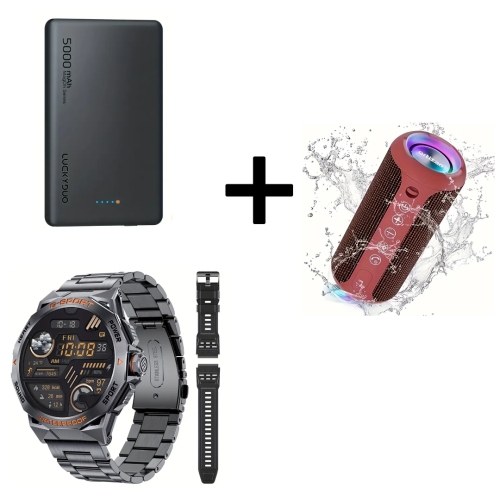
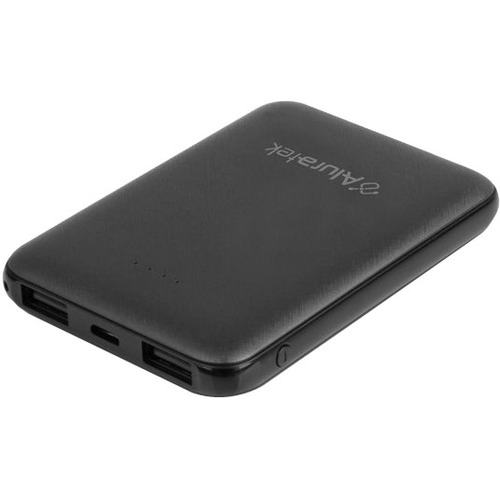
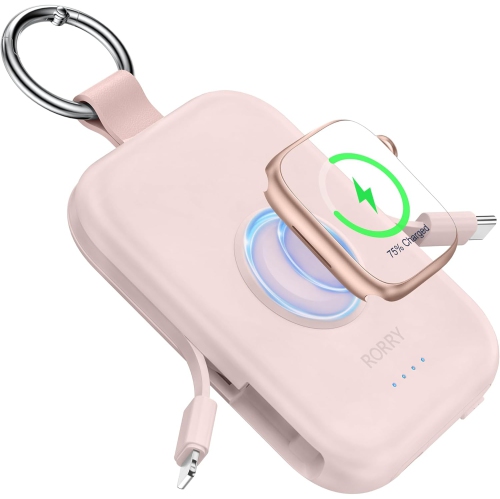
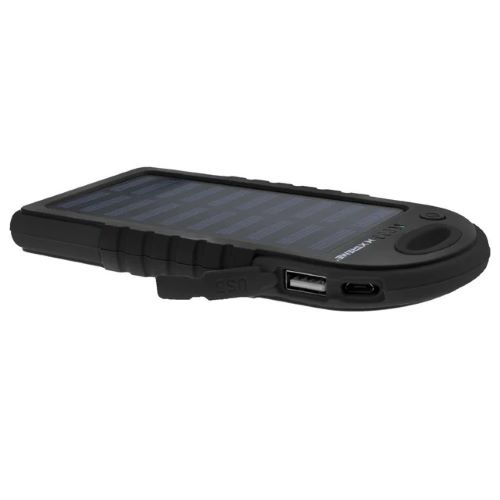
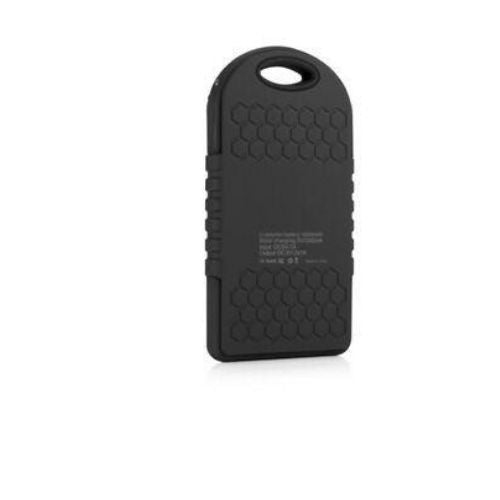
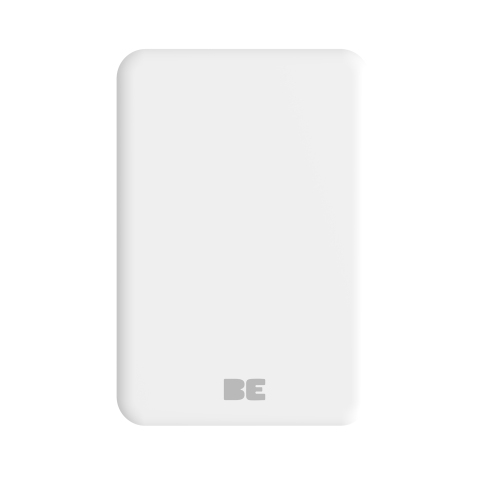
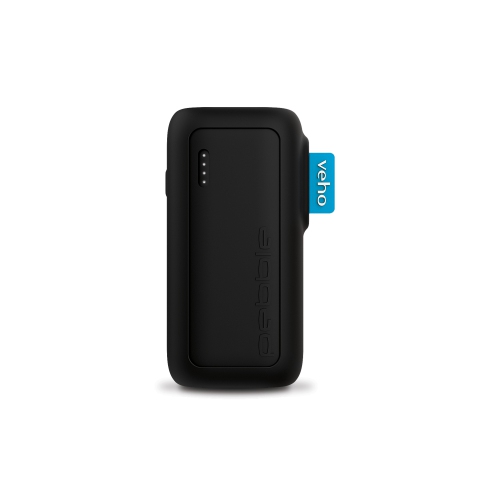
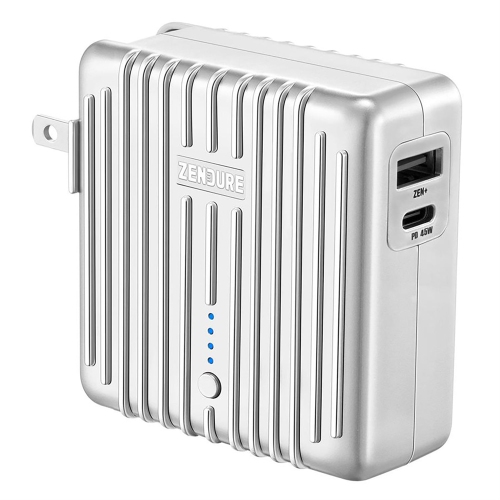
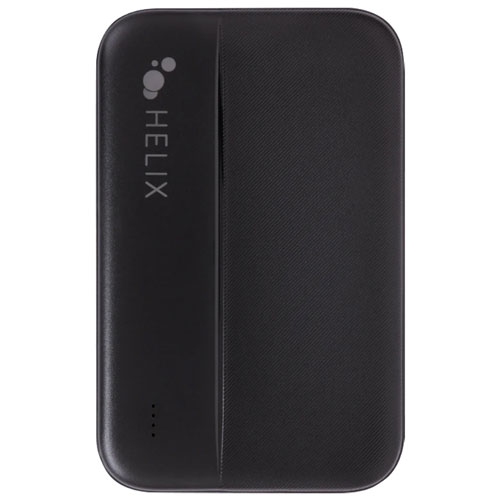
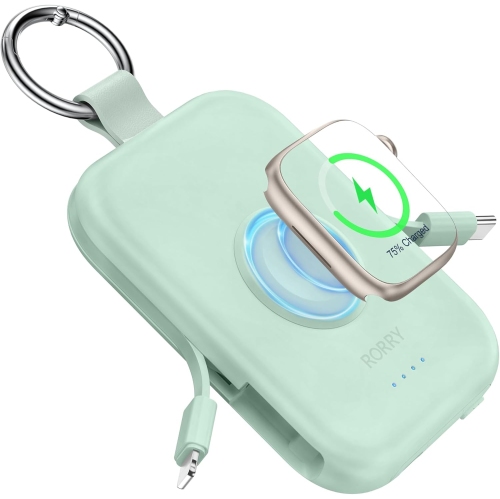
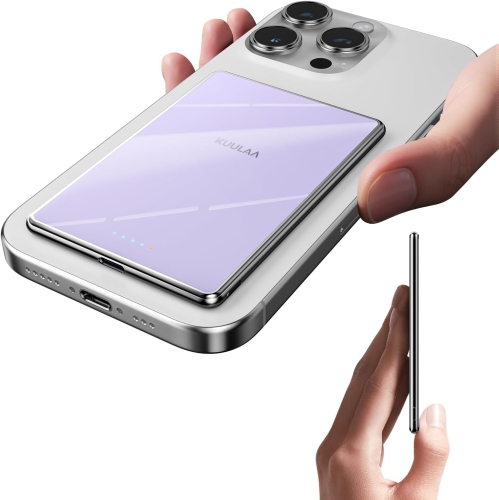
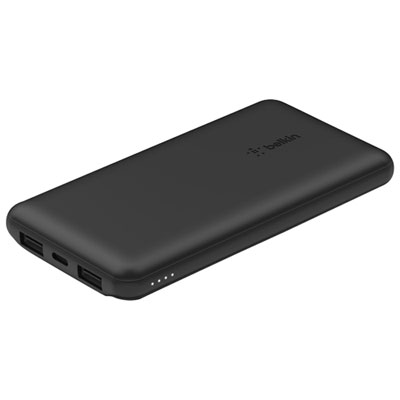
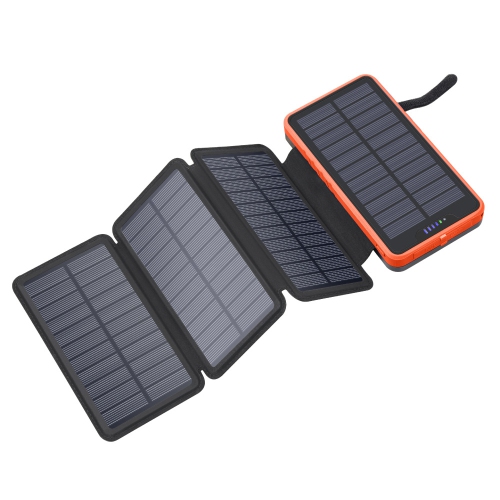
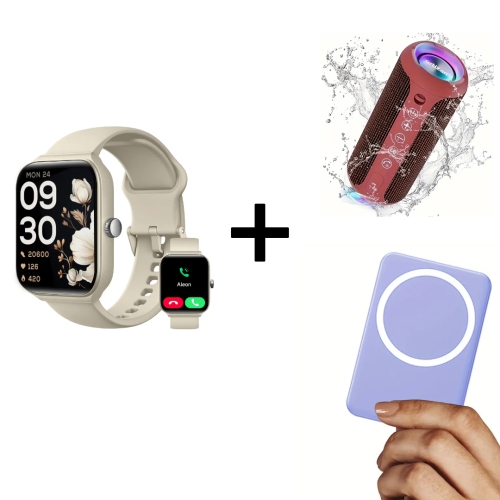
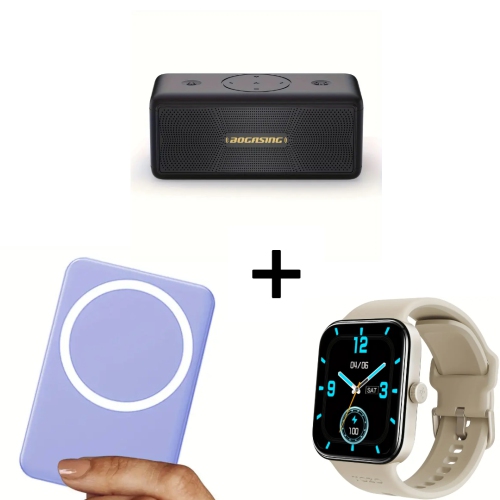
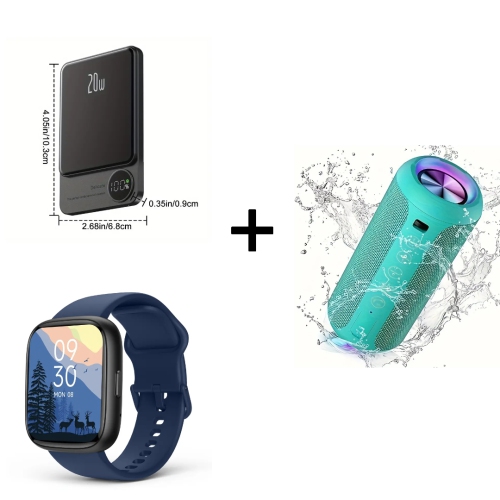

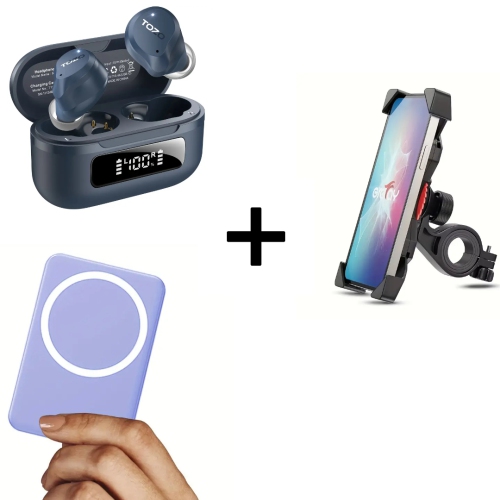
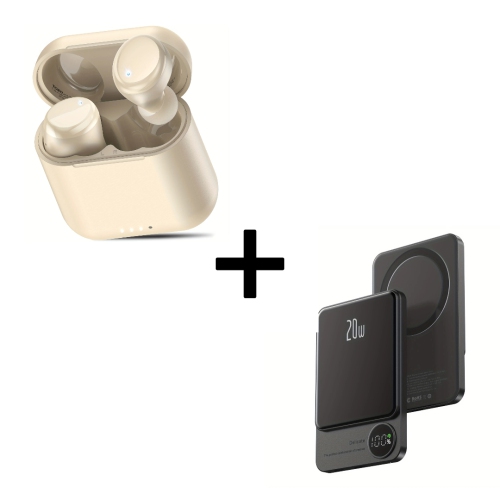
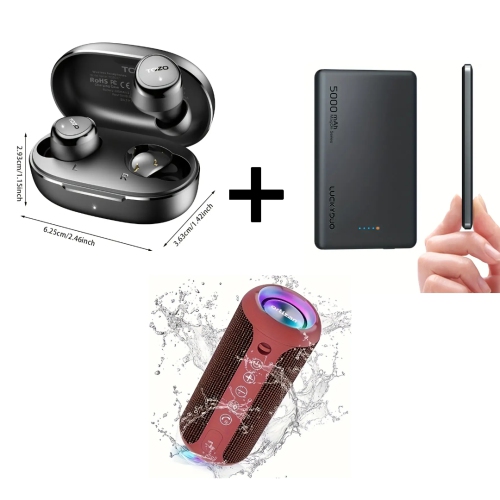
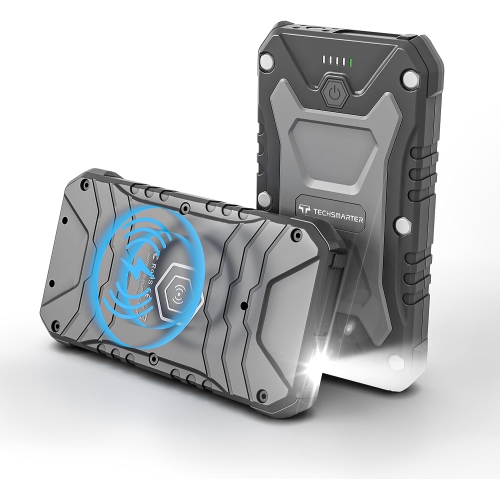
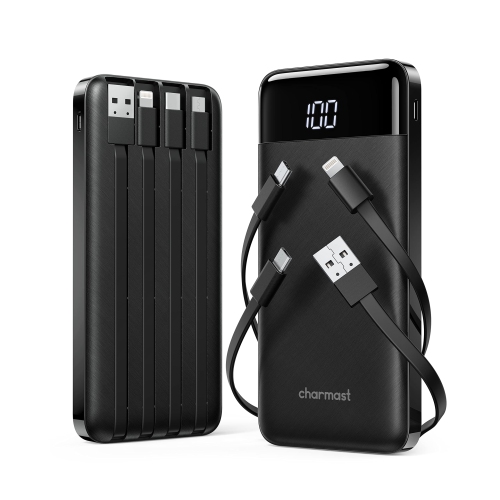
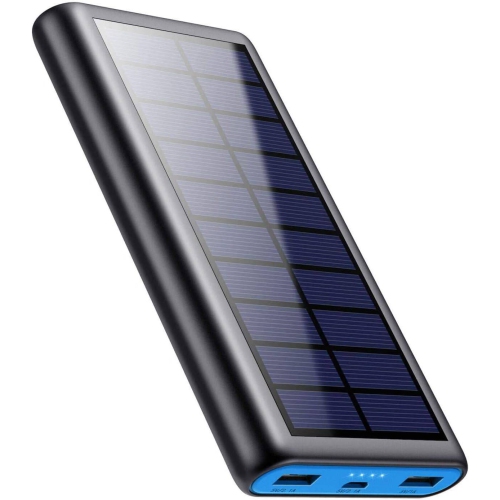
Pocket-sized backup power for everyday phone top-ups
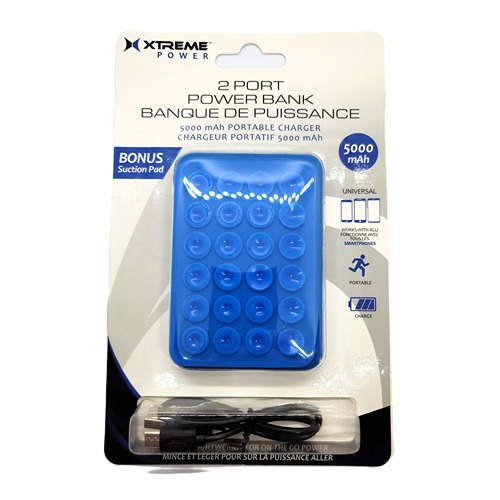
A 5,000mAh power bank offers portable backup power without taking up much room in a pocket, handbag, or work bag. This capacity suits everyday top-ups: keeping a phone going through an evening commute, adding charge before a lecture, or powering a pair of wireless earbuds between stops. The appeal is a balance of useful capacity and a compact size, particularly for anyone who would rather carry a small charger than a larger battery pack built for several days away from an outlet. The 5,000mAh rating describes the capacity of the power bank’s internal battery, not the amount transferred directly to a phone. Voltage conversion, heat, charging method, and the phone’s own power use all affect the charge delivered. For many modern smartphones, a power bank of this size provides a substantial partial charge rather than a guaranteed full recharge; a smaller phone battery may get closer to one full charge. Streaming video, navigating unfamiliar streets, or making a video call while plugged in leaves less energy available to refill the battery. For daily use, that can still mean the difference between a phone running low before dinner and enough power to access transit tickets, messages, and directions on the way home. Compact 5,000mAh power banks are especially useful for commuters, students, eventgoers, and travellers who have regular access to a wall outlet but want a reserve between charging opportunities. They can also make practical gifts for someone who regularly leaves home with a nearly empty phone, provided the connector and charging method match their device. Their smaller capacity is less suited to repeatedly charging several phones or supplying a laptop, even if the connector physically fits. For longer stretches away from an outlet, Powerful Power Banks offers a related category to explore. Within the 5,000mAh range, the most useful balance usually comes down to comfortable portability, compatible connections, and enough output for the intended device.
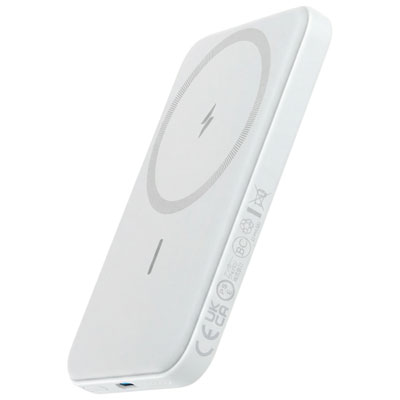
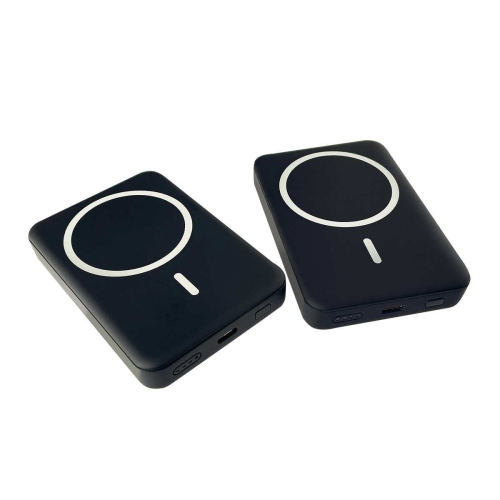
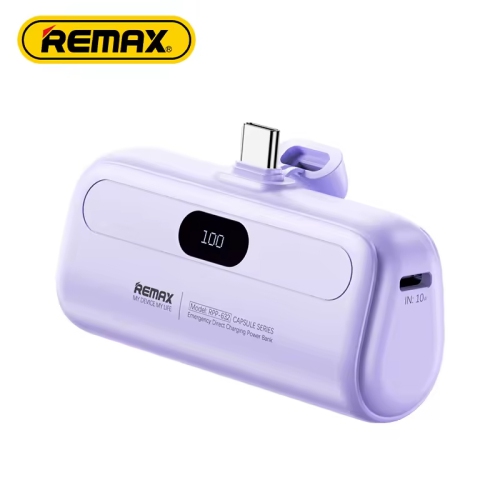
Charging connections influence how a compact power bank feels in everyday use as much as its capacity does. A conventional USB port and a separate cable allow the battery pack to sit in a bag while the phone stays within reach, which can be convenient on public transit or at a café table. A built-in cable keeps the essentials together, while an integrated plug can connect directly to a phone without a loose lead. Direct-connect designs need enough clearance around the phone’s charging port, especially when a protective case has a thick lower edge or a recessed opening. They also add weight at the connector, so supporting both devices helps avoid strain while moving around. A folding plug can make storage tidier, although its hinge and connector still need careful handling. USB-C is common on portable chargers, but the presence of a USB-C port alone does not establish charging speed or confirm whether it supports both input and output. Input determines how the power bank itself recharges; output determines what it can supply to a connected device. Some compact chargers offer basic output around 10W, while fast-charging designs may provide 20W or more when the phone, cable, and charging protocol are compatible. A higher wattage rating does not force a phone to accept more power than it supports, and charging generally slows as the phone battery fills. Wireless charging adds another option for compatible phones, with magnetic designs helping hold the charging surfaces in alignment. Magnetic attachment and wireless charging compatibility are separate considerations: a case may allow a charger to attach without supporting the intended charging performance. Case thickness, metal accessories, and placement can all affect the connection. Wireless charging is convenient for short top-ups, but typically transfers less usable energy than a wired connection because of additional losses and heat. For a small battery pack, that difference can matter. If two outputs are used together, the available power may be shared, so a stated maximum output should not be assumed to apply independently to every connection.
Size, shape, and construction help determine whether a 5,000mAh portable charger becomes an everyday companion or stays in a drawer. Capacity alone does not determine dimensions or weight: a slim magnetic design, a small rounded pack, and a charger with an integrated connector can carry quite differently. Smooth edges are comfortable in a jacket pocket, while a textured finish can offer a steadier grip when pulling the charger from a crowded bag. Plastic housings often help keep weight down, and aluminium housings can provide a firm outer shell, though neither material alone establishes resistance to drops or moisture. Port placement matters when the charger needs to fit into a narrow bag compartment with a cable attached. Indicator lights provide a quick view of remaining power, while a numerical display, where included, can make the remaining level easier to judge before heading out. Small accessories such as earbuds and fitness trackers may benefit from a low-current charging mode, since some power banks stop supplying power when the connected device draws very little. Care is straightforward but important for a device carried beside keys, water bottles, and everyday clutter. Keeping ports free of lint, protecting exposed plugs, and storing the charger away from loose metal objects helps prevent damage and accidental contact. A soft, dry cloth is usually sufficient for the exterior; liquids should stay away from openings. Charging on a hard, uncovered surface allows heat to dissipate, rather than trapping warmth beneath bedding or inside a tightly packed bag. During cooler weather, an inside pocket can help protect the battery from prolonged cold, and a charger brought in from freezing conditions should return to its permitted charging temperature before use. A swollen, cracked, unusually hot, or otherwise damaged battery pack should not remain in service. For air travel, a typical 5,000mAh power bank is well below the common 100Wh threshold, but spare lithium battery packs generally belong in carry-on baggage rather than checked luggage. Airline rules may also restrict their use and storage during a flight. With suitable handling and a connection that fits the device, this compact capacity is a practical option for keeping everyday essentials powered between outlets.
Charging connections influence how a compact power bank feels in everyday use as much as its capacity does. A conventional USB port and a separate cable allow the battery pack to sit in a bag while the phone stays within reach, which can be convenient on public transit or at a café table. A built-in cable keeps the essentials together, while an integrated plug can connect directly to a phone without a loose lead. Direct-connect designs need enough clearance around the phone’s charging port, especially when a protective case has a thick lower edge or a recessed opening. They also add weight at the connector, so supporting both devices helps avoid strain while moving around. A folding plug can make storage tidier, although its hinge and connector still need careful handling. USB-C is common on portable chargers, but the presence of a USB-C port alone does not establish charging speed or confirm whether it supports both input and output. Input determines how the power bank itself recharges; output determines what it can supply to a connected device. Some compact chargers offer basic output around 10W, while fast-charging designs may provide 20W or more when the phone, cable, and charging protocol are compatible. A higher wattage rating does not force a phone to accept more power than it supports, and charging generally slows as the phone battery fills. Wireless charging adds another option for compatible phones, with magnetic designs helping hold the charging surfaces in alignment. Magnetic attachment and wireless charging compatibility are separate considerations: a case may allow a charger to attach without supporting the intended charging performance. Case thickness, metal accessories, and placement can all affect the connection. Wireless charging is convenient for short top-ups, but typically transfers less usable energy than a wired connection because of additional losses and heat. For a small battery pack, that difference can matter. If two outputs are used together, the available power may be shared, so a stated maximum output should not be assumed to apply independently to every connection.
Size, shape, and construction help determine whether a 5,000mAh portable charger becomes an everyday companion or stays in a drawer. Capacity alone does not determine dimensions or weight: a slim magnetic design, a small rounded pack, and a charger with an integrated connector can carry quite differently. Smooth edges are comfortable in a jacket pocket, while a textured finish can offer a steadier grip when pulling the charger from a crowded bag. Plastic housings often help keep weight down, and aluminium housings can provide a firm outer shell, though neither material alone establishes resistance to drops or moisture. Port placement matters when the charger needs to fit into a narrow bag compartment with a cable attached. Indicator lights provide a quick view of remaining power, while a numerical display, where included, can make the remaining level easier to judge before heading out. Small accessories such as earbuds and fitness trackers may benefit from a low-current charging mode, since some power banks stop supplying power when the connected device draws very little. Care is straightforward but important for a device carried beside keys, water bottles, and everyday clutter. Keeping ports free of lint, protecting exposed plugs, and storing the charger away from loose metal objects helps prevent damage and accidental contact. A soft, dry cloth is usually sufficient for the exterior; liquids should stay away from openings. Charging on a hard, uncovered surface allows heat to dissipate, rather than trapping warmth beneath bedding or inside a tightly packed bag. During cooler weather, an inside pocket can help protect the battery from prolonged cold, and a charger brought in from freezing conditions should return to its permitted charging temperature before use. A swollen, cracked, unusually hot, or otherwise damaged battery pack should not remain in service. For air travel, a typical 5,000mAh power bank is well below the common 100Wh threshold, but spare lithium battery packs generally belong in carry-on baggage rather than checked luggage. Airline rules may also restrict their use and storage during a flight. With suitable handling and a connection that fits the device, this compact capacity is a practical option for keeping everyday essentials powered between outlets.
Top selling and popular products
-
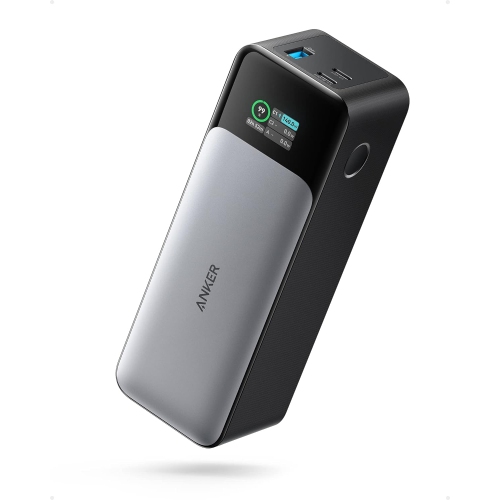 Your price for this item is $234
 -
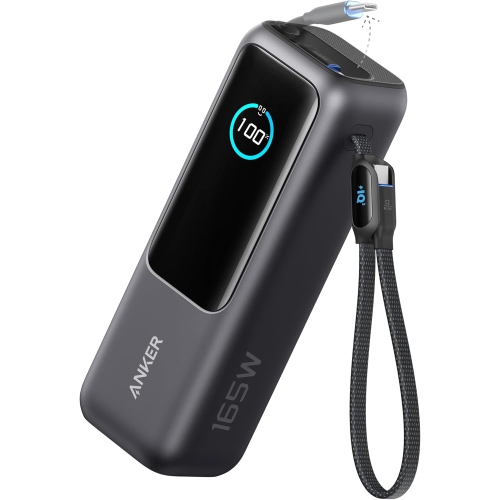 Your price for this item is $238.9
 -
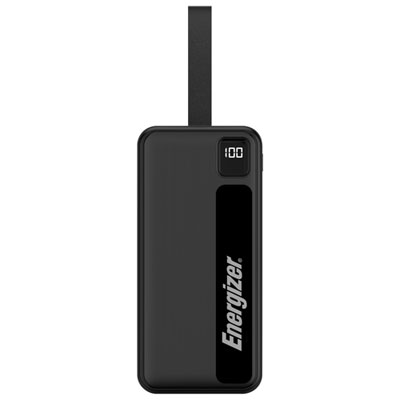 Your price for this item is $49.99
 -
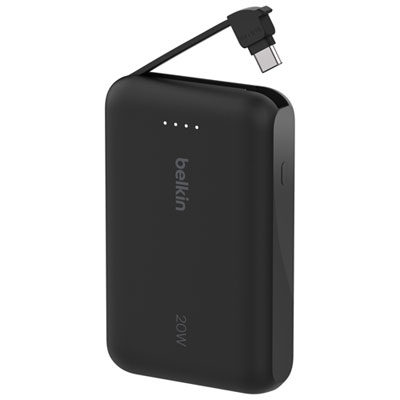 Your price for this item is $49.99
 -
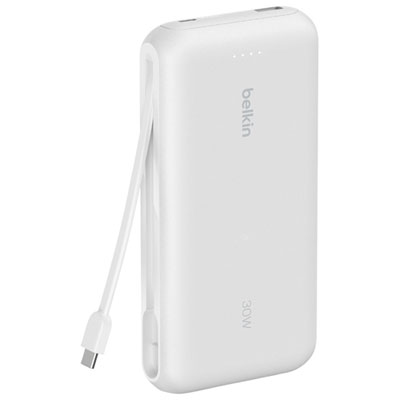 Your price for this item is $59.99
 -
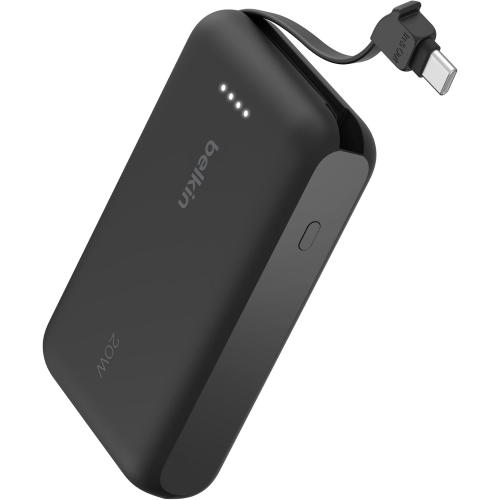 Your price for this item is $100
 -
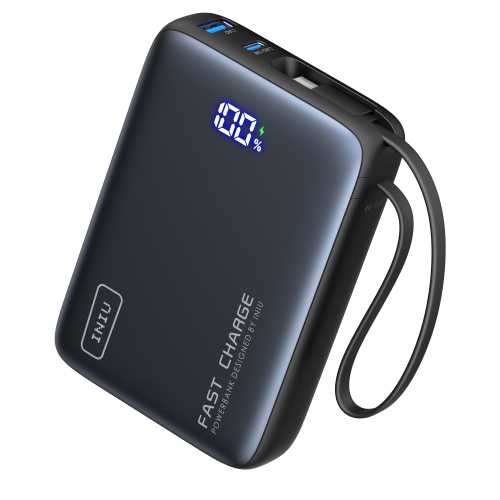 Your price for this item is $54.99
 -
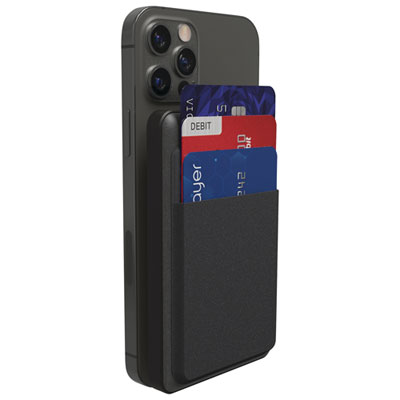 Your price for this item is $48.97
Discover more categories related to Power Banks 5000mah

Top Collections:
Pokemon Centers, Kindle Devices, Best Budget Office Chairs, Apple iPhones 16, Best Laptops for Writers, iPhone 15 Apple, Canon G7X Cameras, Refurbished Apple Laptops, Alarm Clock, Motorola Razr Phones
Some products may be subject to Environmental Handling Fees
(EHF) depending on your province.
Learn more about EHFs.