Portable Laser Projectors
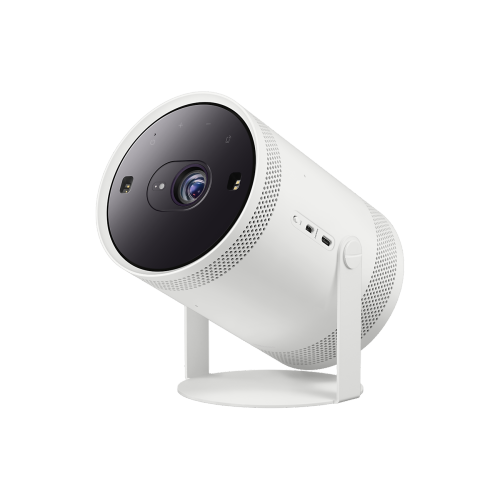
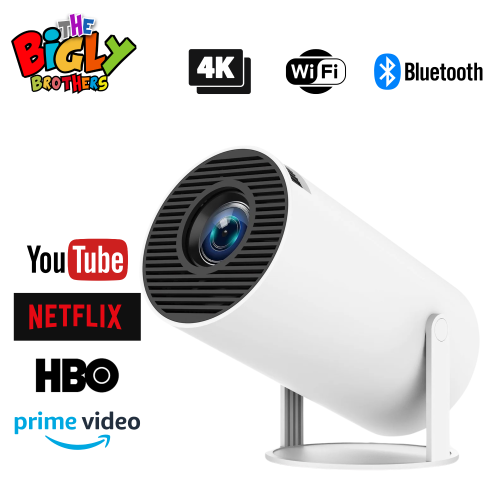
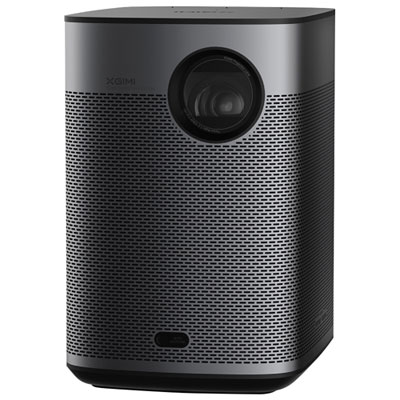
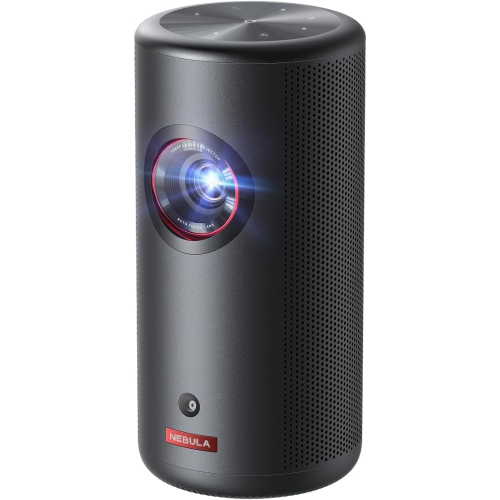
Portable laser projectors are a great way to share presentations, videos, and photos with friends and family. They're also useful for business professionals who want to make sales presentations in the field or for home entertainment enthusiasts who want to show movies in the backyard. Here are some of our favorites.
Sort

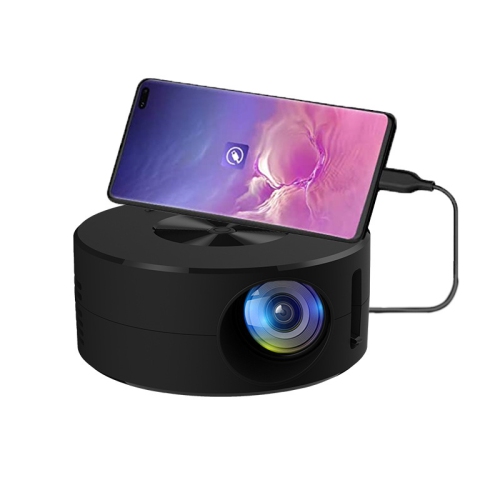
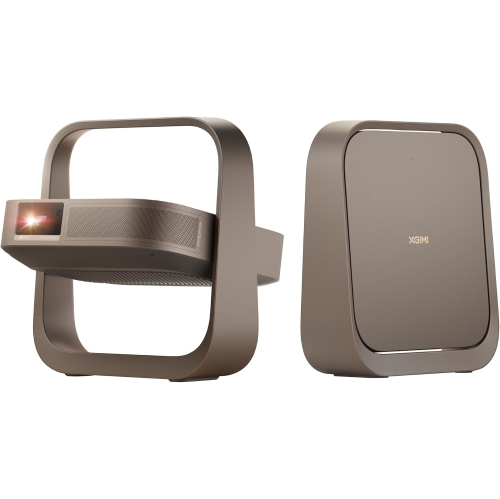
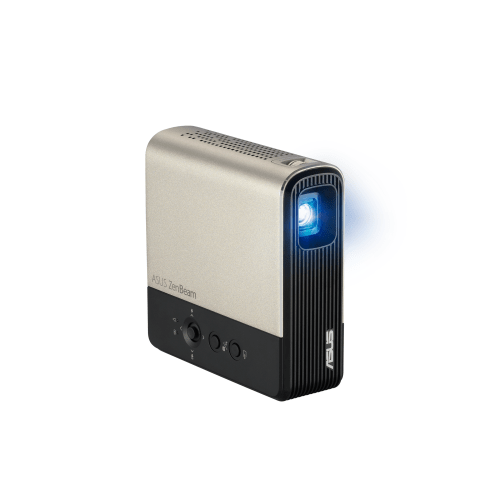
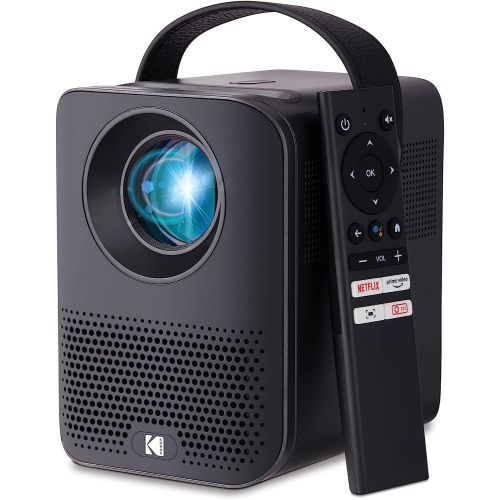
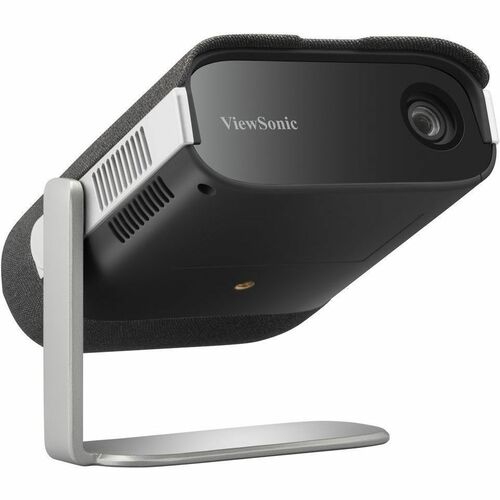
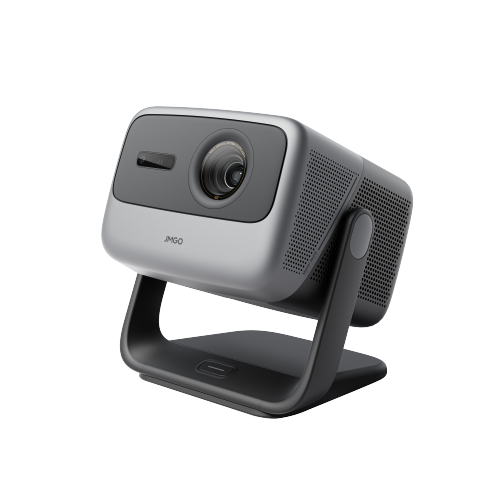
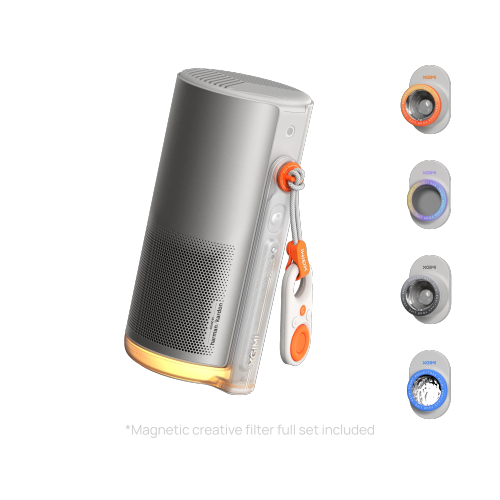
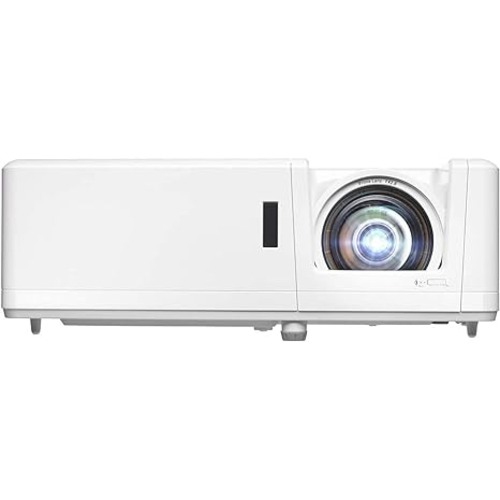
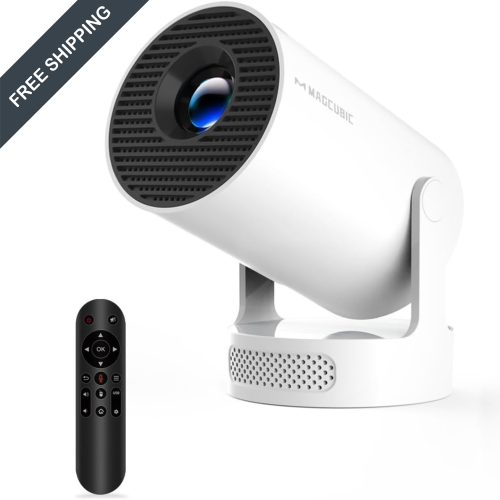
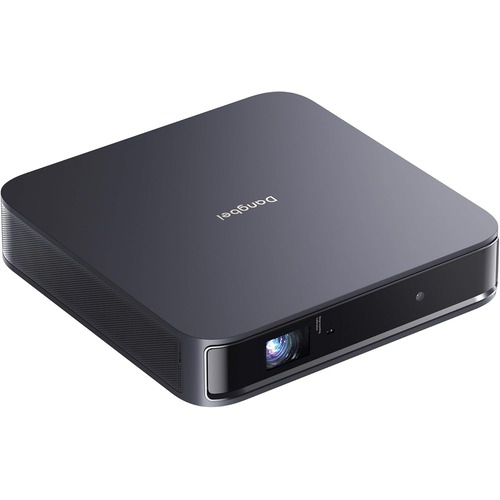
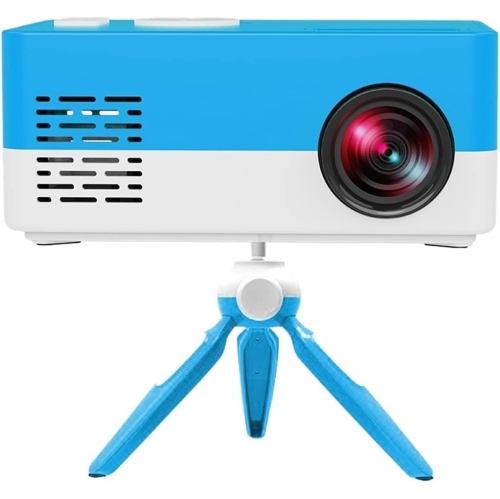
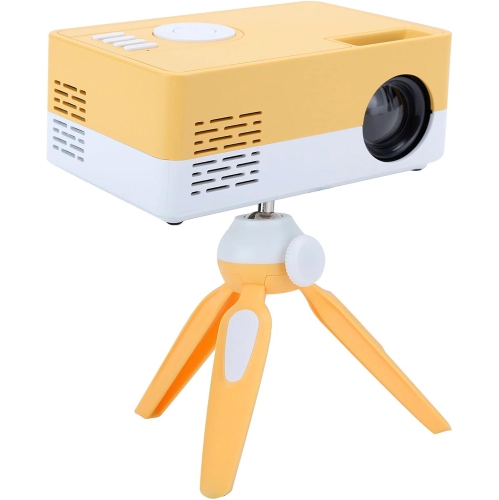
![ULTIMEA Refurbished(Good) - [5G/2.4G Wifi & Electric Focus] Apollo P10 Mini Bluetooth Projector, 300 Ansi Lumens, Compatible w Ios Android / Phone](https://multimedia.bbycastatic.ca/multimedia/products/500x500/181/18196/18196915.png)

![WIMIUS [Electric Focus] 1080P Projector, 5G Wifi Bluetooth Projector, Portable Outdoor Projector, Smart Home Movie Projector, Compatible w](https://multimedia.bbycastatic.ca/multimedia/products/500x500/186/18622/18622501.jpeg)

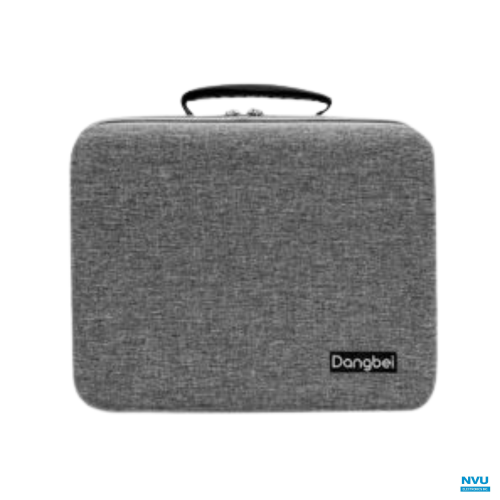
Large-screen viewing without a permanent home cinema setup
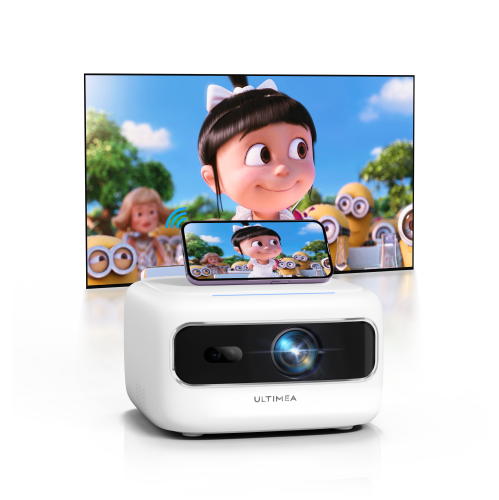
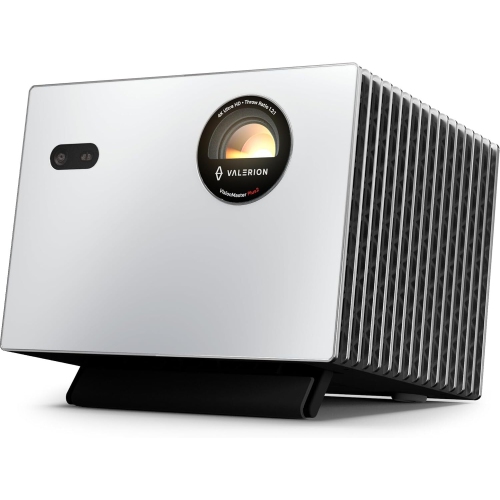
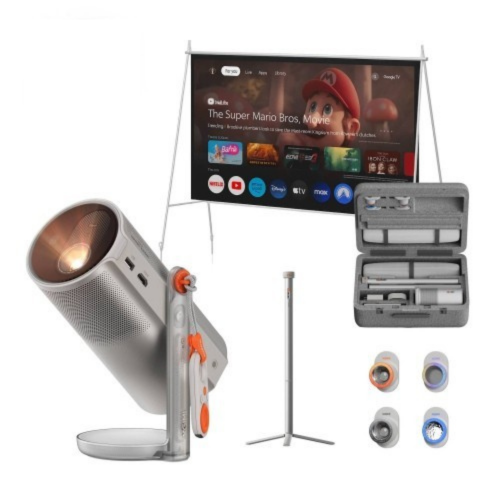
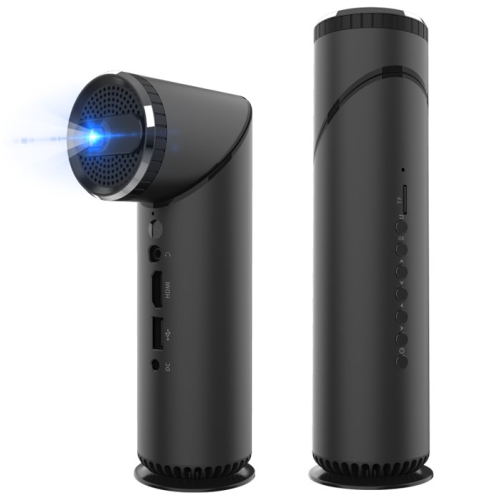
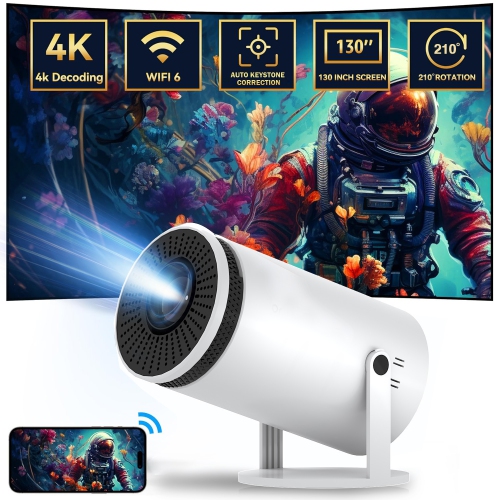
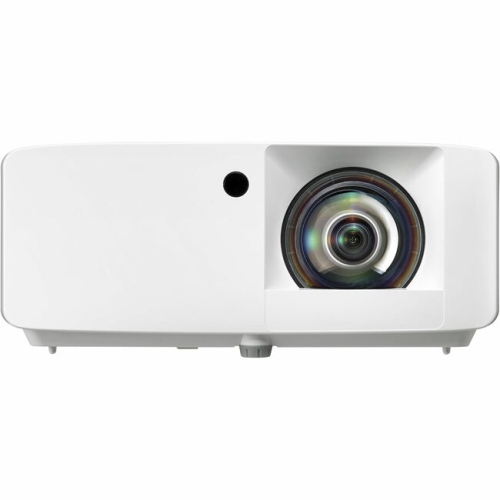
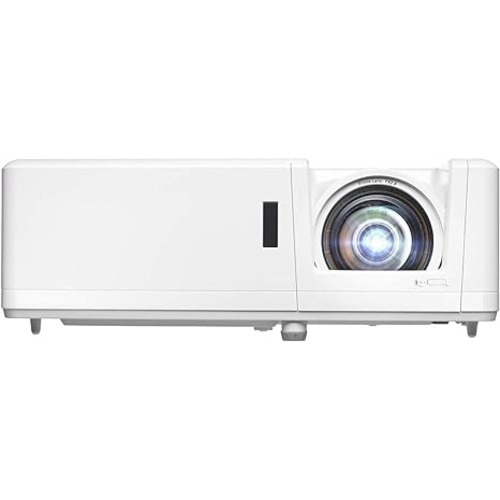
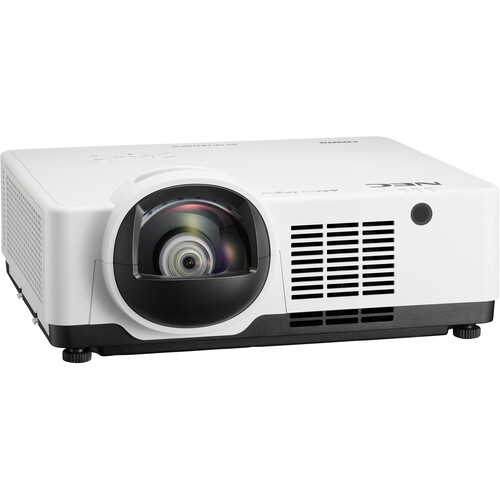
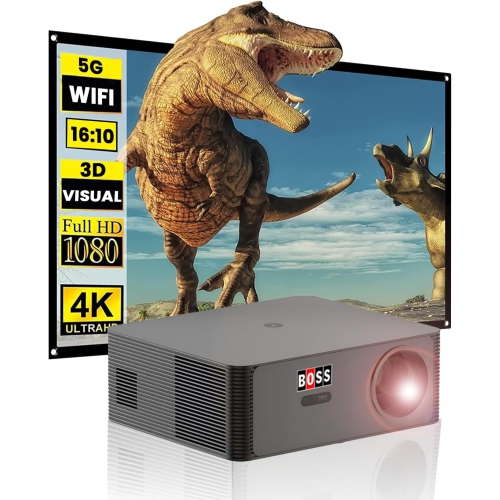
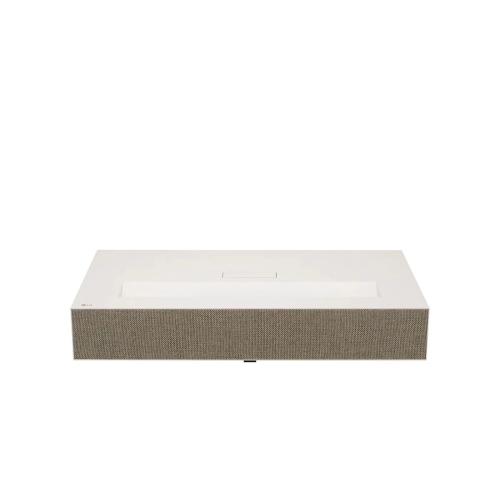
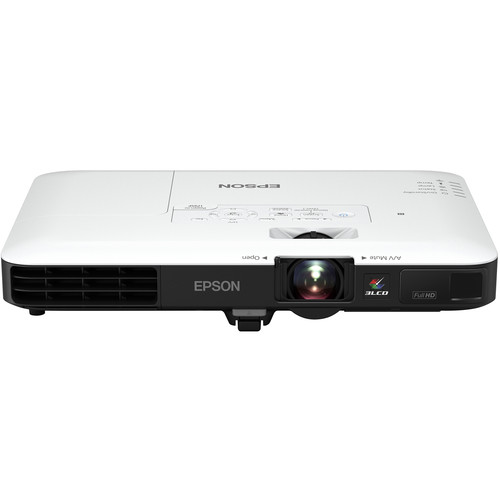
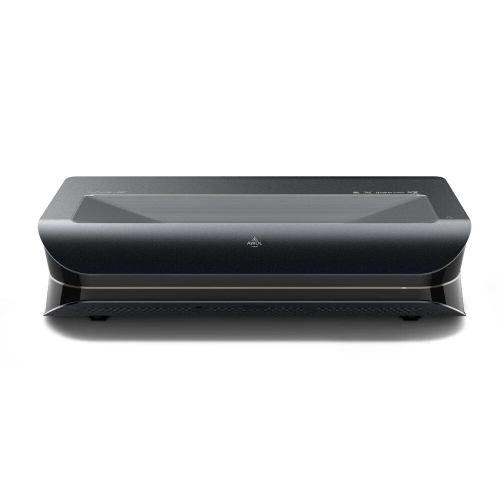
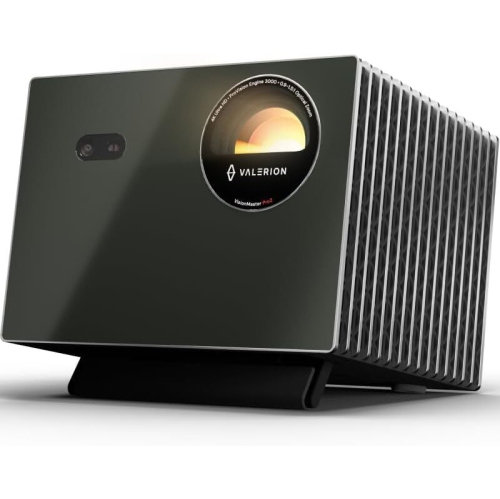
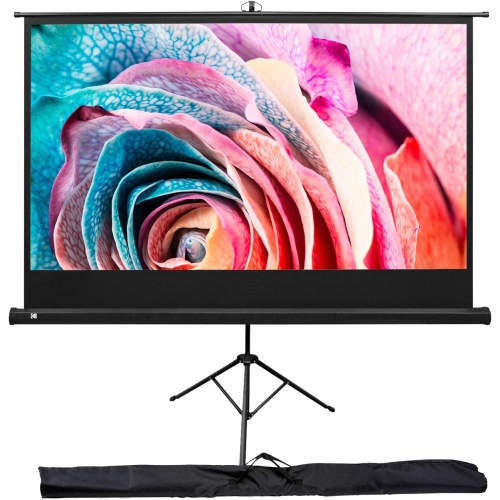
Portable laser projectors bring large-screen viewing to spaces where a permanently installed projector or television may not be practical. Their compact housings make them easier to move between rooms, pack for a trip, or set up for a shared film night, while a laser-based light source illuminates the projected image. Depending on the design, that light source may use multiple laser colours or a laser combined with phosphor technology. Brightness, colour performance, resolution, and portability vary considerably, so the laser designation alone does not determine picture quality. These projectors suit viewers who want a flexible home cinema setup, renters who prefer not to mount a display, and people who enjoy sharing games, photographs, or video on a larger surface. A blank wall can work for casual viewing, although its texture and paint colour can affect sharpness and colour accuracy; a smooth projection screen provides a more consistent surface. Native resolution is especially relevant when the picture fills a substantial portion of a wall. Full HD offers a 1920 × 1080 image, while 4K UHD output provides 3840 × 2160 displayed pixels, sometimes through pixel-shifting technology. Support for a 4K input signal does not necessarily mean the projector displays a 4K image, making the distinction between accepted input and displayed resolution important. Brightness also needs context: ANSI lumens and ISO lumens refer to standardized measurement methods, whereas figures described only as lumens may not be directly comparable. A brighter image generally holds up better with some room lighting, but controlling light falling on the screen remains important for contrast and dark-scene detail. Enlarging the picture spreads the available light across a greater area, so a smaller image can look richer than the same projection stretched to its maximum size. For an apartment living room, bedroom, or multipurpose den, the most satisfying setup balances image size with viewing distance, room lighting, and a comfortable place to position the projector.
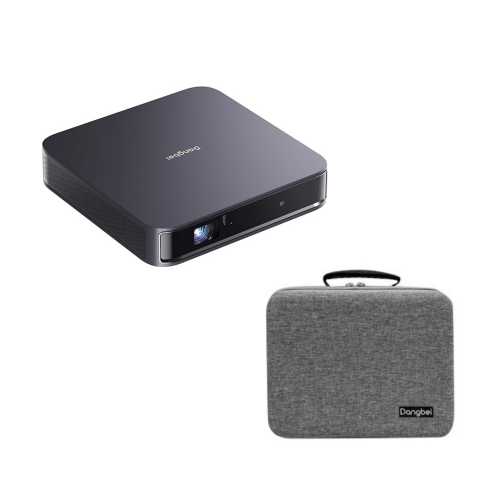
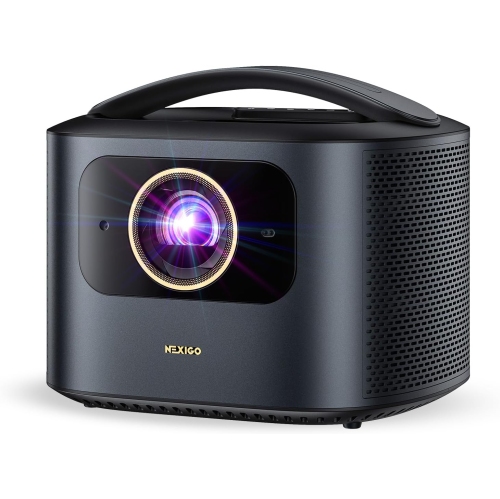
Portability involves more than the dimensions of the projector itself. Weight, housing shape, handle design, and the size of the power adapter all influence how easily a setup travels. A rounded body may slip neatly into a padded compartment, while an integrated stand can reduce the need to carry a separate support. Durable plastic or metal housings help protect internal components during normal handling, but neither material makes a projector resistant to drops or moisture unless it has a suitable rating. Some portable laser projectors have a built-in rechargeable battery; others need continuous external power, and a compact design should not be mistaken for cordless operation. Battery runtime depends on settings and usage, with brighter picture modes often using more power. Where USB-C power is supported, the charger or power bank must meet the projector’s specified power requirements; a USB-C socket alone does not confirm charging compatibility. Physical placement matters just as much. Throw ratio describes the relationship between the projector’s distance from the screen and the width of its image, helping establish whether a coffee table, shelf, or stand can provide the intended picture size. A short-throw design can produce a large image from closer to the wall, but not every portable model has that capability. Autofocus and automatic keystone correction can make moving between rooms simpler by sharpening the image and adjusting its shape. These features have limits, and substantial digital correction can reduce usable detail, particularly around small text. Positioning the lens as squarely to the screen as practical usually gives a cleaner result. An adjustable base or compatible tripod mount adds flexibility, provided the support can safely hold the projector’s weight. Clear space around ventilation openings is essential, whether the projector sits beside a sofa or on a bedside table. Fan noise can be more noticeable at close range, especially during quiet dialogue, so placement should leave both breathing room for the device and a comfortable listening distance for the viewer. A stable surface also helps keep the picture steady when someone walks past or reaches for a drink.
Connections and built-in features shape how a portable laser projector fits into everyday routines. Integrated streaming software can keep a film-night setup simple, although app support, account requirements, and playback capabilities differ between platforms. Wi-Fi is useful for streaming, while HDMI provides a direct connection for a laptop, games console, or external streaming device. Wireless screen mirroring can be convenient for sharing holiday photographs or a short video, but compatibility and protected-content restrictions may limit what plays successfully. A wired connection is often more predictable for presentations and gaming; for fast-paced games, input lag and supported refresh rates deserve attention alongside resolution. Small lettering on a spreadsheet places different demands on a projector than a film does, particularly in a room where the lights need to stay on. Shoppers whose main use is sharing slides, training materials, or client work can also explore portable projectors for presentations for setups suited to those tasks. Built-in speakers are practical when travelling light, but a larger room or a group seated farther away may benefit from a compatible external speaker or audio system. Bluetooth audio can introduce a delay between sound and picture, making wired audio or supported HDMI audio connections useful alternatives. Day-to-day care helps preserve both image quality and dependable operation. The lens should be cleaned only as directed by the manufacturer, using suitable materials rather than household cleaners or abrasive cloths, and ventilation openings should be kept free of dust. Allowing the unit to shut down properly before unplugging or packing it protects normal cooling operation. A padded carrying case with separate space for cables keeps connectors and adapters from rubbing against the lens or housing during transport. Laser light sources commonly have long rated operating lives, though those ratings are estimates rather than guarantees and do not mean the whole device is maintenance-free. Direct viewing into the projection lens should always be avoided, and any eye-protection features are a supplement to safe placement, not a substitute. As a gift for a film enthusiast, frequent traveller, or student, a portable laser projector is most useful when its power needs, connection options, and placement requirements match the recipient’s actual space.
Portability involves more than the dimensions of the projector itself. Weight, housing shape, handle design, and the size of the power adapter all influence how easily a setup travels. A rounded body may slip neatly into a padded compartment, while an integrated stand can reduce the need to carry a separate support. Durable plastic or metal housings help protect internal components during normal handling, but neither material makes a projector resistant to drops or moisture unless it has a suitable rating. Some portable laser projectors have a built-in rechargeable battery; others need continuous external power, and a compact design should not be mistaken for cordless operation. Battery runtime depends on settings and usage, with brighter picture modes often using more power. Where USB-C power is supported, the charger or power bank must meet the projector’s specified power requirements; a USB-C socket alone does not confirm charging compatibility. Physical placement matters just as much. Throw ratio describes the relationship between the projector’s distance from the screen and the width of its image, helping establish whether a coffee table, shelf, or stand can provide the intended picture size. A short-throw design can produce a large image from closer to the wall, but not every portable model has that capability. Autofocus and automatic keystone correction can make moving between rooms simpler by sharpening the image and adjusting its shape. These features have limits, and substantial digital correction can reduce usable detail, particularly around small text. Positioning the lens as squarely to the screen as practical usually gives a cleaner result. An adjustable base or compatible tripod mount adds flexibility, provided the support can safely hold the projector’s weight. Clear space around ventilation openings is essential, whether the projector sits beside a sofa or on a bedside table. Fan noise can be more noticeable at close range, especially during quiet dialogue, so placement should leave both breathing room for the device and a comfortable listening distance for the viewer. A stable surface also helps keep the picture steady when someone walks past or reaches for a drink.
Connections and built-in features shape how a portable laser projector fits into everyday routines. Integrated streaming software can keep a film-night setup simple, although app support, account requirements, and playback capabilities differ between platforms. Wi-Fi is useful for streaming, while HDMI provides a direct connection for a laptop, games console, or external streaming device. Wireless screen mirroring can be convenient for sharing holiday photographs or a short video, but compatibility and protected-content restrictions may limit what plays successfully. A wired connection is often more predictable for presentations and gaming; for fast-paced games, input lag and supported refresh rates deserve attention alongside resolution. Small lettering on a spreadsheet places different demands on a projector than a film does, particularly in a room where the lights need to stay on. Shoppers whose main use is sharing slides, training materials, or client work can also explore portable projectors for presentations for setups suited to those tasks. Built-in speakers are practical when travelling light, but a larger room or a group seated farther away may benefit from a compatible external speaker or audio system. Bluetooth audio can introduce a delay between sound and picture, making wired audio or supported HDMI audio connections useful alternatives. Day-to-day care helps preserve both image quality and dependable operation. The lens should be cleaned only as directed by the manufacturer, using suitable materials rather than household cleaners or abrasive cloths, and ventilation openings should be kept free of dust. Allowing the unit to shut down properly before unplugging or packing it protects normal cooling operation. A padded carrying case with separate space for cables keeps connectors and adapters from rubbing against the lens or housing during transport. Laser light sources commonly have long rated operating lives, though those ratings are estimates rather than guarantees and do not mean the whole device is maintenance-free. Direct viewing into the projection lens should always be avoided, and any eye-protection features are a supplement to safe placement, not a substitute. As a gift for a film enthusiast, frequent traveller, or student, a portable laser projector is most useful when its power needs, connection options, and placement requirements match the recipient’s actual space.
Top selling and popular products
-
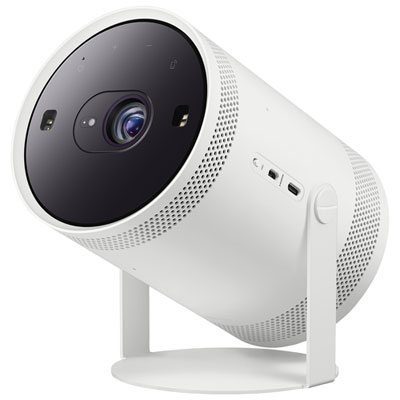 Your price for this item is $899.97
 -
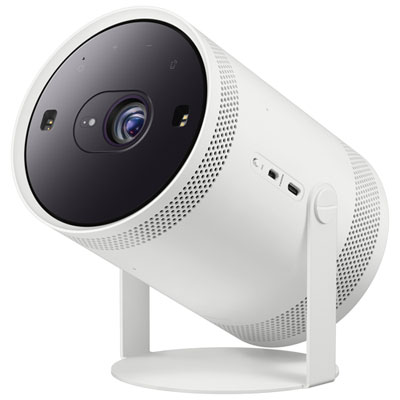 Your price for this item is $699.99
 -
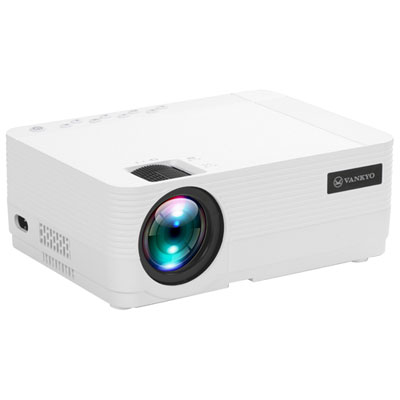 Your price for this item is $229.99
 -
 Your price for this item is $1999.99
 -
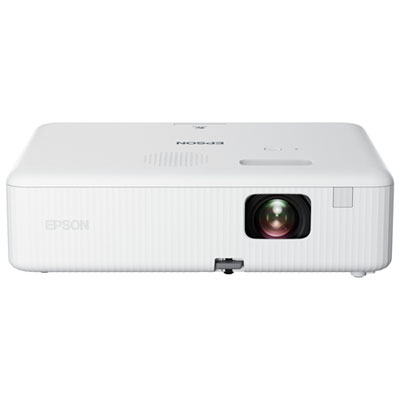 Your price for this item is $419.99
 -
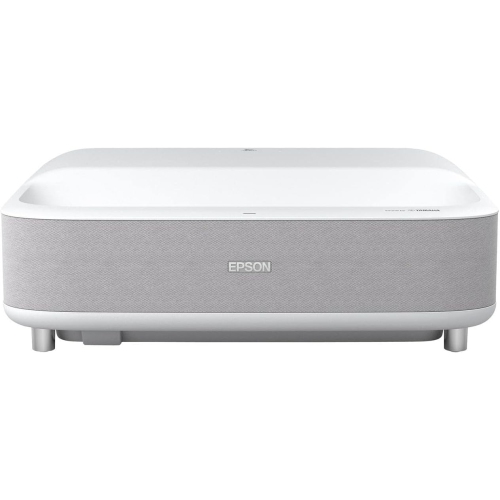 Your price for this item is $2279.05
 -
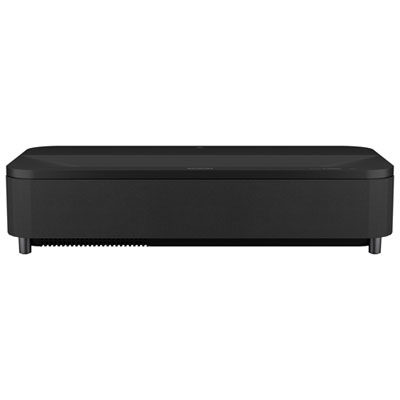 Your price for this item is $4799.99
 -
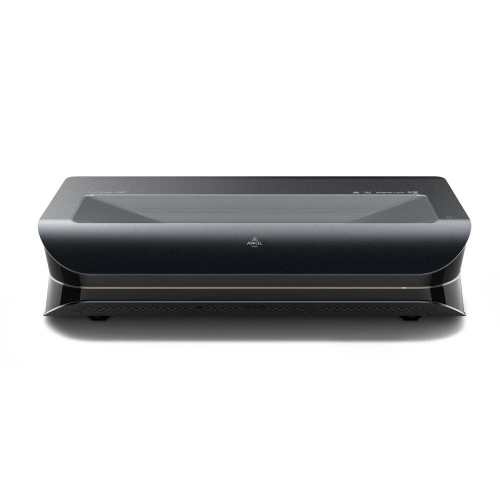 Your price for this item is $2294.15
Discover more categories related to Portable Laser Projectors
Top Collections:
Pokemon Centers, Kindle Devices, Best Budget Office Chairs, Apple iPhones 16, Best Laptops for Writers, iPhone 15 Apple, Canon G7X Cameras, Refurbished Apple Laptops, Alarm Clock, Motorola Razr Phones
Some products may be subject to Environmental Handling Fees
(EHF) depending on your province.
Learn more about EHFs.