Puck Hockey
Find hockey pucks for practice and game day, whether you’re working on stickhandling, passing, or shooting. Compare each puck’s size, material, and intended playing surface to choose one that suits where and how you play.






FAQ
Most ice hockey pucks are made from vulcanized rubber, which is rubber treated with heat during manufacturing. Street and roller hockey pucks may use plastic or other synthetic materials, sometimes with runners or gliding inserts.
Ice hockey pucks are typically solid rubber discs made for play on ice. Street hockey pucks are designed for off-ice surfaces and may have a hollow body, moulded ribs, or gliding inserts. Roller hockey pucks are another off-ice option, commonly used on sport courts.
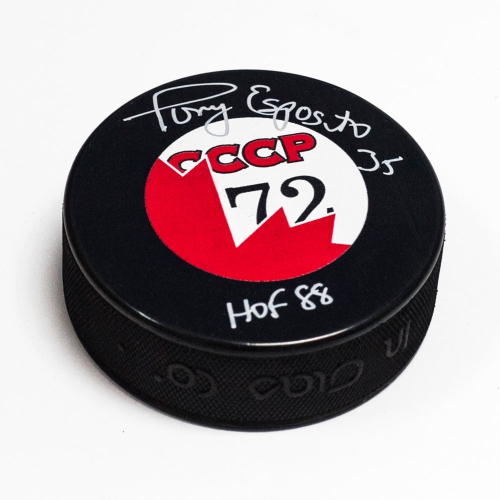
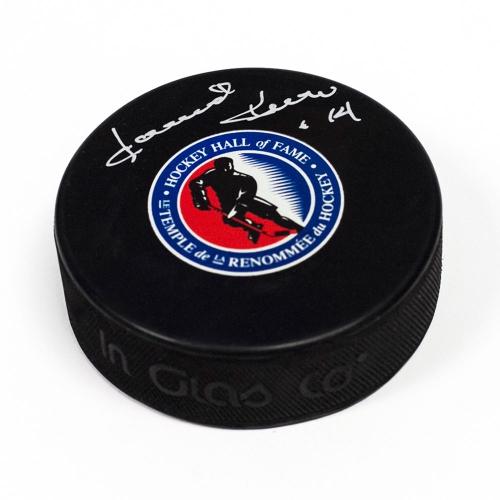
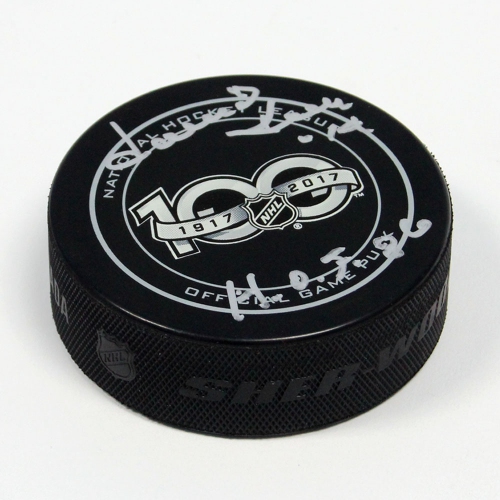
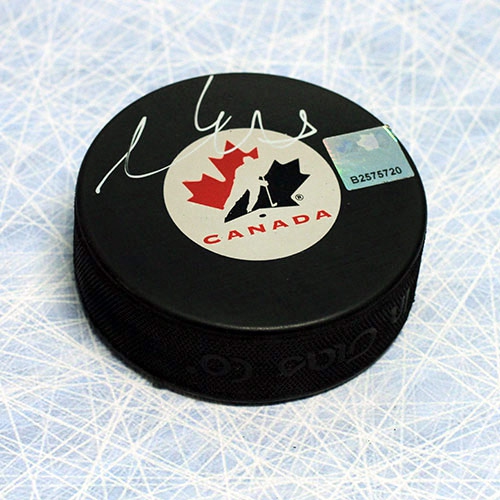
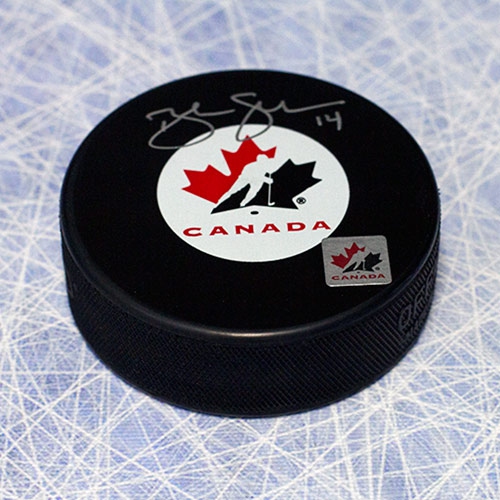
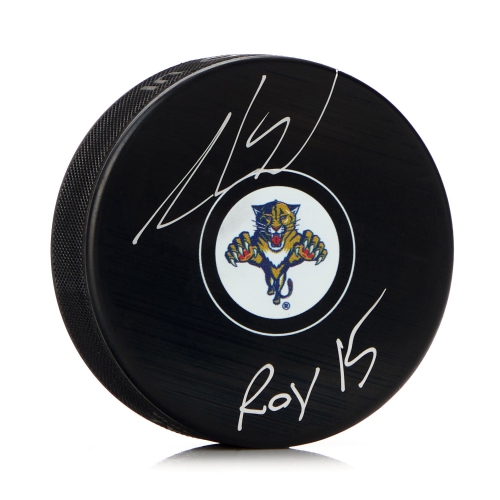
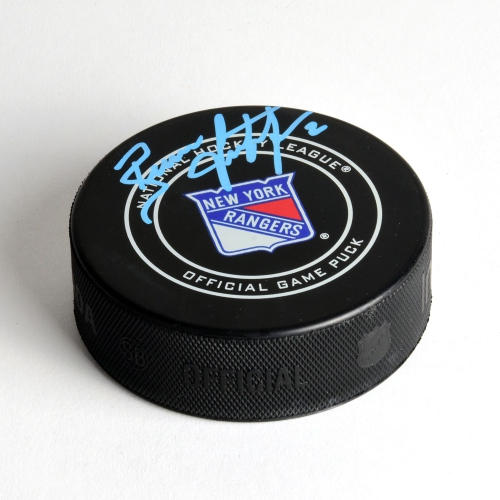
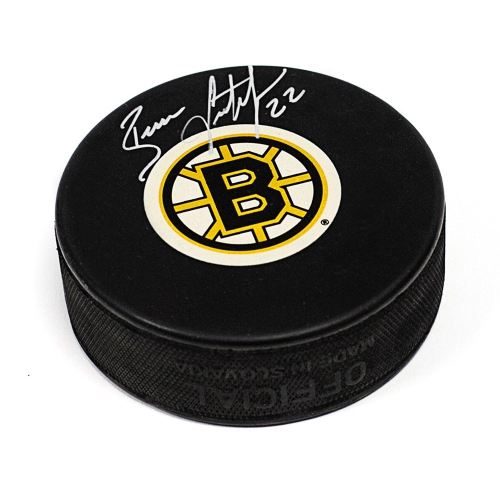
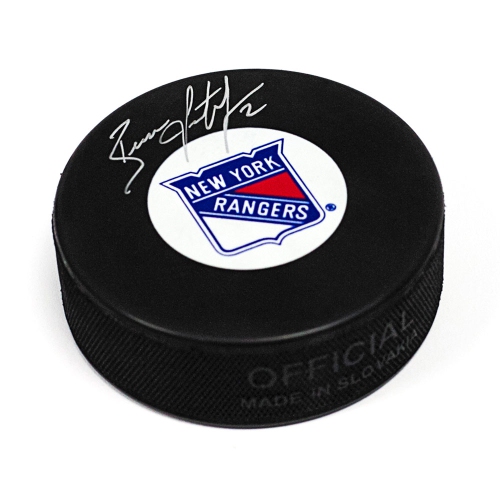
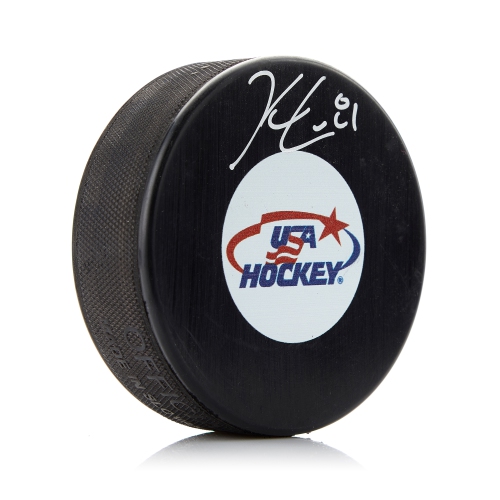
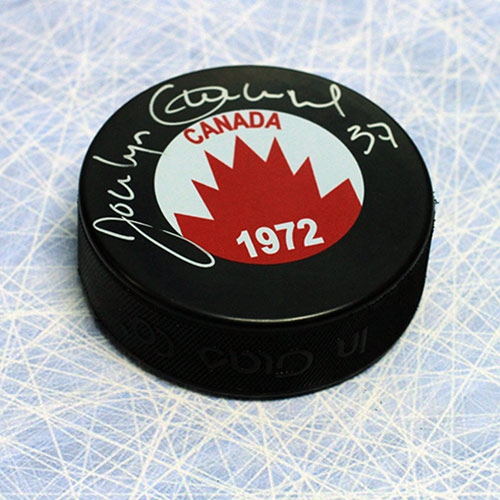
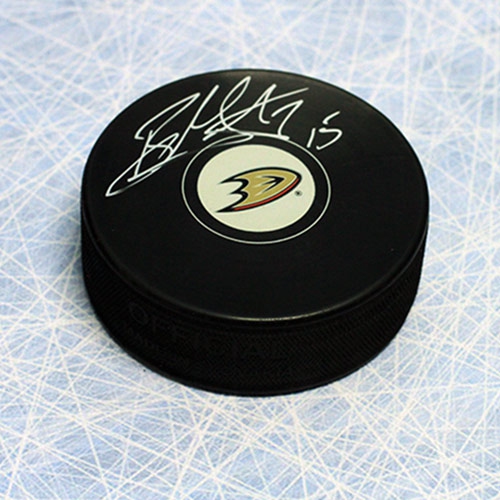
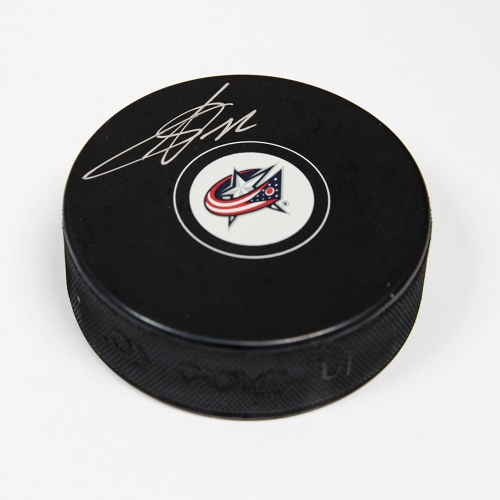
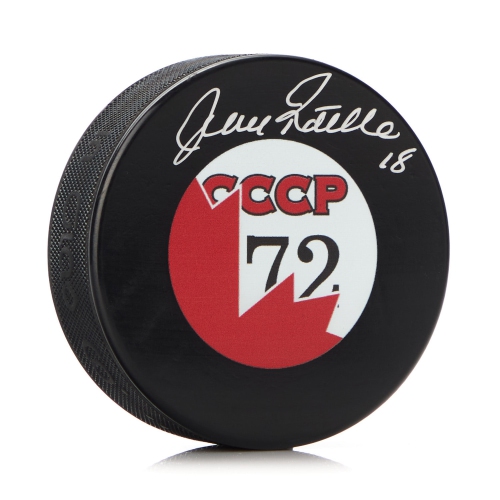
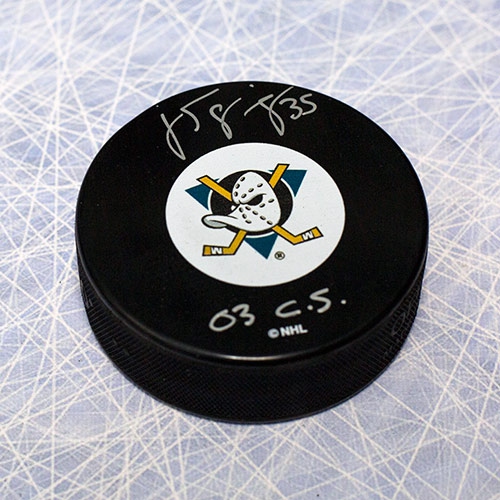
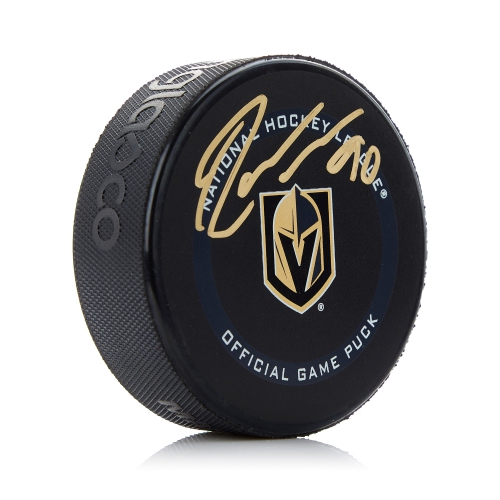
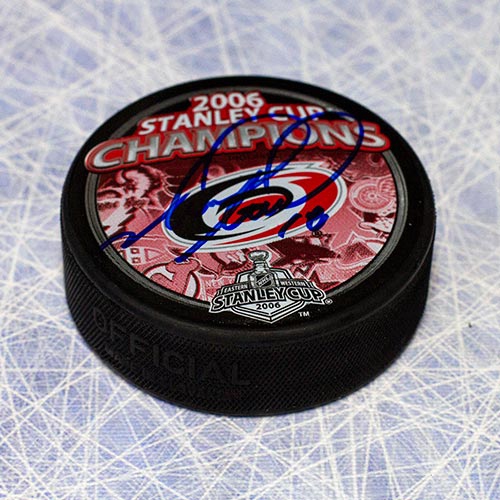
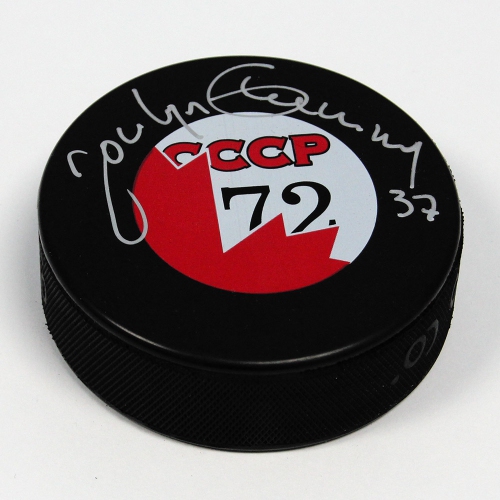
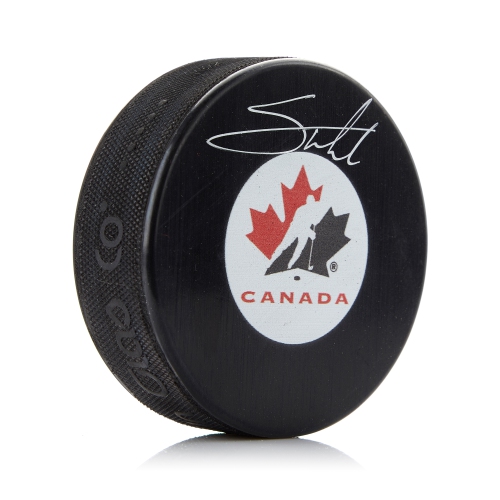
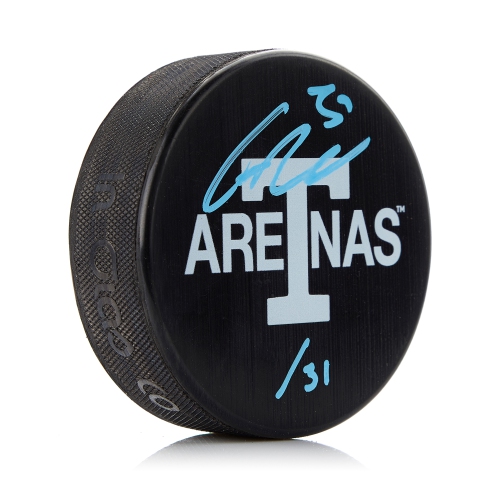
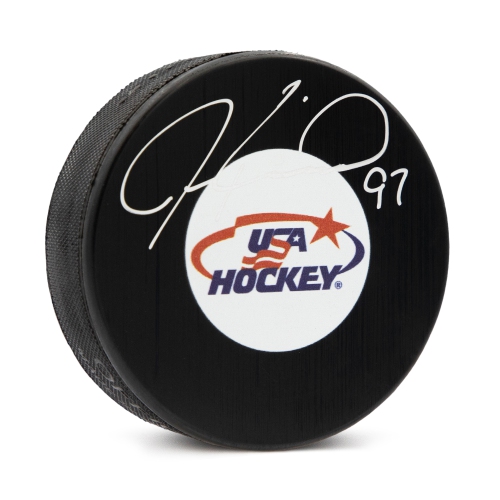
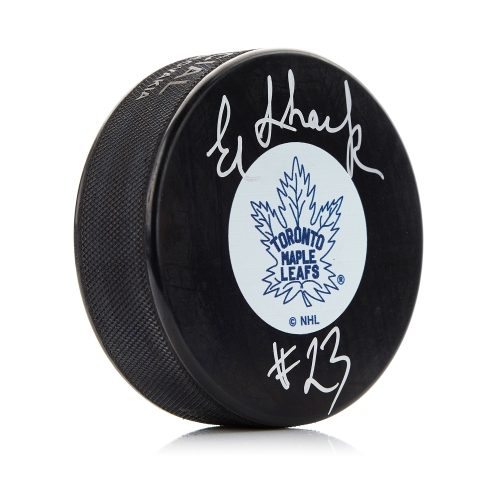
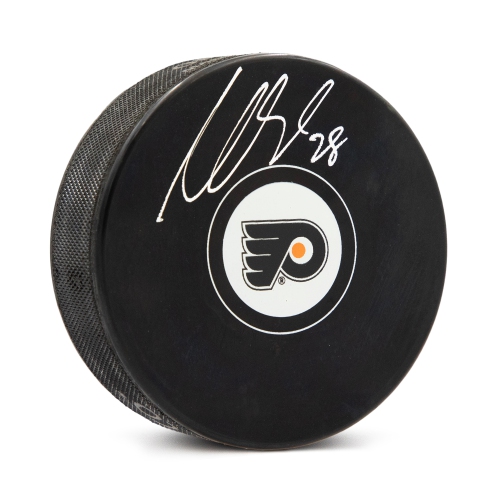
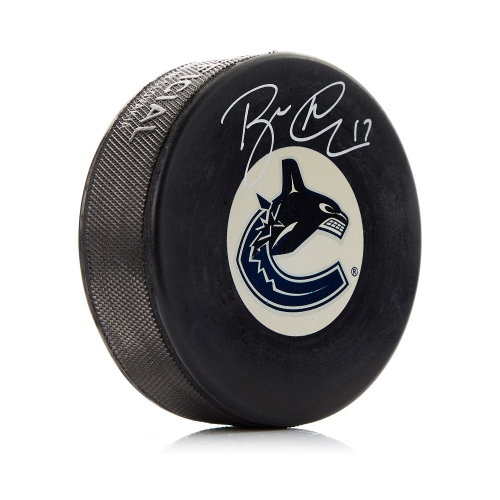
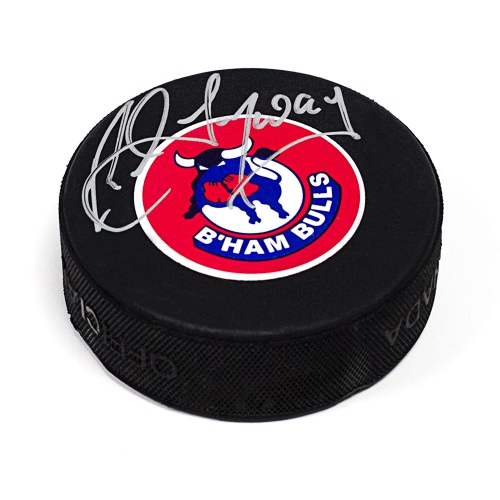
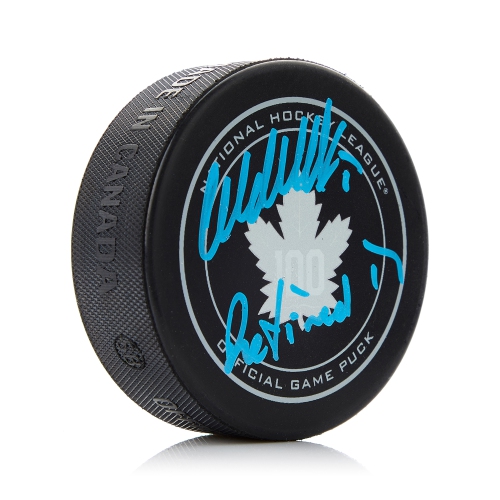
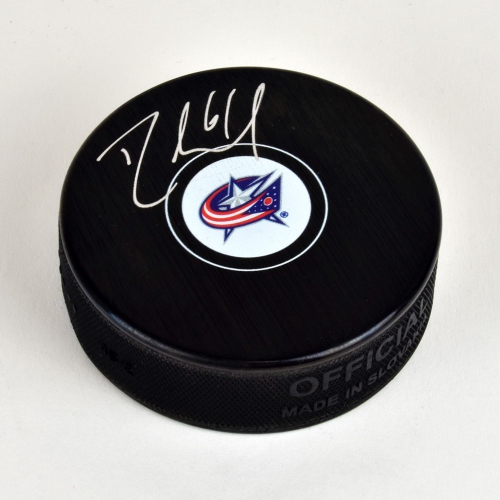
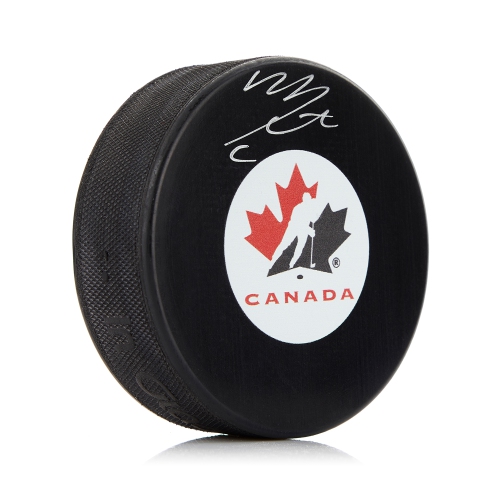
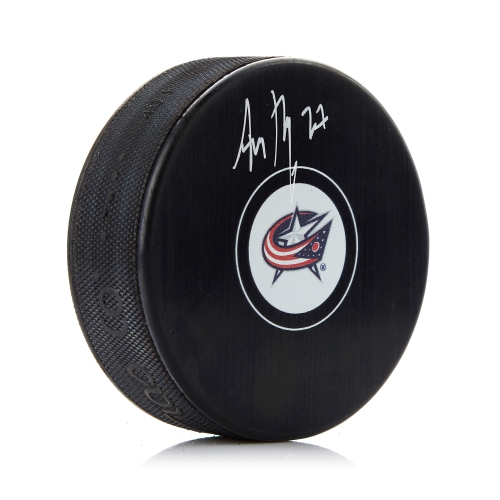
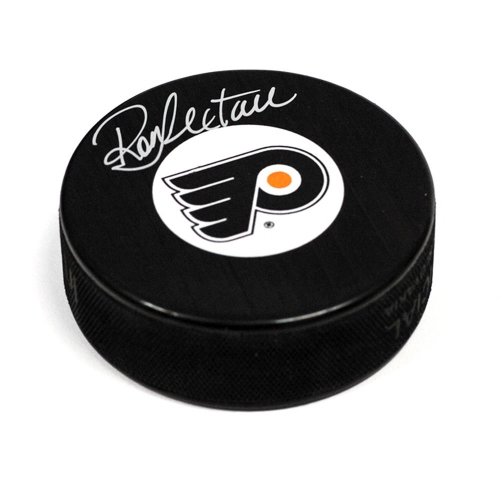
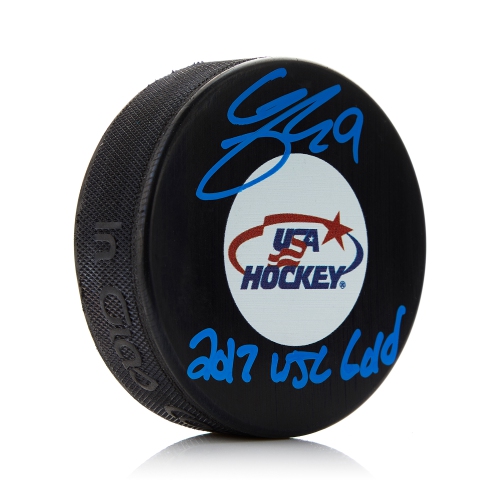
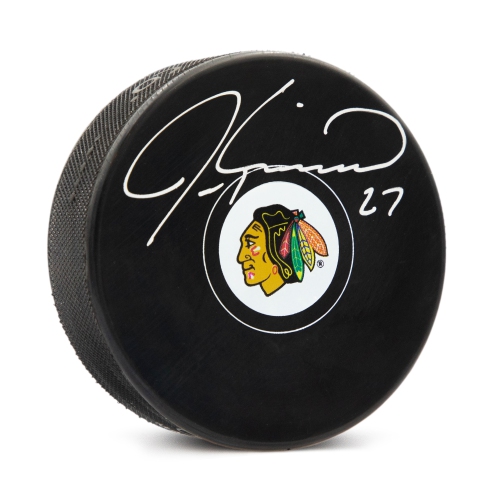
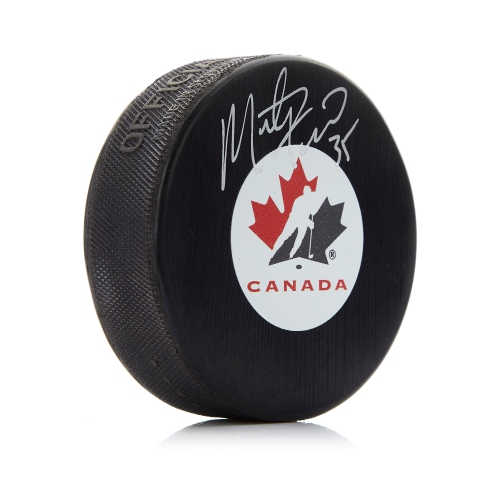
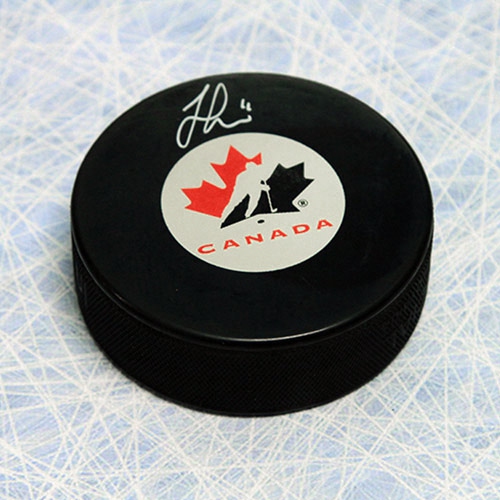
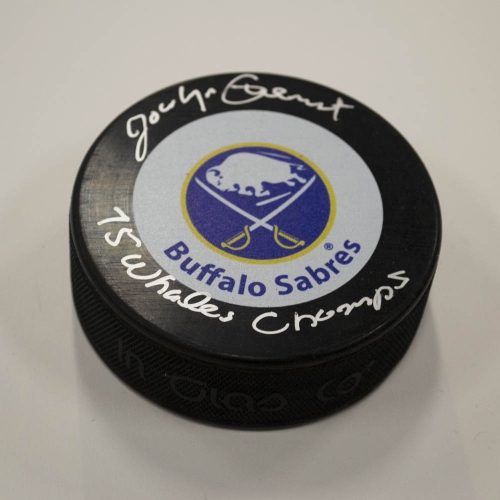
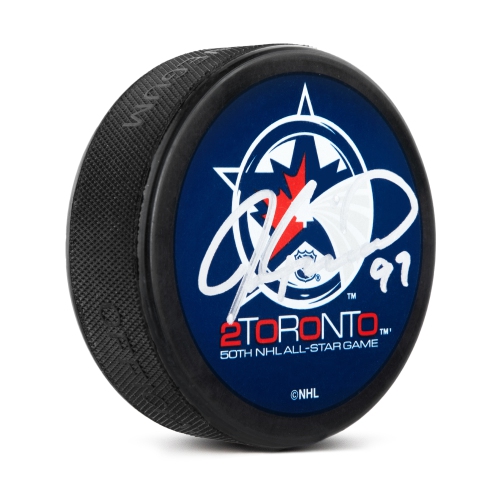
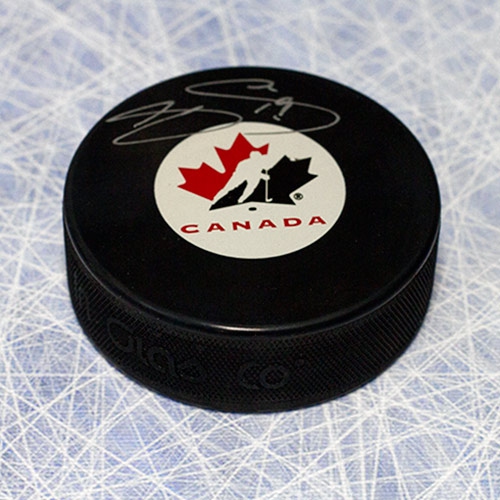
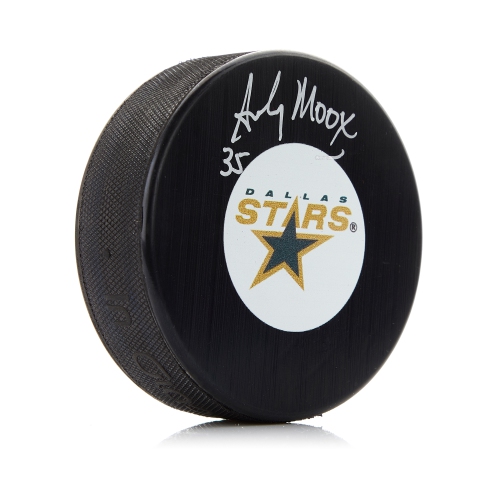
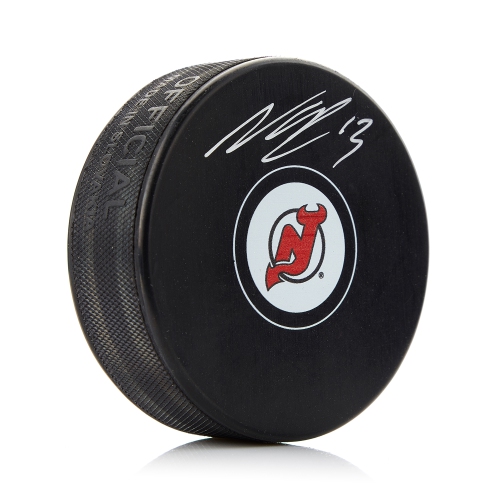
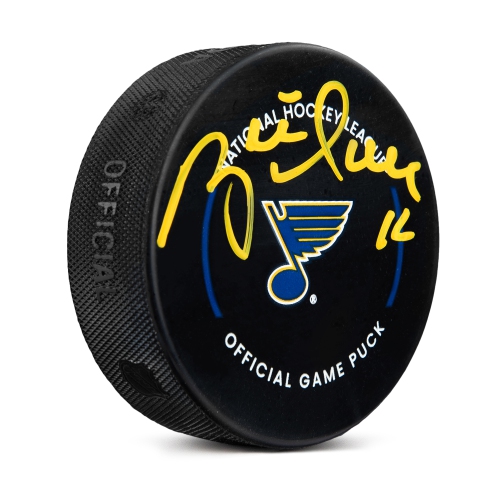
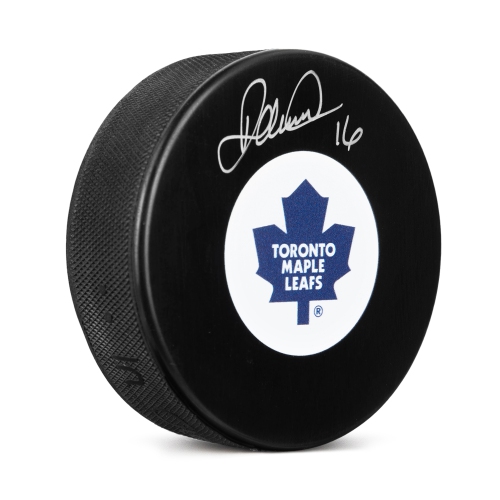
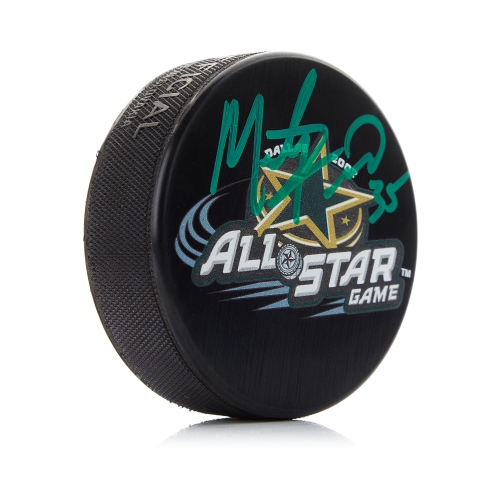
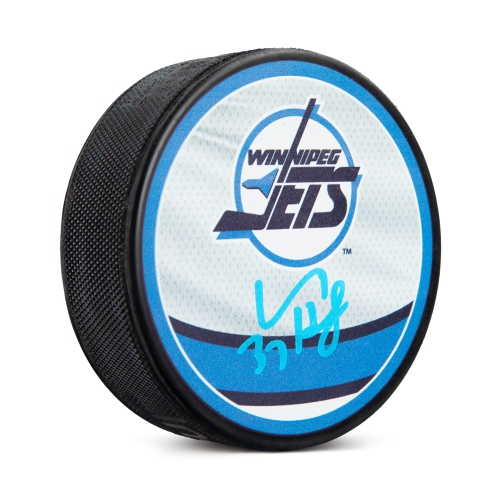
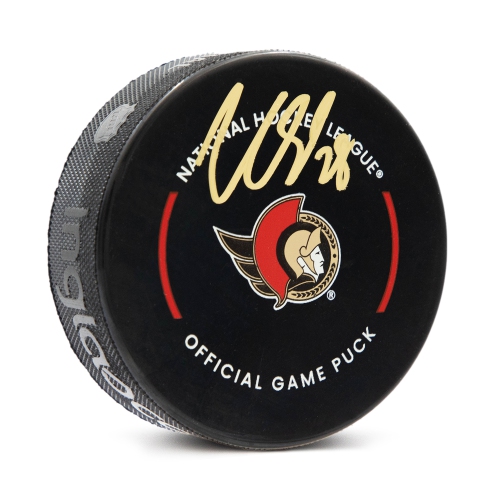
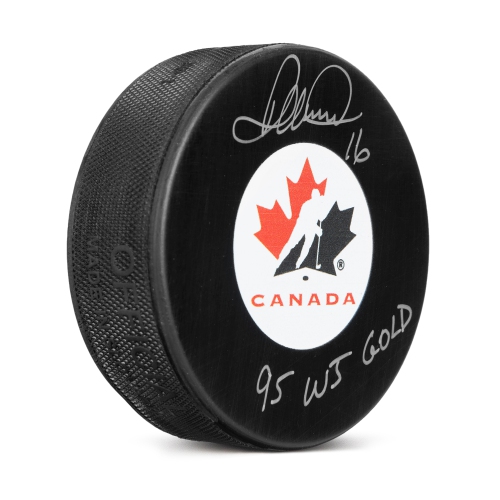
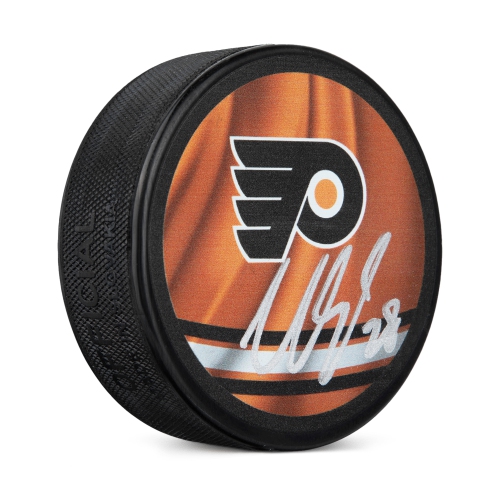
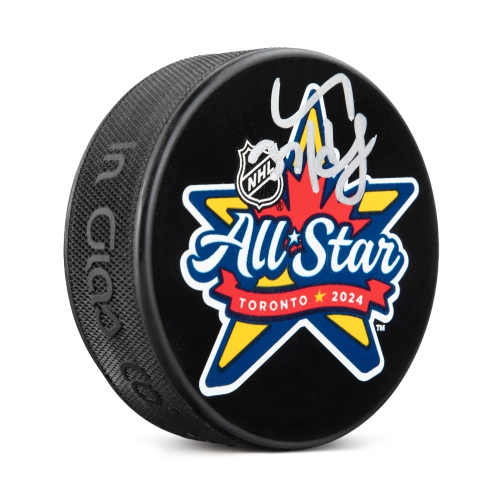
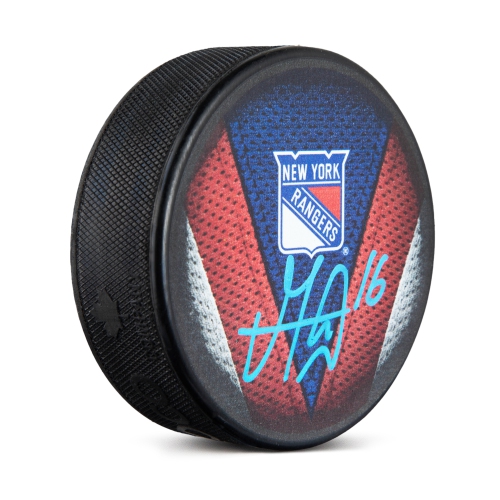
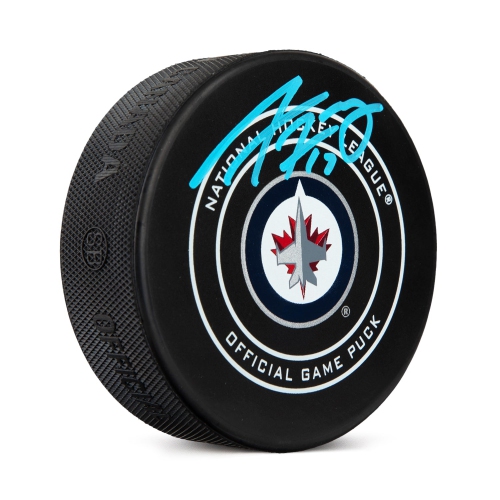
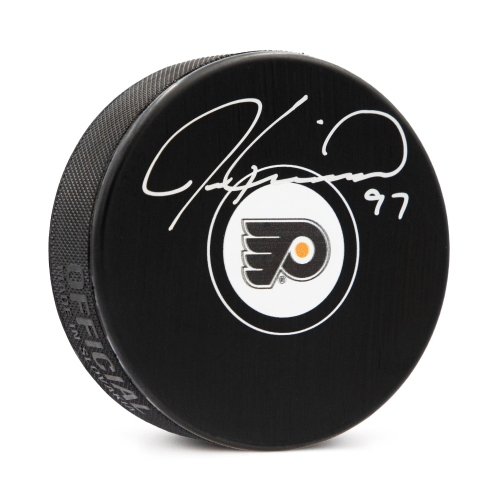
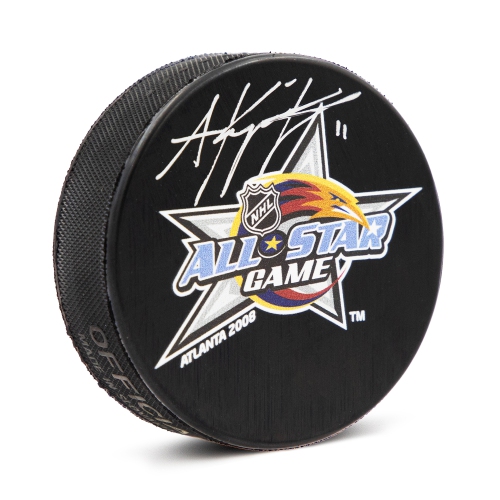
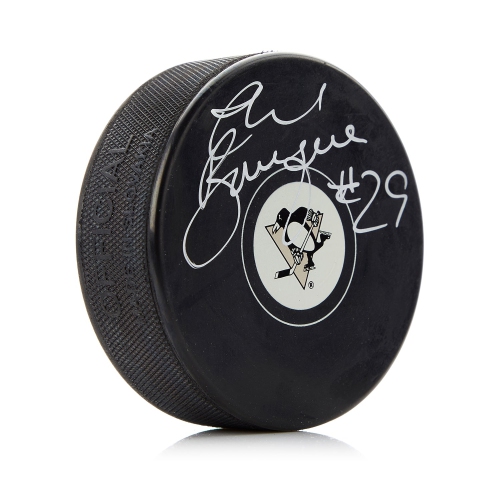
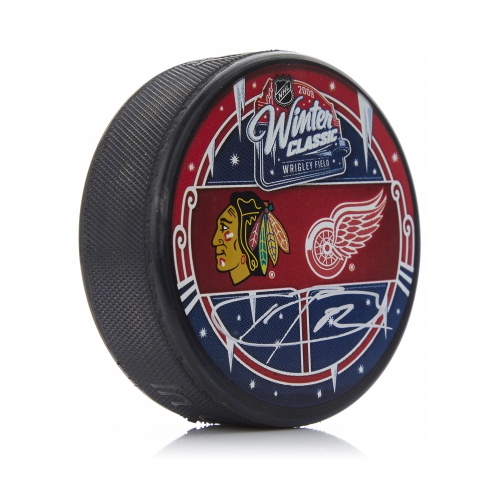
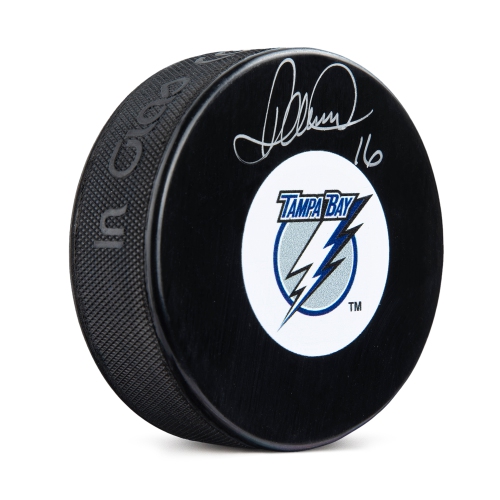
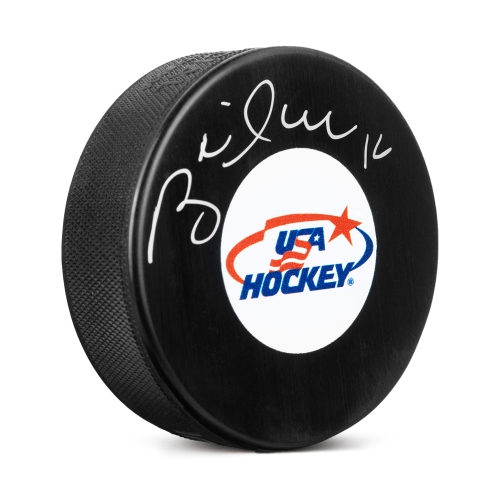
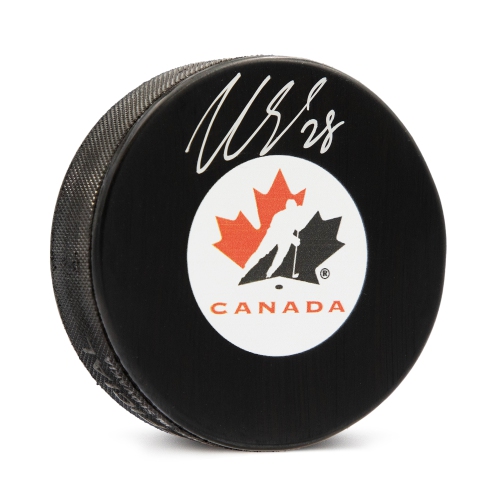
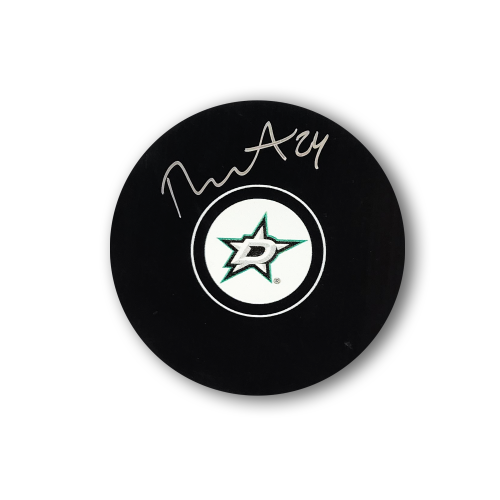
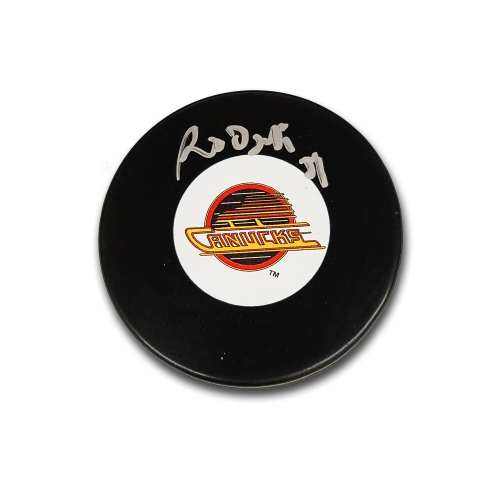
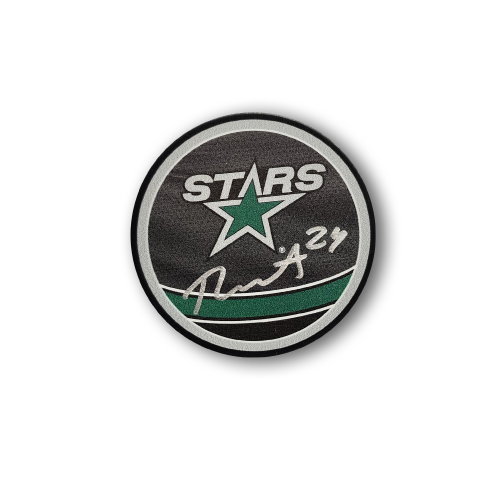
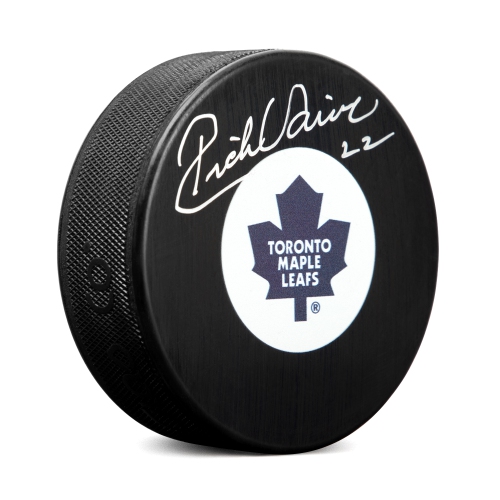
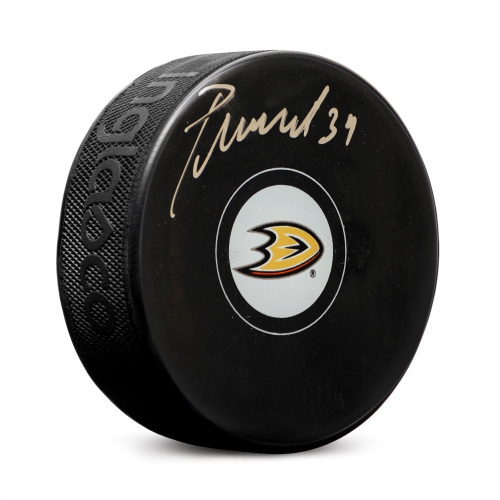
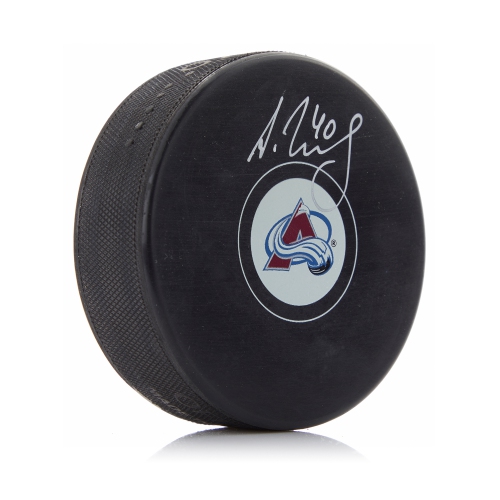
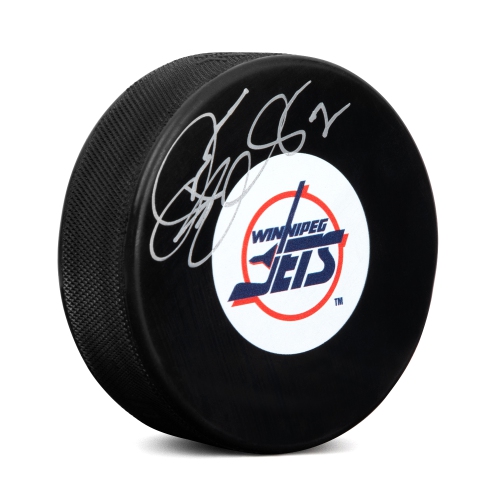
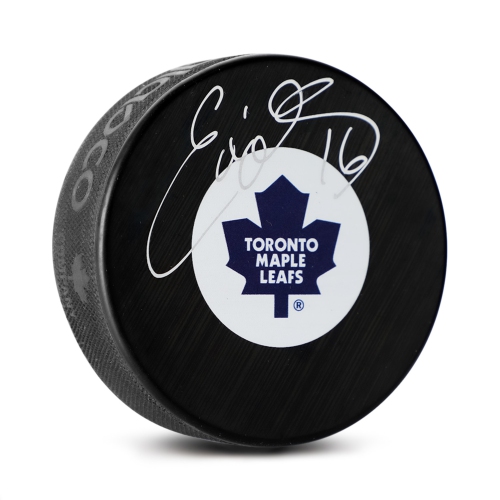
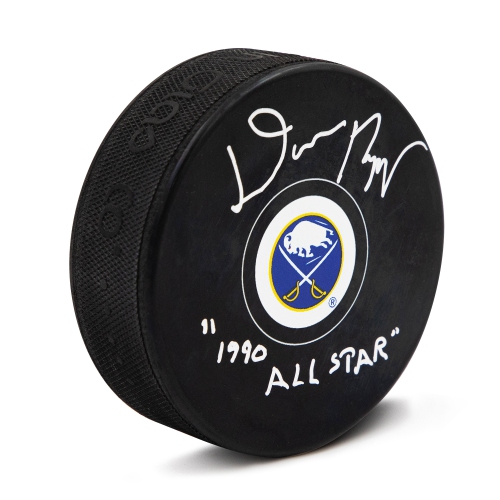
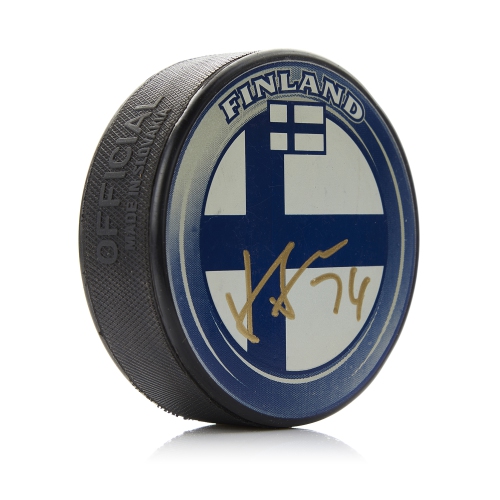
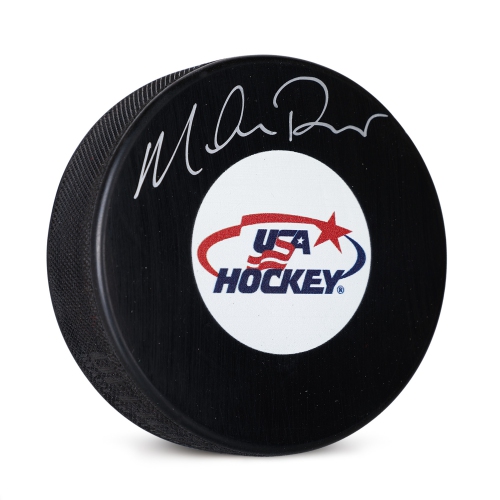
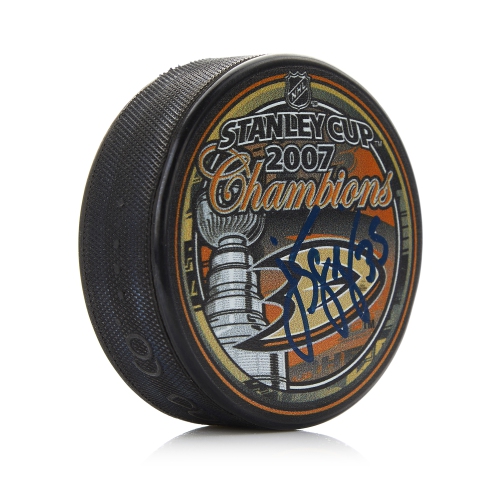
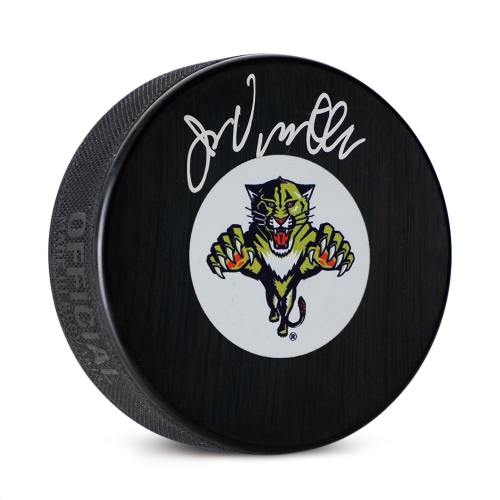
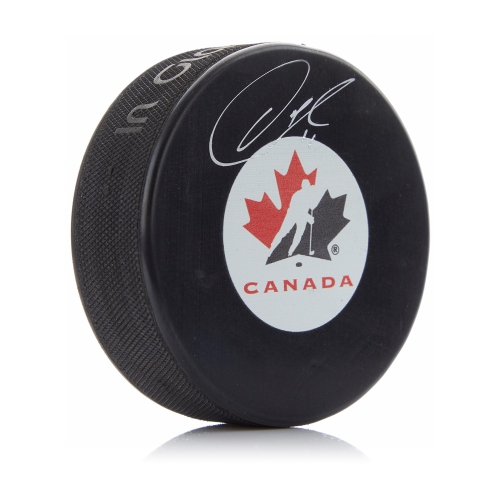
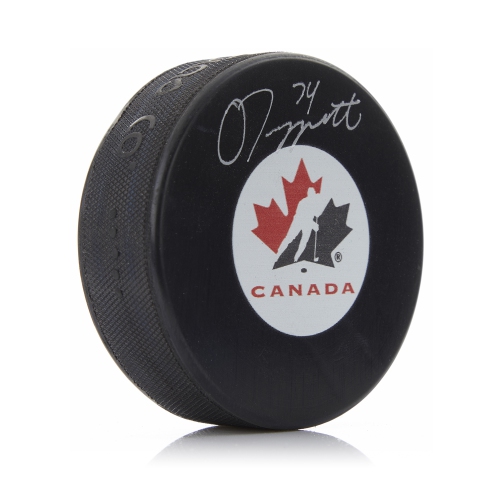
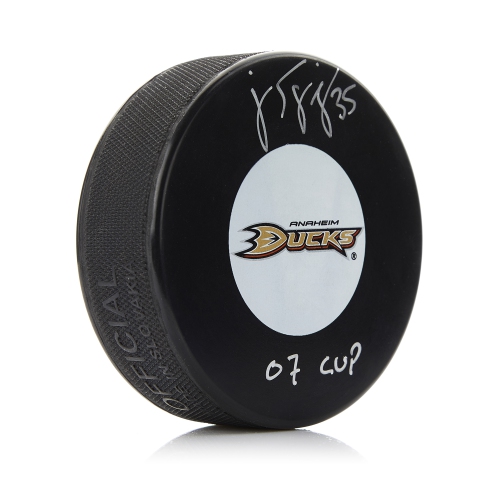
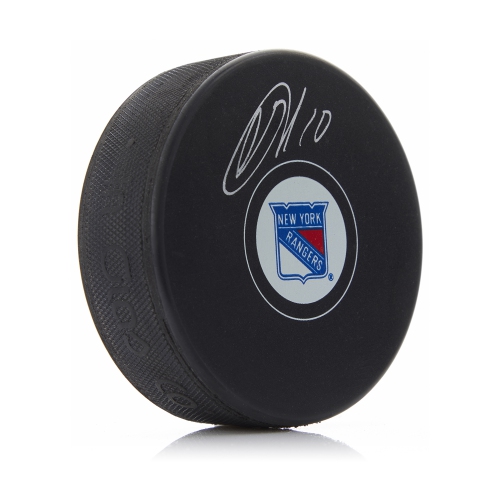
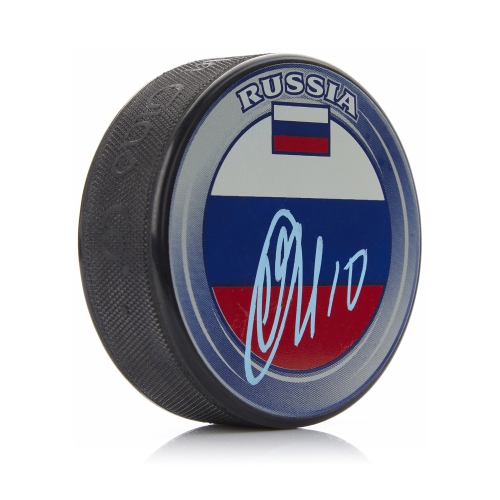
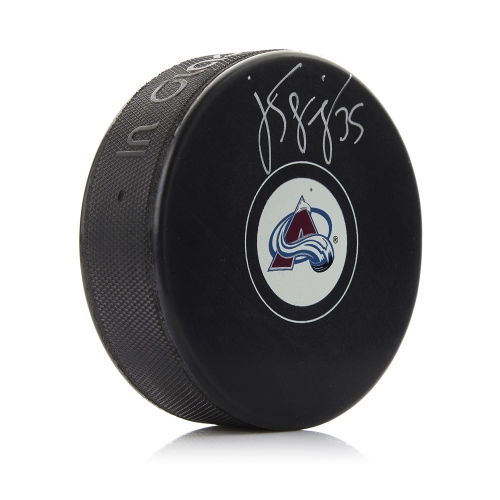
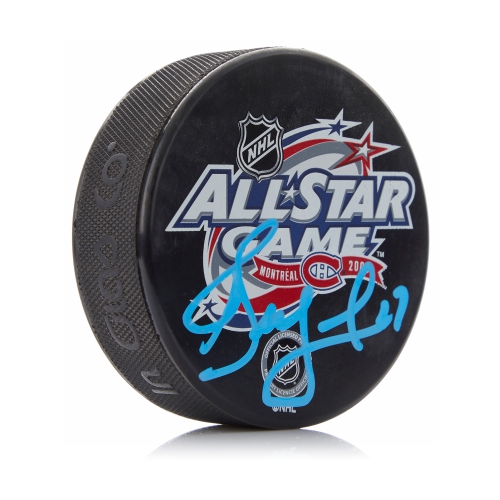
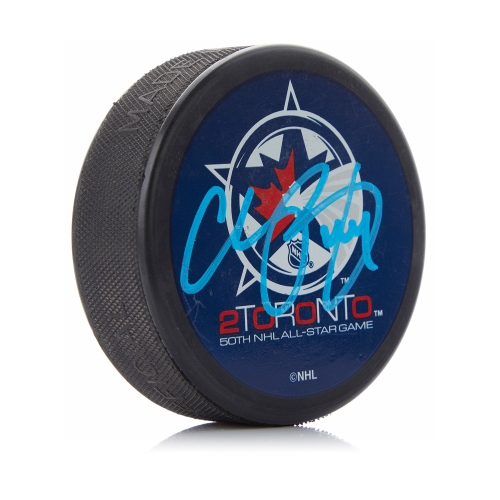
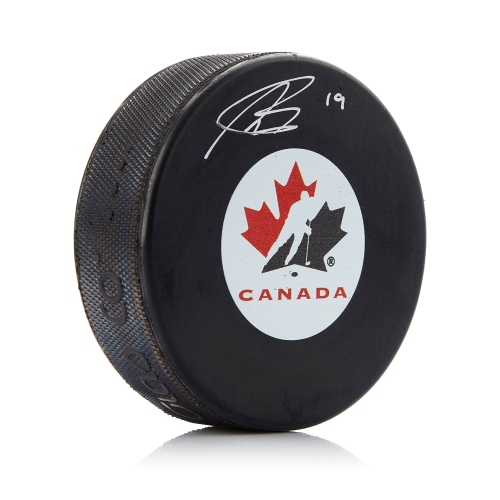
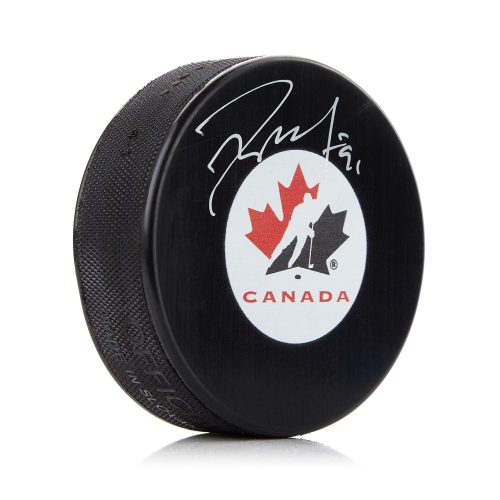
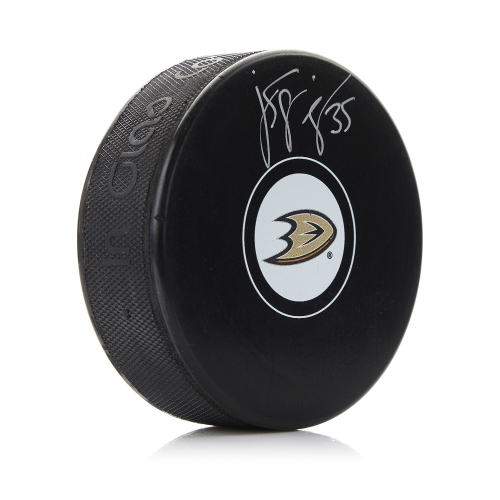
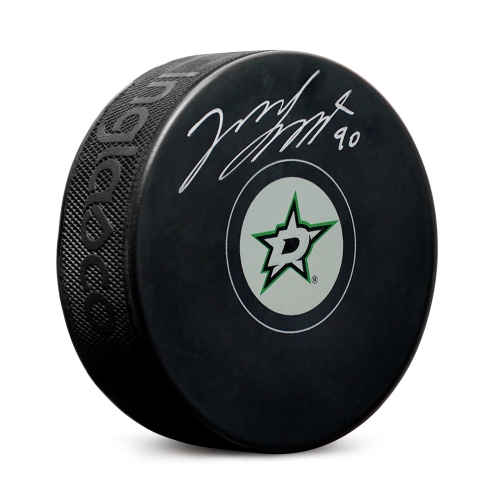
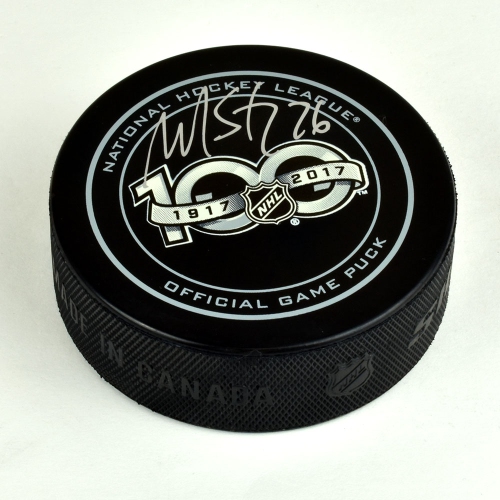
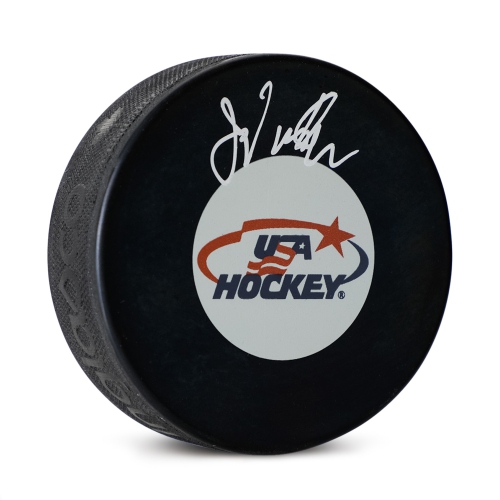
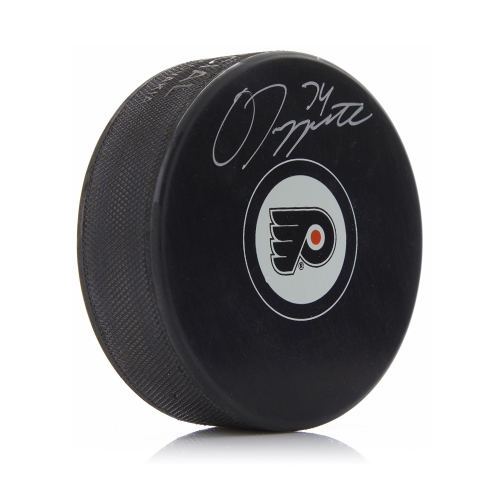
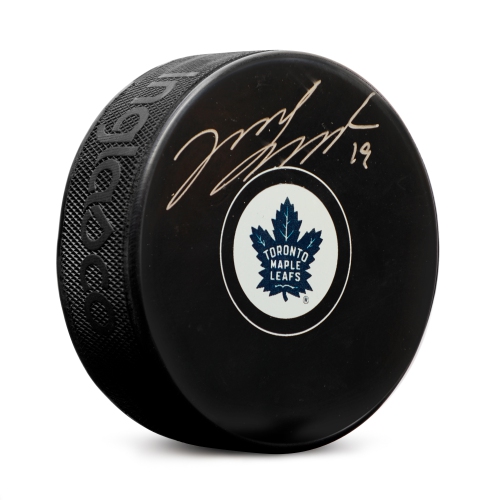
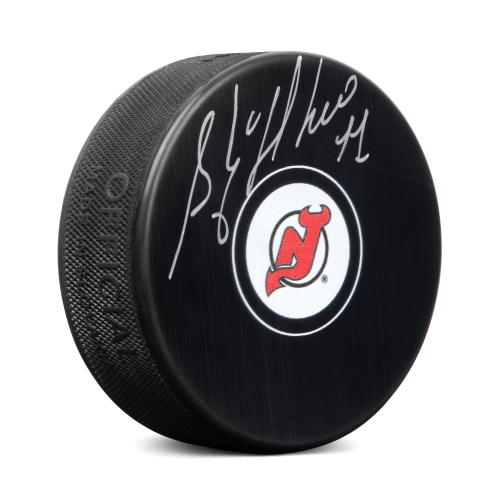
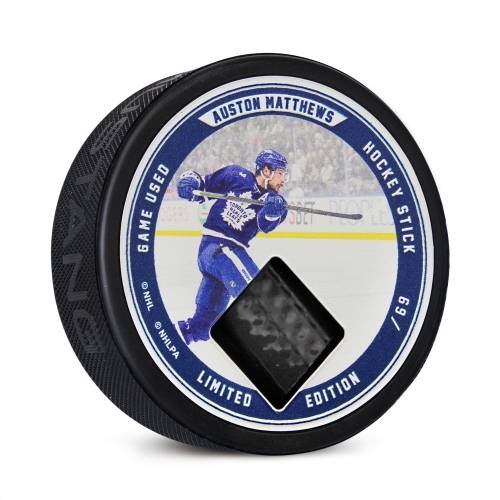
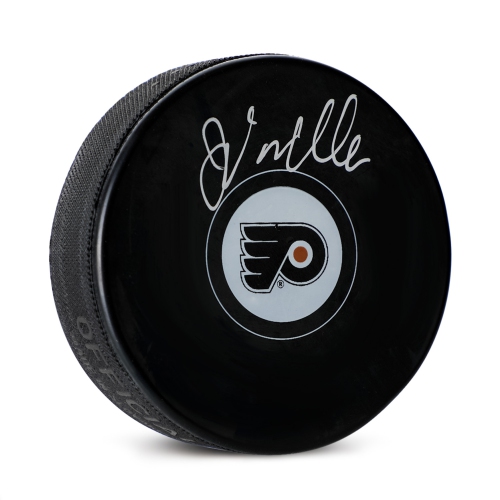
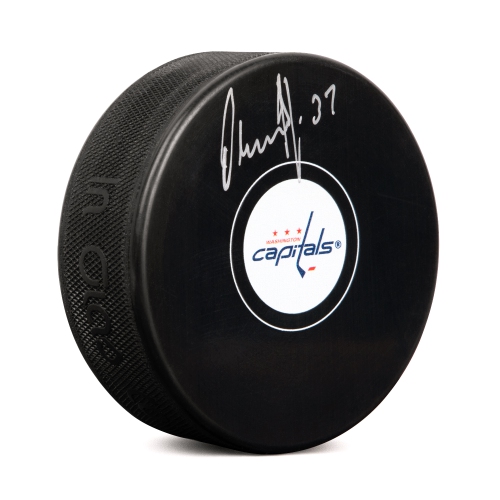
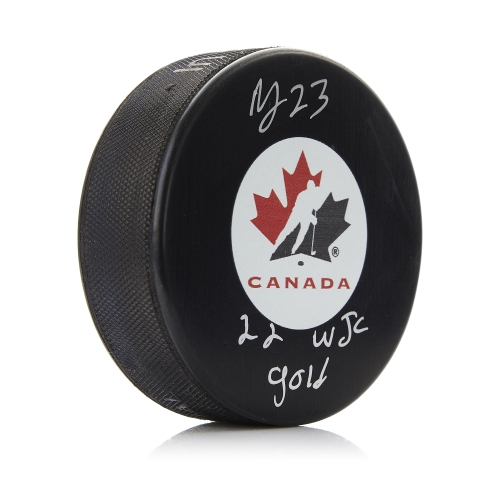
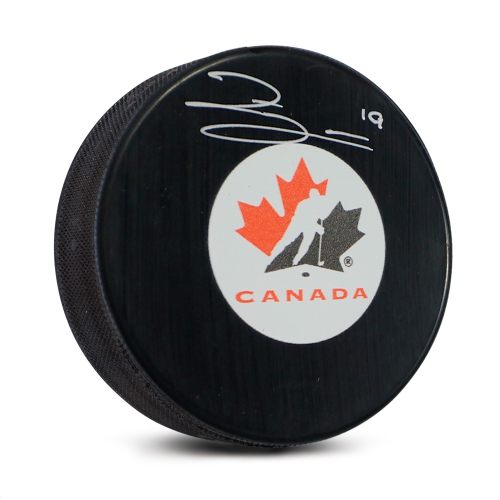
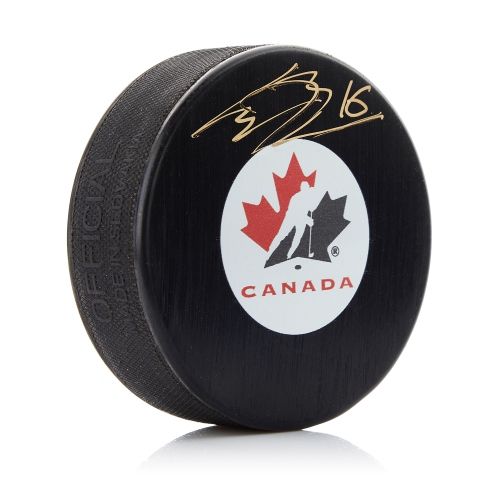
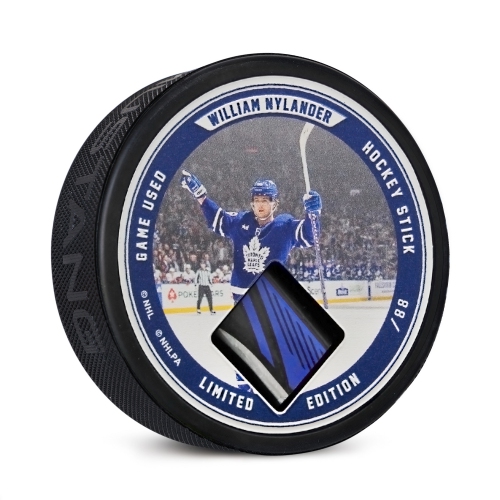
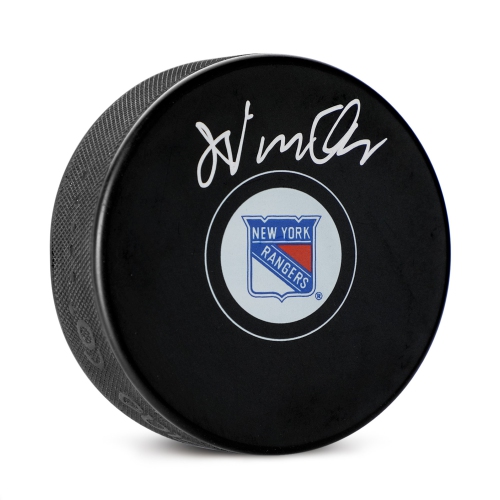
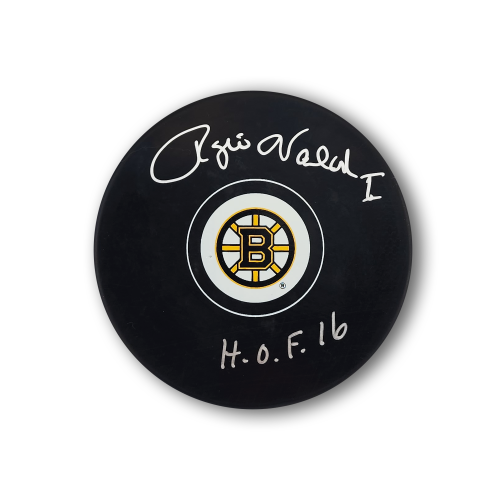
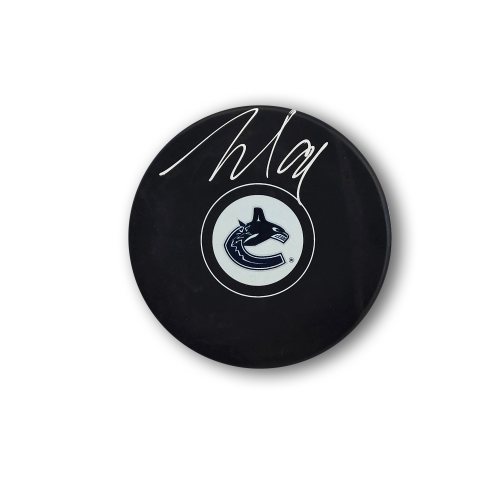
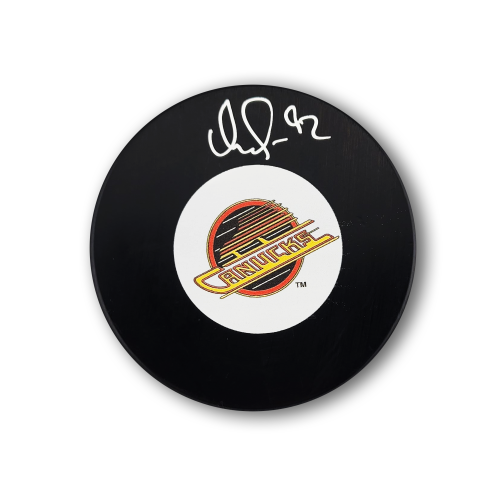
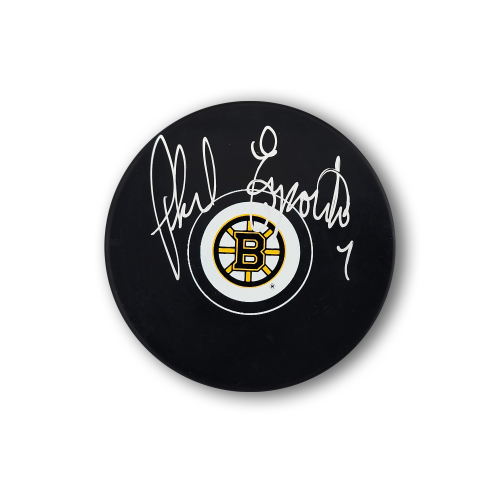
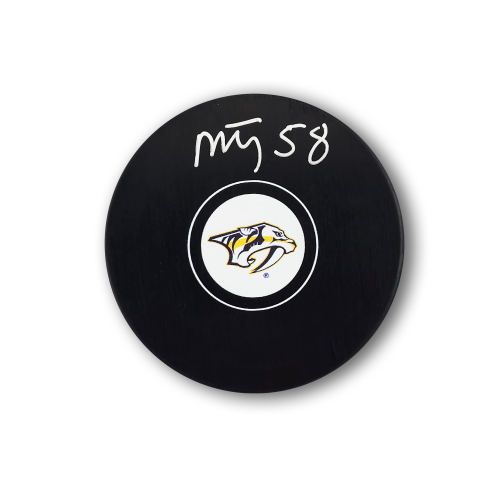
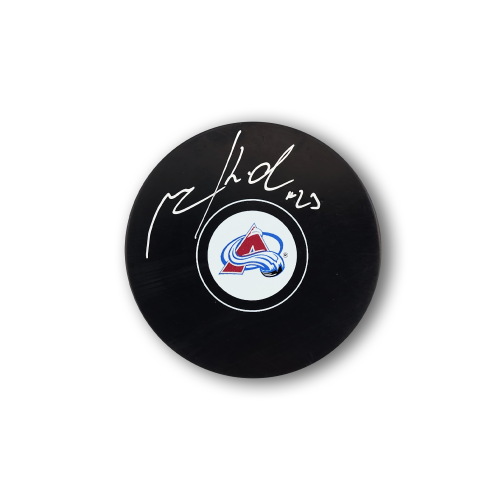
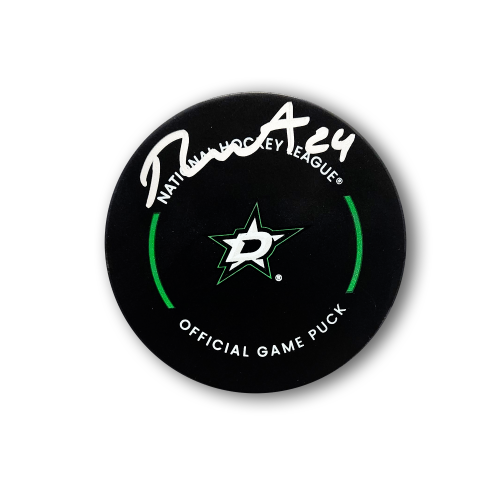
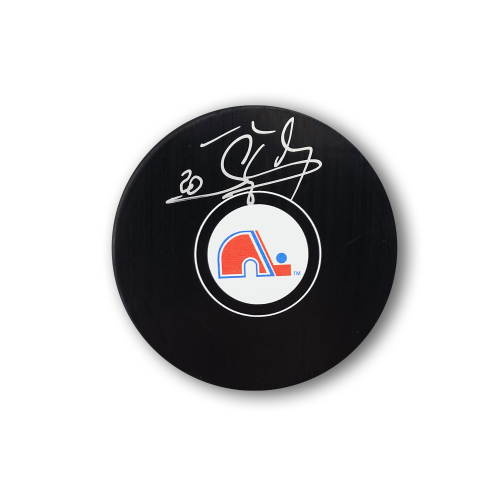
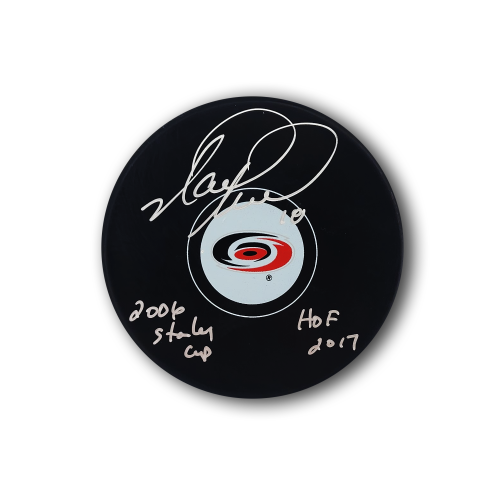
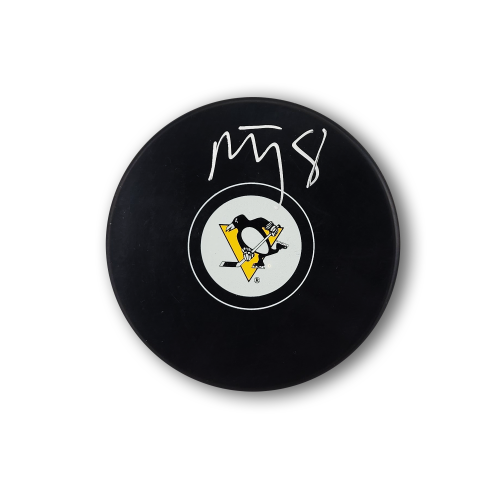
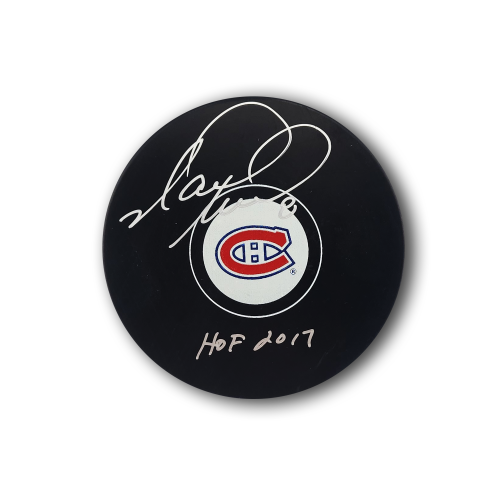
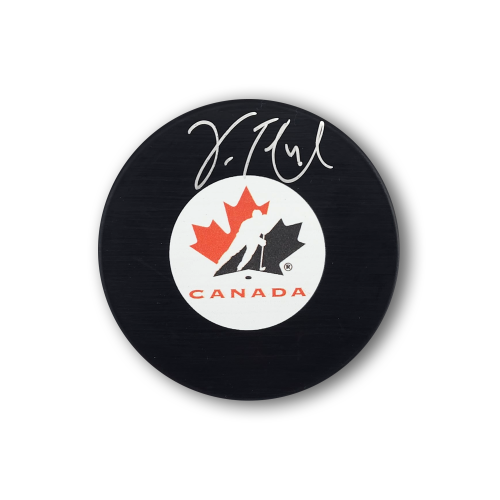
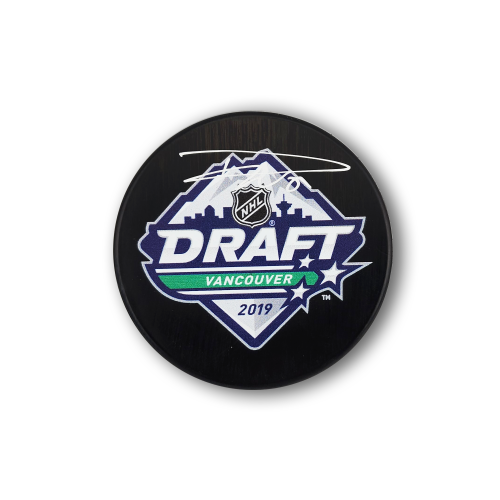
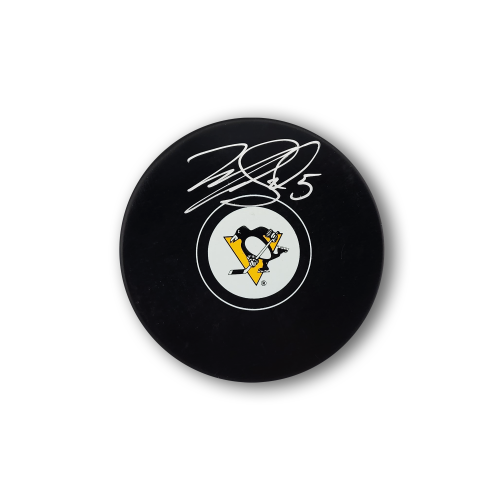
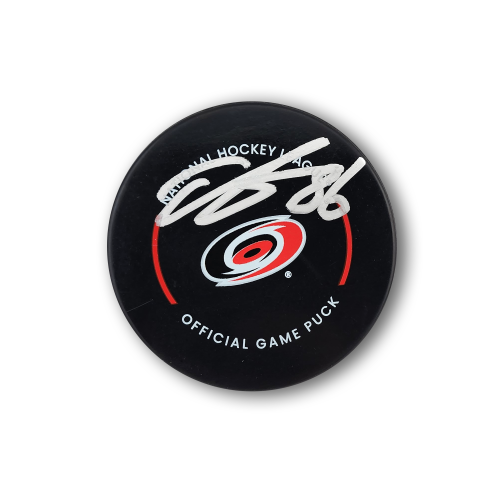
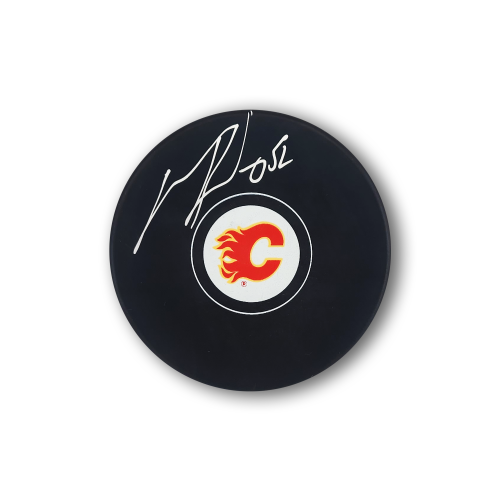
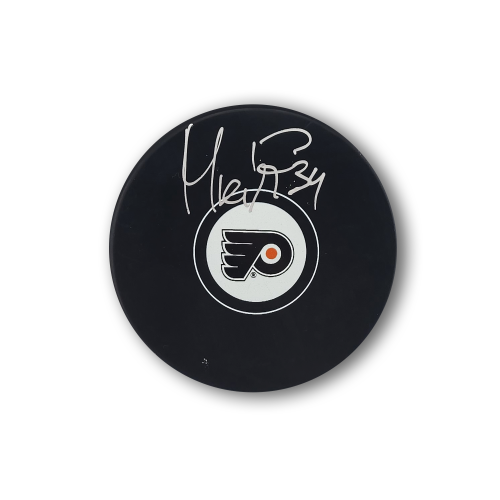
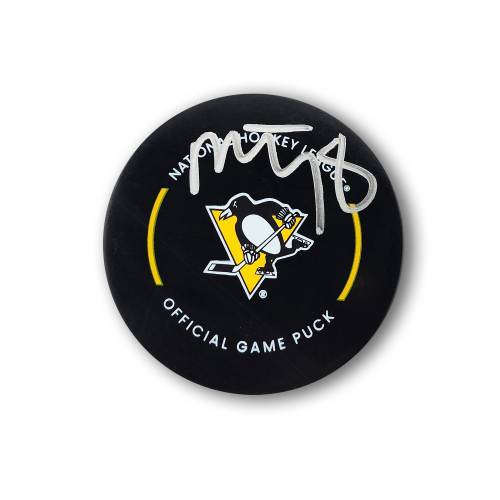
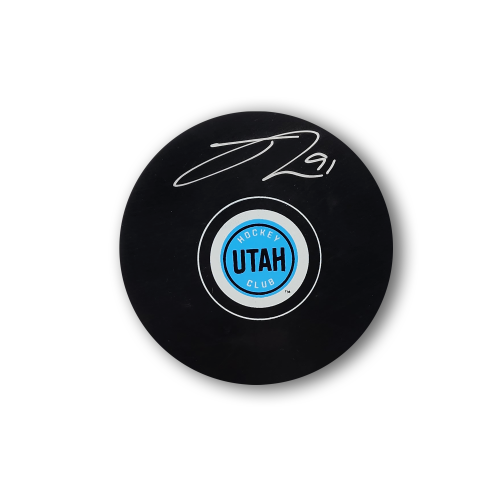
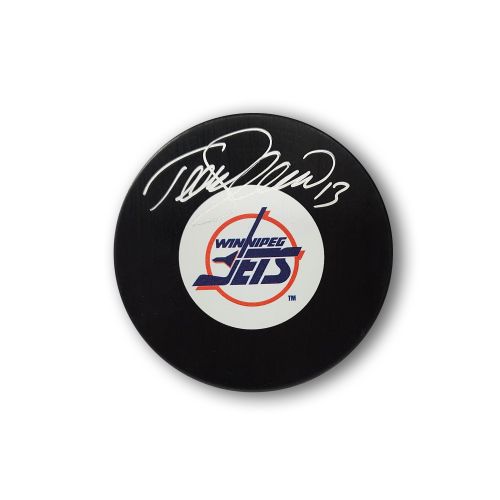
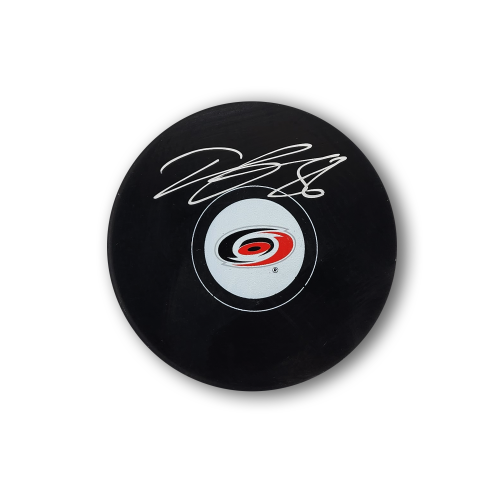
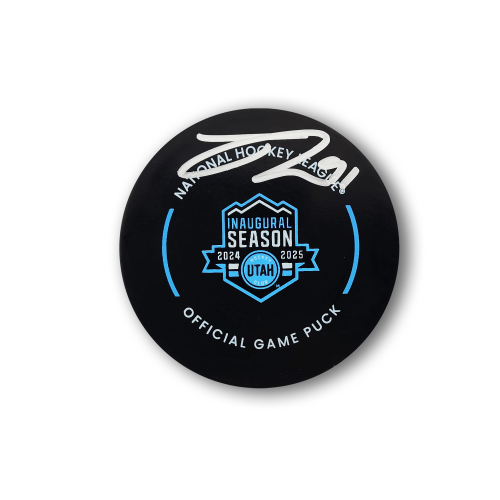
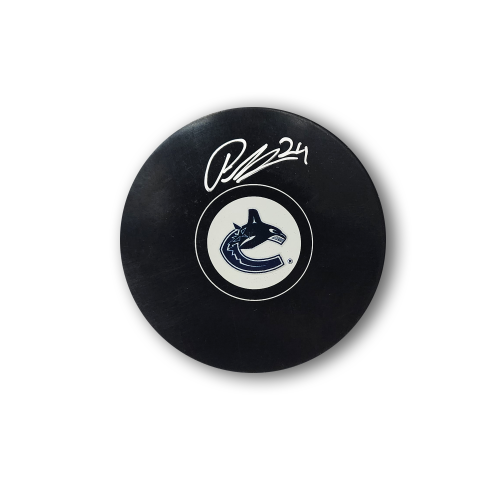
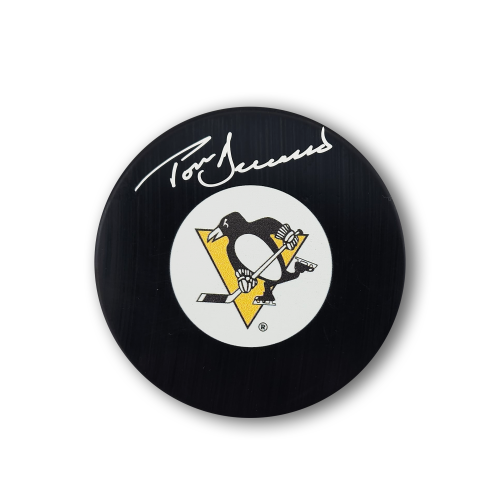
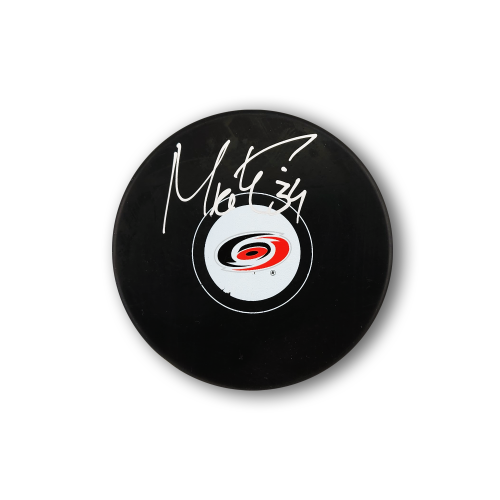
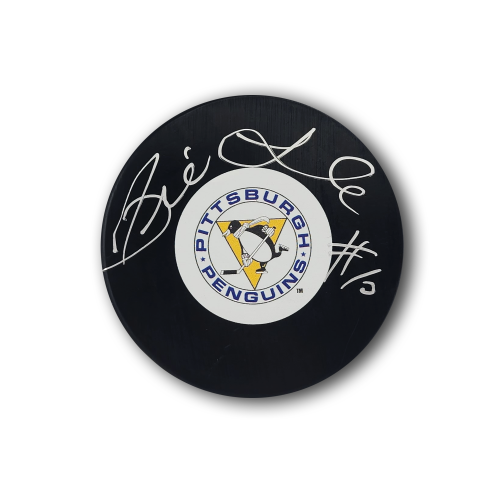
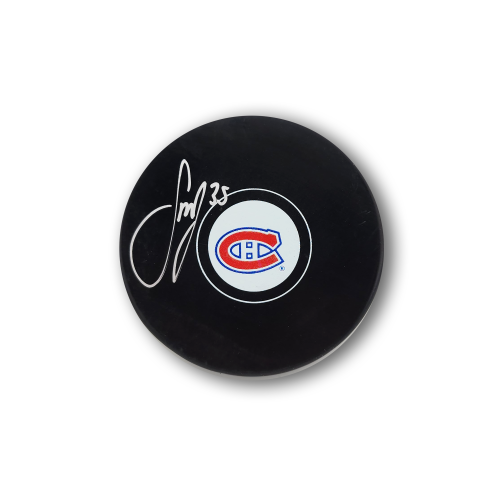
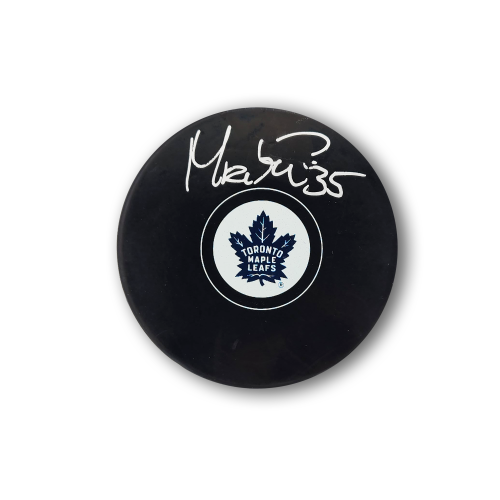
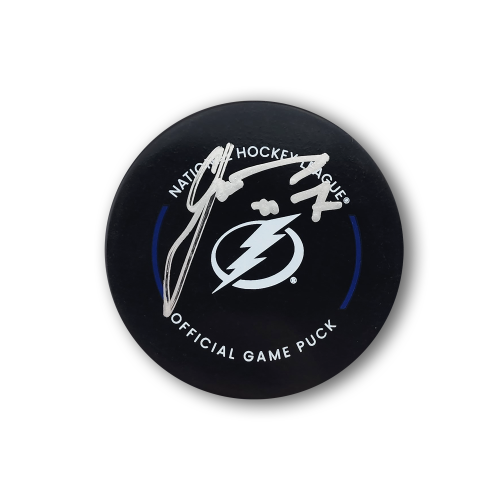
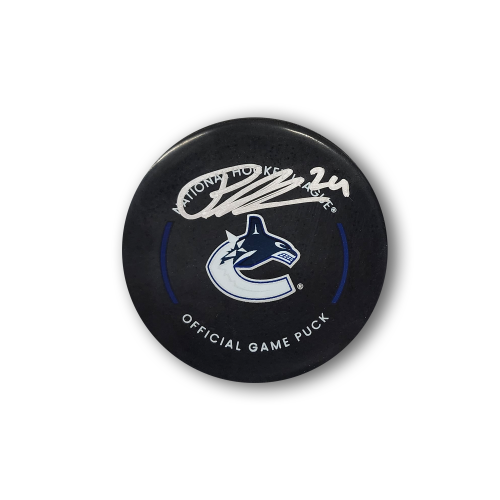
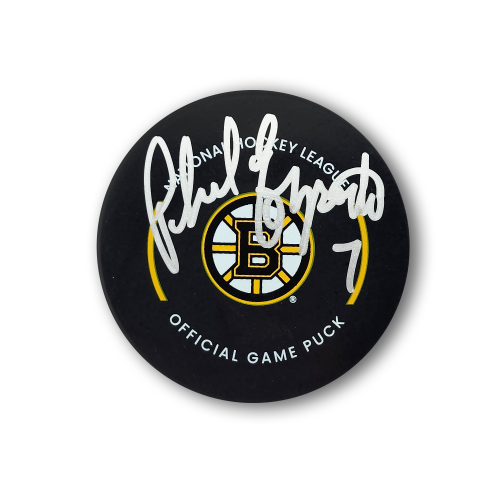
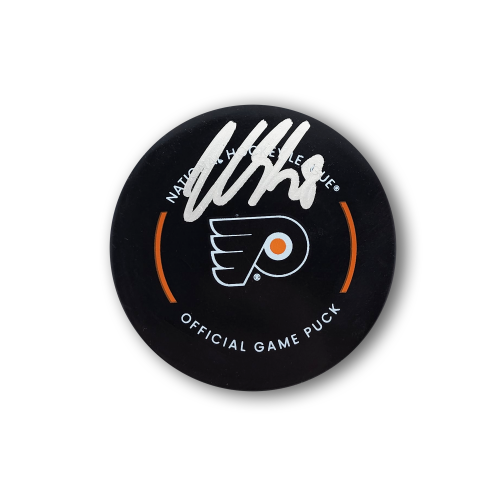
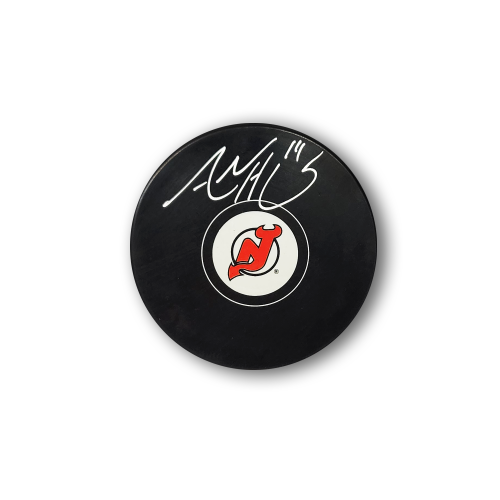
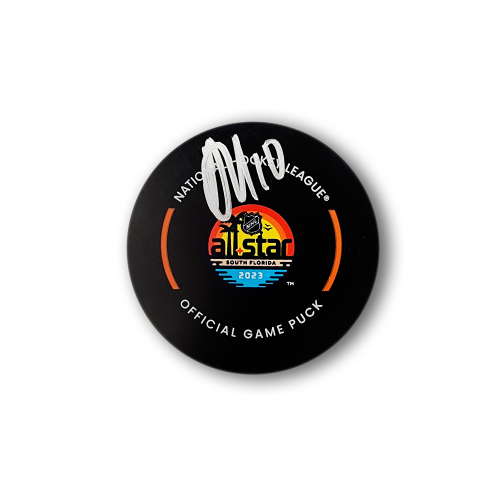
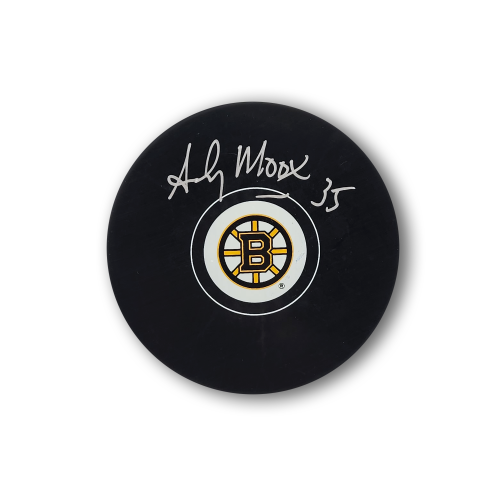
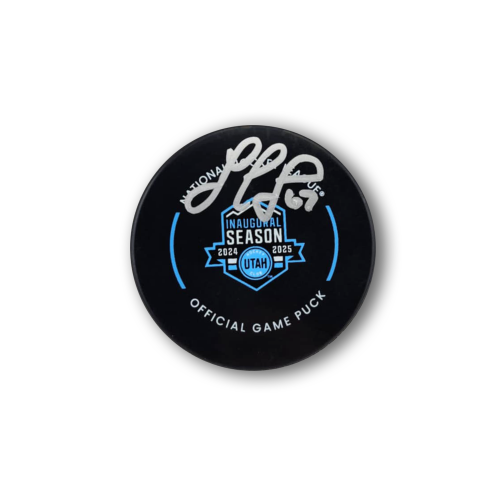
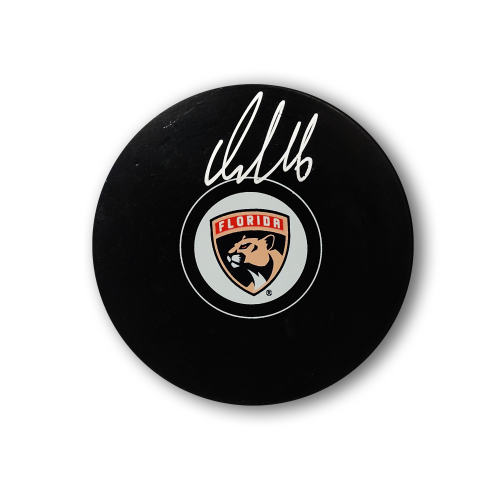
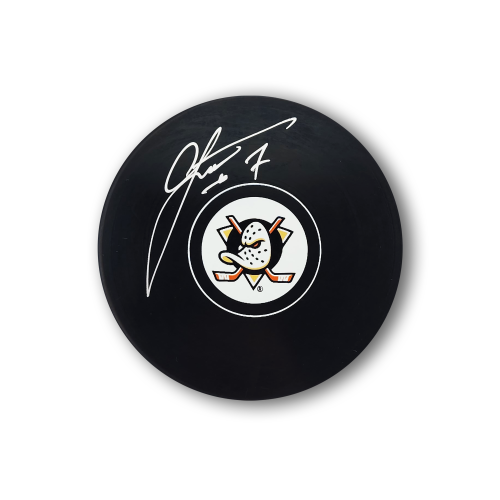
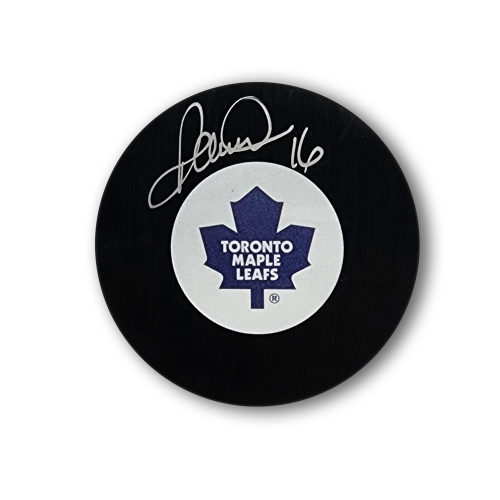
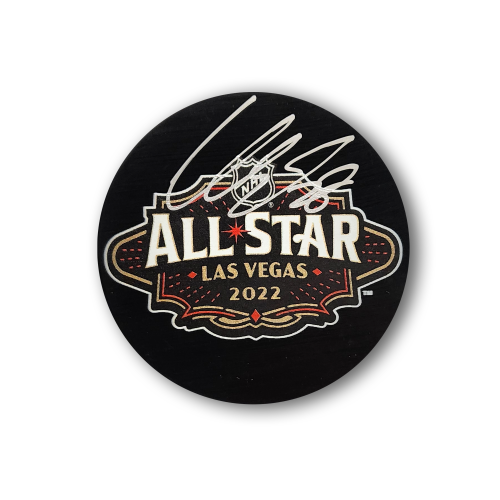
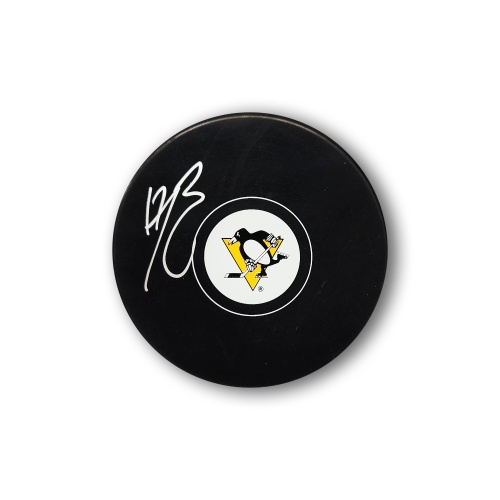
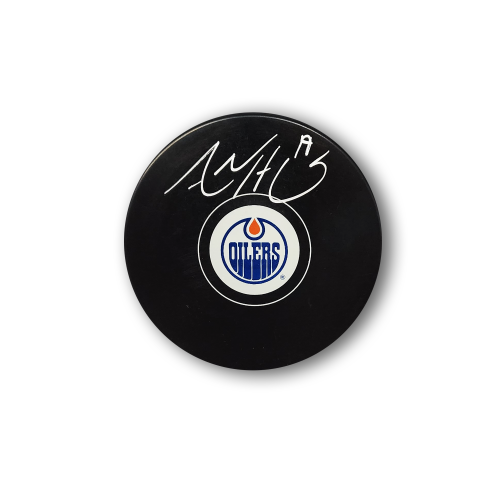
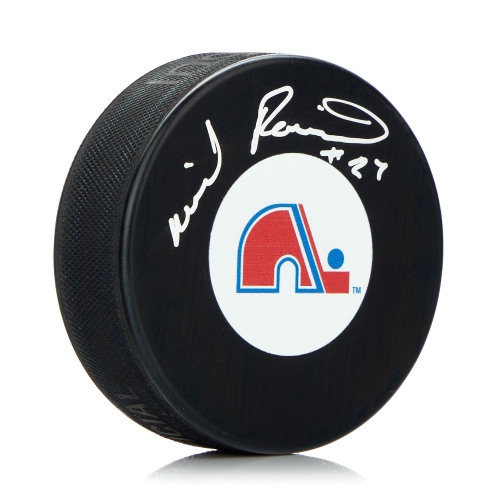
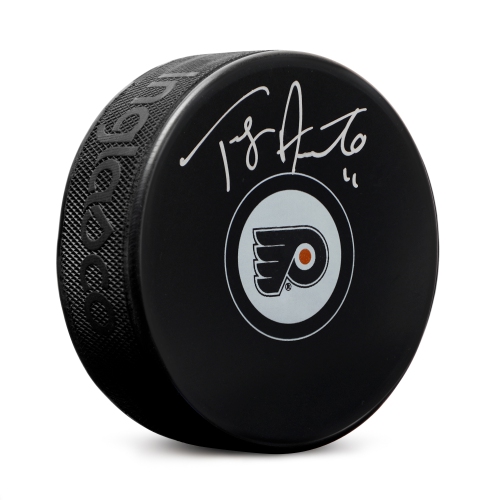
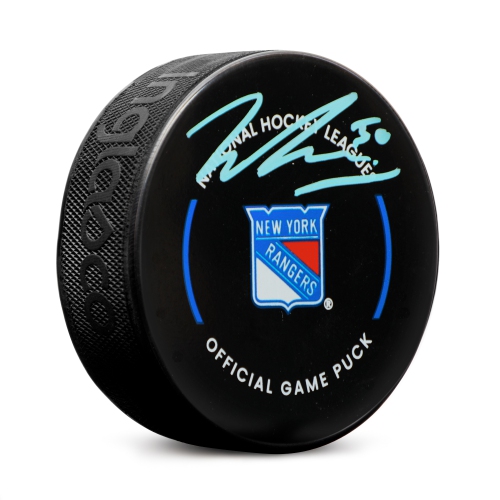
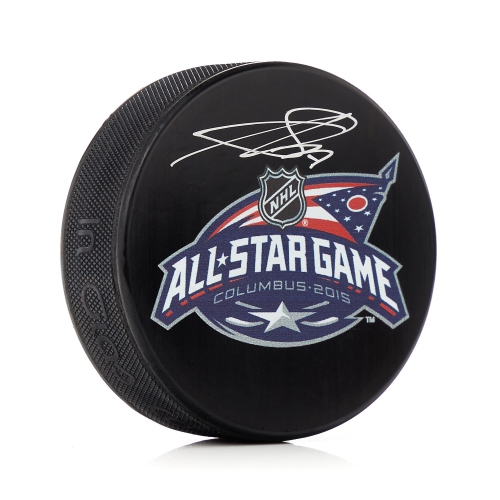
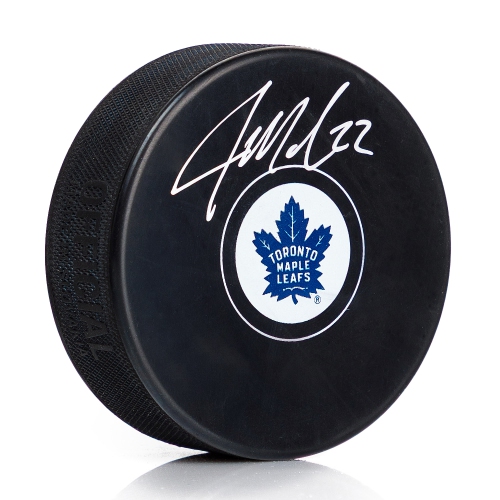
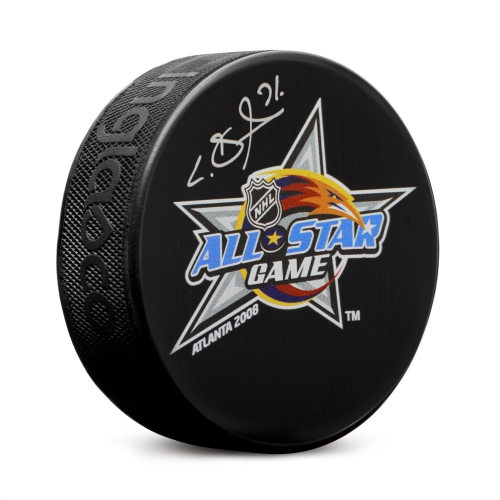
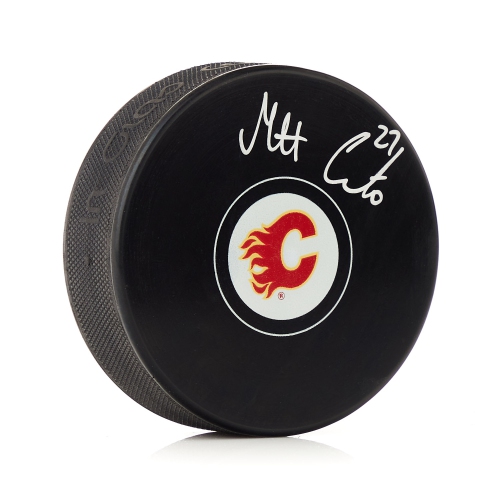
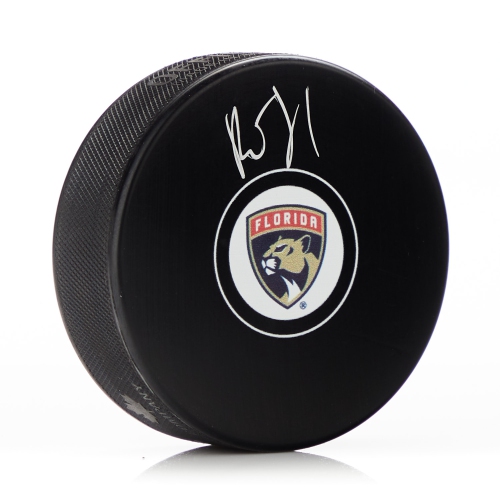
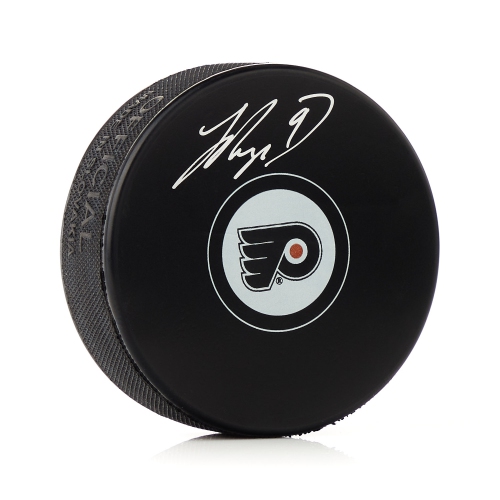
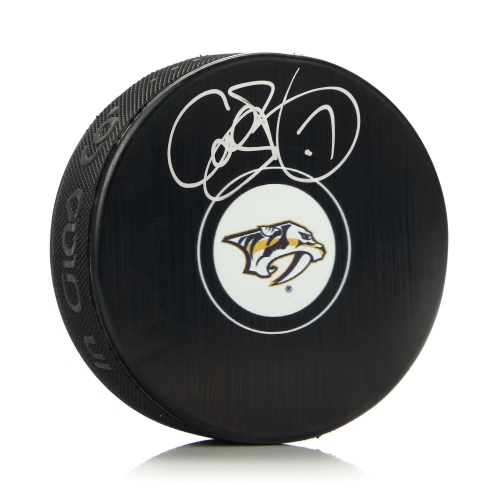
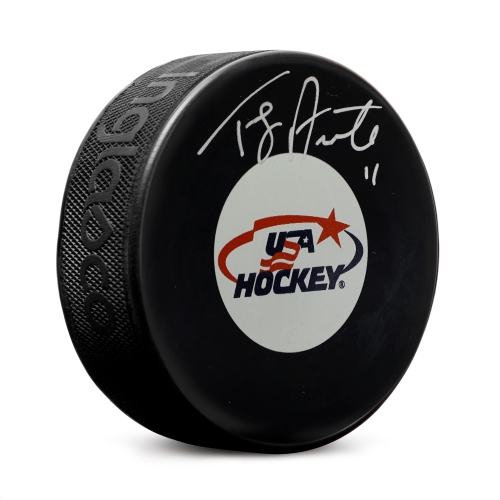
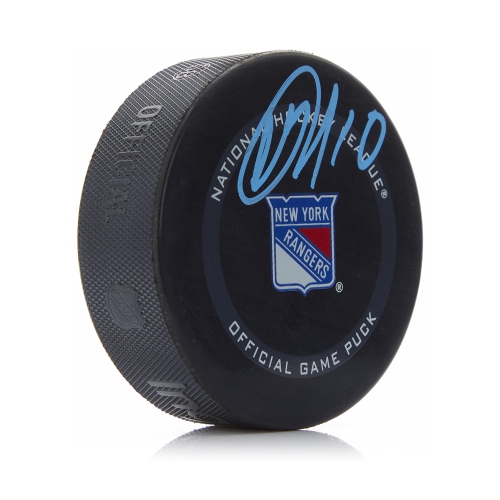
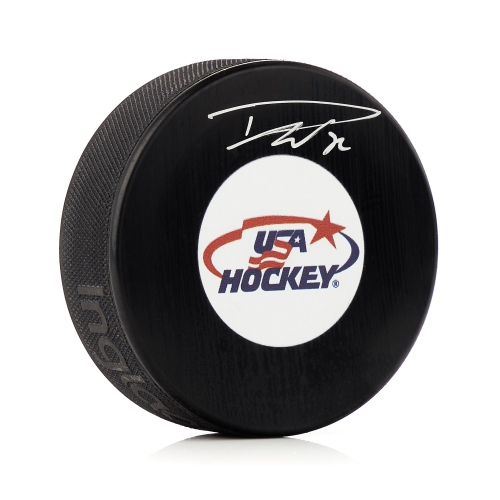
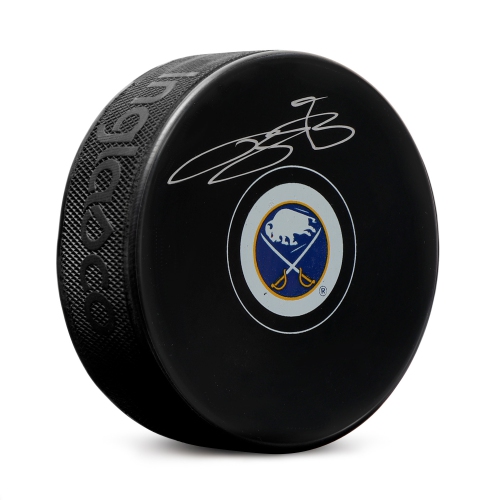
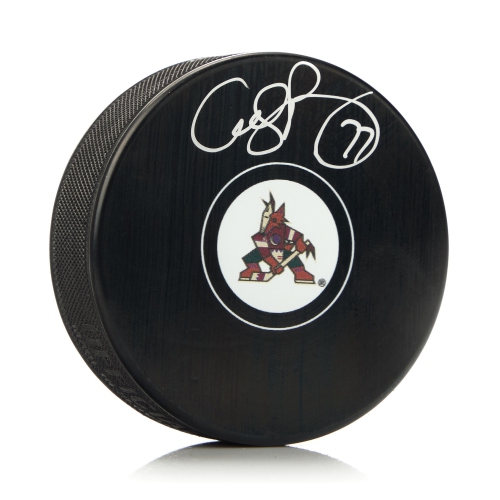
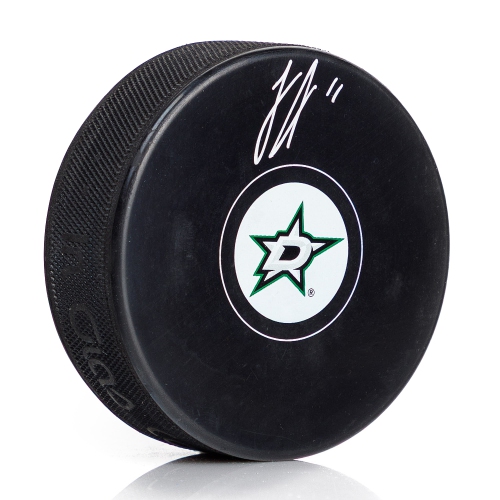
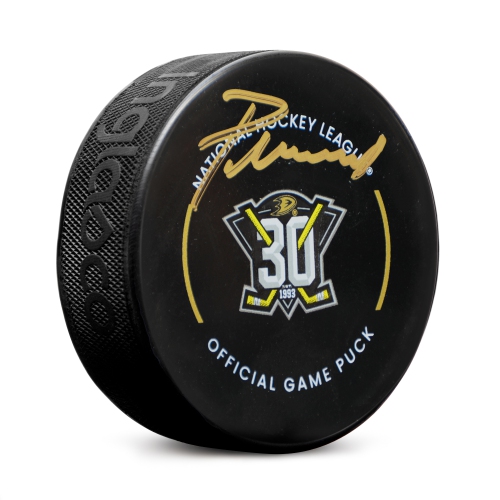
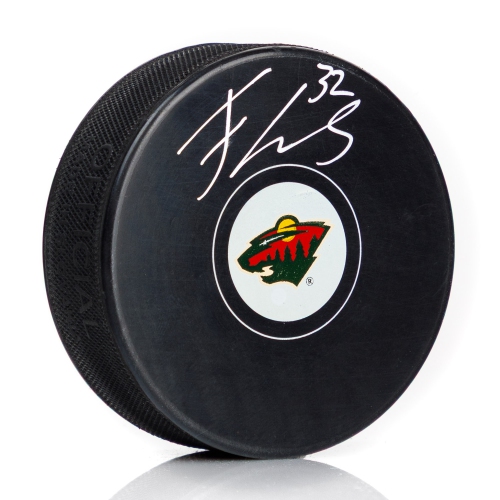
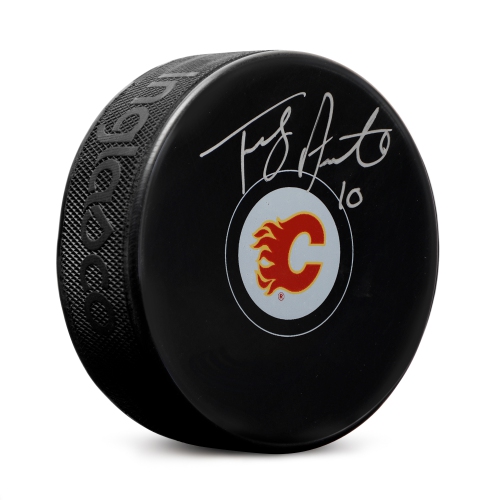
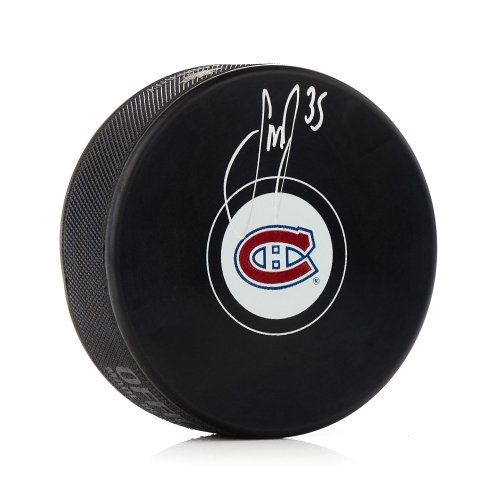
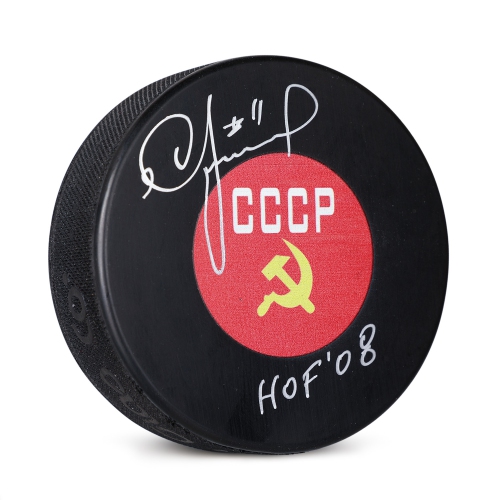
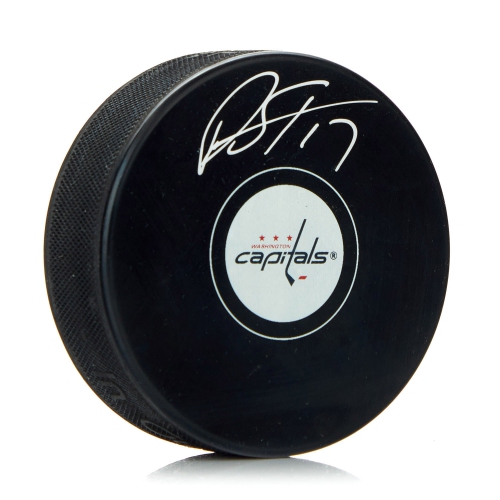
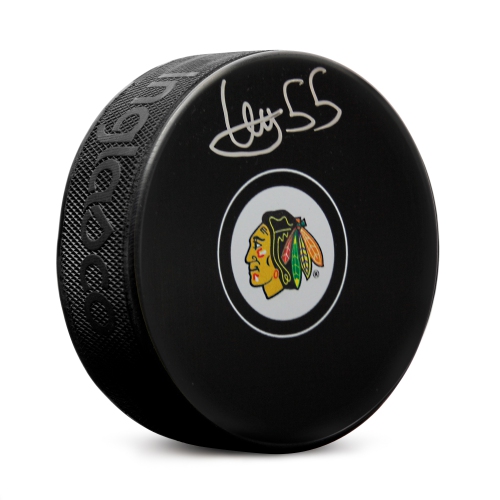
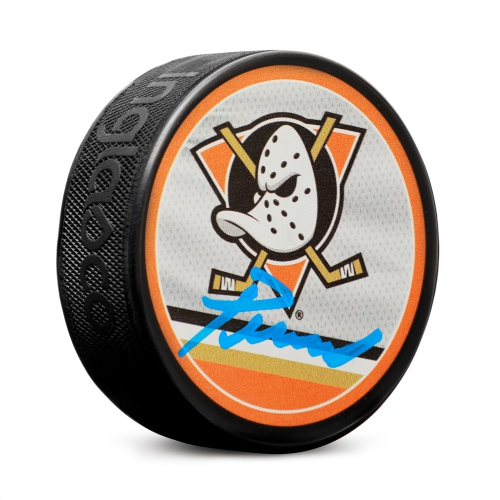
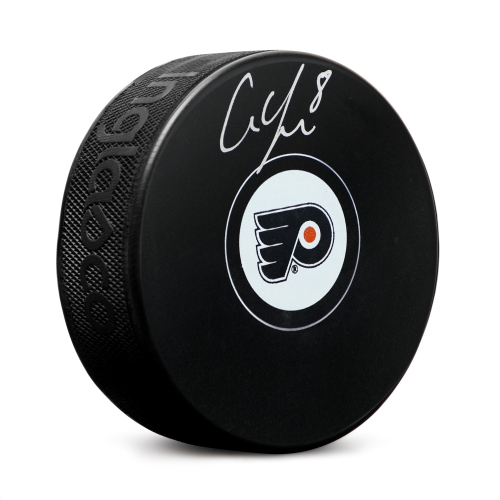
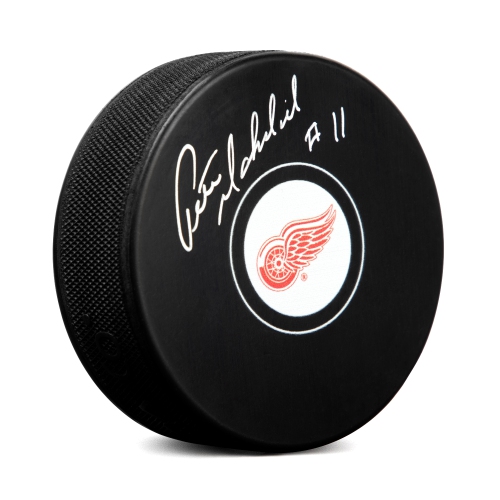
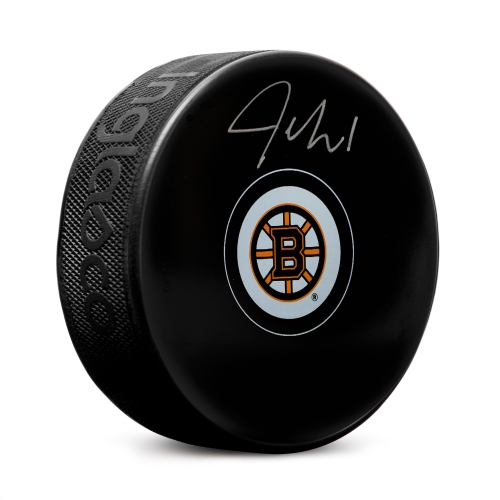
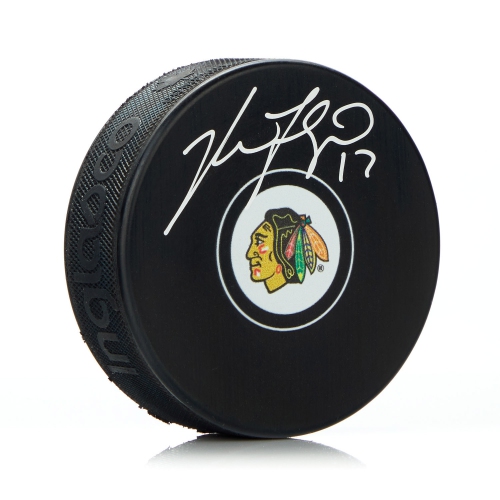
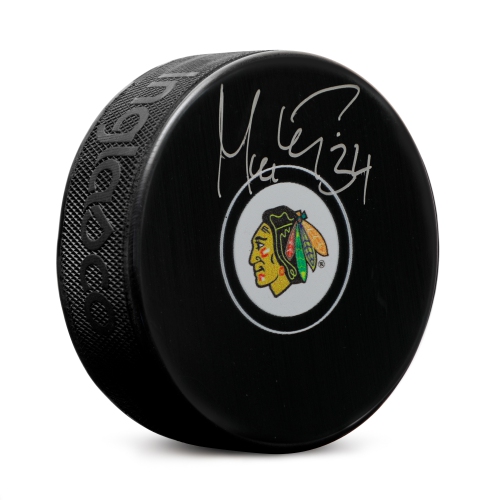
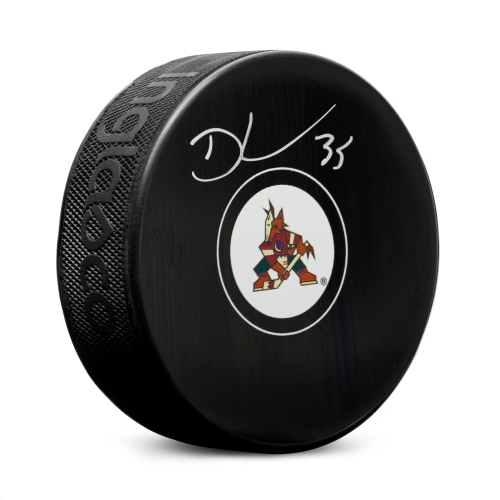
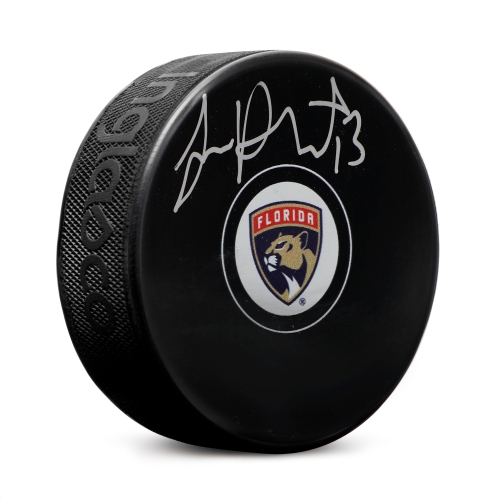
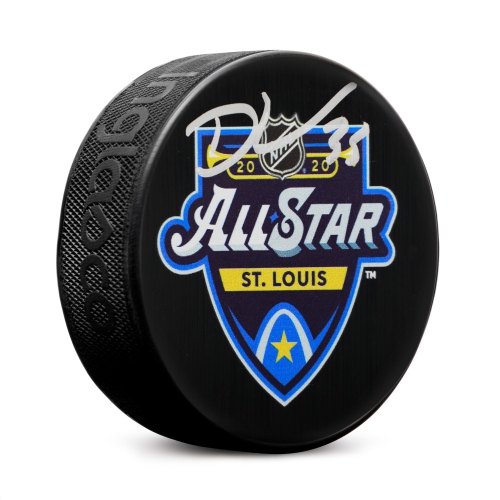
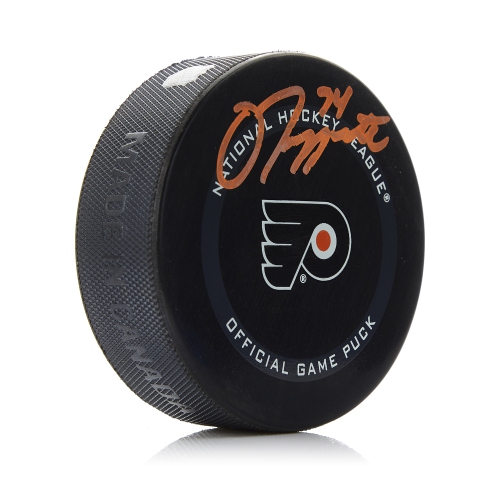
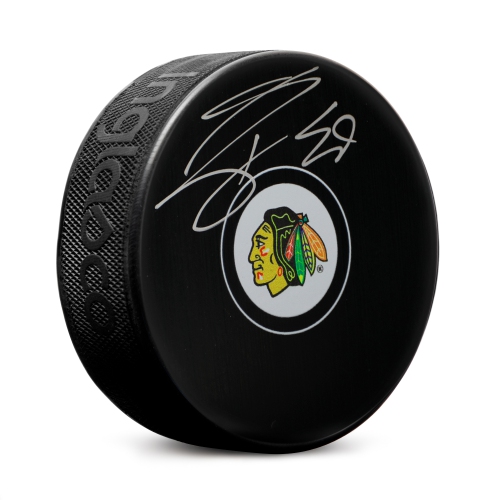
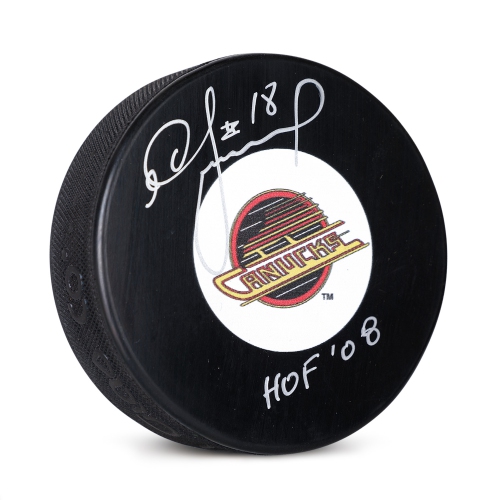
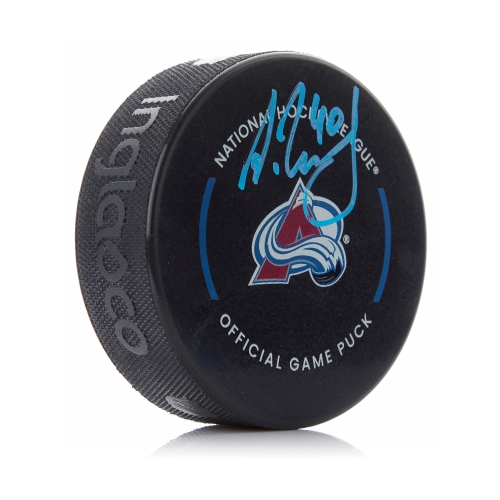
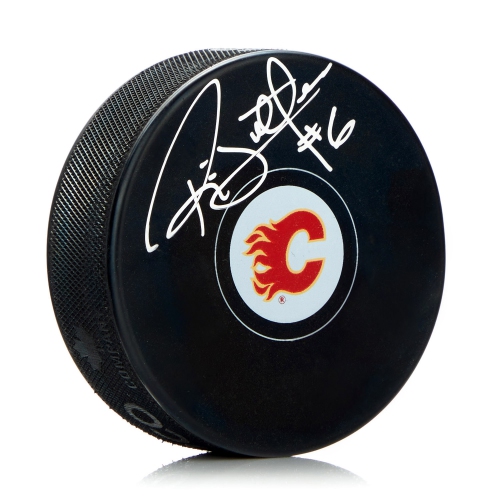
Printed designs can identify a team, league, tournament, or special event. Some pucks also carry manufacturer branding or official game markings. Souvenir pucks often feature artwork celebrating a player, championship, or milestone.
Wipe plain rubber pucks with a damp cloth and a little mild soap, then let them dry before putting them away. For printed or autographed pucks, follow any supplied care directions and avoid scrubbing the decorated areas.
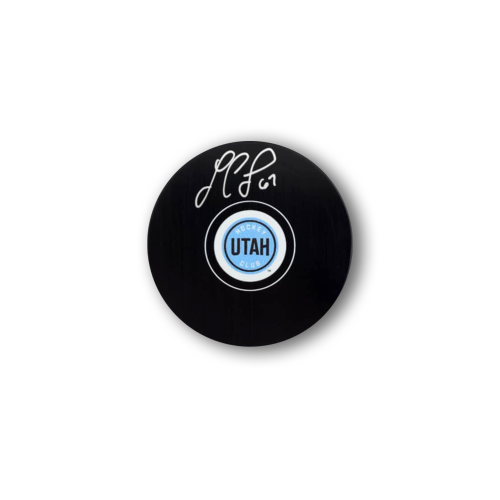
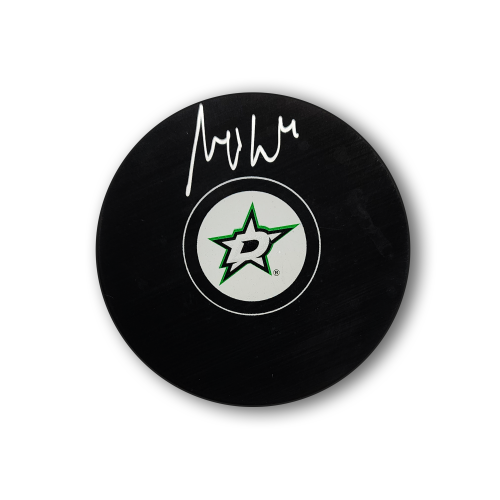
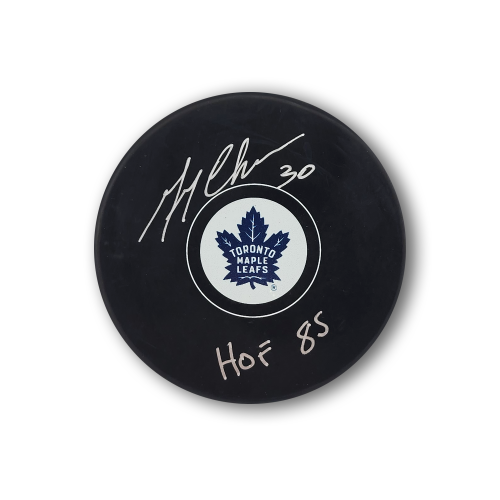
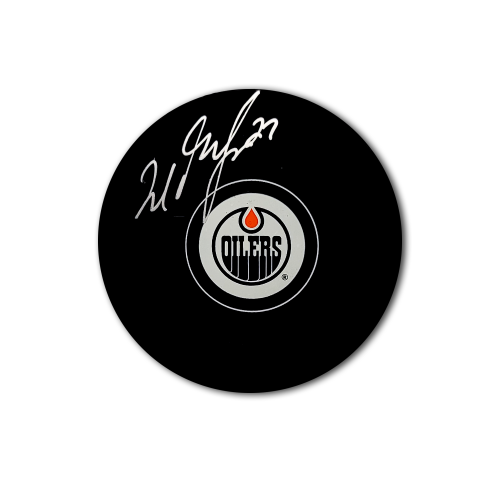
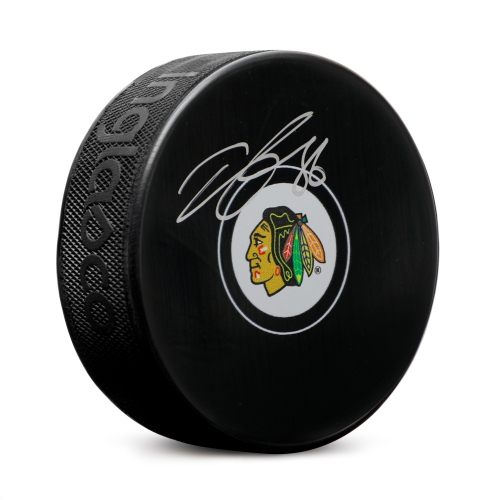
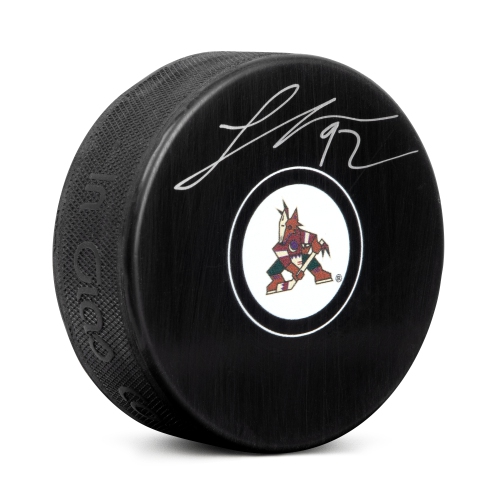
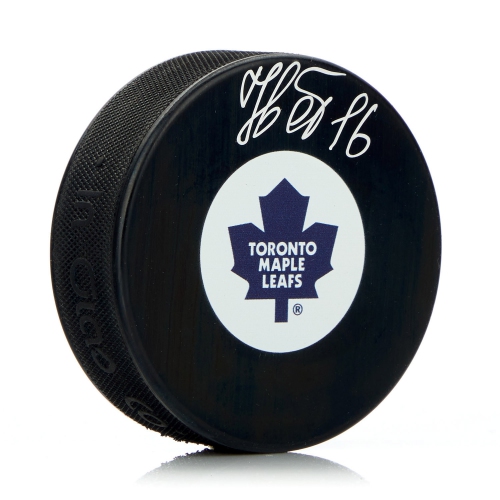
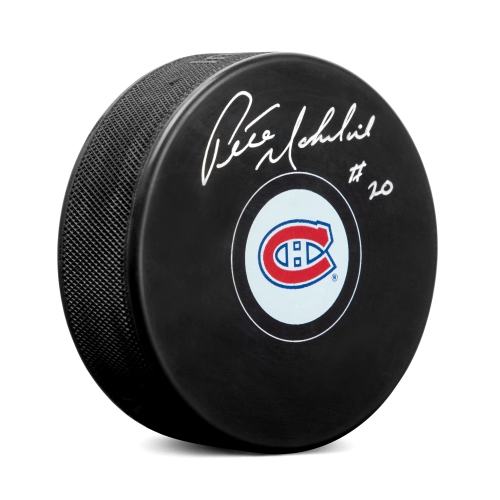
Collectible hockey pucks emphasize display value, with features such as commemorative artwork, signatures, or presentation packaging. Game pucks are made for on-ice play. Some collectibles are actual game-used pucks and may include documentation of their origin.
Top selling and popular products
Discover more categories related to Puck Hockey

Some products may be subject to Environmental Handling Fees (EHF) depending on your province. Learn more about EHFs.