Good AV Receivers
An AV receiver is a device that receives and decodes audio and video signals from an A/V source and converts them for use with other devices in your home theater system. It's one of the most important components in your home theater setup, so it's important to choose one that offers the best performance and features for your needs. Here are some of our favorites.
Sort
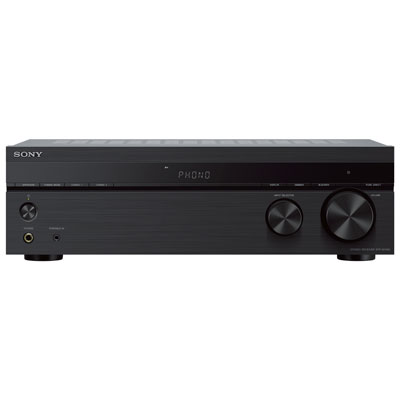
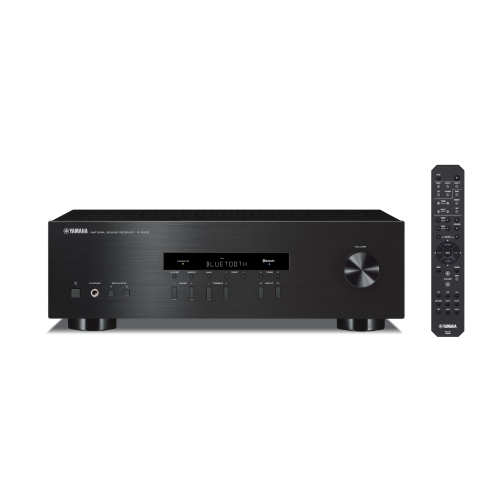
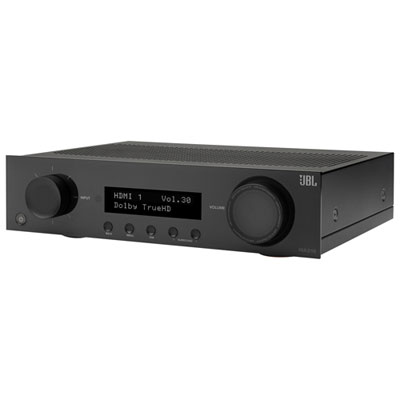
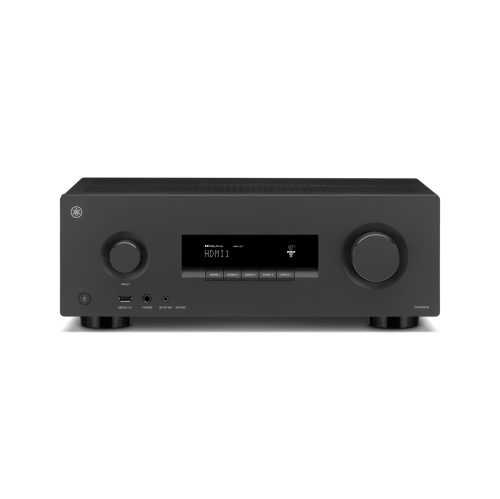
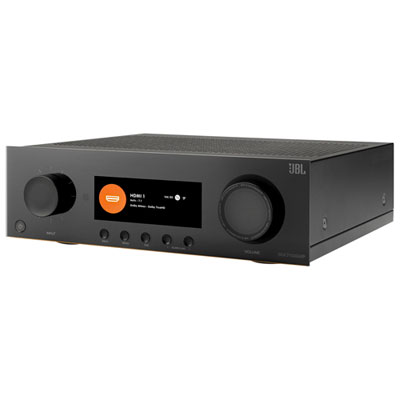
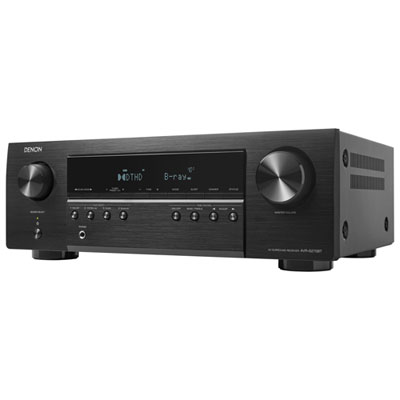
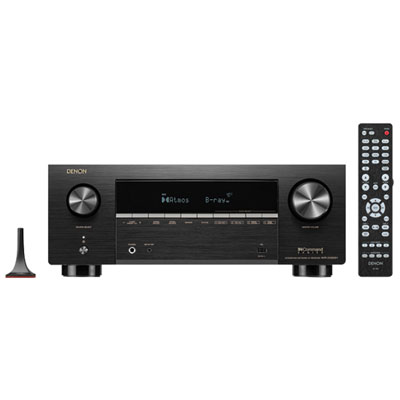
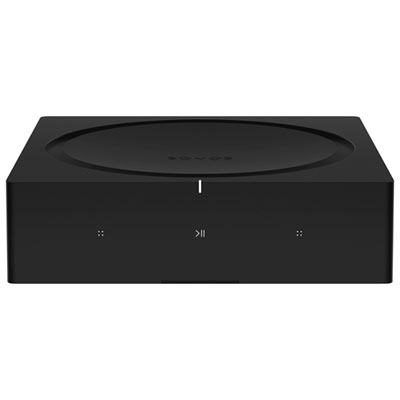
One hub for clearer sound, smarter switching, and streaming
A good AV receiver is the central connection point for a home theatre, bringing your television, speakers, game console, Blu-ray player, streaming device, and other components together in one organised system. Rather than relying on the small speakers built into a television, an AV receiver sends separate audio signals to a complete speaker setup, creating clearer dialogue, fuller music, and more convincing effects. When a film soundtrack moves from a quiet conversation to rain falling behind you or an action scene travelling across the room, the receiver helps place those sounds in the right locations. It also switches video and audio between connected devices, reducing cable changes and simplifying everyday use. The products listed here are suited to a range of rooms and listening habits, from compact living spaces with a sound system and subwoofer to dedicated home theatres with several speakers. Look for the channel configuration that matches your setup. A 5.1-channel receiver supports a centre speaker, left and right front speakers, two surround speakers, and a subwoofer, making it a practical choice for many apartments, family rooms, and starter home theatres. Shoppers comparing this arrangement can also explore Best 5.1 Receivers. A 7.1-channel or 7.2-channel model can add more surround speakers or a second subwoofer, while compatible receivers with Dolby Atmos support can use height speakers to create a more three-dimensional sound field. More channels do not automatically make a system better; the best fit depends on your room, speaker placement, listening distance, and plans for future upgrades.
Video compatibility is another important consideration when choosing a good AV receiver. Check the HDMI inputs and outputs to make sure they support the equipment you already own and the features you expect to use over the coming years. Support for 4K resolution, HDR formats, and high refresh rates can help a receiver work smoothly with modern televisions, streaming players, and gaming consoles. Some models also support 8K video and advanced gaming features such as 4K at 120 Hz, variable refresh rate, and automatic low-latency mode. These specifications matter most to people with newer displays or current-generation consoles, whereas a simpler setup may not need every available feature. HDMI eARC is useful for sending high-quality sound from a compatible television back to the receiver through a single cable, including audio from built-in streaming apps. It is also worth checking the number and type of HDMI connections, especially if several devices will remain connected at the same time. For music, built-in Wi-Fi, Bluetooth, and network streaming can make it easy to play playlists, podcasts, internet radio, or albums without turning on a separate source component. Some receivers work with mobile apps for setup and control, which can be especially convenient when adjusting volume from the sofa or changing listening modes while preparing dinner. Automatic room calibration is another helpful feature: a supplied microphone measures how sound travels through the room and adjusts speaker levels, timing, and equalization. It cannot replace thoughtful speaker placement, but it can make a noticeable difference in a room with hardwood floors, large windows, an open staircase, or furniture that absorbs sound unevenly.
These products can suit movie fans who want dialogue to remain distinct during busy soundtracks, gamers who want positional audio and responsive video, and music listeners who prefer one flexible system for both two-channel listening and surround sound. They can also be a thoughtful gift for someone moving into a new home, building a first home theatre, or replacing an older receiver that lacks modern HDMI and streaming features. Before buying, count your speakers and subwoofers, measure the available shelf or cabinet space, and leave room around the receiver for ventilation. An AV receiver can become warm during extended listening, so it should not be tightly enclosed or stacked beneath equipment that generates additional heat. Confirm that the receiver’s power output and speaker connections are compatible with your existing speakers, and consider whether you may add extra speakers later. A model with more inputs, pre-outs, or processing options can offer greater flexibility, while a straightforward receiver may be easier for a household that values simple operation. During the cooler months, a well-planned home theatre can turn an ordinary evening into a comfortable shared experience: the lights soften, the opening notes fill the room, and everyone can follow the action without reaching behind the television to change a cable. Whether the priority is cinematic surround sound, low-latency gaming, music streaming, or a balanced combination of all three, the products on this page provide options for building a more connected and immersive listening space.
Video compatibility is another important consideration when choosing a good AV receiver. Check the HDMI inputs and outputs to make sure they support the equipment you already own and the features you expect to use over the coming years. Support for 4K resolution, HDR formats, and high refresh rates can help a receiver work smoothly with modern televisions, streaming players, and gaming consoles. Some models also support 8K video and advanced gaming features such as 4K at 120 Hz, variable refresh rate, and automatic low-latency mode. These specifications matter most to people with newer displays or current-generation consoles, whereas a simpler setup may not need every available feature. HDMI eARC is useful for sending high-quality sound from a compatible television back to the receiver through a single cable, including audio from built-in streaming apps. It is also worth checking the number and type of HDMI connections, especially if several devices will remain connected at the same time. For music, built-in Wi-Fi, Bluetooth, and network streaming can make it easy to play playlists, podcasts, internet radio, or albums without turning on a separate source component. Some receivers work with mobile apps for setup and control, which can be especially convenient when adjusting volume from the sofa or changing listening modes while preparing dinner. Automatic room calibration is another helpful feature: a supplied microphone measures how sound travels through the room and adjusts speaker levels, timing, and equalization. It cannot replace thoughtful speaker placement, but it can make a noticeable difference in a room with hardwood floors, large windows, an open staircase, or furniture that absorbs sound unevenly.
These products can suit movie fans who want dialogue to remain distinct during busy soundtracks, gamers who want positional audio and responsive video, and music listeners who prefer one flexible system for both two-channel listening and surround sound. They can also be a thoughtful gift for someone moving into a new home, building a first home theatre, or replacing an older receiver that lacks modern HDMI and streaming features. Before buying, count your speakers and subwoofers, measure the available shelf or cabinet space, and leave room around the receiver for ventilation. An AV receiver can become warm during extended listening, so it should not be tightly enclosed or stacked beneath equipment that generates additional heat. Confirm that the receiver’s power output and speaker connections are compatible with your existing speakers, and consider whether you may add extra speakers later. A model with more inputs, pre-outs, or processing options can offer greater flexibility, while a straightforward receiver may be easier for a household that values simple operation. During the cooler months, a well-planned home theatre can turn an ordinary evening into a comfortable shared experience: the lights soften, the opening notes fill the room, and everyone can follow the action without reaching behind the television to change a cable. Whether the priority is cinematic surround sound, low-latency gaming, music streaming, or a balanced combination of all three, the products on this page provide options for building a more connected and immersive listening space.
Top selling and popular products
-
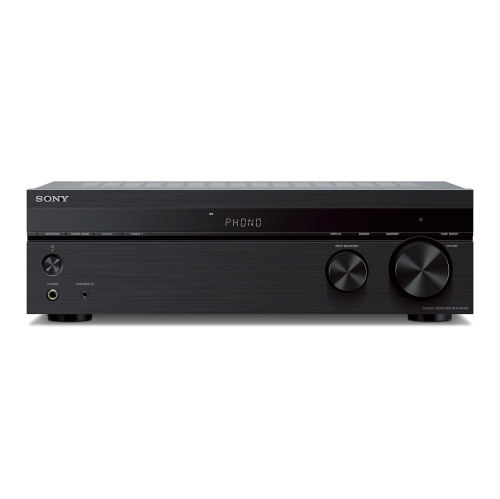 Your price for this item is $279
 -
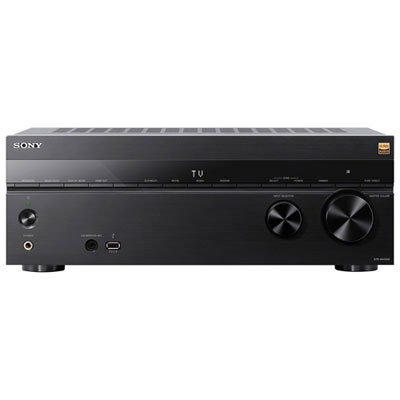 Your price for this item is $1299.99
 -
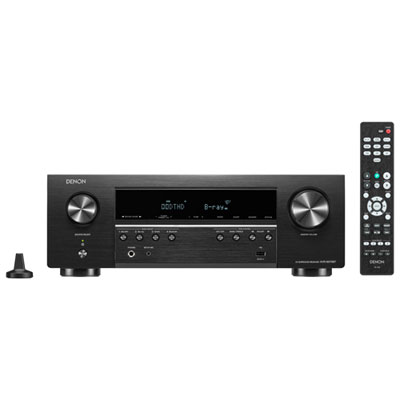 Your price for this item is $439.99
 -
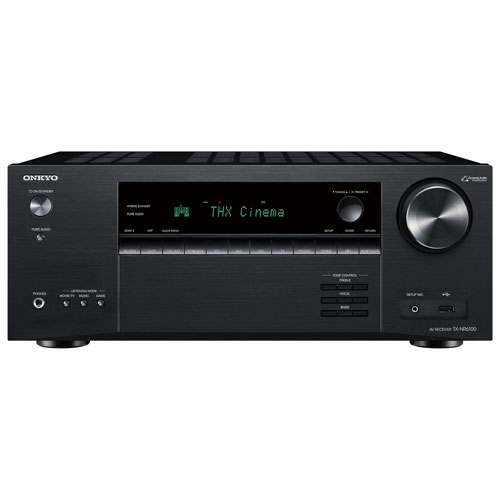 Your price for this item is $998
 -
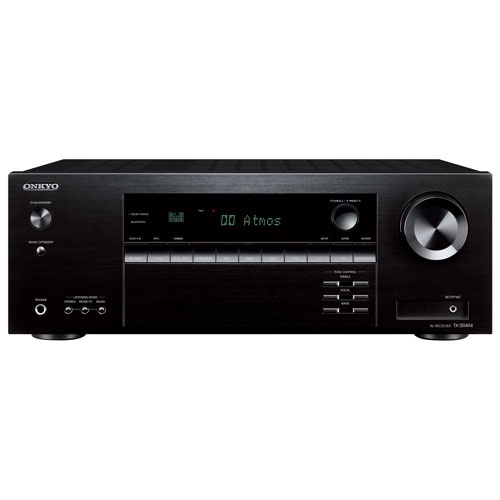 Your price for this item is $359.97
 -
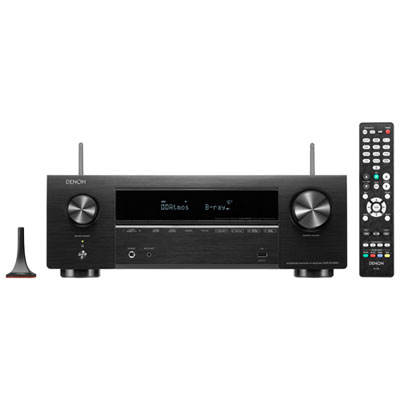 Your price for this item is $999.99
 -
 Your price for this item is $799.95
 -
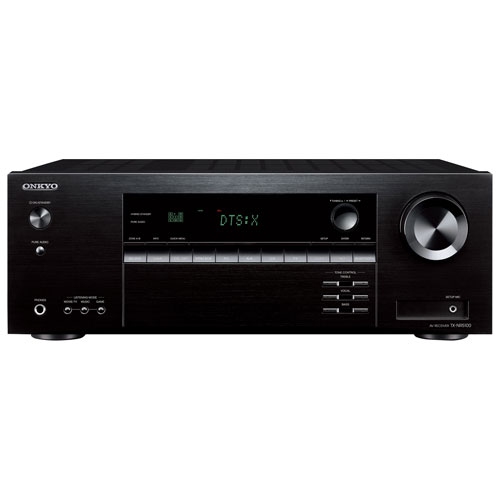 Your price for this item is $519.95
Discover more categories related to Good AV Receivers
Top Collections:
Pokemon Centers, Samsung Z Fold, Kindle Devices, Best Camera Tripods Under $100, Vlogging Cameras for Beginners, Canon G7X Cameras, iPhone 15 Apple, Alarm Clock, Apple iPhones 16, iPhone 14 256GB
Some products may be subject to Environmental Handling Fees
(EHF) depending on your province.
Learn more about EHFs.