Replacement Batteries for Cordless Phones
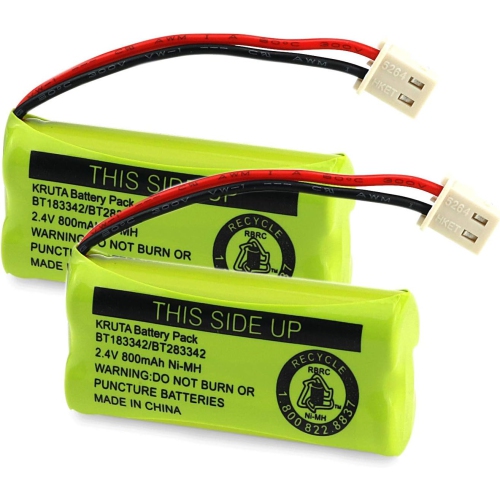
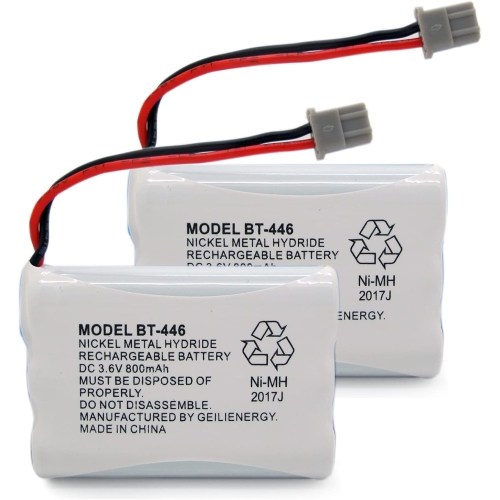
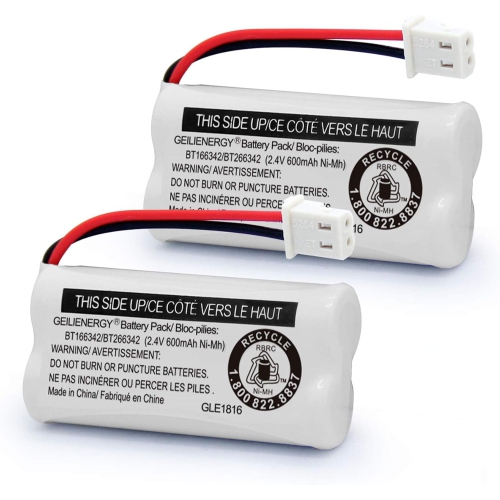
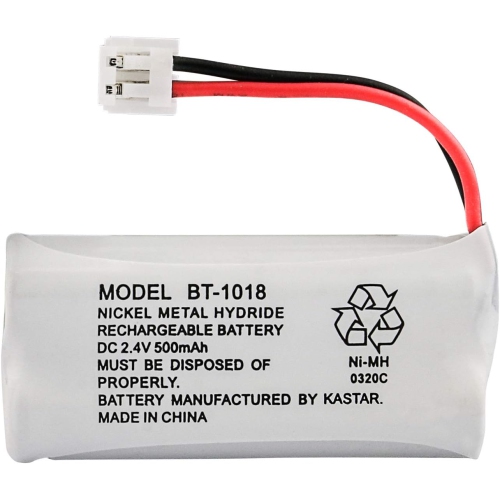
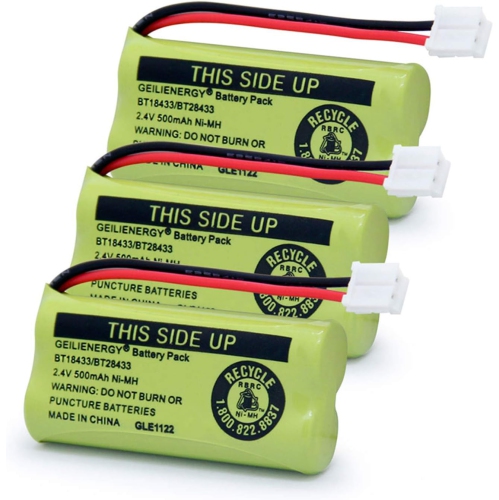
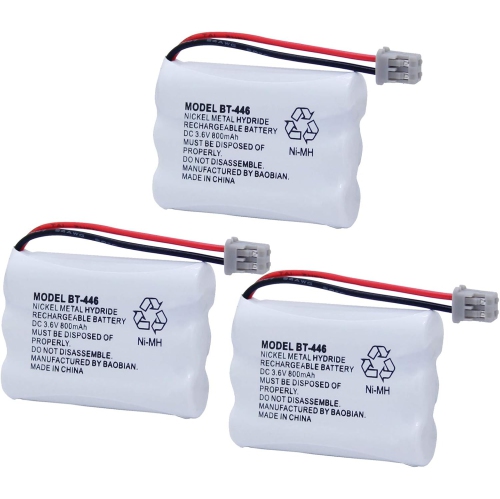
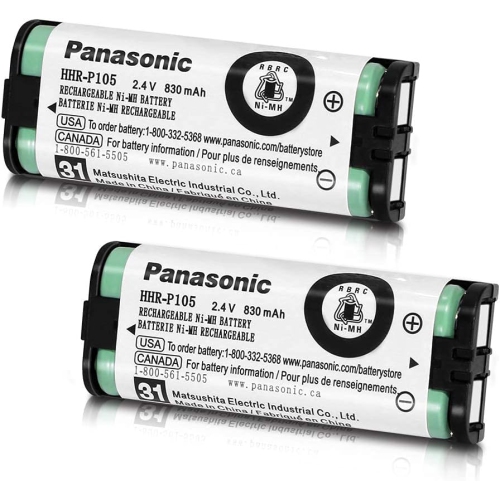
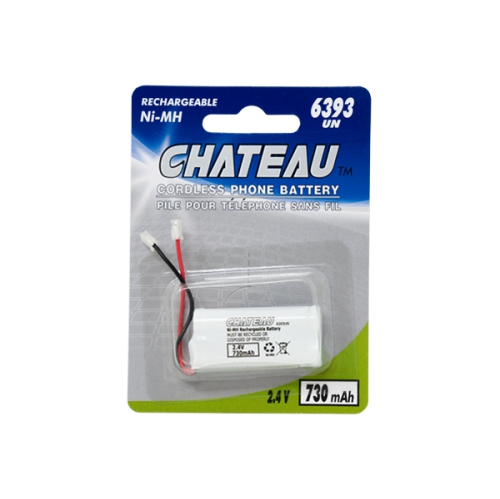
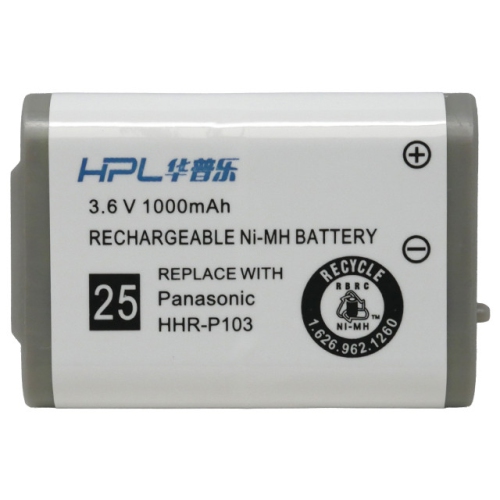
Find replacement batteries for cordless phones by matching your handset’s model number or existing battery part number. Browse rechargeable phone batteries and compare voltage, dimensions, and connector type to help choose a compatible replacement for your handset.

FAQ
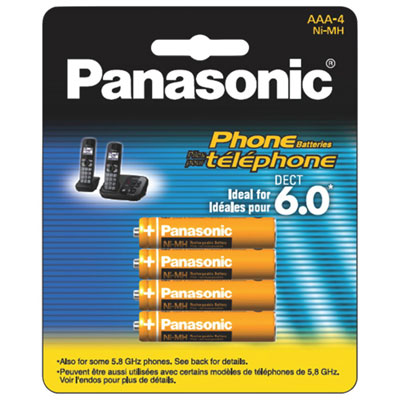
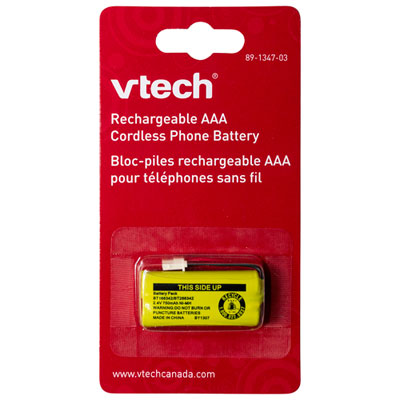
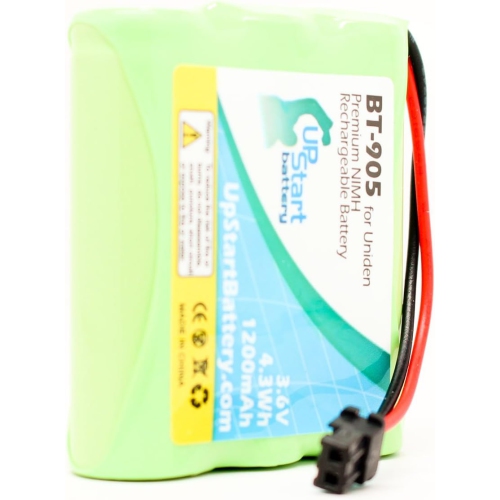
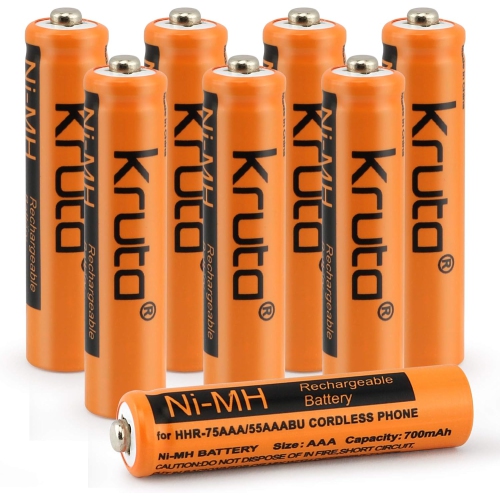
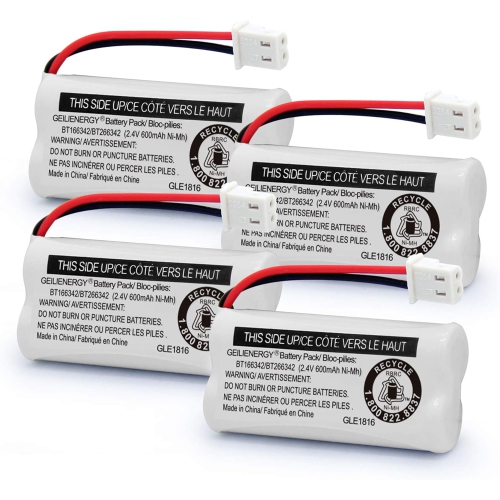
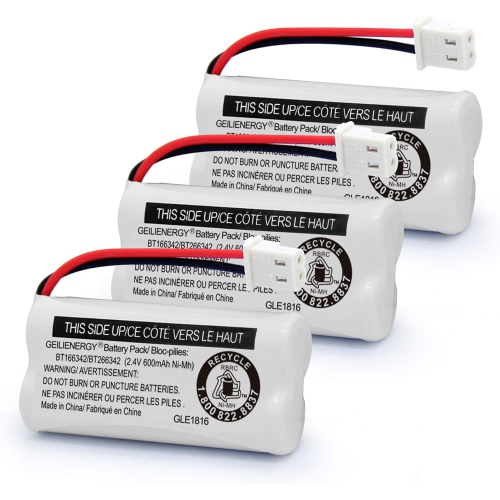
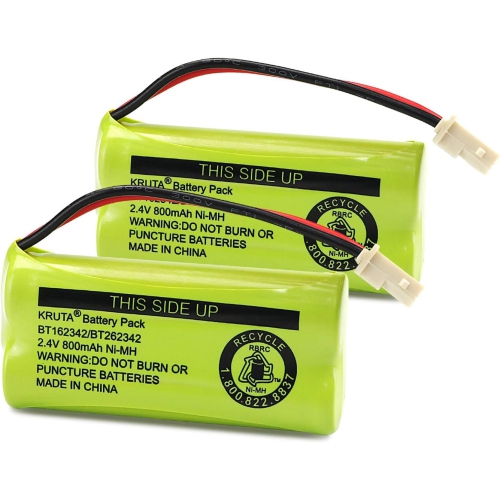
Check your phone’s user manual or the label on the original battery for the required battery model, chemistry and voltage. Match these details with the replacement battery’s listed compatibility, including the connector type if your handset uses a battery pack.
The model number is often printed on a label underneath the base station, on the back of the handset or inside the handset’s battery compartment. The handset and base may have different model numbers, so check which one the replacement battery’s compatibility list references.
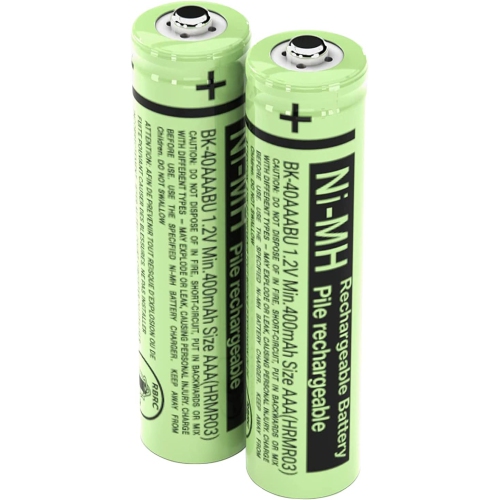
Many cordless phones use nickel-metal hydride (NiMH) batteries, while some older models use nickel-cadmium (NiCd) batteries. Depending on the handset, these may be individual rechargeable cells or a wired battery pack. Use the battery type specified in your phone’s documentation.
Yes, each cordless handset typically has its own rechargeable battery or set of cells. Handsets within the same system may use the same battery type, but check each handset’s model information before choosing replacements.
Many cordless phones retain saved contacts and handset registration when the battery is removed, but this varies by model. Some settings, such as the date and time, may need to be entered again. Your phone’s user manual should explain which information is retained.
Top selling and popular products
Discover more categories related to Replacement Batteries for Cordless Phones
Some products may be subject to Environmental Handling Fees (EHF) depending on your province. Learn more about EHFs.