Commercial Ovens
A commercial oven is a large, multi-purpose cooking appliance that is used for baking, roasting, broiling, and other cooking methods. They are typically found in restaurants, bakeries, and other food-related businesses. If you are looking for a commercial oven, you're in the right place. Here are some great options available.
Sort
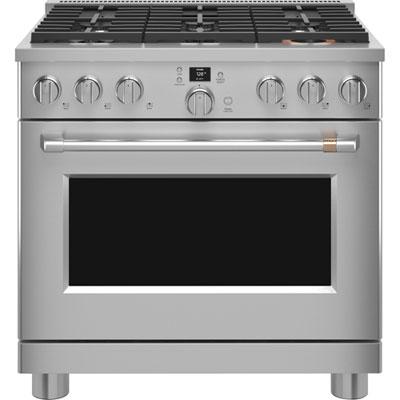
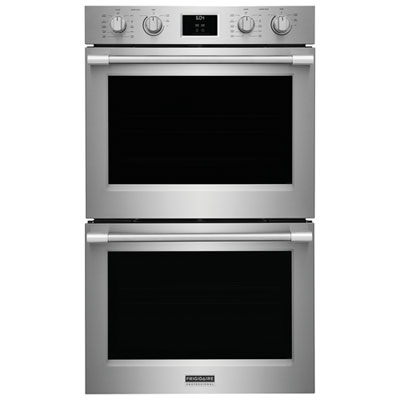
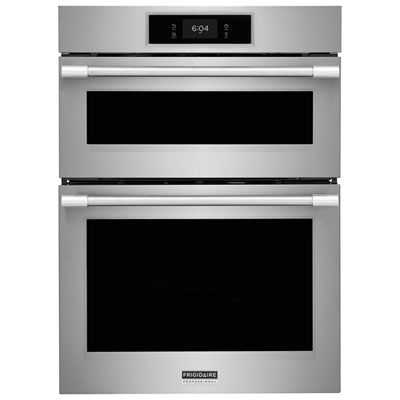
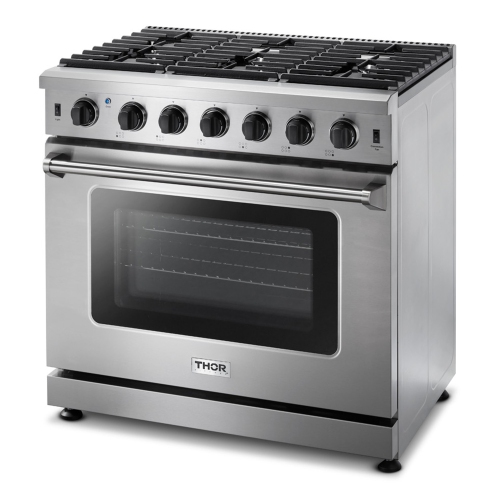
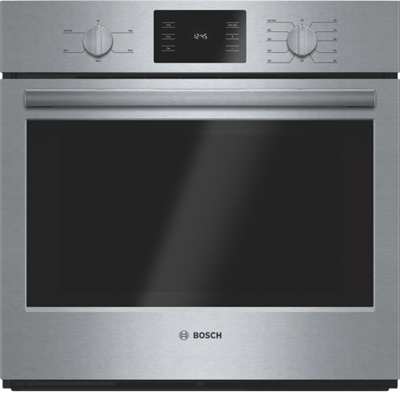
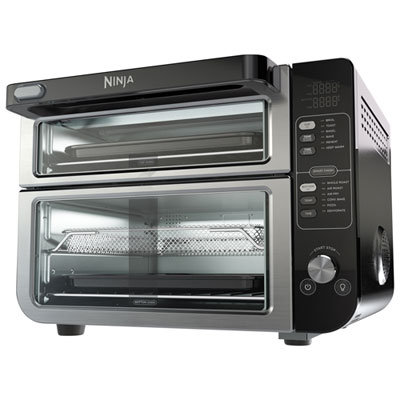
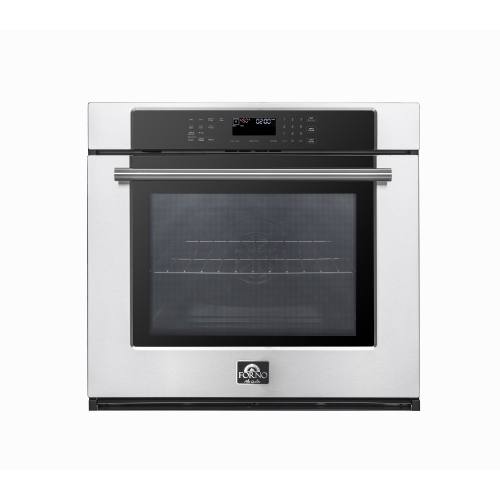
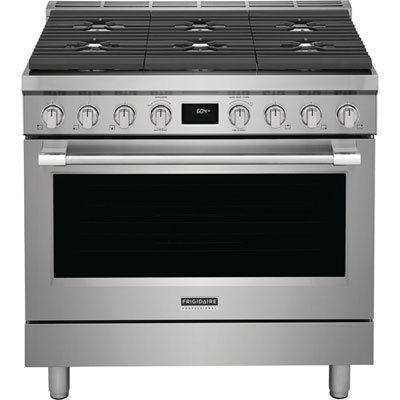

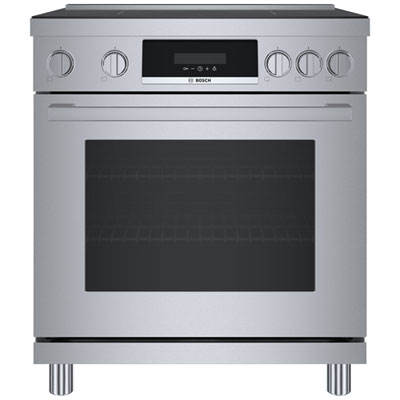
Built for high-volume cooking and consistent kitchen results
Commercial ovens are heavy-duty cooking appliances designed for the pace, volume, and consistency expected in professional food-service environments. They are used in restaurants, bakeries, cafés, hotels, catering operations, grocery departments, institutional kitchens, and other workplaces where meals and baked goods need to be prepared reliably throughout the day. Compared with standard residential ovens, commercial models are generally built with sturdier materials, more powerful heating systems, larger cooking chambers, and controls intended for frequent use. The right oven can help a kitchen turn out everything from delicate pastries and artisan loaves to roasted vegetables, casseroles, pizzas, sandwiches, and large cuts of meat with repeatable results. Convection ovens use fans to circulate heated air around the cooking cavity, helping food brown evenly and allowing multiple trays to cook at the same time. They are a versatile choice for bakeries, cafés, and restaurants that need one oven to handle baking, roasting, reheating, and finishing. Combi ovens combine convection heat with steam, giving chefs greater control over moisture and texture. This makes them useful for steaming vegetables, roasting meats without drying them out, baking bread with a crisp crust, and preparing a varied menu in a busy kitchen. Conveyor ovens move food through a heated chamber on a belt, making them well suited to high-volume pizza, sandwich, snack, and quick-service operations where consistent timing is important. Deck ovens have a flat heated surface that supports bread, pizza, pastries, and other items directly, creating the characteristic texture and browning many bakers look for. Rotisserie ovens cook food on rotating spits, helping large portions of chicken, ribs, lamb, or other meats brown evenly while presenting an appealing finish. Holding ovens are designed to keep prepared food warm at controlled temperatures, which can help kitchens coordinate service when several dishes need to be ready at once. High-speed ovens may combine convection, microwave, or other heating methods to shorten cooking times for cafés, convenience settings, and compact food-service counters.
Choosing a commercial oven starts with understanding the kitchen’s menu, available space, service volume, and installation requirements. A small café with a focused breakfast and lunch menu may benefit from a compact countertop convection oven, while a bakery producing trays of bread and pastries will usually need a larger cavity, multiple rack positions, or a dedicated deck configuration. Restaurants with broad menus may prefer the flexibility of a combi oven, particularly when the same appliance must handle roasting, baking, steaming, and reheating during different parts of a service. For pizza-focused operations, browse the selection of Commercial Pizza Ovens to find an oven style suited to the desired crust, cooking volume, and workflow. Capacity should be considered in practical terms: think about the number of trays, pans, pizzas, or portions that need to be cooked during the busiest period rather than during a quiet shift. Internal dimensions, rack spacing, door clearance, and loading height all affect how easily staff can move food in and out. A model that fits the available footprint but cannot accommodate the kitchen’s standard pans may create unnecessary delays, so measurements should be checked carefully before purchase. Countertop ovens can be useful where floor space is limited, although they still require a stable surface, suitable clearance, and convenient access for loading and cleaning. Floor models may provide greater capacity but need more room for installation and service access. Power and ventilation are also essential considerations. Commercial ovens can require specific electrical connections, gas lines, ventilation hoods, water connections, drainage, or clearance from surrounding equipment, depending on the design. Before choosing a model, confirm the requirements with a qualified installer and ensure the intended location meets local building, fire, and food-service regulations. Digital controls may offer precise temperature settings, programmable cooking stages, timers, fan adjustments, and stored recipes, while manual controls can provide a familiar, straightforward experience for teams that prefer hands-on operation. Glass doors and interior lighting make it easier to monitor food without opening the cavity, helping staff check browning and progress at a glance. Features such as adjustable racks, removable guides, temperature probes, self-cleaning cycles, steam controls, and reversible doors can also make a noticeable difference during a demanding shift.
Commercial ovens are an investment in kitchen workflow as much as in cooking equipment. They may be purchased by a restaurant owner opening a new location, a baker expanding production, a caterer preparing food for large gatherings, or an established operation replacing an oven that has worked through years of breakfast rushes and dinner services. They can also suit culinary schools, community halls, churches, clubs, and other organizations that prepare food for groups rather than individual households. These appliances are not typically chosen as personal gifts, but they can be a practical addition to a shared kitchen, a new food business, or a professional workspace where several people rely on dependable cooking equipment. When comparing models, consider the foods prepared most often, the number of people using the oven, and how easily a new team member can learn the controls. Consistent temperature performance matters for cakes and pastries, while strong heat recovery can be important when trays are loaded one after another during a busy service. Steam capability can help maintain moisture in bread and roasted foods, whereas strong air circulation supports even results across multiple racks. Cleaning should also be part of the decision. Look for smooth interior surfaces, accessible corners, removable racks, and components that staff can wipe down at the end of a shift. Grease, flour, sauce, and food residue can build up quickly in a commercial setting, so an oven that is straightforward to maintain can help keep daily routines manageable. It is wise to review the manufacturer’s operating instructions, recommended cookware, maximum temperatures, clearance rules, and service requirements before installation. Staff should be trained on preheating, loading patterns, safe door handling, steam release, probe placement, and cleaning procedures. With the right capacity and cooking method, a commercial oven becomes a dependable centre of the kitchen: trays slide in during the early prep hours, loaves rise and brown behind the glass, pizzas move through in a steady rhythm, and plated meals leave the pass with the consistency customers expect.
Choosing a commercial oven starts with understanding the kitchen’s menu, available space, service volume, and installation requirements. A small café with a focused breakfast and lunch menu may benefit from a compact countertop convection oven, while a bakery producing trays of bread and pastries will usually need a larger cavity, multiple rack positions, or a dedicated deck configuration. Restaurants with broad menus may prefer the flexibility of a combi oven, particularly when the same appliance must handle roasting, baking, steaming, and reheating during different parts of a service. For pizza-focused operations, browse the selection of Commercial Pizza Ovens to find an oven style suited to the desired crust, cooking volume, and workflow. Capacity should be considered in practical terms: think about the number of trays, pans, pizzas, or portions that need to be cooked during the busiest period rather than during a quiet shift. Internal dimensions, rack spacing, door clearance, and loading height all affect how easily staff can move food in and out. A model that fits the available footprint but cannot accommodate the kitchen’s standard pans may create unnecessary delays, so measurements should be checked carefully before purchase. Countertop ovens can be useful where floor space is limited, although they still require a stable surface, suitable clearance, and convenient access for loading and cleaning. Floor models may provide greater capacity but need more room for installation and service access. Power and ventilation are also essential considerations. Commercial ovens can require specific electrical connections, gas lines, ventilation hoods, water connections, drainage, or clearance from surrounding equipment, depending on the design. Before choosing a model, confirm the requirements with a qualified installer and ensure the intended location meets local building, fire, and food-service regulations. Digital controls may offer precise temperature settings, programmable cooking stages, timers, fan adjustments, and stored recipes, while manual controls can provide a familiar, straightforward experience for teams that prefer hands-on operation. Glass doors and interior lighting make it easier to monitor food without opening the cavity, helping staff check browning and progress at a glance. Features such as adjustable racks, removable guides, temperature probes, self-cleaning cycles, steam controls, and reversible doors can also make a noticeable difference during a demanding shift.
Commercial ovens are an investment in kitchen workflow as much as in cooking equipment. They may be purchased by a restaurant owner opening a new location, a baker expanding production, a caterer preparing food for large gatherings, or an established operation replacing an oven that has worked through years of breakfast rushes and dinner services. They can also suit culinary schools, community halls, churches, clubs, and other organizations that prepare food for groups rather than individual households. These appliances are not typically chosen as personal gifts, but they can be a practical addition to a shared kitchen, a new food business, or a professional workspace where several people rely on dependable cooking equipment. When comparing models, consider the foods prepared most often, the number of people using the oven, and how easily a new team member can learn the controls. Consistent temperature performance matters for cakes and pastries, while strong heat recovery can be important when trays are loaded one after another during a busy service. Steam capability can help maintain moisture in bread and roasted foods, whereas strong air circulation supports even results across multiple racks. Cleaning should also be part of the decision. Look for smooth interior surfaces, accessible corners, removable racks, and components that staff can wipe down at the end of a shift. Grease, flour, sauce, and food residue can build up quickly in a commercial setting, so an oven that is straightforward to maintain can help keep daily routines manageable. It is wise to review the manufacturer’s operating instructions, recommended cookware, maximum temperatures, clearance rules, and service requirements before installation. Staff should be trained on preheating, loading patterns, safe door handling, steam release, probe placement, and cleaning procedures. With the right capacity and cooking method, a commercial oven becomes a dependable centre of the kitchen: trays slide in during the early prep hours, loaves rise and brown behind the glass, pizzas move through in a steady rhythm, and plated meals leave the pass with the consistency customers expect.
Top selling and popular products
-
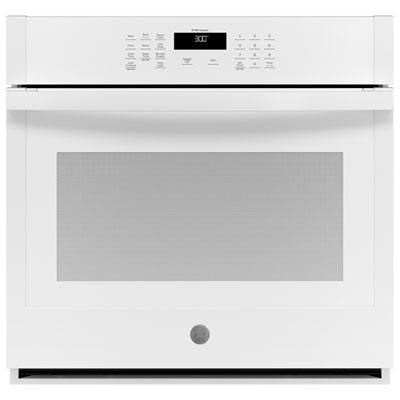 Your price for this item is $2699.99
 -
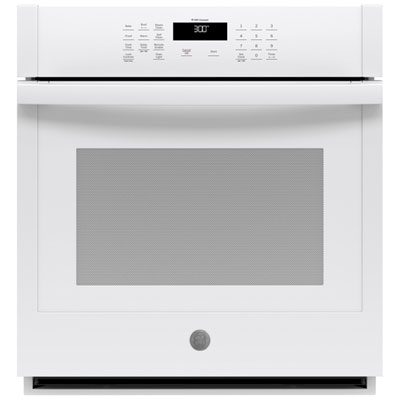 Your price for this item is $2449.99
 -
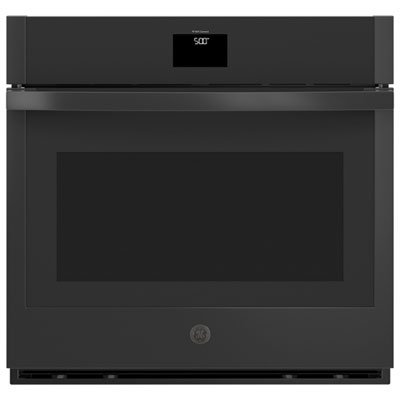 Your price for this item is $2699.99
 -
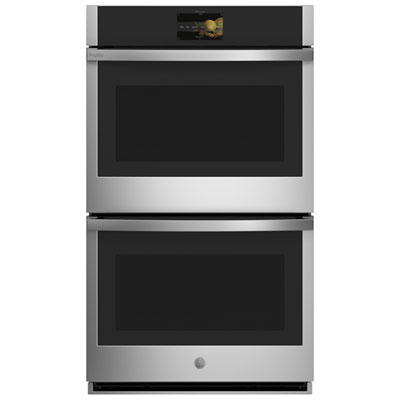 Your price for this item is $5999.99
 -
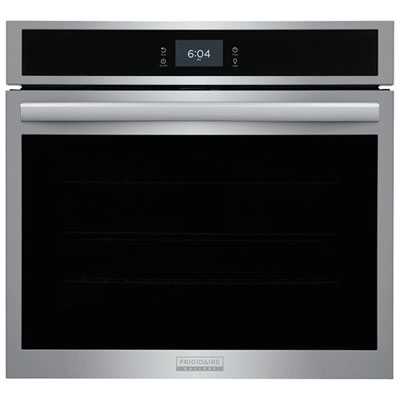 Your price for this item is $2199.99
 -
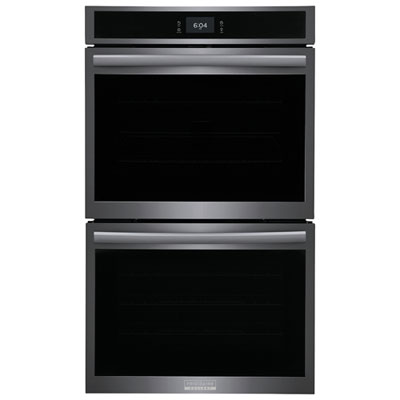 Your price for this item is $3699.99
 -
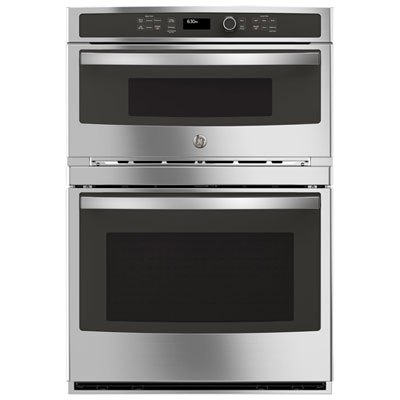 Your price for this item is $4399.99
 -
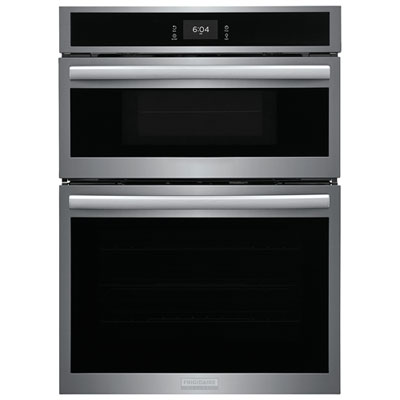 Your price for this item is $3899.99
Discover more categories related to Commercial Ovens
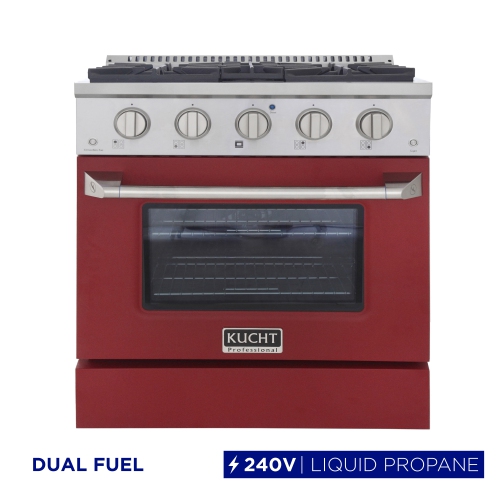
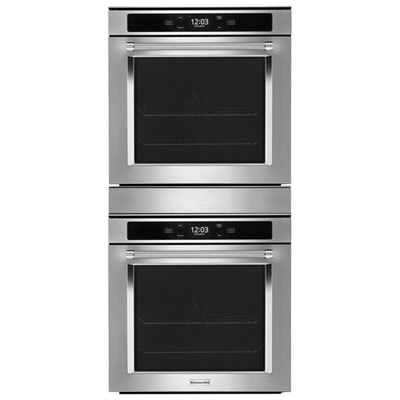
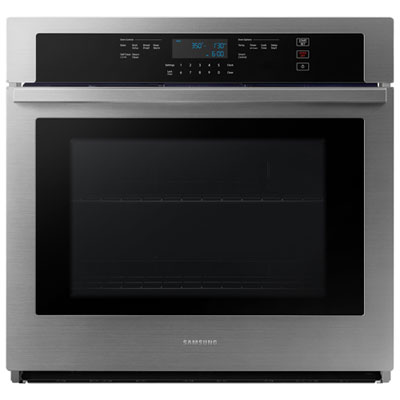
Top Collections:
Pokemon Centers, Kindle Devices, Best Cell Phones Under $500, Alarm Clock, Canon G7X Cameras, iPhone 15 Apple, Apple iPhones 16, Laptops for Students, iPhone 14 256GB, Budget Smartphones
Some products may be subject to Environmental Handling Fees
(EHF) depending on your province.
Learn more about EHFs.