RFID Protection
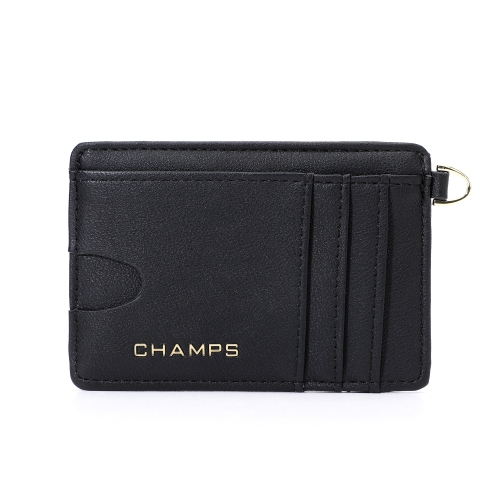
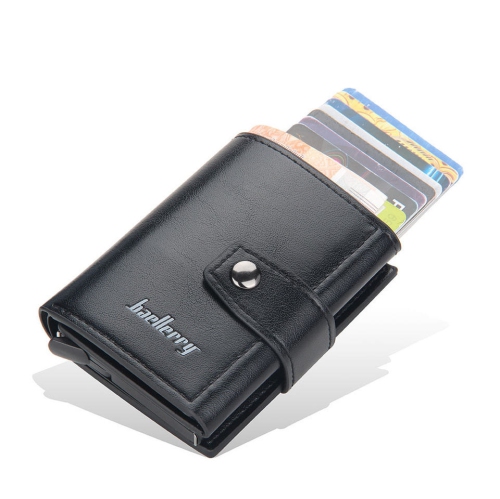
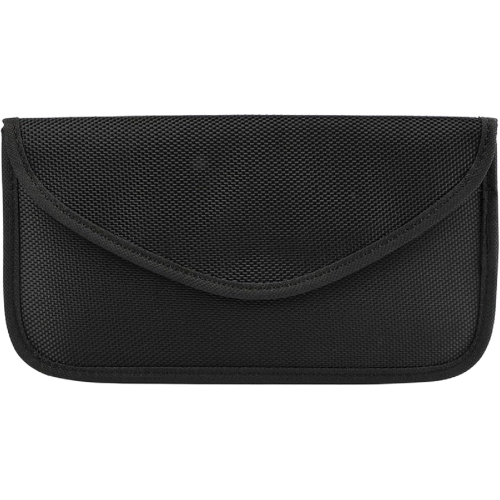
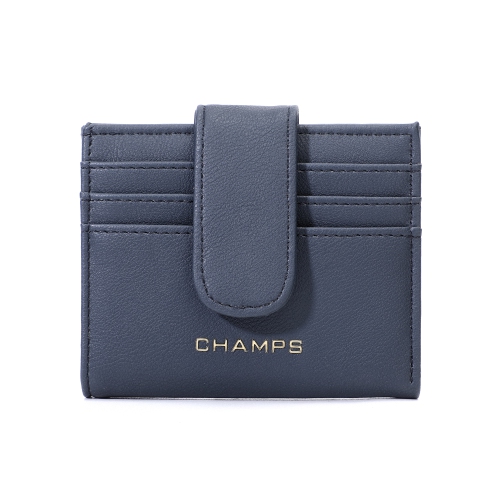
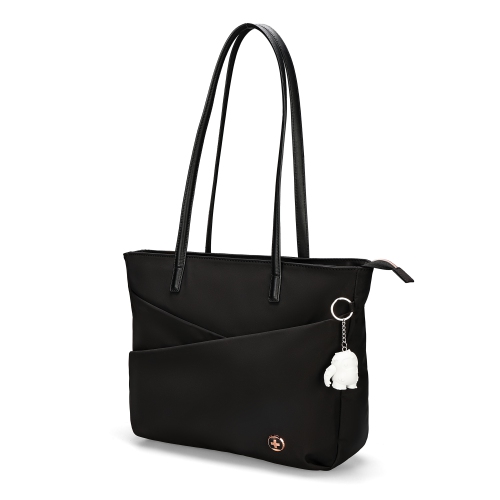
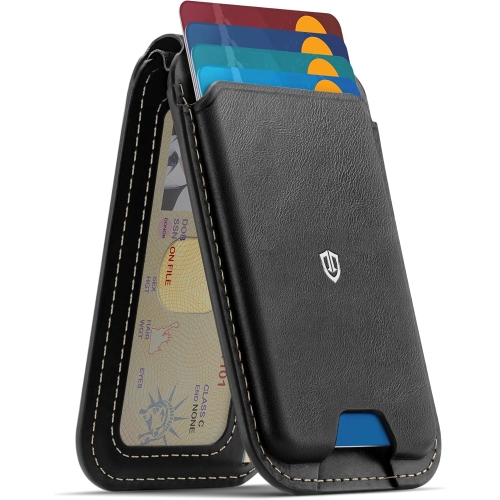
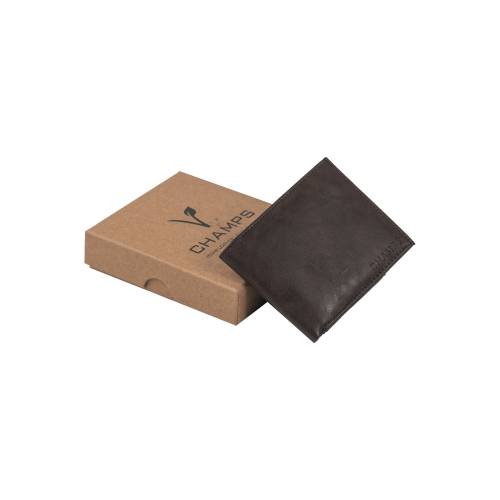
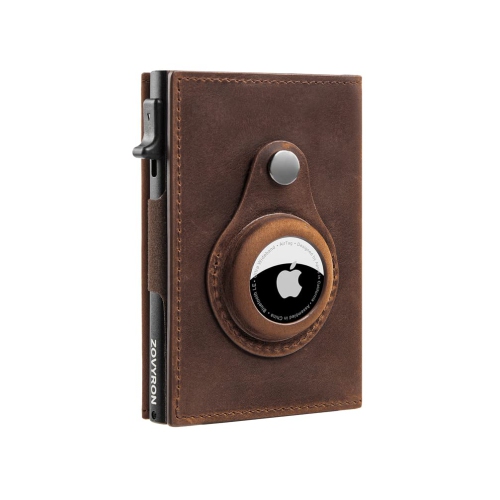
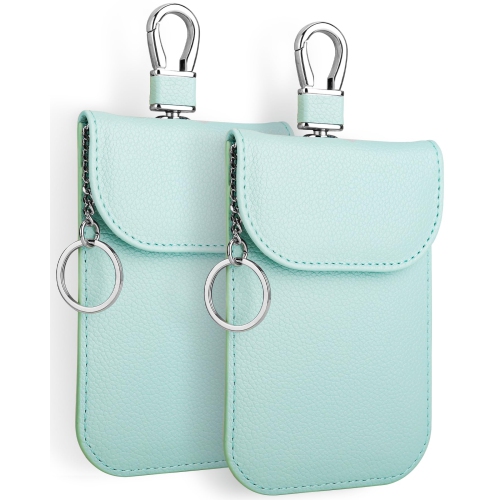
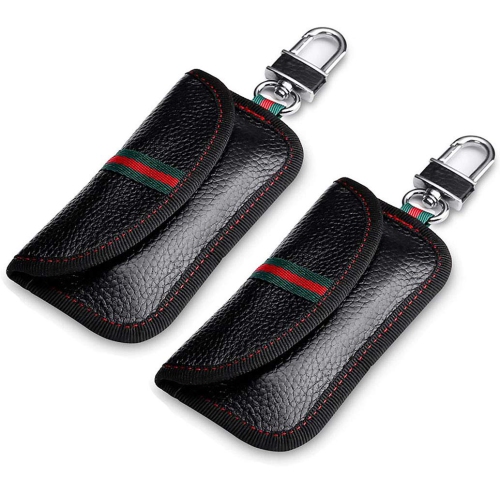
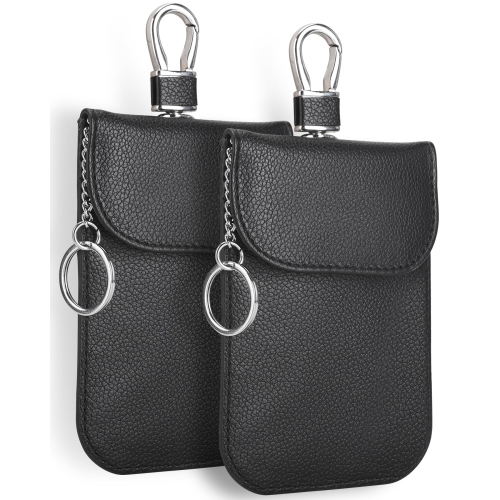
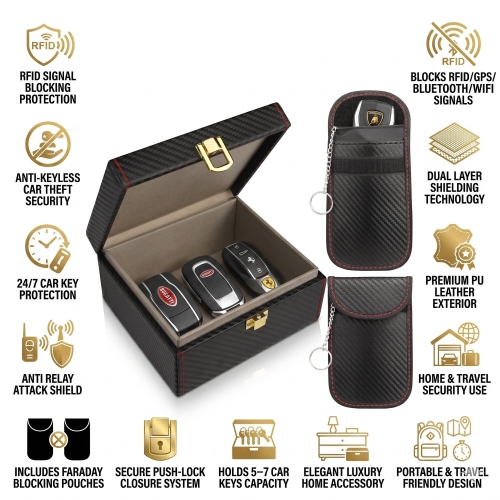
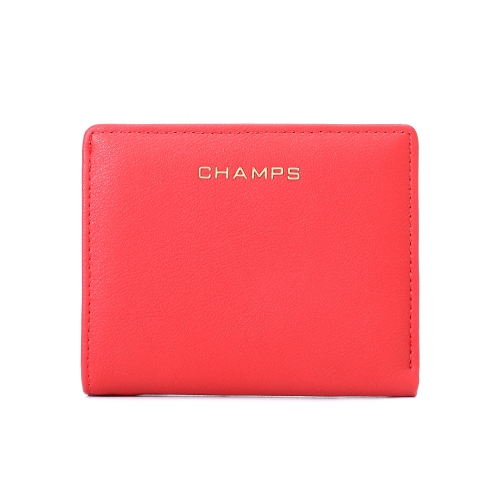
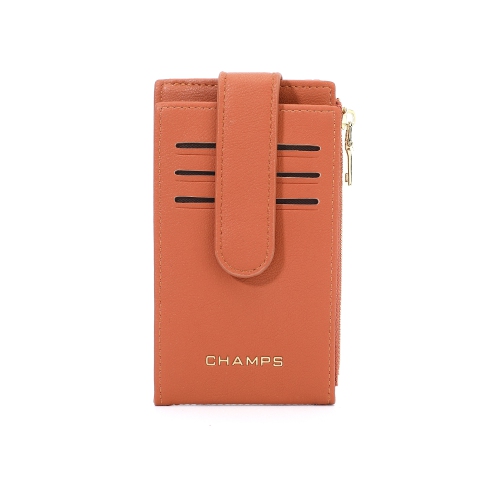
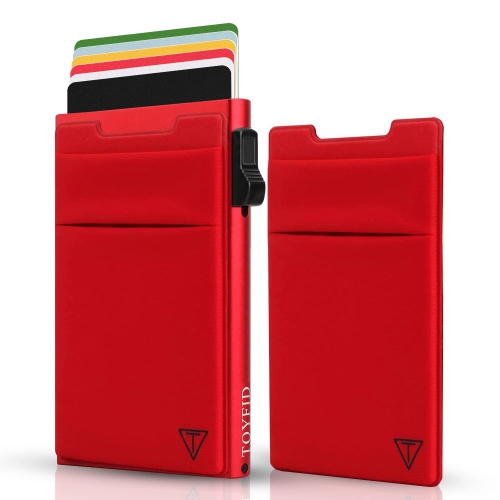
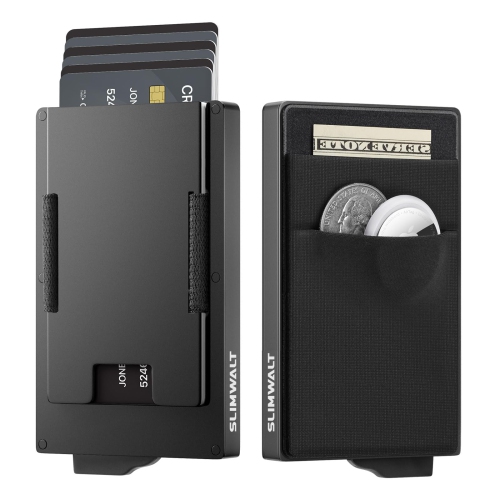
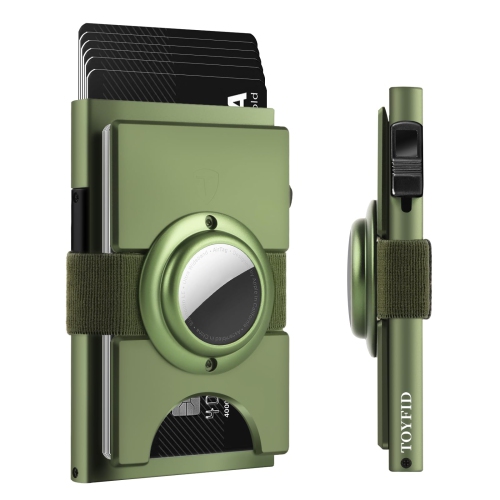
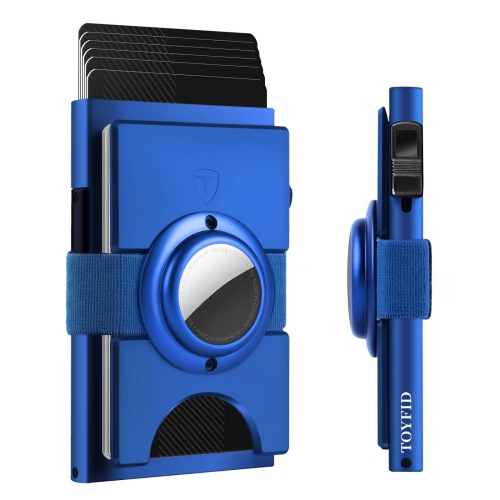
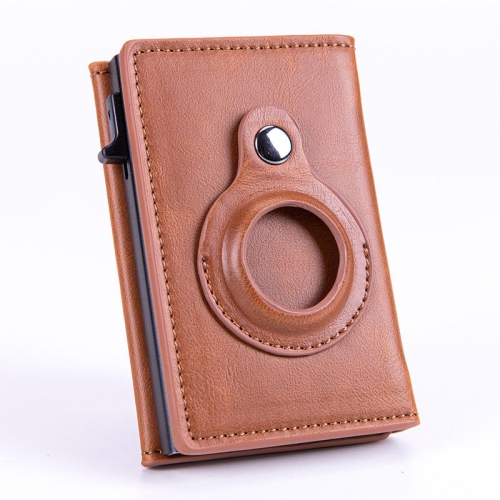
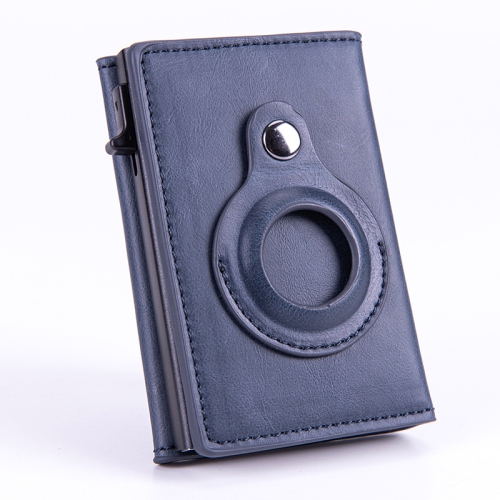
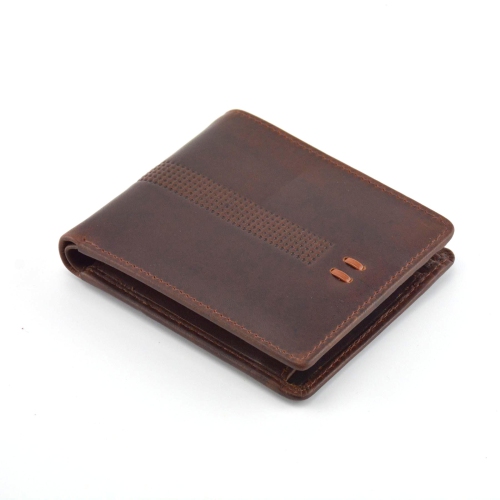
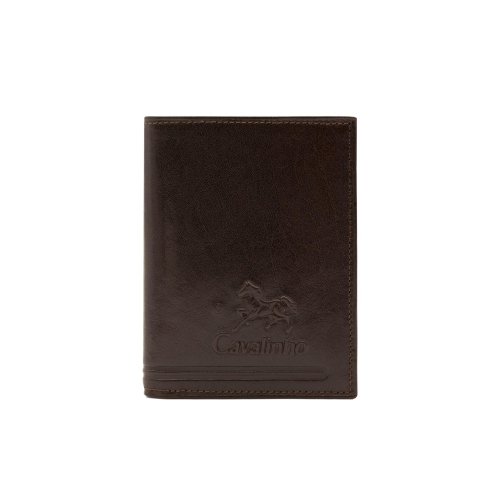
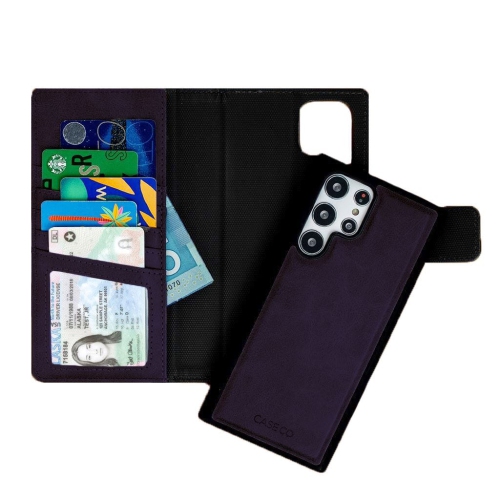
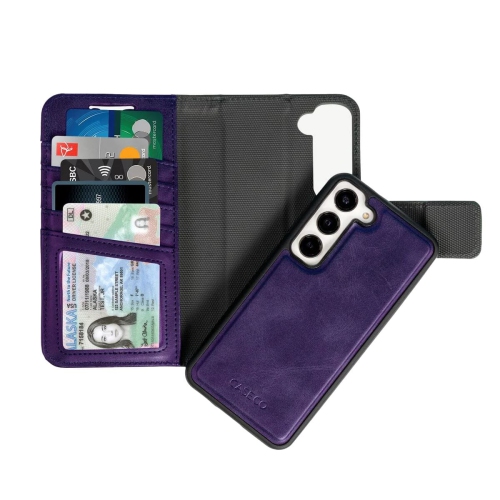
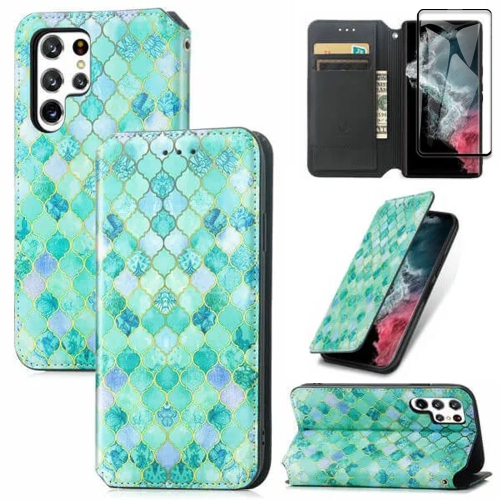
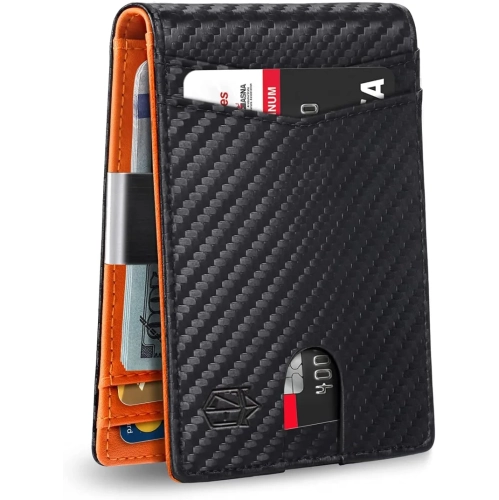
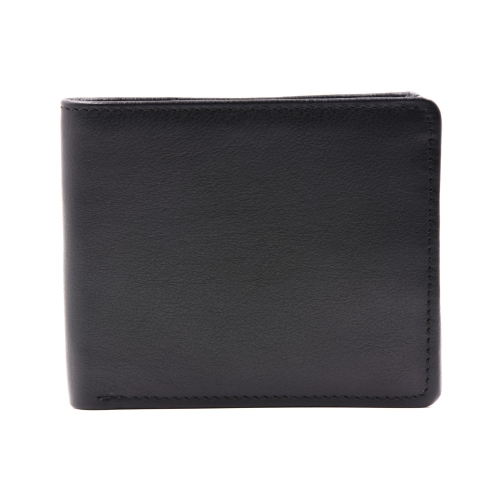
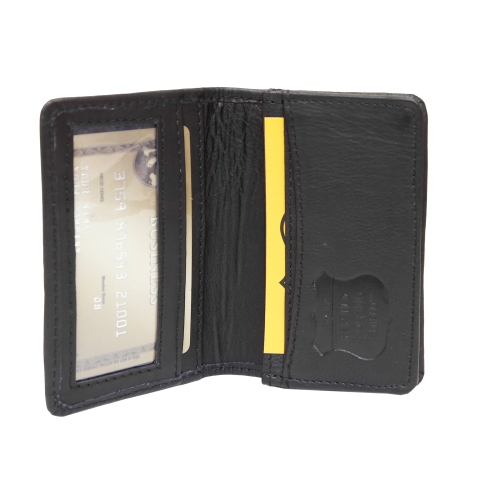
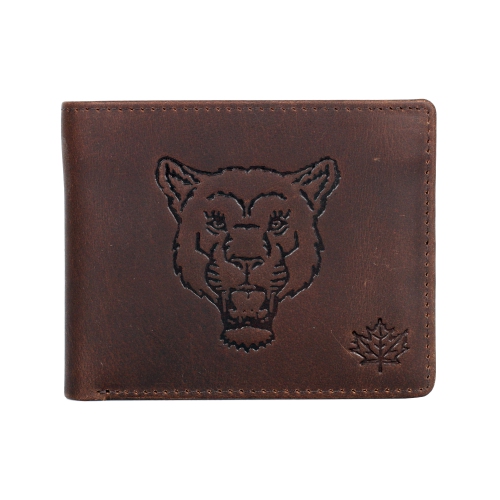
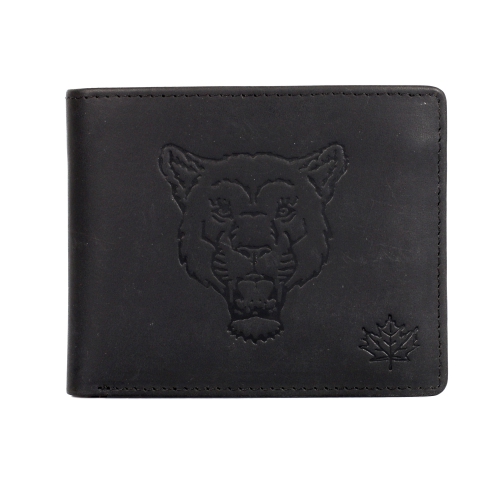
Find RFID protection to help limit unwanted wireless scanning of compatible cards. Browse RFID-blocking options for carrying payment cards and other personal essentials, and compare size, capacity, and the stated protection to choose what suits your daily routine or travel needs.

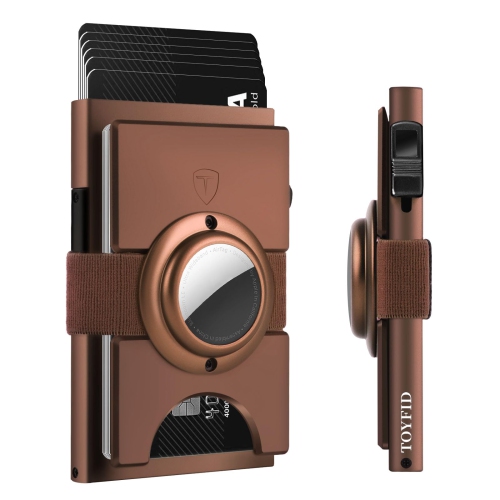
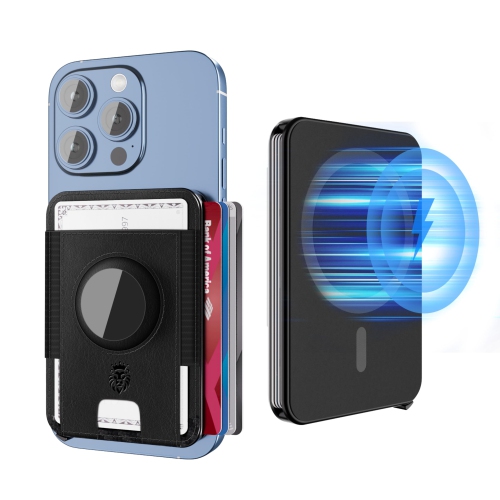
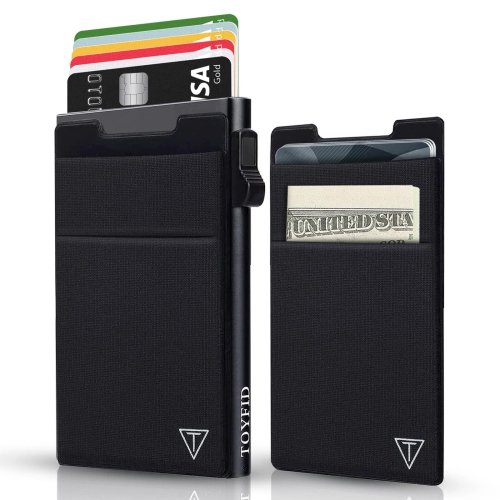
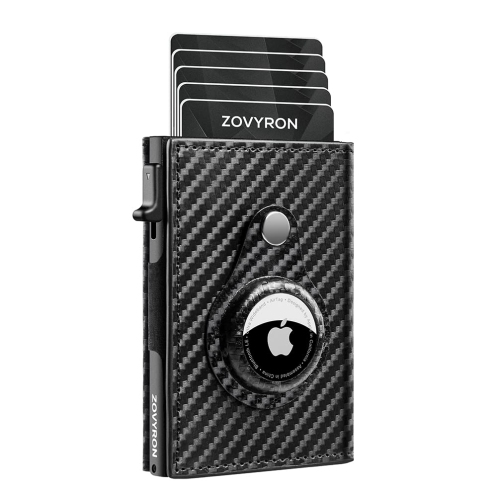
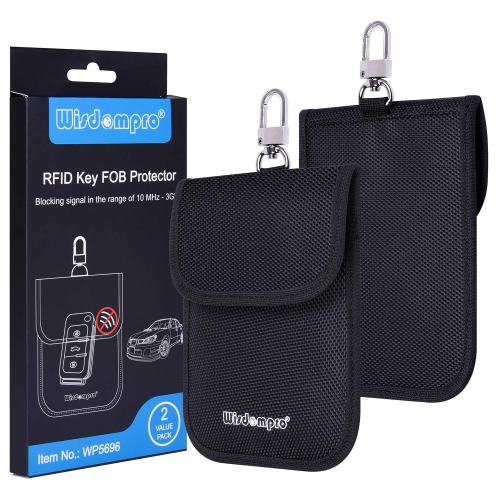
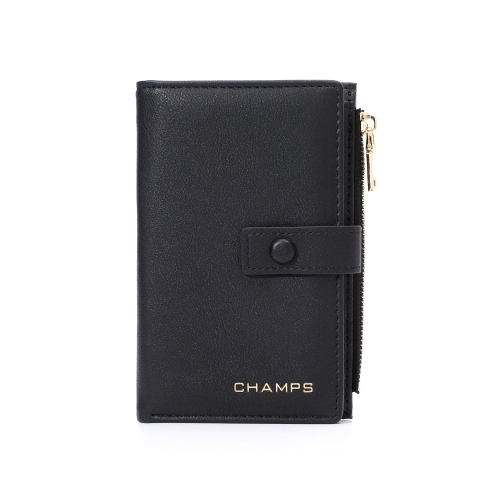
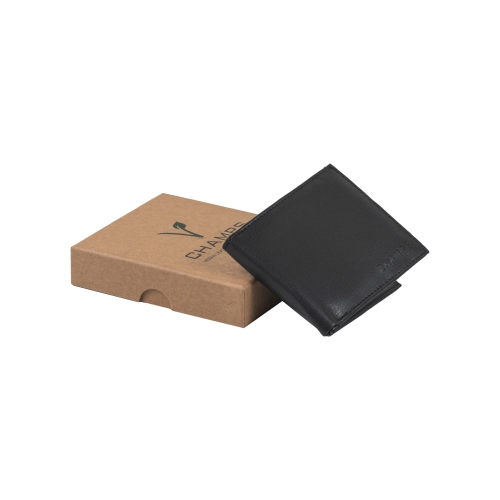

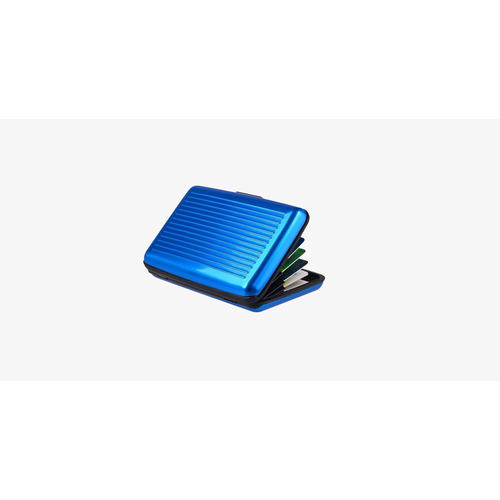
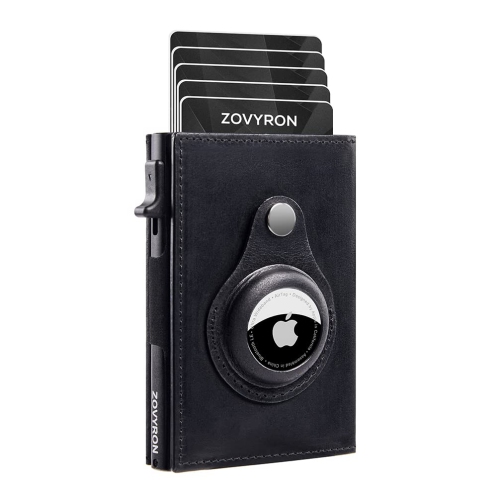
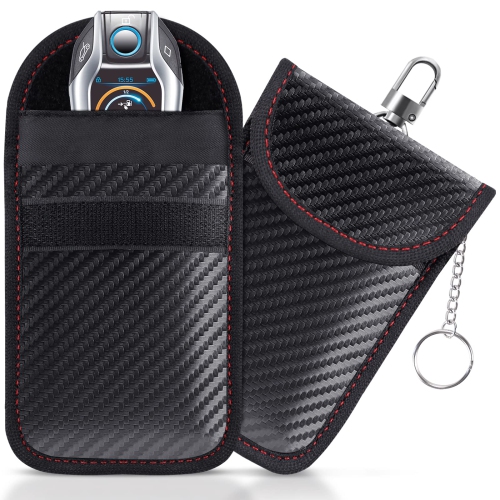
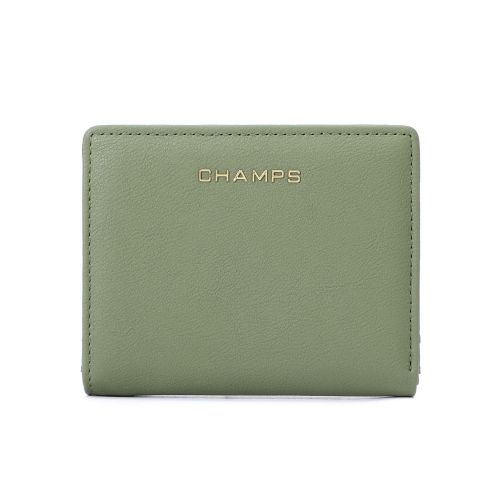
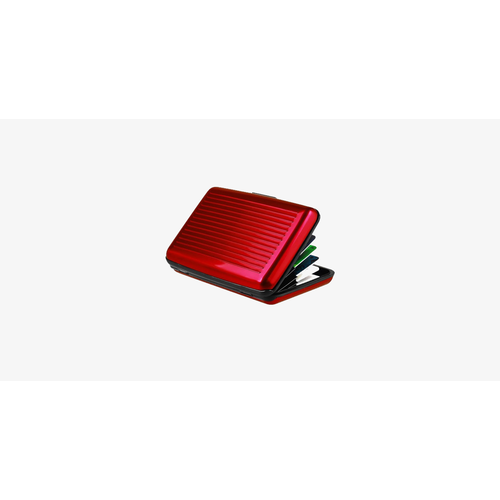
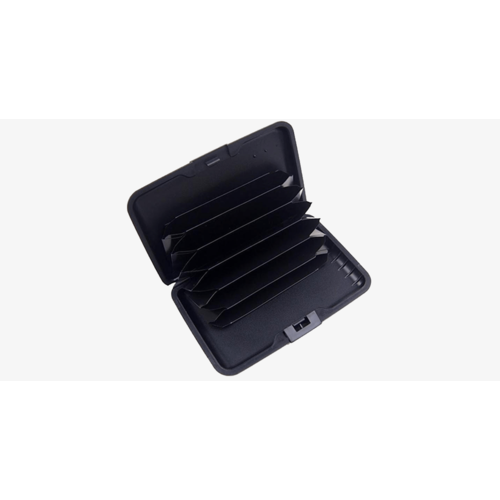
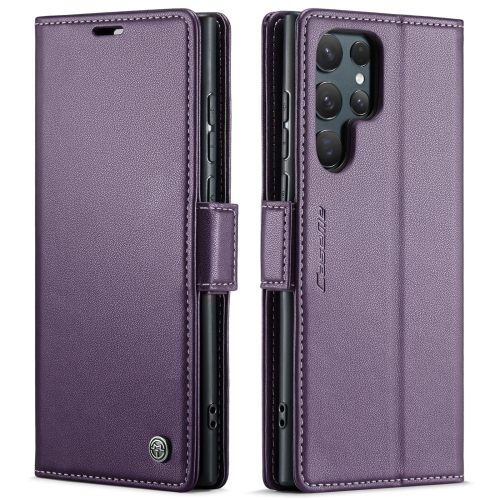
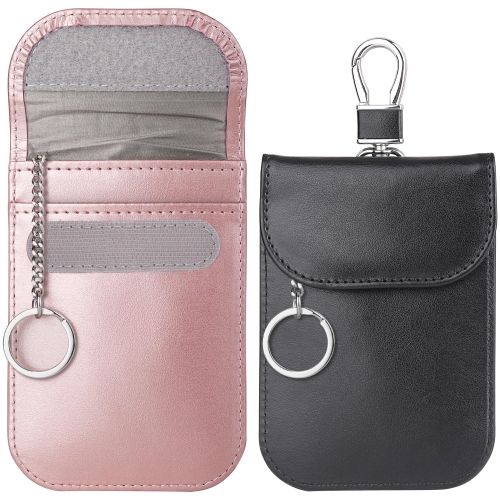
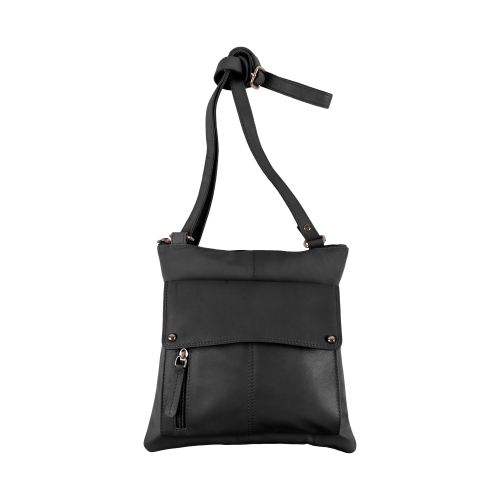
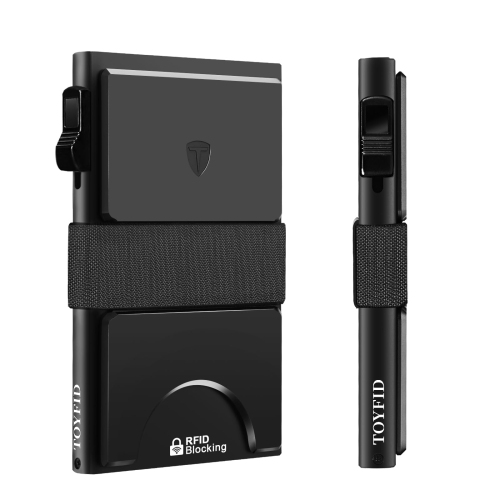
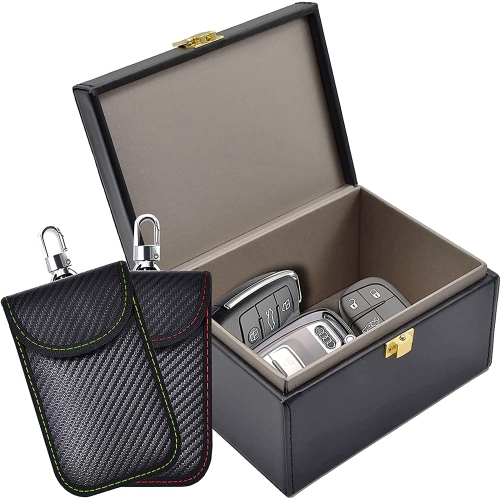
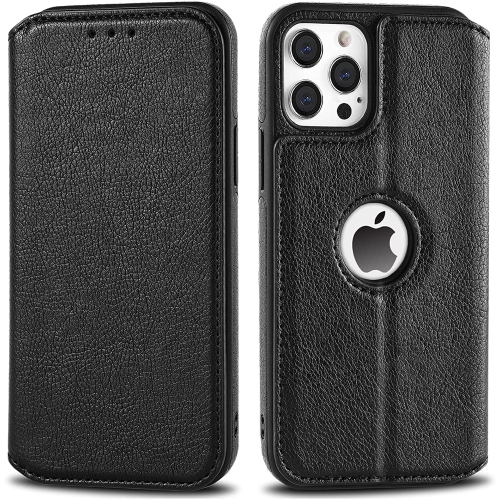

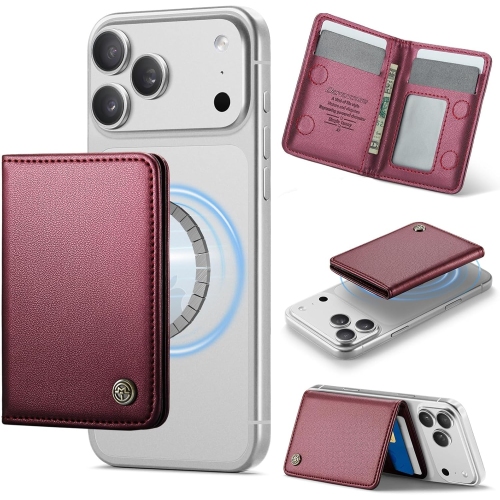
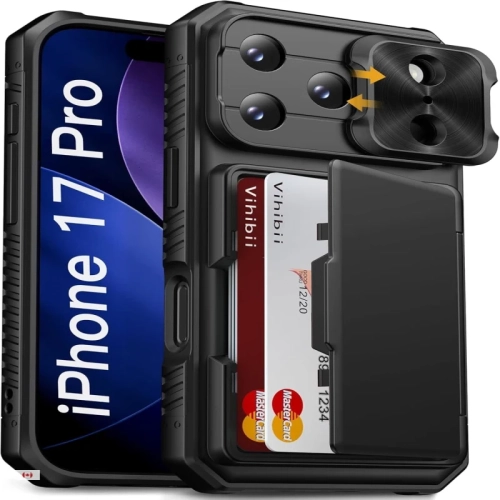
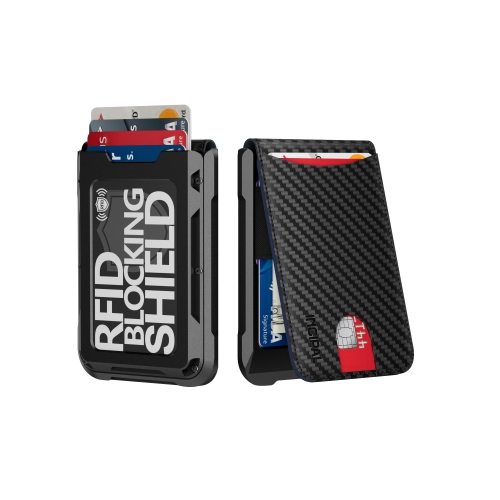
![NAVOR Detachable Magnetic Wallet Case With Wrist Strap Compatible With Iphone 13 Pro Max [6.7 Inch] [Folio], Rfid Protection Kickstand](https://multimedia.bbycastatic.ca/multimedia/products/500x500/159/15958/15958384.jpeg)
![NAVOR Detachable Magnetic Wallet Case With Rfid Protection Compatible for Samsung Galaxy A50 [Vajio Series] - In Black](https://multimedia.bbycastatic.ca/multimedia/products/500x500/145/14517/14517707.jpeg)
![NAVOR Detachable Magnetic Wallet Case With Wrist Strap Compatible With Iphone 13 Pro Max [6.7 Inch] [Folio], Rfid Protection Kickstand](https://multimedia.bbycastatic.ca/multimedia/products/500x500/159/15958/15958383.jpeg)
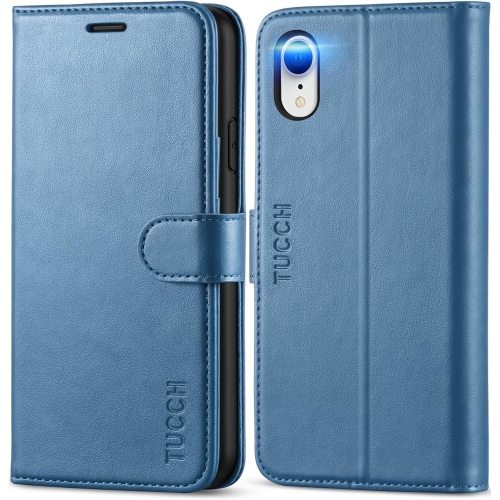
![NAVOR Universal Car Mount & Detachable Magnetic Wallet Case With Rfid Protection Compatible for Iphone 11 Pro Max [6.5 Inch] [Vajio Series] -](https://multimedia.bbycastatic.ca/multimedia/products/500x500/143/14309/14309890.jpeg)
![NAVOR Universal Car Mount & Detachable Magnetic Wallet Case With Rfid Protection Compatible for Iphone 11 Pro Max [6.5 Inch] [Vajio Series] - In Red](https://multimedia.bbycastatic.ca/multimedia/products/500x500/143/14309/14309894.jpeg)
![NAVOR Universal Car Mount & Detachable Magnetic Wallet Case With Rfid Protection Compatible for Iphone 11 Pro Max [6.5 Inch] [Vajio Series] -](https://multimedia.bbycastatic.ca/multimedia/products/500x500/143/14309/14309903.jpeg)
![NAVOR Detachable Magnetic Wallet Case With Rfid Protection Compatible for Iphone 11 Pro Max [6.5 Inch] [Vajio Series] - In Mint](https://multimedia.bbycastatic.ca/multimedia/products/500x500/143/14309/14309944.jpeg)
![NAVOR Universal Car Mount & Detachable Magnetic Wallet Case With Rfid Protection Compatible for Iphone 11 Pro [5.8 Inch] [Vajio Series] - Maroon](https://multimedia.bbycastatic.ca/multimedia/products/500x500/145/14517/14517700.jpeg)
![NAVOR Detachable Magnetic Wallet Case With Rfid Protection Compatible for Iphone 11 Pro [5.8 Inch] [Vajio Series] - In Dark Brown](https://multimedia.bbycastatic.ca/multimedia/products/500x500/145/14517/14517725.jpeg)
![NAVOR Universal Car Mount & Detachable Magnetic Wallet Case With Rfid Protection Compatible W/samsung Galaxy A70 [Vajio]](https://multimedia.bbycastatic.ca/multimedia/products/500x500/145/14517/14517695.jpg)
![NAVOR Detachable Magnetic Wallet Case With Rfid Protection Compatible for Iphone 11 Pro [5.8 Inch] [Vajio Series] - Maroon](https://multimedia.bbycastatic.ca/multimedia/products/500x500/145/14517/14517699.jpeg)
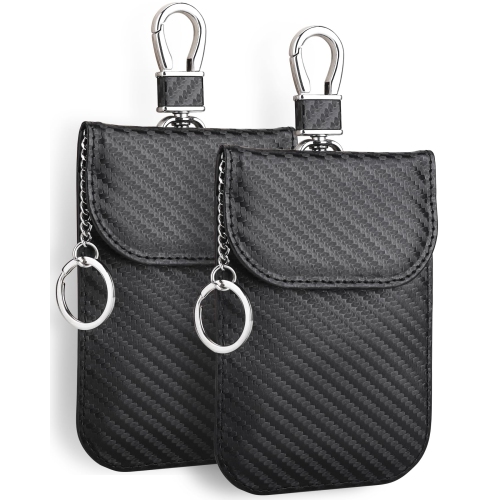
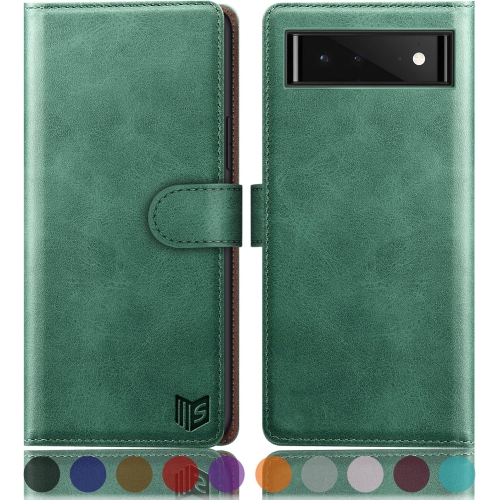
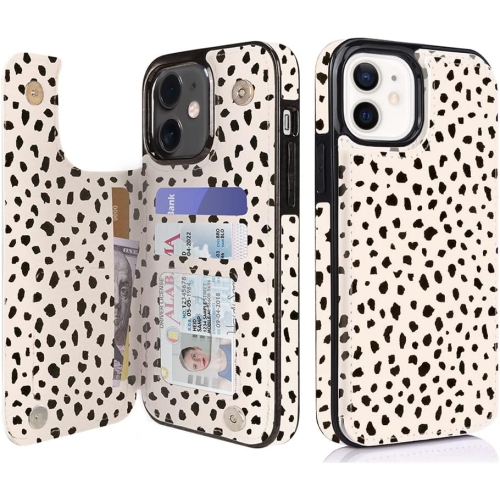
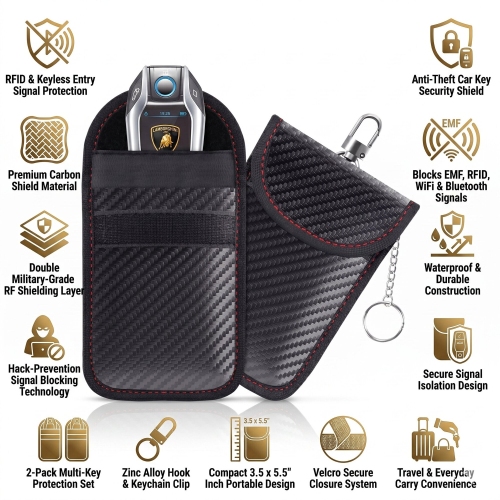
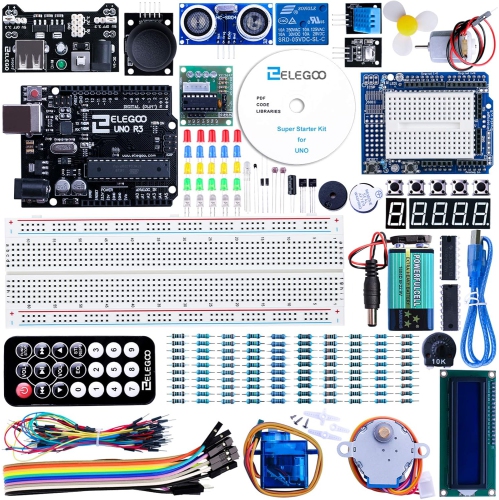
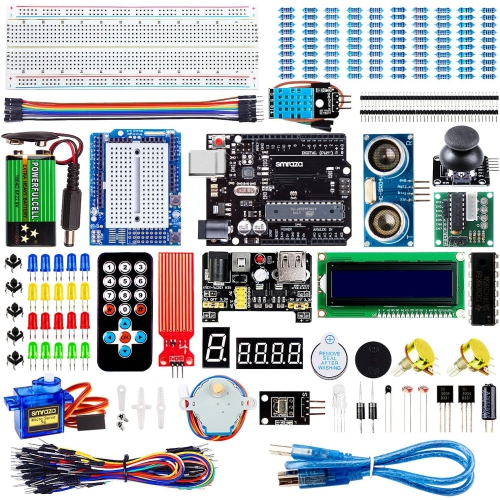
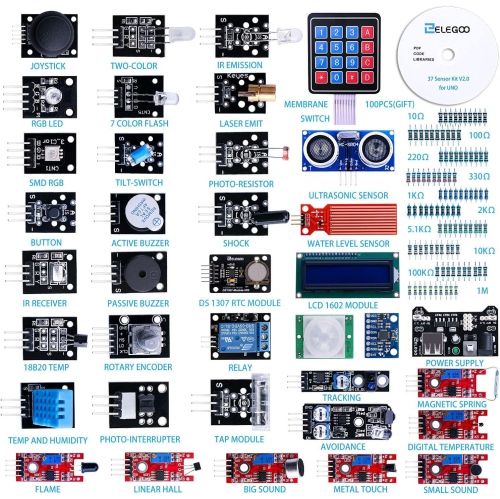
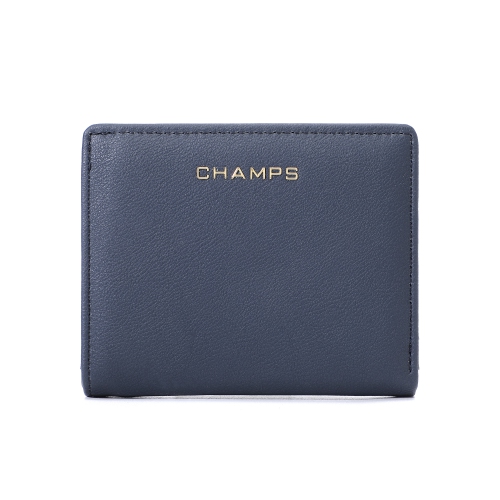
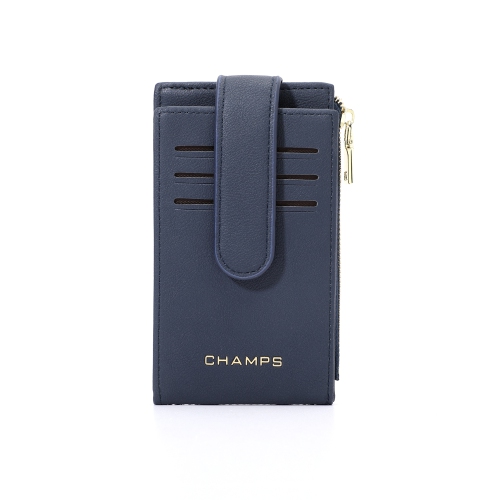

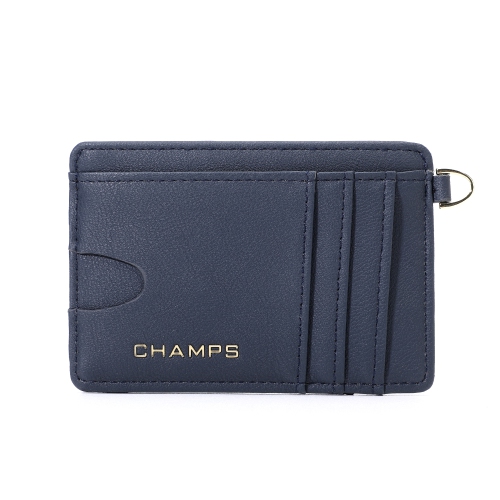
![GENERIC Wallet Case for Iphone 13 6.1-Inch 5G, Rfid Blocking Card Slot Holder [Tpu Interior Protective Case], Magnetic](https://multimedia.bbycastatic.ca/multimedia/products/500x500/173/17392/17392743.jpeg)
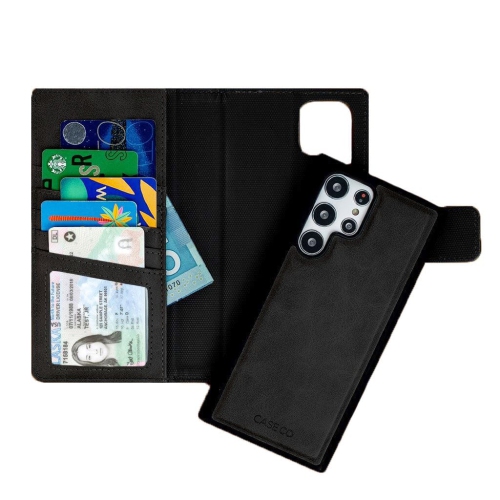
![NAVOR Detachable Magnetic Wallet Case Rfid Protection, Logo Hole, Compatible for Iphone Xs/x [Vajio Series]](https://multimedia.bbycastatic.ca/multimedia/products/500x500/120/12057/12057437.jpeg)
![NAVOR Universal Car Mount & Detachable Magnetic Wallet Case With Rfid Protection Compatible for Samsung Galaxy S9 Plus [Vajio Series] - In Black](https://multimedia.bbycastatic.ca/multimedia/products/500x500/126/12623/12623126.jpeg)
![NAVOR Universal Car Mount & Detachable Magnetic Wallet Case With Rfid Protection Compatible for Samsung Galaxy S9 Plus [Vajio Series] - In Black](https://multimedia.bbycastatic.ca/multimedia/products/500x500/126/12623/12623134.jpeg)
![NAVOR Magnetic Detachable Wallet Case [Rfid Protection][10 Card Slots] [3 Money Pocket] Compatible for Iphone Xs/x -5.8 Inch [Joot-3L]- Rose In Gold](https://multimedia.bbycastatic.ca/multimedia/products/500x500/127/12724/12724615.jpeg)
![NAVOR Magnetic Detachable Wallet Case [Rfid Protection] [10 Card Pockets] [3 Money Pockets] Compatible for Iphone 7 Plus Joot-3L Series - In Gray](https://multimedia.bbycastatic.ca/multimedia/products/500x500/106/10671/10671678.jpeg)
![NAVOR Detachable Magnetic Wallet Case Rfid Protection, Logo Hole, Compatible for Iphone 7 Plus [Vajio Series]-Rosé In Gold](https://multimedia.bbycastatic.ca/multimedia/products/500x500/107/10739/10739119.jpeg)
![NAVOR Detachable Magnetic Wallet Case Rfid Protection, Logo Hole, Compatible for Iphone 7 Plus [Vajio Series]- In Black](https://multimedia.bbycastatic.ca/multimedia/products/500x500/107/10739/10739113.jpeg)
![NAVOR Detachable Magnetic Wallet Case Rfid Protection, Logo Hole, Compatible for Iphone 7 Plus [Vajio Series]-Brown](https://multimedia.bbycastatic.ca/multimedia/products/500x500/107/10739/10739114.jpeg)
![NAVOR Magnetic Detachable Wallet Case [Rfid Protection] [10 Card Pockets] [3 Money Pockets] Compatible for Iphone 7 Plus Joot-3L Series - In Mint](https://multimedia.bbycastatic.ca/multimedia/products/500x500/108/10887/10887551.jpeg)
![NAVOR Detachable Magnetic Wallet Case And Universal Car Mount Compatible for Iphone 7 Plus [Rfid Protection] [Vajio Series] - In Brown](https://multimedia.bbycastatic.ca/multimedia/products/500x500/113/11357/11357348.jpeg)
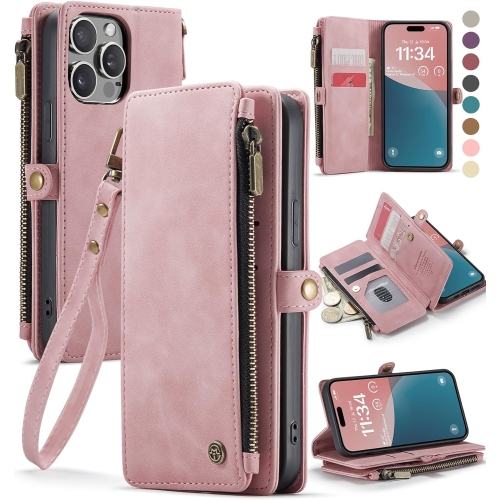
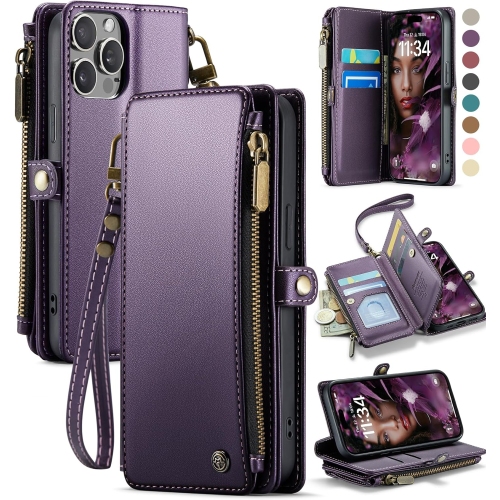
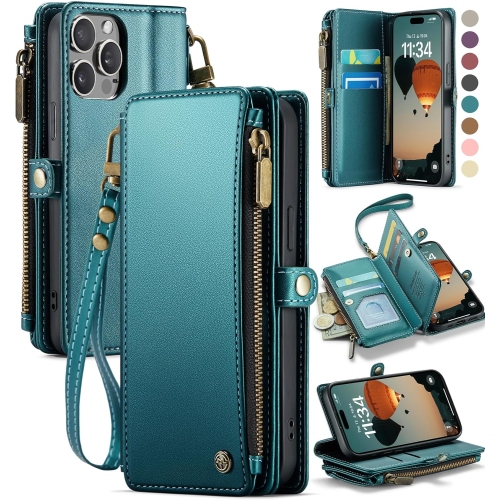
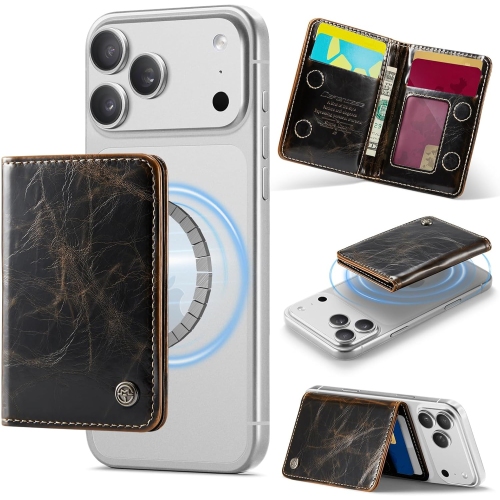
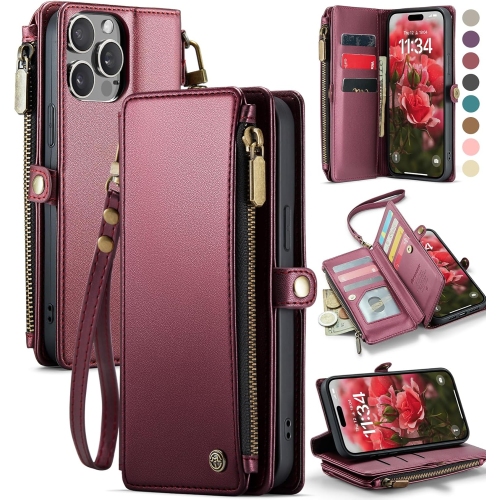
![GENERIC Wallet Case for Iphone 14, [Rfid Ing] [4 Slots] Tpu Interior Protective Case, Magnetic Folio Shockproof](https://multimedia.bbycastatic.ca/multimedia/products/500x500/199/19973/19973263.jpeg)
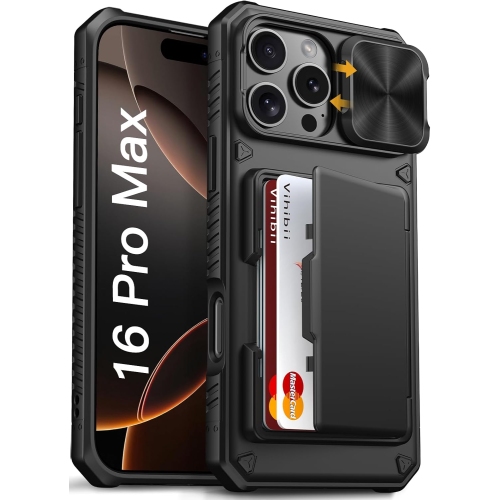
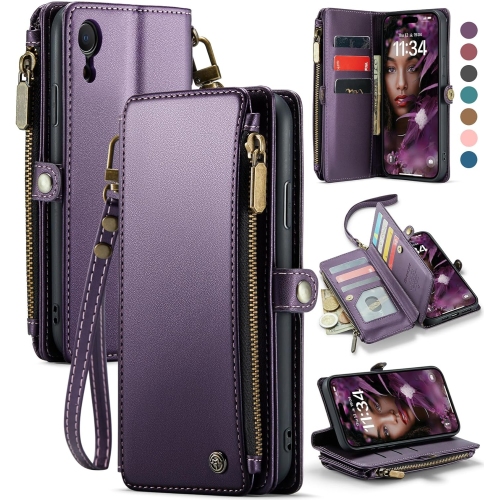
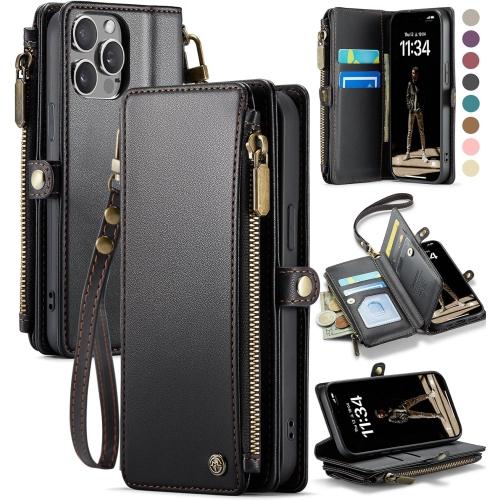
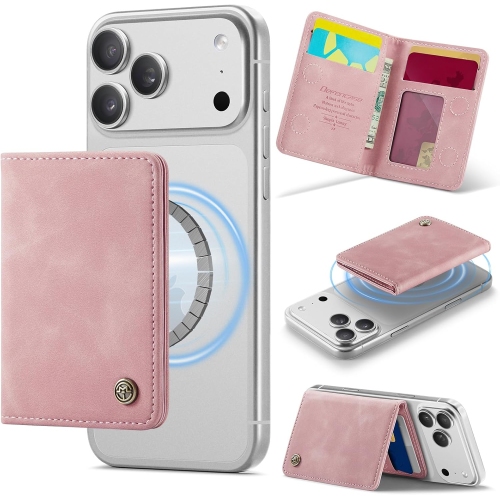
![GENERIC Magnetic Wallet, 6 Holders With [Id Window] [Rfid Ing] for Iphone 16/15/14/13/12 Pro/pro Max/plus](https://multimedia.bbycastatic.ca/multimedia/products/500x500/200/20001/20001800.jpeg)
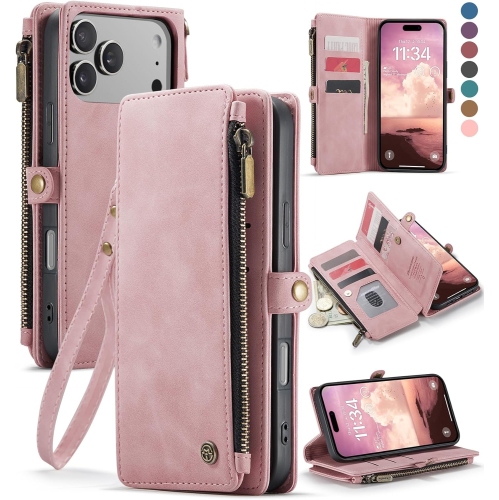
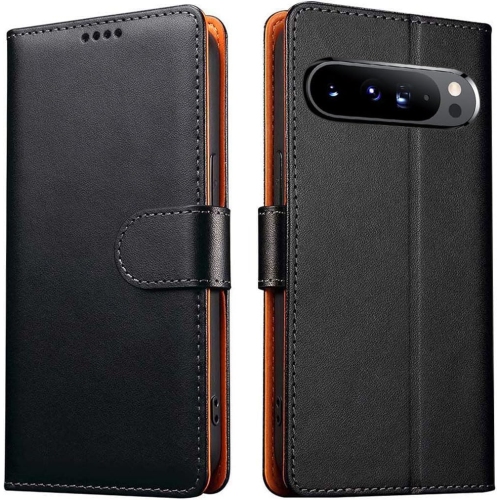
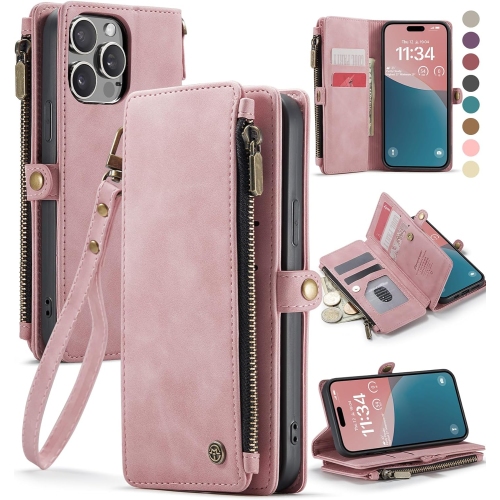
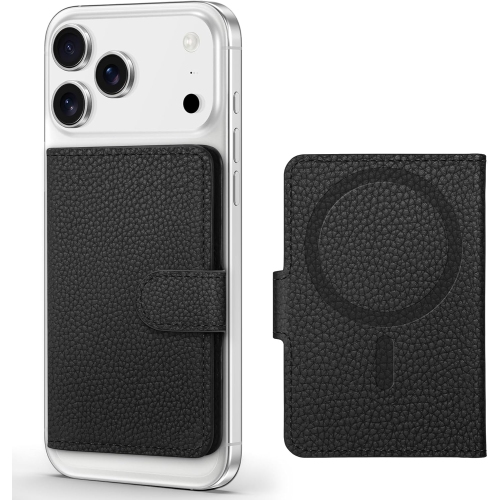
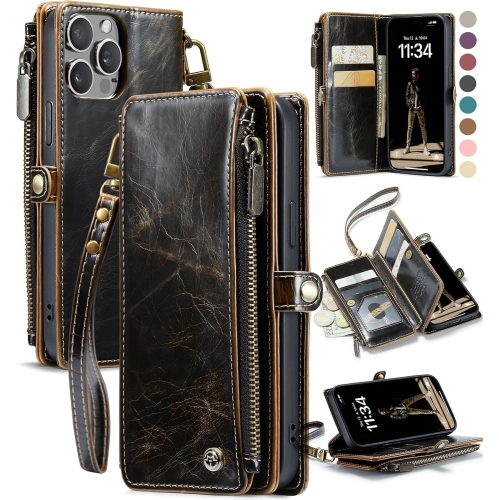
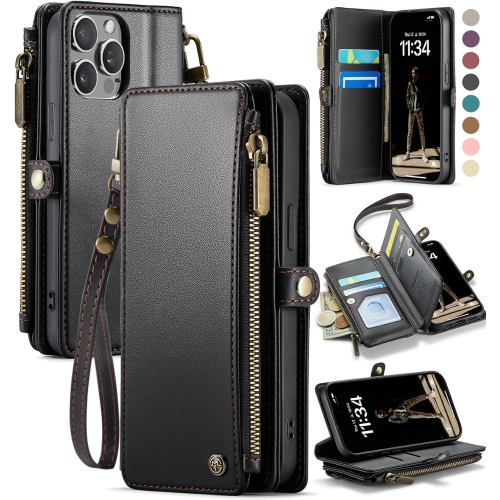
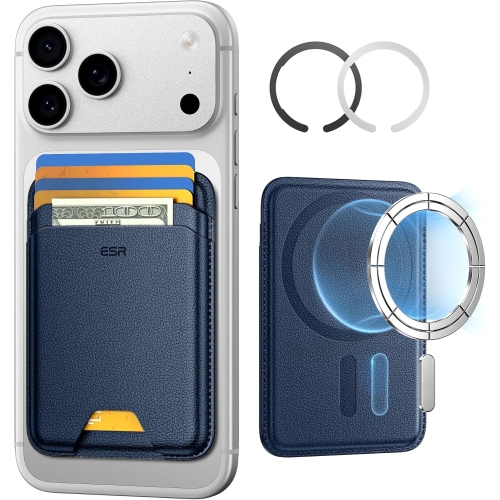
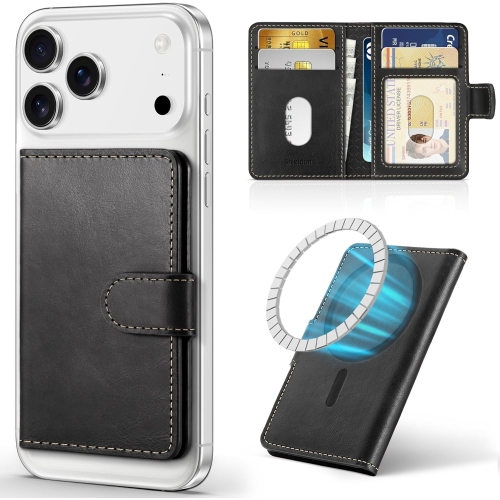
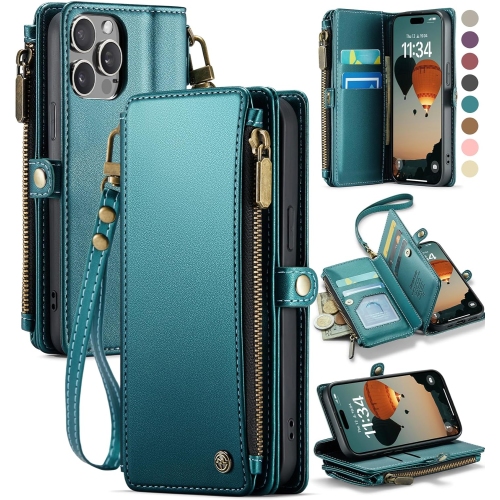
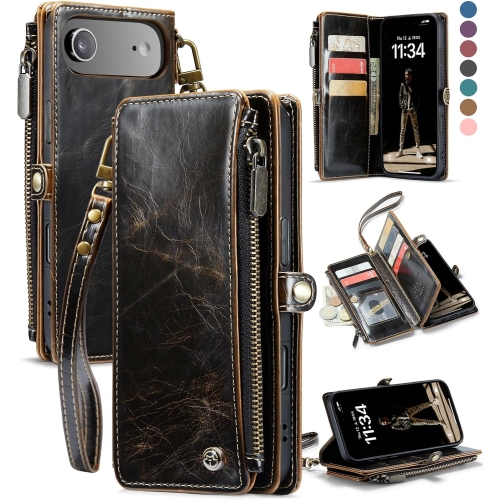
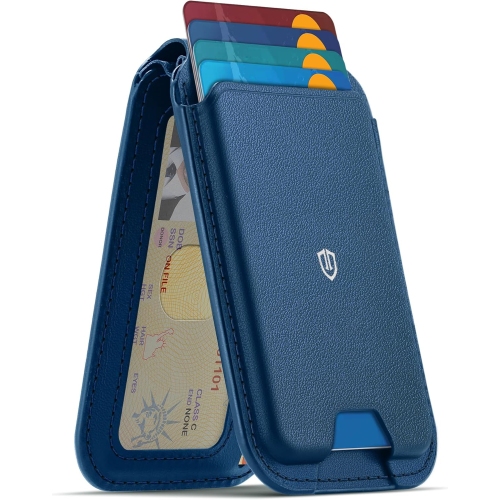
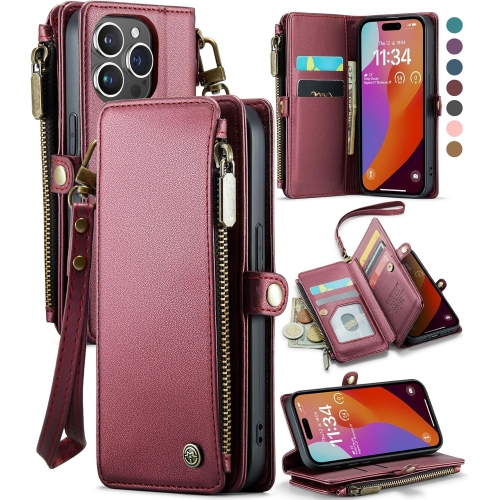
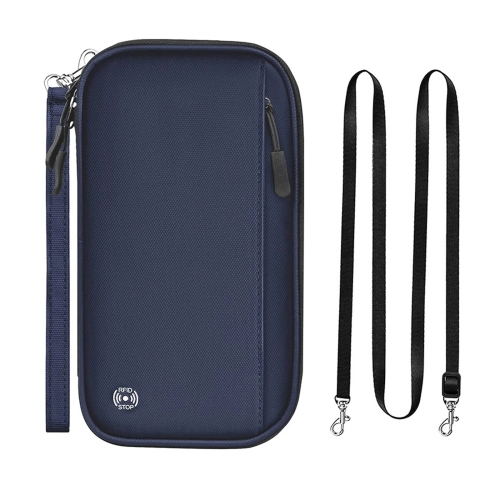
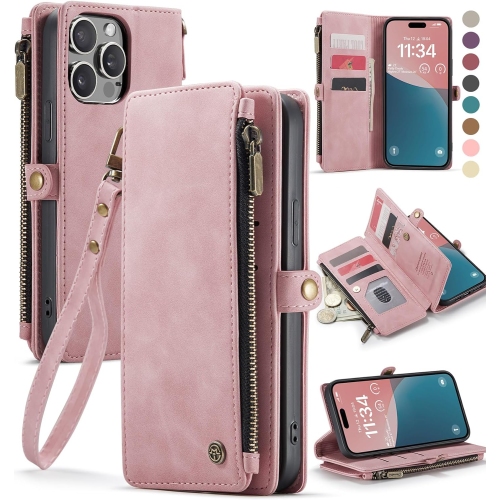
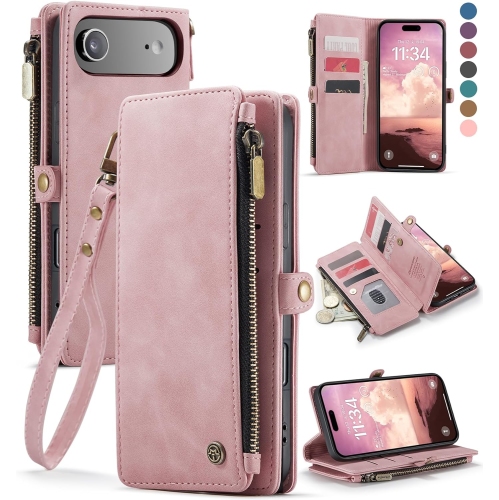
![GENERIC Magnetic Wallet With 6 Holders, Rfid Ing [Clear Id Window] Pu Leather Men Women Folio Magnetic Phone](https://multimedia.bbycastatic.ca/multimedia/products/500x500/199/19951/19951490.jpeg)
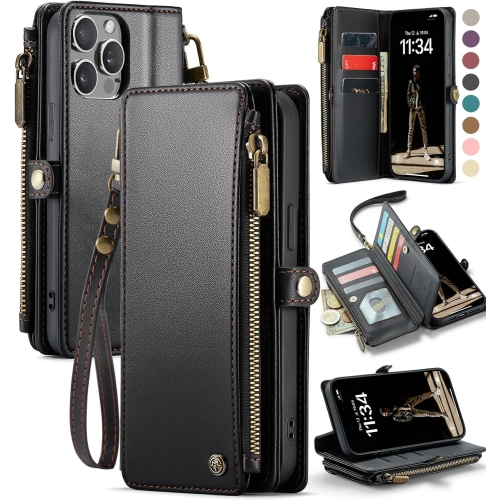
![GENERIC Case for Iphone 15 Pro Wallet Case, Rfid Ing [4 Holder] Kickstand [Shockproof Tpu Inner Shell] Pu](https://multimedia.bbycastatic.ca/multimedia/products/500x500/199/19953/19953625.jpeg)
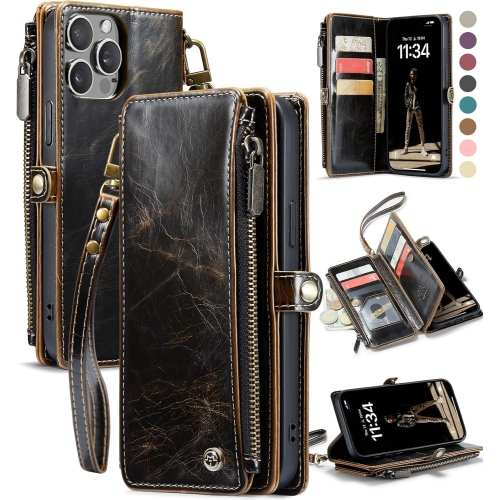
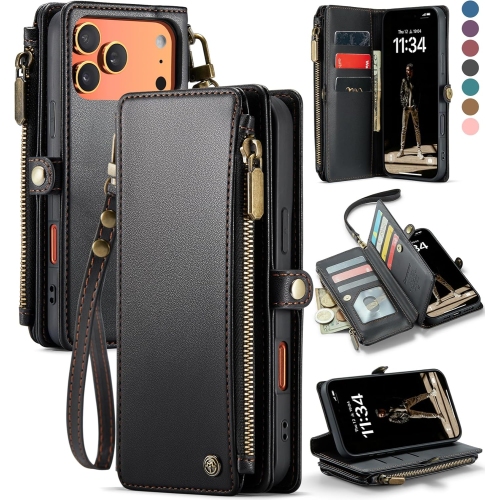
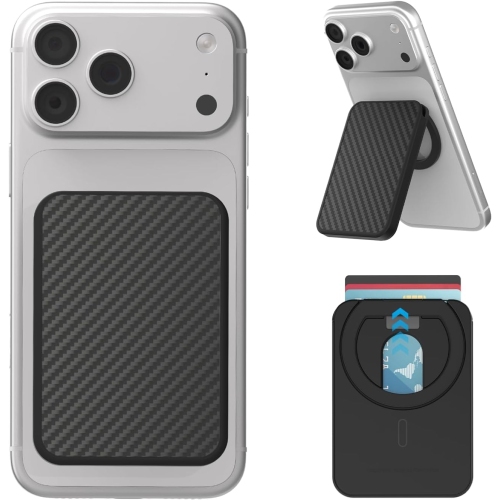
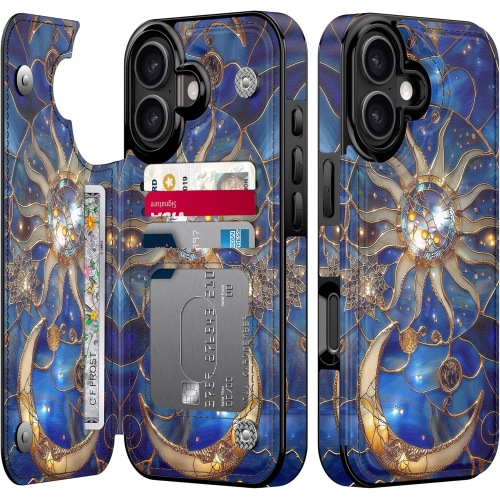
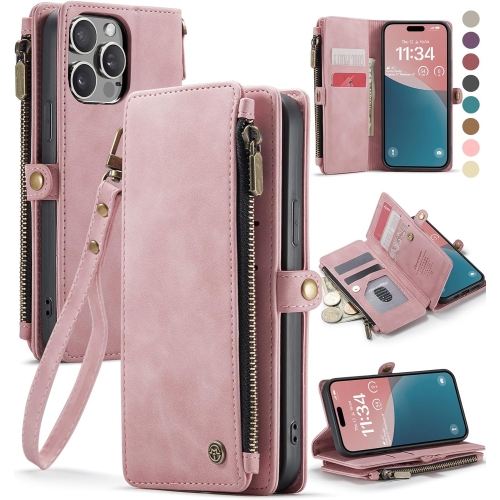
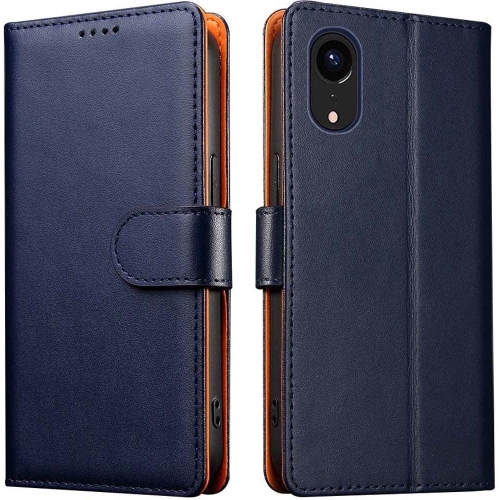
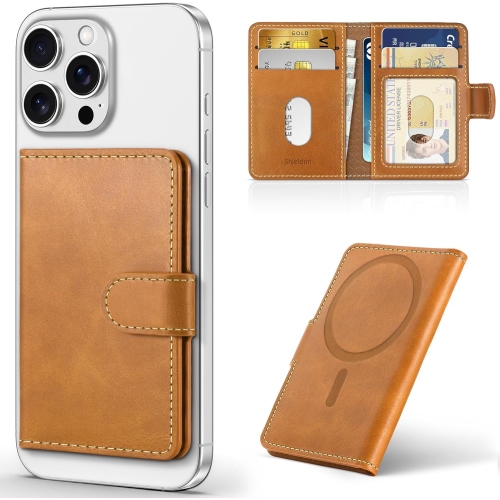
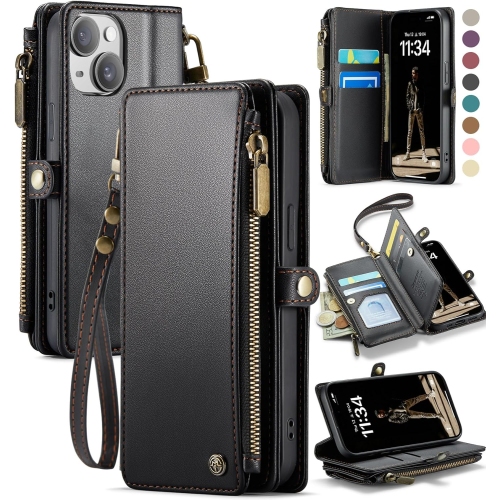
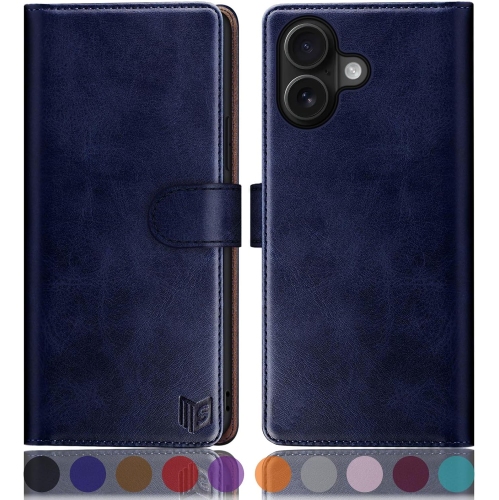
![GENERIC Case Wallet for Iphone 14, [Rfid Blocking] Pu Leather Stand Folio Cover With 4 Card Slots [Tpu Protective](https://multimedia.bbycastatic.ca/multimedia/products/500x500/199/19923/19923144.jpeg)
![GENERIC Wallet Case for Iphone 14 Pro, [Rfid Blocking] 4 Card Holder Kickstand [Shockproof Tpu Interior] Magnetic Closure](https://multimedia.bbycastatic.ca/multimedia/products/500x500/199/19922/19922971.jpeg)
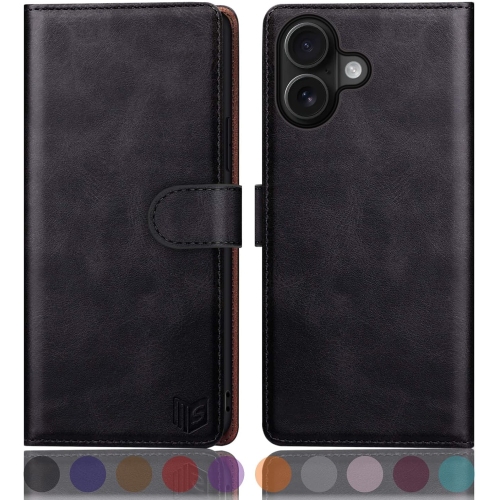
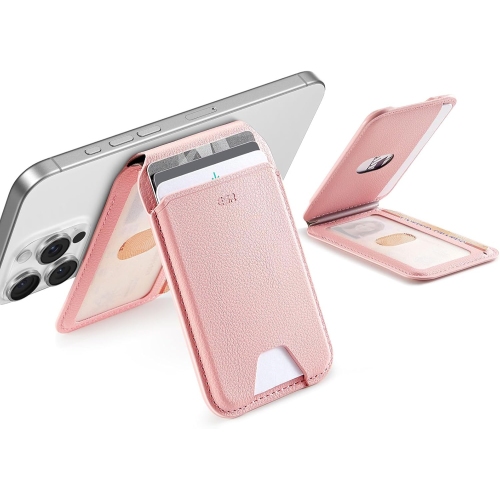
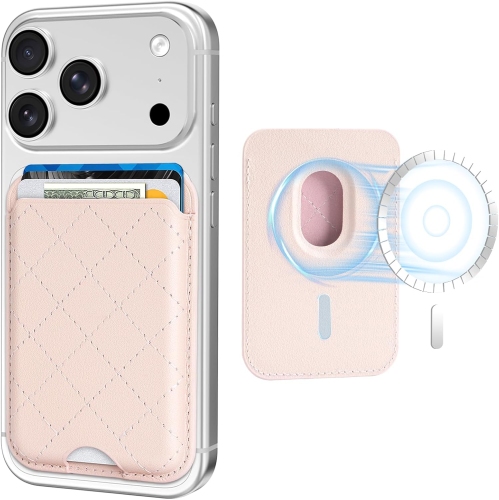
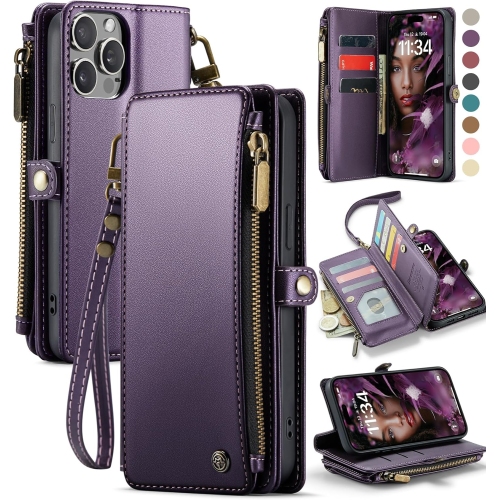
![GENERIC for Iphone 17 Pro Max Wallet Case [4-5 Holder] [Full Camera Protection] [Rfid Ing] [Kickstand]](https://multimedia.bbycastatic.ca/multimedia/products/500x500/199/19926/19926833.jpeg)
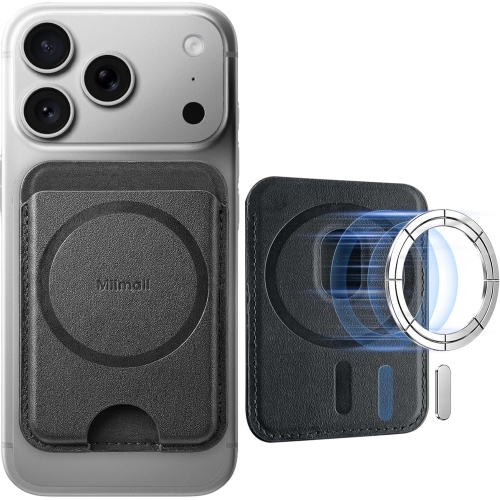
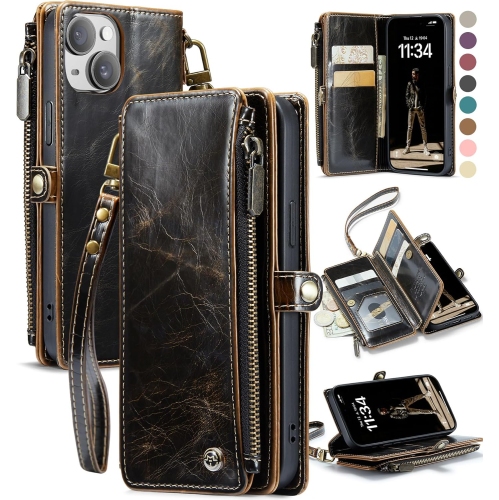
![GENERIC Case for Iphone 14 Wallet Case 5G, [Rfid Blocking] 4 Card Holder Stand [Shockproof Tpu Interior Case] Pu Leather](https://multimedia.bbycastatic.ca/multimedia/products/500x500/199/19902/19902877.jpeg)
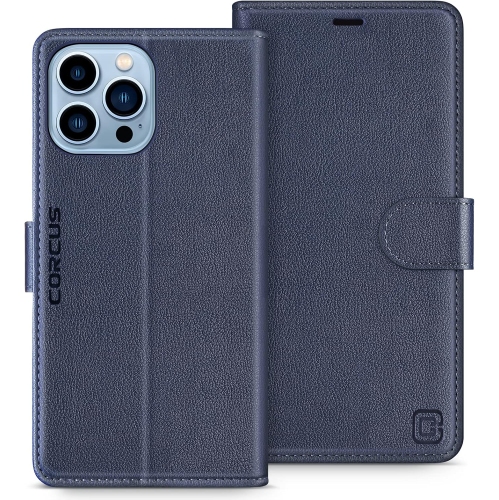
![GENERIC Wallet Case for Iphone 14 Pro, Pu Leather Folio Case With [Rfid Blocking] [3 Card Slot], Kickstand Book Design](https://multimedia.bbycastatic.ca/multimedia/products/500x500/199/19902/19902733.jpeg)
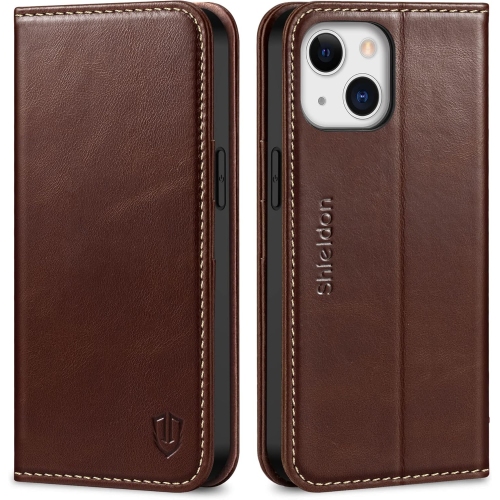
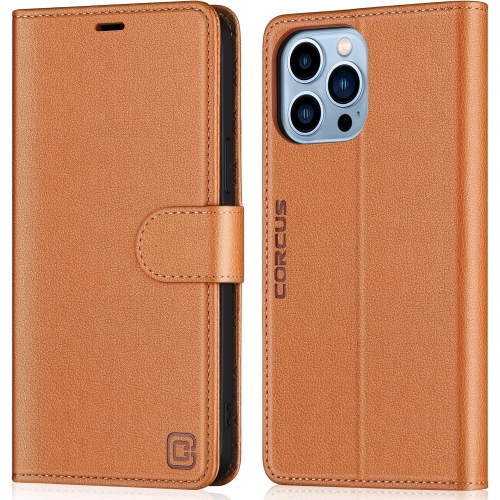
![GENERIC Compatible With Iphone 14 Pro Wallet Case, Protective [Tpu Shockproof Inner Shell], Pu Leather [Rfid Blocking] [4](https://multimedia.bbycastatic.ca/multimedia/products/500x500/199/19903/19903762.jpeg)
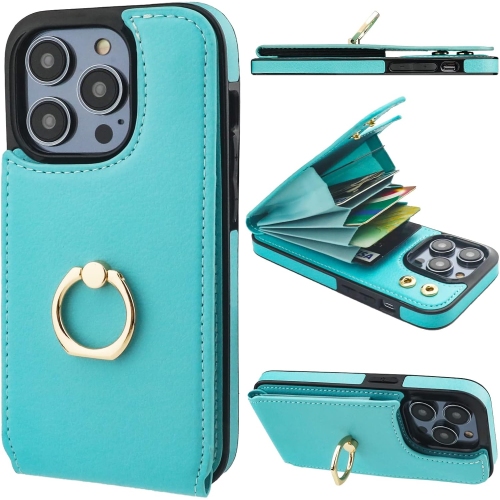
![GENERIC Case Wallet for Iphone 14, [Rfid Blocking] Pu Leather Stand Folio Cover With 4 Card Slots [Tpu Protective](https://multimedia.bbycastatic.ca/multimedia/products/500x500/199/19903/19903175.jpeg)
![GENERIC Iphone 14 Pro Case Wallet With [Rfid Blocking] Card Slot Premium Soft Pu Leather Zipper Flip Folio With Wrist](https://multimedia.bbycastatic.ca/multimedia/products/500x500/199/19904/19904059.jpeg)
![GENERIC Case for Iphone 14 Pro Max Wallet Case, [Rfid Blocking] 4 Card Holder Stand [Shockproof Tpu Interior Case] Pu](https://multimedia.bbycastatic.ca/multimedia/products/500x500/199/19904/19904046.jpeg)
![GENERIC Wallet Case for Iphone 14, [Rfid Blocking] [4 Card Slots] Tpu Interior Protective Case, Magnetic Folio Shockproof](https://multimedia.bbycastatic.ca/multimedia/products/500x500/199/19903/19903322.jpeg)
![GENERIC Detachable Magnetic Wallet Case Compatible With Iphone 13 Pro [6.1 Inch] [Folio], Rfid Protection Kickstand -Red](https://multimedia.bbycastatic.ca/multimedia/products/500x500/199/19902/19902987.jpeg)
![GENERIC Detachable Magnetic Wallet Case Compatible With Iphone 13 Pro Max [6.7 Inch] [Folio], Rfid Protection Kickstand](https://multimedia.bbycastatic.ca/multimedia/products/500x500/199/19902/19902982.jpeg)
![GENERIC Case for Iphone 14 Pro Max Case Wallet, [Tpu Shockproof Inner Shell], Pu Leather [Rfid Blocking] 4 Card Holder](https://multimedia.bbycastatic.ca/multimedia/products/500x500/199/19903/19903601.jpeg)
FAQ
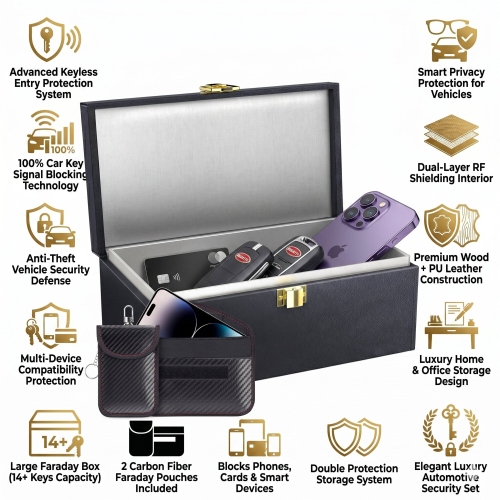
RFID stands for radio-frequency identification, a technology that uses radio waves to communicate with chips embedded in items such as contactless cards and some passports. RFID protection accessories typically incorporate a specialized lining or layer alongside standard wallet or bag materials.
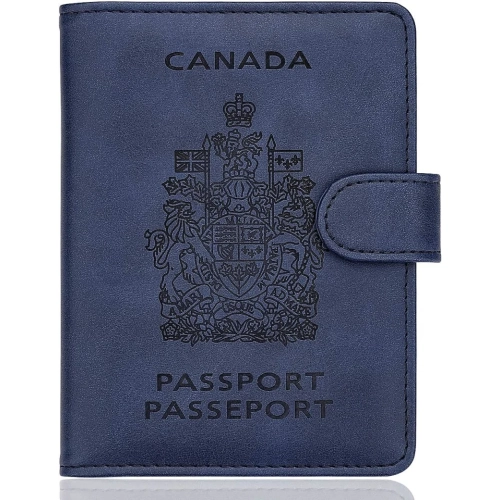
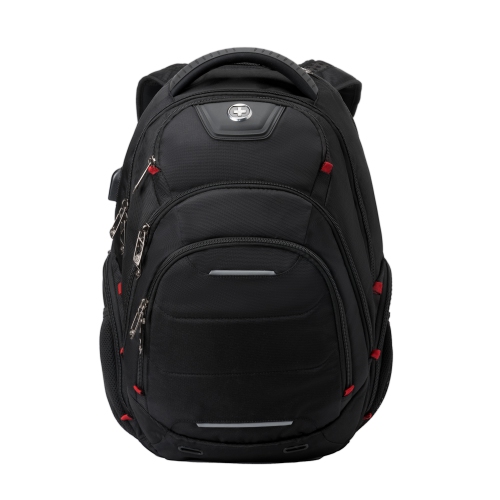
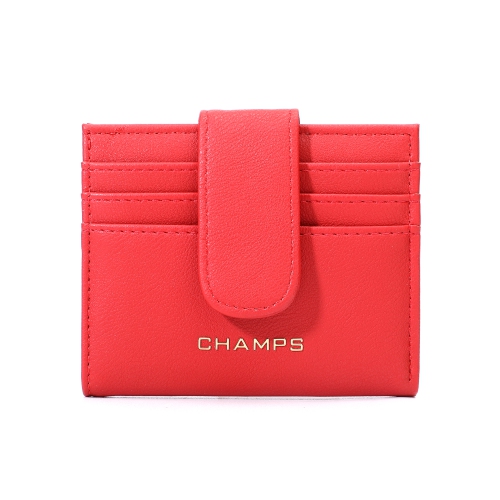
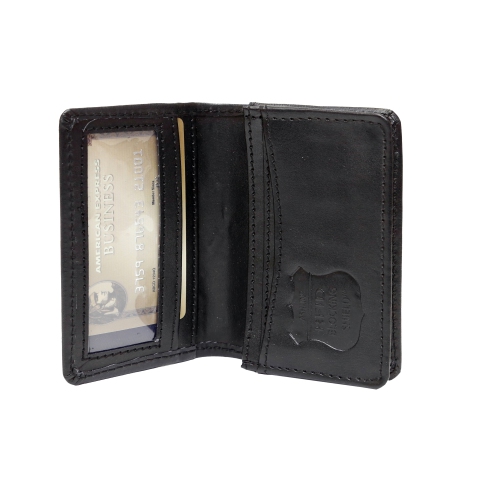
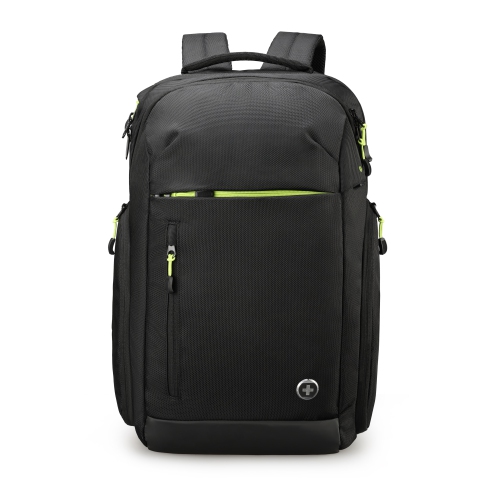
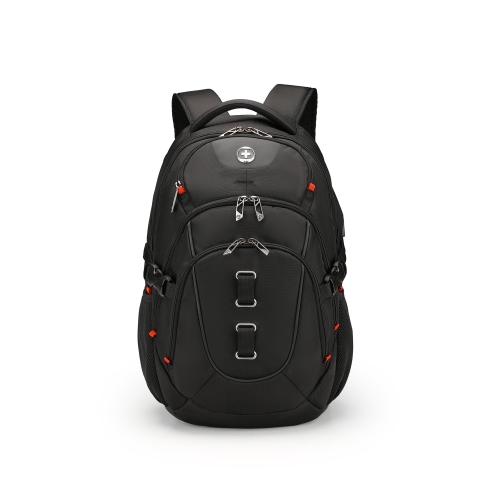
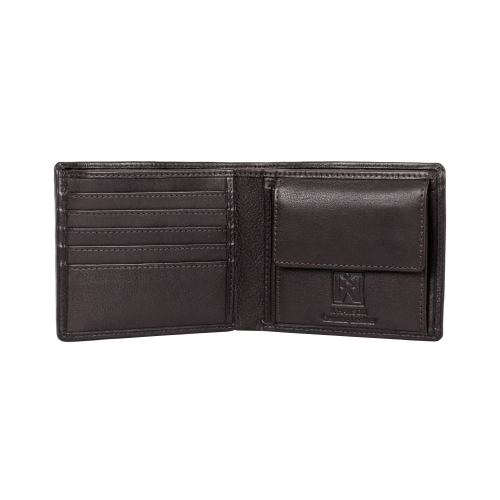
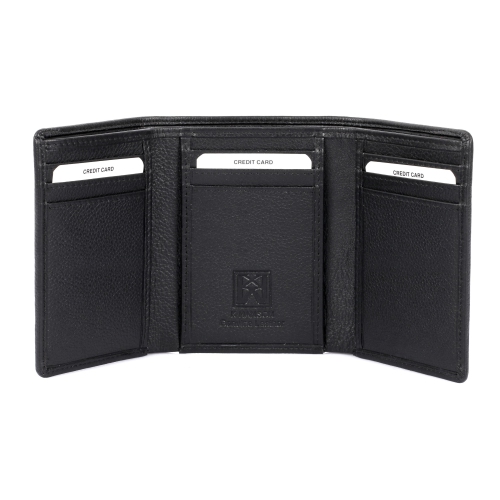
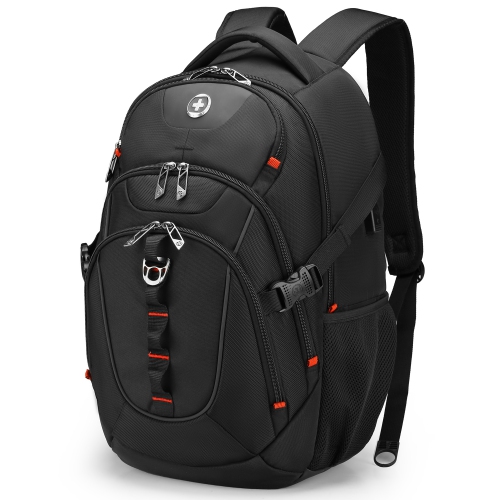
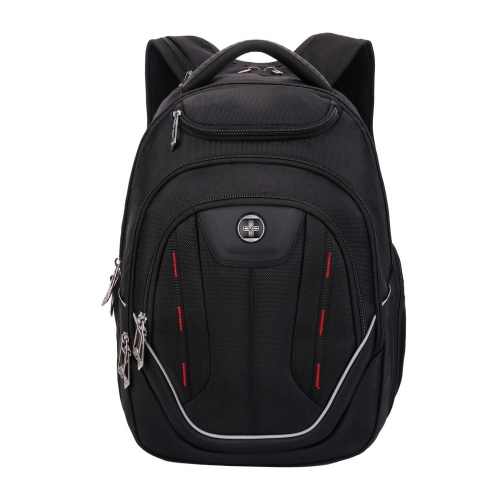
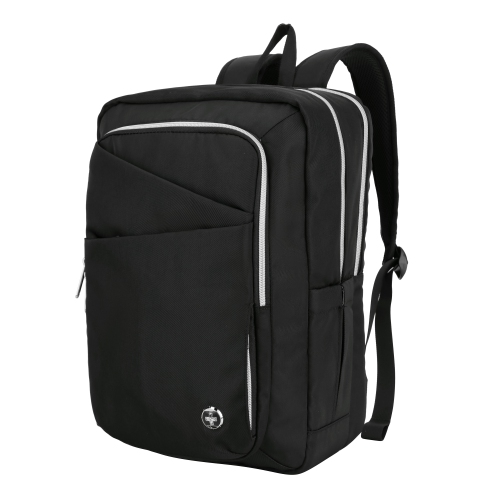
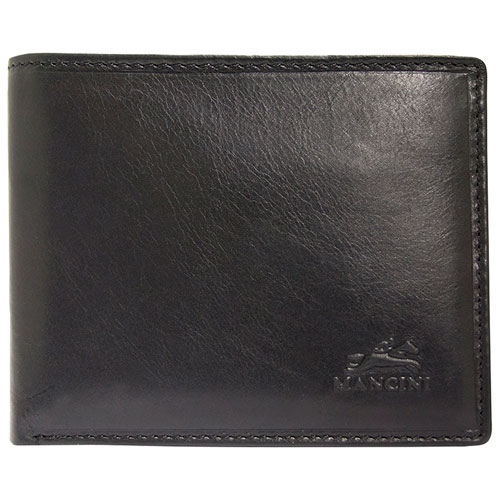
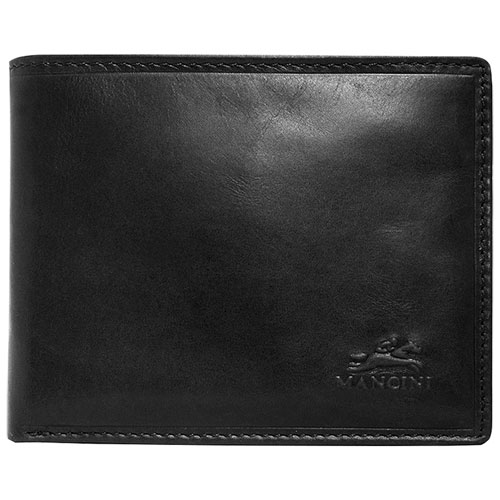
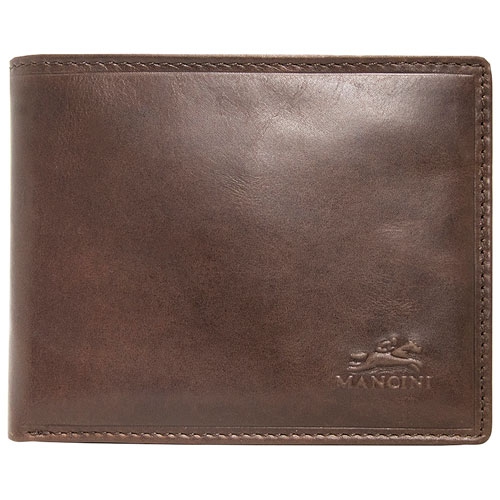
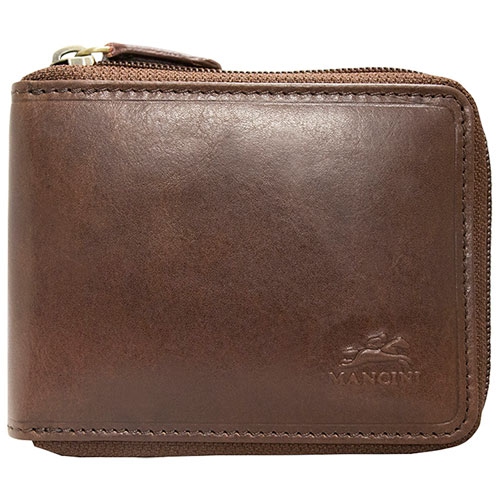
Common types include wallets, card sleeves, passport holders, travel organizers, purses and backpacks. Some have a dedicated RFID-lined compartment, while others incorporate the lining throughout the card storage section.
RFID accessories may feature leather, synthetic leather, nylon, polyester or metal exteriors. Their RFID-specific layers often use metallic fabric, foil or other conductive materials. Exterior materials influence the accessory’s texture, appearance and care requirements.
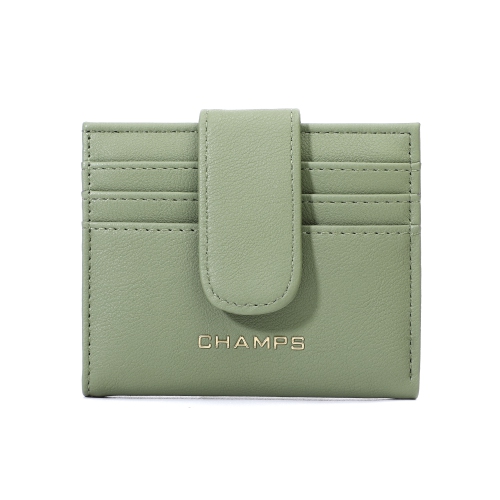
Consider card slots, a bill compartment, a coin pocket and an ID window, depending on what you carry. For travel, passport sections, ticket pockets and separate compartments can help keep documents organized. Zippered, snap and folding closures offer different ways to access your belongings.
Follow the manufacturer’s care instructions for the accessory’s exterior and lining. Many fabric or synthetic styles can be wiped with a soft, slightly damp cloth, while leather may require a leather-specific care product. Avoid machine washing unless the care label explicitly permits it.
Top selling and popular products
Discover more categories related to RFID Protection
Some products may be subject to Environmental Handling Fees (EHF) depending on your province. Learn more about EHFs.