Rugged Smartwatches for Endurance Athletes
Explore rugged smartwatches for endurance athletes, with durability, battery life, and training features in mind. Compare GPS tracking, water-resistance ratings, and sport modes to find a watch suited to long runs, rides, and demanding outdoor training. Pay attention to battery estimates in GPS mode and fit for extended wear.

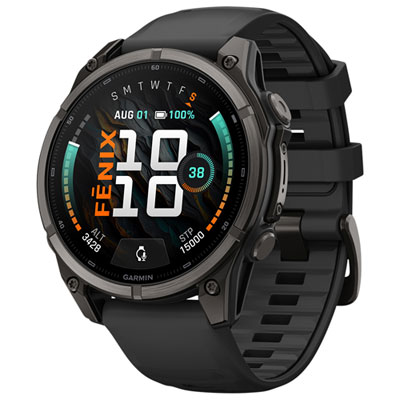
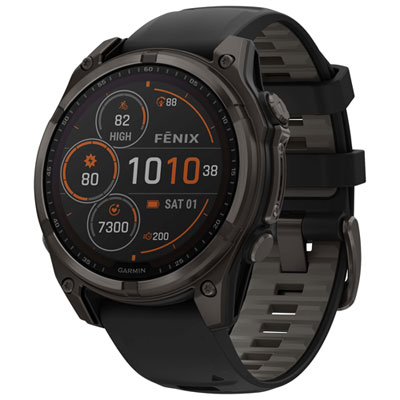
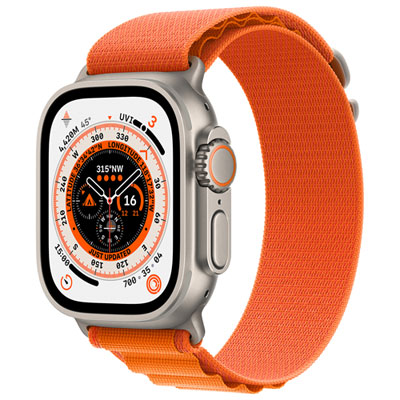
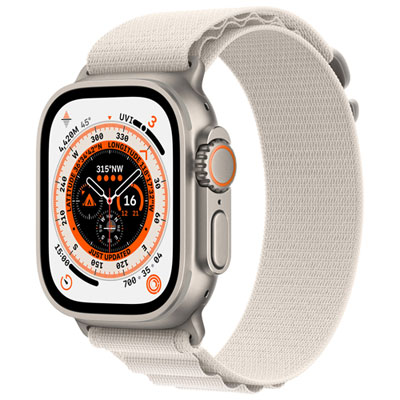
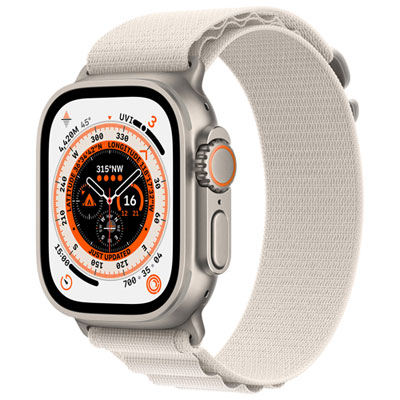
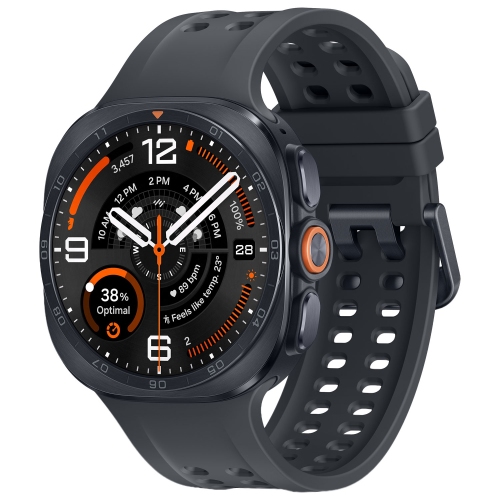
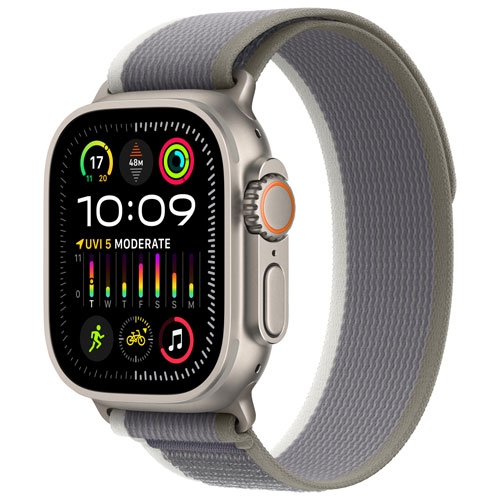
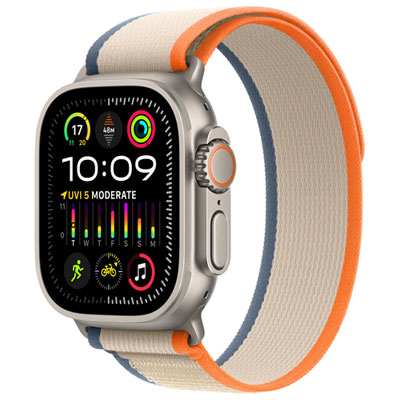
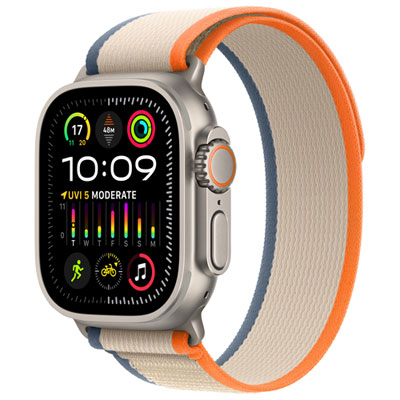
![APPLE Watch Ultra 2 [Gps + Cellular 49Mm] Smartwatch With Rugged Titanium Case & Alpine Loop, Medium In Blue Great store](https://multimedia.bbycastatic.ca/multimedia/products/500x500/181/18165/18165748.jpeg)
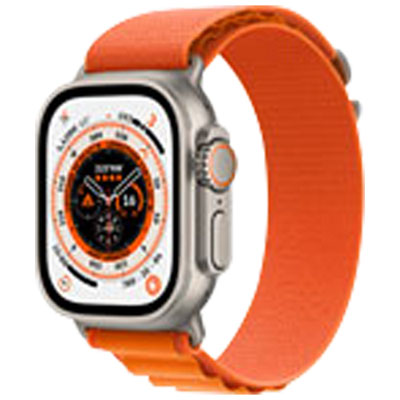
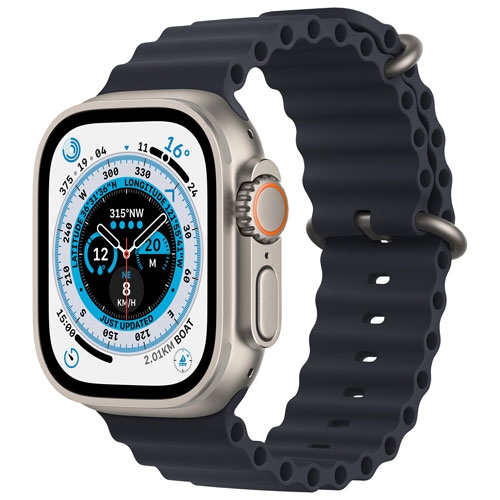
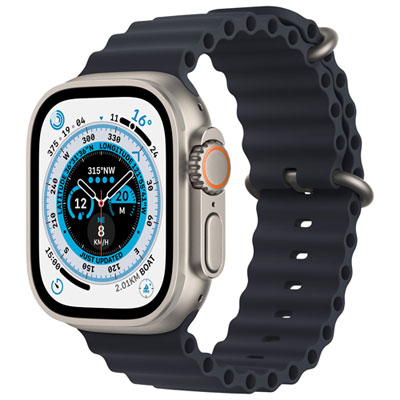
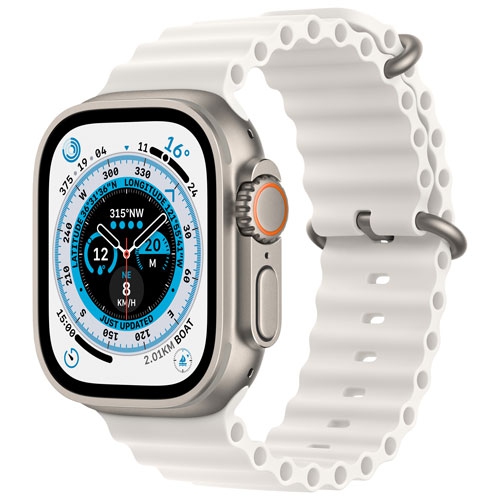
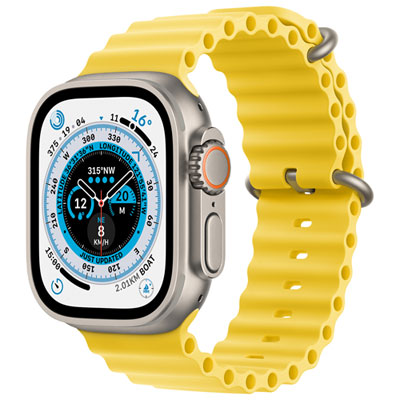
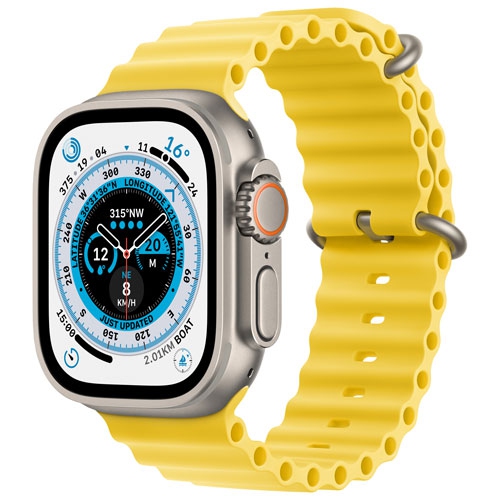
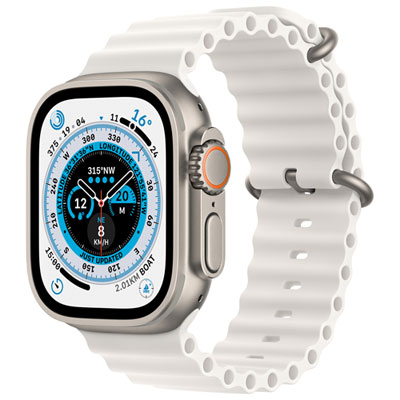
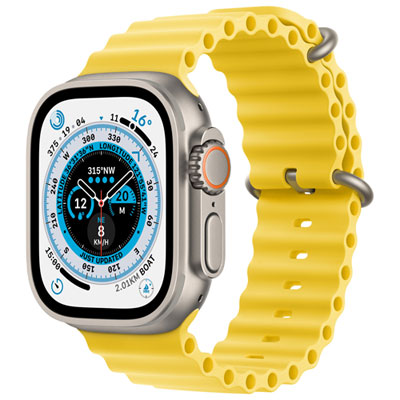
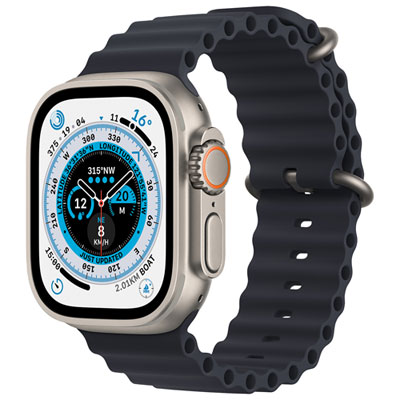
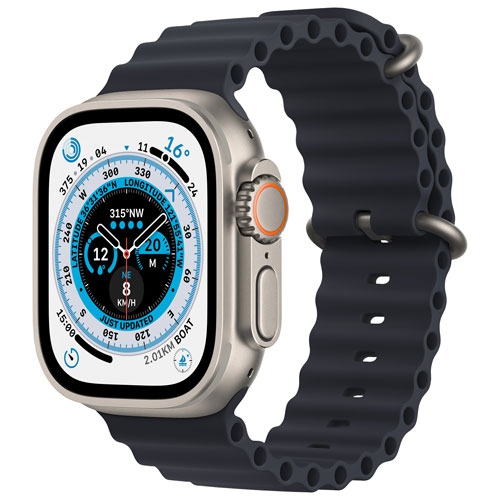
![APPLE Watch Ultra [Gps + Cellular 49Mm] Smart Watch W/rugged Titanium Case & Ocean Band. In White Best Apple Watch ever! Just love all the great features](https://multimedia.bbycastatic.ca/multimedia/products/500x500/166/16622/16622275.jpeg)
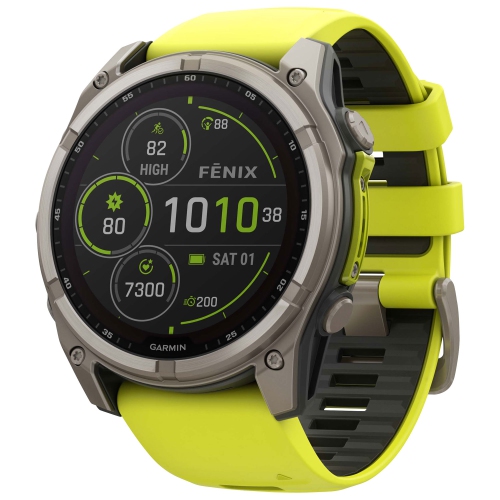
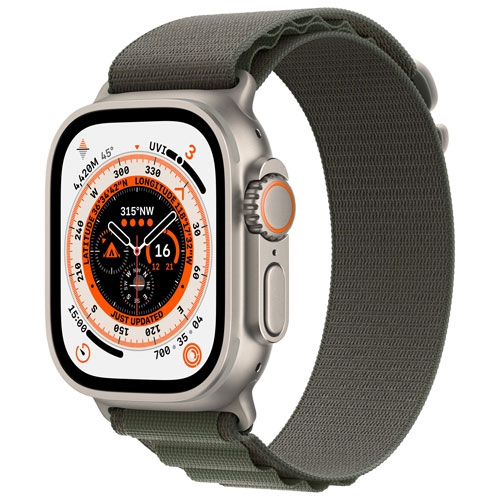
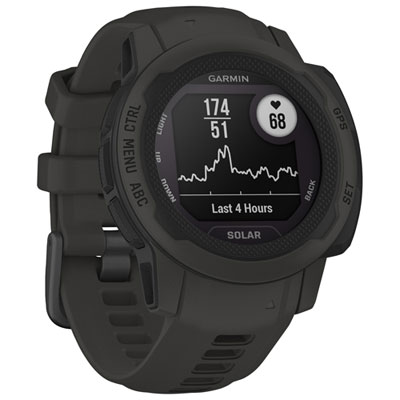
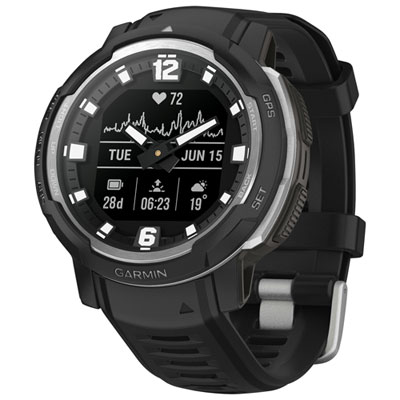
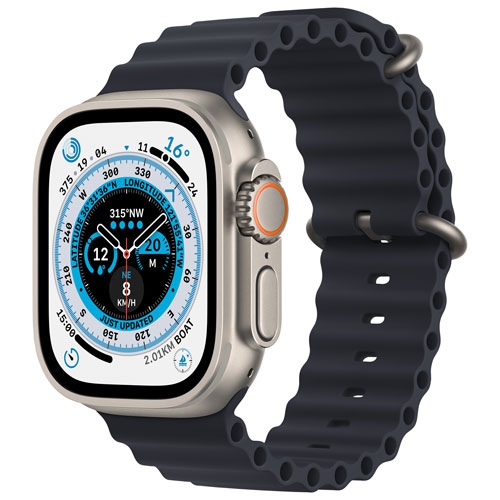
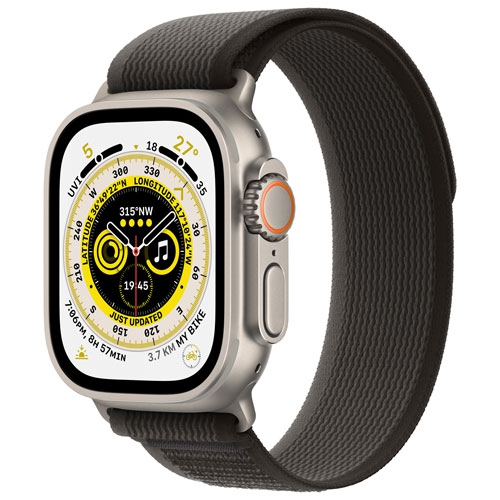
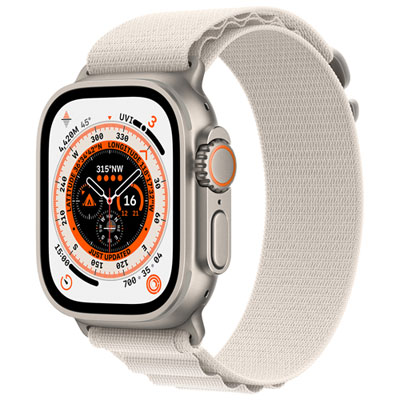
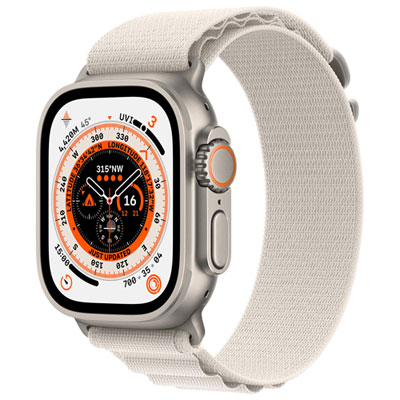

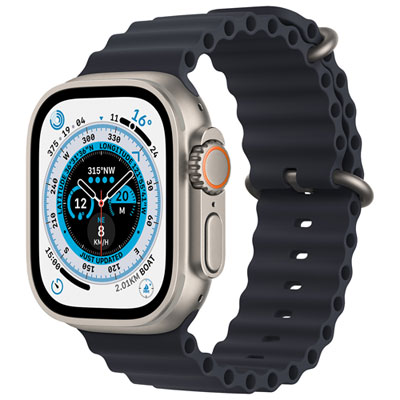
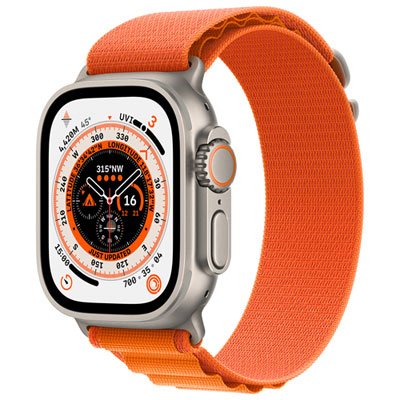
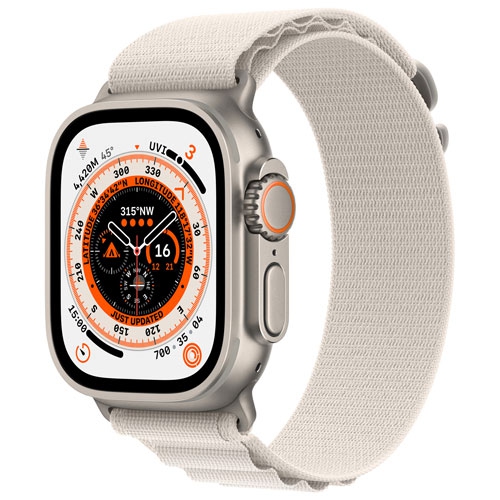
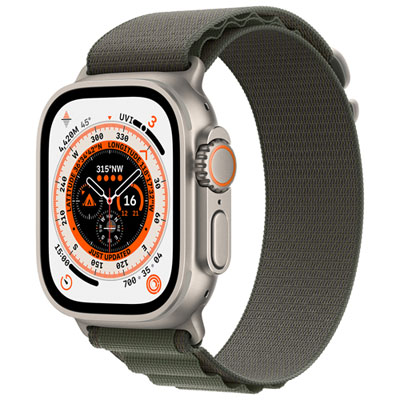
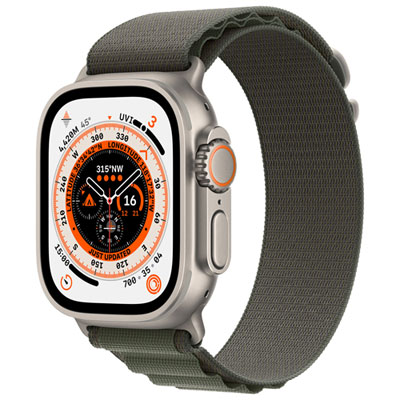
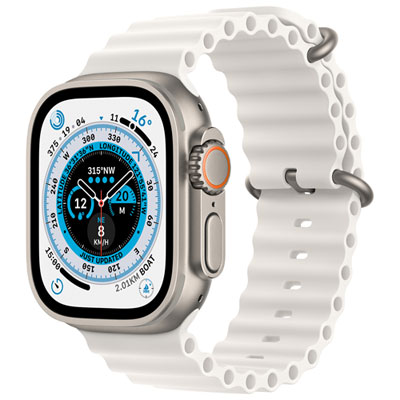
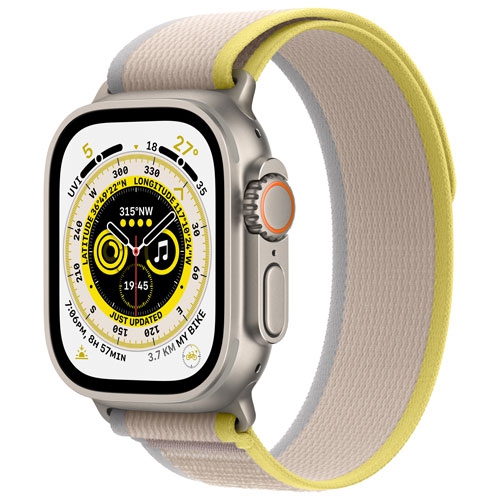
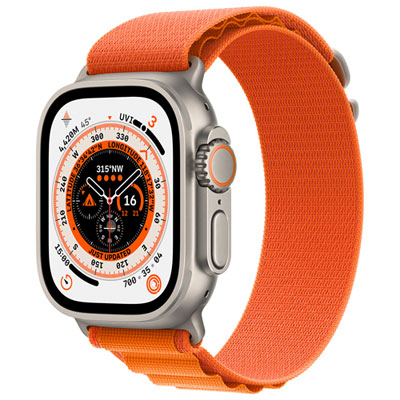
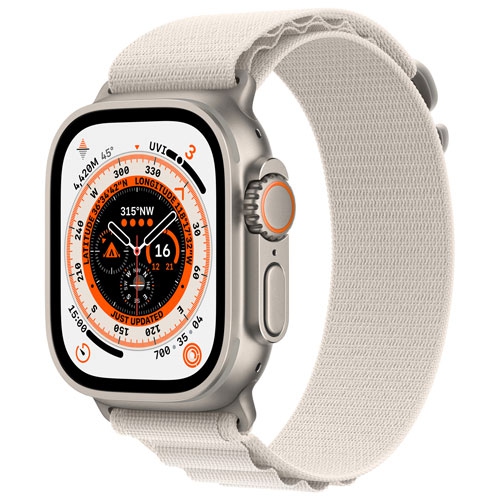
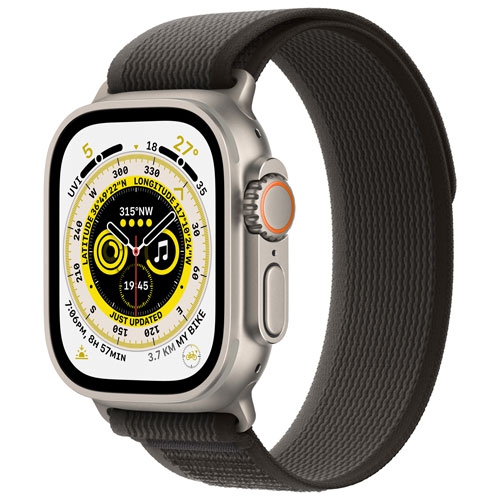
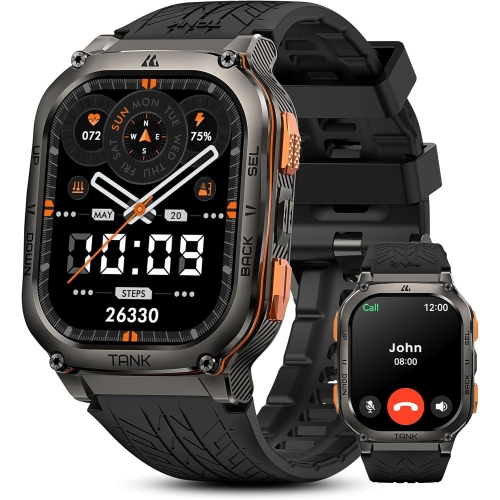
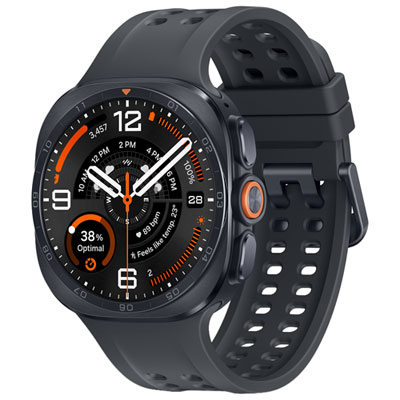
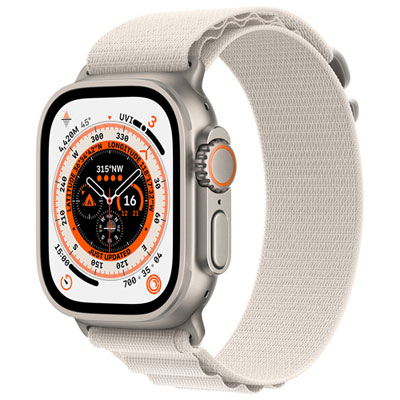
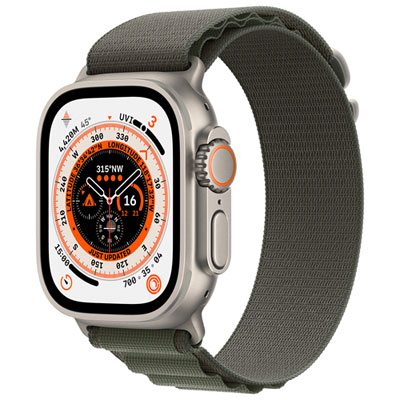
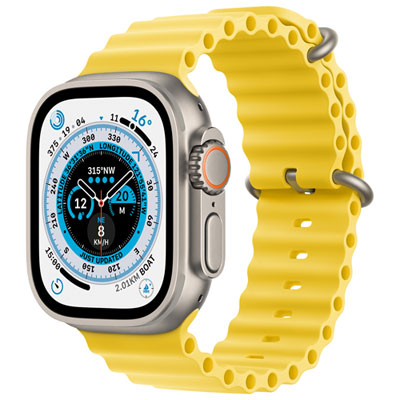
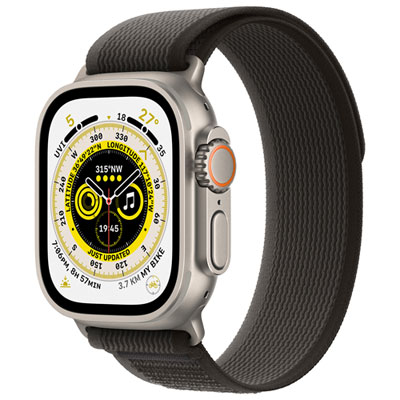
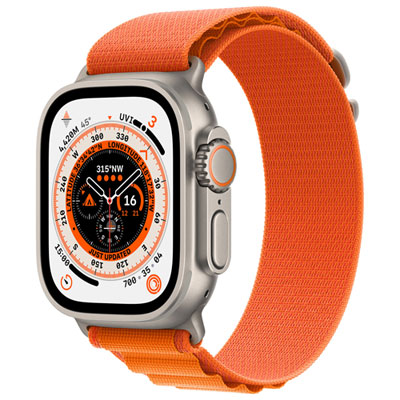
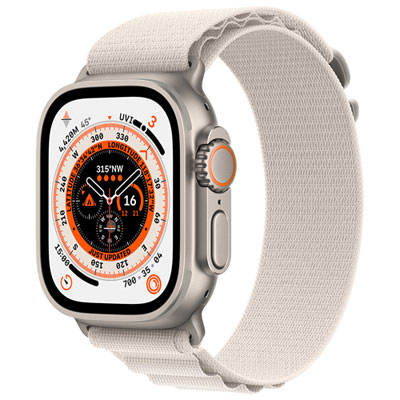
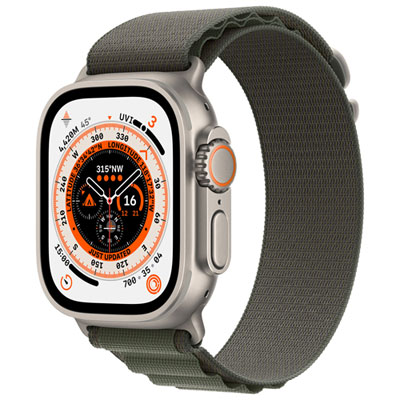

![APPLE Watch Ultra 2 [Gps + Cellular 49Mm] Smartwatch With Rugged Titanium Case & Alpine Loop, Small In Blue](https://multimedia.bbycastatic.ca/multimedia/products/500x500/181/18165/18165757.jpeg)

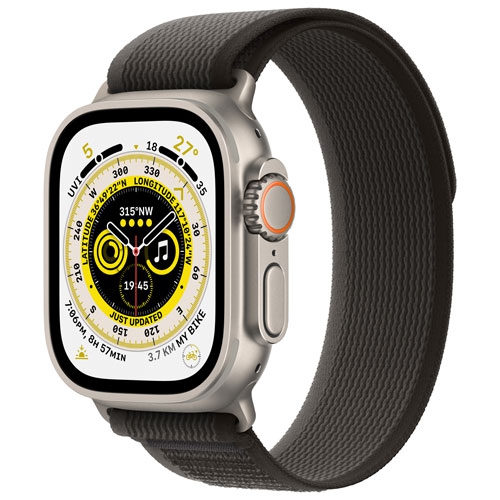
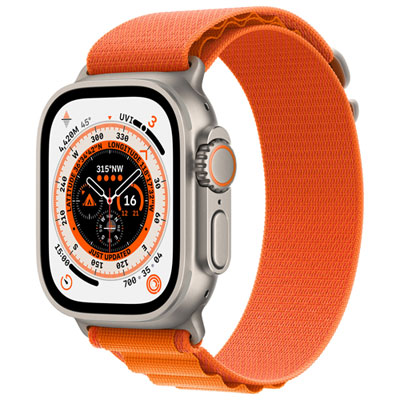
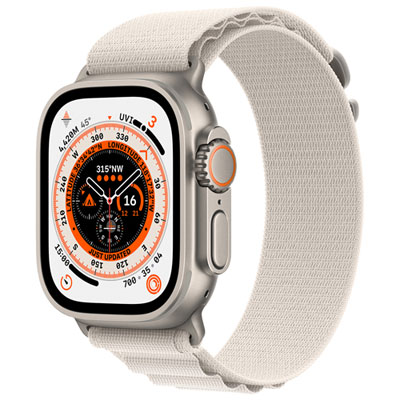
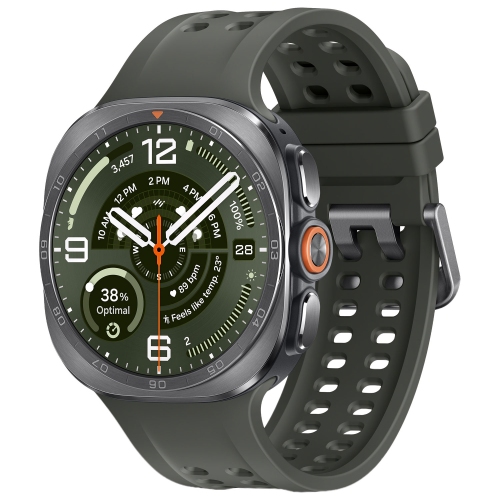
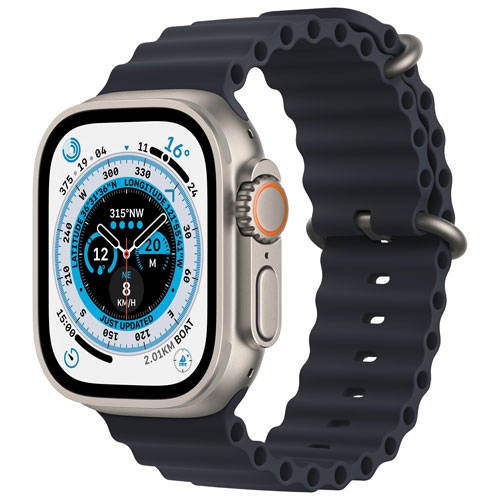
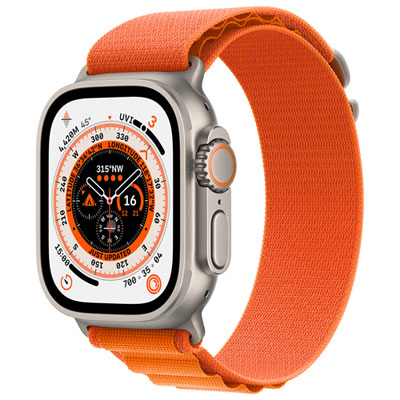
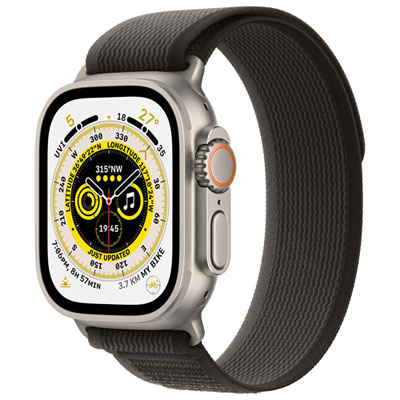
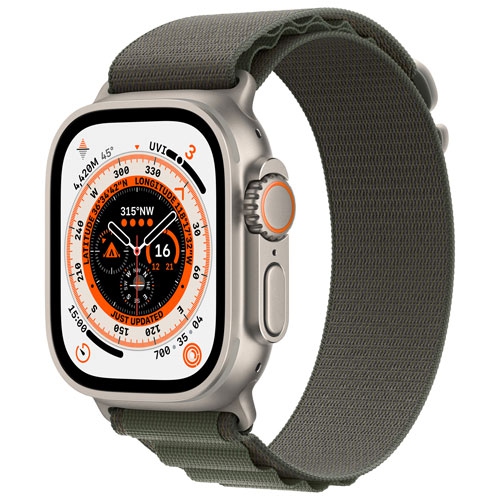
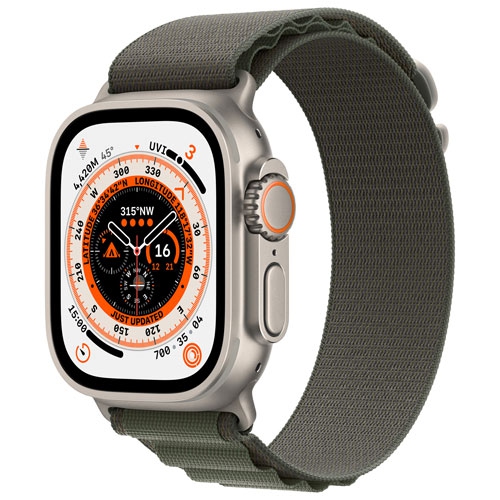
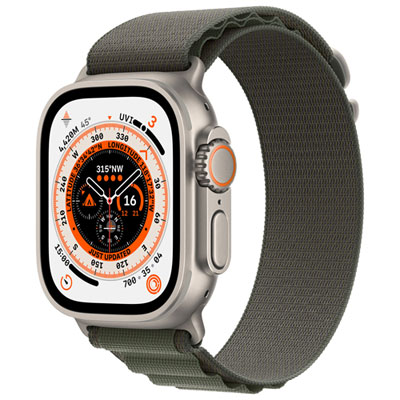
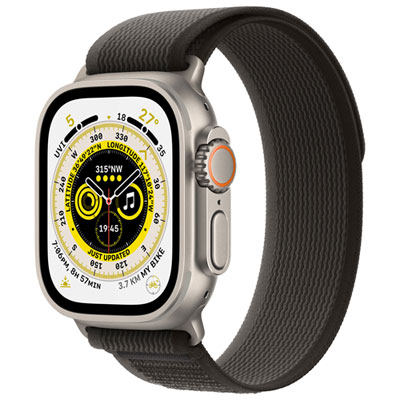
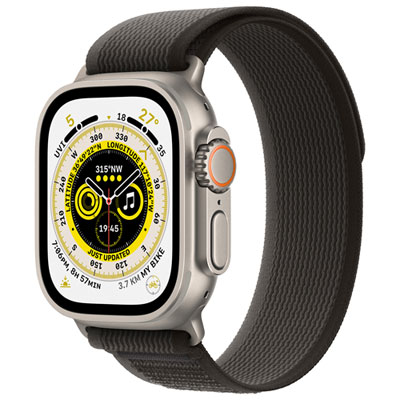
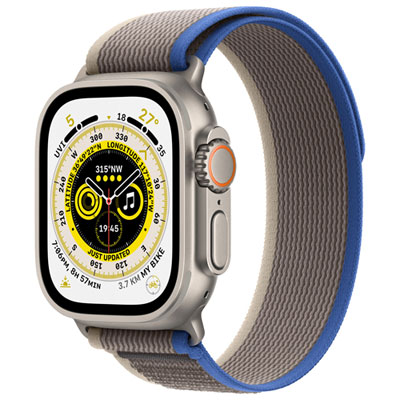
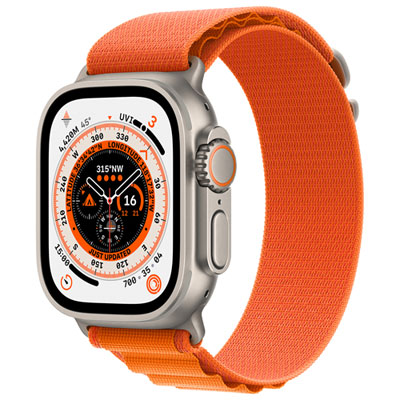
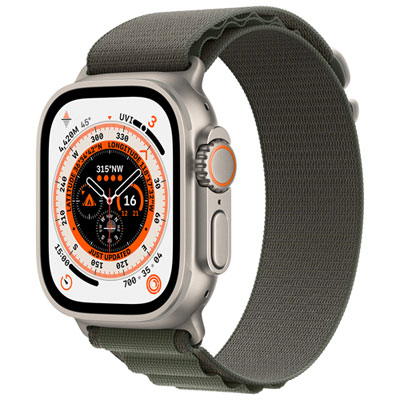
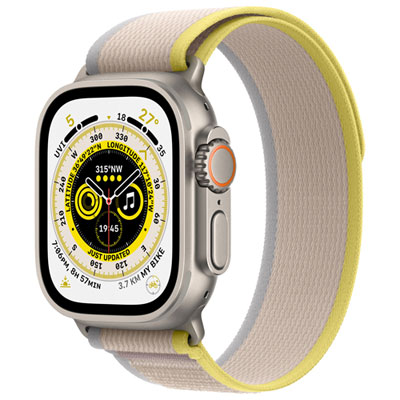
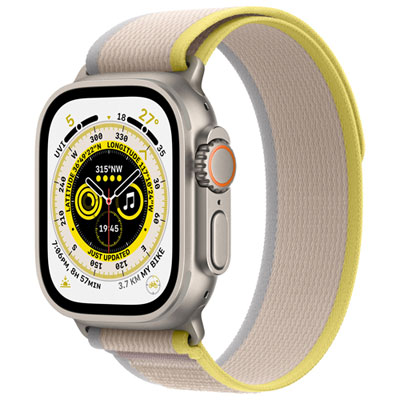
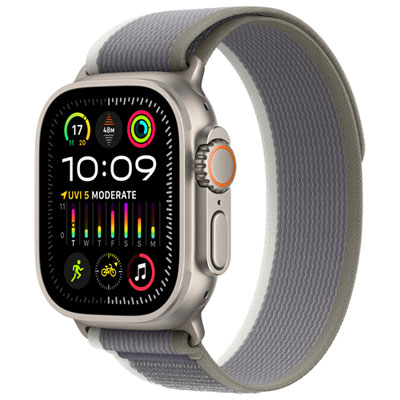
![APPLE Watch Ultra 2 [Gps + Cellular 49Mm] Smartwatch With Rugged Titanium Case & Blue/black Trail Loop, M/l In Multicolor The best love it](https://multimedia.bbycastatic.ca/multimedia/products/500x500/181/18165/18165759.jpeg)
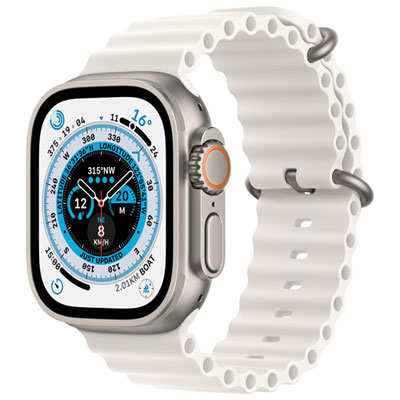
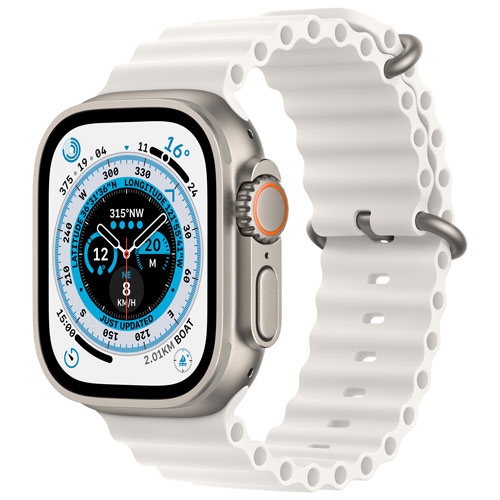
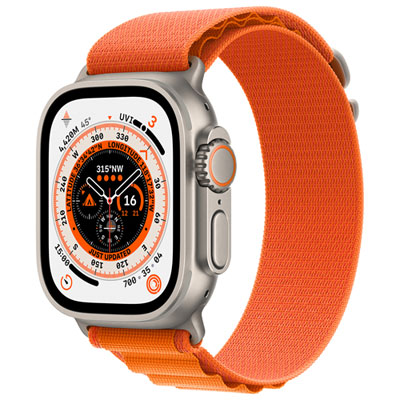
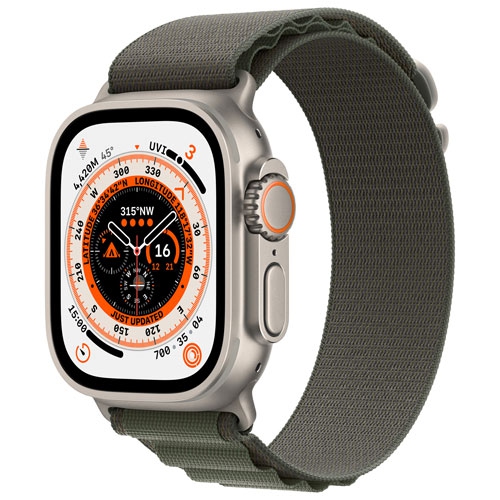
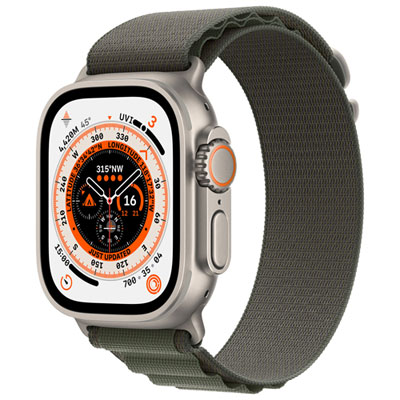
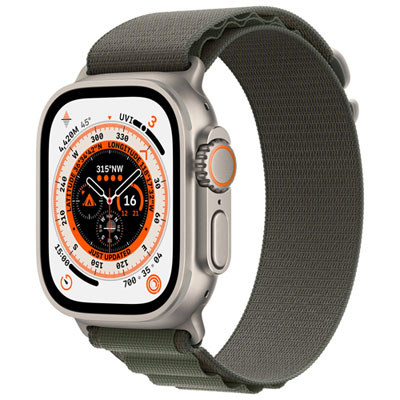
![APPLE Watch Ultra 2 [Gps + Cellular 49Mm] Smartwatch With Rugged Titanium Case & Indigo Alpine Loop, Small In Multicolor Great Product and Buying Experience](https://multimedia.bbycastatic.ca/multimedia/products/500x500/181/18165/18165756.jpeg)
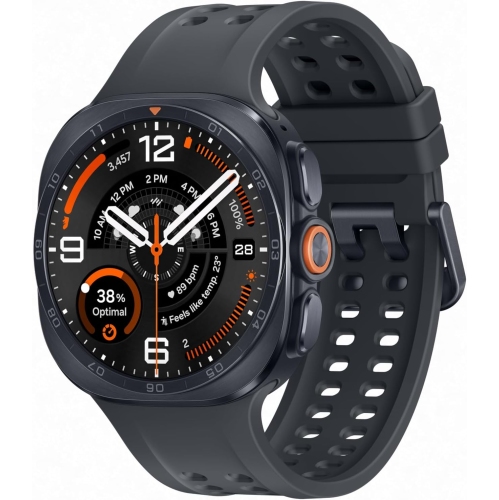
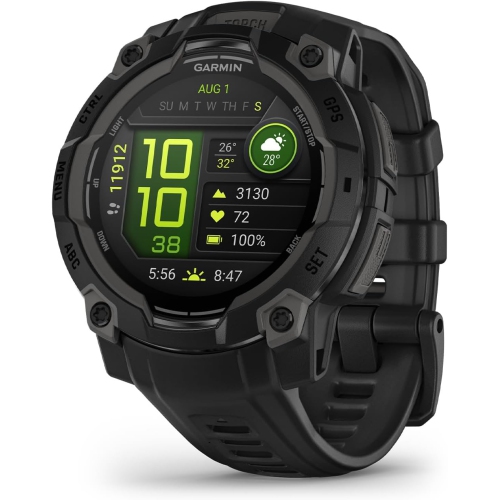
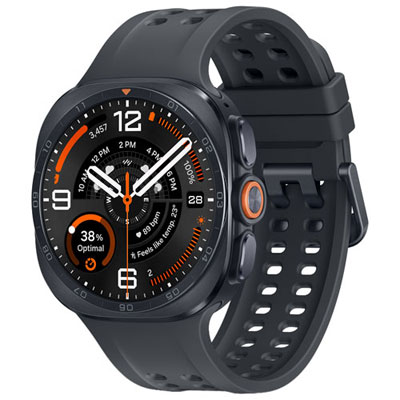
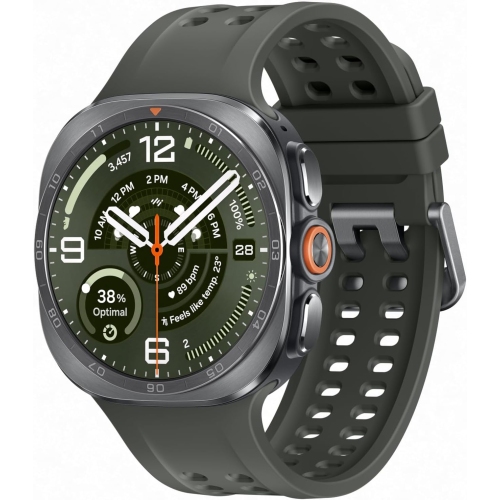
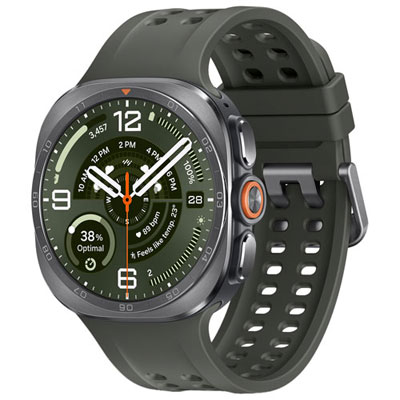
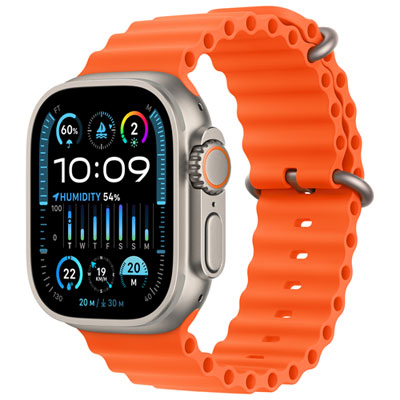
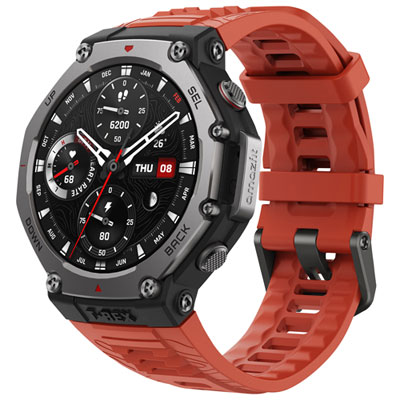
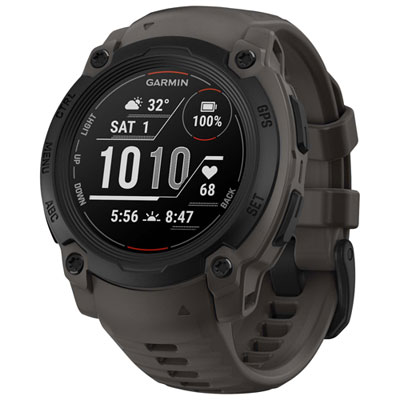
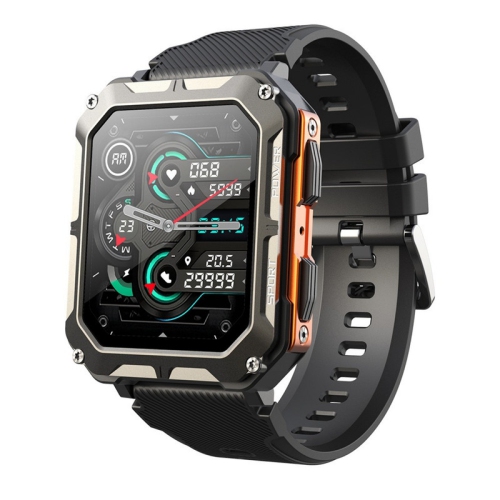
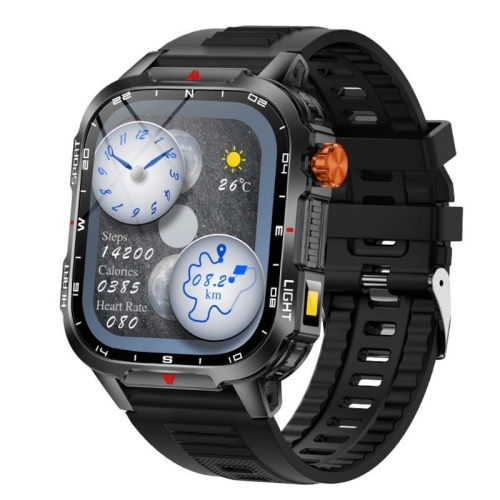
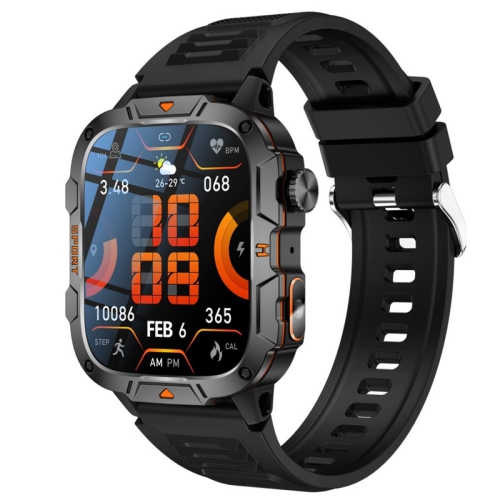
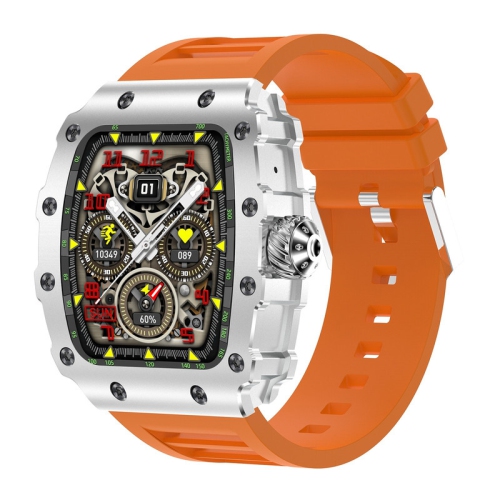
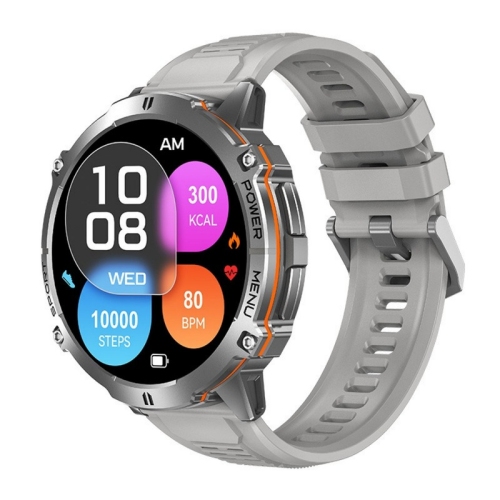
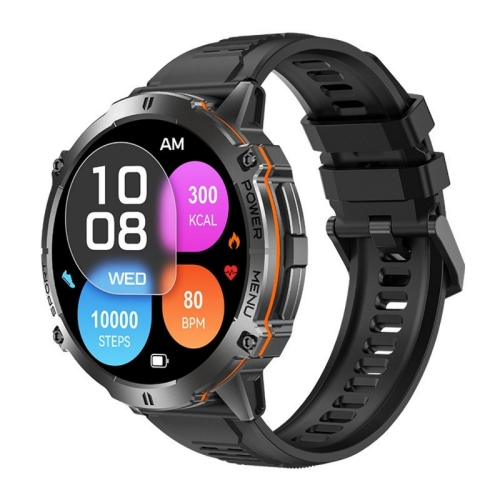
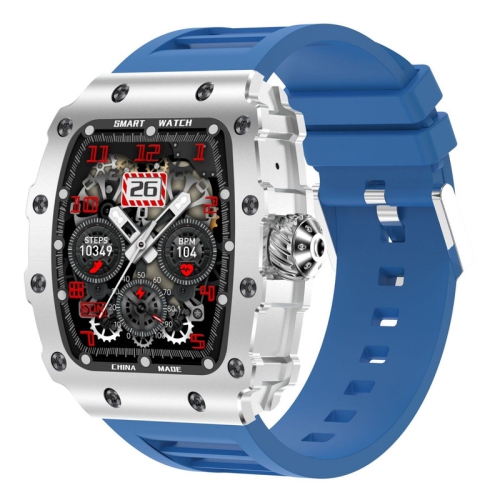
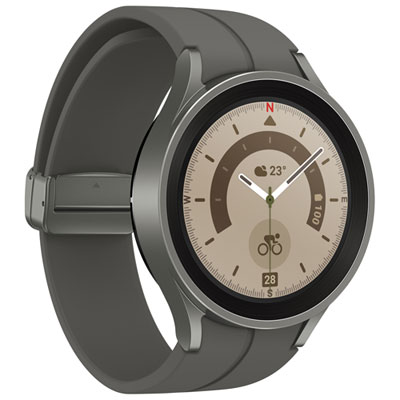
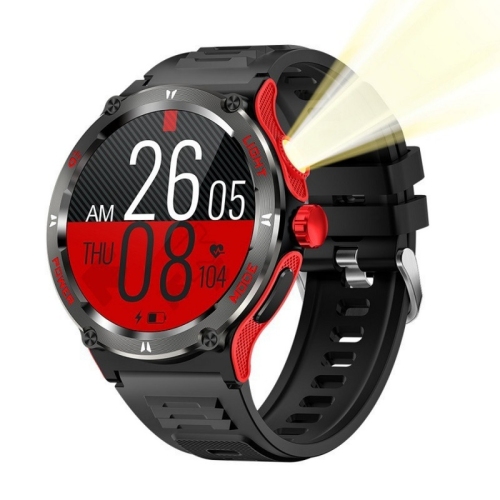
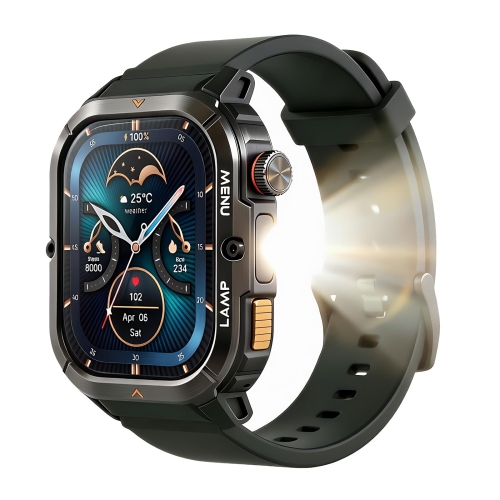
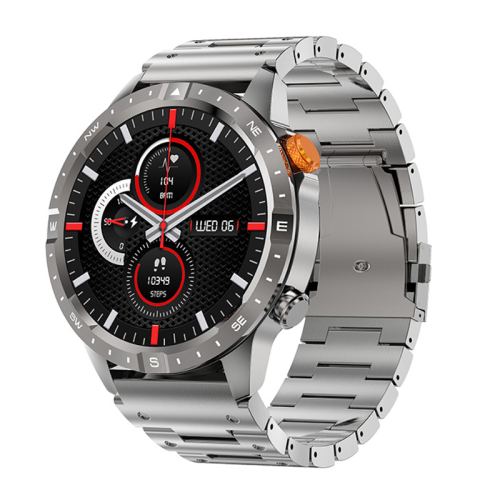

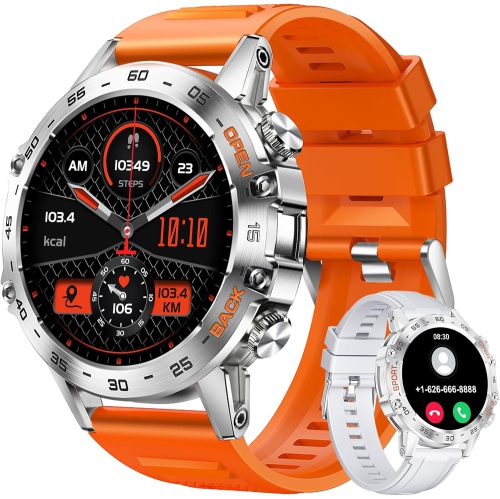
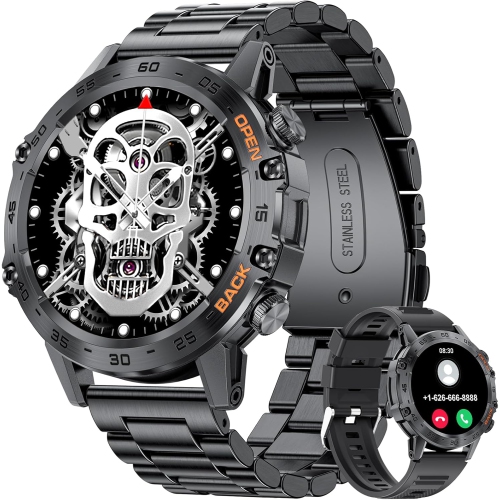
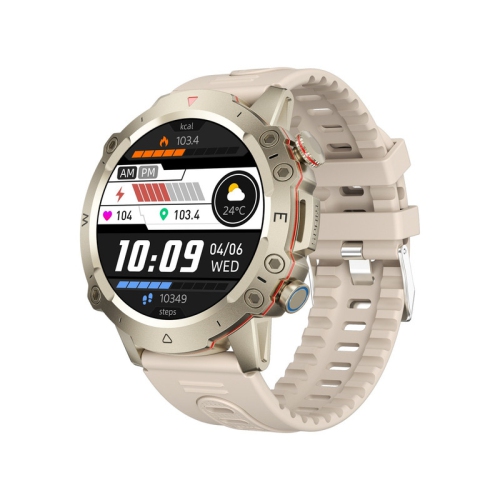
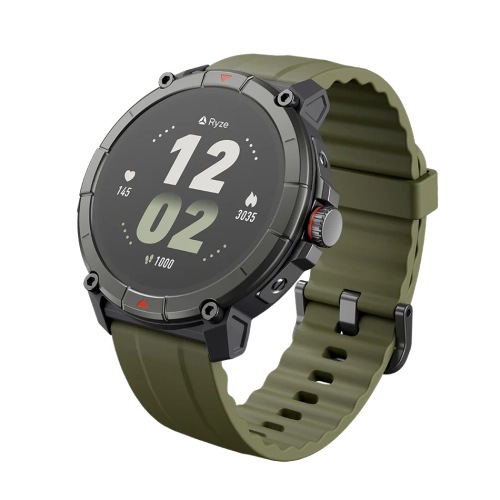

FAQ
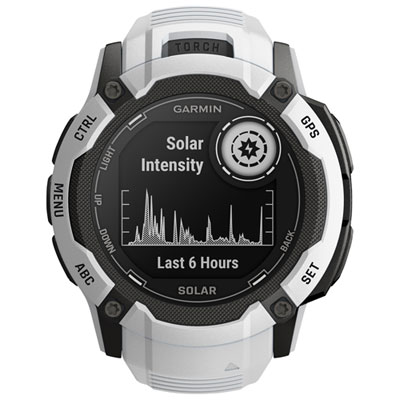
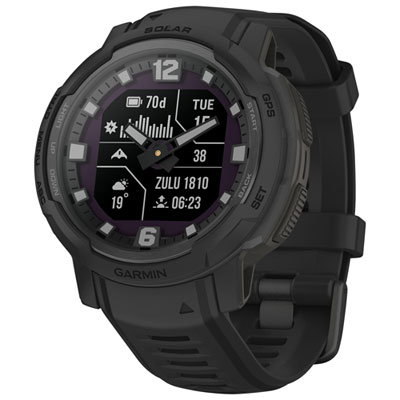
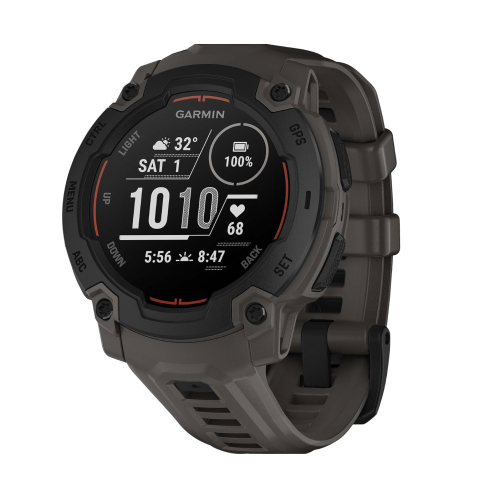
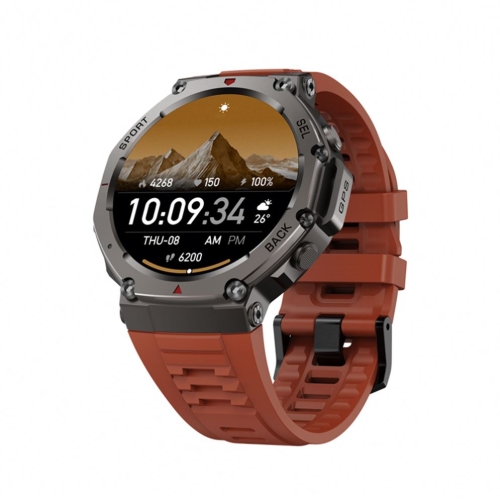
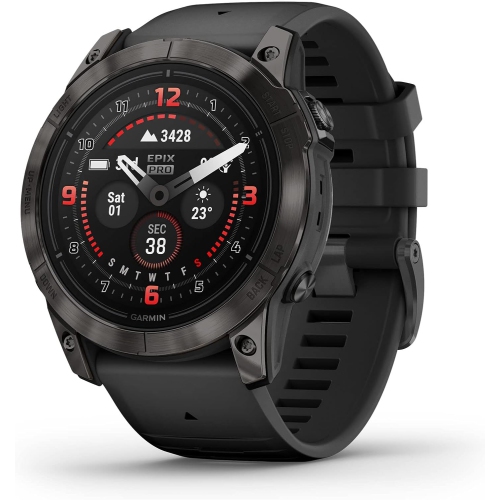
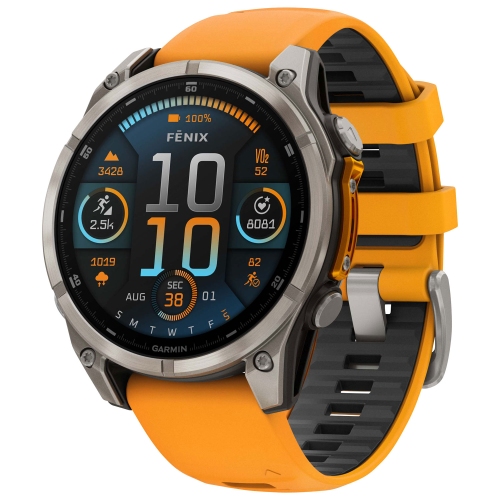
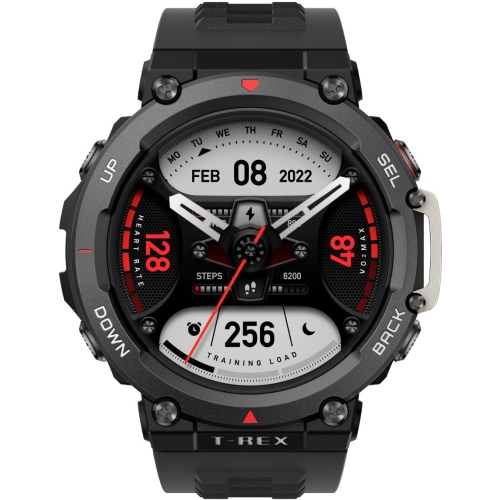
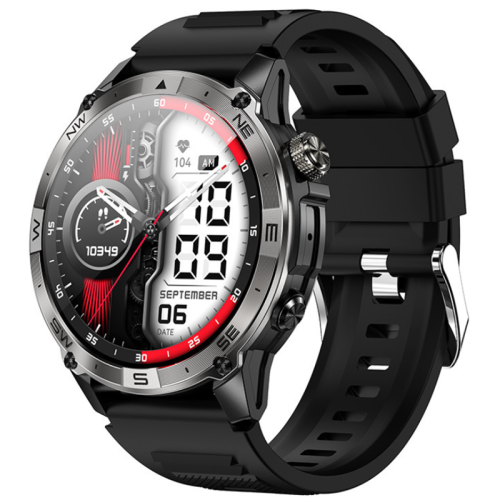
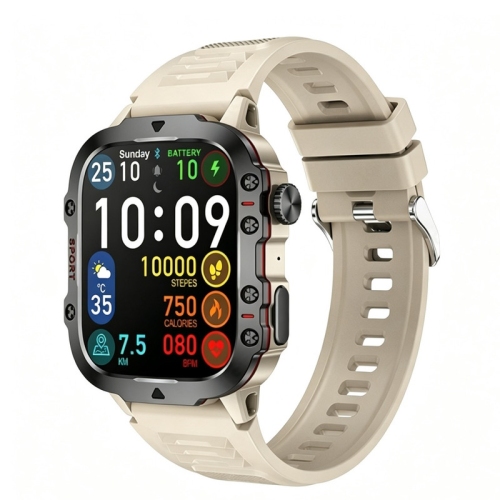
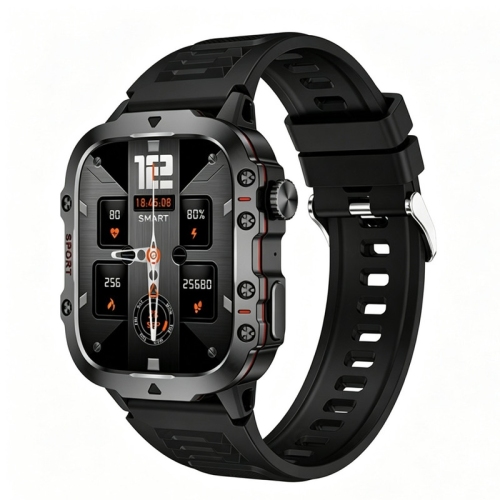
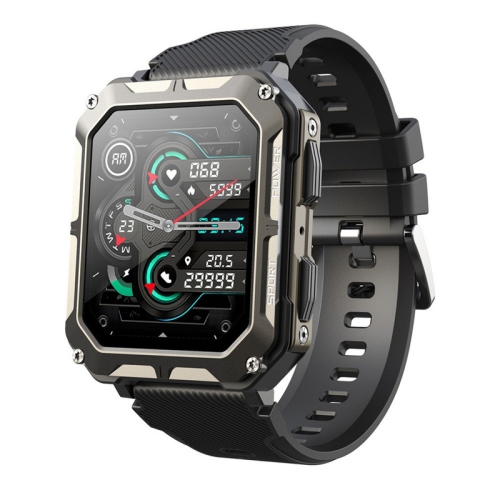
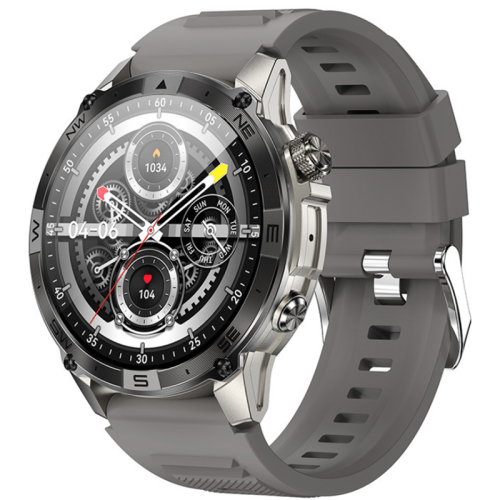
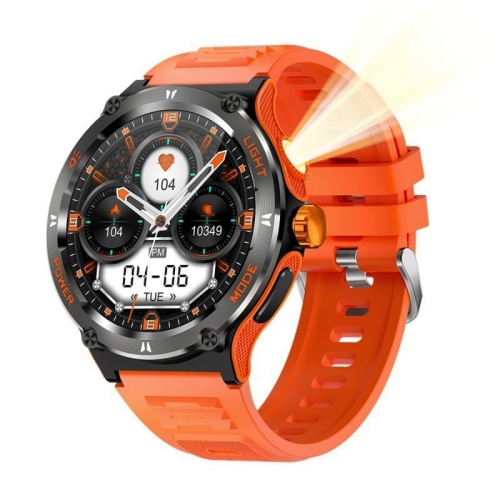
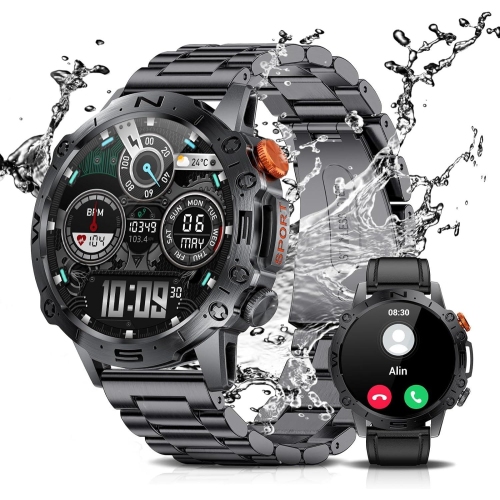
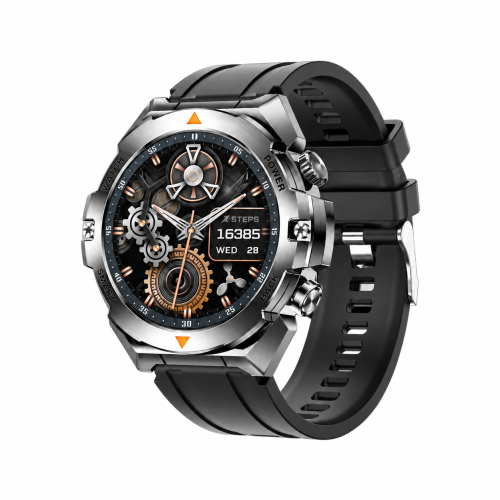
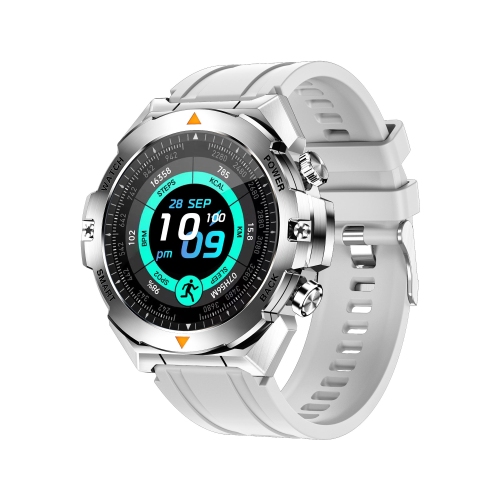
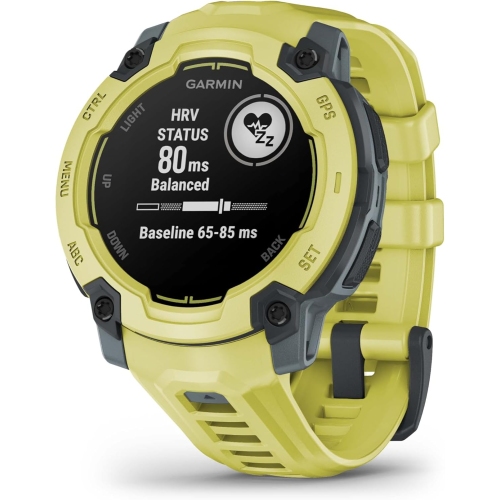
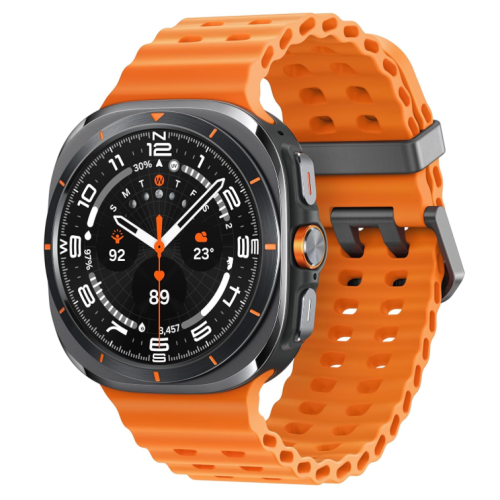
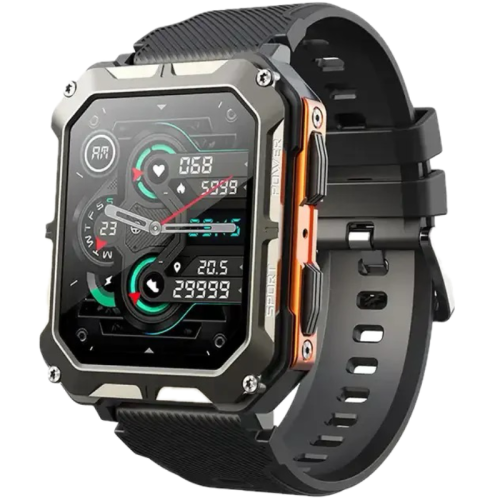
Rugged smartwatches typically feature reinforced cases, scratch-resistant lens materials and buttons that can operate alongside a touchscreen. Many also have published water-resistance ratings and durability testing specifications. Materials and ratings vary by model.
Common profiles include trail running, hiking, cycling, open-water swimming and triathlon. Multisport modes let athletes switch between activities within one session, while some watches also offer profiles for ultrarunning, rowing and cross-country skiing.
Standard GPS uses signals from one satellite system, while multi-GNSS modes can access several systems. Multi-band GPS uses more than one satellite frequency. Some watches also offer reduced-frequency tracking modes, which log location points less often and use less battery power.
Battery specifications often separate everyday smartwatch use from continuous GPS activity tracking. Some also list estimates for multi-band GPS, music playback and low-power modes. For endurance activities, the GPS battery estimate is more relevant than the everyday-use estimate, though actual runtime varies with settings and usage.
Depending on the model and connected sensors, rugged smartwatches can log elapsed time, distance, pace, heart rate, elevation gain and cadence. Some support external chest straps, cycling power meters and foot pods. Data syncing and file export options vary by watch and companion app.
Top selling and popular products
Discover more categories related to Rugged Smartwatches for Endurance Athletes
Some products may be subject to Environmental Handling Fees (EHF) depending on your province. Learn more about EHFs.