Driveway Security Alarms
Enhancing the security of your home begins right at the driveway, and driveway security alarms are an essential tool in safeguarding your property. These innovative devices alert you to any unexpected movement or presence, providing peace of mind whether you're at home or away. With a variety of options designed to suit different needs and environments, driveway security alarms offer an added layer of protection that helps keep your surroundings safe and secure. Explore our selection to find the perfect fit for your home's security requirements.
Sort

What to consider for reliable alerts around your property
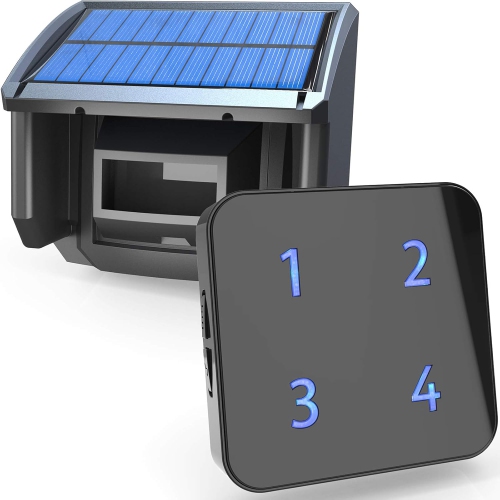
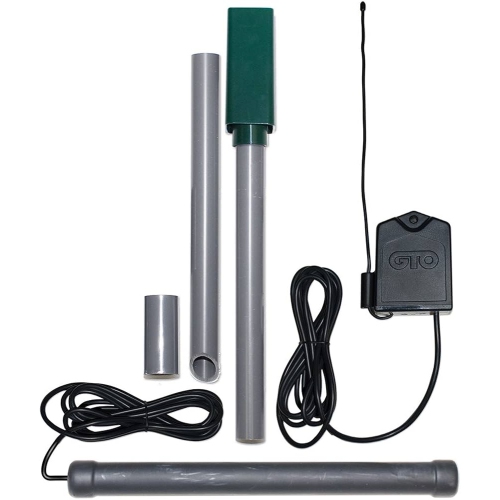
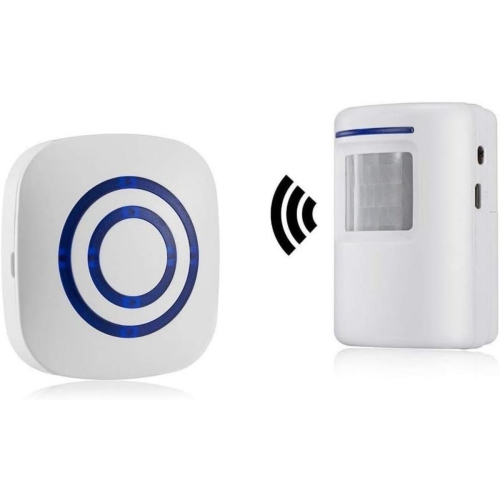
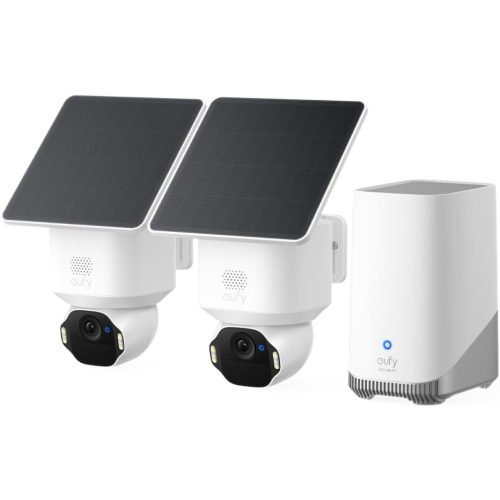
Driveway security alarms are designed to notify you when someone or something approaches your property, giving you an early indication of activity before a vehicle reaches the garage, front entrance, workshop, or rear parking area. They can be useful for suburban homes, rural properties, cottages, farms, laneways, businesses, and any residence where the driveway is not visible from inside. Picture settling in for the evening while snow, rain, or darkness reduces visibility outside: a discreet chime from an indoor receiver can let you know that a vehicle has arrived, a delivery is approaching, or someone is walking up the drive. These systems generally use one of three detection methods. Magnetic probes are installed in or beside the ground and detect the movement of large metal objects, making them well suited to monitoring vehicles while reducing triggers from pedestrians and smaller animals. Infrared motion sensors are mounted on a post, wall, tree, or other stable surface and detect movement through changes in heat, making them useful when you want to know about people, vehicles, pets, or wildlife. Hose-based sensors and break-beam systems monitor a defined point across the driveway and can provide dependable vehicle detection at entrances, gates, and service roads. Choosing the right type begins with deciding what you want to detect. A household mainly concerned with cars entering the property may prefer a vehicle-focused sensor, while a home with a long walkway, side entrance, or shared laneway may benefit from broader motion coverage. Driveway security alarms can also complement visual monitoring; shoppers comparing ways to see activity as well as receive an alert can explore Driveway Cameras for related home security options.
The layout of your property is one of the most important purchase considerations. Measure the approximate distance between the driveway entrance, the sensor location, and the receiver inside the home, then account for walls, vehicles, trees, fences, detached garages, and changes in elevation. Wireless systems are convenient for properties where running cable would be difficult, but their advertised range is usually measured in open conditions and may be reduced by dense construction or obstructions. For a long rural driveway, look for a system with a transmission distance that suits the full route rather than only the distance from the sensor to the nearest building. Some setups support more than one sensor or receiver, allowing alerts in the kitchen, bedroom, office, garage, or another frequently used area. This can be particularly helpful in larger homes where a single chime might be difficult to hear. Alert styles may include audible chimes, adjustable volume, multiple tones, flashing indicators, or connected notifications through a compatible smart device. A simple indoor receiver can be ideal for someone who wants an immediate, easy-to-understand alert, while app-based notifications may suit people who spend time in a backyard, workshop, upstairs room, or away from home. Consider how the alarm will be powered as well. Battery-operated sensors are often straightforward to install and relocate, while wired components can provide a fixed setup where a suitable power source is available. Check battery access, expected battery life, low-battery warnings, weather resistance, mounting hardware, and the recommended operating temperature. During the cooler months, batteries can require closer attention, especially on exposed posts or at the far end of a long driveway. Keeping the sensor clear of tall grass, drifting snow, leaves, and branches can also help maintain reliable detection.
The best driveway security alarm is one that matches the way your property is used and the type of activity you want to notice. A motion sensor facing a busy public sidewalk may alert too often, while a vehicle detector positioned too far from the main approach may give less time to respond. Before installing anything, observe the driveway at different times of day and note where cars naturally slow down, where pedestrians may cross, and where sunlight, headlights, moving branches, or reflective surfaces could affect performance. Position sensors so they cover the intended approach without pointing directly toward a source of heat or a heavily travelled area that is outside your property. If pets or wildlife regularly pass through the yard, a vehicle-only detection method may help reduce unnecessary alerts. If people approaching on foot are the main concern, a motion-based system may be more appropriate, although larger animals can sometimes trigger infrared sensors. For driveways with more than one entrance or a gate and garage route, multiple detection points can create a clearer picture of activity. Families may appreciate an alarm that helps them know when children have returned home, while older adults may value an audible notification that reduces the need to repeatedly check outside. It can also be a practical housewarming gift for someone moving to a rural property, setting up a cottage, or adding a detached garage, provided the system’s range and installation requirements fit the location. During periods of rain, wind, fallen leaves, and early darkness, dependable alerts can add convenience without requiring constant monitoring. Whether used for everyday awareness, delivery notifications, visitor detection, or added peace of mind around a less visible entrance, a driveway security alarm can make the boundary of a property easier to monitor. Look for clear detection specifications, suitable range, weather-resistant construction, flexible alerts, and installation options that fit the driveway’s surface and surrounding landscape.
The layout of your property is one of the most important purchase considerations. Measure the approximate distance between the driveway entrance, the sensor location, and the receiver inside the home, then account for walls, vehicles, trees, fences, detached garages, and changes in elevation. Wireless systems are convenient for properties where running cable would be difficult, but their advertised range is usually measured in open conditions and may be reduced by dense construction or obstructions. For a long rural driveway, look for a system with a transmission distance that suits the full route rather than only the distance from the sensor to the nearest building. Some setups support more than one sensor or receiver, allowing alerts in the kitchen, bedroom, office, garage, or another frequently used area. This can be particularly helpful in larger homes where a single chime might be difficult to hear. Alert styles may include audible chimes, adjustable volume, multiple tones, flashing indicators, or connected notifications through a compatible smart device. A simple indoor receiver can be ideal for someone who wants an immediate, easy-to-understand alert, while app-based notifications may suit people who spend time in a backyard, workshop, upstairs room, or away from home. Consider how the alarm will be powered as well. Battery-operated sensors are often straightforward to install and relocate, while wired components can provide a fixed setup where a suitable power source is available. Check battery access, expected battery life, low-battery warnings, weather resistance, mounting hardware, and the recommended operating temperature. During the cooler months, batteries can require closer attention, especially on exposed posts or at the far end of a long driveway. Keeping the sensor clear of tall grass, drifting snow, leaves, and branches can also help maintain reliable detection.
The best driveway security alarm is one that matches the way your property is used and the type of activity you want to notice. A motion sensor facing a busy public sidewalk may alert too often, while a vehicle detector positioned too far from the main approach may give less time to respond. Before installing anything, observe the driveway at different times of day and note where cars naturally slow down, where pedestrians may cross, and where sunlight, headlights, moving branches, or reflective surfaces could affect performance. Position sensors so they cover the intended approach without pointing directly toward a source of heat or a heavily travelled area that is outside your property. If pets or wildlife regularly pass through the yard, a vehicle-only detection method may help reduce unnecessary alerts. If people approaching on foot are the main concern, a motion-based system may be more appropriate, although larger animals can sometimes trigger infrared sensors. For driveways with more than one entrance or a gate and garage route, multiple detection points can create a clearer picture of activity. Families may appreciate an alarm that helps them know when children have returned home, while older adults may value an audible notification that reduces the need to repeatedly check outside. It can also be a practical housewarming gift for someone moving to a rural property, setting up a cottage, or adding a detached garage, provided the system’s range and installation requirements fit the location. During periods of rain, wind, fallen leaves, and early darkness, dependable alerts can add convenience without requiring constant monitoring. Whether used for everyday awareness, delivery notifications, visitor detection, or added peace of mind around a less visible entrance, a driveway security alarm can make the boundary of a property easier to monitor. Look for clear detection specifications, suitable range, weather-resistant construction, flexible alerts, and installation options that fit the driveway’s surface and surrounding landscape.
Top selling and popular products
-
 Your price for this item is $349.99
 -
 Your price for this item is $53.98
 -
 Your price for this item is $99.99
 -
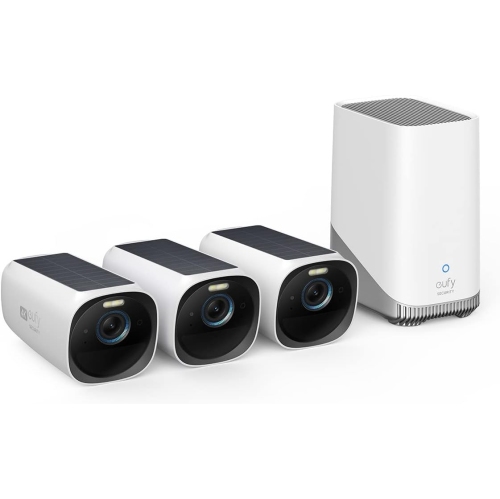 Your price for this item is $799.99
 -
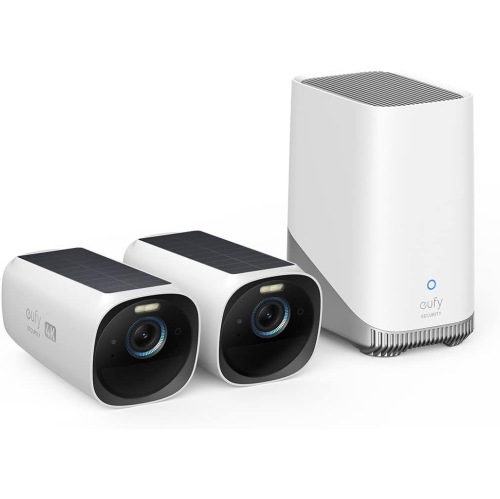 Your price for this item is $549.99
 -
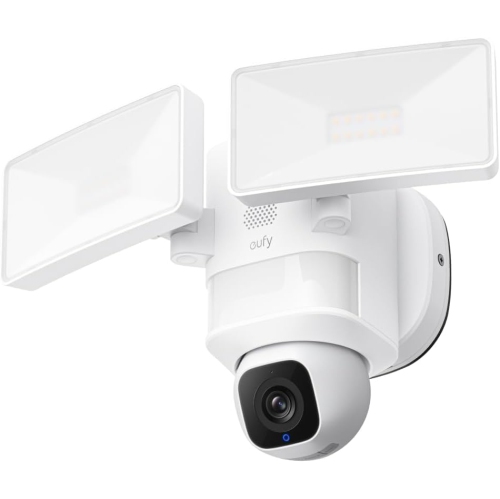 Your price for this item is $229.99
 -
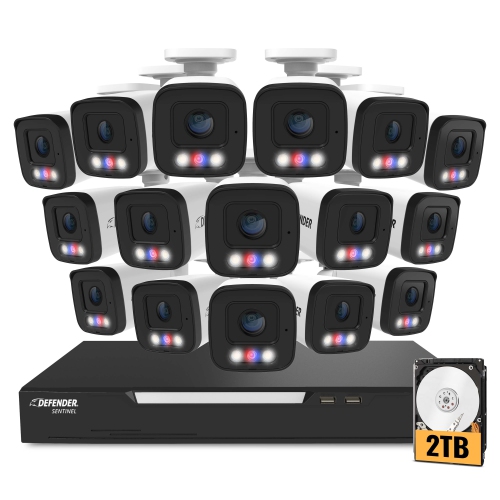 Your price for this item is $1859.99
 -
 Your price for this item is $899.99
Discover more categories related to Driveway Security Alarms
Top Collections:
Pokemon Centers, Kindle Devices, Best Budget Office Chairs, Apple iPhones 16, Best Laptops for Writers, iPhone 15 Apple, Canon G7X Cameras, Refurbished Apple Laptops, Alarm Clock, Motorola Razr Phones
Some products may be subject to Environmental Handling Fees
(EHF) depending on your province.
Learn more about EHFs.