Indoor Cameras for Monitoring Pets While Away
Keep an eye on your furry friends from anywhere with an indoor camera for monitoring pets while away. These cameras offer a convenient way to check in on your pets throughout the day, providing peace of mind when you can’t be at home. Whether you want to watch playful moments or simply ensure your pets are safe, indoor cameras make it easy to stay connected. Explore a variety of options designed to help you monitor your pets and enjoy greater reassurance while you’re out.
Sort
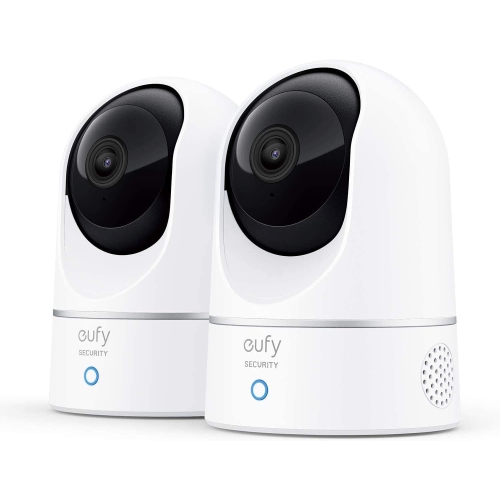
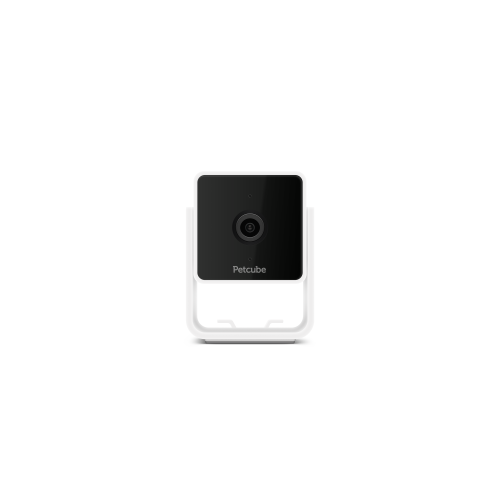
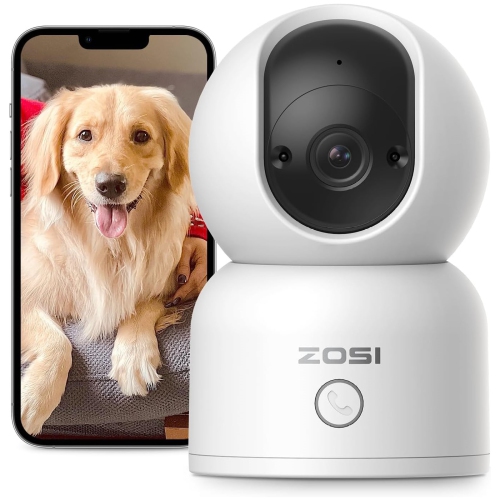
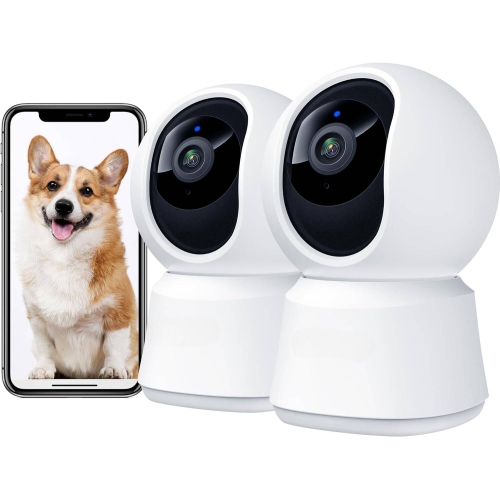
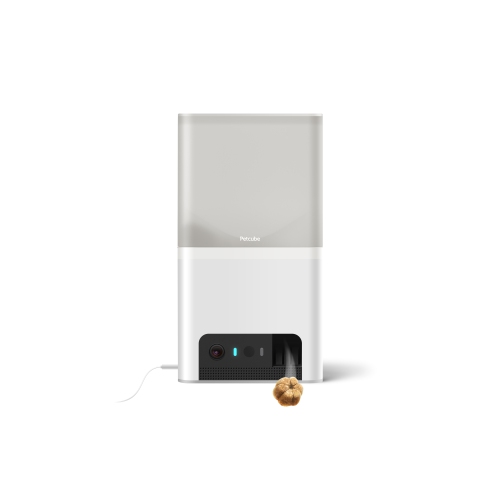
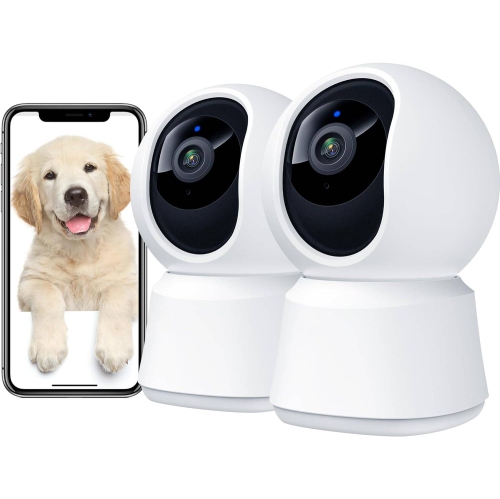
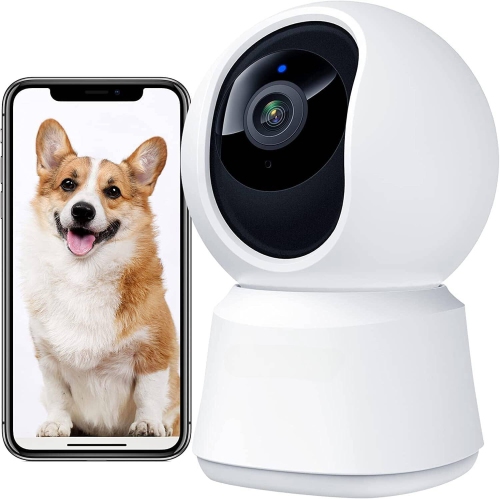
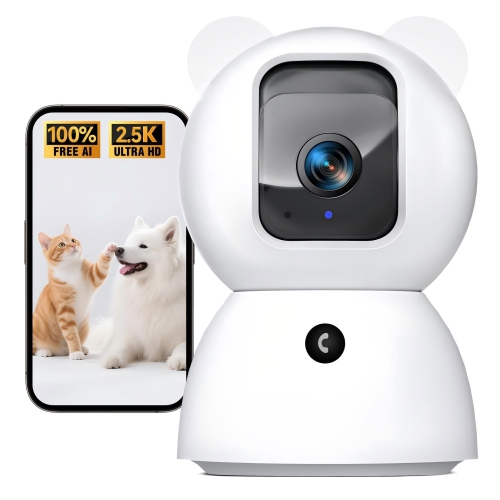
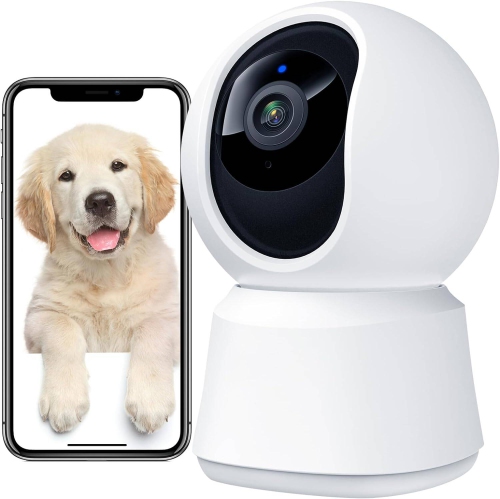
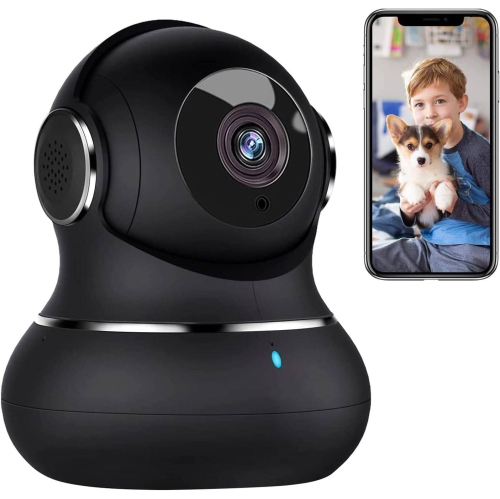

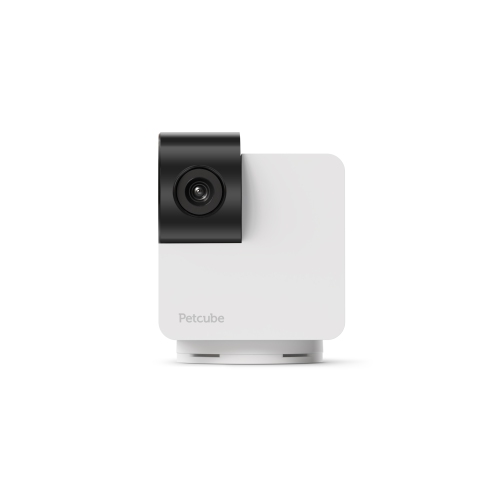
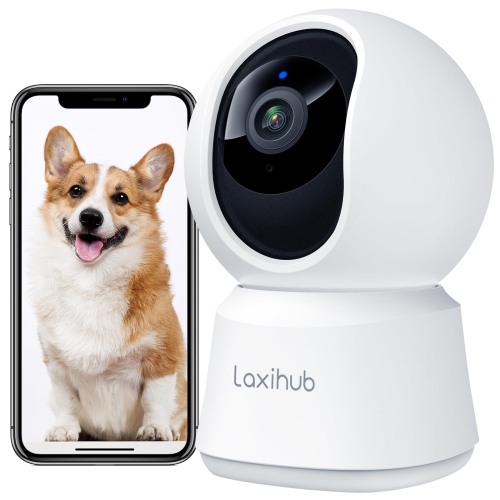
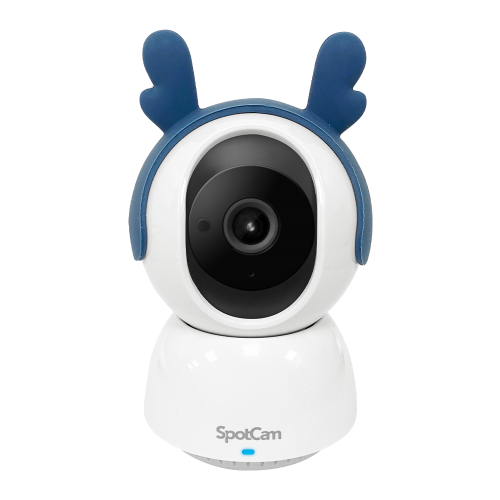
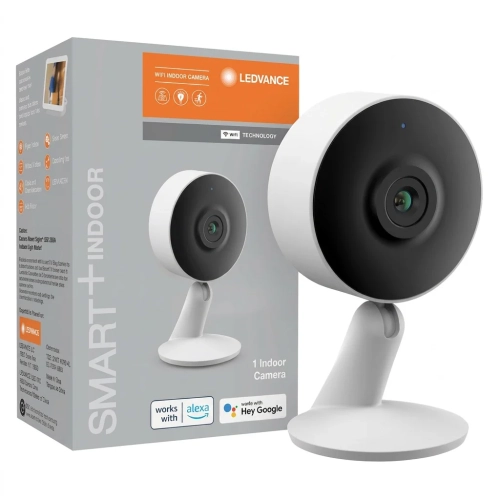
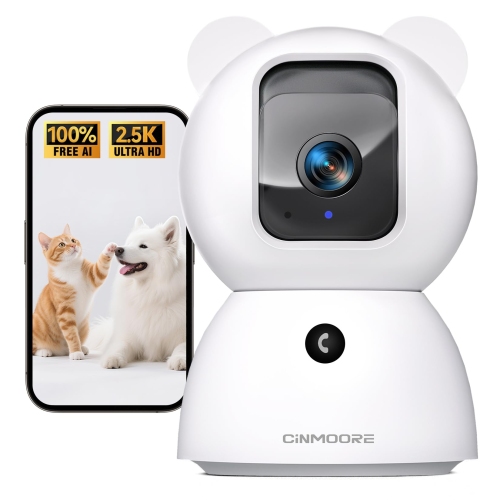
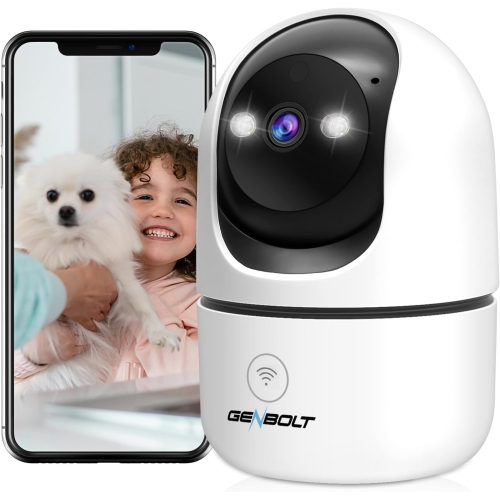
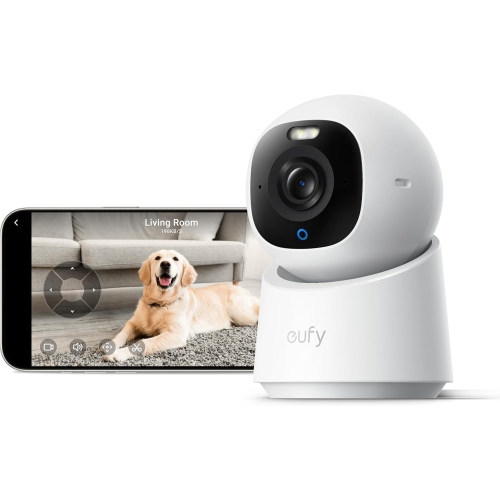

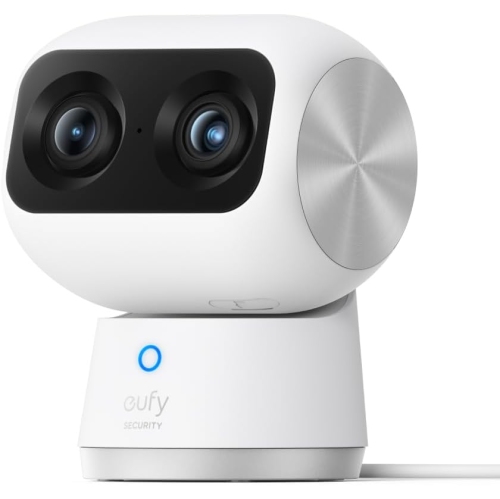
What your pets do after the door closes
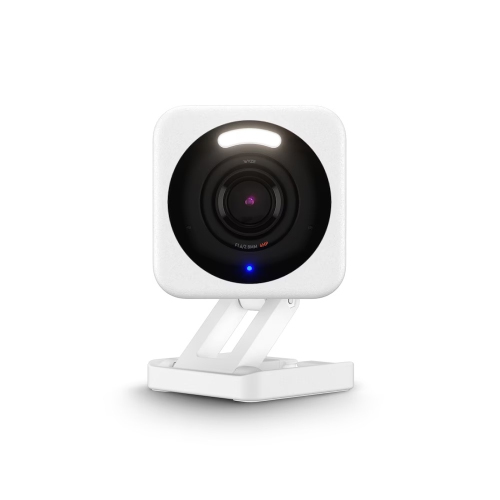
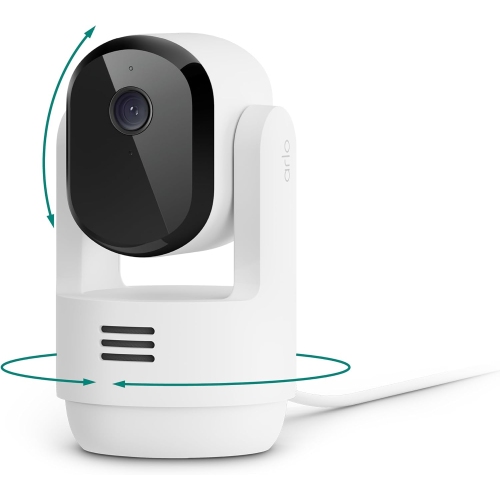
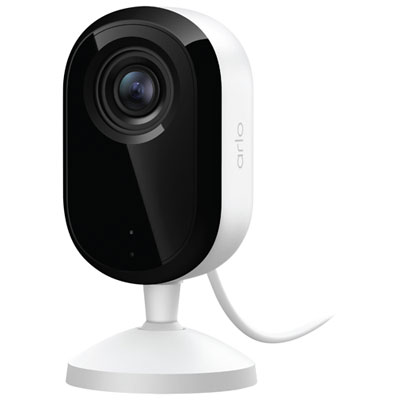
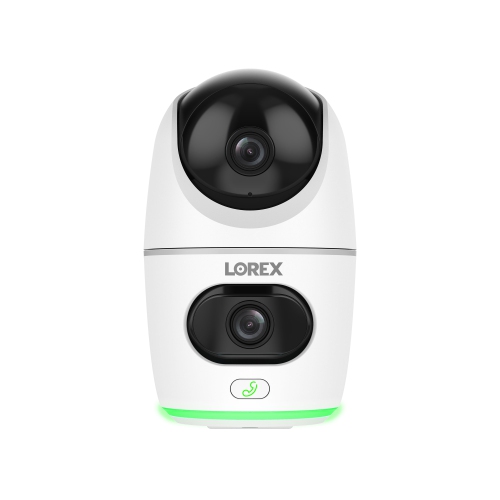
Indoor cameras for monitoring pets while away provide a live view of the rooms where cats, dogs and other household companions spend their time. A camera aimed at a favourite sleeping spot can show whether a dog has settled after the front door closes, while a wider view of a living room can reveal a cat moving between a scratching post and a window perch. These cameras are useful for checking everyday routines, noticing activity and sharing observations with another caregiver. The most relevant features include clear video, a suitable field of view, night vision, dependable app access and recording options that match how the camera will be used. Image resolution helps with detail, but lens placement and lighting also affect how easily a pet can be seen. A wide-angle lens covers more of a room from one position, although furniture can still block the view. Pan-and-tilt cameras allow the lens to move remotely, making them useful for pets that travel between a bed, water bowl and doorway. Some models also support automatic motion tracking, which follows detected movement within the camera’s range; this does not guarantee that a fast-moving animal will stay in frame. In homes with several pets, a second camera may offer more useful coverage than a single rotating view, particularly when animals rest in different rooms. Digital zoom enlarges part of the image but may make fine details less distinct, so it is not a substitute for placing the camera close enough to the area that matters. Night vision can help show a pet resting in a dim room, though infrared footage is often black and white. Reflective surfaces, nearby walls and glass can interfere with that view. A position with a clear line of sight to the pet’s usual resting area generally provides more meaningful footage than a high corner that shows mostly floor space. For small pets, a closer view may be especially important because they occupy much less of the frame.
Two-way audio adds another way to check in, allowing a caregiver to listen for barking, meowing or movement and speak through the camera’s built-in speaker. Familiar voices may reassure some pets, while others become excited or search for the person they hear. Short, calm interactions are often more useful than repeated calls, and observing a pet’s response during an initial test can help establish whether voice communication suits that animal. Sound quality matters in both directions: a microphone needs to pick up activity clearly, and a speaker should reproduce speech without harsh distortion. Motion and sound notifications can draw attention to activity without requiring someone to watch a continuous live feed. Depending on the model, detection settings may include adjustable sensitivity, activity zones or alerts that distinguish pets from other movement. These features vary, and an alert does not necessarily explain why a pet is pacing or vocalizing. A curtain moving near a vent or another animal crossing the room may also trigger activity notifications. Recording provides context that a live check-in alone can miss, such as what happened before a dog started barking. Local storage typically saves footage to a compatible memory card or recording device, while cloud storage keeps supported recordings accessible through an online account. Recording modes, storage limits and access to past clips differ between cameras; some app features or cloud recording functions require a subscription. Local recording does not automatically mean that remote viewing works without an internet connection. Continuous recording captures longer stretches of activity, whereas event-based recording saves clips when supported triggers occur. Some pet-focused cameras also include treat dispensing, which can add a brief interaction to a check-in. Treat size, food compatibility, portion control and cleaning requirements matter, particularly for pets with dietary restrictions. Dispensing functions are better treated as an occasional extra than as a replacement for regular feeding, and they may be unsuitable when several animals compete for food.
Indoor models within the broader selection of security cameras for pet monitoring are most useful when their placement matches a pet’s habits and the layout of the home. A stable shelf or properly secured mount helps keep the view consistent, while power cords should remain inaccessible to chewing, pulling and entanglement. A compact body can fit neatly into a living space, but a lightweight camera within paw’s reach may be easy to knock over. Housing materials, base stability and mounting hardware affect everyday durability, especially in busy households. Cameras should not obstruct a crate entrance, crowd a feeding area or introduce loose components that an animal could swallow. Models with accessible treat compartments need particular attention to secure closure and cleaning. For routine care, a soft, dry cloth can remove dust and pet hair from the exterior and lens area; any deeper cleaning should follow the manufacturer’s directions, with liquid kept away from electrical openings. Reliable connectivity is equally important. Many indoor cameras use 2.4 GHz Wi-Fi, while others support additional bands, so compatibility with the home network matters. A strong signal at the camera’s actual location helps reduce interruptions when opening a live view or reviewing footage. Secure account passwords, supported multi-factor authentication and regular software updates help protect access to household video. Camera views should respect the privacy of household members and visitors, and shared app access is preferable to passing around a single password when supported. These cameras can suit people with a newly adopted pet, households coordinating care, or anyone who wants to see whether a companion has settled between visits. They can also make a thoughtful gift when the recipient’s home network and comfort with connected devices are considered. Remote viewing remains a supplement to hands-on care: pets still need appropriate supervision, exercise, companionship and timely attention. Persistent distress, unusual behaviour or signs of illness warrant a caregiver’s response rather than reliance on camera alerts alone.
Top selling and popular products
-
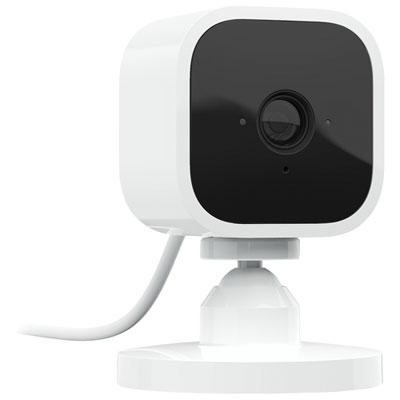 Your price for this item is $14.97
-
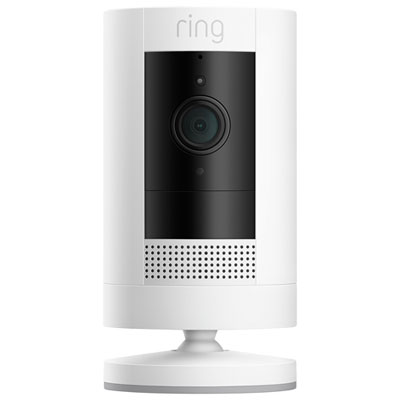 Your price for this item is $109.99
-
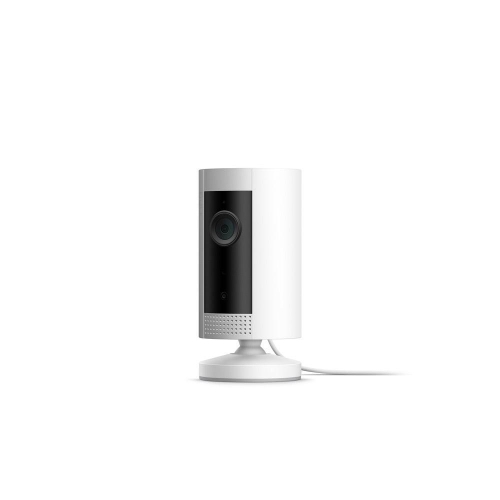 Your price for this item is $79.25
-
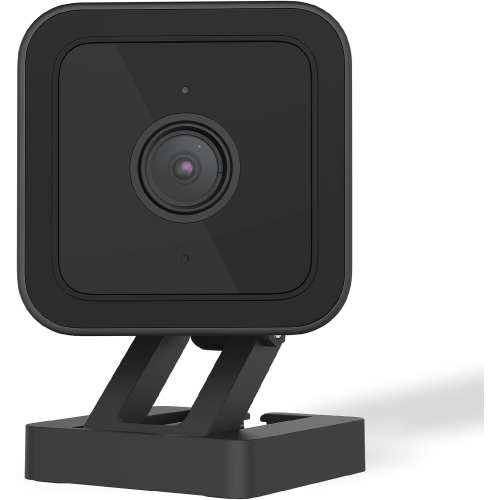 Your price for this item is $95.99
-
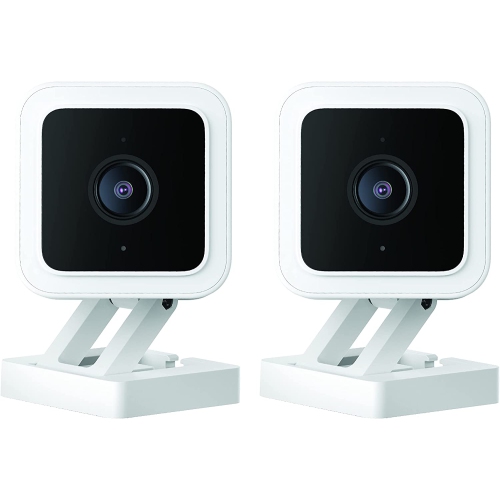 Your price for this item is $110.48
-
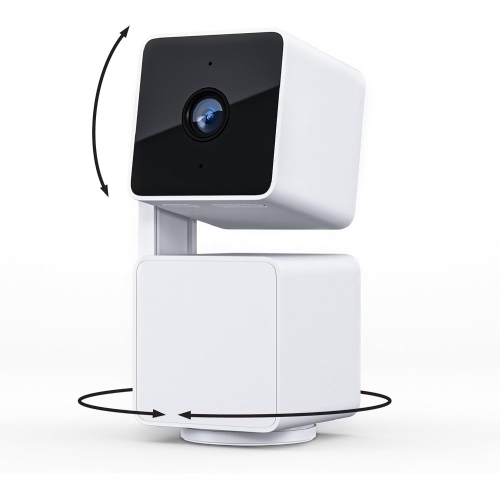 Your price for this item is $110.99
-
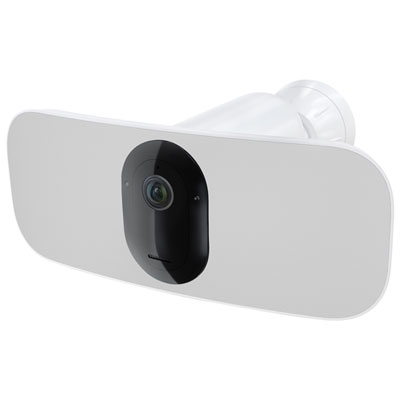 Your price for this item is $329.95
-
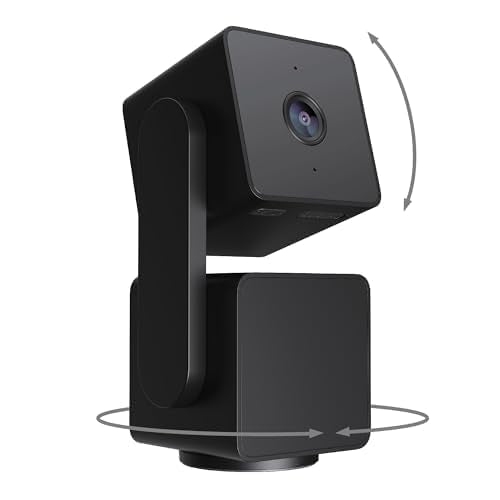 Your price for this item is $105.99
Discover more categories related to Indoor Cameras for Monitoring Pets While Away

Top Collections:
Pokemon Centers, Kindle Devices, Best Cameras for Sports Photography, Best Budget Office Chairs, Pokémon 30th Celebration Cards, Apple iPhones 16, Canon G7X Cameras, iPhone 15 Apple, Flip Phones, Samsung Galaxy Phones
Some products may be subject to Environmental Handling Fees
(EHF) depending on your province.
Learn more about EHFs.