Self-Cleaning Floor Washers
Self-cleaning floor washers help you wash floors while reducing some of the manual cleanup of the machine after use. Compare models by floor compatibility, tank capacity, and storage needs to find one that fits your home. Check what each self-cleaning cycle covers and which parts still need cleaning by hand.

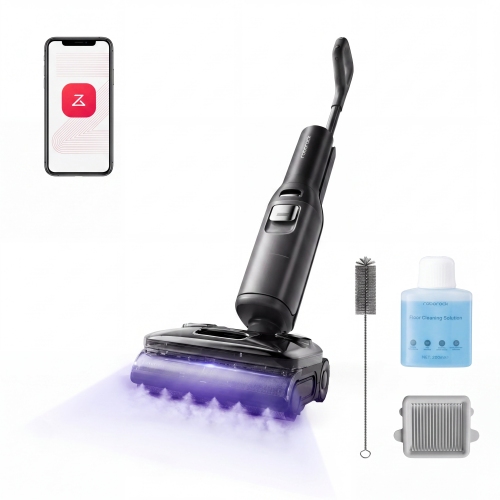
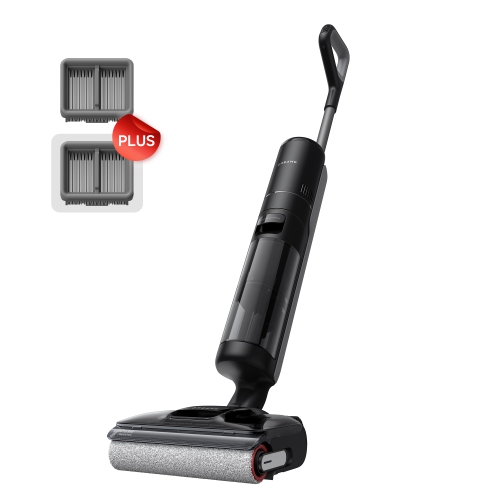
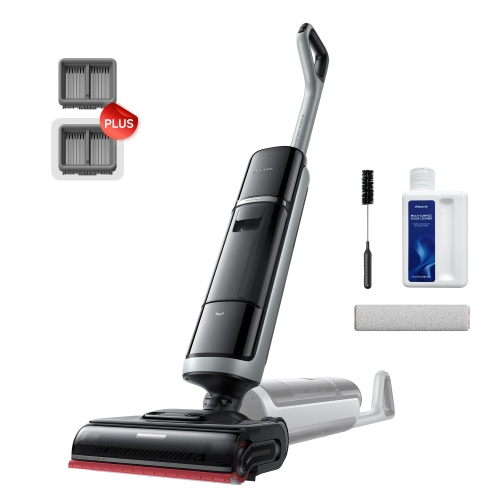
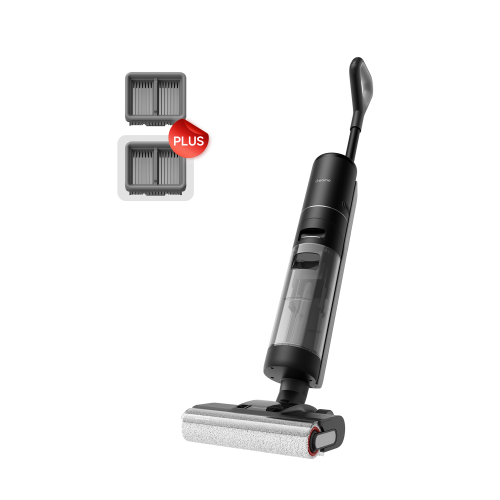
FAQ
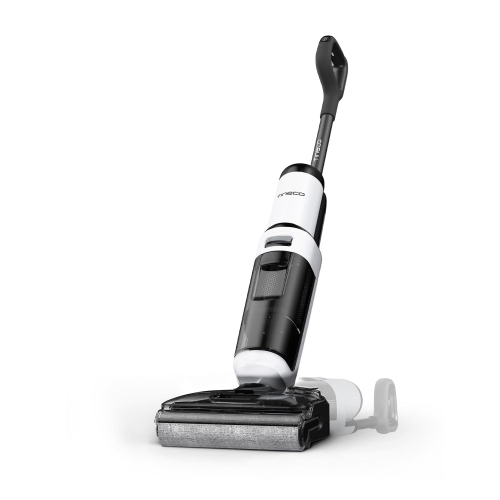
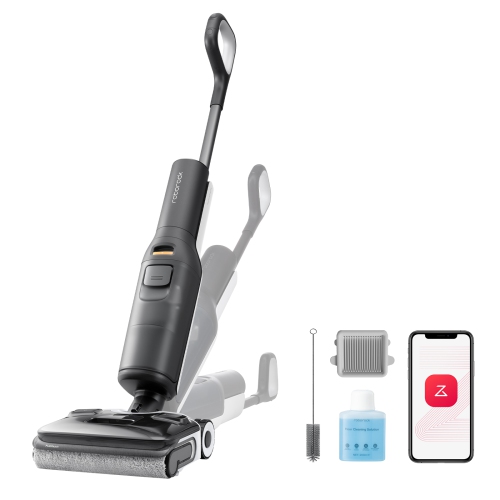
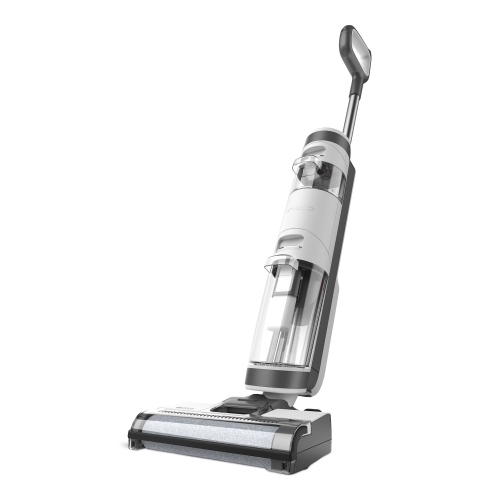
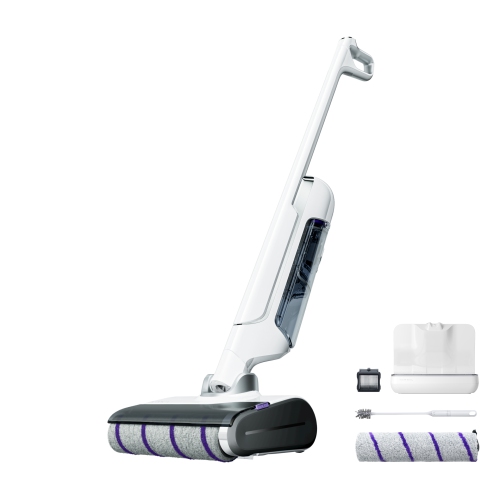
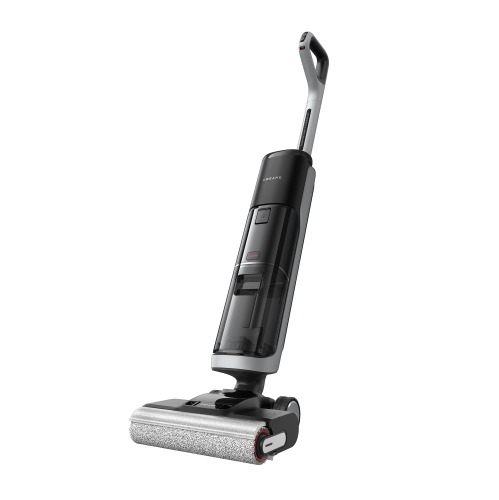
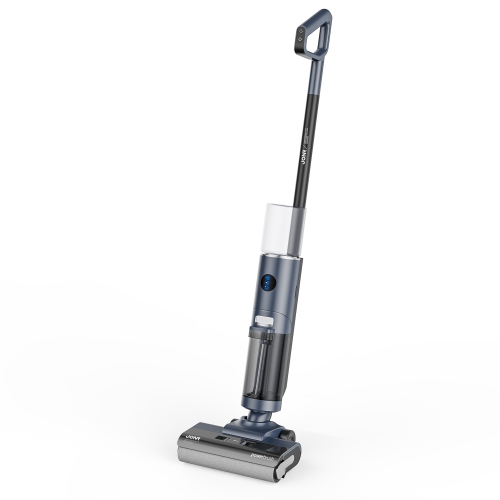
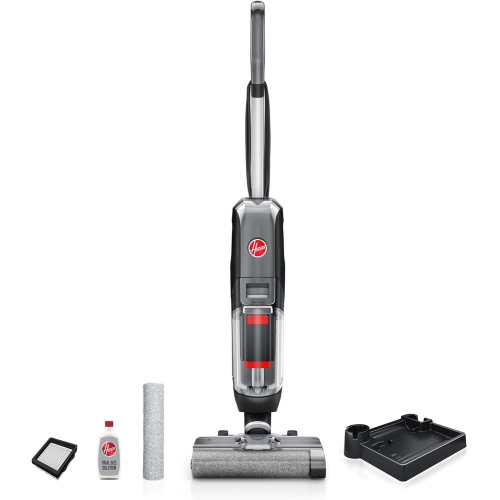
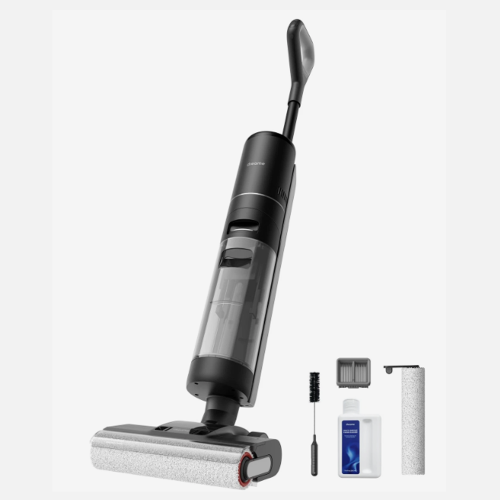
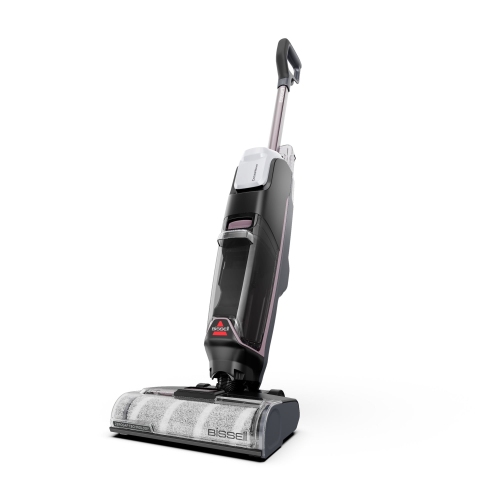
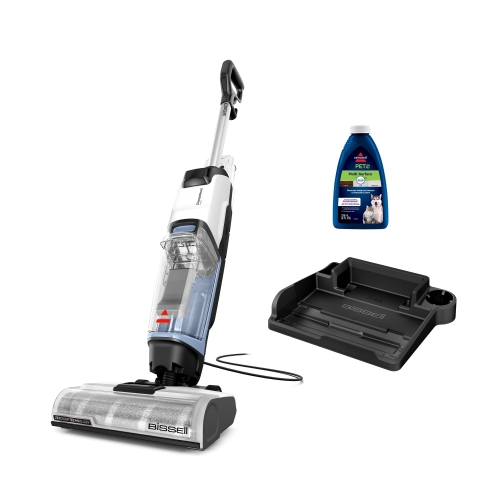
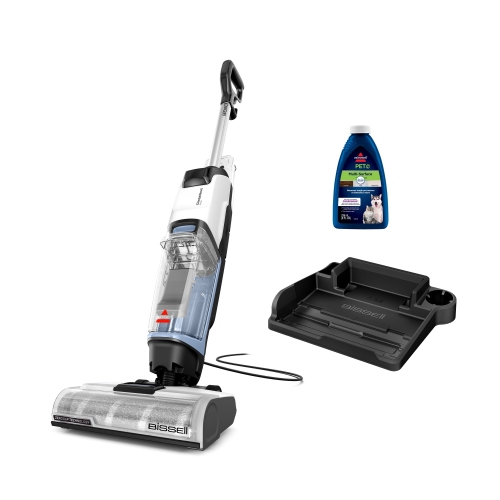
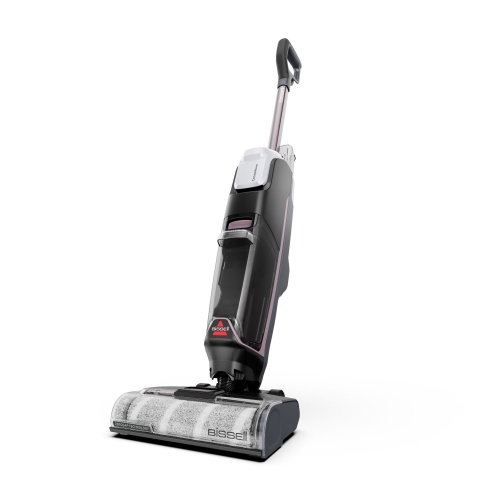
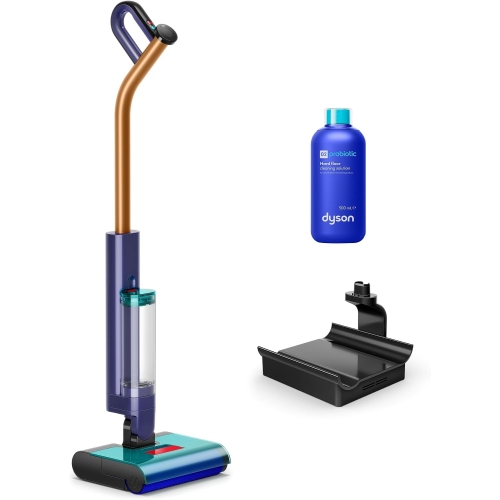
A self-cleaning floor washer is an appliance that combines a powered brush roll, water dispensing and liquid collection for floor care. Its self-cleaning function runs a separate cycle for the brush roll and parts of the internal water pathway, typically while the appliance sits on its docking station.
Many models have a dedicated button on the handle or docking station to start the cycle. Preparation typically involves filling the clean-water tank, emptying the dirty-water tank and placing the washer on its dock. Some cordless models require a minimum battery charge before the cycle can begin.
Self-cleaning floor washers are available in corded and cordless designs, though options vary by model. Cordless versions use a rechargeable battery and usually charge on a dock, while corded versions plug into an outlet during use. A cordless washer’s dock may also need power for self-cleaning or drying functions.
Routine care generally includes emptying and rinsing the dirty-water tank, removing debris from accessible components and allowing washable parts to dry as directed. Brush rolls and filters may also need periodic replacement. The self-cleaning cycle is one part of the appliance’s maintenance routine, rather than a substitute for all manual care.
Depending on the model, features may include selectable cleaning modes, battery-level displays, tank-status indicators, voice prompts and app connectivity. Docking stations may offer charging, self-cleaning controls, brush-roll drying or accessory storage. Check the listed features to see which functions are automatic and which require manual selection.
Top selling and popular products
Discover more categories related to Self-Cleaning Floor Washers
Some products may be subject to Environmental Handling Fees (EHF) depending on your province. Learn more about EHFs.