House Corner Shelves
A corner shelf is a versatile piece of furniture that can be used in any room of the house. It's also a great way to add storage space and display items without taking up floor space. Here are some of the best corner shelves available today.
Sort
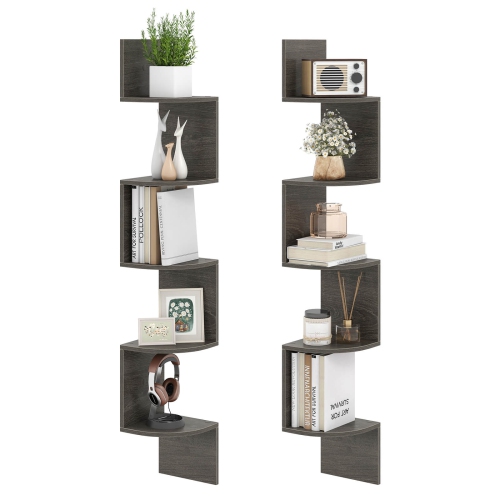
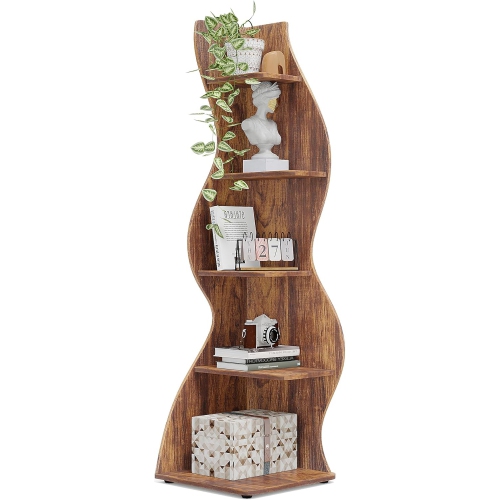
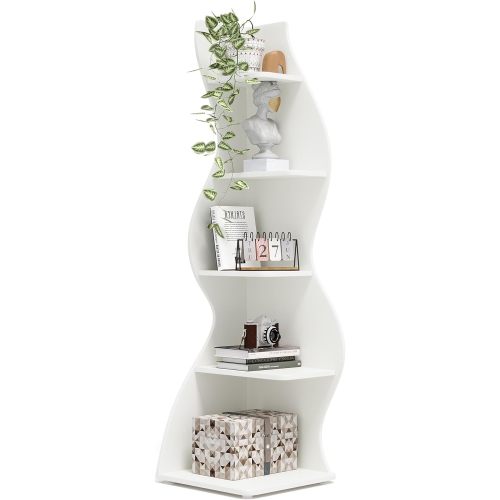
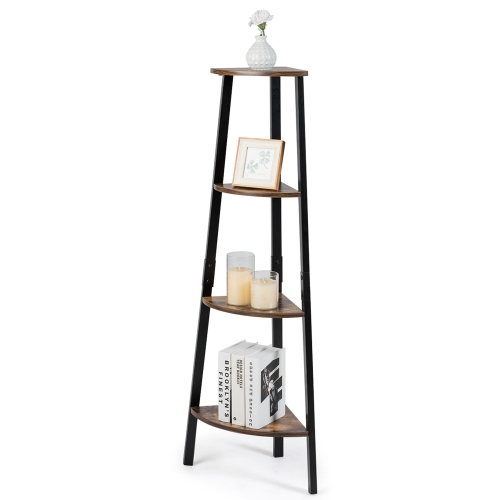
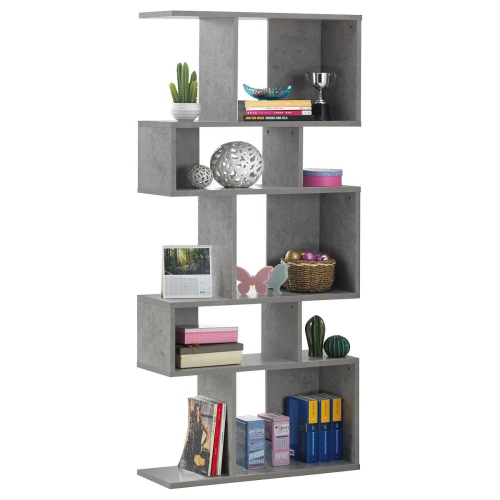

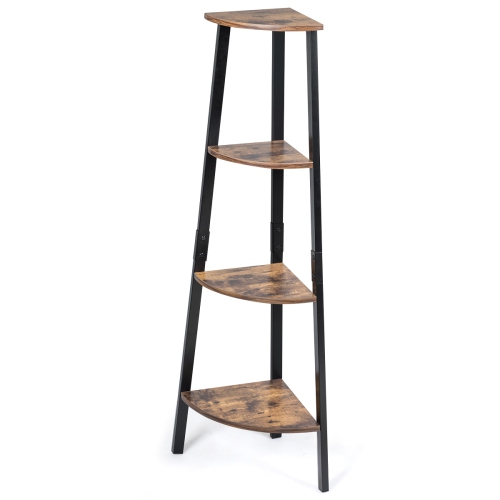
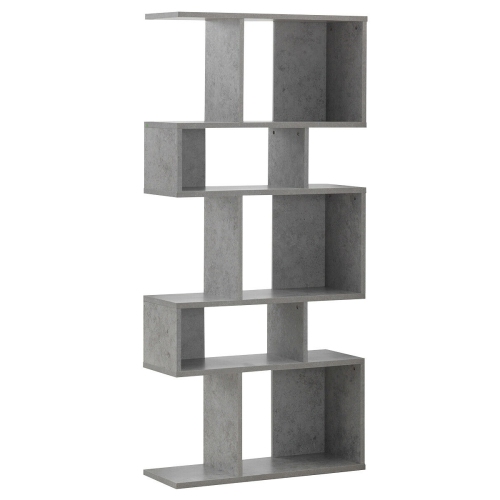
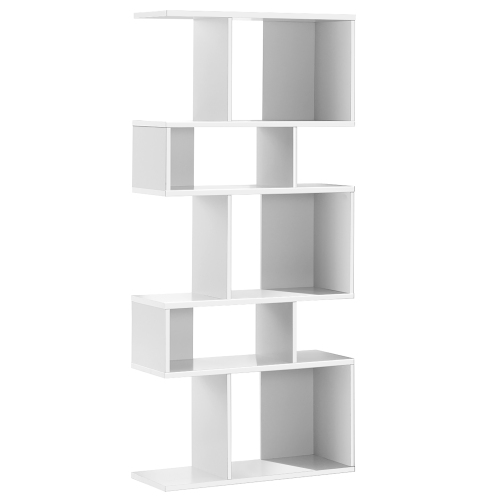
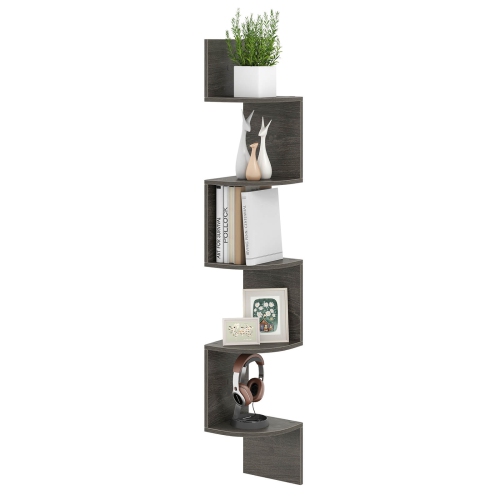
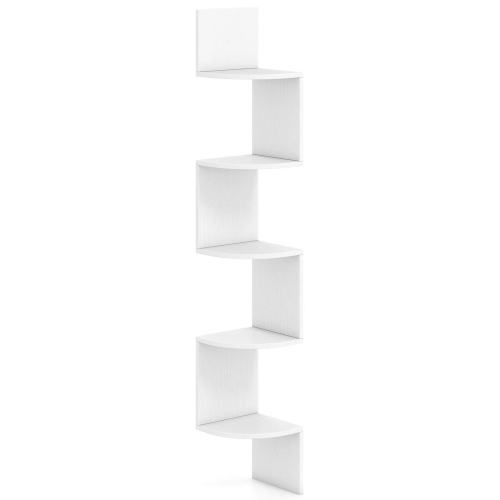
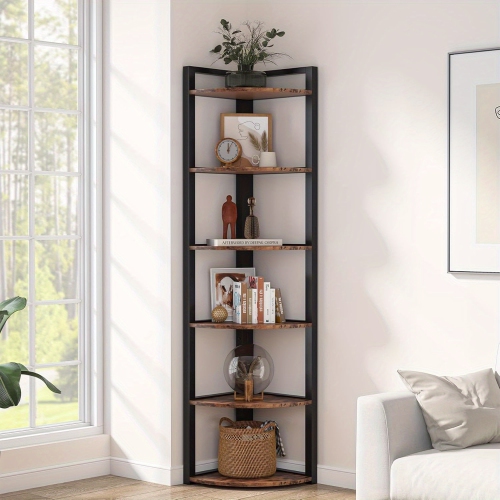
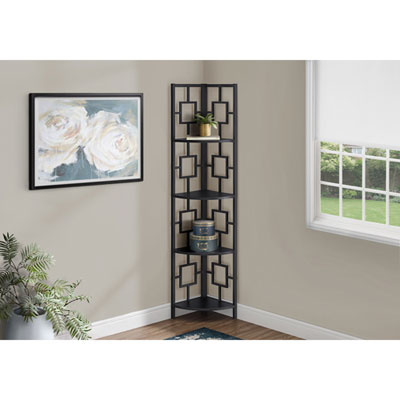
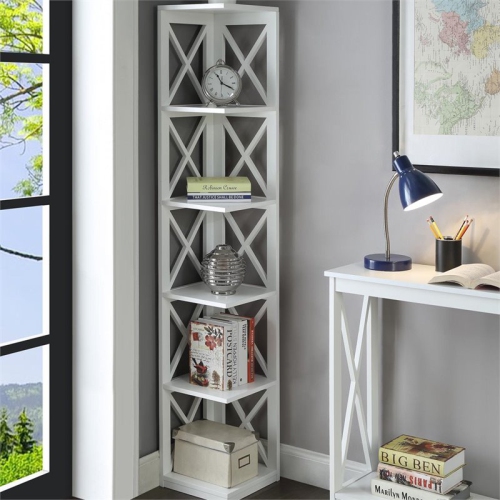
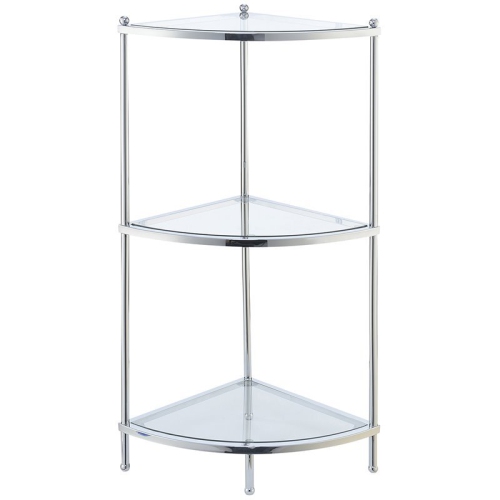
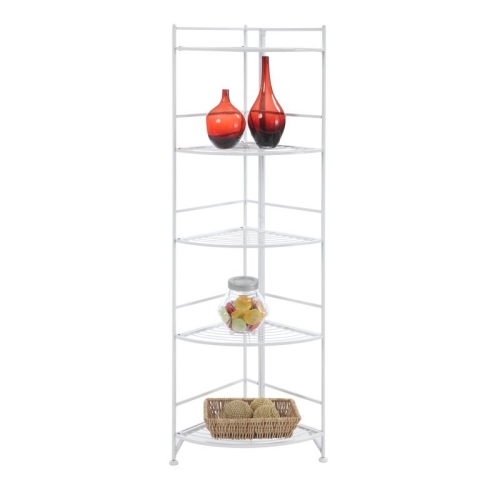

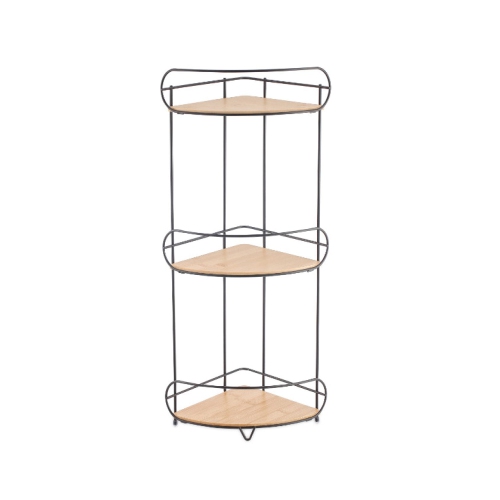
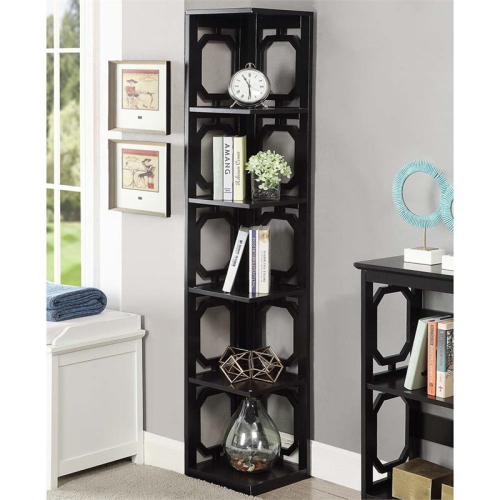

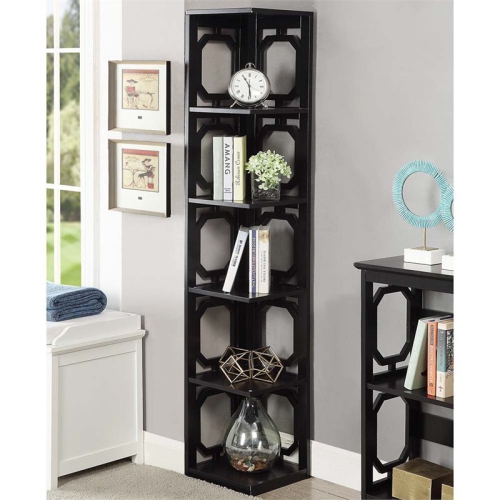
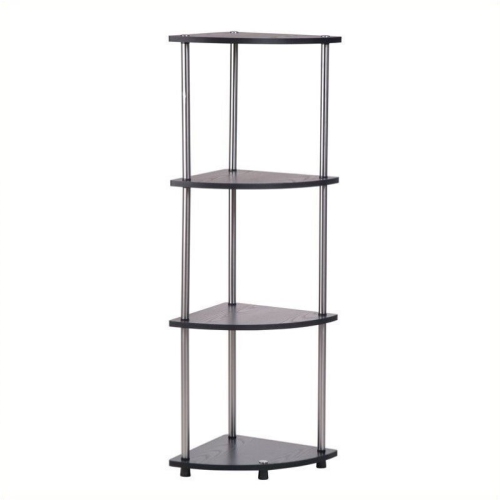

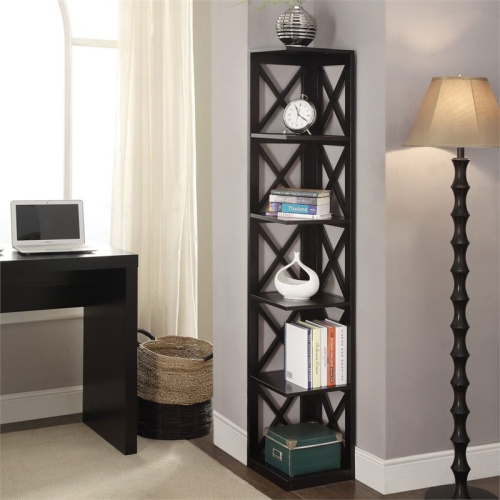
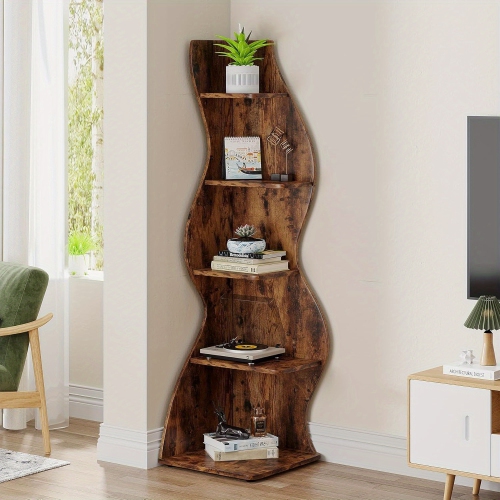

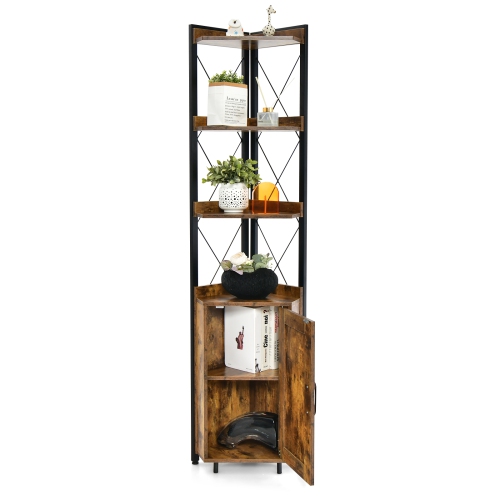
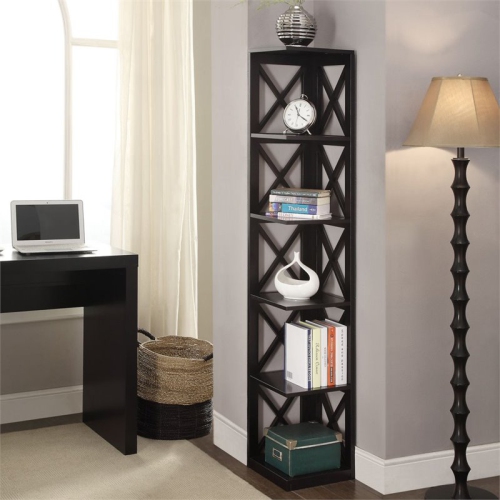
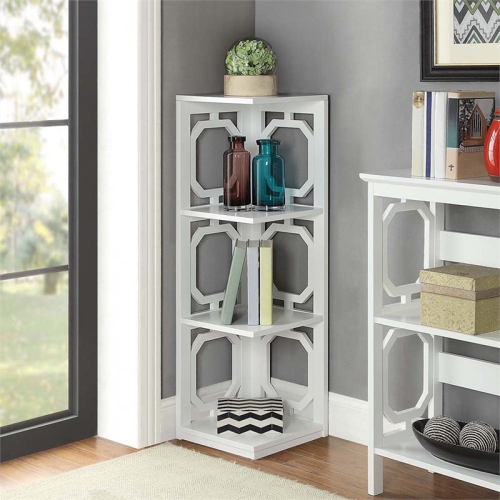
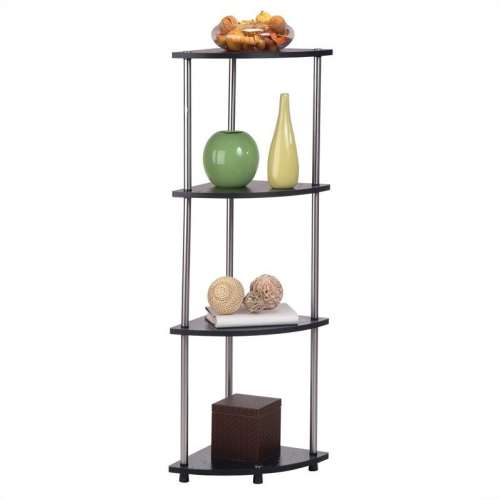
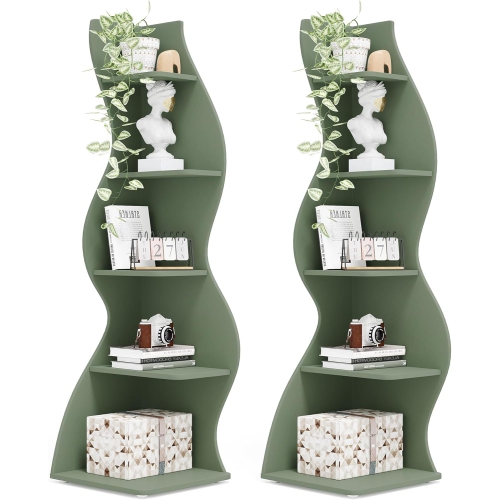
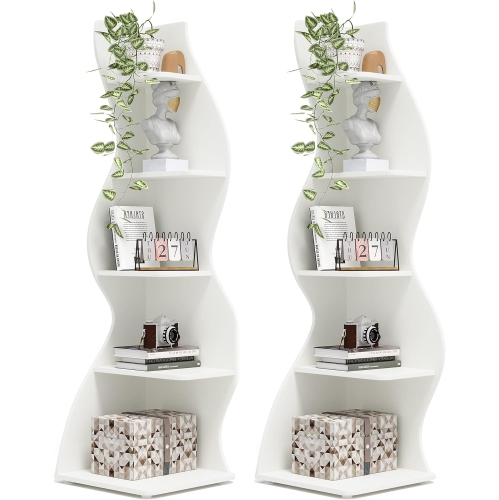
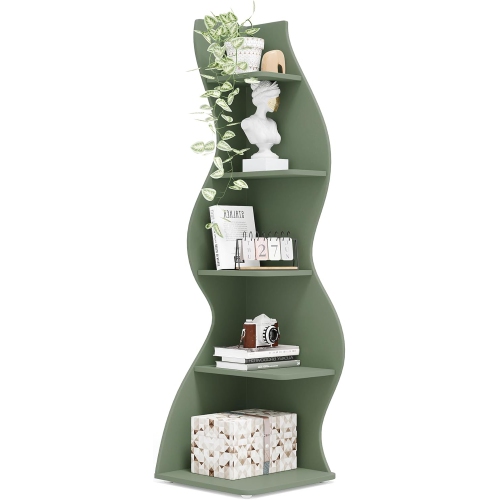
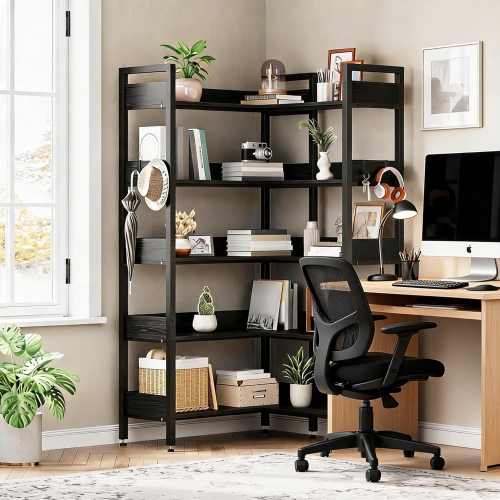
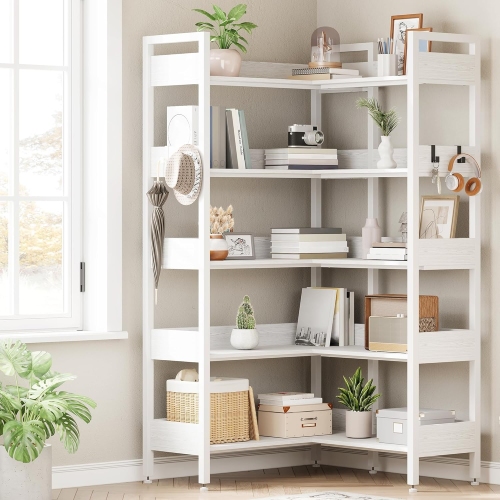
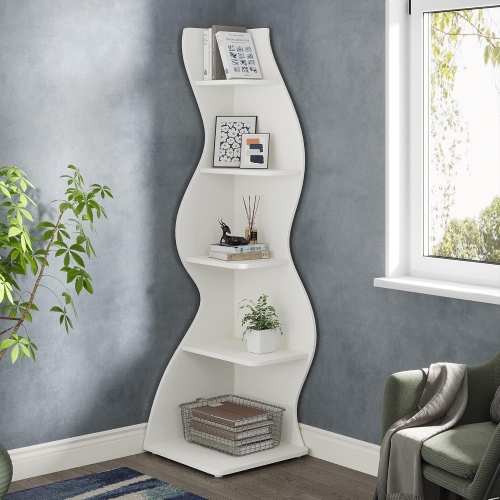
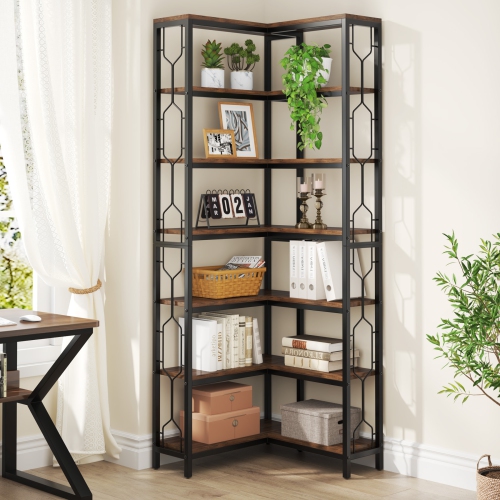
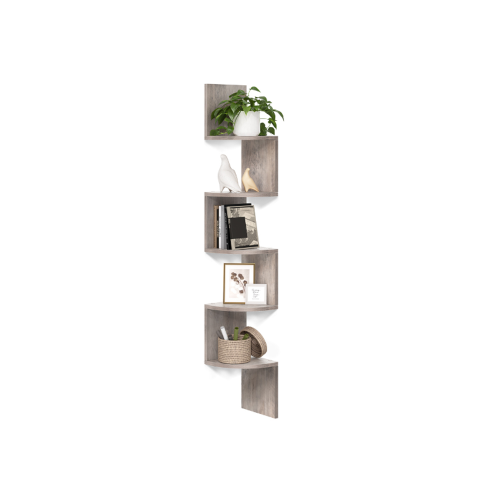
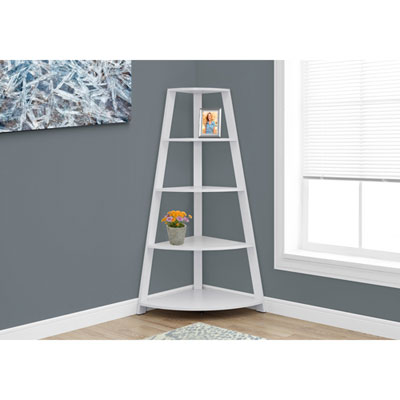
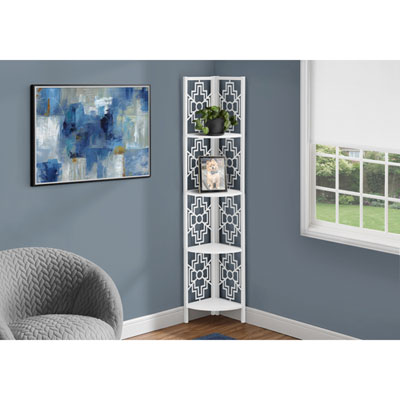
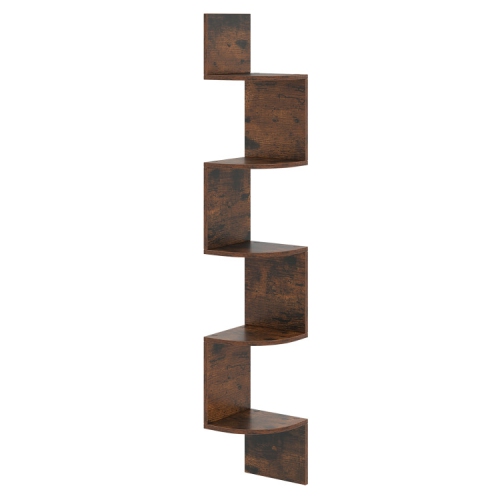
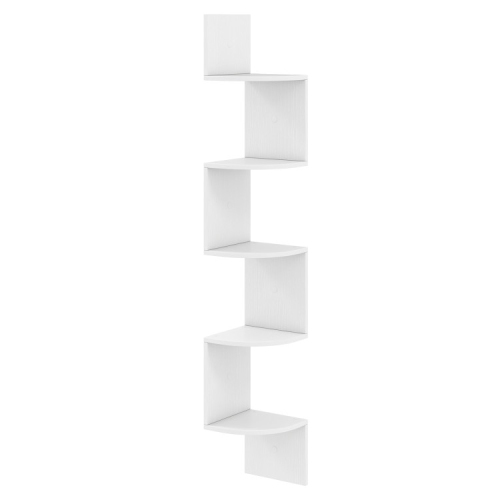
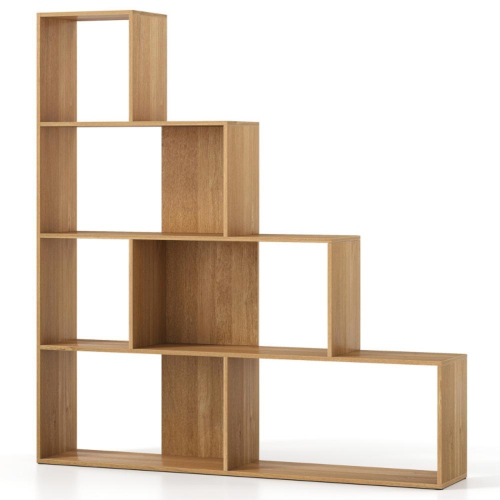
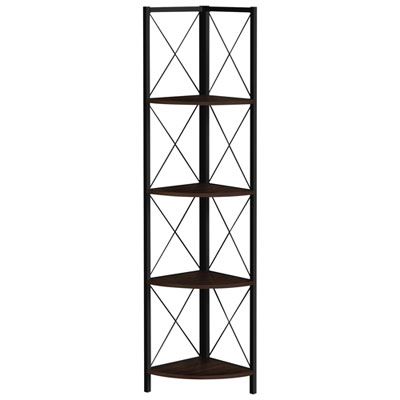
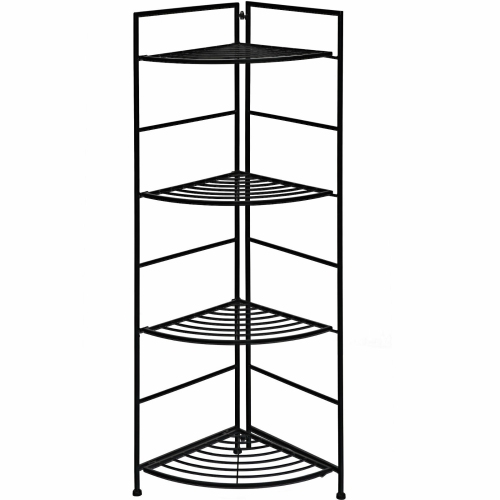
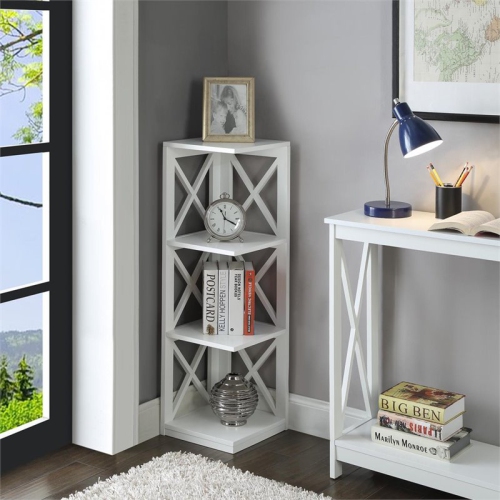
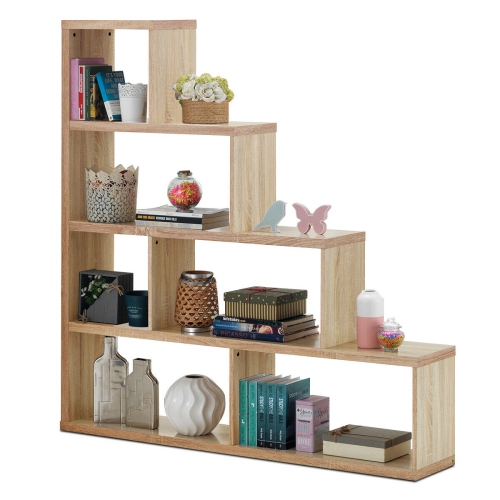
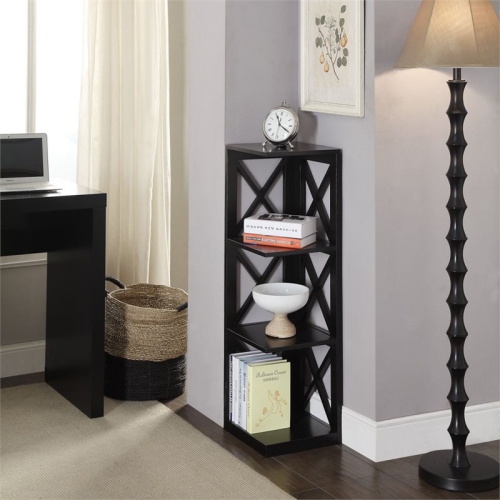
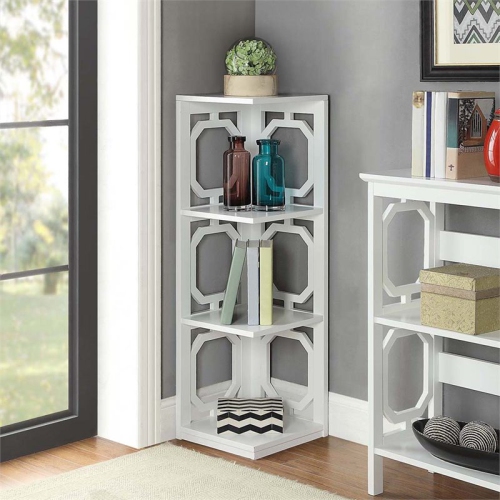
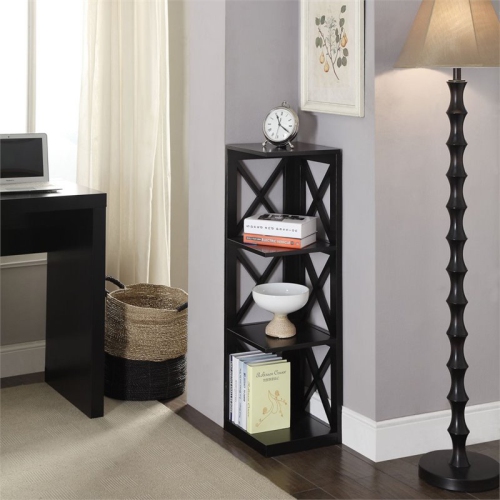
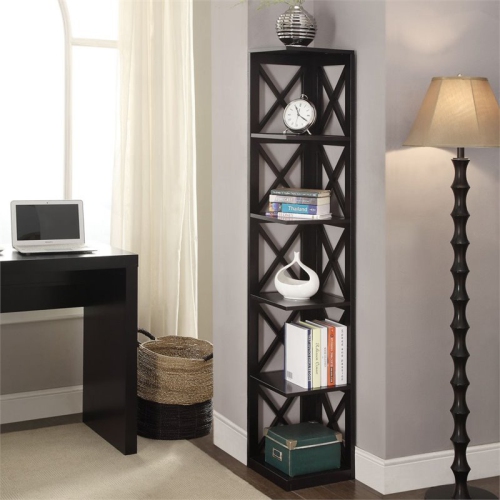
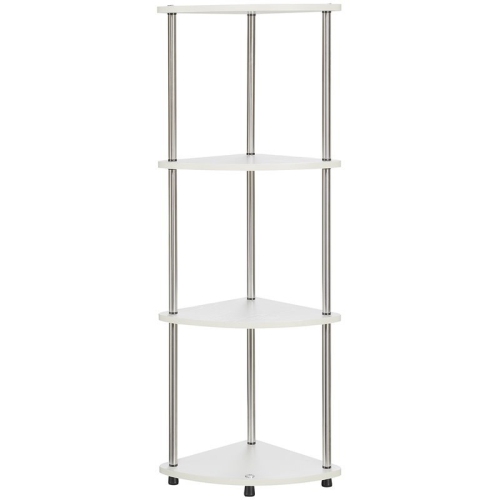
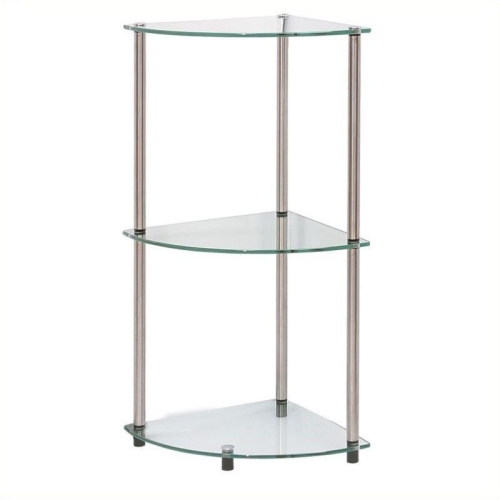
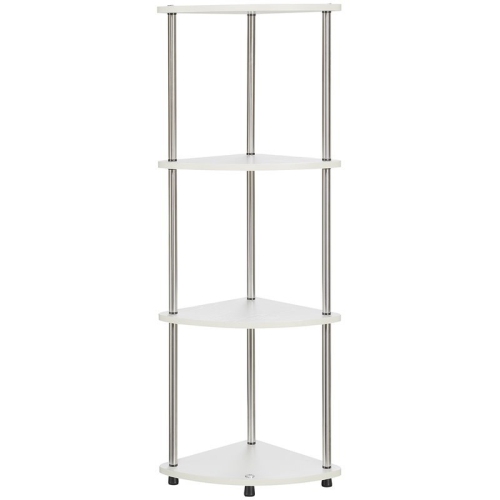
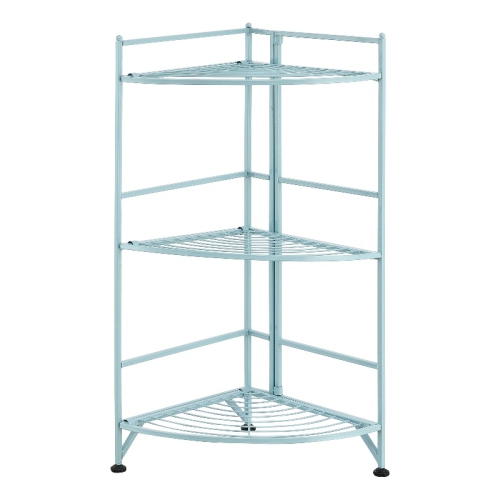
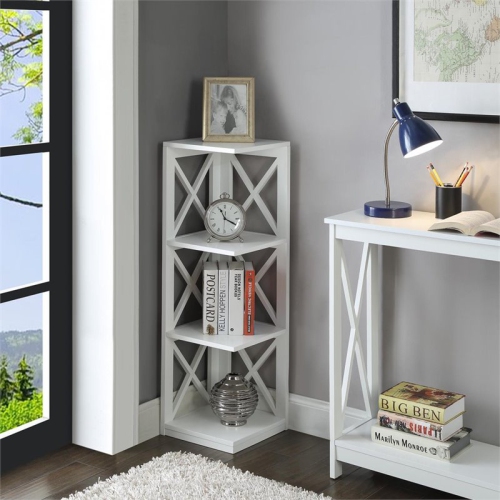
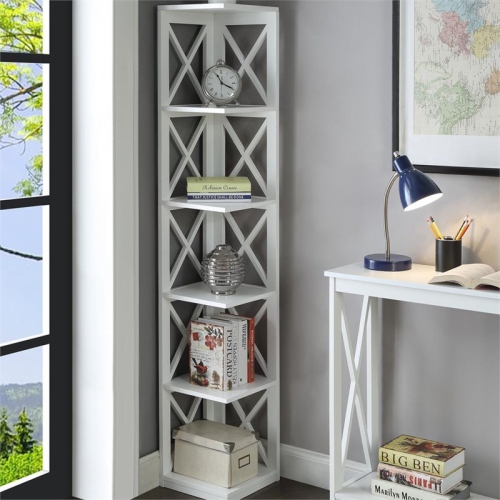
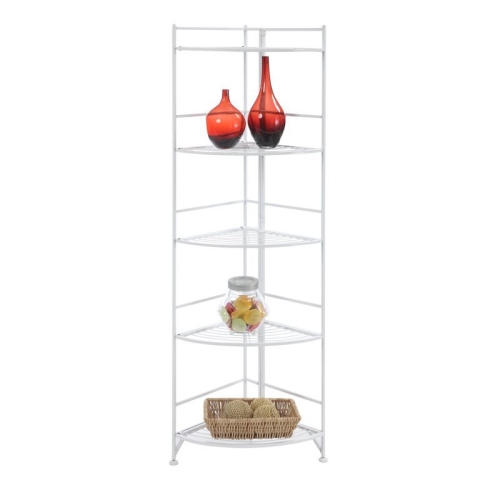
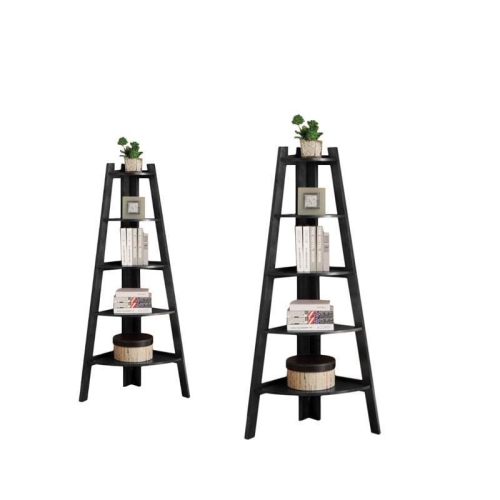
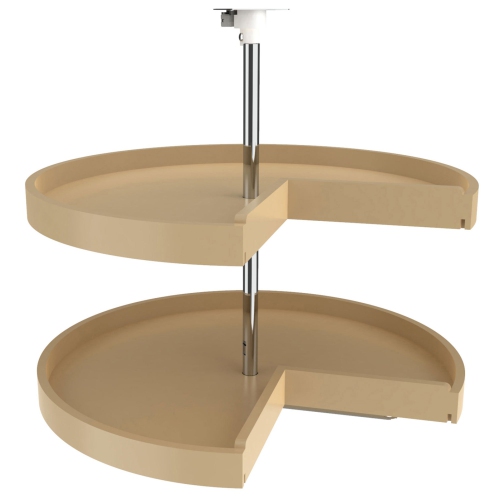
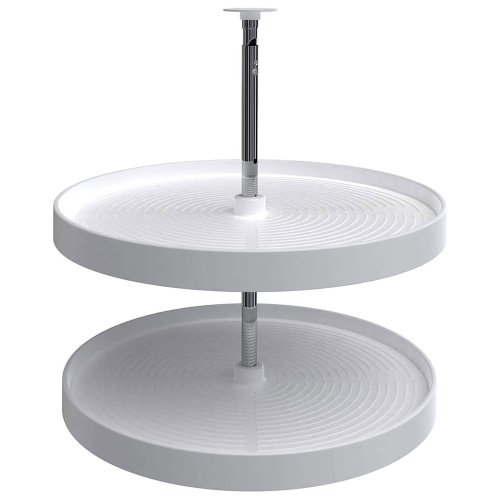
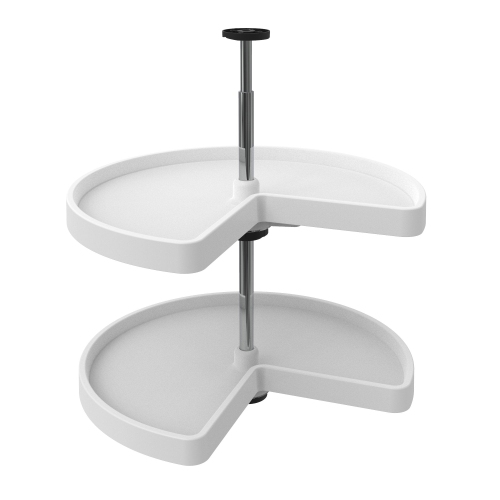
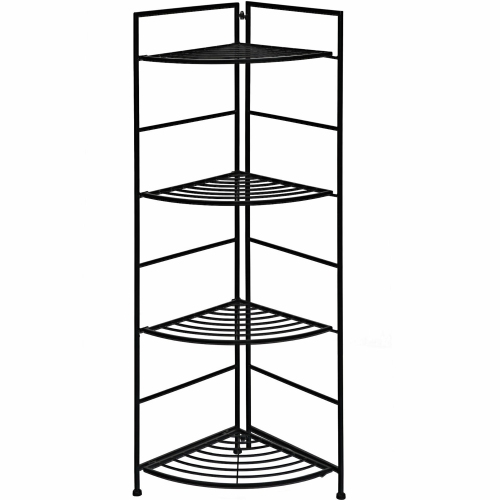
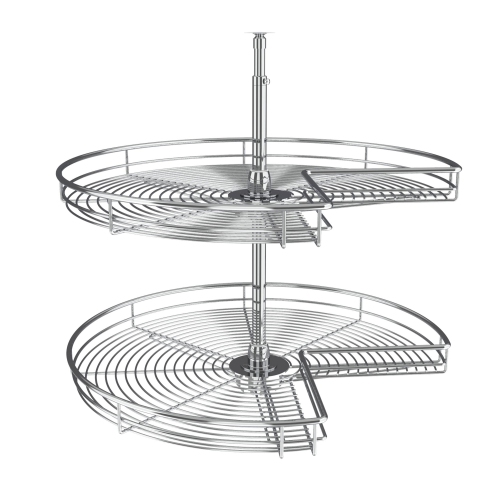
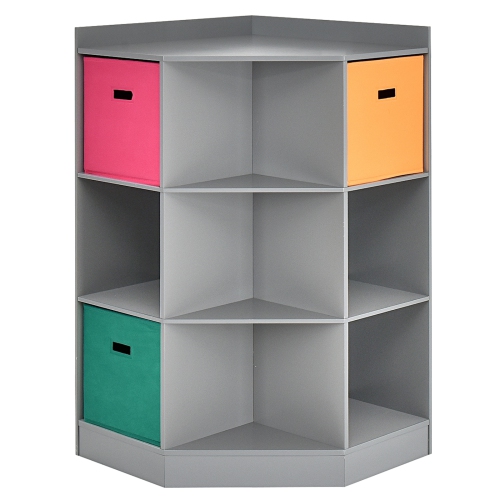
Useful storage where two walls meet
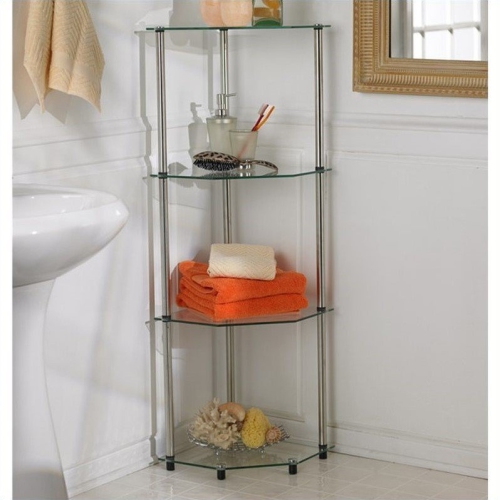
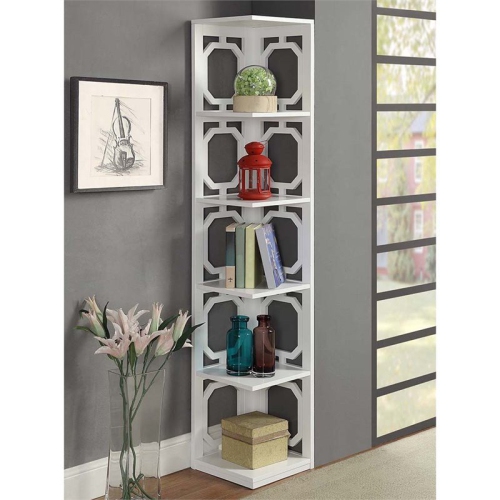
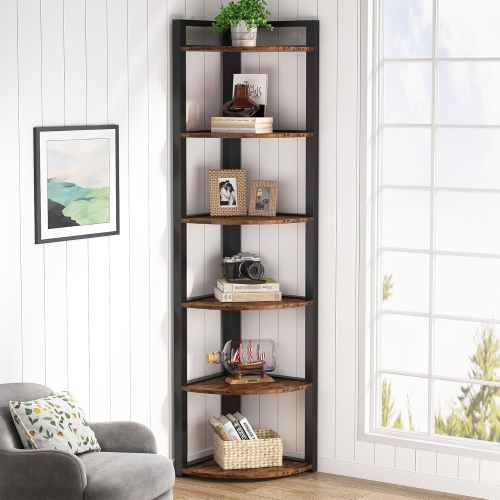
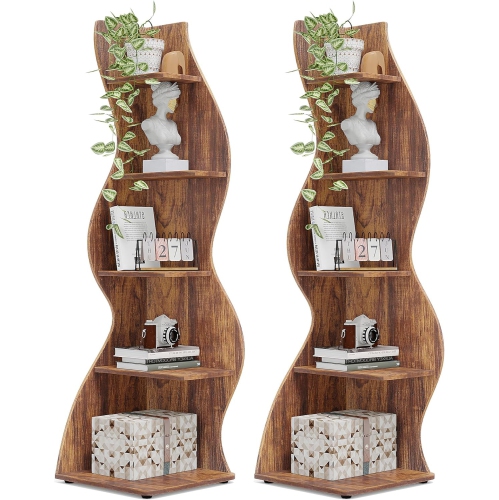
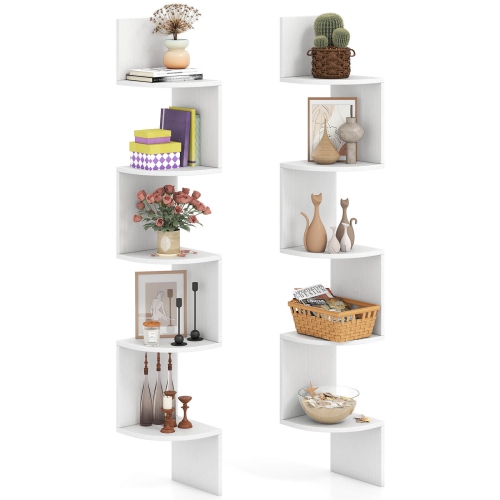
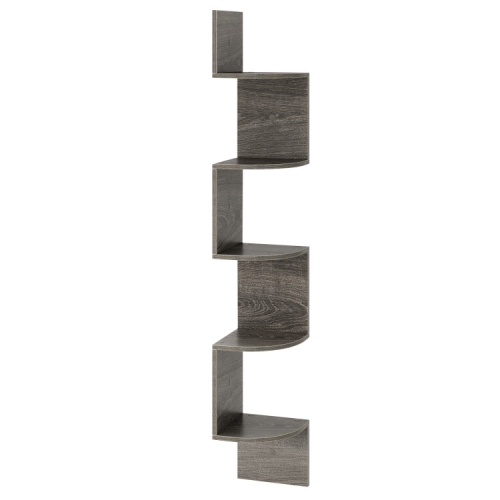
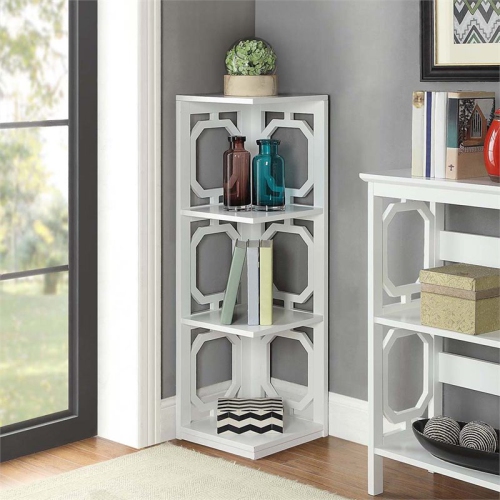
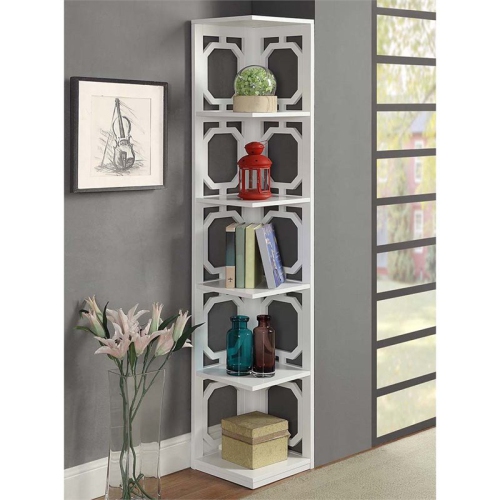
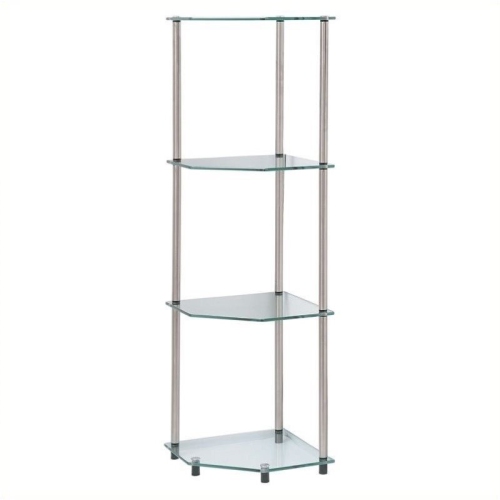
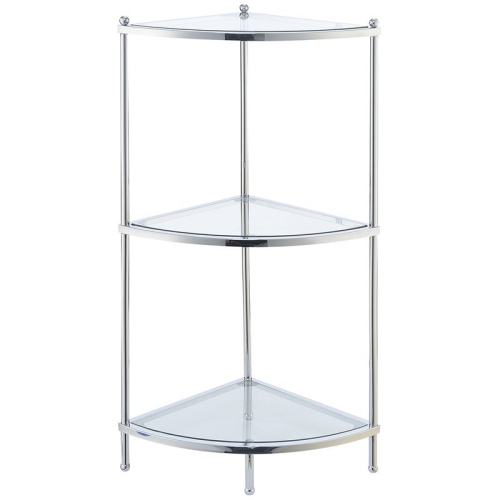
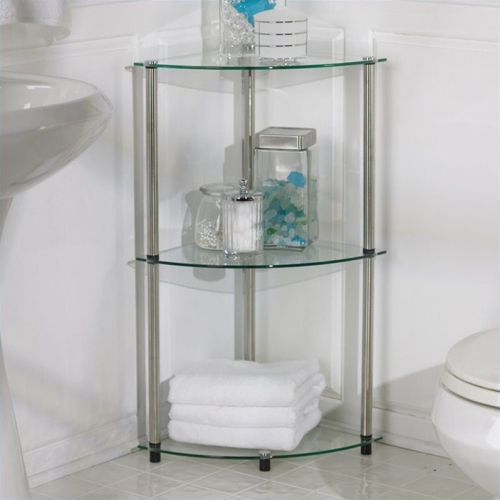
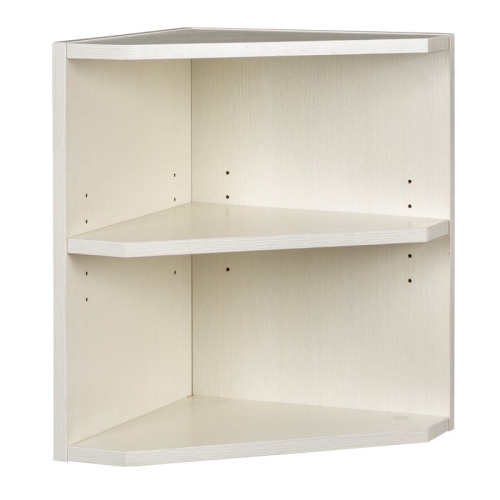
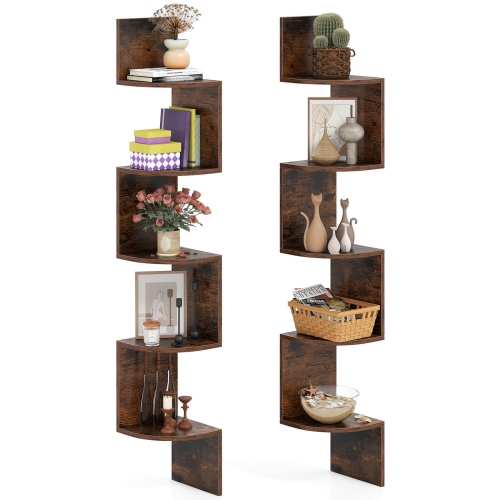
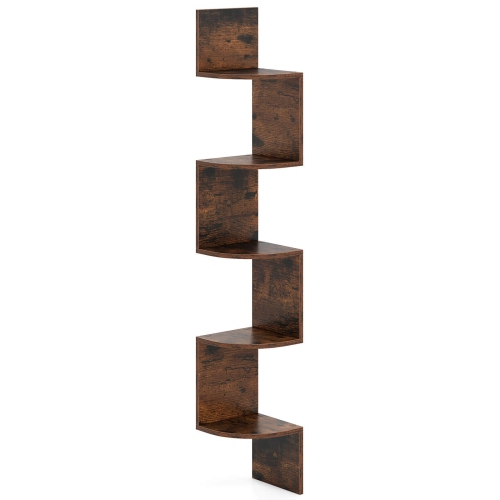
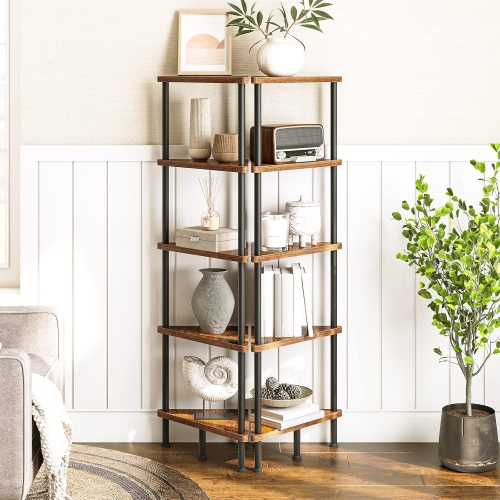
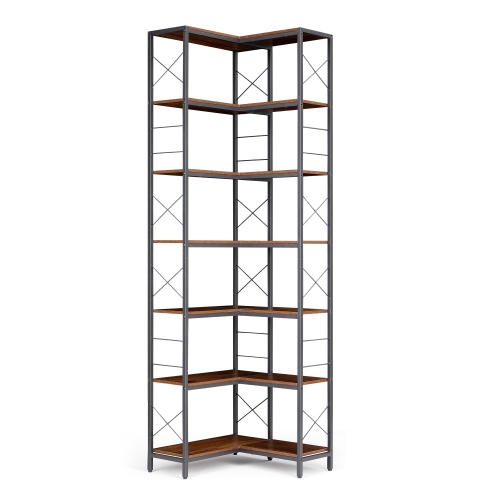
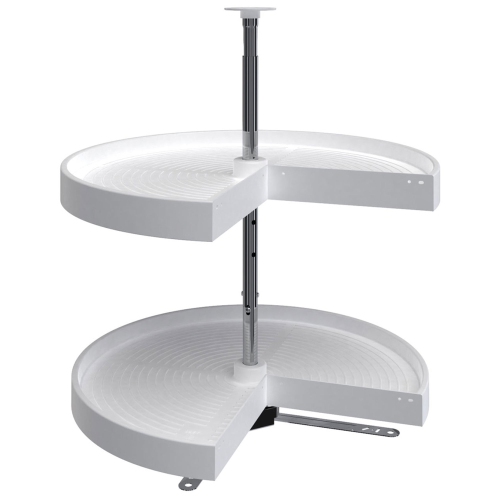
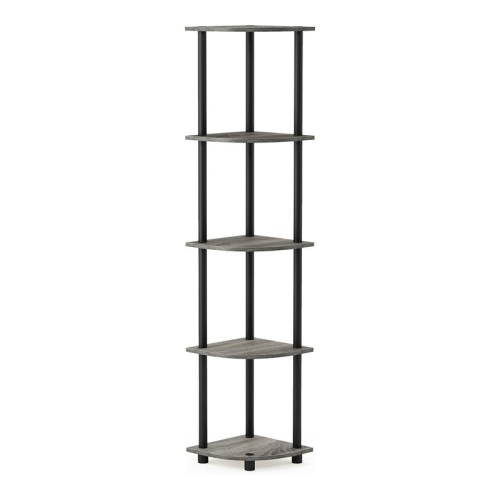
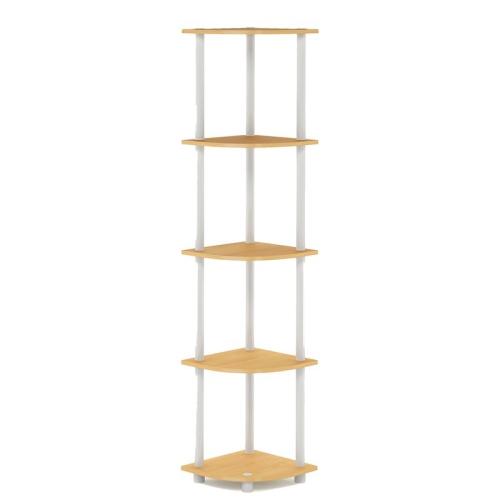
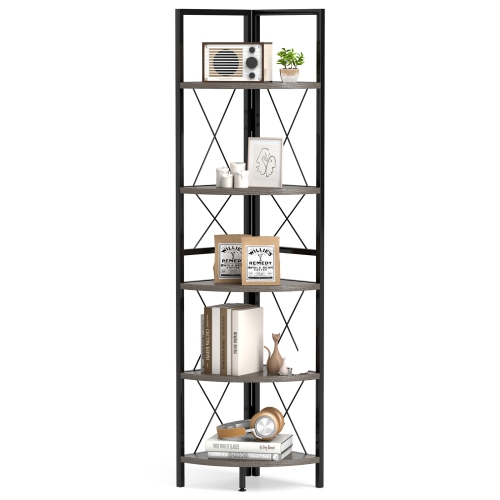
House corner shelves turn the meeting point of two walls into useful storage and display space, making room for everyday belongings without extending a full bookcase or cabinet across the room. Their angled, curved, or triangular profiles suit spaces that can otherwise be difficult to furnish, from a narrow living room corner beside a sofa to an unused spot near a bedroom dresser. The main styles include floating corner shelves, freestanding corner shelving units, and zigzag wall shelves. Floating designs mount to the wall and leave the floor clear, creating a light, uncluttered appearance for framed photos, small plants, and decorative objects. Freestanding units provide several tiers of storage and can make practical homes for books, baskets, or larger displays, provided their weight limits suit the contents. Zigzag shelves alternate across adjoining walls, adding a geometric detail that works particularly well with smaller objects and carefully spaced arrangements. Neither height nor appearance alone indicates how much a shelf can hold; the stated capacity, construction, and installation requirements matter more. Within these styles, open shelving keeps belongings visible and easy to reach, while designs with enclosed sections offer a place for things that do not need to be on display. A corner shelf can give a reading nook somewhere to keep a few favourite novels, bring family photographs closer to eye level, or provide a defined spot for keys near an entrance. In compact homes, using vertical space can also reduce the need for additional furniture along busy walls. For a sleeping space, Bedroom Corner Shelves offer a more room-specific way to think about bedside storage, personal displays, and small-space organization. The most useful layout depends on what needs a home: a row of paperbacks calls for different proportions than a trailing plant, a shallow tray, or a collection of framed prints.
Materials give house corner shelves much of their character, but they also influence weight, care, and how well a unit suits its intended room. Solid wood offers natural grain and variation, with durability that depends on the wood species, joinery, finish, and everyday treatment. Wood veneer provides a real wood surface over a supporting core, while laminate and other finished engineered wood surfaces can create a consistent colour or pattern. These finishes are not interchangeable in their resistance to scratches or moisture, so the care details matter, particularly where wet cups or plant pots might sit. Metal frames can give open corner shelving a slim outline, with finishes ranging from understated matte tones to brighter accents. Glass shelves allow light to pass through and can make a display feel less visually dense, though fingerprints and dust tend to show more readily. Glass shelving should be used only within its stated load limits, with particular attention to edge condition and the security of its supports. Mixed-material designs pair the warmth of a wood-look surface with the definition of a metal frame, fitting comfortably alongside many existing furniture styles. Rounded shelf fronts soften the profile of a corner unit, while straight edges and angular supports create a more structured appearance. Finish colour affects how prominent the piece feels: a tone close to the walls blends into the room, whereas a darker frame against a pale wall draws attention to the shelving and its contents. In kitchens and bathrooms, shelving needs a finish explicitly suited to the expected moisture exposure; a shelf intended for a dry living area is not automatically suitable beside a sink. For plant displays, a waterproof saucer helps separate the pot from the shelf surface, and watering elsewhere reduces the chance of trapped moisture. For book storage, shelf thickness, span, and support are important because a tightly packed row can weigh considerably more than a few decorative objects.
Fit involves more than finding a shelf that appears narrow enough for the corner. Both wall-facing dimensions, the front projection, and the overall height affect how comfortably the shelving sits beside surrounding furniture. A curved front can extend farther into a walking route than expected, and a tall freestanding unit may need clearance from curtains, light switches, or a nearby door. Baseboards can prevent the back of a floor-standing frame from sitting flush against the walls, while corners that are not perfectly square can leave small gaps around rigid shelves. For wall-mounted styles, the wall material and mounting system determine which fasteners are appropriate. Drywall, masonry, and other surfaces have different requirements, and supplied hardware may not suit every installation. The usable weight capacity depends on correct mounting as well as the shelf itself, so manufacturer directions take priority over assumptions based on size. Tall floor units may also require wall anchoring, particularly in homes with children or pets; heavier belongings generally sit best on lower tiers, within the specified limits. Shelf spacing shapes everyday use just as much as the outer dimensions. Tall books need sufficient clearance, baskets need room to slide out, and frequently handled belongings are more convenient below an awkward overhead reach. In a home office, a corner unit can hold reference books and neatly grouped supplies without taking over the desk. In a shared living room, a little open space between objects keeps the display from feeling crowded and makes dusting easier. Routine care usually involves a soft cloth and a cleaner approved for the finish, with spills wiped promptly and abrasive pads avoided unless the manufacturer permits them. Connections and wall fixings benefit from periodic checks for looseness or movement. Corner shelves can also make thoughtful housewarming gifts when the recipient’s room dimensions, preferred style, and mounting preferences are known. A well-proportioned shelf feels like part of the room, keeping useful belongings close while giving meaningful objects a place to be seen.
Materials give house corner shelves much of their character, but they also influence weight, care, and how well a unit suits its intended room. Solid wood offers natural grain and variation, with durability that depends on the wood species, joinery, finish, and everyday treatment. Wood veneer provides a real wood surface over a supporting core, while laminate and other finished engineered wood surfaces can create a consistent colour or pattern. These finishes are not interchangeable in their resistance to scratches or moisture, so the care details matter, particularly where wet cups or plant pots might sit. Metal frames can give open corner shelving a slim outline, with finishes ranging from understated matte tones to brighter accents. Glass shelves allow light to pass through and can make a display feel less visually dense, though fingerprints and dust tend to show more readily. Glass shelving should be used only within its stated load limits, with particular attention to edge condition and the security of its supports. Mixed-material designs pair the warmth of a wood-look surface with the definition of a metal frame, fitting comfortably alongside many existing furniture styles. Rounded shelf fronts soften the profile of a corner unit, while straight edges and angular supports create a more structured appearance. Finish colour affects how prominent the piece feels: a tone close to the walls blends into the room, whereas a darker frame against a pale wall draws attention to the shelving and its contents. In kitchens and bathrooms, shelving needs a finish explicitly suited to the expected moisture exposure; a shelf intended for a dry living area is not automatically suitable beside a sink. For plant displays, a waterproof saucer helps separate the pot from the shelf surface, and watering elsewhere reduces the chance of trapped moisture. For book storage, shelf thickness, span, and support are important because a tightly packed row can weigh considerably more than a few decorative objects.
Fit involves more than finding a shelf that appears narrow enough for the corner. Both wall-facing dimensions, the front projection, and the overall height affect how comfortably the shelving sits beside surrounding furniture. A curved front can extend farther into a walking route than expected, and a tall freestanding unit may need clearance from curtains, light switches, or a nearby door. Baseboards can prevent the back of a floor-standing frame from sitting flush against the walls, while corners that are not perfectly square can leave small gaps around rigid shelves. For wall-mounted styles, the wall material and mounting system determine which fasteners are appropriate. Drywall, masonry, and other surfaces have different requirements, and supplied hardware may not suit every installation. The usable weight capacity depends on correct mounting as well as the shelf itself, so manufacturer directions take priority over assumptions based on size. Tall floor units may also require wall anchoring, particularly in homes with children or pets; heavier belongings generally sit best on lower tiers, within the specified limits. Shelf spacing shapes everyday use just as much as the outer dimensions. Tall books need sufficient clearance, baskets need room to slide out, and frequently handled belongings are more convenient below an awkward overhead reach. In a home office, a corner unit can hold reference books and neatly grouped supplies without taking over the desk. In a shared living room, a little open space between objects keeps the display from feeling crowded and makes dusting easier. Routine care usually involves a soft cloth and a cleaner approved for the finish, with spills wiped promptly and abrasive pads avoided unless the manufacturer permits them. Connections and wall fixings benefit from periodic checks for looseness or movement. Corner shelves can also make thoughtful housewarming gifts when the recipient’s room dimensions, preferred style, and mounting preferences are known. A well-proportioned shelf feels like part of the room, keeping useful belongings close while giving meaningful objects a place to be seen.
Top selling and popular products
-
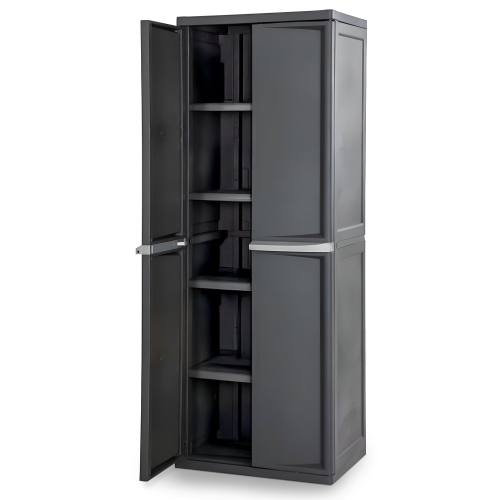 Your price for this item is $772.99
 -
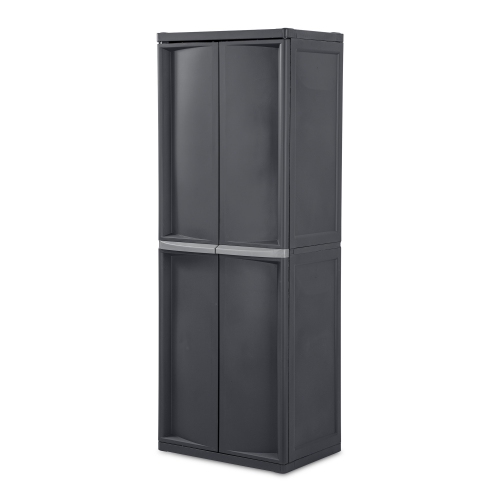 Your price for this item is $1522.99
 -
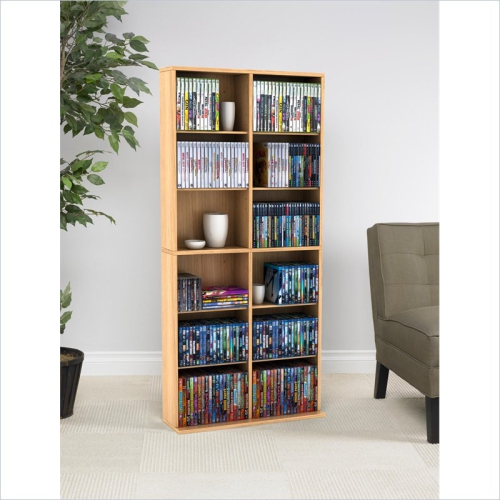 Your price for this item is $234.68
 -
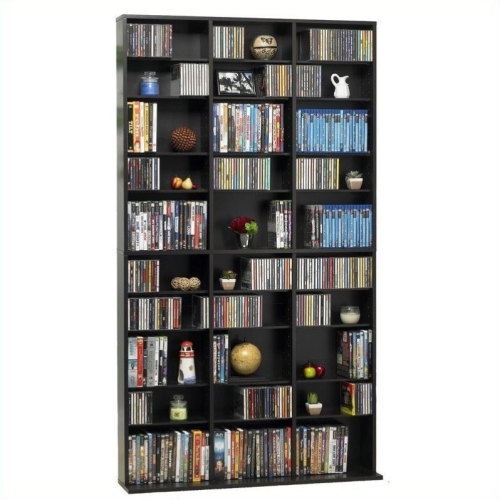 Your price for this item is $365.38
 -
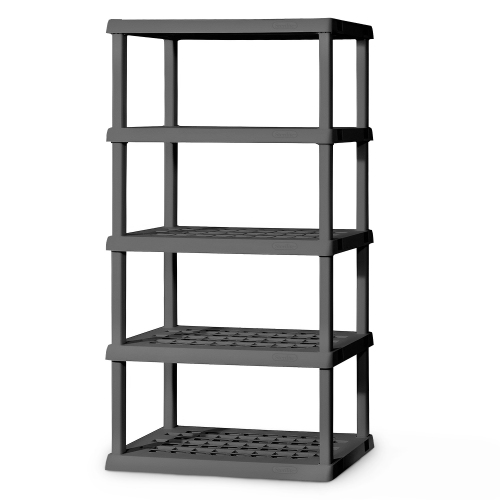 Your price for this item is $468.99
 -
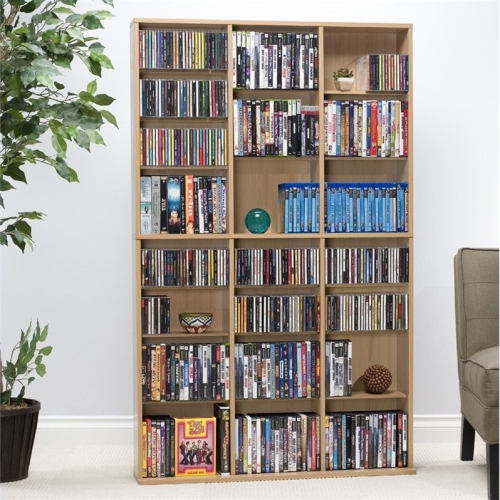 Your price for this item is $295.84
 -
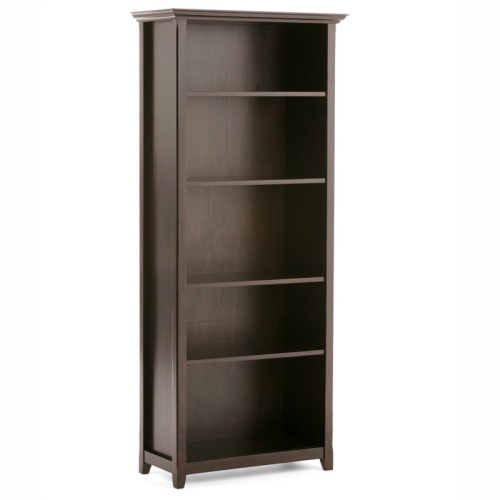 Your price for this item is $999.77
 -
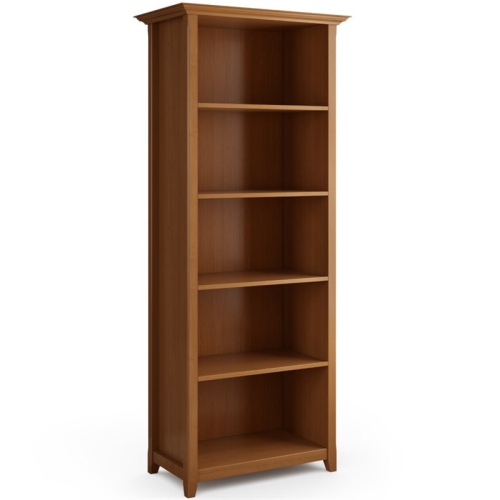 Your price for this item is $998.43
Discover more categories related to House Corner Shelves
Top Collections:
Pokemon Centers, Kindle Devices, Best Budget Office Chairs, Apple iPhones 16, Best Laptops for Writers, iPhone 15 Apple, Canon G7X Cameras, Refurbished Apple Laptops, Alarm Clock, Motorola Razr Phones
Some products may be subject to Environmental Handling Fees
(EHF) depending on your province.
Learn more about EHFs.