Simple Cell Phones for Students | Best Buy Canada

Simple Cell Phones for Students

Simple cell phones for students offer straightforward communication options without unnecessary distractions. These devices are ideal for staying connected with family and friends, making calls, and sending texts with ease. With a focus on simplicity and reliability, simple cell phones for students provide essential features that support daily routines at school or on the go. Explore a range of affordable choices designed to fit the needs of students looking for an uncomplicated mobile experience.

Sort
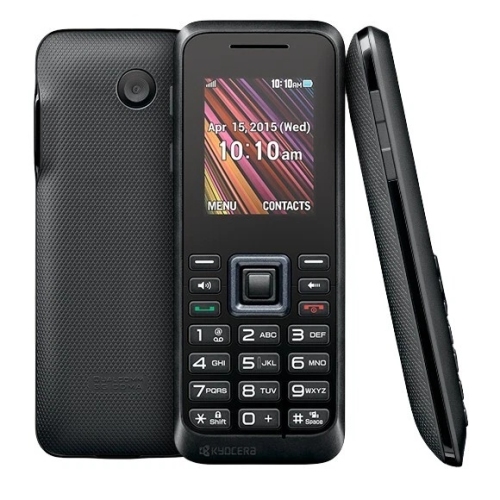
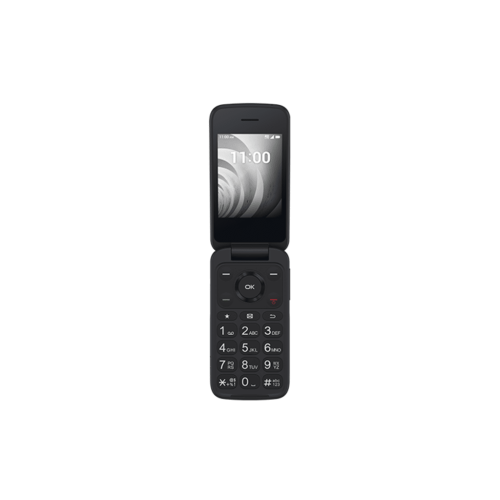
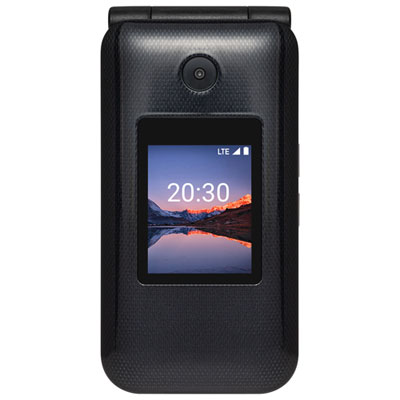
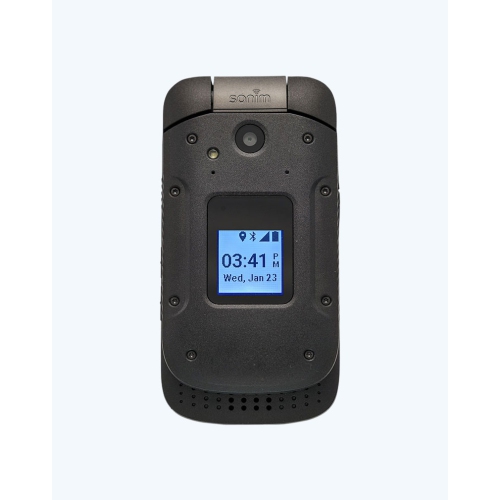
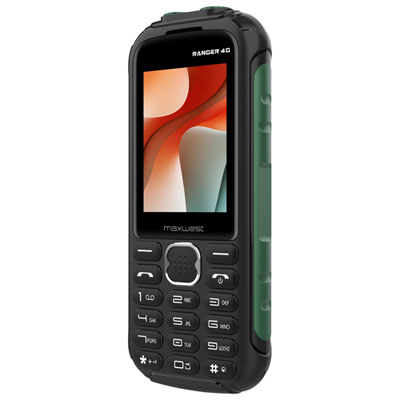
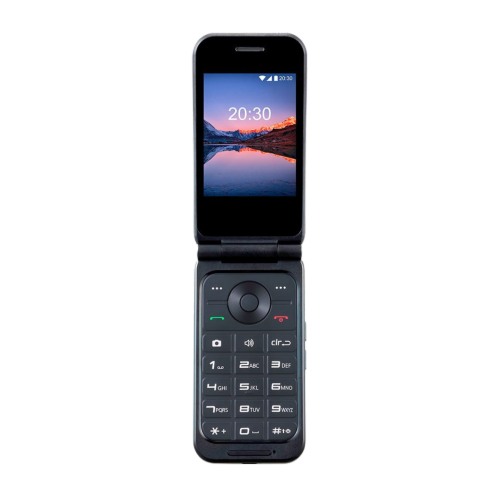
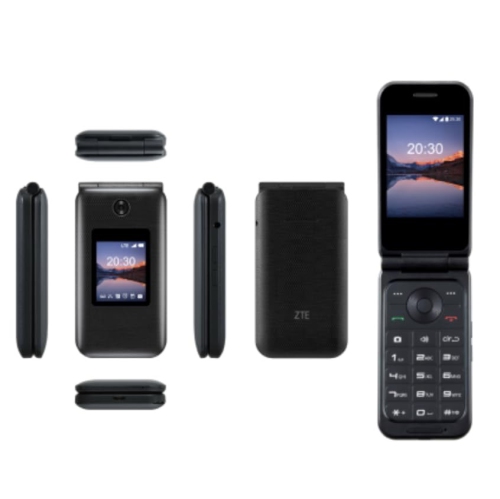
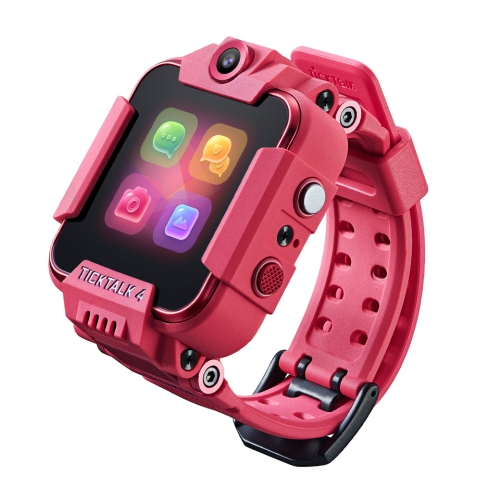
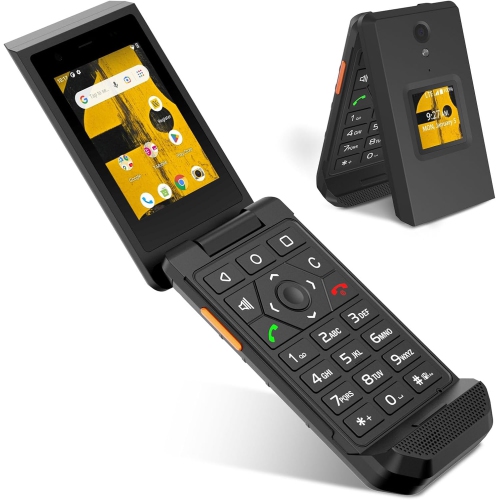
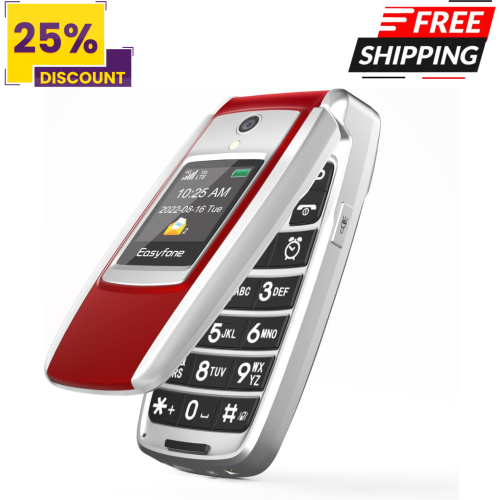
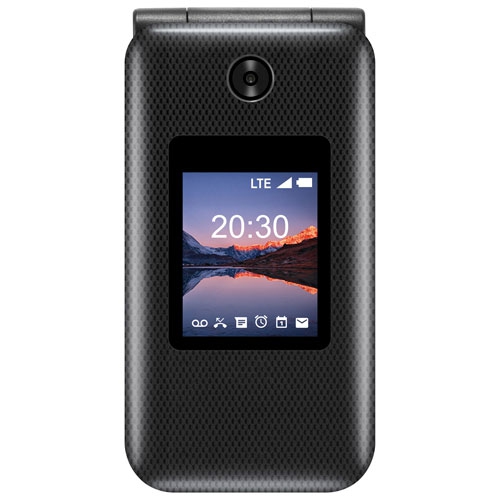
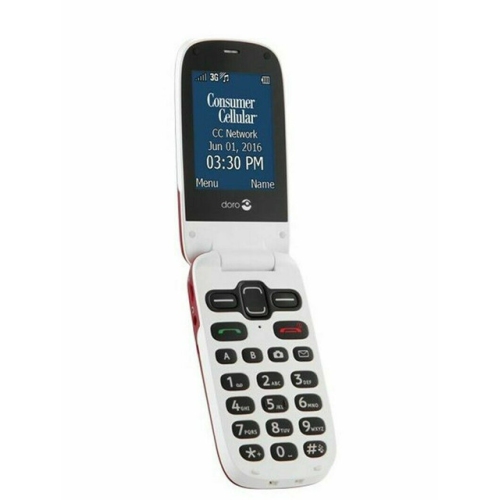
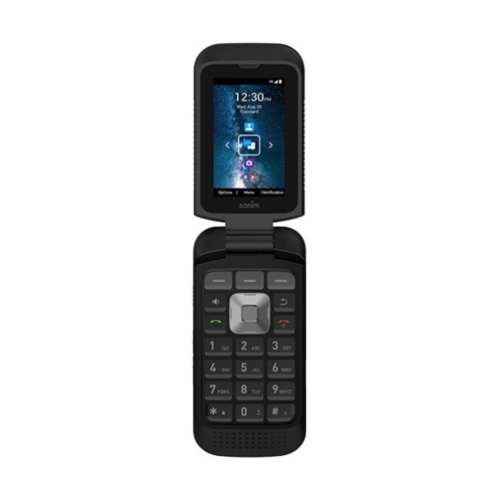
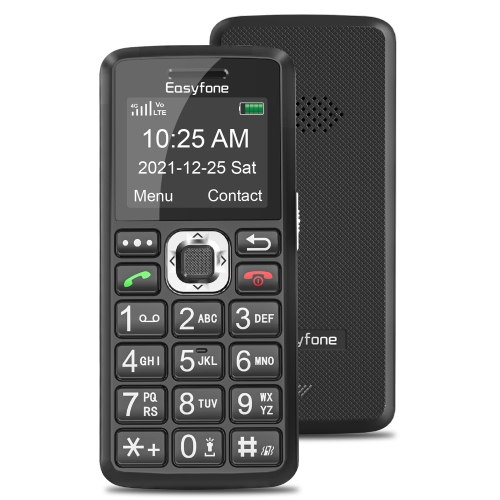
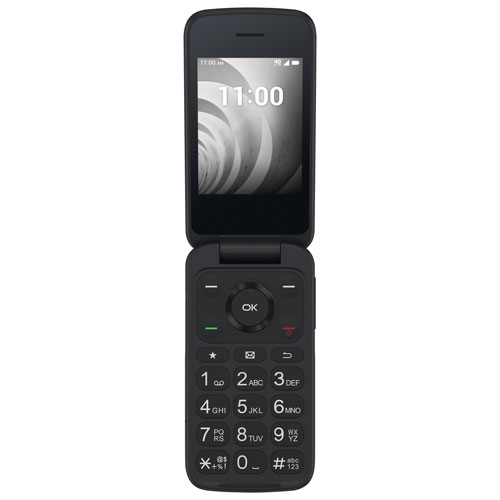
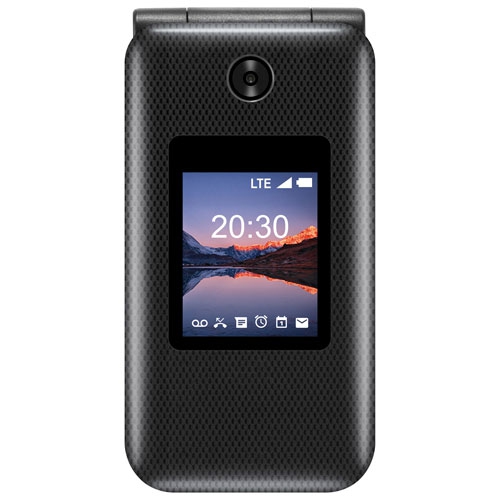
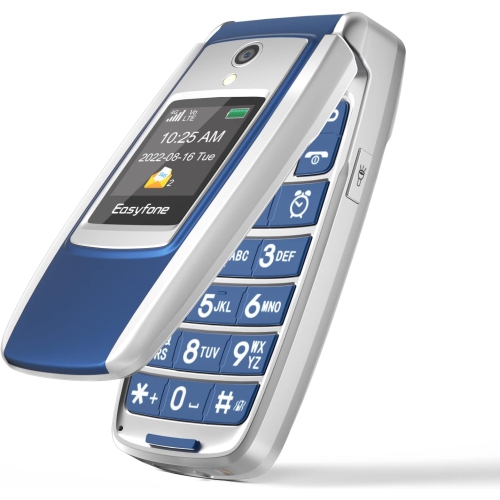
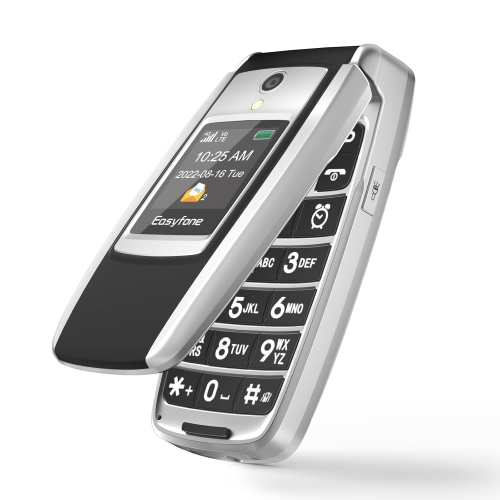
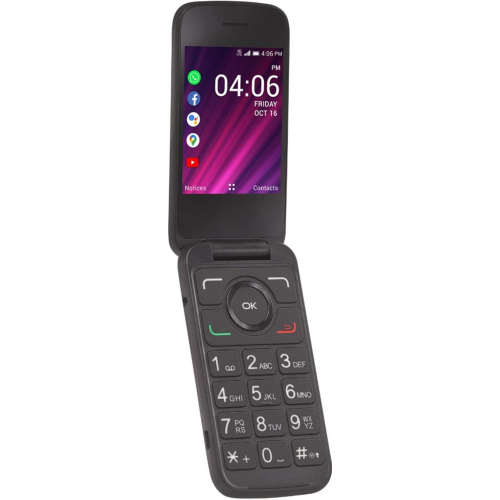
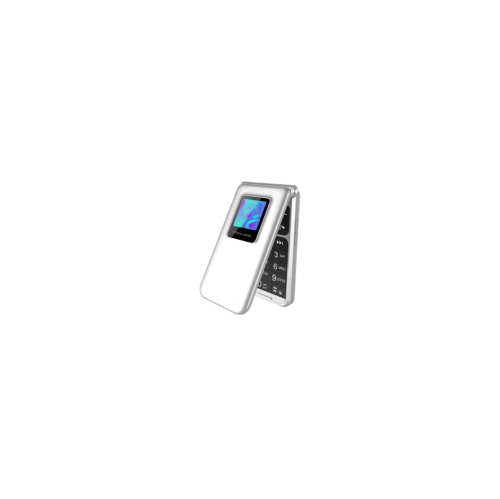
Simple cell phones for students are designed to keep the essentials close at hand without introducing every distraction associated with a full-featured smartphone. They can be a practical choice for younger students travelling to school independently, teens attending classes and extracurricular activities, or anyone who needs dependable calling and texting without constant access to social media, streaming, games, and open web browsing. Many models use physical keys, straightforward menus, bright screens, and uncomplicated contact lists, making it easier to place a call quickly or send a short message between classes. A compact flip design can help protect the screen in a backpack, while a sturdy exterior may be better suited to busy school days that include sports practices, field trips, public transit, or time outdoors. Battery life is another useful consideration: simple phones often consume less power than advanced smartphones, so they may last through a full day of school and activities with less frequent charging. For families comparing options, the right choice depends on the student’s age, comfort with technology, school rules, and the level of communication needed. A phone intended only for calls and texts may be appropriate for a child who needs a reliable way to reach home, while a model with selected tools such as a camera, calendar, alarm, music player, maps, or limited internet access may suit an older student who is gradually taking on more responsibility. Before purchasing, check whether the phone works with the intended Canadian carrier and plan, whether it supports the carrier’s current network, and whether a SIM card is included or must be purchased separately. It is also helpful to confirm the charging connection, storage capacity, speaker volume, font size, and ease of entering contacts. For students with accessibility needs, large buttons, tactile key shapes, a clear display, loud ringtones, hearing-aid compatibility, and an emergency contact function can make everyday use more comfortable and reassuring. A simple cell phone can also be a thoughtful gift for a student starting a new school, joining an after-school programme, or spending more time away from family. It provides a direct line home while allowing parents and guardians to introduce mobile communication at a manageable pace. Browse Entry Level Cell Phones for Students to compare options suited to essential communication and everyday school routines.

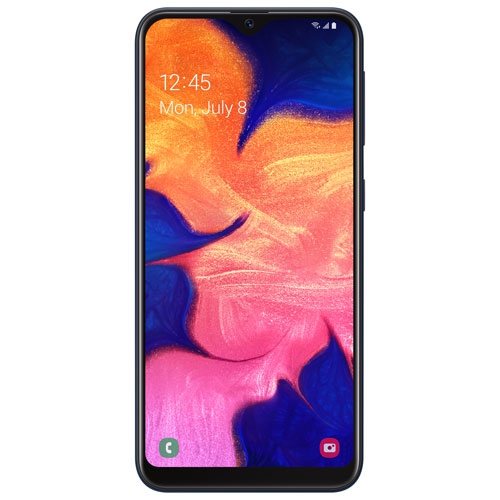
When choosing among simple cell phones for students, think about how the device will be used from morning until bedtime rather than focusing only on its appearance or price. A student who walks to school may benefit from speed-dial keys and a dependable emergency contact feature, while someone who rides the bus may appreciate a compact phone that slips securely into a pocket and has a screen that is easy to read in changing light. For a student who is likely to misplace belongings, a lower-cost phone with a durable build can make replacement less stressful; a wrist strap, protective case, or brightly coloured cover may also make it easier to spot in a locker or backpack. If the phone will be used during group projects or school trips, look for clear call quality, reliable reception, a strong speaker, and a battery indicator that is easy to understand. Some families prefer a basic 4G phone with no app store or web browser, creating a clear boundary between communication and entertainment. Others may want a controlled smartphone experience that allows approved apps, navigation, a camera, or school-related tools while restricting downloads, social platforms, and unsupervised browsing. In those cases, review the available parental controls, screen-time settings, contact permissions, and account management features before setting up the device. It is worth discussing expectations in advance, including when the phone may be used, whether it should be silenced during class, how it should be charged overnight, and which contacts may be reached in an emergency. A short list of family members, school contacts, and trusted caregivers can make the phone more useful without filling the home screen with unnecessary options. Students can also benefit from learning simple habits such as keeping the phone in a consistent backpack pocket, checking the battery before leaving home, and using a passcode that is easy to remember but not obvious to others. During the warmer part of the school year and through the cooler months, these devices can support communication on walks, at playgrounds, on sports fields, and while visiting friends or relatives. Water resistance, a grippy finish, and a bright display may be especially useful for students whose phones travel between indoor and outdoor activities. Pricing can range from affordable basic handsets to more advanced, parent-managed devices, so setting a budget alongside a feature list helps keep the purchase focused. The best fit is usually the phone that matches the student’s actual routine: simple enough to use confidently, durable enough for daily travel, and capable of providing dependable contact when family members need to stay connected.
Some products may be subject to Environmental Handling Fees (EHF) depending on your province. Learn more about EHFs.