Single Beds with Built-In Desks
Single beds with built-in desks bring sleeping and study space together in one setup, helping you make the most of a smaller bedroom. Compare overall dimensions, bed height, and desk size to find an option that suits your room, with enough space for a chair and comfortable movement around the bed.





















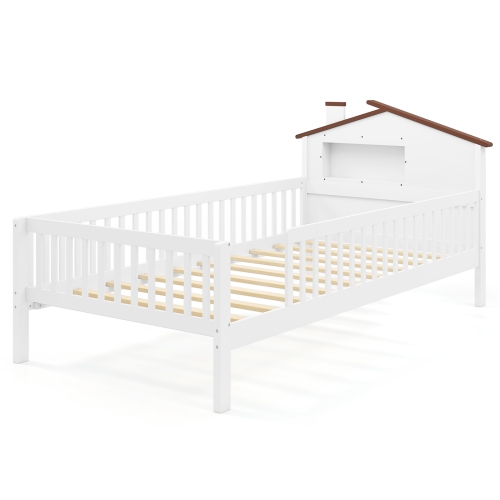
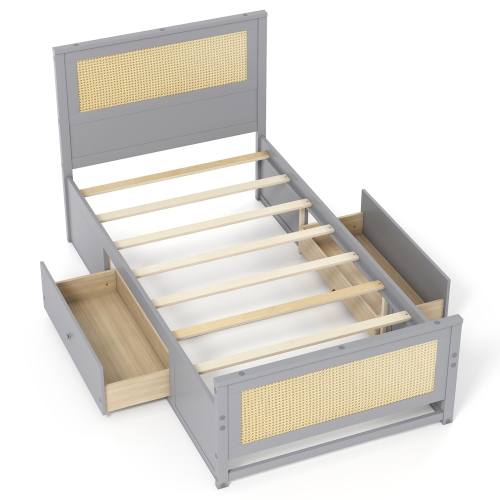
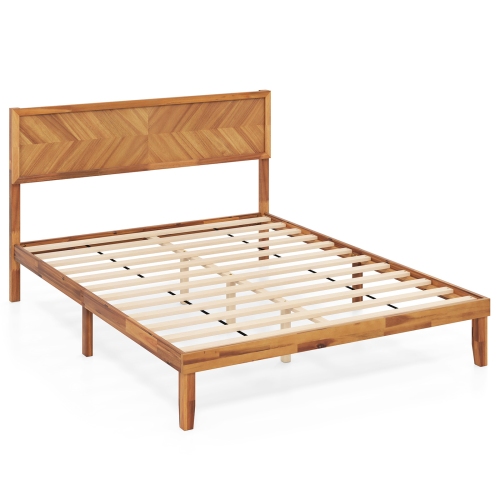
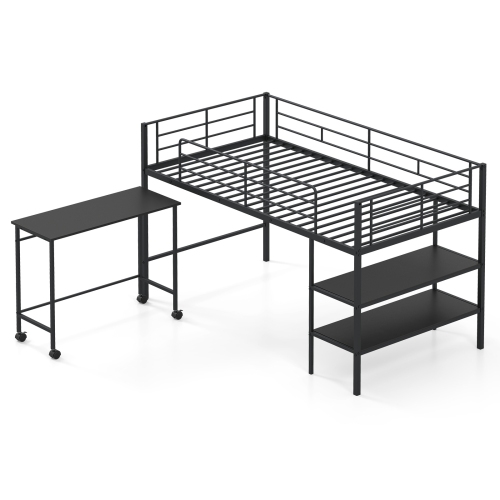






FAQ
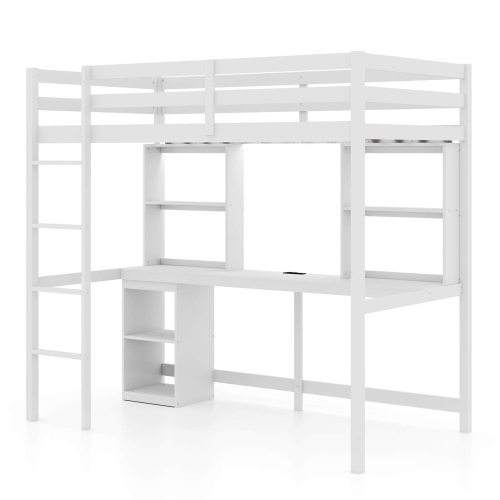
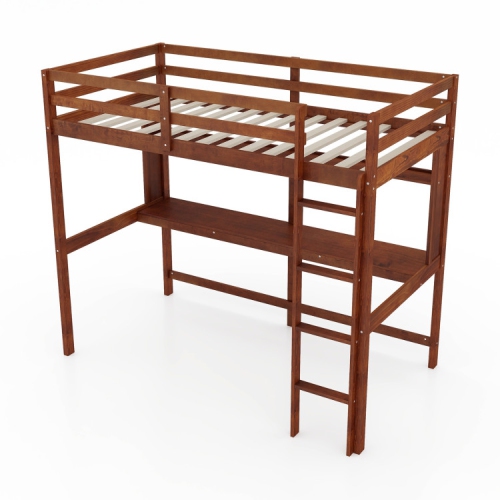
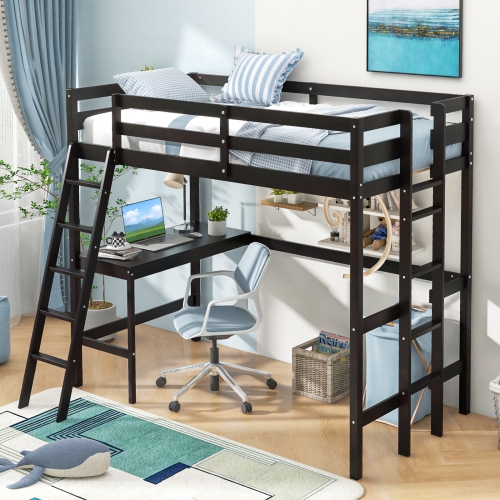
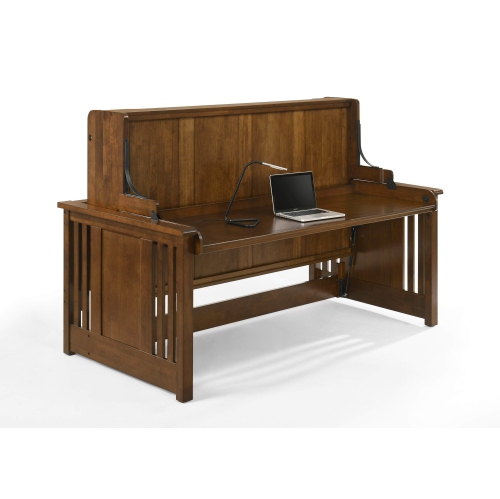
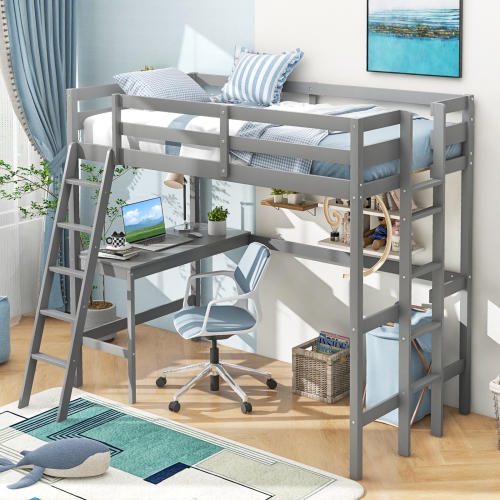
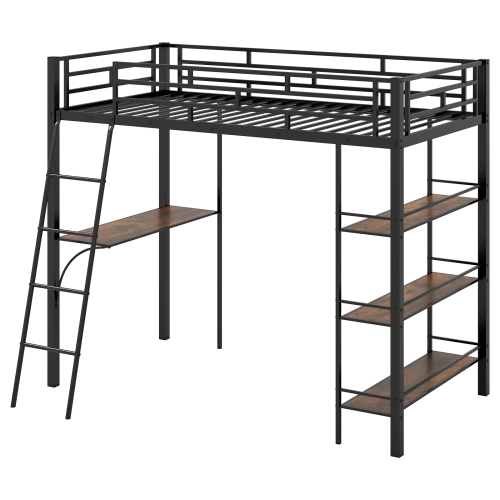
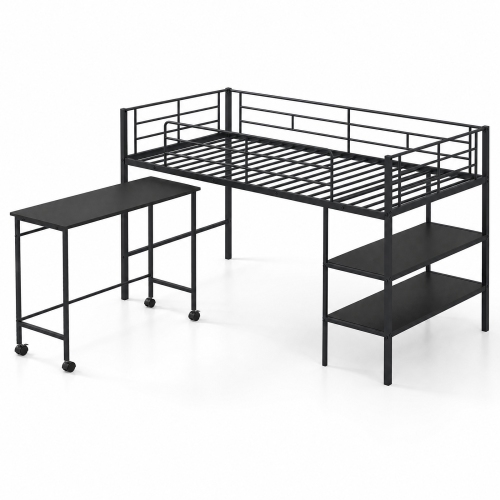
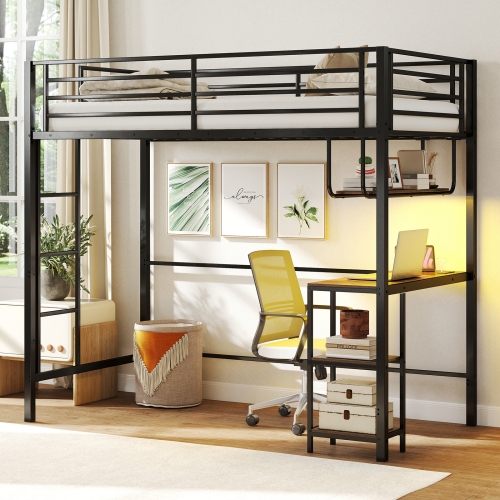
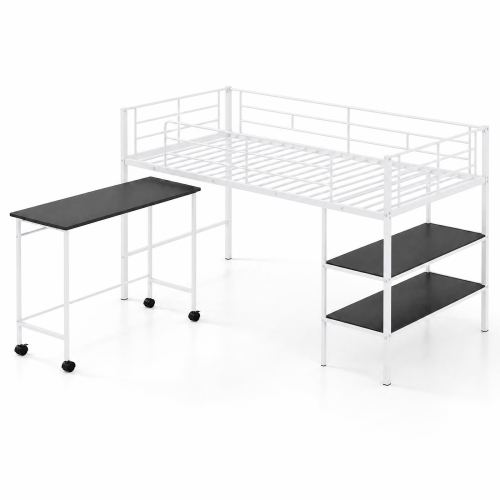
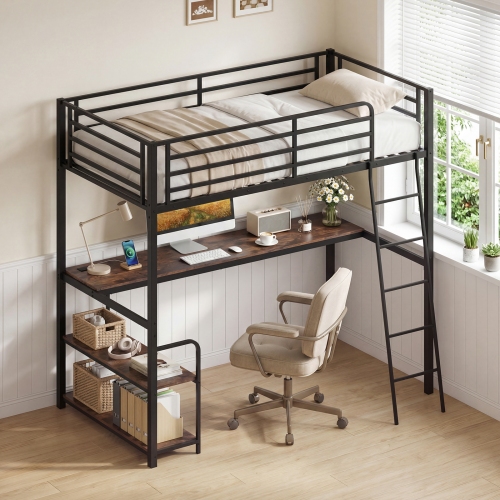
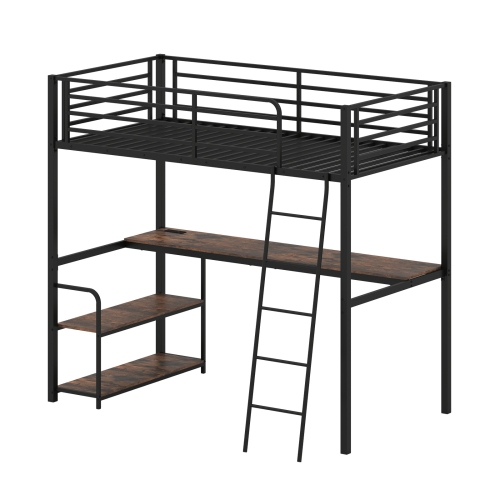
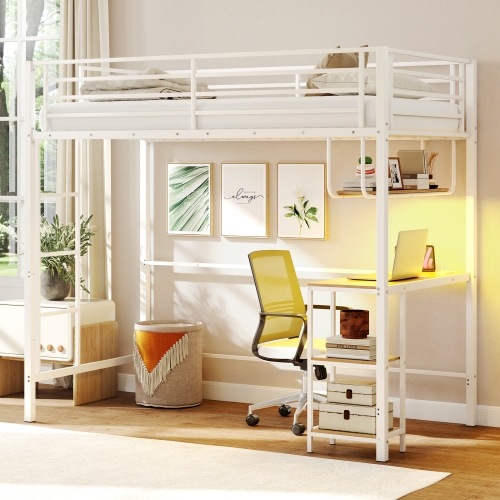
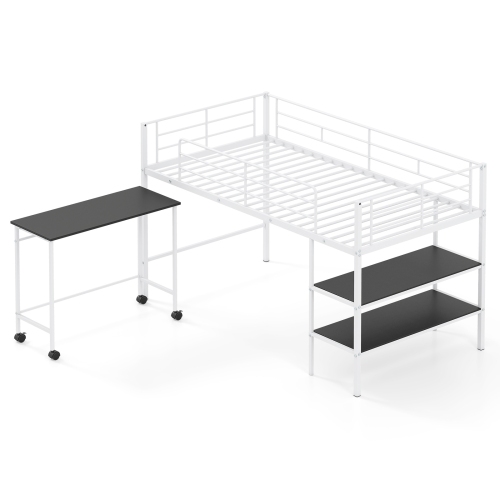
A single bed with a built-in desk combines a sleeping area and a work surface in one furniture design. The desk may be positioned beneath a lofted bed or integrated alongside the bed frame.
A built-in desk can provide a dedicated spot for studying, writing, drawing, or computer-based tasks. You can arrange it around a particular activity or use it as a multipurpose workspace.
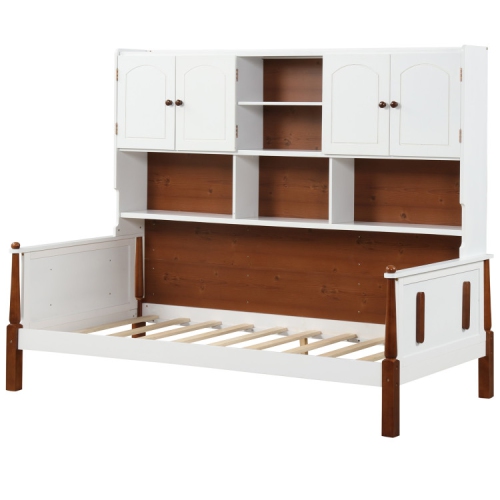
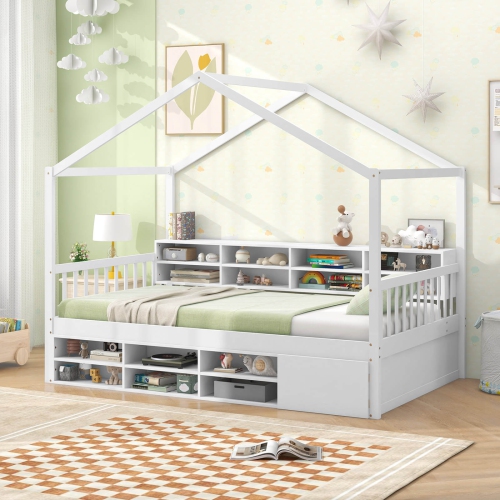
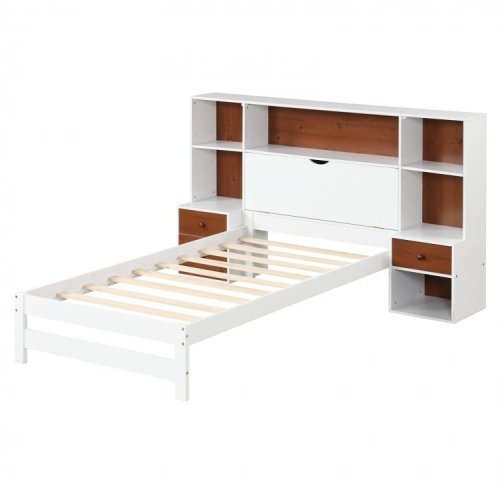
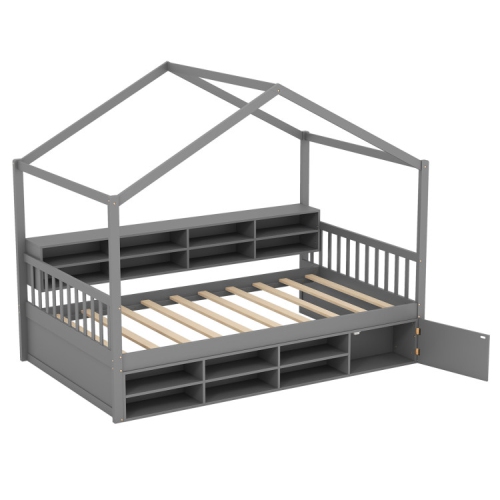
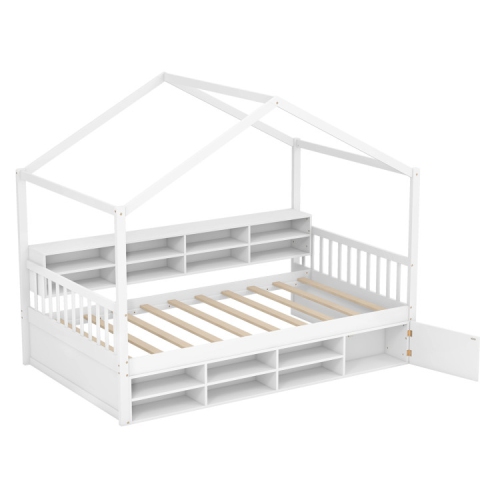
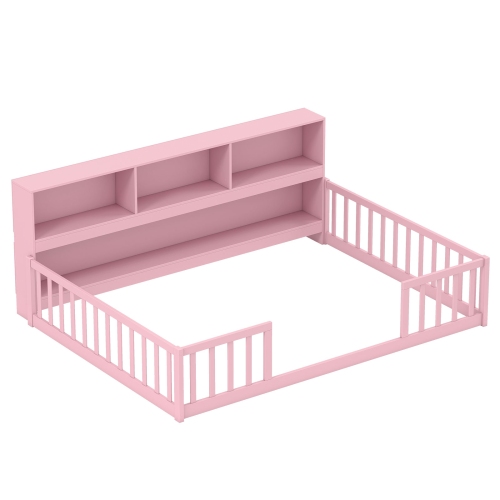
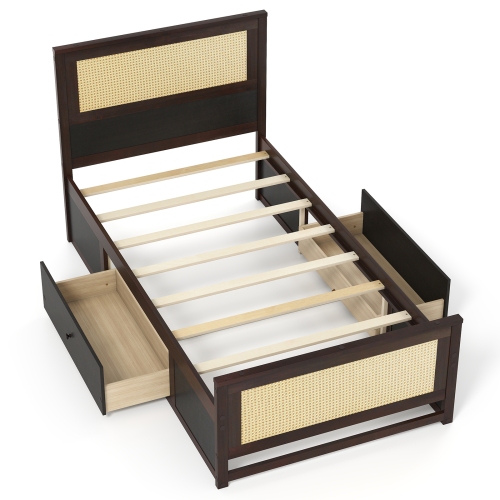
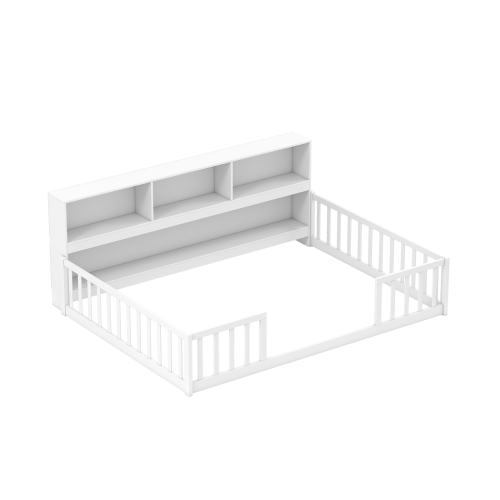
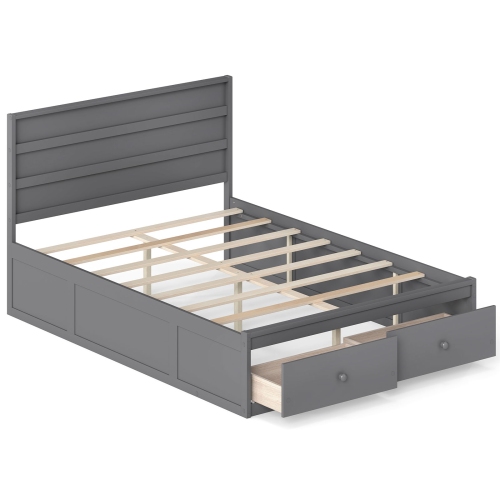
Depending on the design, integrated storage may include drawers, shelves, cupboards, or open cubbies. These features provide places to organize stationery, books, bedding, and personal items.
Group everyday supplies in desk organizers and use trays or folders to sort paperwork. Designating separate spots for writing tools, notebooks, and computer accessories can help keep the work surface tidy.
Use bedding, desk accessories, and nearby furnishings in a coordinated colour palette. Repeating a few colours or patterns across the sleeping and work areas creates a cohesive look while leaving room for personal touches.
Top selling and popular products
Discover more categories related to Single Beds with Built-In Desks

Some products may be subject to Environmental Handling Fees (EHF) depending on your province. Learn more about EHFs.