SPF Sunscreens
Protecting your skin from the sun's harmful rays is essential, and having the right SPF sunscreen can make all the difference. Whether you're planning a beach getaway, hitting the hiking trails, or just enjoying a sunny day in the backyard, choosing the perfect sunscreen is key to maintaining healthy skin. With options available for every skin type and lifestyle, finding an SPF sunscreen that meets your needs has never been easier. Explore our diverse selection to discover formulations that offer reliable protection while keeping your skin feeling smooth and nourished. Stay safe under the sun with confidence and enjoy all your outdoor adventures with peace of mind.
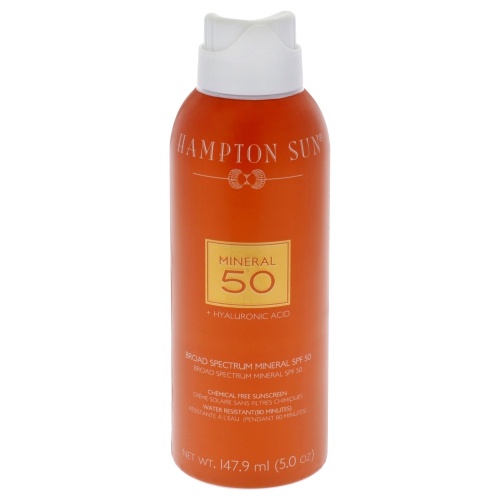
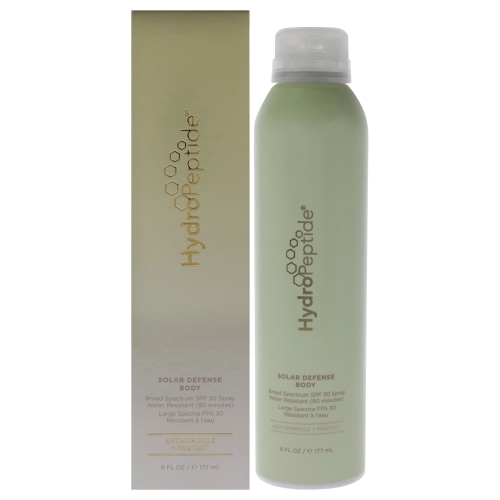
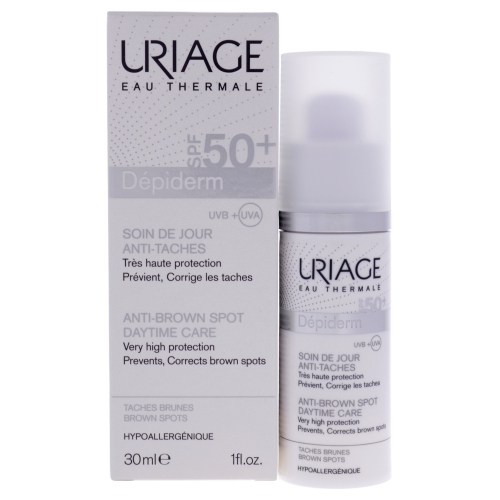
Why sun protection depends on more than SPF
SPF sunscreens help protect exposed skin from ultraviolet radiation, with formulas suited to everyday face care, full-body application, swimming, and outdoor activity. SPF stands for sun protection factor and measures protection against UVB rays, the rays primarily responsible for sunburn. Under laboratory testing conditions, SPF 30 filters approximately 97% of UVB rays, while SPF 50 filters approximately 98%. No sunscreen blocks all UV rays, and the protection achieved in everyday use depends on applying enough product and reapplying as directed. The number is not a measure of how many hours a sunscreen lasts or how much longer someone can safely stay in the sun. Broad-spectrum protection is another important label feature because it covers both UVB and UVA rays; UVA contributes to premature skin ageing, and both types can damage skin. A broad-spectrum sunscreen with SPF 30 or higher is a practical baseline for daily sun protection. For those comparing higher-SPF options, SPF 50 sunscreens offer a higher level of tested UVB protection, without replacing the need for thorough application. Face and body formulas share this protective purpose, but their textures, finishes, and packaging can make them feel quite different in use. A lightweight facial fluid may sit comfortably beneath makeup, while a creamy body lotion can be easier to spread across arms and legs. Someone heading out for a walk may prefer a different texture from someone swimming laps or playing an outdoor sport. Skin tone does not remove the need for sun protection, although the visible finish of a formula can be especially important on deeper skin tones. Sunscreen works best as one part of a broader routine that includes shade, protective clothing, a hat, and sunglasses. Its role is to help reduce UV exposure, not to make prolonged sun exposure risk-free. The most suitable formula is often one that feels comfortable enough to apply generously and use consistently.
Ingredients and texture influence how well a sunscreen fits into a personal care routine. Mineral sunscreens use zinc oxide, titanium dioxide, or both as active UV filters. Other formulas use non-mineral UV filters, and some combine filter types. The distinction describes the protective ingredients rather than guaranteeing that one formula will feel lighter, last longer, or suit every sensitive complexion. Mineral formulas can leave a visible white cast, although the amount varies with the formulation, application, and skin tone. Tinted sunscreen can help soften that appearance, but the tint still needs to suit the wearer rather than looking pale, orange, or uneven along the jawline. For dry skin, a lotion or cream containing moisturizing ingredients such as glycerin or ceramides may feel more comfortable than a very fluid texture. Oily or blemish-prone skin may suit a lightweight, non-greasy finish; a non-comedogenic label indicates that a formula is designed not to clog pores, but it does not guarantee that breakouts will never occur. Fragrance-free formulas may appeal to people who find added fragrance irritating. Testing a small area before wider use can help identify discomfort, especially when introducing sunscreen alongside other skin care. Finish matters as much as the initial feel: a formula that looks shiny, gathers around facial hair, or rolls into little flakes beneath makeup can be frustrating to wear. Allowing skin care layers to settle before applying the next product may help reduce that flaking, often called pilling. Sunscreen generally goes on after moisturizer and before makeup, following its label directions, rather than being mixed into another product. A moisturizer or cosmetic with SPF still needs to be applied in the labelled amount to deliver its tested protection. Facial formulas may also be chosen for how comfortably they wear around the eyes, while body lotions favour easy coverage of larger areas. For a household sharing sunscreen, individual skin sensitivities and preferences still matter; one texture does not have to suit everyone.
Format, water resistance, and storage help distinguish sunscreens intended for different routines. Lotions and creams make it relatively easy to see where product has been spread, while sticks offer controlled application across small areas such as the nose and cheeks. Sticks need enough passes and even coverage according to their directions; a quick swipe may not provide the labelled protection. Sprays can be convenient for the body, but coverage is harder to judge. Their directions should be followed carefully, including rubbing in when required, avoiding inhalation, and never spraying directly onto the face. For swimming or activities that involve sweating, a water-resistant sunscreen is more appropriate than a formula without that claim. Labels may specify 40 or 80 minutes of water resistance under testing conditions. Water-resistant does not mean waterproof, and towel drying can remove sunscreen even before that interval has passed. Sunscreen should generally be applied generously about 15 minutes before sun exposure, following the product label, and reapplied at least every two hours while outdoors, as well as after swimming, heavy sweating, or towel drying. Higher SPF does not remove those reapplication needs. For an average adult wearing a swimsuit, approximately 30 mL, or two tablespoons, is commonly used as a full-body application benchmark; the amount needed varies with body size and exposed area. Ears, the back of the neck, the tops of the feet, and exposed scalp along a hair part are easy places to miss. A lip product labelled with SPF can cover another frequently overlooked area. For babies younger than six months, shade and protective clothing are the priorities, and sunscreen use should be discussed with a health care professional. Packaging also affects everyday practicality: a secure cap helps prevent leaks in a gym bag, and a tube that is easy to handle can make repeat application less awkward. Keep containers closed, follow labelled storage directions, and check the expiry date. Changes in smell, colour, or consistency can signal that a formula should no longer be used. Fresh, properly stored sunscreen and consistent coverage are more useful than relying on a high SPF number alone.
Ingredients and texture influence how well a sunscreen fits into a personal care routine. Mineral sunscreens use zinc oxide, titanium dioxide, or both as active UV filters. Other formulas use non-mineral UV filters, and some combine filter types. The distinction describes the protective ingredients rather than guaranteeing that one formula will feel lighter, last longer, or suit every sensitive complexion. Mineral formulas can leave a visible white cast, although the amount varies with the formulation, application, and skin tone. Tinted sunscreen can help soften that appearance, but the tint still needs to suit the wearer rather than looking pale, orange, or uneven along the jawline. For dry skin, a lotion or cream containing moisturizing ingredients such as glycerin or ceramides may feel more comfortable than a very fluid texture. Oily or blemish-prone skin may suit a lightweight, non-greasy finish; a non-comedogenic label indicates that a formula is designed not to clog pores, but it does not guarantee that breakouts will never occur. Fragrance-free formulas may appeal to people who find added fragrance irritating. Testing a small area before wider use can help identify discomfort, especially when introducing sunscreen alongside other skin care. Finish matters as much as the initial feel: a formula that looks shiny, gathers around facial hair, or rolls into little flakes beneath makeup can be frustrating to wear. Allowing skin care layers to settle before applying the next product may help reduce that flaking, often called pilling. Sunscreen generally goes on after moisturizer and before makeup, following its label directions, rather than being mixed into another product. A moisturizer or cosmetic with SPF still needs to be applied in the labelled amount to deliver its tested protection. Facial formulas may also be chosen for how comfortably they wear around the eyes, while body lotions favour easy coverage of larger areas. For a household sharing sunscreen, individual skin sensitivities and preferences still matter; one texture does not have to suit everyone.
Format, water resistance, and storage help distinguish sunscreens intended for different routines. Lotions and creams make it relatively easy to see where product has been spread, while sticks offer controlled application across small areas such as the nose and cheeks. Sticks need enough passes and even coverage according to their directions; a quick swipe may not provide the labelled protection. Sprays can be convenient for the body, but coverage is harder to judge. Their directions should be followed carefully, including rubbing in when required, avoiding inhalation, and never spraying directly onto the face. For swimming or activities that involve sweating, a water-resistant sunscreen is more appropriate than a formula without that claim. Labels may specify 40 or 80 minutes of water resistance under testing conditions. Water-resistant does not mean waterproof, and towel drying can remove sunscreen even before that interval has passed. Sunscreen should generally be applied generously about 15 minutes before sun exposure, following the product label, and reapplied at least every two hours while outdoors, as well as after swimming, heavy sweating, or towel drying. Higher SPF does not remove those reapplication needs. For an average adult wearing a swimsuit, approximately 30 mL, or two tablespoons, is commonly used as a full-body application benchmark; the amount needed varies with body size and exposed area. Ears, the back of the neck, the tops of the feet, and exposed scalp along a hair part are easy places to miss. A lip product labelled with SPF can cover another frequently overlooked area. For babies younger than six months, shade and protective clothing are the priorities, and sunscreen use should be discussed with a health care professional. Packaging also affects everyday practicality: a secure cap helps prevent leaks in a gym bag, and a tube that is easy to handle can make repeat application less awkward. Keep containers closed, follow labelled storage directions, and check the expiry date. Changes in smell, colour, or consistency can signal that a formula should no longer be used. Fresh, properly stored sunscreen and consistent coverage are more useful than relying on a high SPF number alone.
Top selling and popular products
-
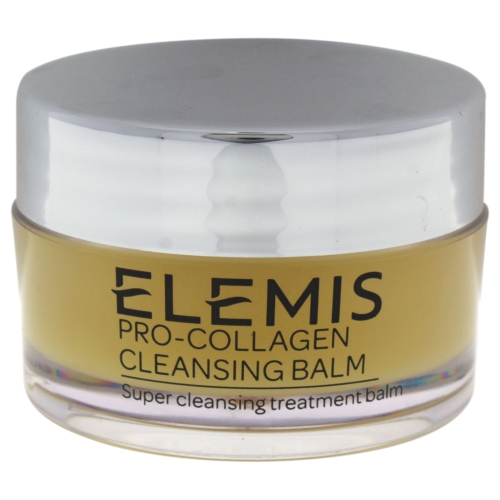 Your price for this item is $32.68
 -
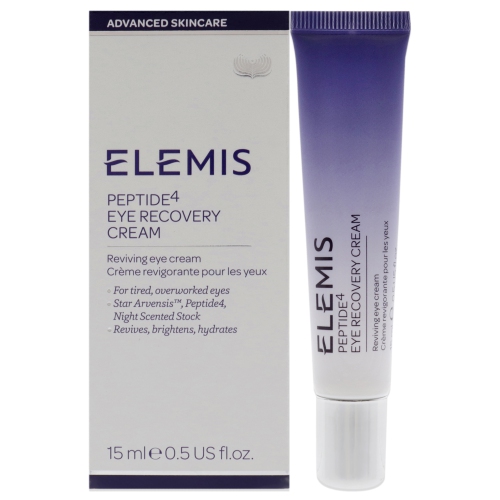 Your price for this item is $60.13
 -
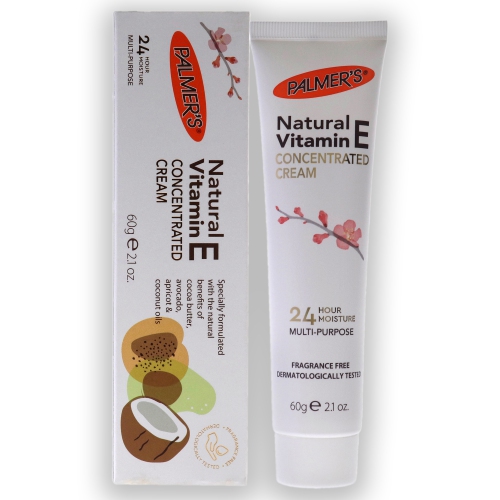 Your price for this item is $19.14
 -
 Your price for this item is $49.95
 -
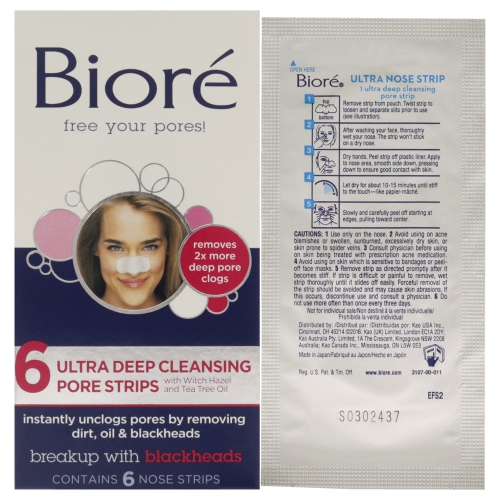 Your price for this item is $14.98
 -
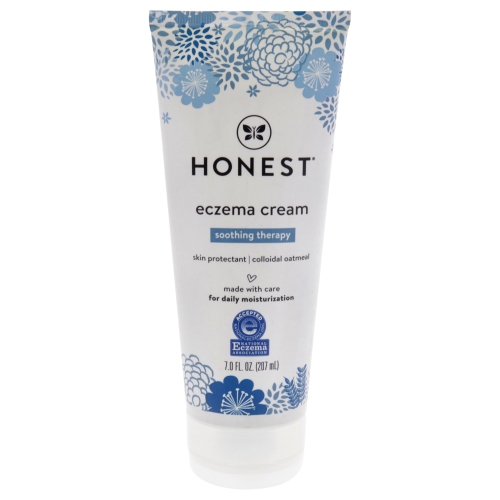 Your price for this item is $28.27
 -
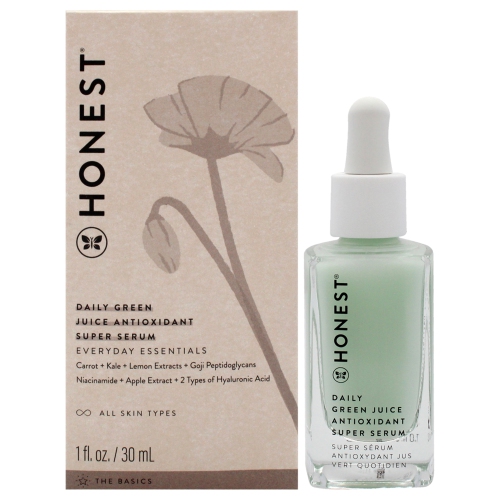 Your price for this item is $40.23
 -
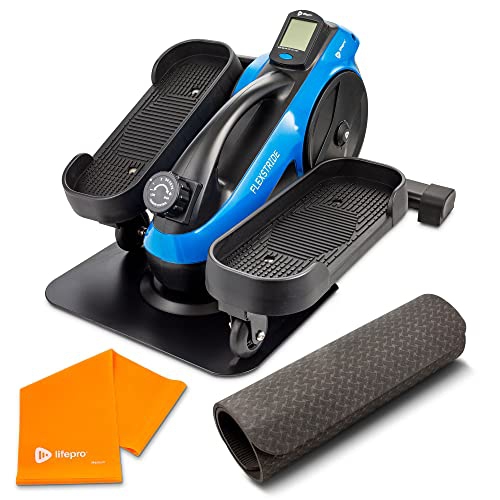 Your price for this item is $239.99
Discover more categories related to SPF Sunscreens
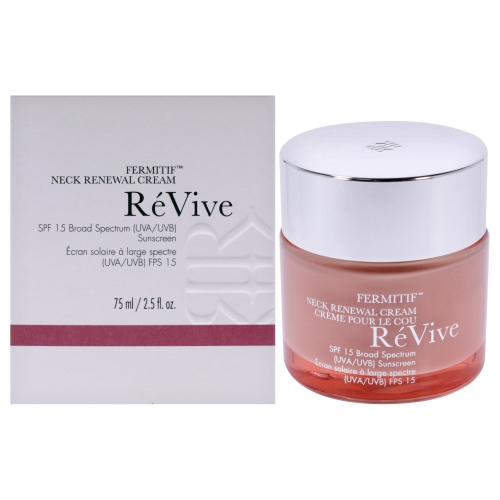
Top Collections:
Pokemon Centers, Kindle Devices, Best Budget Office Chairs, Apple iPhones 16, Best Laptops for Writers, iPhone 15 Apple, Canon G7X Cameras, Refurbished Apple Laptops, Alarm Clock, Motorola Razr Phones
Some products may be subject to Environmental Handling Fees
(EHF) depending on your province.
Learn more about EHFs.