Battery Powered Motion Sensors
Keep your home safe and secure with battery-powered motion sensors. These smart devices are designed to detect movement and alert you to any potential intruders or unexpected activity. With their wireless design and easy installation, they provide a hassle-free way to enhance the security of your property. Whether you want to protect your front door, backyard, or any other area of your home, battery-powered motion sensors offer a reliable solution that gives you peace of mind. Explore our wide selection of options and find the perfect motion sensor for your needs at Best Buy.
Sort
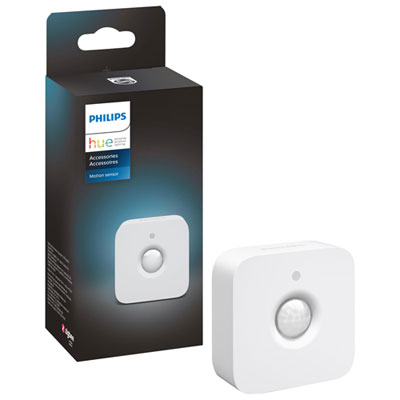
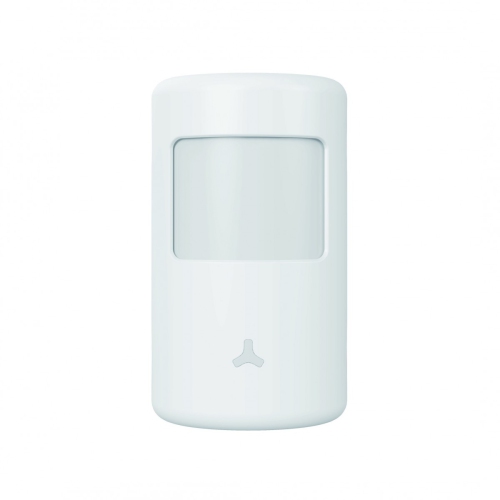
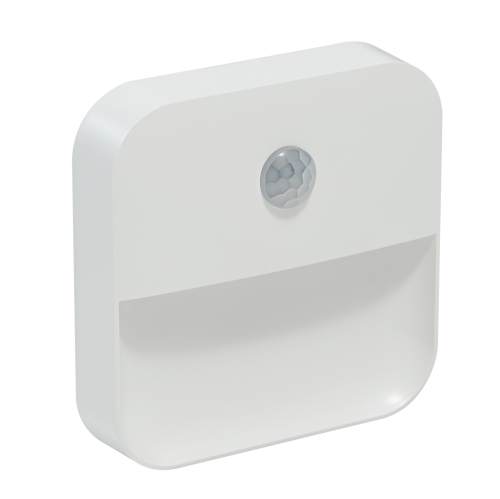
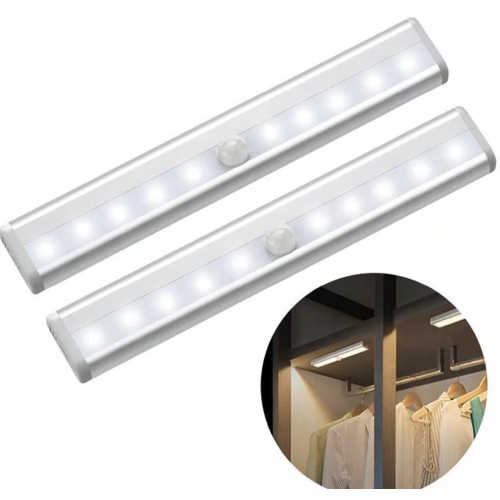
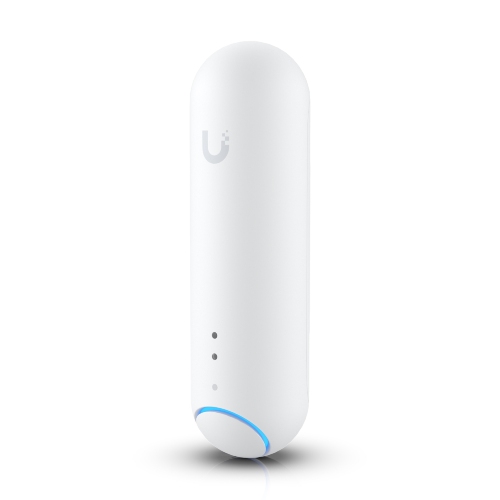
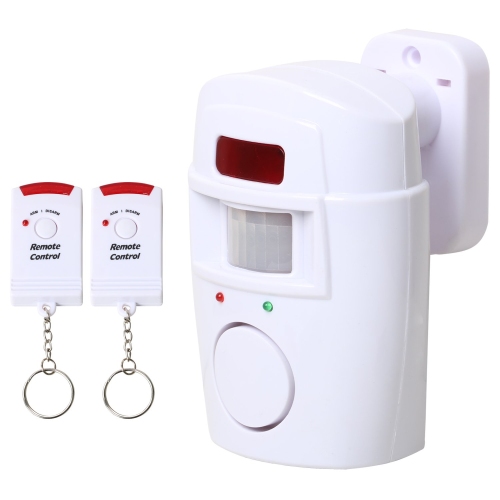
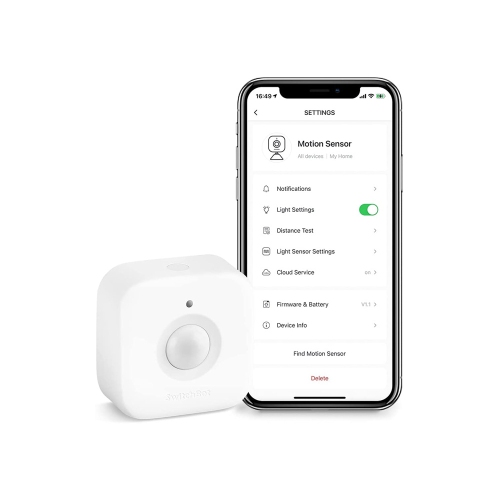
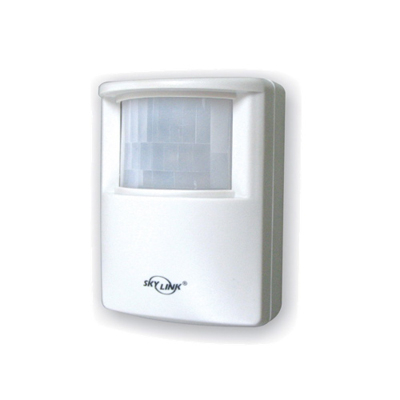

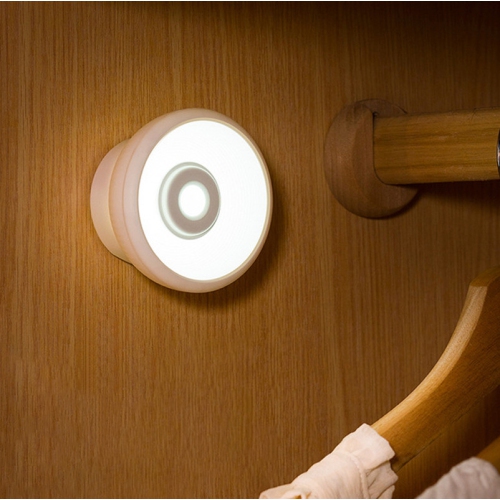
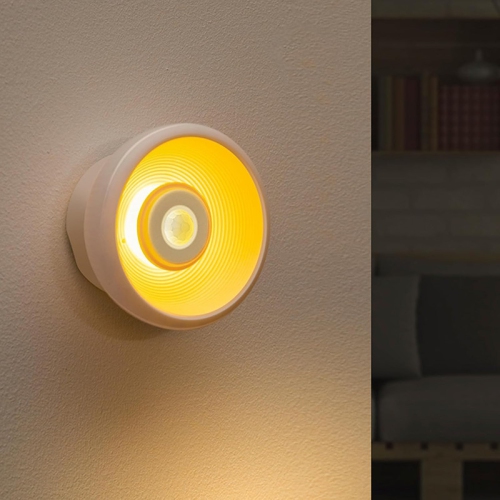


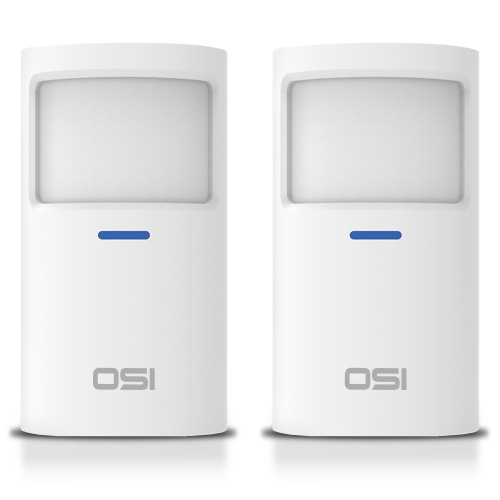


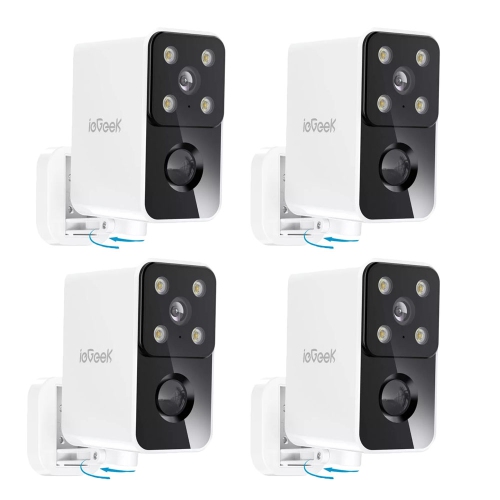
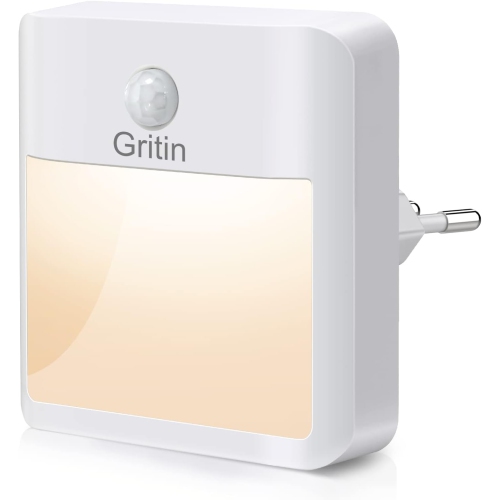
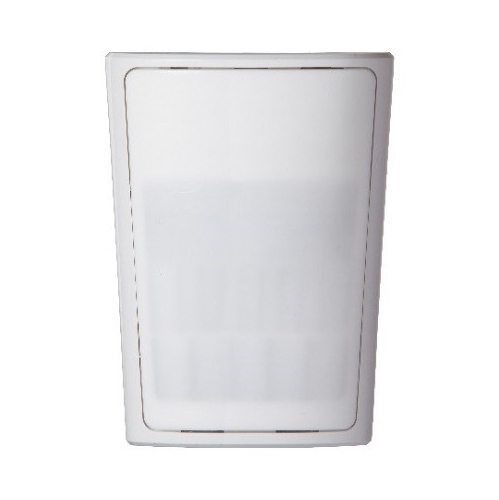


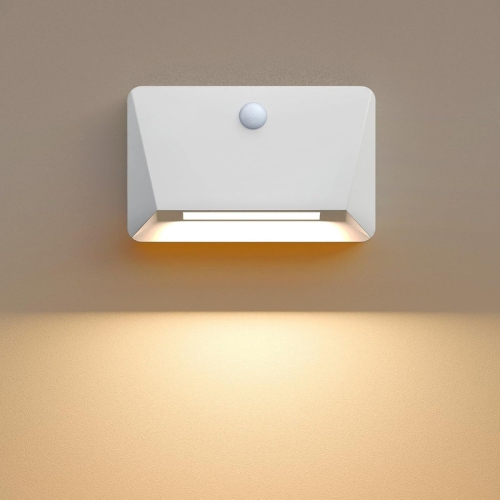
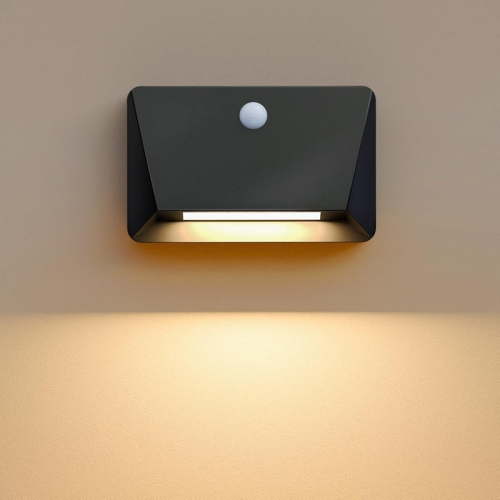
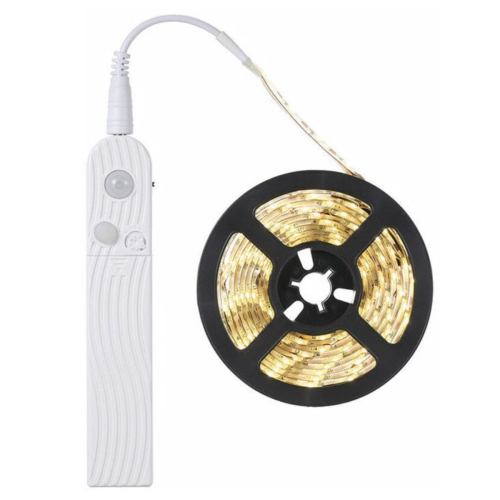

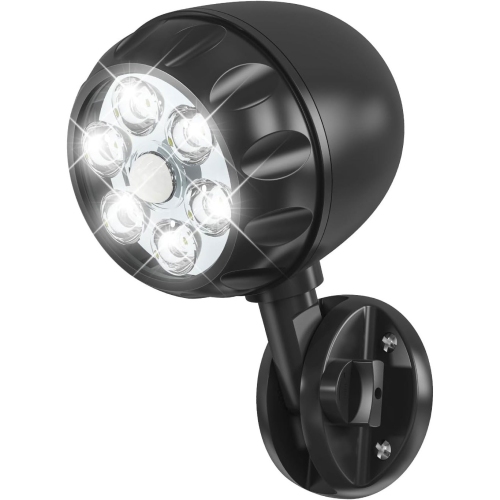

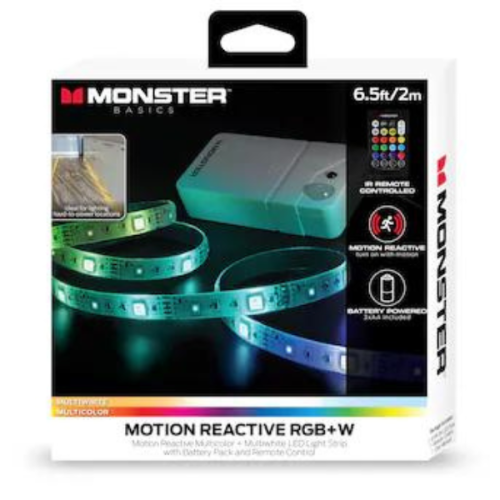

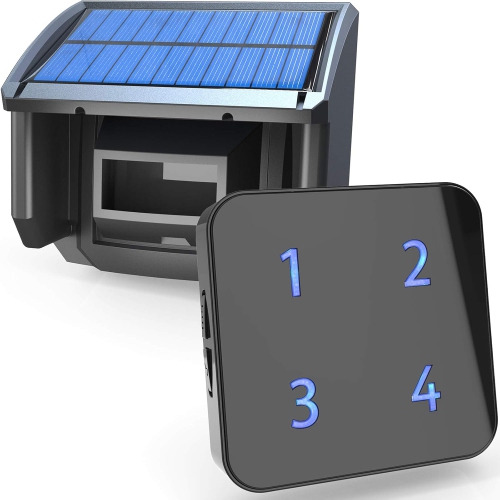
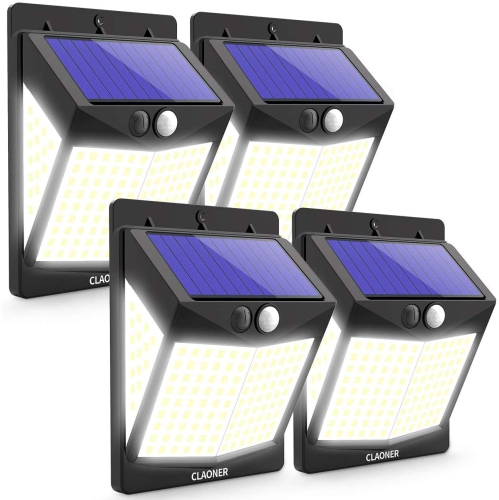

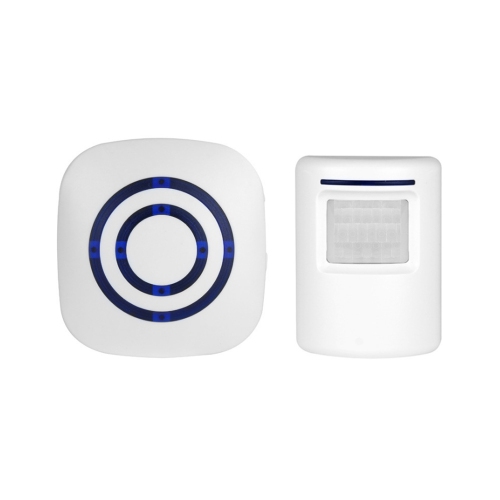
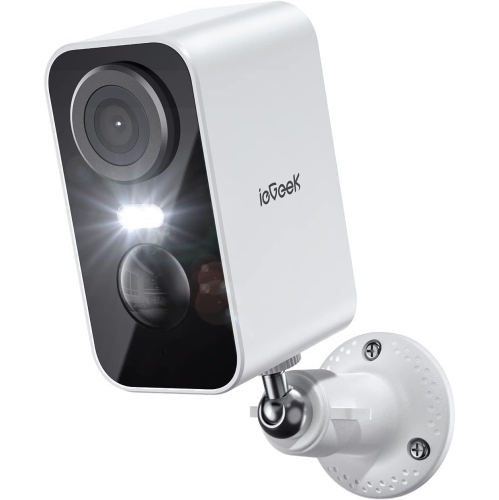


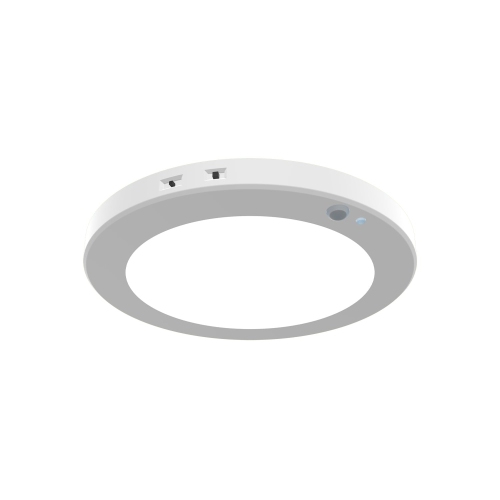
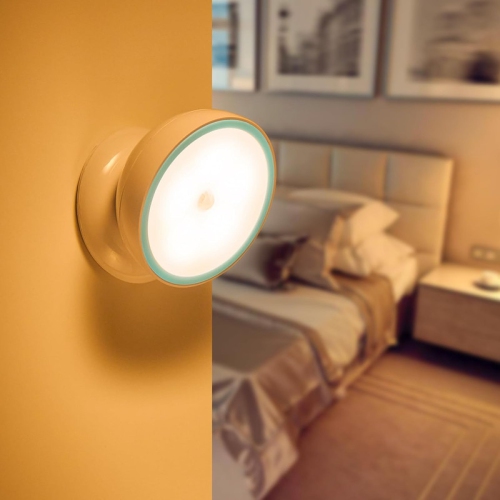
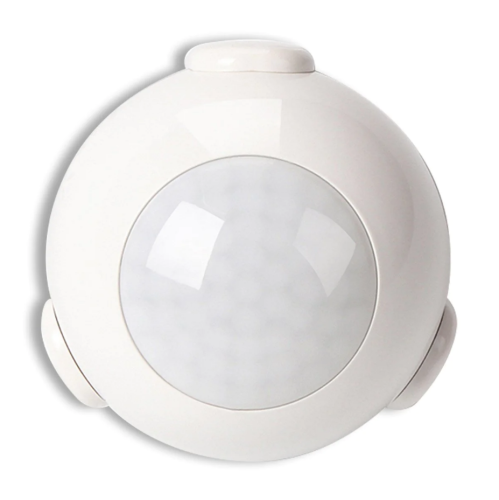
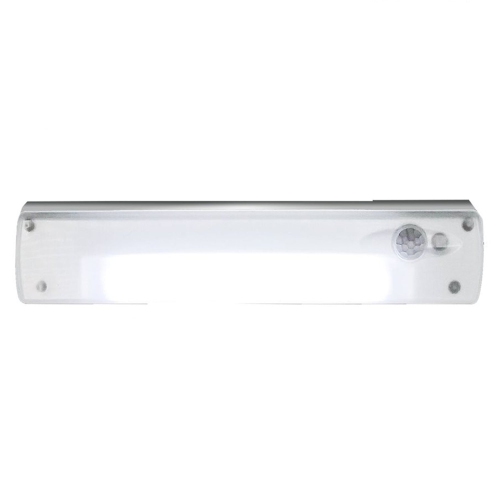
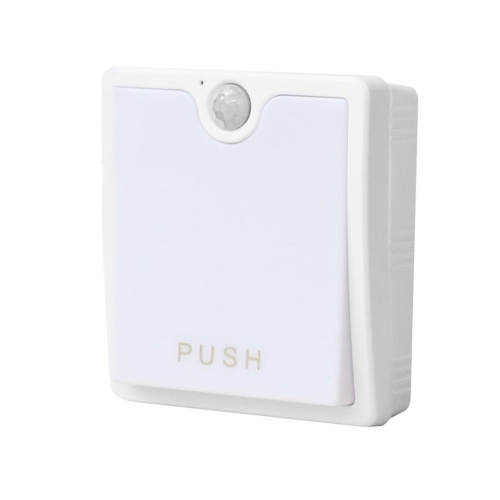


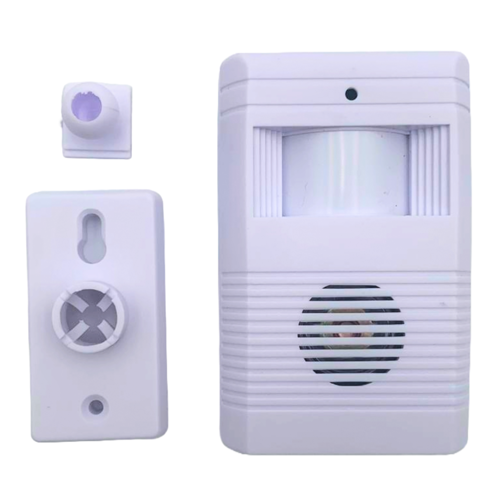
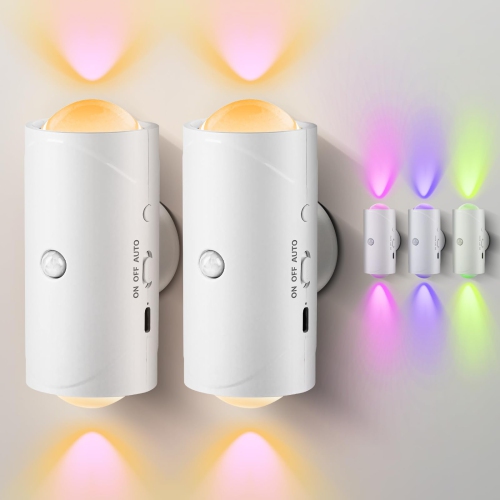

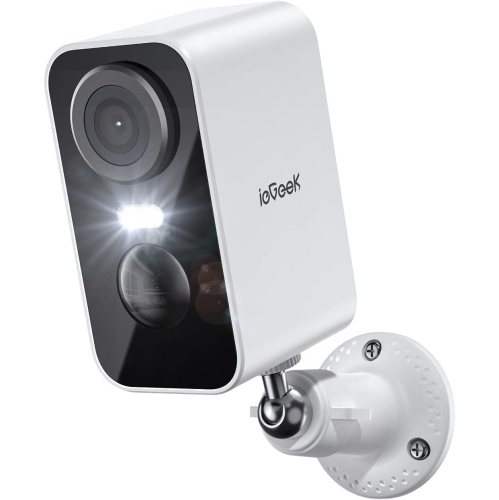

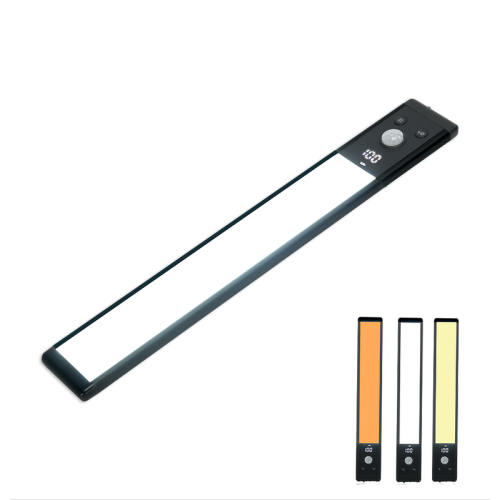
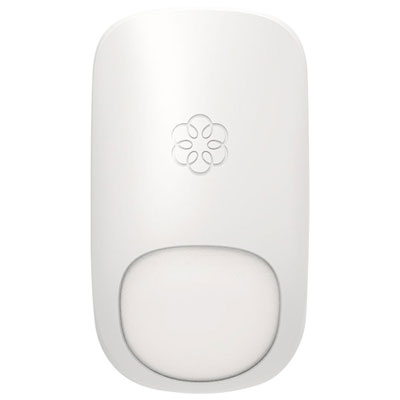
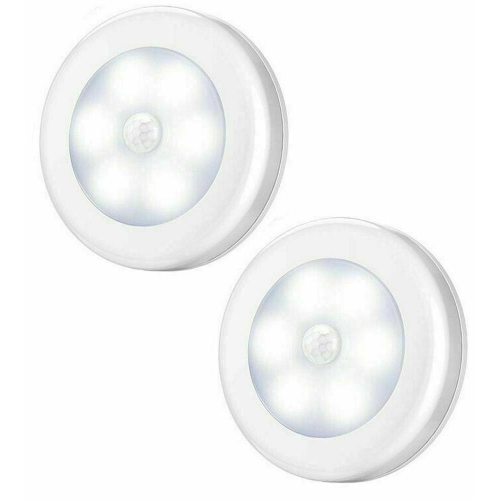


Flexible lighting and alerts for hard-to-wire spaces
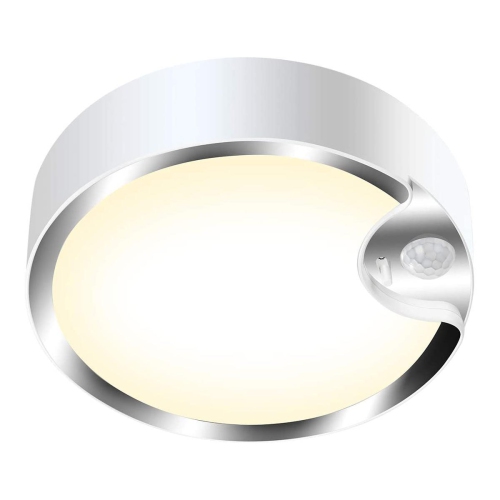
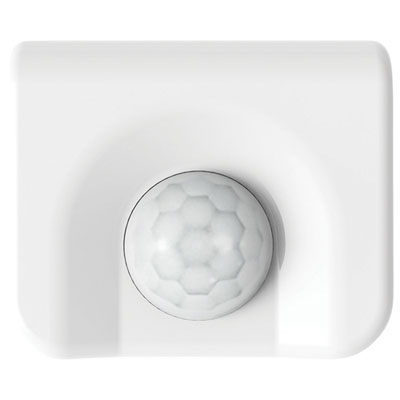
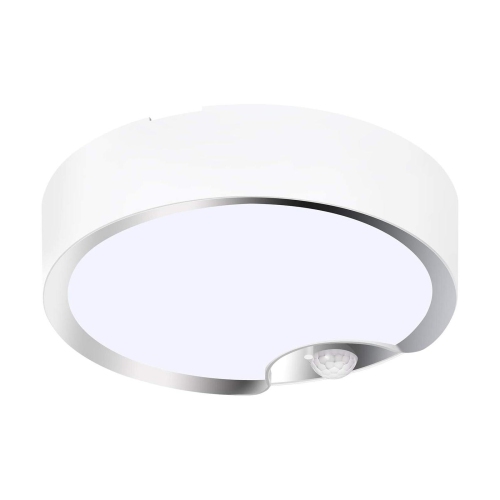
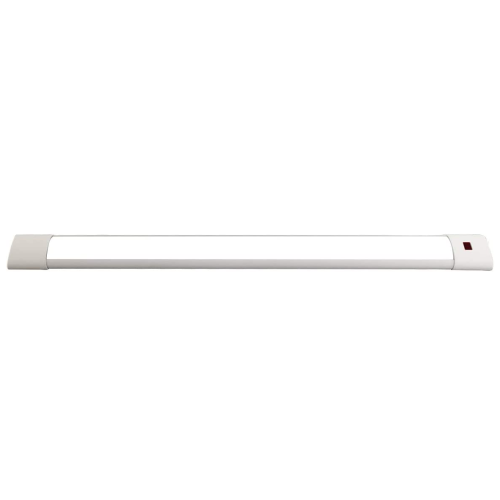
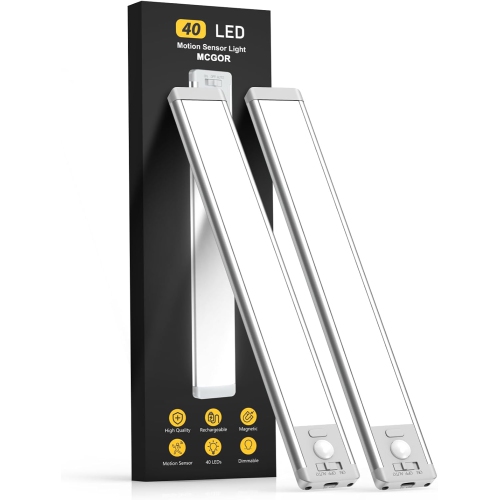
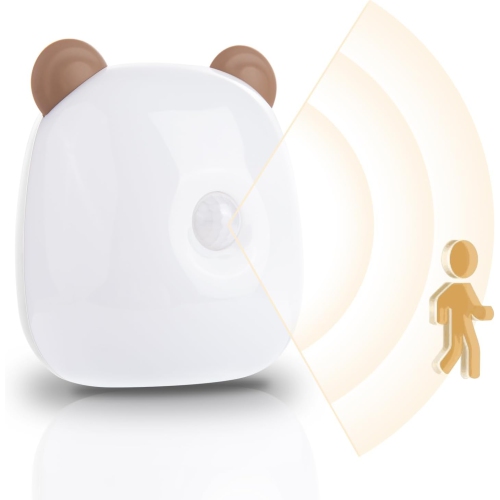
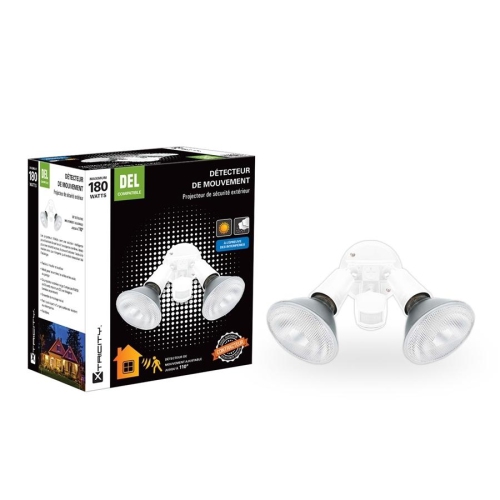
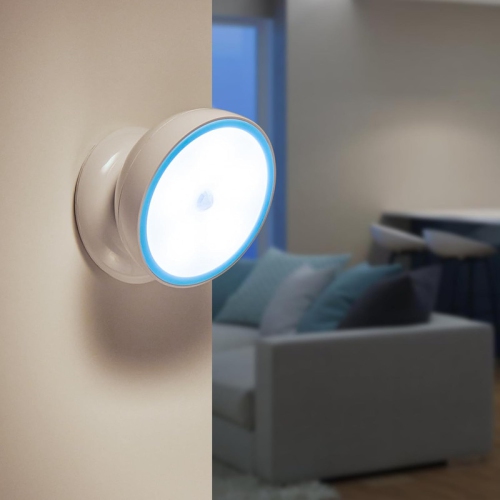
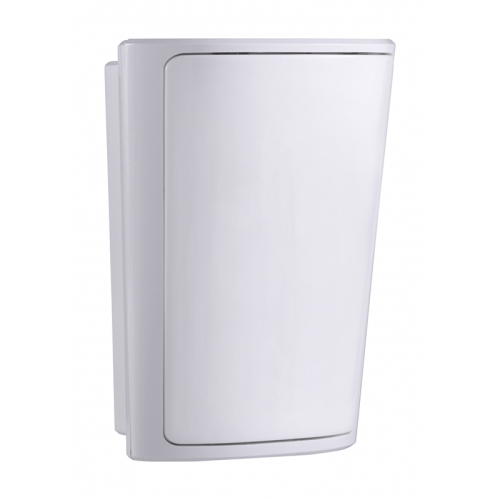
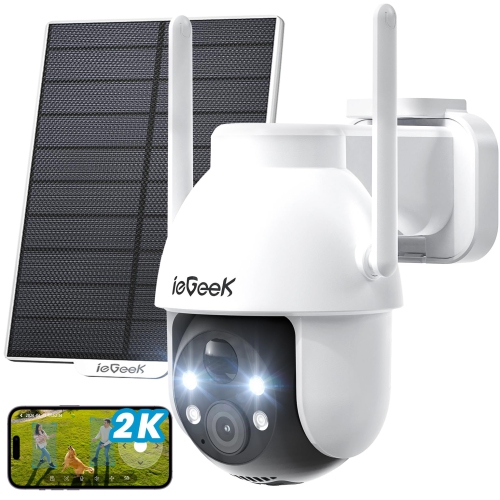
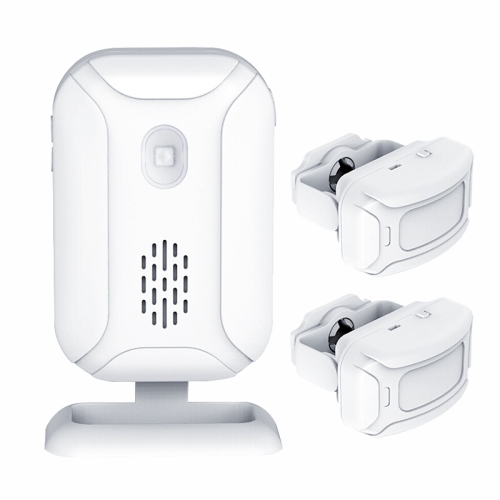
Battery powered motion sensors offer a convenient way to add light, awareness, or simple automation without running electrical wiring to every location. Because they operate without a wall outlet, they can be placed in areas where power is limited or where installation needs to stay quick and uncomplicated. Common uses include motion-activated lights for hallways, closets, stairways, pantries, workshops, sheds, garages, entryways, and outdoor paths, as well as smart sensors that detect movement and trigger connected devices. Some models are self-contained, with the sensor and light built into one unit, while others are designed to communicate with a compatible hub or smart home system. A small indoor sensor light can make it easier to find a coat or navigate a dark staircase without switching on bright overhead lighting, while an outdoor model can illuminate a walkway when someone approaches a side door or detached garage. For broader options, explore Wireless Motion Sensor Lights, including cordless lighting designed for flexible placement around the home. These products can be useful for homeowners, renters, caregivers, and anyone looking to improve visibility in spaces that are used at night. They can also make thoughtful gifts for someone moving into a new home, setting up a workshop, preparing a nursery, or adding practical touches to a cottage or recreational property. A motion sensor light near a bedside area may help a guest get up safely during the night, while one inside a wardrobe or linen cupboard can make it easier to see items stored at the back.
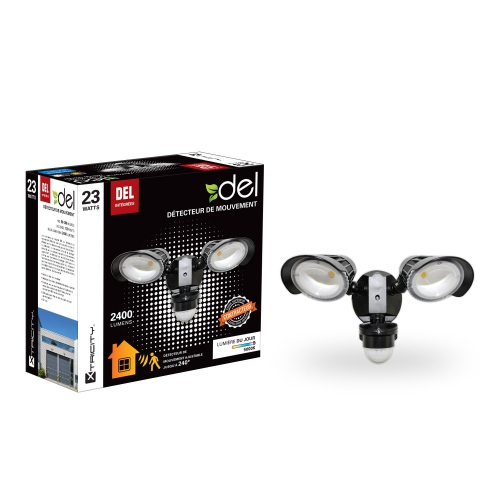
When choosing a battery powered motion sensor, start by considering where it will be installed and what it needs to do. Indoor units are generally suited to dry spaces and may attach with adhesive pads, magnetic mounts, or small screws, making them useful for renters or for areas where a permanent installation is not desirable. Outdoor units should be rated for exterior use and positioned where they can handle changing temperatures, moisture, and exposure to wind or snow. Think about the detection range and viewing angle as well. Many motion sensors detect movement from approximately 3 to 10 metres away, while the coverage angle may range from a focused view of about 100 degrees to a broader area closer to 180 degrees. A narrow hallway may only need a compact detection zone, whereas a driveway, patio, or open basement may benefit from wider coverage. Placement also affects performance: mounting a sensor too close to a busy walkway may cause frequent activations, while positioning it behind a plant, railing, or storage item can restrict the field of view. For lighting, brightness and beam direction are important considerations. Softer illumination can be more comfortable in bedrooms and corridors, while a brighter, wider beam may be preferable for steps, loading areas, and exterior entrances. Look for adjustable sensitivity, activation duration, or brightness settings if you want more control over how the device responds. A dusk-to-dawn function or built-in light sensor can help prevent activation during daylight, which may extend battery life and keep the light from turning on unnecessarily. Battery performance varies according to battery type, temperature, activation frequency, brightness, and connectivity. Compact lights using common AAA or AA batteries may need replacement after several months, particularly in a busy passageway, while some smart sensors using specialized lithium batteries may operate for considerably longer under typical conditions. It is helpful to check how batteries are accessed and whether the unit provides a low-battery indicator, especially when it is mounted high on a wall or outside in colder weather.
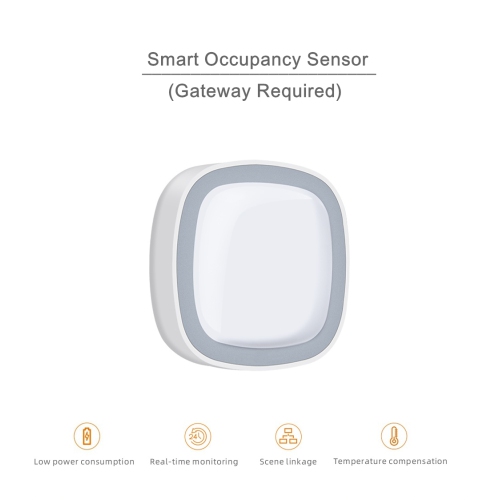
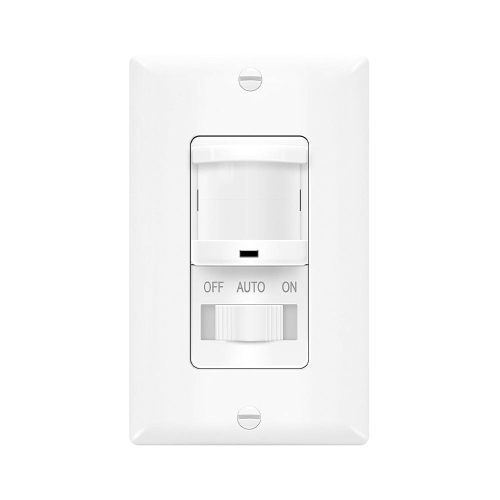
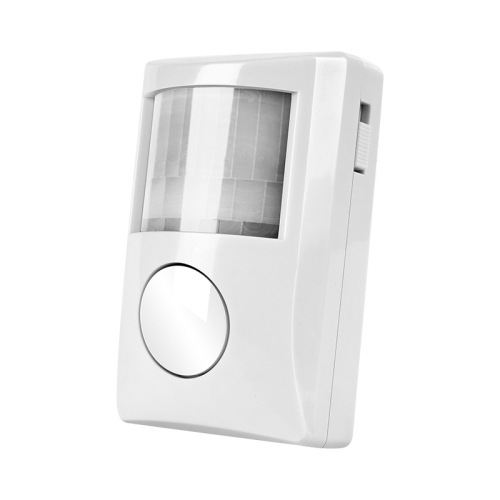
Smart battery powered motion sensors add another layer of flexibility for people who want alerts or automated routines. Depending on the device, detected movement may trigger a connected light, send an alert to a mobile device, activate an alarm, or start another action within a compatible smart home setup. Before buying, check whether a hub is required and confirm compatibility with the ecosystem already used in the home. Support for a particular platform does not always mean every feature will work in exactly the same way, so it is worth reviewing the required app, wireless connection, hub, and account setup. A standalone sensor can be a better fit for someone who wants straightforward operation, while a connected model may appeal to a homeowner who already uses smart lighting, door sensors, cameras, or voice control. Battery powered units are also useful when the layout of a room changes, since they can often be moved without calling an electrician or opening a wall. During the cooler months, they can provide reassuring visibility around entrances, mudrooms, and storage areas as daylight fades earlier, and they remain practical in warmer seasons for decks, sheds, and garden paths. For the most reliable results, install the sensor at the recommended height, point it toward the area where movement is expected, and avoid aiming it directly at heat sources, reflective surfaces, or busy streets. Test the detection zone after installation, then adjust the angle or sensitivity to reduce false activations from pets, passing vehicles, or moving branches. Whether the goal is a gentle light for a midnight trip to the kitchen, better visibility near an exterior door, or a notification when movement occurs in a particular room, battery powered motion sensors provide a flexible way to make frequently used spaces more convenient and responsive.
Top selling and popular products
-
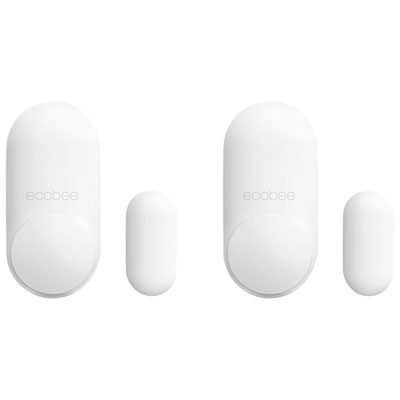 Your price for this item is $59.99
-
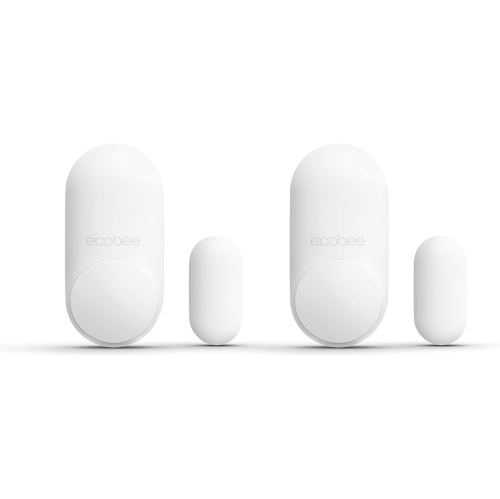 Your price for this item is $99.99
-
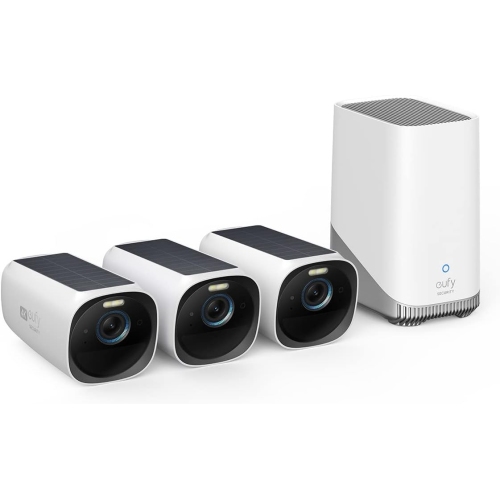 Your price for this item is $799.99
-
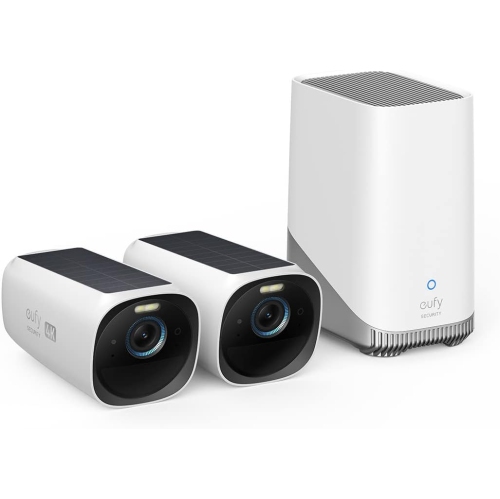 Your price for this item is $549.99
-
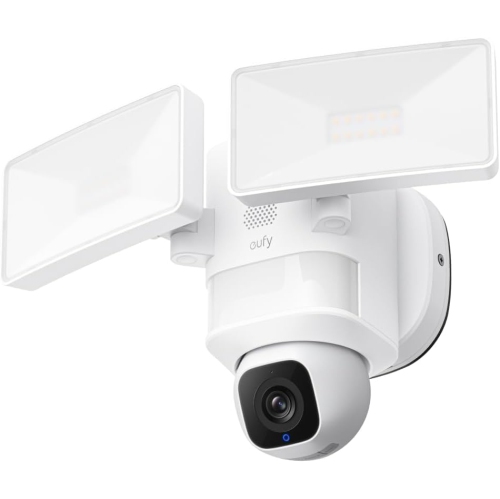 Your price for this item is $229.99
-
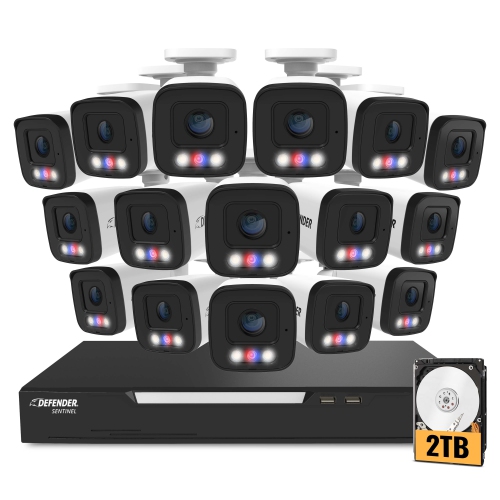 Your price for this item is $1579.99
-
 Your price for this item is $44.97
-
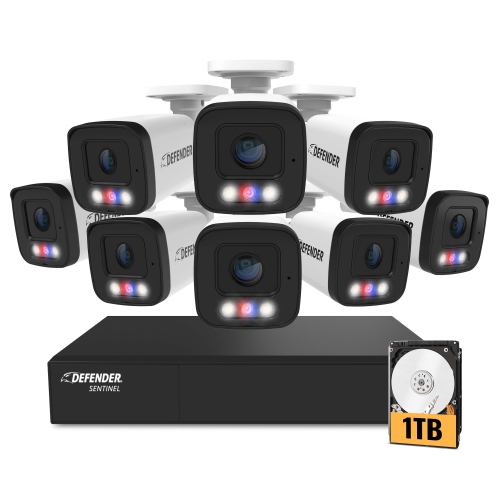 Your price for this item is $699.99
Discover more categories related to Battery Powered Motion Sensors
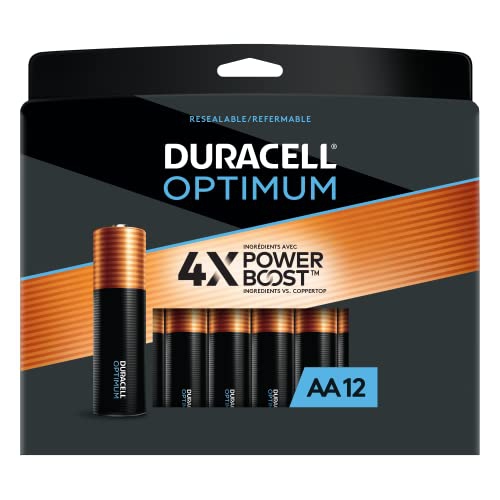
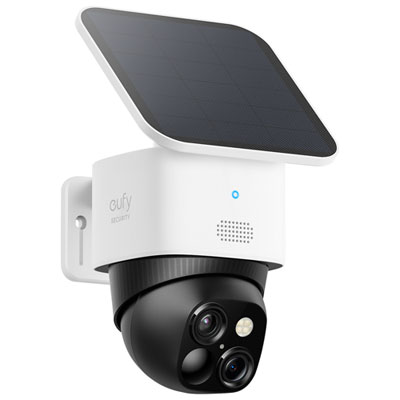
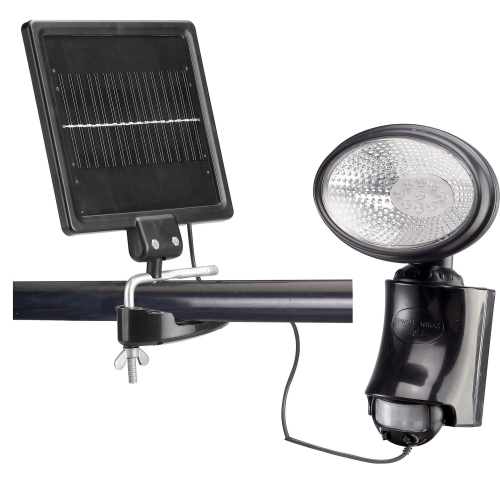
Top Collections:
Pokemon Centers, Best Budget Office Chairs, Kindle Devices, Best Laptops for Writers, Apple iPhones 16, Canon G7X Cameras, Best Cell Phones Under $300, Samsung Galaxy Phones, iPhone 15 Apple, Flip Phones
Some products may be subject to Environmental Handling Fees
(EHF) depending on your province.
Learn more about EHFs.