Batteries for Motion Sensors
Batteries for motion sensors are essential for keeping your home security systems, smart devices, and automated lighting running smoothly. Whether you’re replacing old batteries or stocking up for future use, finding the right power source ensures your motion sensors remain reliable and responsive. Explore a wide selection of batteries for motion sensors to help maintain uninterrupted performance and peace of mind throughout your home or business.
Sort
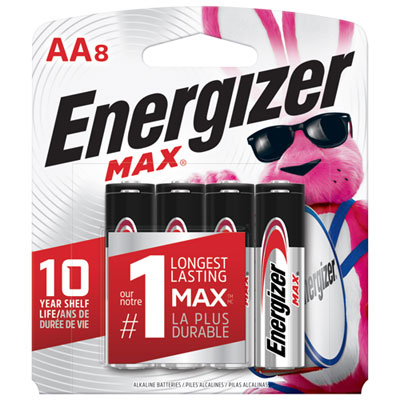
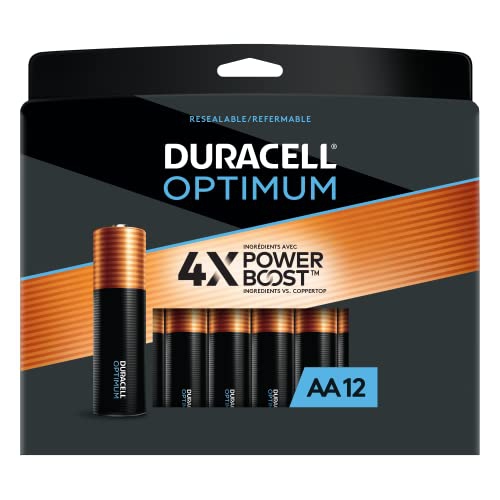
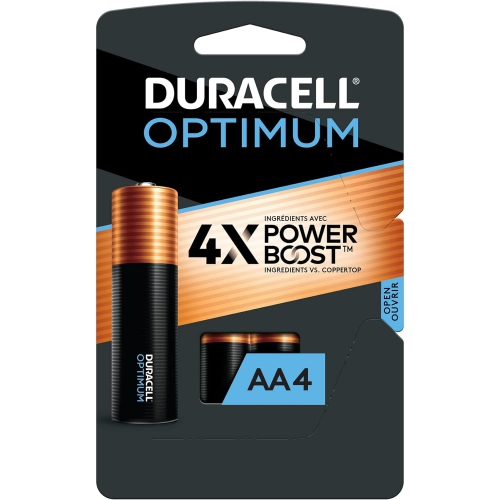
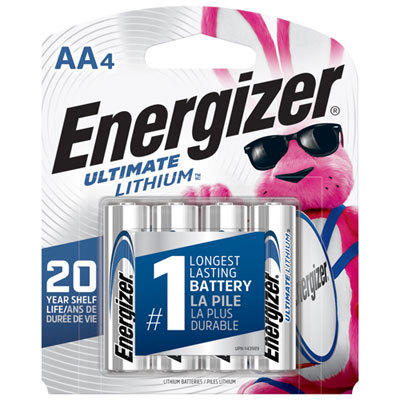
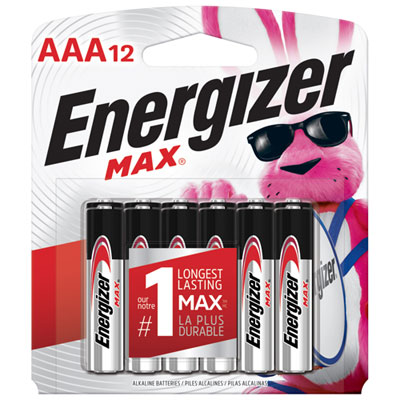
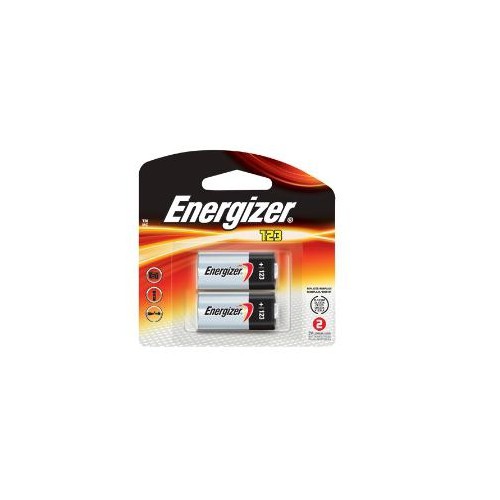
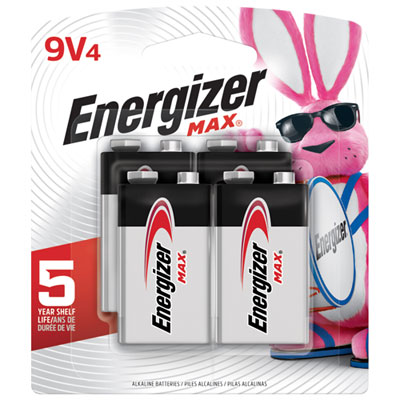
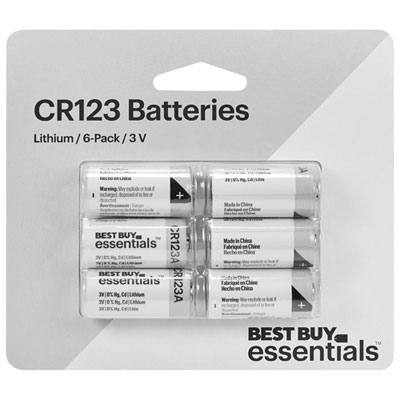
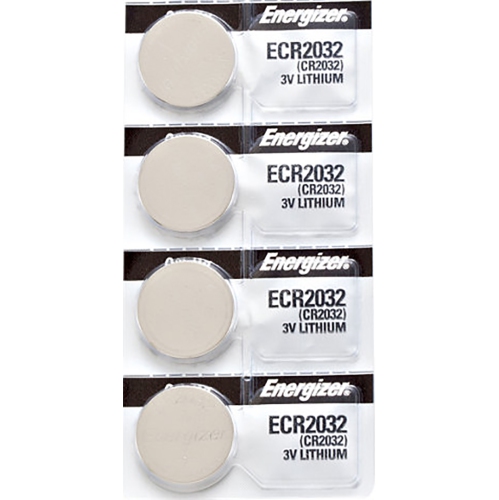
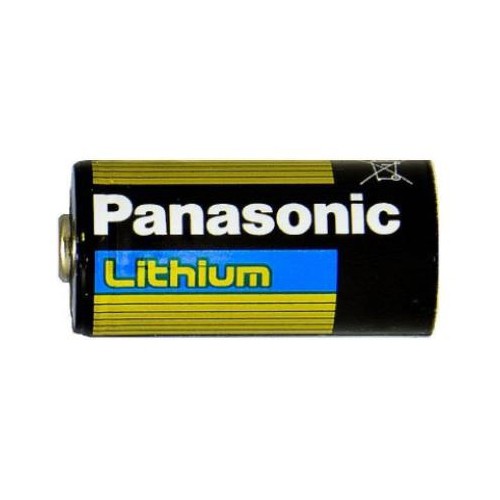


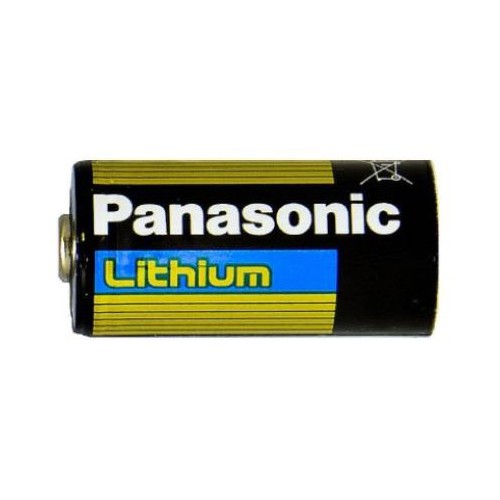
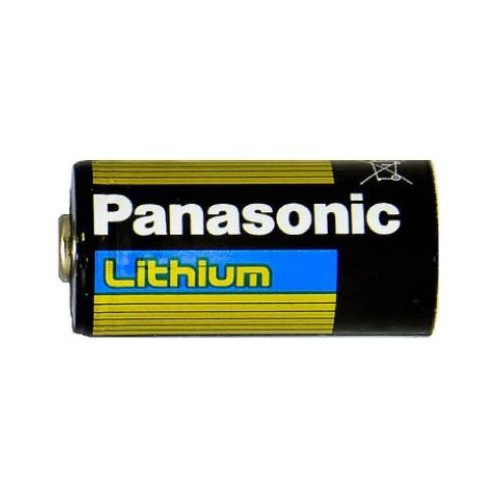
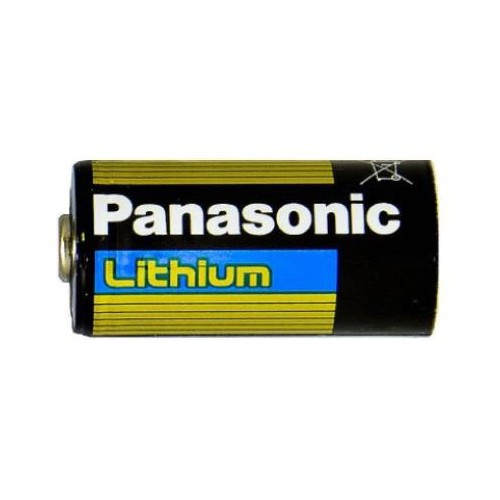
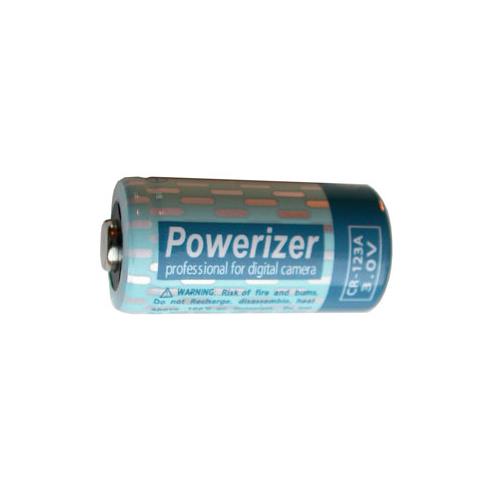
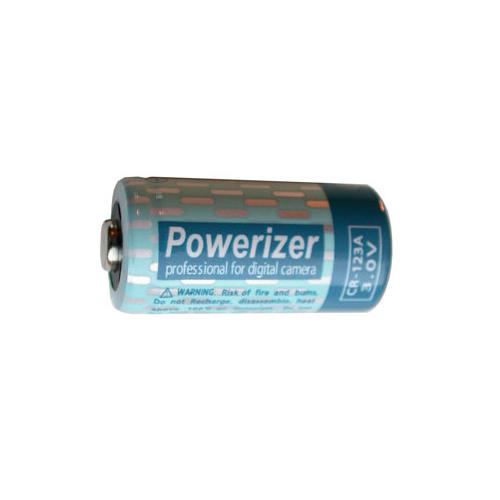
Battery type, voltage, and usage affect sensor performance
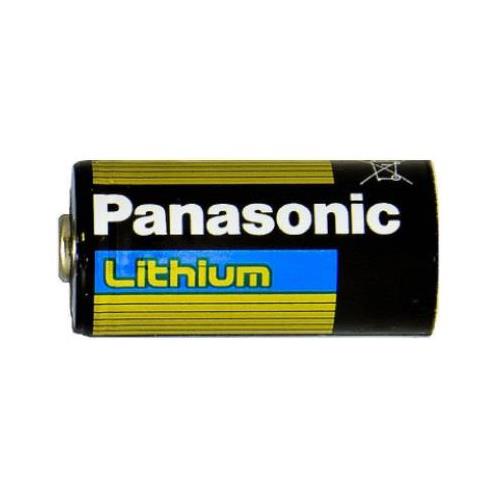
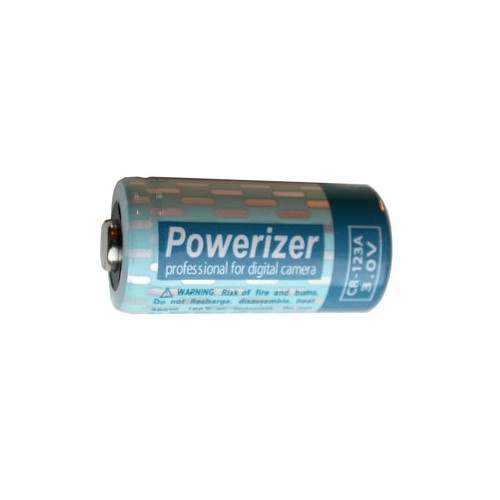
Choosing the right batteries for motion sensors starts with checking the exact requirements for the sensor, rather than relying on size alone. Many wireless security and smart home motion sensors use a CR123A 3V lithium battery, a compact cylindrical cell designed to provide steady power over an extended period. Other sensors use familiar AA or AAA batteries, available in alkaline or lithium versions, while some commercial or heavy-duty outdoor motion detectors require a specialty 3.6V lithium battery such as a Li-SOCl2 cell. The correct voltage, chemistry, size, and terminal design all matter, so consult the sensor’s battery compartment, installation instructions, or manufacturer information before placing an order. A battery that appears similar may not deliver the required power or fit securely in the compartment. It is also helpful to note whether the sensor uses one battery or several, since replacing the full set at the same time can help maintain more even performance. Multi-packs are convenient for households with several sensors, larger properties, or a backup supply drawer, while a smaller pack may be suitable for a single hallway, entryway, garage, or apartment sensor. Keep unused batteries in their original packaging in a cool, dry location, away from loose metal objects that could cause contact between terminals. Do not mix old and new batteries, or different battery chemistries, in the same sensor. When replacing a battery, check the positive and negative markings carefully, make sure the cover closes completely, and test the sensor through its connected alarm or smart home system so you know the signal is being received.
The setting in which a motion sensor operates can also influence the best battery choice. Indoor sensors in heated rooms often perform well with standard alkaline AA or AAA batteries when that type is specified, particularly in bedrooms, offices, stairways, and living areas where temperatures remain fairly stable. Lithium batteries are often selected for wireless sensors that need a longer storage life, consistent output, or improved performance in colder conditions. This can be useful for sensors placed near an unheated garage door, porch, shed, cabin, or exterior access point during the cooler months. Outdoor and commercial units may call for a specialty 3.6V lithium cell, and these should only be replaced with the exact battery type listed for the sensor. Using the wrong voltage can prevent the device from working properly or may damage the electronics. Battery life depends on more than the chemistry printed on the label. Frequent movement, pets crossing the detection zone, repeated alerts, wide temperature swings, weak wireless connections, and a high sensitivity setting can all increase power consumption. If a sensor begins sending low-battery notifications, misses movement, responds slowly, or drops its connection, replace the battery promptly rather than waiting for a complete failure. A simple maintenance routine can make this easier: mark the installation date on your household calendar, keep a spare set with other home supplies, and inspect outdoor sensors after periods of heavy rain, snow, or freezing temperatures. For homes with smoke alarms and other safety devices, keeping compatible replacements together can simplify routine checks; you can also browse Batteries for Smoke Detectors when planning a broader battery restock.
Batteries for motion sensors can be a practical purchase for homeowners, renters, property managers, and anyone setting up a connected security system. They are useful for maintaining sensors that monitor entrances, hallways, nurseries, storage rooms, driveways, or areas where lights and alarms are triggered by movement. They can also make a thoughtful housewarming gift when paired with a smart home setup, especially for someone moving into a new home and gradually installing door contacts, cameras, lighting controls, or alarm accessories. A spare battery pack is easy to store, simple to wrap, and genuinely useful when a low-power alert appears at an inconvenient time. When preparing for seasonal changes, pay particular attention to sensors near doors and windows, since cooler air and more frequent heating cycles can affect battery performance and may increase the number of alerts as people move between indoor and outdoor spaces. Before buying, confirm the sensor’s make and model, required battery size, voltage, recommended chemistry, number of cells, and whether rechargeable batteries are approved. Rechargeable cells may not provide the same voltage or discharge profile as disposable batteries, so they are not automatically a suitable replacement. Also check packaging for storage information and use batteries from an unopened, reputable package. A little preparation helps motion sensors remain ready to detect movement, activate connected lights, and send notifications when they are needed, whether the sensor is watching a busy front entry or a quiet back room.
Top selling and popular products
-
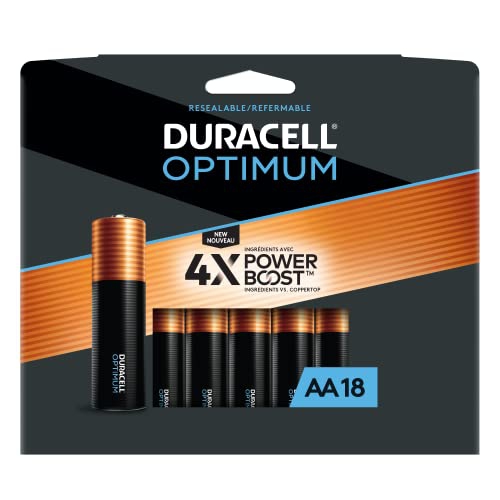 Your price for this item is $72.97
-
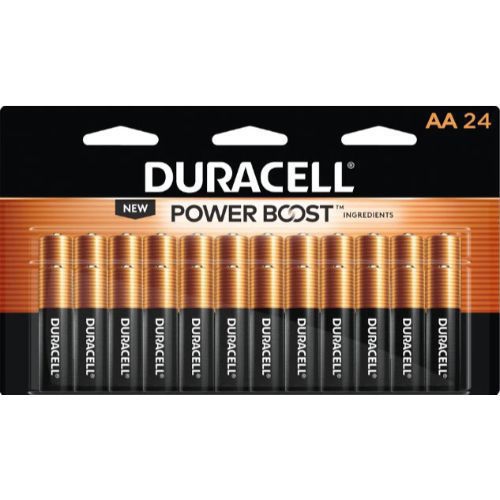 Your price for this item is $24.99
-
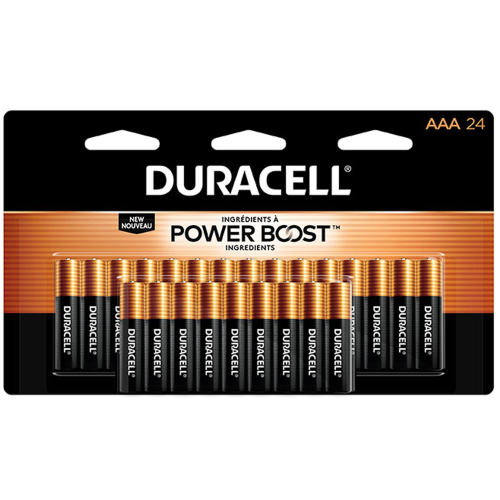 Your price for this item is $26.74
-
 Your price for this item is $22.97
-
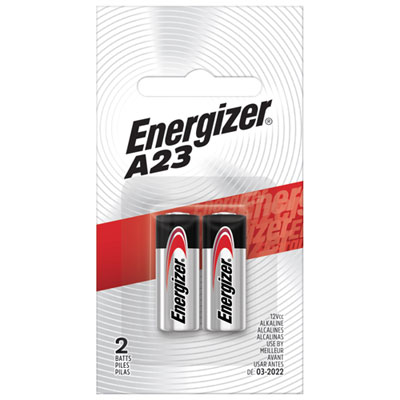 Your price for this item is $11.99
-
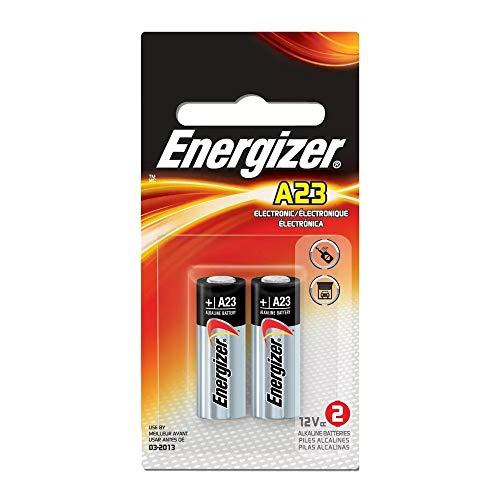 Your price for this item is $6.99
-
 Your price for this item is $4.89
-
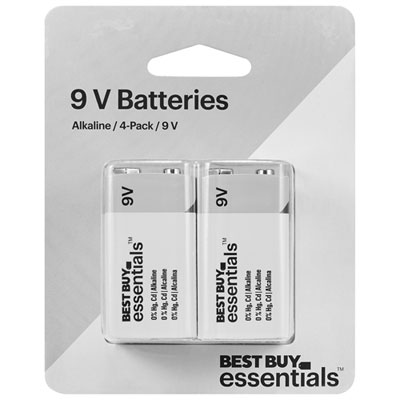 Your price for this item is $13.99
Discover more categories related to Batteries for Motion Sensors
Top Collections:
Pokemon Centers, Best Budget Office Chairs, Kindle Devices, Best Laptops for Writers, Apple iPhones 16, Canon G7X Cameras, Best Cell Phones Under $300, Samsung Galaxy Phones, iPhone 15 Apple, Flip Phones
Some products may be subject to Environmental Handling Fees
(EHF) depending on your province.
Learn more about EHFs.