Burglar Alarm
Enhance the security of your home or office with our wide selection of burglar alarms. With rising concerns about safety, it's crucial to invest in a reliable and effective security system that provides peace of mind. Our range of burglar alarms features advanced technology and innovative features, designed to deter intruders and keep your property safe. From motion sensors to door/window contacts, we have the perfect solution to fit your specific needs. Explore our collection today and take the first step towards fortifying your space against potential threats.
Sort
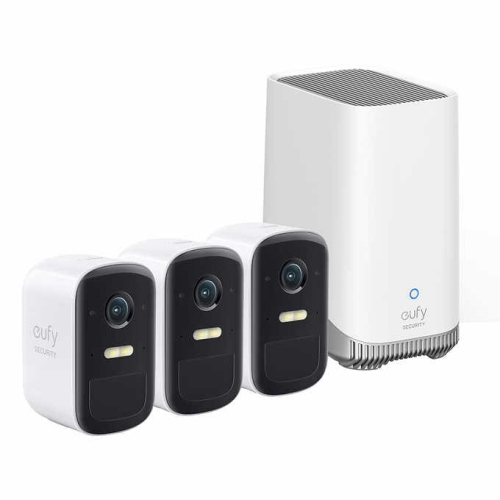
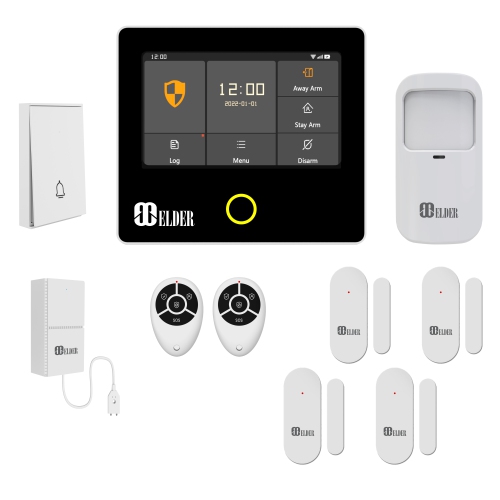
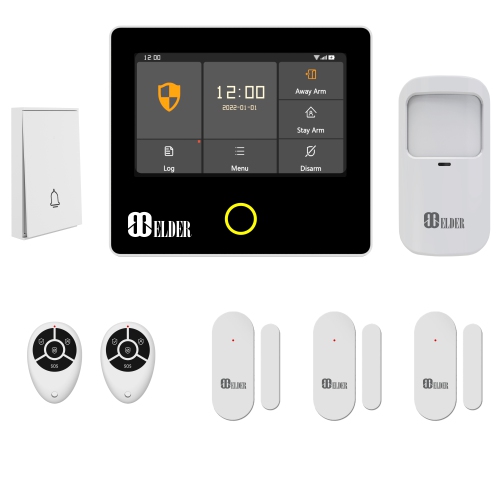
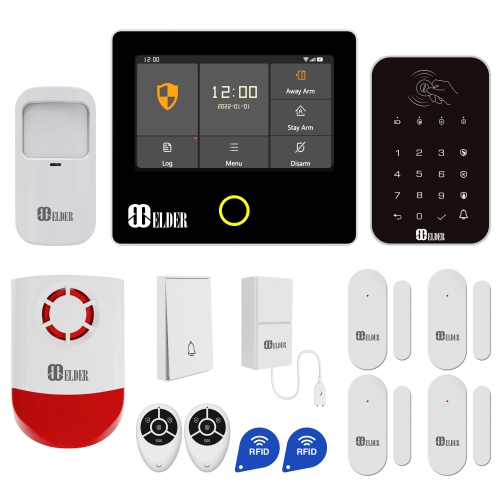

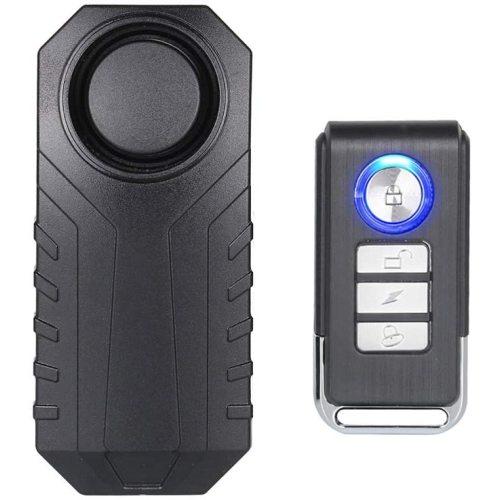
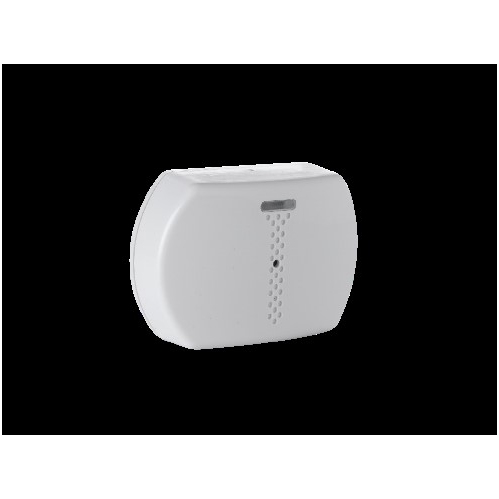
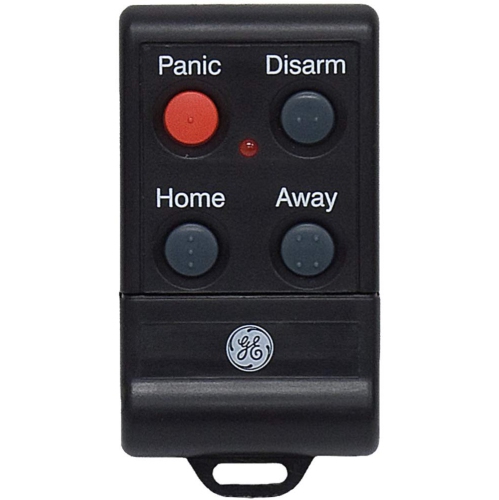

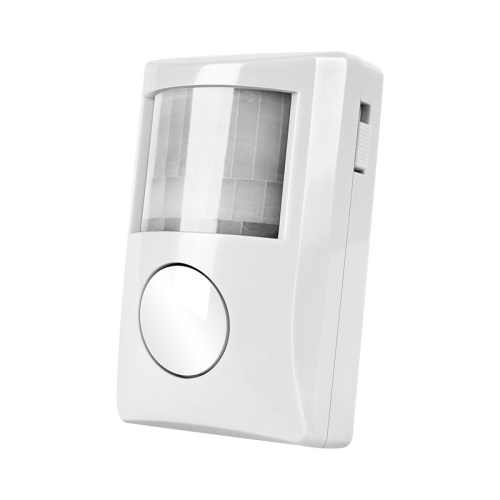
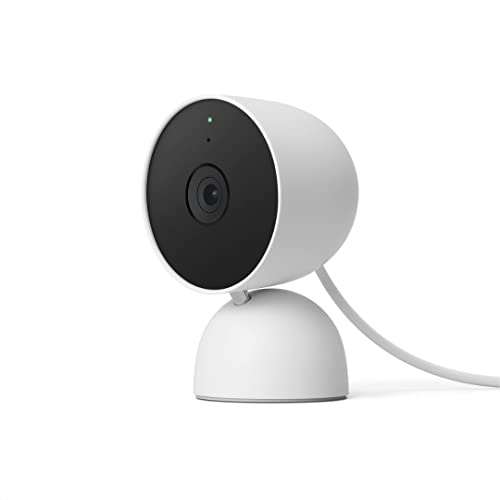
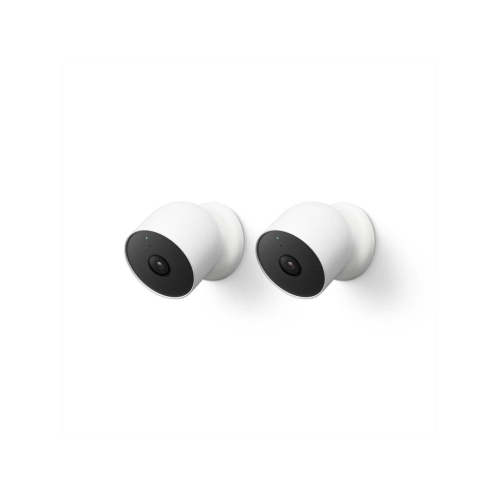
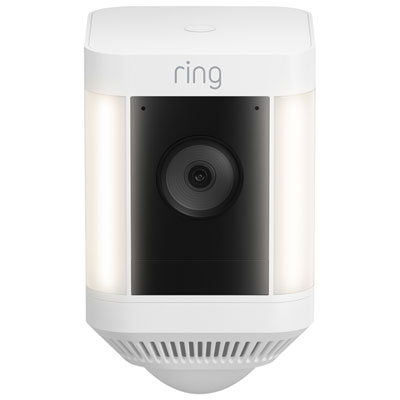
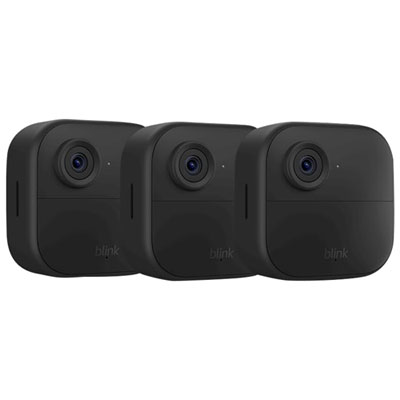
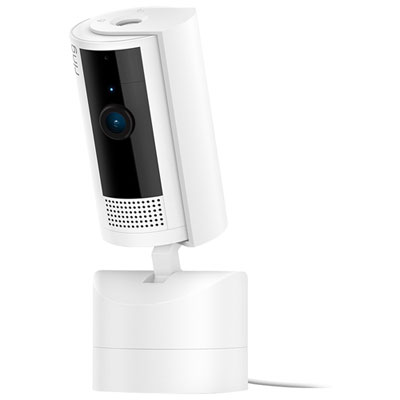
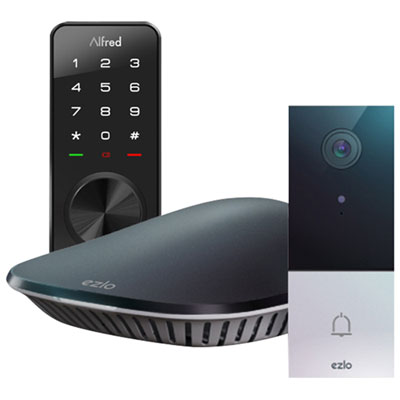

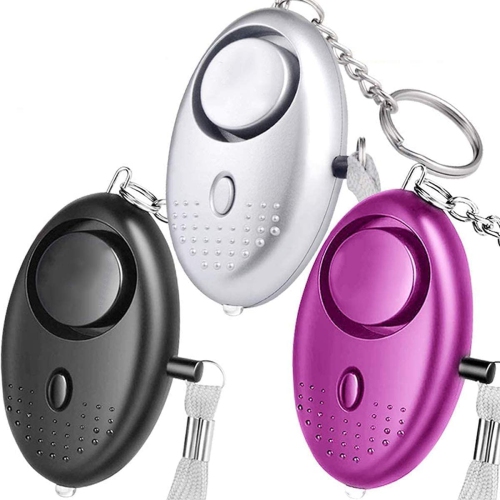
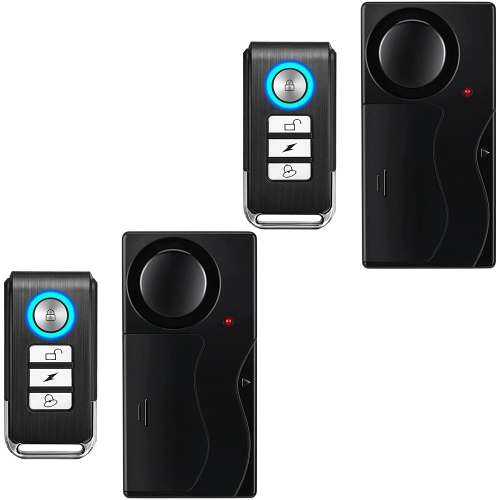

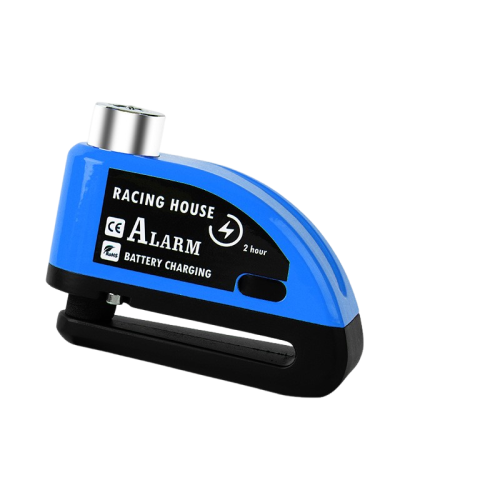
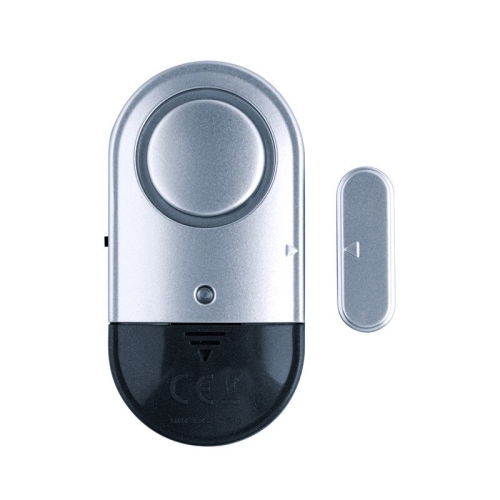


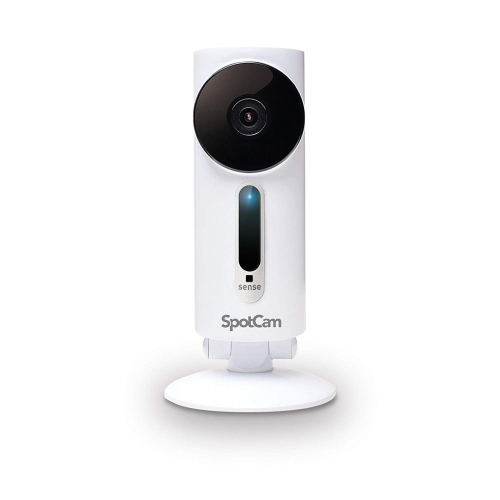
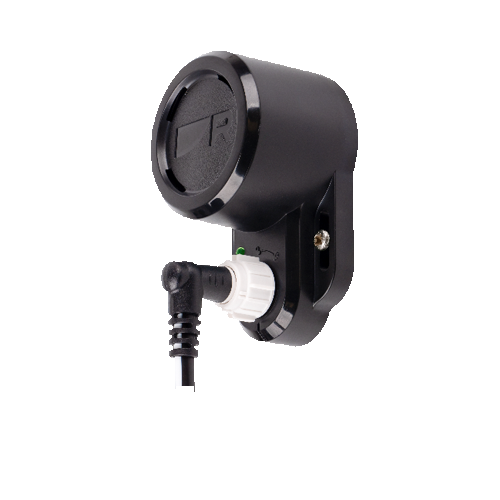

How sensors detect entry and trigger an alert
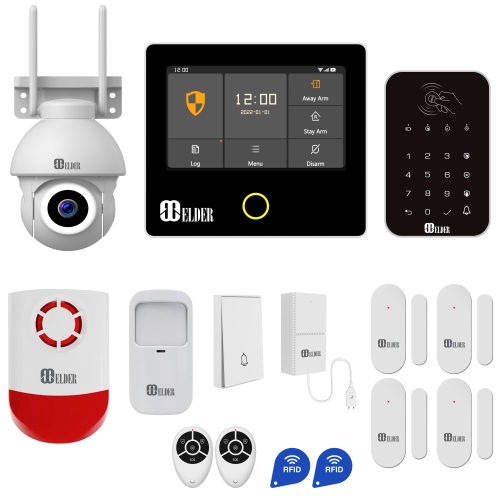
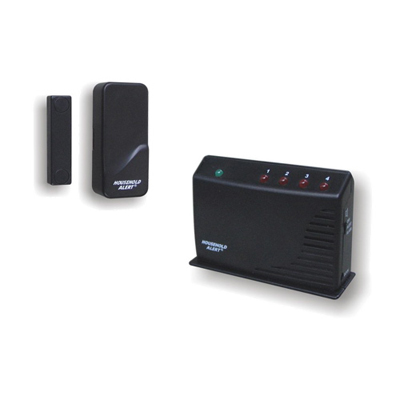
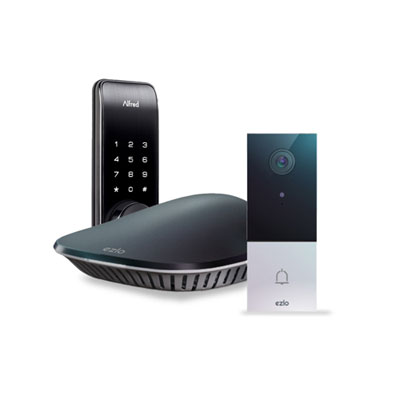
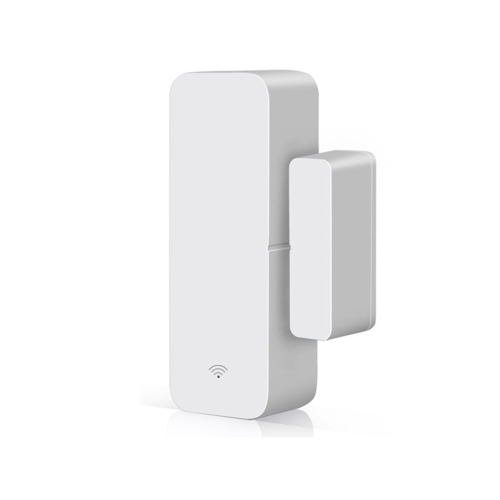
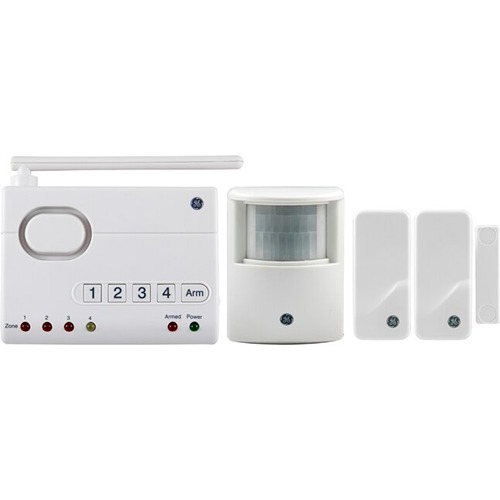
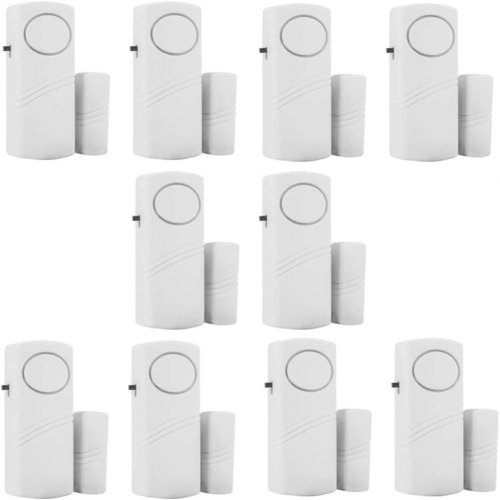
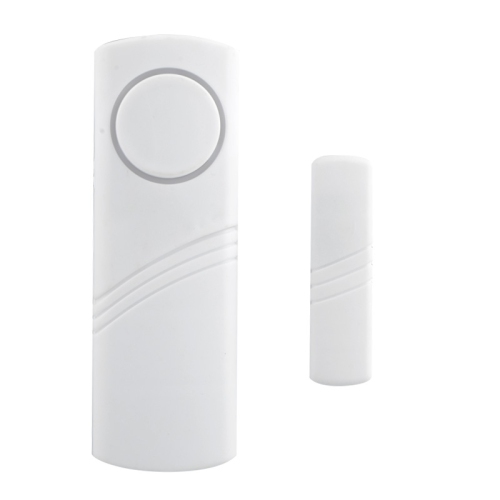
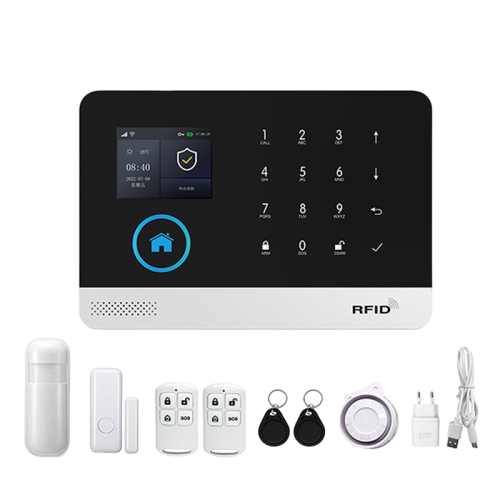
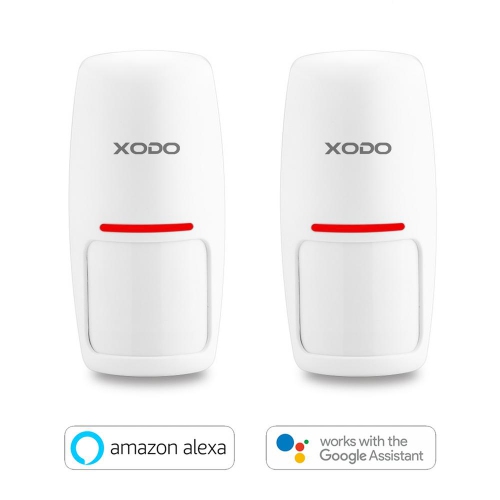
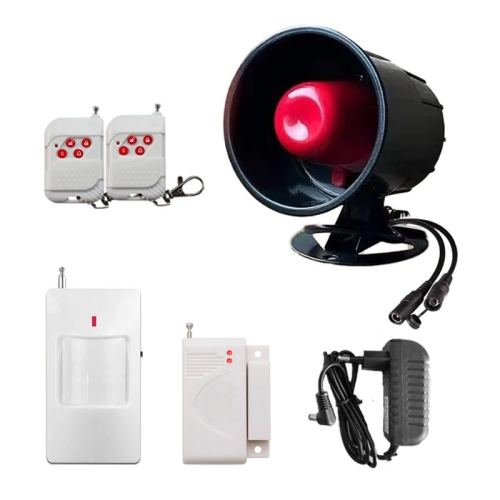
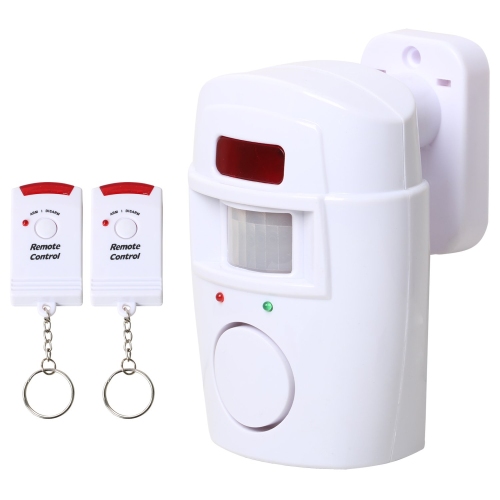
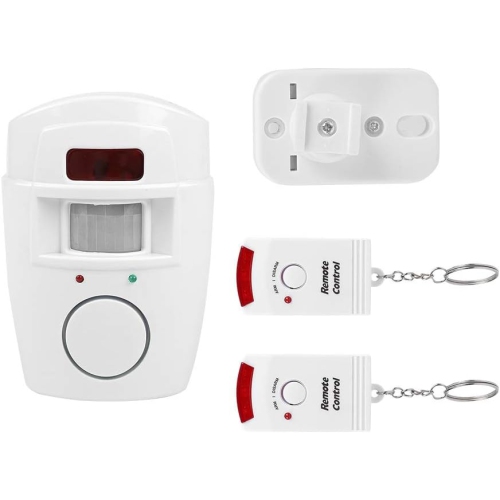
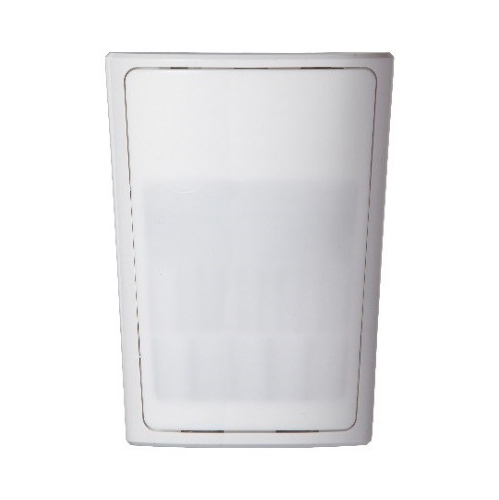
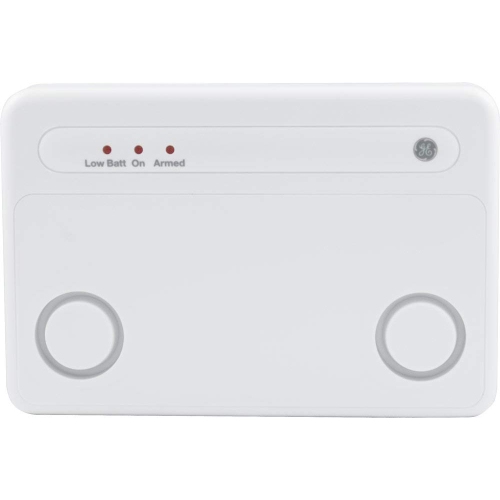
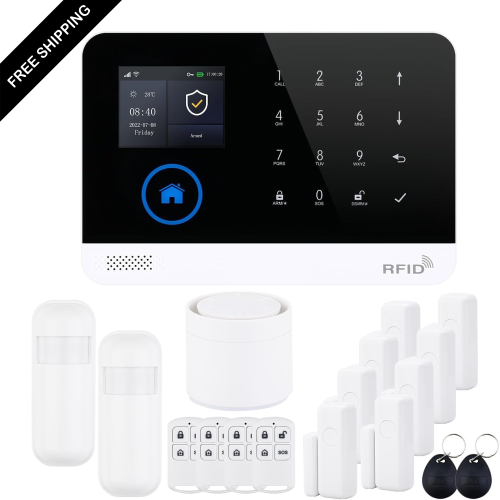
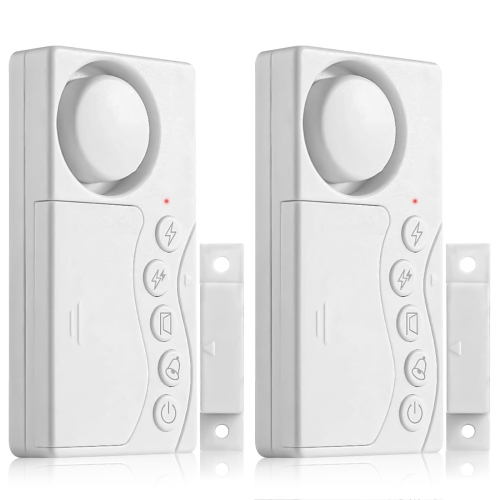
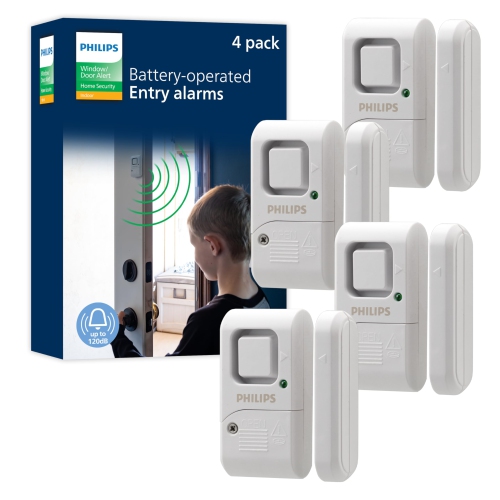
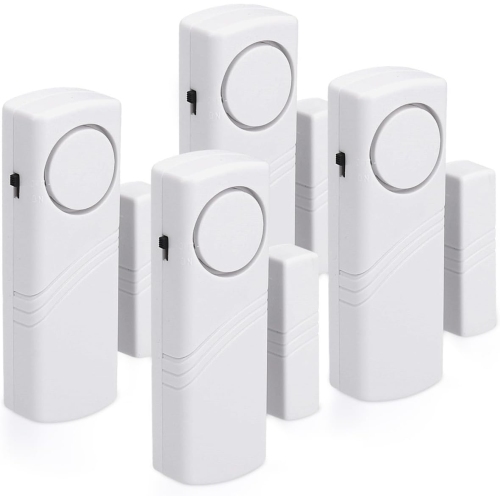
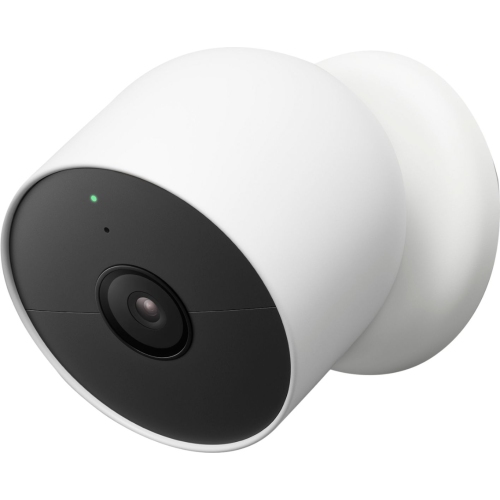
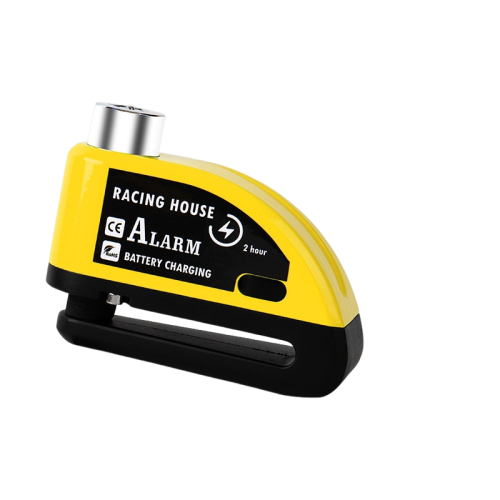
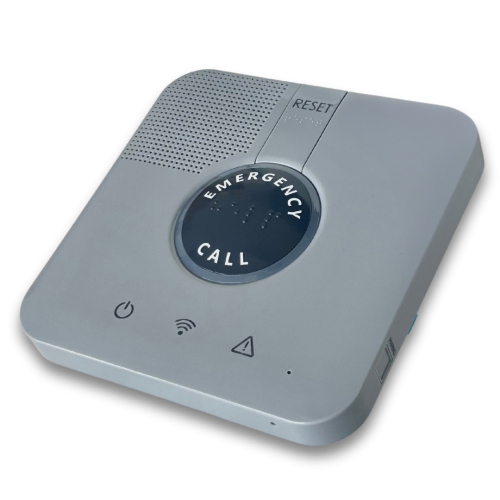
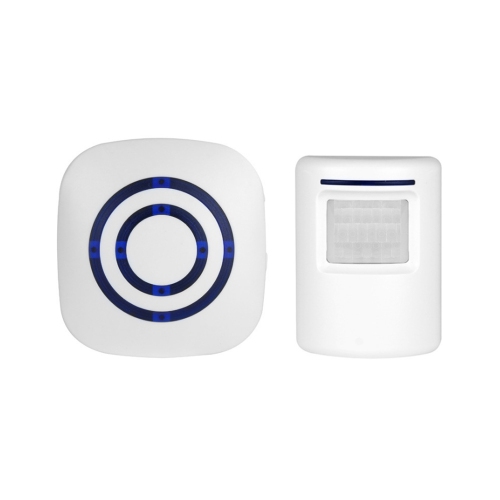
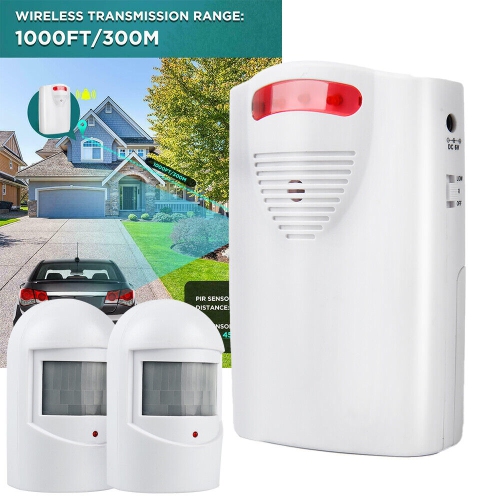
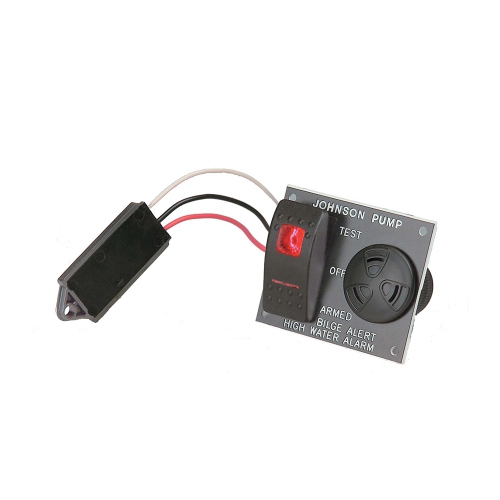
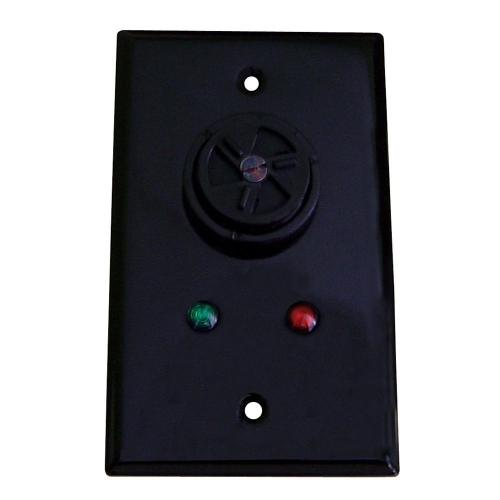
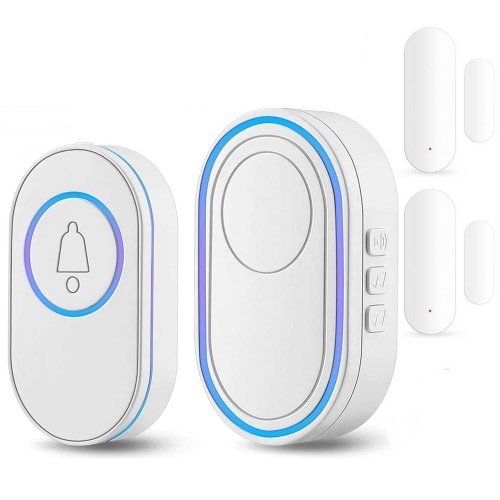
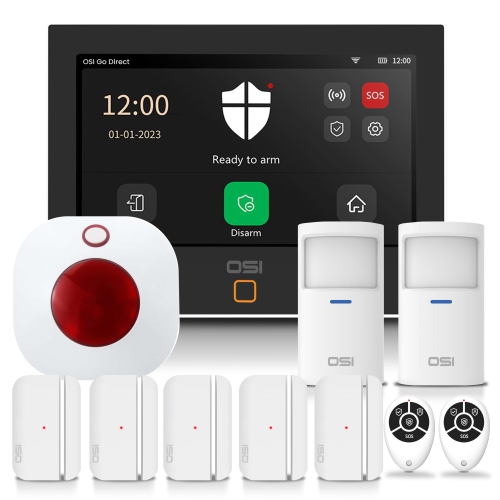
A burglar alarm is an electronic security system designed to detect unauthorised entry and trigger a warning, such as an indoor siren, an outdoor sounder, or a notification sent to a connected phone. Its main components typically include door and window sensors, motion detectors, and a control panel or hub that receives signals and manages alerts. Door and window contacts usually have two aligned parts: one attached to the frame and the other to the opening section. When those parts separate while the system is armed, the sensor signals an entry event. Motion detectors monitor activity within their coverage area, while compatible glass-break sensors can add detection for certain types of window damage. These devices serve different purposes, so coverage depends on more than the number of sensors in a package. An apartment with one entrance and a balcony door has different needs from a detached home with a garage entrance, basement windows, and several ground-floor rooms. A simple standalone entry alarm may sound only where it is installed; a connected system can coordinate multiple sensors and, where supported, send remote alerts. Burglar alarms are relevant to homeowners, renters, and small-business operators who want greater awareness of activity around access points. They can also suit a cottage or another property that is not occupied every day, provided its power supply, connectivity, and operating temperatures meet the system’s requirements. For a broader view of connected entry detection, Intrusion Alarm Systems brings together the same core focus on monitoring access and signalling unexpected activity. An alarm complements sound locks, secure doors, and sensible everyday habits rather than replacing them. Its role is to detect and report a possible intrusion, not to guarantee that an entry will be prevented or that emergency responders will arrive within a particular time. That distinction helps keep expectations grounded, whether the aim is an audible warning at home or awareness while away.
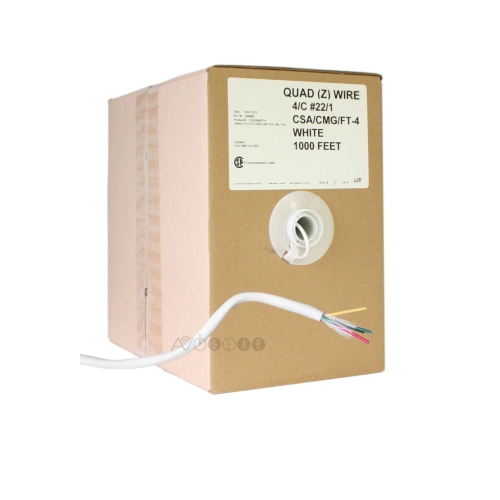
The fit of a burglar alarm starts with the building’s layout and the way people move through it. In a busy household, the front door may need an entry delay so someone can come inside and disarm the system, while a rarely used basement window may be configured to trigger an immediate alert when armed. Stay or home modes, where supported, can keep selected perimeter sensors active while allowing movement indoors; away modes can include interior motion detection when the property is empty. Wireless sensors offer flexible placement without running a cable to every opening, although their batteries need attention and their radio range can be affected by thick masonry, metal surfaces, and distance from the hub. Wired systems use physical connections for their sensors and may suit properties with existing alarm wiring or planned renovation work. Some systems combine wired and wireless components, but compatibility must be confirmed rather than assumed. Physical dimensions matter as much as connection type. A narrow window frame, an uneven door jamb, or a sliding patio door can limit mounting positions, and contact sensors must remain within the manufacturer’s specified alignment and gap. Adhesive mounts require a clean, dry, suitable surface; screw-mounted hardware may provide a firmer attachment where permitted. Renters may need permission before drilling or altering fixed wiring. Most indoor sensor housings are plastic, with durability depending on secure installation and use within their stated limits. A sensor intended for a heated living room is not automatically suitable for an unheated shed, damp vestibule, or exposed gate. During the cooler months, temperature ratings become especially important around garages and seasonal properties. Motion detectors also need thoughtful placement: heating vents, direct sunlight, moving curtains, and pets can affect performance, depending on the detection technology. Pet-tolerant settings have limits relating to animal size, positioning, and movement, so a cat climbing furniture may present a different challenge from a dog walking across the floor. Correct placement helps make alerts more useful and reduces avoidable interruptions.
Everyday convenience depends on how easily the alarm fits household routines. Keypads, remote controls, and app access offer different ways to arm and disarm a system, with support varying by model. Separate access codes can help distinguish household members or allow a trusted visitor to enter without sharing the main code, while temporary access may be useful for a pet sitter or someone checking the property during a trip. Clear status indicators make it easier to see whether a door is still open before leaving. For connected alarms, Wi-Fi, Ethernet, cellular service, or a combination of connections may carry alerts beyond the property; the connection between individual sensors and the hub may use a different wireless protocol. Phone notifications rely on the system’s supported communication path and the phone’s settings and connectivity. A local siren can still provide an on-site warning without remote messaging if the system is designed to operate that way. Battery backup can help keep compatible equipment running during a power outage, but backup duration varies, and an internet router may also need backup power for internet-based alerts to continue. Cellular backup is a separate capability and should not be assumed to be included. Self-monitoring means a designated person receives and acts on alerts, whereas professional monitoring connects supported alarm events to a monitoring centre under the service’s terms. Alarm verification, contact procedures, and requests for emergency assistance differ between services and jurisdictions; local permit requirements and false-alarm rules may also apply. Long-term care is generally straightforward but important: test sensors according to the manufacturer’s instructions, replace batteries when indicated, keep housings free of dust with the recommended cleaning method, and check that adhesive or mounting hardware remains secure. Connected systems may also require software updates and occasional checks of notification permissions. Expansion is useful when needs change, such as adding coverage to a newly finished basement, but extra sensors must match the hub’s supported devices and capacity. A well-matched burglar alarm provides clear signals, manageable controls, and coverage suited to the property, helping make security a practical part of daily life rather than another complicated task.
The fit of a burglar alarm starts with the building’s layout and the way people move through it. In a busy household, the front door may need an entry delay so someone can come inside and disarm the system, while a rarely used basement window may be configured to trigger an immediate alert when armed. Stay or home modes, where supported, can keep selected perimeter sensors active while allowing movement indoors; away modes can include interior motion detection when the property is empty. Wireless sensors offer flexible placement without running a cable to every opening, although their batteries need attention and their radio range can be affected by thick masonry, metal surfaces, and distance from the hub. Wired systems use physical connections for their sensors and may suit properties with existing alarm wiring or planned renovation work. Some systems combine wired and wireless components, but compatibility must be confirmed rather than assumed. Physical dimensions matter as much as connection type. A narrow window frame, an uneven door jamb, or a sliding patio door can limit mounting positions, and contact sensors must remain within the manufacturer’s specified alignment and gap. Adhesive mounts require a clean, dry, suitable surface; screw-mounted hardware may provide a firmer attachment where permitted. Renters may need permission before drilling or altering fixed wiring. Most indoor sensor housings are plastic, with durability depending on secure installation and use within their stated limits. A sensor intended for a heated living room is not automatically suitable for an unheated shed, damp vestibule, or exposed gate. During the cooler months, temperature ratings become especially important around garages and seasonal properties. Motion detectors also need thoughtful placement: heating vents, direct sunlight, moving curtains, and pets can affect performance, depending on the detection technology. Pet-tolerant settings have limits relating to animal size, positioning, and movement, so a cat climbing furniture may present a different challenge from a dog walking across the floor. Correct placement helps make alerts more useful and reduces avoidable interruptions.
Everyday convenience depends on how easily the alarm fits household routines. Keypads, remote controls, and app access offer different ways to arm and disarm a system, with support varying by model. Separate access codes can help distinguish household members or allow a trusted visitor to enter without sharing the main code, while temporary access may be useful for a pet sitter or someone checking the property during a trip. Clear status indicators make it easier to see whether a door is still open before leaving. For connected alarms, Wi-Fi, Ethernet, cellular service, or a combination of connections may carry alerts beyond the property; the connection between individual sensors and the hub may use a different wireless protocol. Phone notifications rely on the system’s supported communication path and the phone’s settings and connectivity. A local siren can still provide an on-site warning without remote messaging if the system is designed to operate that way. Battery backup can help keep compatible equipment running during a power outage, but backup duration varies, and an internet router may also need backup power for internet-based alerts to continue. Cellular backup is a separate capability and should not be assumed to be included. Self-monitoring means a designated person receives and acts on alerts, whereas professional monitoring connects supported alarm events to a monitoring centre under the service’s terms. Alarm verification, contact procedures, and requests for emergency assistance differ between services and jurisdictions; local permit requirements and false-alarm rules may also apply. Long-term care is generally straightforward but important: test sensors according to the manufacturer’s instructions, replace batteries when indicated, keep housings free of dust with the recommended cleaning method, and check that adhesive or mounting hardware remains secure. Connected systems may also require software updates and occasional checks of notification permissions. Expansion is useful when needs change, such as adding coverage to a newly finished basement, but extra sensors must match the hub’s supported devices and capacity. A well-matched burglar alarm provides clear signals, manageable controls, and coverage suited to the property, helping make security a practical part of daily life rather than another complicated task.
Top selling and popular products
-
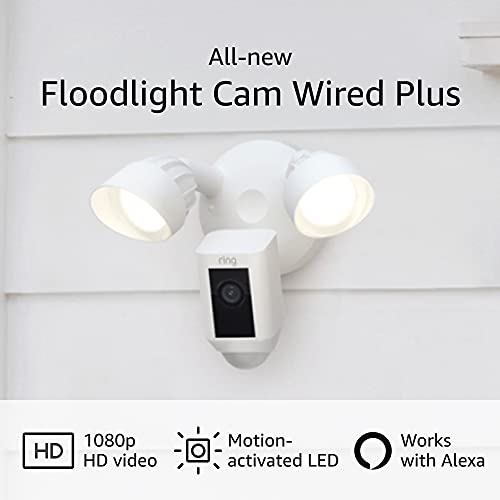 Your price for this item is $349.99
 -
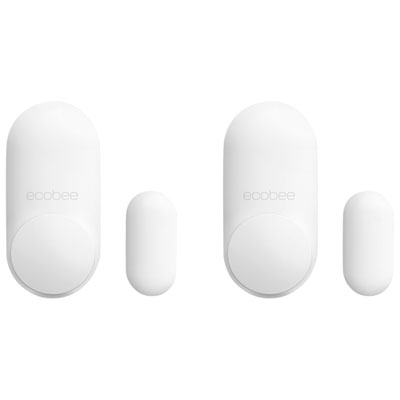 Your price for this item is $53.98
 -
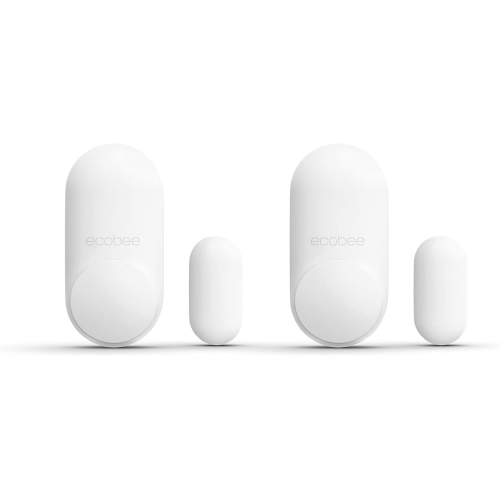 Your price for this item is $99.99
 -
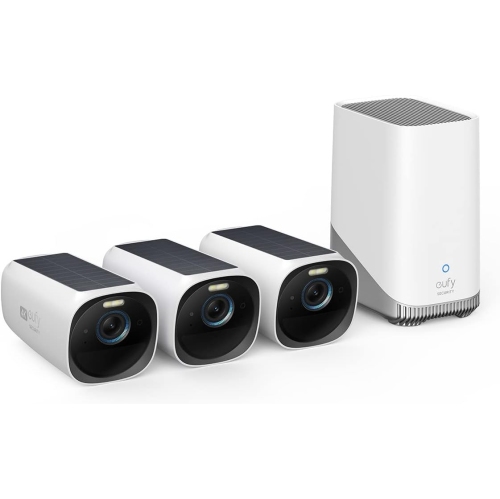 Your price for this item is $799.99
 -
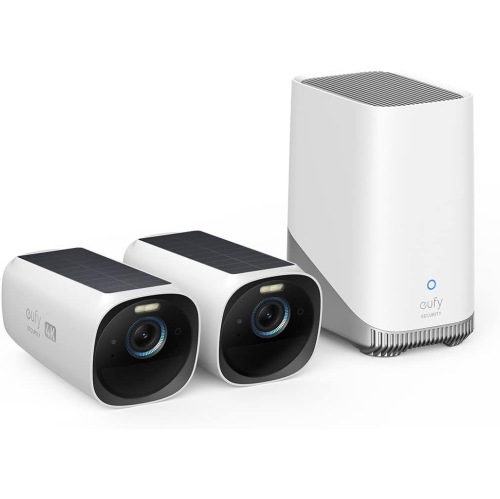 Your price for this item is $549.99
 -
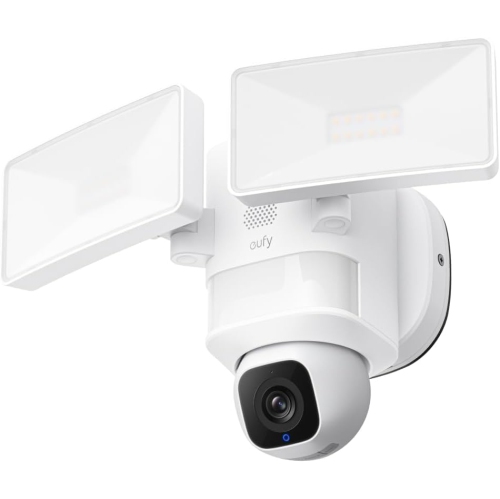 Your price for this item is $229.99
 -
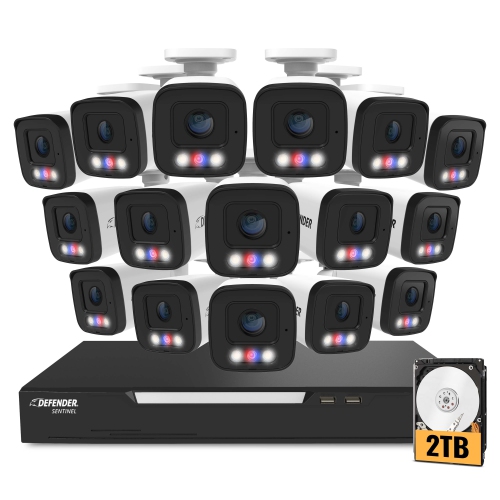 Your price for this item is $1859.99
 -
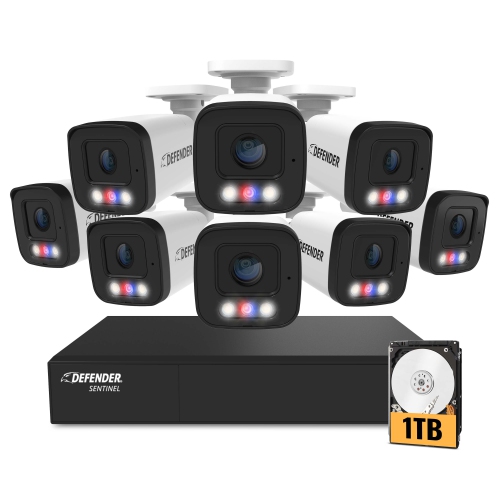 Your price for this item is $899.99
Discover more categories related to Burglar Alarm
Top Collections:
Pokemon Centers, Kindle Devices, Best Budget Office Chairs, Apple iPhones 16, Best Laptops for Writers, iPhone 15 Apple, Canon G7X Cameras, Refurbished Apple Laptops, Alarm Clock, Motorola Razr Phones
Some products may be subject to Environmental Handling Fees
(EHF) depending on your province.
Learn more about EHFs.