Door And Window Alarms
Protect your home and loved ones with door and window alarms. These essential security devices provide an extra layer of protection against potential intruders, ensuring peace of mind for you and your family. Whether you're looking to secure your front door, back door, or even basement windows, our wide selection of door and window alarms offers various features to suit your specific needs. From loud sirens that deter burglars to wireless connectivity options for convenient monitoring, find the perfect alarm system to keep your home safe and secure.
Sort



What to know about sensors, placement, and everyday uses
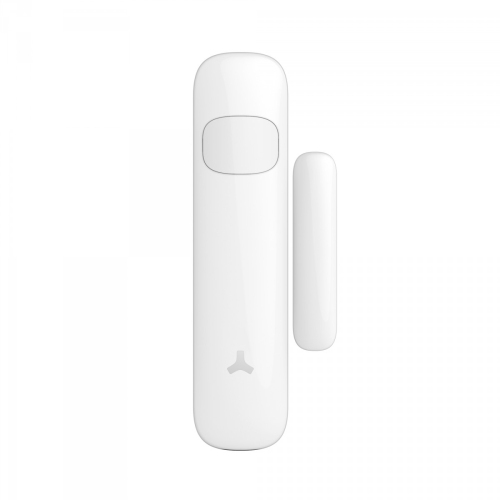
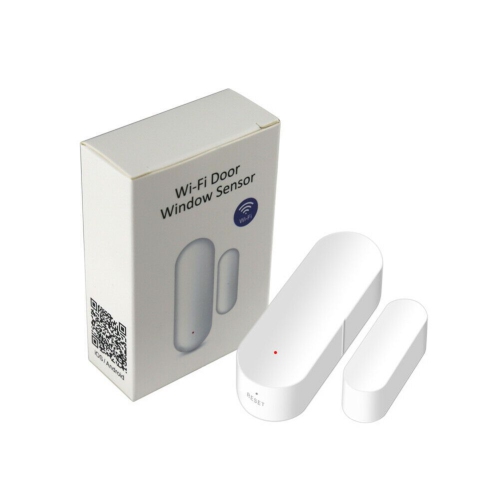
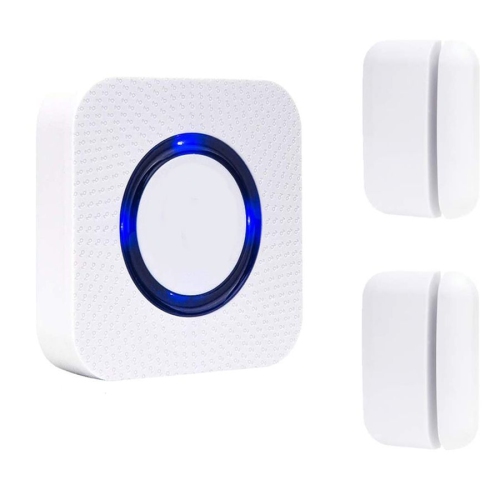
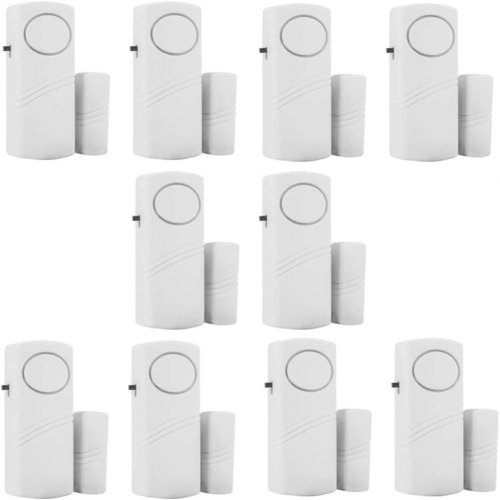
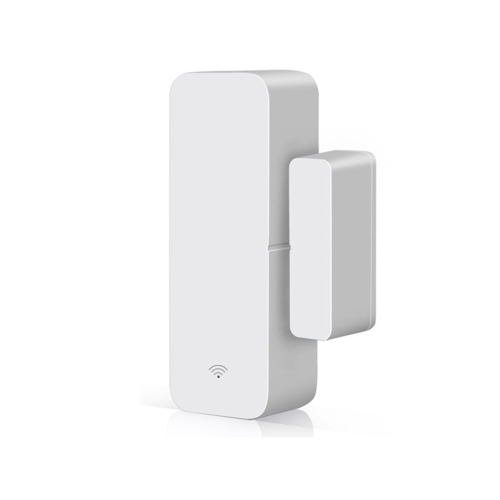
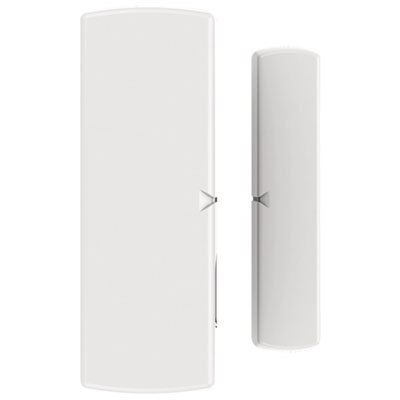
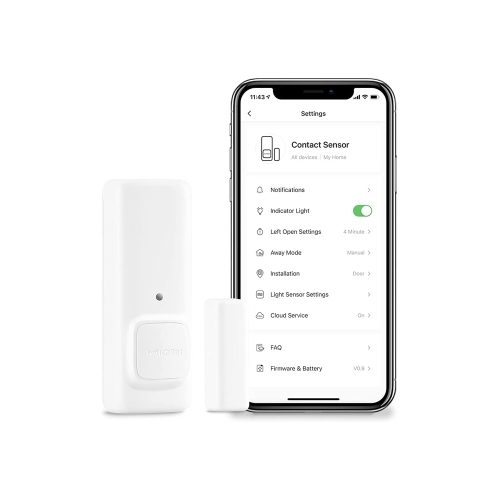
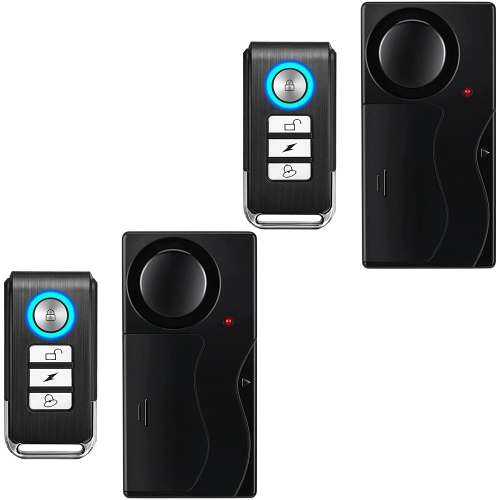
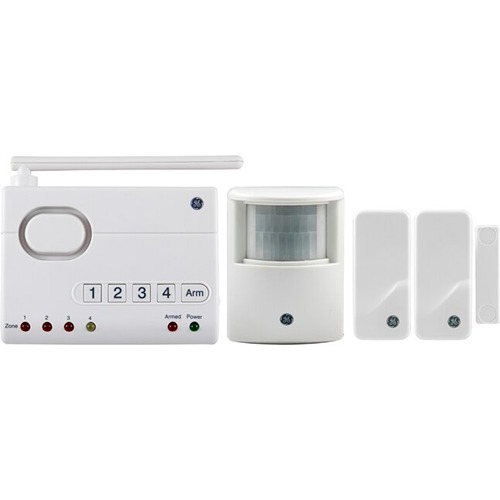
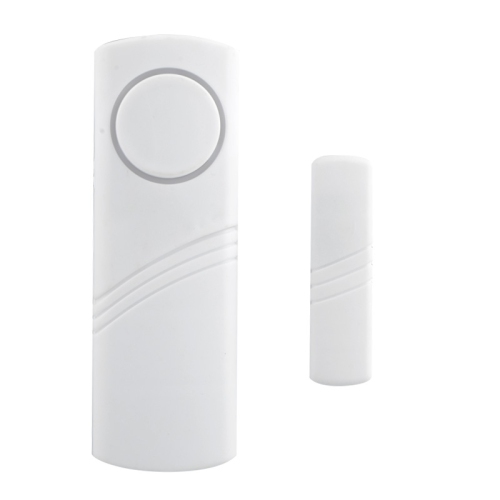
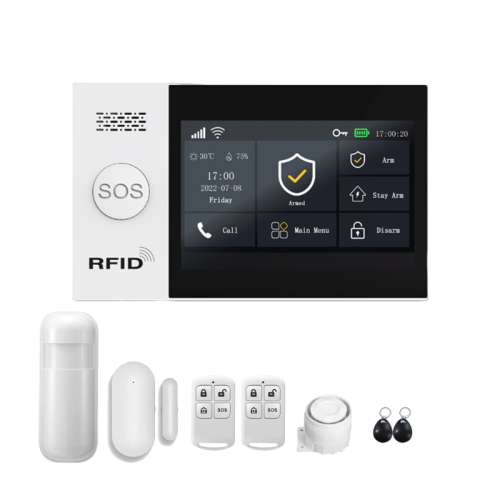
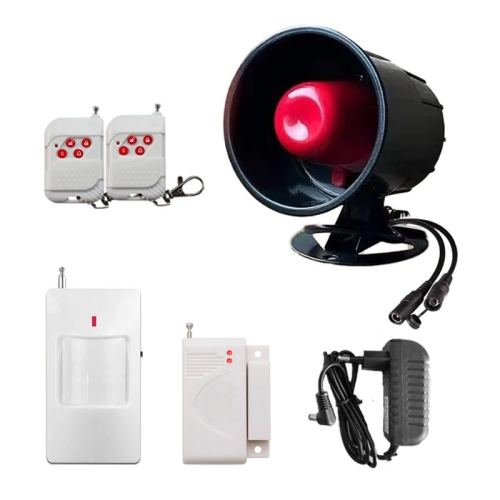
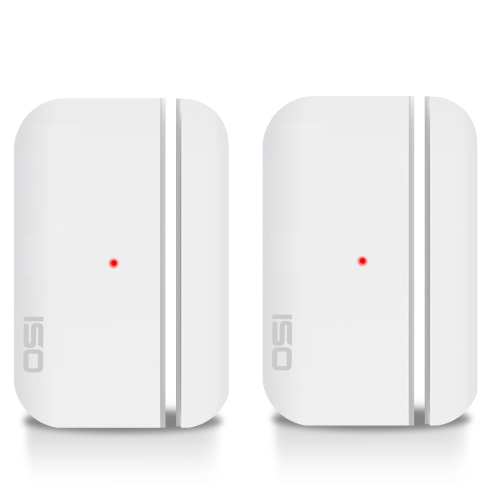
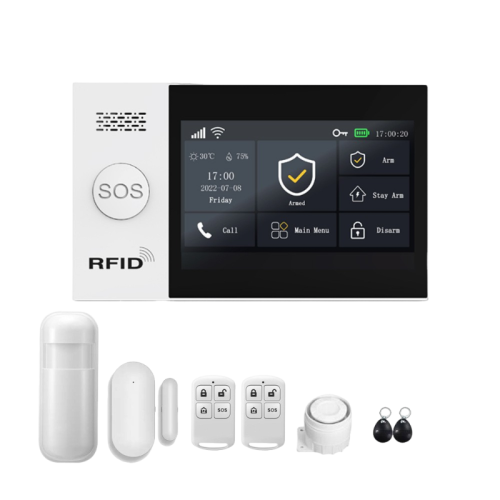
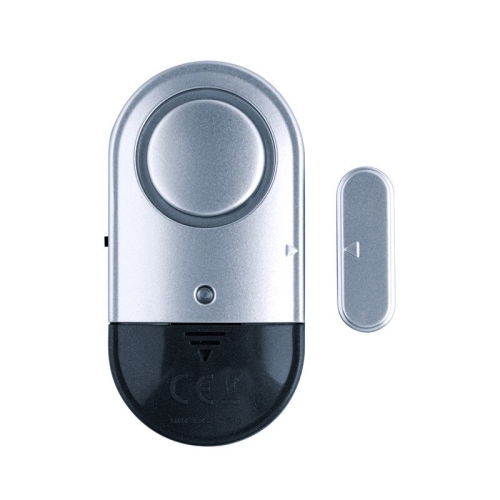
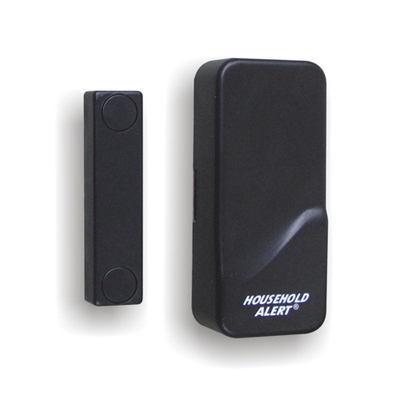
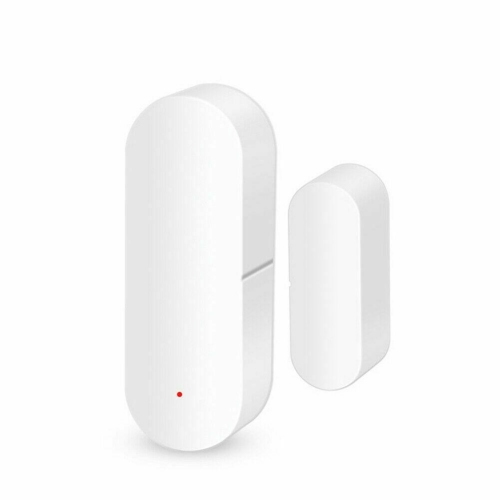
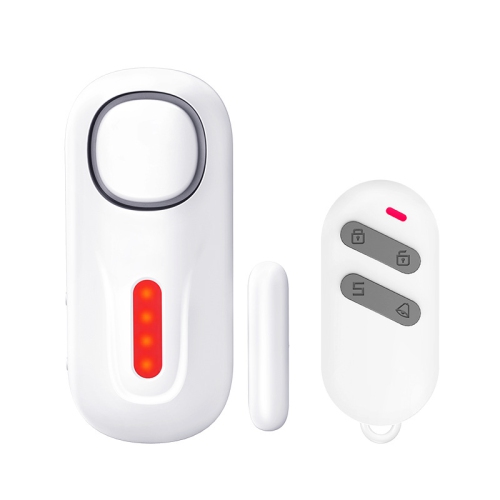
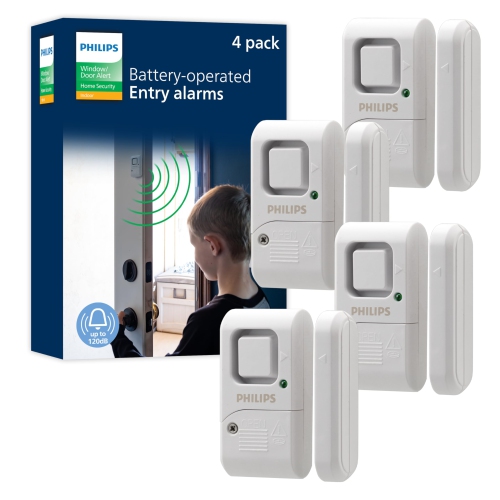
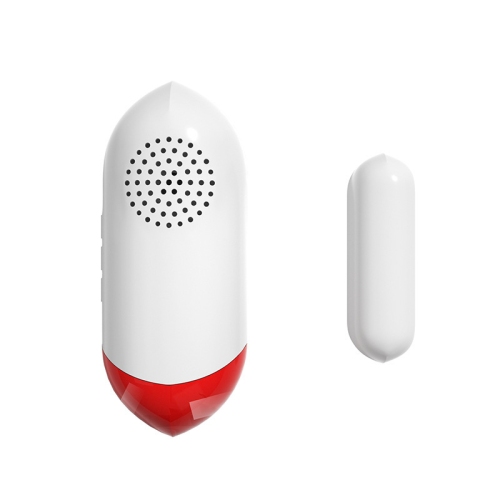
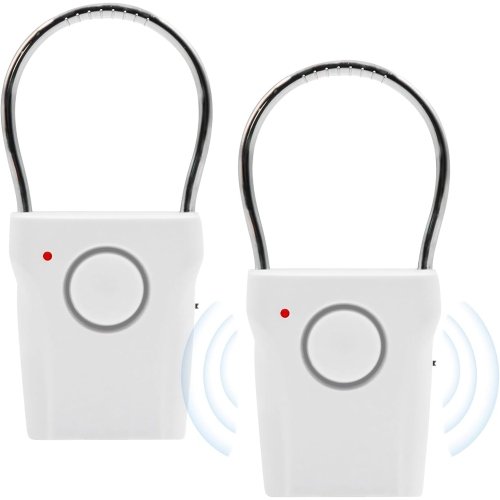
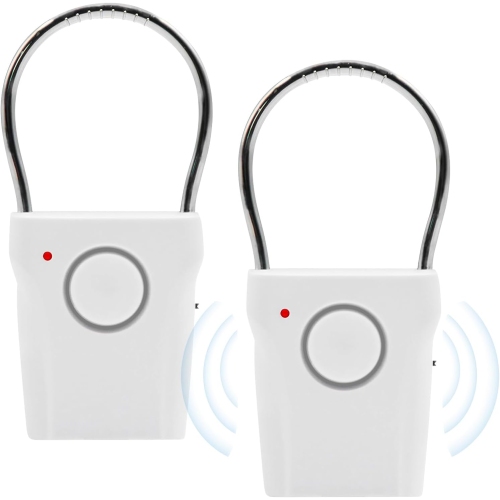
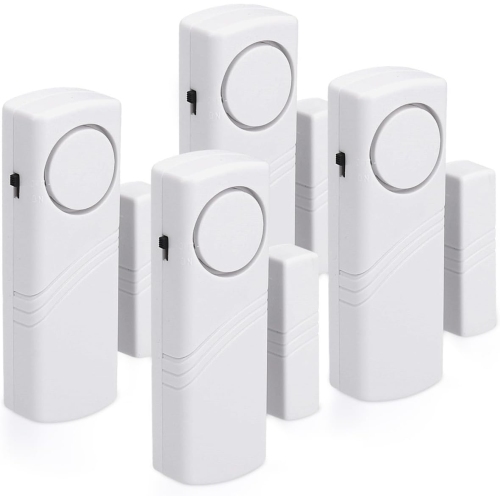
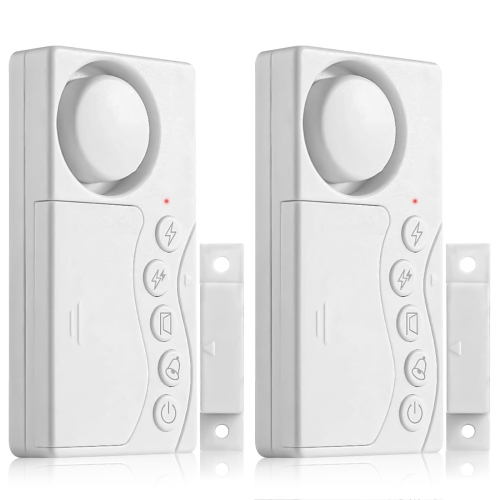
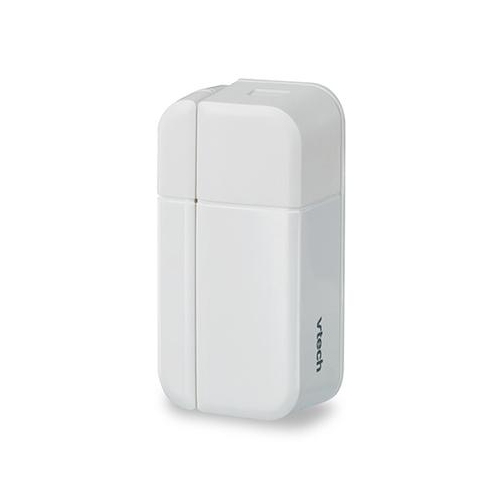
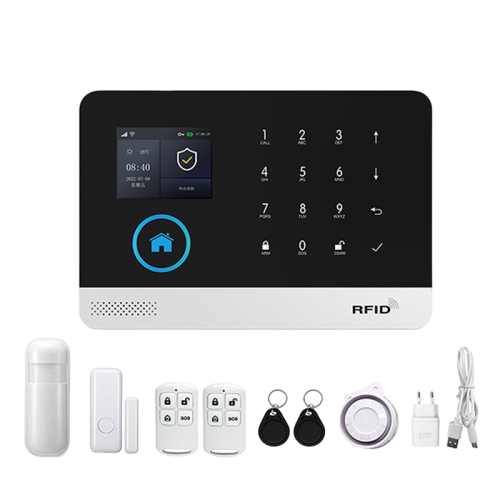
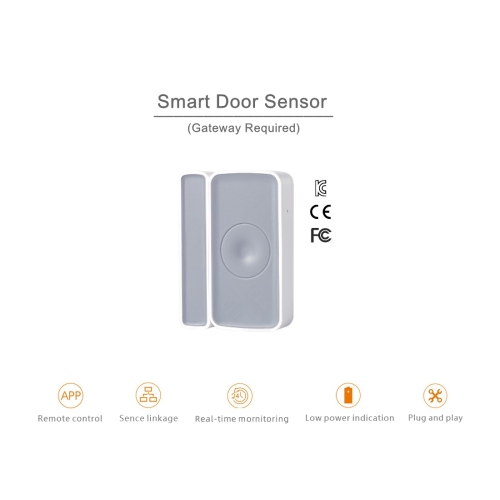
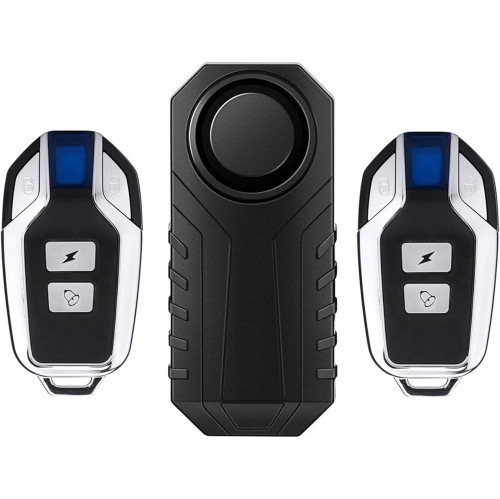
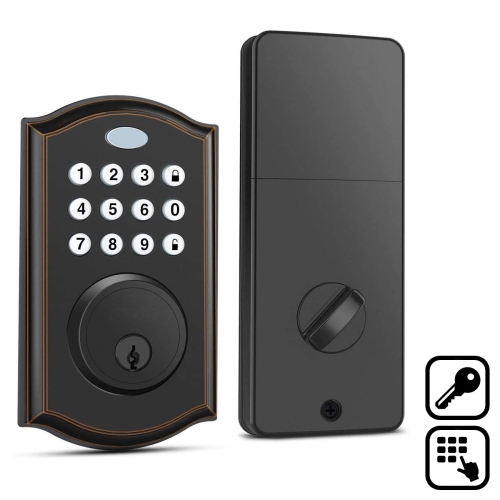
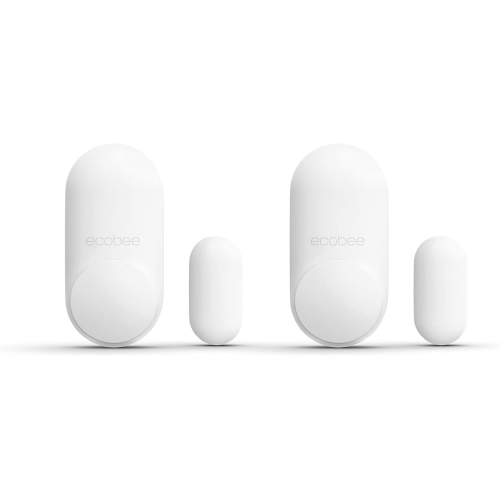
Door and window alarms offer a straightforward way to add awareness around the entry points of a home, apartment, cottage, garage, office, or other space. Most use a two-piece magnetic contact sensor: one part attaches to the moving door or window, while the other attaches to the frame. When the door or window opens and the magnetic connection separates, the alarm can sound locally or send an alert through a connected system. This simple arrangement makes these devices useful for monitoring front and back doors, patio doors, basement windows, balcony access, nursery windows, medicine cabinets, and other places where an unexpected opening deserves attention. A standalone alarm is often battery powered and designed to produce a loud siren directly at the entry point, with some models reaching very high volume levels. A wireless or connected option may communicate with a home Wi-Fi network, hub, or security system and send notifications to a compatible smartphone. For a quick overview of wireless options, browse Wireless Door Alarms. Choosing between these formats depends on how much coverage is needed, whether remote notifications matter, and how comfortable you are managing an app or central hub. A simple local alarm may suit a single apartment door, shed, or window, while a connected system can be more practical for several entry points spread throughout a home.
Before purchasing, count the doors and windows you want to monitor and consider how each one is used. A kit with enough sensors for the main entrance, back entrance, garage entry, and accessible ground-floor windows can create a more complete setup than placing one alarm in a frequently used hallway. Check the sensor’s installation requirements, wireless range, battery type, alarm settings, and compatibility with any existing smart home platform. Adhesive mounting can make installation quick and rental-friendly, while screws may provide a more permanent fit on suitable wood, metal, or composite surfaces. Clean and dry both mounting areas before applying adhesive, and allow the bond to set according to the manufacturer’s directions. The two sensor pieces need to sit close together when the door or window is closed, with any alignment arrows facing the correct direction. If they are too far apart, uneven, or positioned on a surface that flexes, the alarm may trigger unexpectedly or fail to recognize an opening. Sliding doors and windows can require additional attention because the frame and moving panel may not meet in the same way as a hinged door. Measure the available space and look for a sensor design that can be positioned without interfering with handles, locks, curtains, or the normal movement of the opening. It is also wise to consider how easily the alarm can be reached for battery changes without weakening the installation. A discreet unit may blend into a frame, while a visible alarm can serve as a reminder that an entry point is being monitored. For homes with children or pets, review the control settings and placement carefully so the system can be armed without creating unnecessary noise during ordinary activity.
Door and window alarms can be useful for many different routines and households. Families may use them to become more aware when a child opens a balcony door, basement window, or exterior entrance, while caregivers may appreciate an alert when an older family member leaves a room or opens an area that should remain secured. They can also offer reassurance at a cottage between visits, in a home office after working hours, or in a rental where hardwired security equipment is not practical. Someone who travels frequently may prefer a connected system that provides phone notifications, whereas a neighbour checking on a property may benefit from a clear local siren that indicates an opening has occurred. These alarms can make thoughtful housewarming, first-home, student-housing, or cottage gifts because they are compact, practical, and generally simple to install without major changes to the property. They are not a substitute for sturdy locks, safe habits, or a complete security plan, but they can provide an extra layer of awareness at vulnerable entry points. After installation, open and close each monitored door or window several times to confirm that the alarm responds as expected. Test the siren, notification process, and connection range, and check the batteries regularly; a monthly test is a sensible routine, particularly during the cooler months when doors and windows may remain closed for longer periods. Keep track of which sensors are armed, replace low batteries promptly, and update connected apps or hubs when required. With proper alignment, reliable power, and placement suited to the way a space is used, door and window alarms can help turn an easily overlooked opening into a clearly monitored part of the home.
Before purchasing, count the doors and windows you want to monitor and consider how each one is used. A kit with enough sensors for the main entrance, back entrance, garage entry, and accessible ground-floor windows can create a more complete setup than placing one alarm in a frequently used hallway. Check the sensor’s installation requirements, wireless range, battery type, alarm settings, and compatibility with any existing smart home platform. Adhesive mounting can make installation quick and rental-friendly, while screws may provide a more permanent fit on suitable wood, metal, or composite surfaces. Clean and dry both mounting areas before applying adhesive, and allow the bond to set according to the manufacturer’s directions. The two sensor pieces need to sit close together when the door or window is closed, with any alignment arrows facing the correct direction. If they are too far apart, uneven, or positioned on a surface that flexes, the alarm may trigger unexpectedly or fail to recognize an opening. Sliding doors and windows can require additional attention because the frame and moving panel may not meet in the same way as a hinged door. Measure the available space and look for a sensor design that can be positioned without interfering with handles, locks, curtains, or the normal movement of the opening. It is also wise to consider how easily the alarm can be reached for battery changes without weakening the installation. A discreet unit may blend into a frame, while a visible alarm can serve as a reminder that an entry point is being monitored. For homes with children or pets, review the control settings and placement carefully so the system can be armed without creating unnecessary noise during ordinary activity.
Door and window alarms can be useful for many different routines and households. Families may use them to become more aware when a child opens a balcony door, basement window, or exterior entrance, while caregivers may appreciate an alert when an older family member leaves a room or opens an area that should remain secured. They can also offer reassurance at a cottage between visits, in a home office after working hours, or in a rental where hardwired security equipment is not practical. Someone who travels frequently may prefer a connected system that provides phone notifications, whereas a neighbour checking on a property may benefit from a clear local siren that indicates an opening has occurred. These alarms can make thoughtful housewarming, first-home, student-housing, or cottage gifts because they are compact, practical, and generally simple to install without major changes to the property. They are not a substitute for sturdy locks, safe habits, or a complete security plan, but they can provide an extra layer of awareness at vulnerable entry points. After installation, open and close each monitored door or window several times to confirm that the alarm responds as expected. Test the siren, notification process, and connection range, and check the batteries regularly; a monthly test is a sensible routine, particularly during the cooler months when doors and windows may remain closed for longer periods. Keep track of which sensors are armed, replace low batteries promptly, and update connected apps or hubs when required. With proper alignment, reliable power, and placement suited to the way a space is used, door and window alarms can help turn an easily overlooked opening into a clearly monitored part of the home.
Top selling and popular products
-
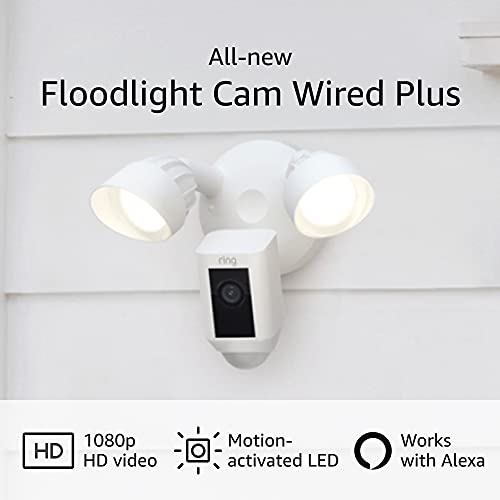 Your price for this item is $349.99
 -
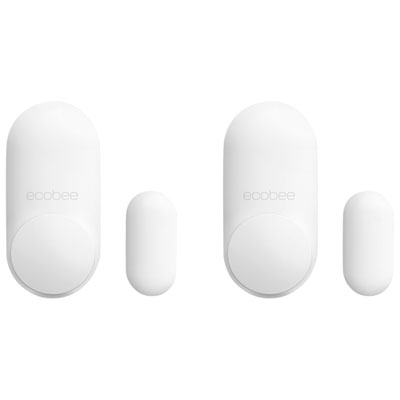 Your price for this item is $53.98
 -
 Your price for this item is $99.99
 -
 Your price for this item is $799.99
 -
 Your price for this item is $549.99
 -
 Your price for this item is $229.99
 -
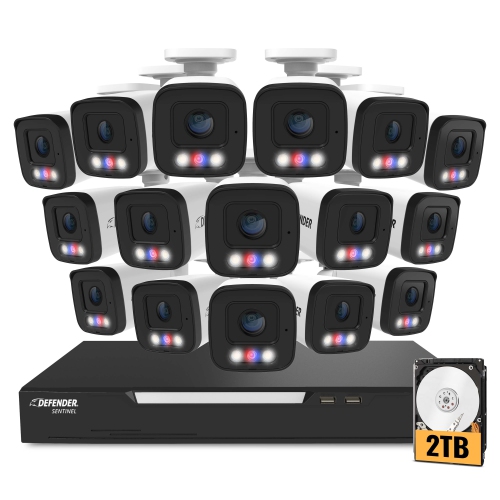 Your price for this item is $1859.99
 -
 Your price for this item is $899.99
Discover more categories related to Door And Window Alarms
Top Collections:
Pokemon Centers, Kindle Devices, Best Budget Office Chairs, Apple iPhones 16, Best Laptops for Writers, iPhone 15 Apple, Canon G7X Cameras, Refurbished Apple Laptops, Alarm Clock, Motorola Razr Phones
Some products may be subject to Environmental Handling Fees
(EHF) depending on your province.
Learn more about EHFs.