Door Sensors
Door sensors are essential devices that provide an added layer of security and convenience to your home or business. Whether you're looking to monitor when doors are opened or closed, receive alerts on your smartphone, or integrate with a larger smart home system, door sensors offer peace of mind and control at your fingertips. With a variety of options available, finding the right door sensor to suit your needs has never been easier.
Sort
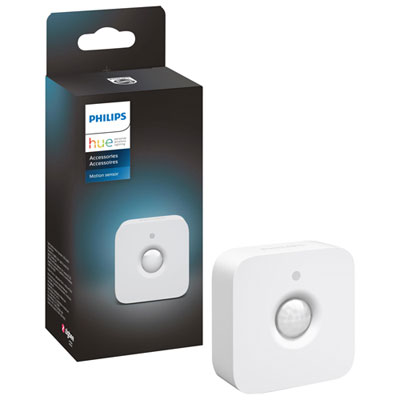
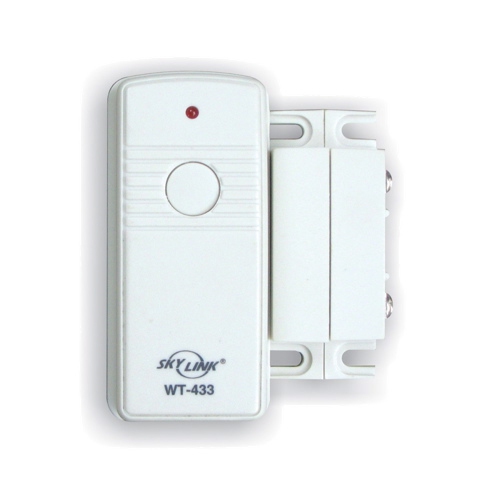
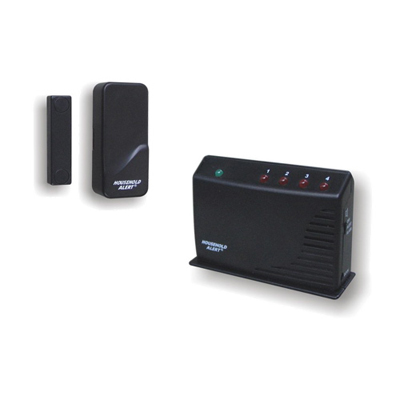
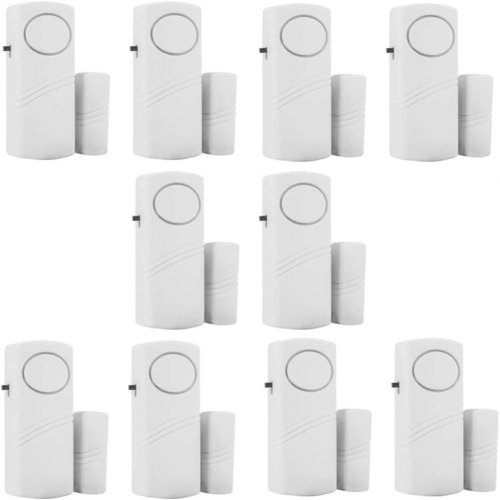






How opening alerts support smarter entry awareness and routines
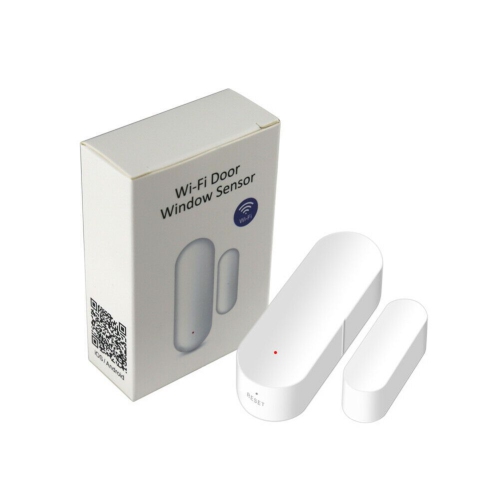
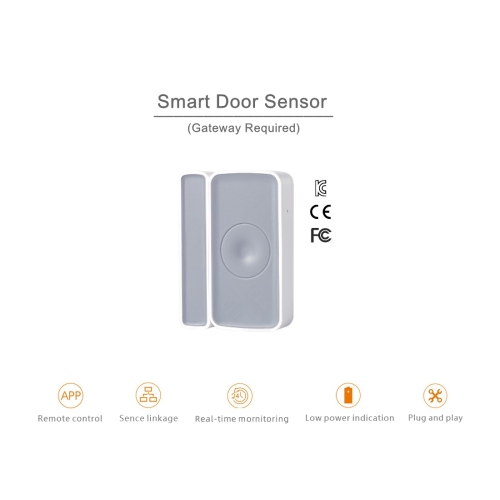
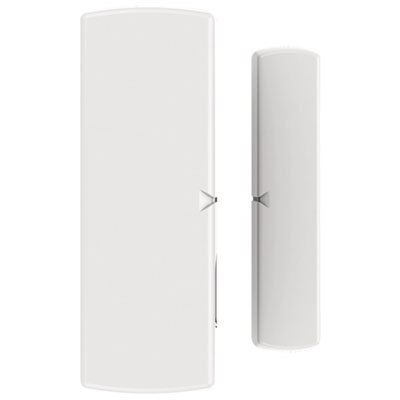
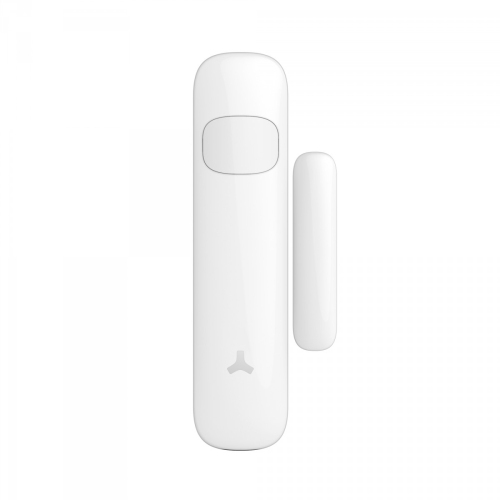
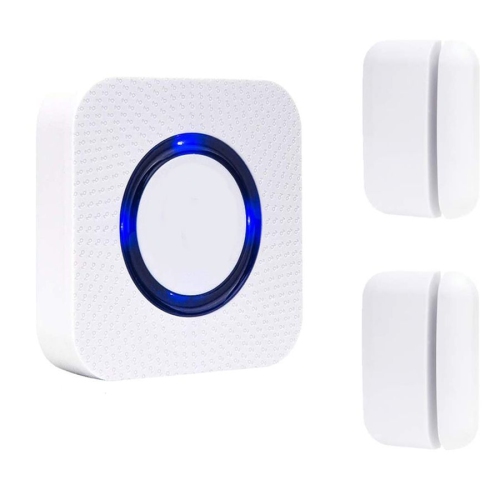
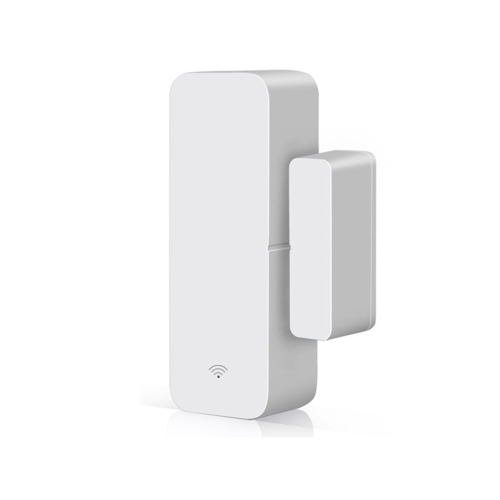
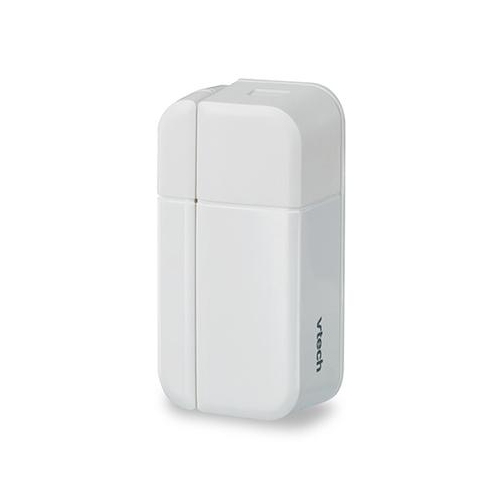
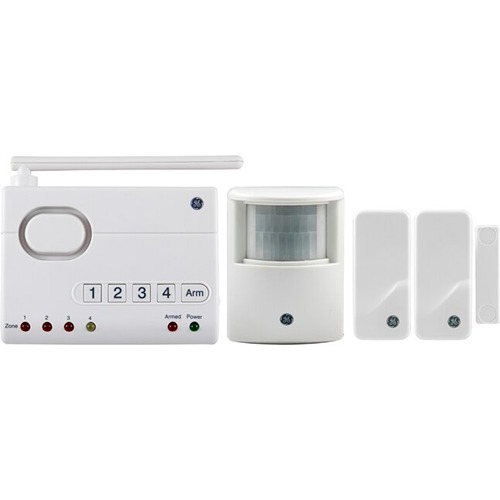
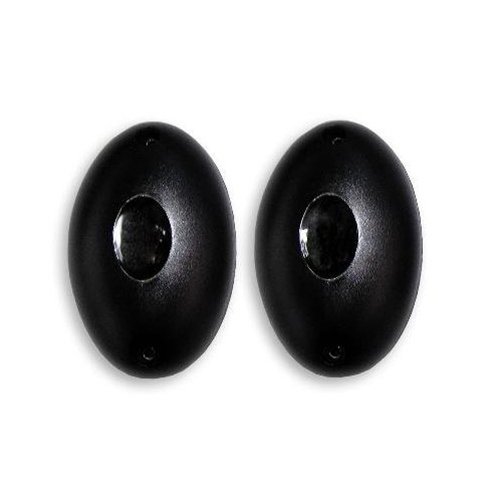
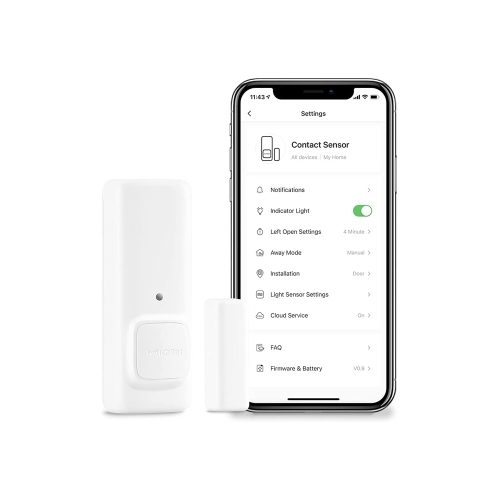
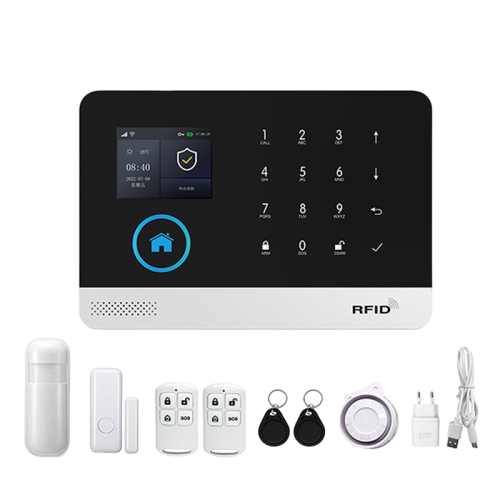
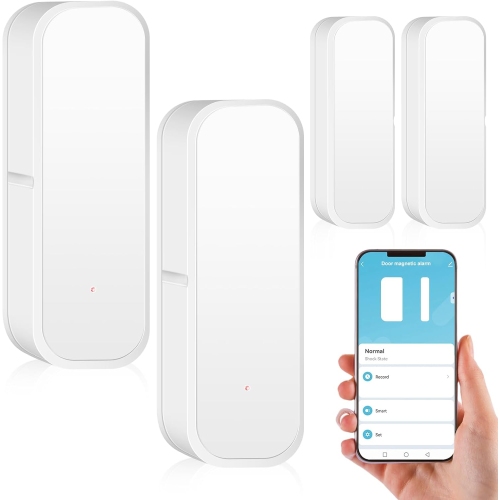
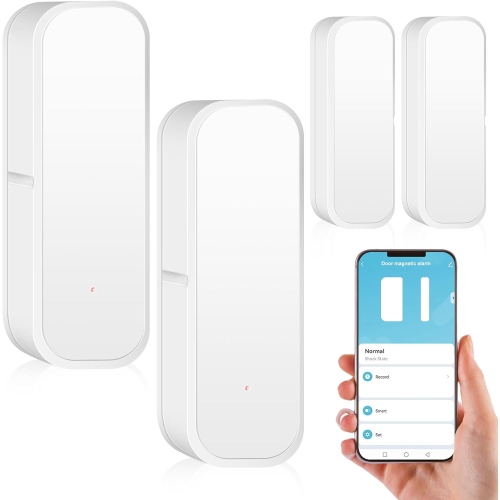
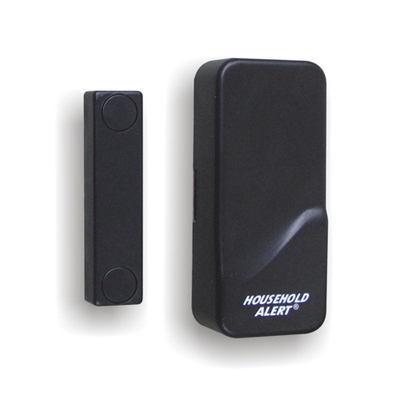
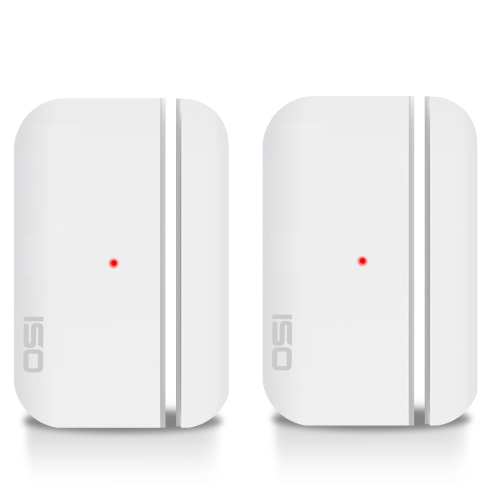
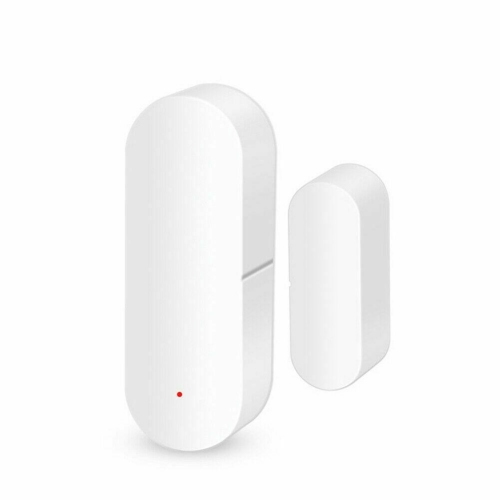
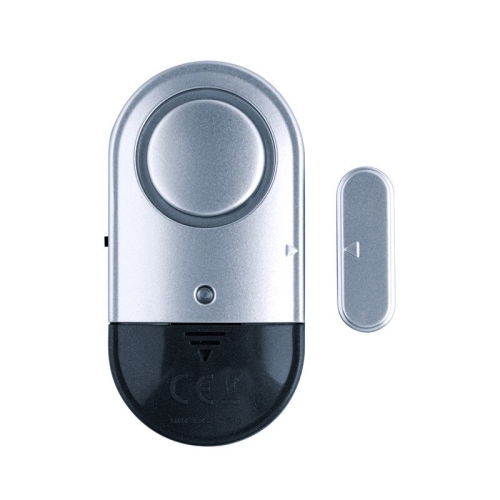
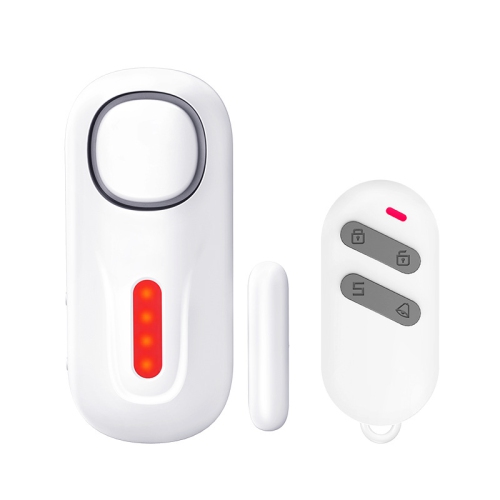
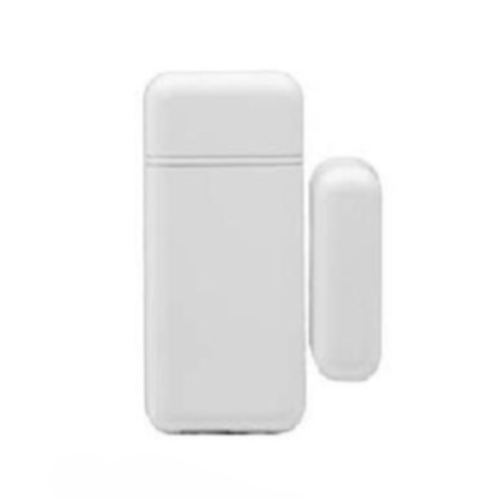
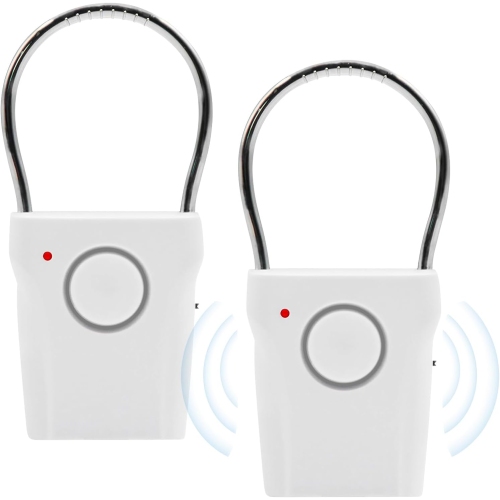
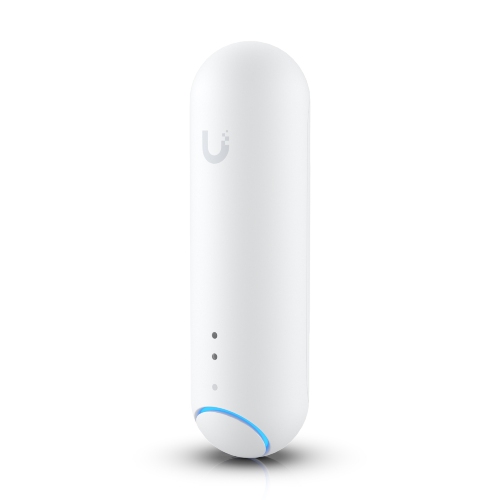
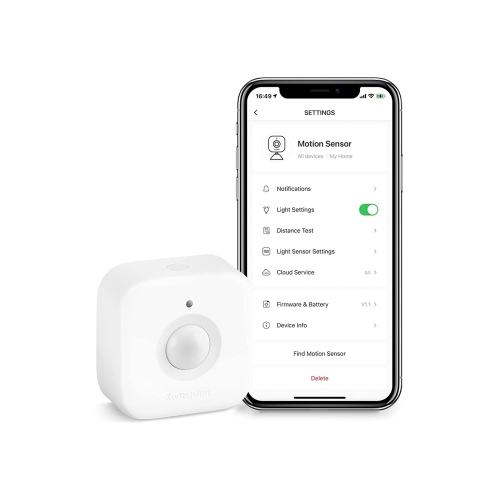
Door sensors are compact devices designed to help you keep track of whether a door is open or closed. Most consist of two matching pieces: a sensor mounted to the door frame and a magnet attached to the moving door. When the door is closed, the two pieces sit close together; when the door opens, they separate and the sensor registers a change. Depending on the type of door sensor, that change may trigger a notification on a smartphone, activate a local alarm, sound an entry chime, or start an automated routine in a connected home. This straightforward design makes door sensors useful for front doors, back doors, patio doors, garage entrances, basement access points, office doors, storage rooms, and other areas where knowing about an opening can provide extra awareness. Some models are made for smart home systems and communicate through Wi-Fi, Zigbee, Z-Wave, Matter, or a compatible hub, while others operate independently without an app or internet connection. A smart sensor can send an alert when a door opens while you are away, helping you keep an eye on deliveries, visitors, children entering restricted areas, or a rarely used entrance. A standalone model may be a better fit for someone who wants an immediate audible warning without setting up a larger system. Wireless entry chimes offer another approach, providing a gentle sound when a door opens and making them practical for small businesses, home offices, caregivers, or anyone who wants to know when someone enters without relying on phone notifications. To explore related options for windows and other entry points, browse Door Window Sensors.
When choosing a door sensor, start by considering the kind of information or response you need. If remote monitoring is important, look for a connected model that works with your preferred mobile app or smart home platform. Compatibility matters because not every sensor communicates with every hub, voice assistant, or home control system. Checking supported platforms and wireless protocols before buying can help prevent an inconvenient setup, especially in a home that already uses smart lights, cameras, thermostats, or security devices. Matter-compatible options may be appealing for households that use more than one smart home platform, although the exact features available can still depend on the hub and app. For a simple local warning, a self-contained alarm with an adjustable volume or a loud siren may be more suitable. This can be helpful on a shed, apartment entry, medicine cabinet, or rarely monitored door where a phone alert would be easy to miss. A chime-based sensor is often more comfortable in spaces where a full alarm would feel disruptive, such as a reception area, shop, nursery, or home where a family member needs a soft notice rather than a sharp siren. Also consider how the sensor will be powered, how often the batteries may need replacing, and whether the device can report low battery status. Installation is usually uncomplicated, but the two pieces need to align closely when the door is closed. Measure the available space around the frame, check whether the door opens inward or outward, and look for a model that suits the surface and clearance. A narrow sensor may work better on a slim frame, while a larger opening or uneven trim may require additional spacing or a different mounting arrangement. Adhesive mounting can be convenient for renters and temporary setups, while screw mounting may be preferred for a busy entrance or a frequently used door. Before securing the pieces, test the position with the door fully closed and open to confirm that the sensor reliably detects both states.
Door sensors can be useful for a wide range of households and routines. Parents may place them on a basement door, balcony door, or cabinet containing supplies that should remain out of reach, while pet owners may use them to know when an animal has accessed a room or escaped through an exterior entrance. Someone caring for an older relative may appreciate an alert when a door opens late at night, and a small business owner can use a chime to notice customers entering while working in another part of the space. In a home office, a sensor can provide a discreet signal when a family member arrives without interrupting a meeting. Connected sensors can also support useful automations, such as turning on a hallway light when a door opens after dark, adjusting a thermostat when an exterior door is left open, or recording an event in a broader home monitoring system. These routines depend on the capabilities of the sensor, hub, and other connected devices, so it is worth checking whether the desired automation is supported before purchasing. Door sensors can also make thoughtful gifts for new homeowners, renters settling into a first apartment, relatives who want added awareness around entrances, or friends building a smart home one device at a time. They are small, practical, and easy to add to an existing setup, whether the recipient wants a notification in their pocket, a clear sound in the room, or a simple way to know when a particular door has moved. During the warmer and cooler parts of the year, when exterior doors may be opened more often for fresh air, visitors, deliveries, or seasonal storage, a sensor can offer a convenient reminder and a little more confidence in the everyday flow of the home.
When choosing a door sensor, start by considering the kind of information or response you need. If remote monitoring is important, look for a connected model that works with your preferred mobile app or smart home platform. Compatibility matters because not every sensor communicates with every hub, voice assistant, or home control system. Checking supported platforms and wireless protocols before buying can help prevent an inconvenient setup, especially in a home that already uses smart lights, cameras, thermostats, or security devices. Matter-compatible options may be appealing for households that use more than one smart home platform, although the exact features available can still depend on the hub and app. For a simple local warning, a self-contained alarm with an adjustable volume or a loud siren may be more suitable. This can be helpful on a shed, apartment entry, medicine cabinet, or rarely monitored door where a phone alert would be easy to miss. A chime-based sensor is often more comfortable in spaces where a full alarm would feel disruptive, such as a reception area, shop, nursery, or home where a family member needs a soft notice rather than a sharp siren. Also consider how the sensor will be powered, how often the batteries may need replacing, and whether the device can report low battery status. Installation is usually uncomplicated, but the two pieces need to align closely when the door is closed. Measure the available space around the frame, check whether the door opens inward or outward, and look for a model that suits the surface and clearance. A narrow sensor may work better on a slim frame, while a larger opening or uneven trim may require additional spacing or a different mounting arrangement. Adhesive mounting can be convenient for renters and temporary setups, while screw mounting may be preferred for a busy entrance or a frequently used door. Before securing the pieces, test the position with the door fully closed and open to confirm that the sensor reliably detects both states.
Door sensors can be useful for a wide range of households and routines. Parents may place them on a basement door, balcony door, or cabinet containing supplies that should remain out of reach, while pet owners may use them to know when an animal has accessed a room or escaped through an exterior entrance. Someone caring for an older relative may appreciate an alert when a door opens late at night, and a small business owner can use a chime to notice customers entering while working in another part of the space. In a home office, a sensor can provide a discreet signal when a family member arrives without interrupting a meeting. Connected sensors can also support useful automations, such as turning on a hallway light when a door opens after dark, adjusting a thermostat when an exterior door is left open, or recording an event in a broader home monitoring system. These routines depend on the capabilities of the sensor, hub, and other connected devices, so it is worth checking whether the desired automation is supported before purchasing. Door sensors can also make thoughtful gifts for new homeowners, renters settling into a first apartment, relatives who want added awareness around entrances, or friends building a smart home one device at a time. They are small, practical, and easy to add to an existing setup, whether the recipient wants a notification in their pocket, a clear sound in the room, or a simple way to know when a particular door has moved. During the warmer and cooler parts of the year, when exterior doors may be opened more often for fresh air, visitors, deliveries, or seasonal storage, a sensor can offer a convenient reminder and a little more confidence in the everyday flow of the home.
Top selling and popular products
-
 Your price for this item is $349.99
 -
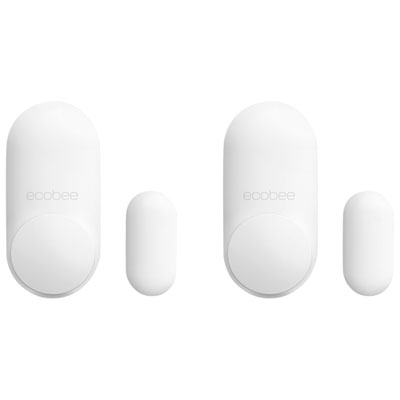 Your price for this item is $53.98
 -
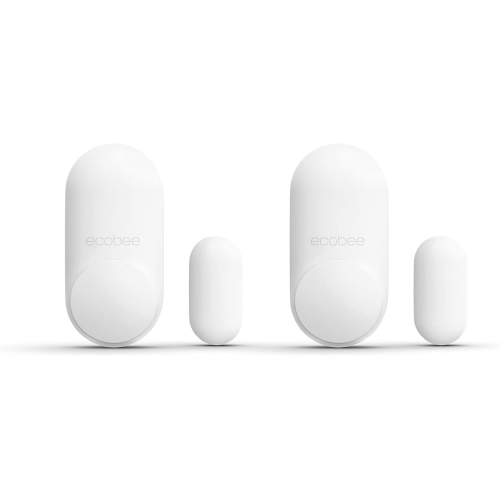 Your price for this item is $99.99
 -
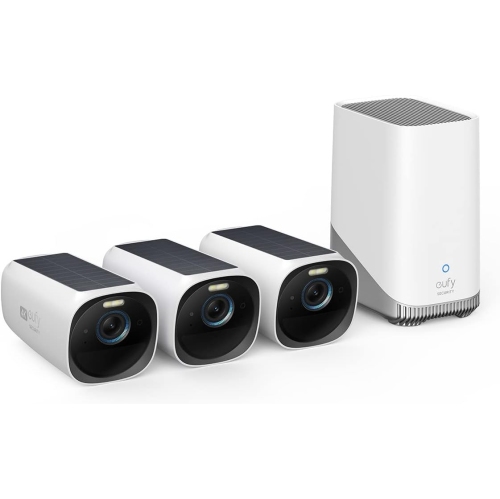 Your price for this item is $799.99
 -
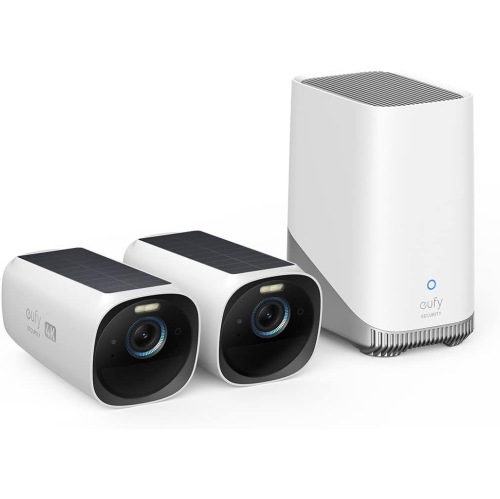 Your price for this item is $549.99
 -
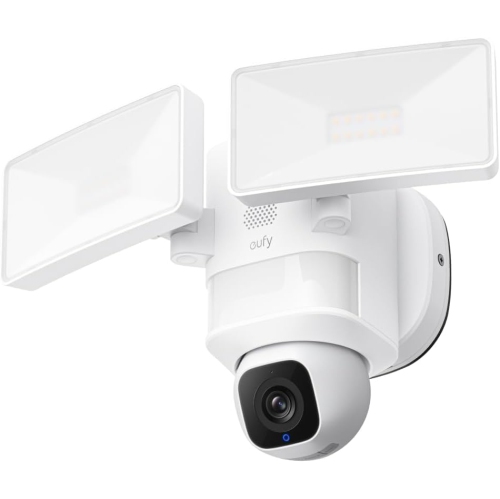 Your price for this item is $229.99
 -
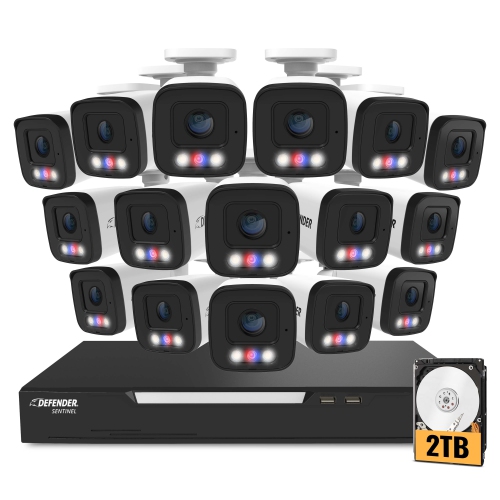 Your price for this item is $1859.99
 -
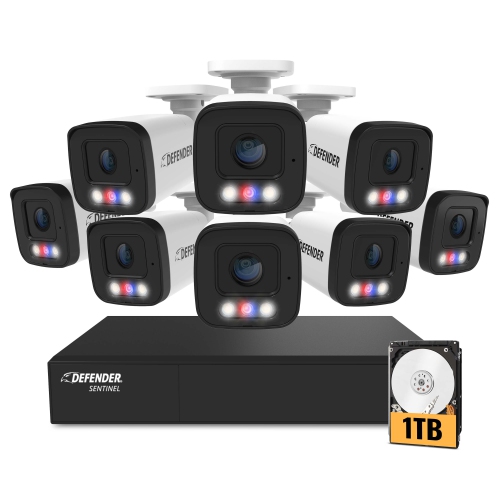 Your price for this item is $899.99
Discover more categories related to Door Sensors
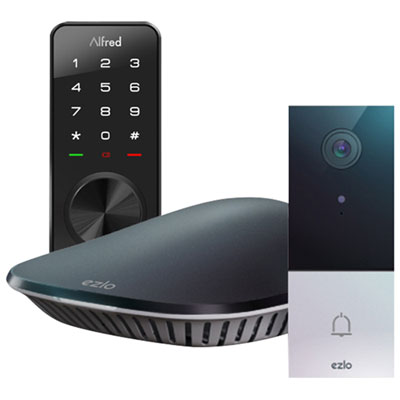
Top Collections:
Pokemon Centers, Kindle Devices, Best Budget Office Chairs, Apple iPhones 16, Best Laptops for Writers, iPhone 15 Apple, Canon G7X Cameras, Refurbished Apple Laptops, Alarm Clock, Motorola Razr Phones
Some products may be subject to Environmental Handling Fees
(EHF) depending on your province.
Learn more about EHFs.