Easy Installation Security Cameras
Upgrade your home security with our selection of easy installation security cameras. Whether you're a tech-savvy homeowner or a beginner DIY enthusiast, these cameras are designed to provide you with peace of mind without the hassle. With their user-friendly features and straightforward setup process, protecting your property has never been easier. Explore our range of options that offer high-quality video footage, motion detection capabilities, and remote viewing so you can keep an eye on your home from anywhere. Invest in the safety of your loved ones and enjoy the convenience of effortless installation with our easy installation security cameras.
Sort


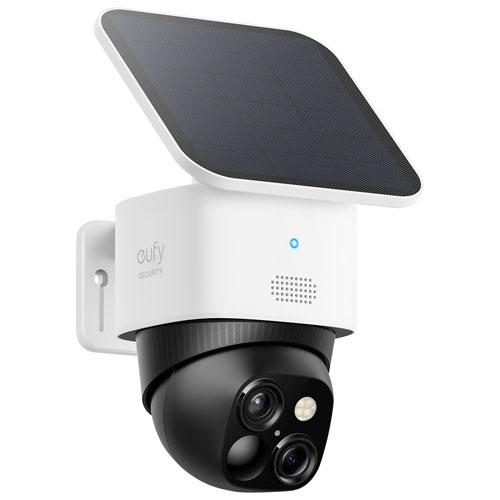

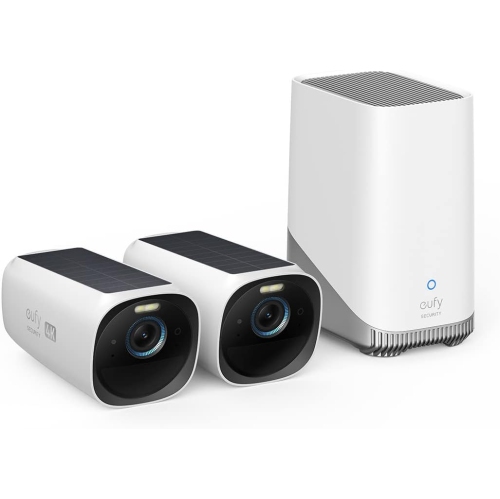

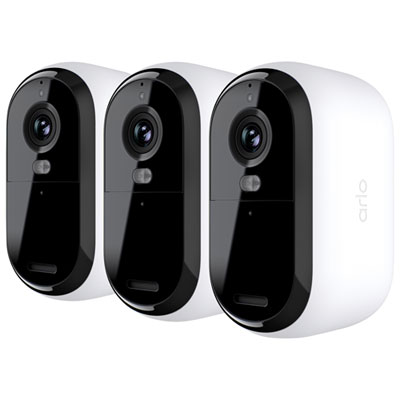
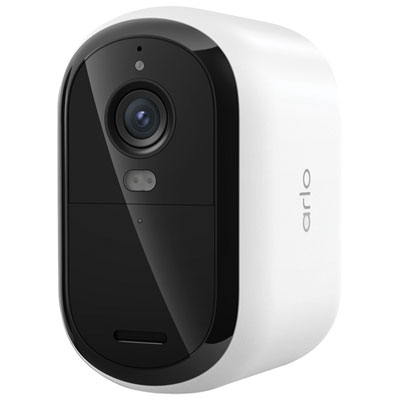




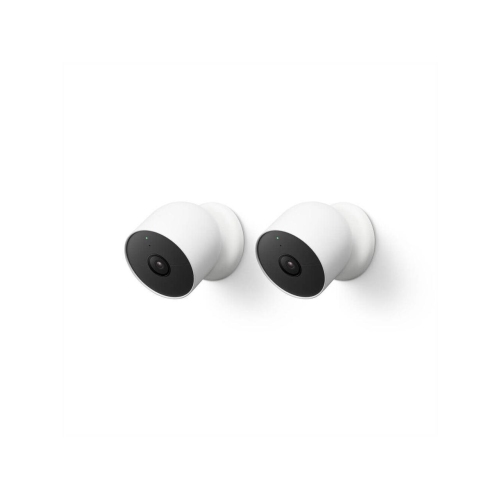


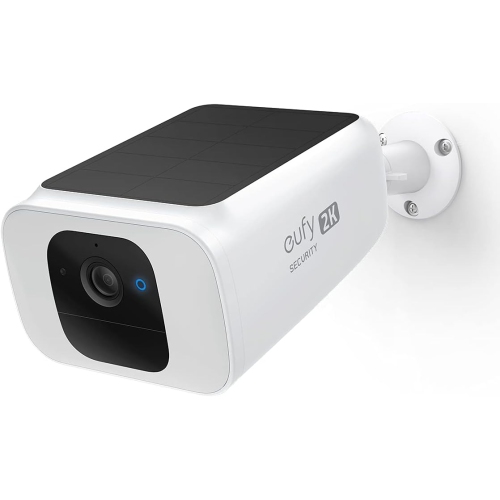
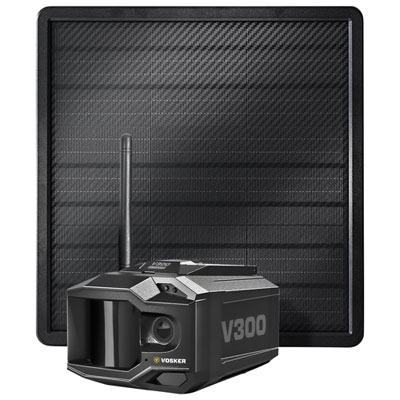


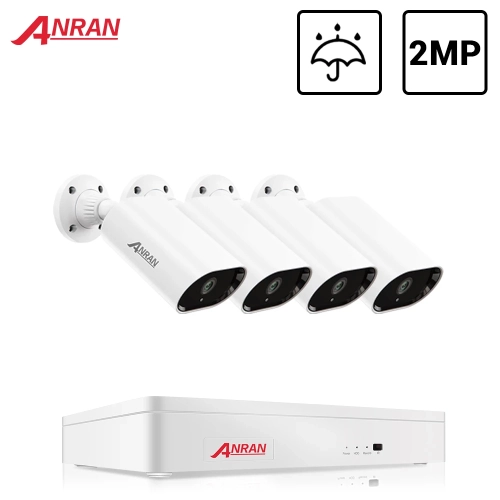
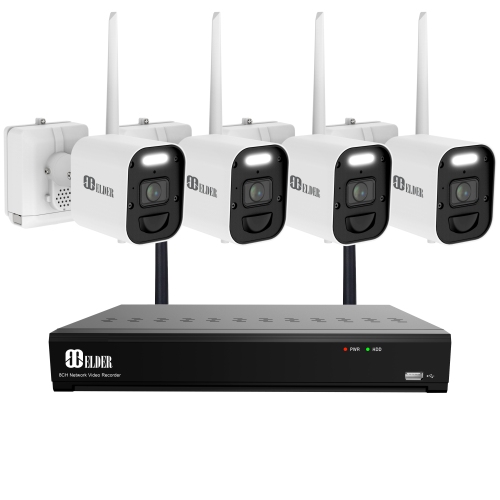
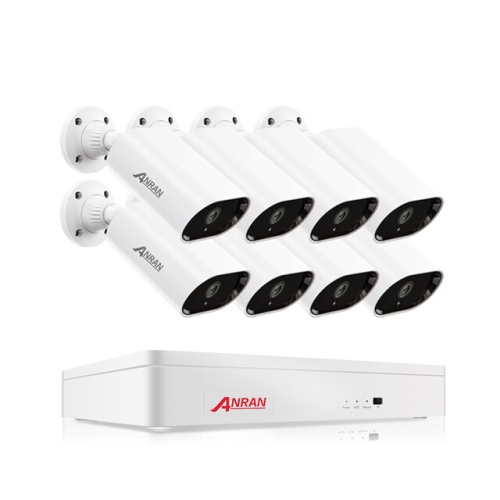
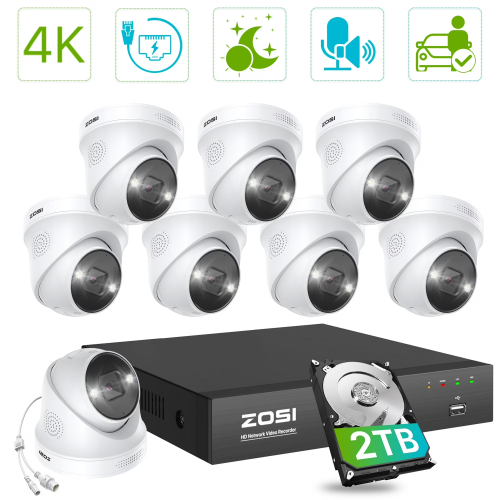
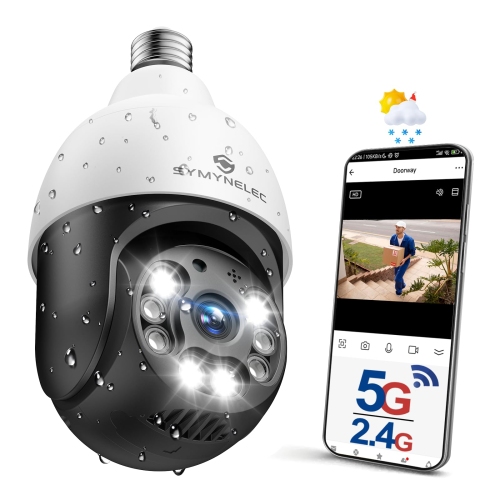

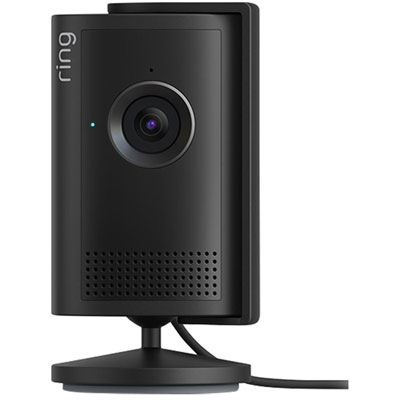
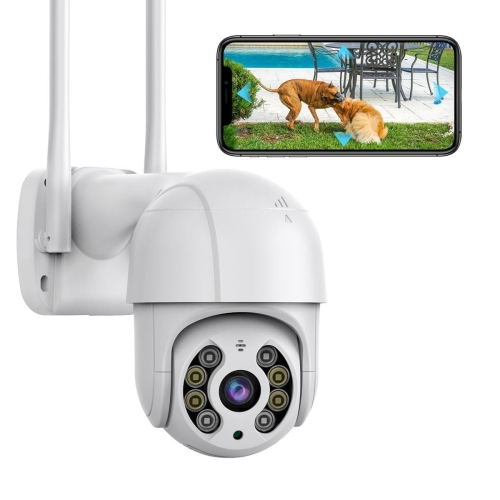
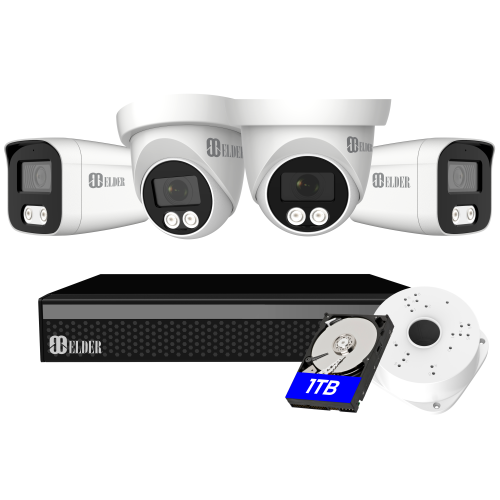
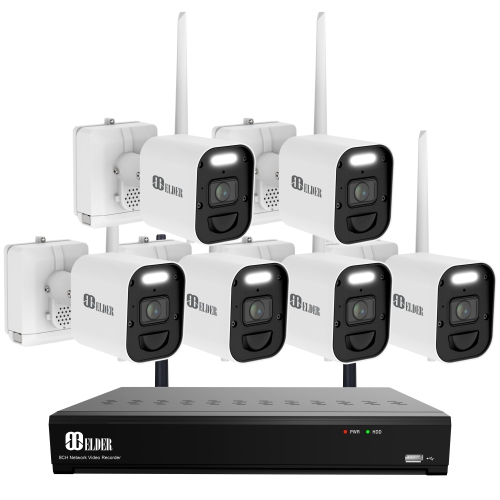

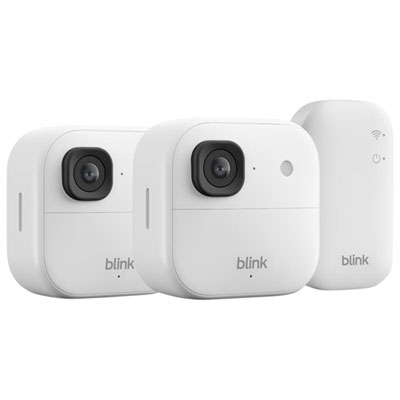
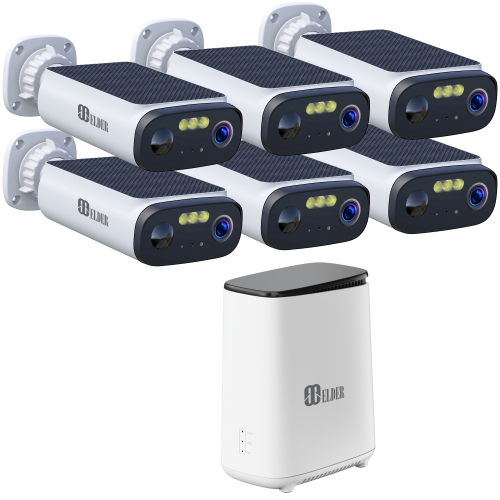
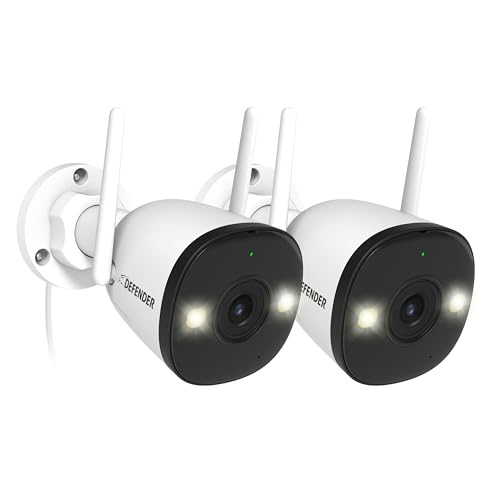
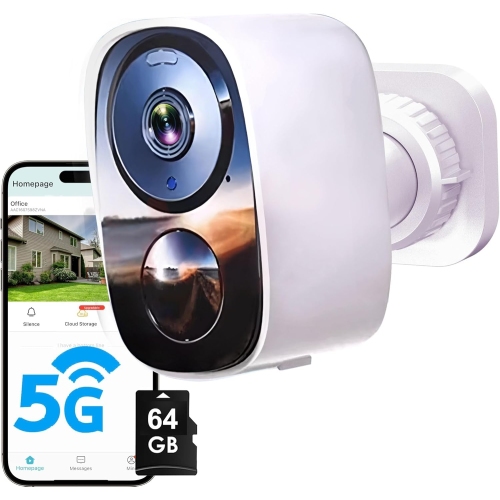


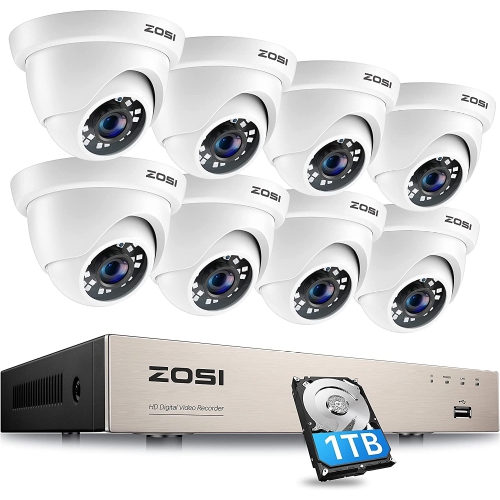

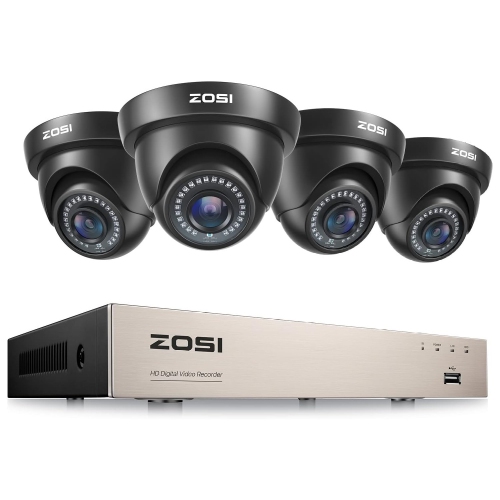
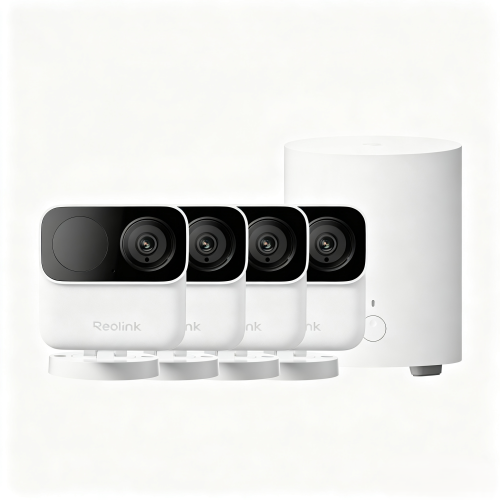
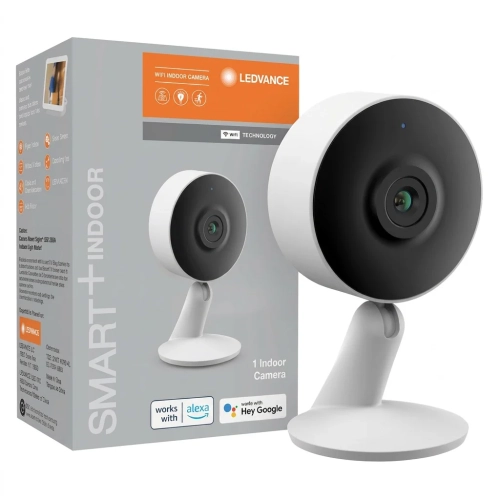

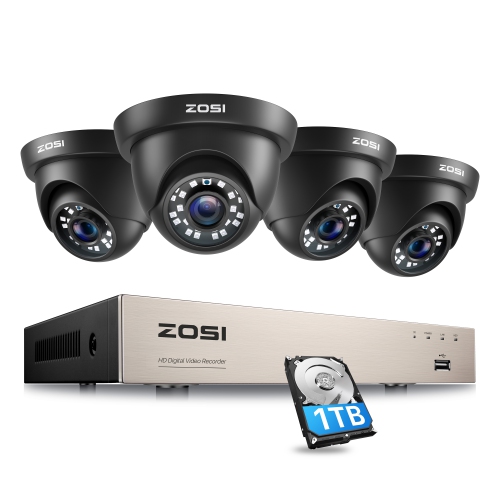
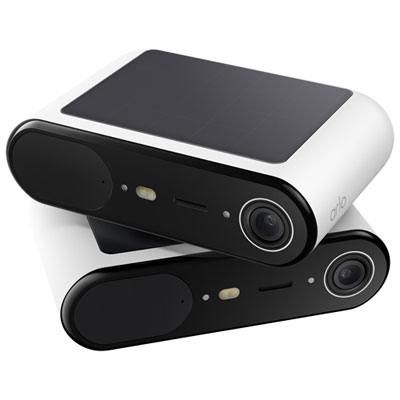


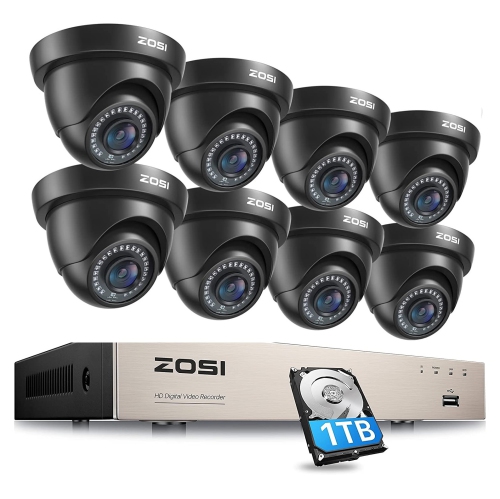


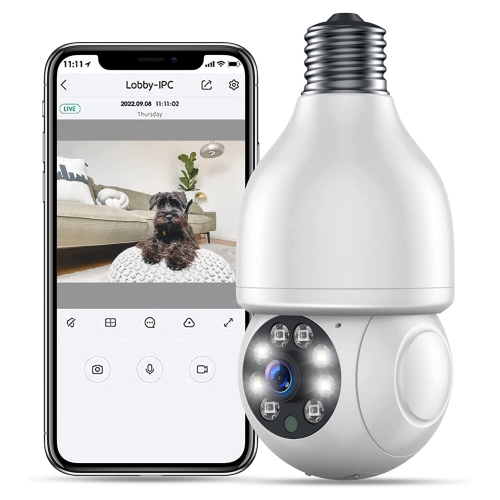
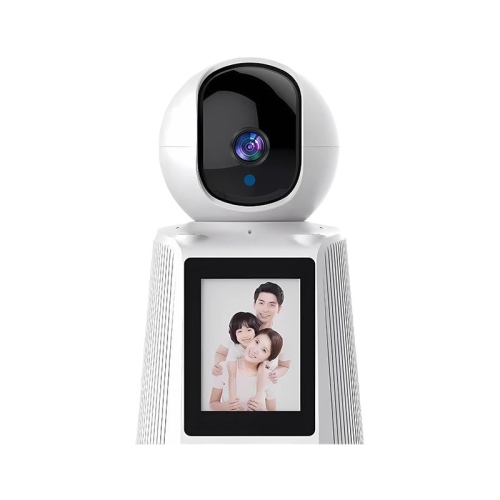
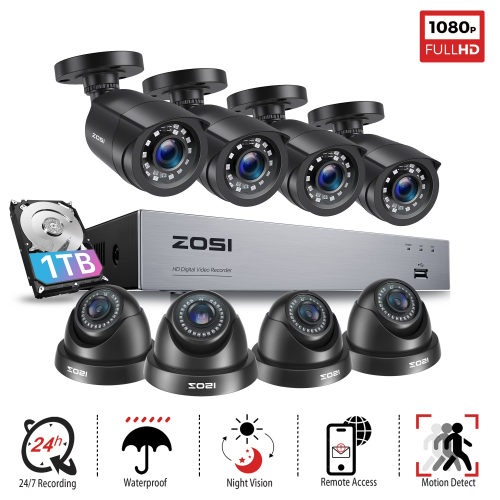
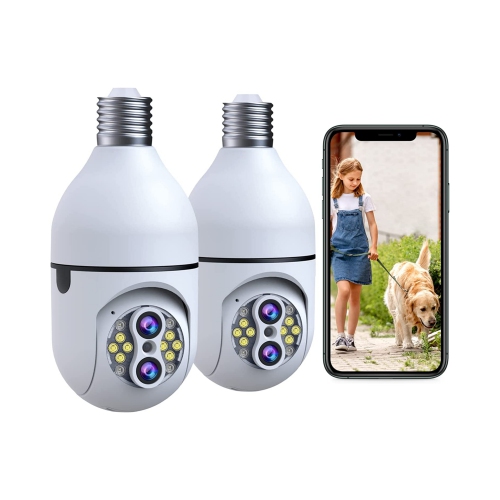
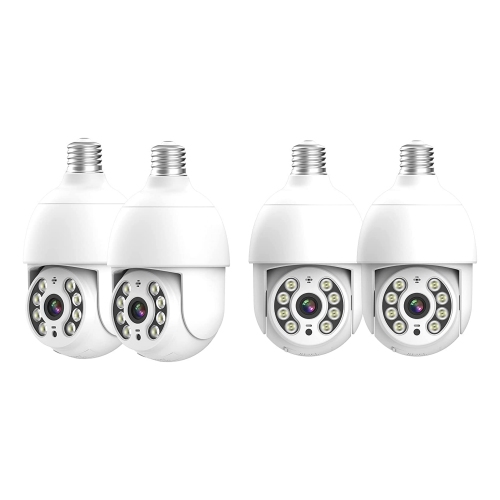


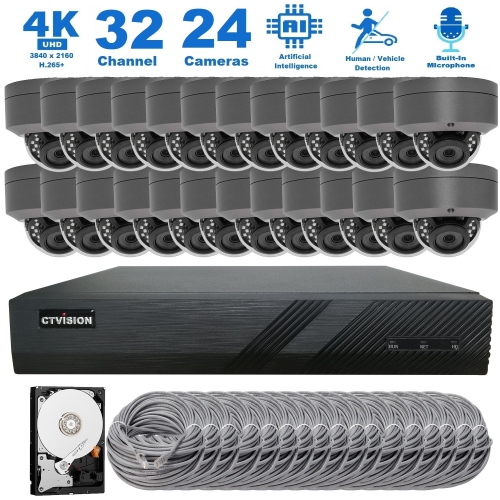
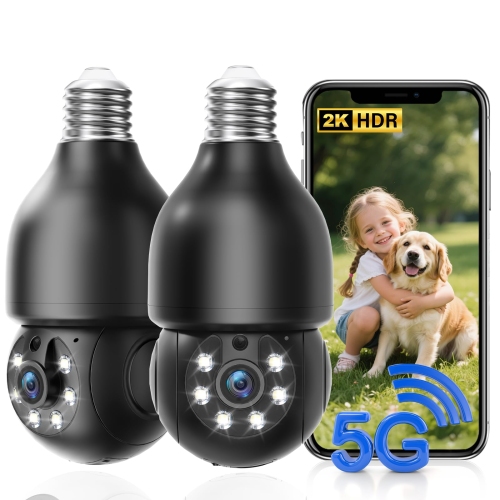

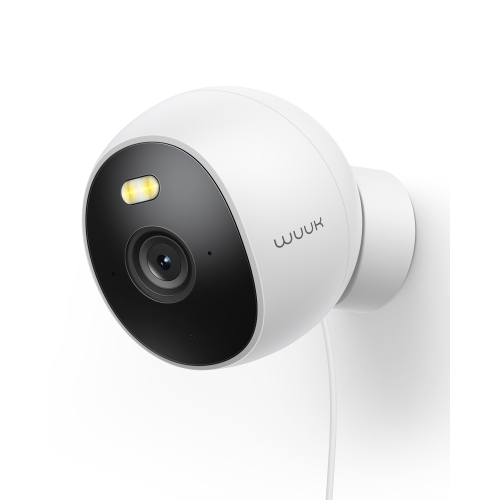
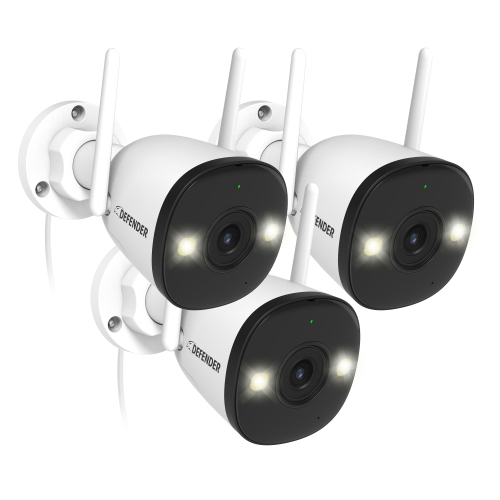
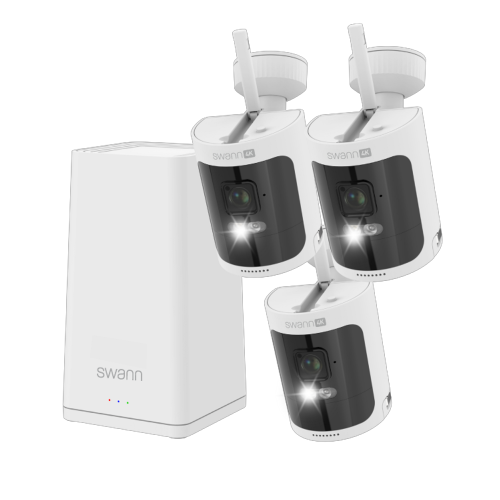


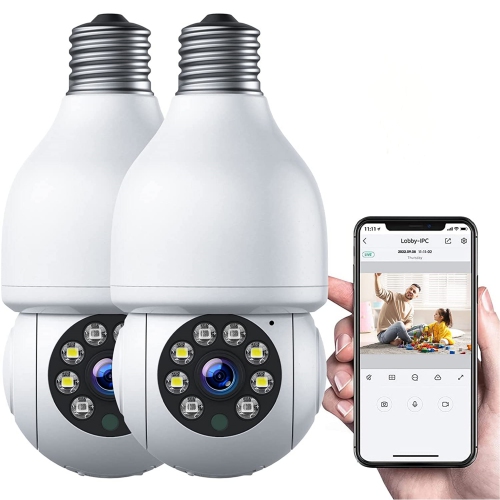

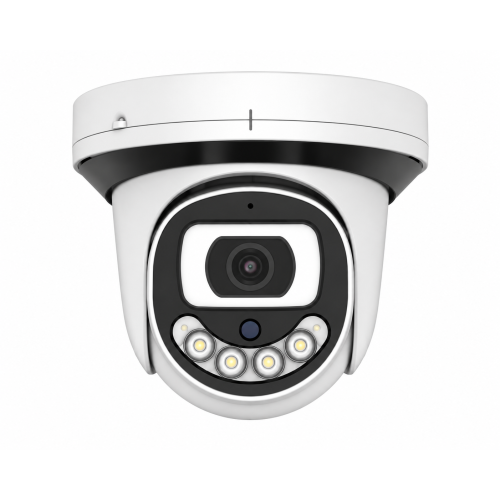
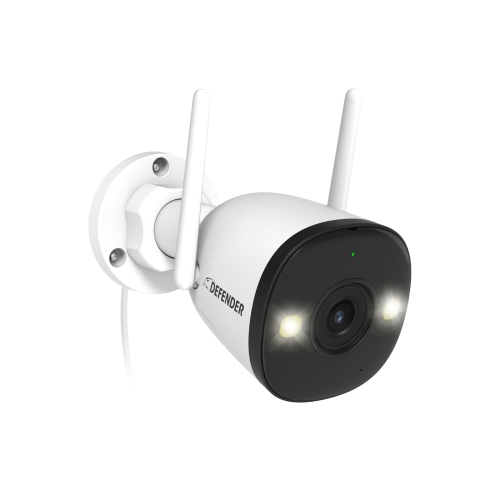
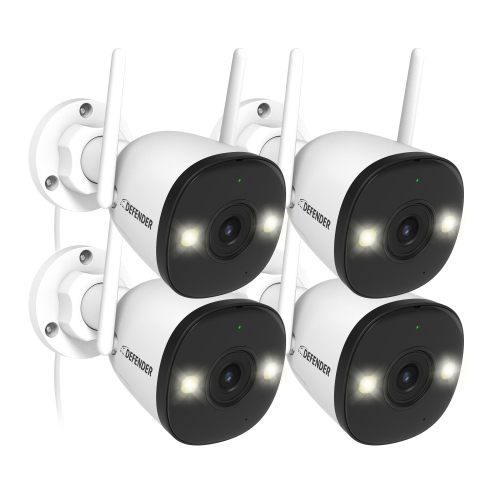

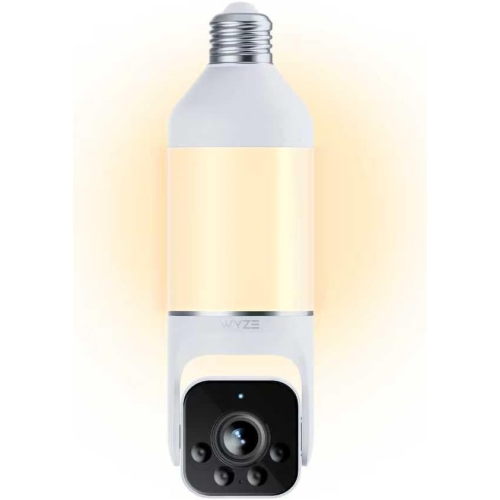
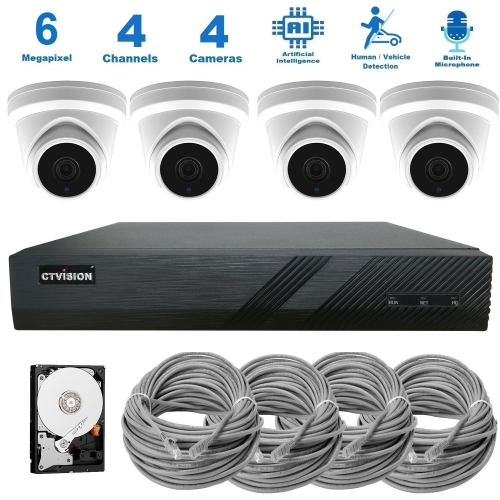
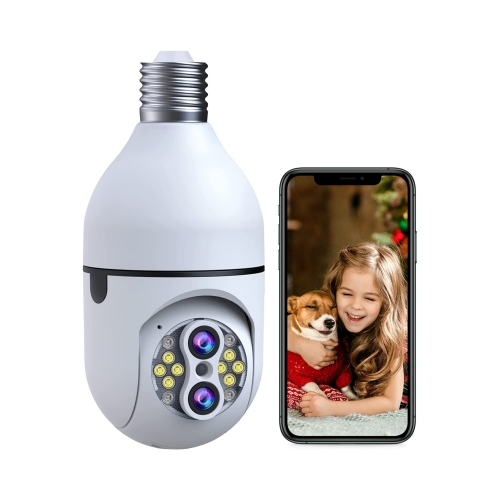
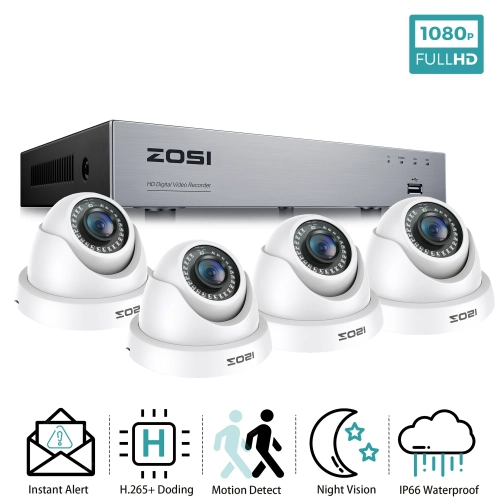
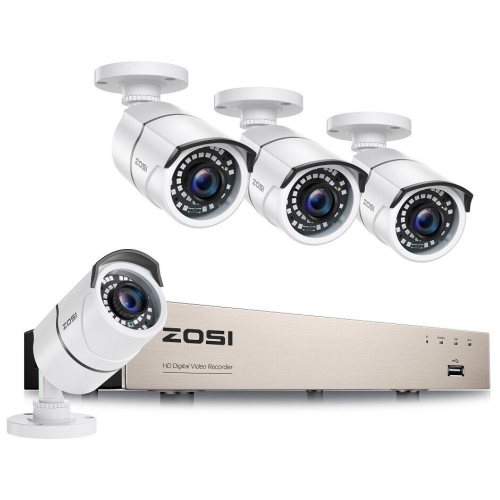
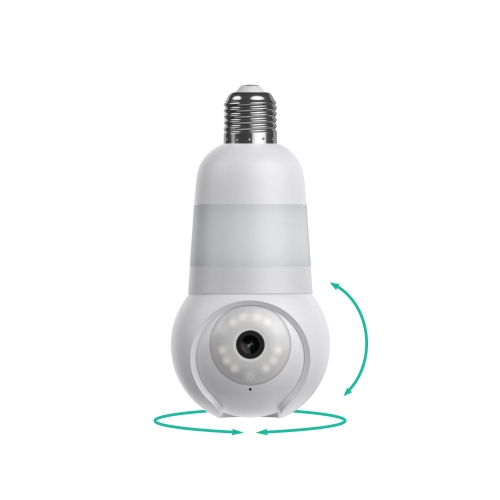
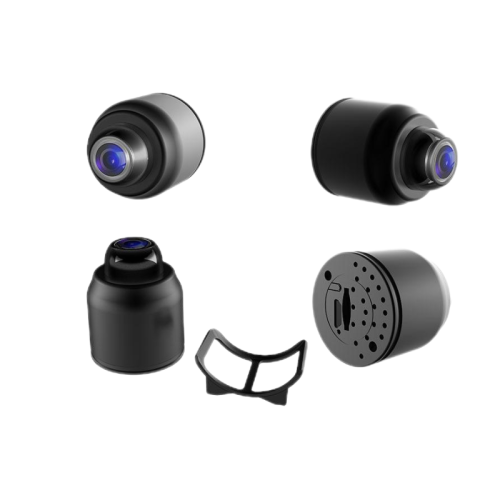






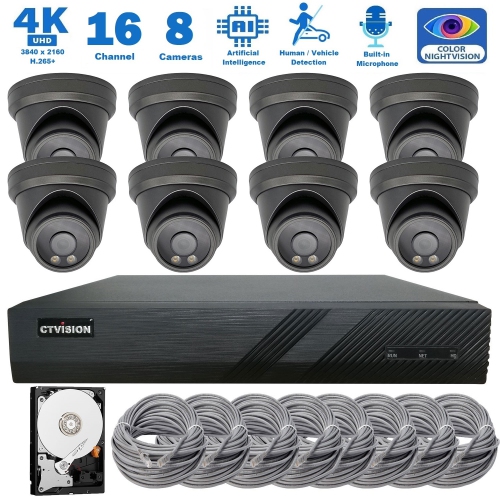
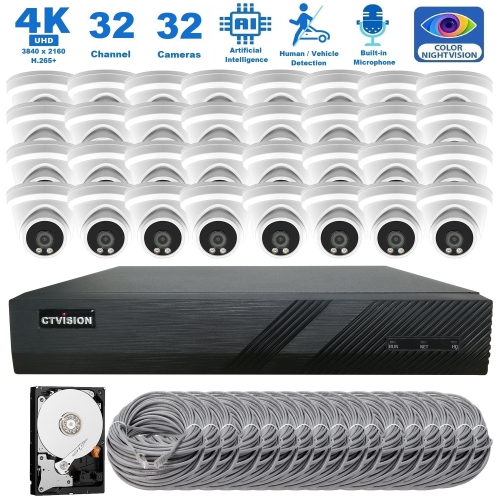


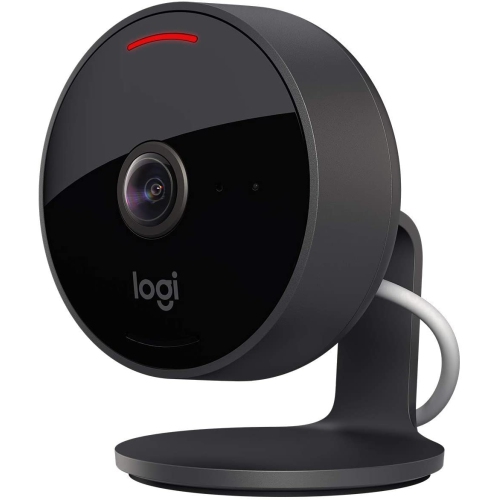
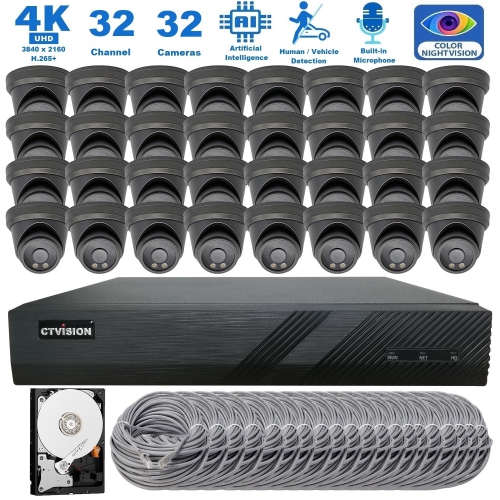

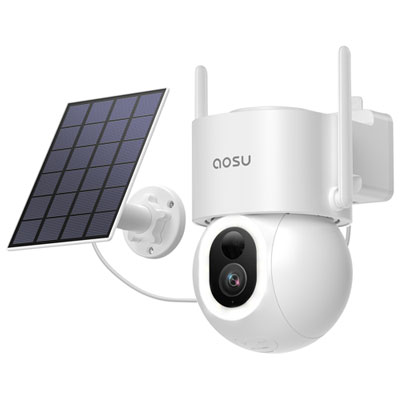
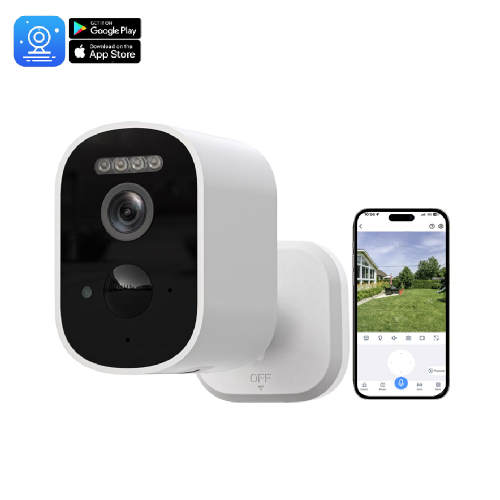
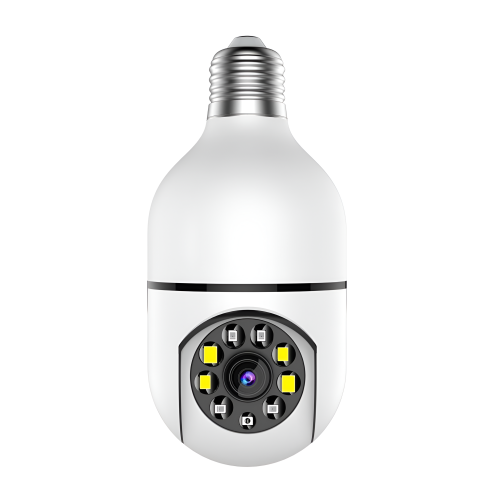
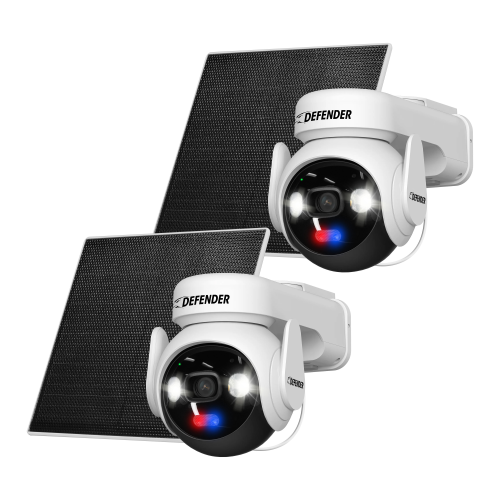


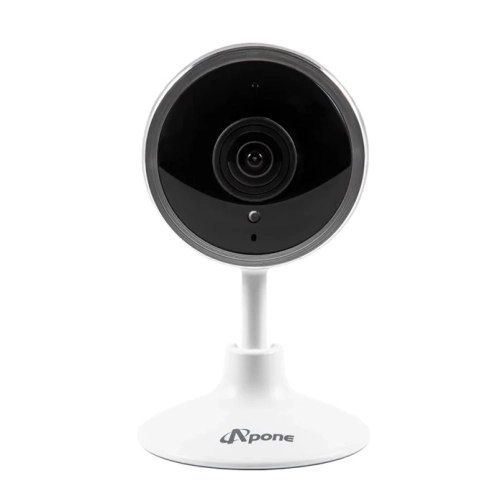
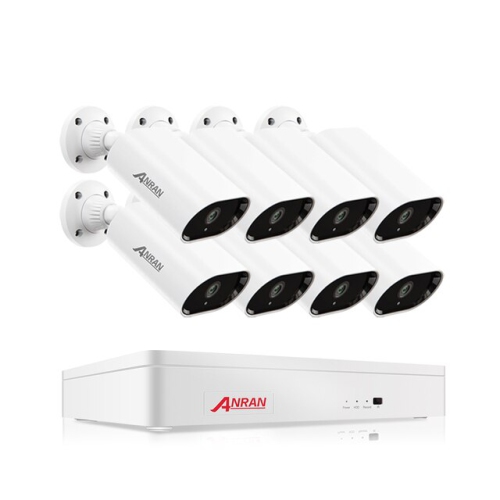
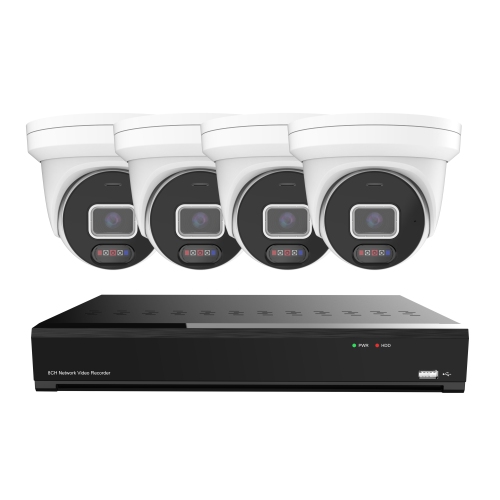
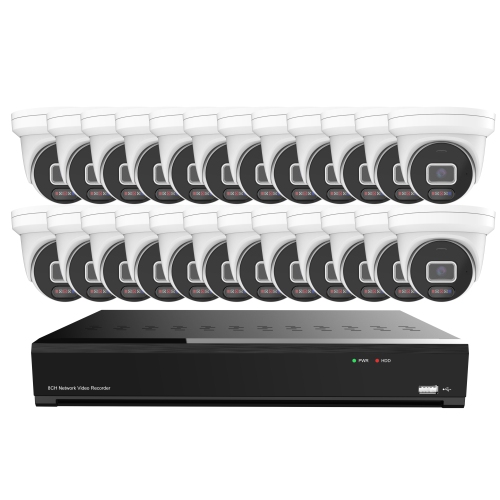


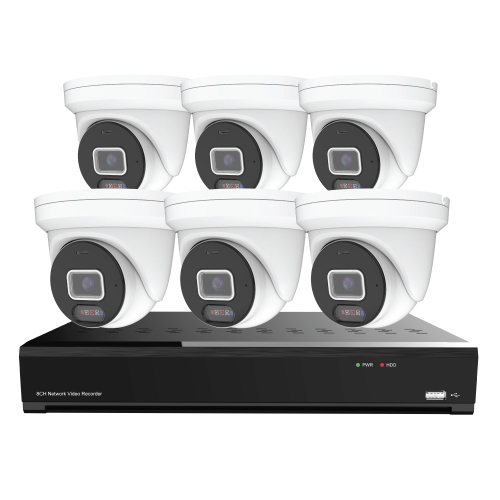
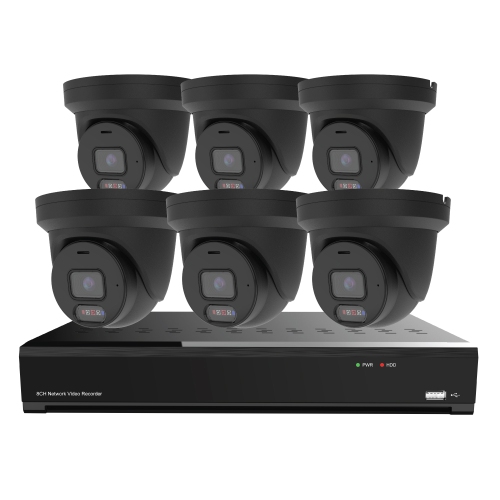
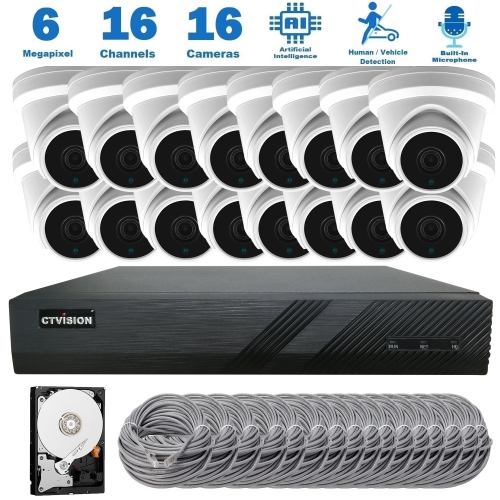
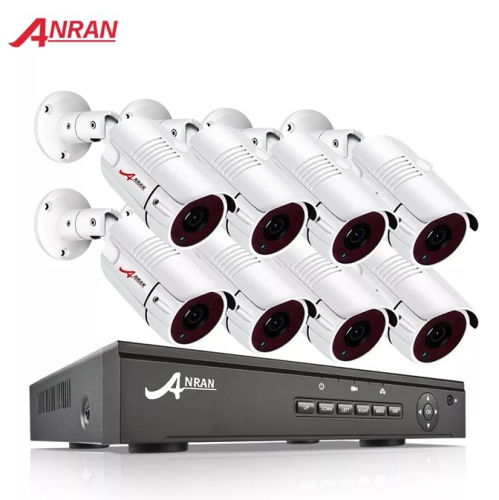
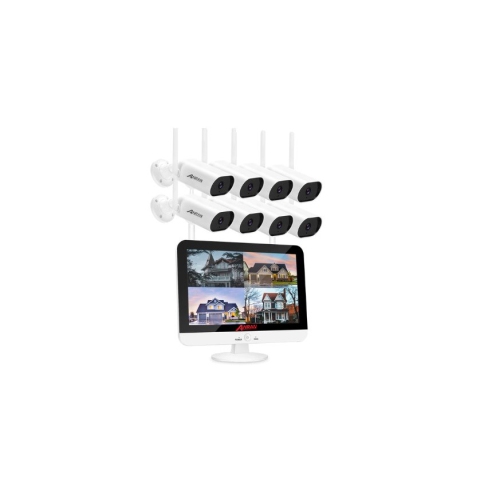
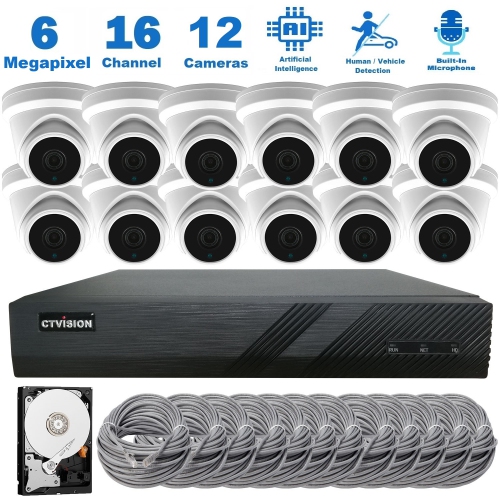

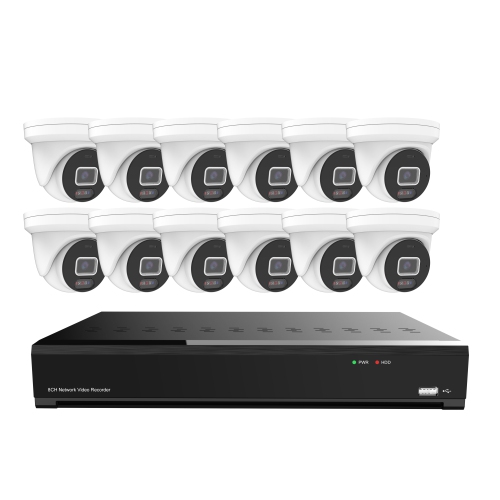

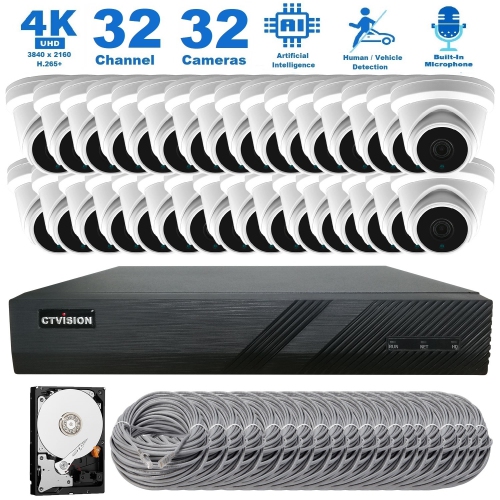
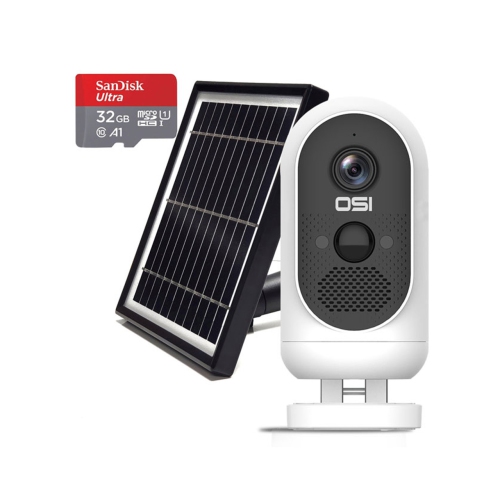
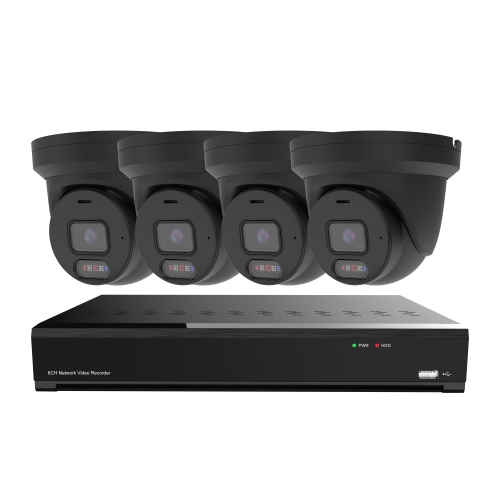
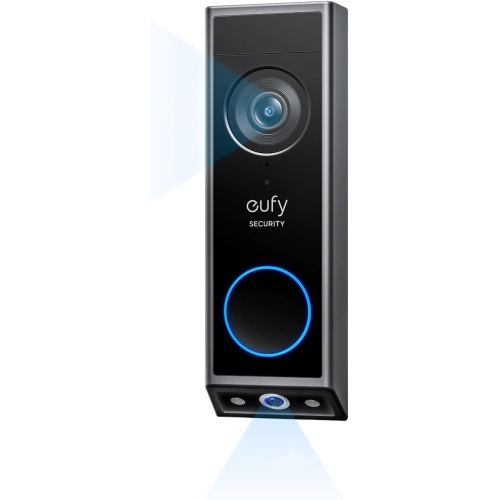
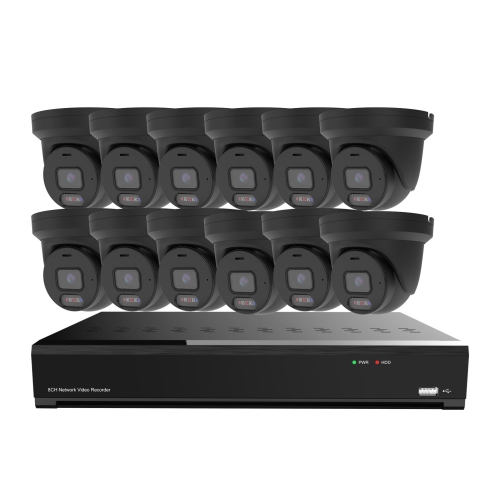
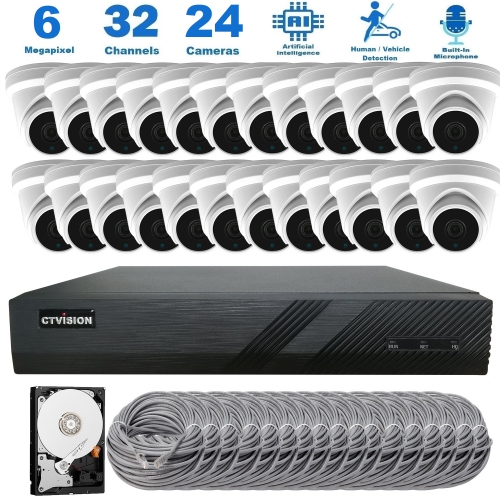
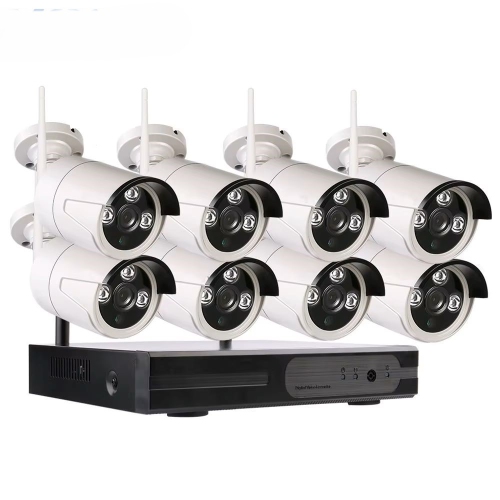
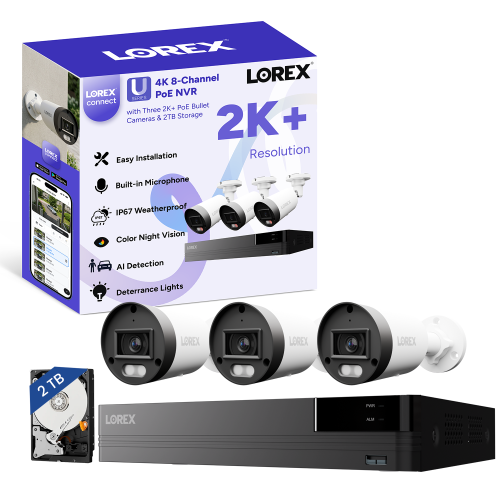
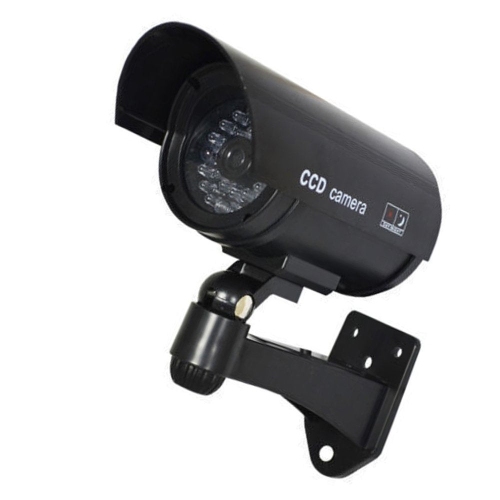

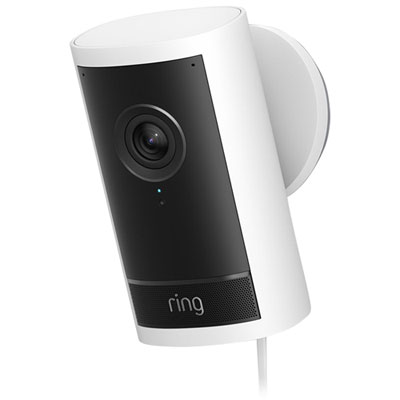

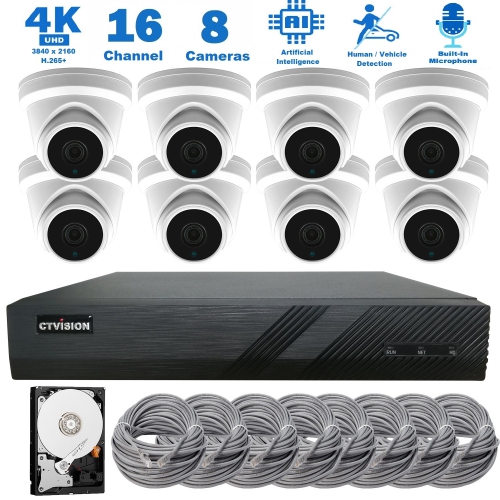
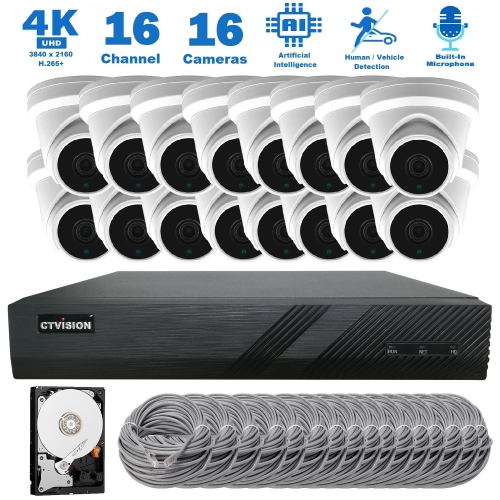
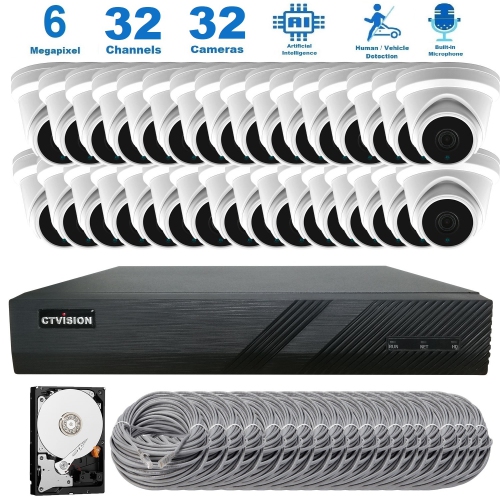

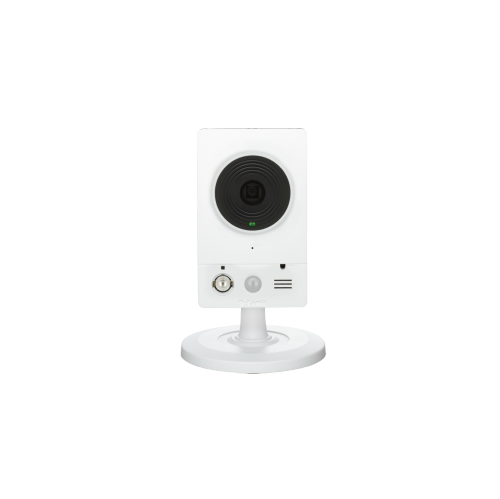
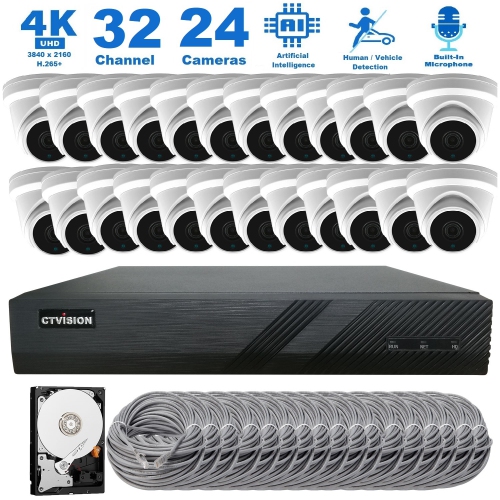
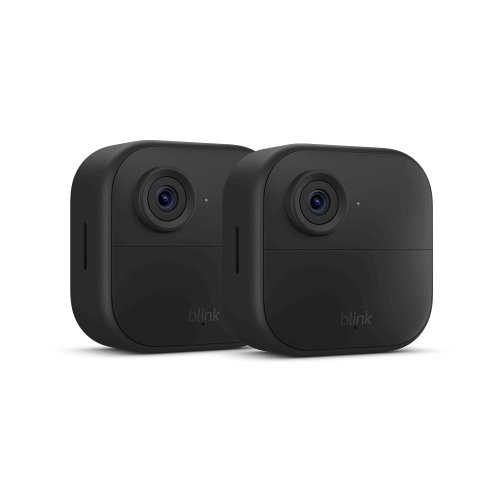
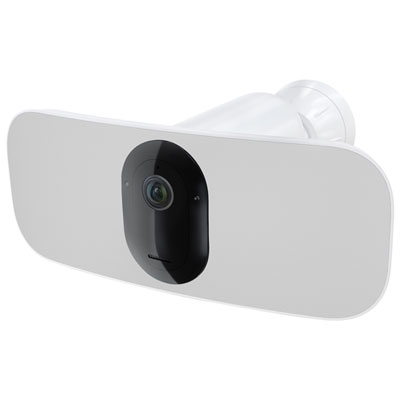
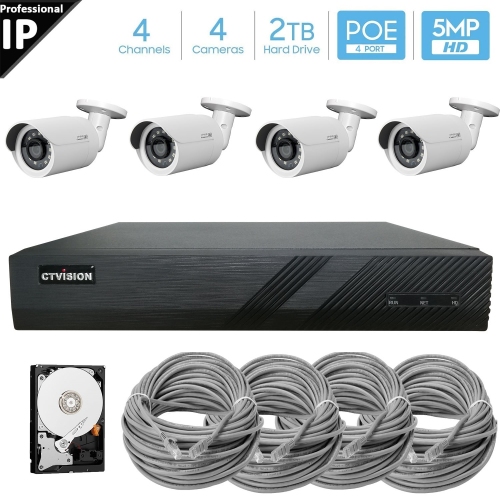
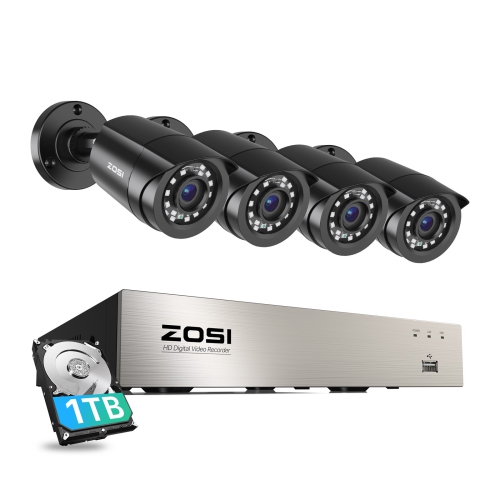

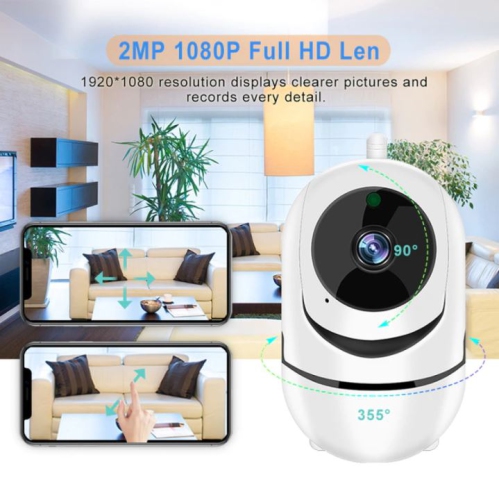
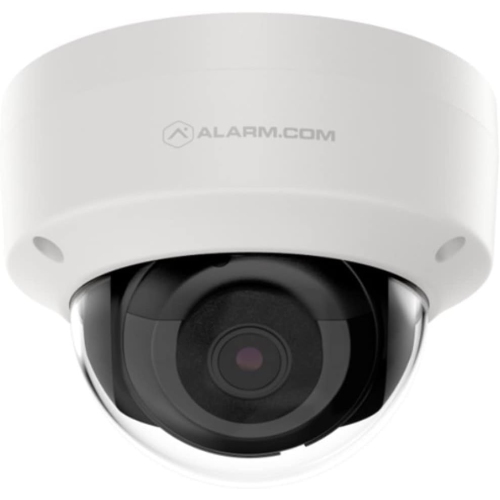
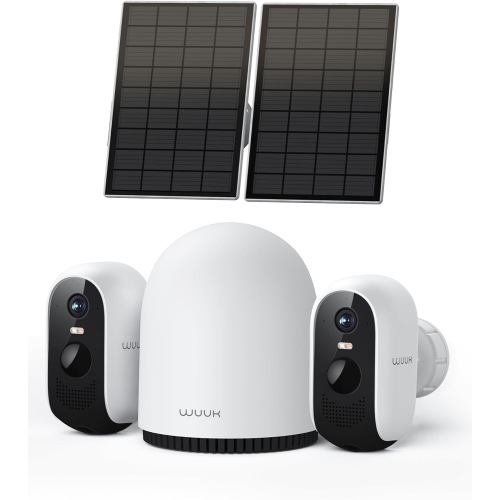
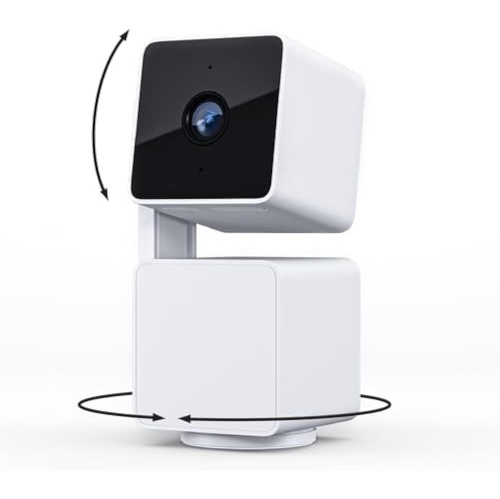
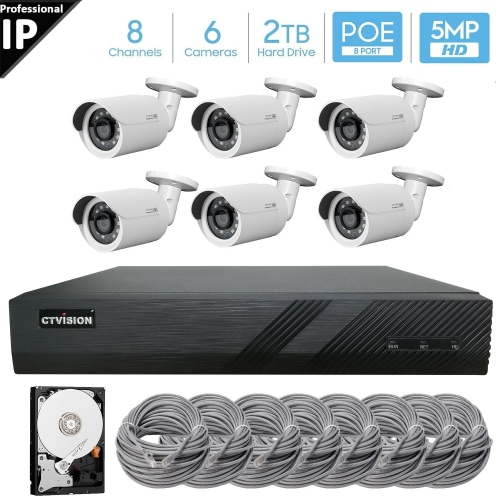
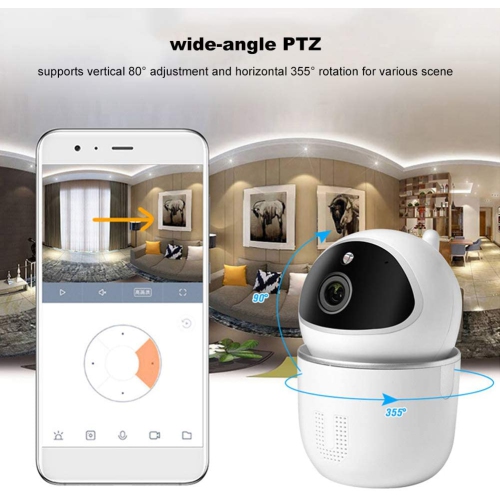
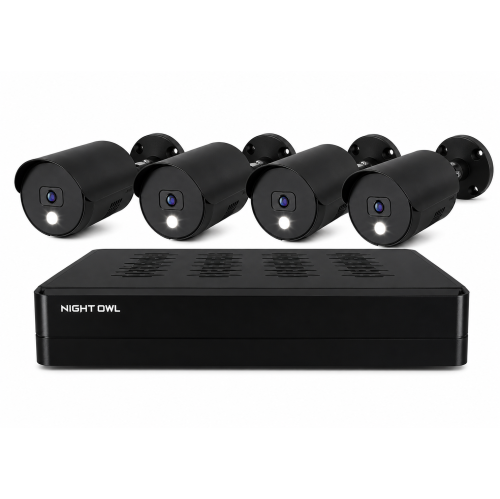
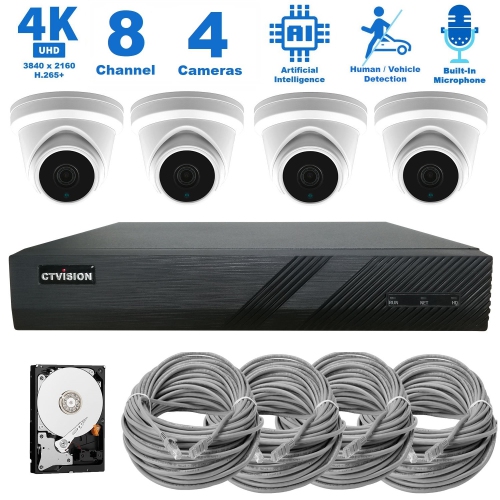

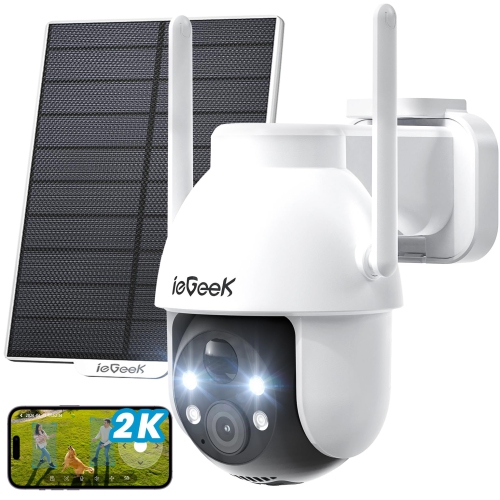
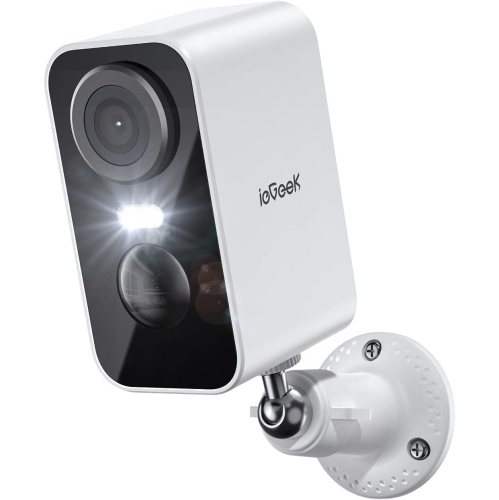
Why wireless cameras may still need a power cable
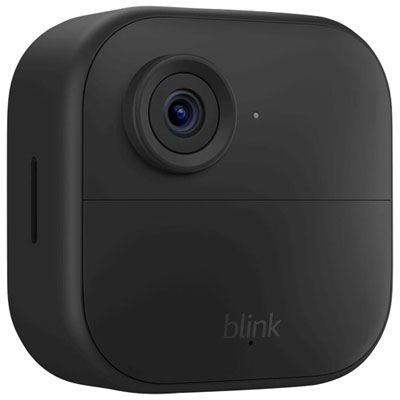
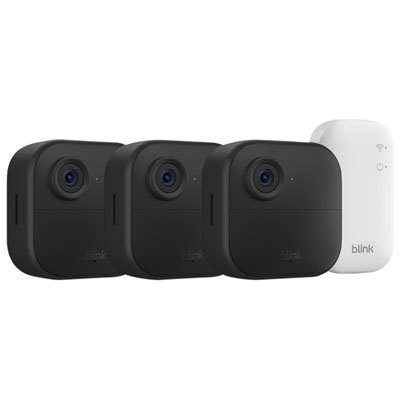
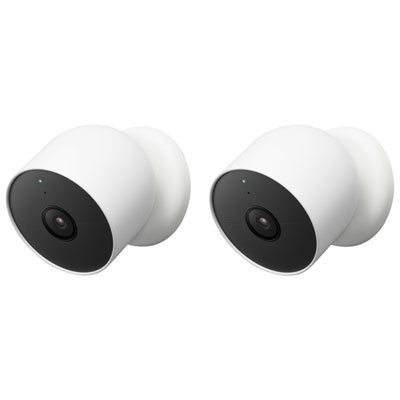
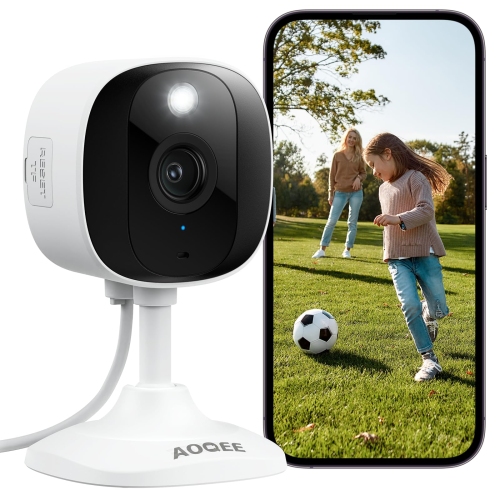
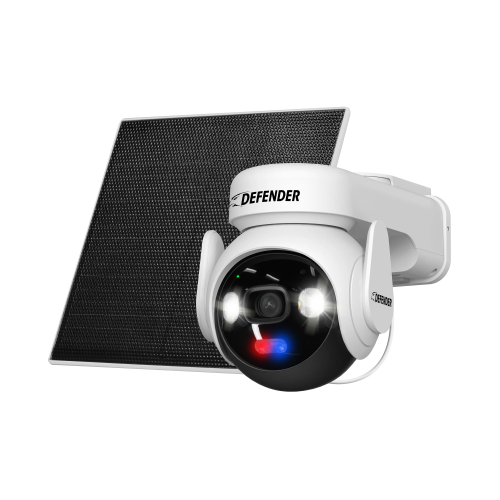
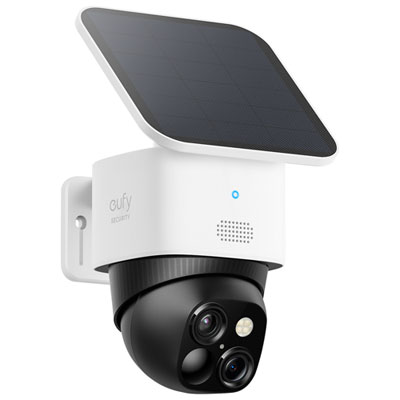
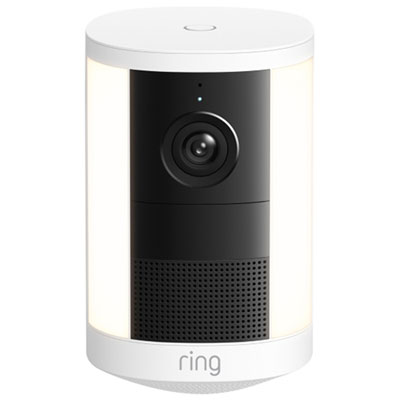
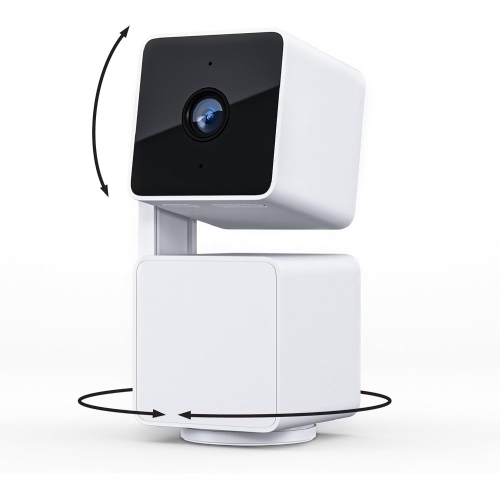
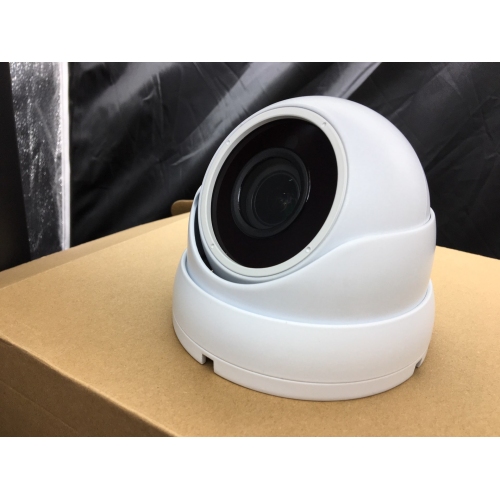
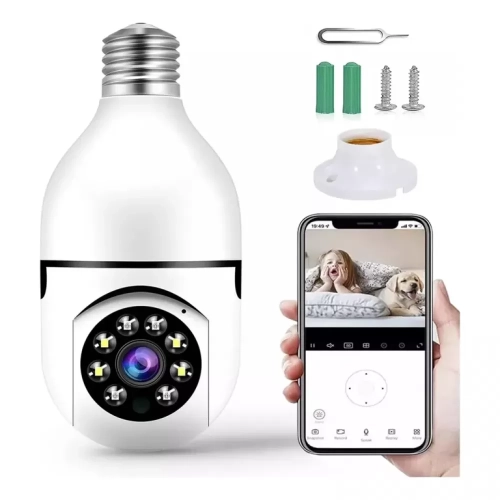
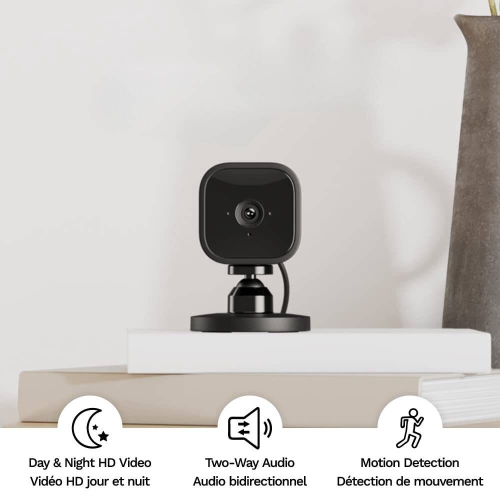
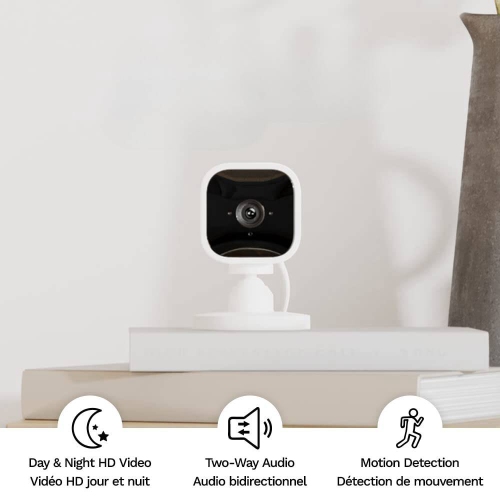
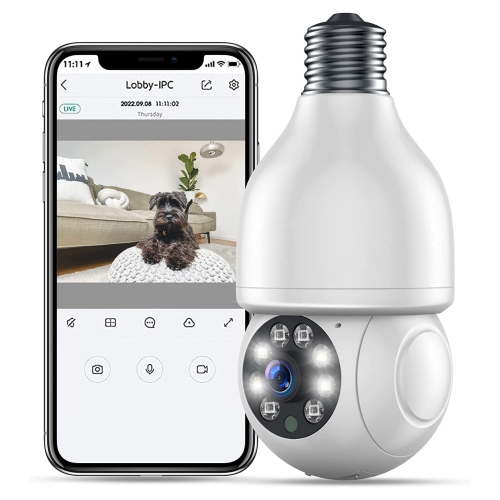
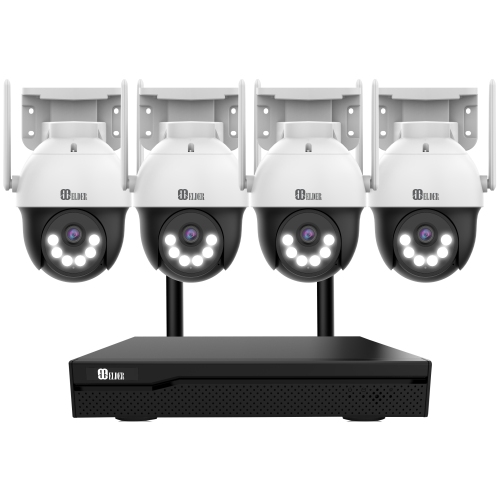
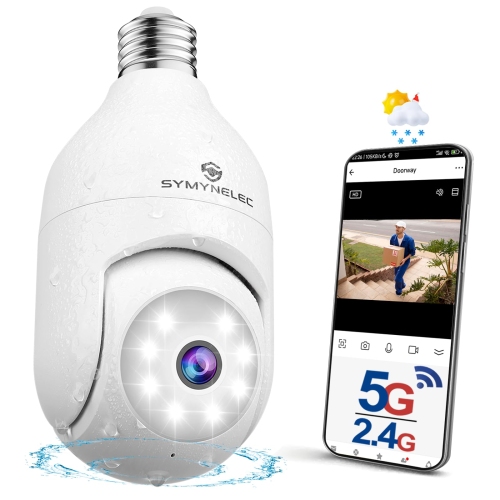
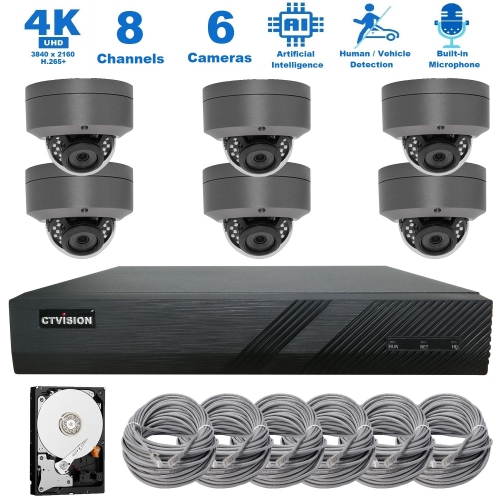
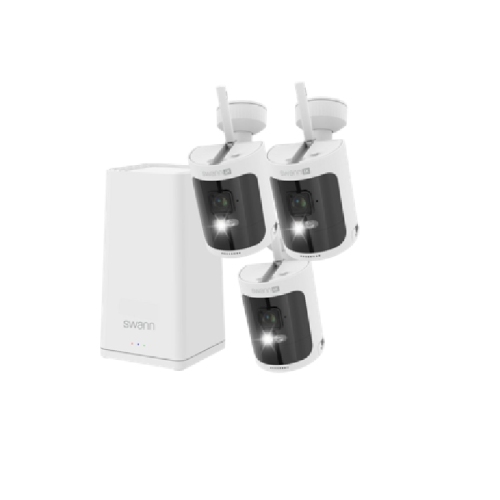
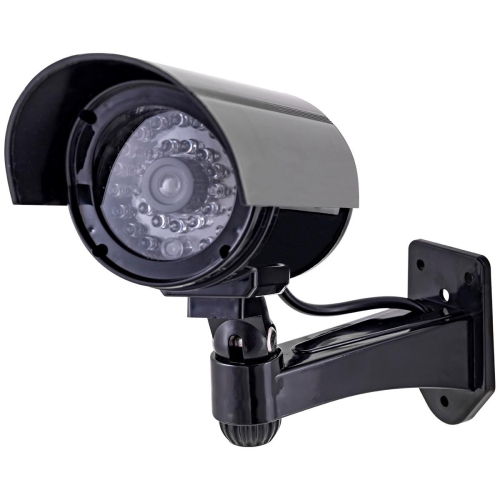
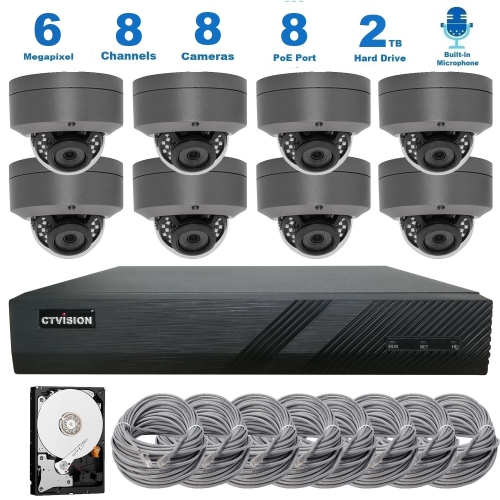
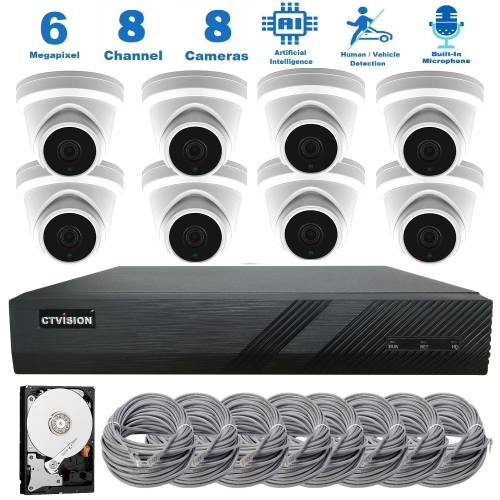
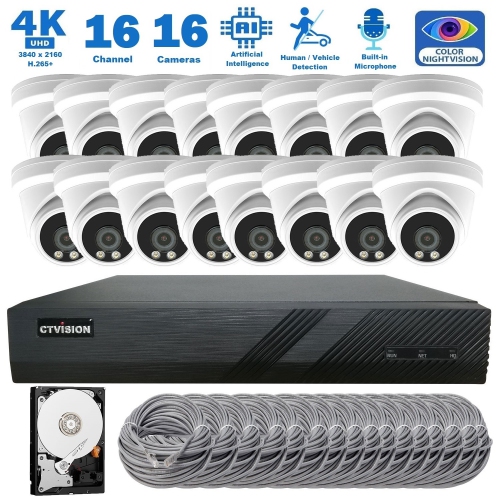
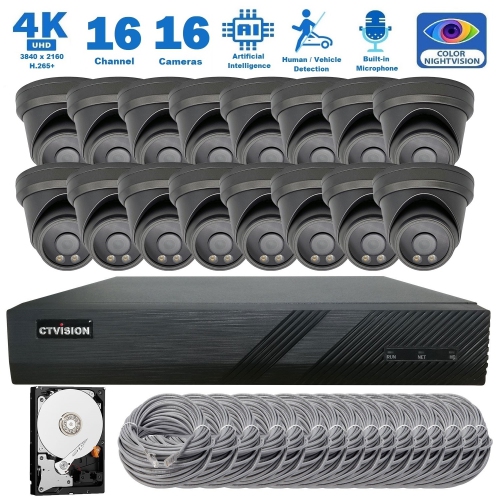
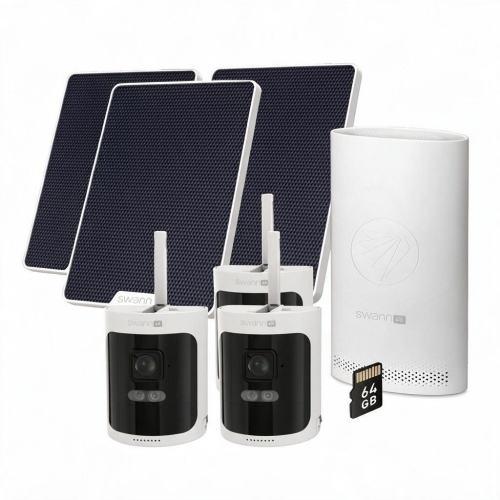
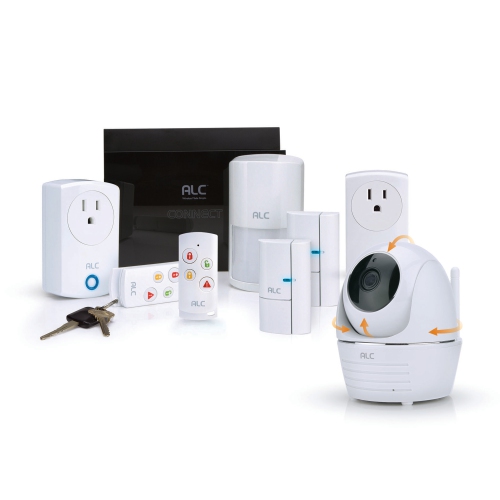
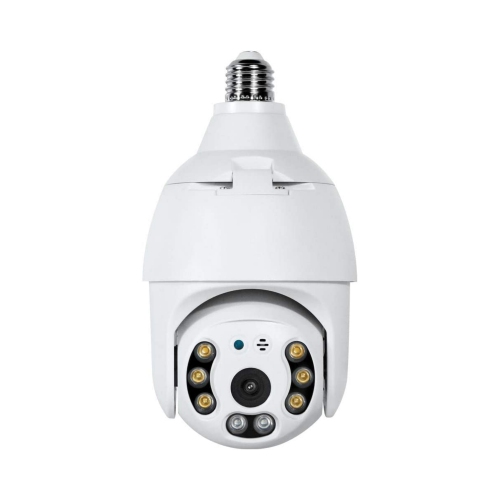
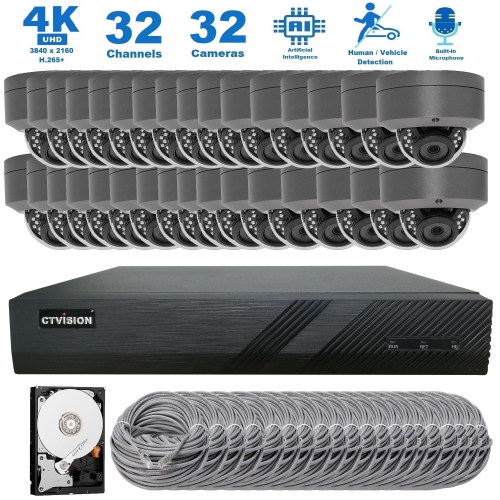
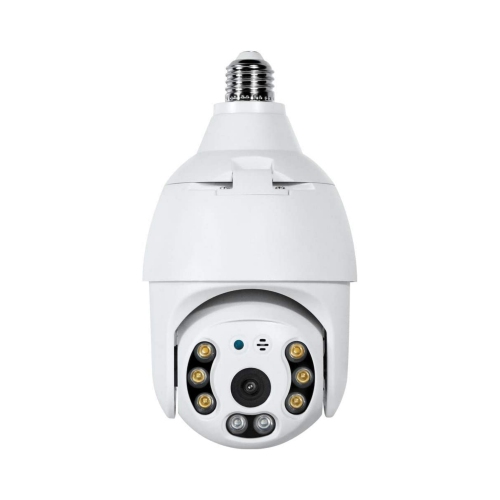
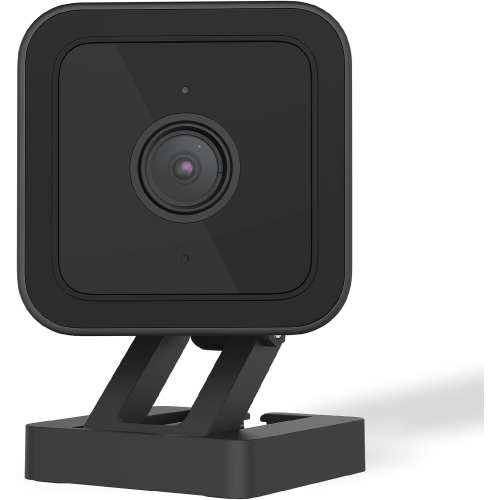
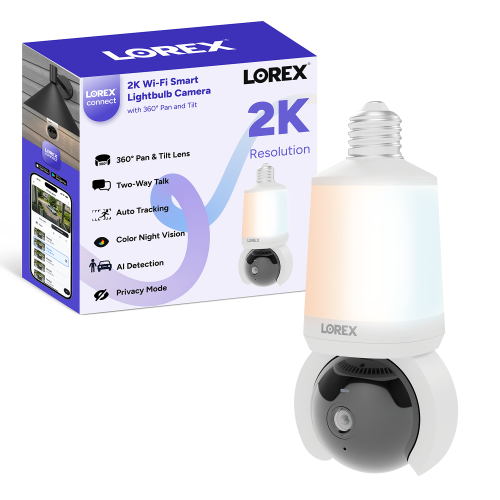
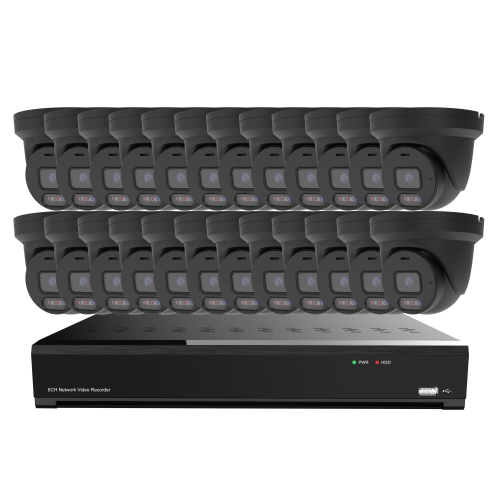
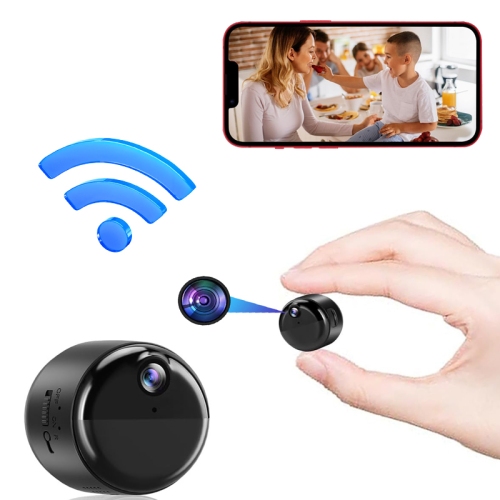
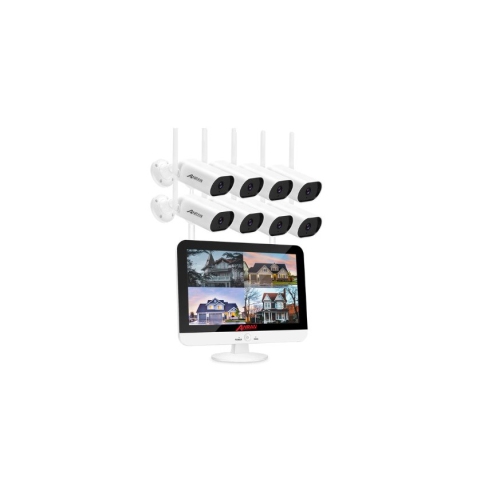
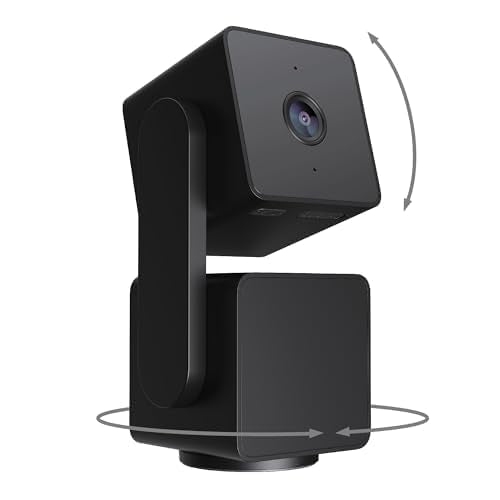
Easy-to-install security cameras make it simpler to keep an eye on entrances, living spaces, garages, and other areas without building a complicated surveillance system. Common designs include battery-powered cameras that send video over Wi-Fi, plug-in cameras that sit on a shelf, and compact cameras with adjustable wall mounts. Setup typically involves connecting the camera to a compatible smartphone app, joining a home network, and choosing a position with a clear view. The amount of installation work depends on the power source and mounting method: a tabletop camera may need only a nearby outlet, while a wall-mounted design can require screws and a suitable mounting surface. Wireless does not always mean wire-free. Some wireless security cameras still need a power cable, whereas battery-powered models can operate without a permanent power connection at the camera. That distinction matters when the intended location is a hallway without an accessible socket or an entrance where a trailing cable would be inconvenient. For renters, a freestanding base or an approved removable mount can offer flexibility, subject to the property’s rules and the mount manufacturer’s requirements. Homeowners may prefer a small screw-mounted bracket that holds a camera steadily above an entrance. Magnetic bases can make angle adjustments straightforward, although the base itself may still need to be secured, and adhesive mounts are only suitable for the surfaces and camera weights specified by their manufacturers. A camera positioned on a bookcase can show whether a pet has settled into its usual spot, while one overlooking an entryway can help show when someone arrives. The simplest fit is often the design that matches an existing outlet, a reliable network connection, and a practical viewing position. The selection of security cameras with easy installation setup brings together options for shoppers who value straightforward placement and everyday operation, whether the aim is to monitor one room or cover several separate access points.
The ease of living with a security camera matters as much as the initial setup. Battery-powered designs offer freedom of placement, but their batteries need periodic charging or replacement, depending on the model. Battery life varies with activity levels, recording settings, live viewing, and connection strength, so a camera covering a busy shared entrance may need attention more often than one monitoring a little-used side door. An accessible mounting position makes that routine less awkward. Plug-in cameras avoid battery charging, though cable length and safe routing become part of the fit. A cord should not stretch across a walkway or be pinched by a closing door, and an indoor power adapter should not be treated as suitable for outdoor use. Materials and construction also help distinguish cameras intended for different spaces. Lightweight plastic housings are common in compact indoor designs, while outdoor models may use sealed plastic or metal housings with specified resistance to dust and water ingress. A stated ingress protection rating provides more useful information than appearance alone, and the camera, connectors, and power accessories all need to suit their intended location. Mounting hardware deserves similar attention: a sturdy bracket and a secure adjustment joint help maintain the chosen view after installation. For cameras placed on furniture, a stable base is useful around active pets or frequently used shelves. Image features should match the scene rather than simply offer the largest resolution figure. A wider field of view can cover more of a room, but it can also make a person at the far end appear smaller. Higher resolution may show finer details when lighting, distance, and network performance support it. Pan-and-tilt designs can let someone adjust the view through an app, although they do not necessarily capture every direction at once. Night vision can help in dim spaces, while a camera aimed through window glass may suffer from reflections, especially when infrared illumination is active. Direct placement with an unobstructed view generally avoids those glass-related limitations.
Connected features shape how useful an easy-install security camera feels after it is mounted. Most app-connected designs need a compatible phone, an account, and a network that meets the camera’s requirements. Many use the 2.4 GHz Wi-Fi band, while some support additional bands; compatibility is worth checking rather than assuming every camera works with every network configuration. Signal strength at the actual mounting point matters more than the signal beside the router, particularly when a garage or entrance is separated from it by several walls. Some systems also require a hub or base station, which adds another device to place and connect even when the cameras themselves are wire-free. Once connected, motion alerts can draw attention to activity without requiring constant live viewing. Adjustable activity zones may help focus alerts on a doorway instead of a passing corridor, and person or vehicle detection can make notifications more relevant where those features are supported. Two-way audio can be useful for speaking to someone at the entrance, although clarity depends on the camera’s microphone, speaker, and connection. Recording options vary too. Local storage may use a compatible memory card or separate recorder, while cloud storage depends on the service offered; continuous recording, event history, and advanced alerts may have different account or subscription requirements. These details matter for anyone who wants to review an earlier arrival rather than simply see a live picture. For shared households, supported access controls can allow more than one person to check the camera without sharing a single password. Strong, unique passwords, multifactor authentication where offered, and software updates help protect access. Thoughtful placement also respects privacy by concentrating on the intended space rather than neighbouring windows or private areas. Everyday care is usually modest: keeping the lens clean with manufacturer-approved methods, checking that the mount remains secure, and maintaining batteries or storage as needed. For a renter watching an apartment entrance, a pet owner checking a living room, or a household adding visibility around its doors, the most practical camera combines manageable upkeep with a clear view and controls that are easy to use.
Top selling and popular products
-
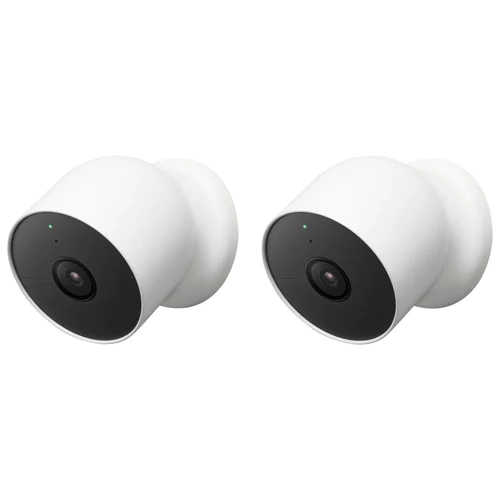 Your price for this item is $369.99
-
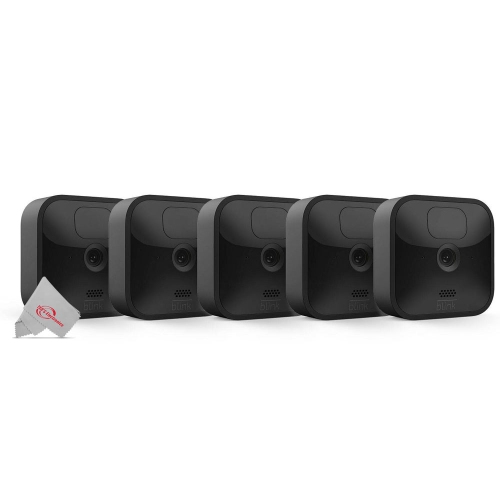 Your price for this item is $659.99
-
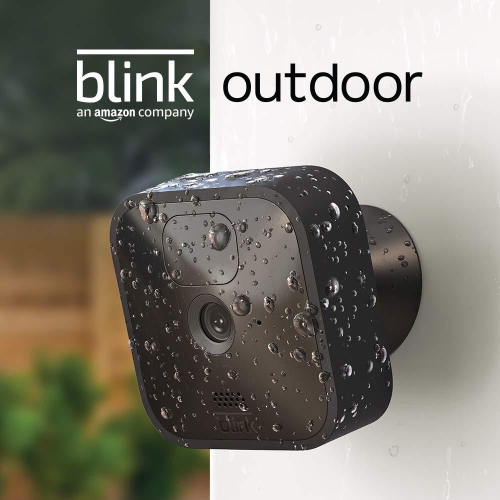 Your price for this item is $439.99
-
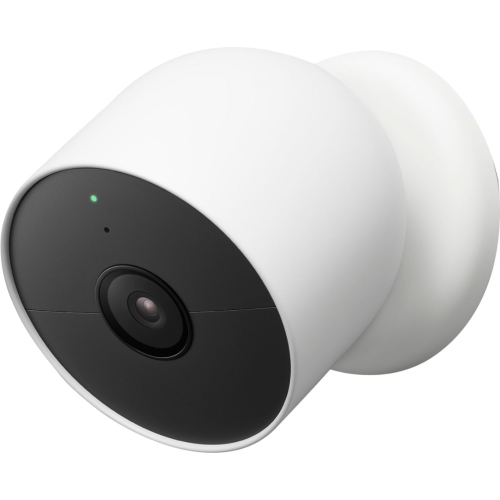 Your price for this item is $229.99
-
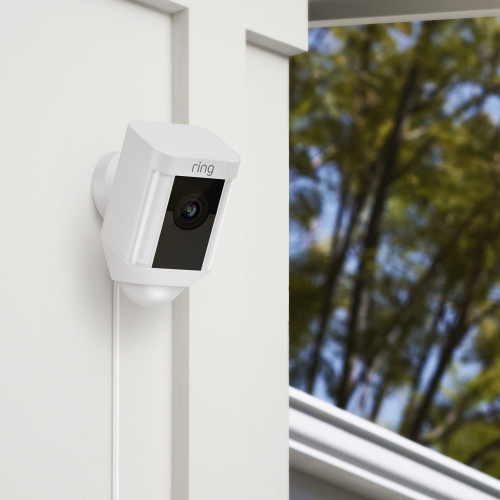 Your price for this item is $399.99
-
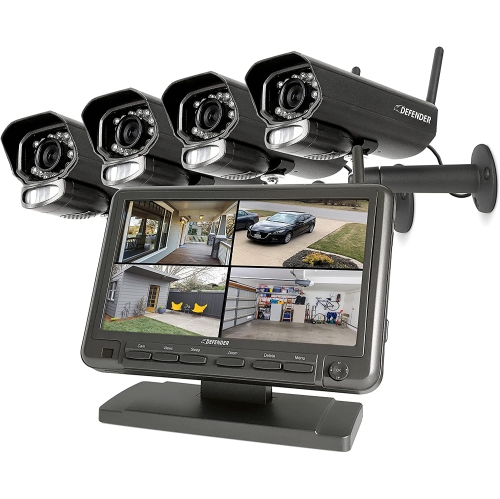 Your price for this item is $449.99
-
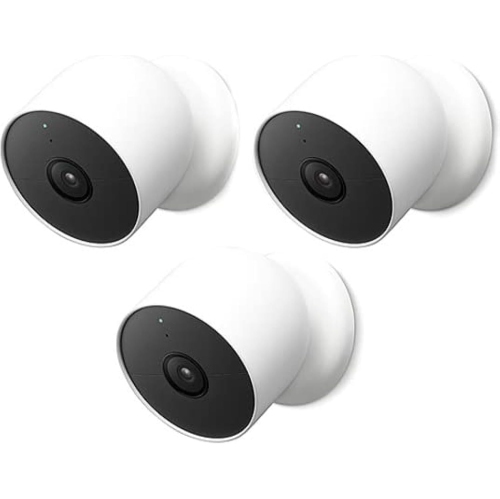 Your price for this item is $579.99
-
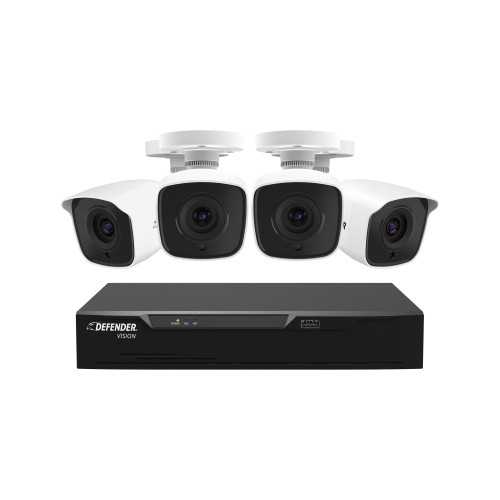 Your price for this item is $790.99
Discover more categories related to Easy Installation Security Cameras
Top Collections:
Pokemon Centers, Best Budget Office Chairs, Kindle Devices, Best Cameras for Sports Photography, Best Laptops for Writers, Pokémon 30th Celebration Cards, Laptops for Business Work, Samsung Galaxy Phones, Canon G7X Cameras, Best Cell Phones Under $300
Some products may be subject to Environmental Handling Fees
(EHF) depending on your province.
Learn more about EHFs.