Ethernet Powered Cameras
Looking for a reliable and efficient way to monitor your home or office? Look no further than Ethernet-powered cameras. These innovative surveillance devices offer seamless connectivity, allowing you to keep an eye on your property from anywhere in the world. With their high-definition video quality and advanced features, Ethernet-powered cameras provide peace of mind and enhanced security. Whether you want to keep tabs on your loved ones, deter potential intruders, or simply have a visual record of events, these cameras are the perfect solution. Shop our selection of Ethernet-powered cameras and find the perfect one for your needs at Best Buy.
Sort
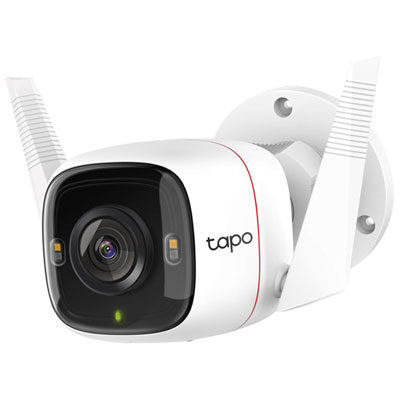
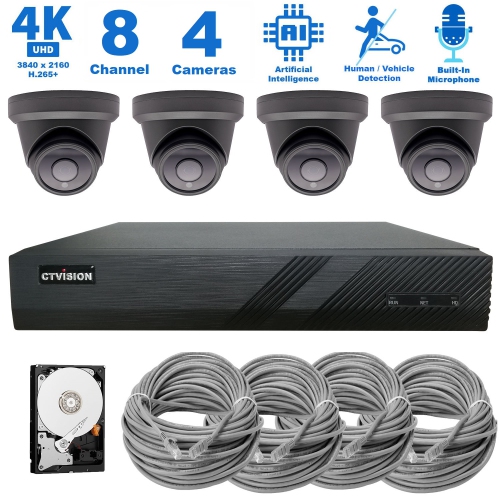
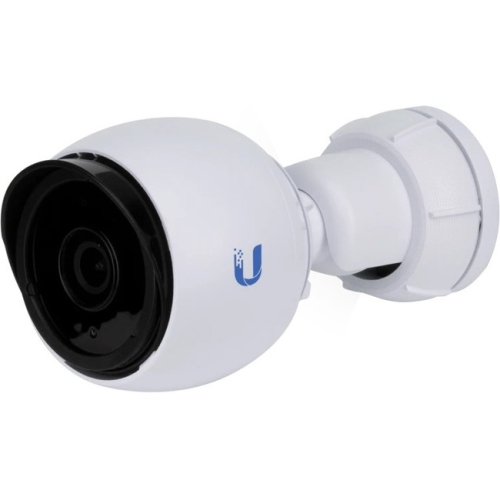
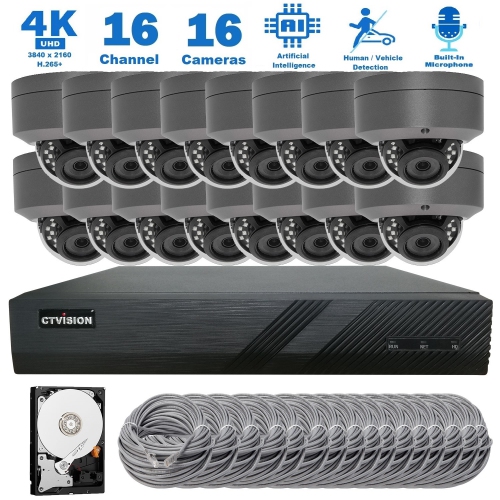
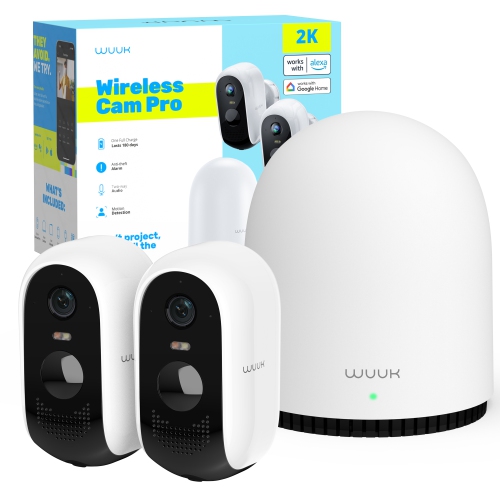
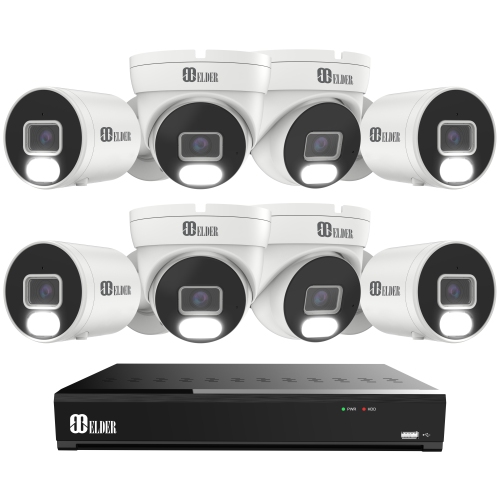
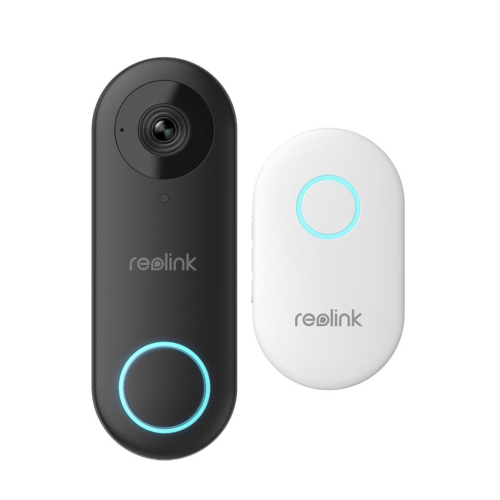
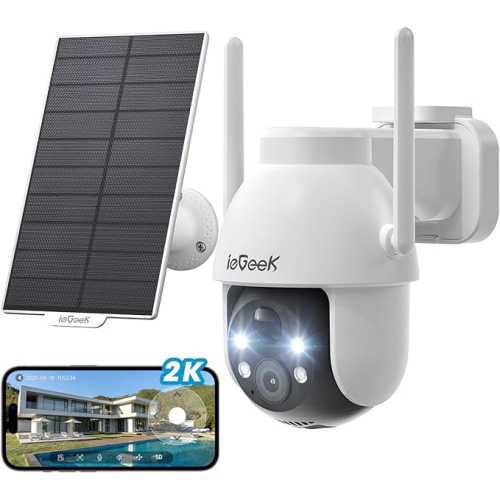
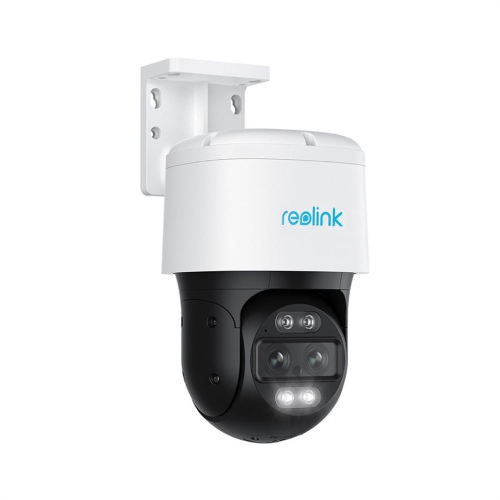
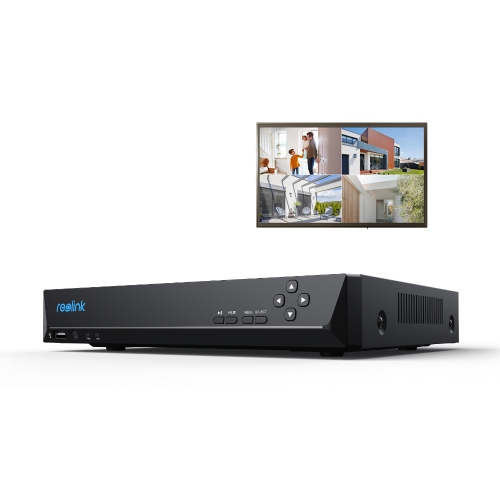
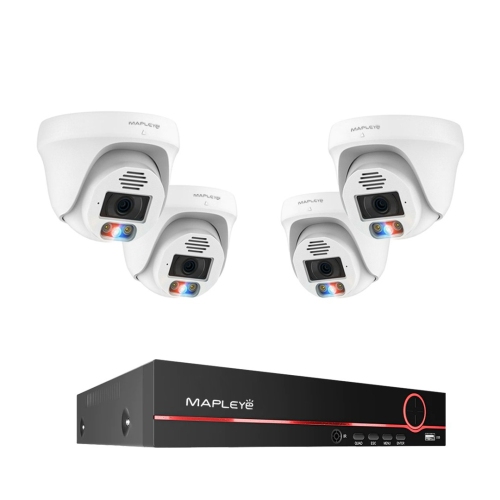
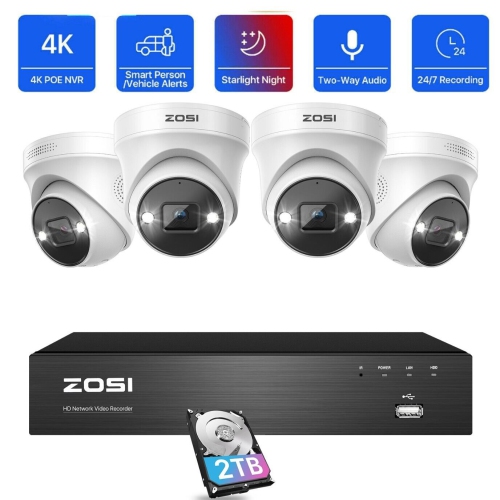
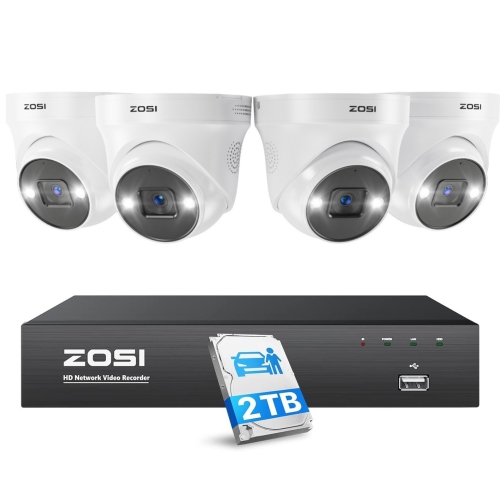
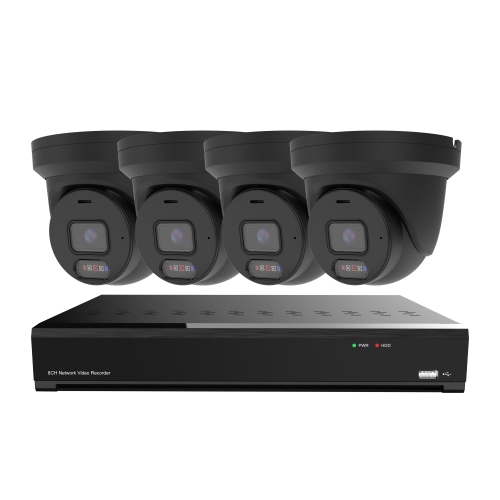

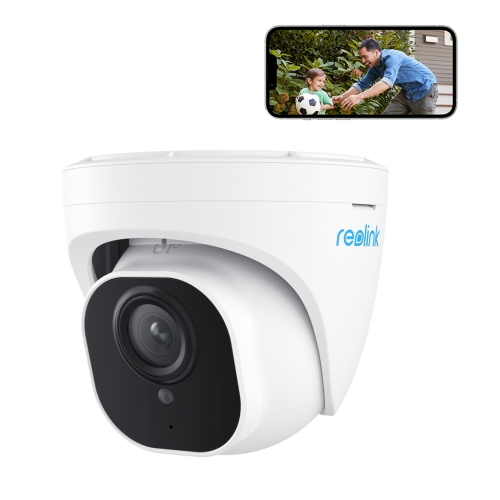

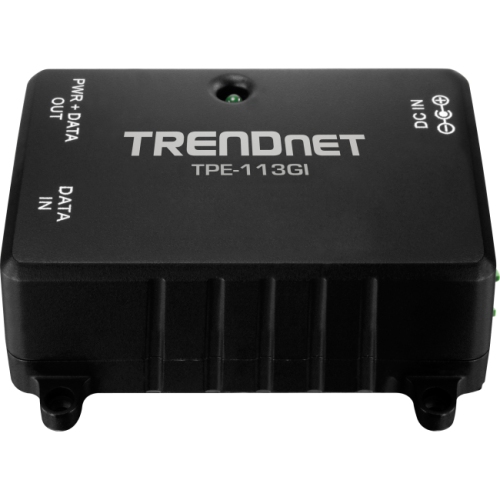
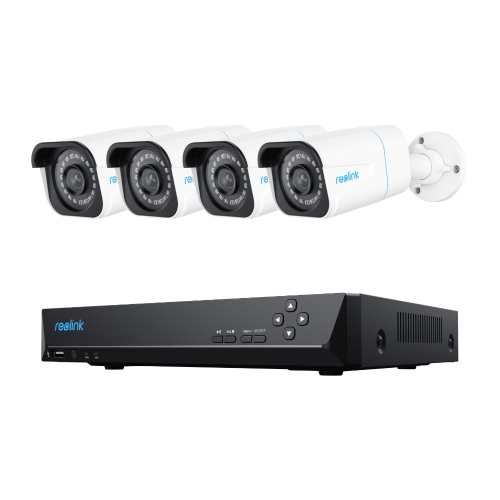
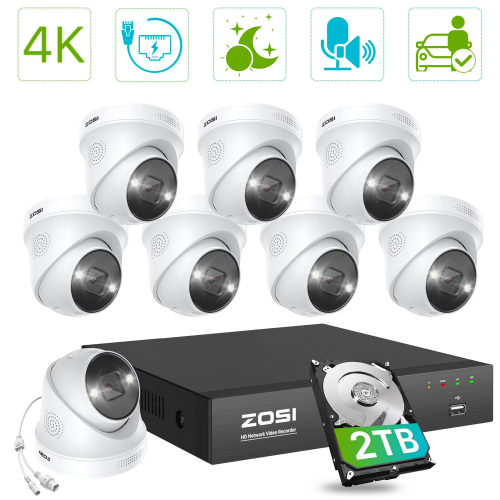
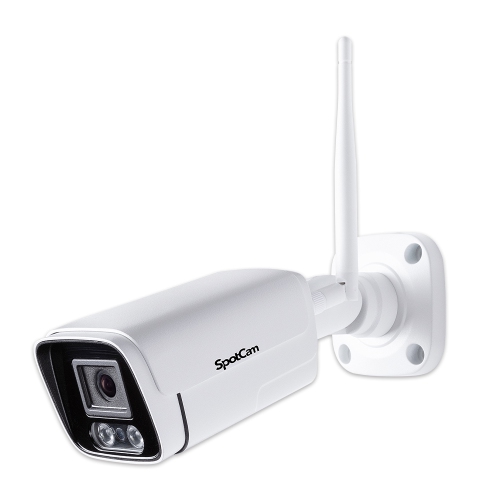
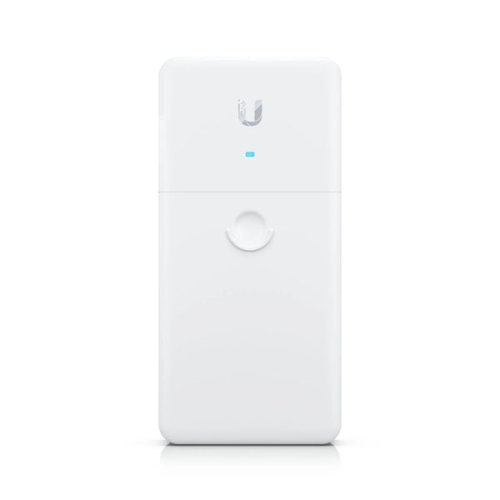
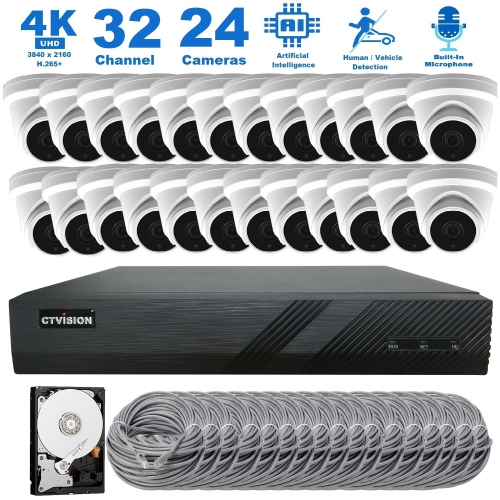
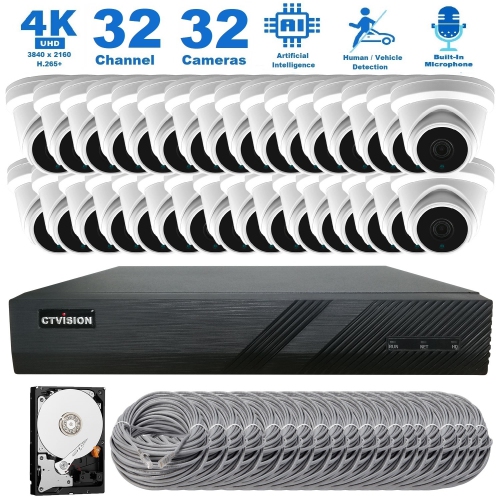
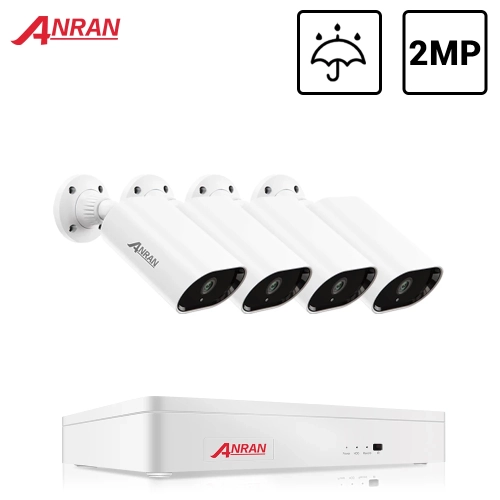
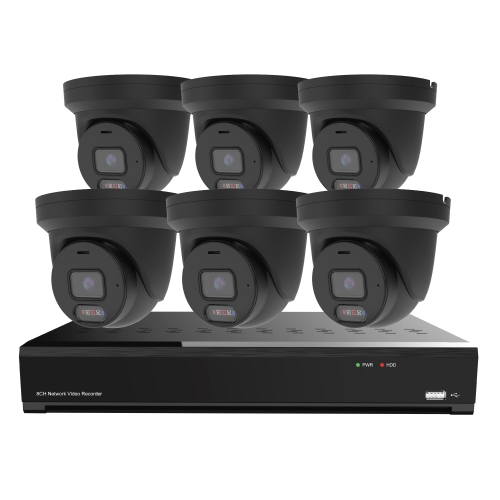
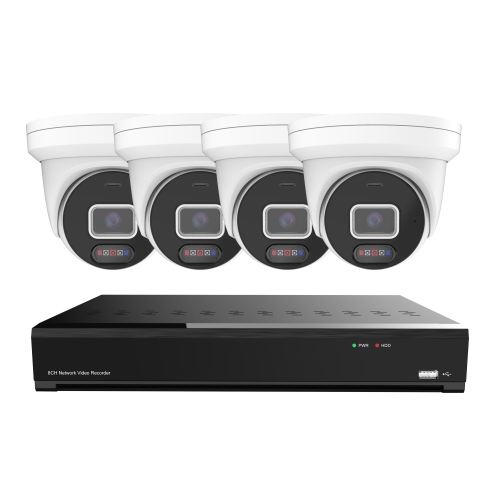
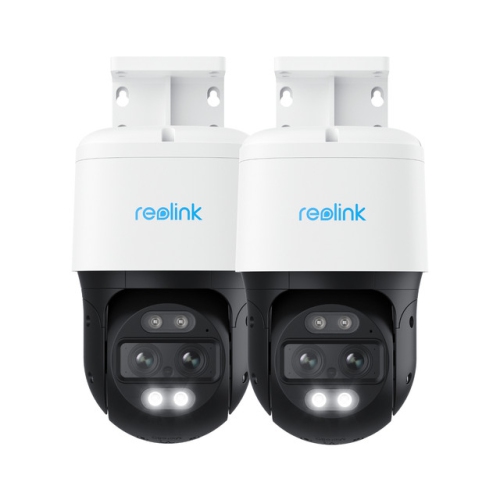
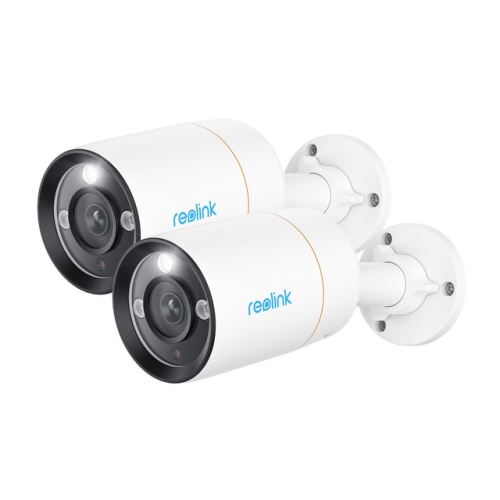
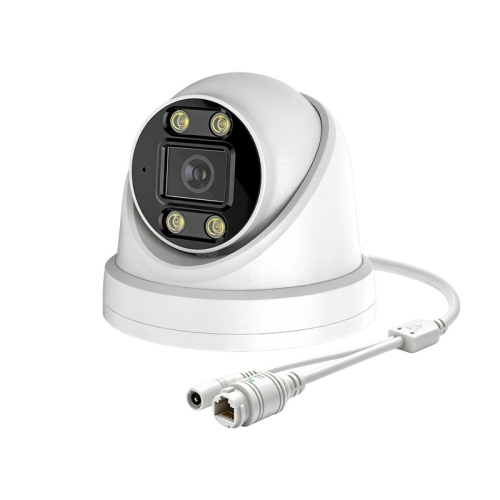
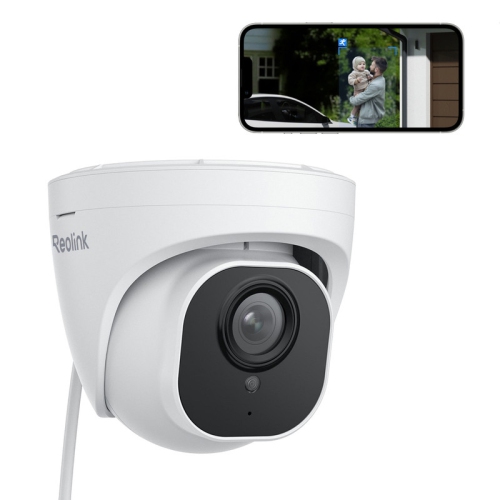
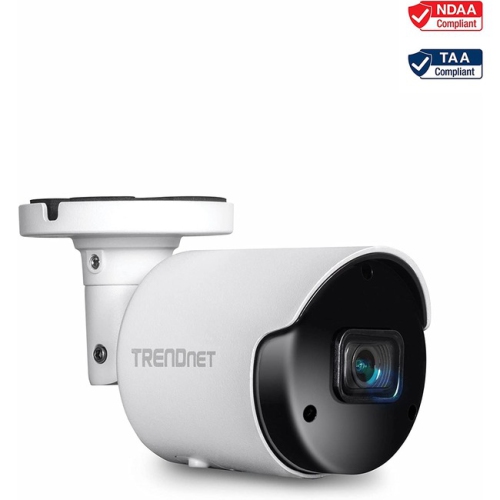
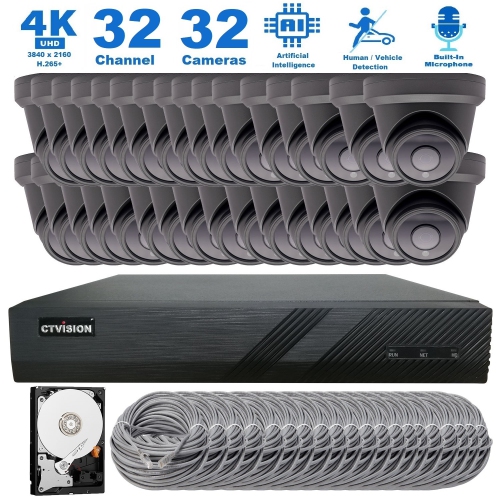
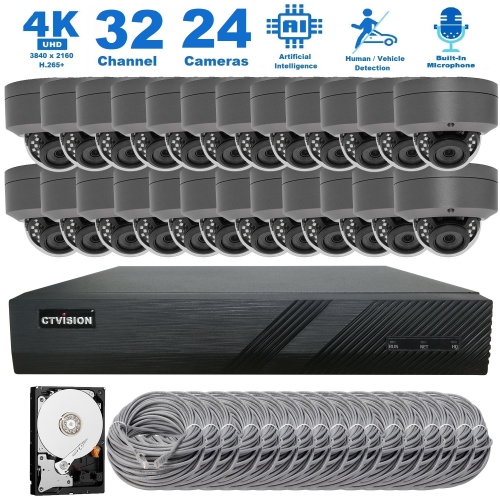



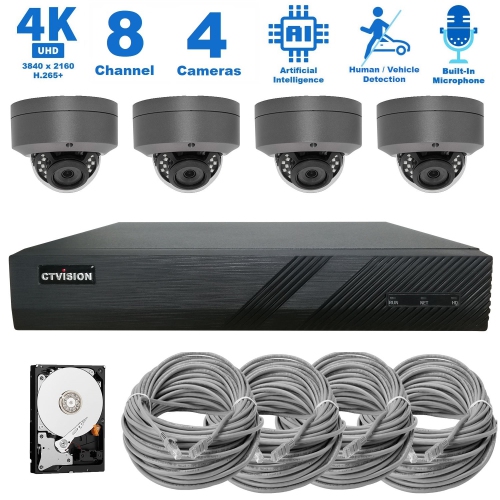
How wired power simplifies reliable camera monitoring
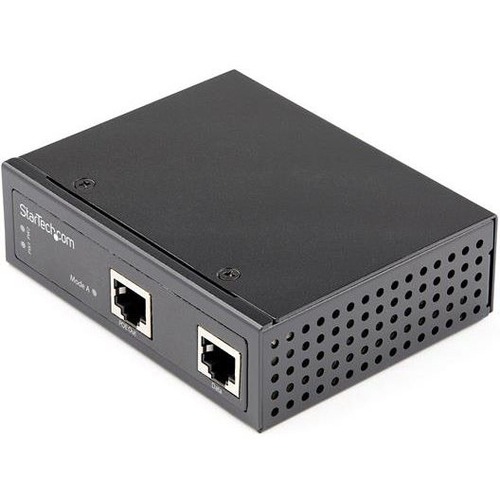
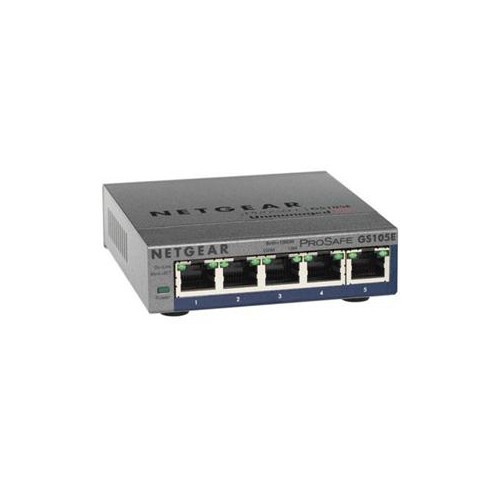
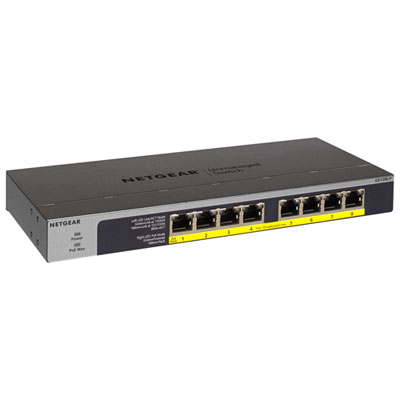
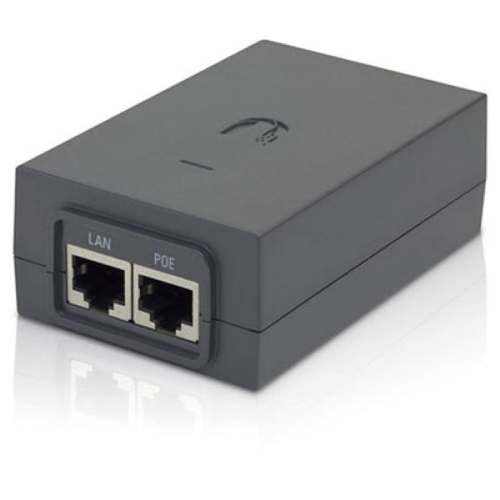
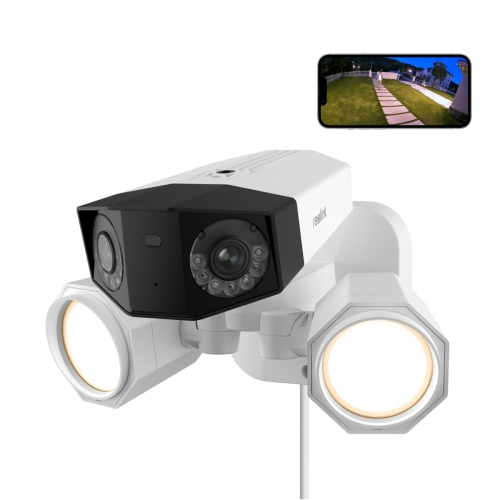
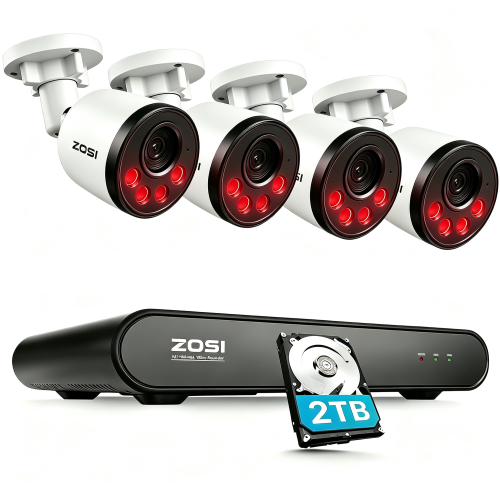
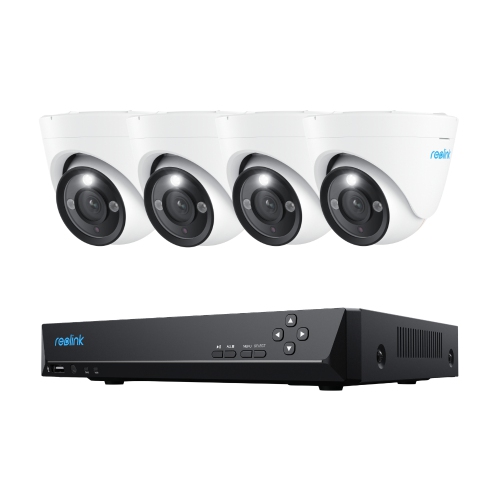
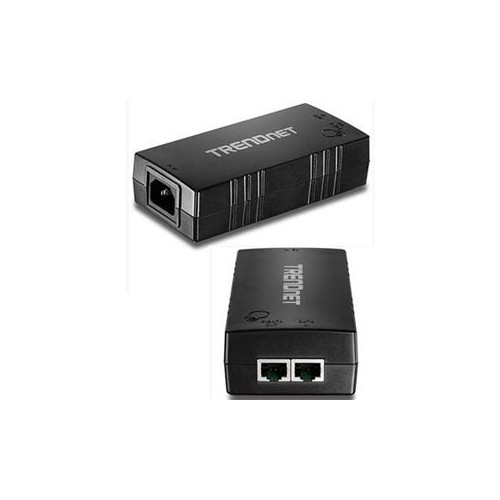
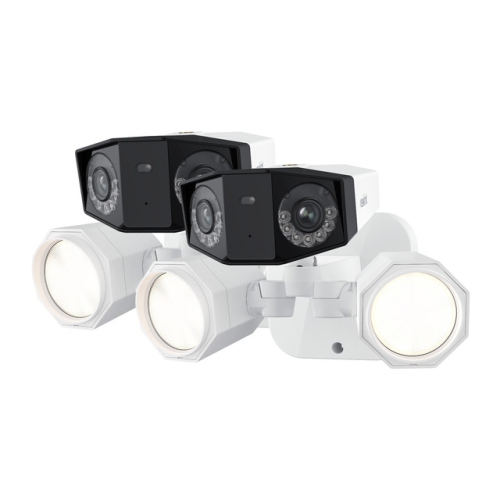
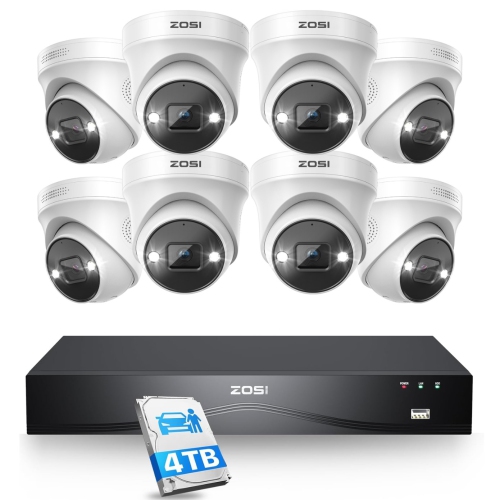
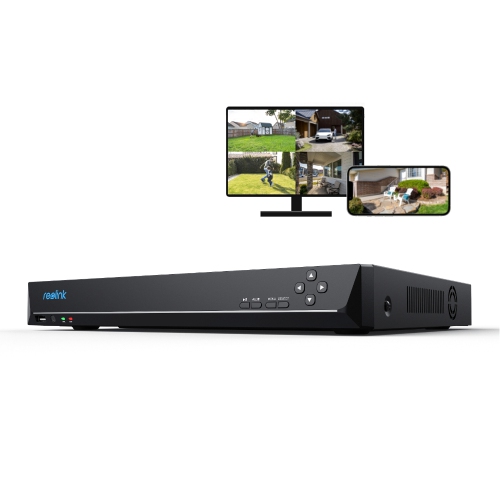
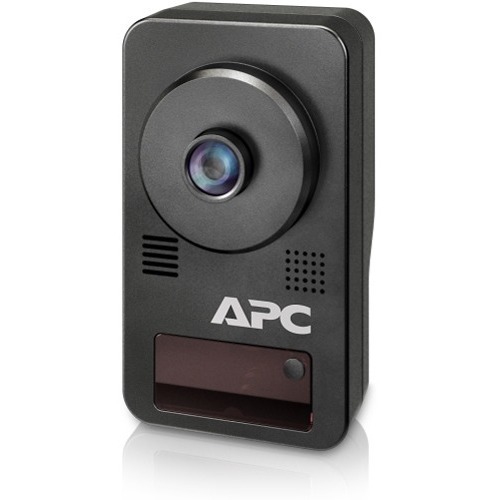
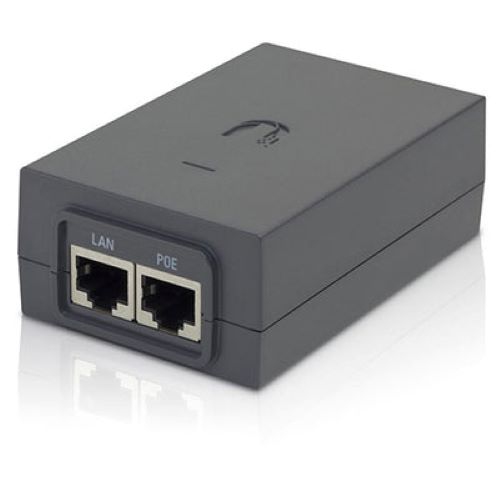
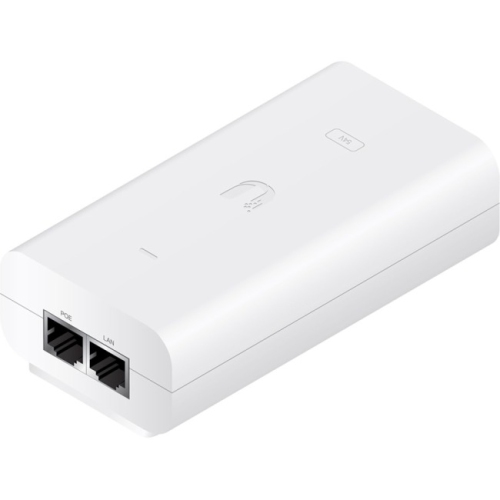
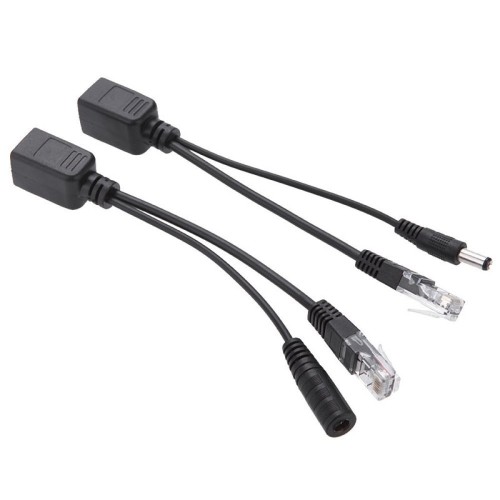
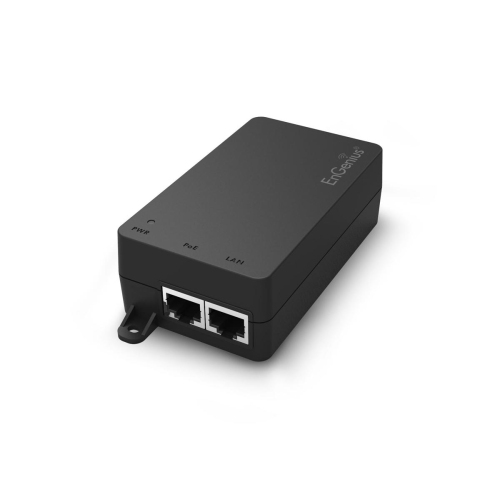
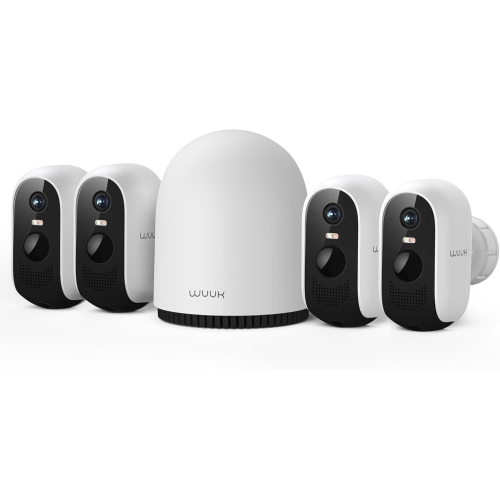
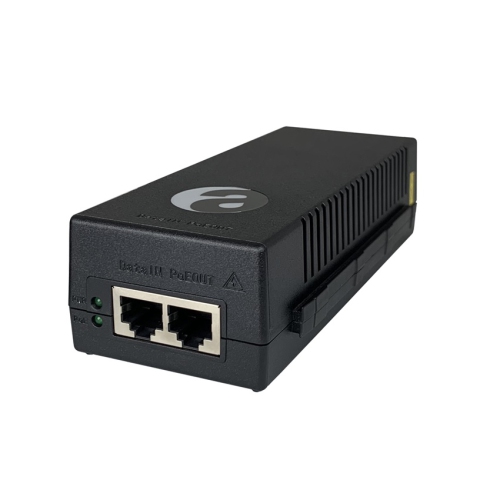
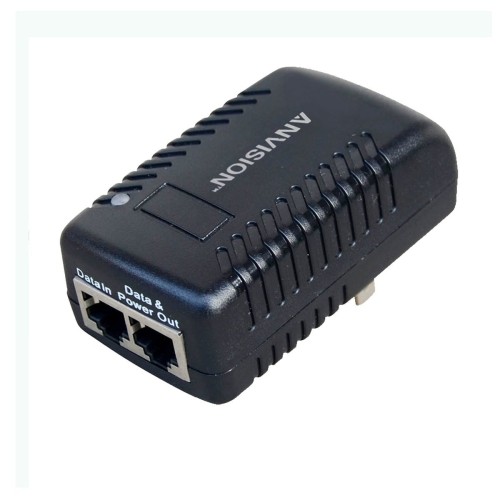
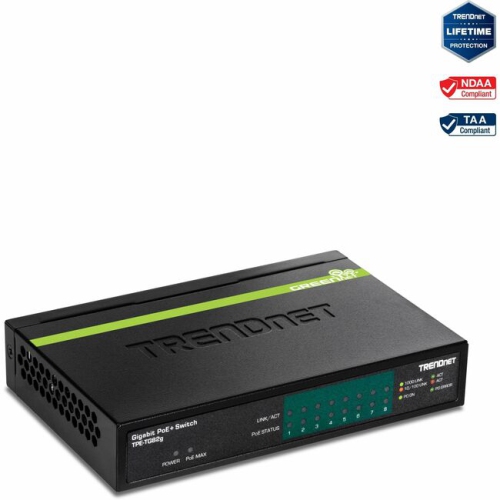
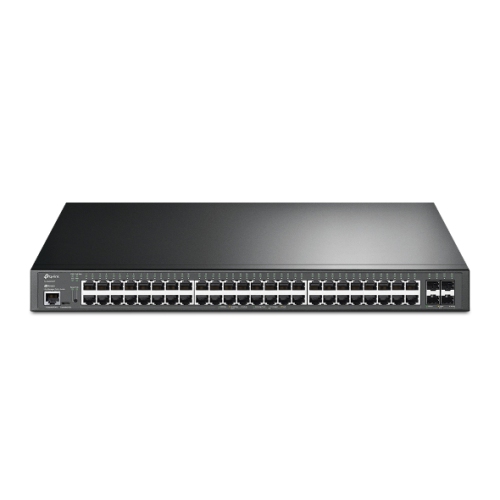
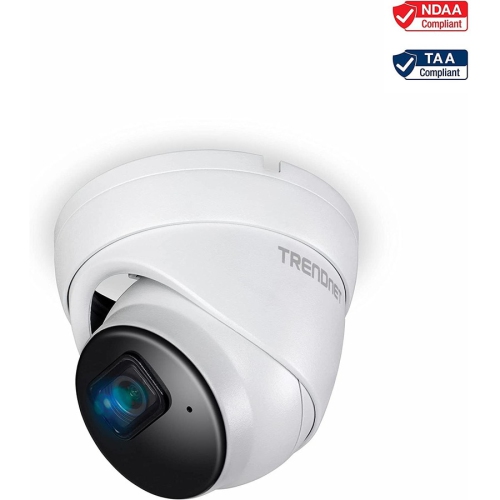
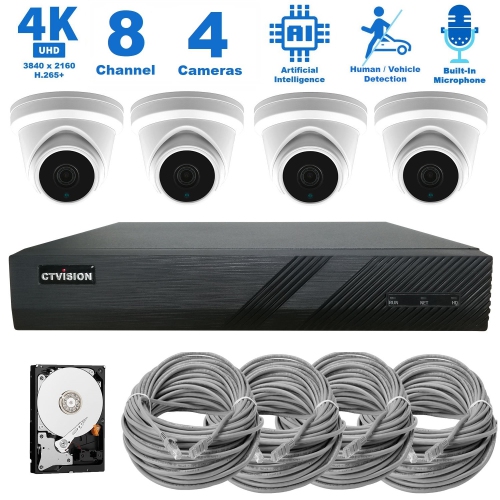
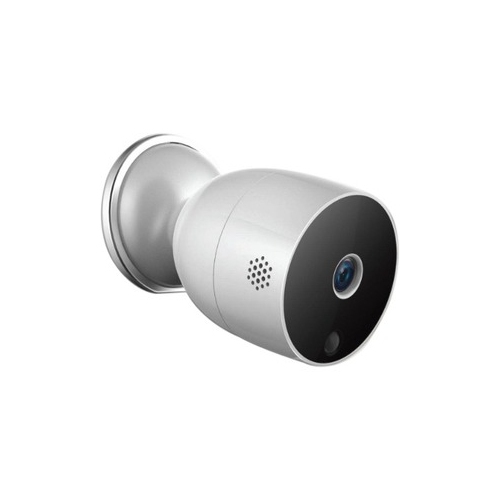
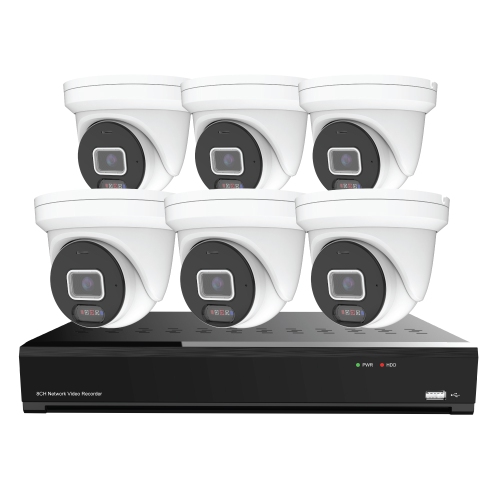
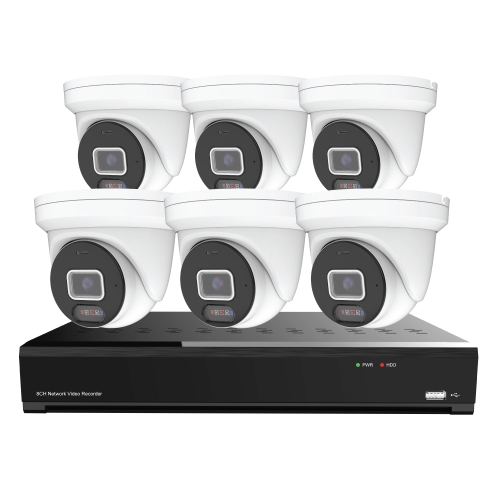
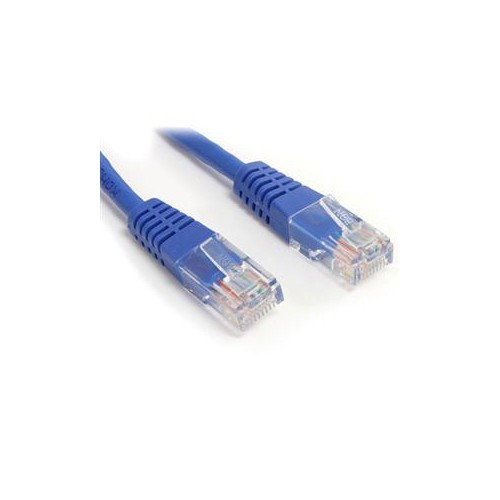
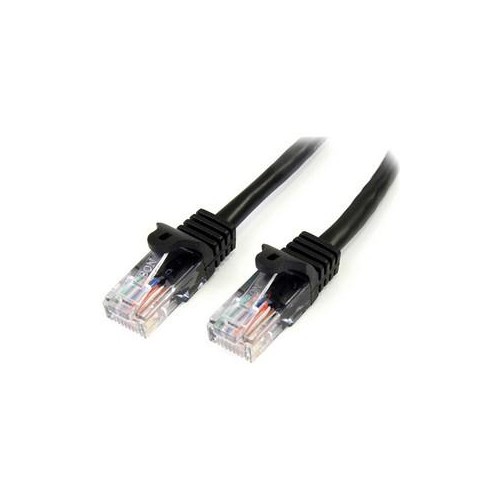
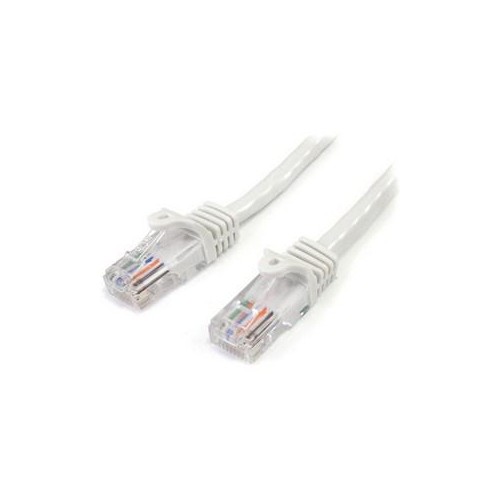
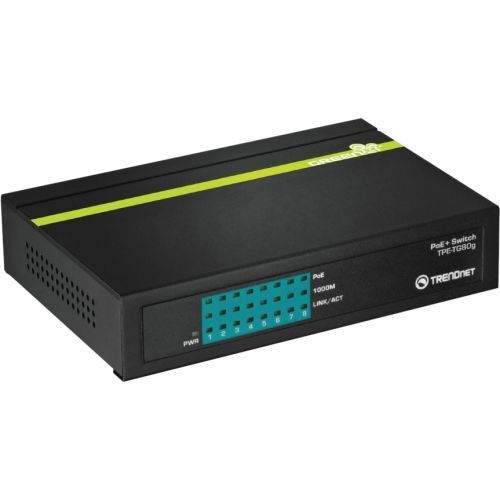
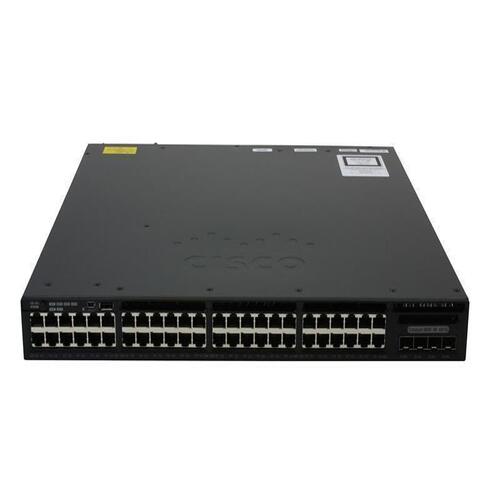
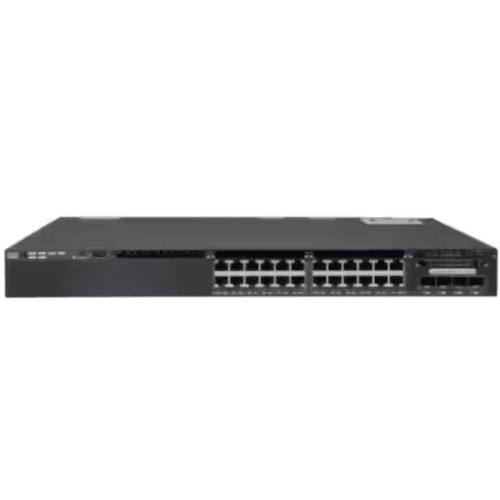
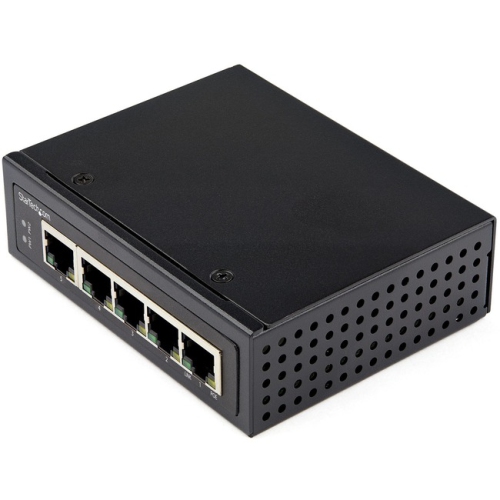
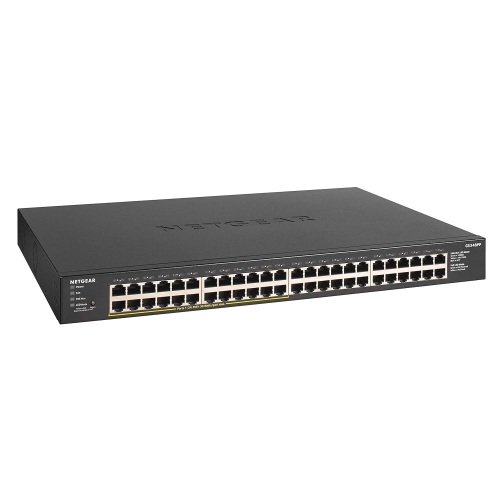
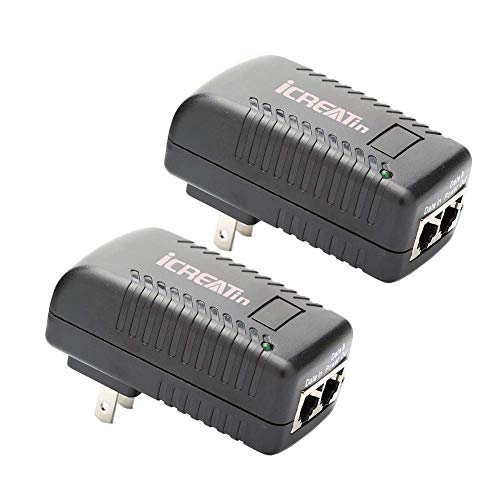
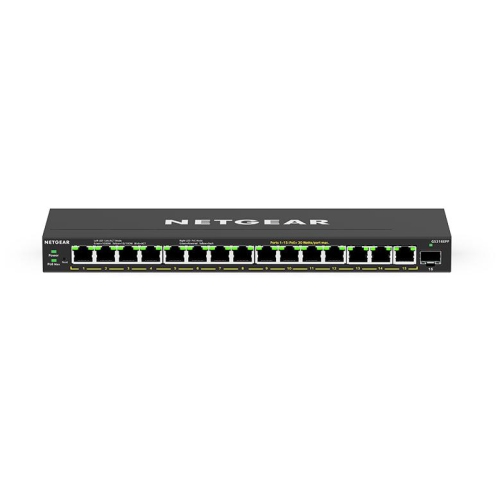
Ethernet-powered cameras use Power over Ethernet (PoE) technology to carry electrical power and video data through one Ethernet cable. Instead of running a separate power cord to every camera, a compatible network connection can support both functions, helping create a cleaner and more organized installation. This can be especially useful around entryways, garages, driveways, workshops, offices, and other areas where a nearby electrical outlet may not be available. A typical PoE camera connects to a PoE Network Video Recorder (NVR), PoE switch, or PoE injector, while the recorder or network equipment manages the camera connection and, depending on the setup, stores recorded footage. With suitable Cat5e, Cat6, or higher-grade Ethernet cabling, many systems can support cable runs of up to 100 metres (328 feet), although the practical distance can vary with the equipment, cable quality, connectors, and building layout. Because the connection is wired, Ethernet-powered cameras can offer a steady link that is less affected by wireless congestion, thick walls, competing signals, or areas with limited Wi-Fi coverage. They can be a sensible choice for homeowners who want dependable monitoring at several points around a property, landlords overseeing common areas, small businesses watching entrances or stockrooms, and families who want a clearer view of activity around the home. A wired camera system may also suit someone moving into a new home, renovating a property, or upgrading an older security arrangement, particularly when Ethernet cable can be routed through walls, ceilings, attics, or service spaces during other work. For outdoor coverage, explore options in Outdoor PoE Cameras, keeping the camera’s intended placement and weather exposure in mind.
When choosing Ethernet-powered cameras, start by mapping the areas that need coverage and considering how each camera will connect to the rest of the system. A front entrance may benefit from a wide viewing angle and clear facial detail at close range, while a long driveway or rear yard may call for a different field of view, higher detail at a distance, or a camera that can be adjusted after installation. Resolution is important, but it is not the only factor that affects useful footage. Look for features such as infrared night vision, low-light performance, motion detection, person or vehicle detection, two-way audio, built-in microphones, and adjustable recording zones. Night vision specifications should be considered alongside the amount of ambient light and the distance between the camera and the area being monitored. Outdoor models should be rated for the expected exposure to rain, snow, dust, wind, and changing temperatures, with mounting hardware that suits siding, brick, concrete, soffits, or other surfaces. Indoor cameras may be smaller and easier to position on a shelf or wall, but a discreet size does not replace careful placement; avoid aiming cameras at bright windows, reflective surfaces, or areas where everyday movement will create unnecessary alerts. Storage is another central decision. An NVR can provide local recording and may make it easier to review several camera feeds from one place, while some systems also offer remote viewing through a mobile app or computer. Check how much storage is included, whether the system records continuously or only after motion is detected, and how long footage can be retained at the selected resolution. If you are adding cameras to an existing network, confirm that the NVR, switch, injector, cable type, and camera all use compatible PoE standards and connectors. A standard Ethernet port may carry data without supplying power, so a camera generally needs to connect to a PoE-enabled port or to an appropriate injector. It is also worth checking how many powered ports are available, since leaving room for future cameras can be more convenient than replacing networking equipment later.
Planning the installation carefully can make Ethernet-powered cameras easier to use and maintain over the long term. Measure cable routes before purchasing, allow extra length for bends and service loops, and keep cables away from sources of electrical interference where possible. Outdoor cable runs may require weather-resistant conduit, sealed entry points, and proper protection where cables pass through walls. Camera height and angle matter as much as the specifications on the box: mounting too high can reduce facial detail, while pointing directly toward the sunrise, sunset, headlights, or a porch light can create glare and wash out important areas. After installation, test live viewing and recording during daylight and darkness, walk through the detection zones, and adjust notification sensitivity so routine movement does not overwhelm useful alerts. A well-planned setup can help monitor deliveries, confirm who is at the door, keep an eye on a detached garage, check a business entrance, or provide reassurance when family members are away. Ethernet-powered cameras can also be a practical housewarming gift for someone who has just purchased a property or is setting up a home office, provided the recipient has compatible network equipment or is prepared to build a complete system. Before buying, consider the number of cameras required, the distance between each camera and the recorder or switch, the desired recording method, the level of detail needed, and whether remote access is important. These details help narrow the selection to cameras that suit the space rather than choosing based on resolution alone. With the right cabling, power source, storage plan, and placement, a PoE camera system can provide consistent coverage and a straightforward way to review activity indoors or around the property during the cooler months and throughout the rest of the year.
When choosing Ethernet-powered cameras, start by mapping the areas that need coverage and considering how each camera will connect to the rest of the system. A front entrance may benefit from a wide viewing angle and clear facial detail at close range, while a long driveway or rear yard may call for a different field of view, higher detail at a distance, or a camera that can be adjusted after installation. Resolution is important, but it is not the only factor that affects useful footage. Look for features such as infrared night vision, low-light performance, motion detection, person or vehicle detection, two-way audio, built-in microphones, and adjustable recording zones. Night vision specifications should be considered alongside the amount of ambient light and the distance between the camera and the area being monitored. Outdoor models should be rated for the expected exposure to rain, snow, dust, wind, and changing temperatures, with mounting hardware that suits siding, brick, concrete, soffits, or other surfaces. Indoor cameras may be smaller and easier to position on a shelf or wall, but a discreet size does not replace careful placement; avoid aiming cameras at bright windows, reflective surfaces, or areas where everyday movement will create unnecessary alerts. Storage is another central decision. An NVR can provide local recording and may make it easier to review several camera feeds from one place, while some systems also offer remote viewing through a mobile app or computer. Check how much storage is included, whether the system records continuously or only after motion is detected, and how long footage can be retained at the selected resolution. If you are adding cameras to an existing network, confirm that the NVR, switch, injector, cable type, and camera all use compatible PoE standards and connectors. A standard Ethernet port may carry data without supplying power, so a camera generally needs to connect to a PoE-enabled port or to an appropriate injector. It is also worth checking how many powered ports are available, since leaving room for future cameras can be more convenient than replacing networking equipment later.
Planning the installation carefully can make Ethernet-powered cameras easier to use and maintain over the long term. Measure cable routes before purchasing, allow extra length for bends and service loops, and keep cables away from sources of electrical interference where possible. Outdoor cable runs may require weather-resistant conduit, sealed entry points, and proper protection where cables pass through walls. Camera height and angle matter as much as the specifications on the box: mounting too high can reduce facial detail, while pointing directly toward the sunrise, sunset, headlights, or a porch light can create glare and wash out important areas. After installation, test live viewing and recording during daylight and darkness, walk through the detection zones, and adjust notification sensitivity so routine movement does not overwhelm useful alerts. A well-planned setup can help monitor deliveries, confirm who is at the door, keep an eye on a detached garage, check a business entrance, or provide reassurance when family members are away. Ethernet-powered cameras can also be a practical housewarming gift for someone who has just purchased a property or is setting up a home office, provided the recipient has compatible network equipment or is prepared to build a complete system. Before buying, consider the number of cameras required, the distance between each camera and the recorder or switch, the desired recording method, the level of detail needed, and whether remote access is important. These details help narrow the selection to cameras that suit the space rather than choosing based on resolution alone. With the right cabling, power source, storage plan, and placement, a PoE camera system can provide consistent coverage and a straightforward way to review activity indoors or around the property during the cooler months and throughout the rest of the year.
Top selling and popular products
-
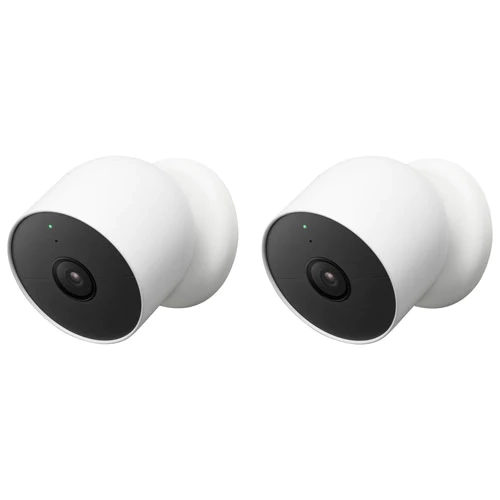 Your price for this item is $389.99
 -
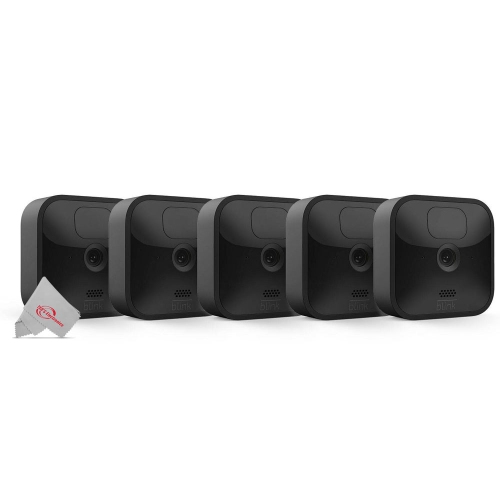 Your price for this item is $659.99
 -
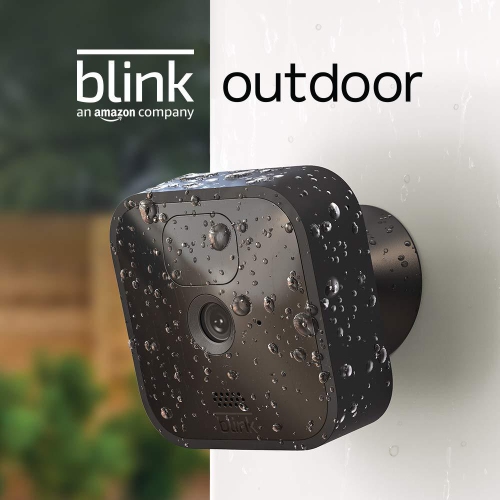 Your price for this item is $439.99
 -
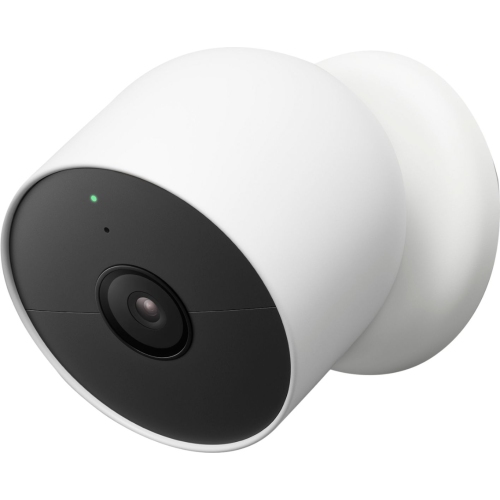 Your price for this item is $249.99
 -
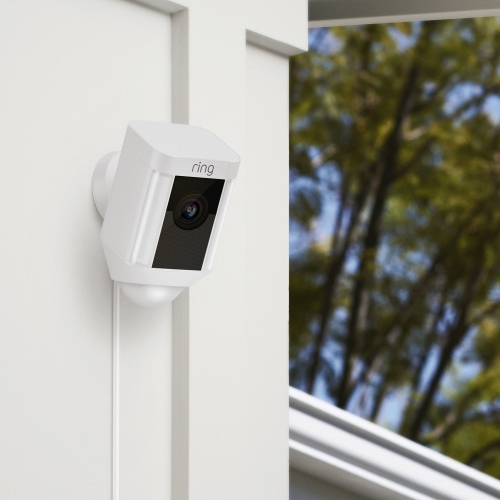 Your price for this item is $399.99
 -
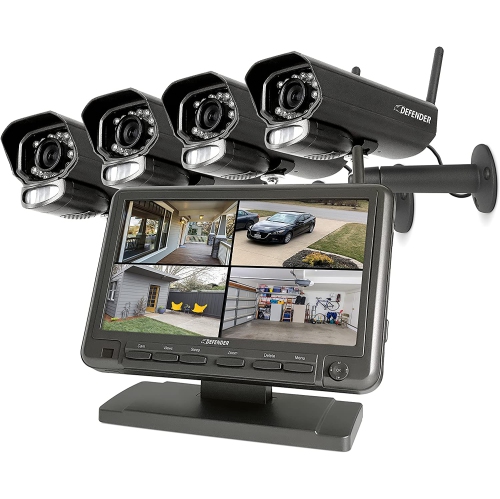 Your price for this item is $449.99
 -
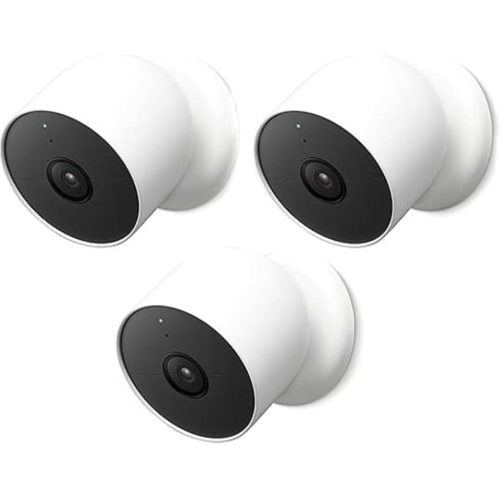 Your price for this item is $579.99
 -
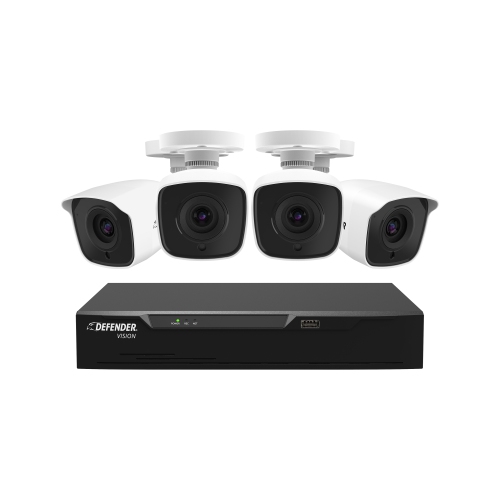 Your price for this item is $790.99
Discover more categories related to Ethernet Powered Cameras
Top Collections:
Pokemon Centers, Kindle Devices, Best Budget Office Chairs, Apple iPhones 16, Best Laptops for Writers, iPhone 15 Apple, Canon G7X Cameras, Refurbished Apple Laptops, Alarm Clock, Motorola Razr Phones
Some products may be subject to Environmental Handling Fees
(EHF) depending on your province.
Learn more about EHFs.