House Door Locks
Enhance the security and style of your home with a diverse selection of house door locks. Whether you're looking to upgrade your front door, secure your backyard entrance, or add an extra layer of protection to interior spaces, finding the right lock is essential. From traditional deadbolts to advanced smart locks, there's a wide range of options designed to meet various security needs and aesthetic preferences. Explore features that offer convenience, such as keyless entry and remote access, while ensuring peace of mind for you and your family. Discover solutions that seamlessly blend functionality with design, providing both safety and sophistication to any doorway in your home.
Sort
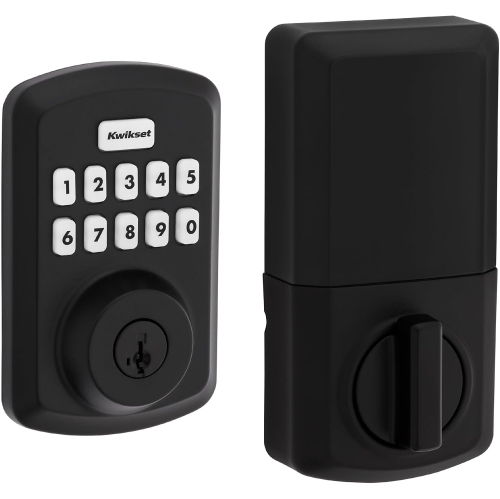
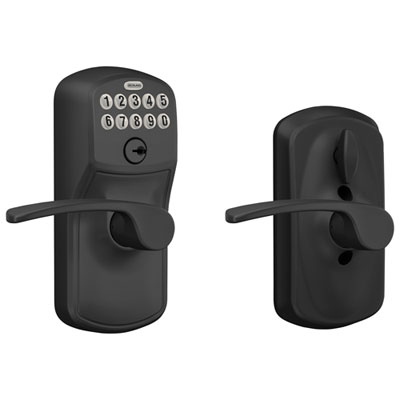
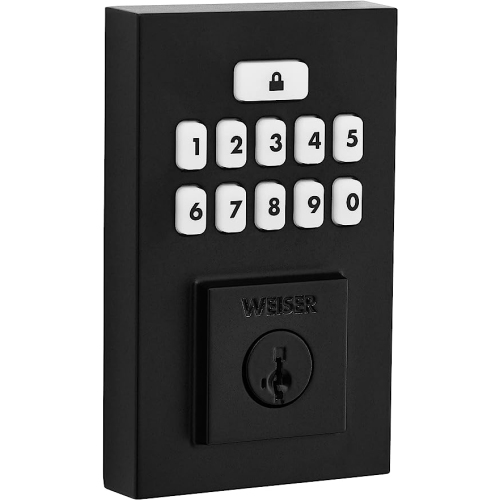
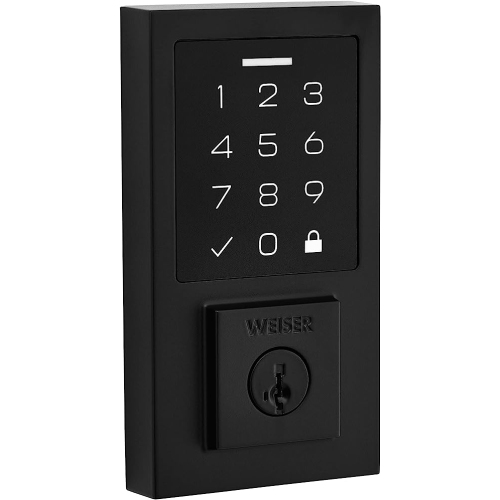



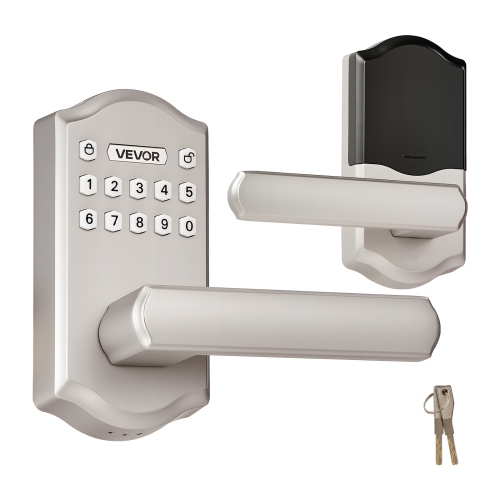
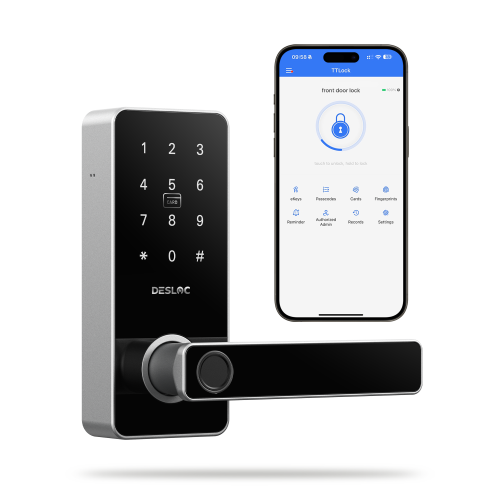
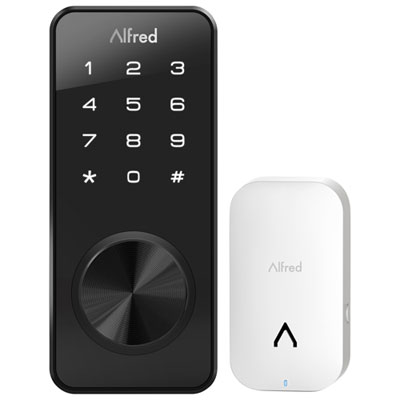
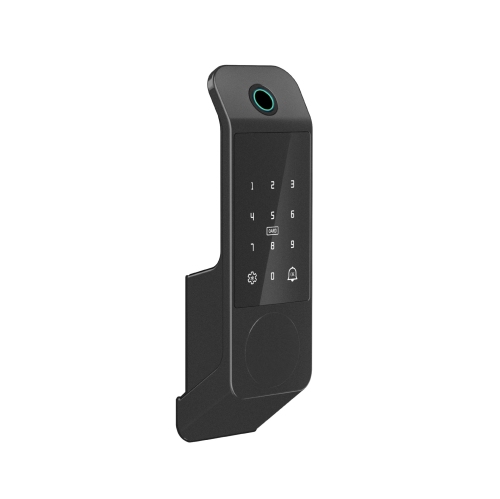
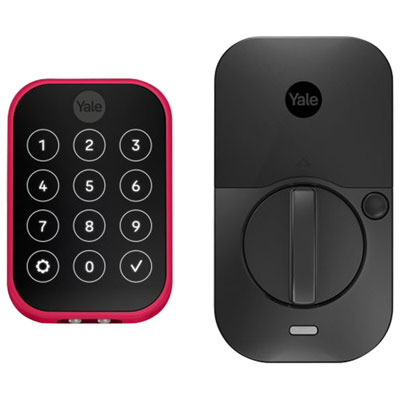
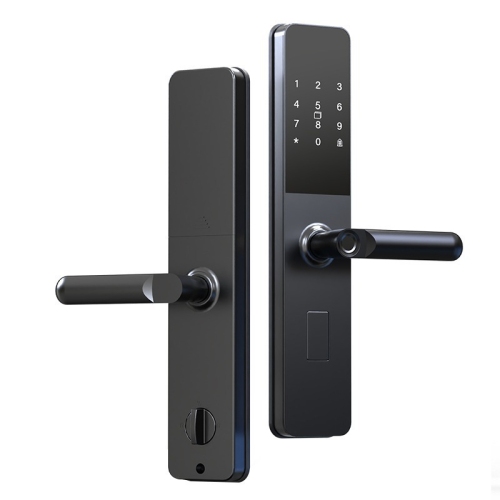
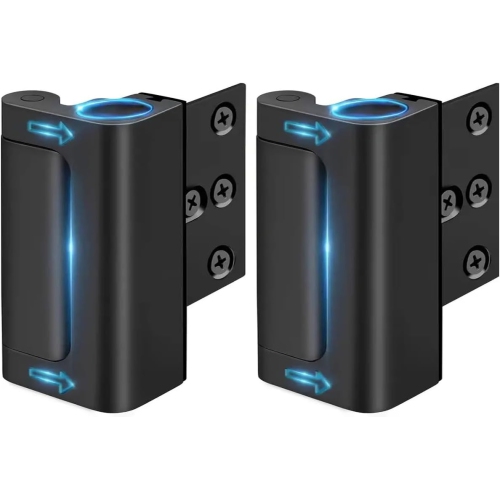
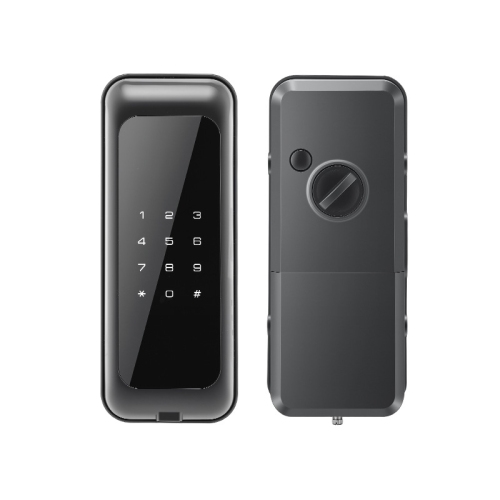


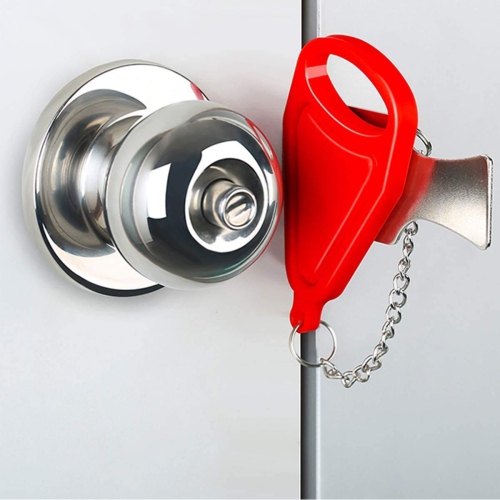
Access control that fits your door and daily routines
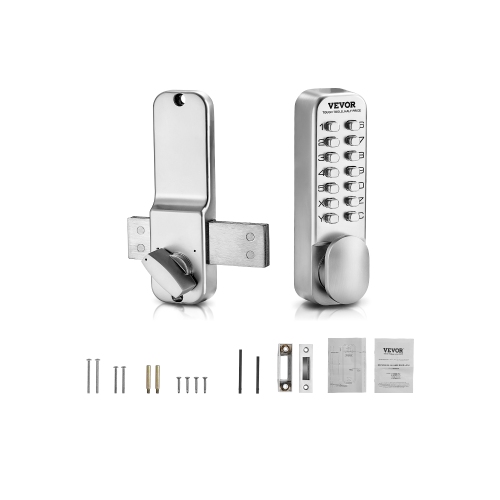
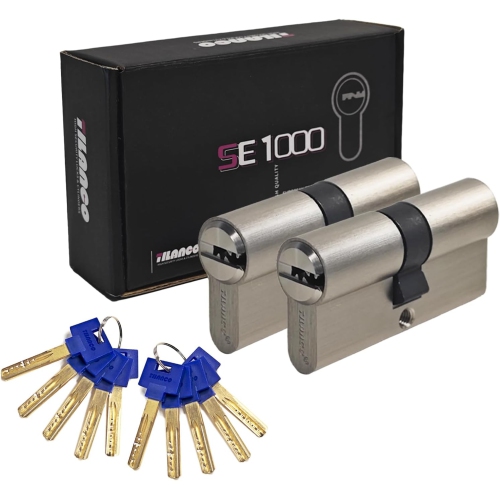
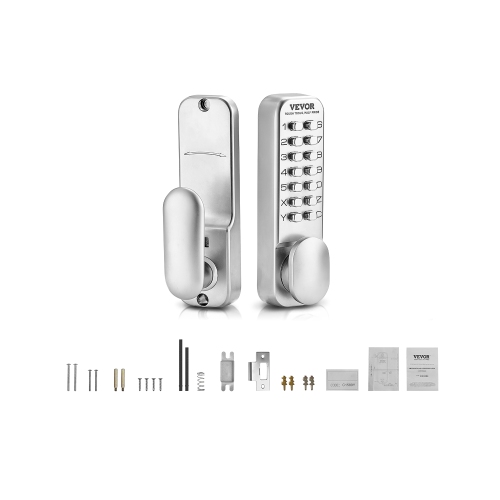
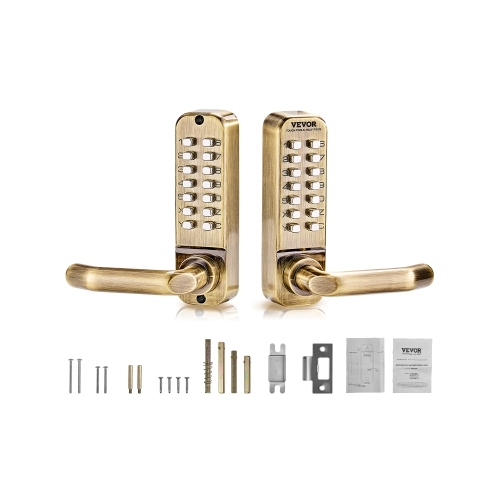
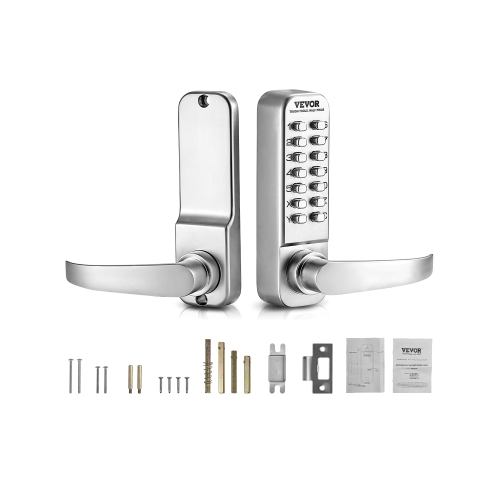
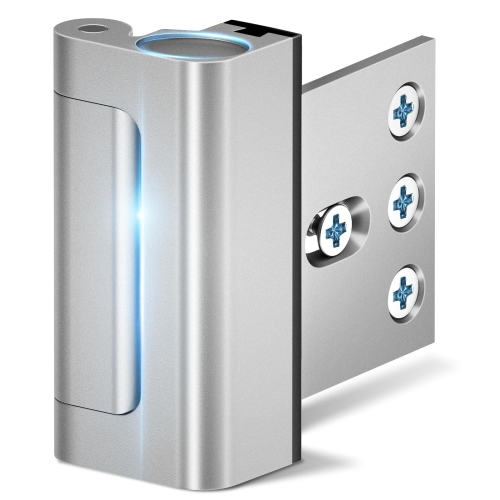
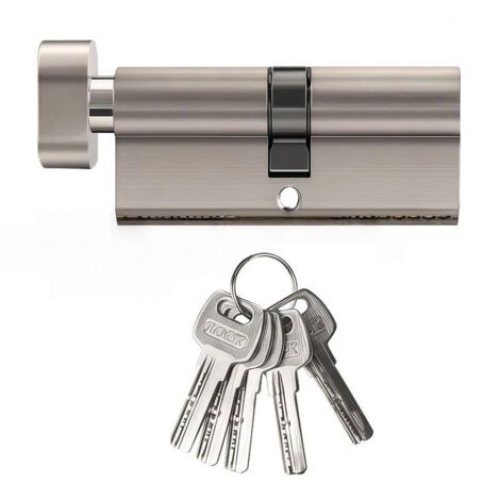
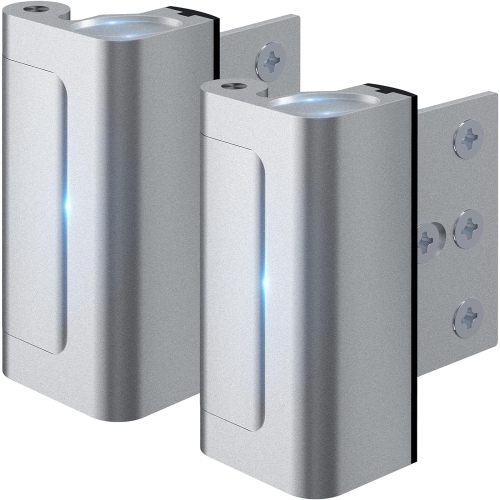
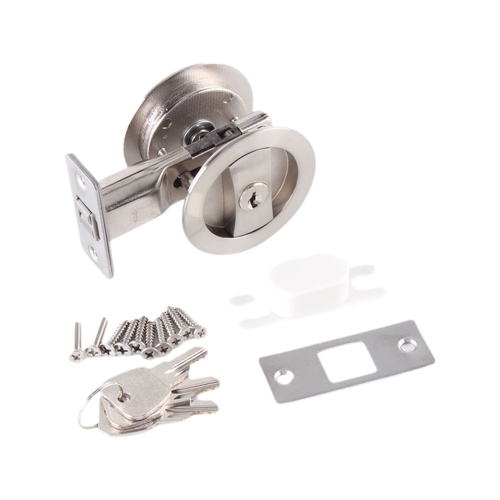
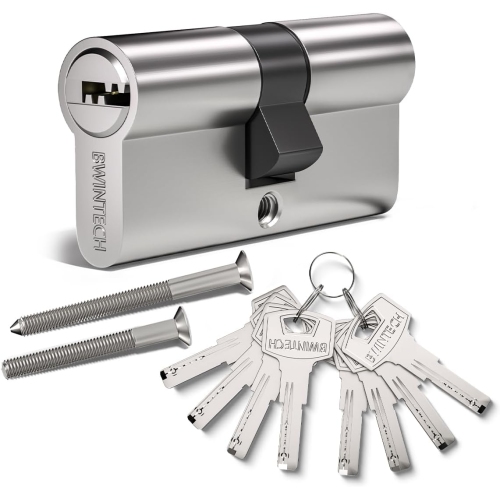
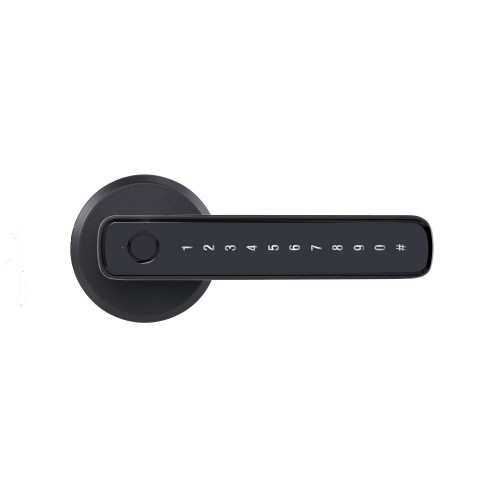
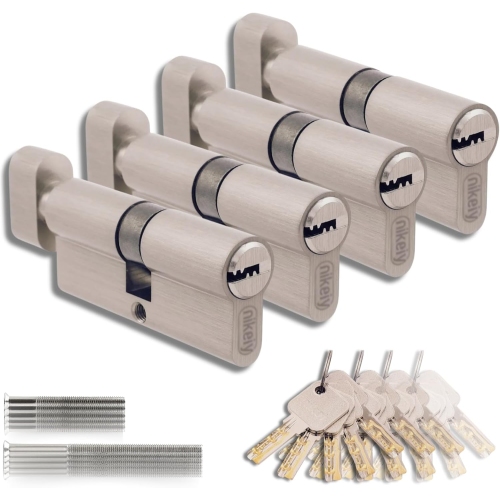
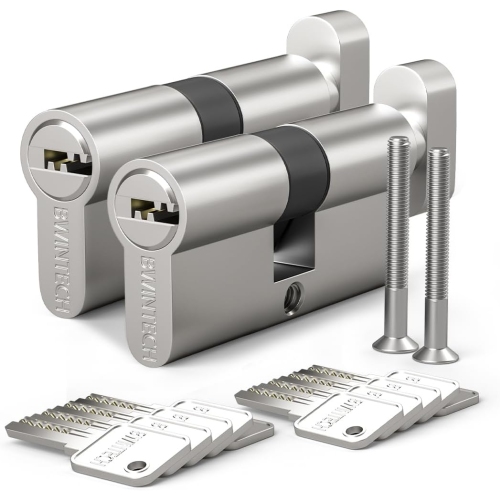
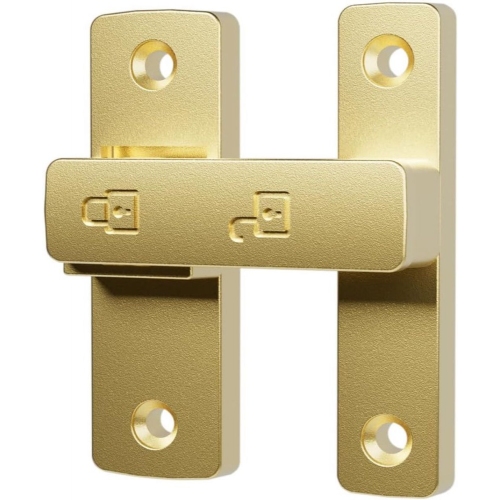
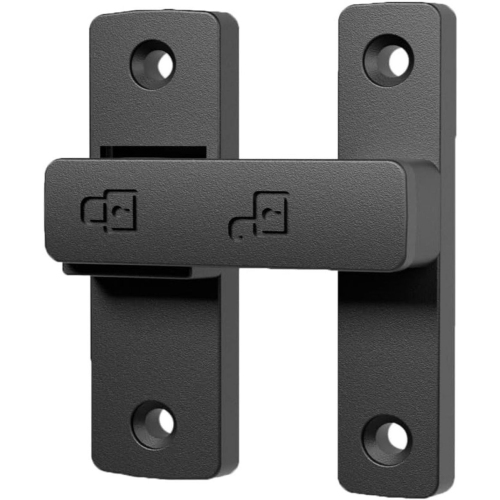
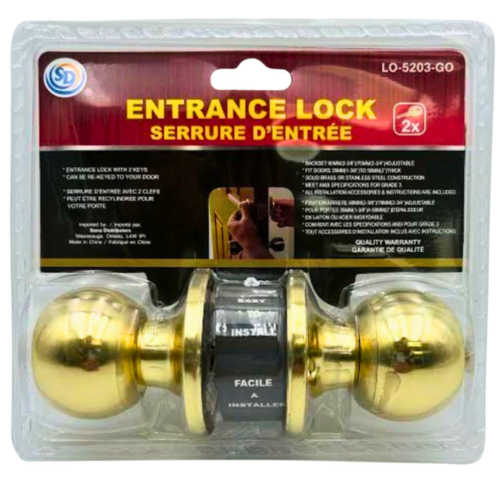
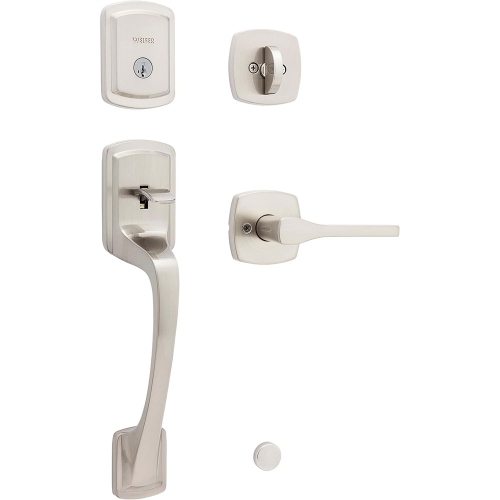
House door locks help control who can enter your home while making everyday routines more convenient. The right choice depends on the door’s location, construction, existing hardware, household habits, and the level of access control you need. Exterior entry doors commonly use a deadbolt alongside a knob or lever lock. A deadbolt uses a solid bolt that extends into the door frame, offering a stronger barrier than a spring latch alone. Single-cylinder deadbolts are keyed on the outside and operated with a thumb turn on the inside, making them a practical choice for many front, side, and back entrances. Double-cylinder deadbolts require a key on both sides, which can provide additional control where there is nearby glass, but they may affect emergency exit procedures and may not be suitable for every home or local building requirement. Always confirm that the lock is compatible with your door thickness, backset, borehole size, edge-bore configuration, and the spacing of existing holes before purchasing. Knob and lever locks are often used as the primary latch on interior doors or paired with a deadbolt on exterior doors. Levers are generally easier to operate for people with limited hand strength, while knobs can suit compact spaces and traditional door designs. For a coordinated look throughout the home, consider the finish, shape, and placement of each lock along with the other door hardware. A replacement lock may be a straightforward screwdriver installation when it matches the existing cut-outs, but unusual door preparations, mortise-style hardware, reinforced doors, and electronic systems can require more careful fitting. Inspect the strike plate and door frame as well as the lock itself; sturdy hardware works best when the frame is sound and the screws anchor deeply into the structural framing. Longer frame screws, often around 3 inches where appropriate for the door and frame, can help secure the strike area, but they should be selected and installed without interfering with wiring, plumbing, or the door’s operation.
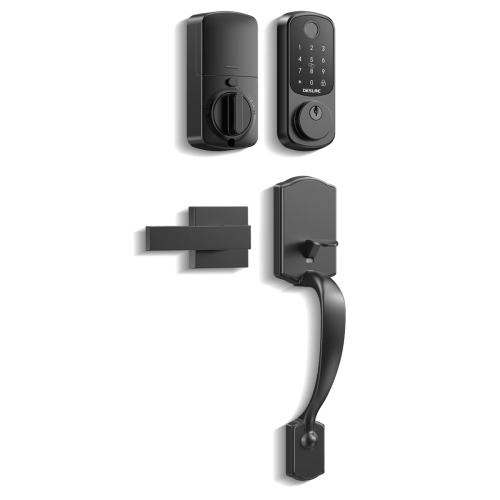
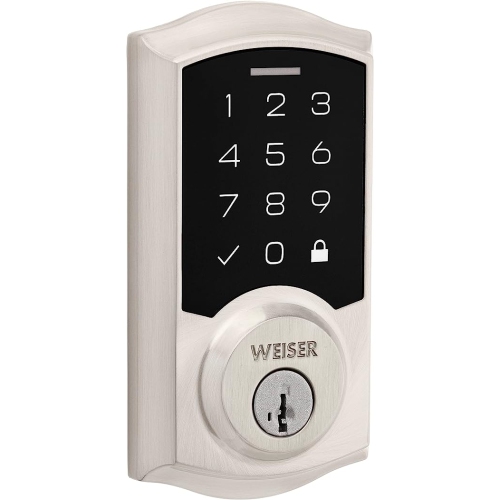
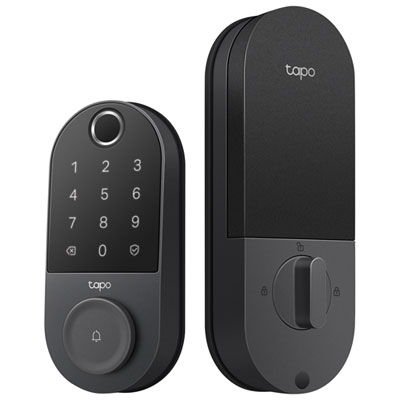
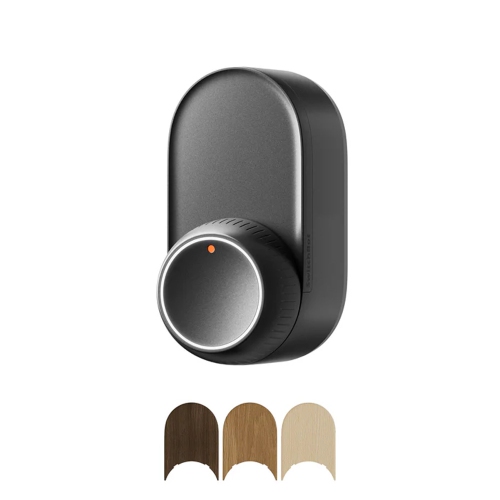
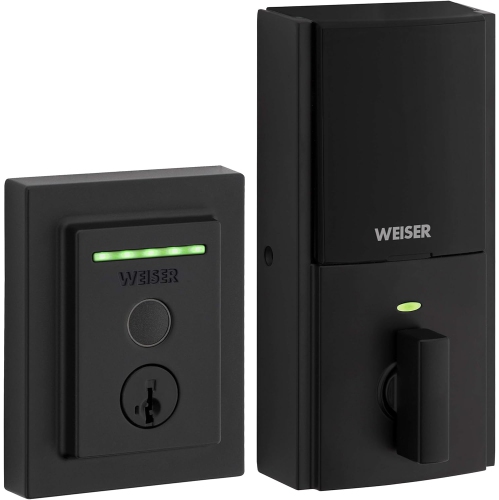
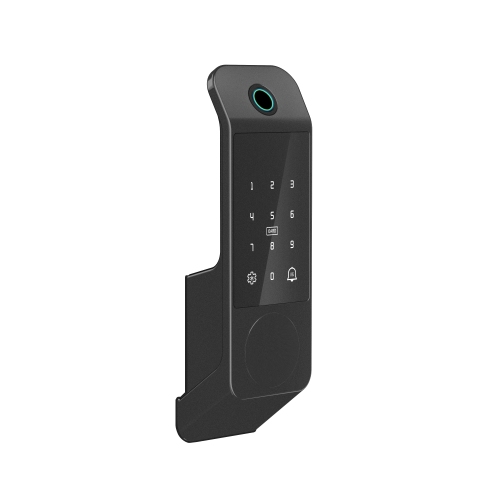
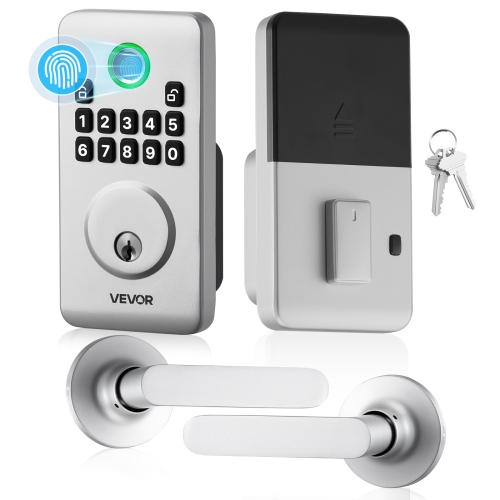
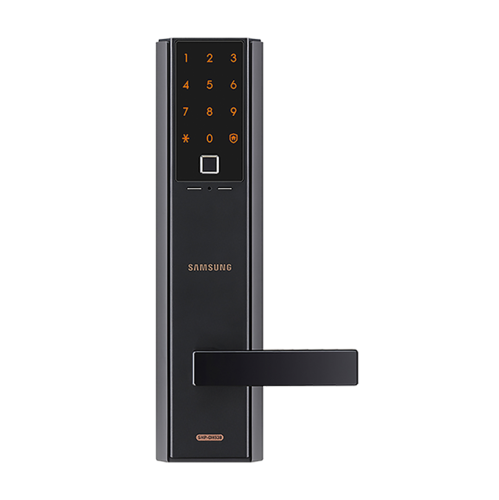
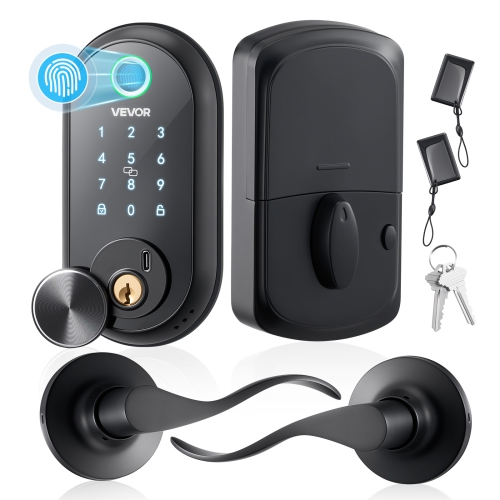
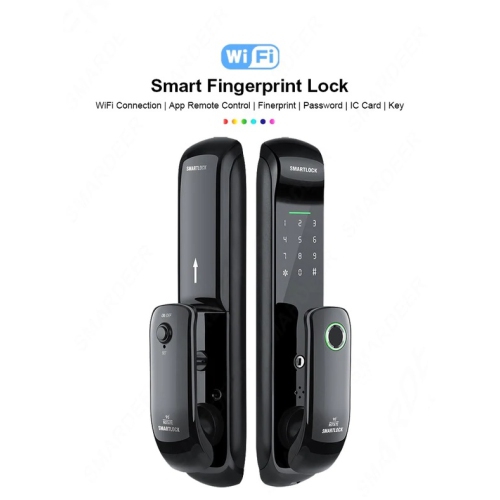
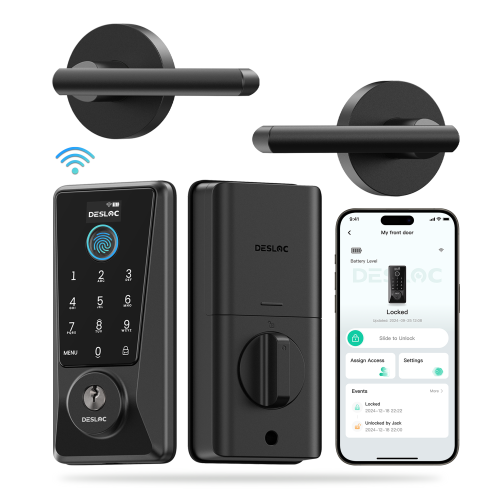
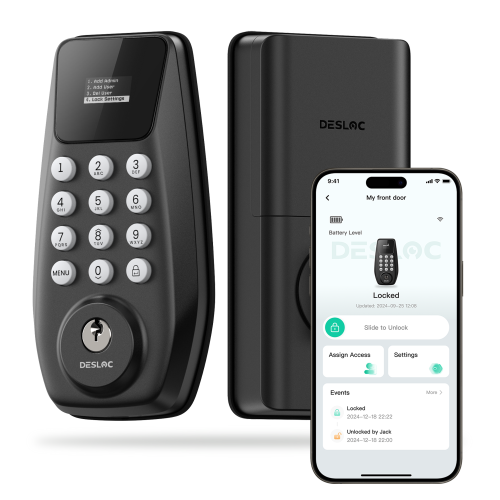
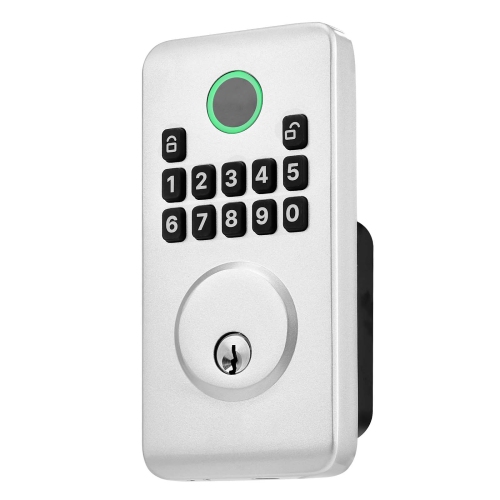
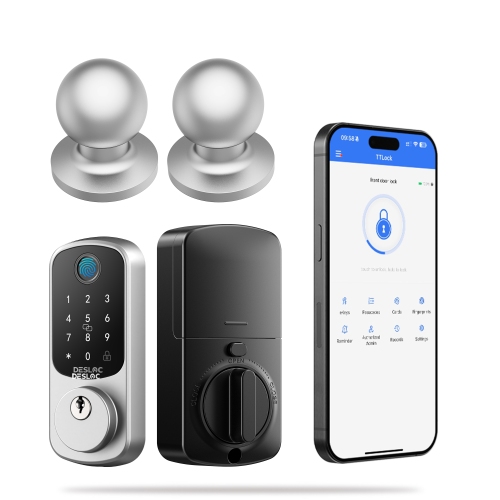
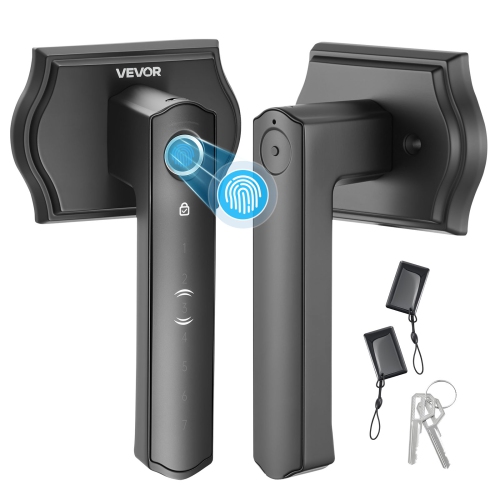
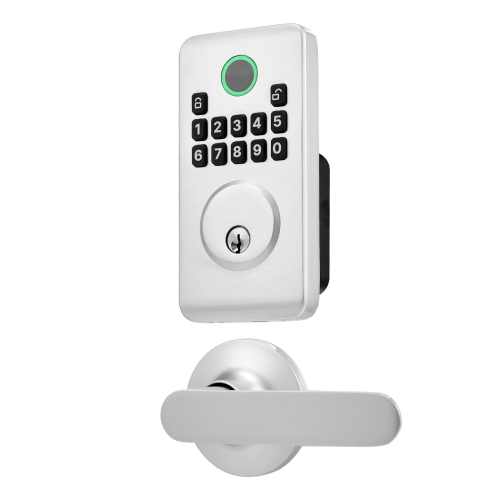
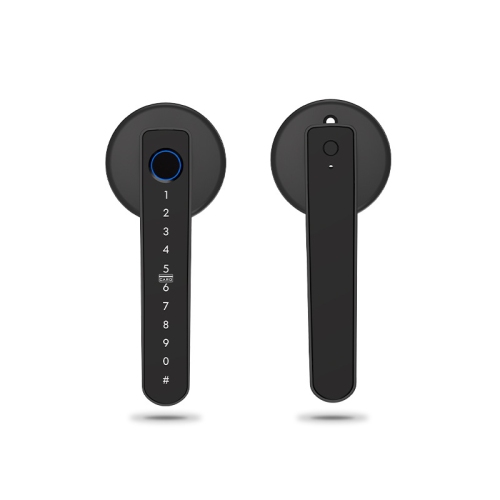
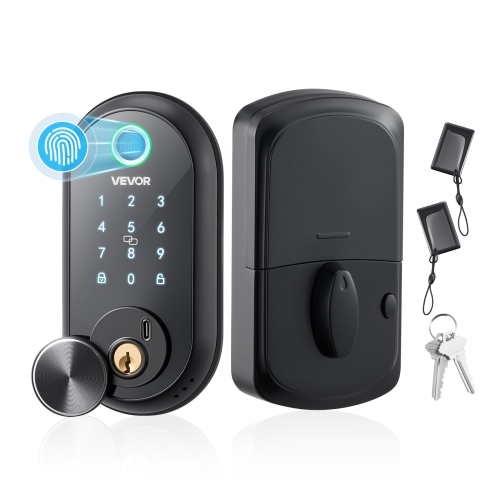
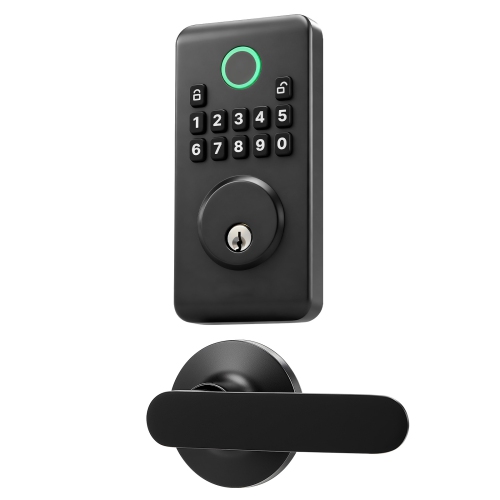
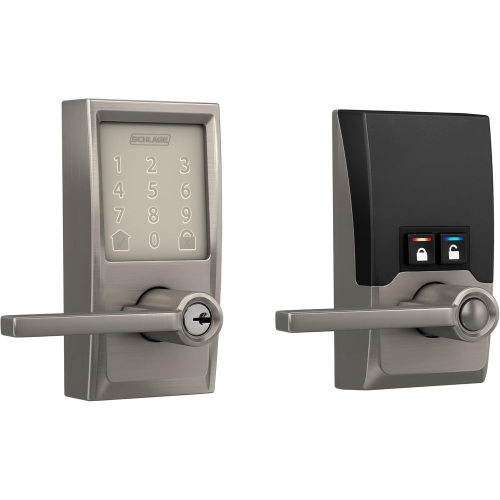
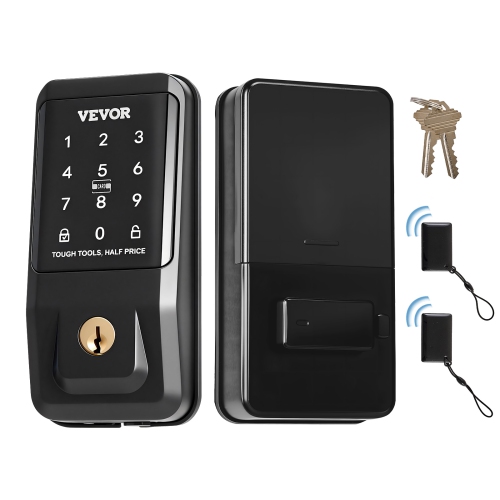
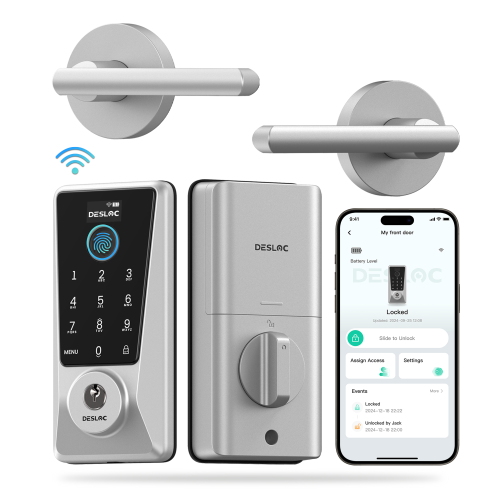
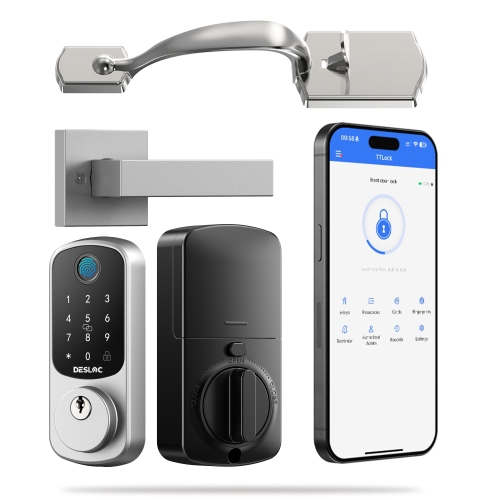
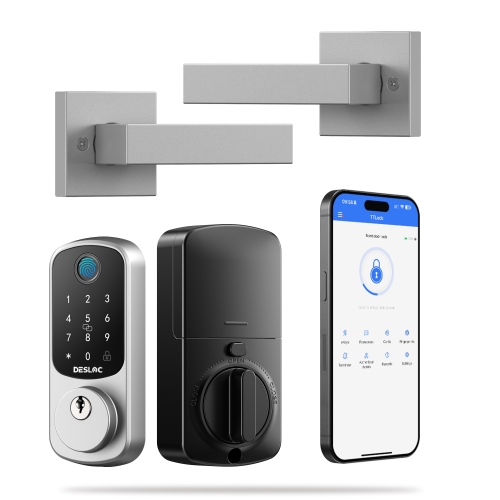
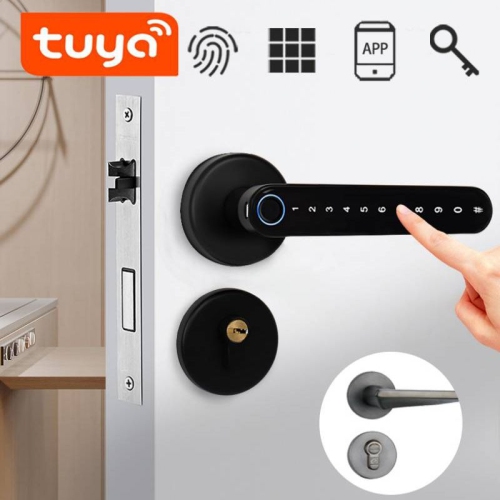
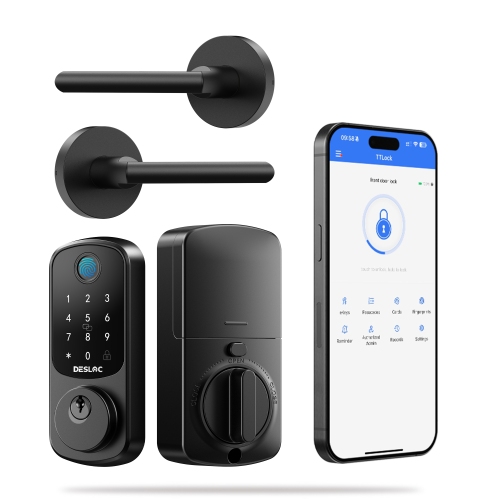
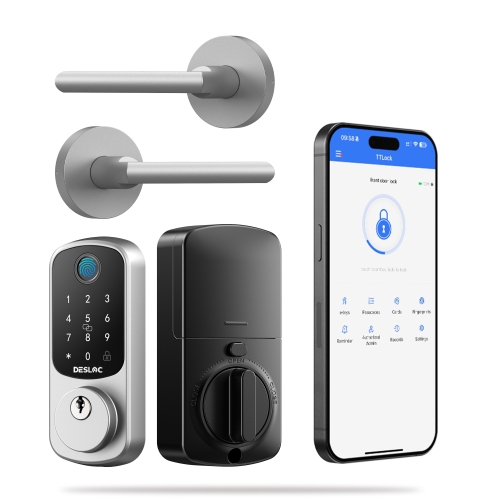
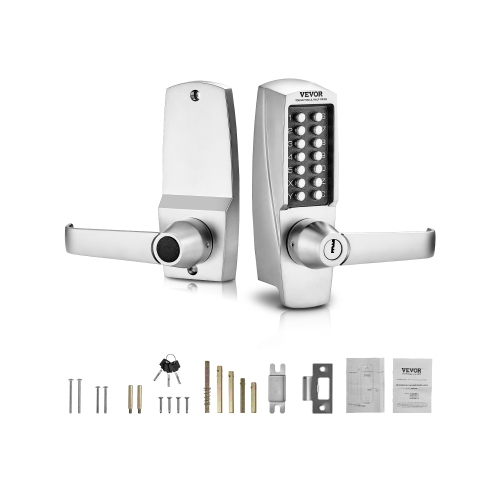
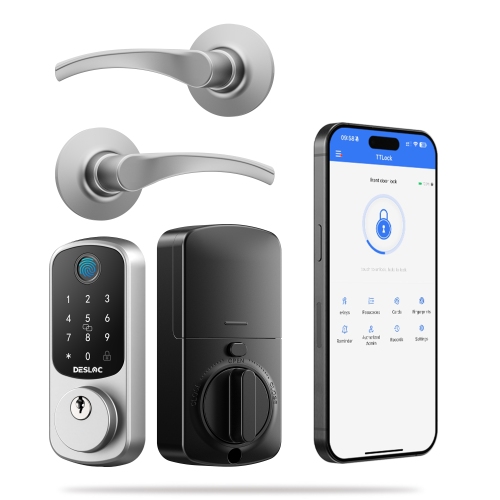
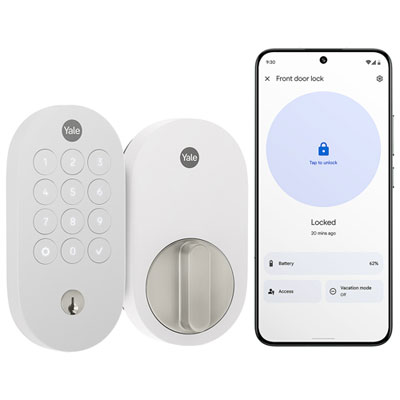
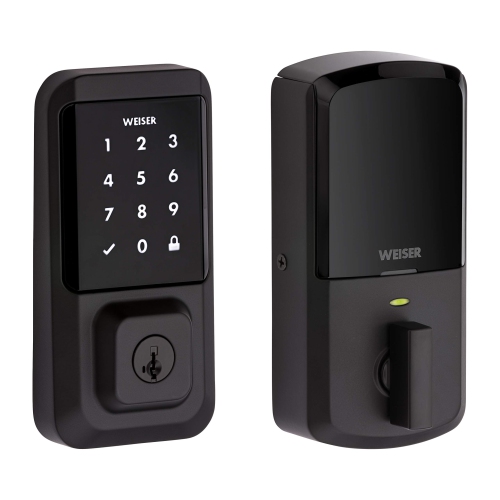
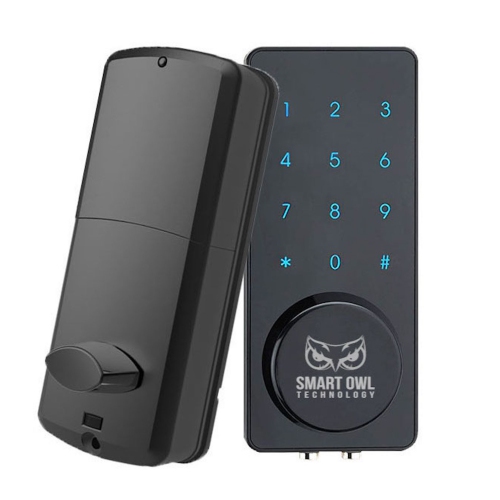
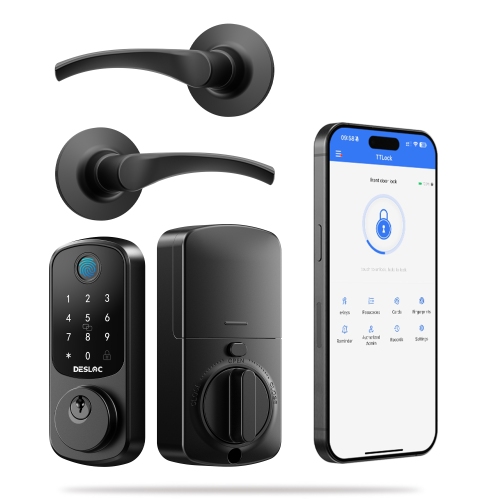
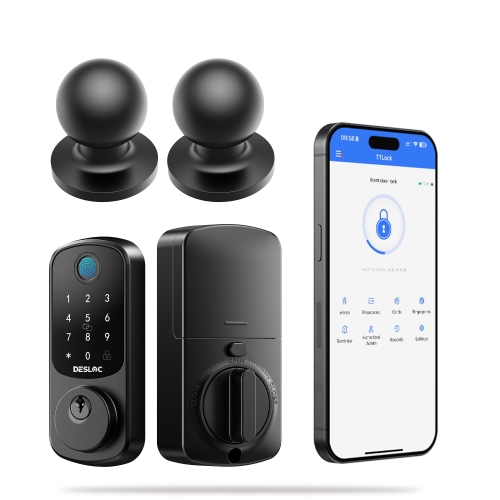
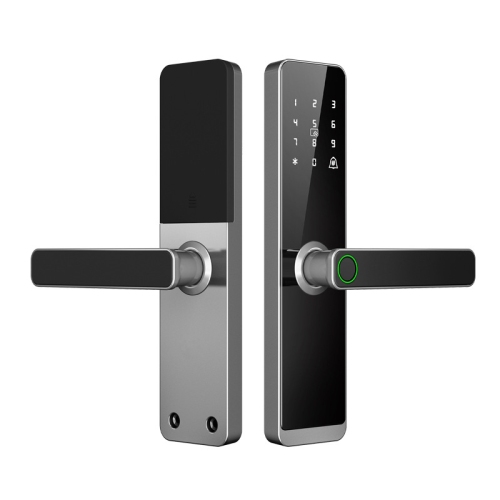
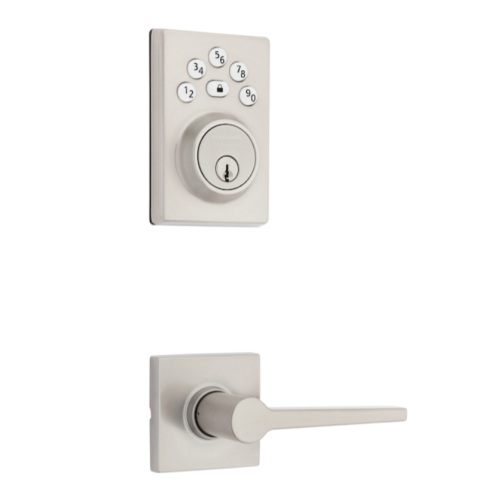
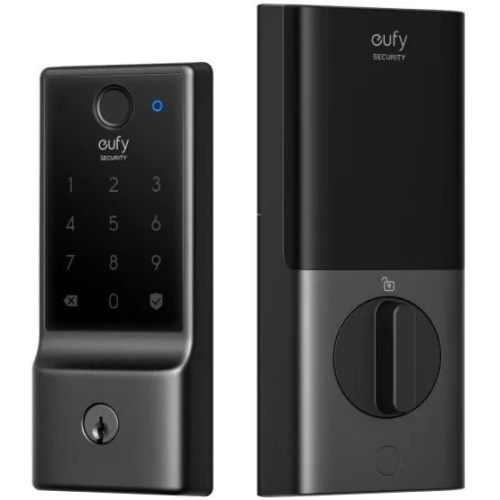
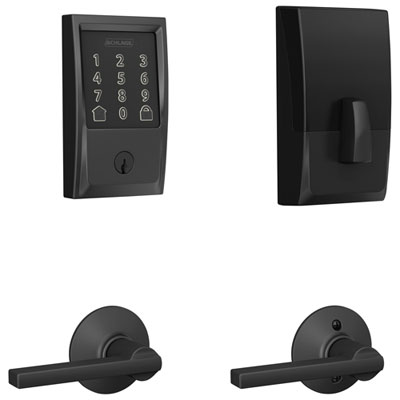
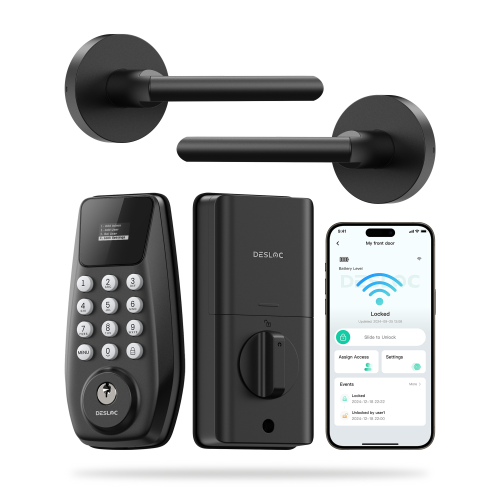
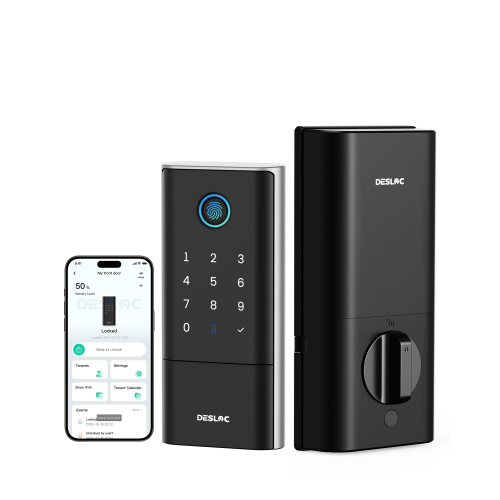
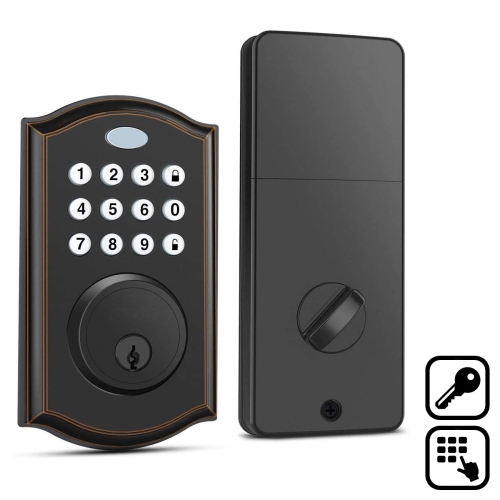
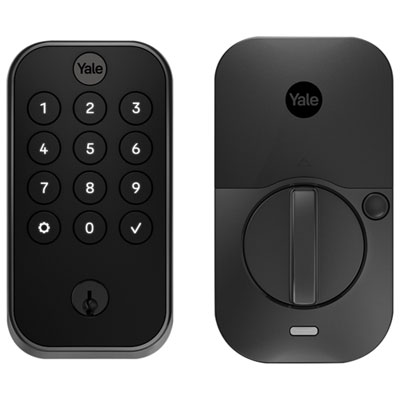
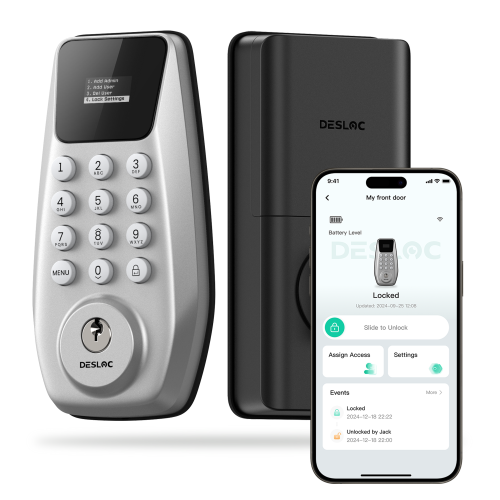
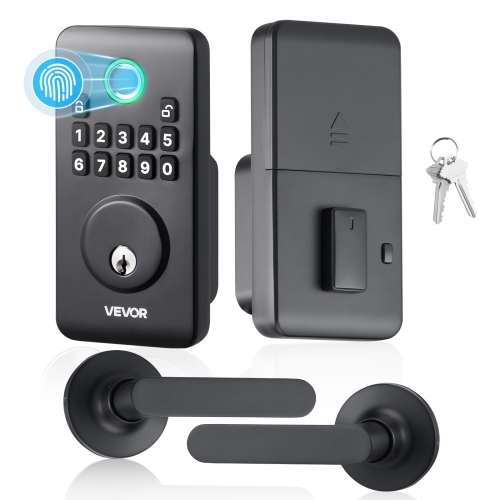
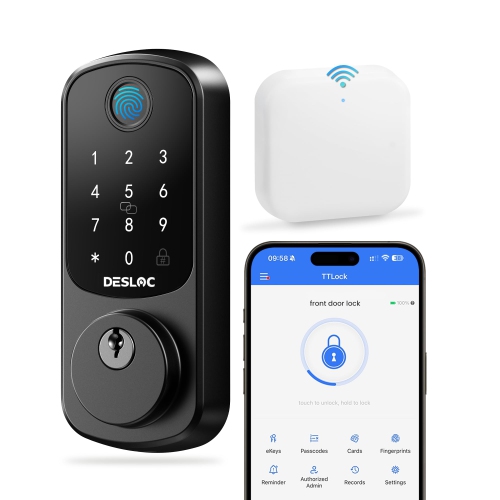
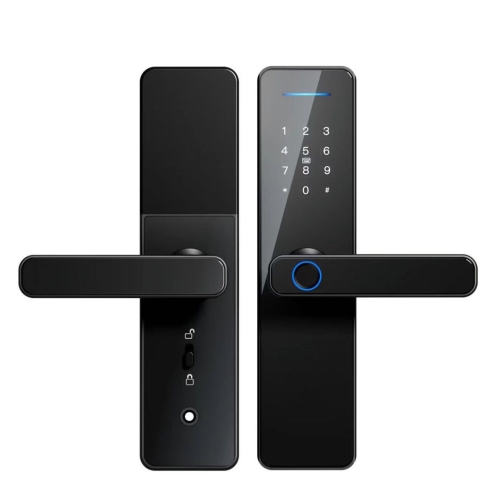
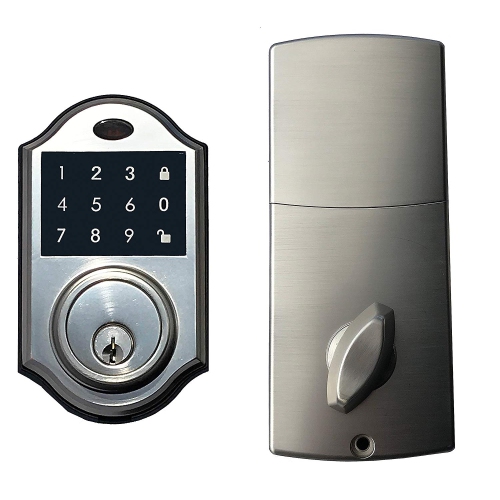
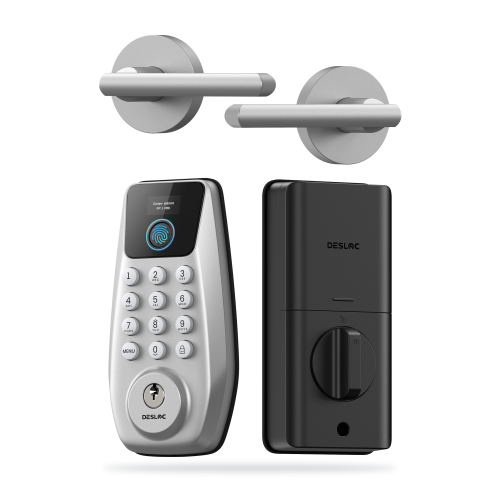
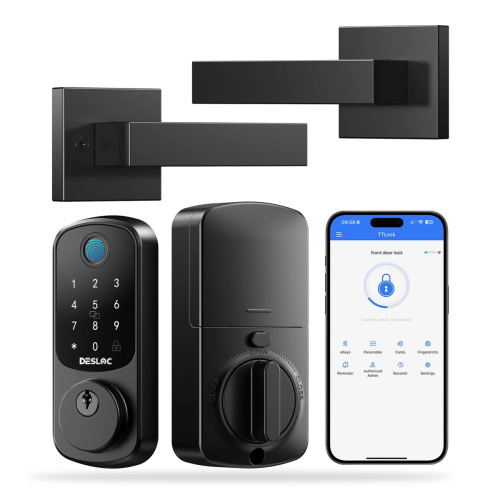
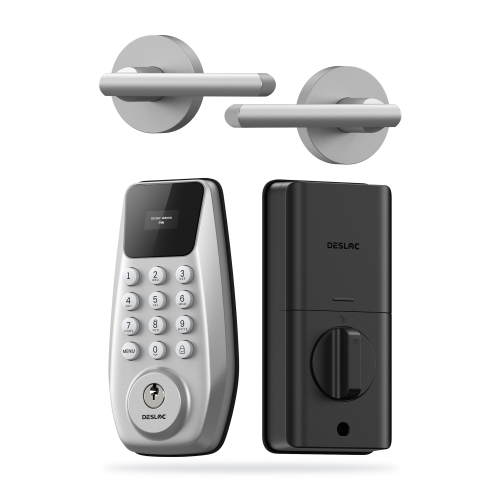
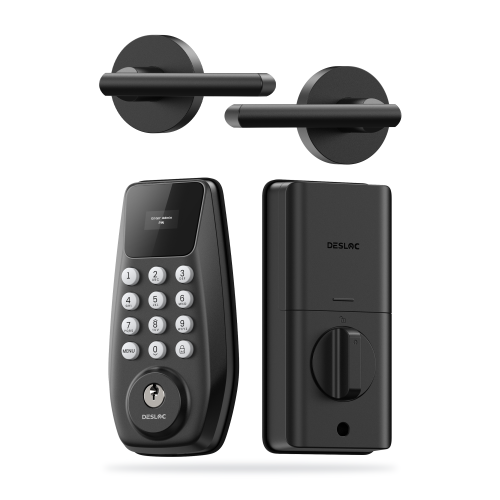
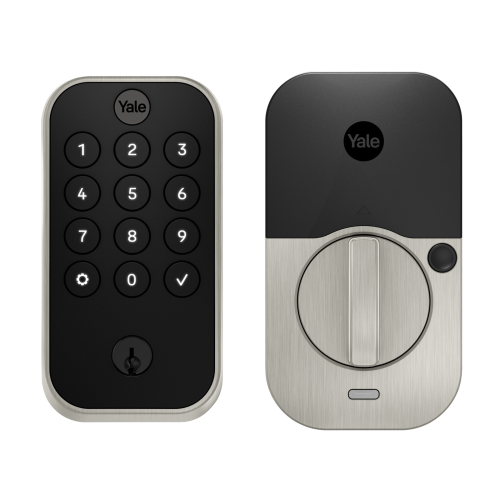
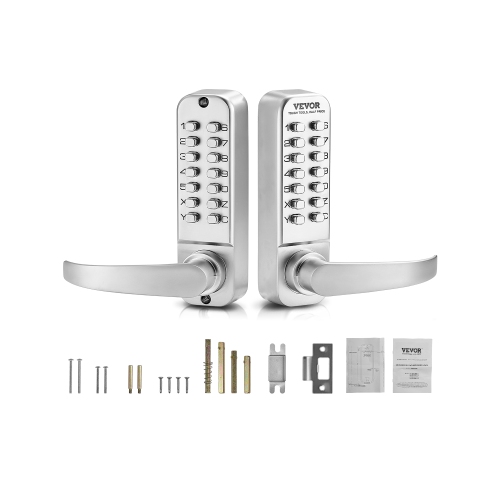
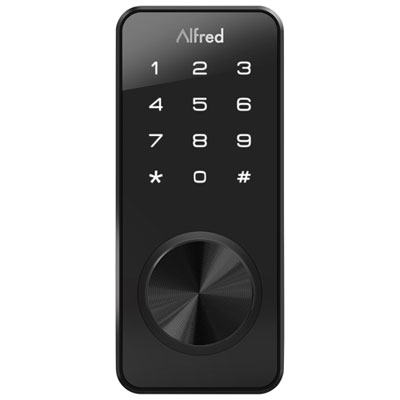
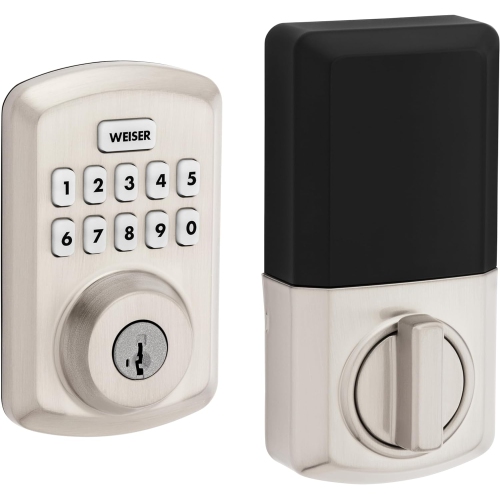
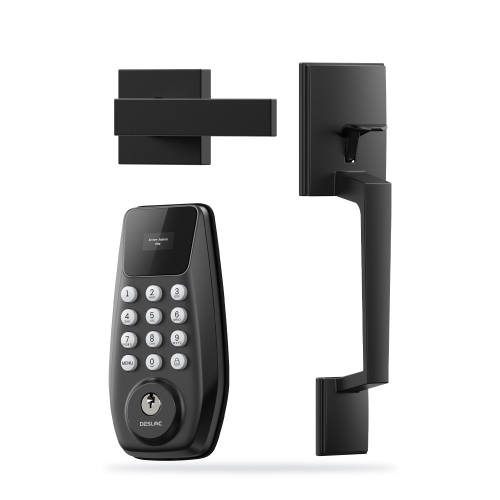
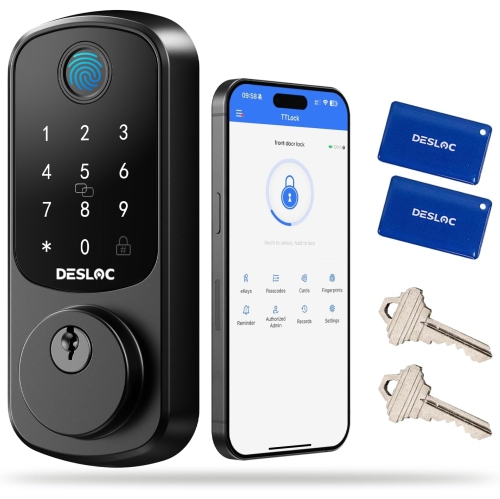
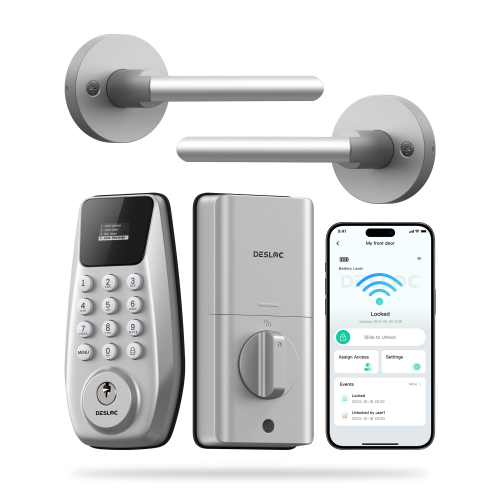
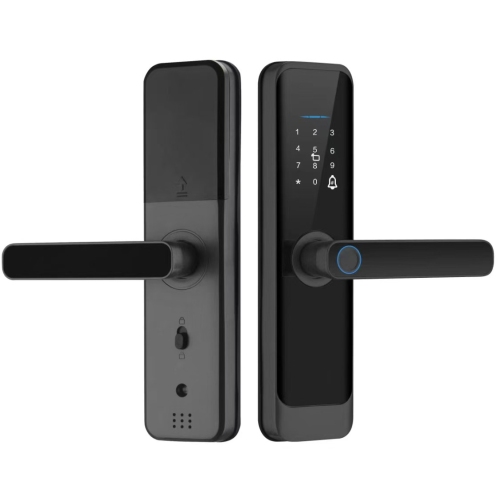
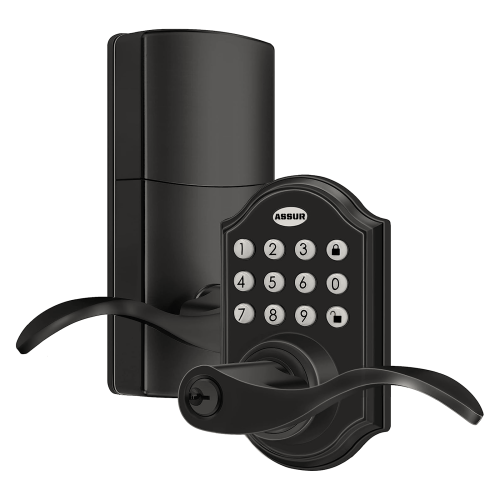
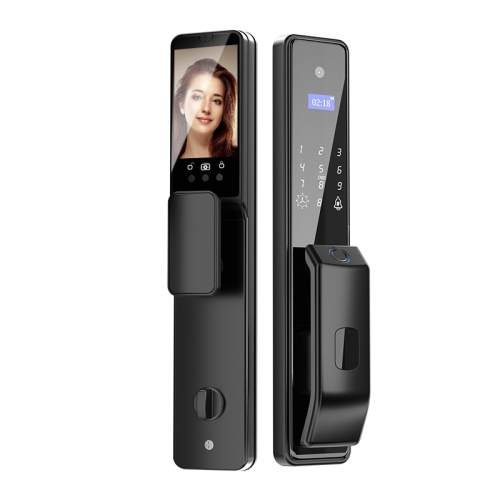
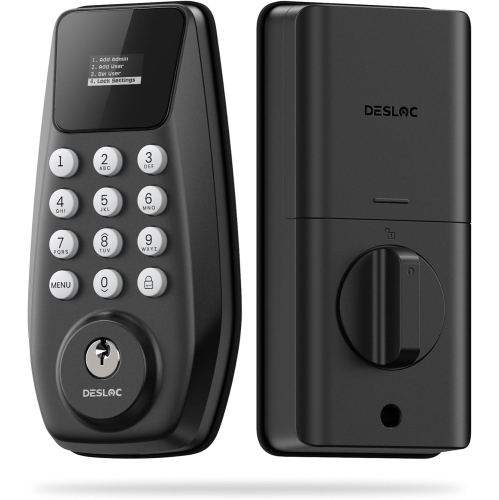
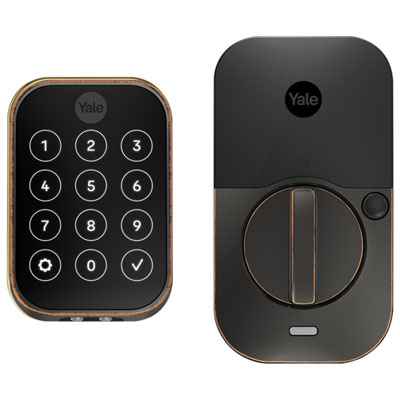
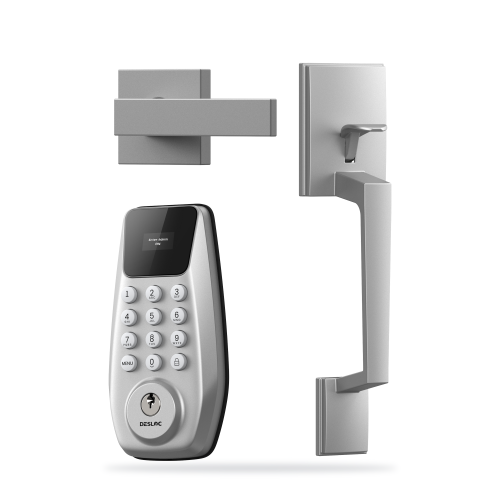
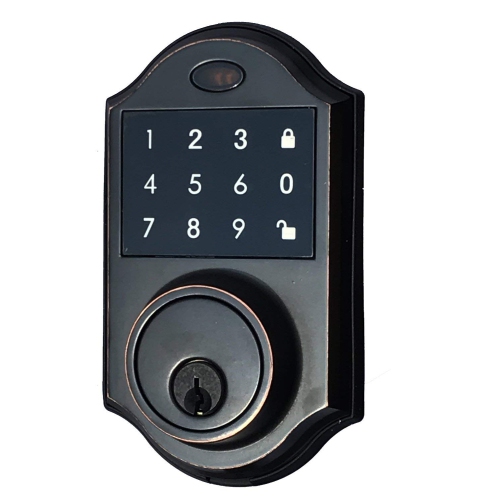
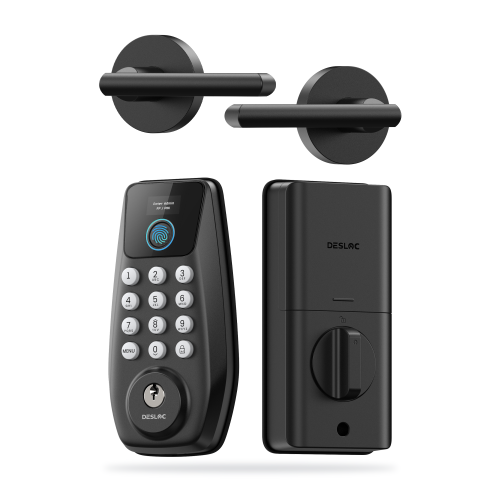
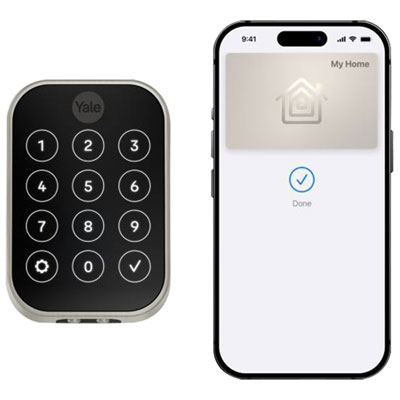
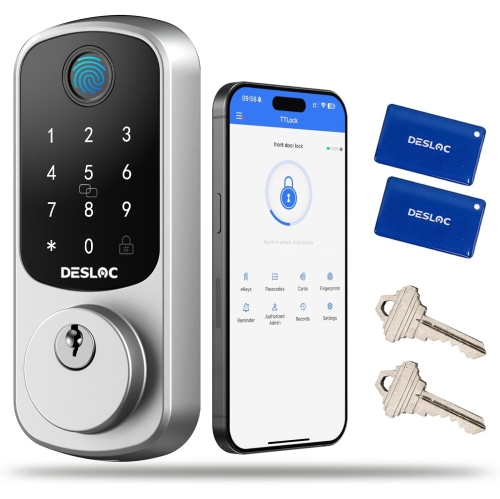
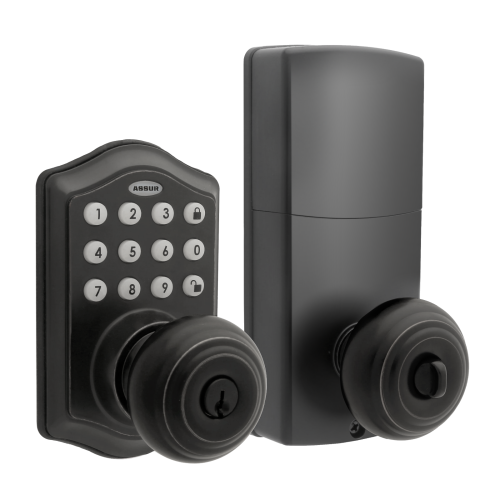
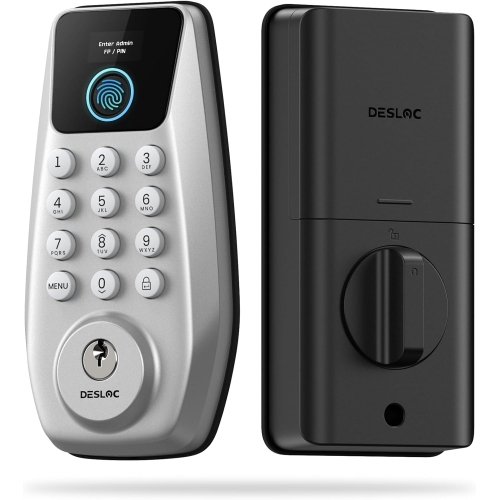
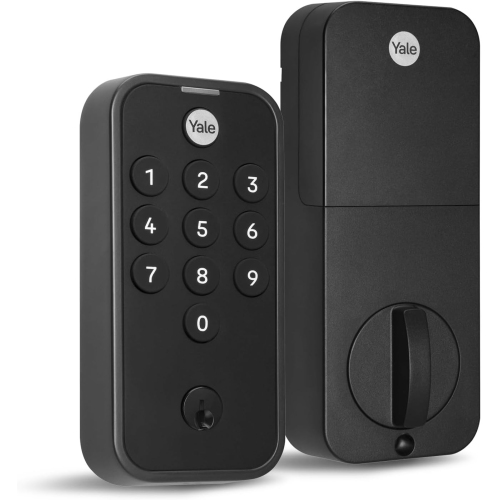
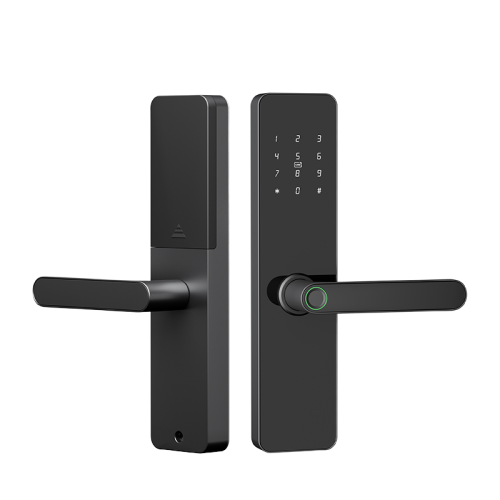
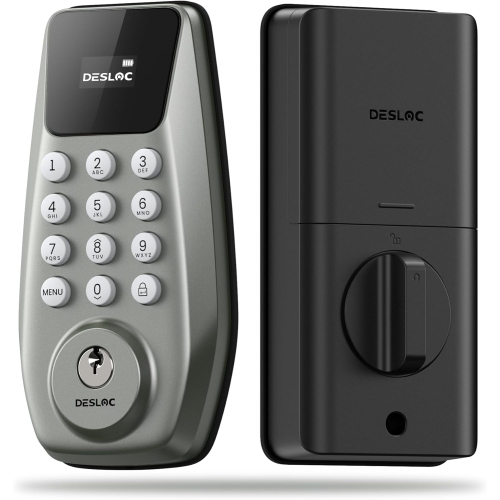
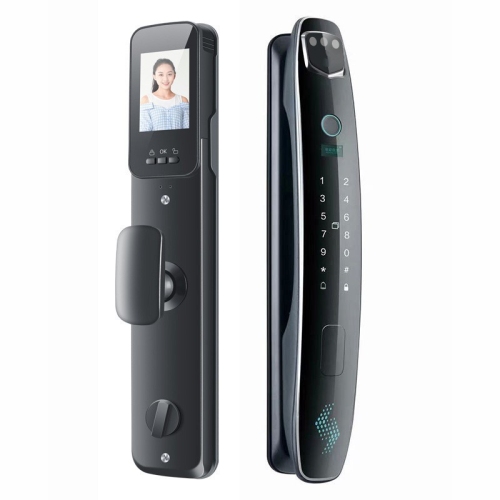
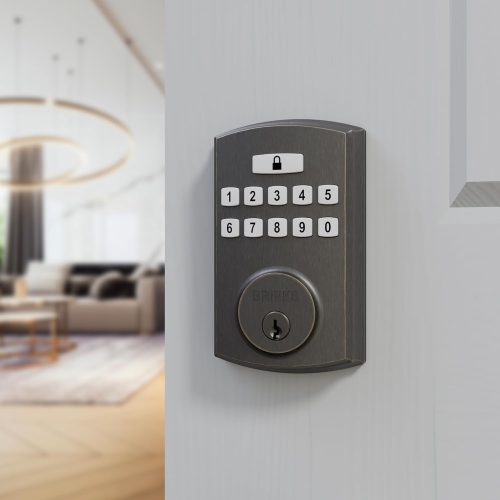
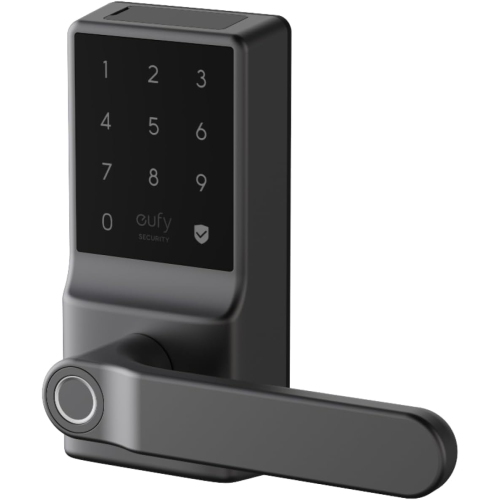
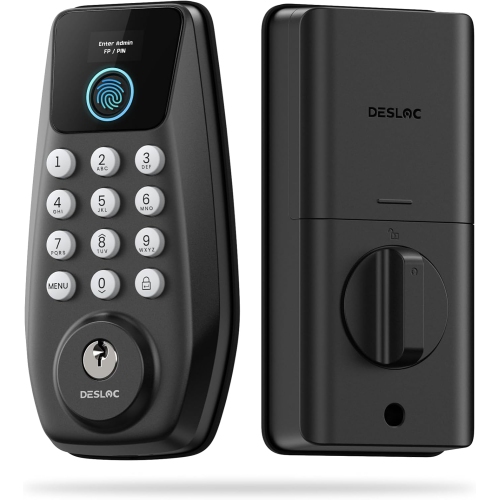
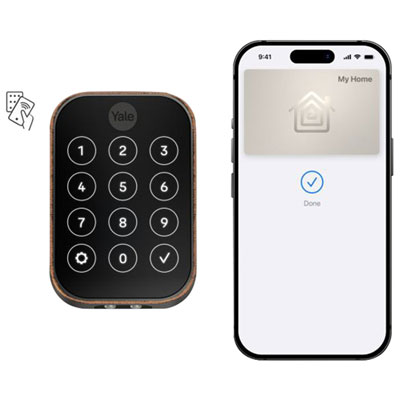
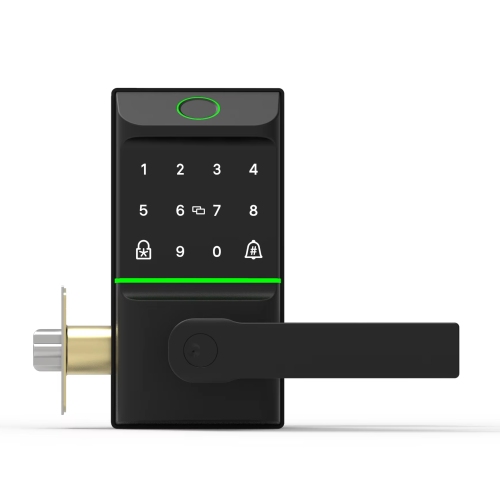
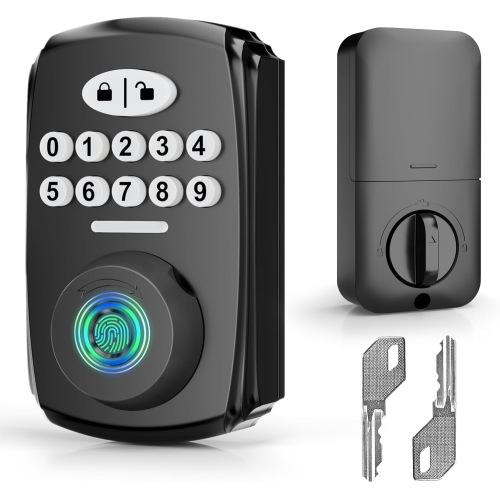
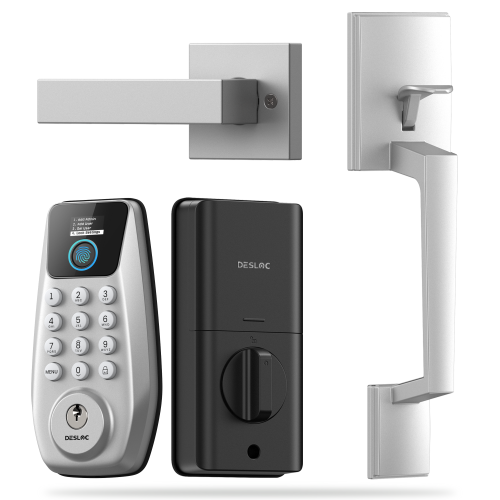
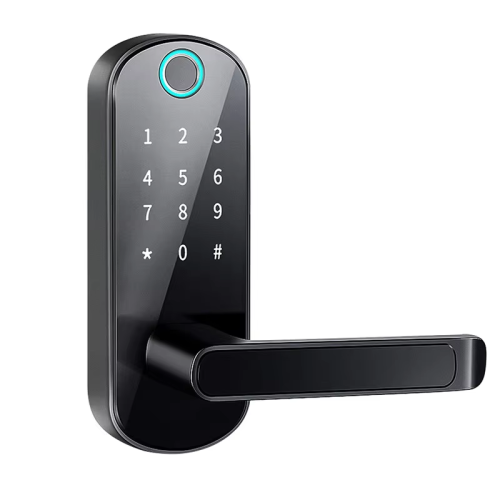
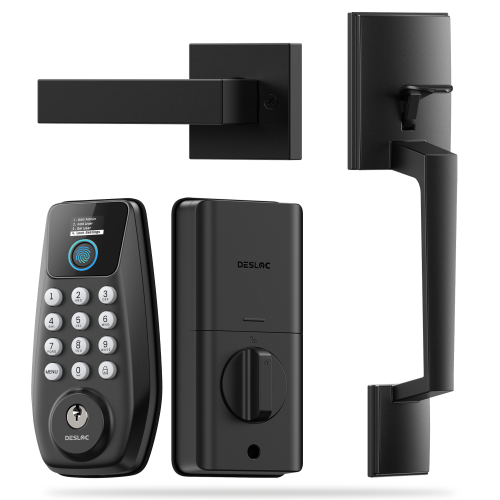
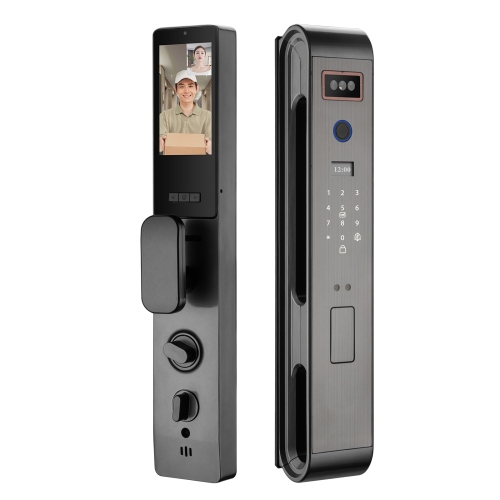
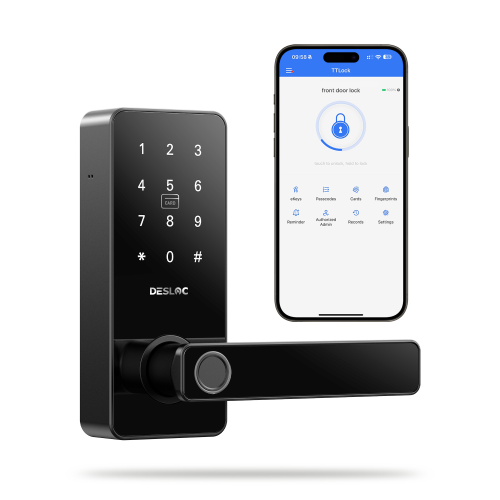
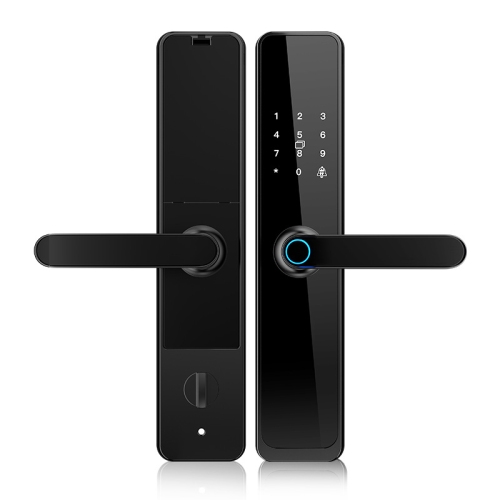
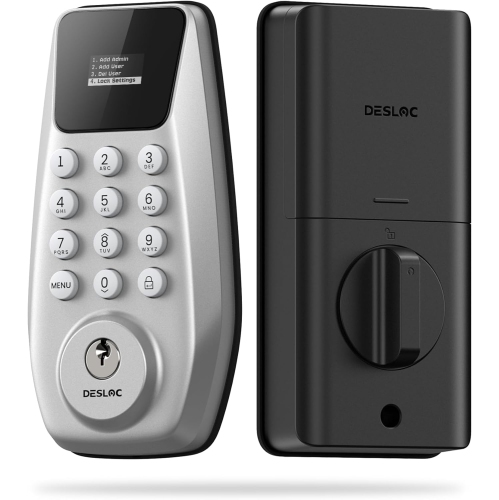
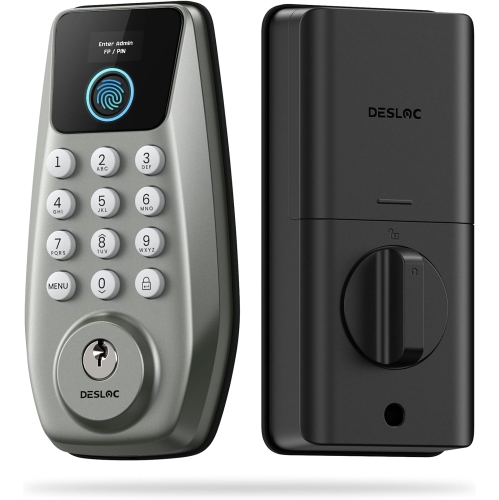
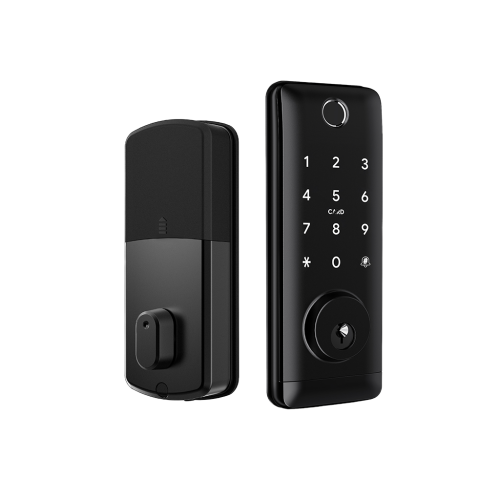
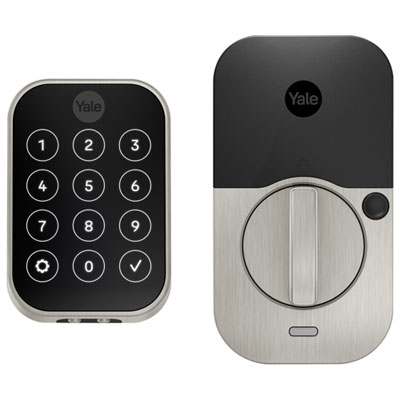
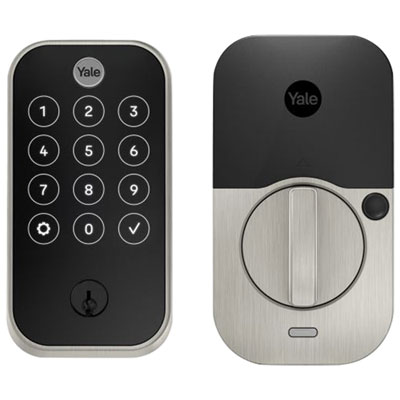
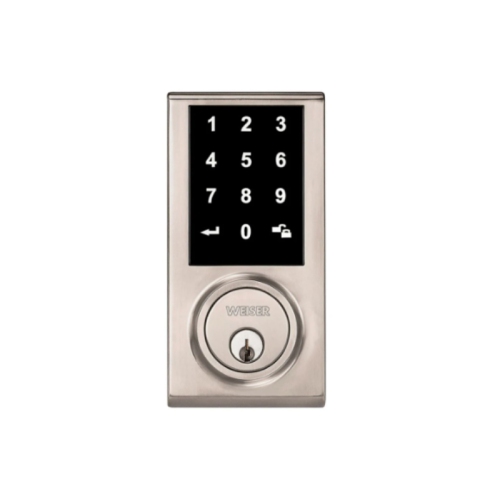
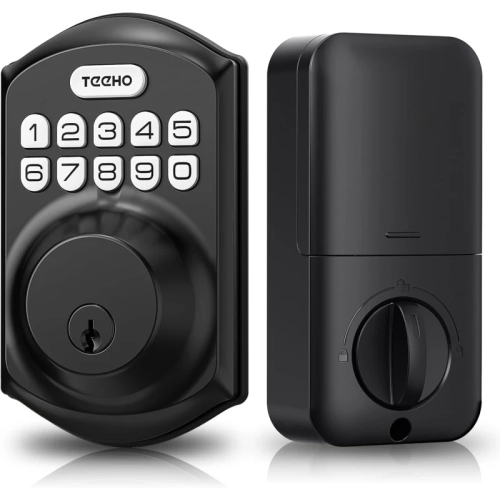
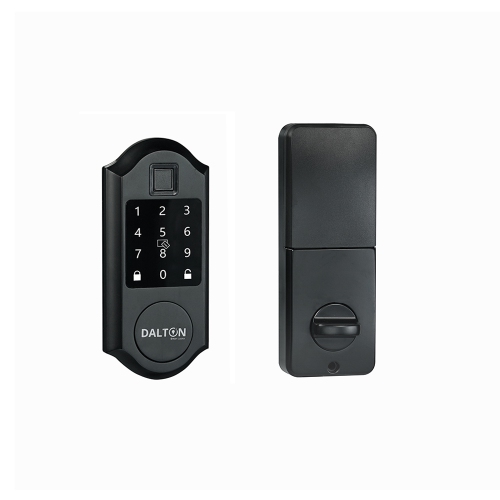
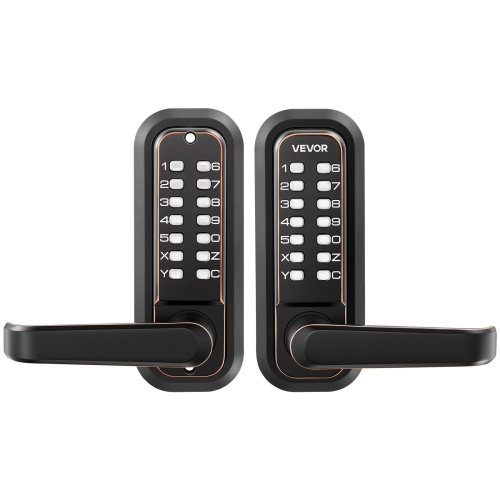
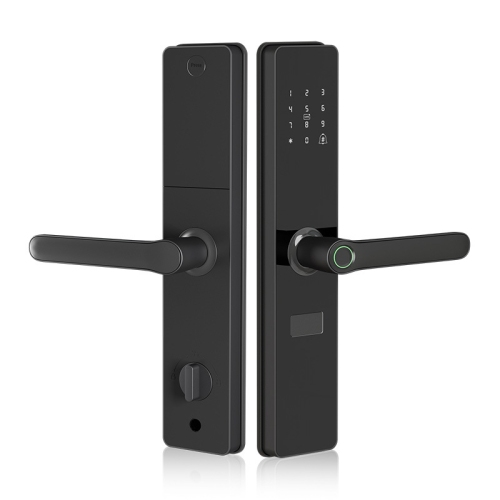
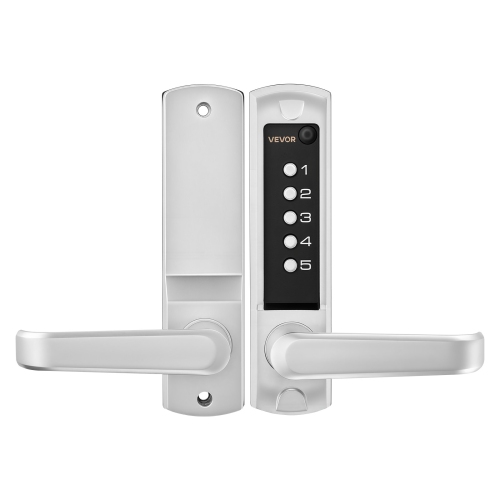
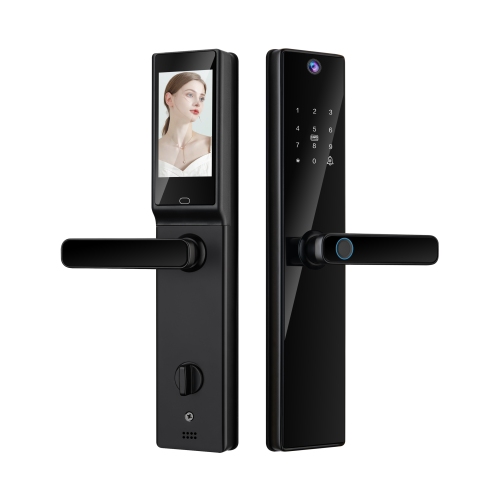
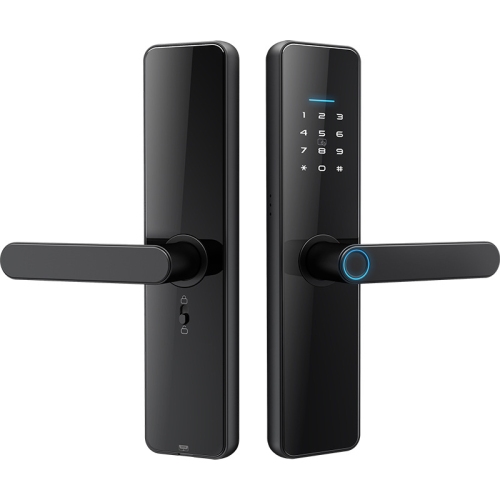
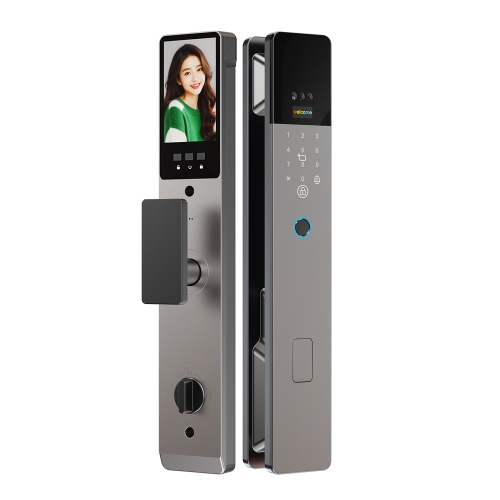
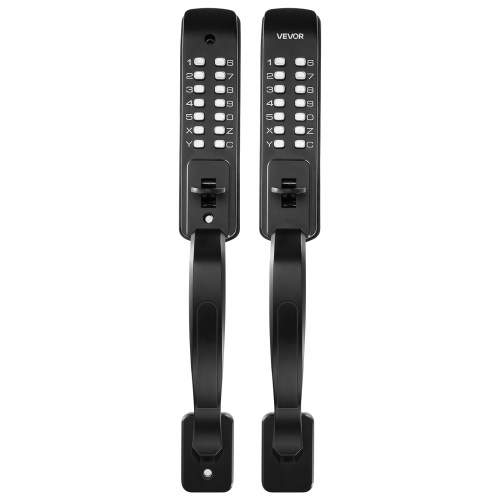
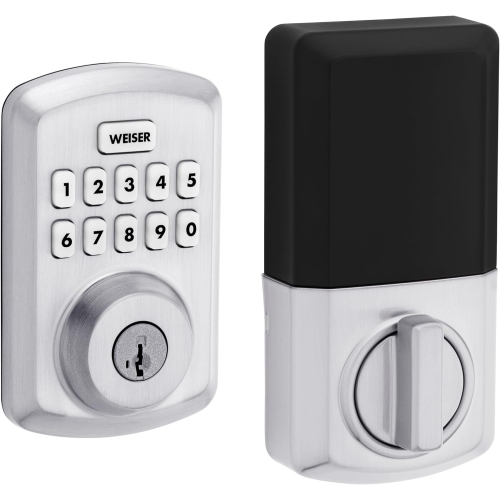
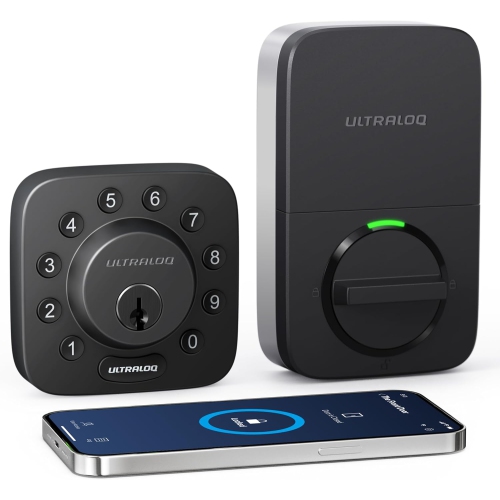
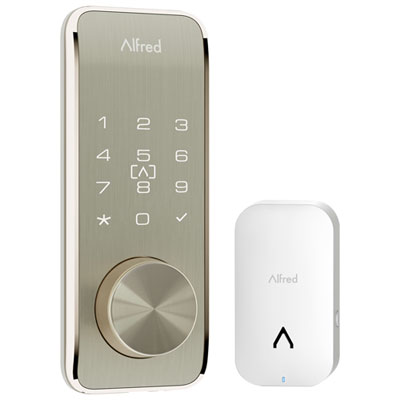
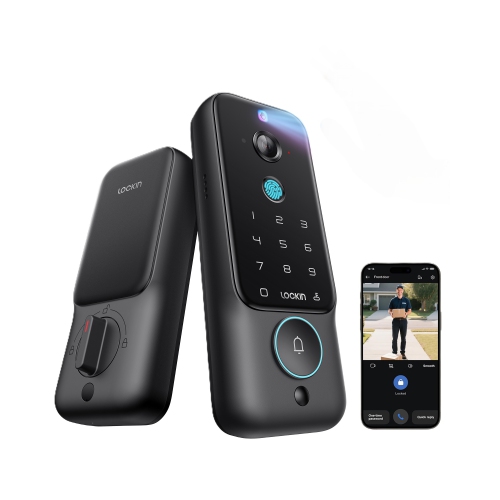
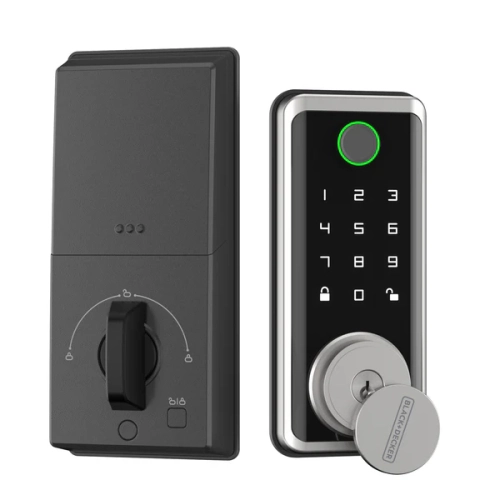
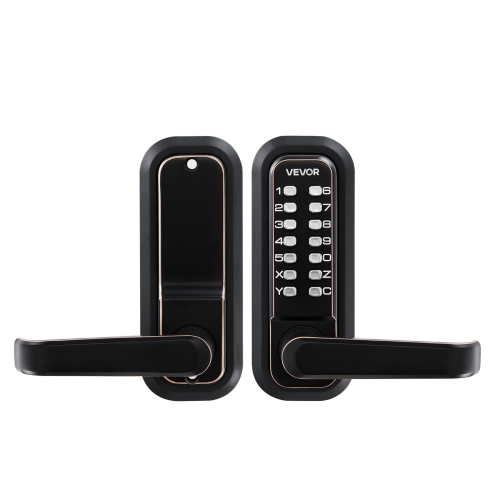
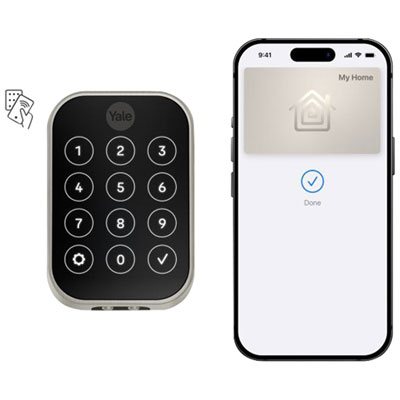
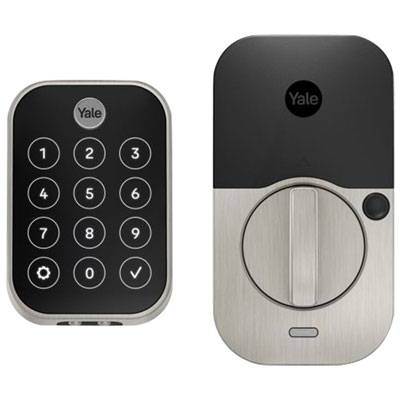
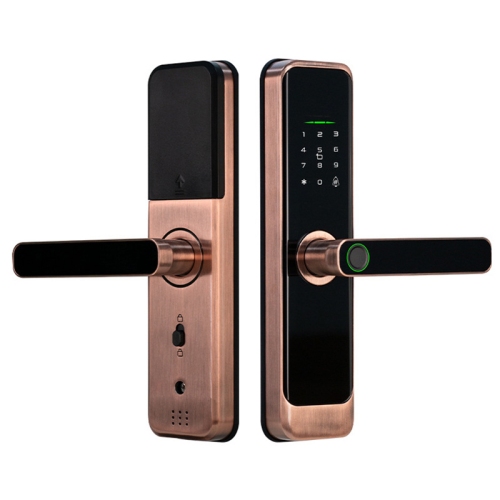
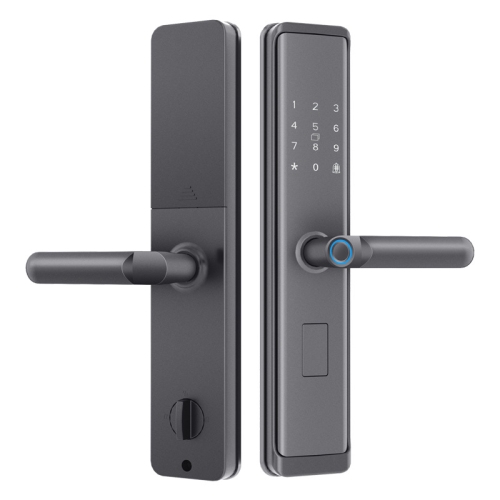
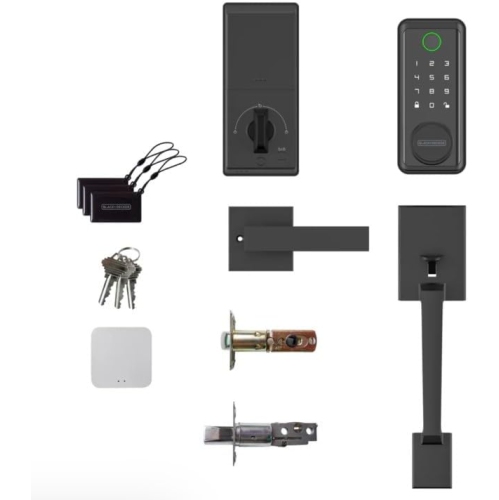
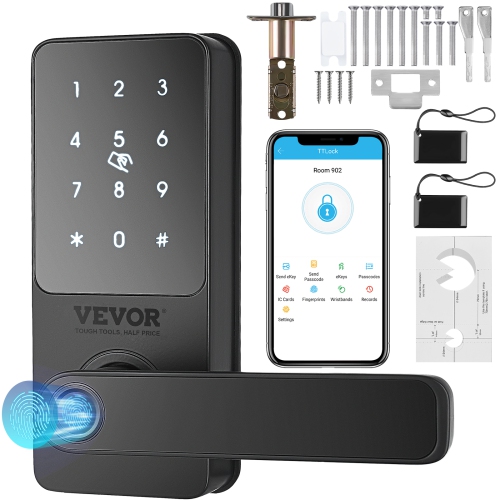
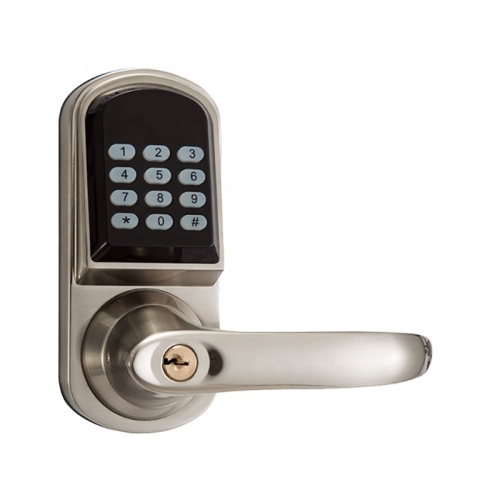
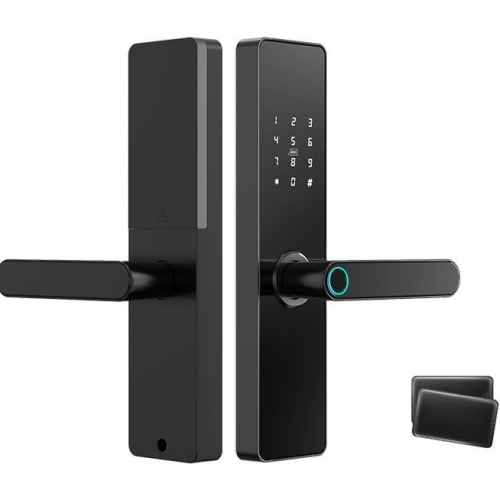
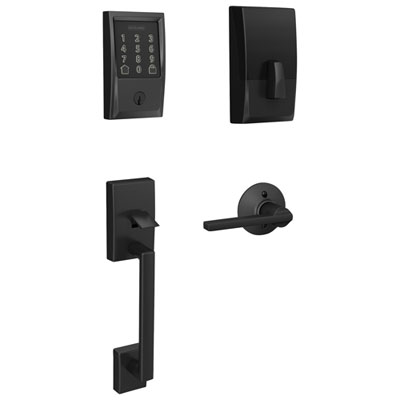
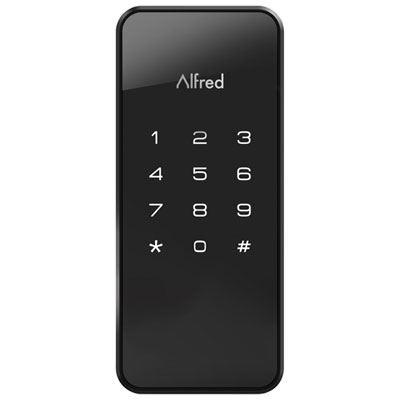
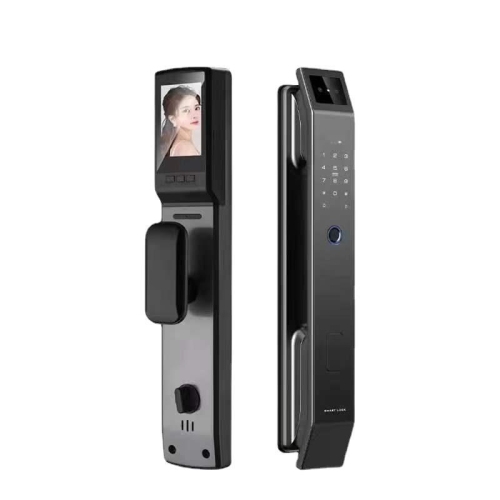
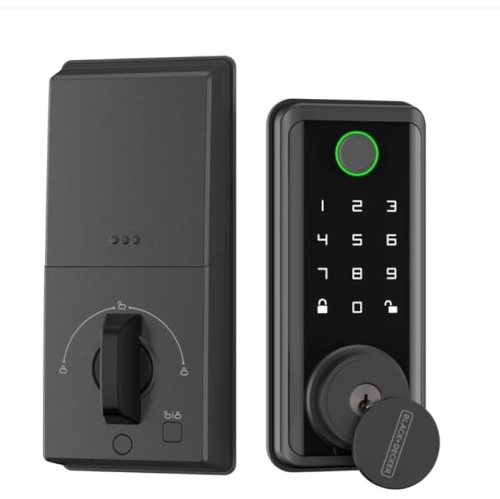
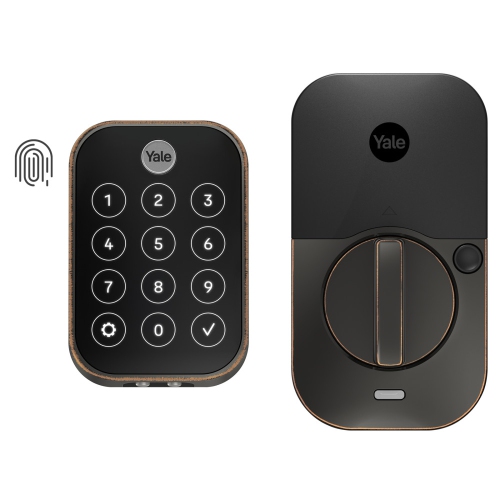
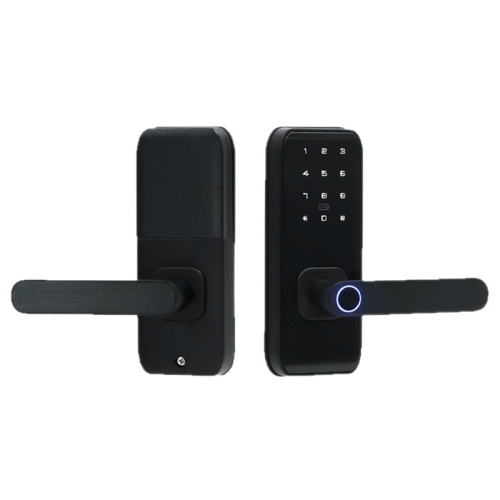
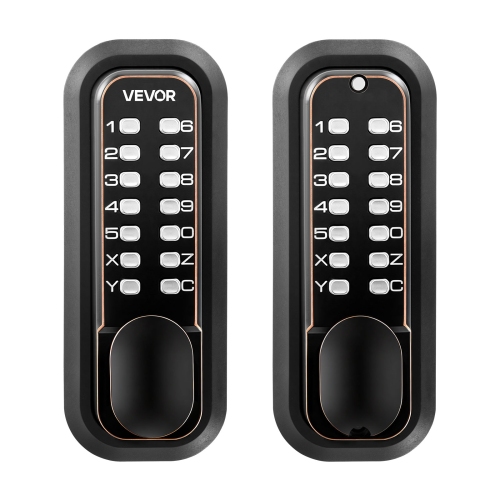
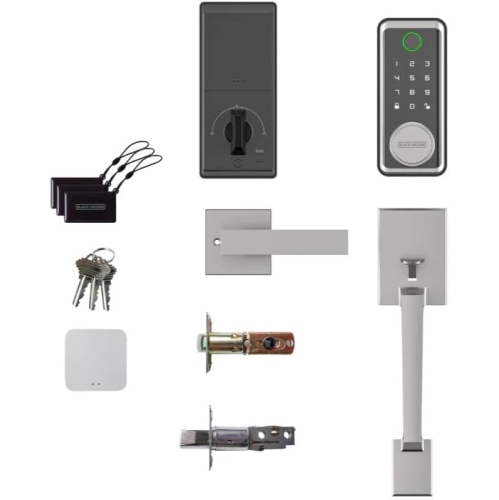
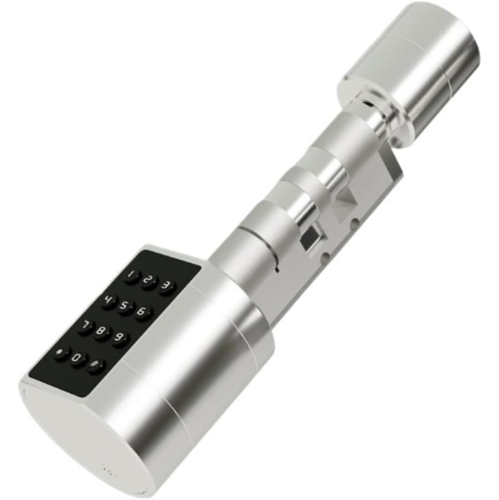
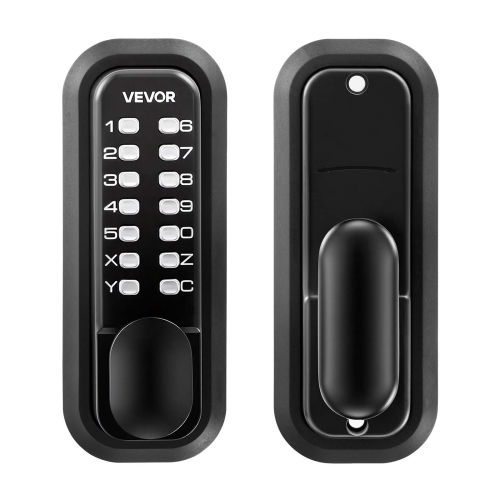
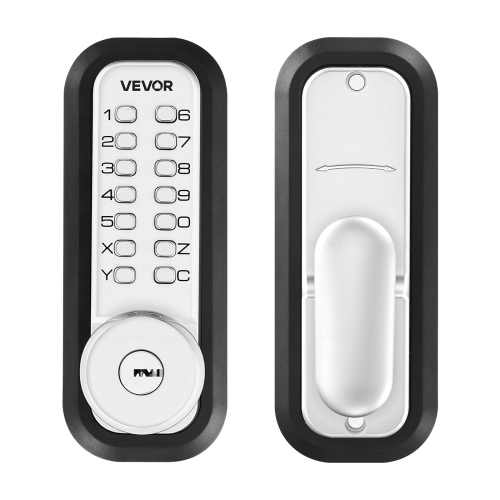
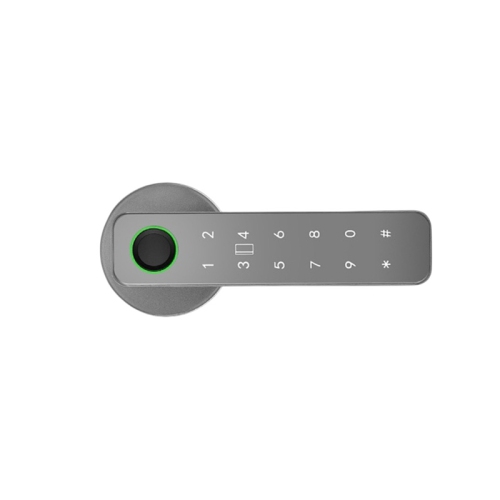
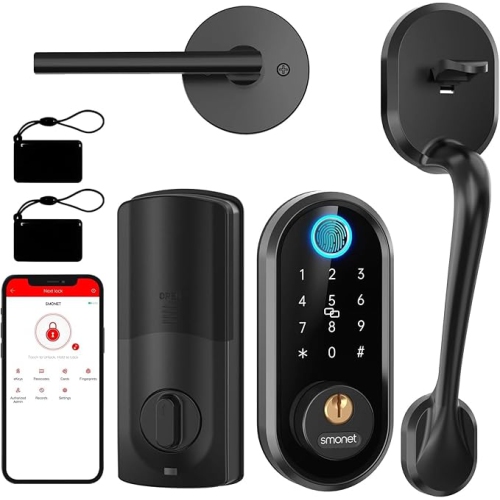
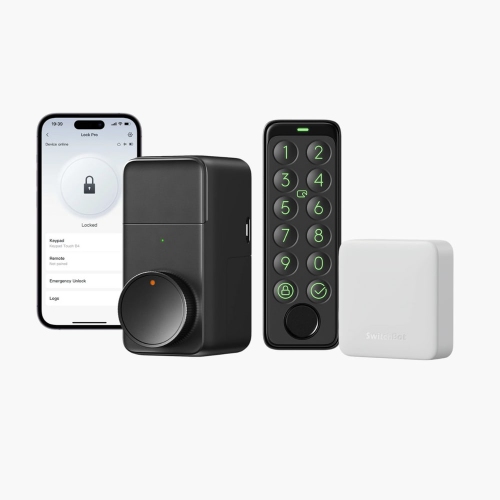
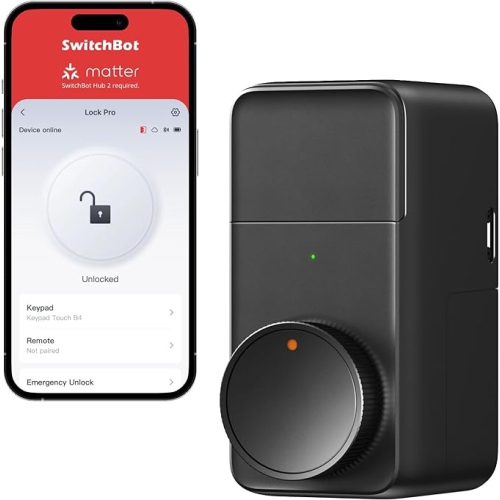
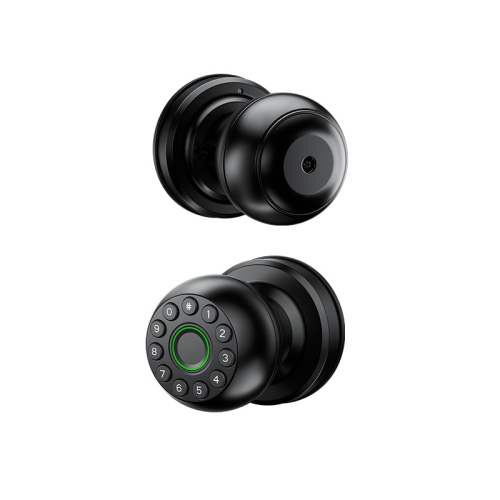
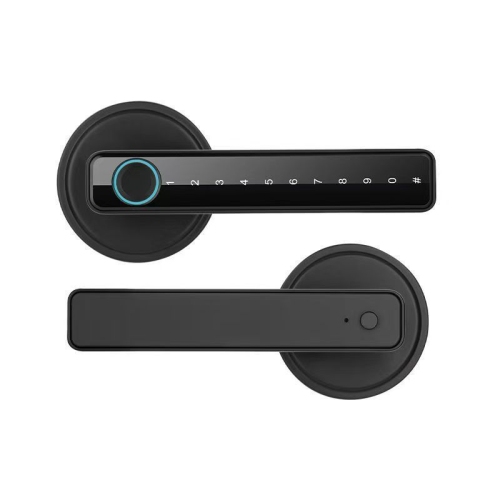
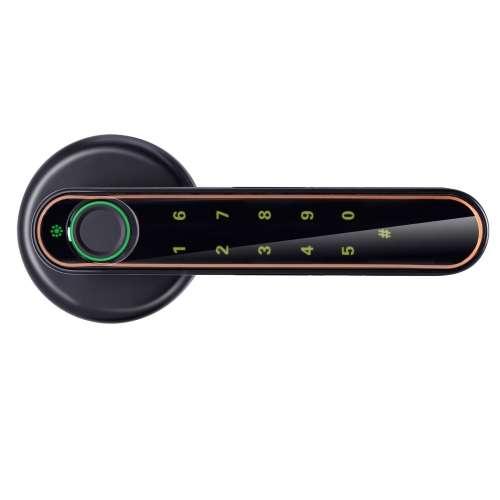
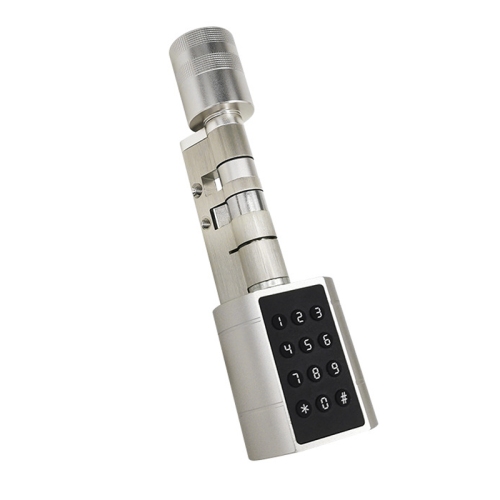
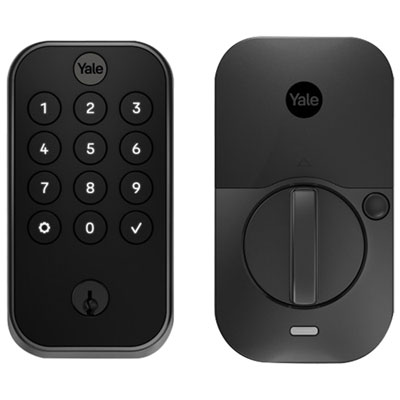
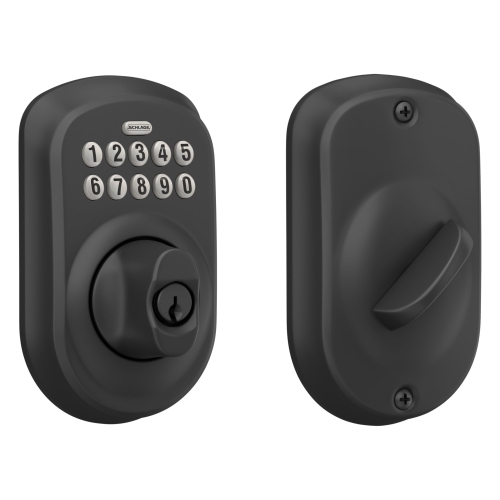
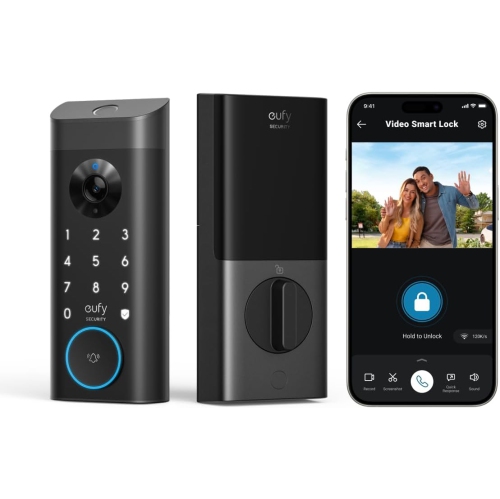
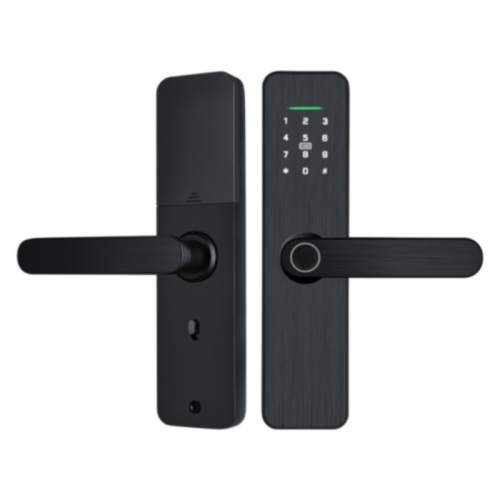
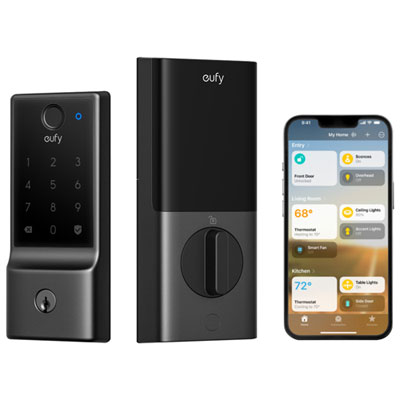
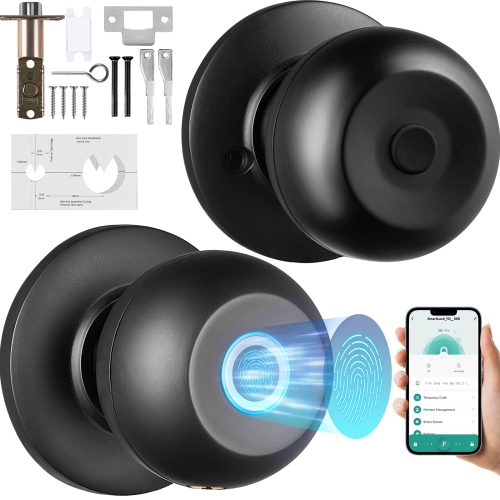
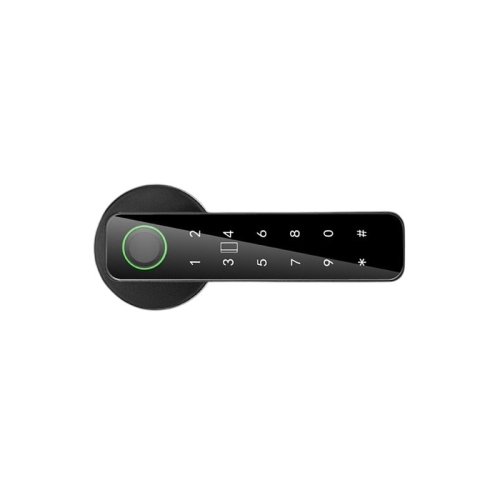
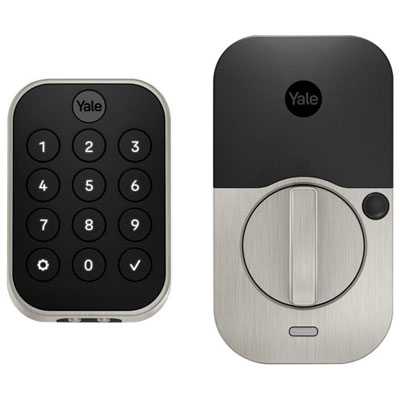
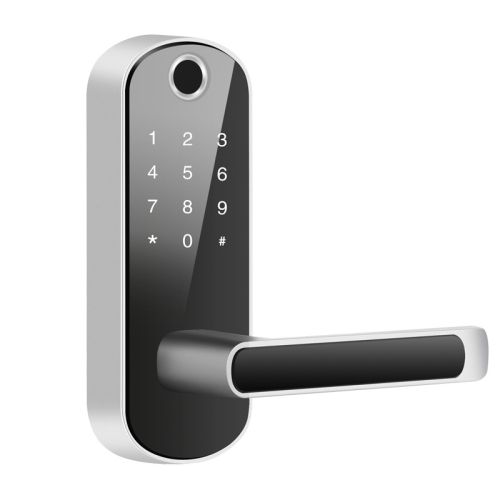
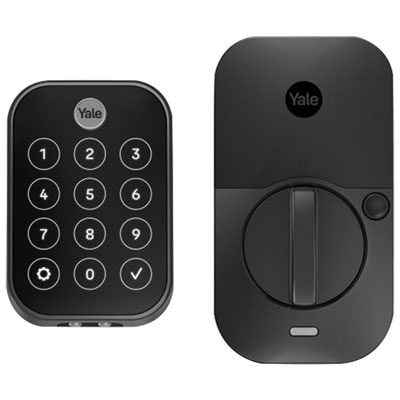
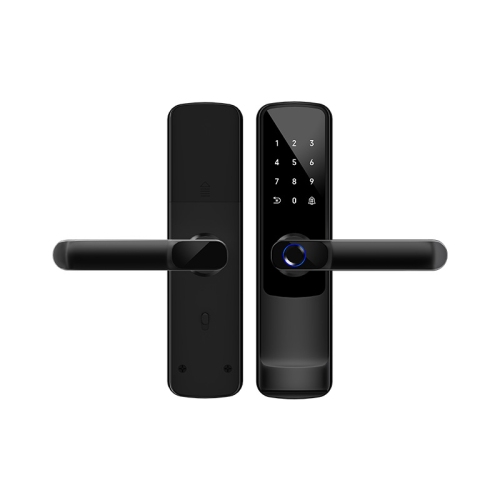
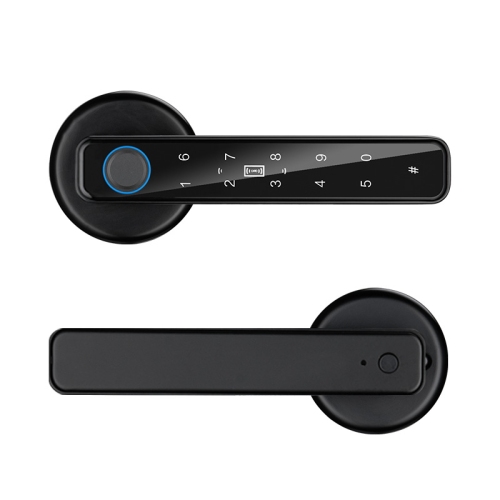
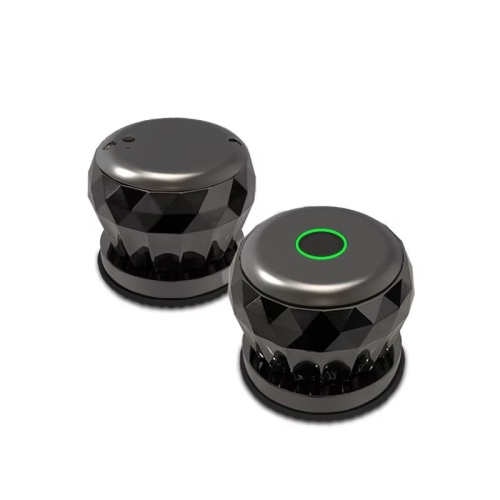
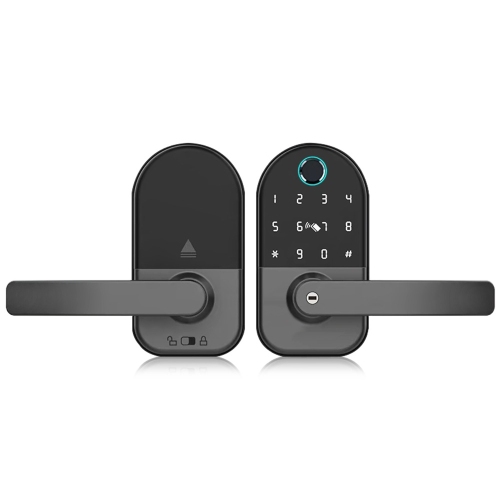
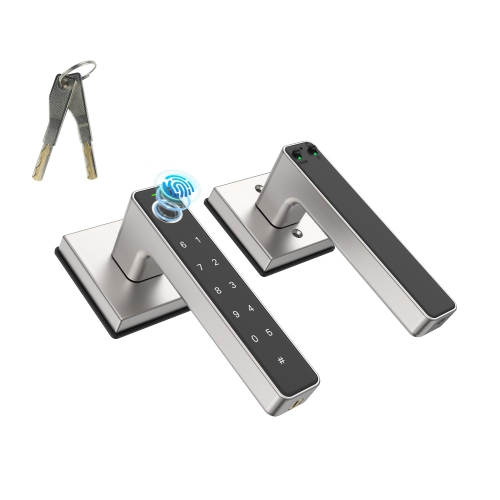
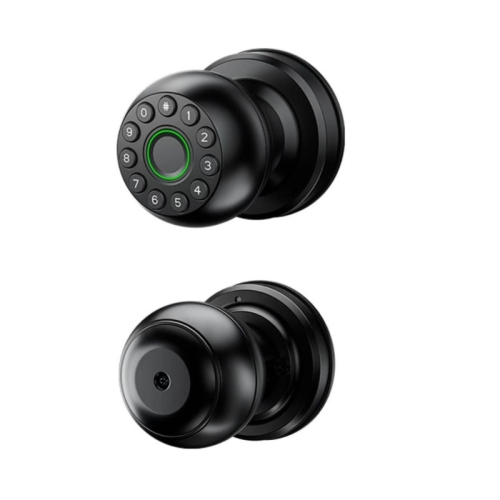
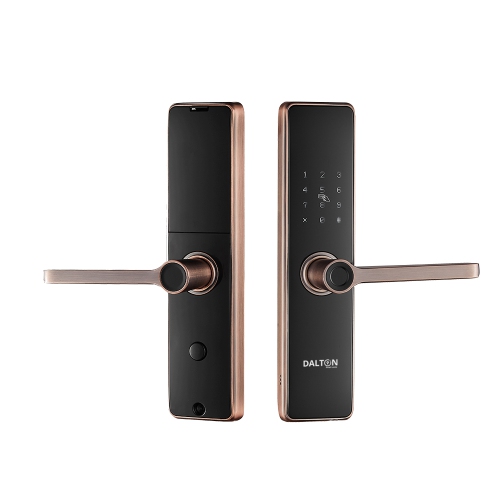
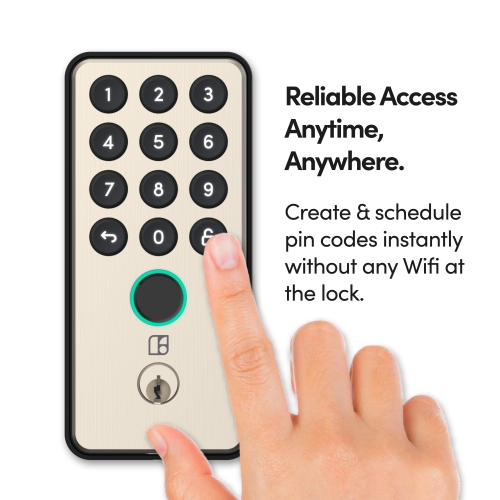
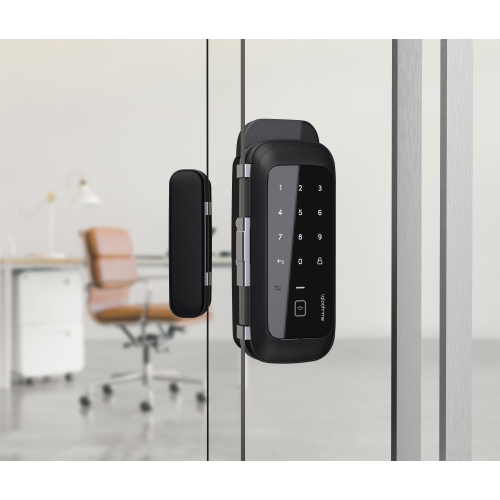
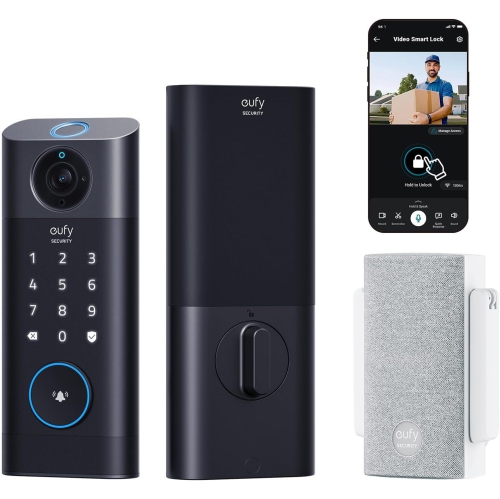
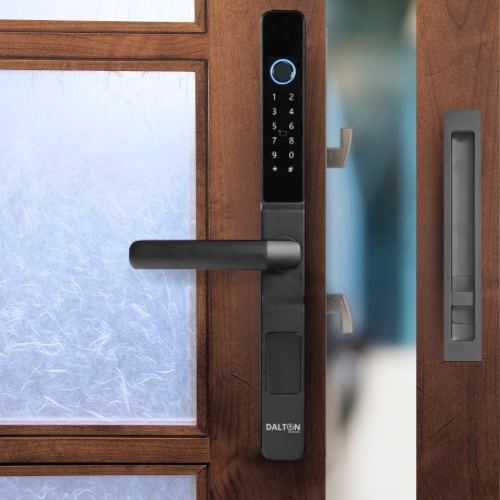
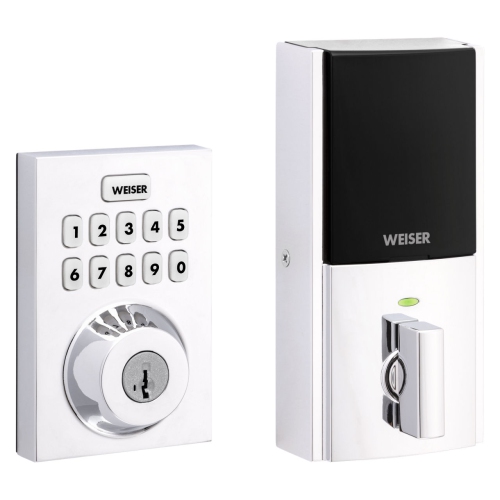
Keypad and smart house door locks add flexible ways to enter without relying on a traditional key. A keypad lock can allow household members to use a personal access code, which is useful for children returning from school, relatives visiting, dog walkers, cleaners, or trusted contractors. Temporary or scheduled codes can make it easier to manage access without handing out a spare key or changing the main code after every visit. Choose a model with straightforward code management, clear low-battery warnings, and a manual backup method that suits your needs. Smart locks may connect through Bluetooth, Wi-Fi, or another compatible home network, allowing access management from a mobile app, activity notifications, remote locking, or integration with other smart-home devices. Some electronic locks also offer fingerprint recognition, while others are designed to fit over or replace the interior portion of an existing deadbolt. Think about how the lock will work if the phone is unavailable, the batteries run low, the internet connection drops, or a guest needs entry while you are away. A physical key, exterior battery contacts, emergency power option, or clearly documented reset procedure can provide valuable backup. Before choosing a connected model, check compatibility with the door, deadbolt, operating system, wireless network, and any smart-home platform you use. Security settings matter as much as convenience, so use strong, unique account credentials, enable available multi-factor authentication, keep software updated, and limit administrative access to people you trust. For any house door locks, review recognised durability and security ratings where available, including BHMA grades or comparable testing information, rather than relying only on appearance or advertised features. Consider the climate around your entrance too: exposed doors may face rain, dust, freezing temperatures, or rapid changes in humidity, while a lock installed in a sheltered vestibule may have different requirements. During the cooler months, make sure weatherstripping, swelling, ice, and misalignment do not prevent the bolt from extending fully into the frame. If you are upgrading several entrances, compare the access needs for each one instead of using the same style everywhere. A front door may benefit from convenient keypad entry, a private side entrance may need restricted codes, and a garage entry may call for simple, dependable operation. For another entrance-focused selection, explore Back Door Locks.
House door locks can also be selected around the people and routines in your home. A busy family may appreciate separate codes for each member, while a shared household may prefer keyed hardware that is simple for everyone to understand. Older adults or anyone with arthritis may find a lever, keypad, or fingerprint option easier than turning a small key, although the controls should be large, legible, and easy to use in low light. Renters and residents of apartments should confirm permission before replacing exterior hardware, and they may prefer retrofit options that preserve the original outside cylinder or allow a quick return to the previous setup. Homeowners preparing a property for guests can use temporary codes, but should remove them when the stay ends and review the access history if the lock provides one. House door locks can make thoughtful gifts for someone moving into a new home, renovating an entrance, welcoming a new baby, or setting up a home office, particularly when the recipient values practical upgrades that improve daily routines. A gift buyer should still confirm the door measurements, preferred finish, compatibility requirements, and whether the recipient wants a traditional key, keypad access, or smart-home connectivity. Installation is often manageable with basic tools and careful attention to the instructions, but a professional installer can be helpful when the door does not close squarely, the frame is damaged, the existing hardware is unusual, or an electronic lock needs integration with a larger system. After installation, test the door with it open before closing it, then check that the latch and deadbolt extend smoothly when the door is fully shut. Confirm that the inside thumb turn or release remains easy to operate, that a key works without resistance, and that the keypad or app responds consistently. Keep spare keys and recovery information in a secure location, avoid writing access codes on the lock or nearby, and change codes when someone no longer needs entry. With the right fit, dependable construction, and access features suited to the way your household lives, new house door locks can bring practical reassurance to daily arrivals, late-night checks, and every trip through the door.
Keypad and smart house door locks add flexible ways to enter without relying on a traditional key. A keypad lock can allow household members to use a personal access code, which is useful for children returning from school, relatives visiting, dog walkers, cleaners, or trusted contractors. Temporary or scheduled codes can make it easier to manage access without handing out a spare key or changing the main code after every visit. Choose a model with straightforward code management, clear low-battery warnings, and a manual backup method that suits your needs. Smart locks may connect through Bluetooth, Wi-Fi, or another compatible home network, allowing access management from a mobile app, activity notifications, remote locking, or integration with other smart-home devices. Some electronic locks also offer fingerprint recognition, while others are designed to fit over or replace the interior portion of an existing deadbolt. Think about how the lock will work if the phone is unavailable, the batteries run low, the internet connection drops, or a guest needs entry while you are away. A physical key, exterior battery contacts, emergency power option, or clearly documented reset procedure can provide valuable backup. Before choosing a connected model, check compatibility with the door, deadbolt, operating system, wireless network, and any smart-home platform you use. Security settings matter as much as convenience, so use strong, unique account credentials, enable available multi-factor authentication, keep software updated, and limit administrative access to people you trust. For any house door locks, review recognised durability and security ratings where available, including BHMA grades or comparable testing information, rather than relying only on appearance or advertised features. Consider the climate around your entrance too: exposed doors may face rain, dust, freezing temperatures, or rapid changes in humidity, while a lock installed in a sheltered vestibule may have different requirements. During the cooler months, make sure weatherstripping, swelling, ice, and misalignment do not prevent the bolt from extending fully into the frame. If you are upgrading several entrances, compare the access needs for each one instead of using the same style everywhere. A front door may benefit from convenient keypad entry, a private side entrance may need restricted codes, and a garage entry may call for simple, dependable operation. For another entrance-focused selection, explore Back Door Locks.
House door locks can also be selected around the people and routines in your home. A busy family may appreciate separate codes for each member, while a shared household may prefer keyed hardware that is simple for everyone to understand. Older adults or anyone with arthritis may find a lever, keypad, or fingerprint option easier than turning a small key, although the controls should be large, legible, and easy to use in low light. Renters and residents of apartments should confirm permission before replacing exterior hardware, and they may prefer retrofit options that preserve the original outside cylinder or allow a quick return to the previous setup. Homeowners preparing a property for guests can use temporary codes, but should remove them when the stay ends and review the access history if the lock provides one. House door locks can make thoughtful gifts for someone moving into a new home, renovating an entrance, welcoming a new baby, or setting up a home office, particularly when the recipient values practical upgrades that improve daily routines. A gift buyer should still confirm the door measurements, preferred finish, compatibility requirements, and whether the recipient wants a traditional key, keypad access, or smart-home connectivity. Installation is often manageable with basic tools and careful attention to the instructions, but a professional installer can be helpful when the door does not close squarely, the frame is damaged, the existing hardware is unusual, or an electronic lock needs integration with a larger system. After installation, test the door with it open before closing it, then check that the latch and deadbolt extend smoothly when the door is fully shut. Confirm that the inside thumb turn or release remains easy to operate, that a key works without resistance, and that the keypad or app responds consistently. Keep spare keys and recovery information in a secure location, avoid writing access codes on the lock or nearby, and change codes when someone no longer needs entry. With the right fit, dependable construction, and access features suited to the way your household lives, new house door locks can bring practical reassurance to daily arrivals, late-night checks, and every trip through the door.
Top selling and popular products
-
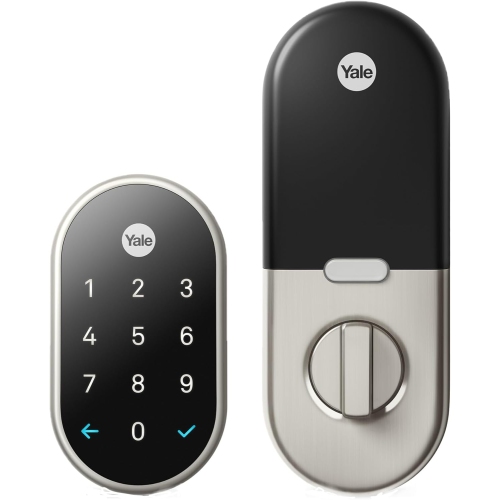 Your price for this item is $369.55
 -
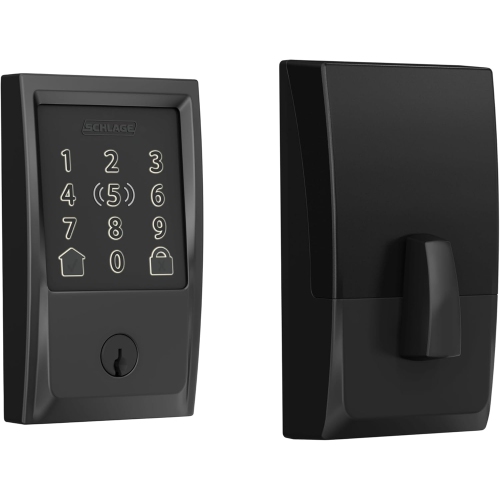 Your price for this item is $359.99
 -
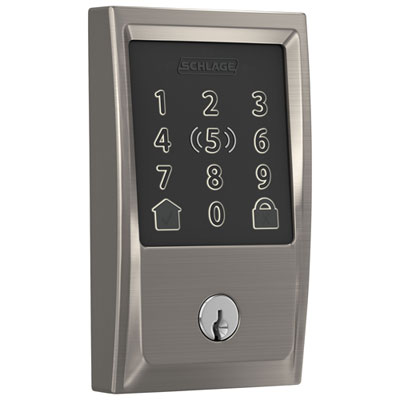 Your price for this item is $319.98
 -
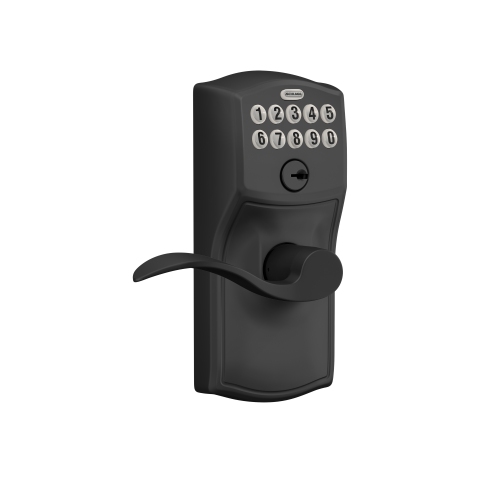 Your price for this item is $155
 -
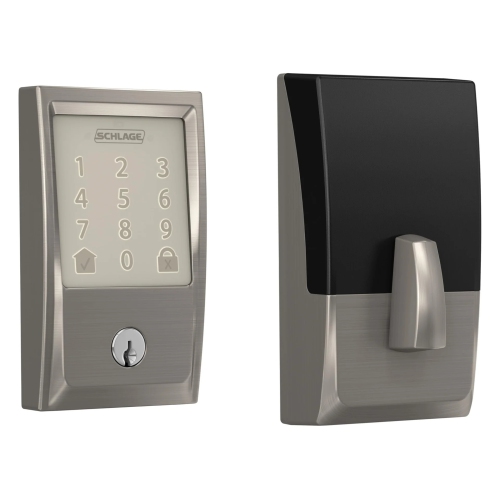 Your price for this item is $289.99
 -
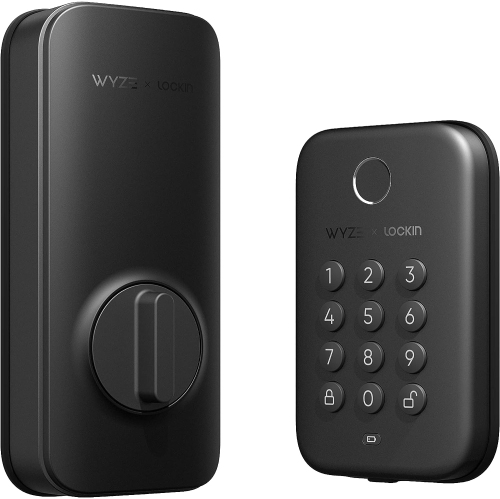 Your price for this item is $149
 -
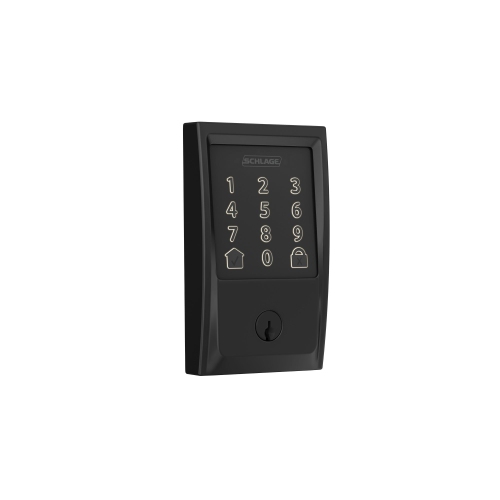 Your price for this item is $289.99
 -
 Your price for this item is $349.99
Discover more categories related to House Door Locks
Top Collections:
Pokemon Centers, Kindle Devices, Best Budget Office Chairs, Canon G7X Cameras, Apple iPhones 16, Samsung Galaxy Phones, Refurbished Apple Laptops, Laptops for Students, iPhone 15 Apple, Budget Smartphones
Some products may be subject to Environmental Handling Fees
(EHF) depending on your province.
Learn more about EHFs.