Indoor Grow Kits
Transform your home into a lush oasis with these indoor grow kits. Whether you're a seasoned plant enthusiast or just starting your green thumb journey, these kits provide everything you need to cultivate thriving indoor gardens. From compact herb gardens to larger setups for vibrant flowers and succulents, this selection offers a variety of options to suit any space and skill level. Discover the joy of nurturing your own greenery and bring the beauty of nature indoors with this range of indoor grow kits.
Sort
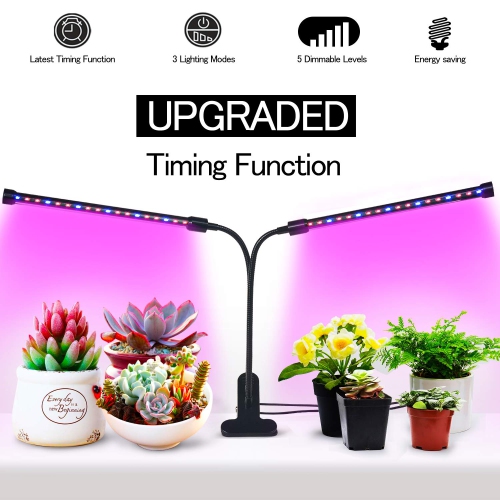
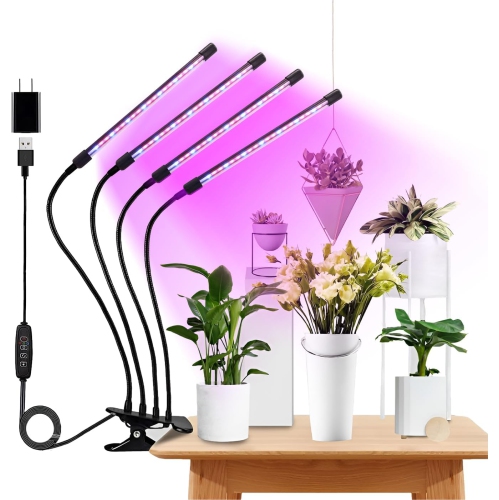
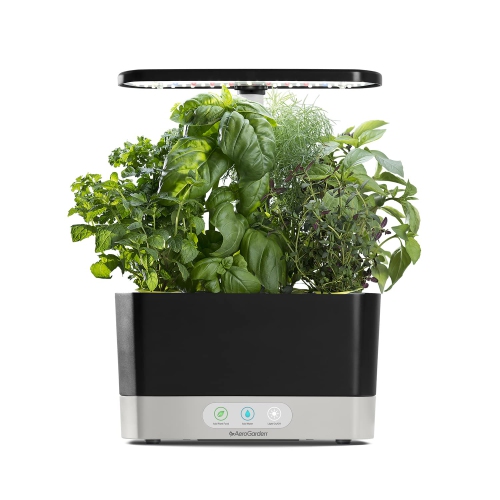
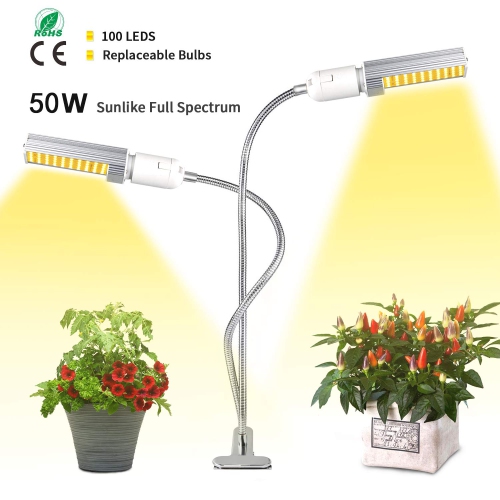
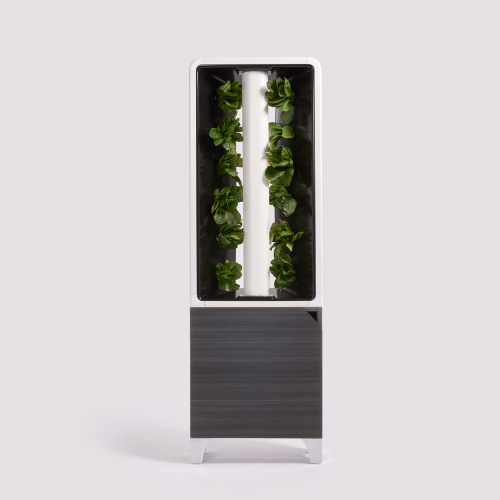
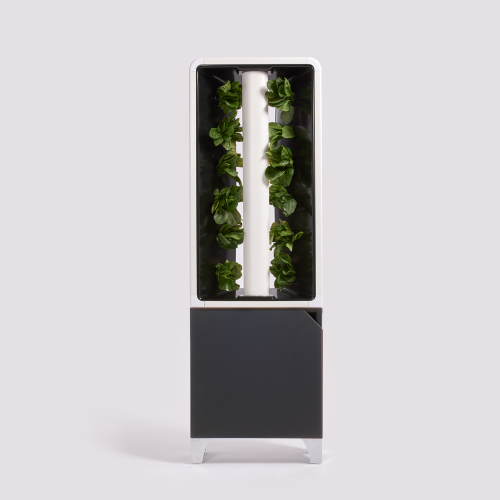
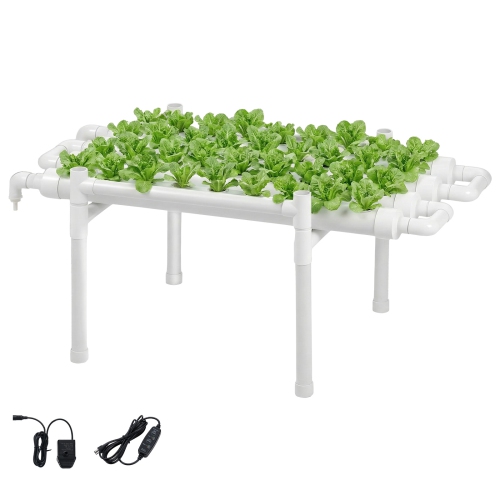

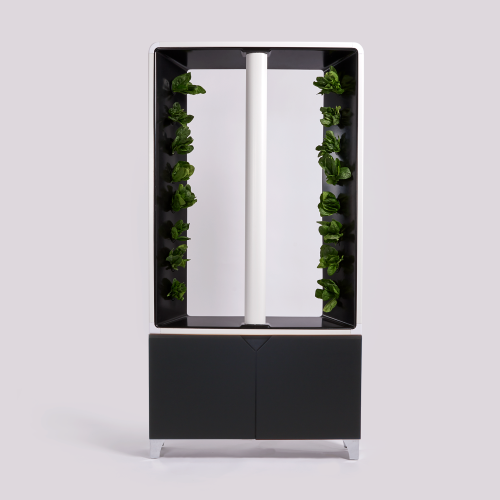
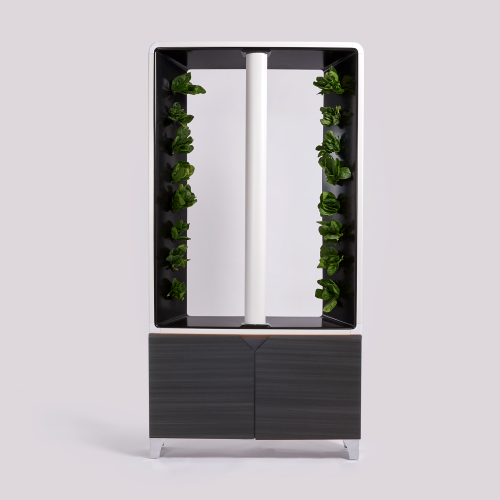
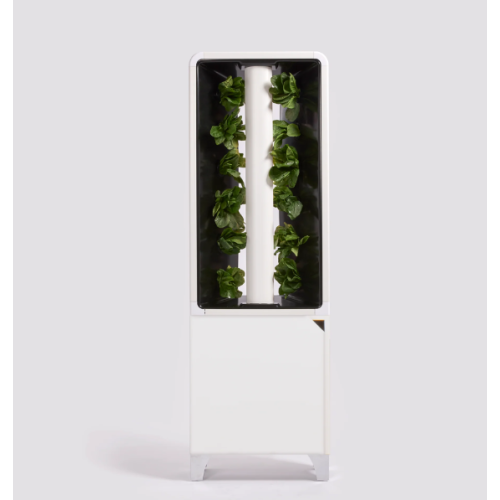
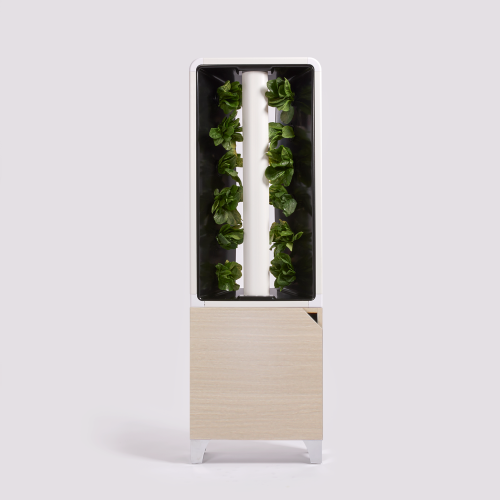
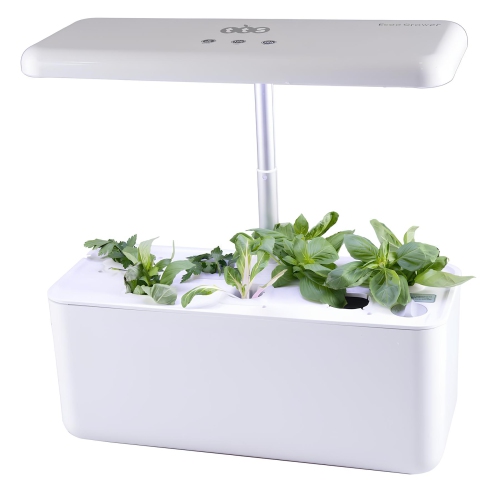
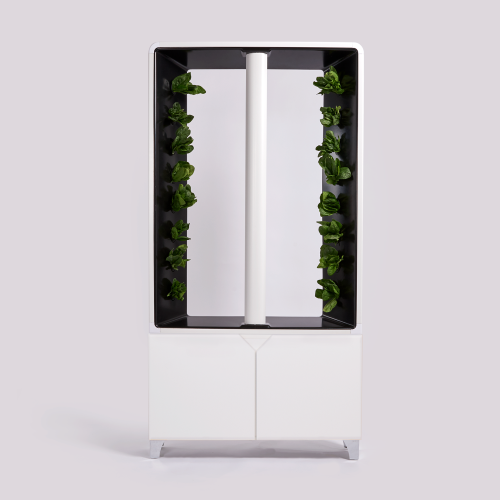
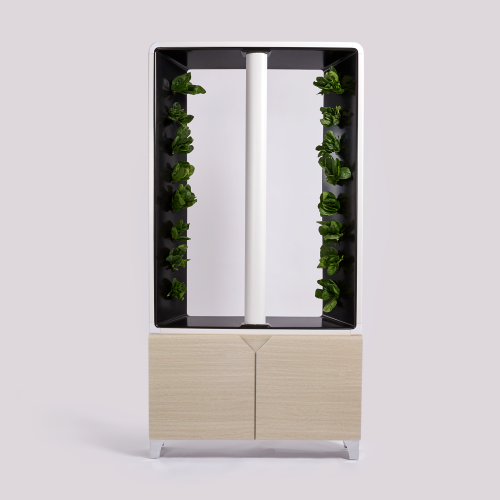
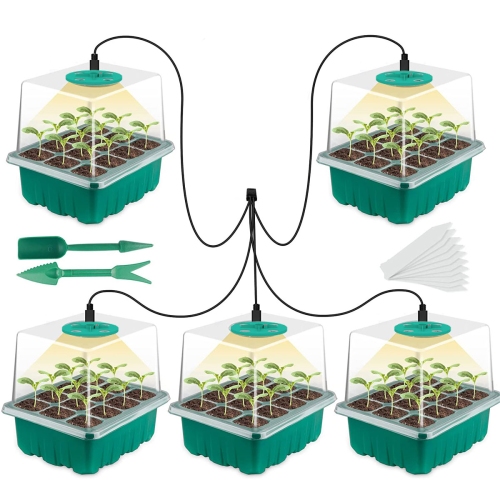
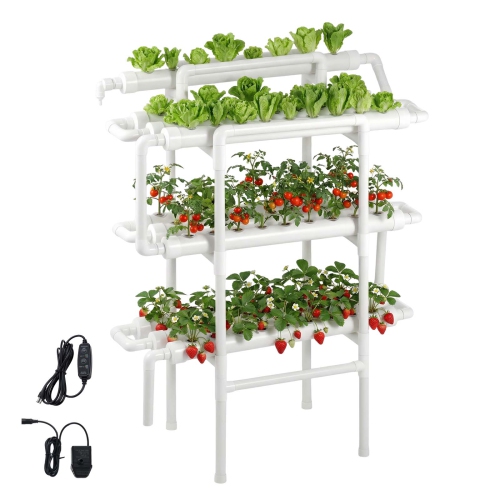
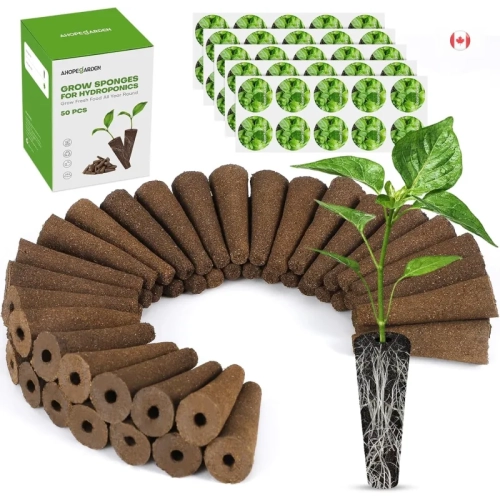
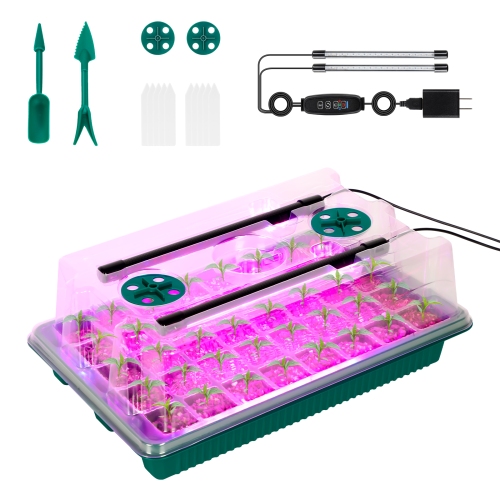
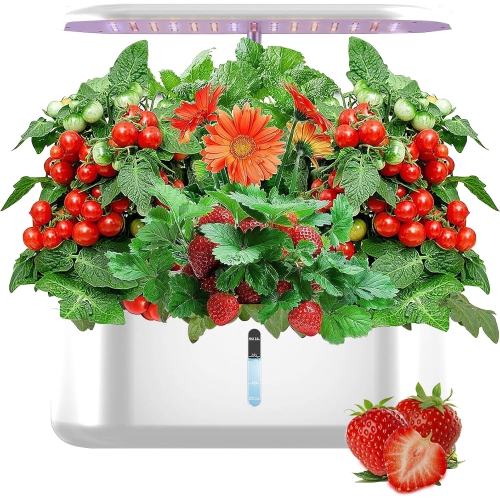
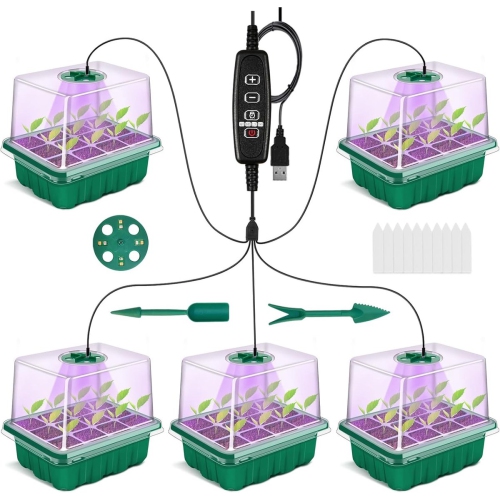
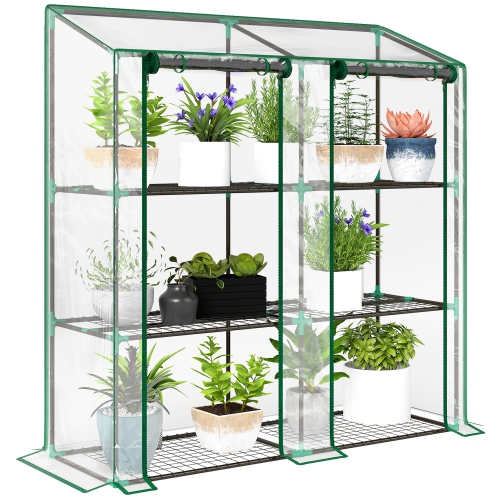
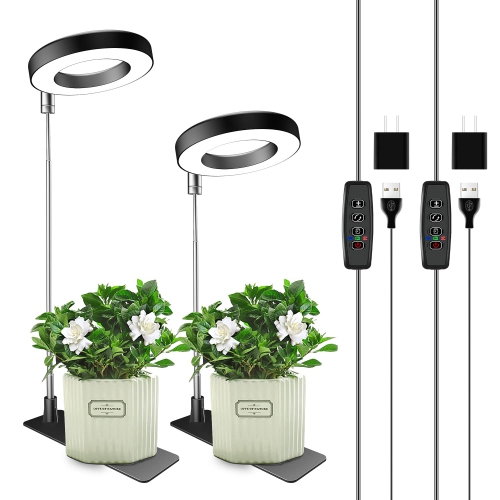
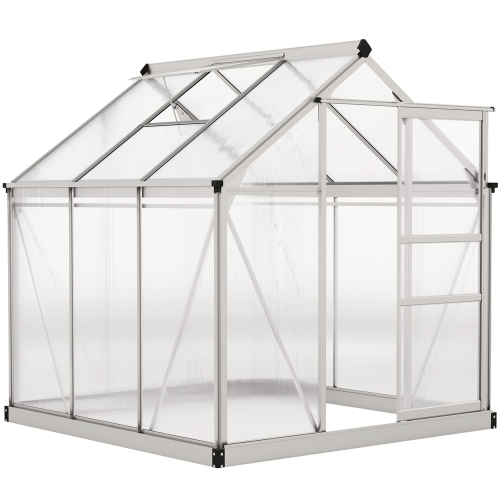
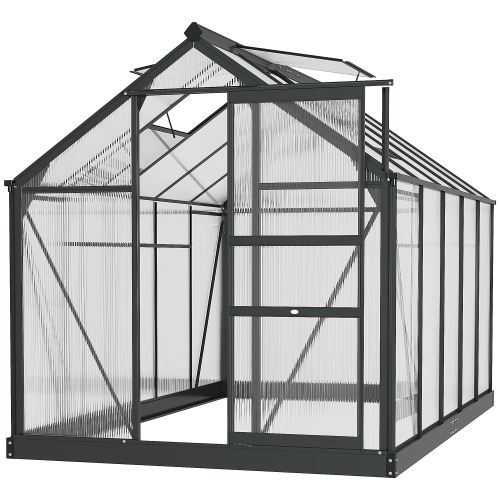
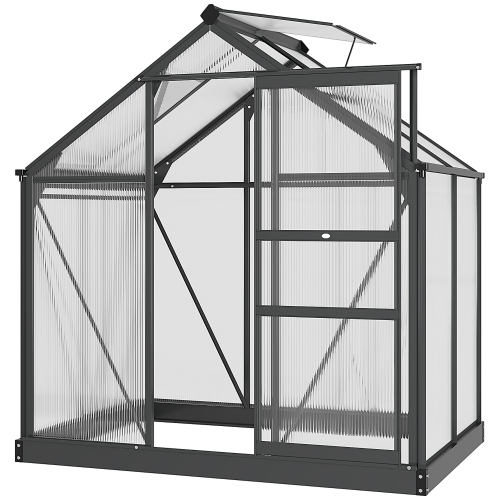
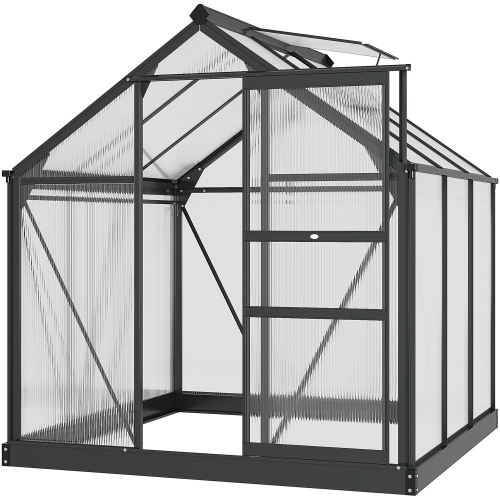
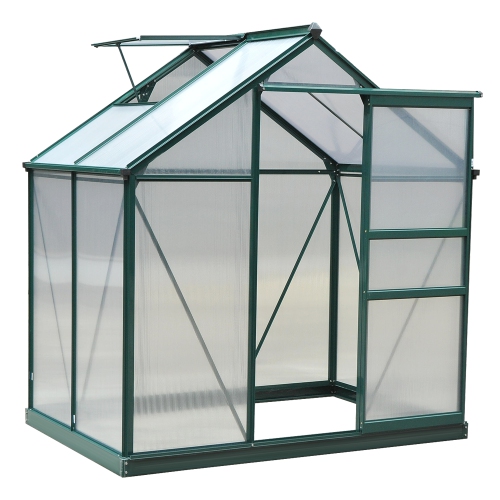
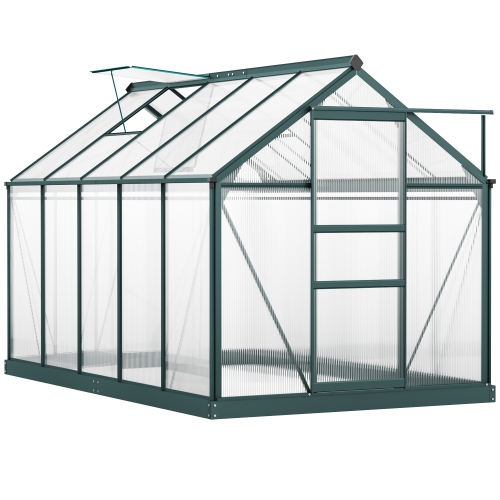
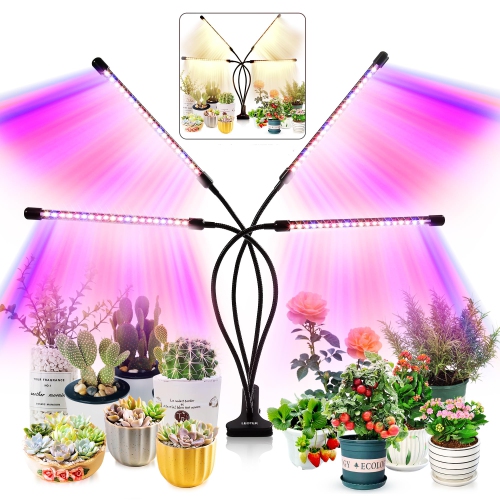
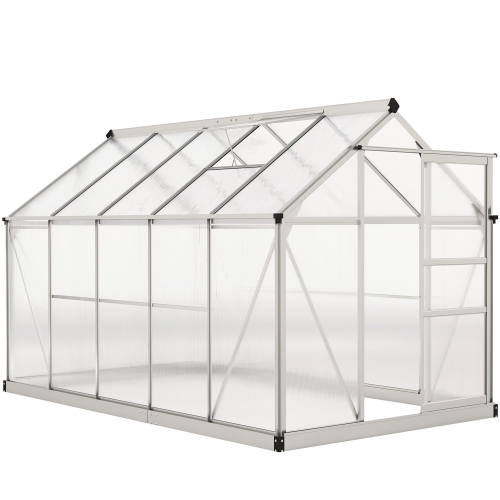
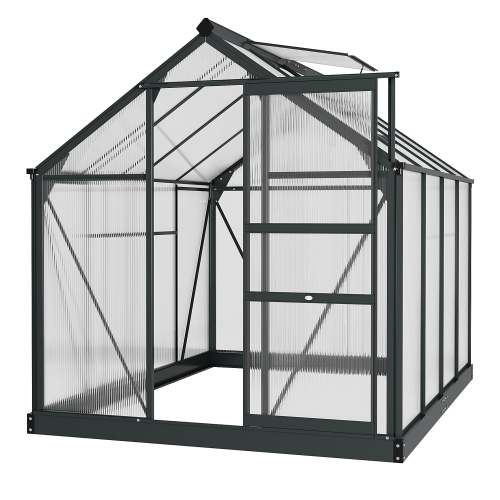
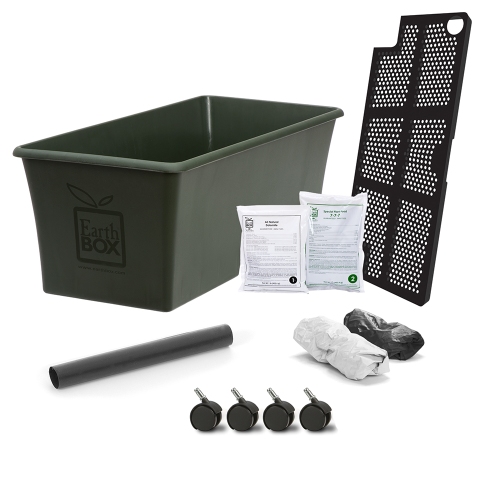

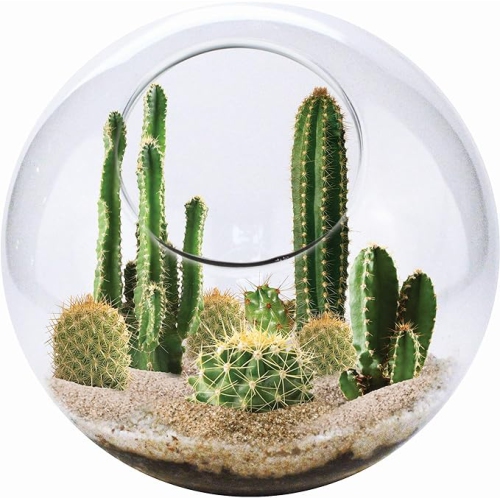
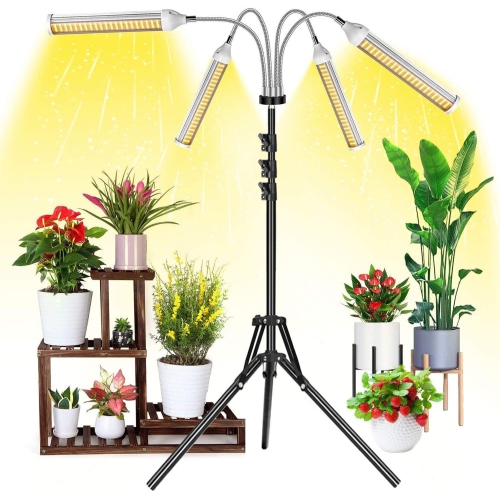
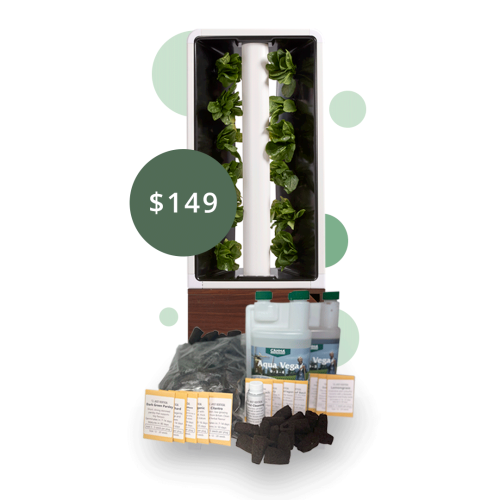
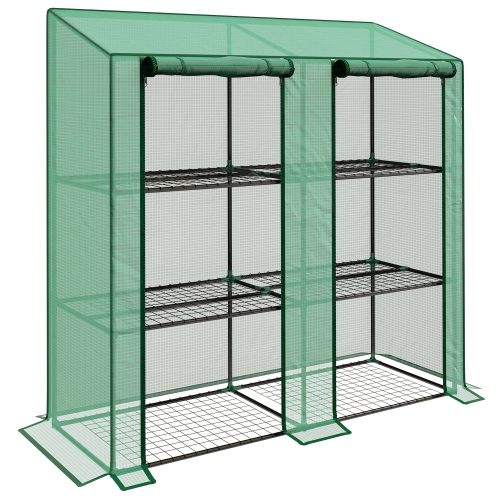
From countertop herbs to tents with room to grow
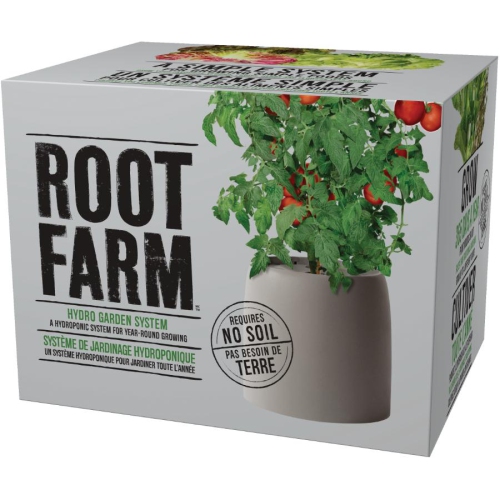
Indoor grow kits bring together equipment for raising plants inside, from compact countertop gardens for kitchen herbs to enclosed grow tent systems for larger planting projects. Their purpose is to make a suitable growing space easier to establish, though the contents and level of automation vary considerably. A countertop hydroponic kit typically supports plants in pods or baskets above a water reservoir, with roots drawing moisture and dissolved nutrients rather than relying on potting soil. Some designs include an LED grow light, a circulation pump, a light timer, or reminders to add water. Soil-based kits may pair containers and growing medium with seeds, trays, or lighting, while seed-starting kits focus on the early stages of growth before plants need more room. Grow tent kits provide a separate, enclosed space and may combine a reflective tent with lighting, ventilation equipment, hanging hardware, and controls. Not every kit includes seeds, plant nutrients, or every accessory needed to begin, so the component list matters as much as the overall format. The most useful choice depends on what will be grown and how much space the plants will occupy at maturity. Basil, parsley, and compact leafy greens suit many small indoor gardens, provided their light and spacing needs are met. Fruiting plants generally need more light, root space, and ongoing attention, and some need support or help with pollination indoors. A few planting positions can be enough for someone who wants herbs within reach while preparing dinner; a larger setup makes more sense for someone interested in maintaining several crops or tending plants at different growth stages. Planting capacity alone does not tell the whole story. Closely spaced openings may accommodate seedlings comfortably but leave less room for broad leaves and branching stems later. Matching the kit to the mature plant helps keep the setup practical rather than crowded.
Fit includes both the equipment’s footprint and the space needed to use it comfortably. On a kitchen counter, an indoor garden needs clearance beneath cupboards for its light arm and developing foliage, along with enough access to lift a lid, refill a reservoir, and trim leaves. A full reservoir can be awkward to carry, making a reachable fill opening or removable tank useful for routine care. The surface beneath the kit should be level, stable, and protected against occasional splashes. In an open-plan home, the brightness of the lamp and the sound of a pump are worth considering, especially if the kit will sit near a television, dining area, or workspace. An adjustable light helps maintain suitable clearance as plants grow, while a timer can provide a consistent daily light period without leaving the lamp on continuously. Separate Grow Light Kits can also be relevant when existing planters need dedicated illumination, although the light’s coverage and mounting requirements must suit the planting area. For a tent system, allow room beyond its stated dimensions for opening doors, routing ducting, and reaching plants at the back. Reflective interiors help distribute light within the enclosure, while ventilation exchanges air and helps manage moisture released by plants. A carbon filter, where included, serves a different purpose from a circulation fan and does not replace adequate airflow. Materials and construction affect how well these systems stand up to repeated use. Smooth, washable reservoirs and removable planting trays are easier to clean between batches. Opaque reservoirs limit light reaching the nutrient solution, which can help reduce algae growth. For tents, sturdy frame connections, reinforced hanging points, well-finished seams, and reliable zippers matter when lights and ventilation equipment are installed. Hanging equipment must remain within the frame’s stated load limits. Cable openings, accessible controls, and a removable floor tray are practical details that can make regular maintenance less cumbersome.
Indoor growing still involves hands-on care, even when lighting and watering functions are automated. Seeds need time to germinate, growth rates differ between plants, and a full-looking garden depends on suitable light, nutrients, spacing, and harvesting habits. In hydroponic systems, water levels need checking as roots develop and plants take up more moisture. Nutrients should be measured according to the kit and nutrient instructions; adding extra is not a shortcut to stronger growth. Some systems also call for checks of the nutrient solution’s acidity and concentration. In soil-based setups, drainage and an appropriate growing medium help prevent roots from sitting in excess water. Removable trays, baskets, and reservoirs should be cleaned as directed, with plant debris cleared away and pumps or intake screens checked for obstructions. Electrical connections need to stay dry, and cords should be routed where they will not be pulled during refilling or caught by children or pets. Any cleaning method should be suitable for the equipment and for use around edible plants. Long-term usefulness also depends on consumables and replaceable parts: the type of planting pod, growing medium, nutrients, and light assembly can influence how easily a kit can be used for successive plantings. A system that accepts suitable refill materials offers a different ownership experience from one that requires a particular cartridge format. For a beginner, straightforward controls and easy access for cleaning may be more valuable than a long list of settings. A more experienced grower may prefer adjustable lighting, separate ventilation controls, and room to reposition equipment as plants develop. Indoor grow kits can also make thoughtful gifts for keen cooks, apartment dwellers with limited planting space, or curious learners who enjoy watching roots and leaves develop. For children, a small garden can provide an engaging way to observe germination with adult supervision. The best match is a setup that fits the recipient’s space and willingness to tend it, whether that means snipping a few basil leaves beside the kitchen sink or caring for a dedicated indoor planting area.
Fit includes both the equipment’s footprint and the space needed to use it comfortably. On a kitchen counter, an indoor garden needs clearance beneath cupboards for its light arm and developing foliage, along with enough access to lift a lid, refill a reservoir, and trim leaves. A full reservoir can be awkward to carry, making a reachable fill opening or removable tank useful for routine care. The surface beneath the kit should be level, stable, and protected against occasional splashes. In an open-plan home, the brightness of the lamp and the sound of a pump are worth considering, especially if the kit will sit near a television, dining area, or workspace. An adjustable light helps maintain suitable clearance as plants grow, while a timer can provide a consistent daily light period without leaving the lamp on continuously. Separate Grow Light Kits can also be relevant when existing planters need dedicated illumination, although the light’s coverage and mounting requirements must suit the planting area. For a tent system, allow room beyond its stated dimensions for opening doors, routing ducting, and reaching plants at the back. Reflective interiors help distribute light within the enclosure, while ventilation exchanges air and helps manage moisture released by plants. A carbon filter, where included, serves a different purpose from a circulation fan and does not replace adequate airflow. Materials and construction affect how well these systems stand up to repeated use. Smooth, washable reservoirs and removable planting trays are easier to clean between batches. Opaque reservoirs limit light reaching the nutrient solution, which can help reduce algae growth. For tents, sturdy frame connections, reinforced hanging points, well-finished seams, and reliable zippers matter when lights and ventilation equipment are installed. Hanging equipment must remain within the frame’s stated load limits. Cable openings, accessible controls, and a removable floor tray are practical details that can make regular maintenance less cumbersome.
Indoor growing still involves hands-on care, even when lighting and watering functions are automated. Seeds need time to germinate, growth rates differ between plants, and a full-looking garden depends on suitable light, nutrients, spacing, and harvesting habits. In hydroponic systems, water levels need checking as roots develop and plants take up more moisture. Nutrients should be measured according to the kit and nutrient instructions; adding extra is not a shortcut to stronger growth. Some systems also call for checks of the nutrient solution’s acidity and concentration. In soil-based setups, drainage and an appropriate growing medium help prevent roots from sitting in excess water. Removable trays, baskets, and reservoirs should be cleaned as directed, with plant debris cleared away and pumps or intake screens checked for obstructions. Electrical connections need to stay dry, and cords should be routed where they will not be pulled during refilling or caught by children or pets. Any cleaning method should be suitable for the equipment and for use around edible plants. Long-term usefulness also depends on consumables and replaceable parts: the type of planting pod, growing medium, nutrients, and light assembly can influence how easily a kit can be used for successive plantings. A system that accepts suitable refill materials offers a different ownership experience from one that requires a particular cartridge format. For a beginner, straightforward controls and easy access for cleaning may be more valuable than a long list of settings. A more experienced grower may prefer adjustable lighting, separate ventilation controls, and room to reposition equipment as plants develop. Indoor grow kits can also make thoughtful gifts for keen cooks, apartment dwellers with limited planting space, or curious learners who enjoy watching roots and leaves develop. For children, a small garden can provide an engaging way to observe germination with adult supervision. The best match is a setup that fits the recipient’s space and willingness to tend it, whether that means snipping a few basil leaves beside the kitchen sink or caring for a dedicated indoor planting area.
Top selling and popular products
-
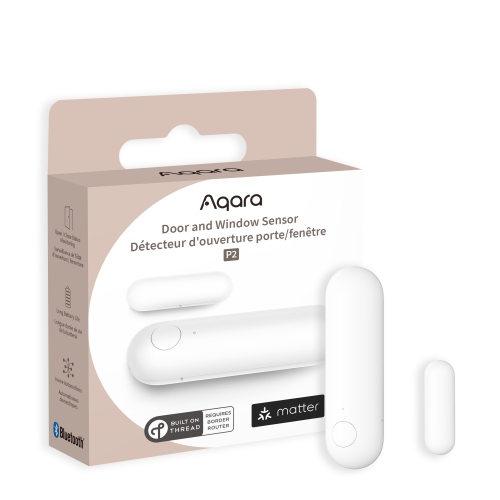 Your price for this item is $42.99
 -
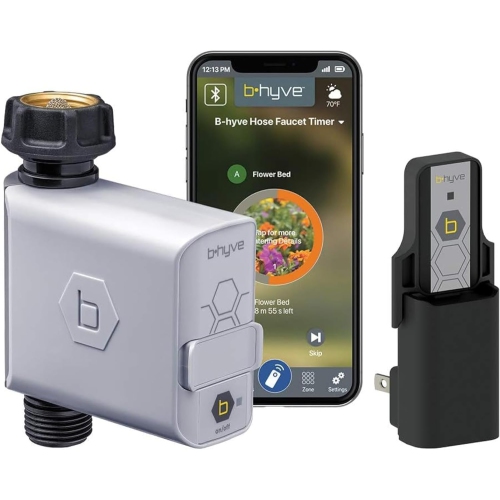 Your price for this item is $79.99
 -
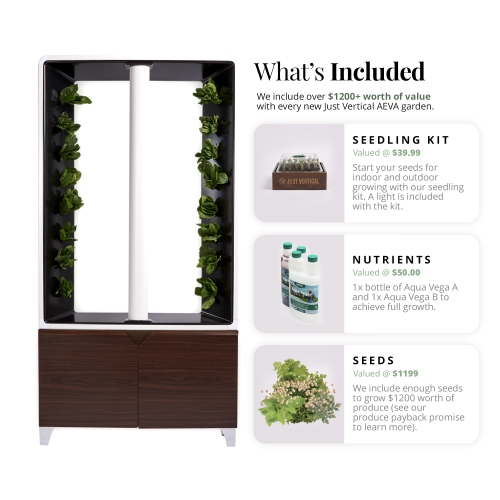 Your price for this item is $1199
 -
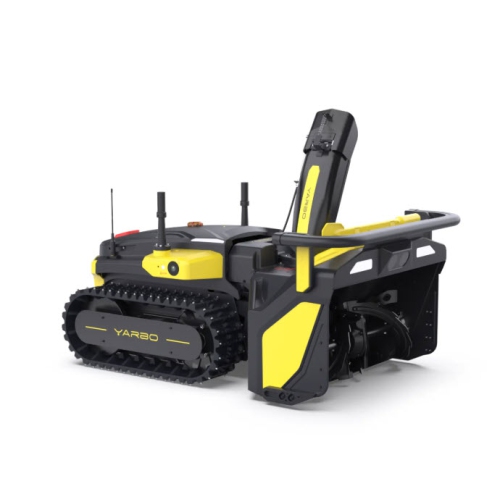 Your price for this item is $7949
 -
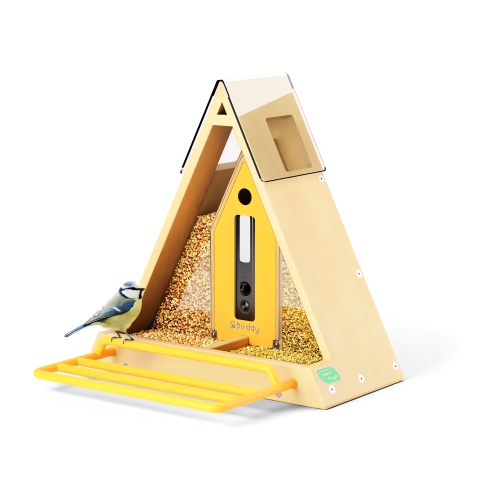 Your price for this item is $279.99
 -
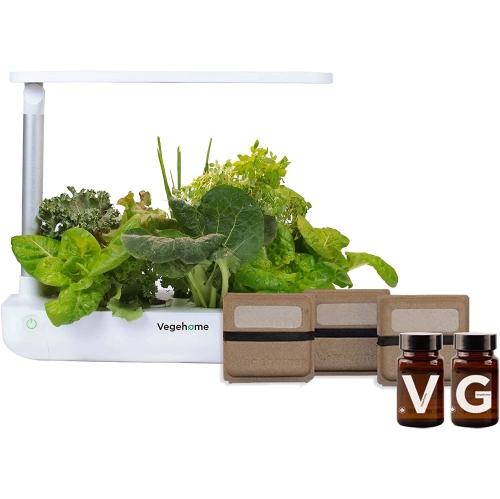 Your price for this item is $99.99
 -
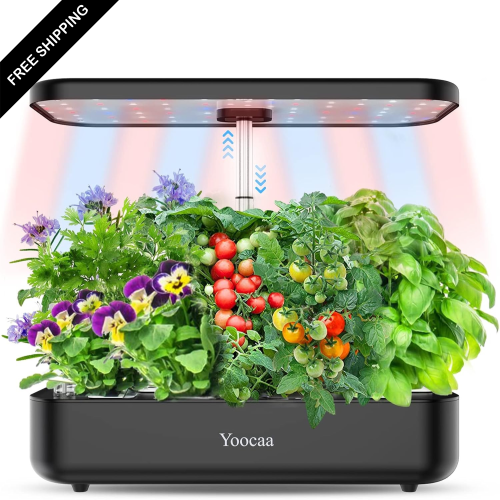 Your price for this item is $119.99
 -
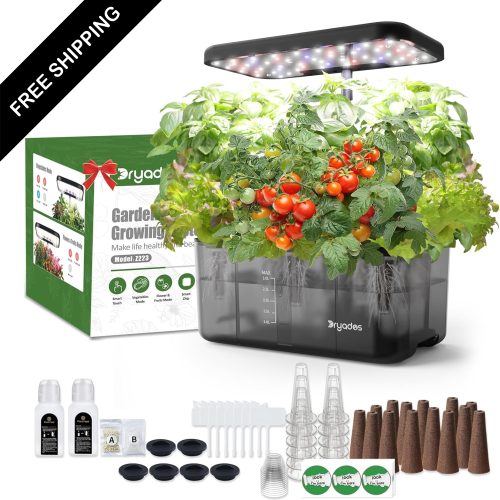 Your price for this item is $99.99
Discover more categories related to Indoor Grow Kits
Top Collections:
Pokemon Centers, Kindle Devices, Best Budget Office Chairs, Apple iPhones 16, Best Laptops for Writers, iPhone 15 Apple, Canon G7X Cameras, Refurbished Apple Laptops, Alarm Clock, Motorola Razr Phones
Some products may be subject to Environmental Handling Fees
(EHF) depending on your province.
Learn more about EHFs.