LED Electronics
LED electronics are a great way to add ambiance to your home. It can also be used to add some fun and excitement to your life. LED electronics are energy-efficient, long-lasting, and come in a wide range of styles. They're perfect for adding some personality to your place or for lighting up a room for a special occasion.
Sort










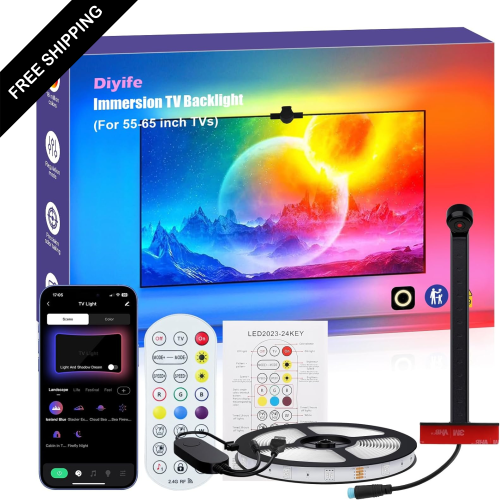
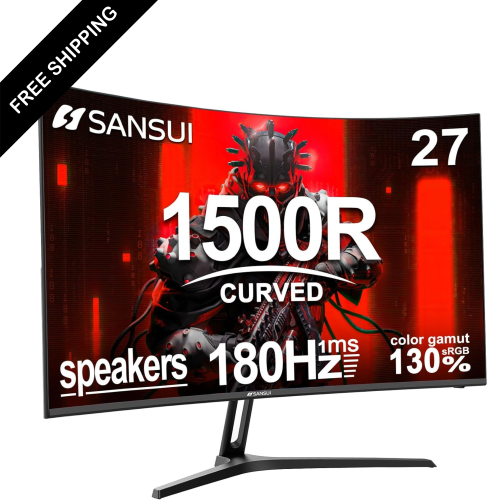

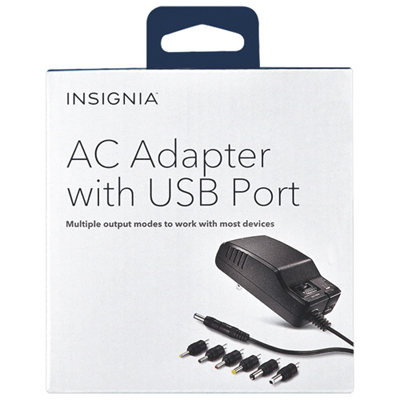
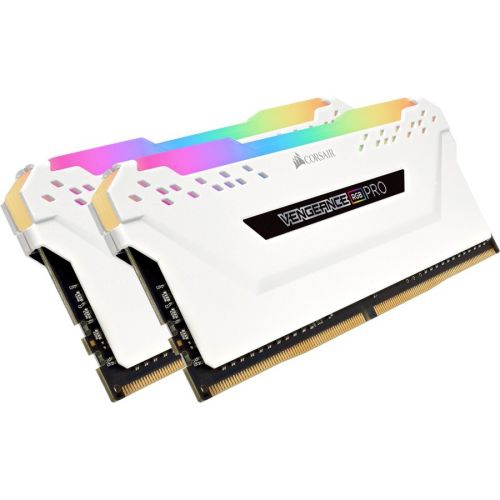








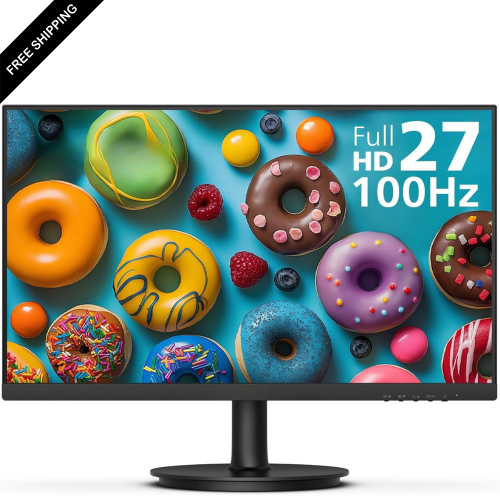
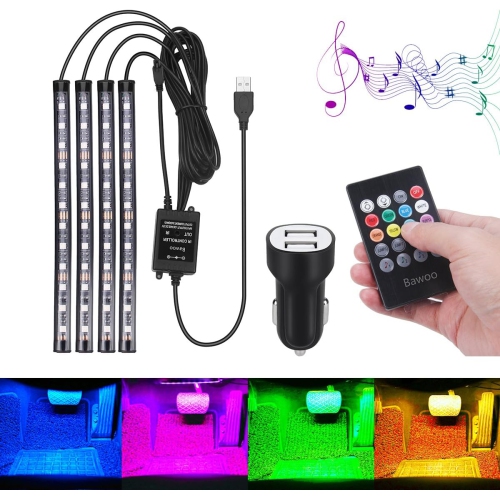

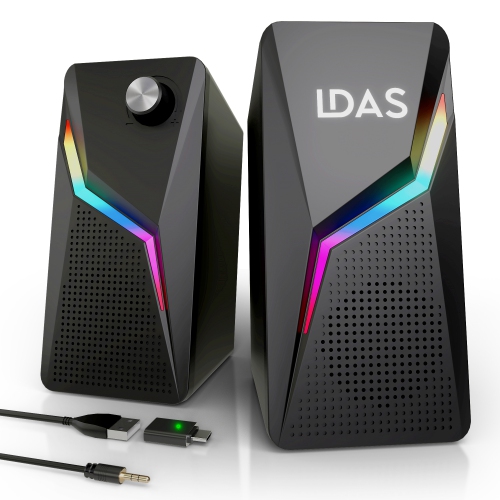
![THE VOICE : Knockout Bluetooth Speaker W/ Lightshow [Electronics]](https://multimedia.bbycastatic.ca/multimedia/products/500x500/188/18884/18884560.jpeg)
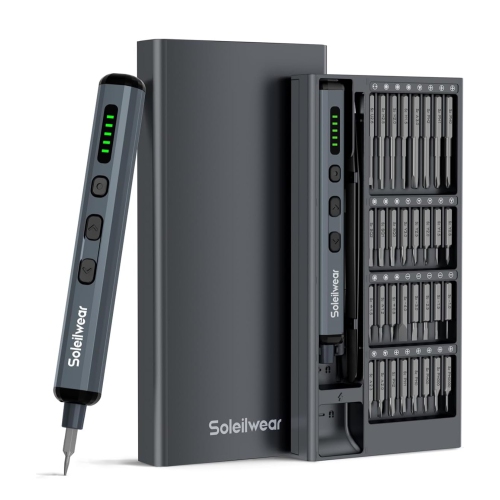


![THE VOICE : Stage Earbuds With Power Display And Led Lights [Electronics]](https://multimedia.bbycastatic.ca/multimedia/products/500x500/188/18884/18884526.jpeg)
![THE VOICE : Talent Portable Bluetooth Speaker - [Electronics] In Black](https://multimedia.bbycastatic.ca/multimedia/products/500x500/188/18884/18884563.jpeg)
![THE VOICE : Electrify Tailgate Party Speaker With Led Lights [Electronics]](https://multimedia.bbycastatic.ca/multimedia/products/500x500/188/18884/18884569.jpeg)
![THE VOICE : Power Light Up Bluetooth Karaoke Speaker [Electronics]](https://multimedia.bbycastatic.ca/multimedia/products/500x500/188/18884/18884552.jpeg)

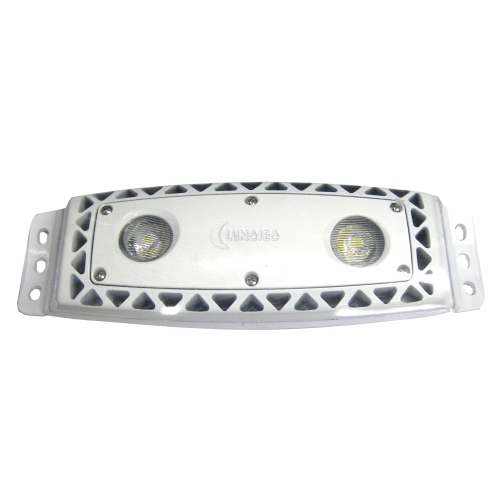
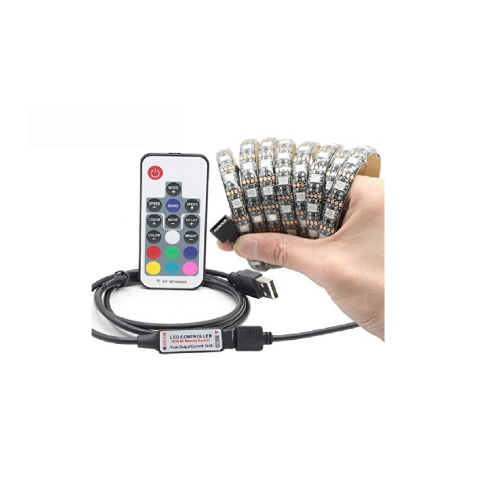
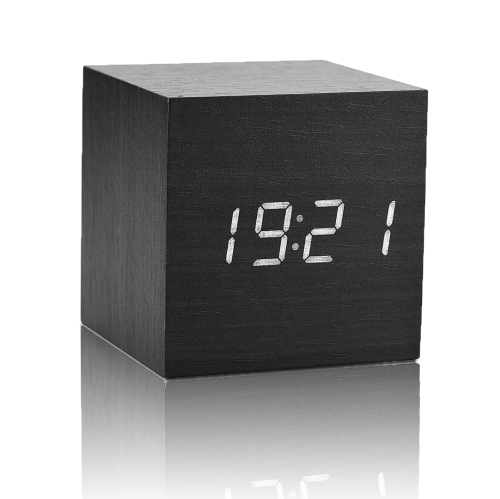
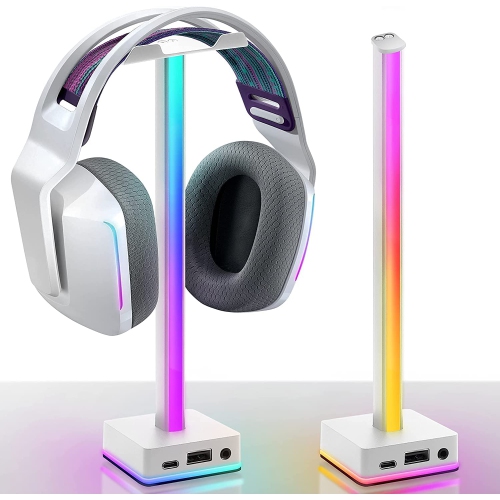
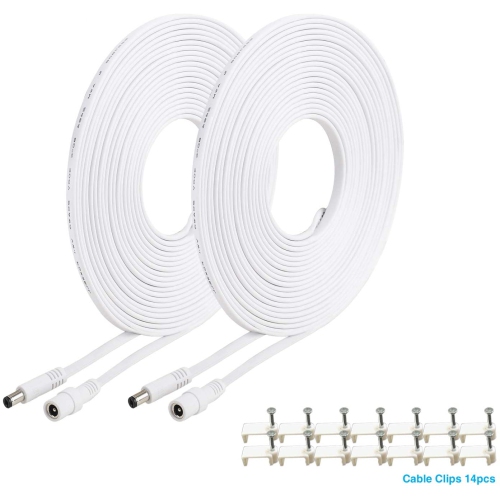

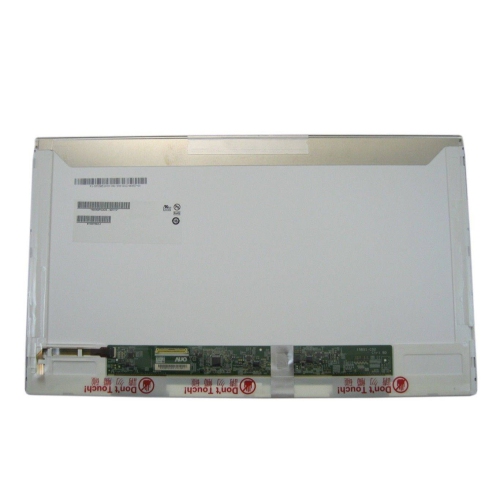
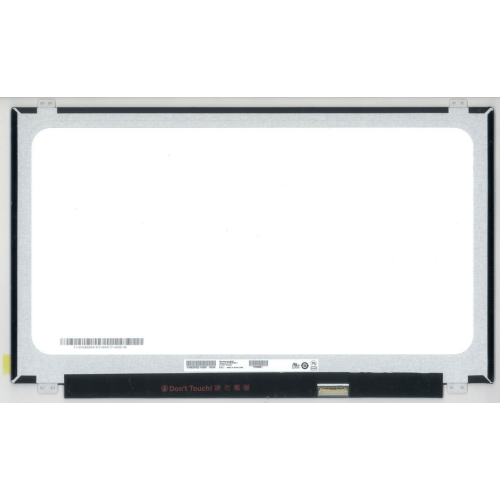
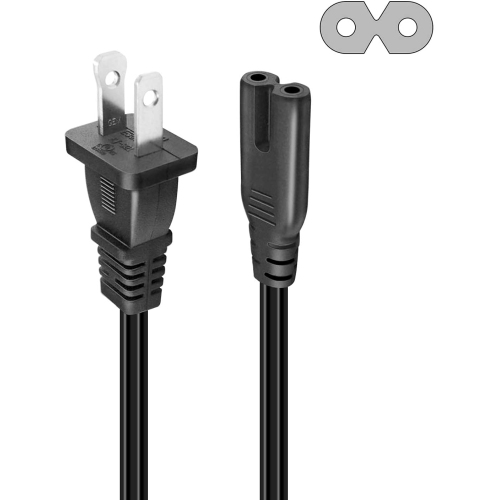


How LED technology fits lighting, displays and everyday spaces
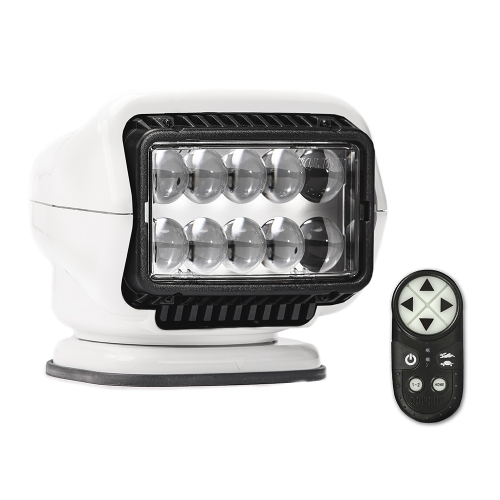
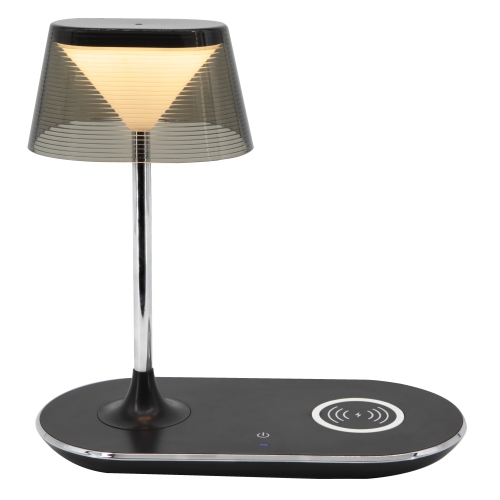
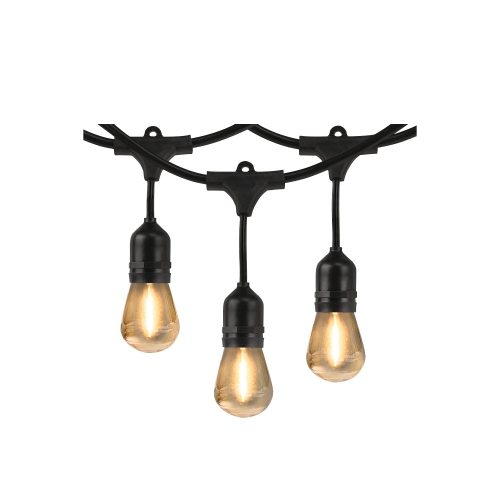
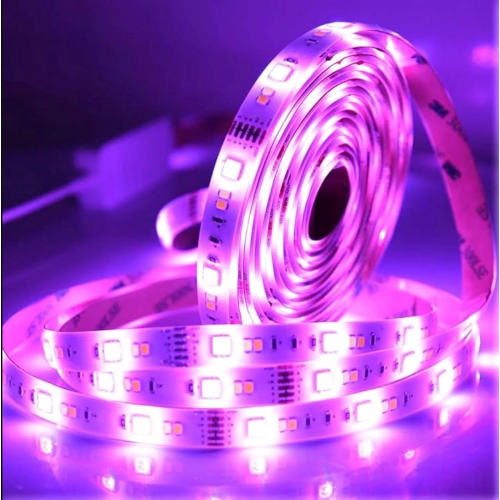
LED electronics use light-emitting diodes, commonly called LEDs, to produce visible light when an electric current passes through a semiconductor material. At the component level, electroluminescence occurs when electrons combine with holes inside the semiconductor and release energy as photons. The result is a compact light source that can be used in everything from tiny status indicators to large displays, accent lighting and household illumination. LEDs are found in the small red, green, amber or blue lights that show whether an electronic device is powered on, charging, connected or ready for use. They also form the individual pixels in many digital displays, where groups of surface-mount LEDs create numbers, symbols, images and full-colour video. This broad category can suit shoppers updating a room, adding visibility to a workspace, replacing an older light source or looking for a practical gift for someone who enjoys gadgets and home technology. During the cooler months, LED lighting can add a welcoming layer of brightness to entryways, desks, bedrooms and entertainment areas, while compact electronic displays can make everyday information easier to see at a glance. For general household illumination, explore LED Lamps alongside other LED electronics designed for specific spaces and uses.
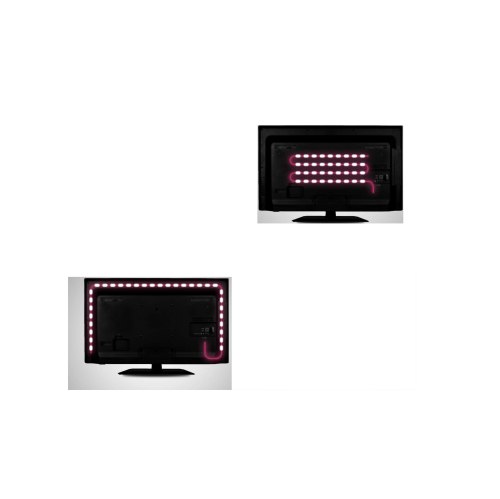
When choosing LED electronics, start by considering where the item will be used, what kind of light or display is needed and how it will be controlled. Colour temperature affects the atmosphere of a space: warmer white light can feel comfortable in a living room or bedroom, while cooler white light may suit a study area, workbench or utility space. Colour-changing LEDs can add visual interest to media rooms, gaming setups and parties, whereas a steady single-colour indicator may be preferable for a bedside clock or appliance. Brightness is another important detail. A subtle glow can help locate a switch or device in a dark room without becoming distracting, while a task area may call for stronger illumination directed towards a desk, counter or reading chair. Check the product description for brightness information, light modes, dimming compatibility and control options. Some LED electronics are operated with a physical switch, some use a remote, and others may connect with a compatible app or smart-home system. Cable length, power requirements, mounting method and available space also matter, particularly when arranging lighting behind a television, around shelving or beneath cabinets. For displays, review screen size, viewing angle, resolution, contrast and readability from the intended distance. A display placed across a room needs different characteristics from a small screen viewed at arm’s length. If the LED electronics will be used near a kitchen, workshop, garage or covered outdoor area, review the stated location requirements and protection ratings rather than assuming every item is suitable for moisture, heat or dust.
LED electronics can be useful for many routines and occasions. A student may use focused lighting and a clear digital display to organize a study area, while a home office worker may appreciate an illuminated desk setup that makes the workspace feel distinct from the rest of the room. Families can use visible indicators and easy-to-read displays in shared spaces, and hobbyists may incorporate LEDs into model-making, decorative projects or basic electronic experiments. They can also make thoughtful gifts for someone moving into a new home, refreshing a bedroom, setting up a gaming area or adding personality to an entertainment space. For seasonal decorating, LEDs can provide colour and glow around shelves, windows, stair rails or party areas without requiring a complicated arrangement, making them suitable as the weather changes and indoor gatherings become more common. Anyone working with individual LED components should understand the basics of polarity and current control: current flows in one direction, from the positive lead, or anode, to the negative lead, or cathode, and a resistor is typically used in series to limit current and help prevent damage. Ready-to-use LED electronics include the necessary controls, connections or power components, but a person building a circuit should follow the manufacturer’s specifications and wiring guidance carefully. Comparing the intended use, brightness, colour, controls, dimensions, connectivity and installation requirements can make it easier to select LED electronics that fit naturally into a home, workspace or gift plan.
When choosing LED electronics, start by considering where the item will be used, what kind of light or display is needed and how it will be controlled. Colour temperature affects the atmosphere of a space: warmer white light can feel comfortable in a living room or bedroom, while cooler white light may suit a study area, workbench or utility space. Colour-changing LEDs can add visual interest to media rooms, gaming setups and parties, whereas a steady single-colour indicator may be preferable for a bedside clock or appliance. Brightness is another important detail. A subtle glow can help locate a switch or device in a dark room without becoming distracting, while a task area may call for stronger illumination directed towards a desk, counter or reading chair. Check the product description for brightness information, light modes, dimming compatibility and control options. Some LED electronics are operated with a physical switch, some use a remote, and others may connect with a compatible app or smart-home system. Cable length, power requirements, mounting method and available space also matter, particularly when arranging lighting behind a television, around shelving or beneath cabinets. For displays, review screen size, viewing angle, resolution, contrast and readability from the intended distance. A display placed across a room needs different characteristics from a small screen viewed at arm’s length. If the LED electronics will be used near a kitchen, workshop, garage or covered outdoor area, review the stated location requirements and protection ratings rather than assuming every item is suitable for moisture, heat or dust.
LED electronics can be useful for many routines and occasions. A student may use focused lighting and a clear digital display to organize a study area, while a home office worker may appreciate an illuminated desk setup that makes the workspace feel distinct from the rest of the room. Families can use visible indicators and easy-to-read displays in shared spaces, and hobbyists may incorporate LEDs into model-making, decorative projects or basic electronic experiments. They can also make thoughtful gifts for someone moving into a new home, refreshing a bedroom, setting up a gaming area or adding personality to an entertainment space. For seasonal decorating, LEDs can provide colour and glow around shelves, windows, stair rails or party areas without requiring a complicated arrangement, making them suitable as the weather changes and indoor gatherings become more common. Anyone working with individual LED components should understand the basics of polarity and current control: current flows in one direction, from the positive lead, or anode, to the negative lead, or cathode, and a resistor is typically used in series to limit current and help prevent damage. Ready-to-use LED electronics include the necessary controls, connections or power components, but a person building a circuit should follow the manufacturer’s specifications and wiring guidance carefully. Comparing the intended use, brightness, colour, controls, dimensions, connectivity and installation requirements can make it easier to select LED electronics that fit naturally into a home, workspace or gift plan.
Top selling and popular products
-
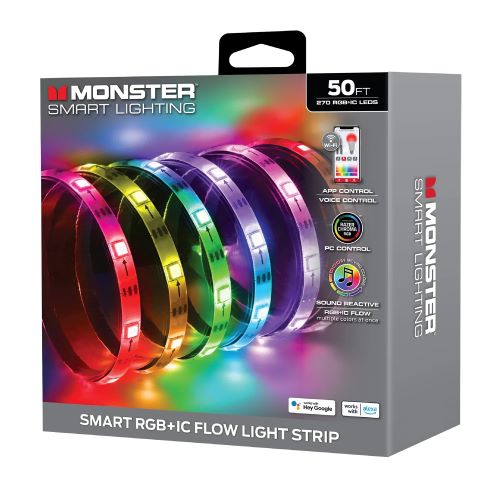 Your price for this item is $39.99
 -
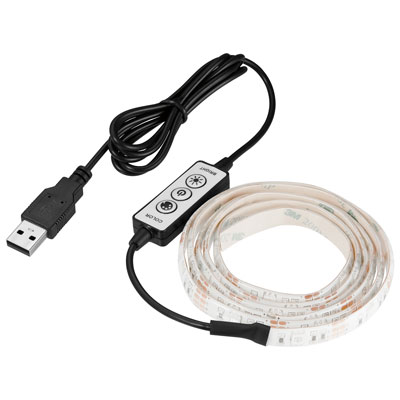 Your price for this item is $34.95
 -
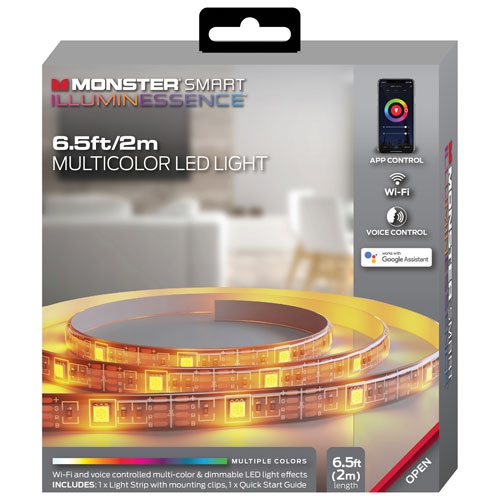 Your price for this item is $57.99
 -
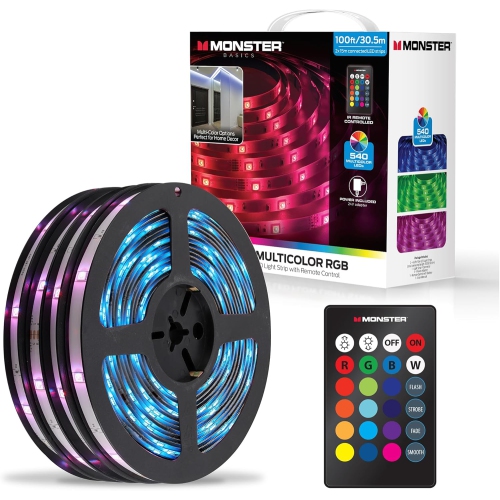 Your price for this item is $49.99
 -
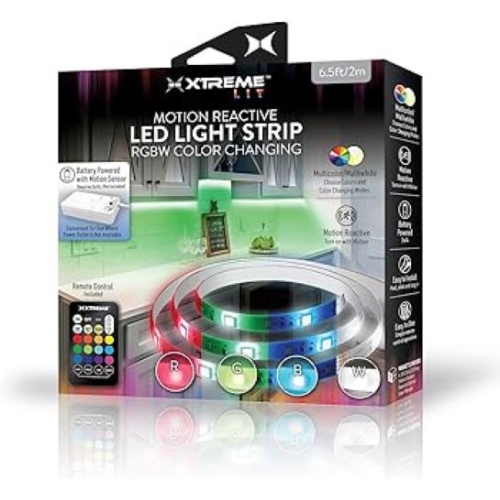 Your price for this item is $19.99
 -
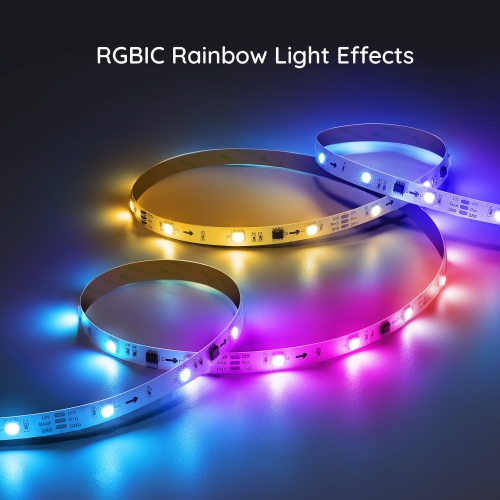 Your price for this item is $46.99
 -
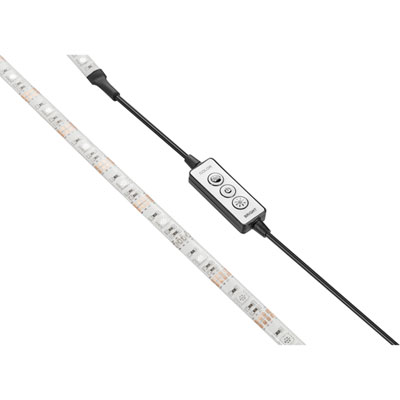 Your price for this item is $15.97
 -
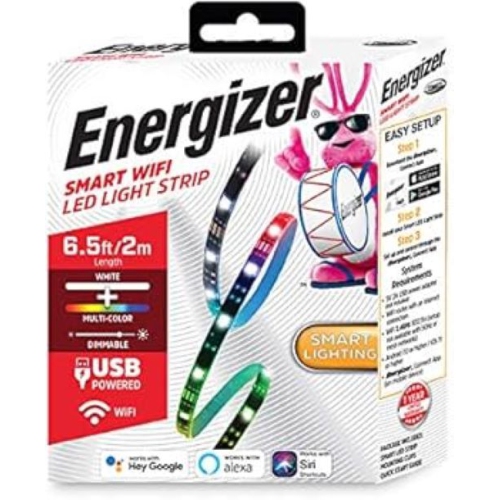 Your price for this item is $25.99
Discover more categories related to LED Electronics

Top Collections:
Pokemon Centers, Best Budget Office Chairs, Budget 4K TVs, Kindle Devices, Best Laptops for Writers, Canon G7X Cameras, Apple iPhones 16, iPhone 15 Apple, Laptops for Business Work, Xiaomi Phones
Some products may be subject to Environmental Handling Fees
(EHF) depending on your province.
Learn more about EHFs.