Outdoor Security Cameras for Winter
Outdoor Security Cameras for Winter help you keep an eye on your property, even when temperatures drop and conditions become more challenging. Designed to offer peace of mind through the colder months, these cameras are a reliable choice for monitoring driveways, entryways, and backyards. Whether you’re at home or away, explore options that make it easier to stay connected and aware throughout the winter season. Find the right Outdoor Security Cameras for Winter to support your home’s protection all year long.
Sort
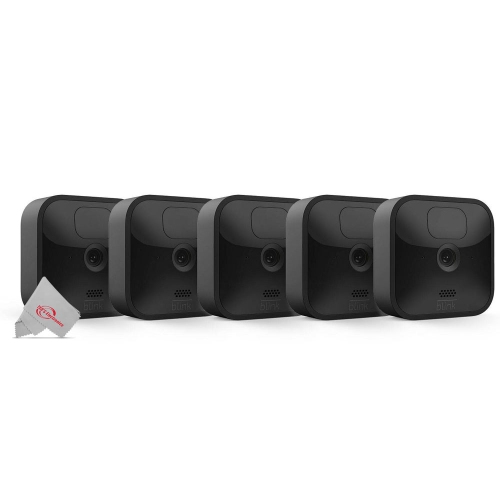
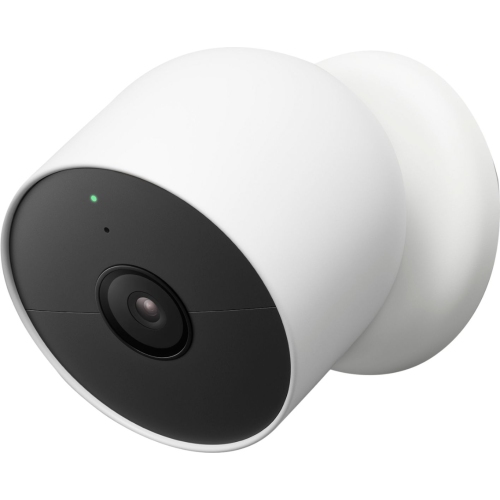
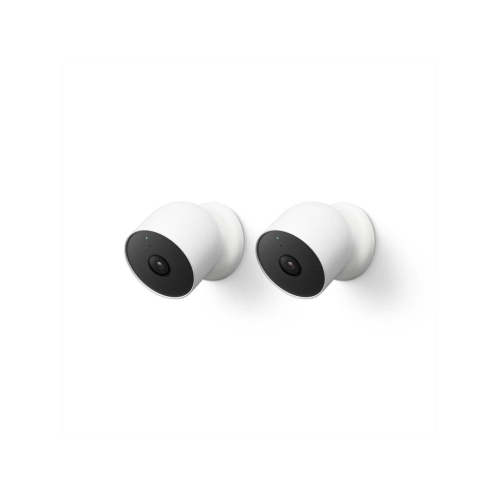
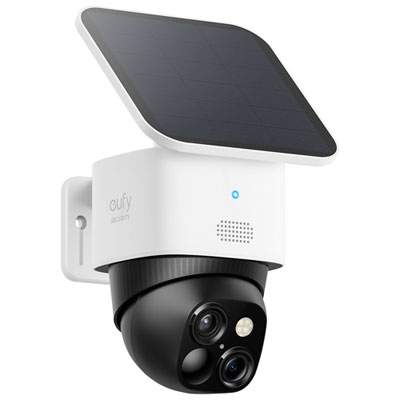
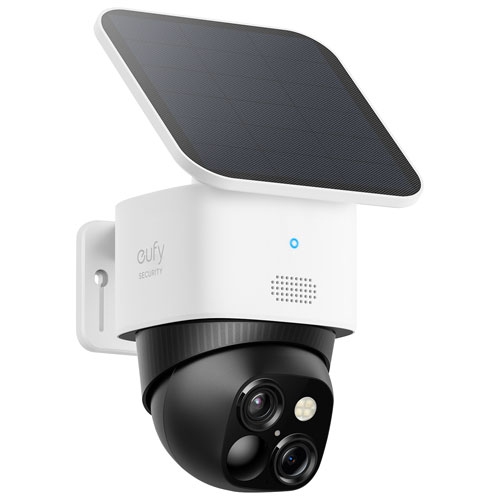
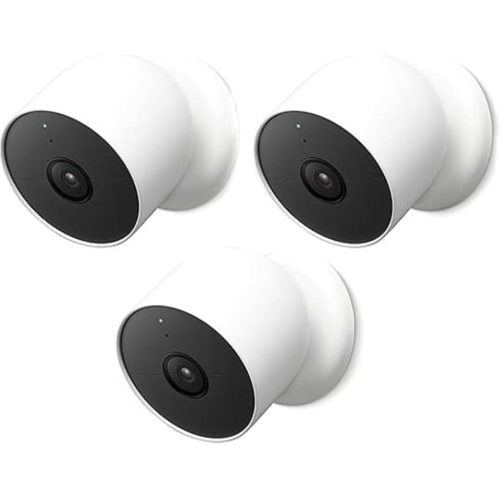
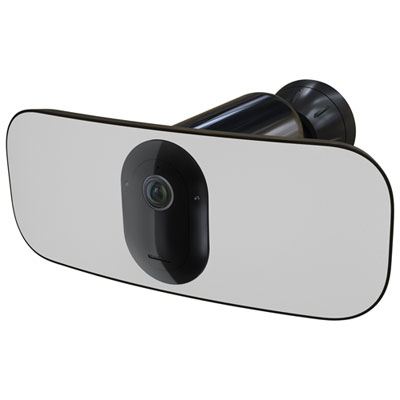
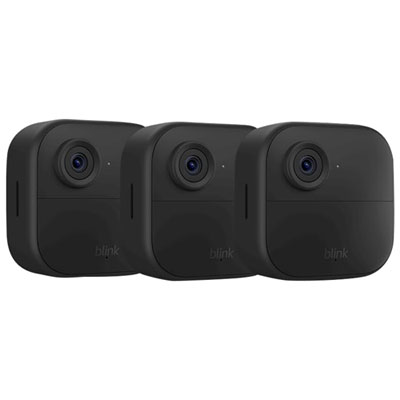
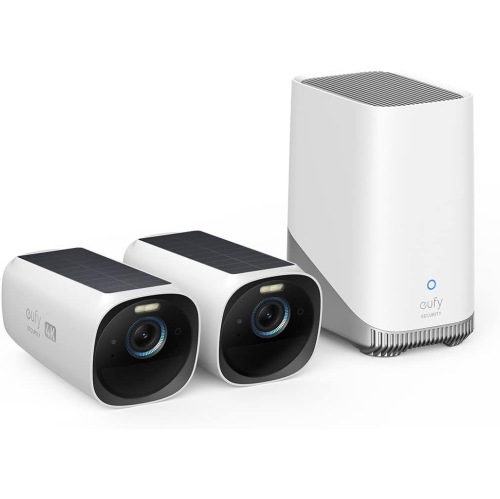
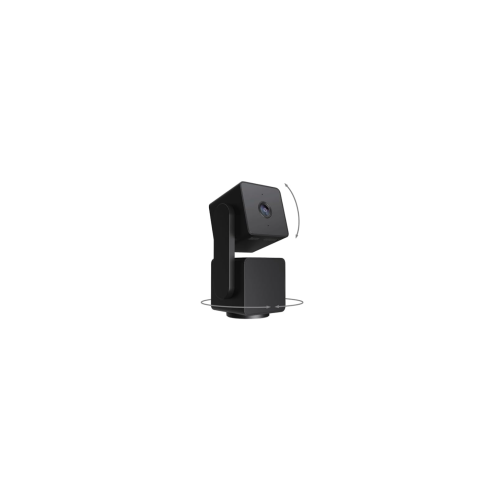
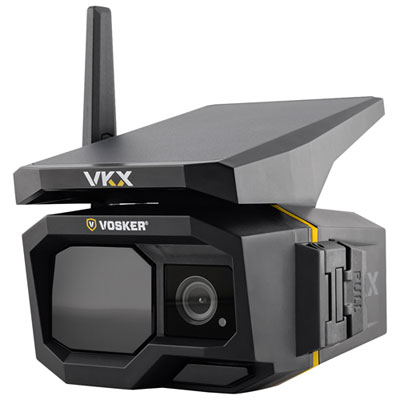
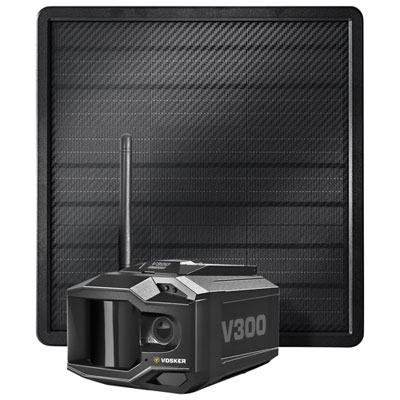
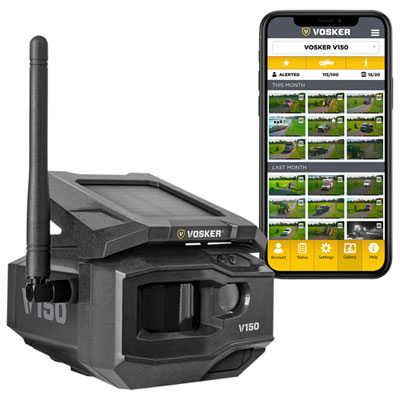
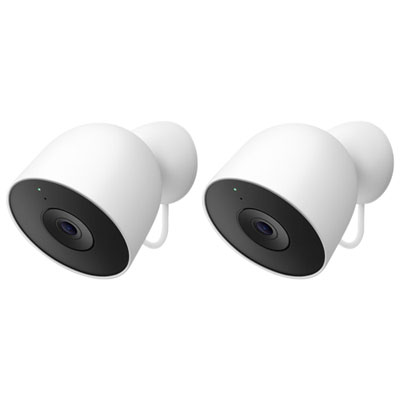
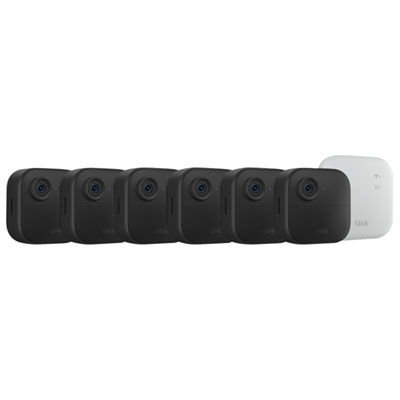
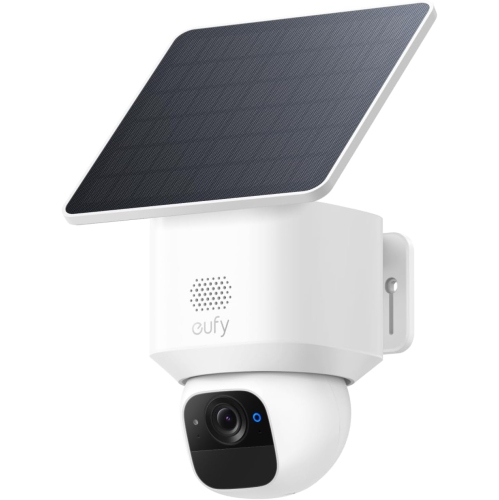
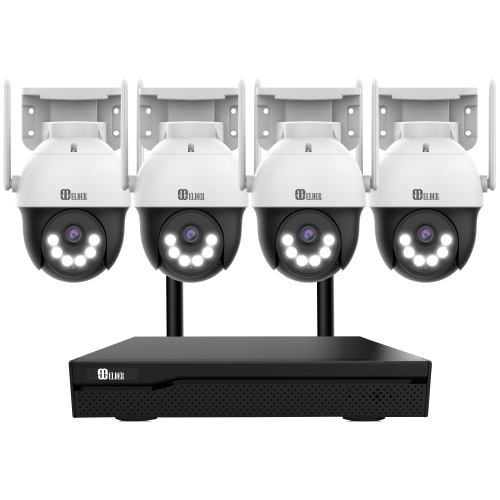
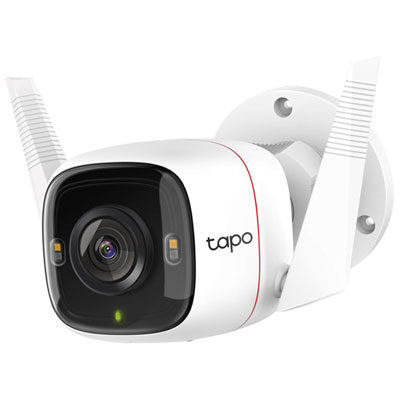
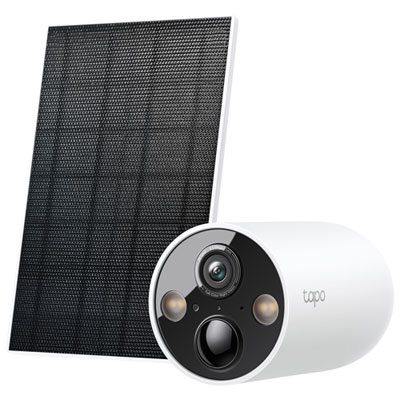
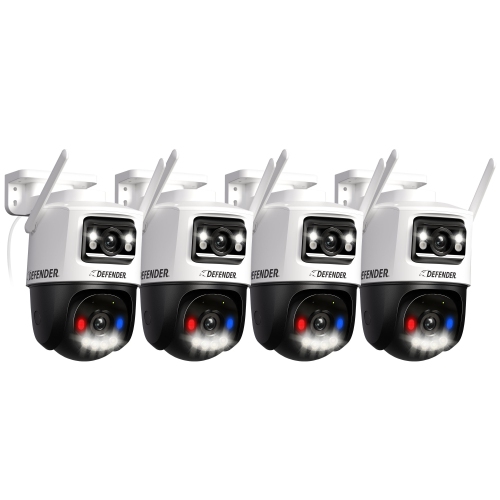
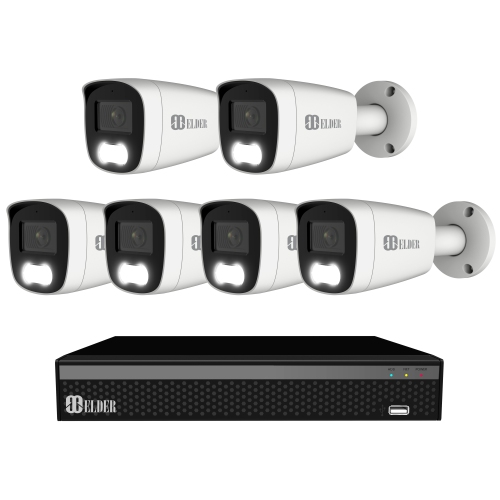
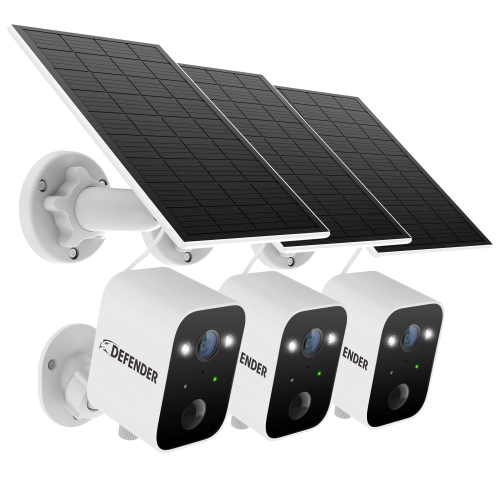
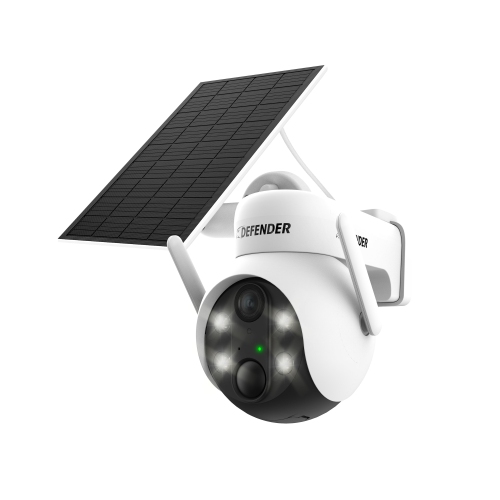
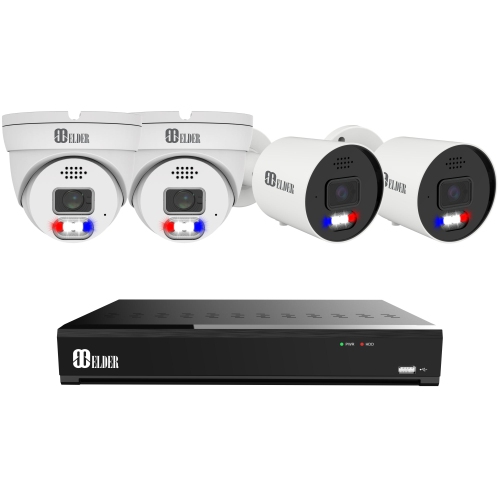
Why cold-weather monitoring takes more than water resistance
Outdoor security cameras for winter help keep entrances, driveways, garages, and side gates visible when snow, freezing rain, and long nights make outdoor monitoring more demanding. Winter suitability depends on a combination of operating temperature, protection against water and dust, reliable power, and a clear view of the area being monitored. A camera’s published minimum operating temperature matters more than a general “outdoor” description: locations that regularly reach −30°C or −40°C need equipment explicitly rated for those temperatures. Water resistance is a separate specification. An IP65 rating indicates a dust-tight enclosure with protection against water jets, while IP66 indicates protection against more powerful water jets. IP67 adds protection against temporary immersion under specified test conditions, but does not automatically establish resistance to stronger jets. None of these ratings alone confirms performance in extreme cold or prevents ice from covering the lens. Durable metal or outdoor-rated plastic housings, sealed cable entries, and secure mounting hardware all contribute to a dependable installation. The camera’s power adapter, connectors, and any exposed cable also need protection appropriate to their location; a weather-resistant camera body does not make every accessory suitable for outdoor exposure. For a detached garage or a driveway far from the house, wired power can reduce the need to retrieve batteries through deep snow. Power over Ethernet, commonly called PoE, carries power and data through one compatible Ethernet cable, while plug-in cameras require a suitable power connection and may use Wi-Fi for video transmission. Battery-powered cameras offer flexibility where running cable is impractical, though cold can shorten runtime and restrict charging. Their operating and charging temperature ranges may differ, making both specifications relevant. Wired power avoids dependence on a camera battery, but it does not eliminate interruptions caused by a power outage. For households watching a front step, homeowners checking a separate workshop, or people monitoring a seasonal property, the most practical setup is one whose temperature rating, power arrangement, and coverage match the actual site.
Clear winter footage involves more than choosing a higher resolution. A camera looking across a short porch has different demands from one covering a long driveway, where a person may occupy only a small part of the image. Higher-resolution video can preserve more detail, but lens design, viewing angle, lighting, distance, and video compression also affect what is visible. A broad field of view can include the front walk and garage doors in one frame, while a narrower view may provide more useful detail around a specific entrance. Fixed cameras keep attention on a consistent area; pan-and-tilt models allow the view to move, although they cannot show every direction at once. Mounting position is particularly important around snow. A sheltered location beneath an eave can reduce direct exposure, provided the camera still has an unobstructed view and sits clear of roof runoff, falling ice, and places where snow collects. A lens aimed too close to a wall, soffit, or railing can catch reflected infrared light and produce a washed-out image after dark. Nearby snowflakes may also appear as bright streaks in infrared footage. Infrared night vision supports viewing without visible illumination, while colour night vision generally relies on available light, an integrated light, or both. A porch light can help reveal clothing colours and other details, but glare from that light or passing headlights may obscure parts of the scene. Person and vehicle detection can help reduce alerts from snowfall and moving branches, though results vary with visibility, placement, and detection settings. Adjustable activity zones are useful when the important area is a walkway rather than the street beyond it. A delivery at the front door, a vehicle entering the drive, and movement beside a backyard gate may each call for a different alert zone. Two-way audio can support a brief conversation with a visitor, although wind and traffic can make speech harder to hear. These features are most useful when they serve a clearly defined area rather than promise complete visibility across an entire property.
Day-to-day convenience also depends on how footage is transmitted, stored, and retrieved. An outdoor Wi-Fi camera needs a dependable signal at its mounting point, not simply a strong connection inside the house. Brick walls, metal siding, distance, and a detached building can all affect that connection. Wired networking can provide a more consistent data path where cabling is feasible, while compatibility with an existing recorder or smart home setup deserves attention before expanding a system. Local storage may use an onboard memory card, a hub, or a network video recorder, depending on the camera. Cloud storage relies on an internet connection for uploads, and access to saved footage or advanced alerts may require a subscription. Continuous recording and motion-triggered clips serve different needs: continuous footage can provide context before and after an event, whereas event clips make it easier to review detected activity. Not every camera supports both, and battery-powered designs often prioritize event recording to manage power use. Remote access can be valuable for checking whether a driveway has been cleared or seeing that a visitor has reached the door, but it depends on the necessary power and network connections remaining active. Strong account passwords, supported software updates, and multi-factor authentication, where offered, help protect that access. Camera placement should also respect neighbouring windows and private spaces, with privacy masks used where supported. Physical care remains straightforward but important: a clear lens, intact seals, and firmly secured brackets help maintain a useful view. Snow and dirt should be removed according to the manufacturer’s care instructions, without scraping the lens, applying unapproved chemicals, or pouring hot water over a frozen housing. Cameras with documented lens-heating or defogging features may help manage frost or condensation, but those capabilities should not be assumed from an outdoor rating. For broader exposure needs, Durable Security Cameras for Harsh Weather offers a related category to explore. A well-matched winter camera brings together cold-rated hardware, suitable storage, dependable connectivity, and a mounting position that remains accessible for routine care.
Clear winter footage involves more than choosing a higher resolution. A camera looking across a short porch has different demands from one covering a long driveway, where a person may occupy only a small part of the image. Higher-resolution video can preserve more detail, but lens design, viewing angle, lighting, distance, and video compression also affect what is visible. A broad field of view can include the front walk and garage doors in one frame, while a narrower view may provide more useful detail around a specific entrance. Fixed cameras keep attention on a consistent area; pan-and-tilt models allow the view to move, although they cannot show every direction at once. Mounting position is particularly important around snow. A sheltered location beneath an eave can reduce direct exposure, provided the camera still has an unobstructed view and sits clear of roof runoff, falling ice, and places where snow collects. A lens aimed too close to a wall, soffit, or railing can catch reflected infrared light and produce a washed-out image after dark. Nearby snowflakes may also appear as bright streaks in infrared footage. Infrared night vision supports viewing without visible illumination, while colour night vision generally relies on available light, an integrated light, or both. A porch light can help reveal clothing colours and other details, but glare from that light or passing headlights may obscure parts of the scene. Person and vehicle detection can help reduce alerts from snowfall and moving branches, though results vary with visibility, placement, and detection settings. Adjustable activity zones are useful when the important area is a walkway rather than the street beyond it. A delivery at the front door, a vehicle entering the drive, and movement beside a backyard gate may each call for a different alert zone. Two-way audio can support a brief conversation with a visitor, although wind and traffic can make speech harder to hear. These features are most useful when they serve a clearly defined area rather than promise complete visibility across an entire property.
Day-to-day convenience also depends on how footage is transmitted, stored, and retrieved. An outdoor Wi-Fi camera needs a dependable signal at its mounting point, not simply a strong connection inside the house. Brick walls, metal siding, distance, and a detached building can all affect that connection. Wired networking can provide a more consistent data path where cabling is feasible, while compatibility with an existing recorder or smart home setup deserves attention before expanding a system. Local storage may use an onboard memory card, a hub, or a network video recorder, depending on the camera. Cloud storage relies on an internet connection for uploads, and access to saved footage or advanced alerts may require a subscription. Continuous recording and motion-triggered clips serve different needs: continuous footage can provide context before and after an event, whereas event clips make it easier to review detected activity. Not every camera supports both, and battery-powered designs often prioritize event recording to manage power use. Remote access can be valuable for checking whether a driveway has been cleared or seeing that a visitor has reached the door, but it depends on the necessary power and network connections remaining active. Strong account passwords, supported software updates, and multi-factor authentication, where offered, help protect that access. Camera placement should also respect neighbouring windows and private spaces, with privacy masks used where supported. Physical care remains straightforward but important: a clear lens, intact seals, and firmly secured brackets help maintain a useful view. Snow and dirt should be removed according to the manufacturer’s care instructions, without scraping the lens, applying unapproved chemicals, or pouring hot water over a frozen housing. Cameras with documented lens-heating or defogging features may help manage frost or condensation, but those capabilities should not be assumed from an outdoor rating. For broader exposure needs, Durable Security Cameras for Harsh Weather offers a related category to explore. A well-matched winter camera brings together cold-rated hardware, suitable storage, dependable connectivity, and a mounting position that remains accessible for routine care.
Top selling and popular products
-
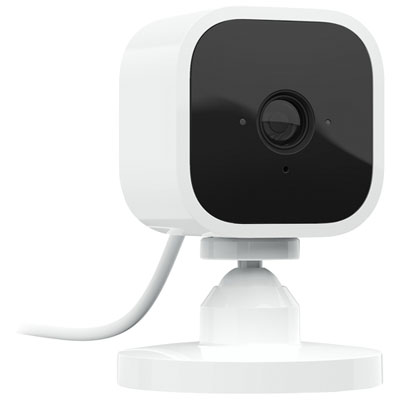 Your price for this item is $34.97
 -
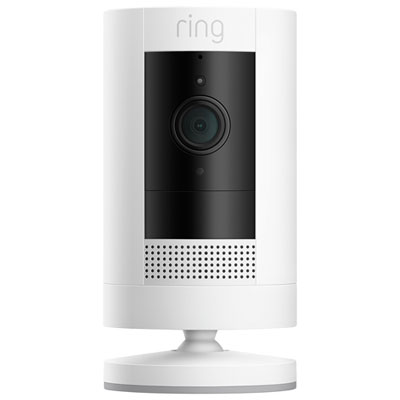 Your price for this item is $69.99
 -
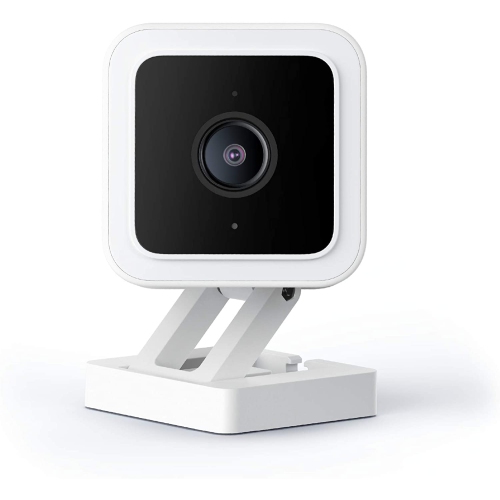 Your price for this item is $95.99
 -
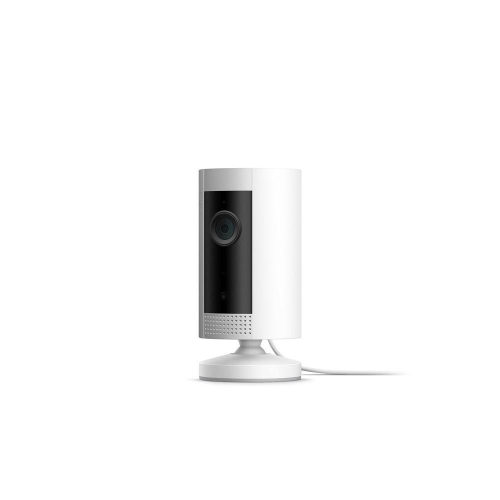 Your price for this item is $79.25
 -
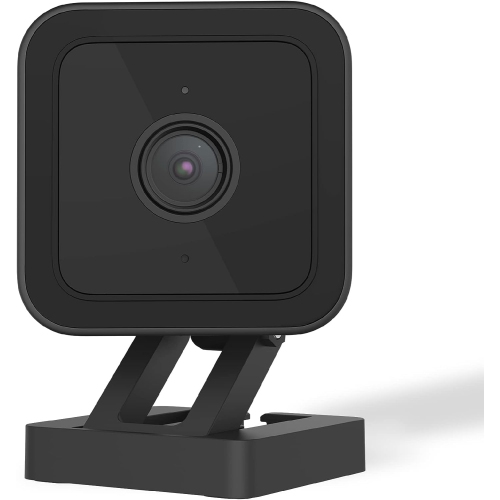 Your price for this item is $95.99
 -
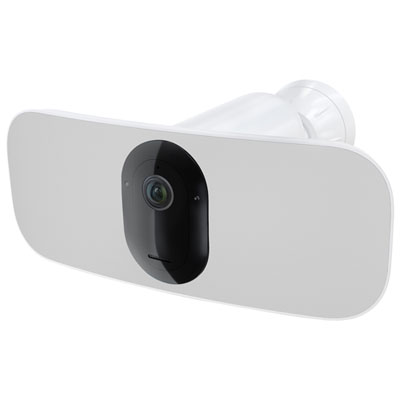 Your price for this item is $169.95
 -
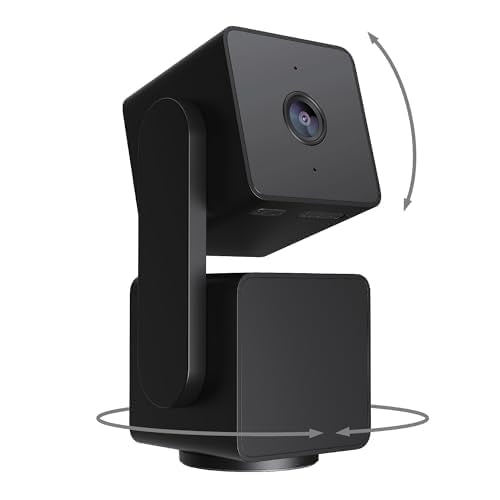 Your price for this item is $105.99
 -
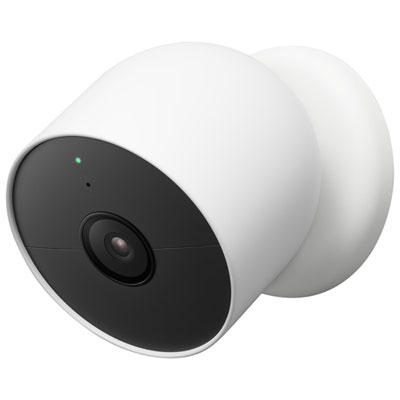 Your price for this item is $239.99
Discover more categories related to Outdoor Security Cameras for Winter
Top Collections:
Pokemon Centers, Kindle Devices, Best Budget Office Chairs, Apple iPhones 16, Best Laptops for Writers, iPhone 15 Apple, Canon G7X Cameras, Refurbished Apple Laptops, Alarm Clock, Motorola Razr Phones
Some products may be subject to Environmental Handling Fees
(EHF) depending on your province.
Learn more about EHFs.