Screw Connectors
Screw connectors are essential components in ensuring secure and reliable electrical connections for various applications. Whether you're working on a home improvement project or setting up a professional electrical system, these versatile connectors offer the stability and ease of use needed for efficient installations. Designed to join wires safely and effectively, screw connectors provide a dependable solution that caters to both DIY enthusiasts and industry professionals. Explore our selection to find the perfect match for your electrical needs, ensuring that every connection is as robust and enduring as the last.
Sort
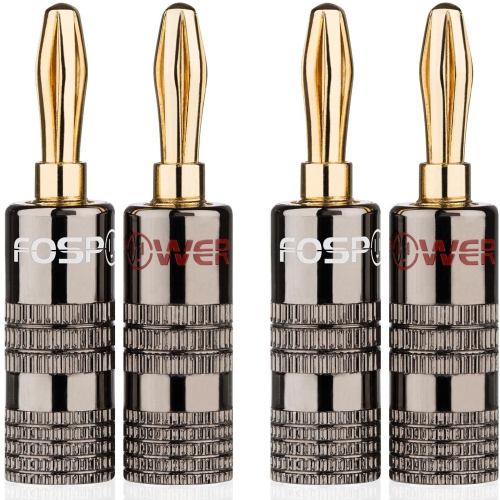
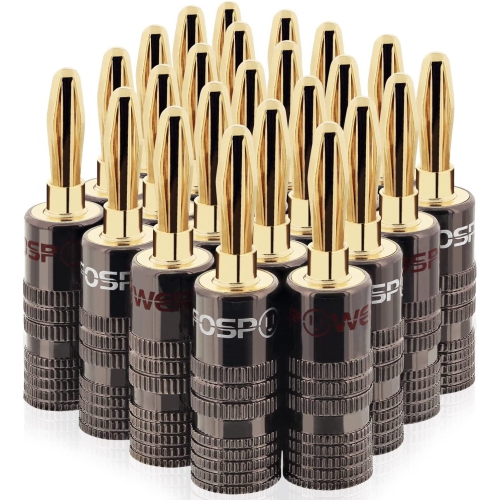
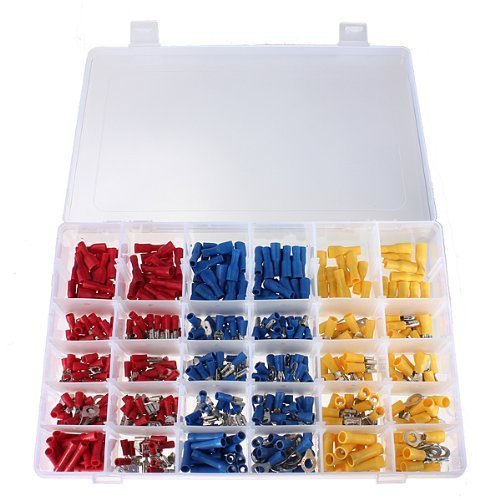

What to know before securing wires with screws
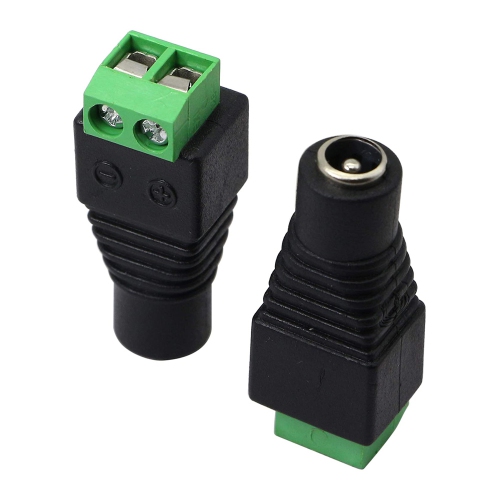
Screw connectors are practical electrical connection components designed to hold one or more wire conductors in place with a tightening screw. Unlike soldered connections, they can generally be loosened, inspected, and rewired, making them useful for organized, serviceable installations. Depending on the design, screw connectors may join wires inside a terminal block, attach wiring to a printed circuit board, secure a cable to an electrical box, or clamp a bundle of conductors inside an insulated connector. Common formats include single- and double-screw terminal blocks, modular terminal strips, PCB screw terminals, set-screw wire connectors, and screw-in conduit or cable fittings. Each type serves a different purpose, so the right choice depends on the wiring layout, the environment, and the equipment being connected. A compact PCB terminal may be well suited to a control panel, sensor project, or low-voltage prototype, while a heavier connector with a protective housing may be intended for building wiring or cable entry. For a broad selection of related connection components, explore Wire Connectors. These products can be useful for licensed electricians, appliance and equipment technicians, electronics hobbyists, makers, and home workshop users who need a neat way to terminate or organize compatible wiring. They may also be a thoughtful addition to a practical gift for someone setting up a workbench, although electrical components should always be chosen for the exact project rather than as a generic accessory.
Compatibility is the most important consideration when choosing screw connectors. Start by identifying the wire type and gauge, then confirm that the connector’s rated range accepts the conductor size. A connector that is too large may not grip a thin wire securely, while one that is too small can crush strands, damage insulation, or prevent the wire from entering fully. Check the number of positions or poles, the terminal spacing, and whether the connector is intended for solid, stranded, or both types of wire. Stranded conductors can spread when inserted into a screw terminal, so a correctly sized wire ferrule can help gather the strands into a firm, tidy end before insertion; ferrules must be crimped with the proper tool and must fit the conductor and terminal. For low-voltage electronics, confirm the pin spacing, board orientation, current rating, voltage rating, and wire-entry direction so the connector matches the layout of the circuit board. For building wiring, cable and conduit connectors must match the cable construction, fitting size, electrical box opening, and local installation requirements. Insulation and housing material also matter. Plastic housings are common where light weight and electrical separation are priorities, while ceramic or heat-resistant materials may be selected for applications exposed to elevated temperatures. If a connection will be exposed to dust, moisture, vibration, or frequent movement, look for a design and rating suited to that environment rather than relying on appearance alone. A connector that feels substantial in the hand is not automatically appropriate for every circuit; the manufacturer’s specifications provide the useful details.
Safe installation begins with identifying the circuit and disconnecting power before handling any conductor. For mains-voltage wiring, work should be completed by a licensed electrician or another qualified professional who understands Canadian electrical requirements. The wire should be stripped to the recommended length, with no nicked insulation and no exposed conductor extending beyond the terminal or connector body. Insert the conductor fully, keep the insulation close to the entry point without placing it beneath the clamping area, and tighten the screw to the manufacturer’s specified torque. Firm does not mean forcing the screw: over-tightening can cut or deform wire strands, damage the terminal, or crack the housing, while under-tightening can leave a high-resistance connection that warms under load. After tightening, give the wire a gentle pull to check that it is held securely, then inspect for stray strands, uneven seating, and exposed metal that could touch an adjacent terminal. Keep circuits arranged so that labels remain readable and each connection can be traced later; a clearly marked terminal strip can save considerable time when a seasonal project is packed away or equipment needs servicing during the cooler months. Screw connections in vibrating equipment, high-current applications, workshops, and vehicles deserve periodic inspection because repeated movement and heating and cooling cycles can gradually reduce clamping force. Replace damaged connectors rather than reusing cracked housings or stripped screws, and avoid mixing components when their ratings or dimensions are uncertain. With the correct gauge, connector style, insulation, torque, and installation method, screw connectors can provide a clean, reusable connection that keeps wiring easier to understand and maintenance easier to manage.
Compatibility is the most important consideration when choosing screw connectors. Start by identifying the wire type and gauge, then confirm that the connector’s rated range accepts the conductor size. A connector that is too large may not grip a thin wire securely, while one that is too small can crush strands, damage insulation, or prevent the wire from entering fully. Check the number of positions or poles, the terminal spacing, and whether the connector is intended for solid, stranded, or both types of wire. Stranded conductors can spread when inserted into a screw terminal, so a correctly sized wire ferrule can help gather the strands into a firm, tidy end before insertion; ferrules must be crimped with the proper tool and must fit the conductor and terminal. For low-voltage electronics, confirm the pin spacing, board orientation, current rating, voltage rating, and wire-entry direction so the connector matches the layout of the circuit board. For building wiring, cable and conduit connectors must match the cable construction, fitting size, electrical box opening, and local installation requirements. Insulation and housing material also matter. Plastic housings are common where light weight and electrical separation are priorities, while ceramic or heat-resistant materials may be selected for applications exposed to elevated temperatures. If a connection will be exposed to dust, moisture, vibration, or frequent movement, look for a design and rating suited to that environment rather than relying on appearance alone. A connector that feels substantial in the hand is not automatically appropriate for every circuit; the manufacturer’s specifications provide the useful details.
Safe installation begins with identifying the circuit and disconnecting power before handling any conductor. For mains-voltage wiring, work should be completed by a licensed electrician or another qualified professional who understands Canadian electrical requirements. The wire should be stripped to the recommended length, with no nicked insulation and no exposed conductor extending beyond the terminal or connector body. Insert the conductor fully, keep the insulation close to the entry point without placing it beneath the clamping area, and tighten the screw to the manufacturer’s specified torque. Firm does not mean forcing the screw: over-tightening can cut or deform wire strands, damage the terminal, or crack the housing, while under-tightening can leave a high-resistance connection that warms under load. After tightening, give the wire a gentle pull to check that it is held securely, then inspect for stray strands, uneven seating, and exposed metal that could touch an adjacent terminal. Keep circuits arranged so that labels remain readable and each connection can be traced later; a clearly marked terminal strip can save considerable time when a seasonal project is packed away or equipment needs servicing during the cooler months. Screw connections in vibrating equipment, high-current applications, workshops, and vehicles deserve periodic inspection because repeated movement and heating and cooling cycles can gradually reduce clamping force. Replace damaged connectors rather than reusing cracked housings or stripped screws, and avoid mixing components when their ratings or dimensions are uncertain. With the correct gauge, connector style, insulation, torque, and installation method, screw connectors can provide a clean, reusable connection that keeps wiring easier to understand and maintenance easier to manage.
Top selling and popular products
-
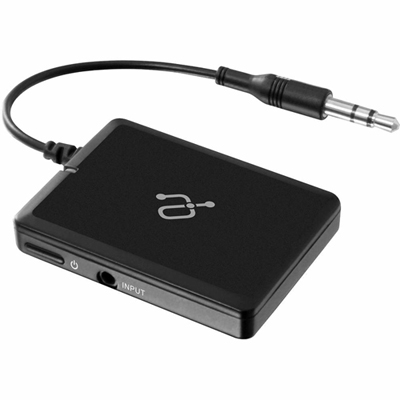 Your price for this item is $34.99
 -
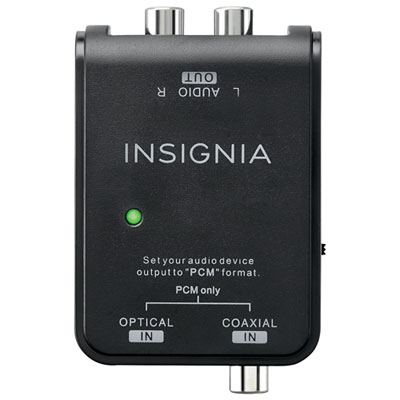 Your price for this item is $39.99
 -
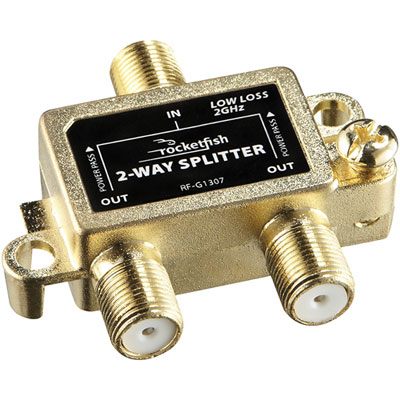 Your price for this item is $10.97
 -
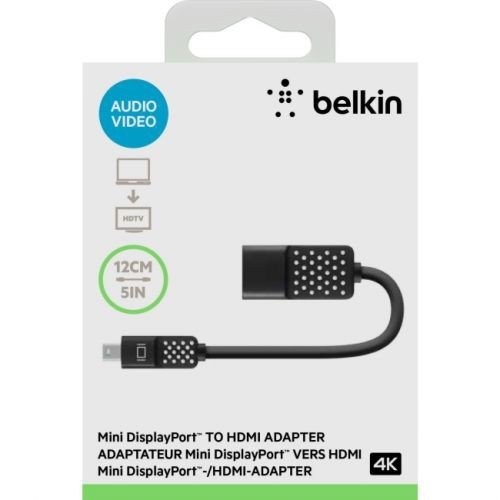 Your price for this item is $36.68
 -
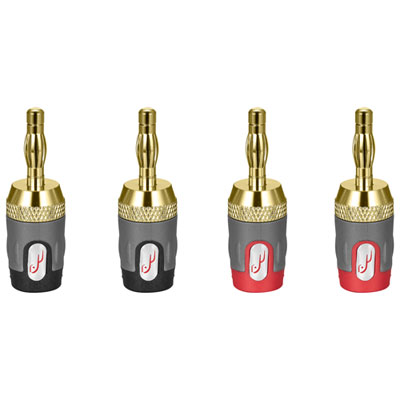 Your price for this item is $24.99
 -
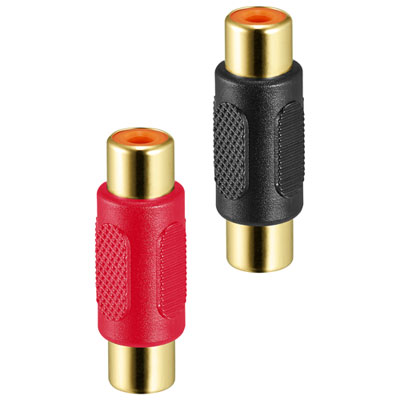 Your price for this item is $9.99
 -
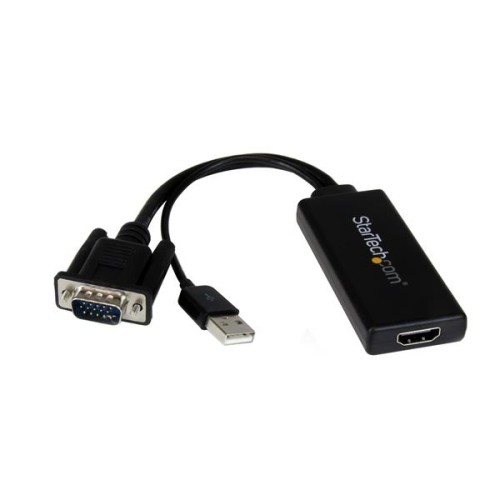 Your price for this item is $75.99
 -
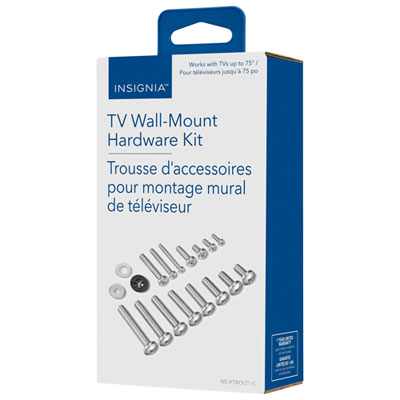 Your price for this item is $19.99
Discover more categories related to Screw Connectors


Top Collections:
Pokemon Centers, Kindle Devices, Best Budget Office Chairs, Apple iPhones 16, Best Laptops for Writers, iPhone 15 Apple, Canon G7X Cameras, Refurbished Apple Laptops, Alarm Clock, Motorola Razr Phones
Some products may be subject to Environmental Handling Fees
(EHF) depending on your province.
Learn more about EHFs.