Security Systems for Apartment
Looking to enhance the security of your apartment? Look no further than our collection of top-notch security systems designed specifically for apartment living. With a wide range of options available, you can find the perfect solution to keep your home safe and secure. Whether you're looking for an all-in-one system or individual components to customize your setup, we have everything you need to provide peace of mind in your apartment. Explore our selection today and take the first step towards a safer living environment.
Sort
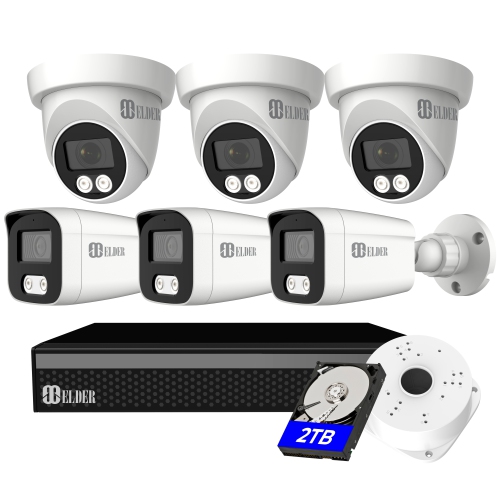
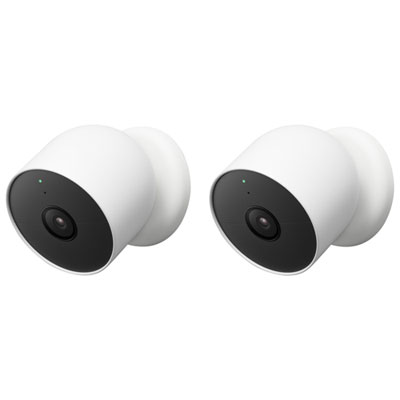
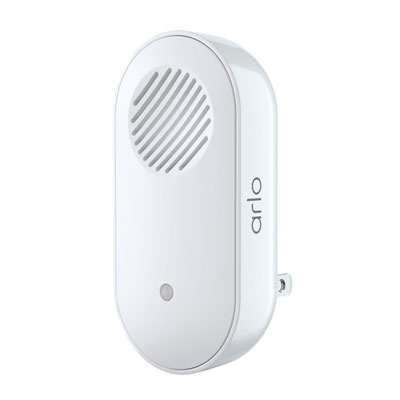
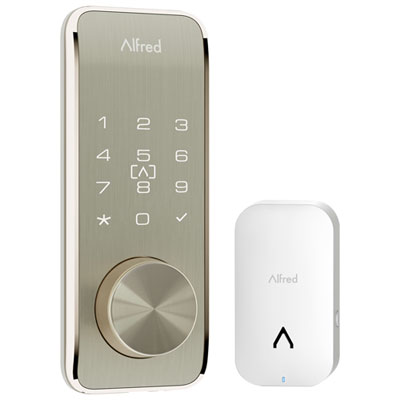
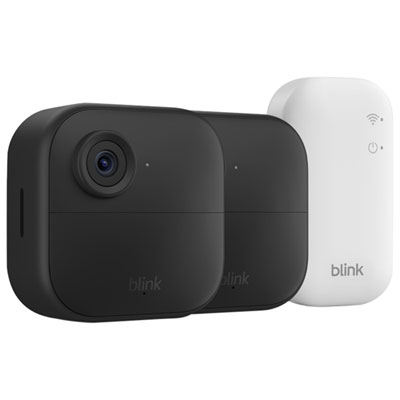
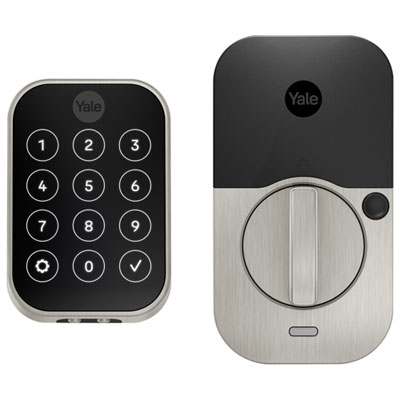
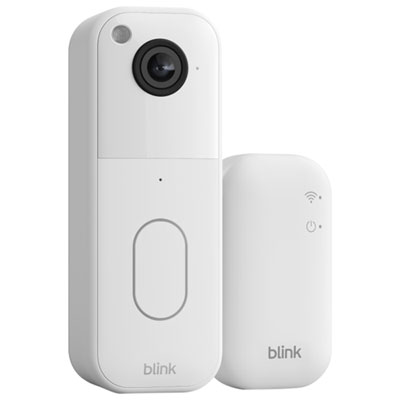
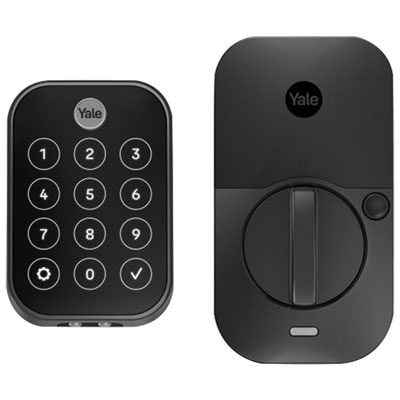
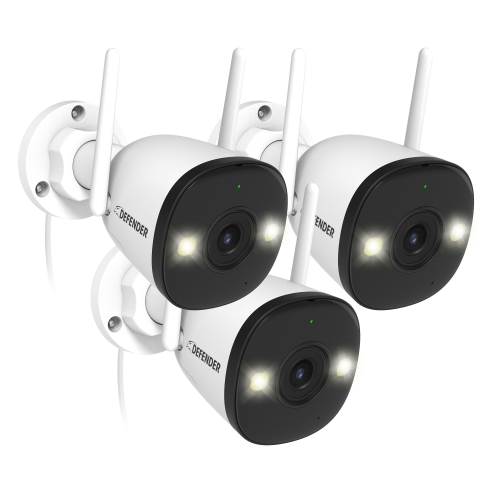
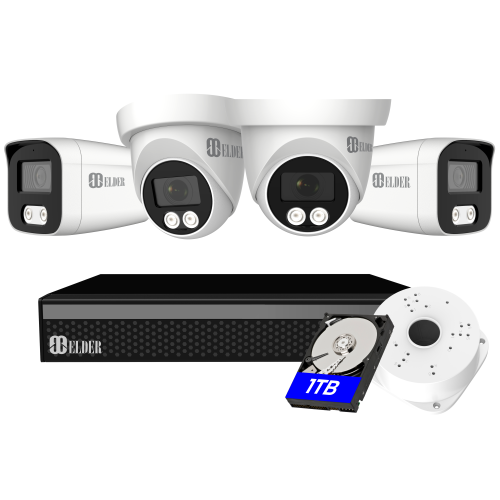
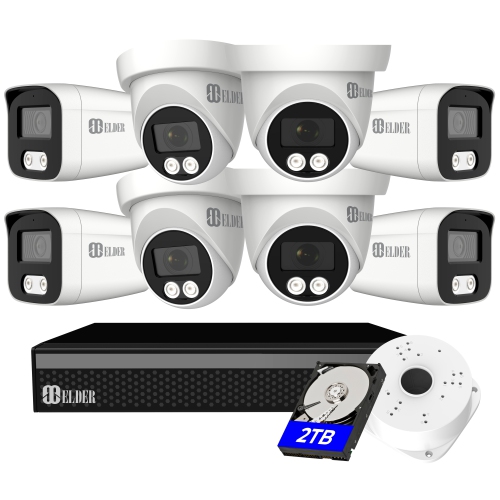
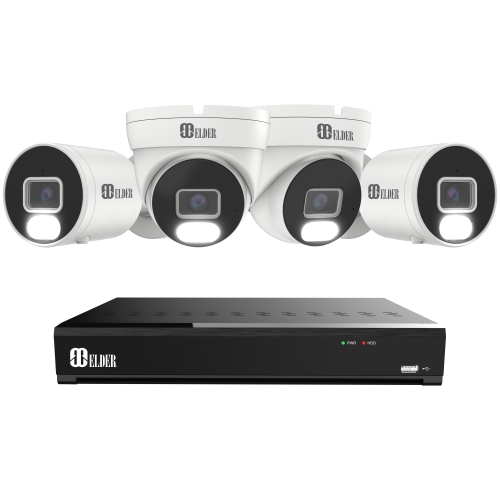
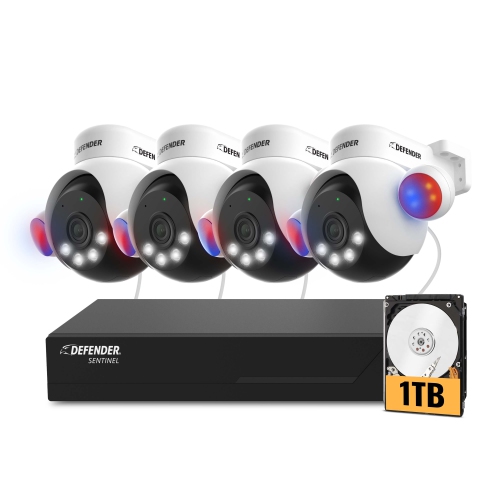
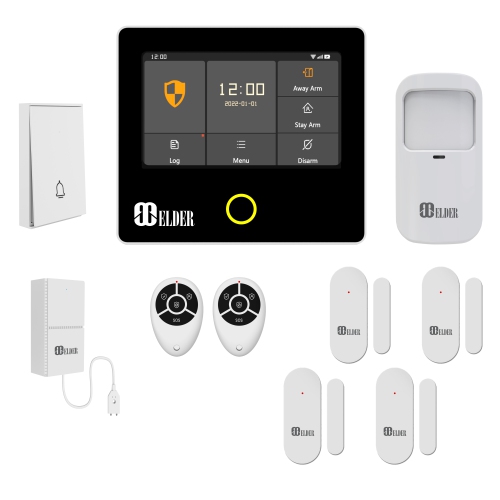
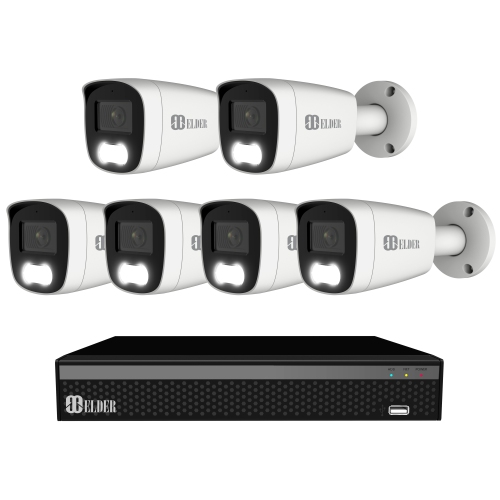
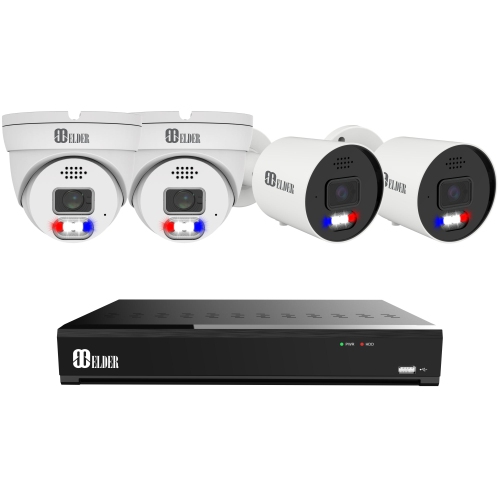
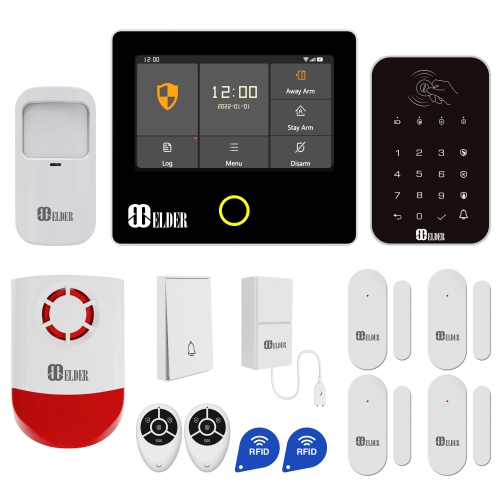
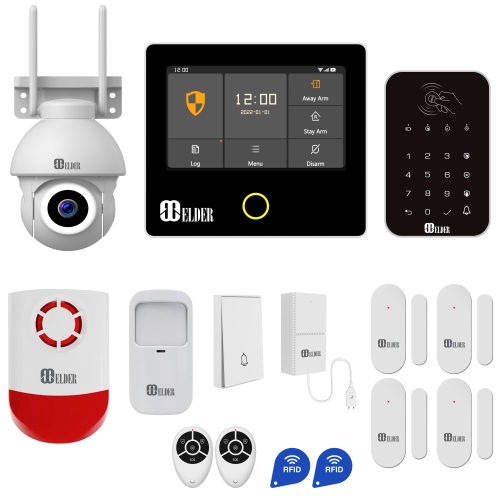
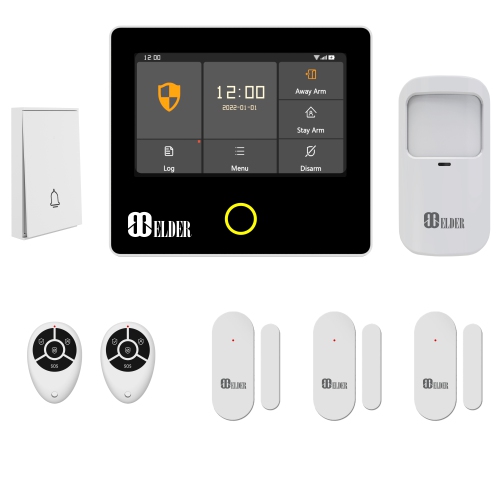
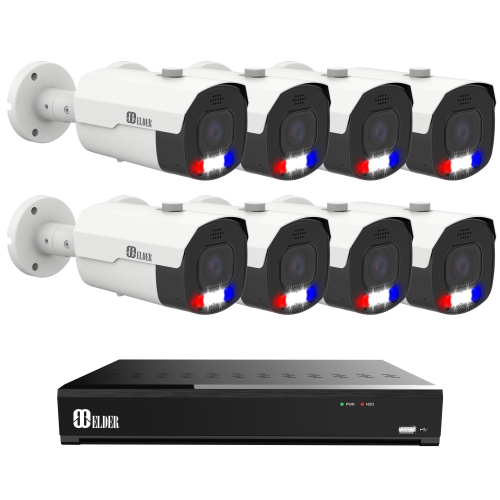
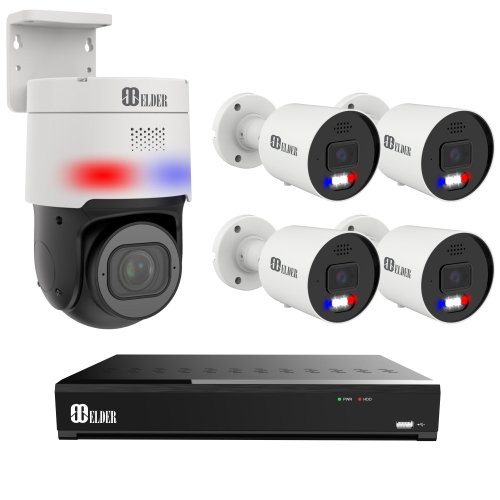
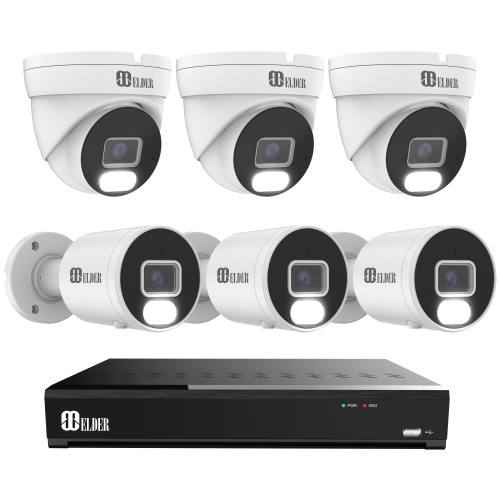
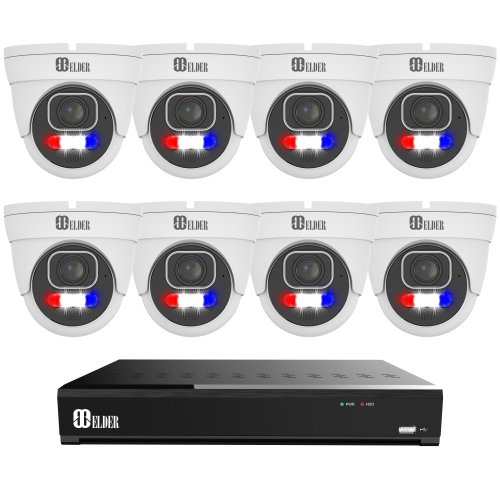
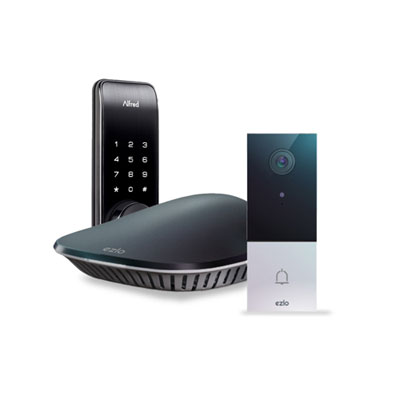
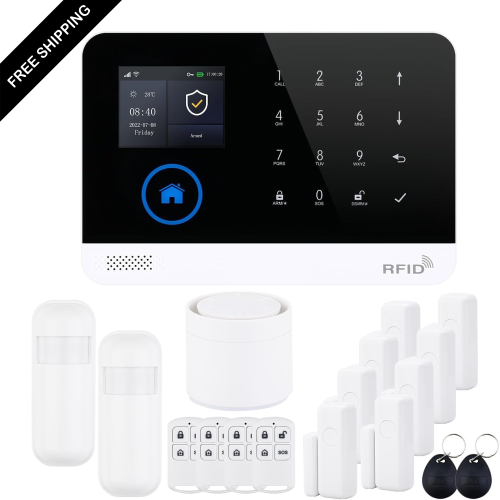
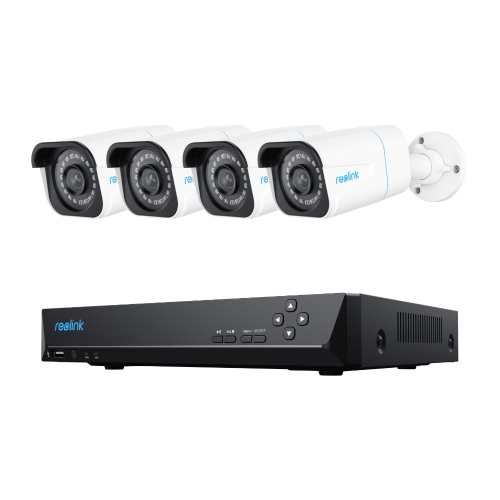
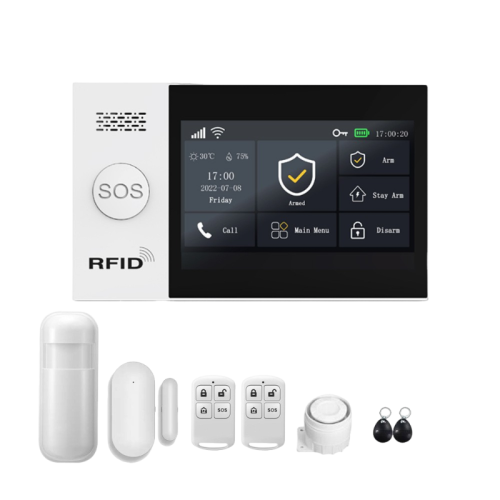

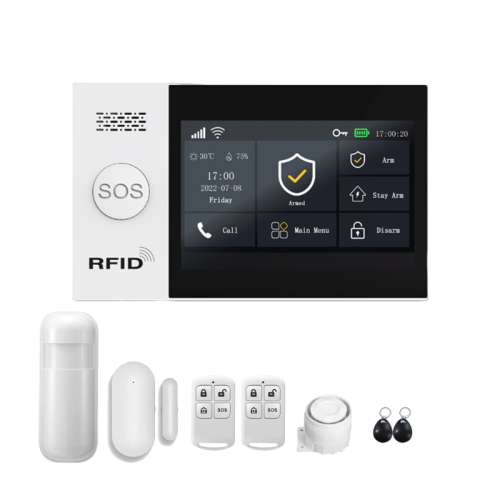
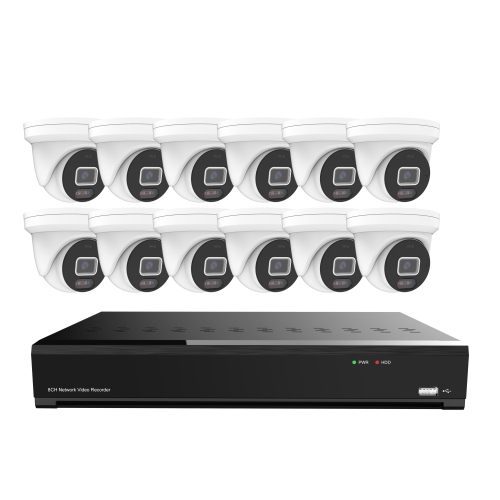
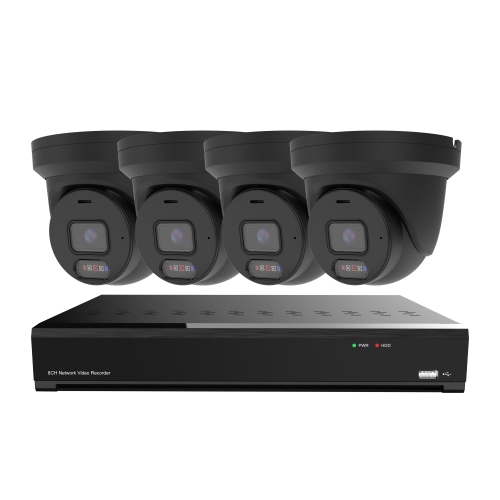
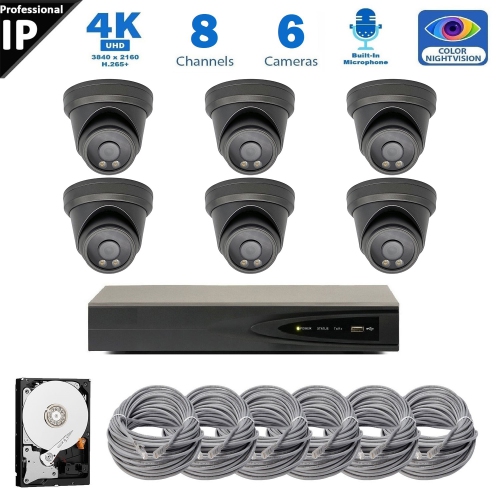
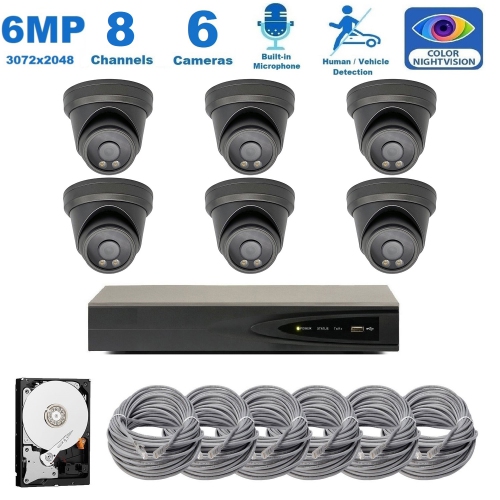
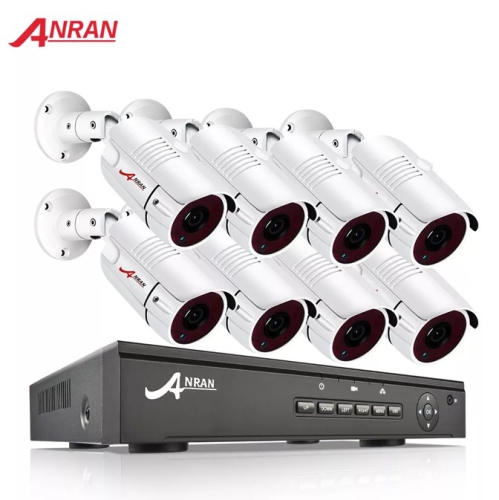
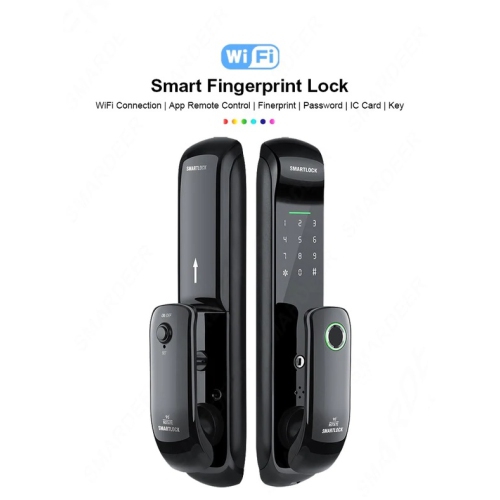
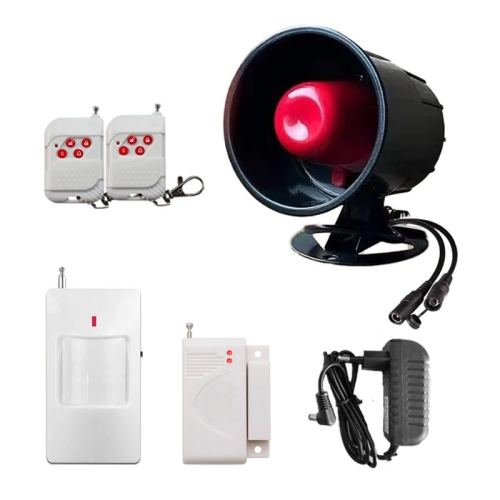
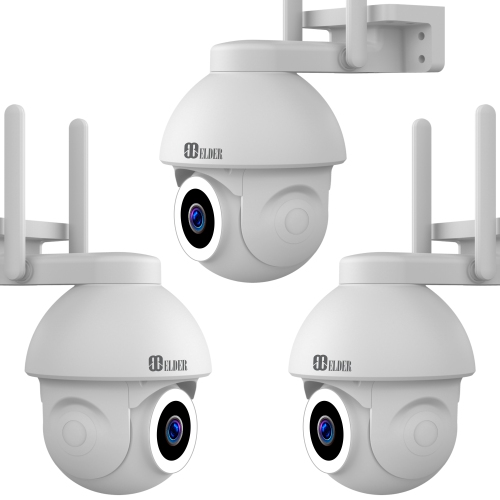
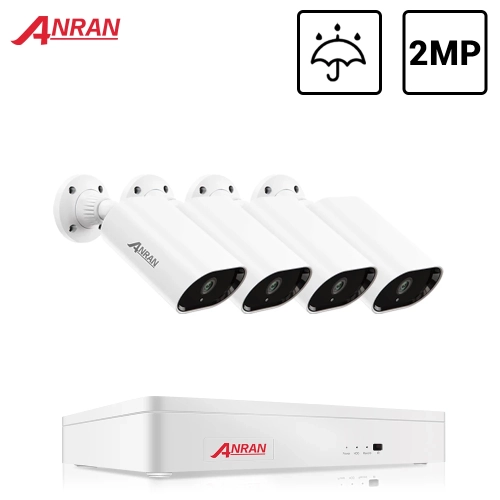
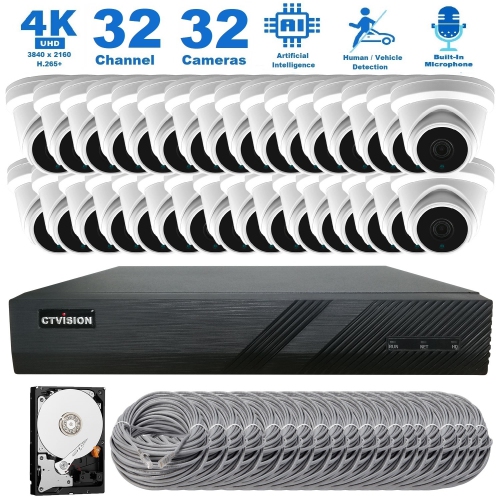
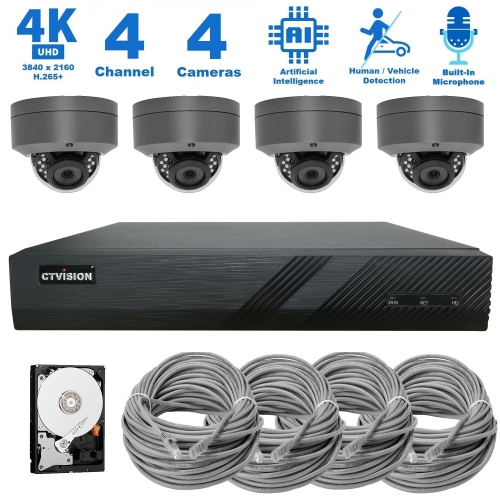
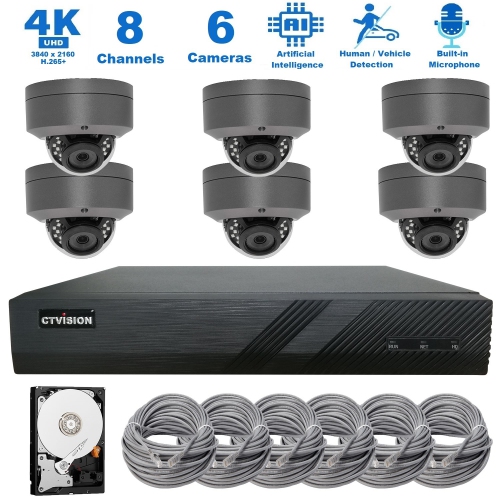
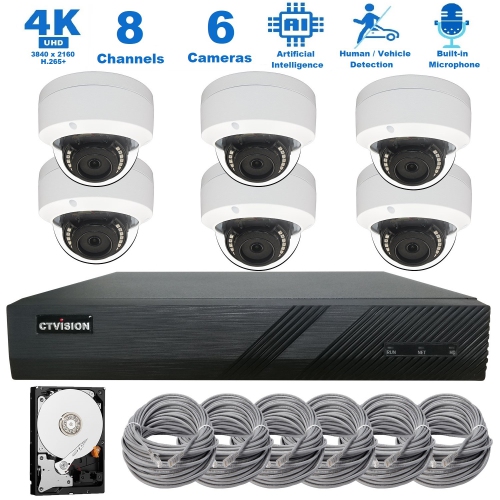
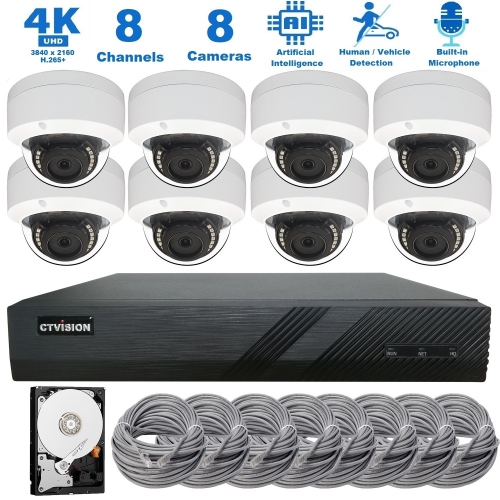
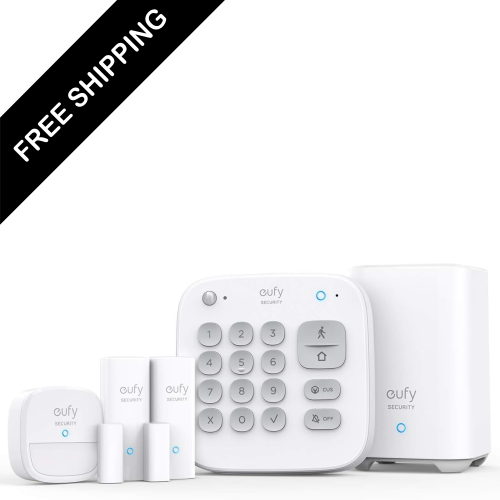
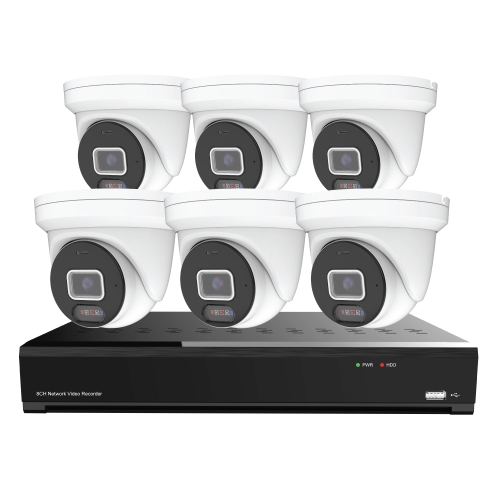
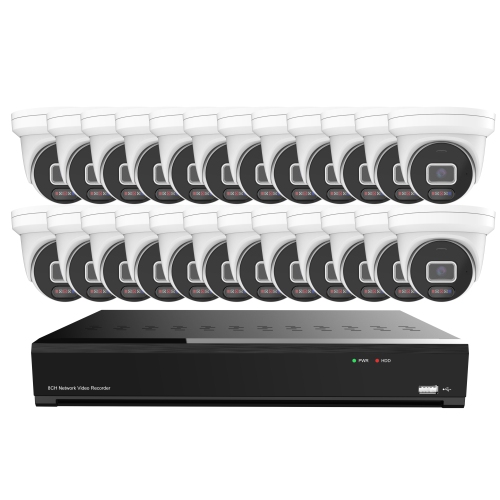
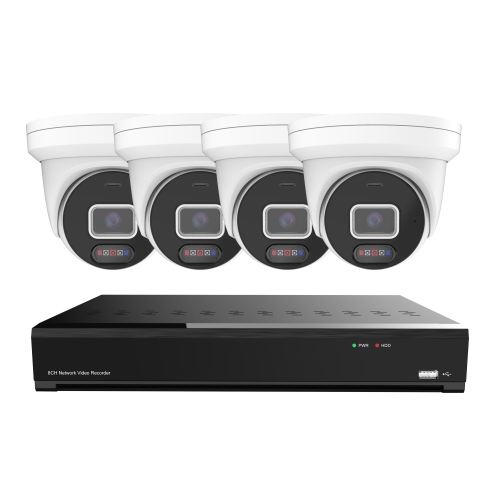
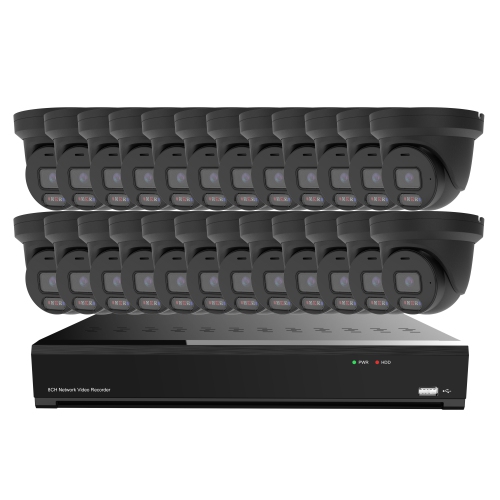
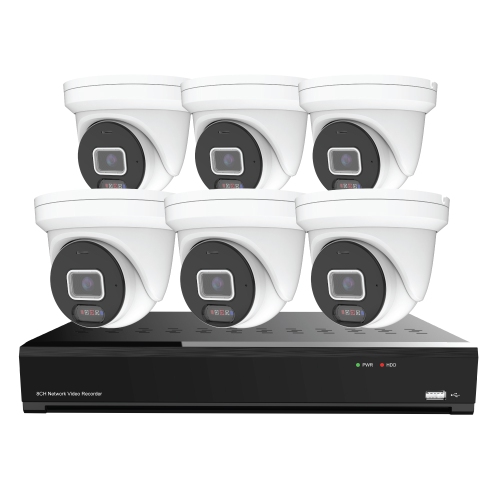
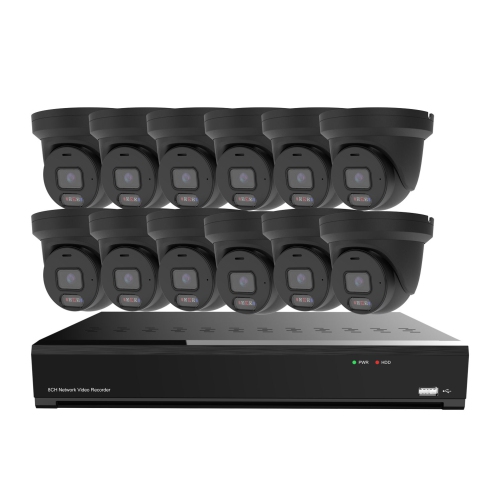
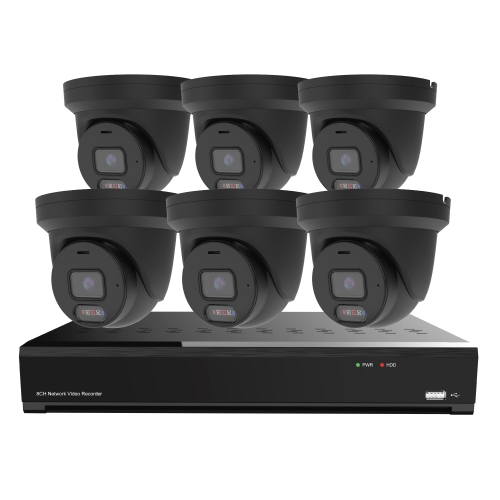
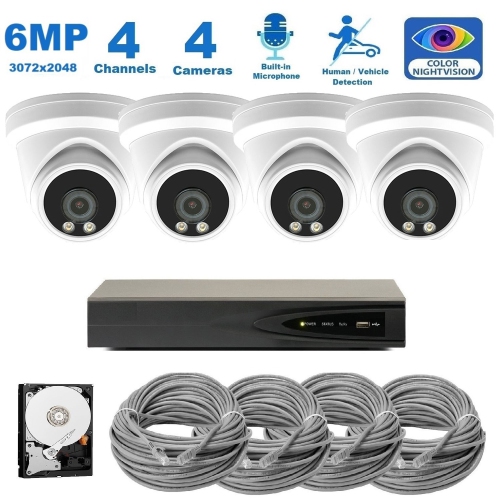

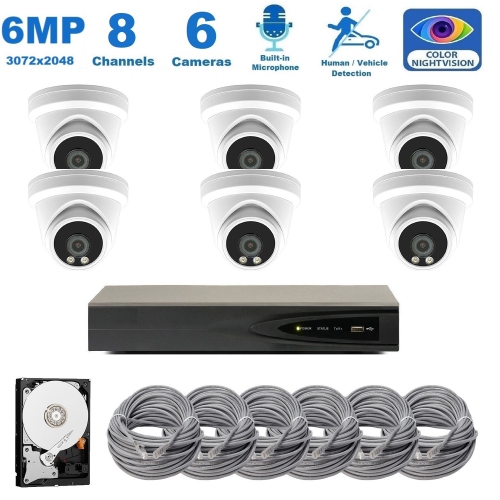
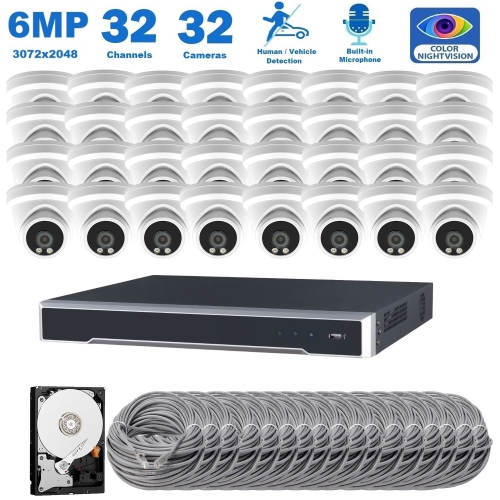
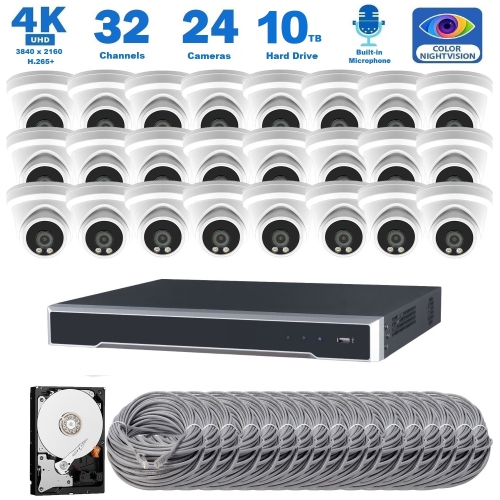
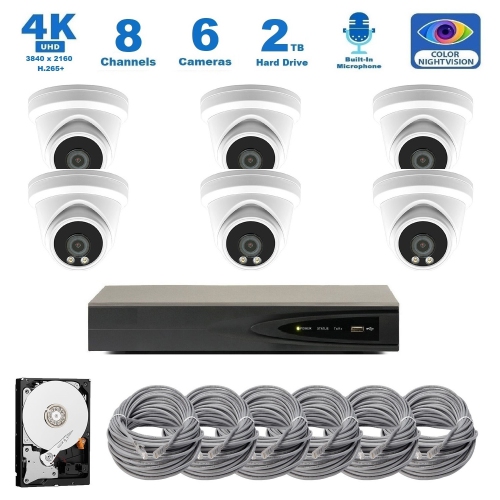
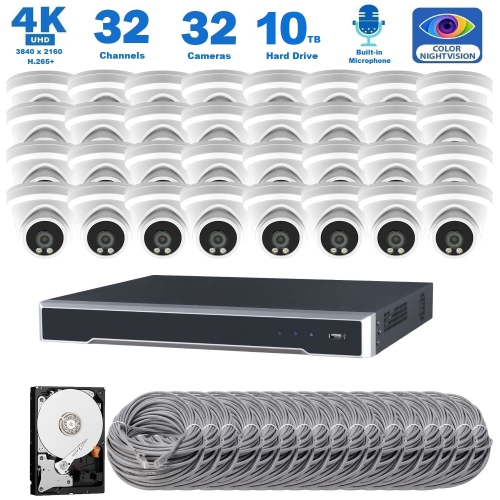
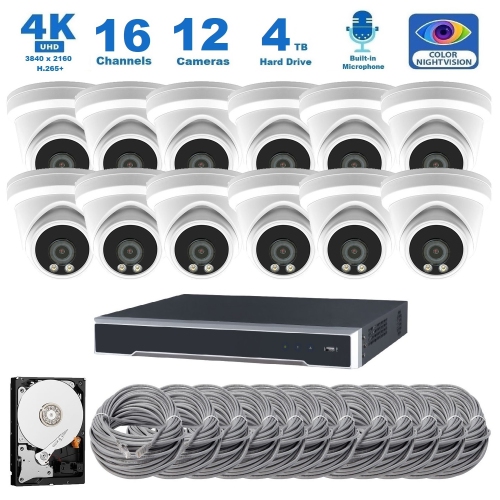
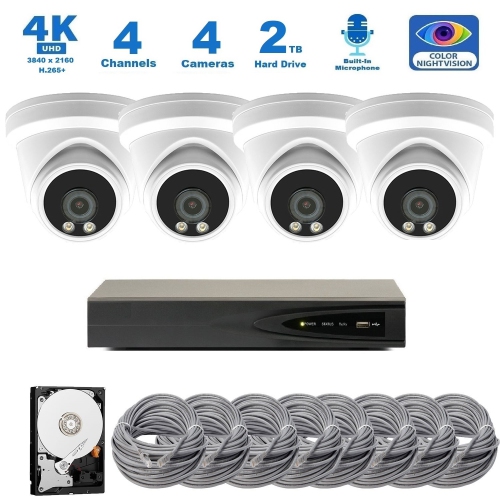
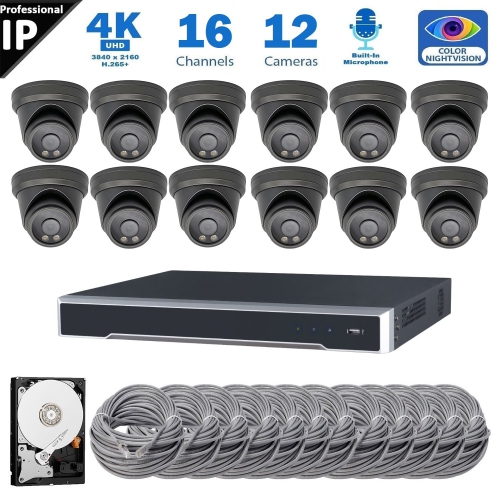
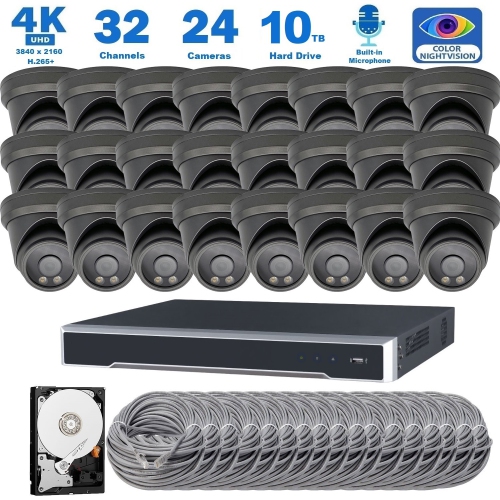
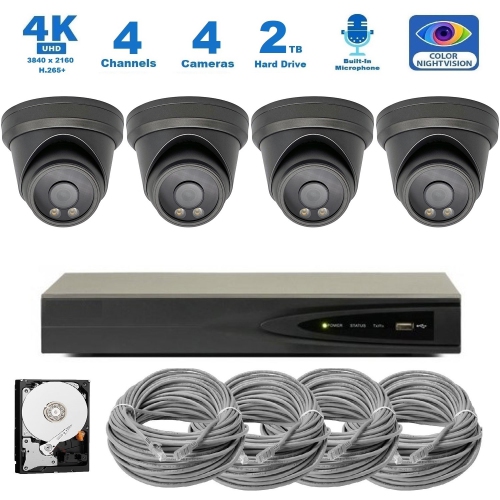
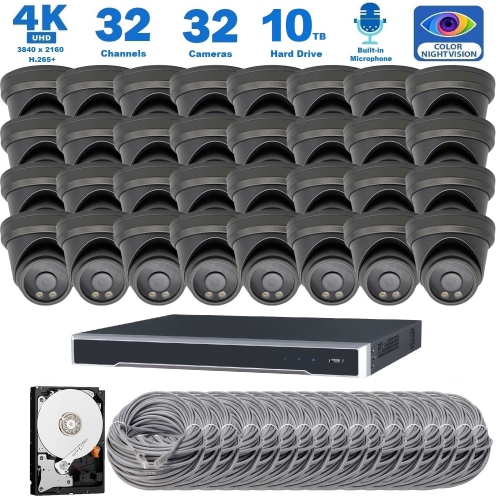
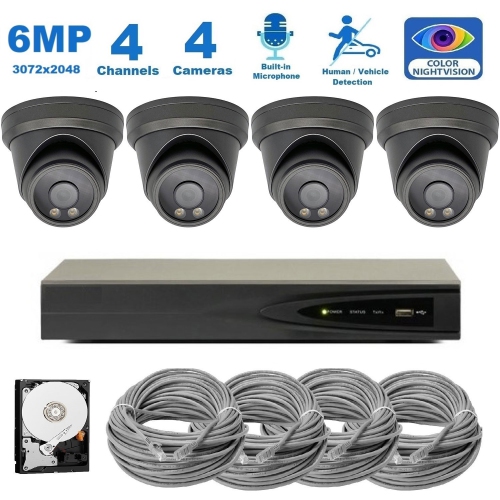
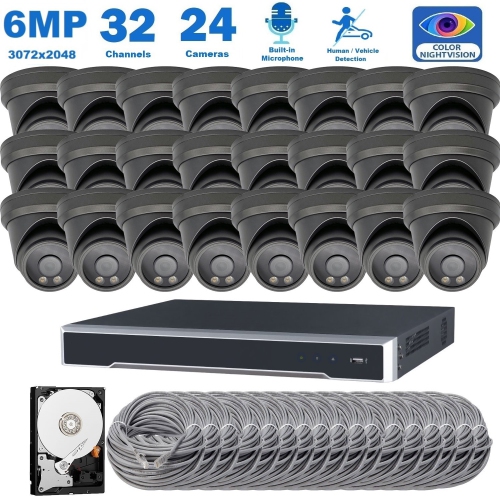
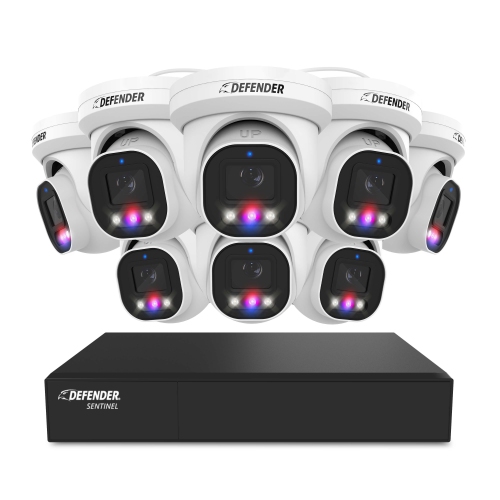
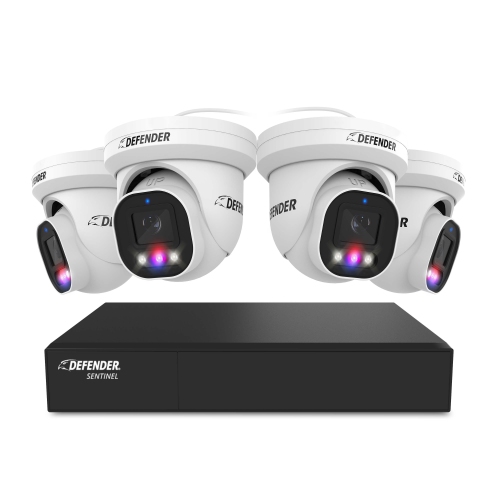
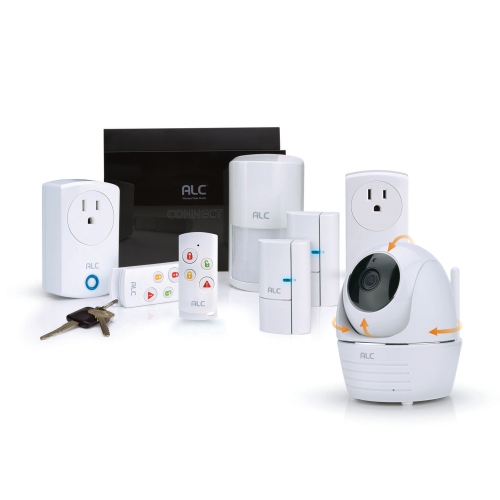
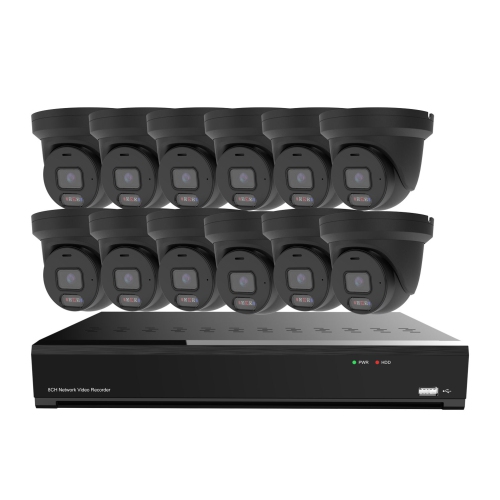
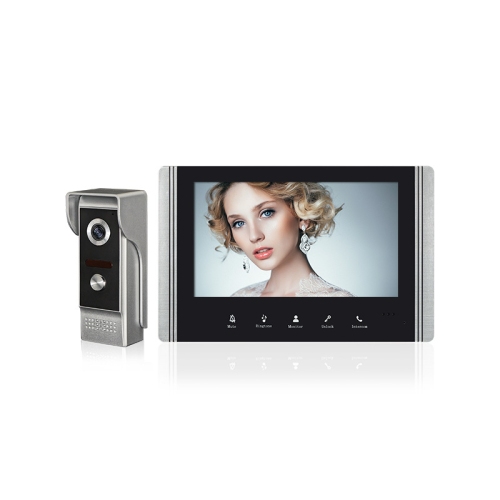
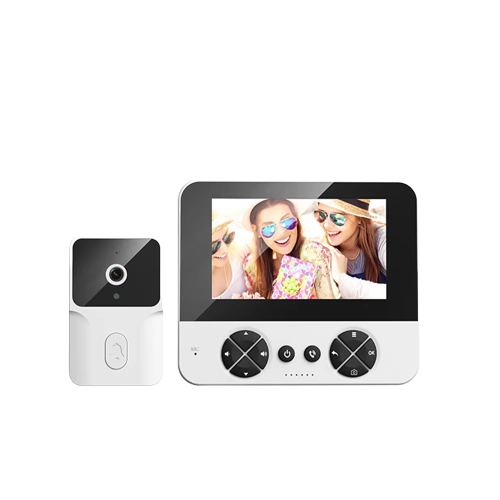
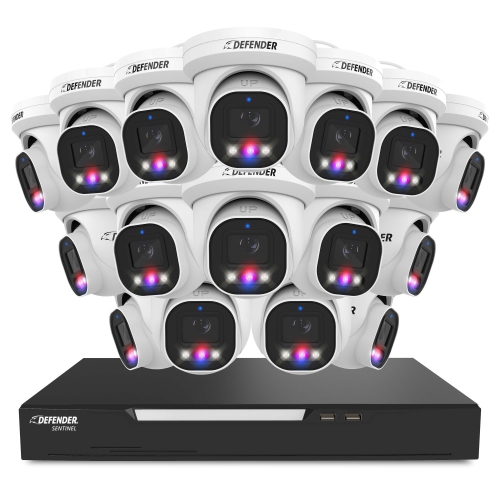
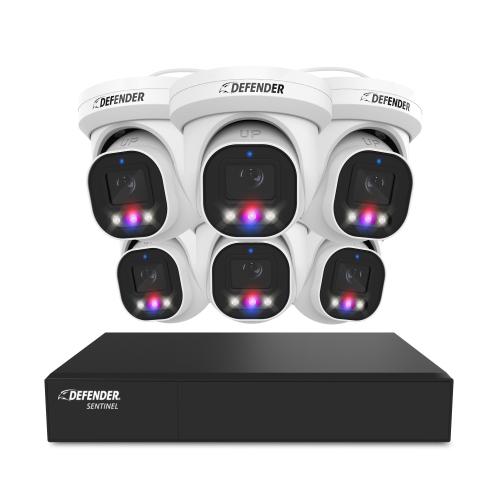
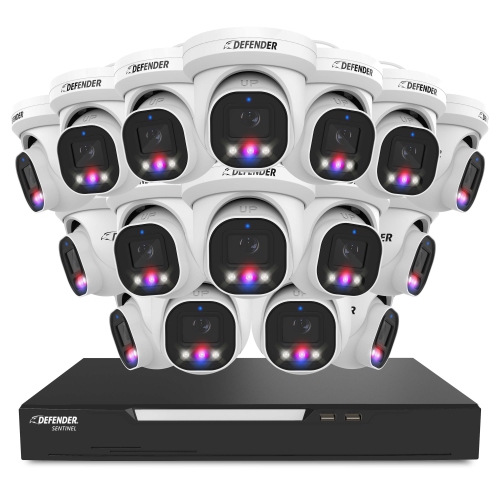
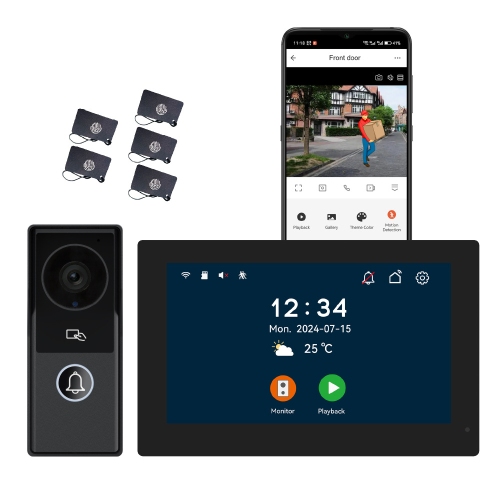
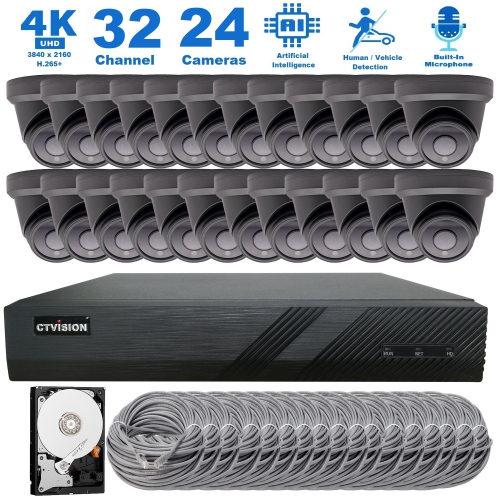
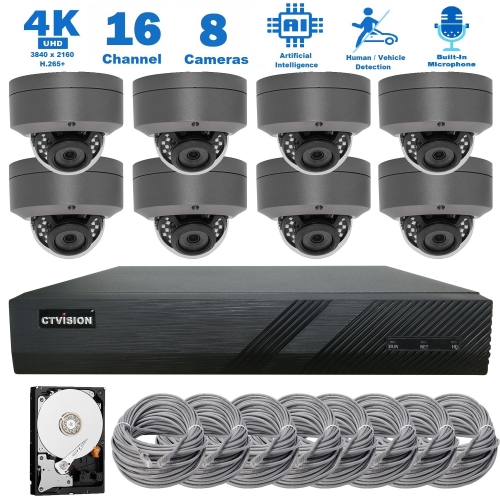
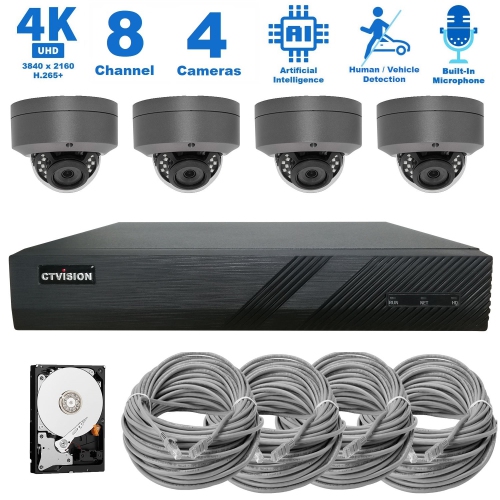
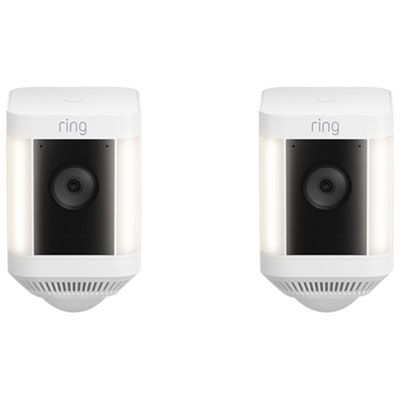
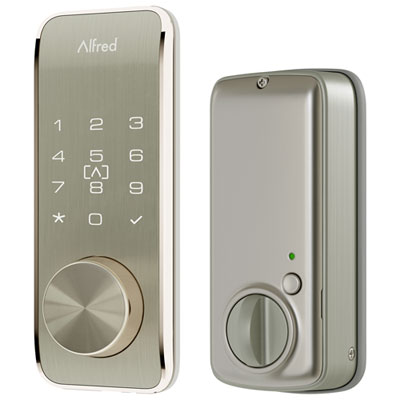
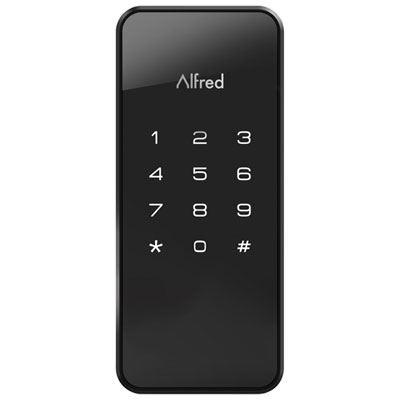
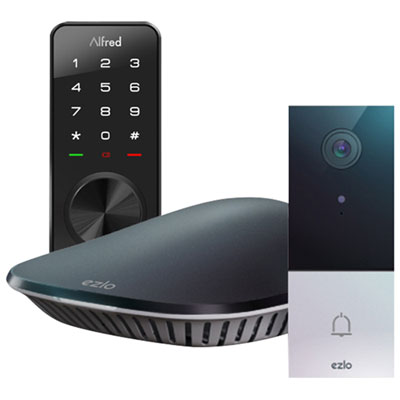
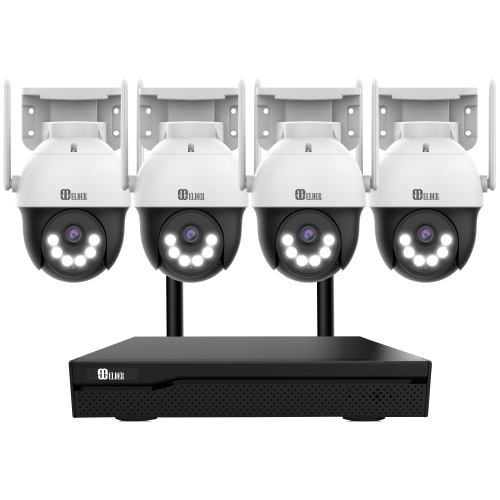
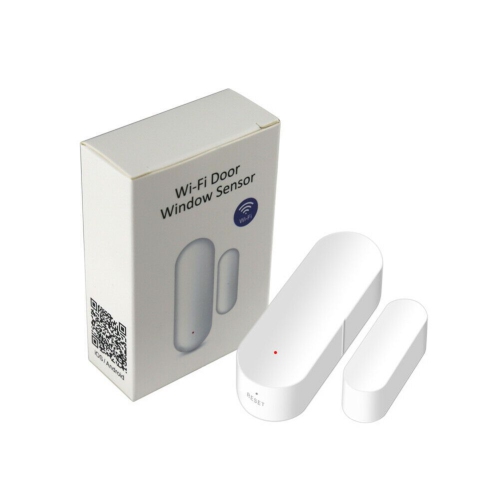
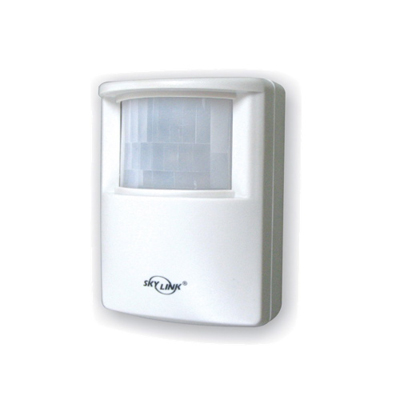
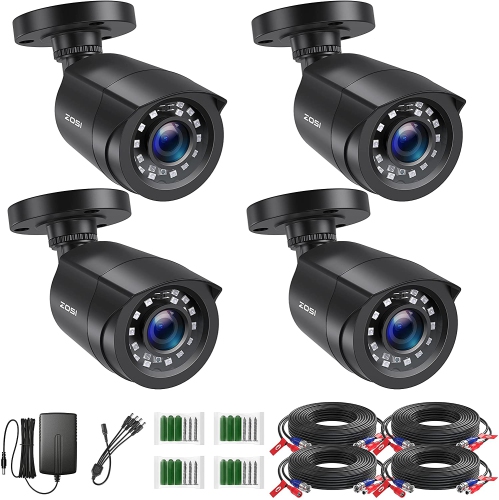
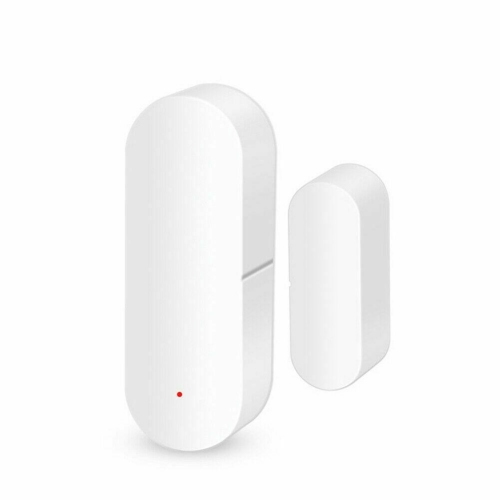
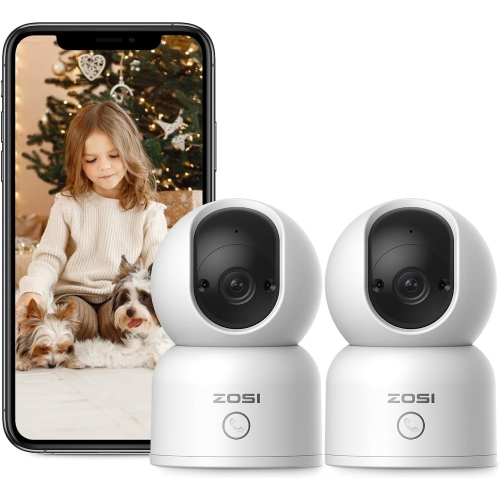

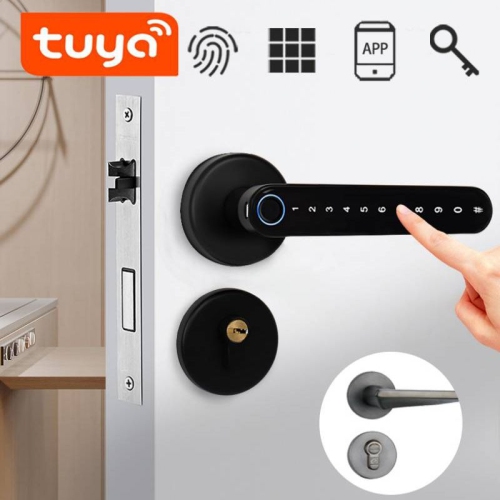
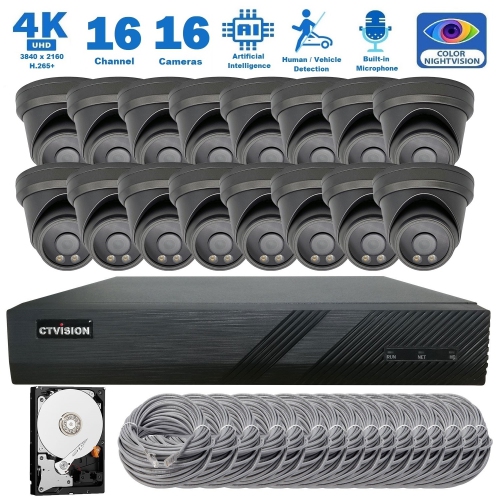
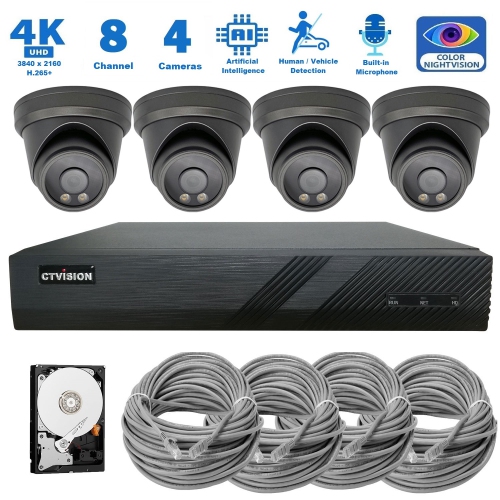
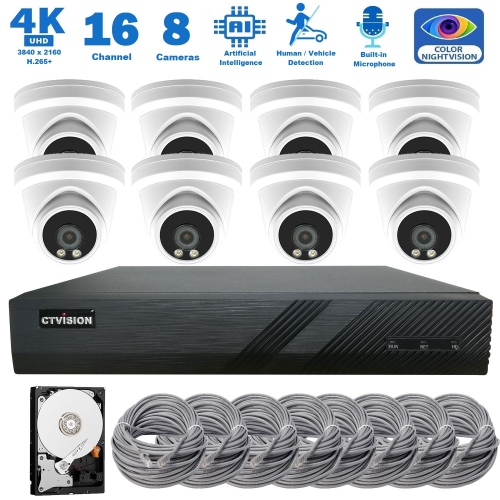
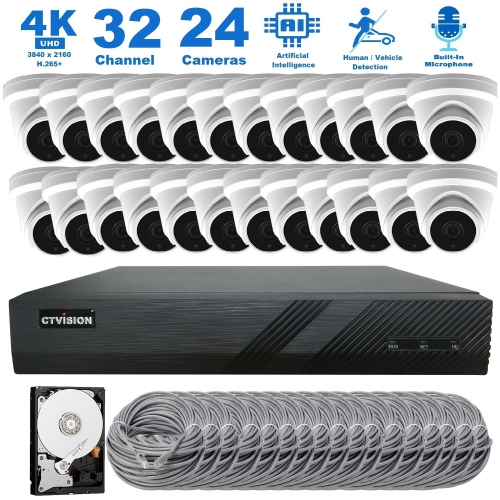
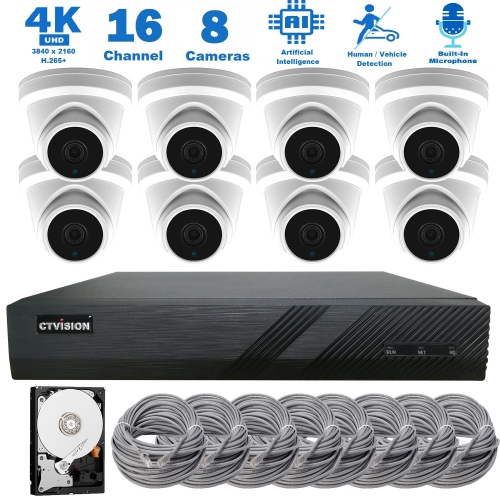
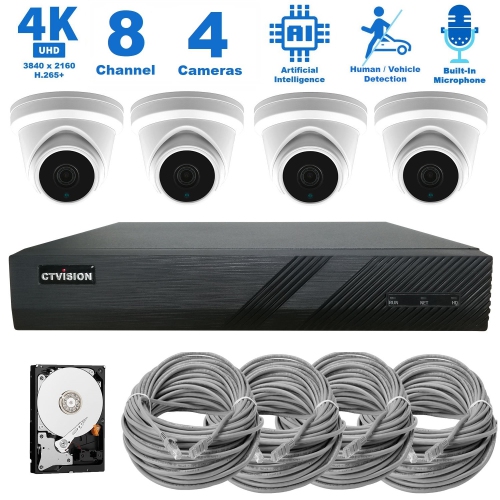

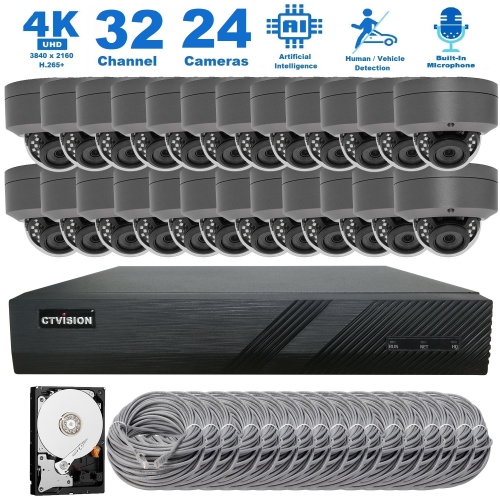
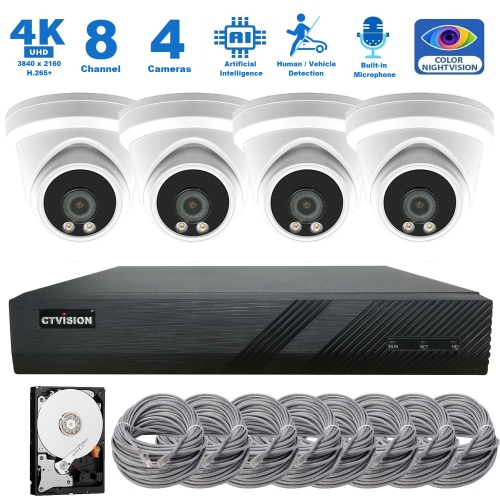
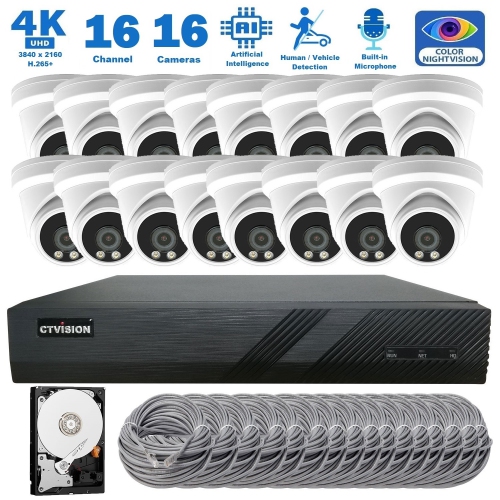
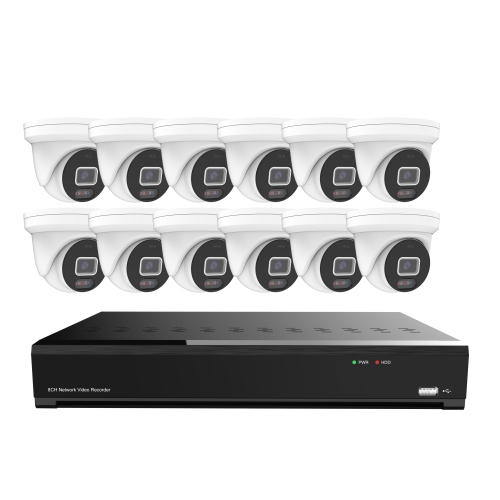
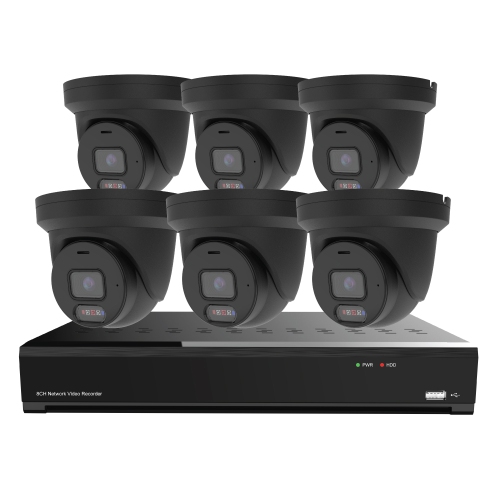
Renter-friendly protection with flexible monitoring and privacy controls
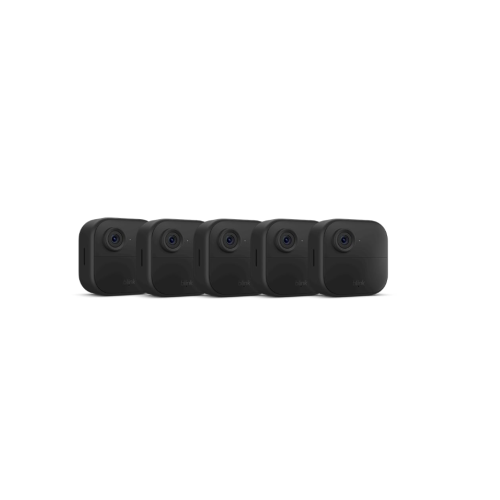
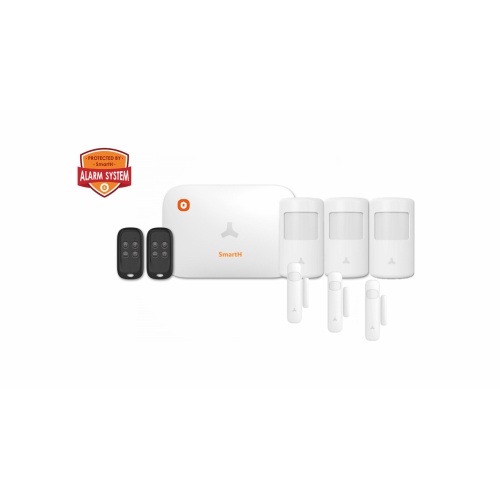
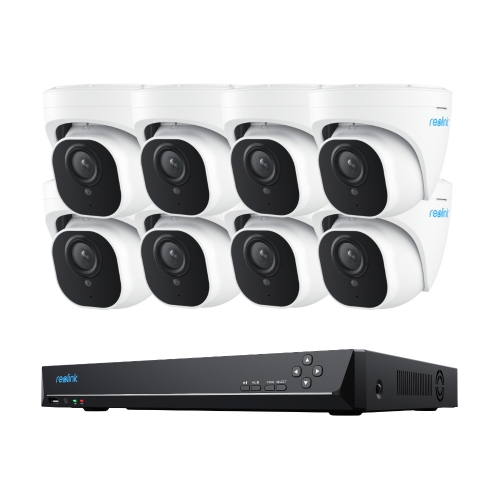
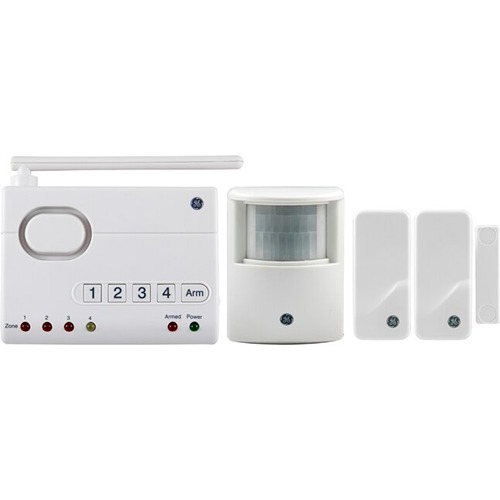
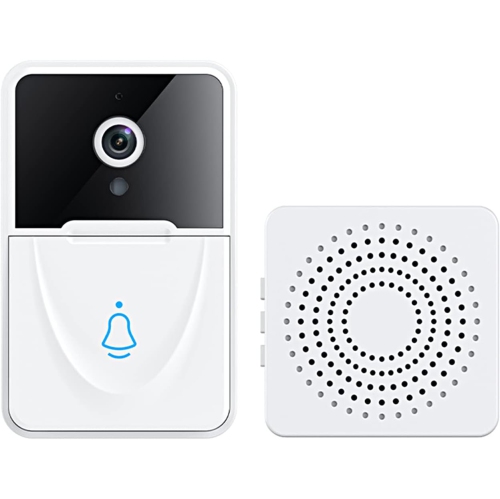
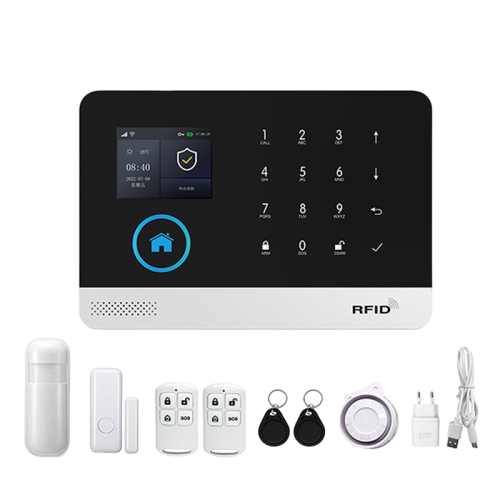
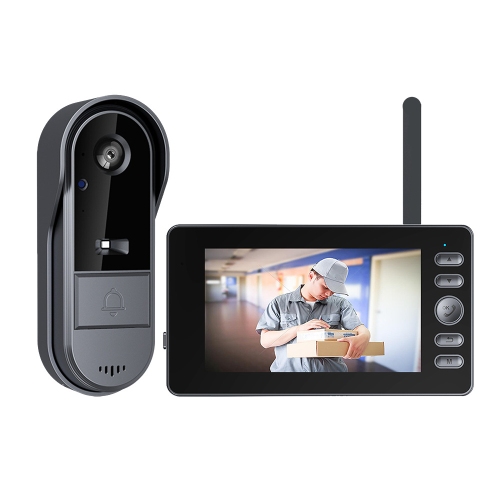
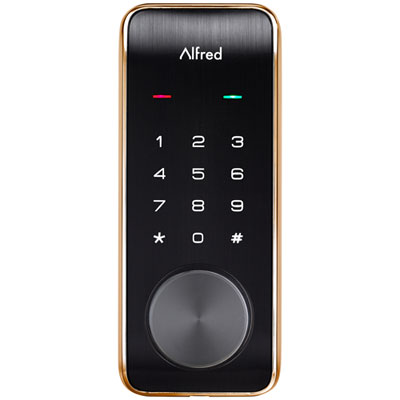
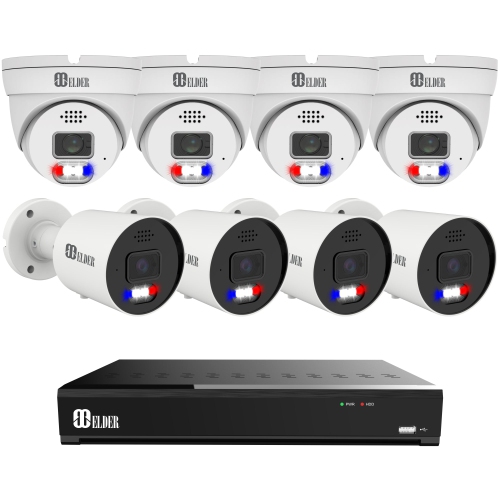
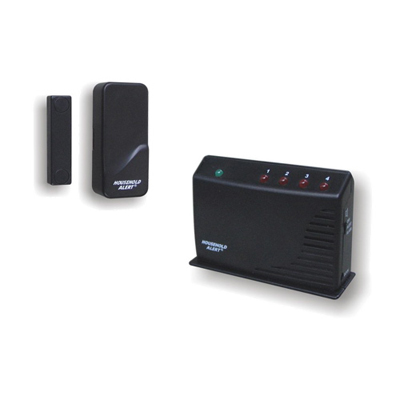
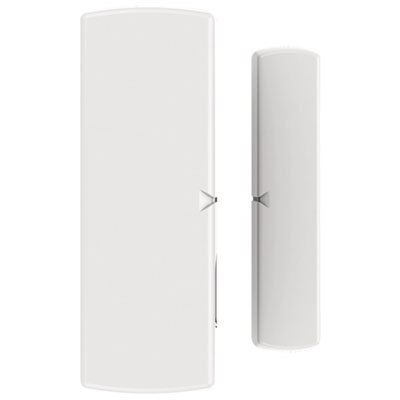
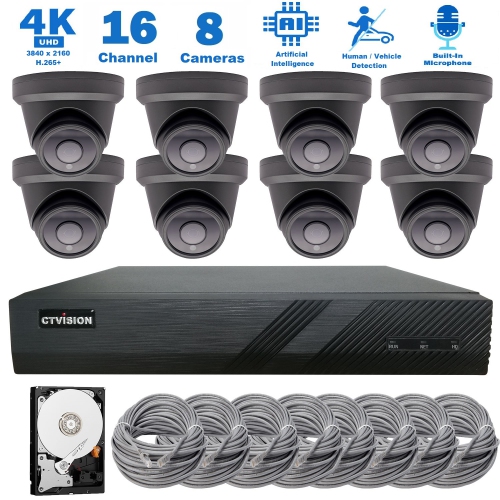
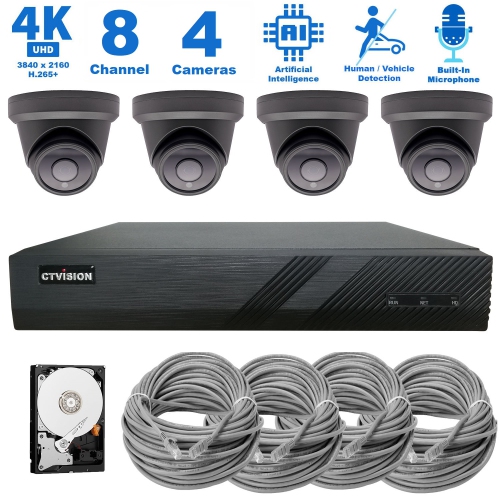
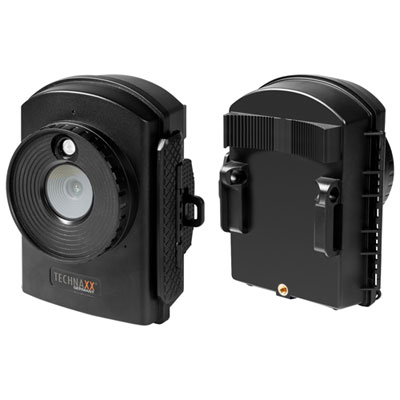
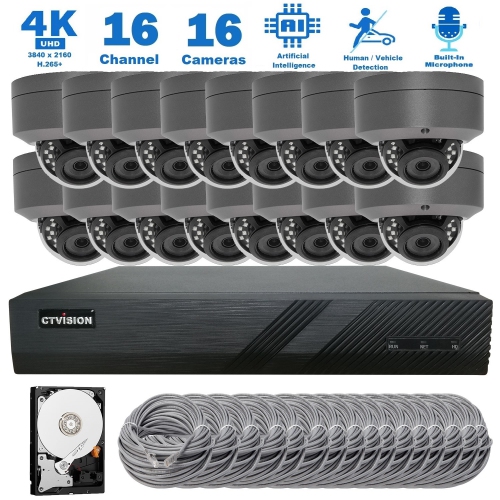
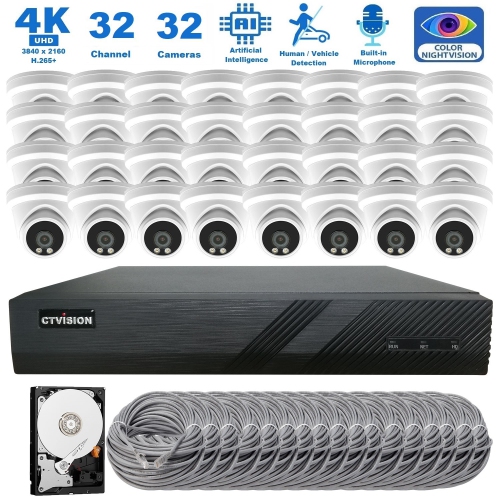
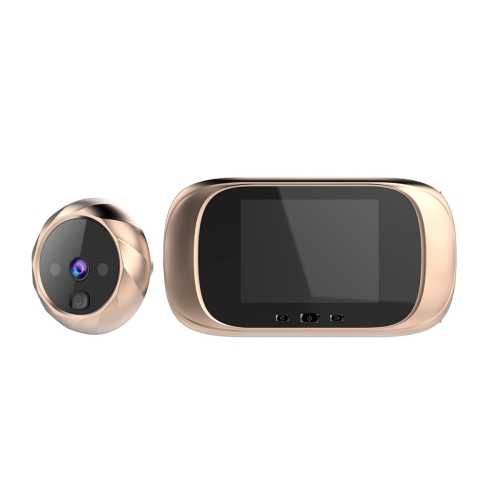
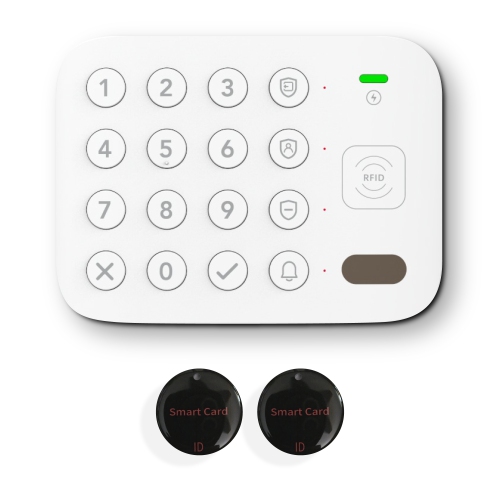
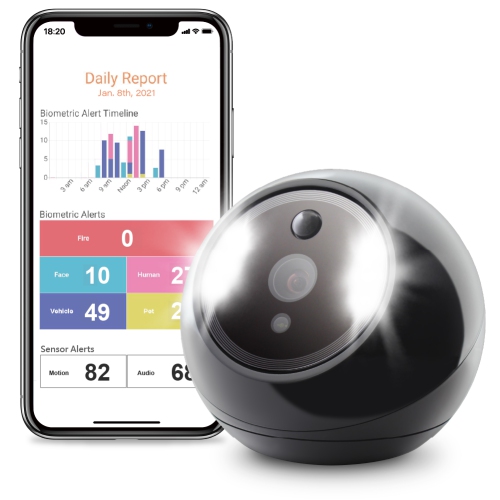
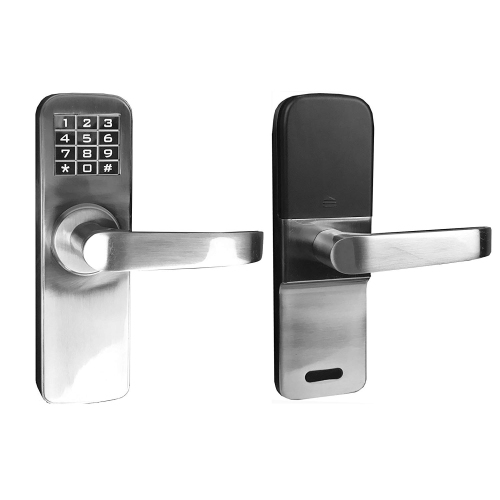
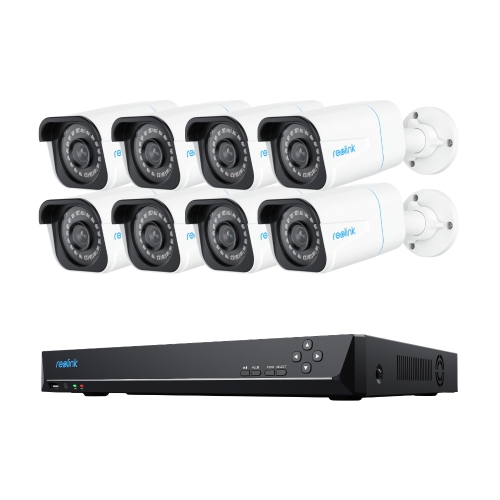
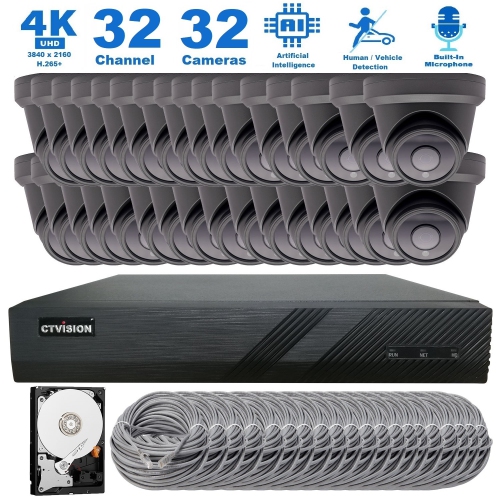
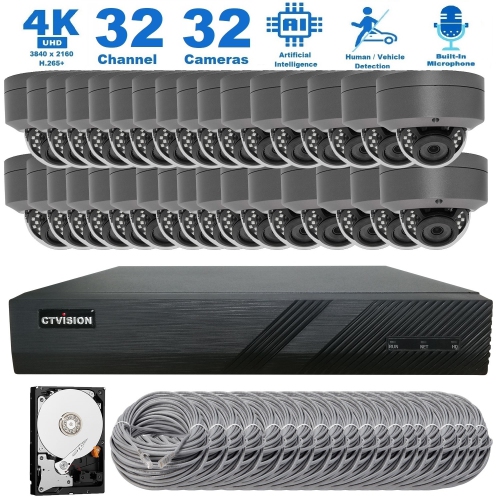
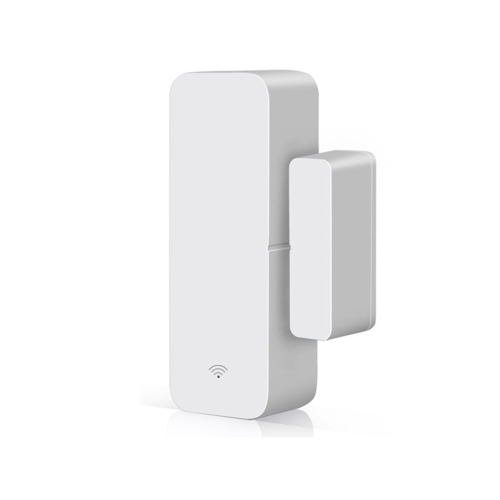
Security systems for apartment living are designed to add practical protection without requiring the permanent wiring, drilling, or extensive installation often associated with larger home security setups. A well-chosen apartment system can combine wireless entry sensors, motion detection, indoor cameras, alarms, and app-based controls in a compact package that suits a flat, condo, basement suite, or rental unit. Wireless equipment is especially useful for renters because many sensors attach with removable adhesive or other tool-free methods, making it easier to monitor a front door, balcony door, accessible window, or storage area while respecting the condition of the property. Before installing anything, review your lease and ask the property manager about cameras, adhesive mounts, smart locks, and devices that connect to shared building Wi-Fi. An indoor camera should generally face your own living space rather than a hallway, neighbour’s doorway, or shared area, and it is worth choosing a model with privacy controls such as a physical shutter, camera-off mode, or clear activity indicator. Entry sensors can alert you when a door or window opens, while motion sensors may help detect unexpected movement when the apartment is empty. If you live with a cat or dog, look for pet-aware motion detection and position sensors carefully to reduce false alerts. For a smaller apartment, a basic setup focused on the main entrance and the most accessible window may be enough; larger units, apartments with multiple entrances, or suites with a balcony may benefit from additional sensors that can be added over time.
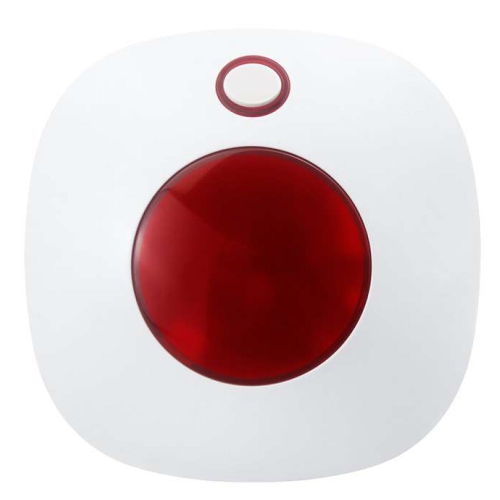
When comparing security systems for apartment use, start with the way you want alerts handled. Self-monitoring sends notifications to your phone, allowing you or a trusted contact to check an alarm, view a camera feed, or contact emergency services when appropriate. This option can help control ongoing costs, but it depends on a reliable internet connection, a charged phone, and someone being available to respond. Professional 24/7 monitoring may provide another layer of support when an alarm is triggered, although it commonly involves a monthly fee, plan terms, verification steps, and limits on what the monitoring service can do. Read the subscription details carefully to confirm whether cellular backup, video storage, extended warranties, or emergency dispatch features are included. Equipment cost is only one part of the budget: account fees, cloud recording, extra sensors, replacement batteries, and compatible accessories can affect the total over time. A system with flexible month-to-month service can be appealing for renters or anyone who may move, while a no-fee setup may be preferable for shoppers who are comfortable managing alerts themselves. Check whether the system works with your phone, voice assistant, existing doorbell, and home network, and consider how it behaves during a power or Wi-Fi outage. A siren that can be heard from the bedroom, clear battery warnings, encrypted account access, two-factor authentication, and separate user permissions are small details that become important in daily use. For shoppers seeking a lower-cost starting point, Budget Security Cameras for Apartment can be a useful place to compare compact camera options before building a broader setup.
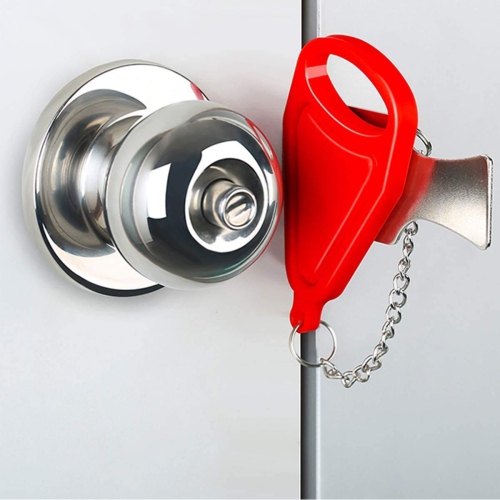
Apartment security is often most effective when electronic alerts are paired with sensible physical measures and consistent routines. A portable door security bar, door wedge, or other renter-friendly reinforcement can provide added resistance at the main entrance, provided it is compatible with the door and does not block a required exit. Some renters also use a contact sensor on the front door, a camera aimed at the entryway inside the suite, and a light that turns on automatically when motion is detected. Avoid placing cameras where they capture private activities, and do not rely on a camera alone to protect valuables or replace a properly functioning lock. Keep equipment out of reach where possible, secure the hub and router, update firmware, and use a unique password for every account. In a building with roommates, guests, children, or regular pet sitters, agree on who receives notifications and who is allowed to disarm the system. It can be helpful to label sensors in the app, test each alert from different rooms, and practise what to do when a siren sounds so that a late-night notification does not create confusion. These systems can also make thoughtful gifts for a renter moving into a first apartment, a student living away from home, an older relative who wants simple entry alerts, or a friend settling into a new condo. During the cooler months, when residents may spend more time indoors and deliveries may sit near shared entrances, alerts about doors, windows, and activity can offer useful awareness without turning an apartment into a complicated installation project. The best choice is one that fits the layout, lease, budget, privacy expectations, and daily habits of the people using it.
When comparing security systems for apartment use, start with the way you want alerts handled. Self-monitoring sends notifications to your phone, allowing you or a trusted contact to check an alarm, view a camera feed, or contact emergency services when appropriate. This option can help control ongoing costs, but it depends on a reliable internet connection, a charged phone, and someone being available to respond. Professional 24/7 monitoring may provide another layer of support when an alarm is triggered, although it commonly involves a monthly fee, plan terms, verification steps, and limits on what the monitoring service can do. Read the subscription details carefully to confirm whether cellular backup, video storage, extended warranties, or emergency dispatch features are included. Equipment cost is only one part of the budget: account fees, cloud recording, extra sensors, replacement batteries, and compatible accessories can affect the total over time. A system with flexible month-to-month service can be appealing for renters or anyone who may move, while a no-fee setup may be preferable for shoppers who are comfortable managing alerts themselves. Check whether the system works with your phone, voice assistant, existing doorbell, and home network, and consider how it behaves during a power or Wi-Fi outage. A siren that can be heard from the bedroom, clear battery warnings, encrypted account access, two-factor authentication, and separate user permissions are small details that become important in daily use. For shoppers seeking a lower-cost starting point, Budget Security Cameras for Apartment can be a useful place to compare compact camera options before building a broader setup.
Apartment security is often most effective when electronic alerts are paired with sensible physical measures and consistent routines. A portable door security bar, door wedge, or other renter-friendly reinforcement can provide added resistance at the main entrance, provided it is compatible with the door and does not block a required exit. Some renters also use a contact sensor on the front door, a camera aimed at the entryway inside the suite, and a light that turns on automatically when motion is detected. Avoid placing cameras where they capture private activities, and do not rely on a camera alone to protect valuables or replace a properly functioning lock. Keep equipment out of reach where possible, secure the hub and router, update firmware, and use a unique password for every account. In a building with roommates, guests, children, or regular pet sitters, agree on who receives notifications and who is allowed to disarm the system. It can be helpful to label sensors in the app, test each alert from different rooms, and practise what to do when a siren sounds so that a late-night notification does not create confusion. These systems can also make thoughtful gifts for a renter moving into a first apartment, a student living away from home, an older relative who wants simple entry alerts, or a friend settling into a new condo. During the cooler months, when residents may spend more time indoors and deliveries may sit near shared entrances, alerts about doors, windows, and activity can offer useful awareness without turning an apartment into a complicated installation project. The best choice is one that fits the layout, lease, budget, privacy expectations, and daily habits of the people using it.
Top selling and popular products
-
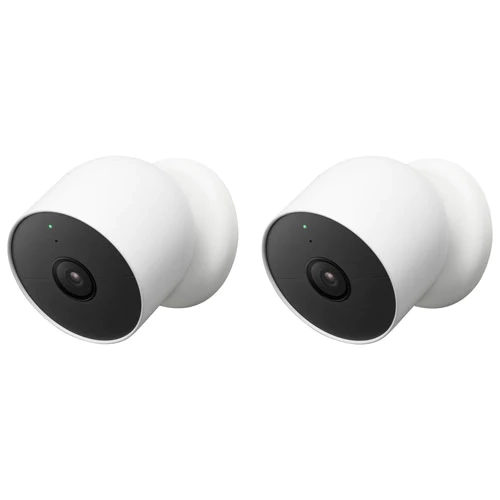 Your price for this item is $403.99
 -
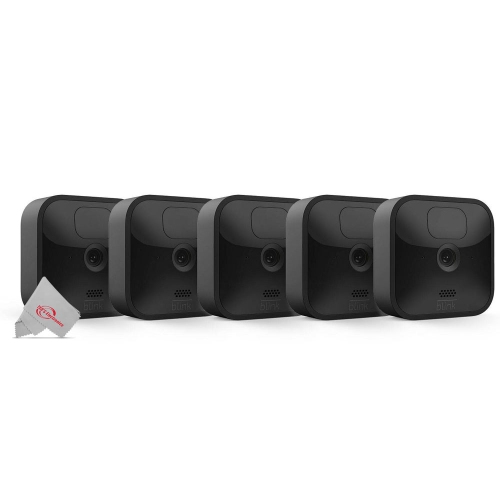 Your price for this item is $659.99
 -
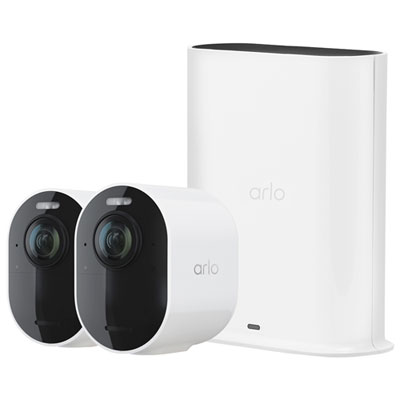 Your price for this item is $329.97
 -
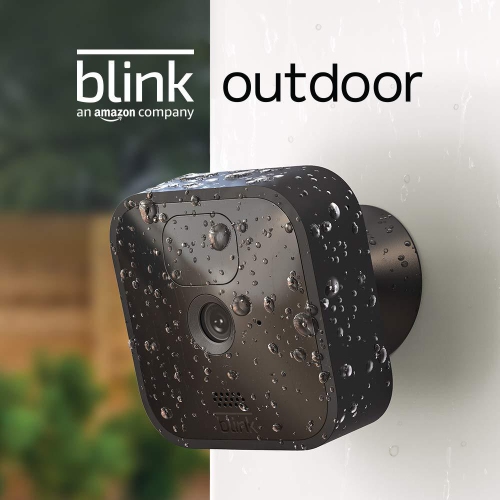 Your price for this item is $439.99
 -
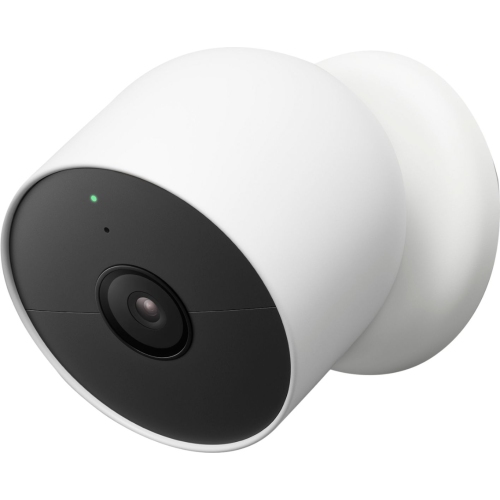 Your price for this item is $249.99
 -
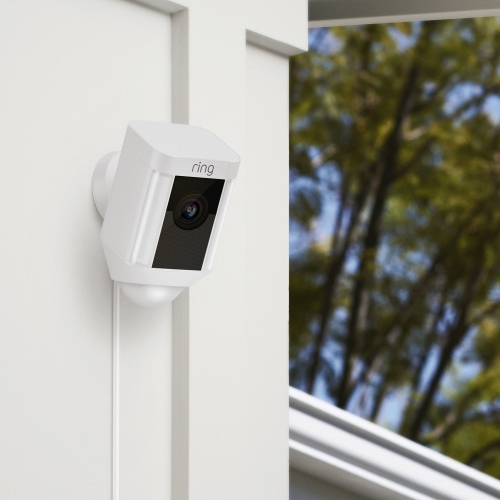 Your price for this item is $399.99
 -
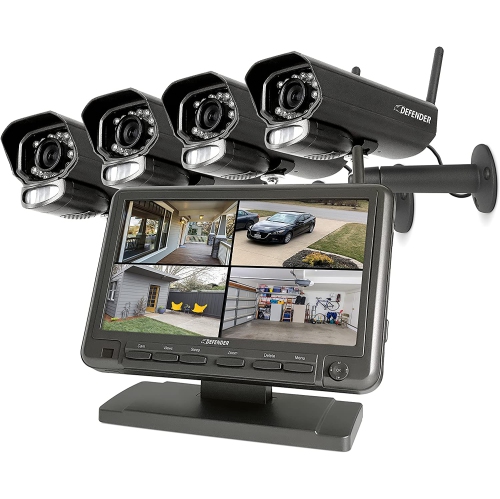 Your price for this item is $449.99
 -
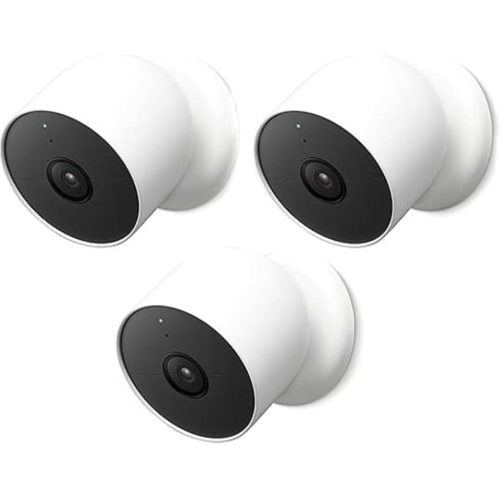 Your price for this item is $534.99
Discover more categories related to Security Systems for Apartment
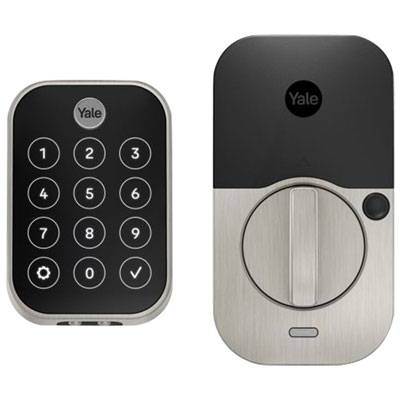
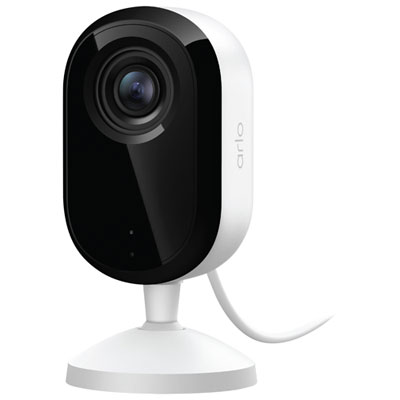
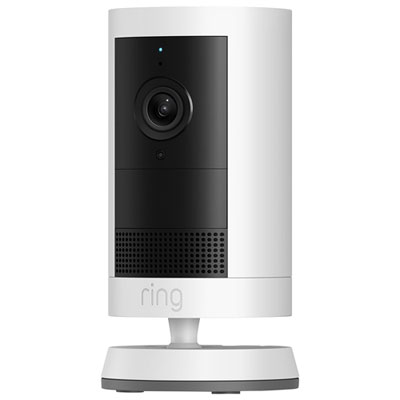
Top Collections:
Best Laptops for Video Editing, Pokemon Centers, Samsung Z Fold, Kindle Devices, Best Cell Phones Under $300, Best Laptops for Writers, Best Budget Office Chairs, Best Cell Phones Under $500, Best Laptop Computers for Students, iPhone 15 Apple
Some products may be subject to Environmental Handling Fees
(EHF) depending on your province.
Learn more about EHFs.