Wireless Carbon Monoxide Alarms
Protect your home and loved ones with our selection of wireless carbon monoxide alarms. Carbon monoxide is a silent killer, as it is odorless and invisible. That's why it's crucial to have a reliable alarm system in place to detect this deadly gas before it becomes a threat. Our range of wireless carbon monoxide alarms offers the latest technology and features to ensure the safety of your household. With easy installation and convenient wireless connectivity, these alarms provide peace of mind, allowing you to stay one step ahead of potential dangers. Explore our collection today and make your home a safer place for almost everyone.
Sort
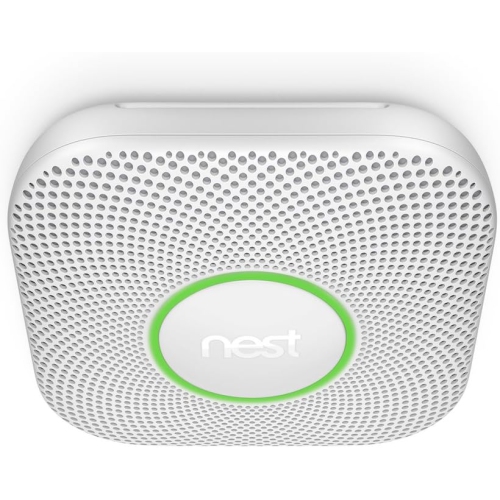
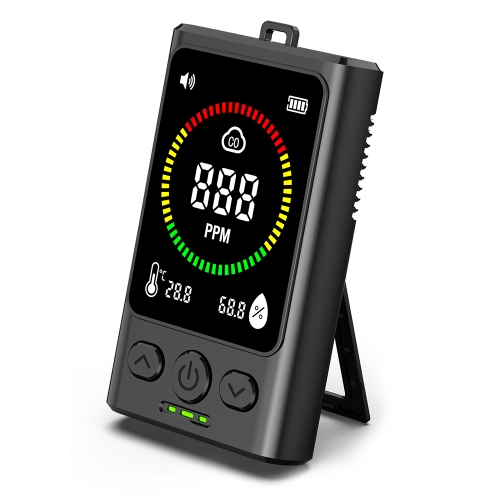
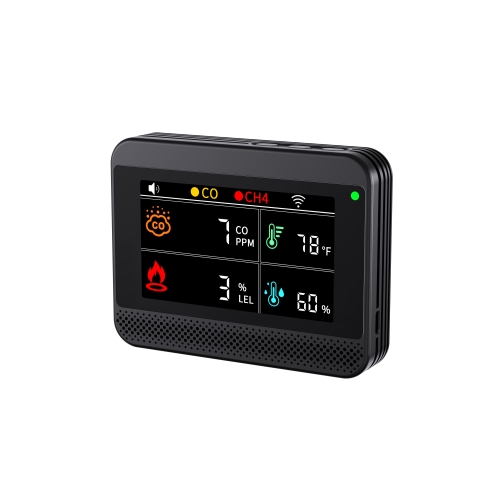
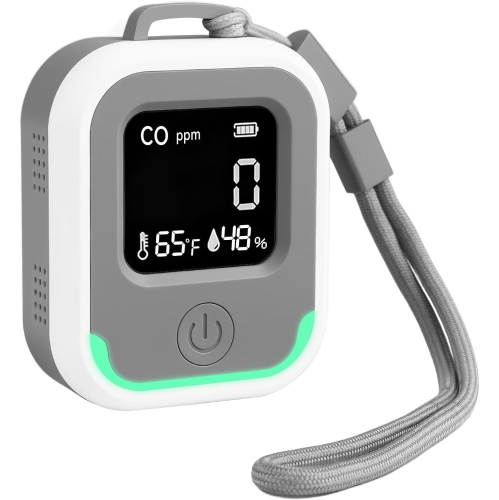
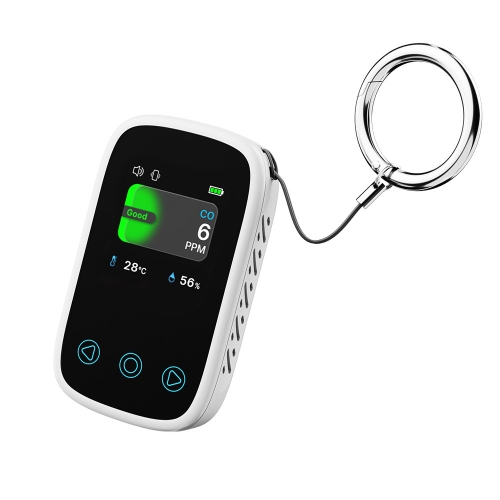
Flexible protection without opening walls or running cable
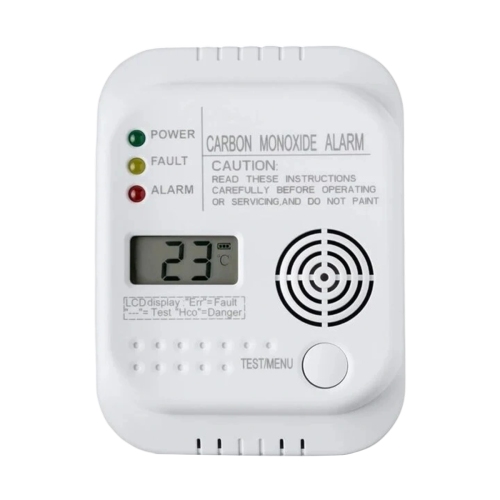
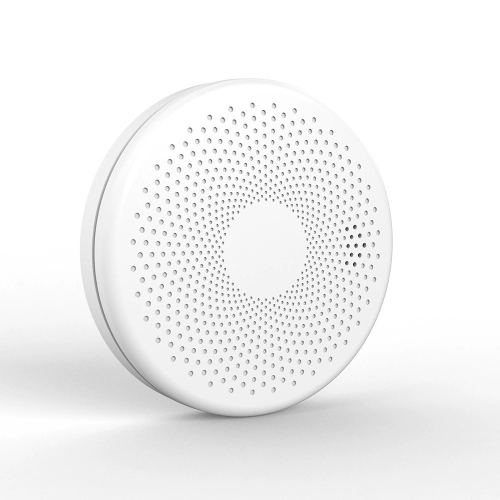
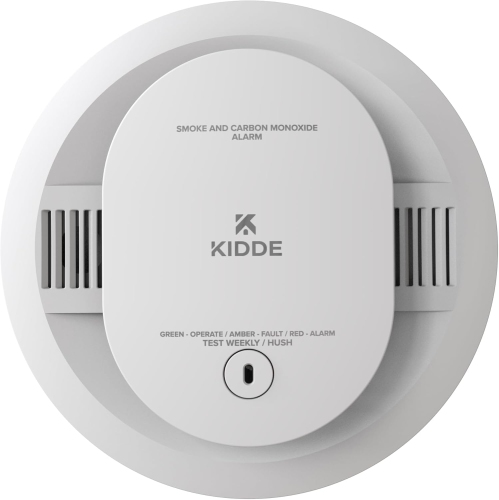
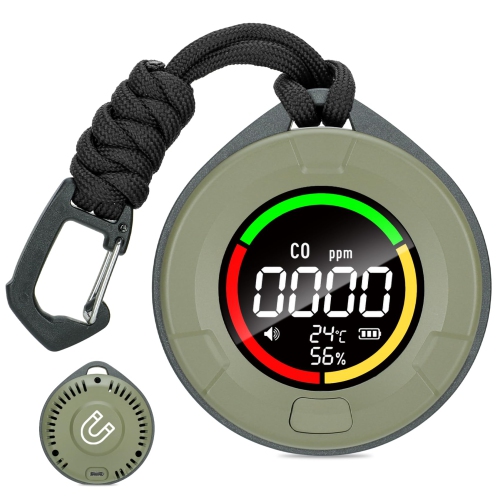
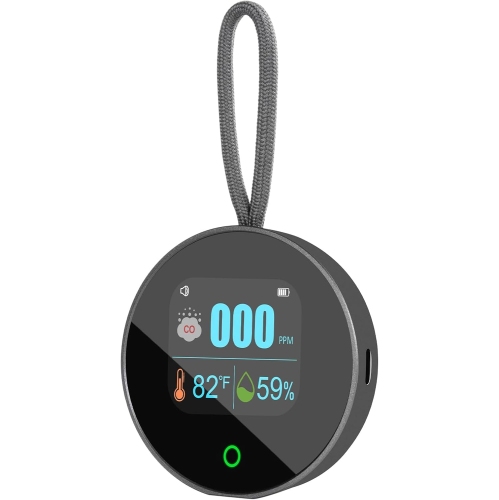
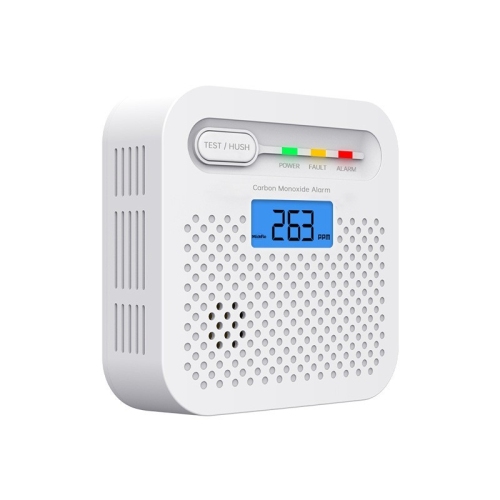
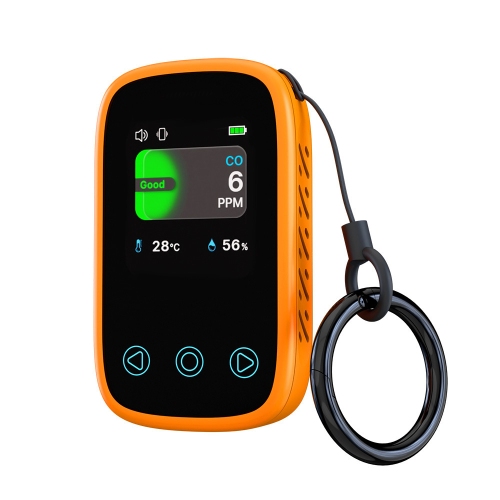
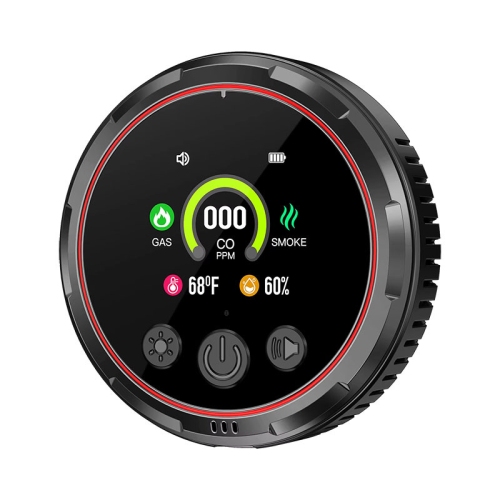
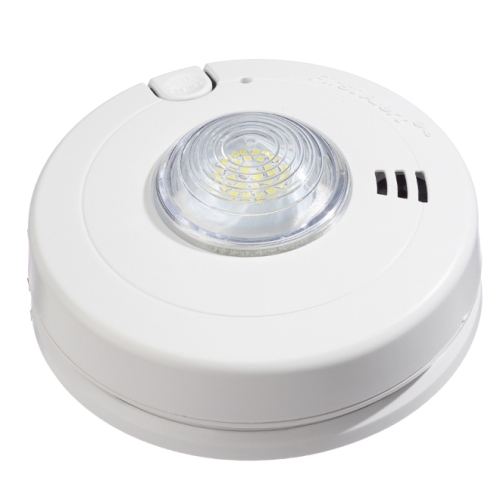
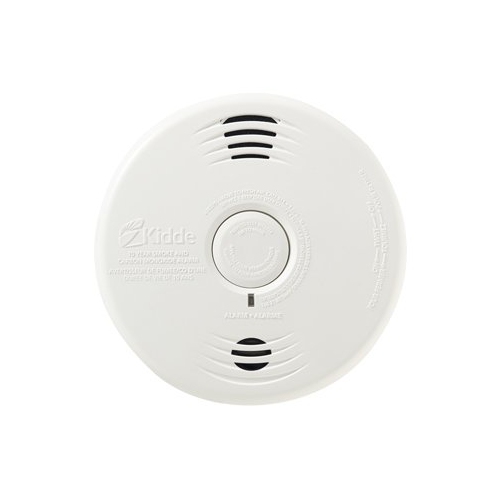
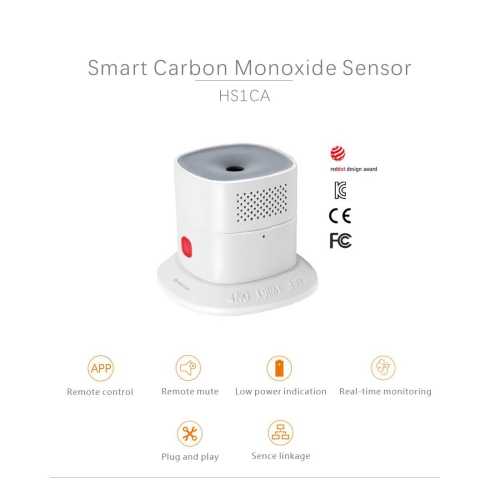
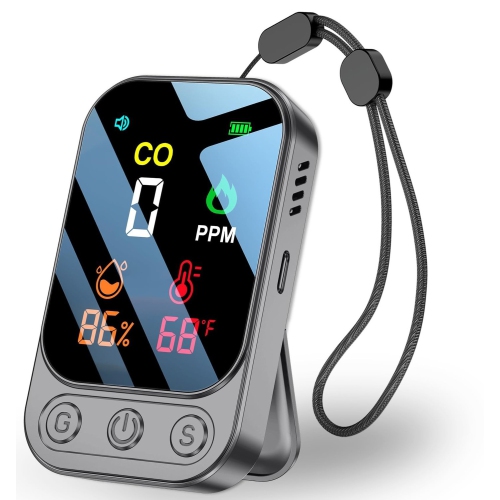
Wireless carbon monoxide alarms provide a practical way to add protection throughout a home, apartment, cottage, workshop, recreational vehicle, or other space where fuel-burning appliances may be used. Unlike hardwired alarms, many wireless models operate on batteries, allowing them to be installed without opening walls or running new electrical cable. This can be especially helpful in older homes, finished basements, rental properties, detached garages, and seasonal residences where wiring may be difficult to access. Carbon monoxide, or CO, is a colourless and odourless gas produced when fuels such as natural gas, propane, oil, wood, and gasoline do not burn completely. Furnaces, fireplaces, wood stoves, boilers, water heaters, generators, and vehicles can all be potential sources. A wireless alarm can provide an early warning when CO levels become dangerous, giving people time to leave the building and contact emergency services. For a broader selection of detection options, explore CO Detectors. Wireless alarms are available as standalone units, interconnected systems, and smart devices that work with a compatible home security panel or mobile app. Standalone alarms sound locally, while interconnected alarms can communicate with one another through a radio-frequency connection. When one unit detects carbon monoxide, every linked alarm may sound, helping an alert from a basement, utility room, or cottage hallway reach bedrooms and other occupied areas. Some systems support numerous connected alarms, although the maximum number of smoke and CO units varies by model. Always check the manufacturer’s specifications for the supported quantity, wireless range, building materials that may affect communication, and whether additional hubs or control panels are required.
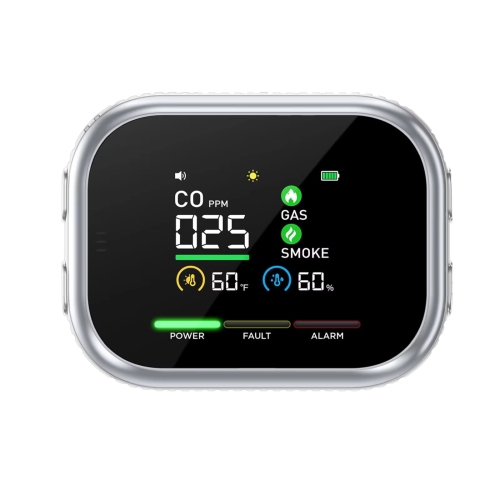
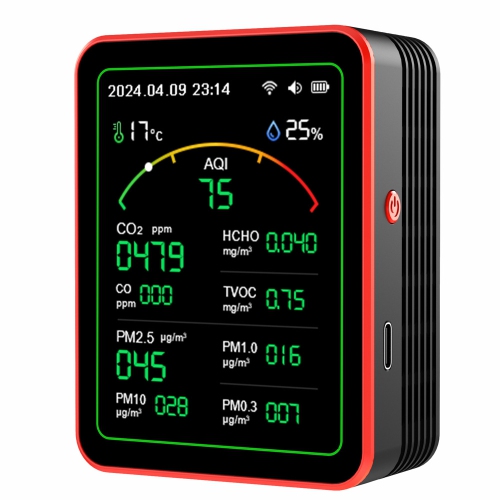
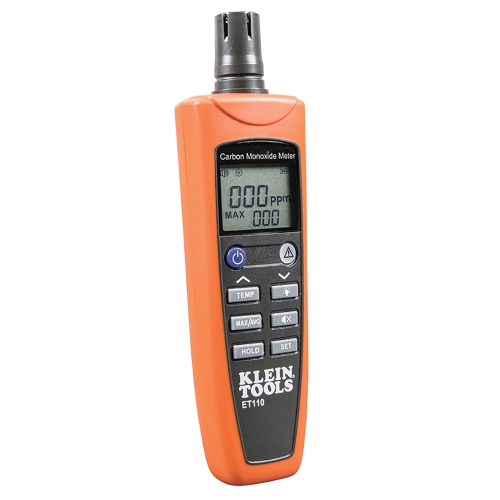
When choosing a wireless carbon monoxide alarm, begin with the power source and maintenance requirements. Models with replaceable batteries allow the power cell to be changed when needed, while sealed lithium-battery models may offer a long service life with no routine battery replacement. A sealed battery can be convenient for high ceilings, rental units, guest rooms, and homes where remembering regular battery changes is difficult, but the complete alarm still needs to be replaced when it reaches its end-of-life date. Replaceable-battery alarms may offer more flexibility over time, particularly when a household already keeps the appropriate batteries on hand. Look for clear low-battery, fault, and end-of-life indicators, along with a loud audible alarm; many alarms are designed to produce an 85 dB sounder, though sound levels and alarm patterns can differ. A digital display may show carbon monoxide concentration, remaining battery information, or operating status, while a basic model may use lights and voice or tone alerts. For connected homes, smart wireless alarms can send notifications to a smartphone through Wi-Fi or a compatible security system, which can be useful when family members are away, a property is unoccupied, or a caregiver is checking on another household. Wi-Fi connectivity and wireless alarm interconnection are not always the same feature: some alarms communicate directly with one another without internet access, while others require a hub or app for remote notifications. Compatibility matters, so confirm that the alarm works with an existing security platform before purchasing. Certification is another important consideration; choose a model approved for use in Canada and review the installation and testing instructions carefully. An alarm intended for a home may not be suitable for a commercial setting, boat, camper, or other specialized space. Wireless range can also vary considerably between an open-concept home and a building with concrete, brick, metal, or several floors between units.
Placement and ongoing attention are just as important as the alarm’s features. Install CO alarms according to the manufacturer’s instructions, generally on each level of a home and outside sleeping areas so that an alert can be heard at night. Additional units near fuel-burning appliances can help provide coverage, but alarms should not be placed directly beside a stove, furnace, fireplace, bathroom, window, vent, ceiling fan, or air register unless the instructions specifically allow it. Avoid locations with excessive dust, humidity, steam, or extreme temperatures, and do not cover or paint an alarm. Test every unit regularly using its test button, replace batteries in models that use them when the low-battery warning appears, and keep the vents free from dust. Carbon monoxide alarms are not a replacement for professional inspection and maintenance of furnaces, chimneys, fireplaces, generators, and other fuel-burning equipment. They also do not detect smoke, natural gas leaks, or every other household hazard, so separate smoke alarms and any appropriate gas detection devices may still be needed. A wireless CO alarm can be a thoughtful practical gift for someone moving into a first home, renovating a basement, opening a cottage for the cooler months, or caring for children, older adults, or relatives with mobility challenges. It can also make sense for landlords, property managers, and families maintaining a guest suite, provided the recipient understands how to test and maintain the devices. If an alarm sounds, everyone should leave the building immediately, avoid searching for the source, and call emergency services from outside; do not re-enter until the building has been checked and declared safe. With suitable placement, compatible wireless communication, dependable power, and regular testing, wireless carbon monoxide alarms can help create a more responsive safety network throughout the spaces where people live, sleep, and gather.
When choosing a wireless carbon monoxide alarm, begin with the power source and maintenance requirements. Models with replaceable batteries allow the power cell to be changed when needed, while sealed lithium-battery models may offer a long service life with no routine battery replacement. A sealed battery can be convenient for high ceilings, rental units, guest rooms, and homes where remembering regular battery changes is difficult, but the complete alarm still needs to be replaced when it reaches its end-of-life date. Replaceable-battery alarms may offer more flexibility over time, particularly when a household already keeps the appropriate batteries on hand. Look for clear low-battery, fault, and end-of-life indicators, along with a loud audible alarm; many alarms are designed to produce an 85 dB sounder, though sound levels and alarm patterns can differ. A digital display may show carbon monoxide concentration, remaining battery information, or operating status, while a basic model may use lights and voice or tone alerts. For connected homes, smart wireless alarms can send notifications to a smartphone through Wi-Fi or a compatible security system, which can be useful when family members are away, a property is unoccupied, or a caregiver is checking on another household. Wi-Fi connectivity and wireless alarm interconnection are not always the same feature: some alarms communicate directly with one another without internet access, while others require a hub or app for remote notifications. Compatibility matters, so confirm that the alarm works with an existing security platform before purchasing. Certification is another important consideration; choose a model approved for use in Canada and review the installation and testing instructions carefully. An alarm intended for a home may not be suitable for a commercial setting, boat, camper, or other specialized space. Wireless range can also vary considerably between an open-concept home and a building with concrete, brick, metal, or several floors between units.
Placement and ongoing attention are just as important as the alarm’s features. Install CO alarms according to the manufacturer’s instructions, generally on each level of a home and outside sleeping areas so that an alert can be heard at night. Additional units near fuel-burning appliances can help provide coverage, but alarms should not be placed directly beside a stove, furnace, fireplace, bathroom, window, vent, ceiling fan, or air register unless the instructions specifically allow it. Avoid locations with excessive dust, humidity, steam, or extreme temperatures, and do not cover or paint an alarm. Test every unit regularly using its test button, replace batteries in models that use them when the low-battery warning appears, and keep the vents free from dust. Carbon monoxide alarms are not a replacement for professional inspection and maintenance of furnaces, chimneys, fireplaces, generators, and other fuel-burning equipment. They also do not detect smoke, natural gas leaks, or every other household hazard, so separate smoke alarms and any appropriate gas detection devices may still be needed. A wireless CO alarm can be a thoughtful practical gift for someone moving into a first home, renovating a basement, opening a cottage for the cooler months, or caring for children, older adults, or relatives with mobility challenges. It can also make sense for landlords, property managers, and families maintaining a guest suite, provided the recipient understands how to test and maintain the devices. If an alarm sounds, everyone should leave the building immediately, avoid searching for the source, and call emergency services from outside; do not re-enter until the building has been checked and declared safe. With suitable placement, compatible wireless communication, dependable power, and regular testing, wireless carbon monoxide alarms can help create a more responsive safety network throughout the spaces where people live, sleep, and gather.
Top selling and popular products
-
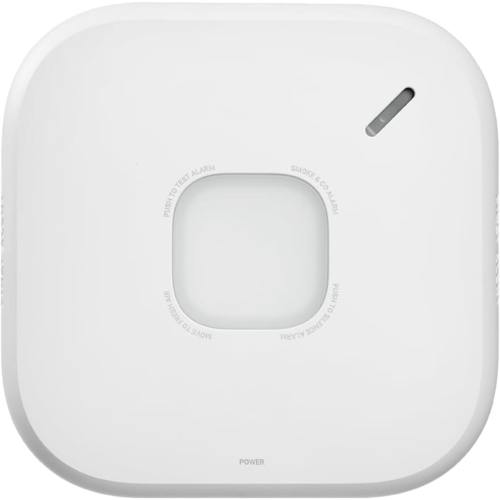 Your price for this item is $137.99
 -
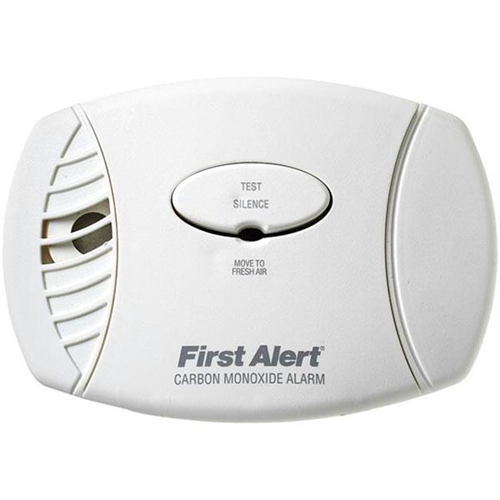 Your price for this item is $64.95
 -
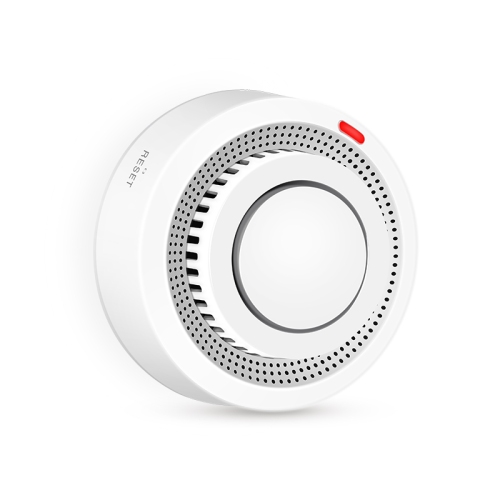 Your price for this item is $34.99
 -
 Your price for this item is $149.99
 -
 Your price for this item is $119.9
 -
 Your price for this item is $64.99
 -
 Your price for this item is $75.99
 -
 Your price for this item is $89.99
Discover more categories related to Wireless Carbon Monoxide Alarms
Top Collections:
Pokemon Centers, Kindle Devices, Best Budget Office Chairs, Apple iPhones 16, Best Laptops for Writers, iPhone 15 Apple, Canon G7X Cameras, Refurbished Apple Laptops, Alarm Clock, Motorola Razr Phones
Some products may be subject to Environmental Handling Fees
(EHF) depending on your province.
Learn more about EHFs.