Sports Smart Watches
Smartwatches are great for tracking your physical activity but can also be used to track other things. One of the more popular uses for smartwatches is a sports watch, which can help you keep track of your workouts. Sports smartwatches are designed to monitor your performance during physical activities such as running, cycling, swimming, and more. Here are some of our favorites when it comes to sports smartwatches.
Sort
![APPLE Watch Series 8 [Gps + Cellular 45Mm] Smart Watch W/ Silver Aluminum Case With Sport Band - M/l In White Great purchase](https://multimedia.bbycastatic.ca/multimedia/products/500x500/165/16596/16596247.jpeg)
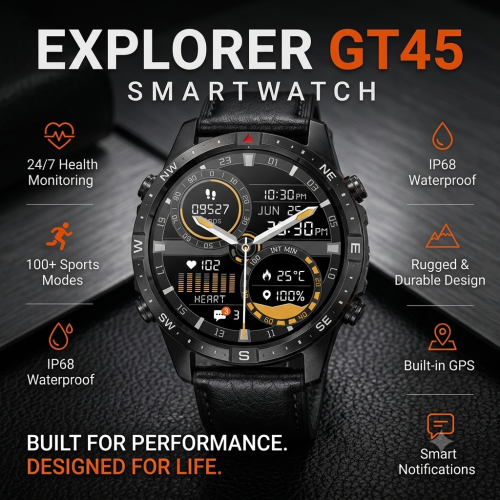
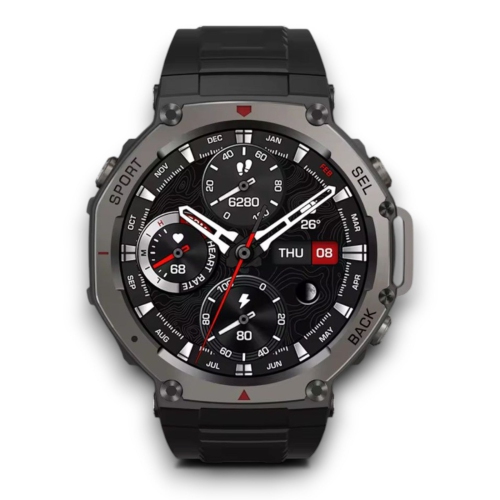
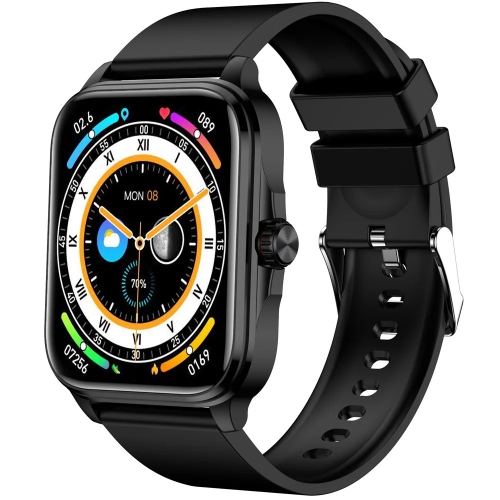
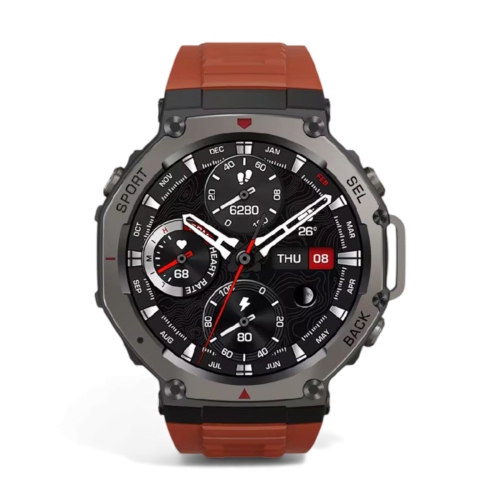
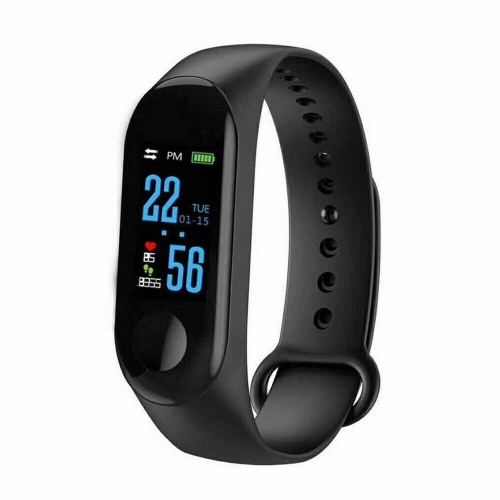
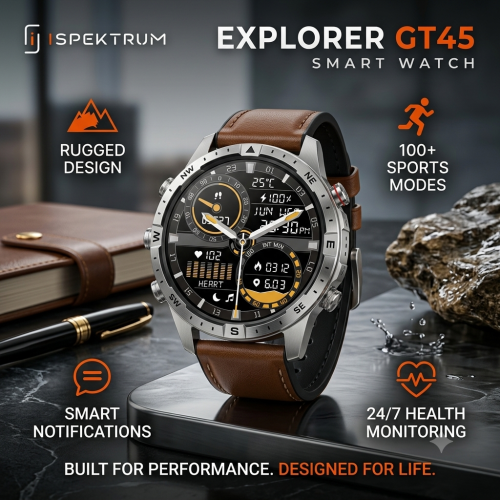

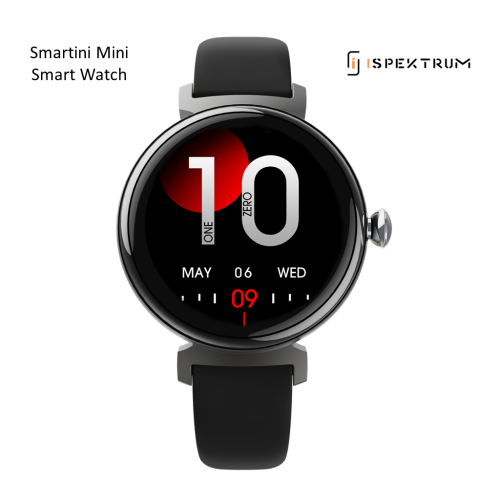
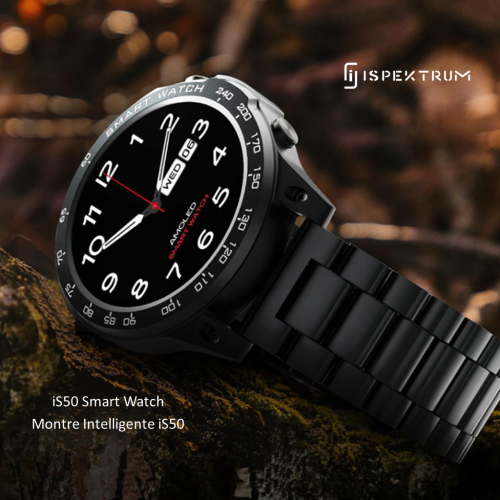
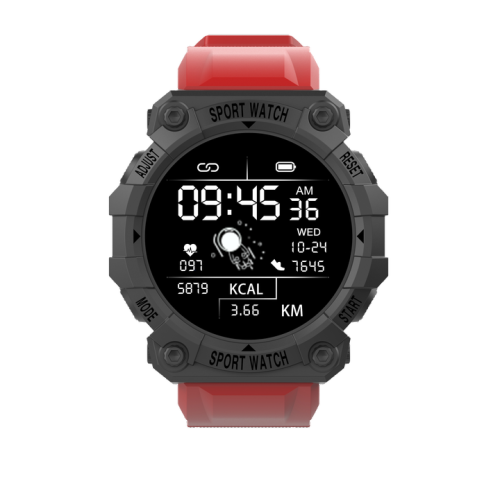
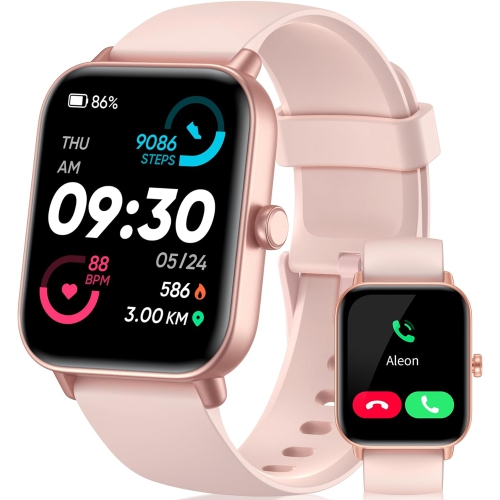
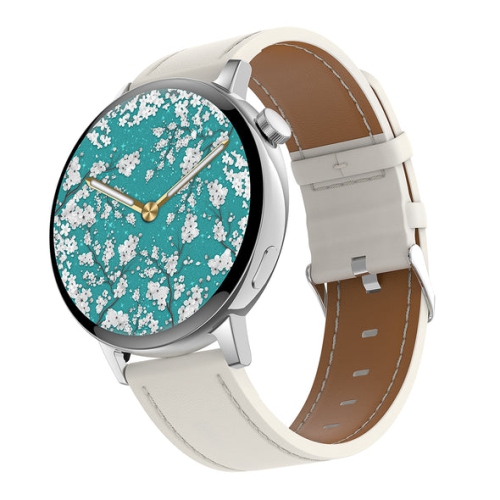
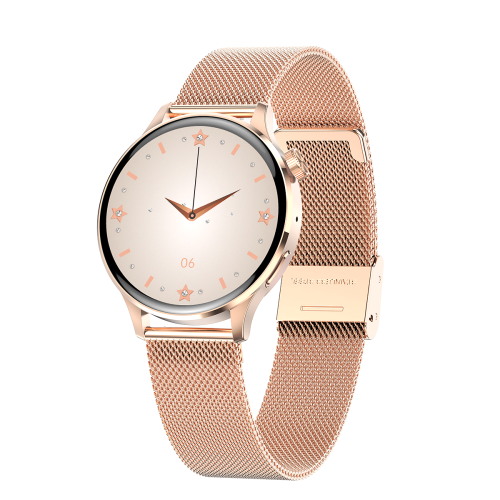
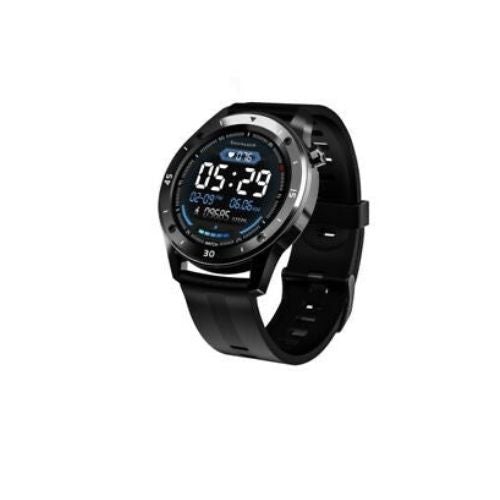
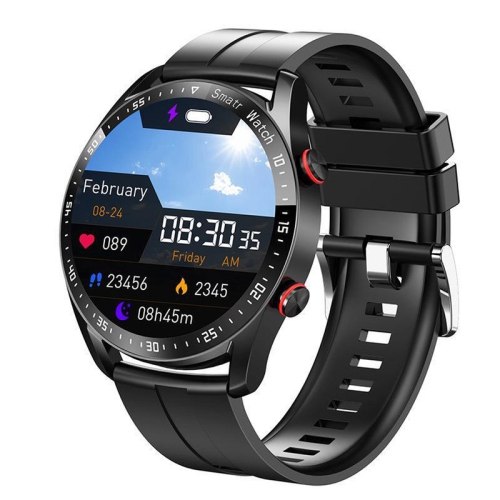

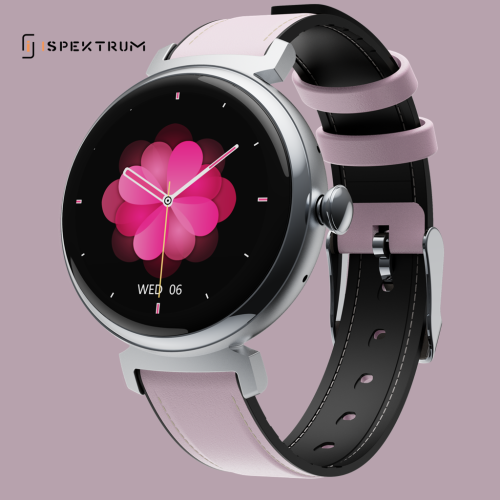
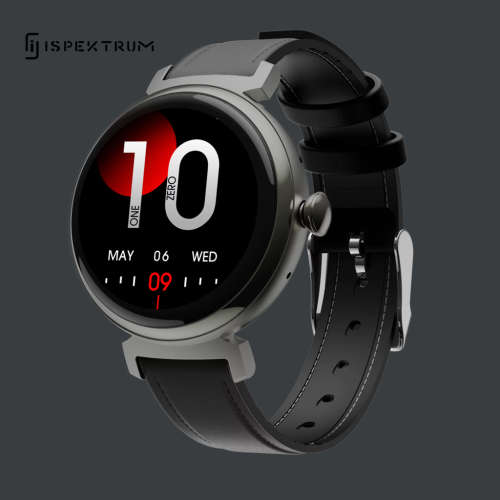
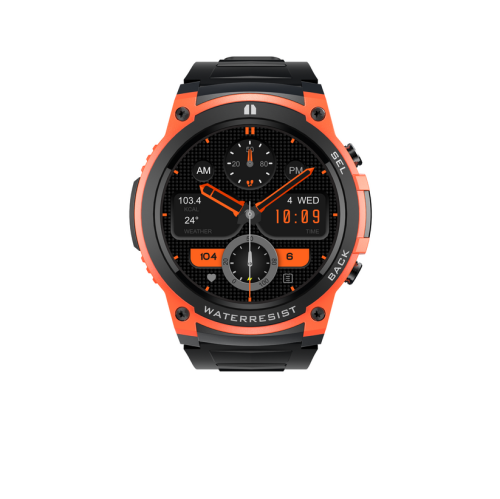
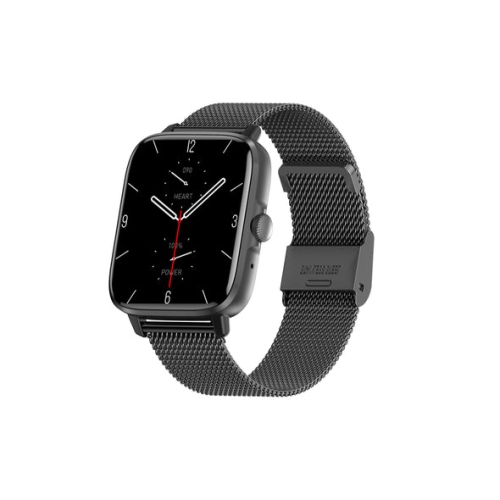
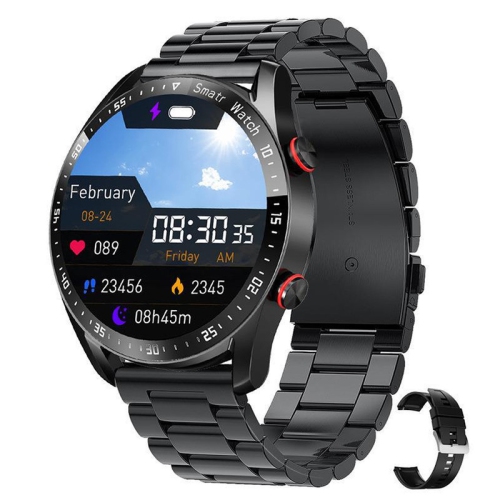
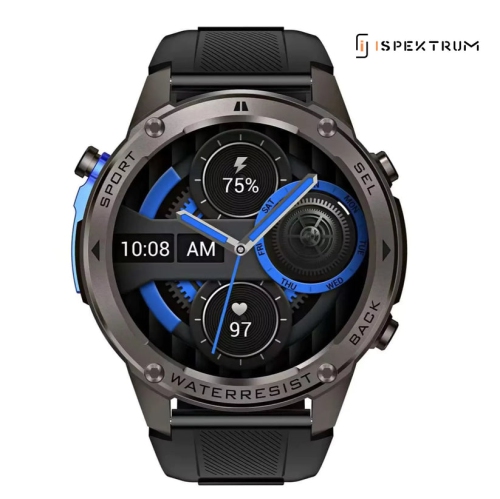
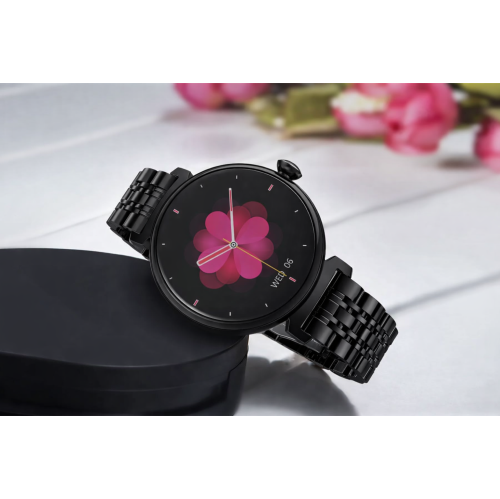
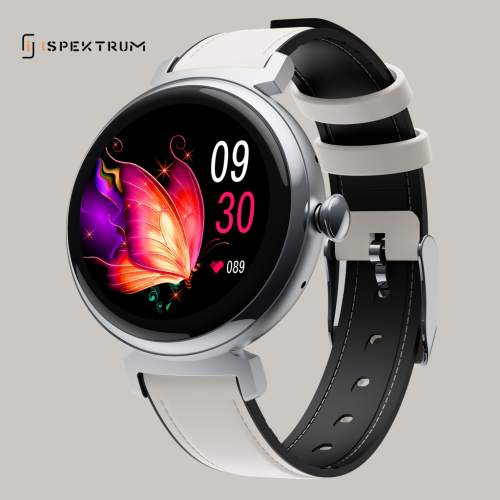
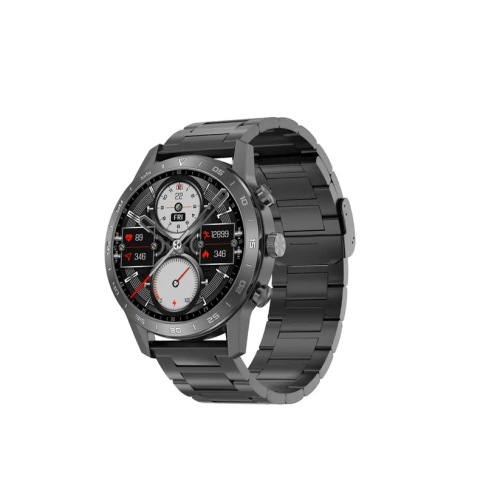

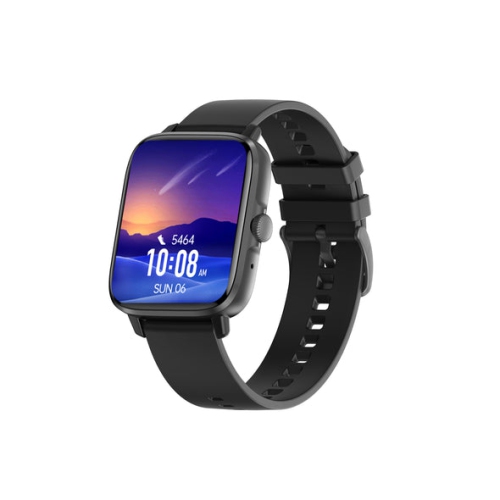
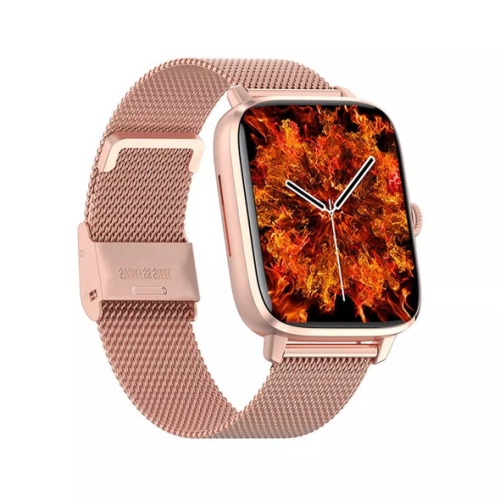
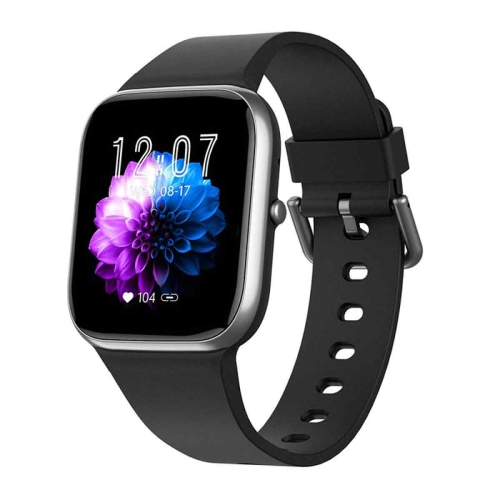
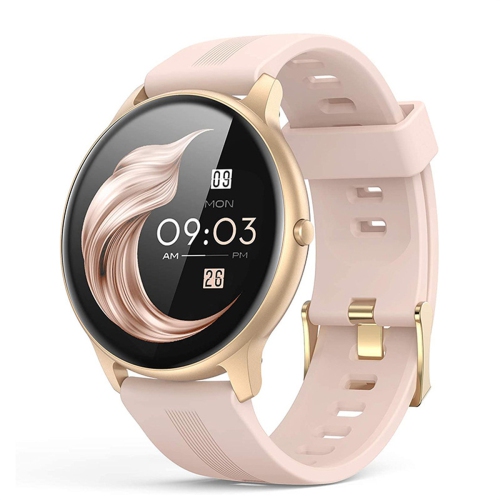
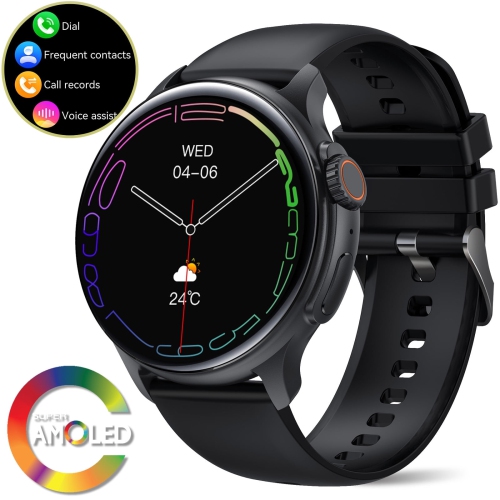
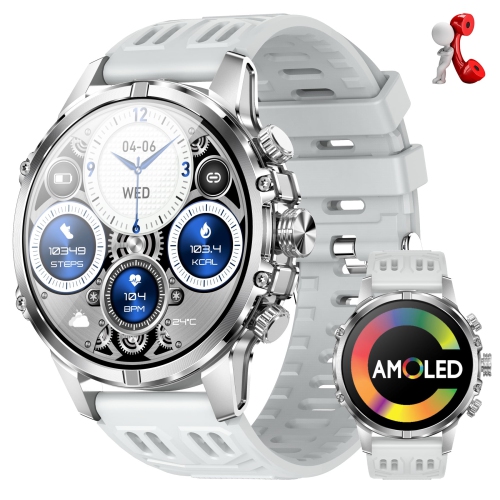
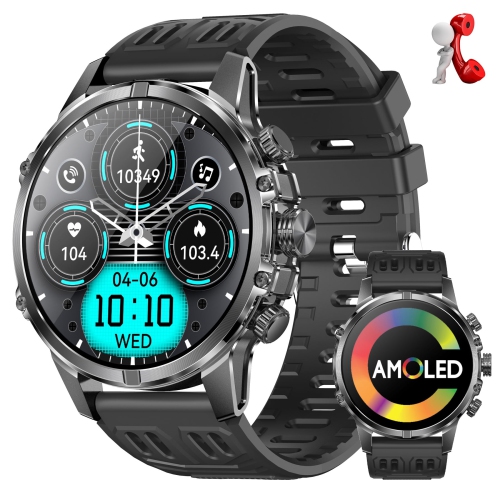
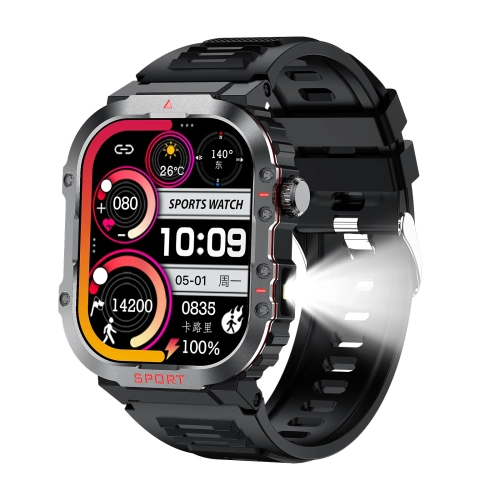
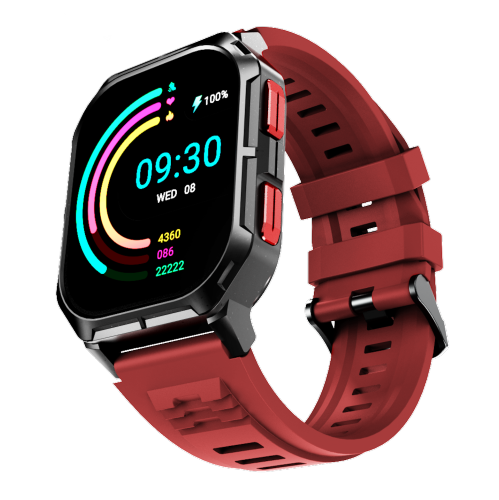
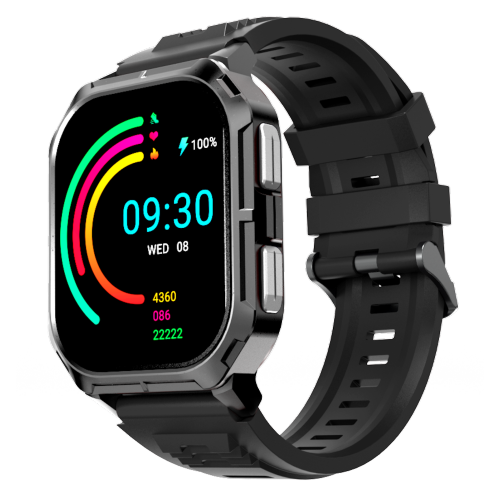
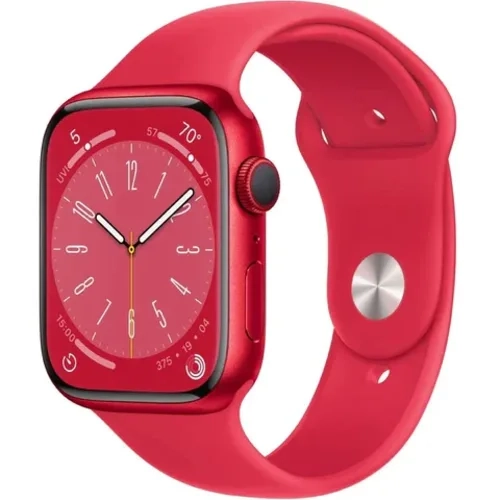
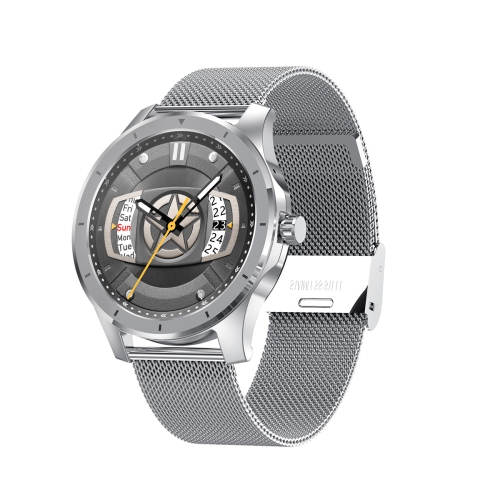
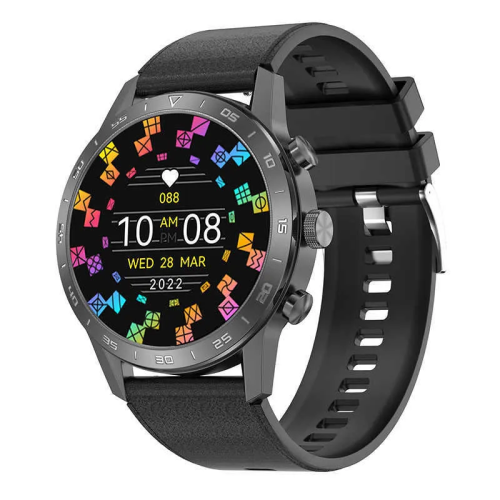
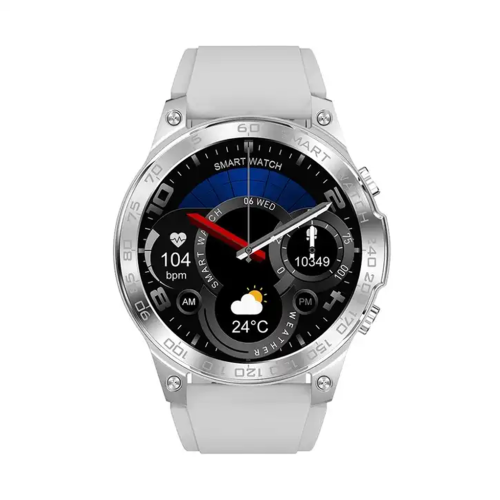
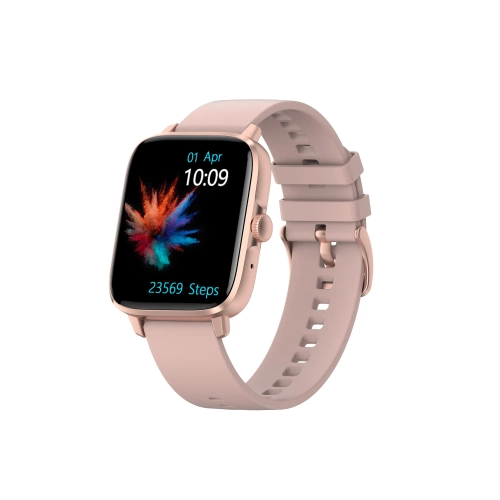
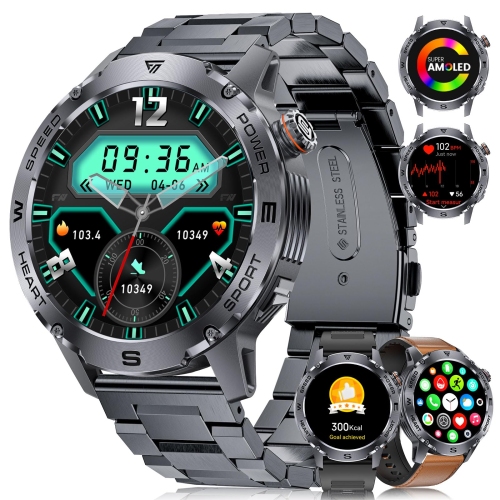
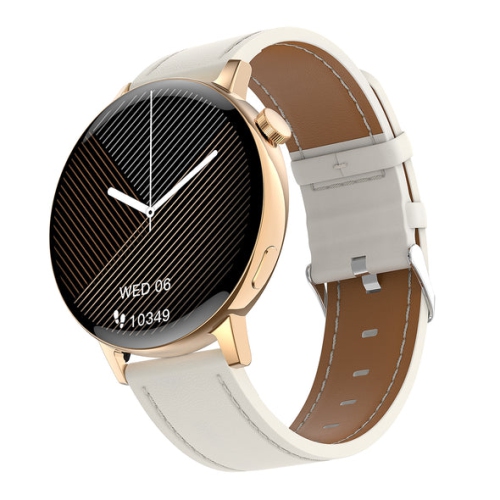
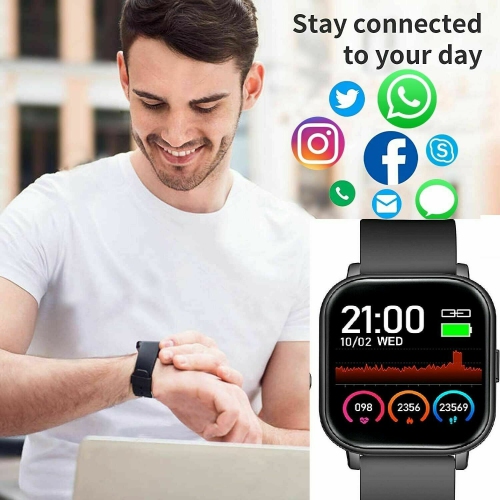
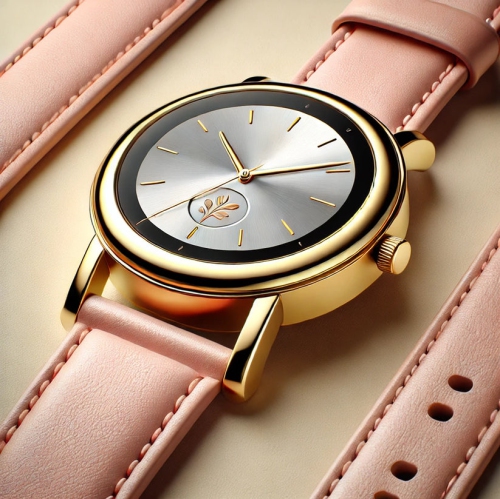
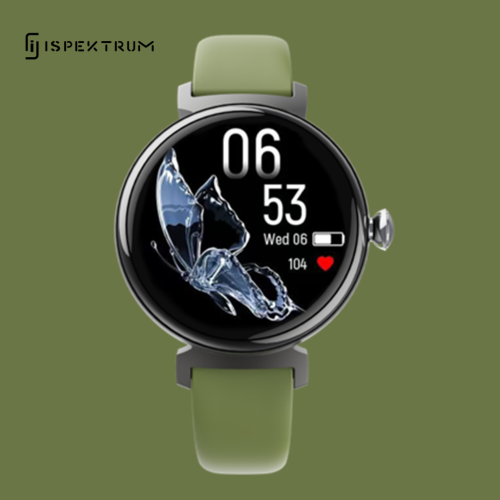
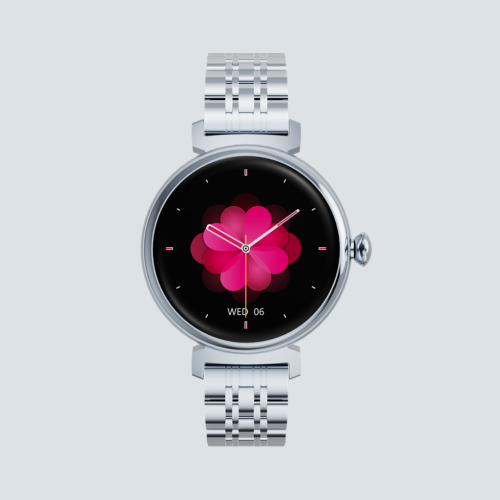
Training metrics, navigation and smart features for active lifestyles
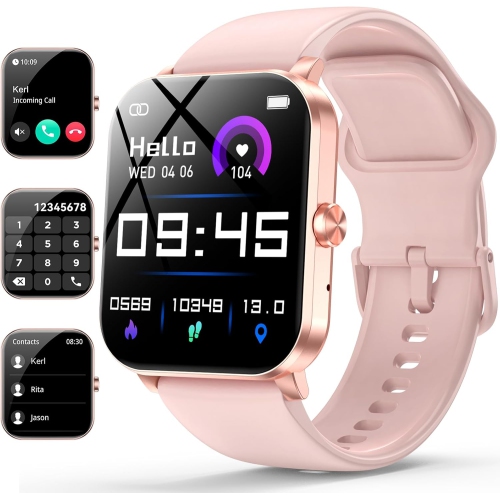
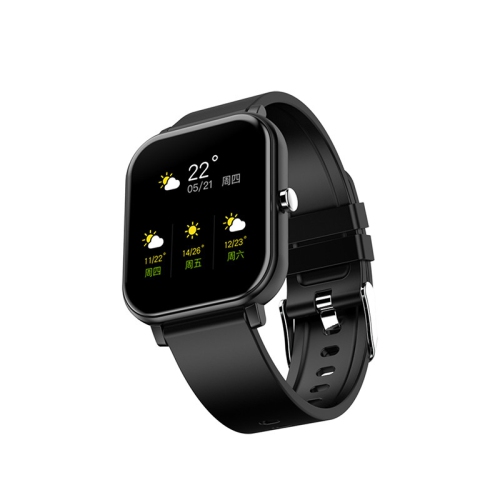
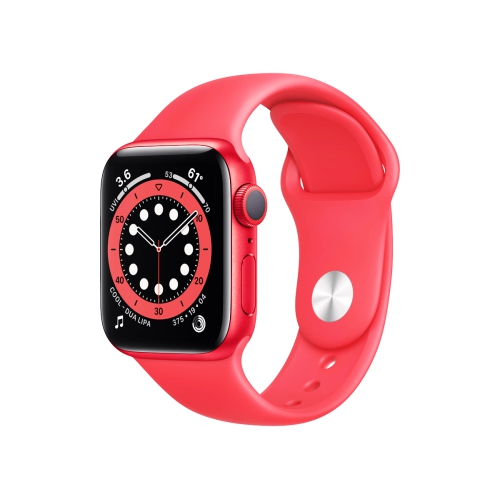
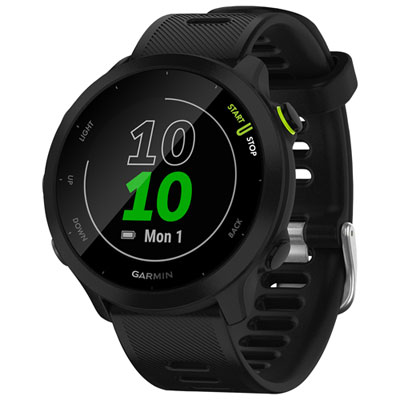
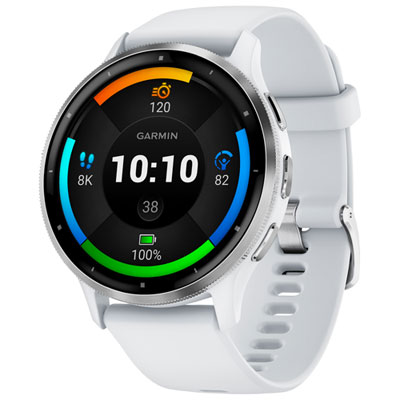
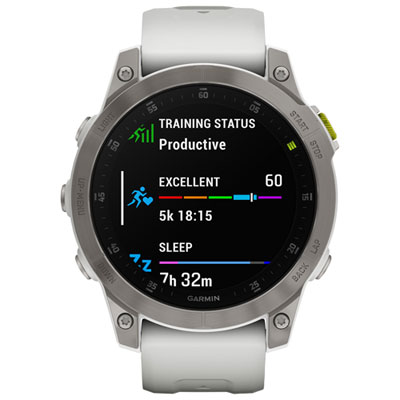
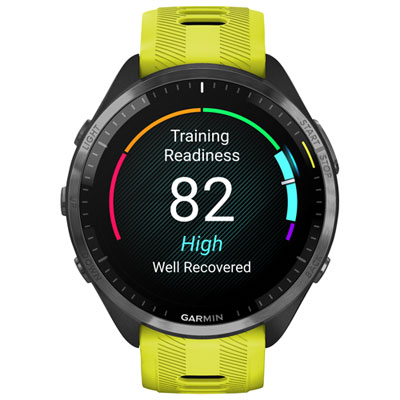
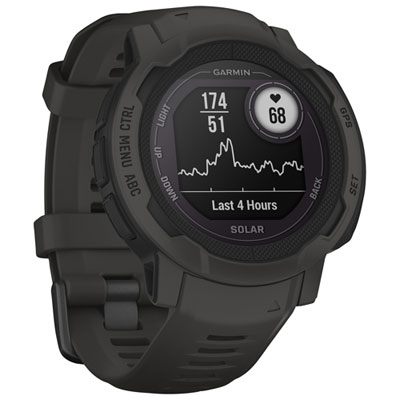
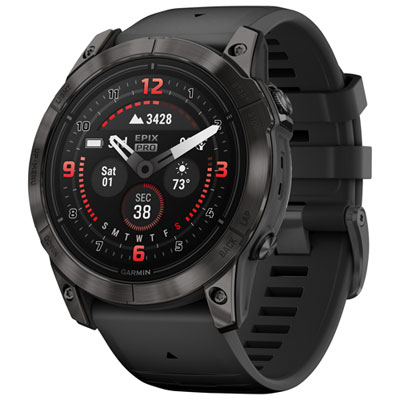
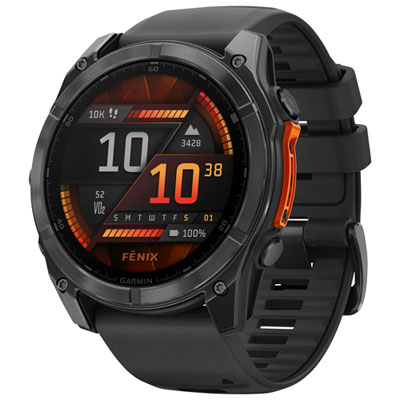
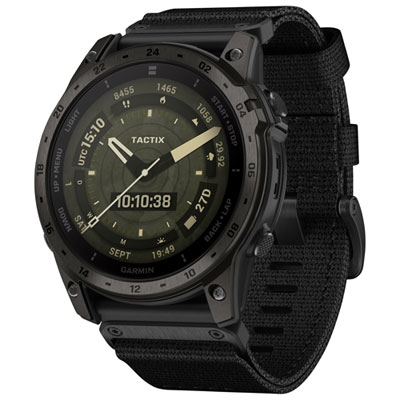
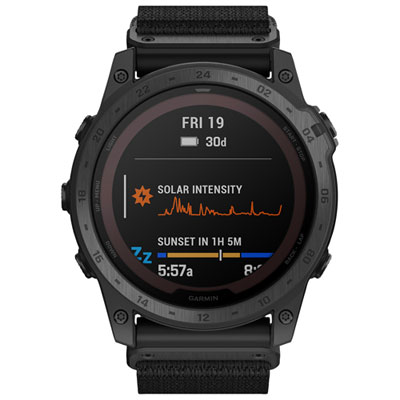
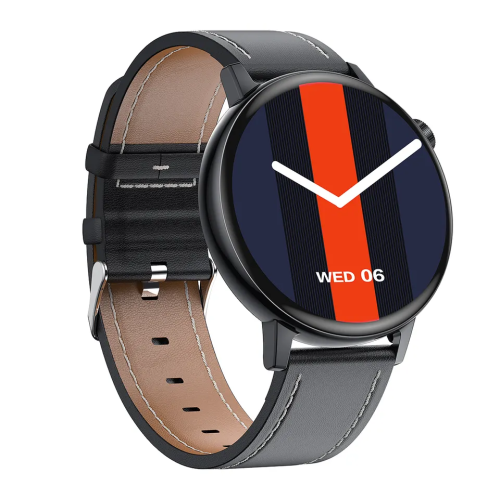
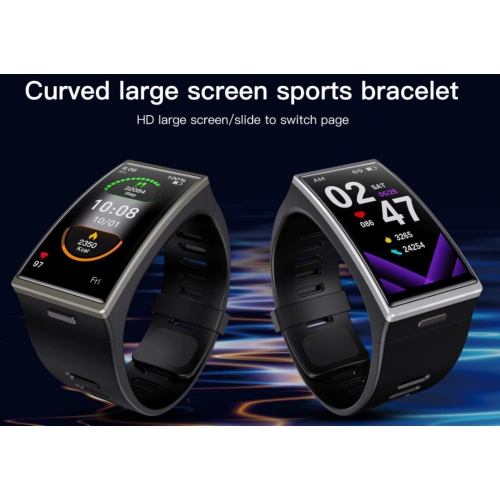
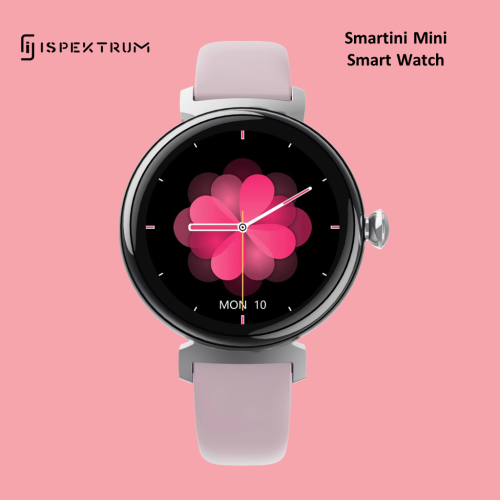
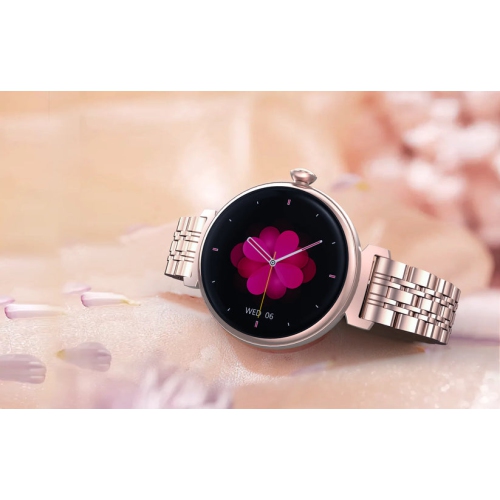
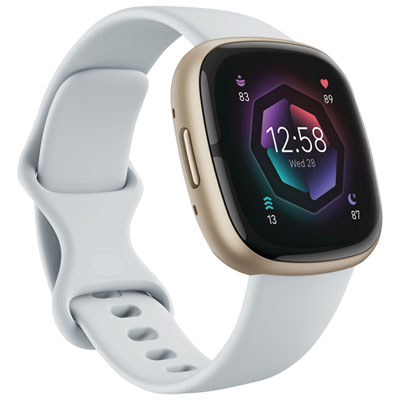
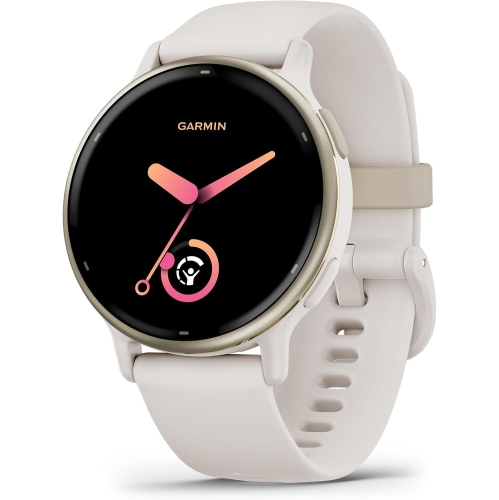
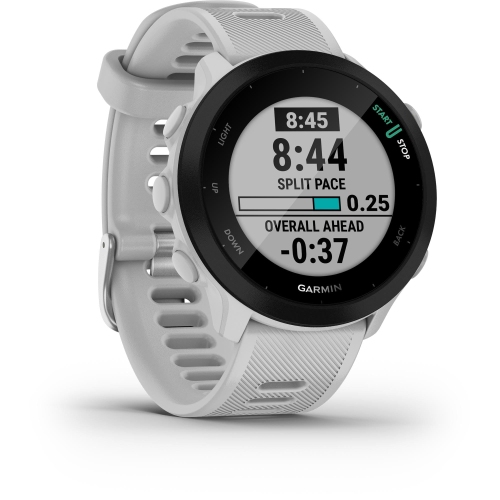
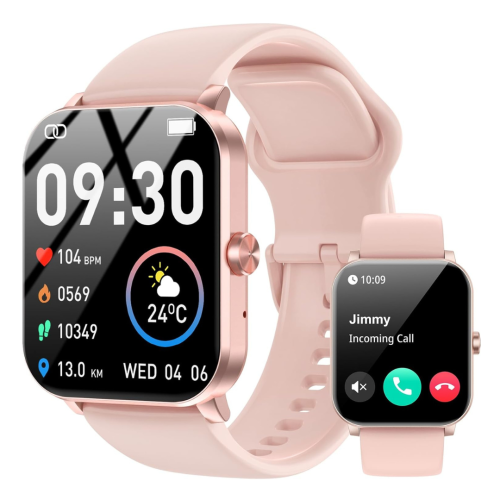
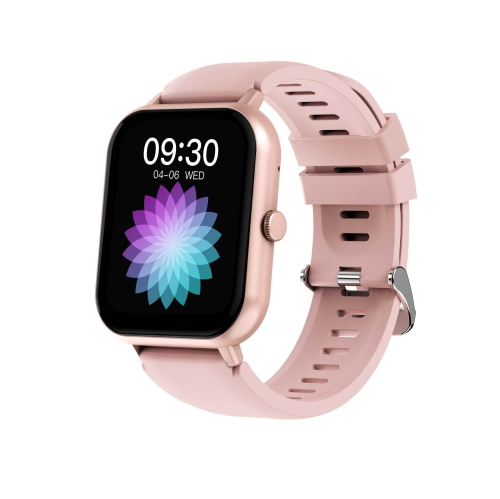
Sports smart watches bring training data, navigation and everyday connected features together in a compact wearable designed for movement. Depending on the model, a sports smart watch can track steps, distance, pace, calories, heart rate, sleep and workout duration, while built-in GPS records outdoor routes without requiring a phone in hand. Many models support dedicated activity profiles for running, cycling, swimming, hiking, walking, strength training and indoor workouts, making it easier to review each session and follow progress over time. A bright AMOLED display can make pace, elapsed time and heart-rate readings easier to see in changing light, while a simpler always-on display may be preferred by athletes who value quick glances and longer battery life. Smart features can include call, message and calendar notifications, music controls, weather updates and safety tools, helping the watch fit into daily routines as well as training plans. For shoppers comparing sports wearables, it is useful to consider which measurements matter most rather than choosing based only on the number of available features. A recreational runner may primarily need accurate GPS, pace alerts and dependable battery life, while a triathlete may prioritize swim tracking, cycling metrics, multisport transitions and water resistance. Someone who hikes or explores trails may appreciate route guidance, elevation data, a digital compass and a rugged case that can handle dust, rain and the occasional knock against a rock. People who spend time in the gym may prefer a comfortable, lightweight design with strength, interval and recovery tools that do not get in the way during a workout. For a broader selection of watch styles and activity-focused features, explore Digital Sport Watches.
Fit and compatibility are just as important as specifications. A sports smart watch should sit securely on the wrist without feeling tight during a long run or becoming distracting during sleep. Look for an adjustable band, a case size that suits the wearer and a display that can be read at a glance while moving. Touchscreens are convenient for navigating menus, although physical buttons can be easier to operate with sweaty hands, gloves or wet fingers. Water resistance is worth checking carefully because it does not mean every watch is suitable for every type of swimming or diving; shoppers should review the stated rating and activity guidance before taking a watch into the water. GPS performance may vary between open roads, dense forests, tall buildings and steep valleys, so route-based athletes may benefit from multi-band positioning or other enhanced location features. Heart-rate tracking from the wrist can be useful for observing workout intensity and trends, though it is not a substitute for medical equipment or professional health advice. Battery life also deserves close attention. Some watches need charging every few days when GPS and bright display settings are used heavily, while others can run for many days in standard watch mode and substantially longer with power-saving settings. Consider how often charging is convenient, whether a charging cable is easy to pack and how the watch behaves when its battery is low. Smartphone compatibility is another essential detail: certain functions may depend on iPhone or Android support, a companion app or permission to display notifications. Before purchasing, confirm that the watch pairs with the intended phone and that key features, such as contactless payments, music storage or route downloads, are available in the shopper’s region.
Sports smart watches can suit a wide range of people and make practical gifts for runners, cyclists, hikers, swimmers, gym-goers and anyone who enjoys setting measurable activity goals. They can be especially helpful for someone beginning a new routine because seeing completed steps, distance or active minutes can turn an abstract goal into a clear daily target. More experienced athletes may use training load, recovery estimates, heart-rate zones and performance trends to balance demanding sessions with rest. A watch can also help a busy wearer fit movement into the day by providing reminders to stand, notifications for scheduled activities or a quick record of a lunchtime walk. During the cooler months, a wrist-based display can be more convenient than reaching into a pocket for a phone, particularly on a brisk outdoor walk or trail run. Look for a model with controls that remain usable with a light layer of clothing and enough battery capacity for longer outings in changing conditions. Gift shoppers may want to match the watch to the recipient’s habits: a casual walker may appreciate simplicity and comfort, a weekend adventurer may value navigation and rugged construction, and a dedicated endurance athlete may need advanced training data and extended GPS runtime. It is also helpful to think about the learning curve. A watch with a clear interface and customizable data screens can make useful information feel approachable, while extensive settings may appeal to athletes who enjoy fine-tuning every workout. Whichever features take priority, the best choice is one that the wearer will comfortably use day after day, from the first warm-up and morning walk to a longer route outdoors and the quiet review of results afterwards.
Fit and compatibility are just as important as specifications. A sports smart watch should sit securely on the wrist without feeling tight during a long run or becoming distracting during sleep. Look for an adjustable band, a case size that suits the wearer and a display that can be read at a glance while moving. Touchscreens are convenient for navigating menus, although physical buttons can be easier to operate with sweaty hands, gloves or wet fingers. Water resistance is worth checking carefully because it does not mean every watch is suitable for every type of swimming or diving; shoppers should review the stated rating and activity guidance before taking a watch into the water. GPS performance may vary between open roads, dense forests, tall buildings and steep valleys, so route-based athletes may benefit from multi-band positioning or other enhanced location features. Heart-rate tracking from the wrist can be useful for observing workout intensity and trends, though it is not a substitute for medical equipment or professional health advice. Battery life also deserves close attention. Some watches need charging every few days when GPS and bright display settings are used heavily, while others can run for many days in standard watch mode and substantially longer with power-saving settings. Consider how often charging is convenient, whether a charging cable is easy to pack and how the watch behaves when its battery is low. Smartphone compatibility is another essential detail: certain functions may depend on iPhone or Android support, a companion app or permission to display notifications. Before purchasing, confirm that the watch pairs with the intended phone and that key features, such as contactless payments, music storage or route downloads, are available in the shopper’s region.
Sports smart watches can suit a wide range of people and make practical gifts for runners, cyclists, hikers, swimmers, gym-goers and anyone who enjoys setting measurable activity goals. They can be especially helpful for someone beginning a new routine because seeing completed steps, distance or active minutes can turn an abstract goal into a clear daily target. More experienced athletes may use training load, recovery estimates, heart-rate zones and performance trends to balance demanding sessions with rest. A watch can also help a busy wearer fit movement into the day by providing reminders to stand, notifications for scheduled activities or a quick record of a lunchtime walk. During the cooler months, a wrist-based display can be more convenient than reaching into a pocket for a phone, particularly on a brisk outdoor walk or trail run. Look for a model with controls that remain usable with a light layer of clothing and enough battery capacity for longer outings in changing conditions. Gift shoppers may want to match the watch to the recipient’s habits: a casual walker may appreciate simplicity and comfort, a weekend adventurer may value navigation and rugged construction, and a dedicated endurance athlete may need advanced training data and extended GPS runtime. It is also helpful to think about the learning curve. A watch with a clear interface and customizable data screens can make useful information feel approachable, while extensive settings may appeal to athletes who enjoy fine-tuning every workout. Whichever features take priority, the best choice is one that the wearer will comfortably use day after day, from the first warm-up and morning walk to a longer route outdoors and the quiet review of results afterwards.
Top selling and popular products
-
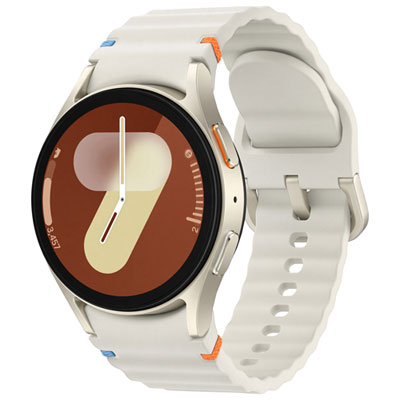 Your price for this item is $229.97
 -
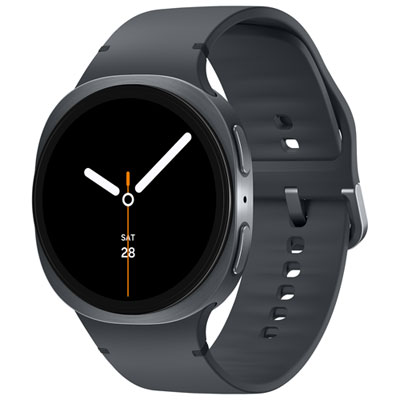 Your price for this item is $399.99
 -
 Your price for this item is $579.99
 -
 Your price for this item is $569.97
 -
 Your price for this item is $349.99
 -
 Your price for this item is $371.79
 -
 Your price for this item is $329.99
 -
 Your price for this item is $328.89
Discover more categories related to Sports Smart Watches
Top Collections:
Pokemon Centers, Budget 4K TVs, Best Budget Office Chairs, Kindle Devices, Canon G7X Cameras, Apple iPhones 16, iPhone 15 Apple, Laptops for Business Work, Xiaomi Phones, Flip Phones
Some products may be subject to Environmental Handling Fees
(EHF) depending on your province.
Learn more about EHFs.