Workout Watches for Android
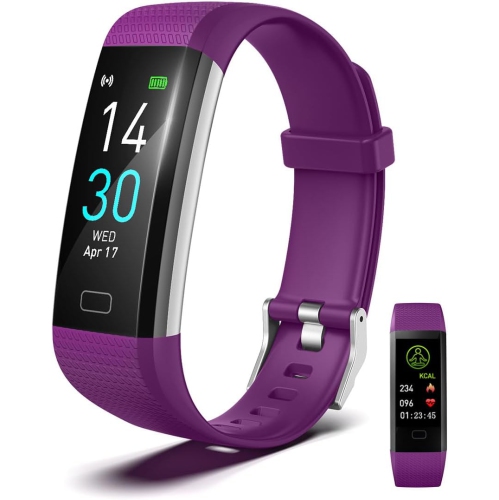
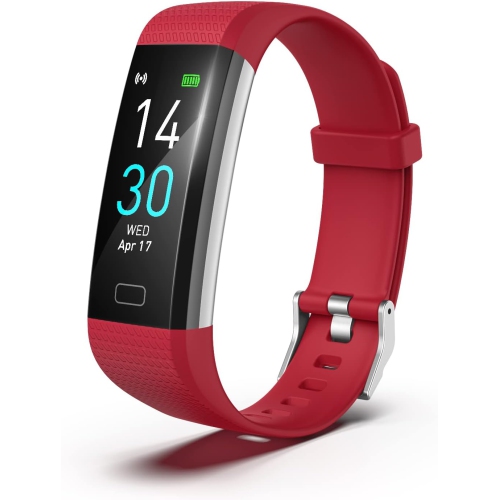
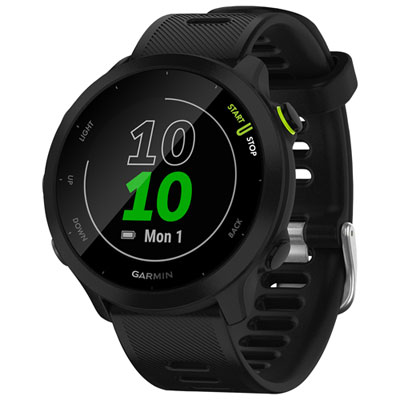
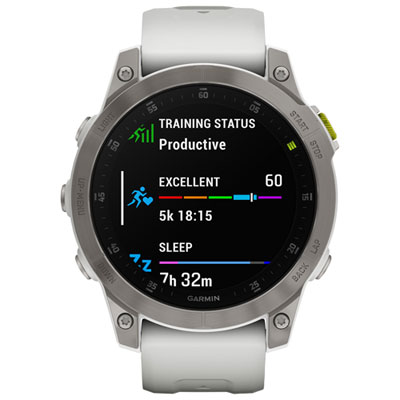
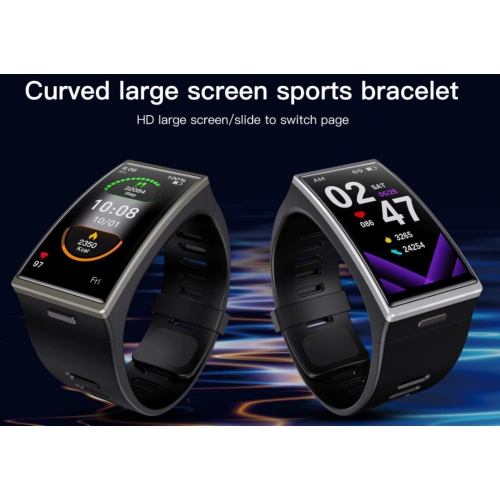
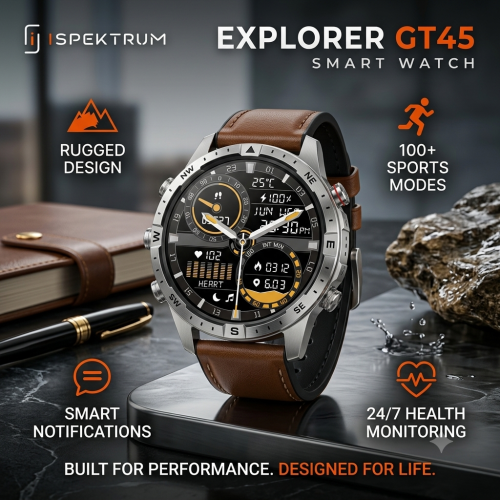
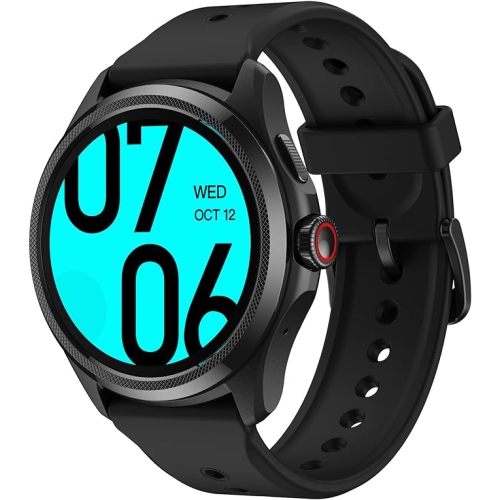
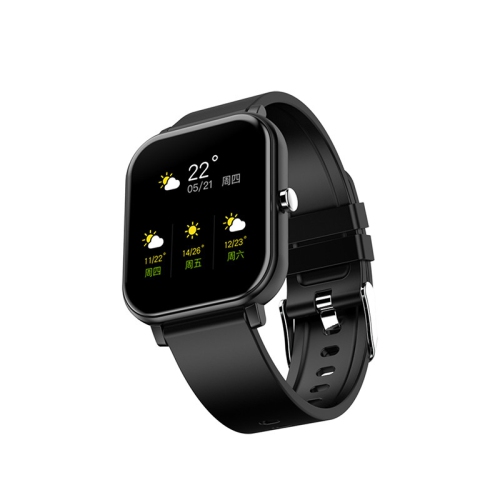
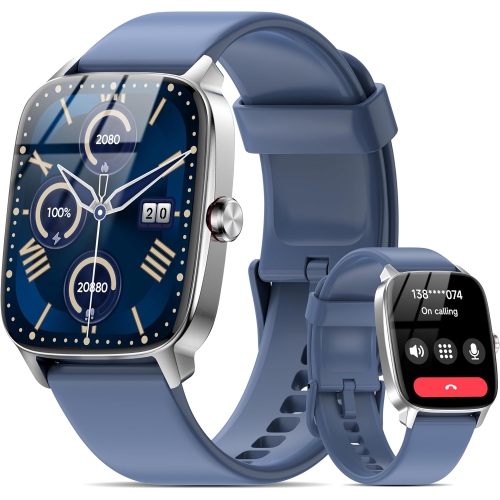
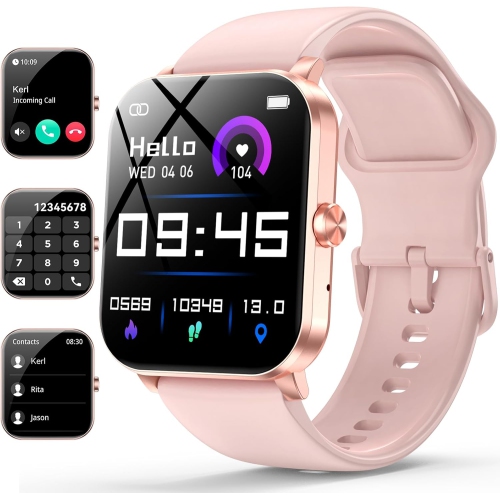
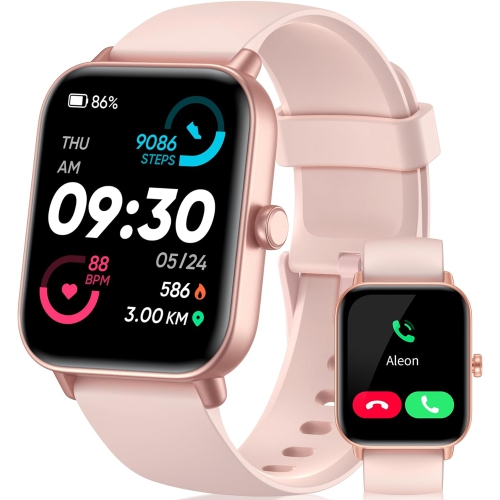
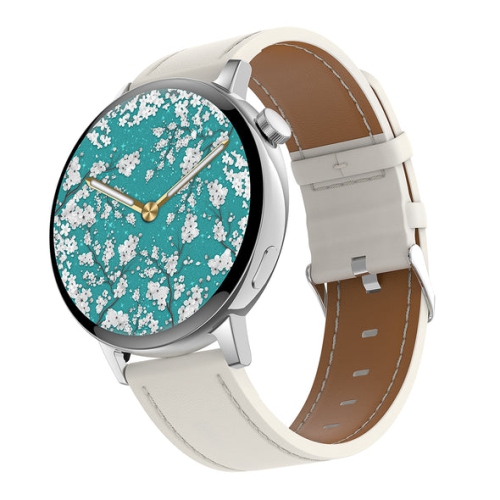
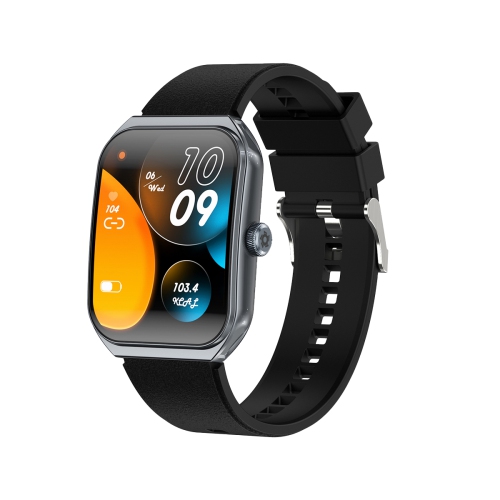
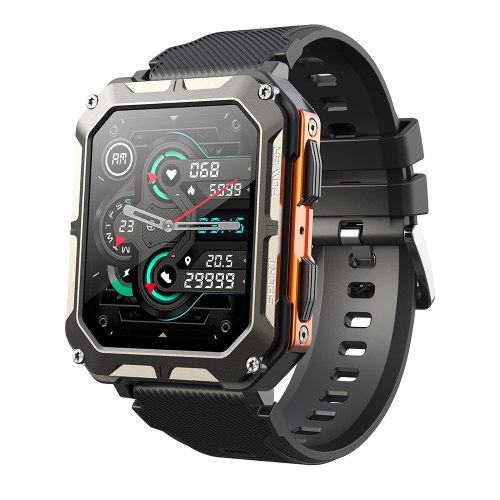
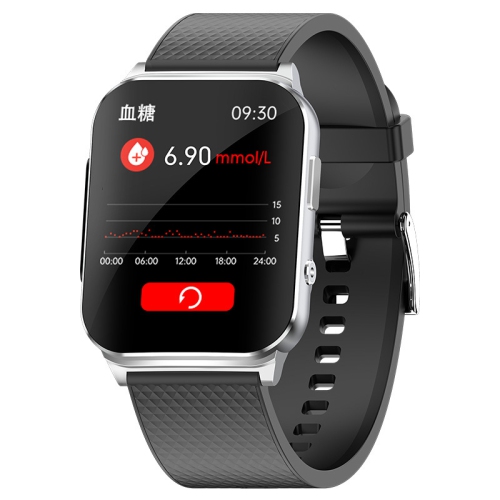
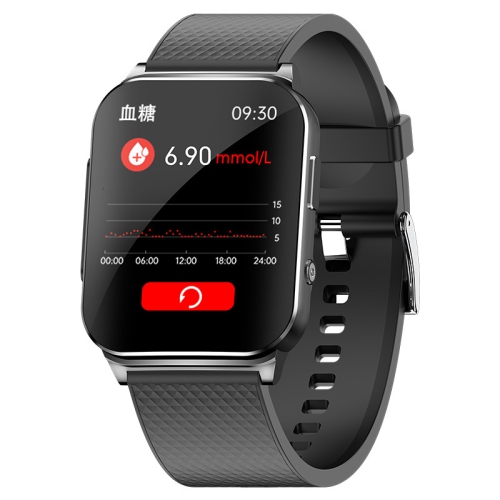
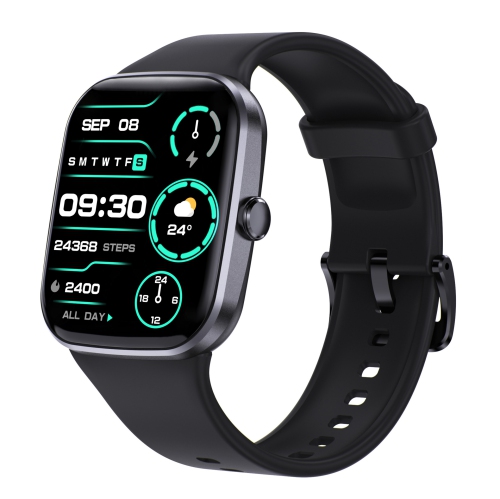
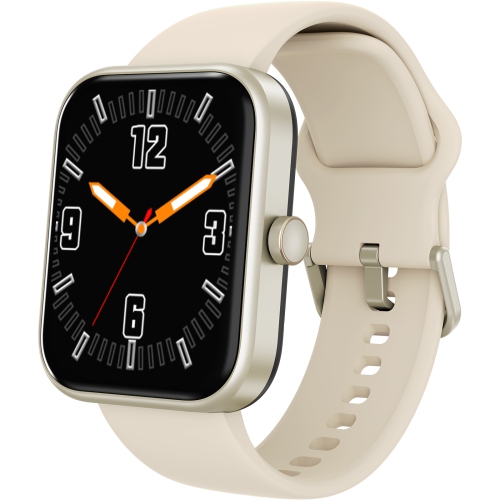
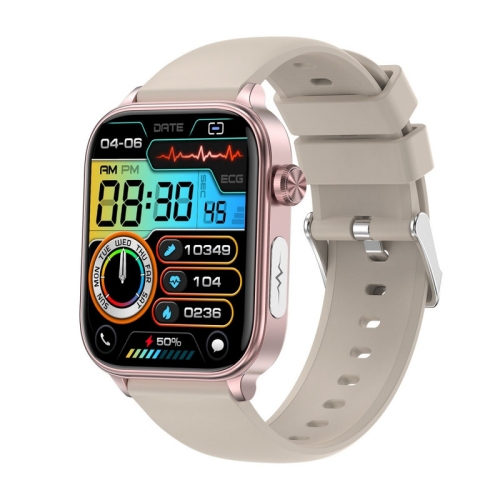
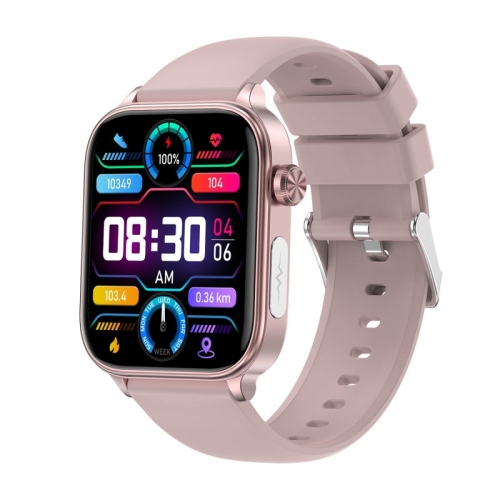
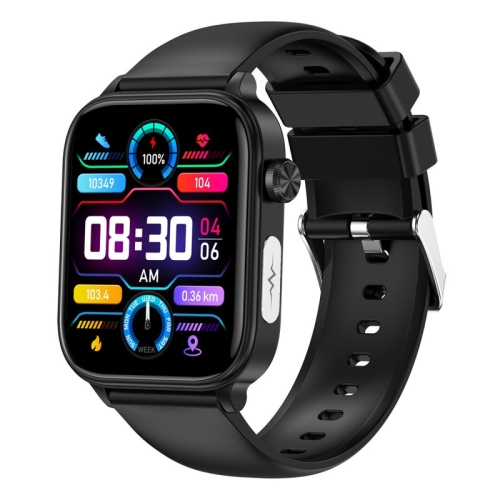
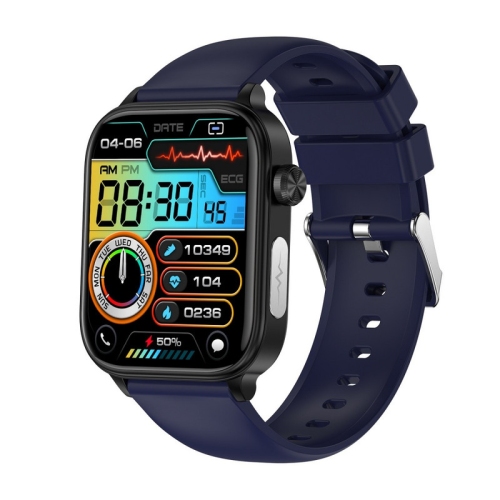
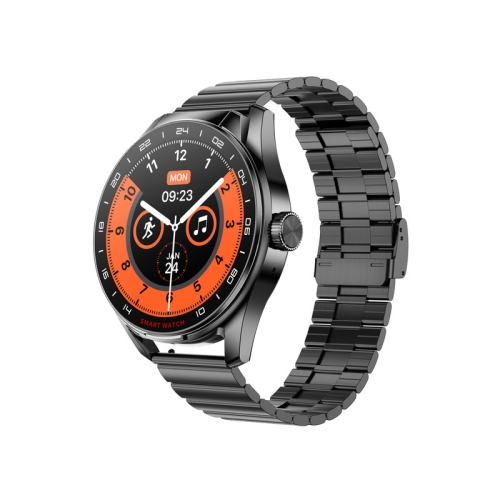
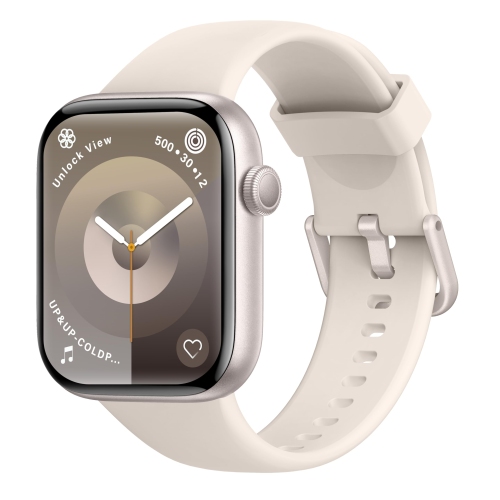
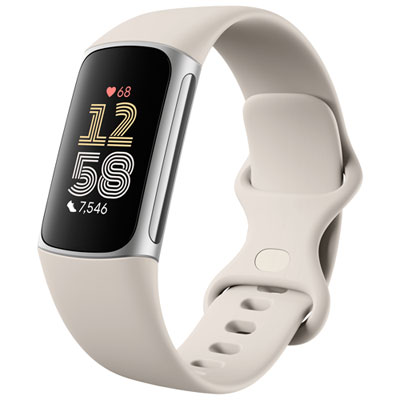
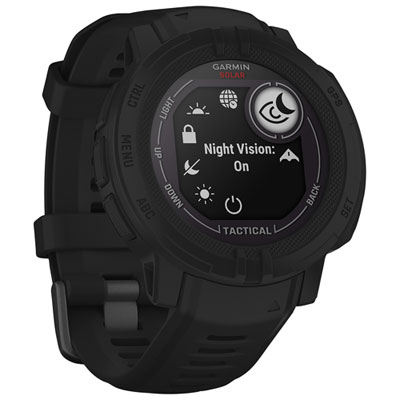
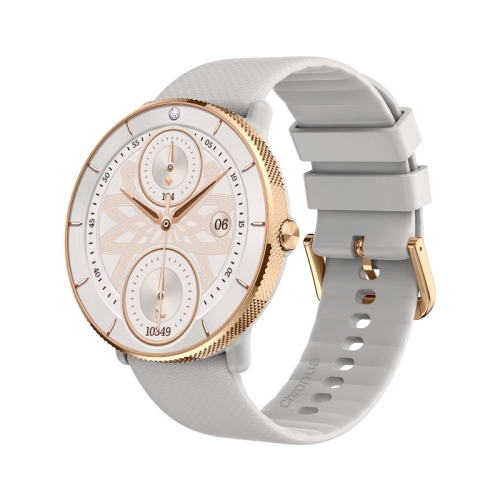
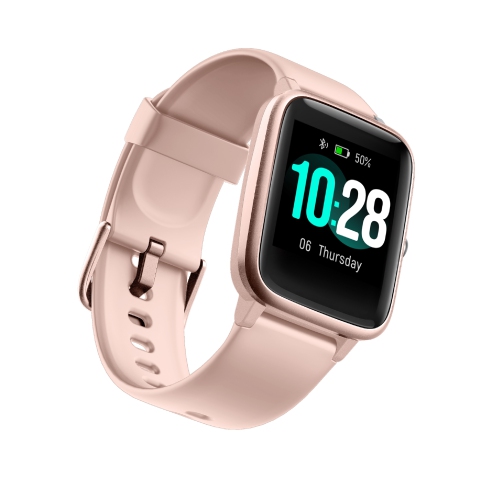
These workout watches for Android are devices that monitors your activity throughout the day, and sometimes during exercise. It can track steps, distance, calories burned, and sleep quality. Some also have heart-rate monitors and GPS capabilities. Here are some workout watches for android available on the market.
Sort
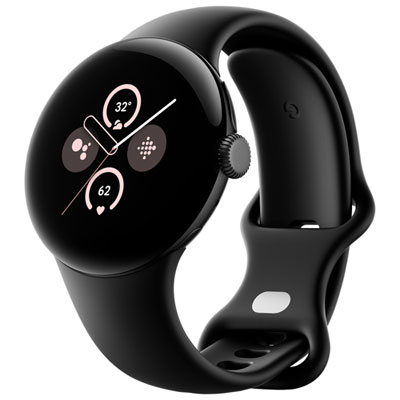
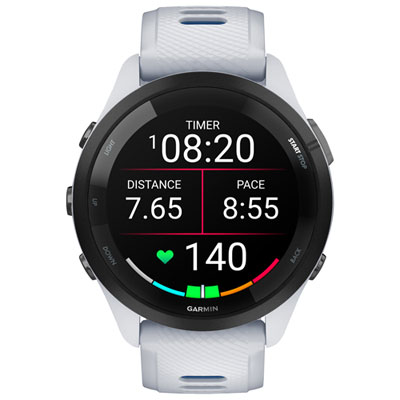
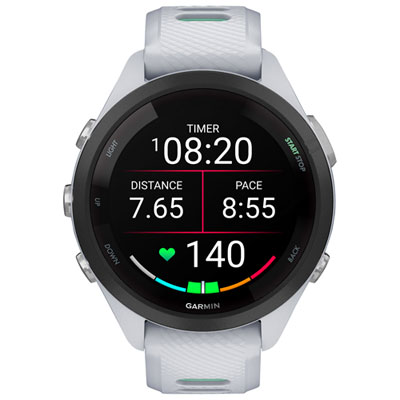
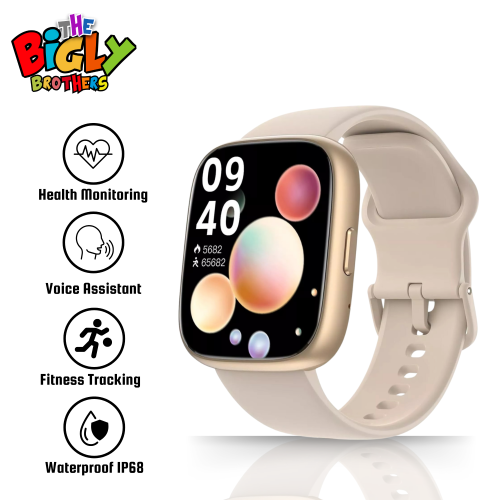
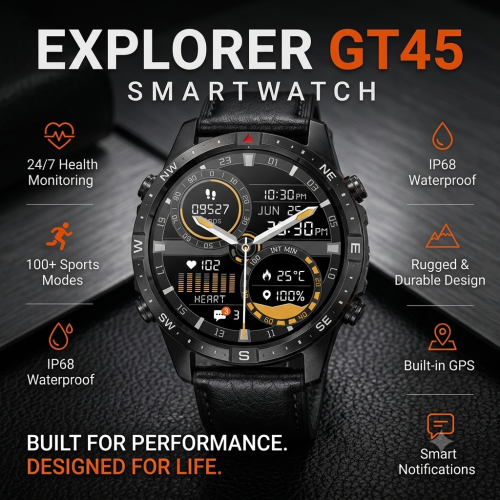
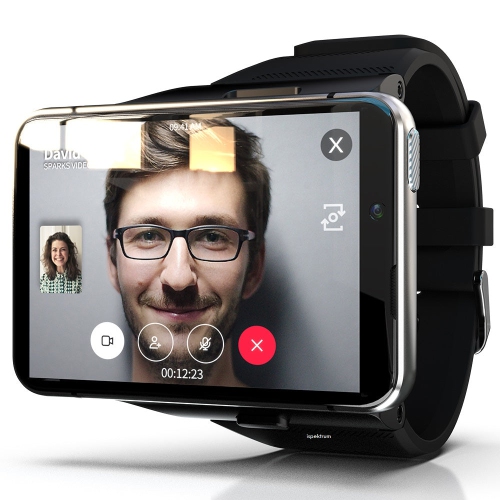
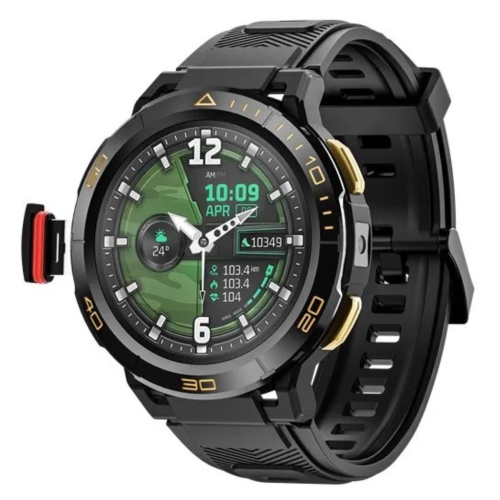
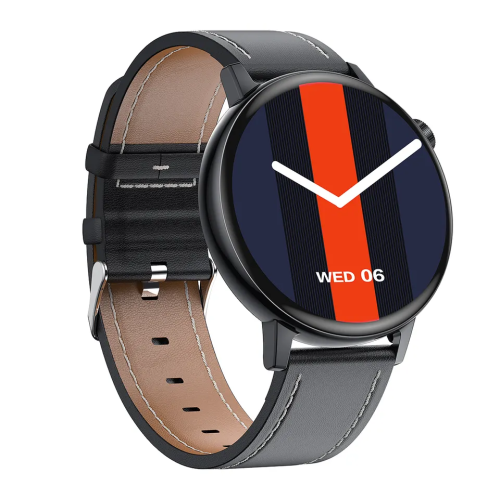
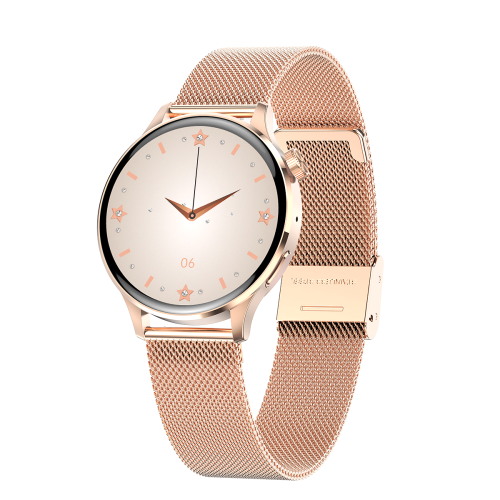
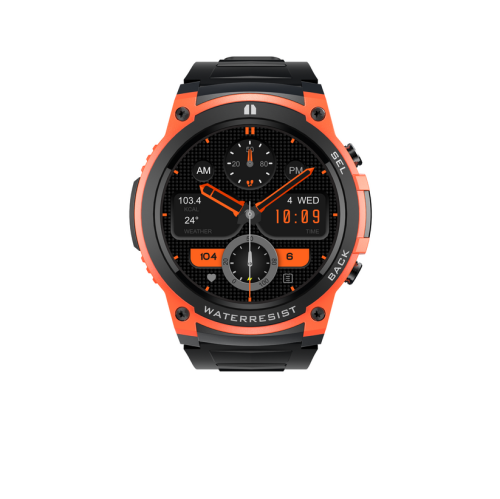
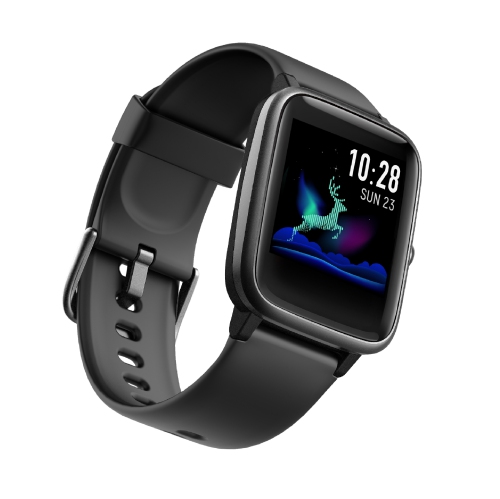
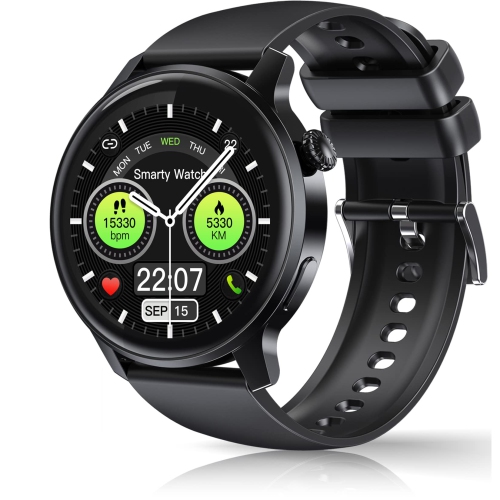
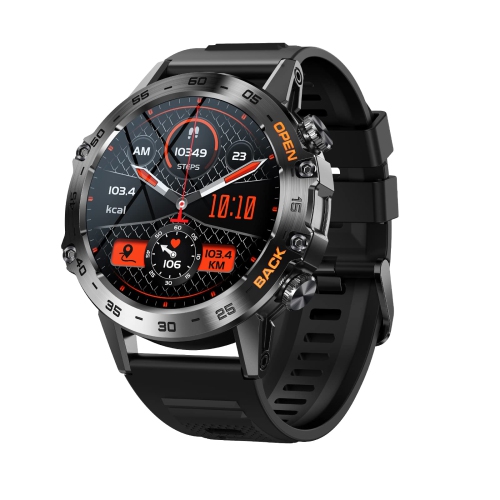
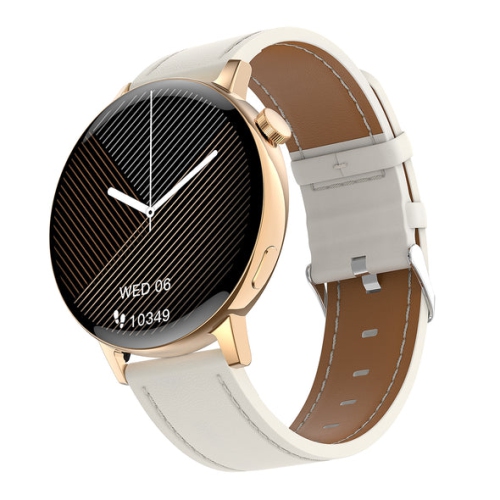
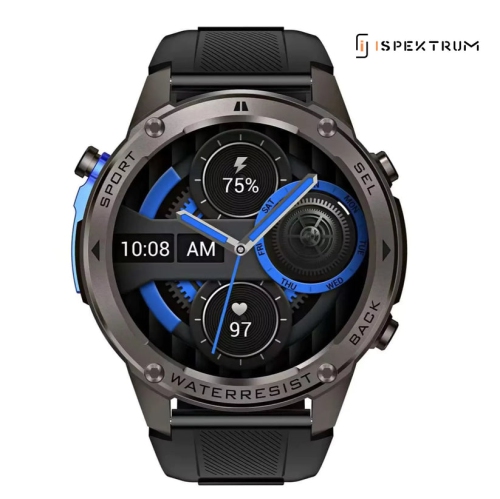
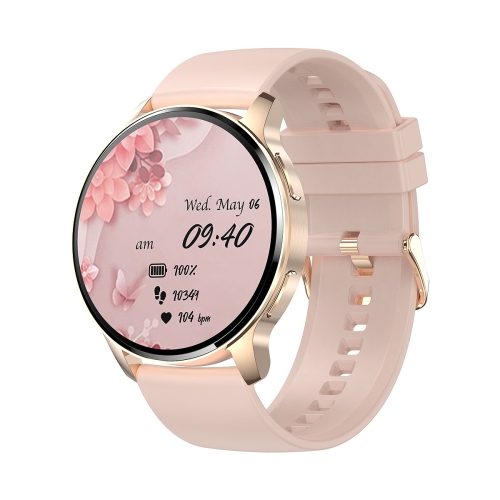
What your watch tracks with and without your phone
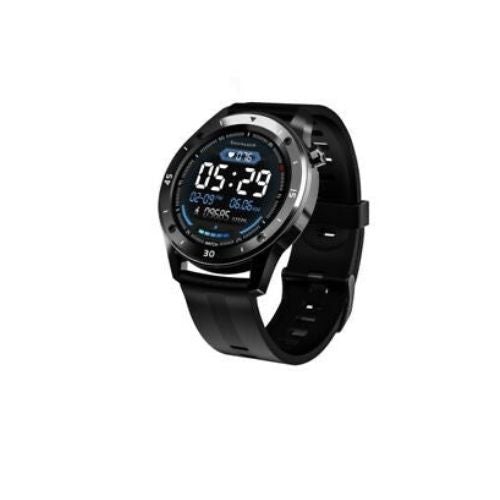
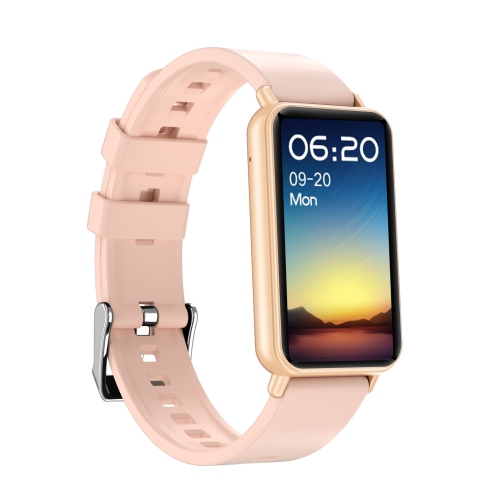
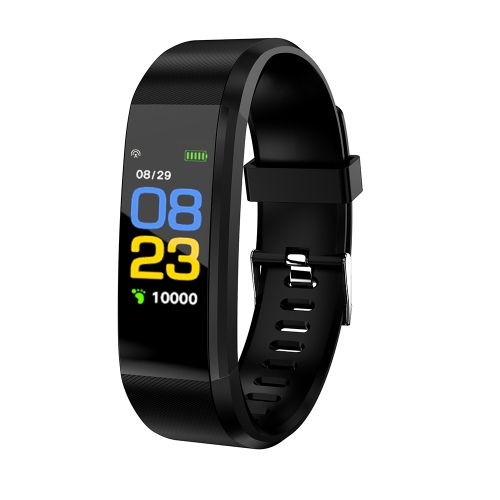
Workout watches for Android bring exercise tracking, activity summaries, and selected phone features to the wrist, making them useful for everything from a lunchtime walk to a structured training session. These watches pair with compatible Android phones through a companion app, where recorded workouts can become easier to review over time. Depending on the watch, a session summary may include duration, distance, pace, heart rate, elevation, and estimated calories burned. That information gives everyday movement a little more context: a familiar walking route might feel easier after several weeks, or a steady run might show more consistent pacing. Compatibility involves more than simply having an Android phone, since minimum operating system requirements, app support, and access to certain features vary. Some functions also depend on the paired phone, account setup, or permissions granted in the app. Built-in GPS can record an outdoor route without borrowing the phone’s location signal, while connected GPS generally requires the phone to come along. Neither feature alone guarantees phone-free calls, messaging, or music streaming; those capabilities have their own connection and service requirements. For someone who leaves a phone in a locker, the ability to record a workout independently may matter more than a broad selection of notifications. Someone who walks between meetings may instead appreciate a quick glance at an incoming message without reaching into a pocket. Touchscreens offer familiar navigation, while physical buttons can make it easier to mark a lap or pause an activity when fingers are damp. A clear display, readable workout fields, and a comfortable case size all contribute to how useful the watch feels in motion. The most relevant differences are often practical ones: whether elapsed time is easy to read during a plank, whether vibration alerts are noticeable during intervals, and whether the watch works smoothly with the apps already used to keep track of exercise.
Different workouts place different demands on an Android-compatible fitness watch. For running and walking, GPS tracking, pace alerts, lap timing, and route history can help describe both the effort and the distance covered. In a gym, workout timers, heart-rate recording, and dedicated activity modes may be more relevant than mapping. Strength-training modes can provide a record of session length and rest periods, although automatic exercise recognition and repetition counting may need manual corrections. A watch cannot assess lifting technique simply by tracking wrist movement, and gripping a bar or bending the wrist can affect optical heart-rate readings. During fast intervals, those readings may also lag behind sudden changes in effort. Support for a compatible external heart-rate sensor can be useful for people who want another way to capture training data, but this connection is not supported by every watch. Swimming introduces separate requirements: a suitable water-resistance rating and supported swim modes matter more than a general claim that a watch tolerates splashes. Pool-length settings, lap counting, and stroke information vary, and permission for pool use does not automatically mean a watch is suitable for diving or every water activity. For exercise centred on treadmills, resistance machines, and studio sessions, Smartwatches for Gym Workouts offers a related focus on wrist-worn training features. Beyond individual sessions, some watches provide sleep summaries, resting heart-rate trends, and recovery estimates that may help put a demanding workout into perspective. These measurements are estimates rather than diagnoses or a substitute for professional medical advice. Their usefulness often comes from observing patterns under similar conditions, not treating a single score as a complete picture of health. A beginner might value straightforward activity goals and reminders to move, while an experienced runner may prefer customizable data screens and structured workout support. For either person, clear summaries and manageable notifications can make the watch feel like part of a routine rather than another screen demanding attention.
Materials, fit, and everyday care have a direct effect on how comfortably a workout watch moves between training and daily wear. Cases may use lightweight resin, aluminium, stainless steel, or other materials, with different balances of weight and resistance to wear. Display covers also vary in scratch resistance, although no surface is immune to damage from contact with gym equipment or a hard floor. A low-profile case may sit more comfortably beneath a sleeve or stay out of the way during exercises that bend the wrist. Soft silicone bands are commonly used for workouts because they are flexible and easy to wipe clean, while woven bands can offer a different feel but may take longer to dry after washing. Adjustable sizing matters as much as the stated case dimensions: the sensor needs stable skin contact without a band being uncomfortably tight. A loose watch can shift during a run, while an overly tight band may leave pressure marks or cause irritation. Interchangeable bands can make it easier to adapt the fit or replace a worn strap, provided the attachment system and dimensions match. After exercise, cleaning and drying the watch and band according to the manufacturer’s directions helps remove sweat and residue; harsh cleaners and charging while wet can cause problems. Water resistance can diminish with wear, so care instructions remain important even on watches designed for swimming. Battery life is another everyday consideration, especially for people who track both workouts and sleep. Continuous GPS, an always-on display, music playback, and frequent connected features can shorten the time between charges compared with lighter use. A predictable charging routine can be more useful than a battery estimate based on settings that do not reflect actual habits. Workout watches can also make thoughtful gifts for walkers, gym regulars, or people building a more active routine, particularly when phone compatibility, wrist size, and preferred activities are known. For long-term use, comfort and reliable access to the features a person actually enjoys often matter more than the longest list of capabilities.
Different workouts place different demands on an Android-compatible fitness watch. For running and walking, GPS tracking, pace alerts, lap timing, and route history can help describe both the effort and the distance covered. In a gym, workout timers, heart-rate recording, and dedicated activity modes may be more relevant than mapping. Strength-training modes can provide a record of session length and rest periods, although automatic exercise recognition and repetition counting may need manual corrections. A watch cannot assess lifting technique simply by tracking wrist movement, and gripping a bar or bending the wrist can affect optical heart-rate readings. During fast intervals, those readings may also lag behind sudden changes in effort. Support for a compatible external heart-rate sensor can be useful for people who want another way to capture training data, but this connection is not supported by every watch. Swimming introduces separate requirements: a suitable water-resistance rating and supported swim modes matter more than a general claim that a watch tolerates splashes. Pool-length settings, lap counting, and stroke information vary, and permission for pool use does not automatically mean a watch is suitable for diving or every water activity. For exercise centred on treadmills, resistance machines, and studio sessions, Smartwatches for Gym Workouts offers a related focus on wrist-worn training features. Beyond individual sessions, some watches provide sleep summaries, resting heart-rate trends, and recovery estimates that may help put a demanding workout into perspective. These measurements are estimates rather than diagnoses or a substitute for professional medical advice. Their usefulness often comes from observing patterns under similar conditions, not treating a single score as a complete picture of health. A beginner might value straightforward activity goals and reminders to move, while an experienced runner may prefer customizable data screens and structured workout support. For either person, clear summaries and manageable notifications can make the watch feel like part of a routine rather than another screen demanding attention.
Materials, fit, and everyday care have a direct effect on how comfortably a workout watch moves between training and daily wear. Cases may use lightweight resin, aluminium, stainless steel, or other materials, with different balances of weight and resistance to wear. Display covers also vary in scratch resistance, although no surface is immune to damage from contact with gym equipment or a hard floor. A low-profile case may sit more comfortably beneath a sleeve or stay out of the way during exercises that bend the wrist. Soft silicone bands are commonly used for workouts because they are flexible and easy to wipe clean, while woven bands can offer a different feel but may take longer to dry after washing. Adjustable sizing matters as much as the stated case dimensions: the sensor needs stable skin contact without a band being uncomfortably tight. A loose watch can shift during a run, while an overly tight band may leave pressure marks or cause irritation. Interchangeable bands can make it easier to adapt the fit or replace a worn strap, provided the attachment system and dimensions match. After exercise, cleaning and drying the watch and band according to the manufacturer’s directions helps remove sweat and residue; harsh cleaners and charging while wet can cause problems. Water resistance can diminish with wear, so care instructions remain important even on watches designed for swimming. Battery life is another everyday consideration, especially for people who track both workouts and sleep. Continuous GPS, an always-on display, music playback, and frequent connected features can shorten the time between charges compared with lighter use. A predictable charging routine can be more useful than a battery estimate based on settings that do not reflect actual habits. Workout watches can also make thoughtful gifts for walkers, gym regulars, or people building a more active routine, particularly when phone compatibility, wrist size, and preferred activities are known. For long-term use, comfort and reliable access to the features a person actually enjoys often matter more than the longest list of capabilities.
Top selling and popular products
-
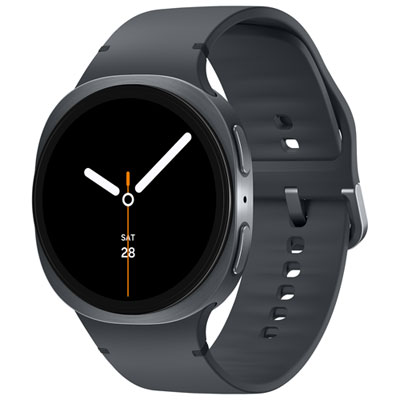 Your price for this item is $399.99
 -
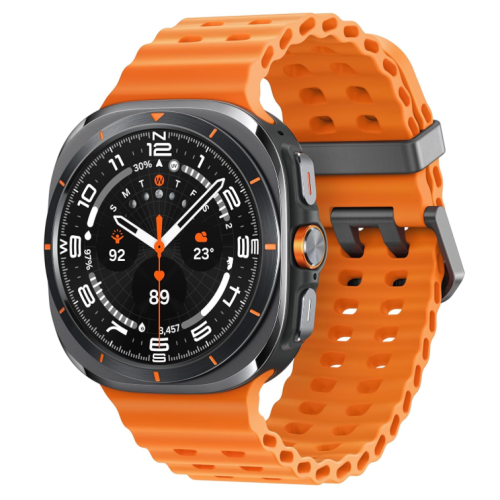 Your price for this item is $579.99
 -
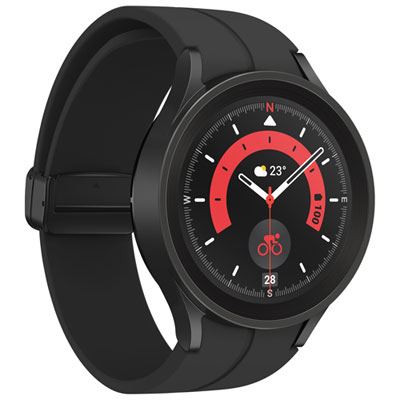 Your price for this item is $629.97
 -
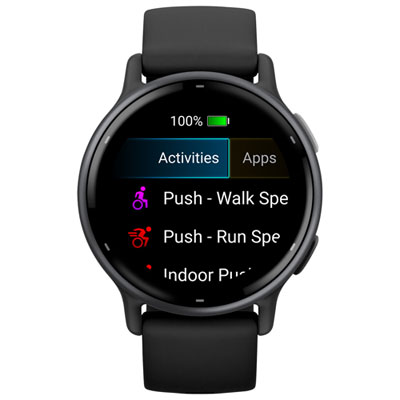 Your price for this item is $349.99
 -
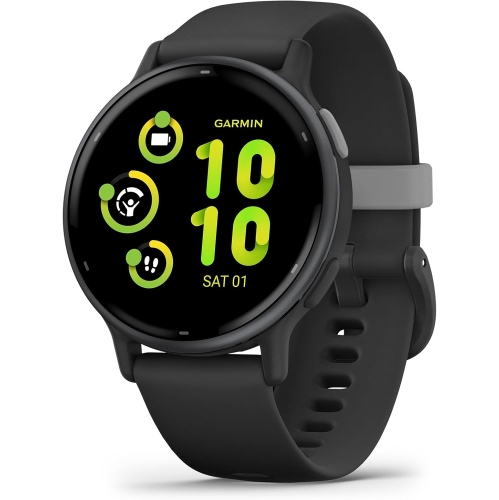 Your price for this item is $371.79
 -
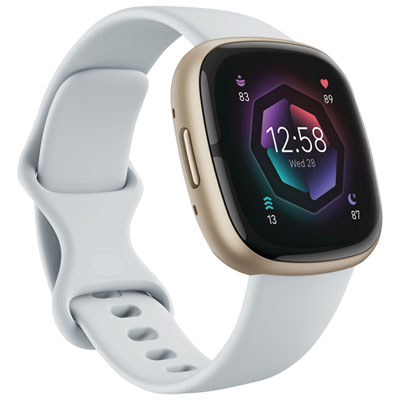 Your price for this item is $209.99
 -
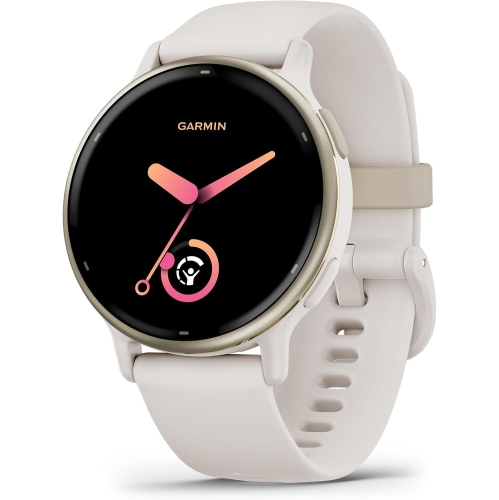 Your price for this item is $328.89
 -
 Your price for this item is $659.99
Discover more categories related to Workout Watches for Android

Top Collections:
Pokemon Centers, Kindle Devices, Best Budget Office Chairs, Apple iPhones 16, Best Laptops for Writers, iPhone 15 Apple, Canon G7X Cameras, Refurbished Apple Laptops, Alarm Clock, Motorola Razr Phones
Some products may be subject to Environmental Handling Fees
(EHF) depending on your province.
Learn more about EHFs.