10 Feet Trampoline With Safety Net
Looking to add some fun and excitement to your backyard? These trampolines with safety nets offer the perfect combination of entertainment and safety, allowing you and your family to bounce, jump, and soar with peace of mind. These are designed to provide hours of endless fun while ensuring that safety is always a top priority. Here are some great options for you.
Sort
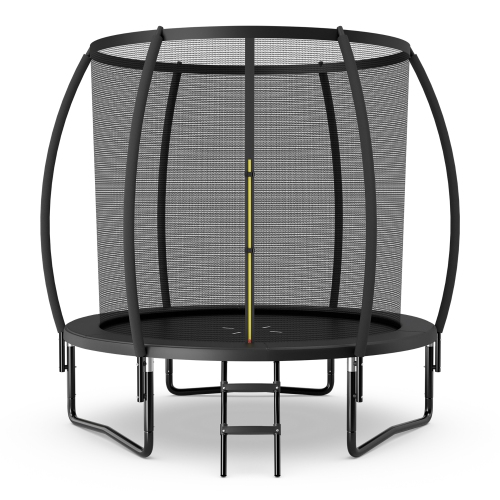
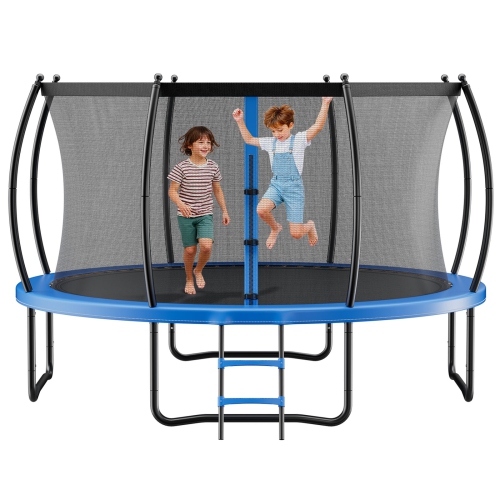
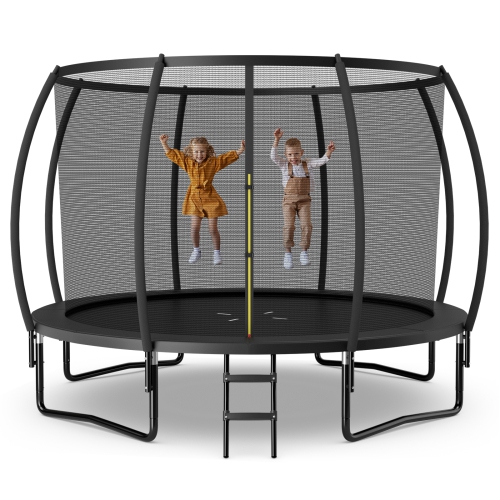
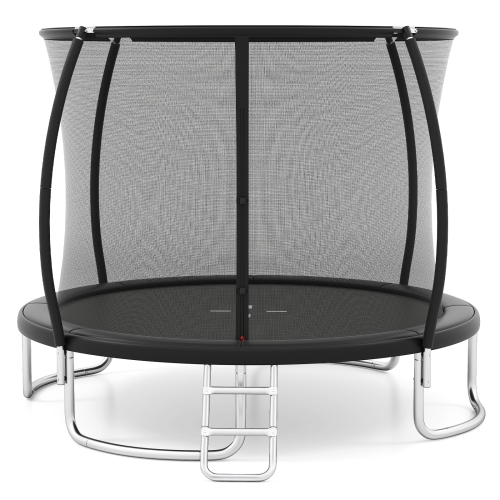
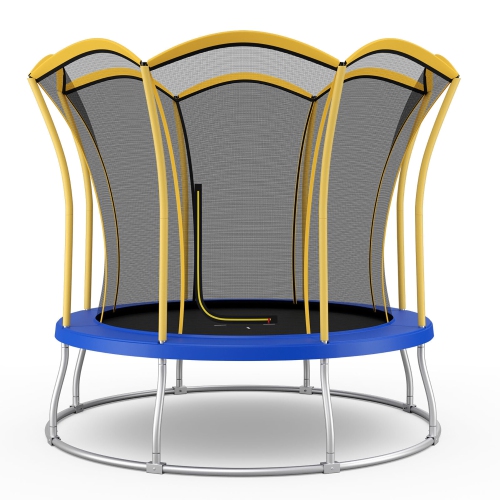
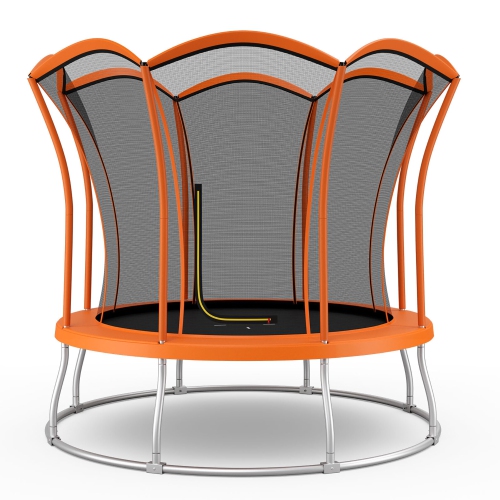
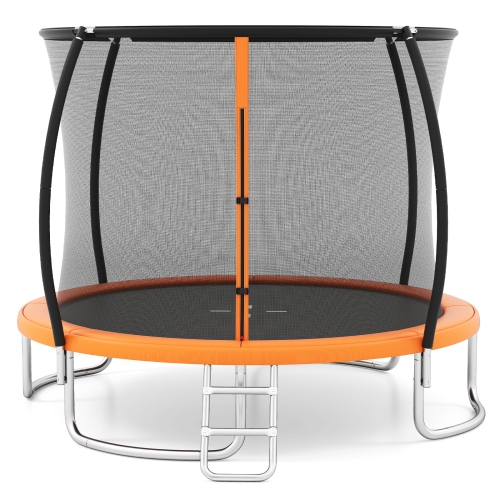
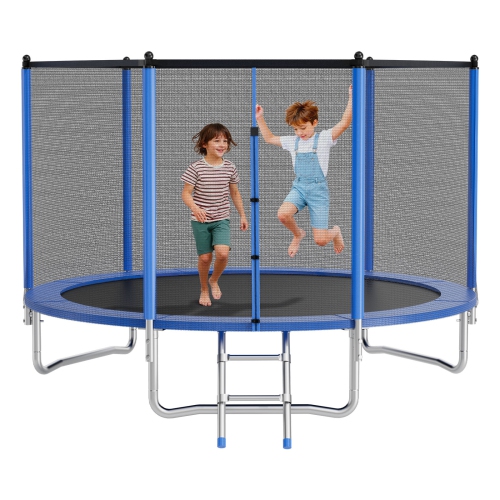
Why a 10-foot trampoline needs more than 10 feet
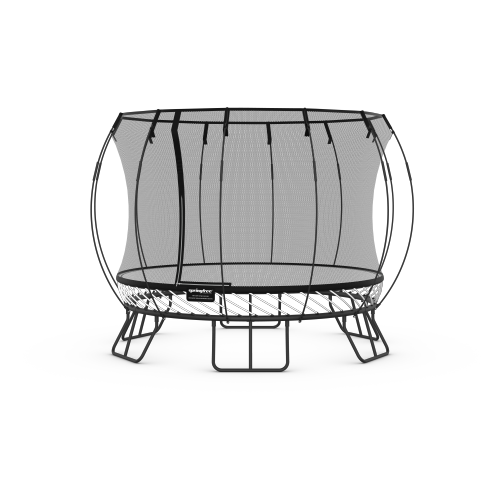
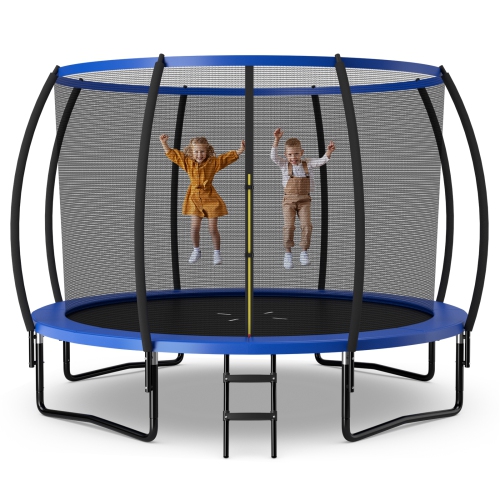
A 10-foot trampoline with a safety net combines a backyard jumping surface with an enclosure designed to help reduce the risk of a jumper falling off the edge. It offers a defined space for recreational bouncing without the footprint of a larger trampoline, making it worth considering for yards where room also needs to be left for a patio, garden beds, or outdoor seating. On most round designs, the 10-foot measurement refers to the outside diameter of the frame, not the usable jumping surface. The mat is smaller because the springs and surrounding padding occupy part of that width, and the installed trampoline needs additional clearance beyond its frame. A patch of lawn that measures exactly 10 feet across is therefore not enough on its own. The full setup should sit on firm, level ground with the clear space specified by the manufacturer on every side and overhead, away from fences, branches, clotheslines, sheds, and other obstacles. Round trampolines are common in this size, with springs arranged around the perimeter to support the mat. Their shape can encourage movement towards the centre, but it does not keep a jumper centred or prevent awkward landings. Intended use matters as much as the dimensions: a trampoline suited to an older child is not automatically suitable for a teenager or adult, even when the frame looks substantial. The stated age range and maximum user weight should match the person who will be jumping. Children under six should not use a full-size recreational trampoline, and older children need active adult supervision. For households considering a trampoline as a gift, yard suitability, the recipient’s age, and the caregiver’s willingness to supervise are more useful starting points than size alone. A 10-foot model can become part of an outdoor play routine, but it needs a permanent place that allows safe access, regular inspection, and use according to its instructions.
The enclosure, frame, mat, and protective padding all contribute to how a 10-foot trampoline with a safety net performs over time. Steel frames commonly have galvanizing or another protective finish to help resist rust, although outdoor exposure can still affect joints, fasteners, and areas where a coating becomes damaged. Solid connections, correctly fitted legs, and a frame assembled without missing hardware matter more than a heavy-looking appearance. Jumping mats are often made from woven polypropylene, while enclosure nets may use polyethylene or polyester mesh; the exact materials and construction vary. UV-resistant materials can help slow deterioration from sunlight, but they still require checks for fading, brittleness, stretched openings, and weakened stitching. The net should attach securely around the jumping area, with no unintended gaps at its lower edge or entrance. Some designs place the enclosure inside the spring area, separating the jumper from the springs, while others position it farther out. In either arrangement, properly fitted spring padding is important, and foam-covered enclosure poles provide cushioning without making collisions harmless. A zippered opening, sometimes paired with clips or buckles, should close fully before jumping begins. The enclosure helps limit falls off the trampoline; it cannot prevent every injury, including those caused by collisions, flips, or landing incorrectly. One jumper at a time remains essential, regardless of how much space appears to be free on the mat. Weight information also deserves careful attention. A maximum user weight applies to the active jumper, whereas a static load figure describes weight under different conditions and should not be treated as permission for heavier users or several children to bounce together. Where both figures appear, the manufacturer’s user limit and operating instructions govern use. For a wider view of enclosure-equipped designs and dimensions, the trampoline with safety net page brings the broader category into view. Within the 10-foot size, useful differences include enclosure height, entrance design, spring coverage, and access to replacement parts.
Day-to-day practicality often becomes clear during ordinary backyard moments: an adult checking the entrance before a child begins, clearing fallen leaves from the mat, or noticing a loose connection after a windy night. Assembly requires enough clear working space to lay out the frame, fit the springs in the specified sequence, and secure the enclosure without uneven tension. Following the manufacturer’s assembly steps, including any requirement for two adults, helps prevent misaligned sections and incorrectly seated fasteners. If a ladder is included or permitted, it should fit securely and be used only for access, not as a play feature; removing it when the trampoline is unattended can help discourage unsupervised climbing. Shoes, sharp objects, and loose belongings should stay off the mat, and the space underneath should remain clear of toys, tools, pets, and people. Before each session, a quick inspection should cover the mat, springs, padding, net attachments, entrance closure, and frame. Torn mesh, exposed springs, cracked components, or loose hardware are reasons to stop using the trampoline until the issue is properly addressed. Compatible replacement nets and pads need to match the exact frame and enclosure design, not simply the stated diameter. Two 10-foot trampolines can differ in pole count, attachment style, and mat dimensions. Care is generally straightforward: remove debris gently, clean surfaces only as directed, and let wet components dry before use or storage. During cooler months, rain, frost, ice, and snow can make the jumping surface unsuitable, while accumulated snow may place excessive weight on the structure. Winter storage or partial disassembly should follow the manufacturer’s directions rather than an assumption that outdoor materials can remain exposed indefinitely. Wind is another consideration, since an enclosure adds a large surface that can catch gusts. Approved anchoring may help, but it does not guarantee stability in severe weather. With a suitable location, attentive upkeep, and clear household rules, the trampoline’s size, construction, and enclosure can be assessed as parts of one complete backyard setup.
The enclosure, frame, mat, and protective padding all contribute to how a 10-foot trampoline with a safety net performs over time. Steel frames commonly have galvanizing or another protective finish to help resist rust, although outdoor exposure can still affect joints, fasteners, and areas where a coating becomes damaged. Solid connections, correctly fitted legs, and a frame assembled without missing hardware matter more than a heavy-looking appearance. Jumping mats are often made from woven polypropylene, while enclosure nets may use polyethylene or polyester mesh; the exact materials and construction vary. UV-resistant materials can help slow deterioration from sunlight, but they still require checks for fading, brittleness, stretched openings, and weakened stitching. The net should attach securely around the jumping area, with no unintended gaps at its lower edge or entrance. Some designs place the enclosure inside the spring area, separating the jumper from the springs, while others position it farther out. In either arrangement, properly fitted spring padding is important, and foam-covered enclosure poles provide cushioning without making collisions harmless. A zippered opening, sometimes paired with clips or buckles, should close fully before jumping begins. The enclosure helps limit falls off the trampoline; it cannot prevent every injury, including those caused by collisions, flips, or landing incorrectly. One jumper at a time remains essential, regardless of how much space appears to be free on the mat. Weight information also deserves careful attention. A maximum user weight applies to the active jumper, whereas a static load figure describes weight under different conditions and should not be treated as permission for heavier users or several children to bounce together. Where both figures appear, the manufacturer’s user limit and operating instructions govern use. For a wider view of enclosure-equipped designs and dimensions, the trampoline with safety net page brings the broader category into view. Within the 10-foot size, useful differences include enclosure height, entrance design, spring coverage, and access to replacement parts.
Day-to-day practicality often becomes clear during ordinary backyard moments: an adult checking the entrance before a child begins, clearing fallen leaves from the mat, or noticing a loose connection after a windy night. Assembly requires enough clear working space to lay out the frame, fit the springs in the specified sequence, and secure the enclosure without uneven tension. Following the manufacturer’s assembly steps, including any requirement for two adults, helps prevent misaligned sections and incorrectly seated fasteners. If a ladder is included or permitted, it should fit securely and be used only for access, not as a play feature; removing it when the trampoline is unattended can help discourage unsupervised climbing. Shoes, sharp objects, and loose belongings should stay off the mat, and the space underneath should remain clear of toys, tools, pets, and people. Before each session, a quick inspection should cover the mat, springs, padding, net attachments, entrance closure, and frame. Torn mesh, exposed springs, cracked components, or loose hardware are reasons to stop using the trampoline until the issue is properly addressed. Compatible replacement nets and pads need to match the exact frame and enclosure design, not simply the stated diameter. Two 10-foot trampolines can differ in pole count, attachment style, and mat dimensions. Care is generally straightforward: remove debris gently, clean surfaces only as directed, and let wet components dry before use or storage. During cooler months, rain, frost, ice, and snow can make the jumping surface unsuitable, while accumulated snow may place excessive weight on the structure. Winter storage or partial disassembly should follow the manufacturer’s directions rather than an assumption that outdoor materials can remain exposed indefinitely. Wind is another consideration, since an enclosure adds a large surface that can catch gusts. Approved anchoring may help, but it does not guarantee stability in severe weather. With a suitable location, attentive upkeep, and clear household rules, the trampoline’s size, construction, and enclosure can be assessed as parts of one complete backyard setup.
Top selling and popular products
-
 Your price for this item is $153.99
 -
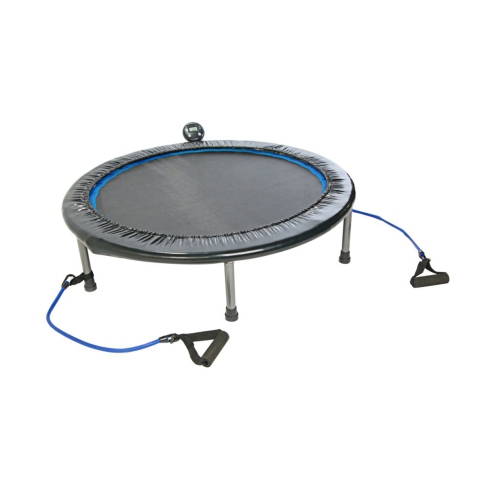 Your price for this item is $116.99
 -
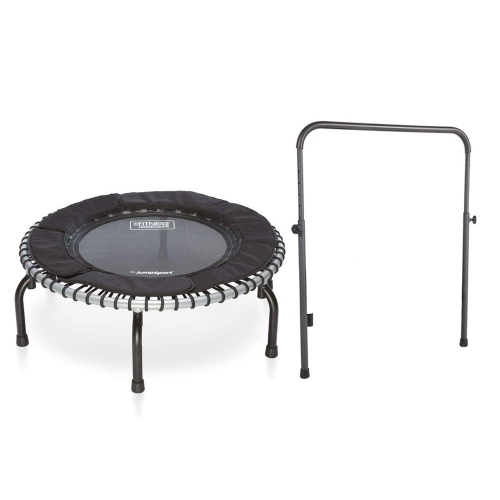 Your price for this item is $945.99
 -
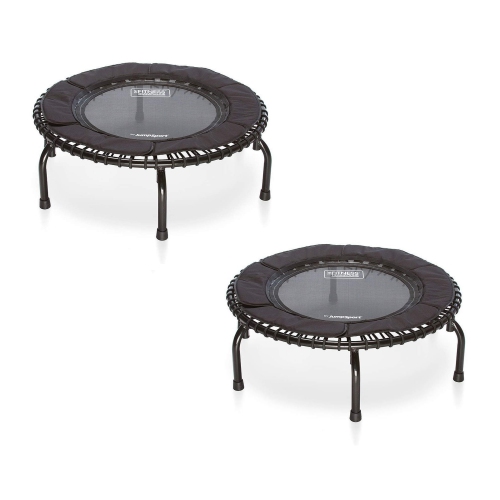 Your price for this item is $885.99
 -
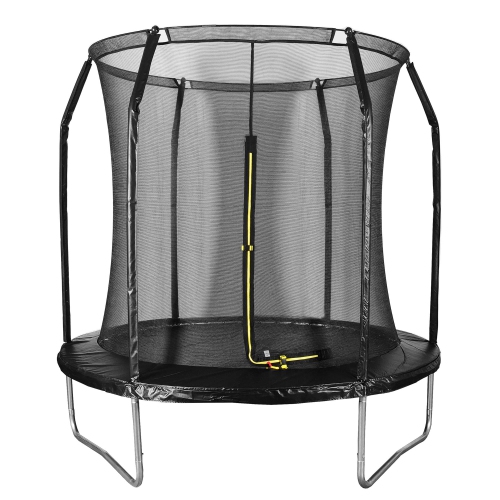 Your price for this item is $249.99
 -
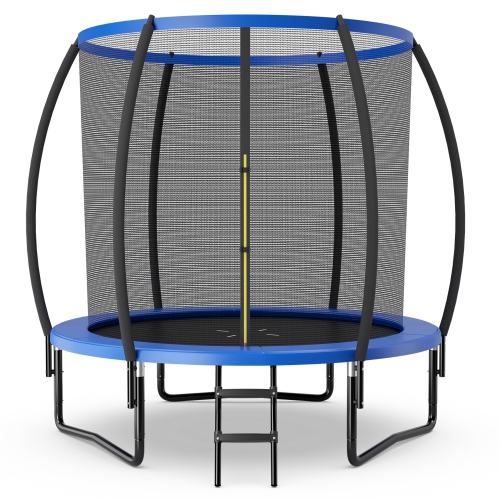 Your price for this item is $309.99
 -
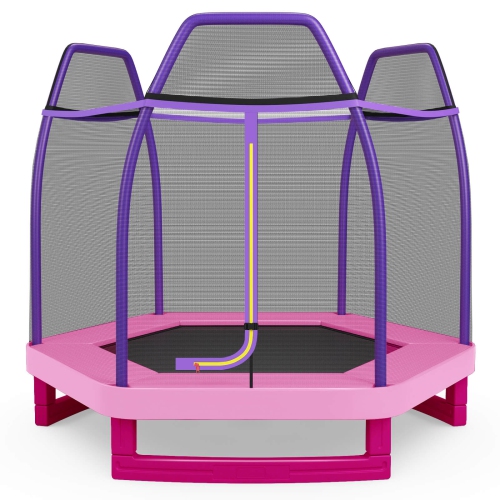 Your price for this item is $256.99
 -
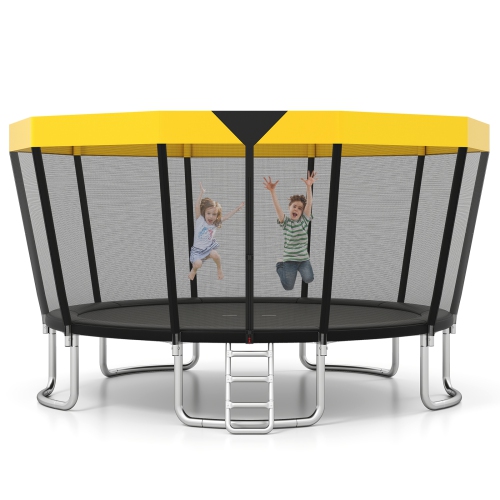 Your price for this item is $559.99
Discover more categories related to 10 Feet Trampoline With Safety Net
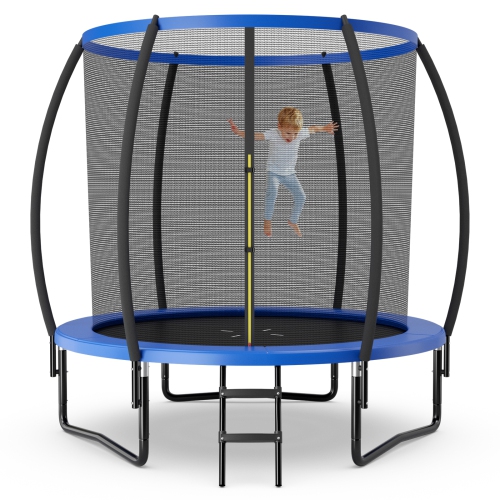

Top Collections:
Pokemon Centers, Kindle Devices, Best Budget Office Chairs, Apple iPhones 16, Best Laptops for Writers, iPhone 15 Apple, Canon G7X Cameras, Refurbished Apple Laptops, Alarm Clock, Motorola Razr Phones
Some products may be subject to Environmental Handling Fees
(EHF) depending on your province.
Learn more about EHFs.