Best Self-Balancing Scooters for Beginners
Find your footing with the best self-balancing scooters for beginners, ranked based on user review ratings. Whether you’re getting ready for your first ride or comparing beginner-friendly options, this list can help you narrow your search. Look for features such as responsive controls, stable foot platforms, and adjustable speed settings to help you build confidence as you learn.

Read More

What to look for in self-balancing scooters for beginners

1. Safety Features

Look for a model with UL 2272 certification, which addresses electrical system safety but does not guarantee riding safety. Check for non-slip foot pads and clear battery indicators, and wear a properly fitted helmet and protective gear.

2. Beginner Riding Modes

A training mode with a lower speed limit and gentle acceleration can help new riders build confidence. Compare maximum speeds and control settings, and practise mounting, stopping, and turning on a flat, dry surface away from traffic.

3. Rider Fit and Terrain

Check the manufacturer's recommended age and minimum and maximum rider weights, as proper fit matters for balance and control. Smaller wheels generally suit smooth surfaces, while larger wheels may handle uneven ground better when the scooter is designed for that terrain.

4. Battery Range and Charging

Choose a range that suits your expected rides, allowing for variation caused by rider weight, terrain, and speed. Compare charging times, use only the manufacturer-approved charger, and follow the charging and storage directions.
  1. 1

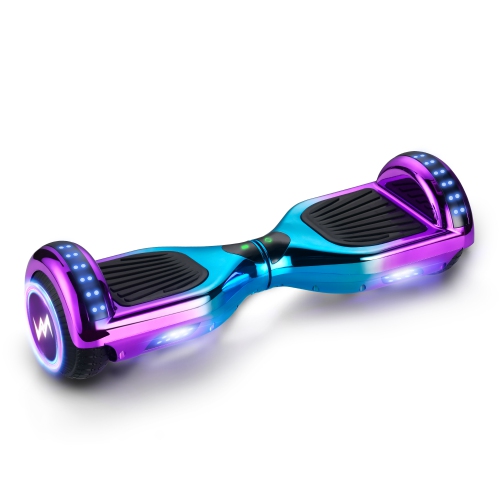
    WEELMOTION Chrome Iridescent 6.5" Ul 2272 Certified Hoverboard w Music Speaker And Led Front Lights, Strap Lights, Shining Whees, 72Wh Battery

    About this product

    A chrome iridescent hoverboard with music speaker, LED lights, strap lights, and all-terrain wheels. UL 2272 certified.

    (2)
    $159.99
    SAVE $540
    Your price for this item is $159.99
  2. 2

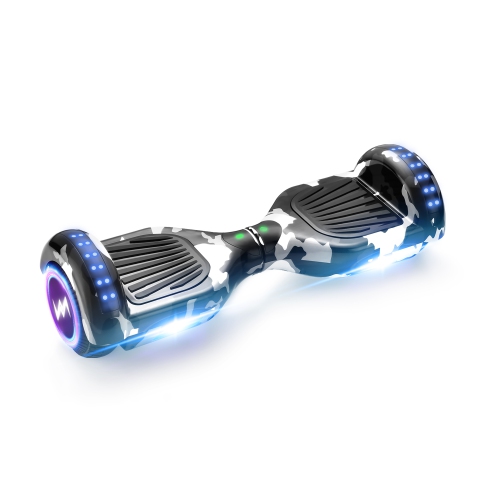
    WEELMOTION Camo 6.5" Hoverboard w Bigger Battery Than Other Cheaper Ones (72Wh > 50.4Wh), Music Speaker, Led Front Lights, Strap Lights, Shining

    About this product

    A camo hoverboard featuring a large 72Wh battery, LED front and strap lights, and built-in music speaker.

    (2)
    $299.99
    SAVE $300
    Your price for this item is $299.99
  3. 3

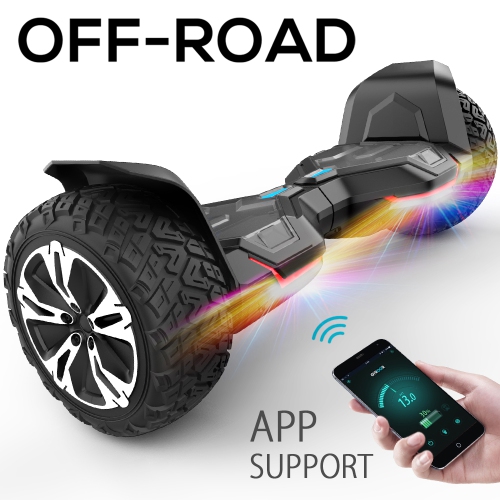
    MIHOVER Warrior 8.5 Inch 350W 2 Off-Road Hoverboard - All Terrain Hoverboard w Bluetooth Speaker And Led Lights, 10 Mph Max Speed for Kids And

    About this product

    A durable off-road hoverboard with Bluetooth speaker, LED lights, and a 10 mph max speed.

    (1)
    $279.99
    SAVE $20
    Your price for this item is $279.99
  4. 4

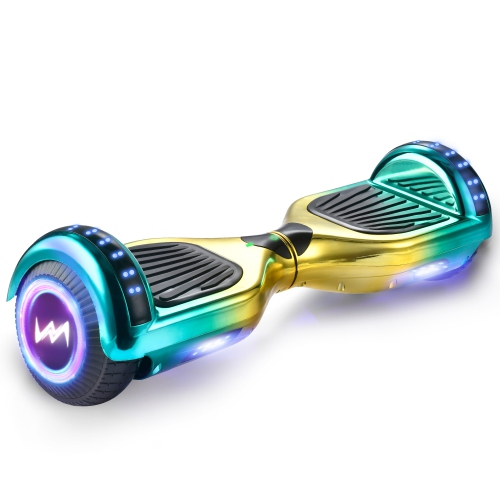
    WEELMOTION Chrome Lemon 6.5"all Terrain Hoverboard w Music Speaker, Bigger Battery Than Others (72Wh > 50.4Wh), Led Front Lights, Strap Lights

    About this product

    A chrome lemon all-terrain hoverboard featuring LED front lights, music speaker, and a high-capacity battery.

    (1)
    $159.99
    SAVE $540
    Your price for this item is $159.99
  5. 5

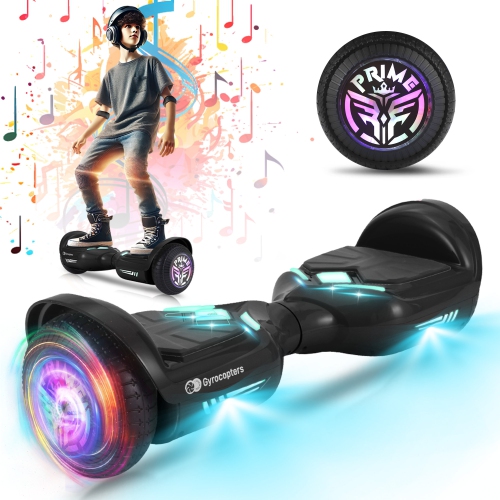
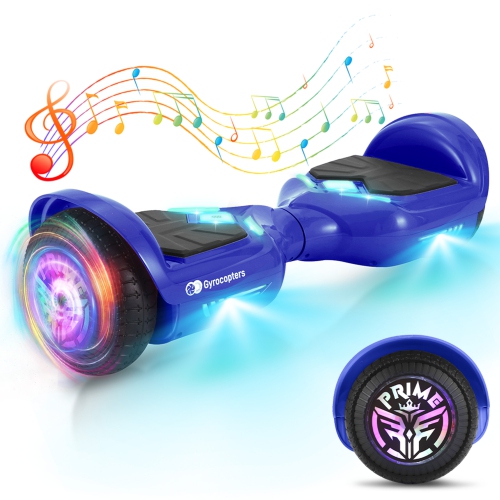
    GYROCOPTERS Prime All-Terrain Hoverboard for Kids | Speed Up to 15Km/h | 300W Powerful Motor | 6.5” Led Wheels | 165Lbs Weight Capacity | Ul2272

    About this product

    A powerful all-terrain hoverboard with 300W motor, 6.5” LED wheels, and UL2272-certified safety.

    What customers like

    • Heavy-duty construction
    • Great idea
    • Good value
    • Comfortable ride
    (482)
    $219.97
    SAVE $210
    Your price for this item is $219.97
  6. 6

    GYROCOPTERS Prime All-Terrain Hoverboard | Speed Up to 15Km/h | 300W Powerful Motor | 6.5” Led Wheels | 165 Lbs Weight Capacity | Ul2272 Certified

    About this product

    An all-terrain hoverboard with a 300W motor, 6.5” LED wheels, and UL2272 safety certification.

    What customers like

    • Durable build with good battery life
    • Attractive design and LED features
    • Versatile all-terrain functionality
    • Easy to use and learn, even for beginners
    • Smooth and stable performance
    (32)
    $219.97
    SAVE $210
    Your price for this item is $219.97

Predictable handling matters more than top speed

The best self-balancing scooters for beginners pair predictable handling with a comfortable stance, grippy footpads, and controls that make small movements feel manageable. Often called hoverboards, these battery-powered scooters use sensors and motors to respond to shifts in a rider’s weight. Leaning gently moves the scooter forward or backward, while changes in pressure between the feet help it turn. That hands-free design makes balance and coordination central to the experience, whether the rider is a teenager trying a new activity or an adult enjoying a little recreational riding. Beginner-friendly features can include a training mode, adjustable speed settings, and an auto-levelling function that helps position the foot platform for mounting. These features vary by model, and none removes the need to practise or wear protective equipment. A modest, controllable pace is generally more useful for a first-time rider than a high maximum speed, especially when learning to stop smoothly or turn within a small space. Wide, textured footpads provide room for a stable stance, but the rider still needs to meet the manufacturer’s minimum and maximum weight requirements. Those limits matter for sensor response and handling, not just how much weight the frame can carry. Age guidance is equally important: a compact scooter is not automatically suitable for a young child, and children need attentive adult supervision. For shoppers comparing closely related designs, the Best Hoverboard for Beginners collection offers another way to explore this style of ride. The most suitable choice depends on who will use it, the surfaces they can legally ride on, and how easily they can manage its weight when carrying it. A scooter that feels approachable on a clear, level practice surface is a better match for a beginner than one selected mainly for powerful motors, decorative lighting, or entertainment features. Clear battery indicators, understandable alerts, and accessible operating instructions also make everyday use less confusing.

Wheel size, tire construction, and platform design shape how a self-balancing scooter feels beneath the rider’s feet. Smaller wheels often suit smooth, even surfaces, while larger wheels may roll more comfortably over minor surface irregularities; neither makes a scooter safe for every path or obstacle. Solid tires avoid punctures and do not need inflation, although they can transmit more vibration through the platform. Air-filled tires can soften the ride, but they require pressure checks and may need puncture repairs. For a beginner, a flat, dry, unobstructed area away from traffic and pedestrians gives those differences a more useful context than an ambitious terrain label. A raised pavement seam, loose gravel, or a wet patch can be much more disruptive on a short, two-wheeled platform than it first appears. Ground clearance matters around small changes in surface height, but curbs, steps, steep slopes, and rough trails should not be treated as routine riding terrain unless expressly supported by the manufacturer’s instructions. Durable housings, securely fitted wheel guards, and a rigid platform are worth considering because a new rider may step off awkwardly or brush the casing against an obstacle. Plastic outer shells help keep weight manageable, while metal structural components provide support; the overall construction and stated load rating matter more than a material name alone. Rubberized or similarly textured footpads should feel secure under flat, closed-toe footwear, with enough space to place both feet as instructed. Loose laces and dangling clothing need to stay clear of moving parts. Carrying weight also deserves attention when the scooter must travel from a storage cupboard to a permitted riding area. A built-in handle can help, but a child may still need an adult to carry it. Lights can make the scooter easier to notice, yet they do not replace good visibility or make riding after dark appropriate for someone still learning. Bluetooth speakers and app features are secondary to fit, reliable controls, and clear operating limits.

Battery care and practical storage help keep a beginner’s self-balancing scooter ready for repeat use. Published range figures are estimates rather than promises: rider weight, speed, inclines, surface conditions, and temperature can all affect how far a charge lasts. A shorter session with ample battery remaining is a more comfortable starting point than riding until a low-charge alert sounds far from the starting area. For electrical safety, look for verifiable certification to an applicable standard such as UL 2272, which addresses the electrical system of personal e-mobility devices. Certification does not prevent falls or replace proper charging habits, and a statement about the battery alone is not the same as certification of the complete scooter’s electrical system. Use only the charger specified by the manufacturer, follow the charging instructions, and avoid charging unattended or while sleeping. A dry charging location away from exits and combustible materials is important, as is stopping use if the battery or casing shows damage, unusual swelling, or excessive heat. During the cooler months, cold can reduce battery performance, while snow, ice, road salt, and moisture create handling and care concerns. Water-resistance ratings have limits and should never be read as permission to ride through puddles or wash the scooter with a hose. After use, switch it off and clean it according to its instructions, keeping charging ports dry and checking the tires and footpads for wear or debris. Storage and charging temperatures should stay within the stated limits, and long periods without use may require a particular battery charge level. As a gift, a self-balancing scooter is most thoughtful when matched to the recipient’s age, size, coordination, and access to a suitable riding space. A properly fitted helmet and appropriate wrist, elbow, and knee protection belong alongside that decision. Local rules may restrict use on roads, sidewalks, parks, or shared paths, so recreational appeal should be balanced with where riding is permitted. Comfortable fit, manageable performance, and straightforward care help turn those first cautious movements into an enjoyable activity at the rider’s own pace.
Read More

FAQ

Some products may be subject to Environmental Handling Fees (EHF) depending on your province. Learn more about EHFs.