Billiard Cues
Whether you're a seasoned pool player or just starting out, having the right billiard cue can make all the difference in your game. A high-quality billiard cue not only enhances your performance but also adds a touch of style to your playing experience. From sleek designs to advanced technology, this collection of billiard cues offers a wide range of options to suit every player's preferences and skill level.
Sort
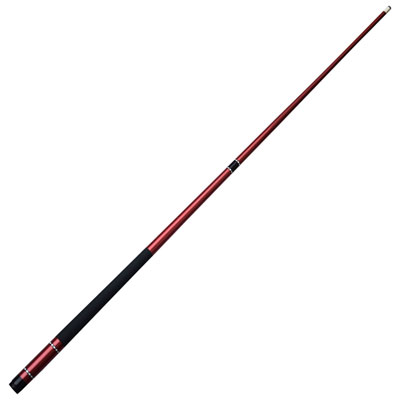
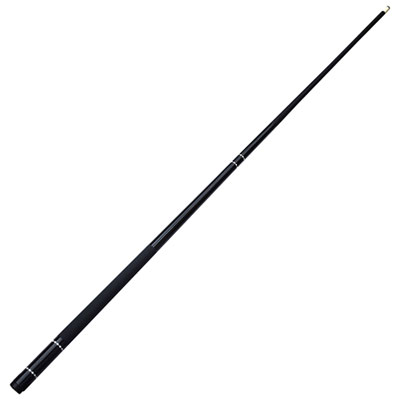
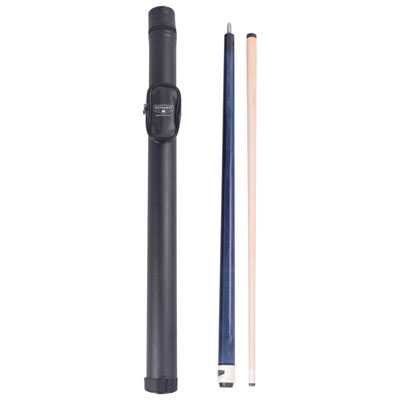
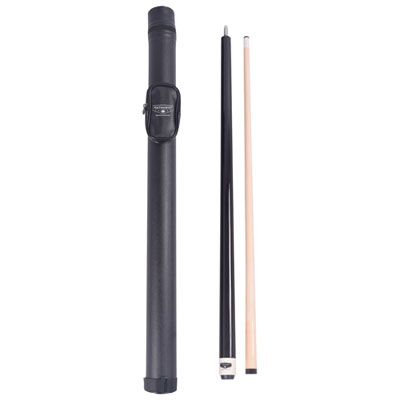
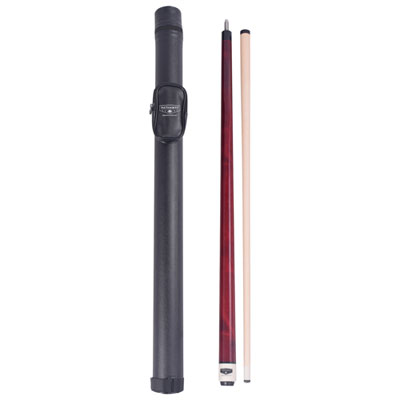
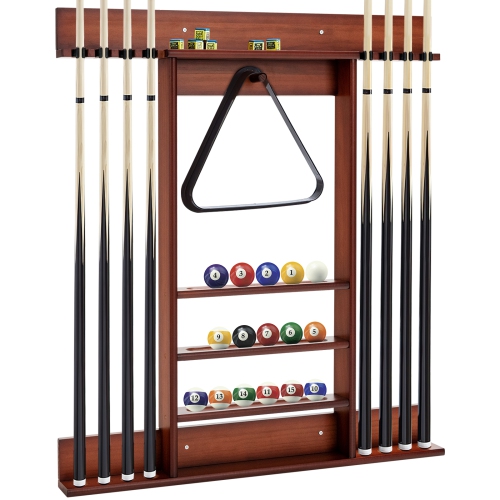
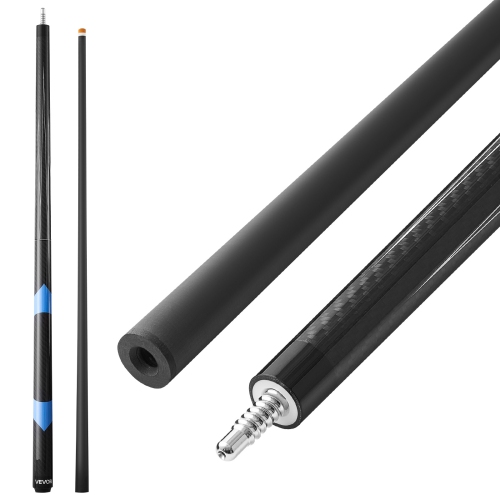
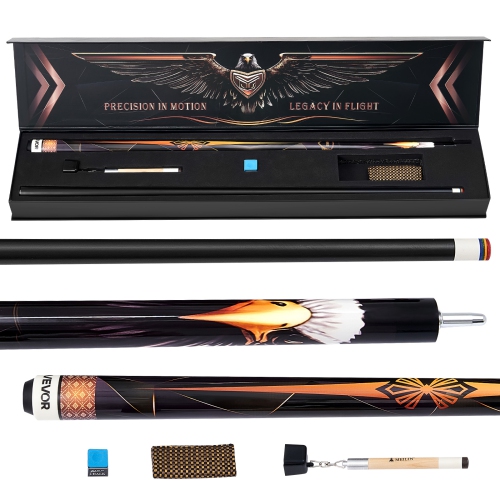
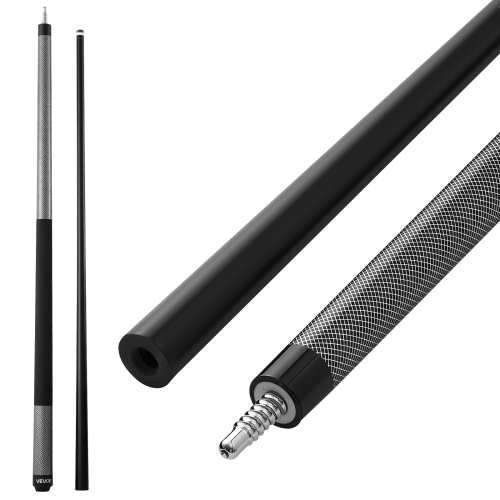
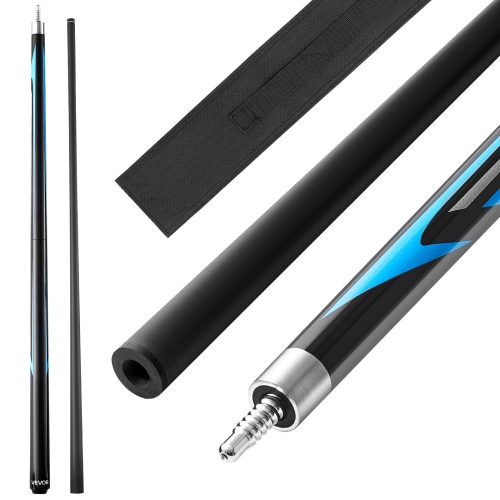
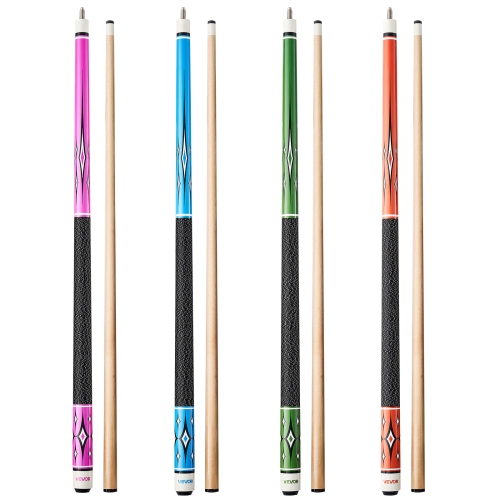

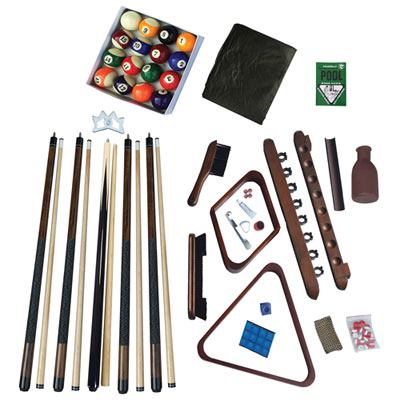
How cue fit shapes the feel of every shot
Billiard cues bring a familiar feel to every shot, whether the game is a relaxed round of eight-ball at home or a closely contested league match. A cue’s length, weight, shaft, tip, and balance all influence how it sits in the hand and moves through the bridge formed by the fingers. Most full-length pool cues measure about 58 inches and weigh between 18 and 21 ounces, although shorter and lighter options suit different players and playing spaces. A comfortable fit allows the grip hand to stay relaxed and the cue to move freely without an awkward reach. For adults sharing a home table, standard-length cues offer a practical starting point; younger players and those working around a wall or support post may benefit from a shorter cue. Weight is a matter of preference rather than a simple measure of quality. A lighter cue may feel easier to accelerate, while a heavier cue may feel steadier to some players, but neither replaces a smooth, controlled stroke. Balance matters just as much: two cues with the same stated weight can feel quite different if their weight sits farther forward or closer to the butt. One-piece billiard cues are straightforward choices for a dedicated games room, where they can remain near the table between sessions. Two-piece cues separate at a threaded or fitted joint for easier transport and storage, making them convenient for players who take a personal cue to a club or league night. A well-made joint should fit securely without looseness, helping the assembled cue feel consistent through the stroke. For someone moving from shared house cues to a personal cue, that consistency is often the main appeal. Using the same grip, shaft diameter, and balance from game to game removes unfamiliar equipment from the routine, leaving more attention for alignment, speed, and position for the next shot.
Materials give billiard cues much of their character, from the warmth of a wood shaft to the smooth surface of carbon fibre. Maple is widely used for pool cue shafts because it offers a useful combination of strength, stiffness, and feedback. Ash is common in snooker cues, where its visible grain and playing feel appeal to many players. Carbon fibre shafts resist warping and offer consistent construction, though their sound and feedback can differ from wood. No material guarantees better results for every player; comfort and familiarity remain important. Shaft taper also changes the experience. A pro taper maintains a similar diameter along part of the shaft near the tip, while a conical taper widens progressively towards the joint. These shapes feel different as they slide through the bridge hand, particularly during a longer stroke. Many pool cues have leather tips around 12 to 13 mm in diameter, while some performance shafts use narrower tips. Snooker cues generally have smaller tips, often around 9 to 11 mm, suited to the smaller balls used in that game. Tip hardness affects impact feel, sound, and maintenance needs. Softer tips tend to compress more and may need reshaping more often; harder tips generally hold their shape longer. A medium tip offers a middle ground, but tip hardness alone does not determine how much spin a player can produce. Accurate contact, chalk coverage, and stroke technique all matter. Low-deflection shafts are designed to reduce the cue ball’s initial sideways deviation when struck off-centre, although players still need to account for spin and shot conditions. At the grip, linen wraps, leather wraps, and smooth wrapless finishes offer distinct textures. A player whose hands get damp during a long match may prefer a textured wrap, while another may favour the uninterrupted feel of a finished wood handle. Decorative details can add personal style, but straightness, secure construction, and a comfortable grip have a more direct role in everyday play.
Intended use helps distinguish an everyday playing cue from equipment built for a particular shot. A playing cue is designed for the range of touch shots, position shots, and firmer strokes that make up a normal game. Dedicated break cues typically use harder tips and sturdy construction to handle forceful opening shots, while jump cues have proportions intended for controlled jump shots where the rules permit them. Pool, snooker, and carom billiards also place different demands on cue design, so a cue made for one discipline may not feel suitable for another. For a household games room, durable finishes and comfortable handling can matter more than specialised shaft features, especially when several people share the table. For a frequent club player, a familiar cue paired with a protective case makes travelling between venues simpler. Care is equally important to long-term performance. Wood cues should be kept away from excessive heat, dampness, and abrupt temperature changes; leaving a cue in a vehicle during the cooler months can expose it to conditions that affect its materials and finish. A fitted case or suitable rack helps protect the shaft from knocks and avoids the strain of leaving it leaning against a wall. Clean, dry hands help the shaft glide smoothly, and routine wiping with a soft cloth removes surface residue. Cleaning methods should match the shaft material and finish, particularly for carbon fibre, rather than relying on harsh cleaners or abrasive treatments. Tips need enough shape and texture to hold chalk, but excessive sanding shortens their useful life. A loose tip, cracked ferrule, or joint that no longer fits firmly deserves attention before further play. Complementary accessories, including chalk, cases, racks, and table-care essentials, belong alongside a cue in a well-kept playing space; Billiard Supplies covers the broader needs of the game. A billiard cue can also make a thoughtful gift for a regular player or someone setting up a home table, particularly when the recipient’s preferred game, cue length, weight, and grip style are already known. Those practical details help make it something that feels right in the hand and earns a place in regular play.
Materials give billiard cues much of their character, from the warmth of a wood shaft to the smooth surface of carbon fibre. Maple is widely used for pool cue shafts because it offers a useful combination of strength, stiffness, and feedback. Ash is common in snooker cues, where its visible grain and playing feel appeal to many players. Carbon fibre shafts resist warping and offer consistent construction, though their sound and feedback can differ from wood. No material guarantees better results for every player; comfort and familiarity remain important. Shaft taper also changes the experience. A pro taper maintains a similar diameter along part of the shaft near the tip, while a conical taper widens progressively towards the joint. These shapes feel different as they slide through the bridge hand, particularly during a longer stroke. Many pool cues have leather tips around 12 to 13 mm in diameter, while some performance shafts use narrower tips. Snooker cues generally have smaller tips, often around 9 to 11 mm, suited to the smaller balls used in that game. Tip hardness affects impact feel, sound, and maintenance needs. Softer tips tend to compress more and may need reshaping more often; harder tips generally hold their shape longer. A medium tip offers a middle ground, but tip hardness alone does not determine how much spin a player can produce. Accurate contact, chalk coverage, and stroke technique all matter. Low-deflection shafts are designed to reduce the cue ball’s initial sideways deviation when struck off-centre, although players still need to account for spin and shot conditions. At the grip, linen wraps, leather wraps, and smooth wrapless finishes offer distinct textures. A player whose hands get damp during a long match may prefer a textured wrap, while another may favour the uninterrupted feel of a finished wood handle. Decorative details can add personal style, but straightness, secure construction, and a comfortable grip have a more direct role in everyday play.
Intended use helps distinguish an everyday playing cue from equipment built for a particular shot. A playing cue is designed for the range of touch shots, position shots, and firmer strokes that make up a normal game. Dedicated break cues typically use harder tips and sturdy construction to handle forceful opening shots, while jump cues have proportions intended for controlled jump shots where the rules permit them. Pool, snooker, and carom billiards also place different demands on cue design, so a cue made for one discipline may not feel suitable for another. For a household games room, durable finishes and comfortable handling can matter more than specialised shaft features, especially when several people share the table. For a frequent club player, a familiar cue paired with a protective case makes travelling between venues simpler. Care is equally important to long-term performance. Wood cues should be kept away from excessive heat, dampness, and abrupt temperature changes; leaving a cue in a vehicle during the cooler months can expose it to conditions that affect its materials and finish. A fitted case or suitable rack helps protect the shaft from knocks and avoids the strain of leaving it leaning against a wall. Clean, dry hands help the shaft glide smoothly, and routine wiping with a soft cloth removes surface residue. Cleaning methods should match the shaft material and finish, particularly for carbon fibre, rather than relying on harsh cleaners or abrasive treatments. Tips need enough shape and texture to hold chalk, but excessive sanding shortens their useful life. A loose tip, cracked ferrule, or joint that no longer fits firmly deserves attention before further play. Complementary accessories, including chalk, cases, racks, and table-care essentials, belong alongside a cue in a well-kept playing space; Billiard Supplies covers the broader needs of the game. A billiard cue can also make a thoughtful gift for a regular player or someone setting up a home table, particularly when the recipient’s preferred game, cue length, weight, and grip style are already known. Those practical details help make it something that feels right in the hand and earns a place in regular play.
Top selling and popular products
-
 Your price for this item is $50.99
 -
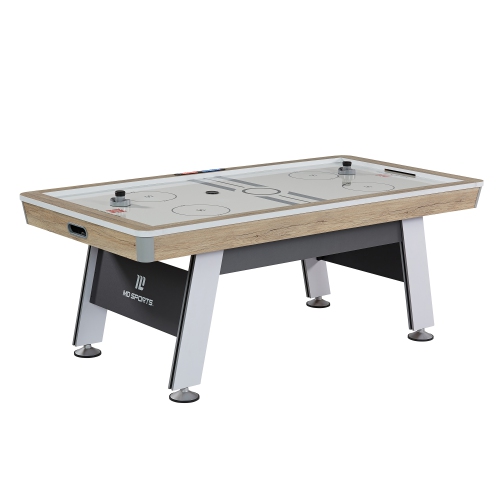 Your price for this item is $999.99
 -
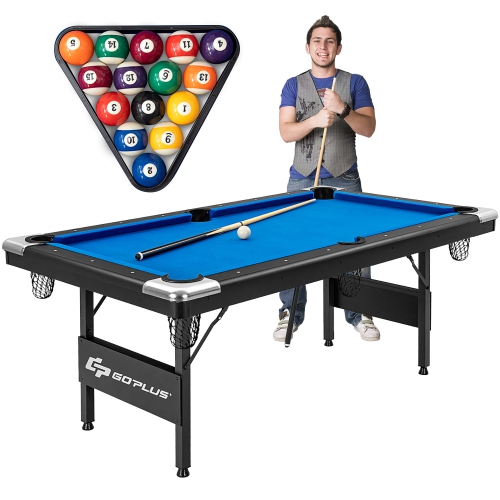 Your price for this item is $909.99
 -
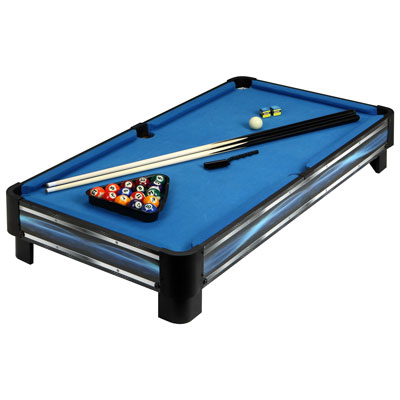 Your price for this item is $114.98
 -
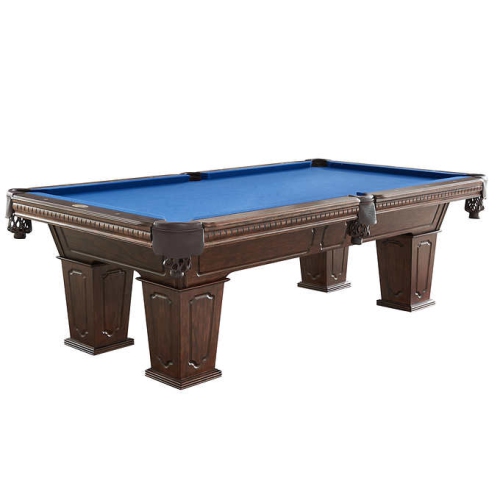 Your price for this item is $6595
 -
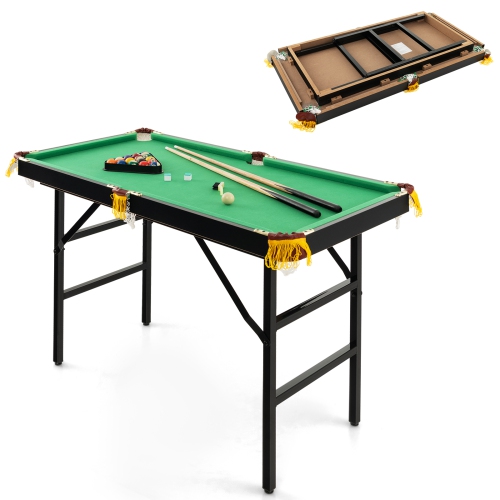 Your price for this item is $163.99
 -
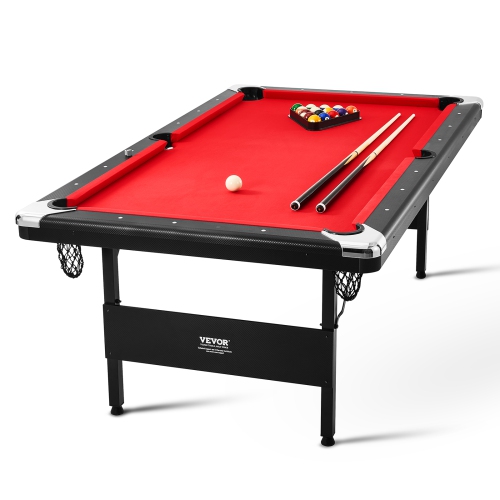 Your price for this item is $909.9
 -
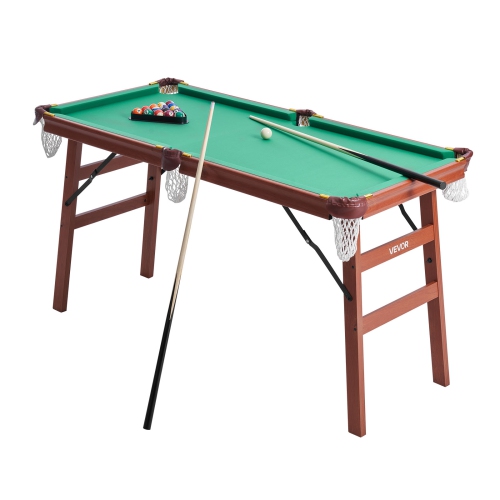 Your price for this item is $219.9
Discover more categories related to Billiard Cues
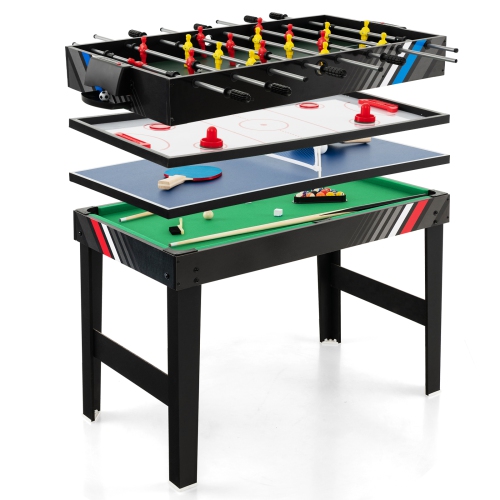
Top Collections:
Pokemon Centers, Kindle Devices, Best Budget Office Chairs, Apple iPhones 16, Samsung Galaxy Phones, Canon G7X Cameras, iPhone 15 Apple, Flip Phones, Best Laptops for Writers, Alarm Clock
Some products may be subject to Environmental Handling Fees
(EHF) depending on your province.
Learn more about EHFs.