Billiards Table Accessories
Enhance your billiards experience with a wide range of top-notch accessories. From cue sticks to chalk, we have everything you need to take your game to the next level. Whether you're a seasoned player or just starting, billiards table accessories are designed to cater to all skill levels and preferences. These accessories can help you improve your technique, increase accuracy, and enhance the overall enjoyment of the game. They are also great for adding a touch of style to your game room.
Sort

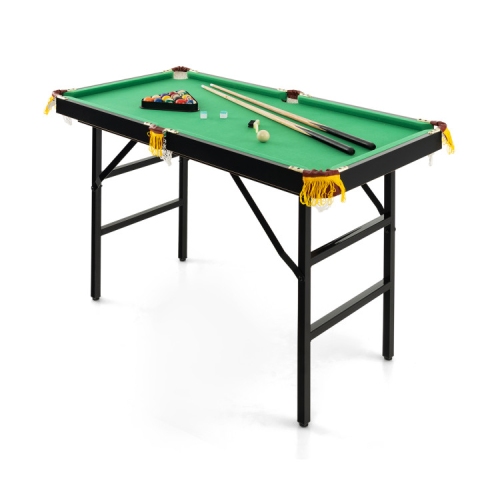
Why ball size and rack shape matter
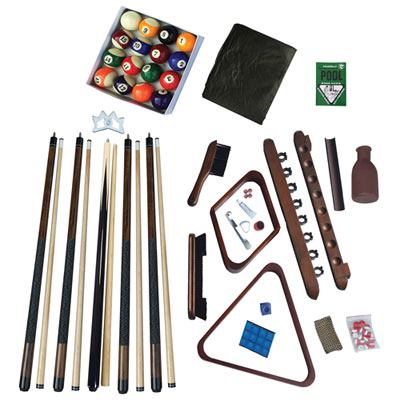
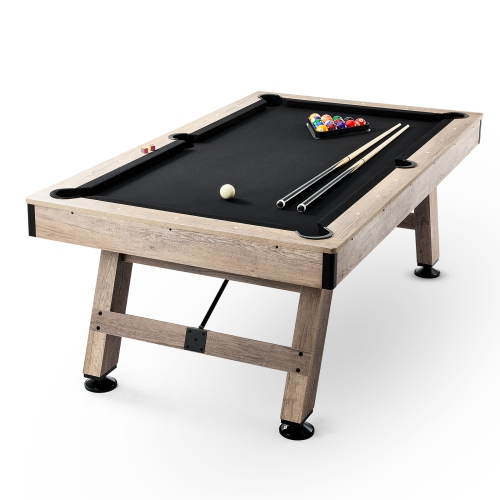
Billiards table accessories bring together the equipment used to play, organize, and care for a pool table, from cues and balls to racks, chalk, brushes, and protective covers. Each serves a different purpose: cues control the shot, ball racks arrange the opening formation, chalk helps the cue tip grip the cue ball, and cleaning accessories help keep the playing surface free of loose debris. For standard eight-ball pool, a complete ball set contains 15 numbered object balls and one white cue ball. Nine-ball uses the balls numbered one through nine, along with the cue ball, so the required racking shape differs by game. A triangular rack suits eight-ball, while a diamond rack is commonly used for nine-ball. Wood and moulded plastic racks offer different finishes and handling characteristics, but either should fit the balls closely enough to form a tight group before the break. Ball diameter also matters. Many North American pool tables use 2.25-inch balls, although compact tables and some other table styles require different sizes. Matching the ball set to the table’s specifications helps ensure compatibility with pockets and ball-return systems where fitted. Billiard balls made from phenolic resin are valued for wear resistance and consistent performance, while other resin materials may suit casual home play. Consistency in ball size, weight, and roundness supports predictable contact and movement across the cloth. For a household that plays several games, the right combination of balls and racks makes switching between them straightforward. For a shared games room, clearly numbered balls and sturdy equipment make sense when many different players use the table. A coordinated accessory set can help equip a newly installed table, while separate accessories allow worn essentials to be replaced without changing equipment that still works well. The most useful assortment reflects the table itself, the games played on it, and the people who gather around it, whether that means relaxed family matches or focused practice sessions.
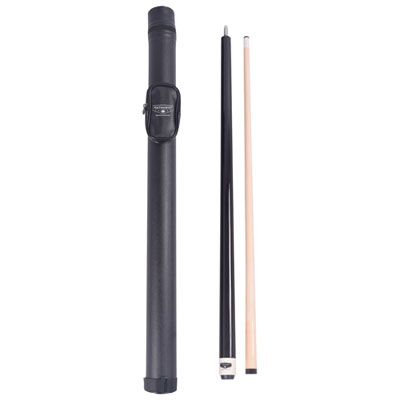
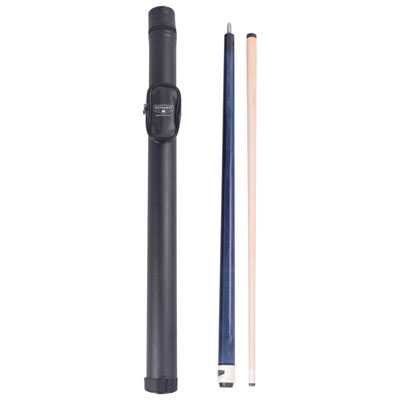
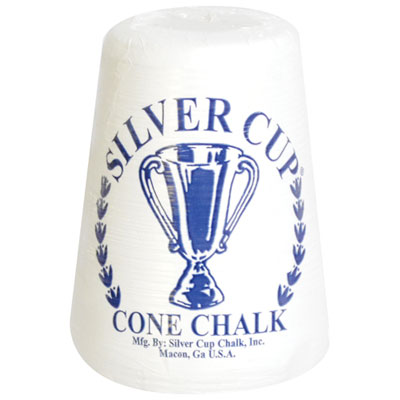
Pool cues are among the most personal billiards accessories because length, weight, shaft construction, and tip feel all influence how a player handles a shot. One-piece cues are practical for a dedicated home games room, while two-piece cues separate for easier transport and storage in a case. Hardwood shafts, including maple, are common, and composite constructions offer another choice with their own feel and maintenance requirements. A smooth shaft, secure joint where applicable, and well-maintained tip help the cue move comfortably through the bridge hand and make consistent contact with the ball. Room layout matters as much as player preference. A full-length cue may work comfortably along most of the table but leave too little room for a backswing beside a column or close wall; a shorter cue can make those awkward shots more manageable. Shorter lengths may also suit younger players, provided the cue’s weight and grip feel comfortable. Cue chalk increases friction between the tip and cue ball, helping reduce miscues when applied properly, particularly on shots struck away from the ball’s centre. It belongs on the tip rather than the ferrule or shaft, and a light, even coating is more useful than grinding the tip into the chalk. Chalk colour close to the table cloth can make stray marks less noticeable, though excess chalk still needs to be cleaned away. Related Pool Cue Accessories support tip maintenance, storage, and handling for players who want to look after their equipment between games. A mechanical bridge can help with shots beyond a comfortable reach, reducing the need to stretch across the table or adopt an unstable stance. For someone who enjoys regular practice, a protective cue case or compatible maintenance accessory can be a thoughtful gift. When selecting cue-related gifts, matching the recipient’s existing equipment is especially important because joint fittings, tip dimensions, and case capacity are not universal.
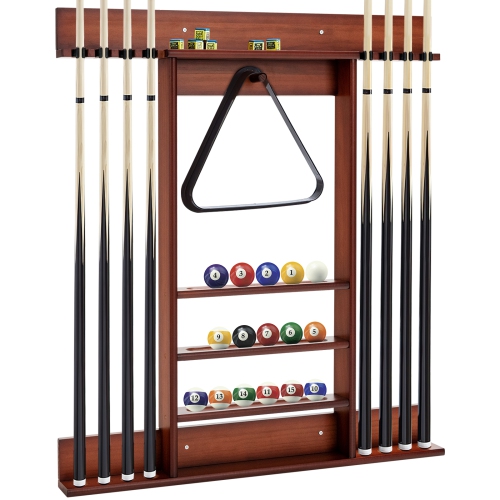
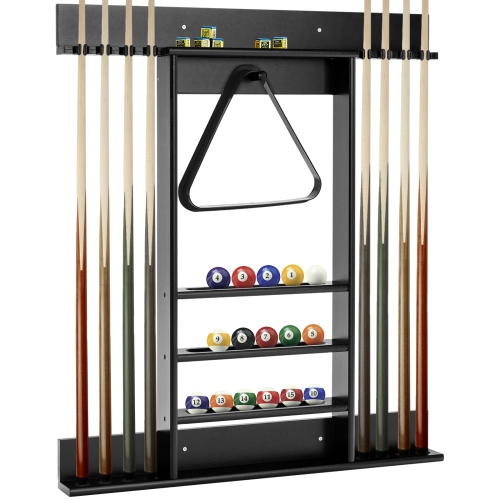
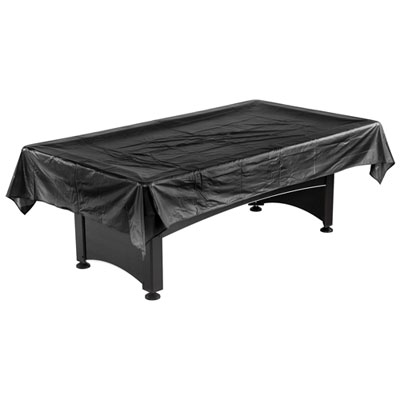
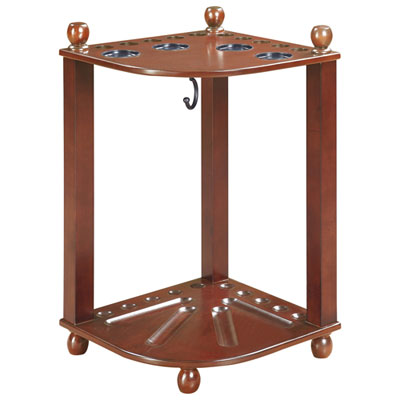
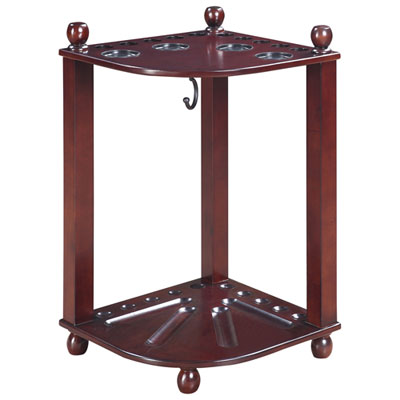
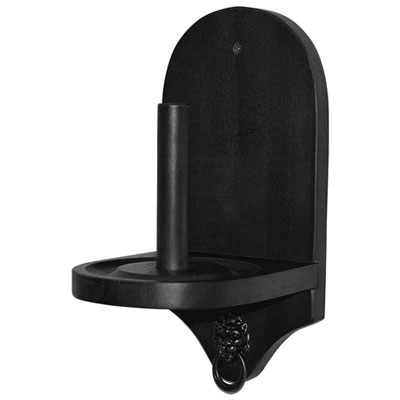
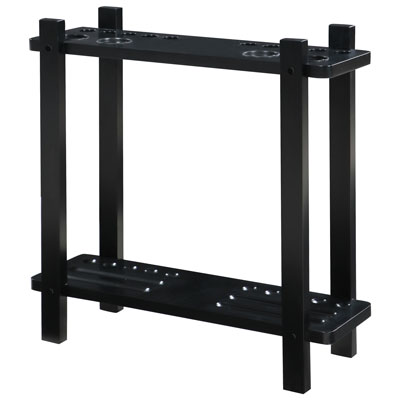
Table care and organized storage help keep a billiards setup pleasant to use long after the first game. A brush intended for billiard cloth uses suitable bristles to lift loose chalk and dust, while a slim rail brush can reach areas beneath the cushions. Cleaning methods should follow the cloth manufacturer’s recommendations, since napped and worsted cloth can have different care requirements. Gentle, controlled cleaning is preferable to aggressive scrubbing, and ordinary household stain removers may leave residue or affect the cloth’s appearance. Ball care matters, too: clean balls pick up less surface grime and help limit the transfer of dirt onto the table. A cleaner formulated for billiard balls should be used according to its directions rather than replaced with an abrasive household product. Between games, a fitted table cover helps shield the cloth and rails from dust, incidental contact, and light exposure. Vinyl and other wipe-clean materials can be practical in busy homes, while a soft backing helps protect finished surfaces. Water-resistant materials may provide some protection against an accidental splash, but a cover should not be treated as permission to leave drinks on the table. Cover fit depends on the table’s outer dimensions, including the rails, rather than the playing surface alone; pocket shape and the desired side drop also affect coverage. Cue storage deserves similar attention. Wall-mounted racks free up floor space, while freestanding racks can keep cues close to the table without requiring wall installation. Secure supports help prevent cues from falling or being left leaning against furniture, and separate compartments for balls, chalk, and racks reduce clutter around the playing area. In a multipurpose room, placing storage outside the normal cue swing keeps equipment accessible without obstructing play. Durable finishes, stable bases, and surfaces that are easy to wipe clean are useful wherever accessories receive frequent handling. Together, well-fitting covers, appropriate cleaning tools, and sensible storage make it easier to finish a game, put everything in its place, and return to a table that is ready for the next match.
Pool cues are among the most personal billiards accessories because length, weight, shaft construction, and tip feel all influence how a player handles a shot. One-piece cues are practical for a dedicated home games room, while two-piece cues separate for easier transport and storage in a case. Hardwood shafts, including maple, are common, and composite constructions offer another choice with their own feel and maintenance requirements. A smooth shaft, secure joint where applicable, and well-maintained tip help the cue move comfortably through the bridge hand and make consistent contact with the ball. Room layout matters as much as player preference. A full-length cue may work comfortably along most of the table but leave too little room for a backswing beside a column or close wall; a shorter cue can make those awkward shots more manageable. Shorter lengths may also suit younger players, provided the cue’s weight and grip feel comfortable. Cue chalk increases friction between the tip and cue ball, helping reduce miscues when applied properly, particularly on shots struck away from the ball’s centre. It belongs on the tip rather than the ferrule or shaft, and a light, even coating is more useful than grinding the tip into the chalk. Chalk colour close to the table cloth can make stray marks less noticeable, though excess chalk still needs to be cleaned away. Related Pool Cue Accessories support tip maintenance, storage, and handling for players who want to look after their equipment between games. A mechanical bridge can help with shots beyond a comfortable reach, reducing the need to stretch across the table or adopt an unstable stance. For someone who enjoys regular practice, a protective cue case or compatible maintenance accessory can be a thoughtful gift. When selecting cue-related gifts, matching the recipient’s existing equipment is especially important because joint fittings, tip dimensions, and case capacity are not universal.
Table care and organized storage help keep a billiards setup pleasant to use long after the first game. A brush intended for billiard cloth uses suitable bristles to lift loose chalk and dust, while a slim rail brush can reach areas beneath the cushions. Cleaning methods should follow the cloth manufacturer’s recommendations, since napped and worsted cloth can have different care requirements. Gentle, controlled cleaning is preferable to aggressive scrubbing, and ordinary household stain removers may leave residue or affect the cloth’s appearance. Ball care matters, too: clean balls pick up less surface grime and help limit the transfer of dirt onto the table. A cleaner formulated for billiard balls should be used according to its directions rather than replaced with an abrasive household product. Between games, a fitted table cover helps shield the cloth and rails from dust, incidental contact, and light exposure. Vinyl and other wipe-clean materials can be practical in busy homes, while a soft backing helps protect finished surfaces. Water-resistant materials may provide some protection against an accidental splash, but a cover should not be treated as permission to leave drinks on the table. Cover fit depends on the table’s outer dimensions, including the rails, rather than the playing surface alone; pocket shape and the desired side drop also affect coverage. Cue storage deserves similar attention. Wall-mounted racks free up floor space, while freestanding racks can keep cues close to the table without requiring wall installation. Secure supports help prevent cues from falling or being left leaning against furniture, and separate compartments for balls, chalk, and racks reduce clutter around the playing area. In a multipurpose room, placing storage outside the normal cue swing keeps equipment accessible without obstructing play. Durable finishes, stable bases, and surfaces that are easy to wipe clean are useful wherever accessories receive frequent handling. Together, well-fitting covers, appropriate cleaning tools, and sensible storage make it easier to finish a game, put everything in its place, and return to a table that is ready for the next match.
Top selling and popular products
-
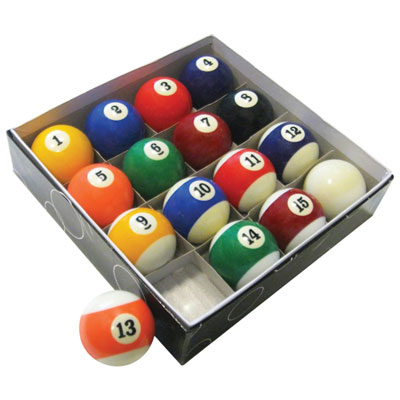 Your price for this item is $50.99
 -
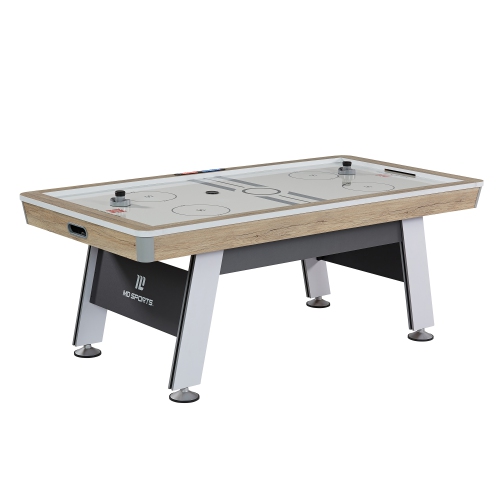 Your price for this item is $999.99
 -
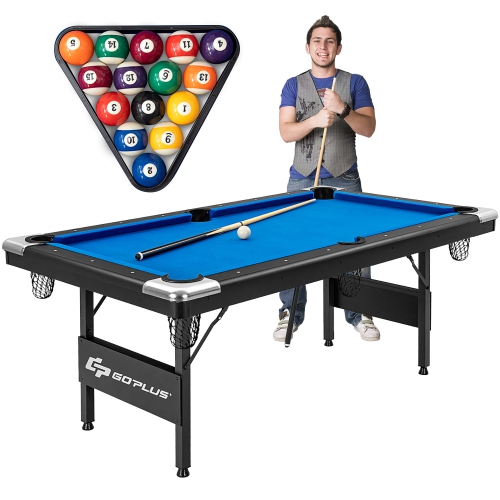 Your price for this item is $909.99
 -
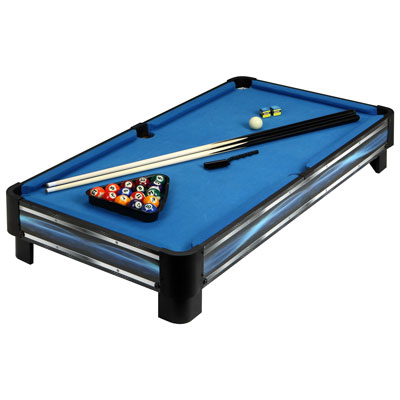 Your price for this item is $114.98
 -
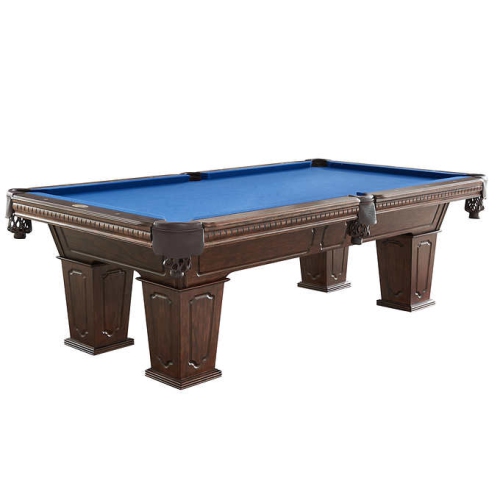 Your price for this item is $6595
 -
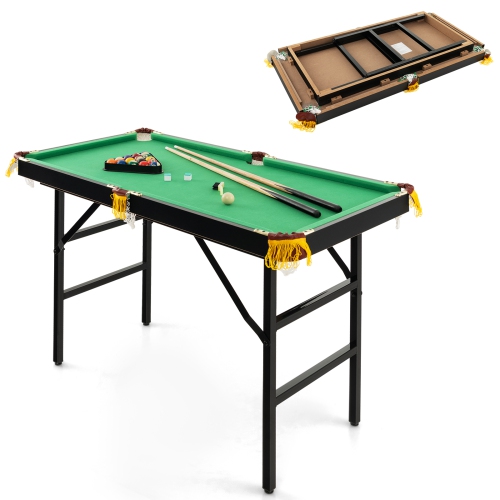 Your price for this item is $163.99
 -
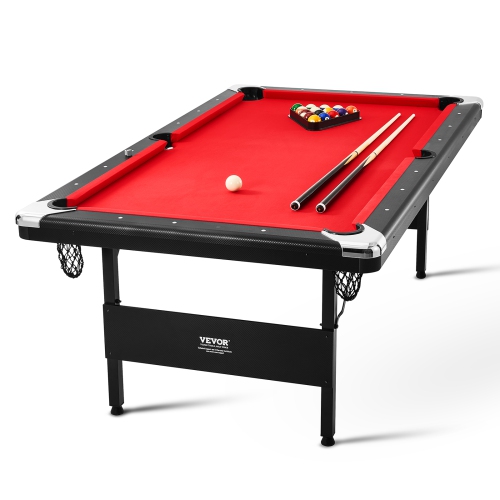 Your price for this item is $909.9
 -
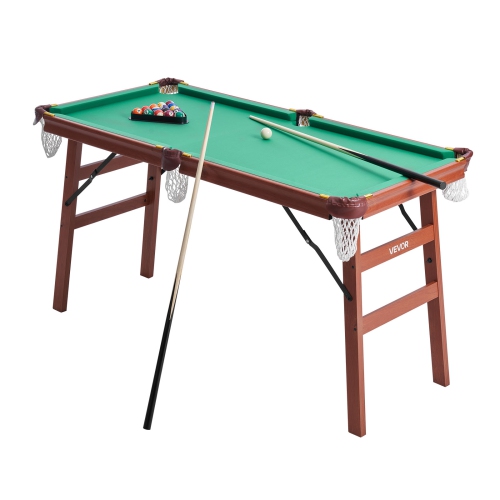 Your price for this item is $219.9
Discover more categories related to Billiards Table Accessories
Top Collections:
Pokemon Centers, Kindle Devices, Best Budget Office Chairs, Apple iPhones 16, Samsung Galaxy Phones, Canon G7X Cameras, iPhone 15 Apple, Flip Phones, Best Laptops for Writers, Alarm Clock
Some products may be subject to Environmental Handling Fees
(EHF) depending on your province.
Learn more about EHFs.