Boat Hardware
From anchors to cleats, boat hardware plays a crucial role in ensuring a smooth and safe sailing experience. Whether you're a seasoned sailor or just starting out, having the right boat hardware is essential for maintaining the integrity of your vessel and optimizing its performance. At Best Buy, we offer a wide selection of high-quality boat hardware that is built to withstand the elements and meet the demands of any boating adventure. Explore our extensive range of boat hardware options and find everything you need to keep your boat in shipshape condition.
Sort
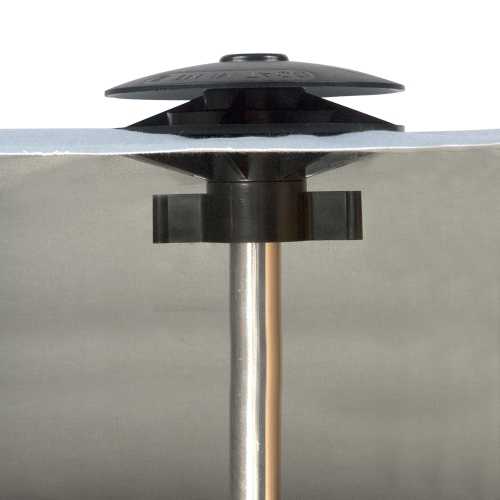
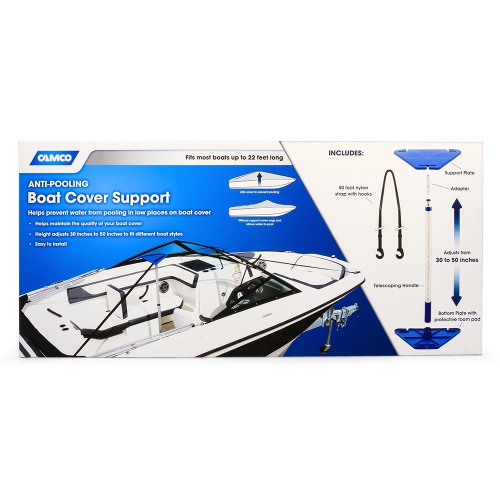
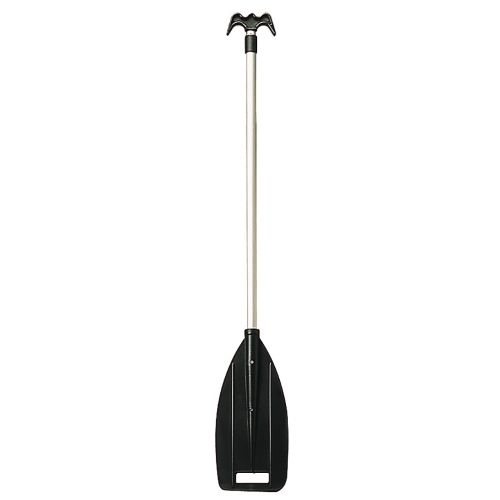
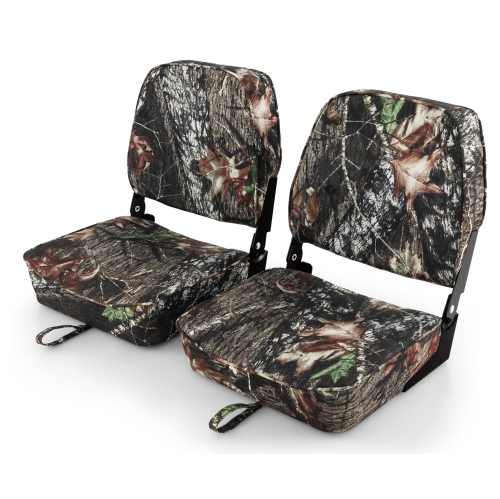
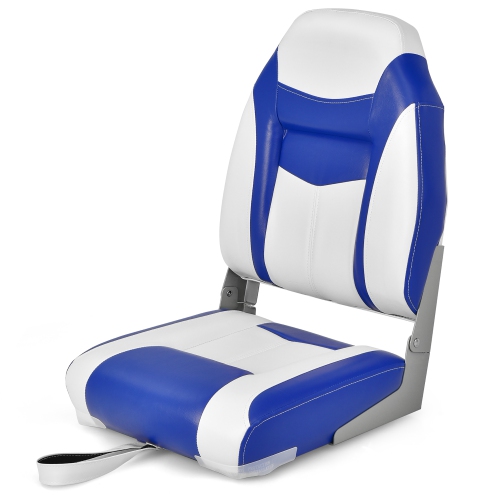
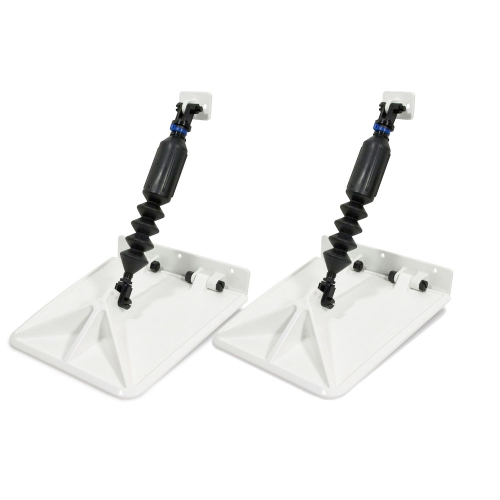
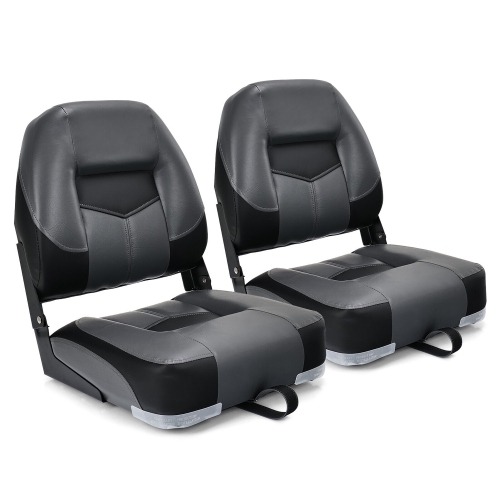
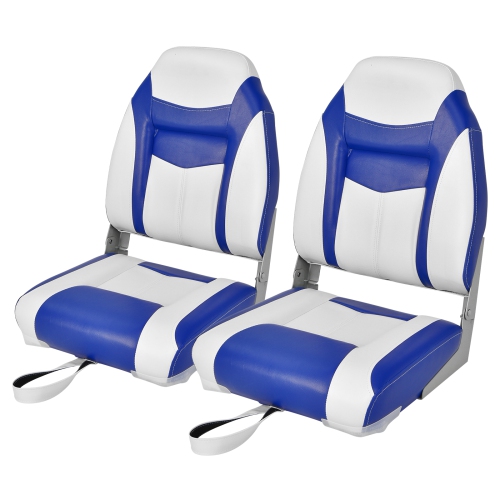
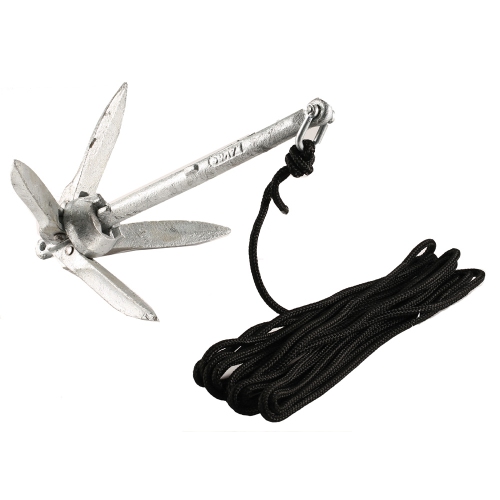
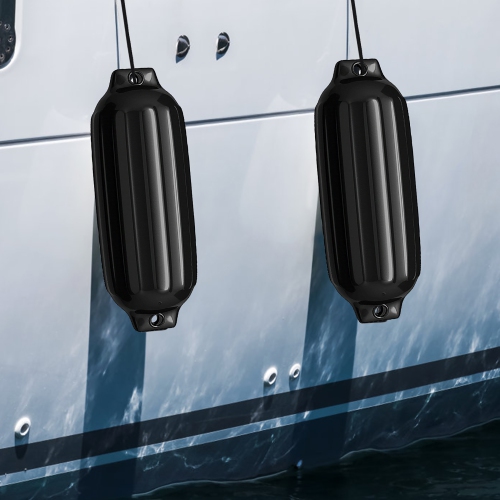
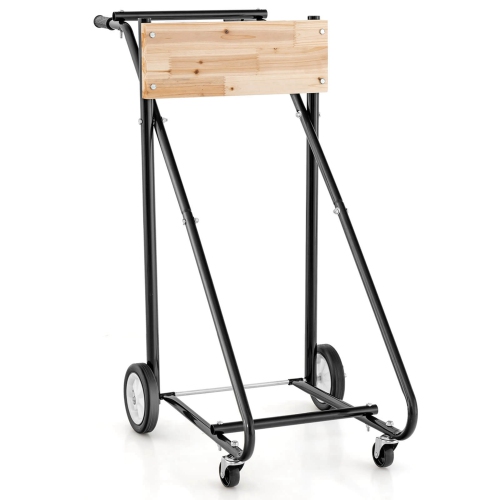
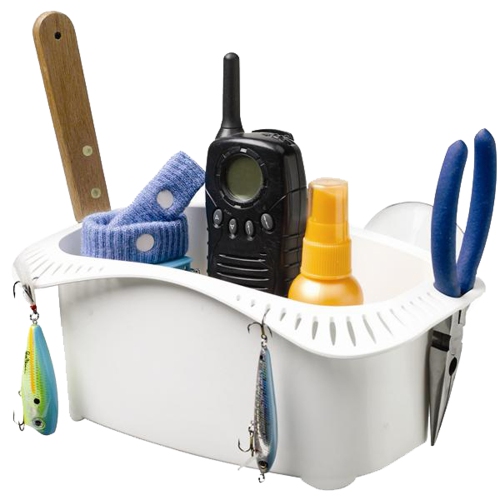
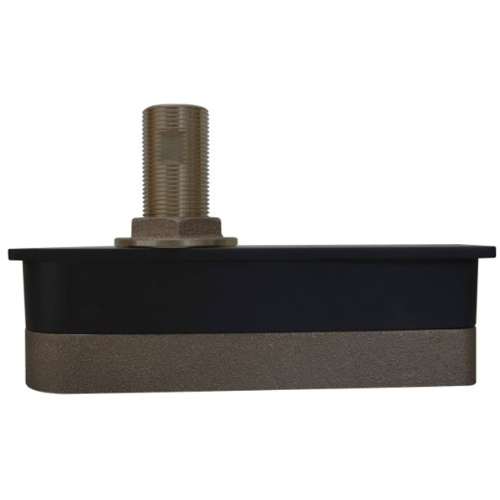

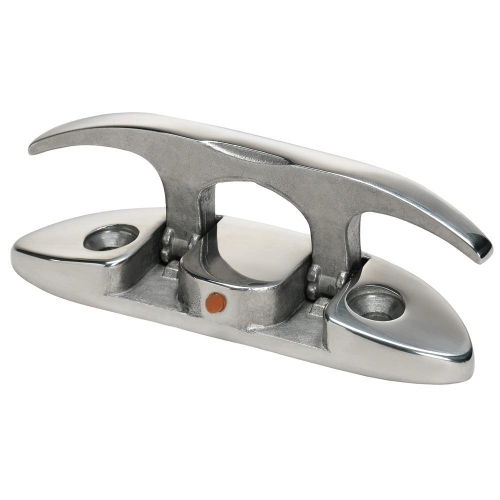
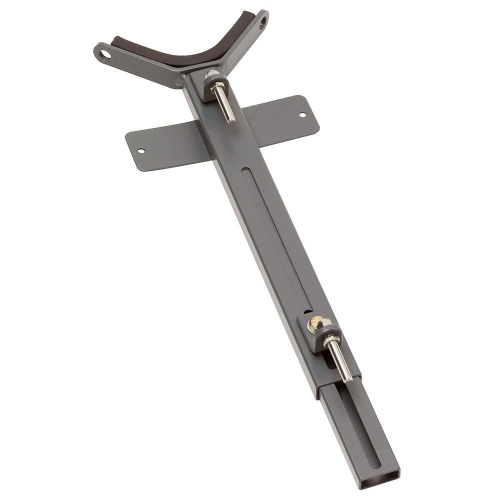
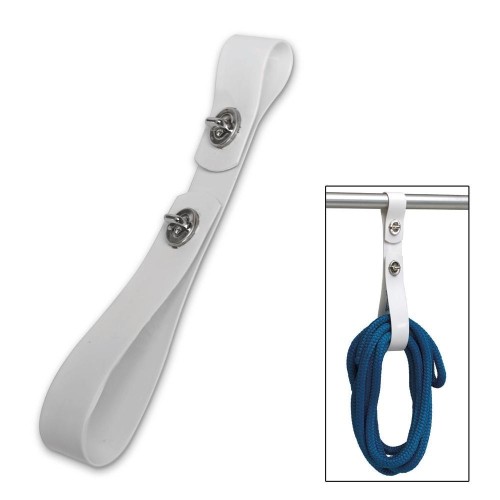
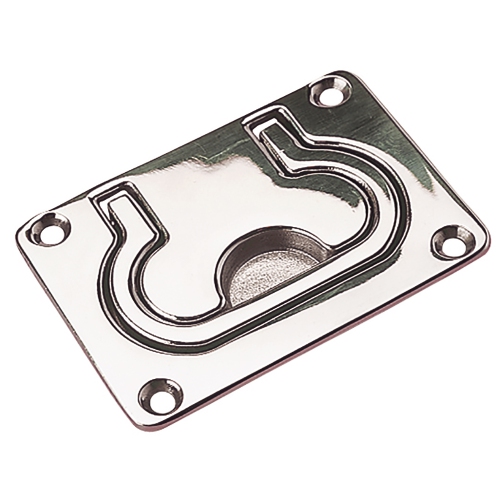
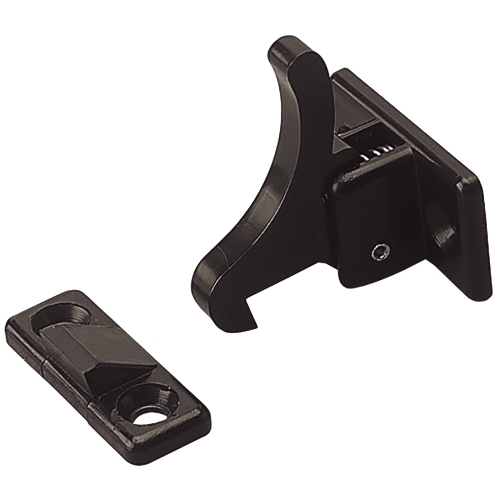
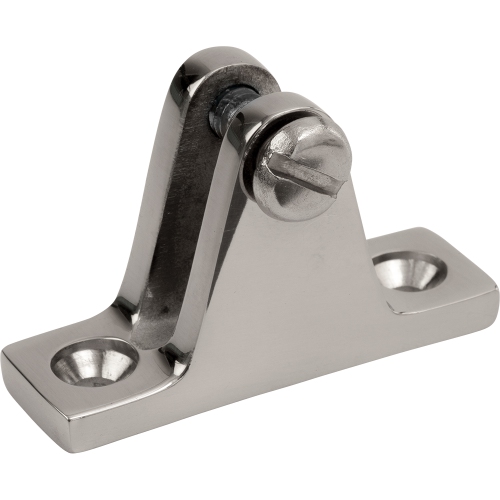
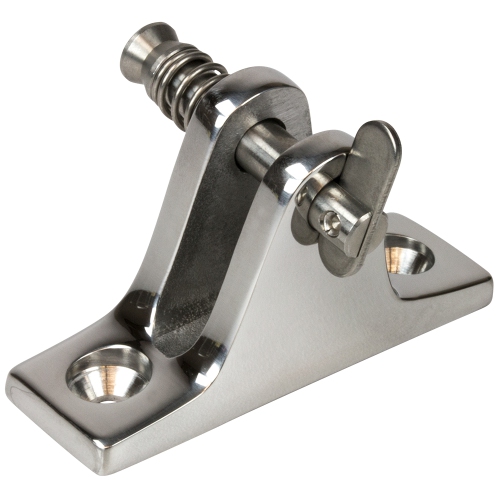
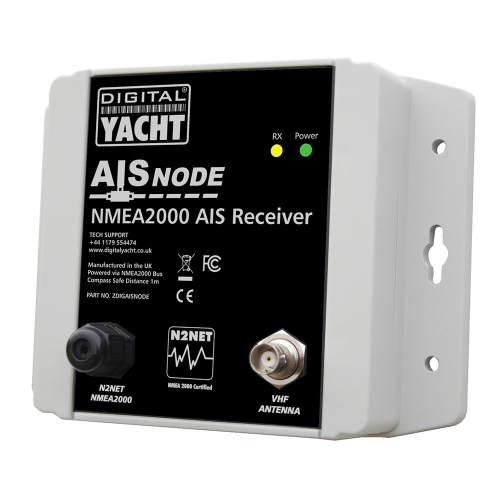
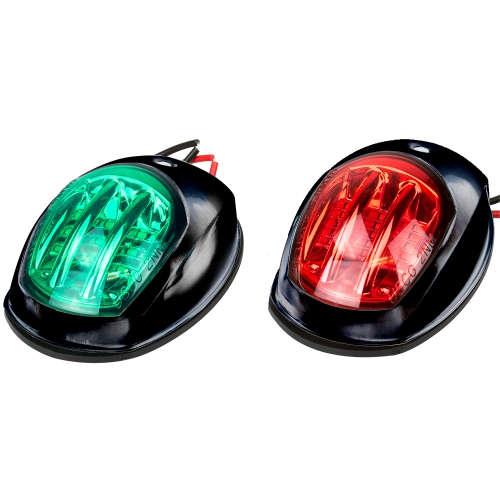
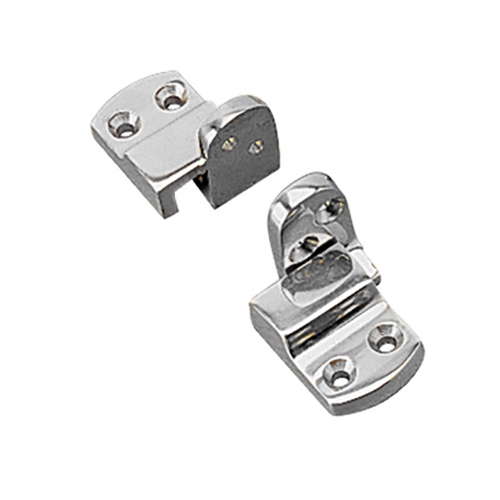
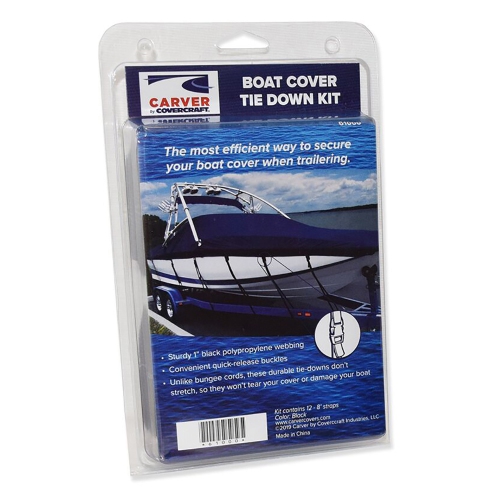
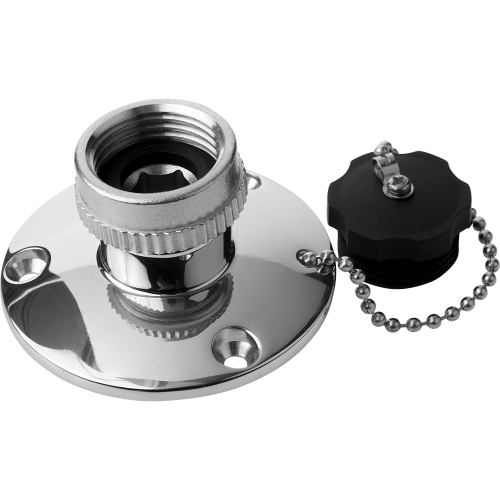
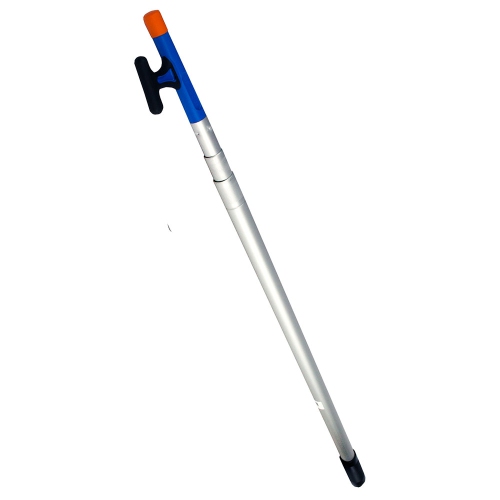
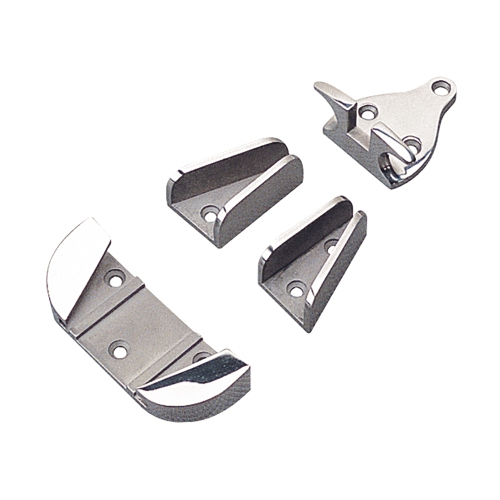
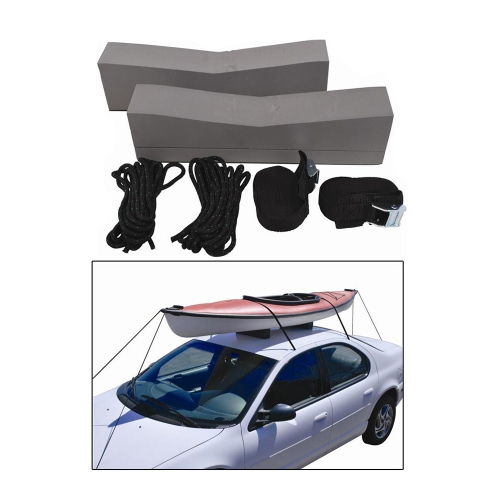
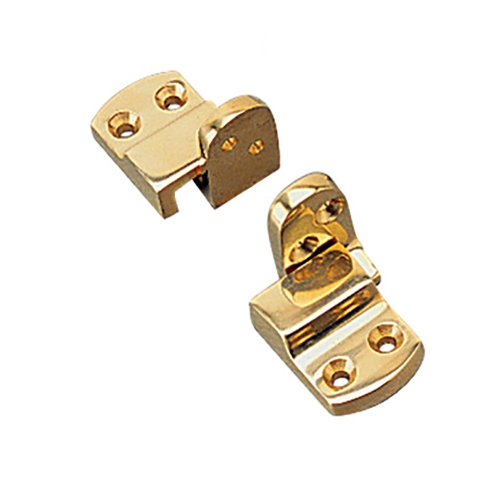
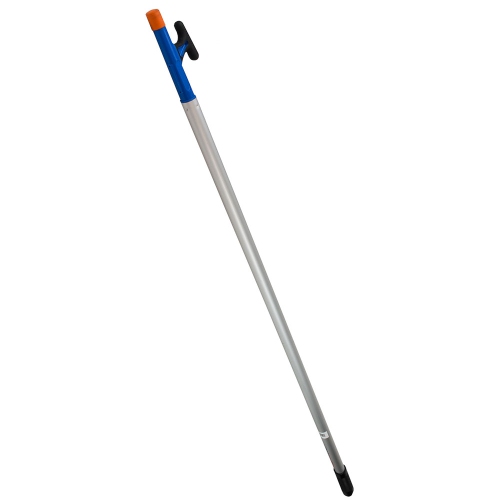
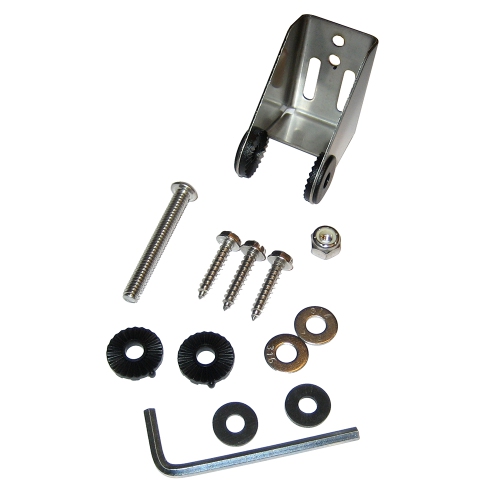
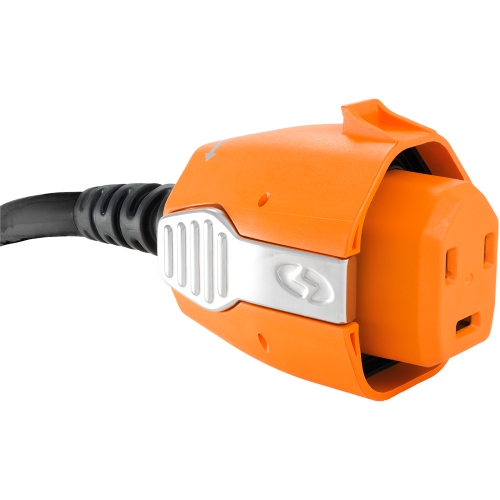

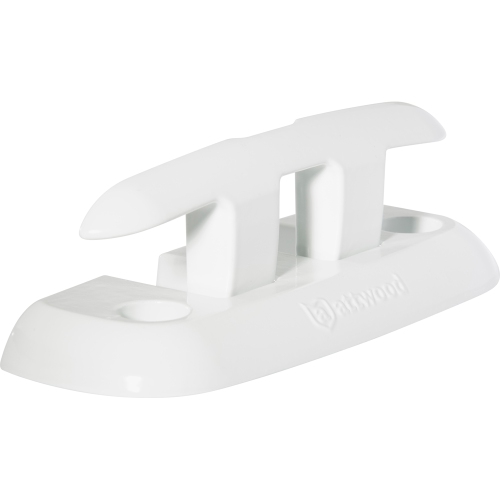
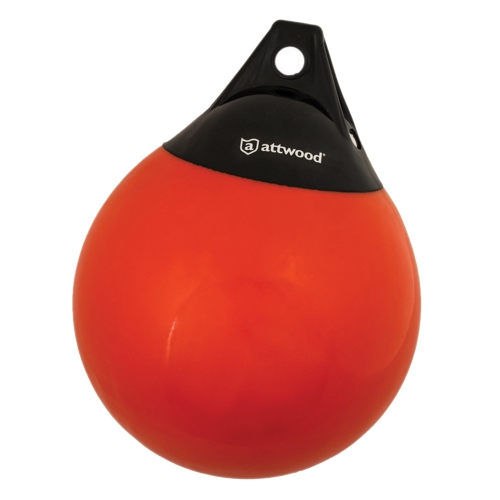
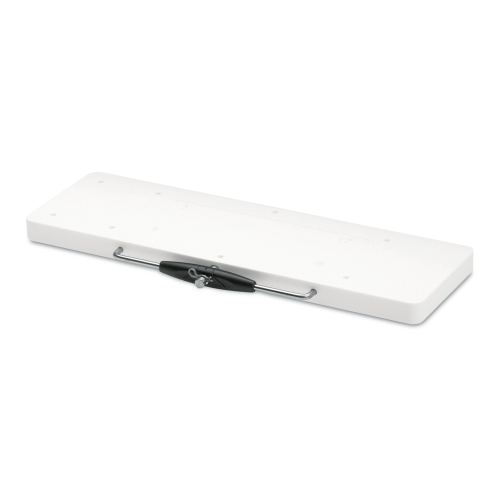
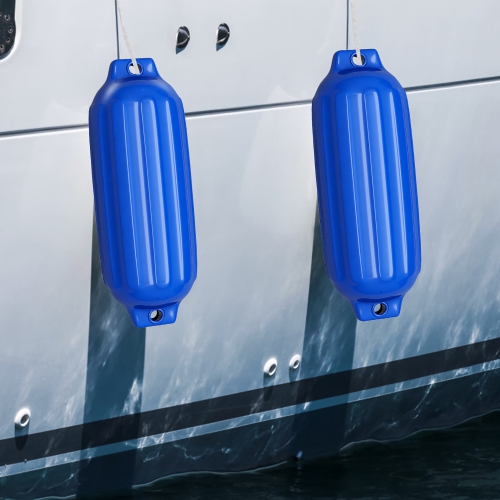
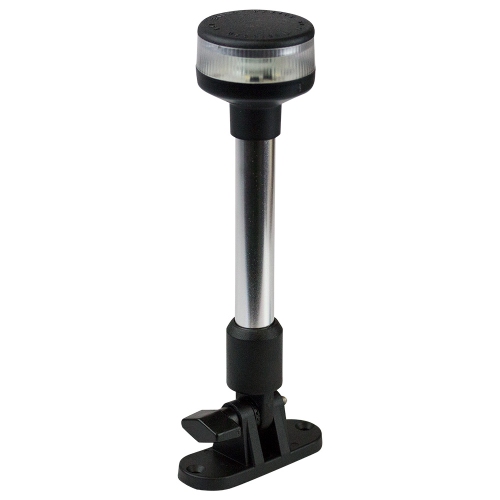
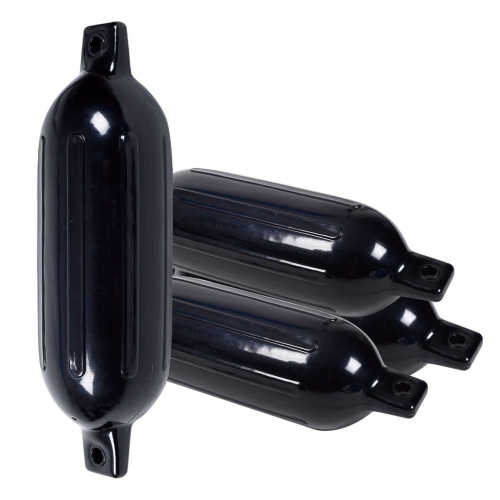
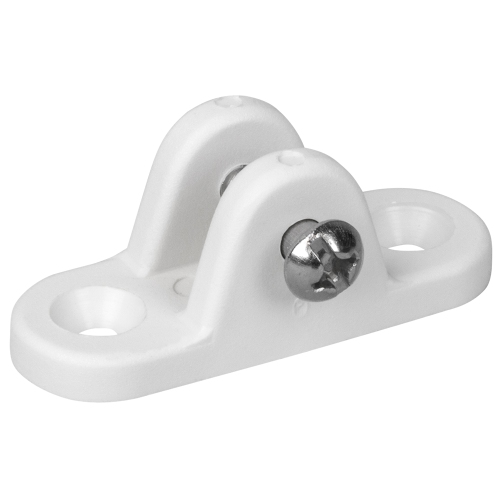
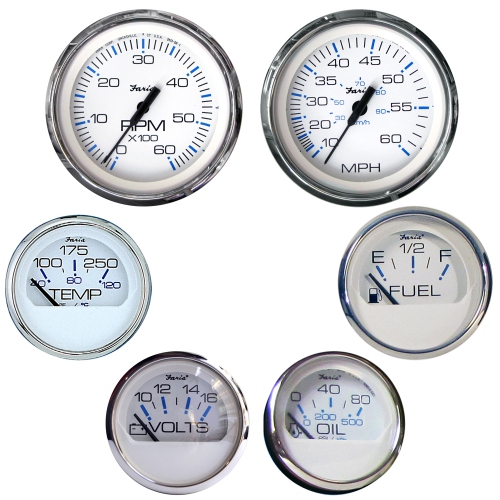

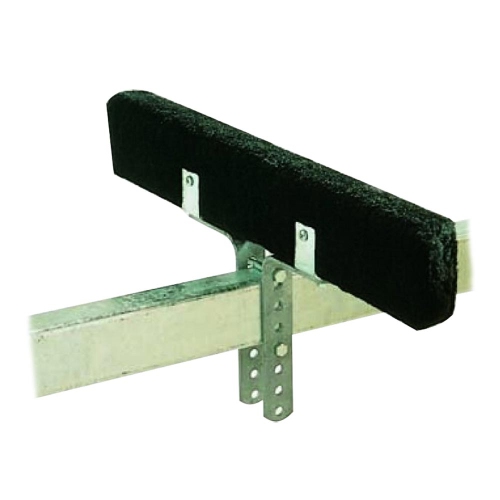
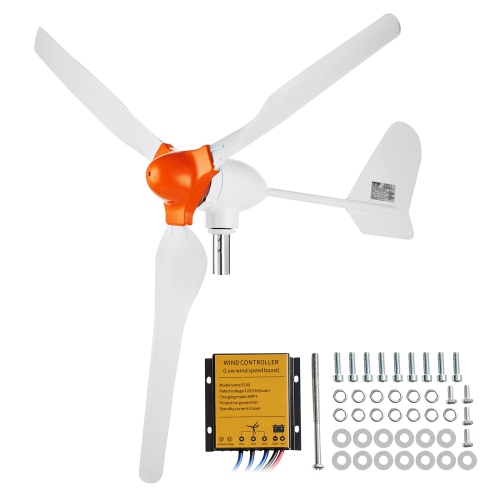
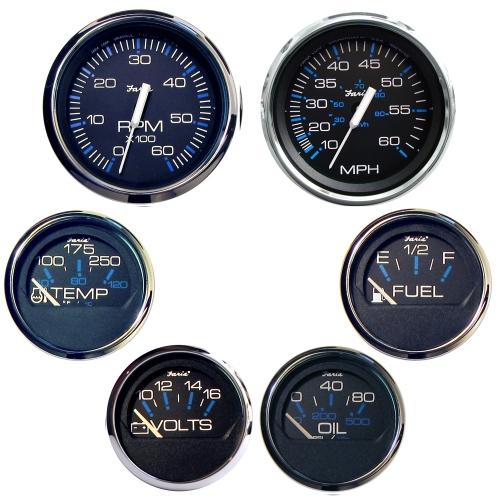
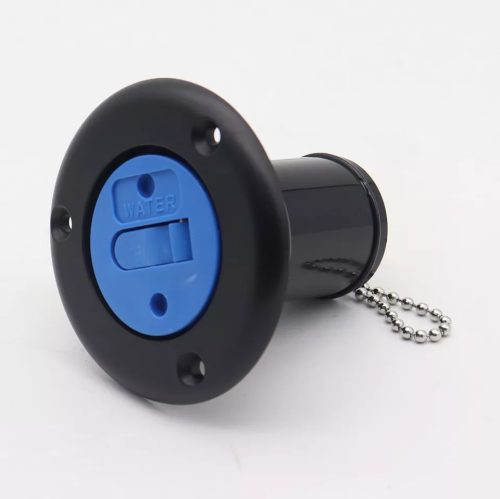
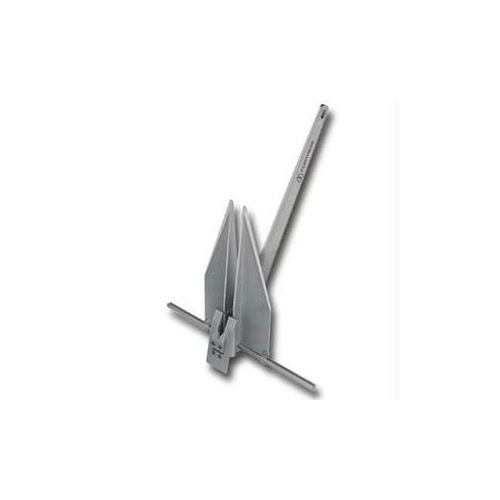
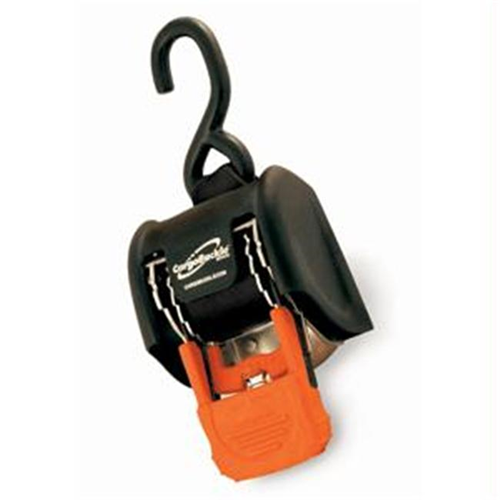
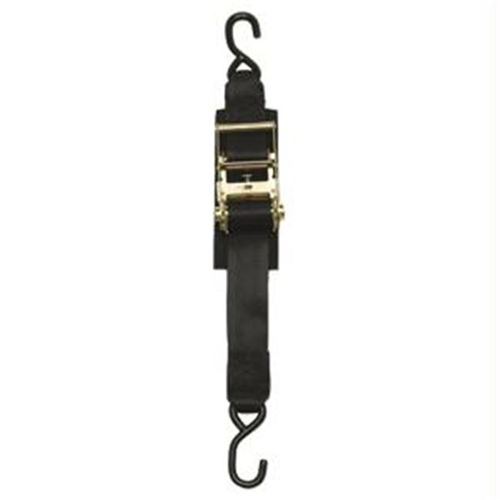
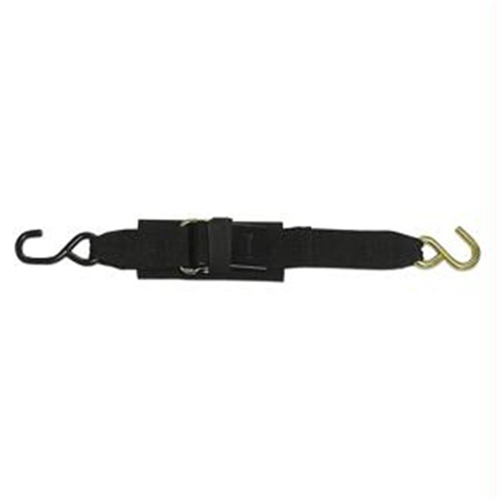
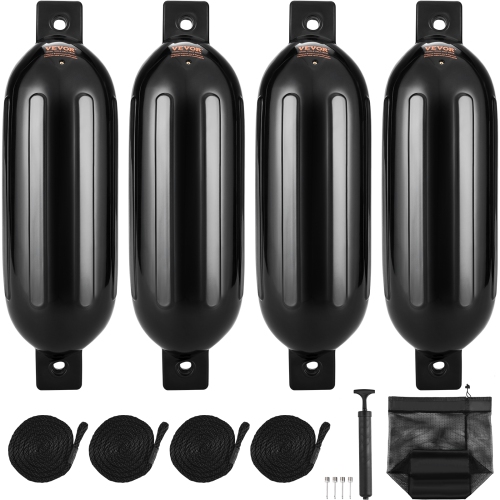
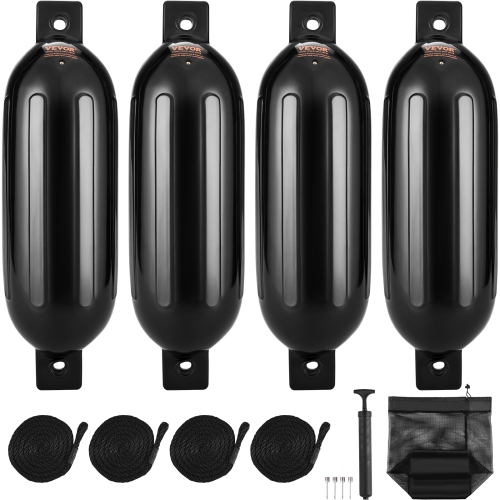
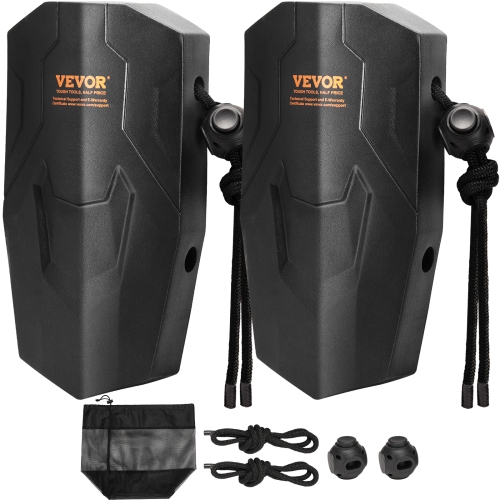
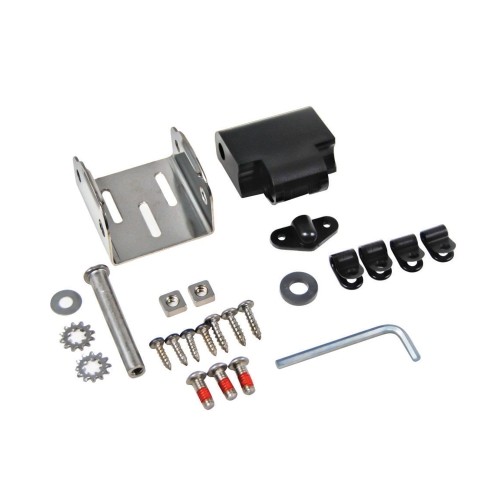
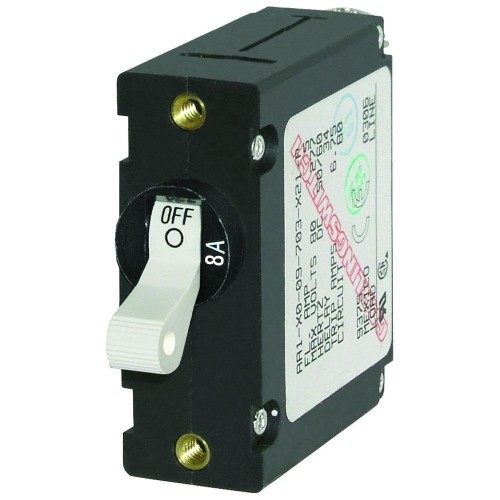
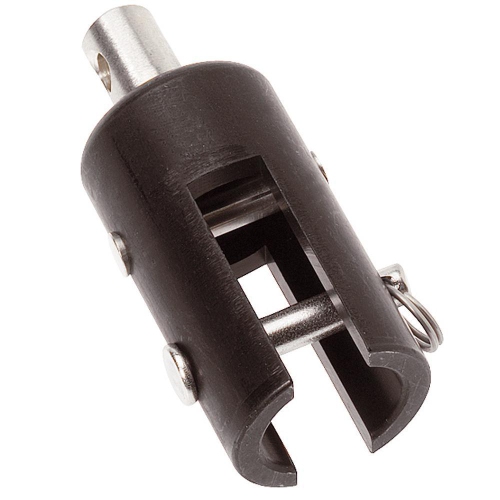
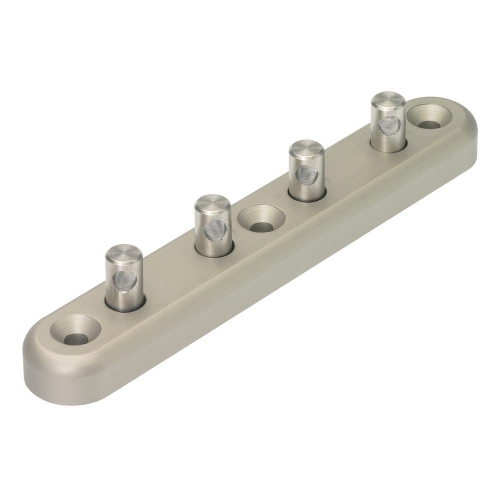
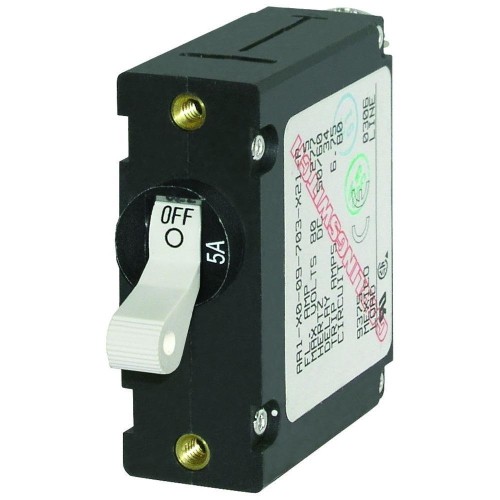


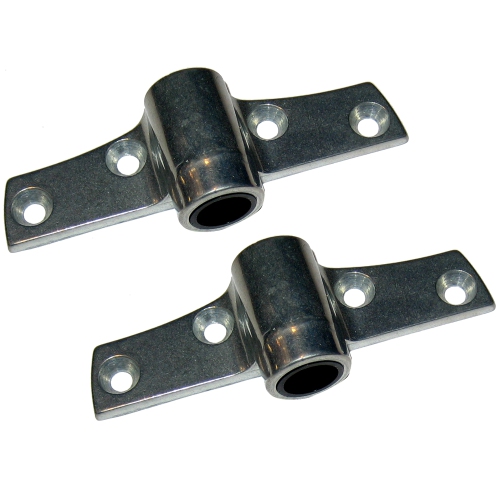
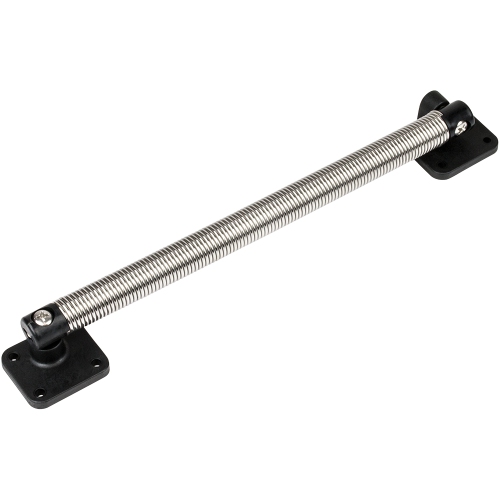
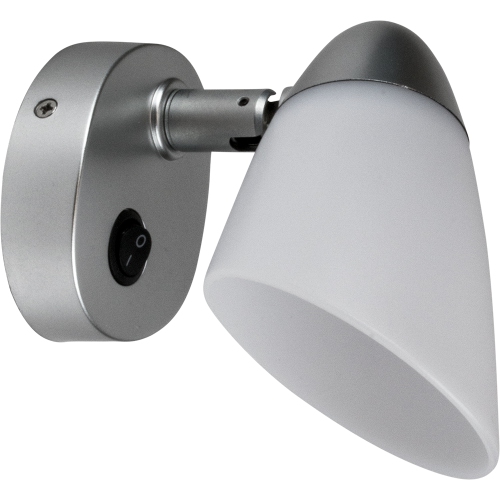
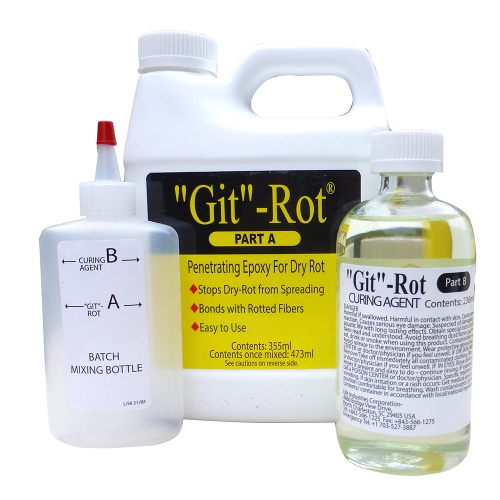
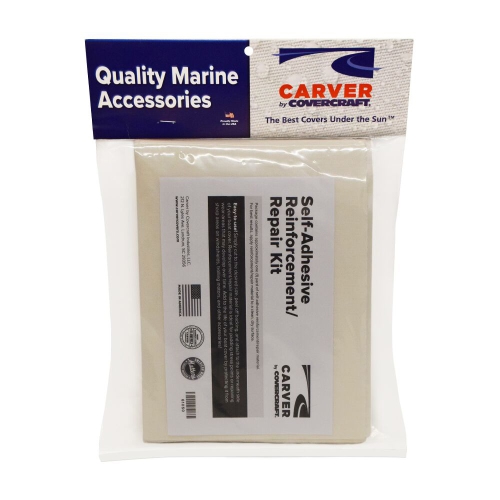
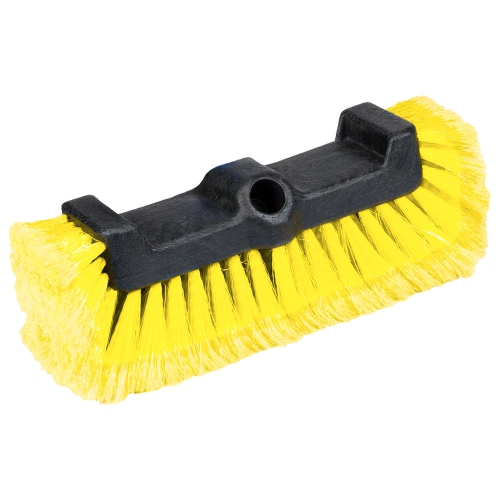
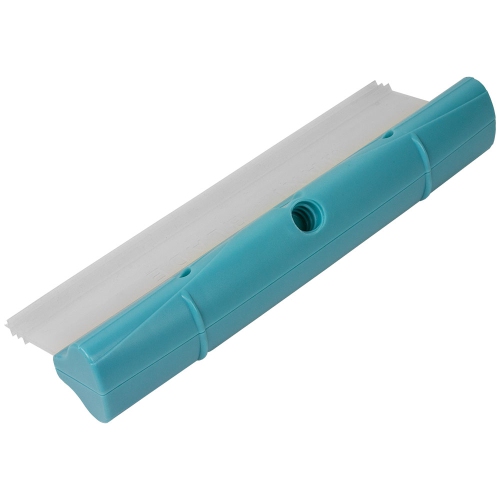

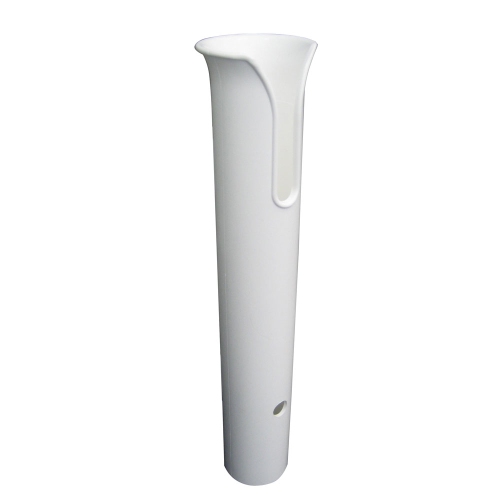
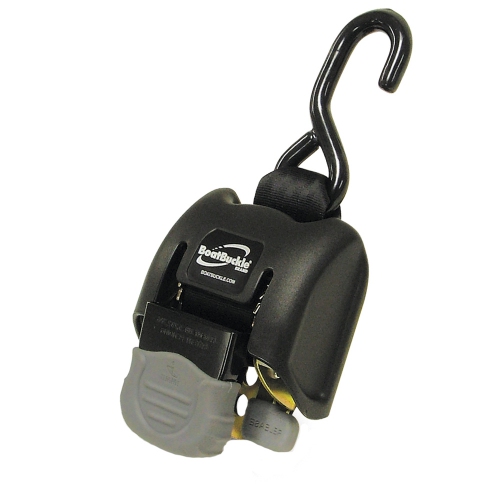
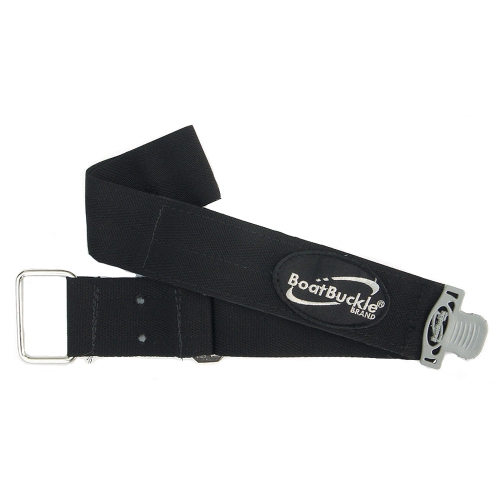
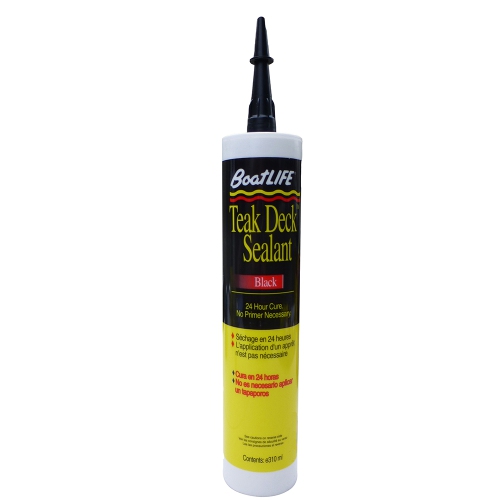
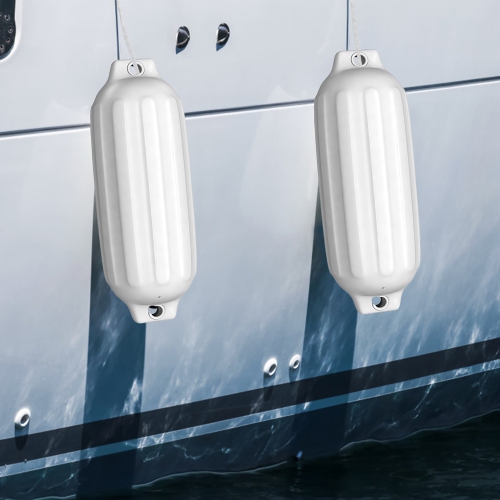

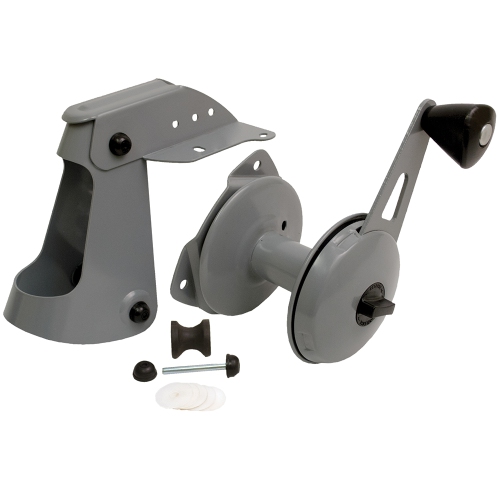
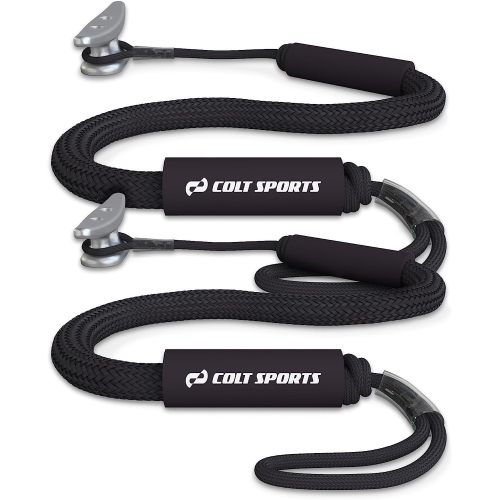
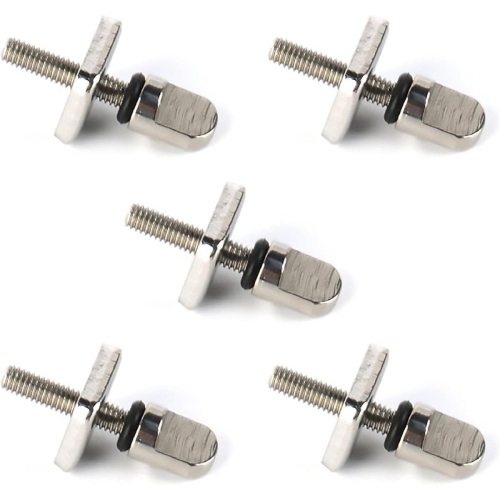
The parts behind smoother, more dependable days on the water
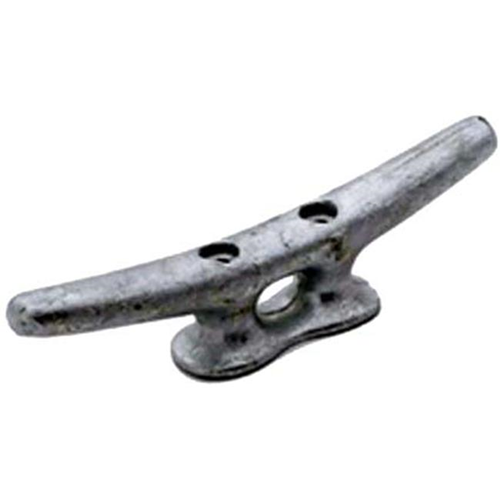
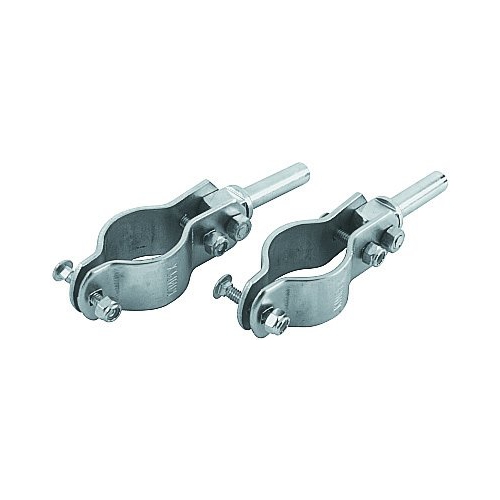
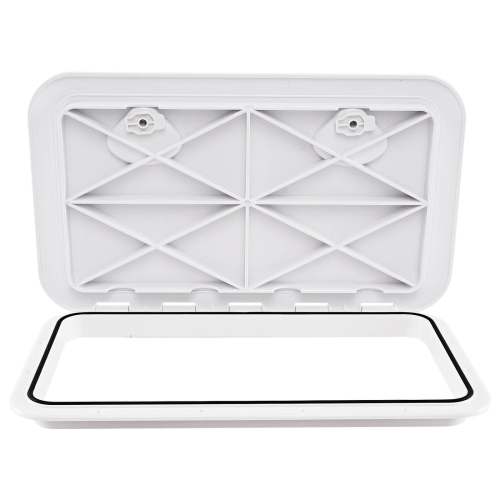
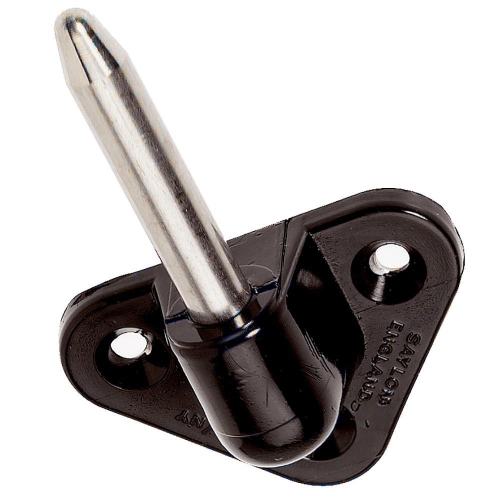
Boat hardware includes the practical components that help keep a boat secure, functional, and comfortable on the water. From deck fittings and fasteners to hatch hardware, rigging pieces, and anchoring accessories, these parts support everyday tasks such as tying up at a dock, opening a storage compartment, adjusting a sail, or replacing a worn connection. The right choice depends on the boat’s construction, the location of the installation, and the kind of use it will see. A small fishing boat may need dependable cleats, eye straps, latch hardware, and replacement screws, while a sailboat may require shackles, blocks, turnbuckles, and quick-release pins for regular rigging adjustments. Pontoon boats, runabouts, cruisers, and personal watercraft can also benefit from carefully selected marine hardware when existing parts become loose, corroded, or difficult to operate. For deck-mounted components, browse Deck Hardware to find parts suited to securing lines, attaching accessories, and maintaining key points around the boat. Hardware used outdoors or near spray should be made for exposure to moisture, salt, sunlight, and repeated handling. Stainless steel is a popular option for its strength and resistance to corrosion, with 304 stainless steel commonly used in many freshwater and general marine applications and 316 stainless steel often selected for harsher saltwater conditions. Chrome-plated brass, coated metals, and durable marine-grade plastics may also be suitable depending on the fitting, the surrounding material, and the level of exposure. Matching the material of a replacement part to the original installation can help prevent premature wear and compatibility issues.
When choosing boat hardware, begin by identifying the job the part needs to perform rather than selecting by appearance alone. A cleat or padeye should have a suitable working load for the line, anchor, fender, or accessory attached to it, and its mounting surface should be strong enough to support that load. Chocks and line guides can help position rope neatly and reduce rubbing along a gunwale, while hinges, ring pulls, latches, and lock sets make cabins, lockers, and hatches easier to use during a day on the water. Friction hinges can help hold a hatch in place, whereas a positive latch can keep a compartment closed as the boat moves over waves. For rigging, shackles and quick-release pins should be sized for the connection and easy to handle with wet hands or gloves. Turnbuckles and blocks need to suit the type of line and the adjustment required, particularly on sailboats where hardware is frequently tensioned and released. Fasteners deserve just as much attention as the visible fitting. Check the screw or bolt head style, thread type, length, diameter, and material before beginning an installation, and consider whether the fastener will pass through fibreglass, wood, aluminium, or another surface. A fastener that is too long can interfere with hidden components, while one that is too short may not provide a secure hold. Bedding or sealing products may be needed around fittings installed through a deck or cabin surface to help limit water intrusion. Before replacing a part, measure the existing opening and mounting-hole spacing, note the clearance around moving sections, and compare the new hardware’s dimensions and load information. These simple checks can save time at the dock and help avoid a return caused by a part that looks similar but does not fit.
Boat hardware can be useful for boat owners completing routine maintenance, preparing a vessel for storage, or making practical upgrades before the weather warms and time on the water increases. It is also a thoughtful gift for someone who enjoys fishing, sailing, cruising, watersports, or hands-on boat projects, especially when the recipient has mentioned a loose latch, a missing pin, a sticking hinge, or a deck fitting that has seen better days. During the warmer boating season, compact replacement hardware can be kept aboard for small repairs, while during the cooler months, many owners use the quieter period to inspect fittings, replace corroded fasteners, and organize parts for the next launch. Look closely at areas that receive frequent contact, including cleats, hatch handles, locker latches, rail fittings, and rigging connections. Surface discolouration, pitting, stiff movement, stripped threads, bent pins, and unexplained looseness can all indicate that a component needs attention. Hardware should be checked against the manufacturer’s specifications for the boat or accessory, and critical load-bearing, steering, anchoring, or rigging work may be best handled by a qualified marine technician. Keep installation tools appropriate to the fastener, protect finished surfaces from scratches, and rinse exposed hardware with fresh water after use in saltwater. With the right materials, measurements, and mounting method, boat hardware can make routine handling smoother and help preserve the dependable feel of a well-kept vessel, whether it is tied to a quiet dock, moving across open water, or waiting under cover for the next outing.
When choosing boat hardware, begin by identifying the job the part needs to perform rather than selecting by appearance alone. A cleat or padeye should have a suitable working load for the line, anchor, fender, or accessory attached to it, and its mounting surface should be strong enough to support that load. Chocks and line guides can help position rope neatly and reduce rubbing along a gunwale, while hinges, ring pulls, latches, and lock sets make cabins, lockers, and hatches easier to use during a day on the water. Friction hinges can help hold a hatch in place, whereas a positive latch can keep a compartment closed as the boat moves over waves. For rigging, shackles and quick-release pins should be sized for the connection and easy to handle with wet hands or gloves. Turnbuckles and blocks need to suit the type of line and the adjustment required, particularly on sailboats where hardware is frequently tensioned and released. Fasteners deserve just as much attention as the visible fitting. Check the screw or bolt head style, thread type, length, diameter, and material before beginning an installation, and consider whether the fastener will pass through fibreglass, wood, aluminium, or another surface. A fastener that is too long can interfere with hidden components, while one that is too short may not provide a secure hold. Bedding or sealing products may be needed around fittings installed through a deck or cabin surface to help limit water intrusion. Before replacing a part, measure the existing opening and mounting-hole spacing, note the clearance around moving sections, and compare the new hardware’s dimensions and load information. These simple checks can save time at the dock and help avoid a return caused by a part that looks similar but does not fit.
Boat hardware can be useful for boat owners completing routine maintenance, preparing a vessel for storage, or making practical upgrades before the weather warms and time on the water increases. It is also a thoughtful gift for someone who enjoys fishing, sailing, cruising, watersports, or hands-on boat projects, especially when the recipient has mentioned a loose latch, a missing pin, a sticking hinge, or a deck fitting that has seen better days. During the warmer boating season, compact replacement hardware can be kept aboard for small repairs, while during the cooler months, many owners use the quieter period to inspect fittings, replace corroded fasteners, and organize parts for the next launch. Look closely at areas that receive frequent contact, including cleats, hatch handles, locker latches, rail fittings, and rigging connections. Surface discolouration, pitting, stiff movement, stripped threads, bent pins, and unexplained looseness can all indicate that a component needs attention. Hardware should be checked against the manufacturer’s specifications for the boat or accessory, and critical load-bearing, steering, anchoring, or rigging work may be best handled by a qualified marine technician. Keep installation tools appropriate to the fastener, protect finished surfaces from scratches, and rinse exposed hardware with fresh water after use in saltwater. With the right materials, measurements, and mounting method, boat hardware can make routine handling smoother and help preserve the dependable feel of a well-kept vessel, whether it is tied to a quiet dock, moving across open water, or waiting under cover for the next outing.
Top selling and popular products
-
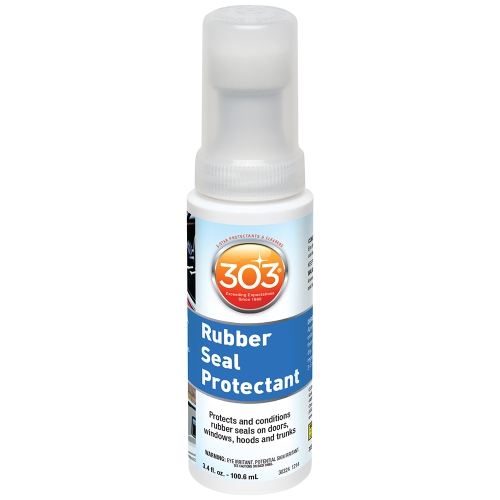 Your price for this item is $30.58
 -
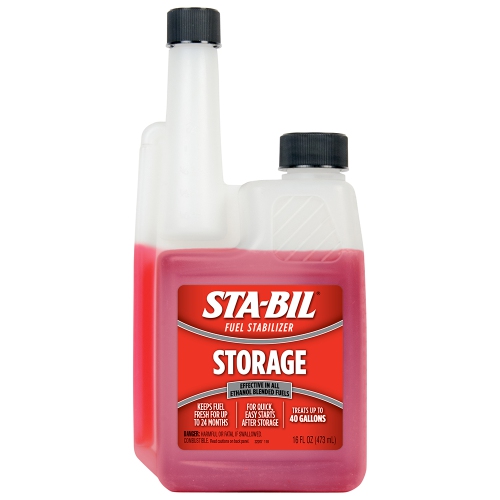 Your price for this item is $30.54
 -
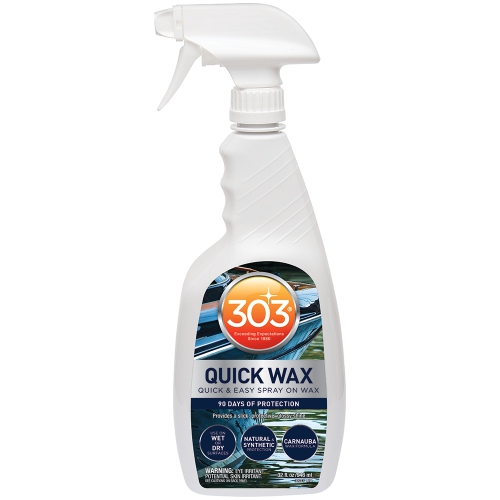 Your price for this item is $38.85
 -
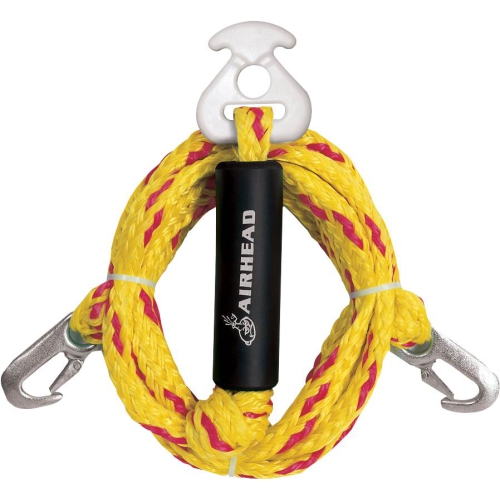 Your price for this item is $92.99
 -
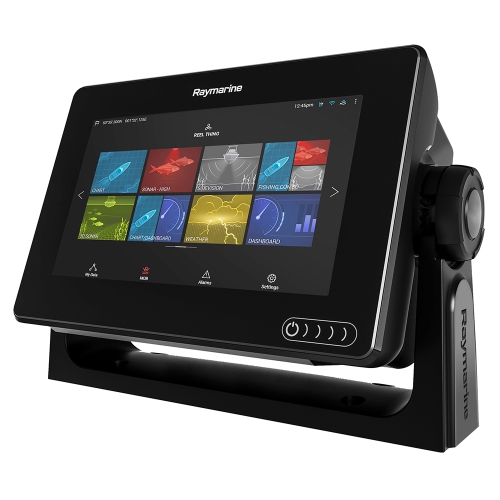 Your price for this item is $917.79
 -
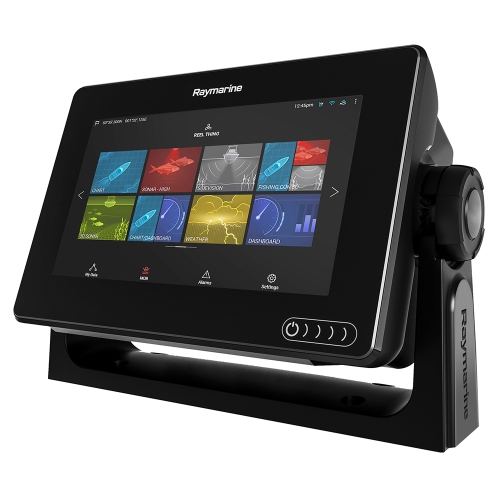 Your price for this item is $844.31
 -
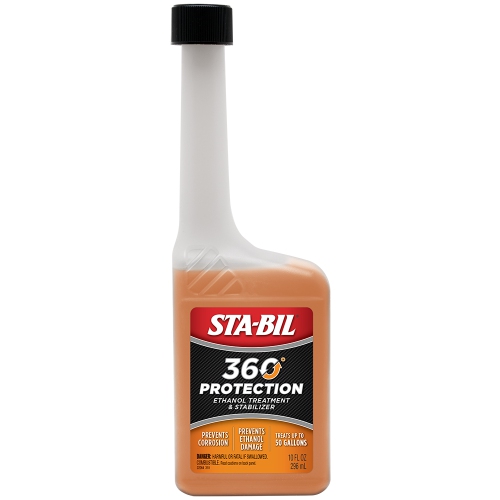 Your price for this item is $30.62
 -
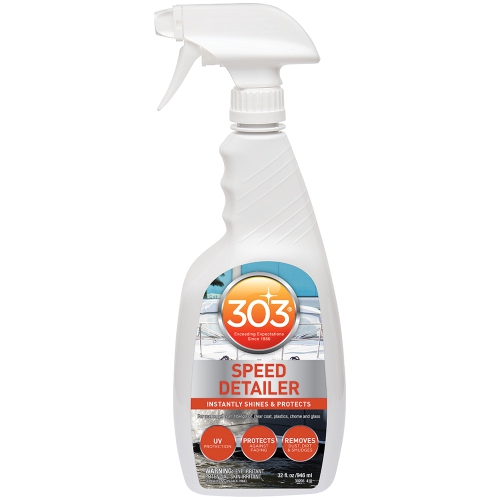 Your price for this item is $34.93
Discover more categories related to Boat Hardware
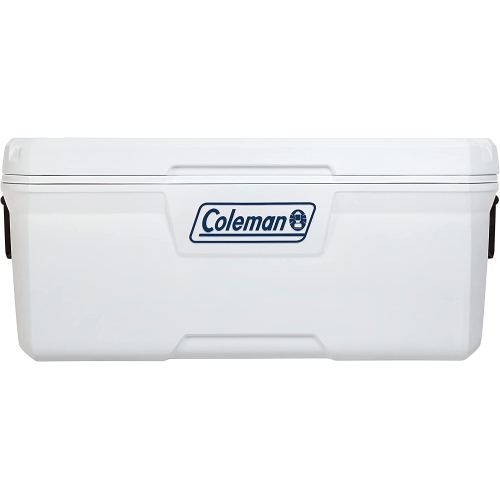
Top Collections:
Pokemon Centers, Kindle Devices, Best Budget Office Chairs, Apple iPhones 16, Canon G7X Cameras, iPhone 15 Apple, Alarm Clock, Refurbished Apple Laptops, Flip Phones, Best Laptops for Writers
Some products may be subject to Environmental Handling Fees
(EHF) depending on your province.
Learn more about EHFs.