Boat Propellers
Looking to upgrade your boat's performance on the water? Dive into our selection of high-quality boat propellers designed to enhance speed, efficiency, and maneuverability. Whether you're a seasoned sailor or a weekend boating enthusiast, finding the right propeller can make a significant difference in your overall experience on the waves. Explore a variety of sizes, styles, and materials to discover the perfect propeller to optimize your vessel's propulsion system.
Sort
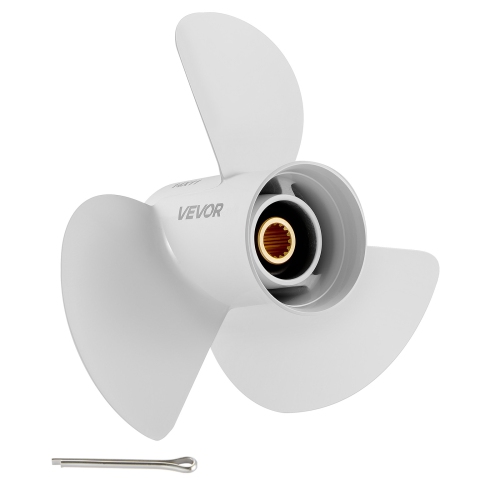
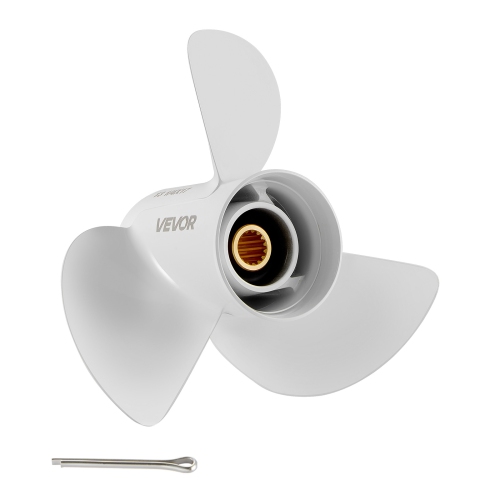
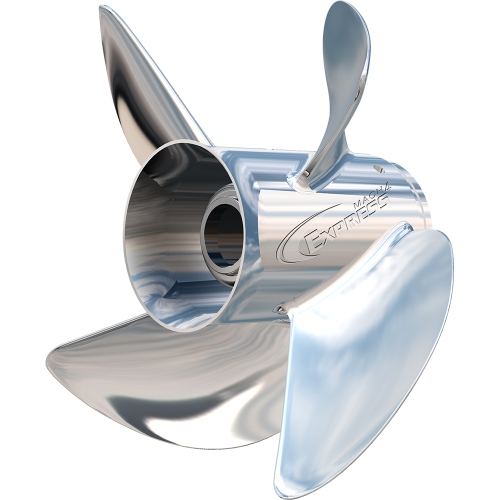
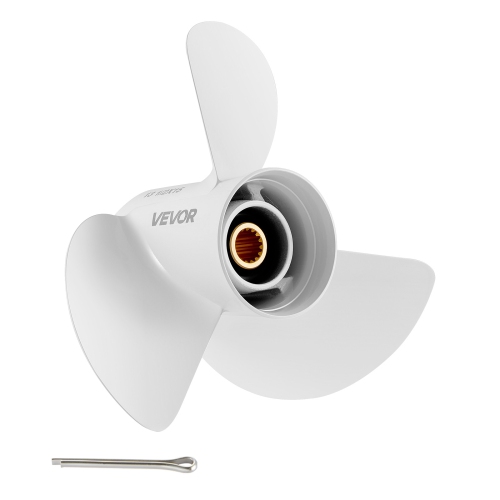





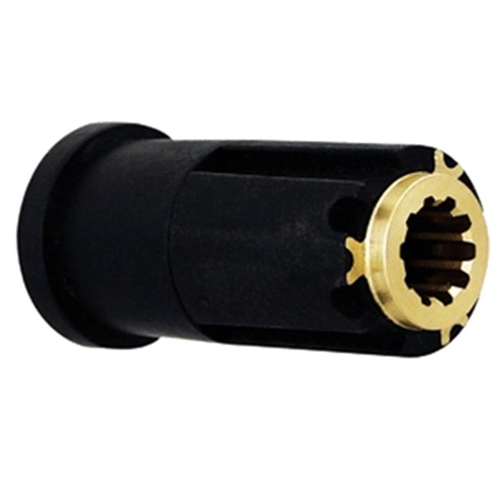
How pitch and blade design shape your boat’s performance
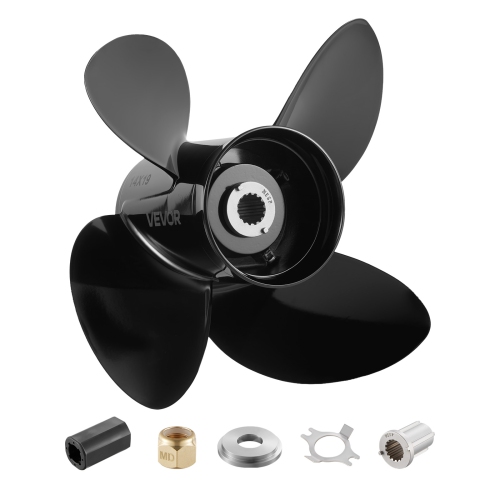
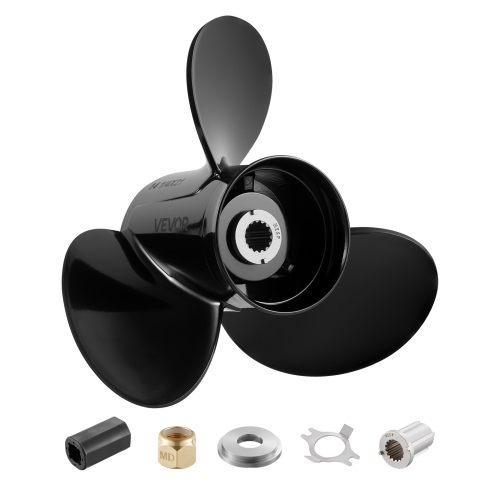
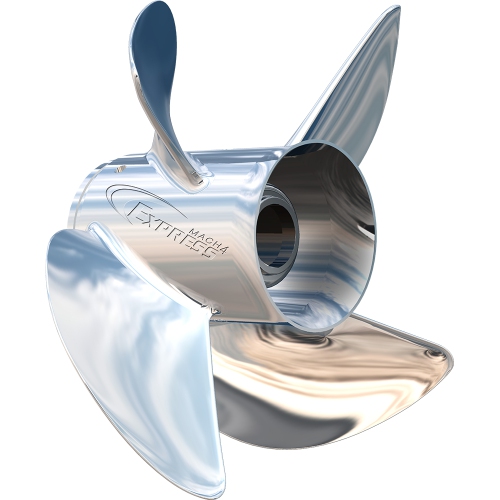
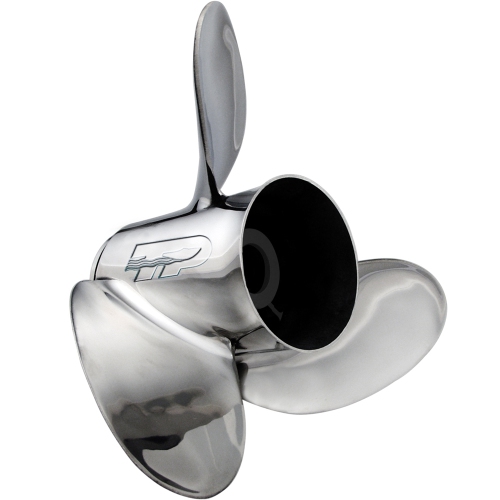
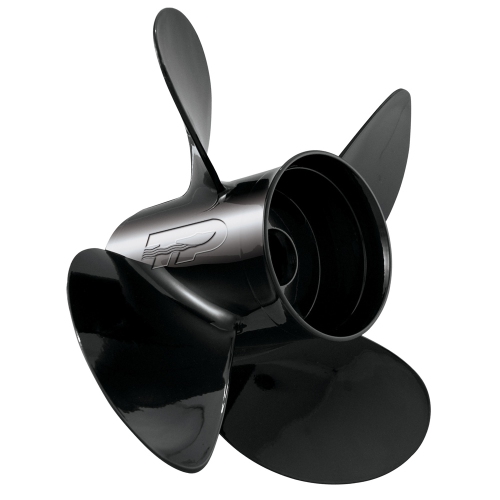
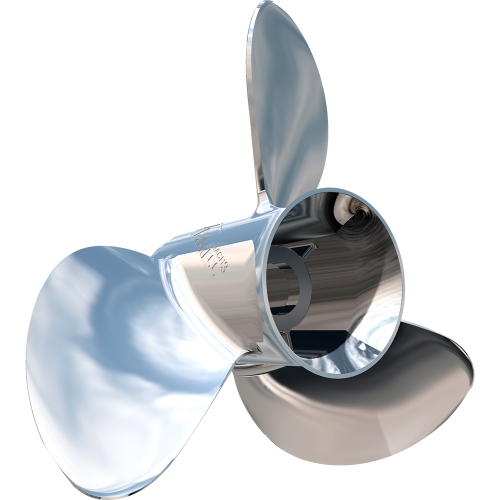
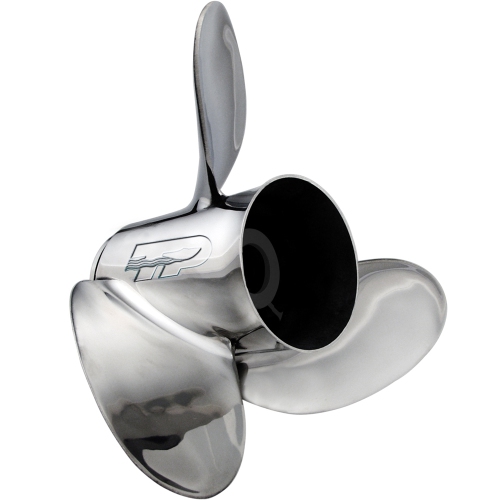
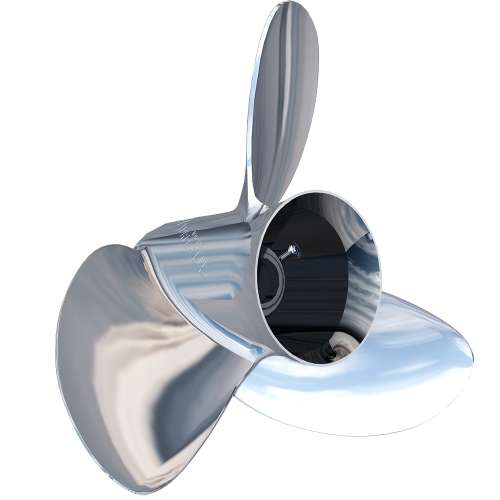
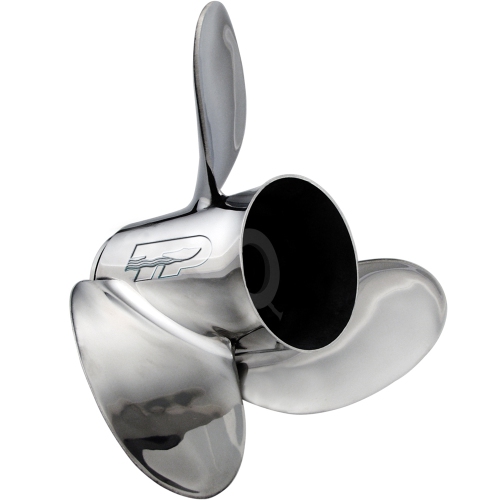
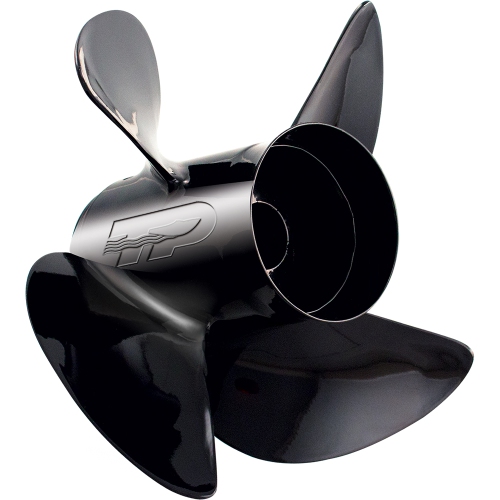
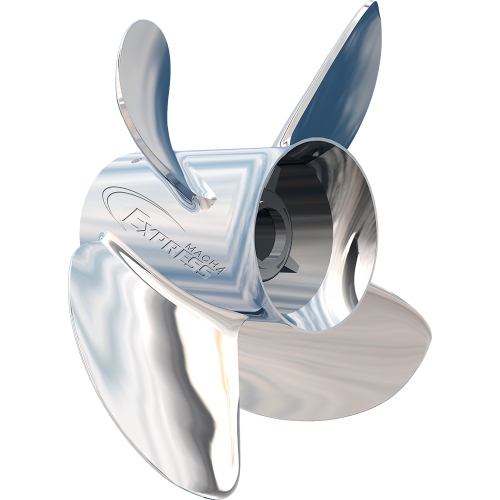
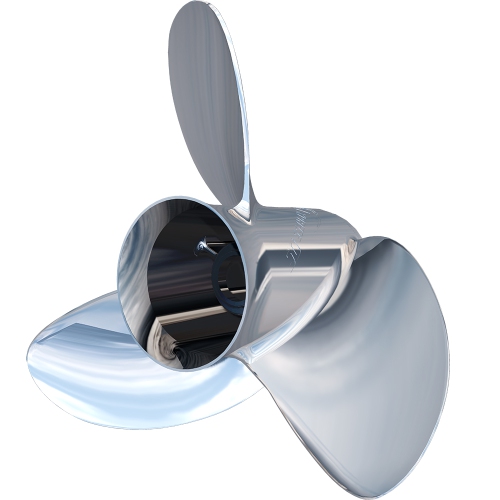
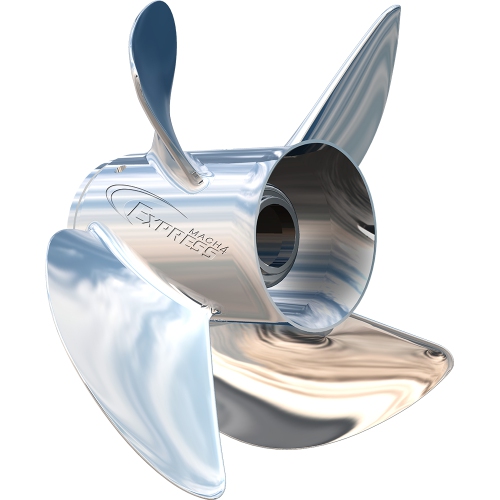
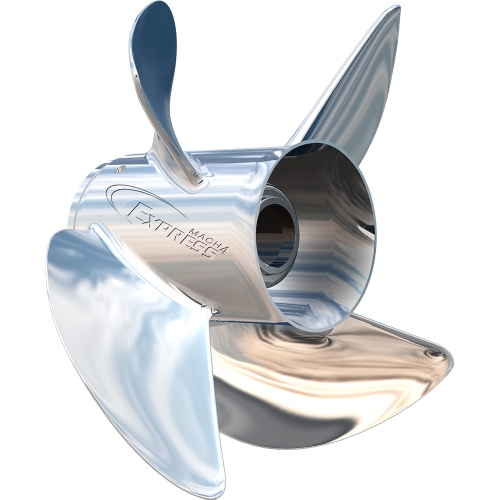
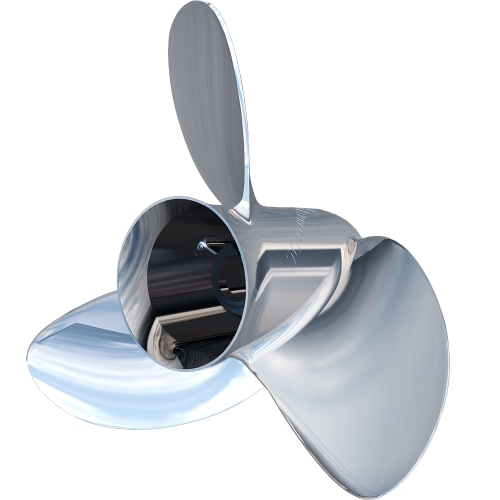
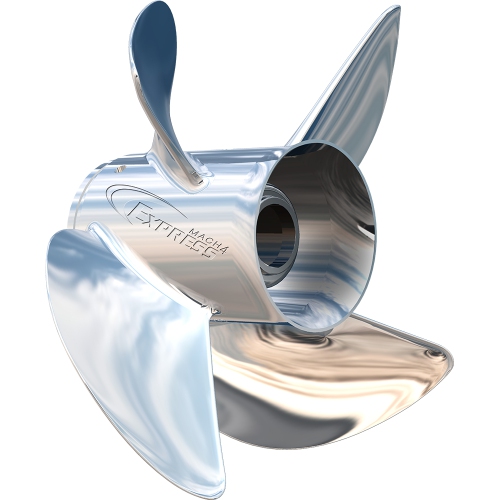
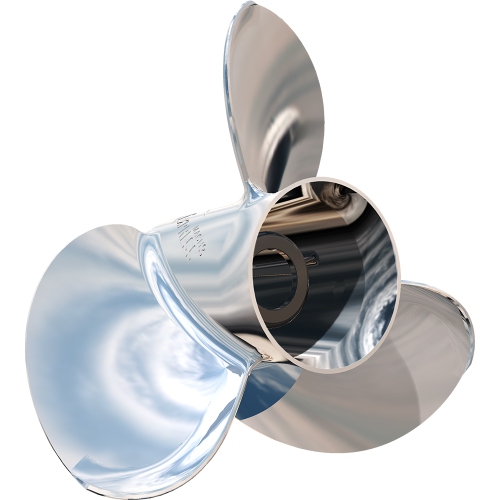
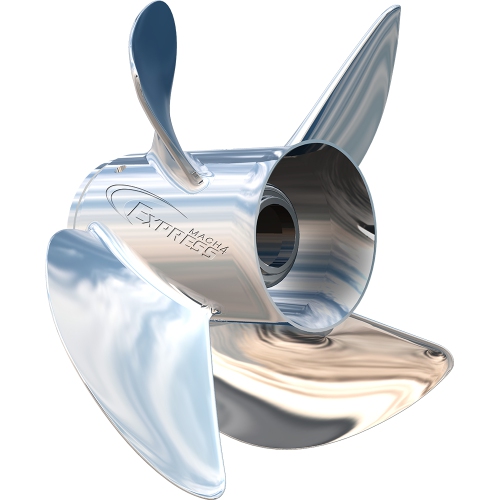
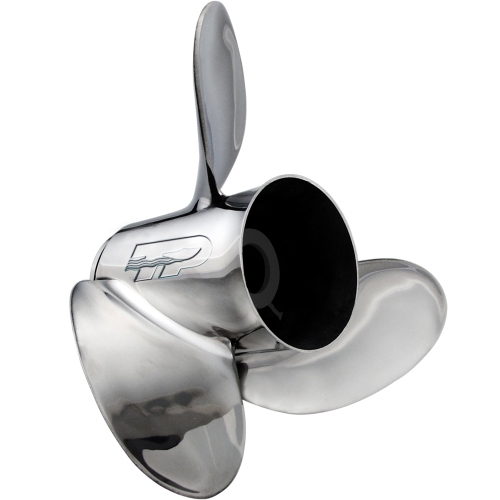
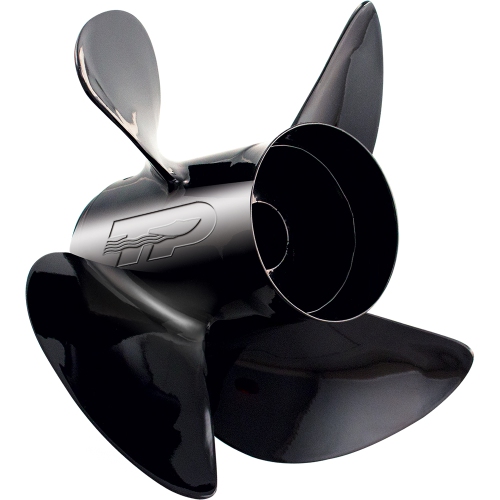
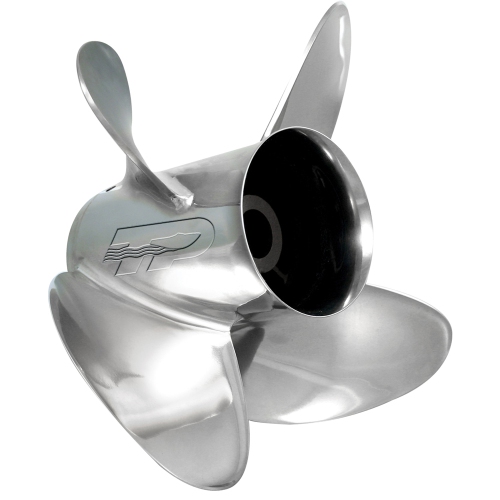
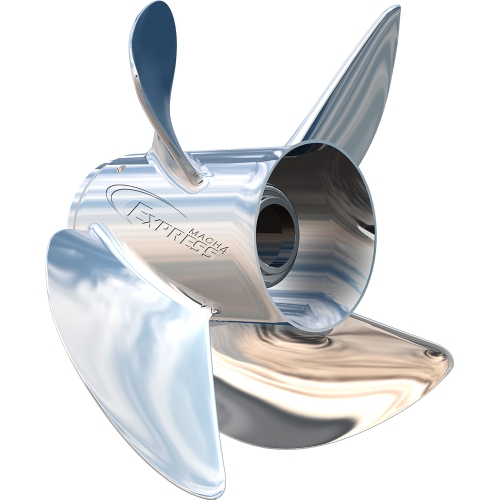
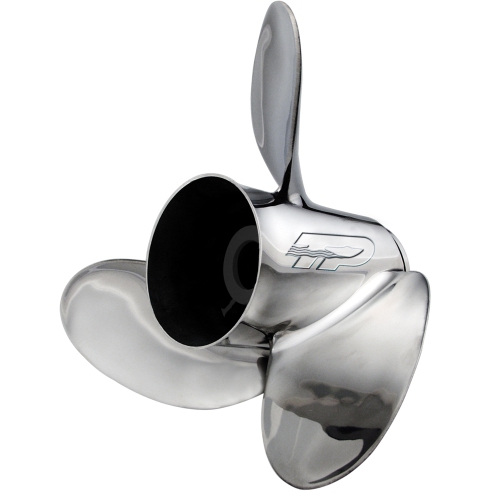
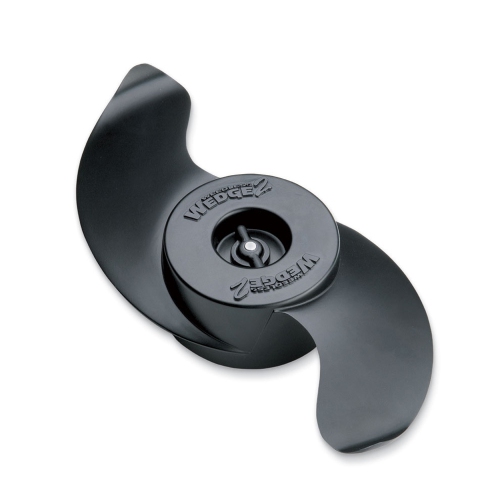
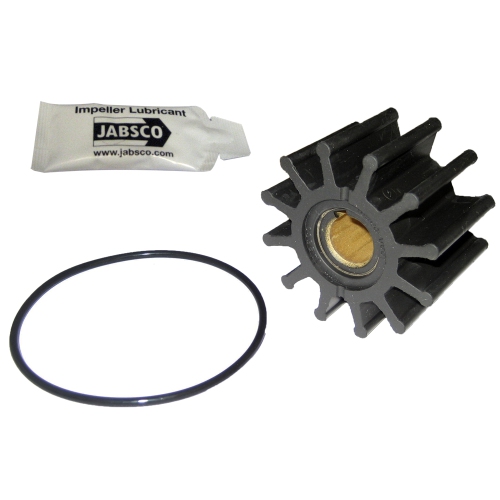
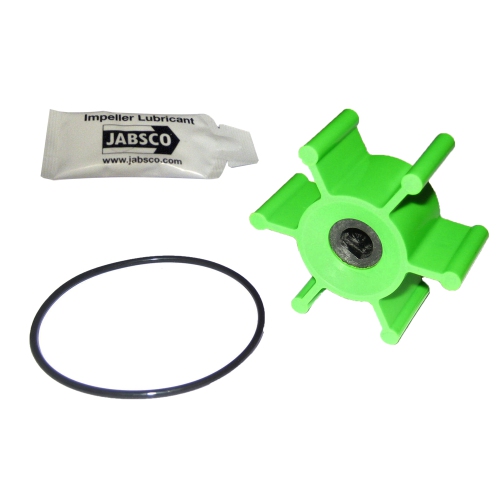
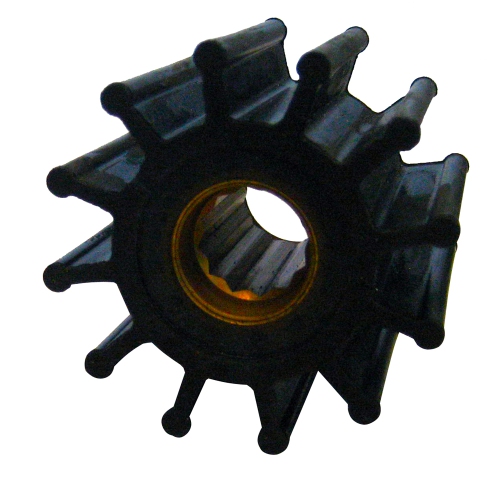
Boat propellers turn engine power into thrust, using angled blades to move water and create the force that drives a boat forward. Their size, shape, material, and blade count influence how a boat accelerates, carries a load, holds its course through turns, and performs at cruising speed. For a fishing boat carrying tackle and a full livewell, dependable thrust under load may matter more than maximum speed. A family runabout used for towing a tube may benefit from a propeller that helps the boat get onto plane promptly, while a lightly loaded boat travelling across open water may favour a different balance of acceleration and top-end performance. Two measurements define much of that balance: diameter and pitch. Diameter is the distance across the circle traced by the rotating blade tips, while pitch is the theoretical distance the propeller would move forward in one revolution without slip. A 19-inch pitch, for example, represents 19 inches of theoretical forward travel per revolution; actual travel is lower because some slip occurs as the blades work through water. Lower pitch generally helps an engine build revolutions more easily and can improve acceleration with heavier loads. Higher pitch can support greater speed when the engine has enough power to turn it, but excessive pitch can reduce acceleration and keep the engine below its intended operating range. Diameter affects blade area and water movement, yet it must suit the engine, gearcase, and available clearance rather than simply being larger for a heavier boat. The most useful match keeps the engine within the manufacturer’s specified full-throttle revolutions-per-minute range under its usual operating load. Passenger count, fuel, fishing equipment, and watersports gear all affect that load, which explains why two otherwise similar boats may perform best with different propellers. Hull condition, trim, and engine mounting height also influence results, so propeller specifications tell only part of the performance story.
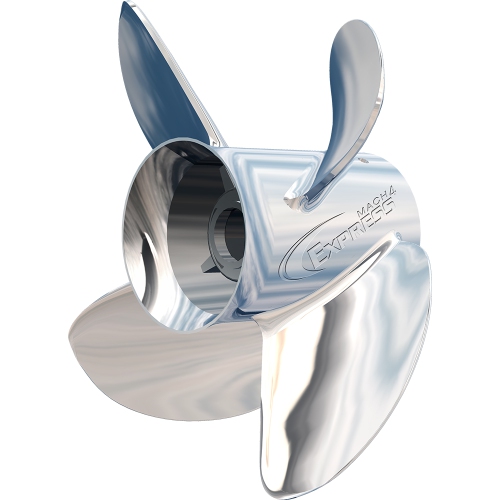
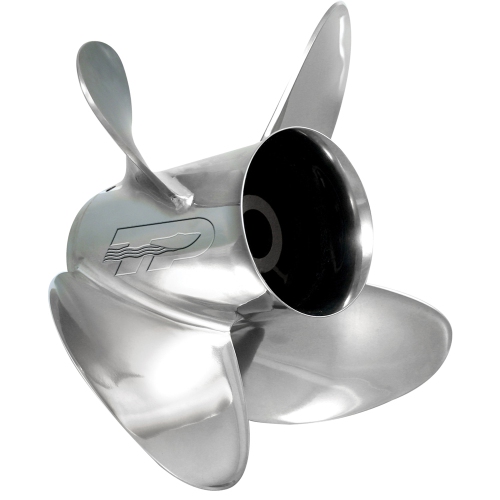
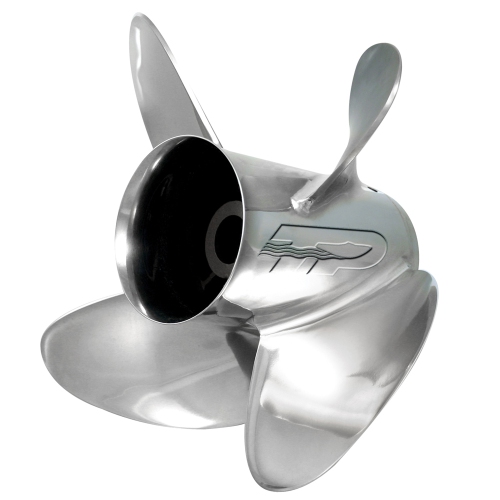
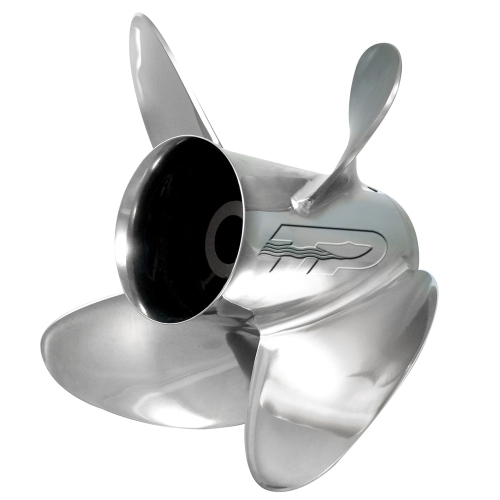
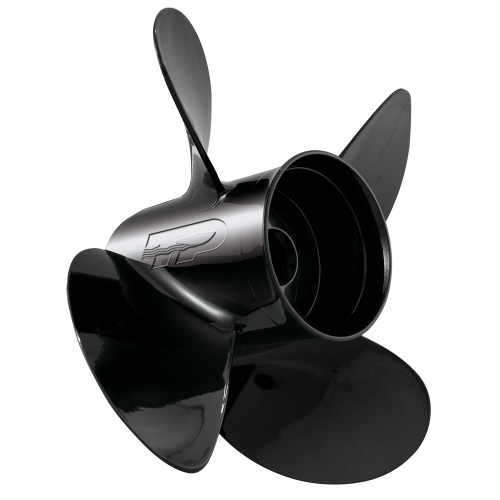
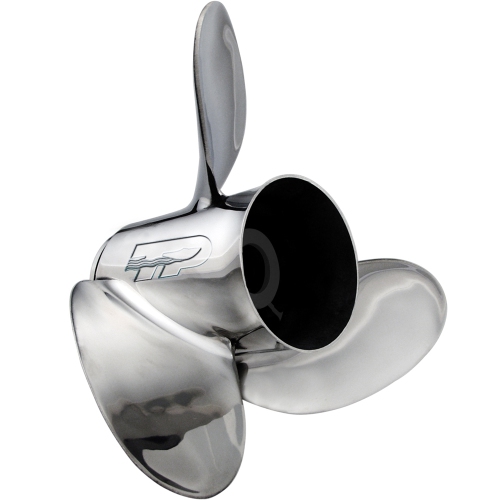
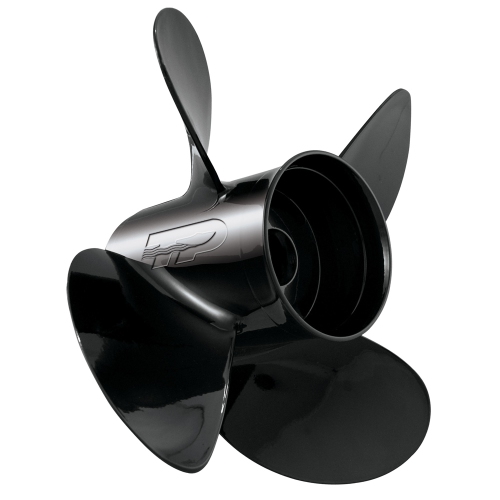
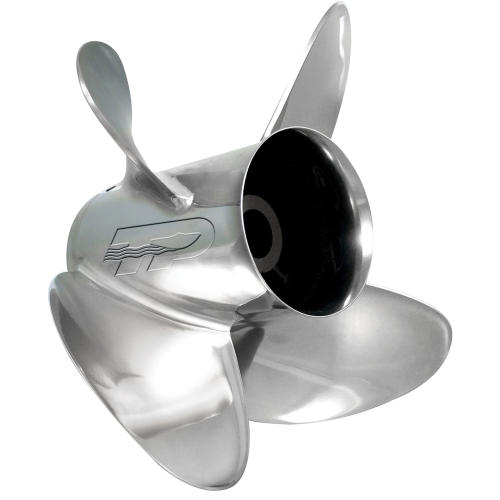
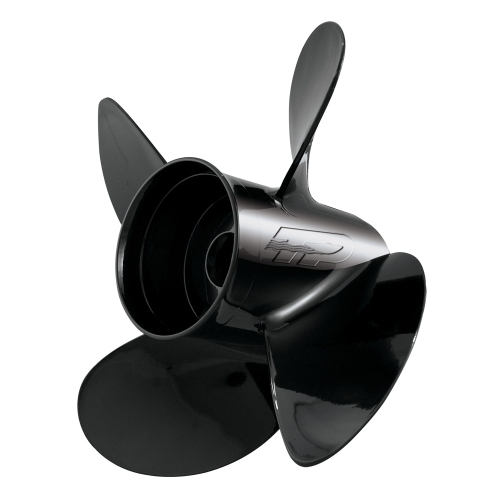
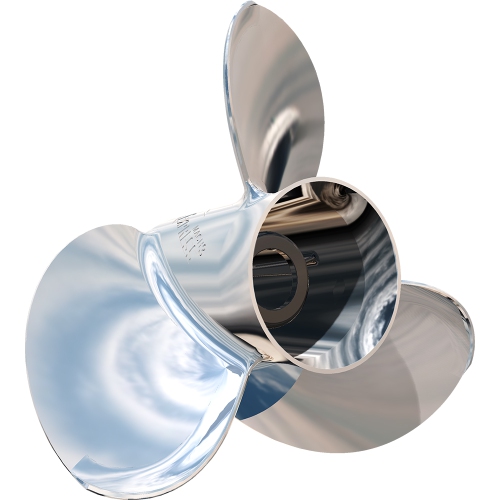
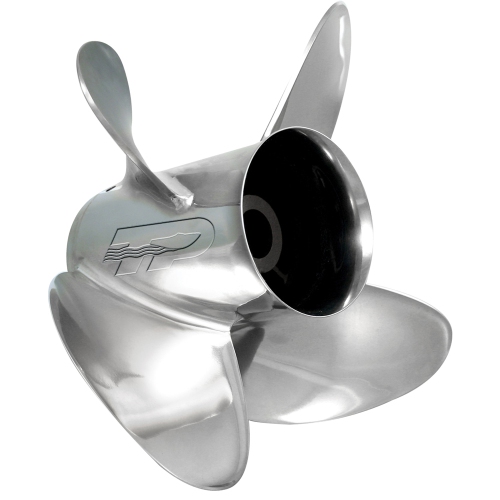
Materials and blade design give boat propellers distinct characteristics suited to different uses. Aluminum is a common choice for everyday boating because it is lightweight and works well across many general-purpose applications. It can bend or lose material after contact with rocks, submerged timber, or a hard bottom, so blade condition deserves regular attention, especially on unfamiliar lakes and rivers. For shoppers considering this material, Aluminum Propellers for Boats offers a focused category for comparing compatible designs. Stainless steel is stronger and resists blade flex more effectively, allowing designs with thinner blades and carefully shaped profiles that can provide more consistent performance under demanding loads. Neither material makes an underwater impact harmless, and damage can extend beyond the propeller to the hub, shaft, or gearcase. Composite propellers are another option for some applications, with weight, blade construction, and repair possibilities varying by design. Blade count is equally important, although it should never be treated as a guarantee of a particular result. Three-blade propellers commonly provide a useful balance of acceleration, cruising efficiency, and top-end speed. Four-blade designs often offer greater blade area, which can improve grip, help a loaded boat stay on plane at lower speeds, and provide steadier handling through turns. These characteristics can suit towing activities or a boat that regularly carries several passengers, but the outcome depends on pitch, diameter, hull design, and engine setup. Blade cup, the subtle curve near a blade’s edge, can help it maintain its hold on the water. Rake, the angle of the blades relative to the hub, also affects how a propeller manages water flow and influences boat lift. On a practical level, these details become noticeable when pulling away from a dock with a full load, maintaining a comfortable cruise, or making a controlled turn without a sudden rise in engine speed. A well-matched design supports predictable handling rather than chasing a single performance figure.
Fit begins with the propulsion system, since propellers for outboard engines, sterndrives, and inboard shaft installations are not automatically interchangeable. Engine make, model, year, horsepower range, gearcase size, shaft specifications, and rotation direction can all affect compatibility. Matching diameter and pitch alone is not enough: spline count, hub type, exhaust arrangement, and the required mounting hardware also need to suit the application. Some propellers use a pressed-in hub, while others accept an interchangeable hub kit, and the correct thrust washer, spacer, nut, and retaining components are essential to secure installation. Twin-engine boats may use opposite-rotation propellers, making a right-hand or left-hand designation particularly important. For an owner replacing a damaged propeller, the stamped markings provide a useful starting point, but the engine manufacturer’s fit information remains essential. Care is straightforward but worthwhile. With the engine shut off and secured against accidental starting, inspect blades for chips, cracks, bent edges, and uneven wear; even modest damage can cause vibration or reduce performance. Fishing line wound around the shaft can damage seals, so checks behind the propeller are especially valuable after outings near fishing activity. Fresh-water rinsing after saltwater use helps remove deposits, and shaft lubrication should follow the manufacturer’s specified product and procedure. Mounting hardware should be tightened to the stated torque rather than judged by feel, with retainers replaced when required. During the cooler months, storage preparation is a good opportunity to have questionable blade damage assessed and confirm that the propeller turns freely without obvious looseness. Keeping a compatible spare can also be practical for boaters who travel to remote launches or spend long days away from shore, provided the correct hardware and tools travel with it. As a gift for a boat owner, a propeller requires confirmed fit details rather than a guess based on boat length or appearance. Whether intended for relaxed cruising, fishing trips, or towing, the right propeller brings together verified compatibility, appropriate materials, and performance suited to the way the boat is actually used.
Materials and blade design give boat propellers distinct characteristics suited to different uses. Aluminum is a common choice for everyday boating because it is lightweight and works well across many general-purpose applications. It can bend or lose material after contact with rocks, submerged timber, or a hard bottom, so blade condition deserves regular attention, especially on unfamiliar lakes and rivers. For shoppers considering this material, Aluminum Propellers for Boats offers a focused category for comparing compatible designs. Stainless steel is stronger and resists blade flex more effectively, allowing designs with thinner blades and carefully shaped profiles that can provide more consistent performance under demanding loads. Neither material makes an underwater impact harmless, and damage can extend beyond the propeller to the hub, shaft, or gearcase. Composite propellers are another option for some applications, with weight, blade construction, and repair possibilities varying by design. Blade count is equally important, although it should never be treated as a guarantee of a particular result. Three-blade propellers commonly provide a useful balance of acceleration, cruising efficiency, and top-end speed. Four-blade designs often offer greater blade area, which can improve grip, help a loaded boat stay on plane at lower speeds, and provide steadier handling through turns. These characteristics can suit towing activities or a boat that regularly carries several passengers, but the outcome depends on pitch, diameter, hull design, and engine setup. Blade cup, the subtle curve near a blade’s edge, can help it maintain its hold on the water. Rake, the angle of the blades relative to the hub, also affects how a propeller manages water flow and influences boat lift. On a practical level, these details become noticeable when pulling away from a dock with a full load, maintaining a comfortable cruise, or making a controlled turn without a sudden rise in engine speed. A well-matched design supports predictable handling rather than chasing a single performance figure.
Fit begins with the propulsion system, since propellers for outboard engines, sterndrives, and inboard shaft installations are not automatically interchangeable. Engine make, model, year, horsepower range, gearcase size, shaft specifications, and rotation direction can all affect compatibility. Matching diameter and pitch alone is not enough: spline count, hub type, exhaust arrangement, and the required mounting hardware also need to suit the application. Some propellers use a pressed-in hub, while others accept an interchangeable hub kit, and the correct thrust washer, spacer, nut, and retaining components are essential to secure installation. Twin-engine boats may use opposite-rotation propellers, making a right-hand or left-hand designation particularly important. For an owner replacing a damaged propeller, the stamped markings provide a useful starting point, but the engine manufacturer’s fit information remains essential. Care is straightforward but worthwhile. With the engine shut off and secured against accidental starting, inspect blades for chips, cracks, bent edges, and uneven wear; even modest damage can cause vibration or reduce performance. Fishing line wound around the shaft can damage seals, so checks behind the propeller are especially valuable after outings near fishing activity. Fresh-water rinsing after saltwater use helps remove deposits, and shaft lubrication should follow the manufacturer’s specified product and procedure. Mounting hardware should be tightened to the stated torque rather than judged by feel, with retainers replaced when required. During the cooler months, storage preparation is a good opportunity to have questionable blade damage assessed and confirm that the propeller turns freely without obvious looseness. Keeping a compatible spare can also be practical for boaters who travel to remote launches or spend long days away from shore, provided the correct hardware and tools travel with it. As a gift for a boat owner, a propeller requires confirmed fit details rather than a guess based on boat length or appearance. Whether intended for relaxed cruising, fishing trips, or towing, the right propeller brings together verified compatibility, appropriate materials, and performance suited to the way the boat is actually used.
Top selling and popular products
-
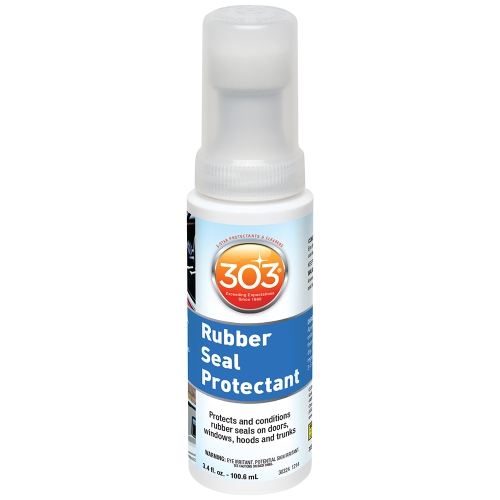 Your price for this item is $31.43
 -
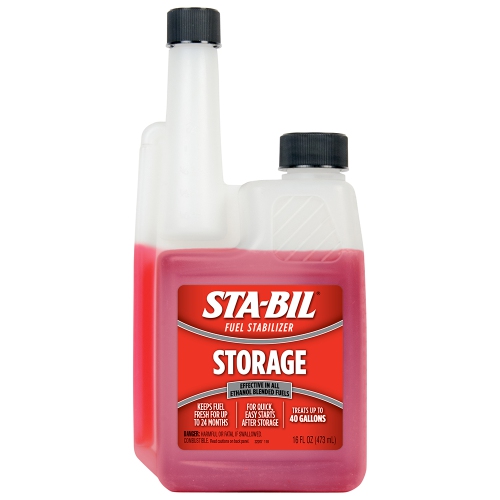 Your price for this item is $30.54
 -
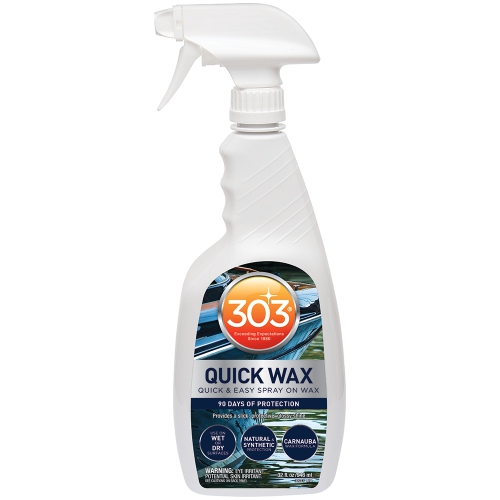 Your price for this item is $38.85
 -
 Your price for this item is $92.99
 -
 Your price for this item is $844.91
 -
 Your price for this item is $909.33
 -
 Your price for this item is $31.46
 -
 Your price for this item is $35.35
Discover more categories related to Boat Propellers
Top Collections:
Pokemon Centers, Kindle Devices, Apple iPhones 16, Samsung Galaxy Phones, Canon G7X Cameras, iPhone 15 Apple, Flip Phones, Apple Wired Earphones, Best Budget Office Chairs, Refurbished Apple Laptops
Some products may be subject to Environmental Handling Fees
(EHF) depending on your province.
Learn more about EHFs.