Boat Steering Systems
Upgrade your boating experience with our wide selection of boat steering systems. Whether you're a seasoned sailor or a first-time boat owner, having a reliable and efficient steering system is essential for smooth navigation on the water. From hydraulic systems to cable-driven options, we offer a range of solutions to suit different boat sizes and types. Our boat steering systems are designed to provide precise control, durability, and ease of use, ensuring that you can enjoy every moment out on the waves. Explore our collection today and find the perfect steering system to enhance your boating adventures.
Sort

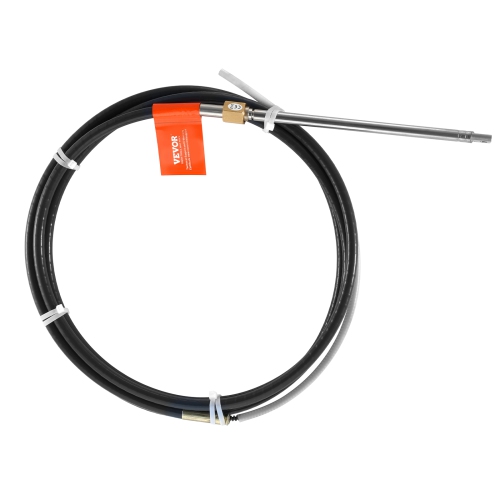
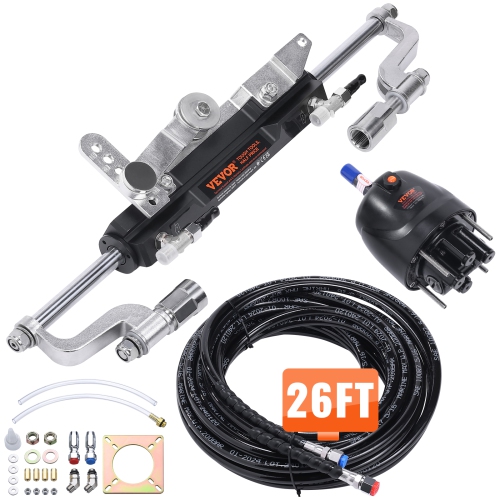
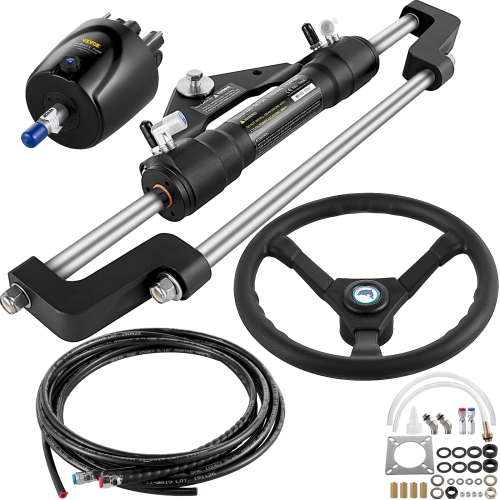
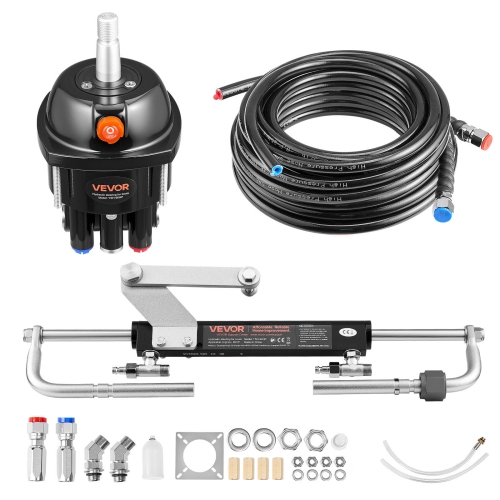

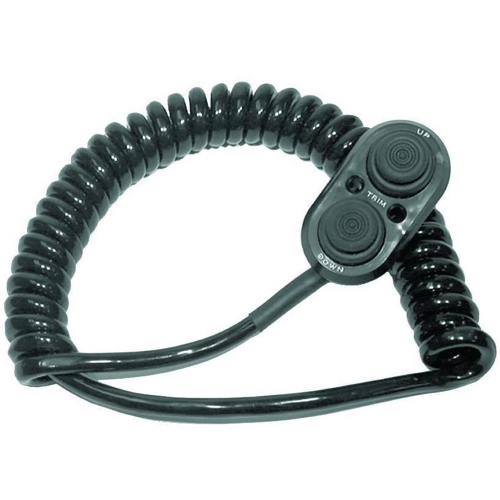
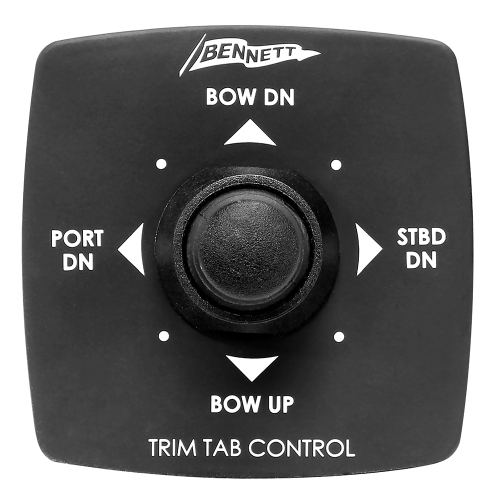
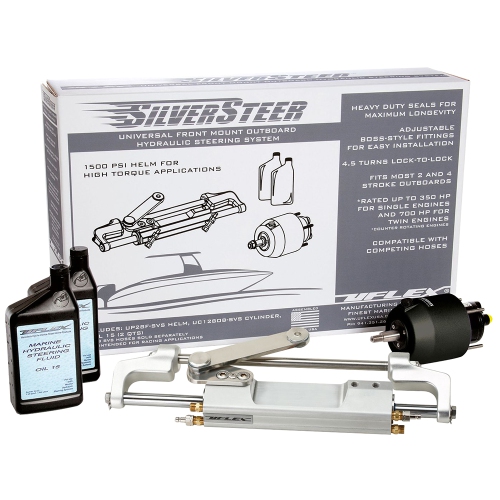
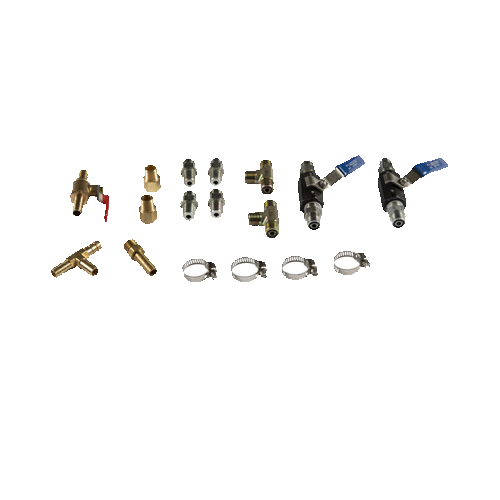
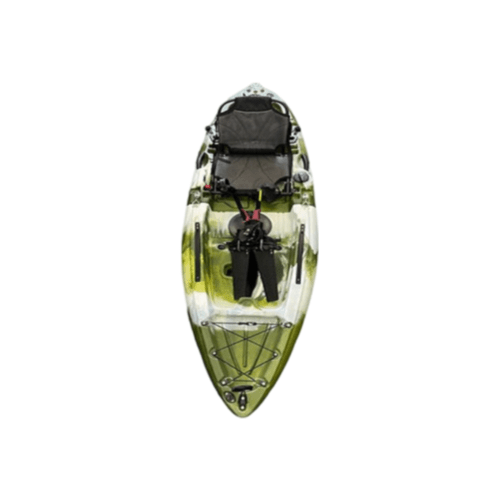
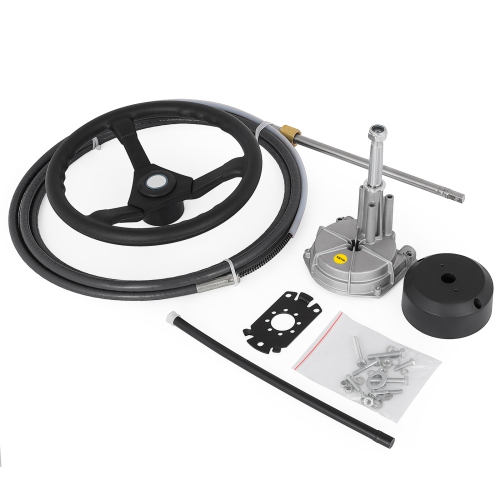

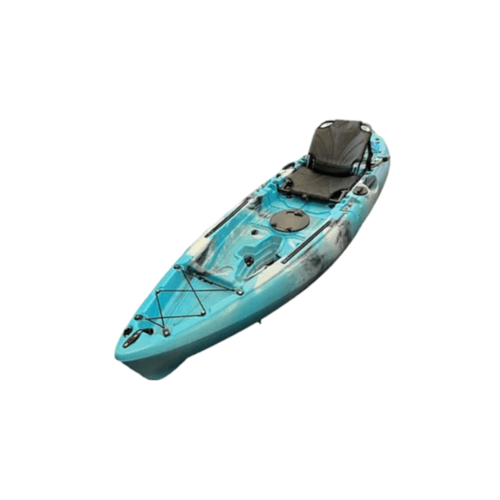
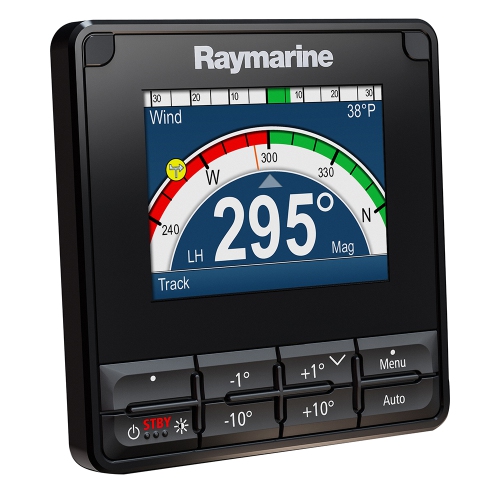
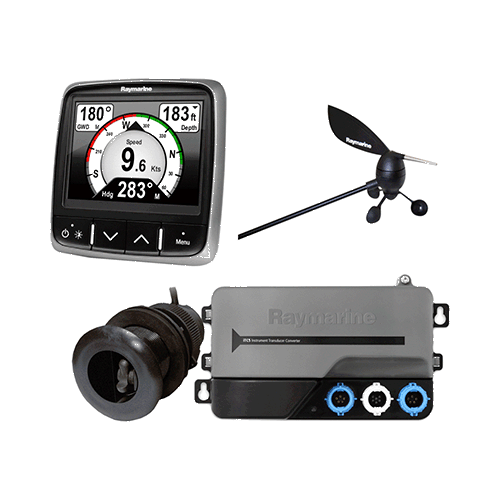

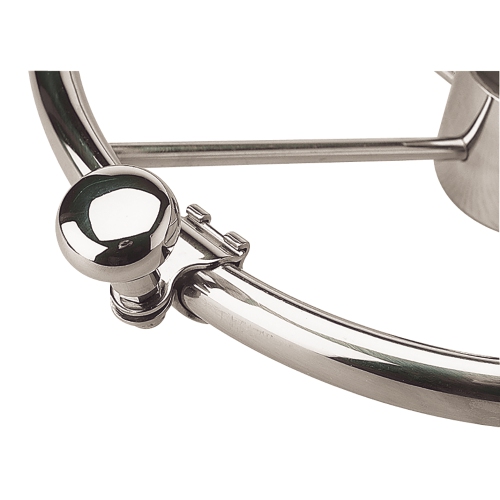
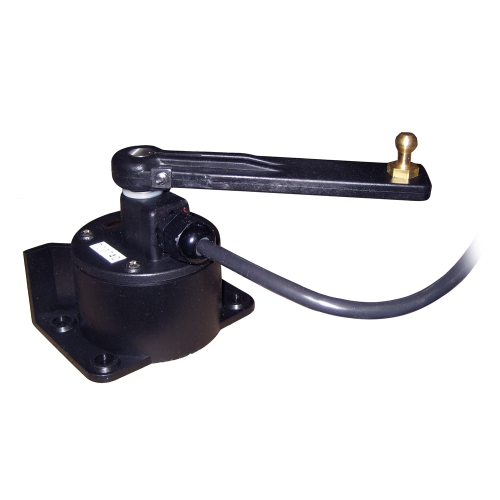
Predictable control starts with steering matched to your boat
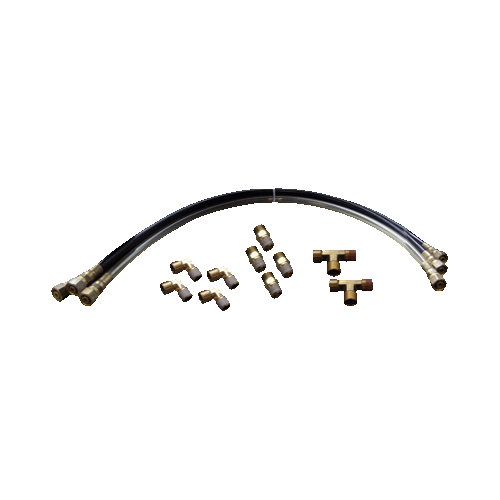
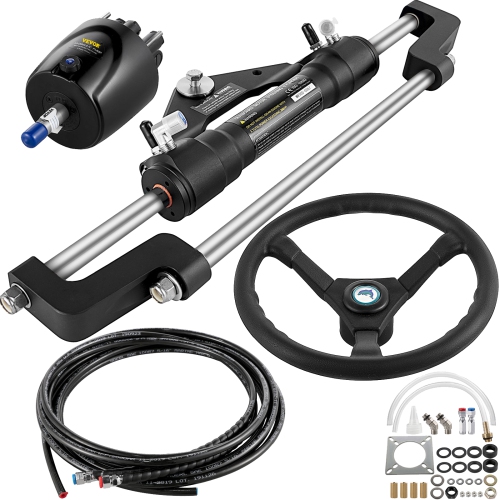
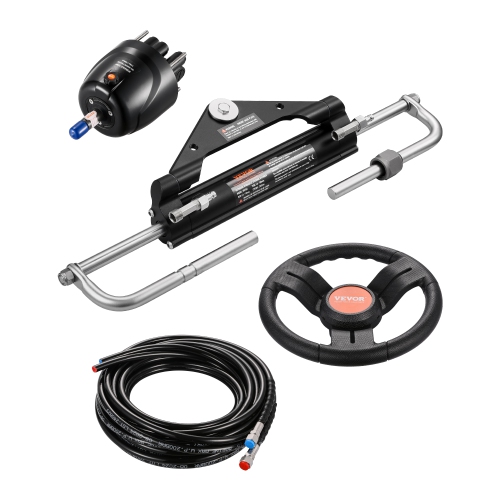
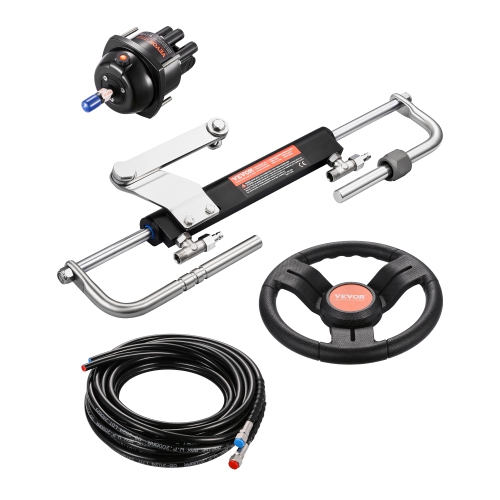
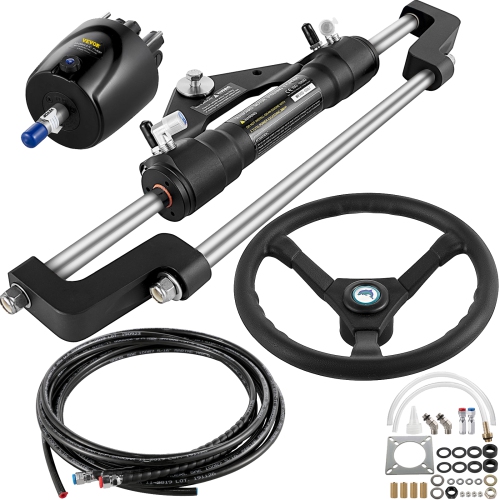
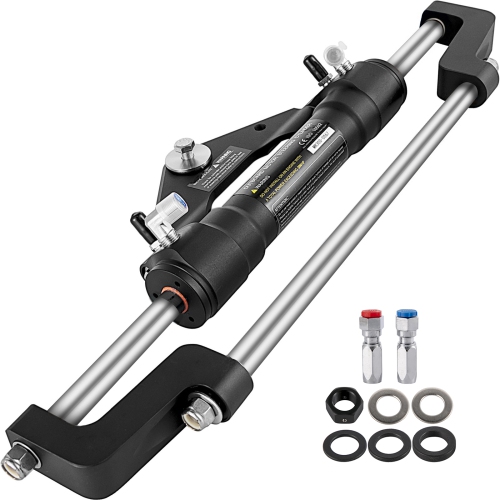
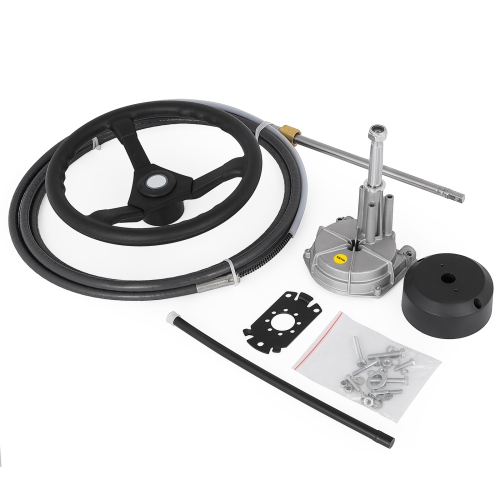
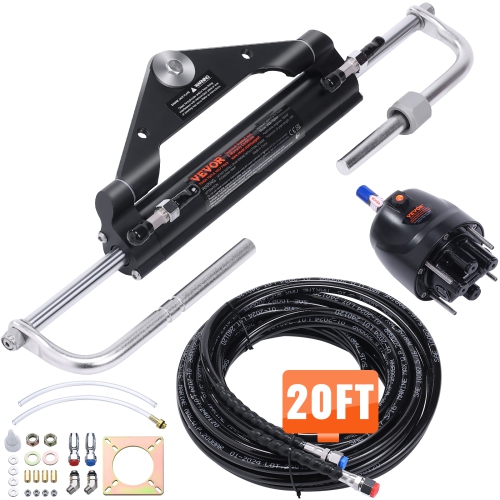
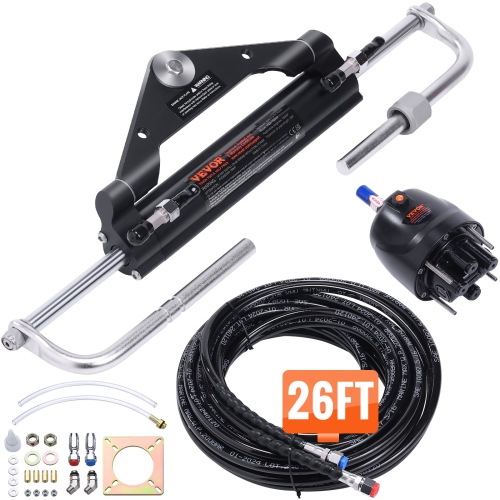
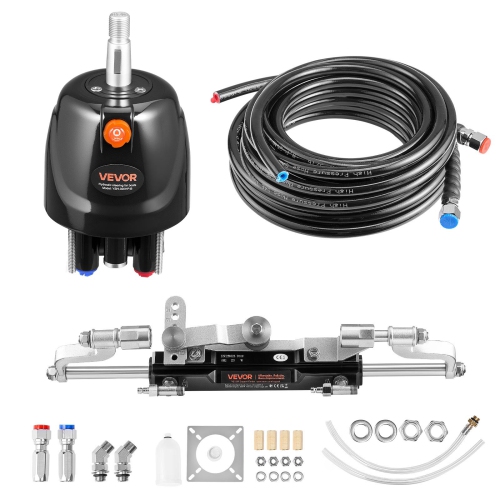
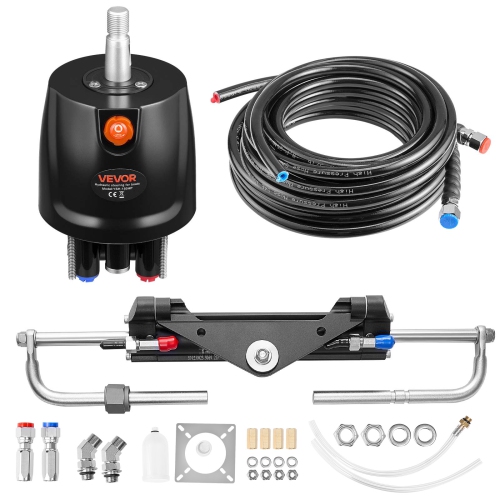
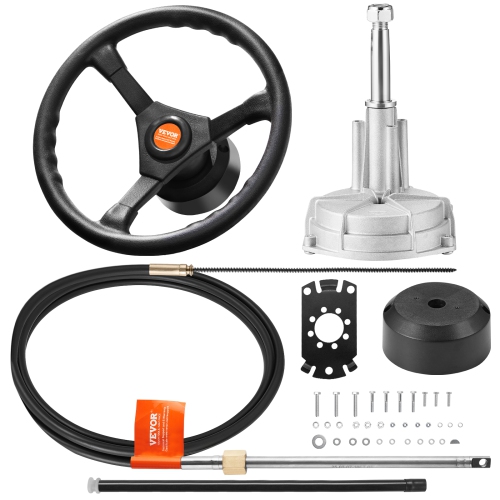
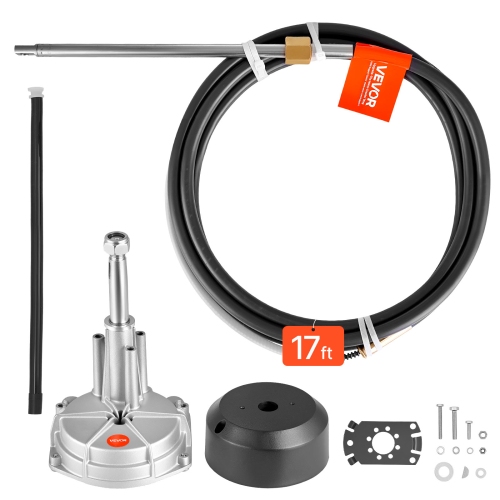
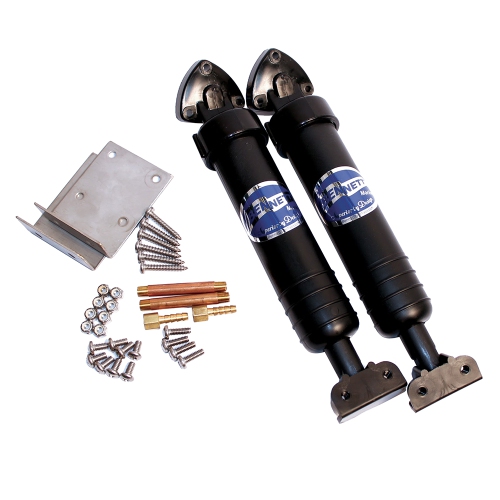
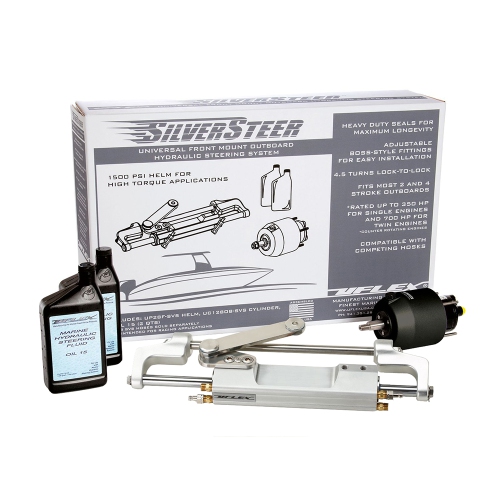
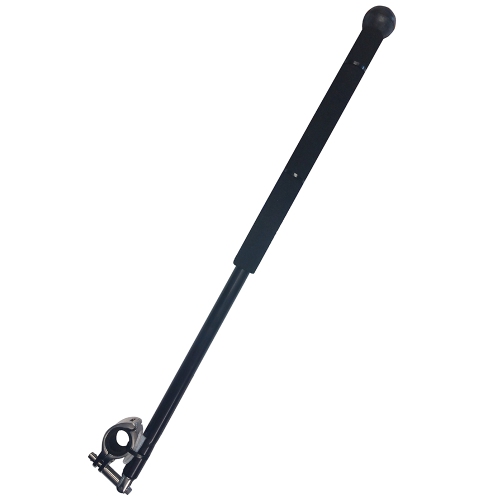
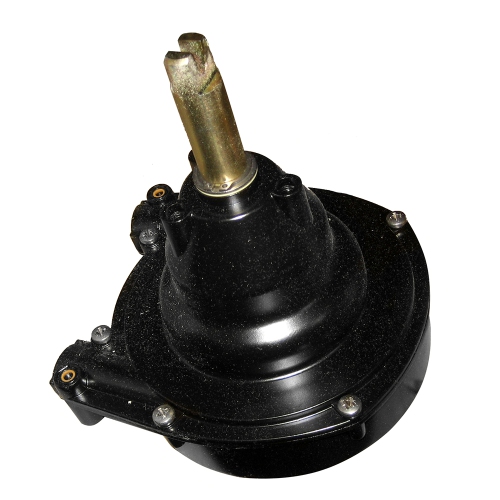
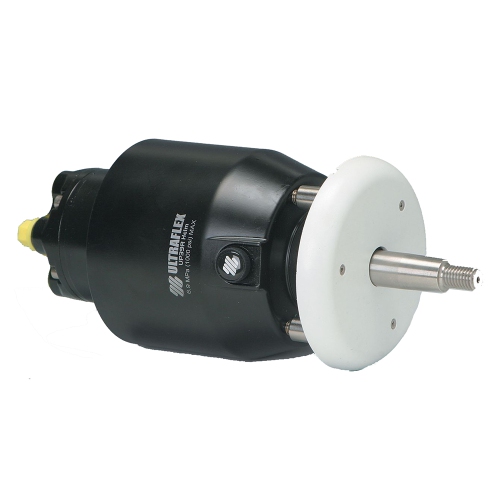
Boat steering systems connect a boat’s steering wheel to its motor, drive unit, or rudder, translating movement at the helm into a change of direction on the water. A well-matched system provides predictable control when easing away from a dock, following a shoreline, or bringing a fishing boat alongside a launch ramp. The main types are mechanical cable steering and hydraulic steering, with power-assisted and electronic arrangements also used on some vessels. Mechanical steering transfers wheel movement through a push-pull cable, while hydraulic steering uses a helm pump, fluid-filled hoses, and a cylinder to move the steering mechanism. The right arrangement depends on more than boat length: engine output, hull design, operating speed, engine configuration, and the steering equipment approved for the vessel all matter. Mechanical systems are common on smaller leisure boats and many modest-power outboards, where a straightforward connection and relatively simple layout suit everyday use. Hydraulic systems are often fitted to boats with higher steering loads, including larger outboard-powered vessels, although their suitability still depends on the system’s stated ratings and application. There is no single horsepower threshold that makes one type correct for every boat. A compact fishing boat used on sheltered lakes has different steering demands from a heavier vessel carrying passengers and equipment through choppy coastal water. For cottage boaters, anglers, and owners refreshing an older helm, the practical aim is the same: steering that responds consistently without excessive effort, binding, or unexpected play. Steering feel also reflects the boat’s condition and setup, so a new system cannot correct every handling issue on its own. Engine trim, load distribution, and worn mounting hardware can affect how the boat behaves. Whether the work involves replacing worn equipment or updating an existing arrangement, compatibility across the helm, cable or hoses, engine connection, and mounting points is more important than choosing by appearance or steering type alone.
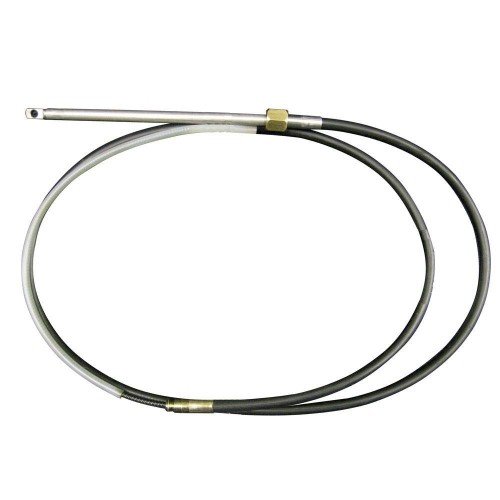
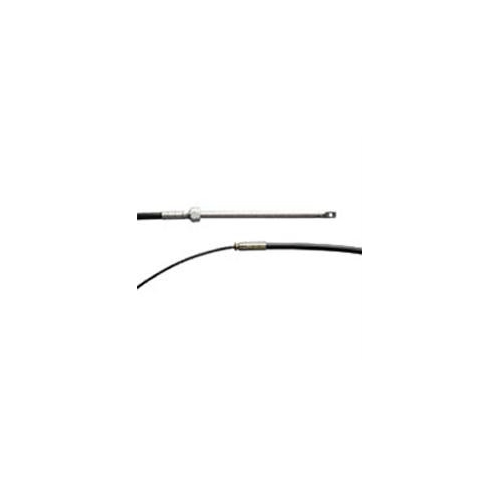
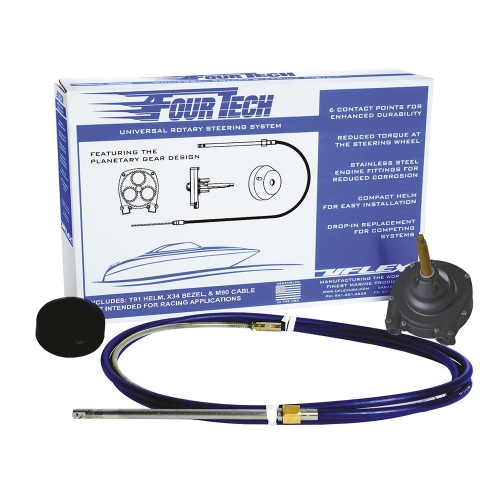
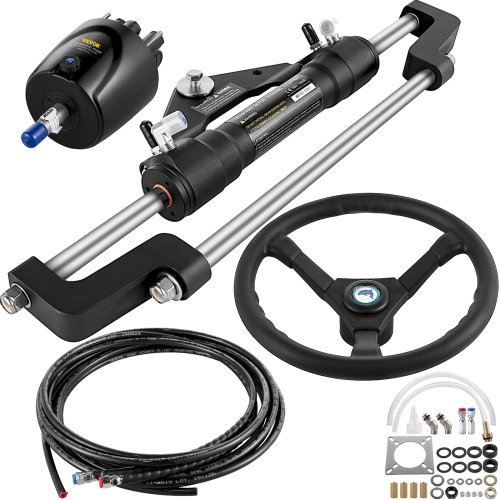
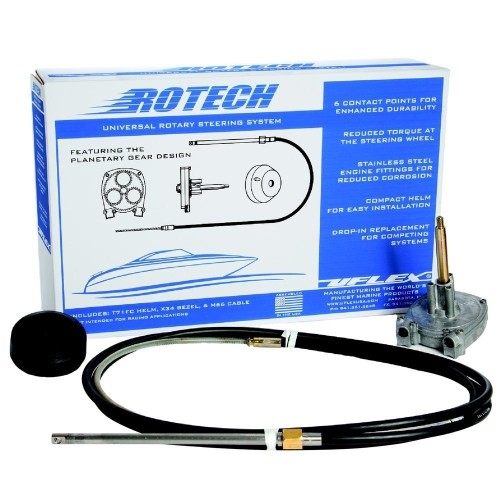
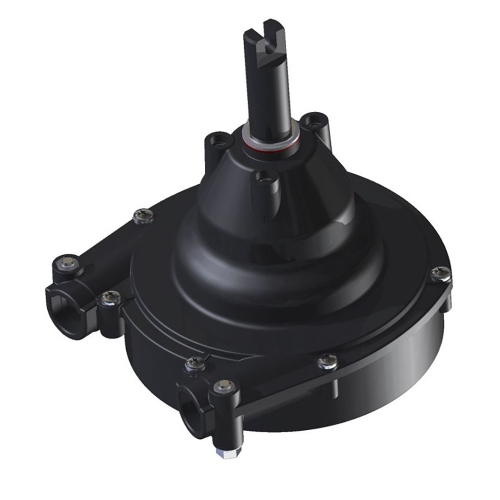
Mechanical boat steering systems generally use either a rotary helm or a rack-and-pinion helm. A rotary helm directs the cable through a compact gear mechanism behind the dashboard, while a rack-and-pinion design uses a straight rack assembly that needs a different amount and shape of clearance. That distinction matters at a narrow console, where gauges, wiring, and structural supports may already occupy much of the space behind the wheel. Replacement equipment needs to suit both the boat’s steering requirements and the physical layout of the helm station. Cable length and routing are equally important: a cable that is too short may not follow the intended path, while excess length can create awkward loops or bends. Measurements should follow the cable manufacturer’s method rather than an estimate based solely on hull length. Compatible Boat Steering Cables need the correct end connections, length, and rating for the helm and engine arrangement; similar-looking fittings do not necessarily make two cables interchangeable. Some mechanical helms include an anti-feedback mechanism designed to reduce the engine torque transmitted back through the steering wheel. This can make holding a course less tiring, but it does not make the boat self-steering or remove the need to maintain control at the helm. Hydraulic arrangements bring their own fit considerations, including cylinder clearance, hose routing, approved fluid, and compatibility with the engine’s steering geometry. On an outboard, there must be adequate room for the motor to turn and tilt without the cylinder, fittings, or hoses contacting nearby structures. Multiple engines, multiple helm stations, and autopilot connections add further requirements that need to be checked as part of the complete setup. Wheel turns from lock to lock can vary between systems, affecting how much wheel movement is needed during close manoeuvres. Lighter steering is not automatically faster steering, and hydraulic steering is not necessarily power-assisted. For a boat frequently manoeuvred into a tight slip, smooth, predictable response and suitable clearance throughout the steering range are particularly valuable.
Materials and construction influence how boat steering equipment stands up to water exposure, vibration, and repeated use. Depending on the component, marine steering assemblies may use stainless steel hardware, coated metal housings, protected cable jackets, and seals designed for the specified hydraulic fluid. These features serve different purposes, from limiting corrosion to keeping moisture and debris away from moving parts. No material makes an entire steering system immune to wear, especially where salt spray, trapped moisture, or damaged protective surfaces are involved. A boat used in coastal water may need different cleaning attention from one kept on a freshwater lake, but both benefit from care that follows the equipment manufacturer’s directions. Accessible surfaces should be kept clean, and lubrication should be limited to the points and lubricants specified for the system. Hydraulic steering requires the correct fluid and proper bleeding procedures; substituting an unsuitable fluid or leaving air in the lines can compromise operation. Changes such as a stiff wheel, delayed response, visible fluid leakage, cracked cable coverings, or increasing looseness deserve attention before the next outing. These are not simply comfort issues, since steering equipment is central to controlling the vessel. Installation and repairs are best handled by a qualified marine technician when the work involves uncertain compatibility, hydraulic connections, or changes to the original configuration. For boats being laid up during the cooler months, inspection before storage offers an opportunity to identify wear and arrange repairs before returning to the water. Storage preparation should also protect exposed components from standing moisture without interfering with drainage or the manufacturer’s care requirements. Steering parts are highly fit-dependent, making them a more suitable planned purchase for a boat owner than a surprise gift chosen without vessel details. Knowing the engine model, existing helm type, cable markings, and mounting layout makes a replacement project much more precise. The lasting value of a properly matched boat steering system is dependable handling: measured wheel movement at the dock, comfortable course corrections on open water, and a connection between helm and propulsion that suits the boat’s intended use.
Mechanical boat steering systems generally use either a rotary helm or a rack-and-pinion helm. A rotary helm directs the cable through a compact gear mechanism behind the dashboard, while a rack-and-pinion design uses a straight rack assembly that needs a different amount and shape of clearance. That distinction matters at a narrow console, where gauges, wiring, and structural supports may already occupy much of the space behind the wheel. Replacement equipment needs to suit both the boat’s steering requirements and the physical layout of the helm station. Cable length and routing are equally important: a cable that is too short may not follow the intended path, while excess length can create awkward loops or bends. Measurements should follow the cable manufacturer’s method rather than an estimate based solely on hull length. Compatible Boat Steering Cables need the correct end connections, length, and rating for the helm and engine arrangement; similar-looking fittings do not necessarily make two cables interchangeable. Some mechanical helms include an anti-feedback mechanism designed to reduce the engine torque transmitted back through the steering wheel. This can make holding a course less tiring, but it does not make the boat self-steering or remove the need to maintain control at the helm. Hydraulic arrangements bring their own fit considerations, including cylinder clearance, hose routing, approved fluid, and compatibility with the engine’s steering geometry. On an outboard, there must be adequate room for the motor to turn and tilt without the cylinder, fittings, or hoses contacting nearby structures. Multiple engines, multiple helm stations, and autopilot connections add further requirements that need to be checked as part of the complete setup. Wheel turns from lock to lock can vary between systems, affecting how much wheel movement is needed during close manoeuvres. Lighter steering is not automatically faster steering, and hydraulic steering is not necessarily power-assisted. For a boat frequently manoeuvred into a tight slip, smooth, predictable response and suitable clearance throughout the steering range are particularly valuable.
Materials and construction influence how boat steering equipment stands up to water exposure, vibration, and repeated use. Depending on the component, marine steering assemblies may use stainless steel hardware, coated metal housings, protected cable jackets, and seals designed for the specified hydraulic fluid. These features serve different purposes, from limiting corrosion to keeping moisture and debris away from moving parts. No material makes an entire steering system immune to wear, especially where salt spray, trapped moisture, or damaged protective surfaces are involved. A boat used in coastal water may need different cleaning attention from one kept on a freshwater lake, but both benefit from care that follows the equipment manufacturer’s directions. Accessible surfaces should be kept clean, and lubrication should be limited to the points and lubricants specified for the system. Hydraulic steering requires the correct fluid and proper bleeding procedures; substituting an unsuitable fluid or leaving air in the lines can compromise operation. Changes such as a stiff wheel, delayed response, visible fluid leakage, cracked cable coverings, or increasing looseness deserve attention before the next outing. These are not simply comfort issues, since steering equipment is central to controlling the vessel. Installation and repairs are best handled by a qualified marine technician when the work involves uncertain compatibility, hydraulic connections, or changes to the original configuration. For boats being laid up during the cooler months, inspection before storage offers an opportunity to identify wear and arrange repairs before returning to the water. Storage preparation should also protect exposed components from standing moisture without interfering with drainage or the manufacturer’s care requirements. Steering parts are highly fit-dependent, making them a more suitable planned purchase for a boat owner than a surprise gift chosen without vessel details. Knowing the engine model, existing helm type, cable markings, and mounting layout makes a replacement project much more precise. The lasting value of a properly matched boat steering system is dependable handling: measured wheel movement at the dock, comfortable course corrections on open water, and a connection between helm and propulsion that suits the boat’s intended use.
Top selling and popular products
-
 Your price for this item is $30.58
 -
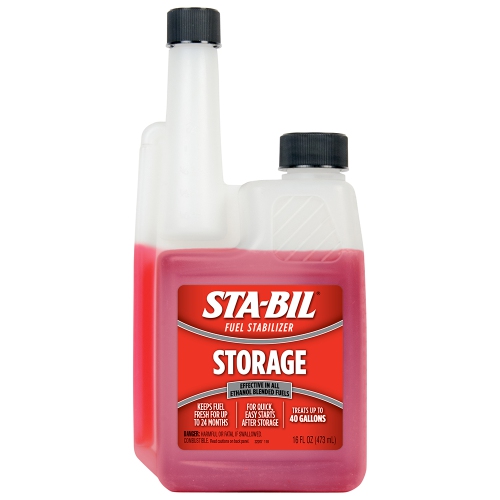 Your price for this item is $30.54
 -
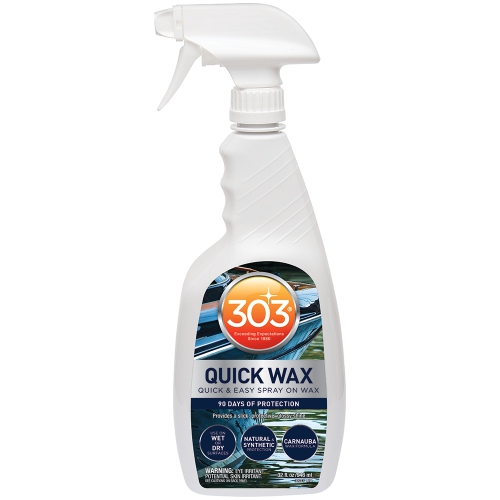 Your price for this item is $38.85
 -
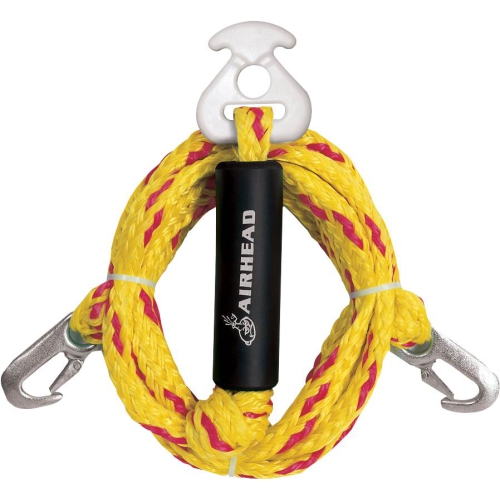 Your price for this item is $92.99
 -
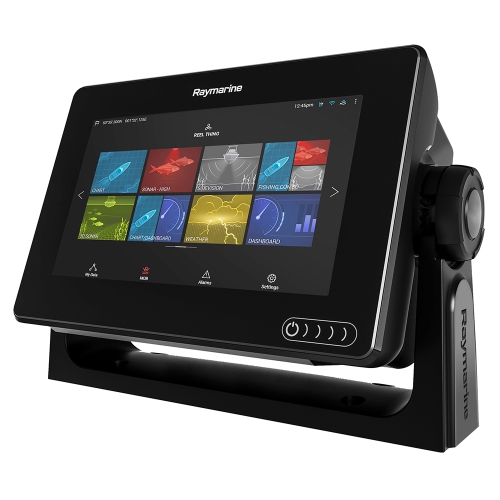 Your price for this item is $917.79
 -
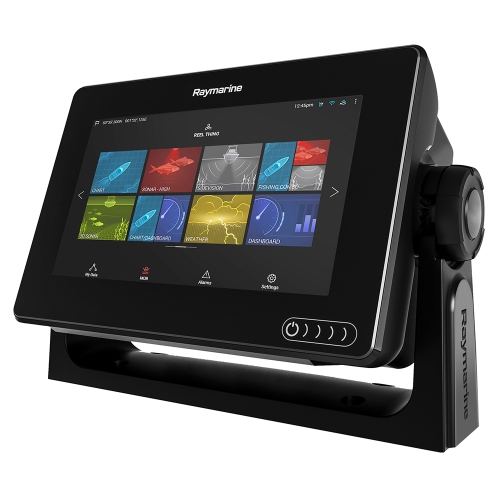 Your price for this item is $844.31
 -
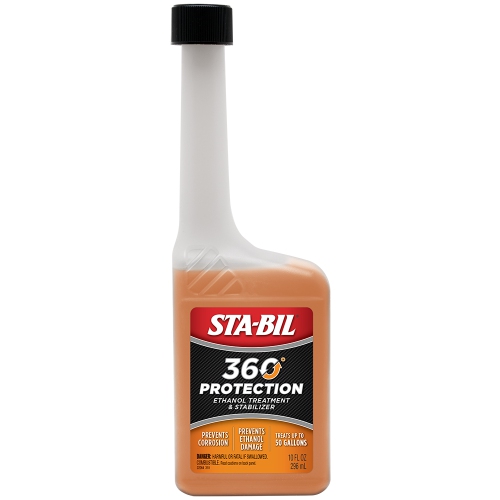 Your price for this item is $30.62
 -
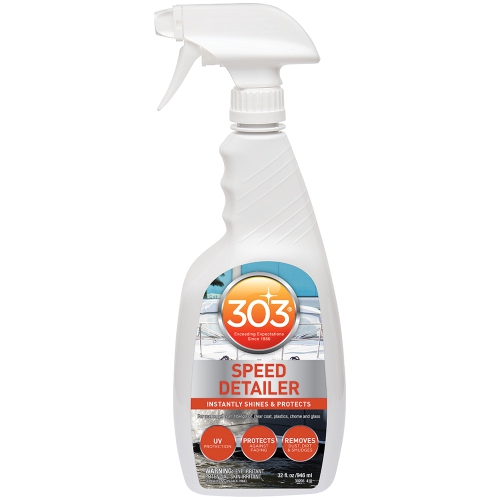 Your price for this item is $34.93
Discover more categories related to Boat Steering Systems
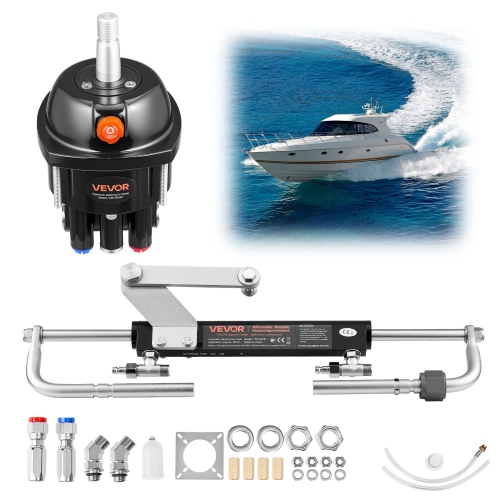
Top Collections:
Pokemon Centers, Kindle Devices, Best Budget Office Chairs, Apple iPhones 16, Canon G7X Cameras, iPhone 15 Apple, Alarm Clock, Refurbished Apple Laptops, Flip Phones, Best Laptops for Writers
Some products may be subject to Environmental Handling Fees
(EHF) depending on your province.
Learn more about EHFs.