Camping tables With Storage
Whether you're enjoying a weekend camping trip or hosting a backyard barbecue, having a reliable and versatile camping table with storage can make all the difference in your outdoor adventures. These tables are designed to provide a sturdy surface for dining, playing games, or preparing meals, while also offering convenient storage options to keep your essentials organized and easily accessible. With a variety of sizes, styles, and features available, finding the perfect camping table with storage to suit your needs has never been easier. Explore our selection below and elevate your outdoor experiences today!
Sort



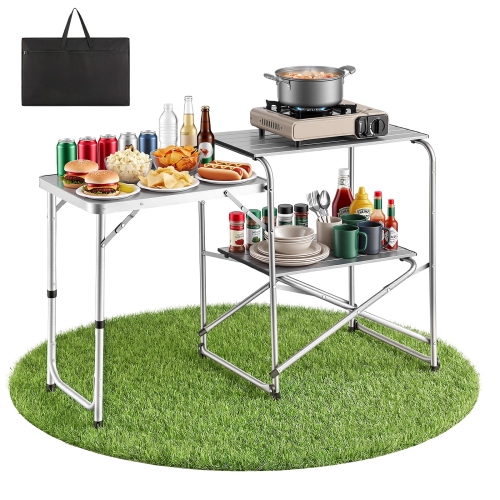


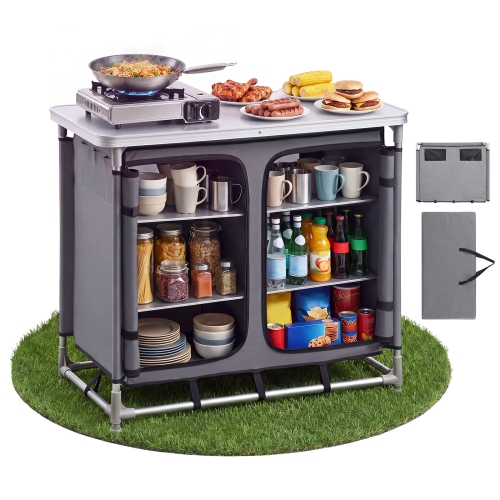


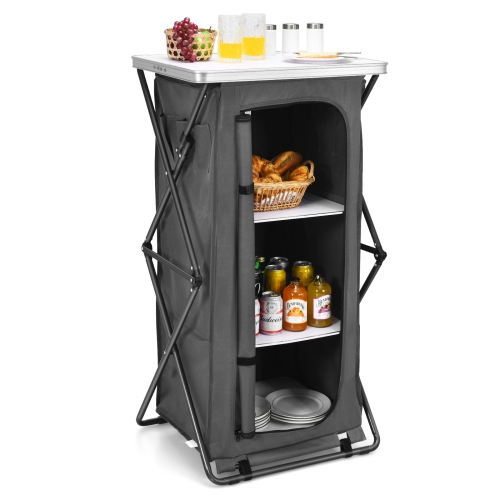
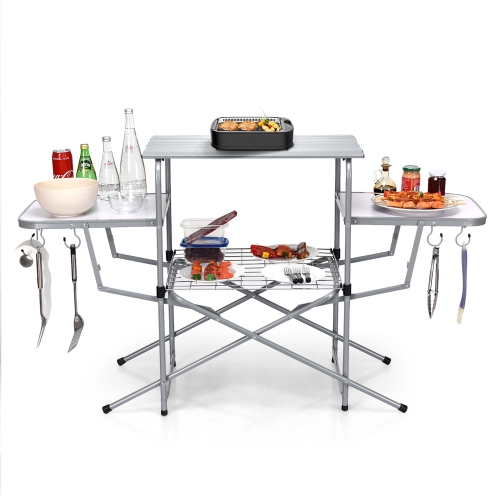








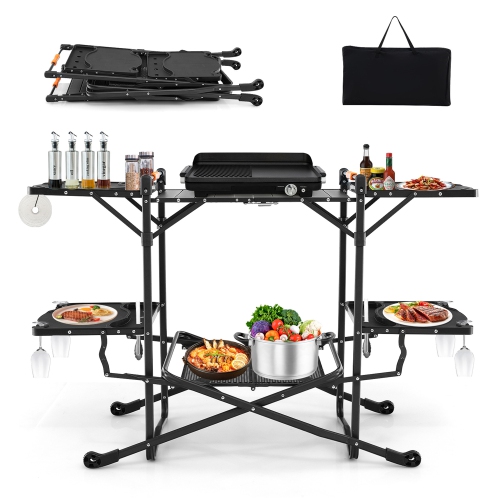
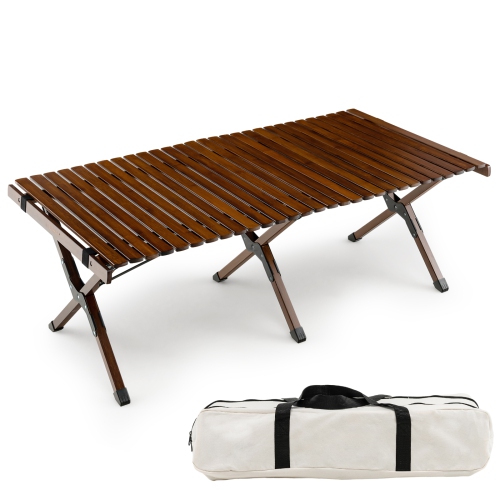


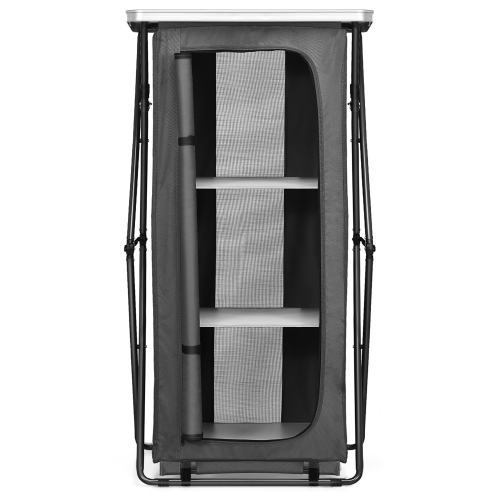


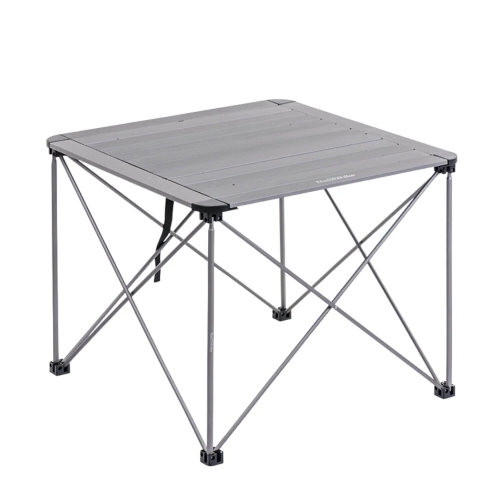









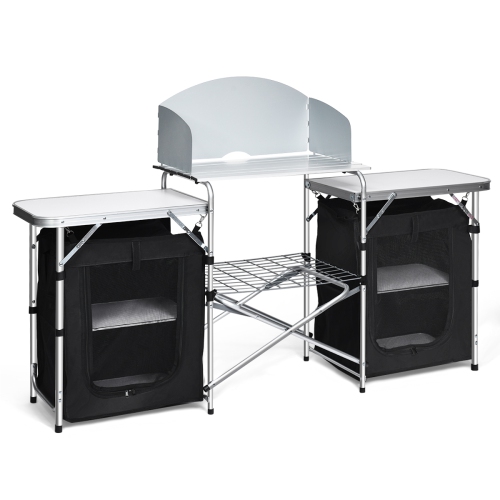
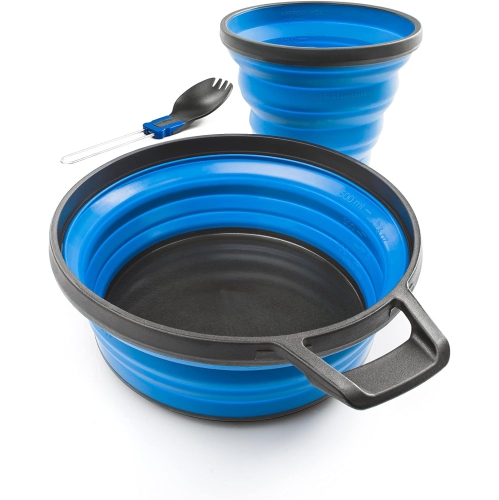


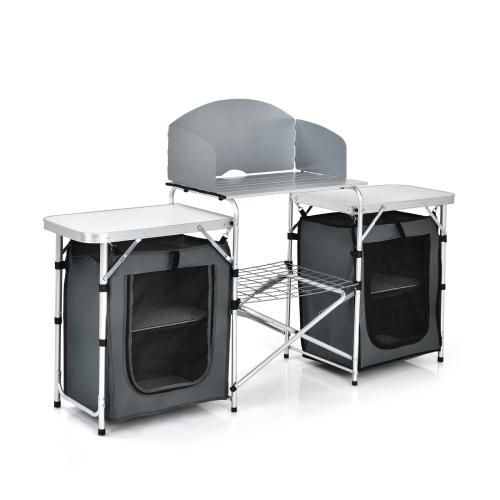

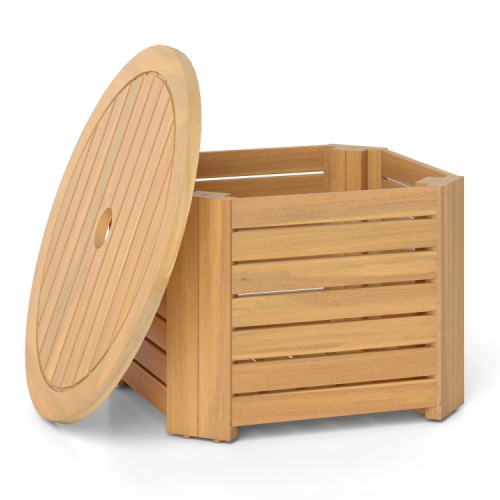






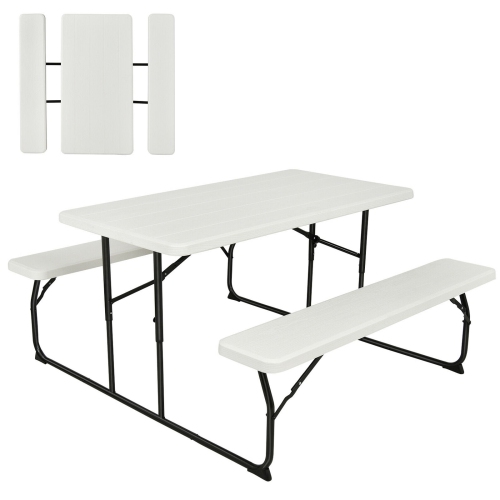
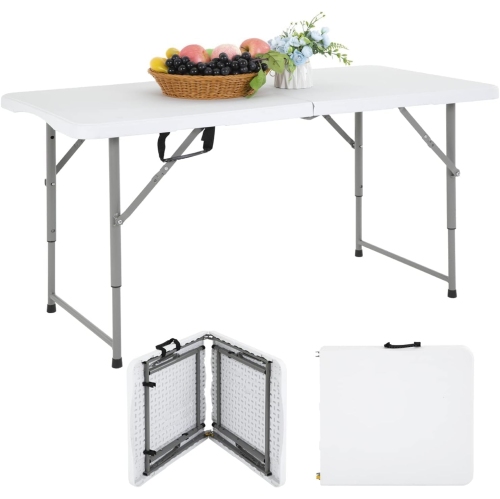


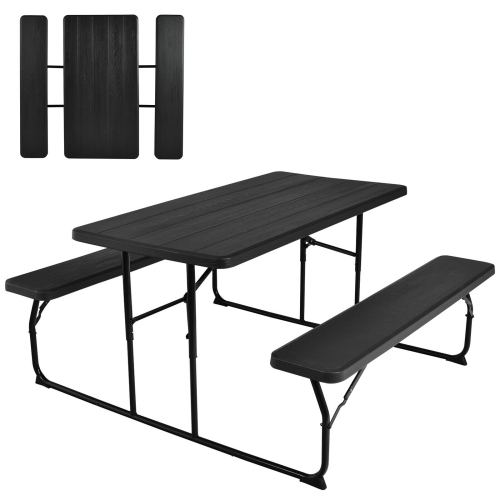

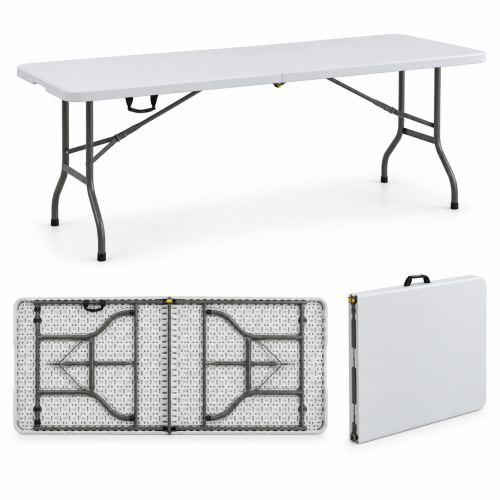
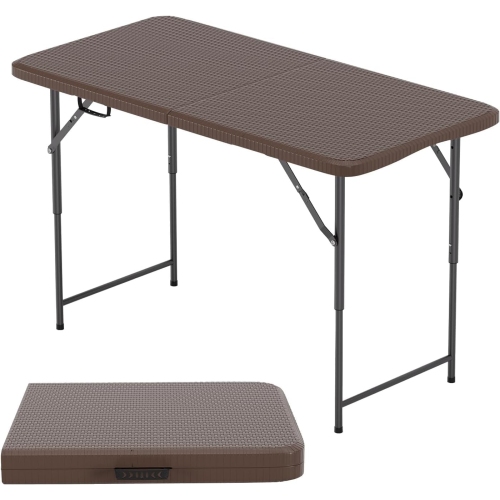
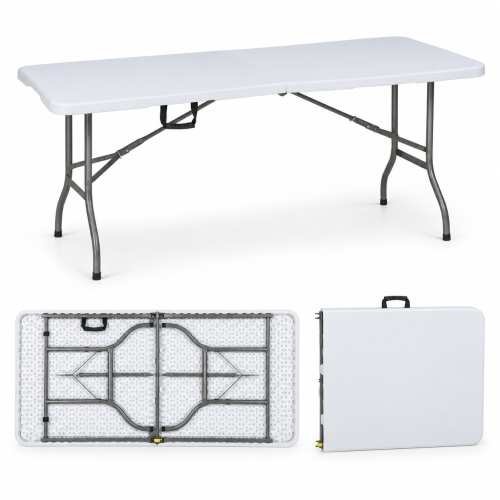


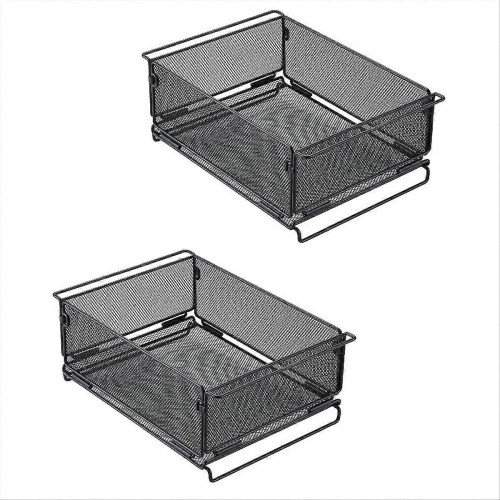
More room for campsite meals with essentials tucked below
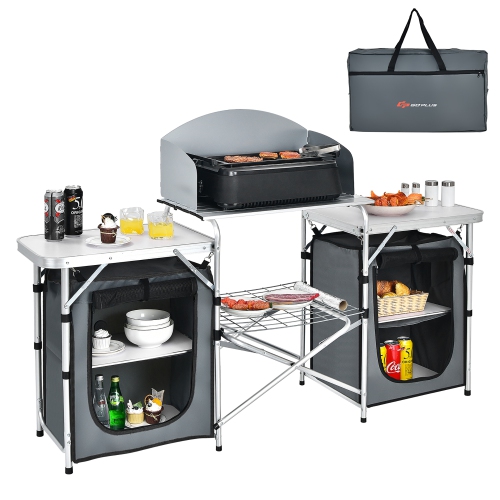
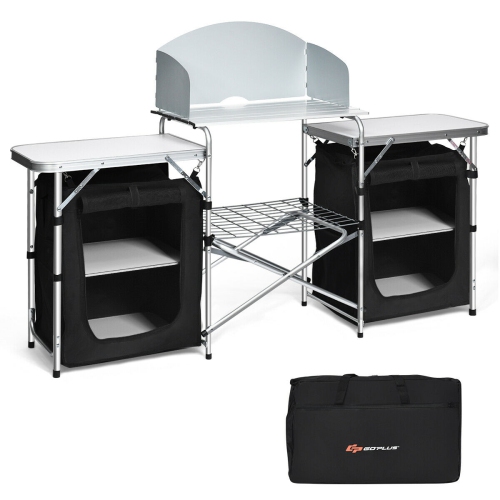
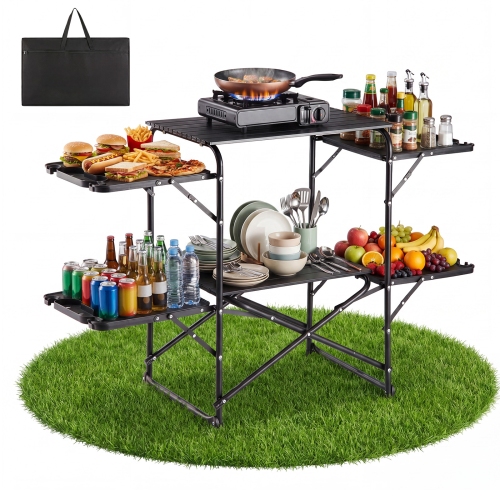
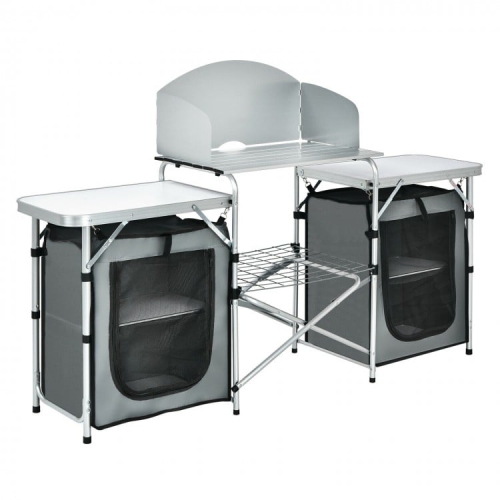
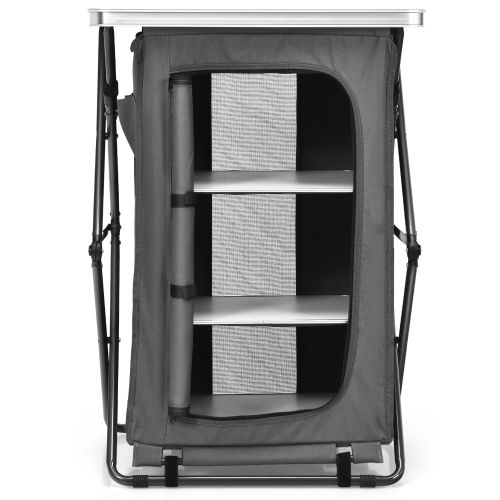
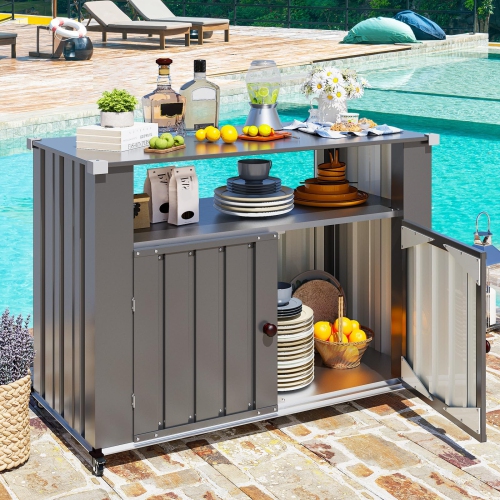
Camping tables with storage combine a portable work surface with shelves, fabric cupboards, hanging baskets, or side pockets that keep everyday campsite essentials organised and off the ground. They create a practical place for preparing meals, serving snacks, sorting utensils, or gathering around a card game without leaving every spare mug and tea towel scattered across the tabletop. The main styles include folding tables with an open lower shelf, tables with attached organisers, and larger camp kitchen stations with several storage compartments. An open shelf makes a saucepan or washing-up basin easy to reach, while a zippered cupboard keeps its contents out of sight and can help limit exposure to dust. Side pockets suit smaller essentials such as cutlery, napkins, and a torch, freeing up the main surface for other tasks. These layouts serve different routines: a couple travelling with a compact tent may need little more than a small folding table with a shelf, whereas a family preparing several meals at camp may appreciate separate spaces for dishes, cooking utensils, and dry supplies. Storage beneath the tabletop also makes good use of a limited campsite footprint, especially when there is little room between a tent entrance, seating area, and vehicle. The most useful arrangement leaves frequently used essentials within reach without blocking access to chairs or walkways. For example, a lower shelf can hold a breakfast basket while the top provides room for bowls and a cutting board, making the morning routine less cluttered. Enclosed fabric storage is still not secure food storage: scented supplies and food need to be kept according to local wildlife rules, rather than left in a table cupboard overnight. For car campers, caravan travellers, and people who enjoy picnics or weekends at a cabin, the appeal is straightforward: one folding piece of furniture provides both a usable surface and a designated place for the smaller things that otherwise get misplaced.
Materials and construction influence how a camping table with storage handles transport, repeated assembly, and outdoor use. Aluminium frames are generally light and resist rust, making them practical for carrying between a parking area and a campsite. Steel frames can provide a sturdy structure, though their weight and protective finish deserve attention, particularly where joints or feet may come into contact with damp ground. Tabletop materials vary, from slatted aluminium to coated board and moulded plastic, with different requirements for cleaning, moisture exposure, and heat protection. A wipe-clean surface is helpful after sandwiches, spilled drinks, or a muddy afternoon, but water resistance does not mean a table can be left uncovered through prolonged rain. Coated board surfaces, in particular, may need protection around exposed edges and hinges. Fabric cupboards and shelves often use woven polyester, sometimes described as Oxford fabric; their resistance to moisture depends on the fabric, coating, seams, and overall construction. Mesh panels can improve airflow and make contents easier to identify, while solid panels provide more coverage from windblown dust. Neither style should be assumed to keep supplies completely dry. Reinforced stitching, securely attached shelf supports, smooth-running zippers, and locking frame joints are useful details for furniture that will be folded and unfolded repeatedly. Load capacity also needs to be understood by section: a tabletop, lower shelf, and side extension may each have a different limit. A heavy water container can put substantial pressure on a small area, so weight distribution matters as much as the total load. Heavy supplies belong low and centred where the design permits, rather than hanging from one edge. A level surface, fully opened legs, and engaged locking mechanisms help the table remain stable during ordinary use. Adjustable feet can help accommodate minor ground variations, but they do not make a steep or loose patch suitable. A general-purpose folding table is not automatically suitable for a camping stove; cooking appliances require a surface rated for that use, appropriate clearances, and adherence to the appliance manufacturer’s directions.
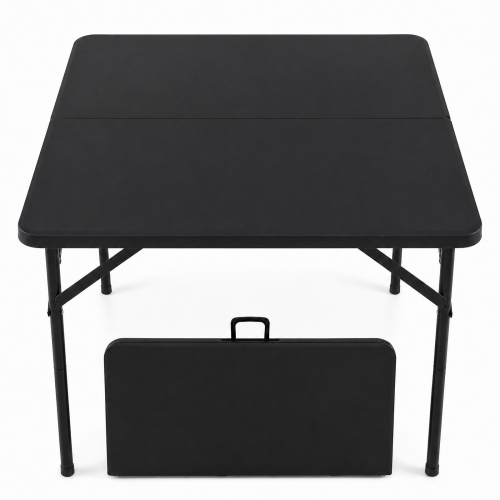
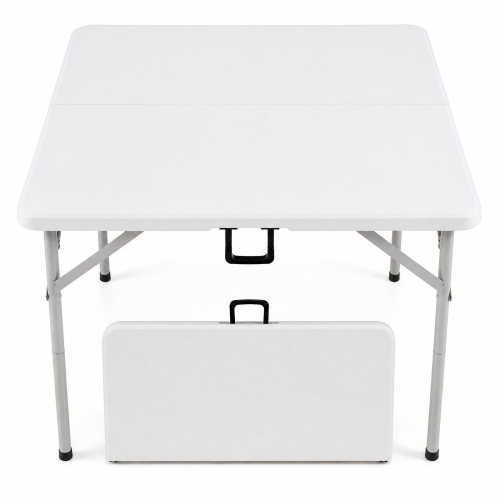
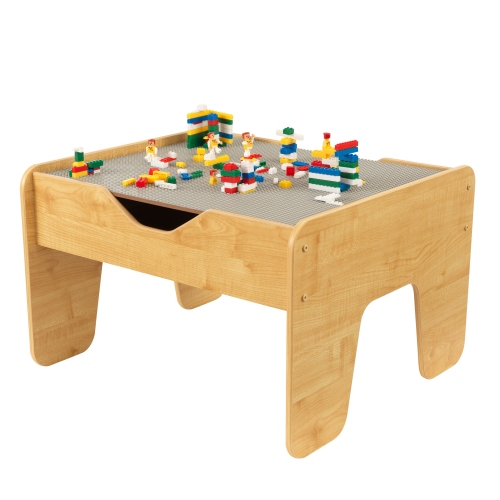
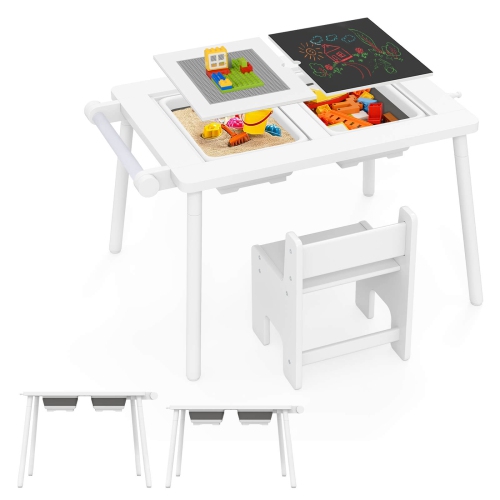
Size and portability matter both at the campsite and on the journey there. The open dimensions show how much working room a table provides, while its folded measurements determine whether it will fit alongside a tent, sleeping bags, and other luggage in a vehicle boot. A broad tabletop can be useful for family meals, but cupboards and cross-braces underneath may reduce knee room when people sit around it. Standing-height camp kitchen tables suit meal preparation and washing-up tasks; lower designs tend to work better beside camping chairs or as shared dining surfaces. Adjustable-height designs can offer flexibility, provided the legs lock securely at the intended setting. Access to storage is another everyday consideration. A cupboard door that opens towards a chair, or a shelf hidden behind a crossbar, may be less convenient when several people are sharing the space. Roll-up tops and folding frames can pack into relatively compact bundles, while suitcase-style designs keep the tabletop sections together; the easier option depends on carrying distance, storage space, and comfort with assembly. A carrying bag helps keep loose components together and protects surrounding luggage from dusty feet, although it adds little protection if the table is packed away wet. After a trip, crumbs and grit should be removed from shelves, seams, and hinges, with surfaces cleaned according to their care instructions. Fabric compartments need time to dry fully before folding to help prevent odours and mildew, especially after use during cooler, damp weather. Occasional checks for loose fasteners, worn straps, and damaged feet help keep the table ready for its next outing. For someone who regularly camps with family or enjoys organised outdoor meal preparation, a storage table can also make a thoughtful gift when its packed size and setup suit their routine. Families looking for a separate indoor surface for puzzles, crafts, and toy organisation can also explore Play Tables With Storage, which serve a different purpose from portable campsite furniture. Outdoors, a well-proportioned storage table gives cooking supplies, shared essentials, and small comforts a place of their own while leaving more of the tabletop ready to use.
Top selling and popular products
-
 Your price for this item is $199.99
-
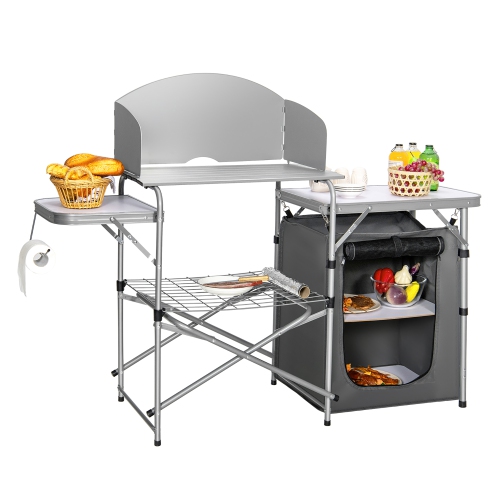 Your price for this item is $133.99
-
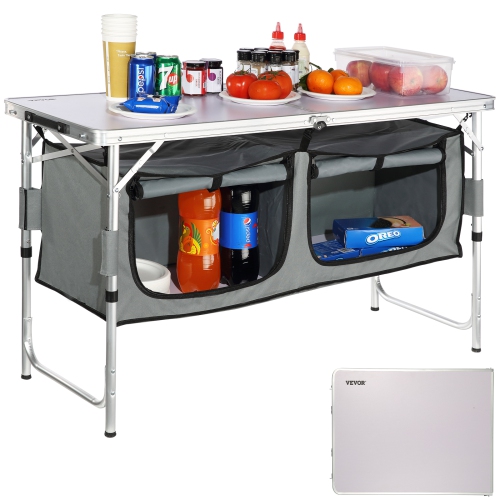 Your price for this item is $72.9
-
 Your price for this item is $139.99
-
 Your price for this item is $49.99
-
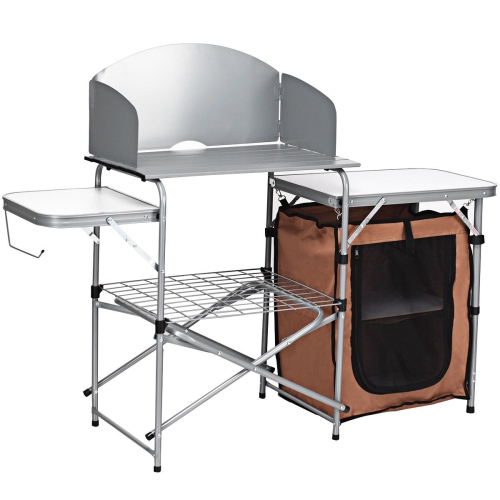 Your price for this item is $127.99
-
 Your price for this item is $68.99
-
 Your price for this item is $49.99
Discover more categories related to Camping tables With Storage
Top Collections:
Pokemon Centers, Kindle Devices, Best Cameras for Sports Photography, Best Budget Office Chairs, Pokémon 30th Celebration Cards, Apple iPhones 16, Canon G7X Cameras, iPhone 15 Apple, Flip Phones, Samsung Galaxy Phones
Some products may be subject to Environmental Handling Fees
(EHF) depending on your province.
Learn more about EHFs.