Cruiser E Bikes
Looking for an eco-friendly and efficient way to get around? Look no further than our selection of cruiser e-bikes. These electric bicycles offer a fun and convenient way to explore your surroundings while reducing your carbon footprint. Whether you're commuting to work, running errands, or simply enjoying a leisurely ride, our range of cruiser e-bikes has something to suit every rider's style and needs. With their sleek designs and powerful motors, these e-bikes provide an effortless and enjoyable riding experience.
Sort

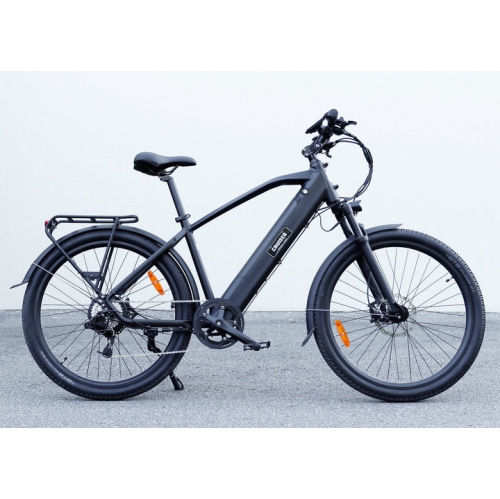
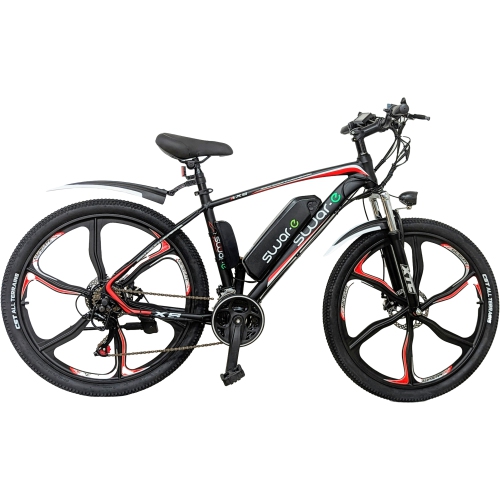
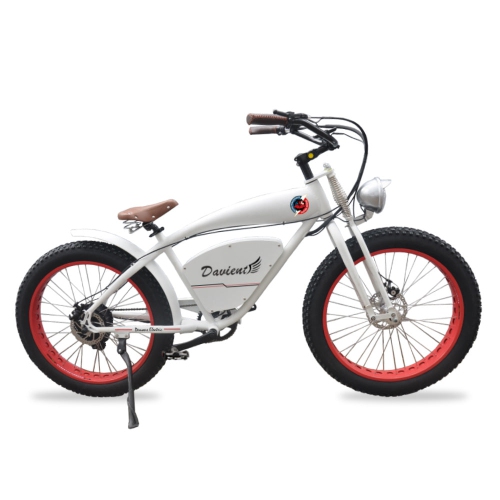
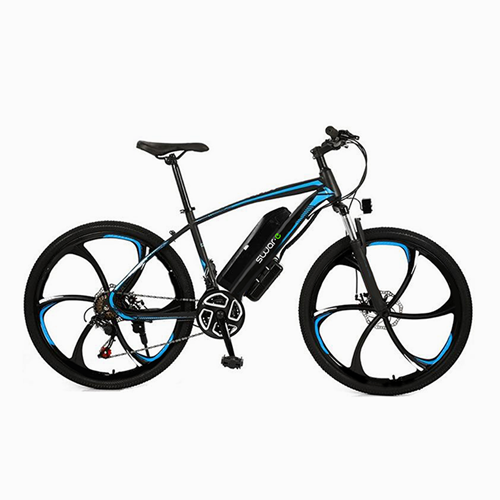
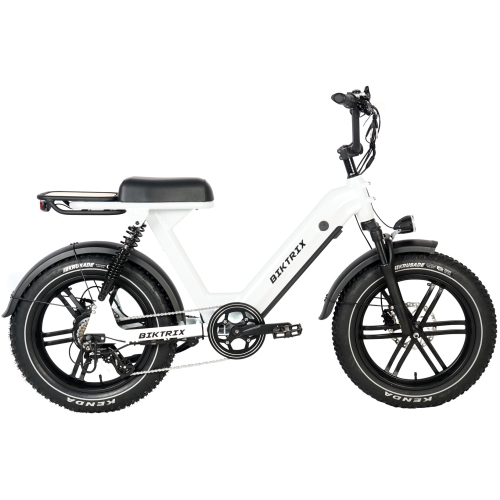
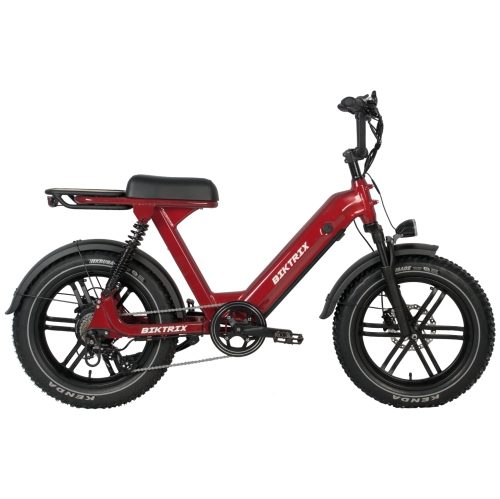
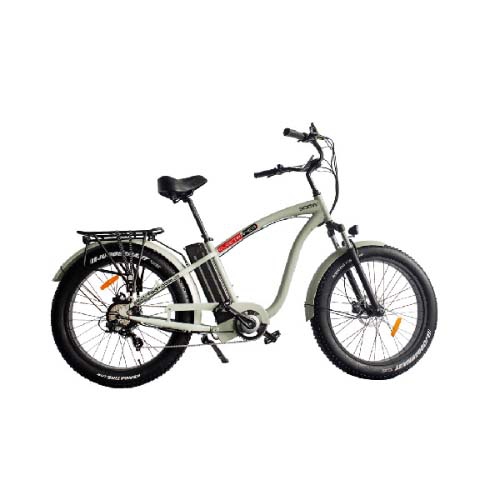
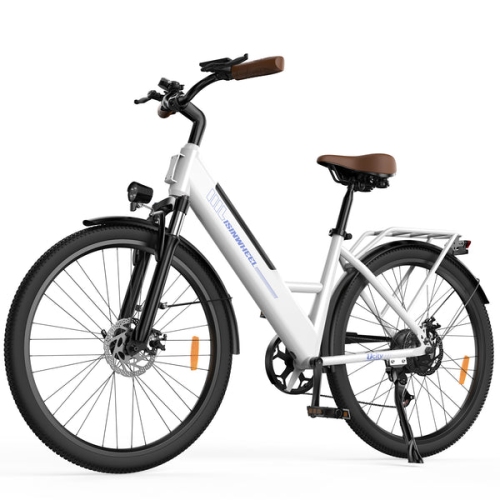

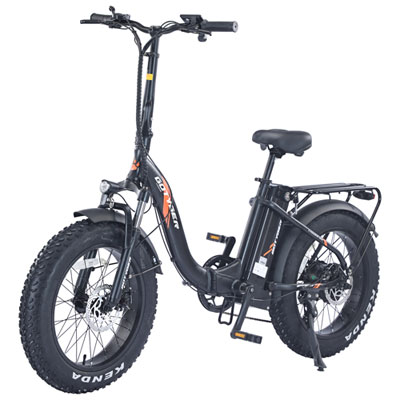
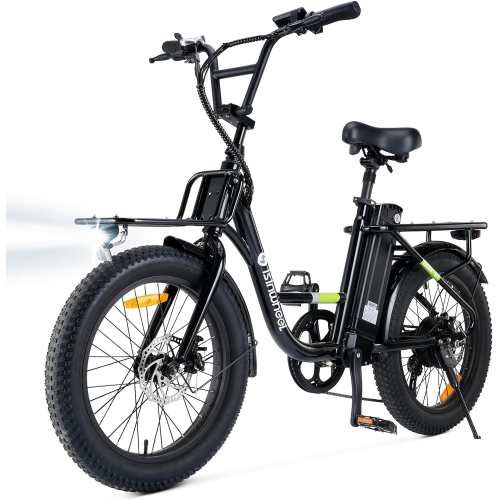
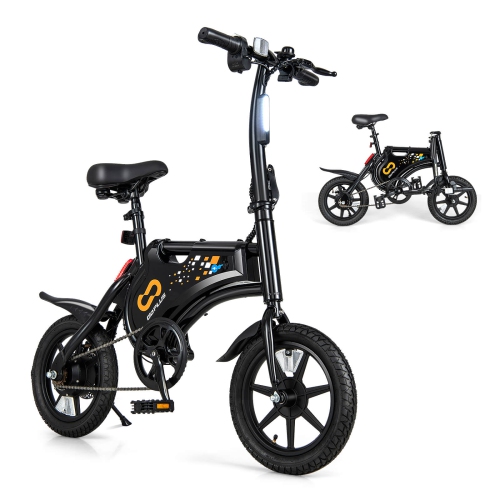
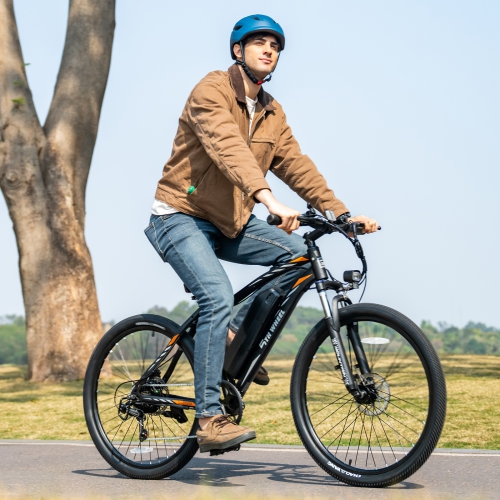

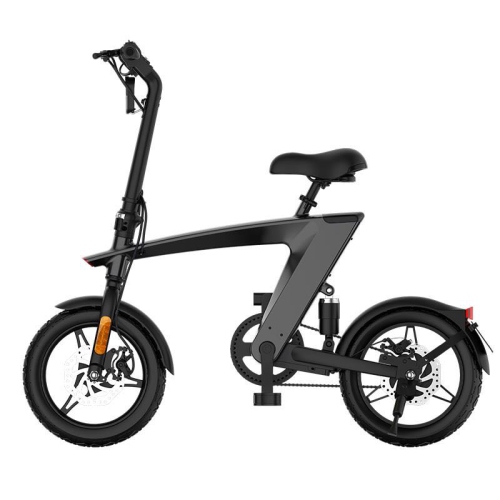
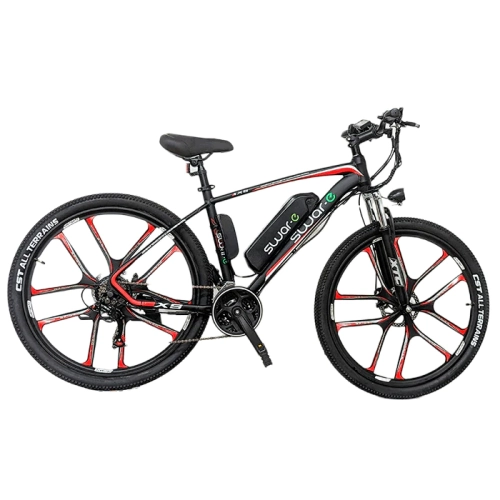
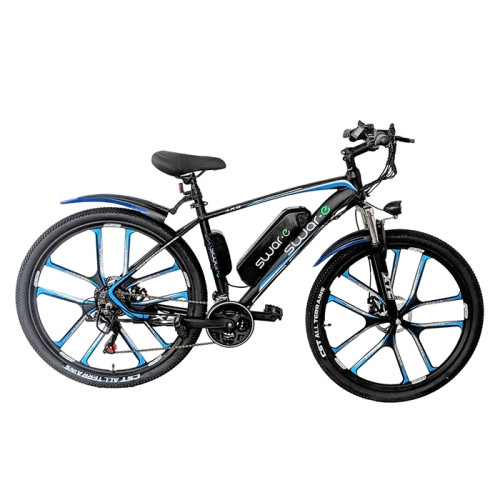
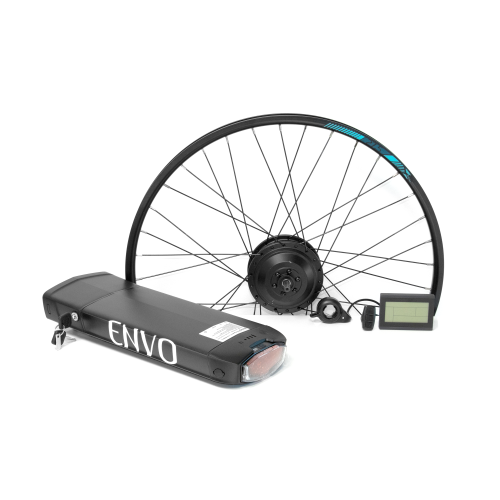
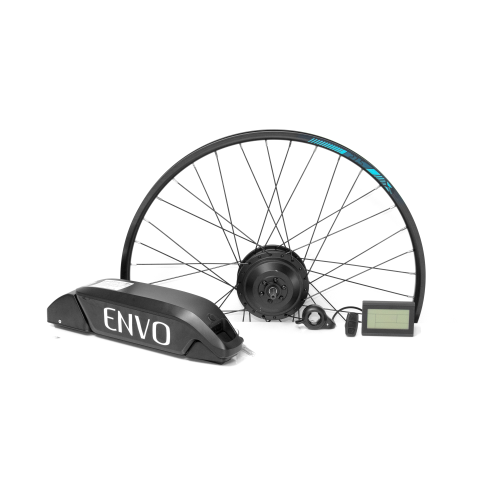
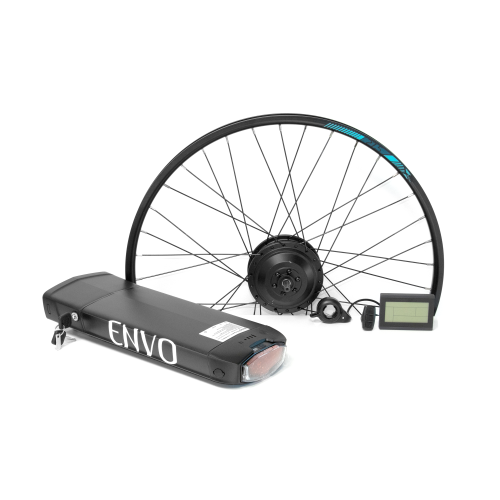
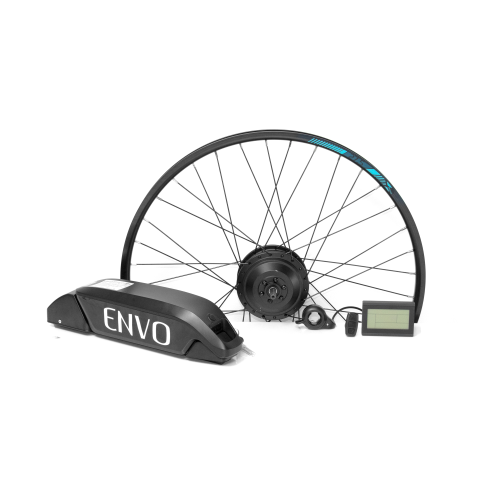
Relaxed riding starts with more than a padded saddle
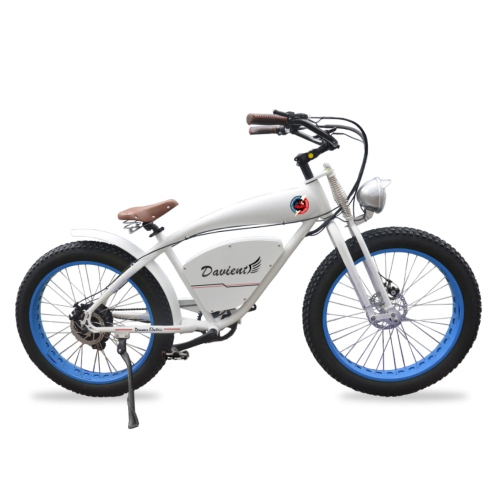
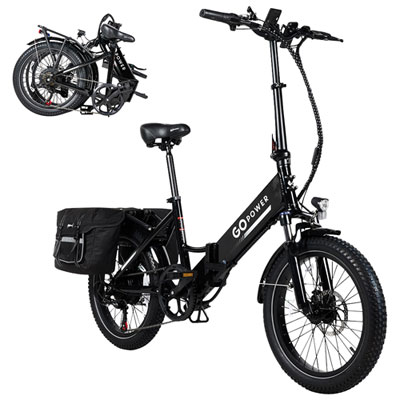
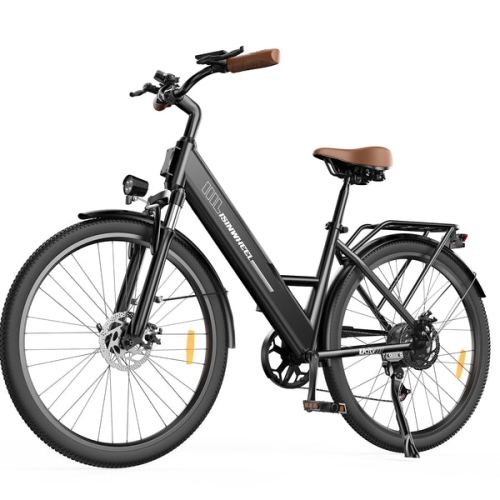
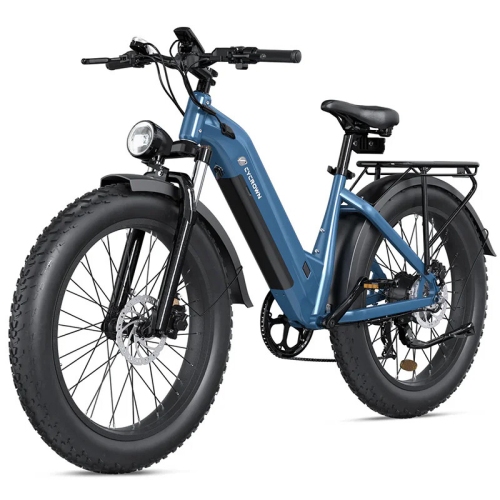
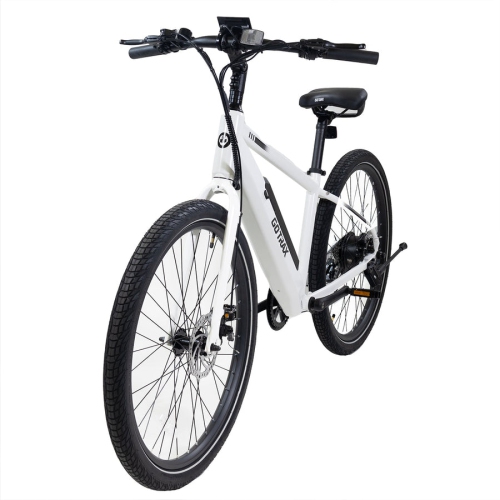
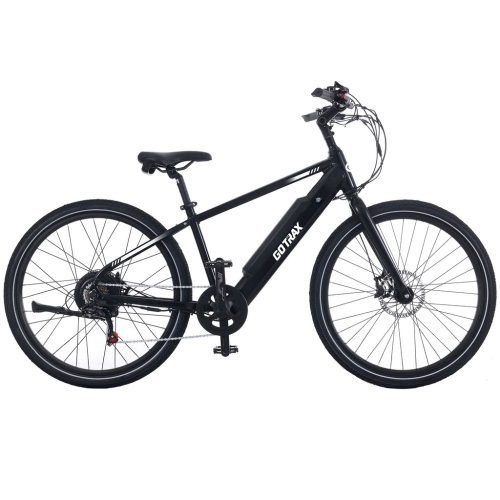
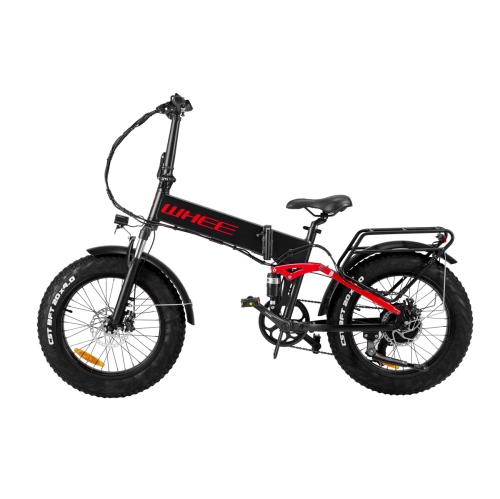
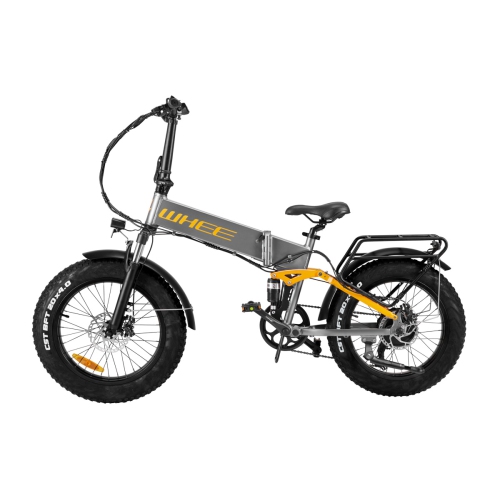
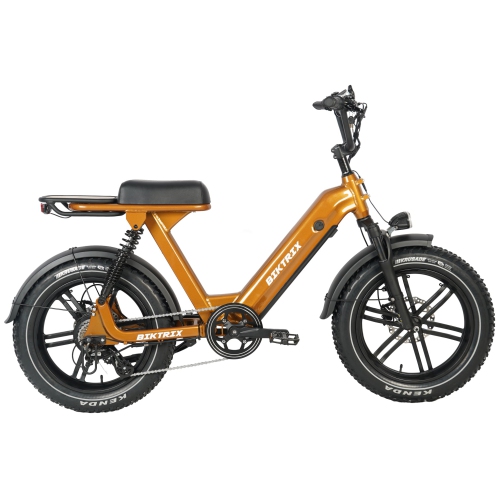
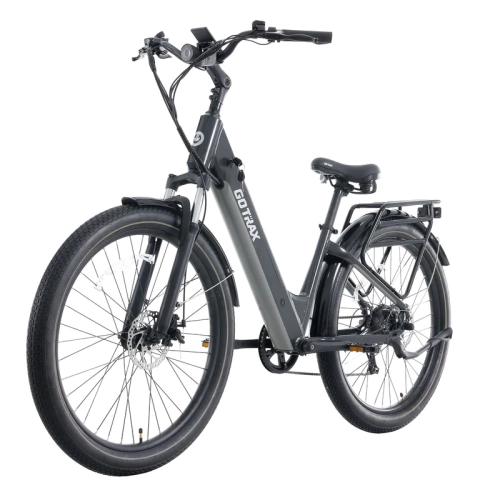
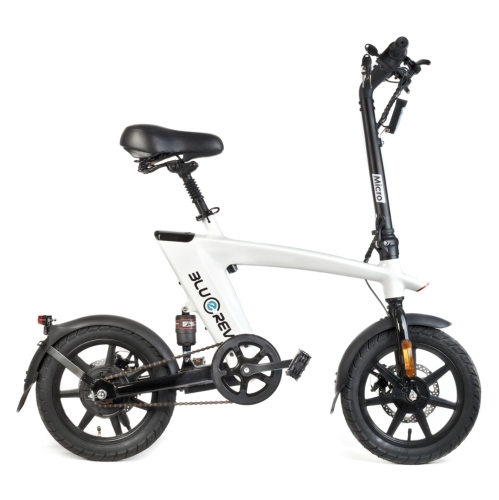
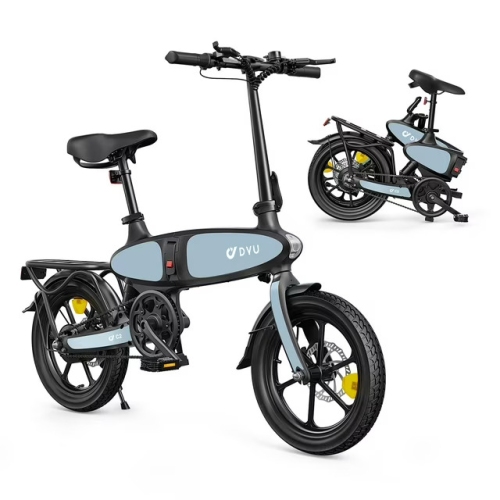
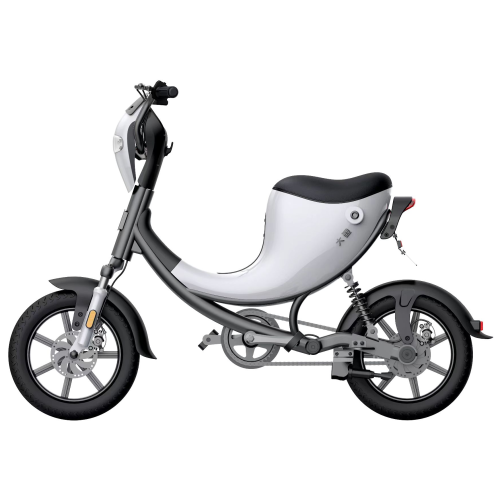
Cruiser e-bikes combine the relaxed riding position of a traditional cruiser bicycle with electric assistance that helps the rider pedal. Their defining features typically include an upright posture, swept-back handlebars, a broad saddle, and geometry designed for comfortable, unhurried travel rather than an aggressive racing stance. That combination suits neighbourhood rides, trips to a café, paved recreational paths where e-bikes are permitted, and everyday journeys with a few hills along the way. Assistance can make pulling away from a stop or carrying groceries feel more manageable, while still allowing the rider to pedal and choose their level of effort. Unlike a motorcycle, a cruiser e-bike has functional bicycle pedals; whether it also provides throttle operation depends on its design and applicable rules. Comfort comes from the complete fit, not simply the amount of saddle padding. A saddle that supports the rider properly, grips that keep the wrists in a natural position, and handlebars within easy reach all contribute to a more relaxed ride. Excessively soft padding can create pressure points on longer outings, so saddle shape matters as much as cushioning. Step-through frames provide a lower opening for mounting and dismounting, which can be useful for riders who prefer not to swing a leg over the rear of the bicycle. A higher top tube gives a different frame shape and mounting experience, but neither style guarantees a better fit. Rider-height recommendations, saddle adjustment, handlebar reach, and the ability to stop with confidence are more useful measures. Some cruisers position the pedals farther forward, allowing a different relationship between saddle height and foot placement, though this feature is not universal. Aluminium frames are common for their balance of weight and corrosion resistance, while steel frames can offer a sturdy construction with a different ride feel. Frame material alone does not determine comfort or durability: geometry, tyres, component quality, and the combined weight of the rider and cargo also matter. For someone returning to cycling or replacing short car trips with bicycle journeys, an electric cruiser offers a comfort-focused format without requiring a sporty riding position.
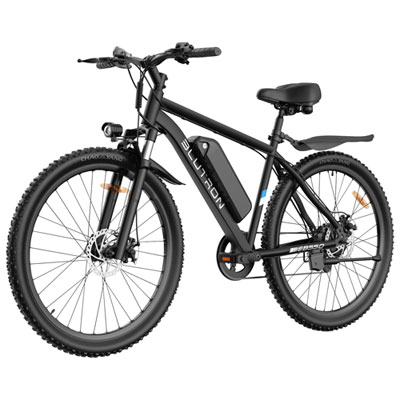
The assistance system shapes how a cruiser electric bike feels from the first pedal stroke. A cadence sensor detects pedal rotation and activates assistance according to the selected setting, while a torque sensor measures pedalling force and can deliver assistance that responds more directly to the rider’s effort. Either approach can suit casual riding, but the difference is noticeable when moving slowly, starting at an intersection, or adjusting pace alongside another cyclist. Hub motors drive through a wheel, whereas mid-drive motors apply power through the bicycle’s drivetrain and can make use of its gearing. Motor wattage is only one part of the picture; torque, gearing, controller tuning, and total load all affect performance on inclines. For a route that includes a climb home with loaded panniers, those details may be more meaningful than a headline power figure. Electric bicycle requirements vary across Canadian provinces and territories, and local path rules may add restrictions, so permitted power, assisted speed, throttle use, rider age, and helmet requirements deserve attention before riding. Battery capacity, often stated in watt-hours, provides a useful basis for comparing stored energy, but it does not promise a fixed distance. Actual range depends on assistance level, hills, rider and cargo weight, tyre pressure, stops, and pedalling input. A longer planned outing calls for a practical margin rather than relying on the maximum advertised range. Removable batteries can simplify charging when the bicycle is stored away from an outlet, provided the battery can be carried and charged as directed by its manufacturer. Controls should be easy to reach without releasing the grips, and a clear display can make assistance level and remaining charge easier to check at a glance. Braking deserves equal attention because an electric cruiser may be heavier than a conventional bicycle. Properly adjusted brakes, comfortable lever reach, and controlled stopping are essential. Disc brakes are common, with hydraulic systems often requiring less hand effort and mechanical systems using cable actuation. Wider tyres can soften small surface imperfections and add a planted feel, but tread, tyre pressure, and wheel size influence handling too. Cruiser styling does not automatically make a bicycle suitable for technical trails, deep sand, or other demanding terrain.
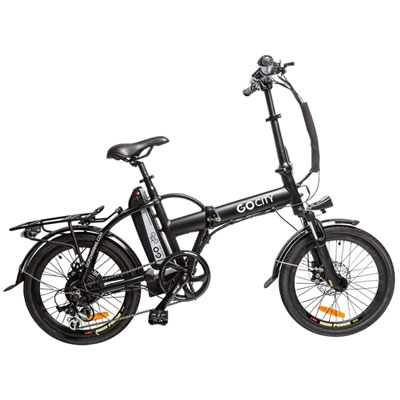
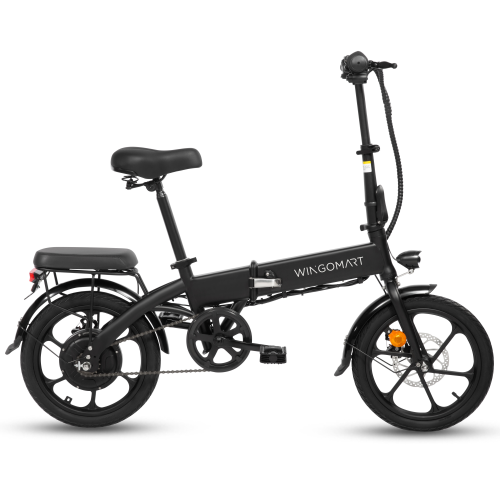
Everyday usefulness often comes down to details that are easy to overlook in a photograph. A rear rack can carry compatible panniers, leaving the rider’s shoulders free, while a basket offers a convenient place for a small bag or a few errands. Rack ratings and the bicycle’s total weight limit should both be respected, and cargo needs to stay secure and clear of wheels, cables, and moving parts. A rack intended for luggage should not be treated as a passenger seat. Integrated lights can add convenience, although their operation and power source vary, and suitable reflectors and other required equipment remain important. A sturdy kickstand helps during loading, but a heavily packed bicycle still needs careful support. Storage also affects how comfortably an e-bike fits into daily life: a wide handlebar may need extra room in a hallway, and the bicycle’s weight can make stairs or lifting onto a vehicle rack difficult. Vehicle racks must be rated for the load and compatible with the frame and tyre dimensions. Routine care includes checking tyre pressure, inspecting brakes, tightening fasteners to the specified torque, and cleaning and lubricating the chain as recommended. Electrical connectors and battery contacts require particular care; avoid high-pressure washing and follow the manufacturer’s cleaning instructions. Use the approved charger, keep charging equipment in good condition, and follow the specified charging and storage conditions. A damaged battery, unusual heat, or a change in charging behaviour warrants stopping use and seeking qualified service. Long-term ownership is also easier when replacement wear parts, battery support, and servicing requirements are understood. As a gift, a cruiser e-bike is best matched to the recipient’s measurements, confidence, storage space, and intended routes rather than chosen on appearance alone. Shoppers comparing pedal-equipped electric bicycles with motorcycle-style riding can also explore Cruiser Motorbikes, while checking each vehicle’s classification and applicable requirements. The strongest match is a cruiser that feels comfortable to control, carries the intended load, and suits the journeys its rider actually wants to make.
The assistance system shapes how a cruiser electric bike feels from the first pedal stroke. A cadence sensor detects pedal rotation and activates assistance according to the selected setting, while a torque sensor measures pedalling force and can deliver assistance that responds more directly to the rider’s effort. Either approach can suit casual riding, but the difference is noticeable when moving slowly, starting at an intersection, or adjusting pace alongside another cyclist. Hub motors drive through a wheel, whereas mid-drive motors apply power through the bicycle’s drivetrain and can make use of its gearing. Motor wattage is only one part of the picture; torque, gearing, controller tuning, and total load all affect performance on inclines. For a route that includes a climb home with loaded panniers, those details may be more meaningful than a headline power figure. Electric bicycle requirements vary across Canadian provinces and territories, and local path rules may add restrictions, so permitted power, assisted speed, throttle use, rider age, and helmet requirements deserve attention before riding. Battery capacity, often stated in watt-hours, provides a useful basis for comparing stored energy, but it does not promise a fixed distance. Actual range depends on assistance level, hills, rider and cargo weight, tyre pressure, stops, and pedalling input. A longer planned outing calls for a practical margin rather than relying on the maximum advertised range. Removable batteries can simplify charging when the bicycle is stored away from an outlet, provided the battery can be carried and charged as directed by its manufacturer. Controls should be easy to reach without releasing the grips, and a clear display can make assistance level and remaining charge easier to check at a glance. Braking deserves equal attention because an electric cruiser may be heavier than a conventional bicycle. Properly adjusted brakes, comfortable lever reach, and controlled stopping are essential. Disc brakes are common, with hydraulic systems often requiring less hand effort and mechanical systems using cable actuation. Wider tyres can soften small surface imperfections and add a planted feel, but tread, tyre pressure, and wheel size influence handling too. Cruiser styling does not automatically make a bicycle suitable for technical trails, deep sand, or other demanding terrain.
Everyday usefulness often comes down to details that are easy to overlook in a photograph. A rear rack can carry compatible panniers, leaving the rider’s shoulders free, while a basket offers a convenient place for a small bag or a few errands. Rack ratings and the bicycle’s total weight limit should both be respected, and cargo needs to stay secure and clear of wheels, cables, and moving parts. A rack intended for luggage should not be treated as a passenger seat. Integrated lights can add convenience, although their operation and power source vary, and suitable reflectors and other required equipment remain important. A sturdy kickstand helps during loading, but a heavily packed bicycle still needs careful support. Storage also affects how comfortably an e-bike fits into daily life: a wide handlebar may need extra room in a hallway, and the bicycle’s weight can make stairs or lifting onto a vehicle rack difficult. Vehicle racks must be rated for the load and compatible with the frame and tyre dimensions. Routine care includes checking tyre pressure, inspecting brakes, tightening fasteners to the specified torque, and cleaning and lubricating the chain as recommended. Electrical connectors and battery contacts require particular care; avoid high-pressure washing and follow the manufacturer’s cleaning instructions. Use the approved charger, keep charging equipment in good condition, and follow the specified charging and storage conditions. A damaged battery, unusual heat, or a change in charging behaviour warrants stopping use and seeking qualified service. Long-term ownership is also easier when replacement wear parts, battery support, and servicing requirements are understood. As a gift, a cruiser e-bike is best matched to the recipient’s measurements, confidence, storage space, and intended routes rather than chosen on appearance alone. Shoppers comparing pedal-equipped electric bicycles with motorcycle-style riding can also explore Cruiser Motorbikes, while checking each vehicle’s classification and applicable requirements. The strongest match is a cruiser that feels comfortable to control, carries the intended load, and suits the journeys its rider actually wants to make.
Top selling and popular products
-
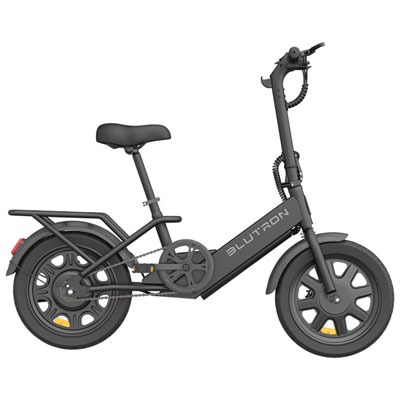 Your price for this item is $499.99
 -
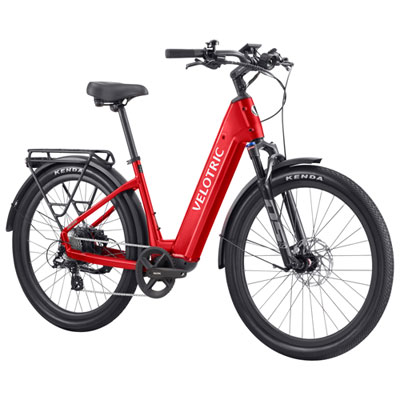 Your price for this item is $2499.99
 -
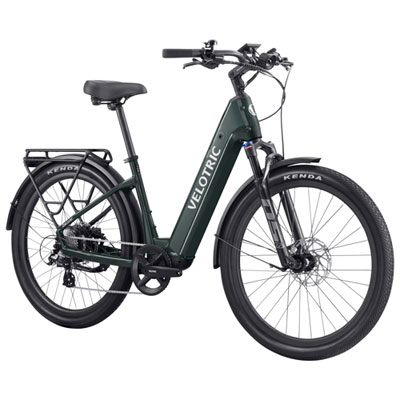 Your price for this item is $2499.99
 -
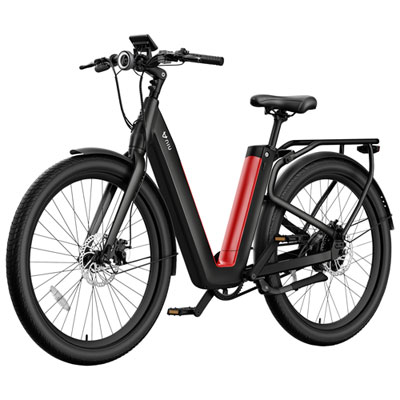 Your price for this item is $2699.99
 -
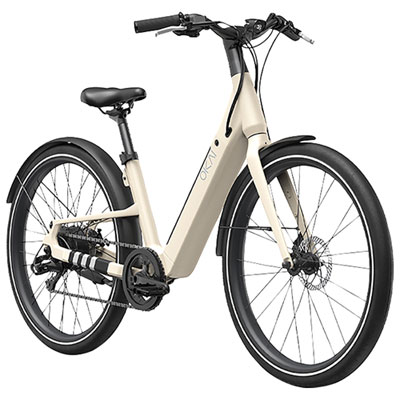 Your price for this item is $2199.99
 -
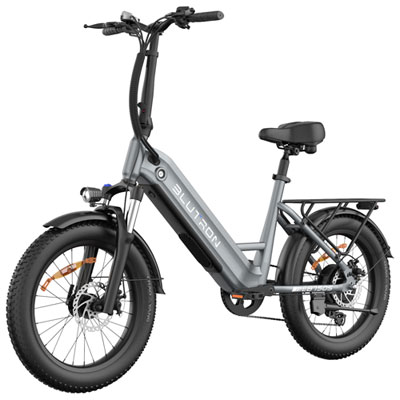 Your price for this item is $999.99
 -
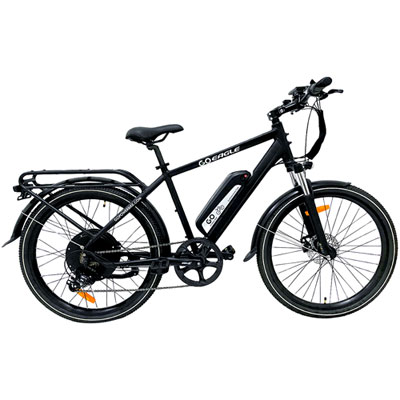 Your price for this item is $1399.97
 -
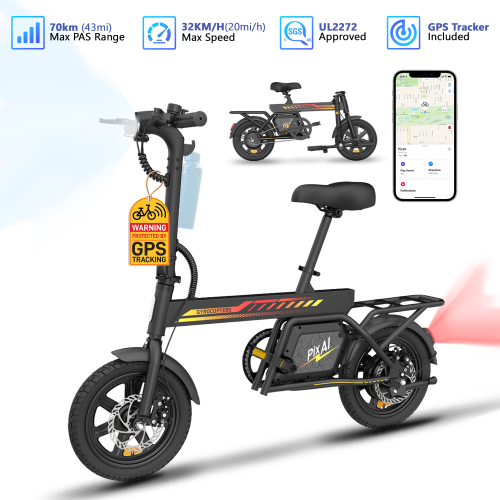 Your price for this item is $399.97
Discover more categories related to Cruiser E Bikes
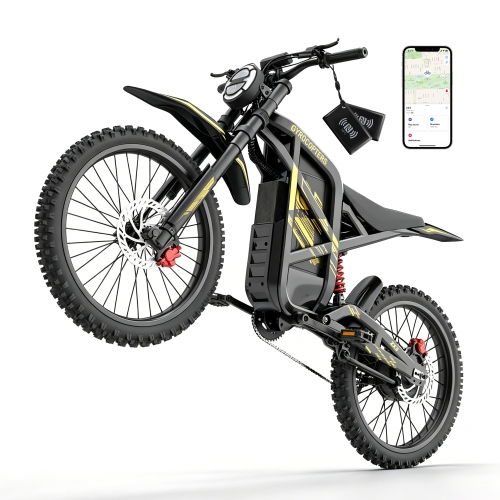
Top Collections:
Pokemon Centers, Kindle Devices, Best Budget Office Chairs, Apple iPhones 16, Canon G7X Cameras, iPhone 15 Apple, Alarm Clock, Refurbished Apple Laptops, Flip Phones, Best Laptops for Writers
Some products may be subject to Environmental Handling Fees
(EHF) depending on your province.
Learn more about EHFs.