Cycling Accessories for Men
Elevate every ride with the right cycling accessories for men, designed to enhance comfort, convenience, and performance on the road or trail. Whether you're gearing up for daily commutes or weekend adventures, you'll find a wide selection of essentials to suit your needs and style. Explore options that help you stay prepared and make the most out of every cycling experience. Discover cycling accessories for men that complement your gear and support your passion for biking.
Sort







Cycling essentials that fit your bike and your ride
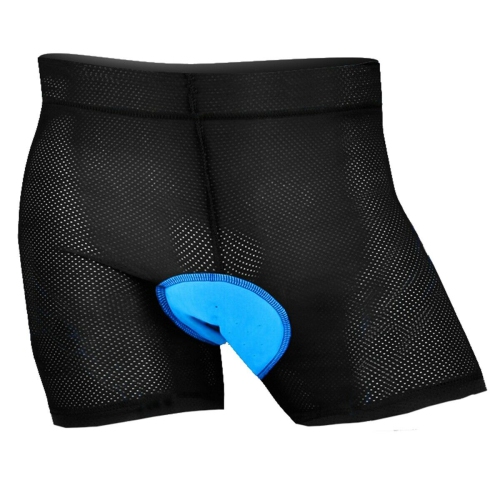
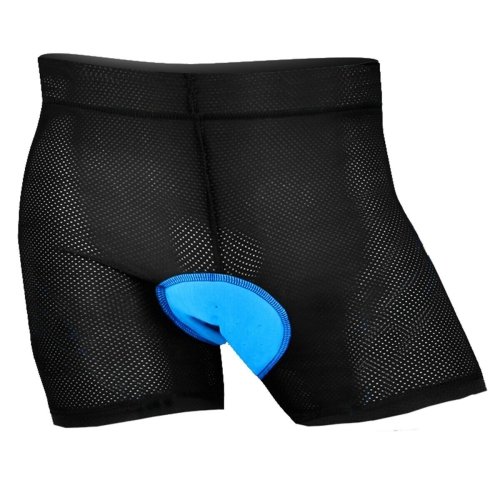
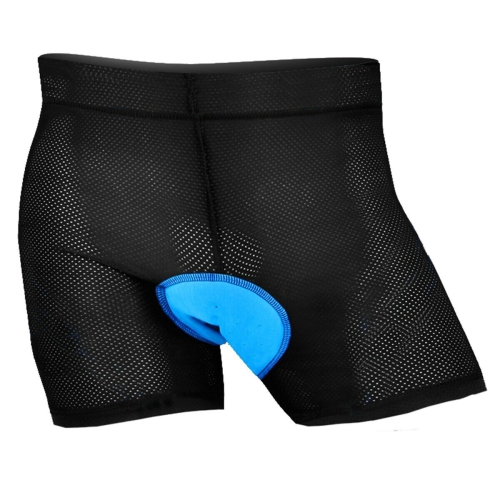
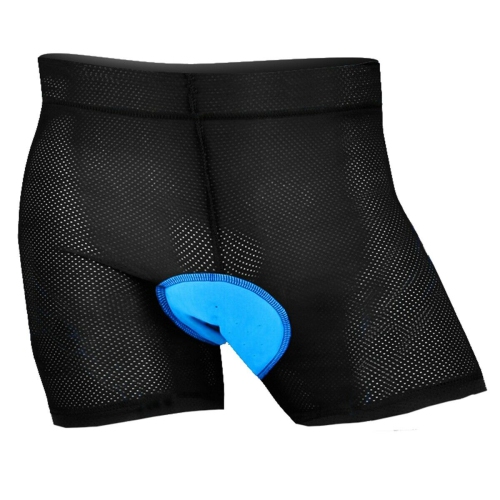
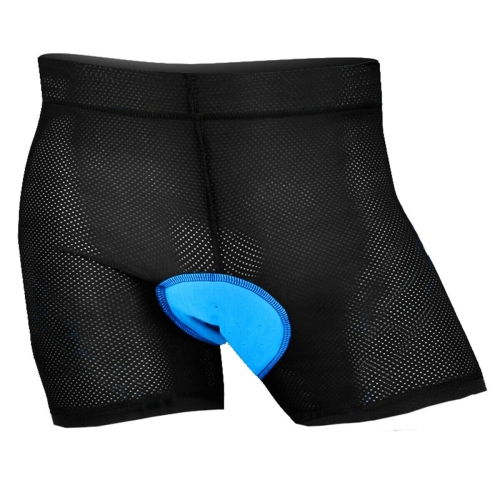
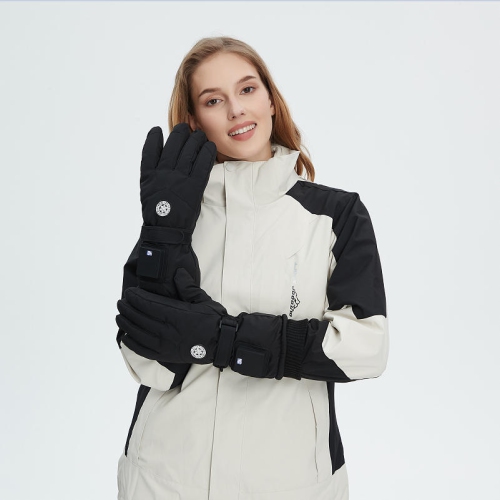
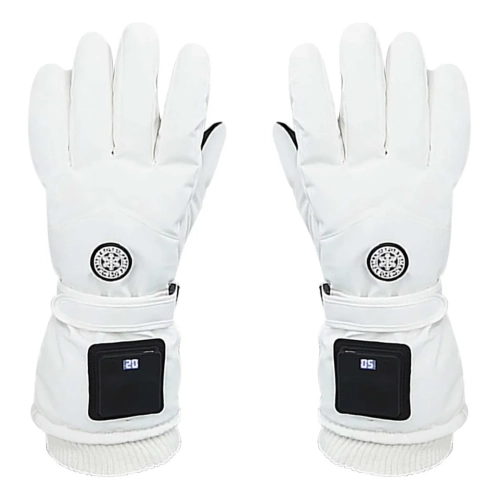
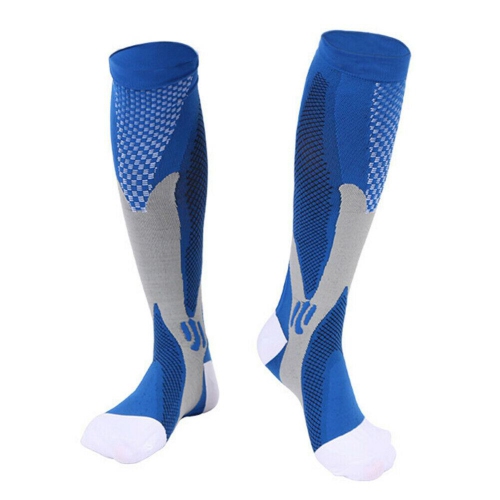
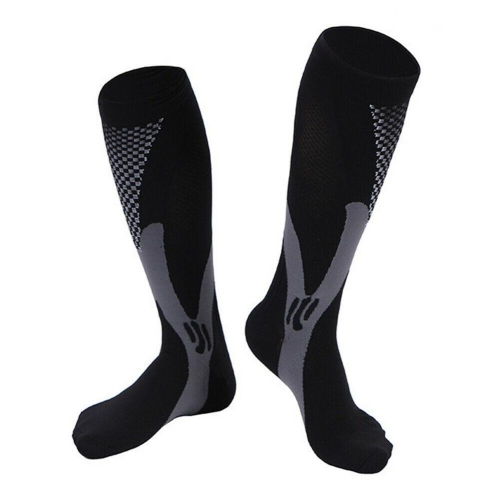
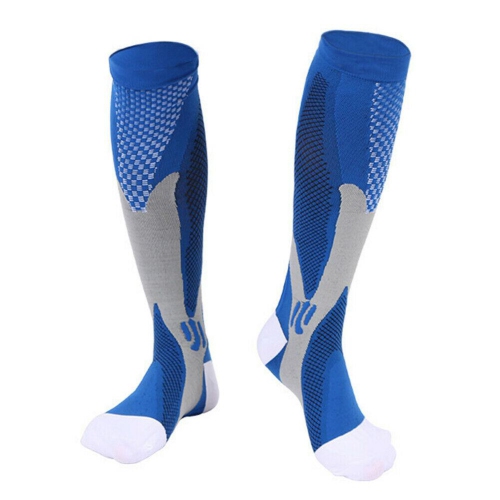
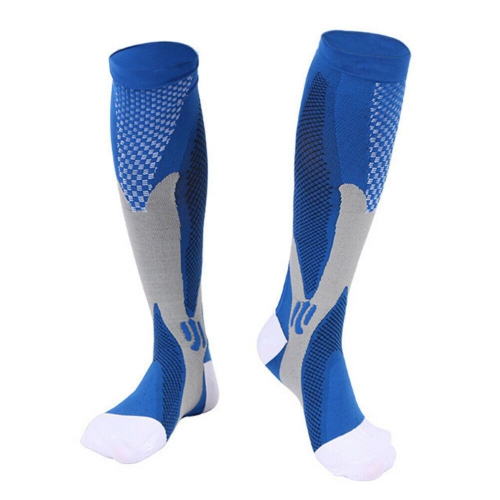
Cycling accessories for men cover the essentials that support comfort, visibility, hydration, storage, and basic repairs, whether the ride is a short commute, a relaxed outing on a paved path, or a longer route beyond the city. The most useful combination depends on riding position, distance, terrain, and the equipment already fitted to the bike. For someone spending an hour leaning over drop handlebars, contact points at the hands, feet, and saddle deserve particular attention. Cycling gloves can add grip and cushioning, with stretch backs for flexibility and reinforced palms for repeated contact with the bars. Fingerless designs leave fingertips free, while full-finger styles provide more coverage against brush and minor scrapes on trails. A close fit helps prevent fabric from bunching under the palm, but fingers should still move freely around brake levers and shifters. Padded cycling shorts and liners are designed to reduce friction at the saddle, with smooth seams and padding positioned for a riding posture rather than standing comfort alone. Bib straps can help keep padding in place without a waistband, while separate liners work beneath compatible casual riding shorts. Moisture-wicking socks with flat toe seams complement the fit of cycling footwear without adding unnecessary bulk. Although some apparel uses men's sizing, body measurements and personal comfort are more useful than the label alone. Helmets and eyewear also depend on fit: a cycling helmet should meet an applicable safety standard, sit level on the head, and remain secure without uncomfortable pressure. Adjustable retention systems and straps allow fine tuning, while compatibility with eyewear helps avoid pinching around the temples. Cycling glasses can help shield eyes from insects, grit, and airborne debris; lens clarity, coverage, and a stable nose bridge matter as much as frame style. Across these accessories, flexible fabrics, carefully placed seams, and secure adjustments make a noticeable difference when a rider moves from sitting upright at an intersection to reaching forward on an open stretch of road.
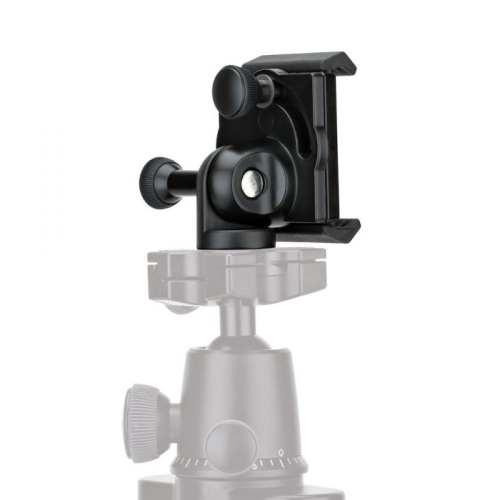
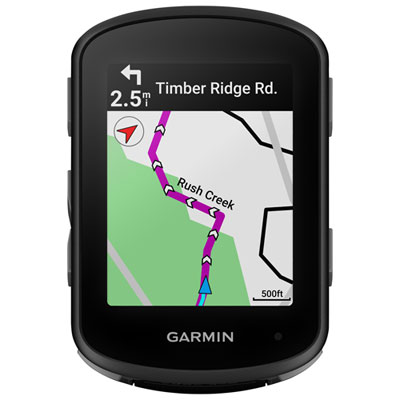
On-bike accessories make everyday riding more organized by keeping essentials accessible without interfering with steering, pedalling, or braking. Front and rear bike lights support visibility, with beam shape, mounting position, and operating time influencing their usefulness. A front light intended to illuminate an unlit path serves a different purpose from a compact visibility light, and a rear light needs a clear view behind the bike rather than being hidden beneath a bag or jacket. Rechargeable designs simplify regular charging, while secure brackets help maintain alignment over uneven surfaces. Reflective details on bags and clothing can complement lights but do not replace them. Navigation accessories also benefit from thoughtful placement. A cycle computer or compatible phone mount should suit the handlebar diameter and device dimensions, hold securely, and leave cables and controls unobstructed. A screen that is easy to glance at is useful, but route changes and detailed adjustments are best made while stopped. Storage choices depend on the load and the bike's attachment points. A saddle bag can hold compact repair essentials, a frame bag can keep weight close to the centre of the bicycle, and a pannier can carry commuting supplies without placing the whole load on the rider's shoulders. Heel clearance, zipper access, and strap placement are practical details worth checking, especially on smaller frames. Reinforced stitching, abrasion-resistant nylon or polyester, and replaceable fasteners can support repeated use. Hydration accessories should be equally straightforward: bottles need to sit securely in their cages, clear the frame when removed, and be easy to open and clean. Removable lids and accessible interiors make routine washing simpler. For riders who stop at shops, workplaces, or cafés, a lock adds another consideration. Lock style, length, weight, and independent security ratings help distinguish options, while a carrying bracket keeps the lock from swinging against the frame. Enough reach to secure the frame to a suitable fixed object matters more than choosing by appearance alone.
Repair and maintenance accessories are especially valuable when a simple mechanical issue would otherwise turn a pleasant ride into a long walk. Portable pumps, tire levers, spare tubes, patch supplies, and compact multi-tools serve different purposes, so compatibility matters more than the number of functions. A pump must work with the bike's valve type and be suitable for the tire's pressure requirements. Spare tubes need the correct wheel size, width range, and valve length, while a tubeless setup calls for repair supplies suited to that system rather than an assumption that every puncture has the same solution. A multi-tool is most useful when its bits match the fasteners on the bike; compact dimensions and a comfortable grip also affect how practical it is beside the path. Small repair supplies fit neatly into dedicated storage, where they can stay together instead of being scattered through clothing pockets. Care requirements vary across the rest of the kit. Gloves, padded liners, and technical socks should be cleaned according to their care labels, with attention to drying methods that protect stretch fibres, padding, and closures. Bottles benefit from thorough washing and complete drying, and bags last better when grit is removed from zippers and mounting straps. Helmet care should follow the manufacturer's directions, including replacement guidance after an impact. Regular checks for worn straps, loose brackets, cracked fittings, and frayed seams help identify accessories that need attention before another ride. These practical details also make cycling accessories thoughtful gifts for commuters, recreational riders, and keen cyclists building a more complete setup. Knowing the recipient's usual routes, sizing, bike configuration, and existing equipment makes a gift more personal and useful than choosing by colour alone. For someone who also rides a motorcycle, Motorcycle Accessories for Men covers a separate riding category with different equipment requirements; bicycle helmets and other cycling protection should not be treated as substitutes for motorcycle-rated gear. For pedal-powered riding, well-matched accessories help keep attention on the route, with everyday essentials secured, comfortable, and ready for use.
Top selling and popular products
-
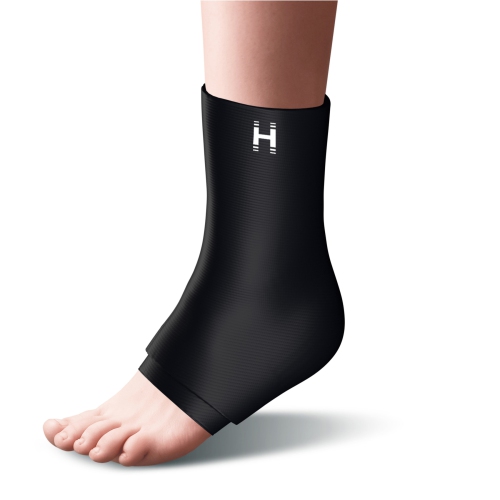 Your price for this item is $39.99
-
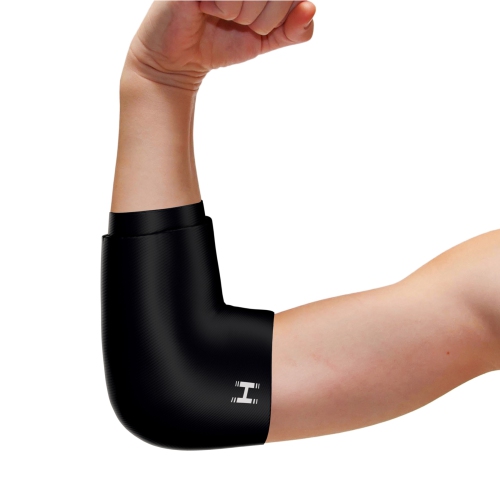 Your price for this item is $39.99
-
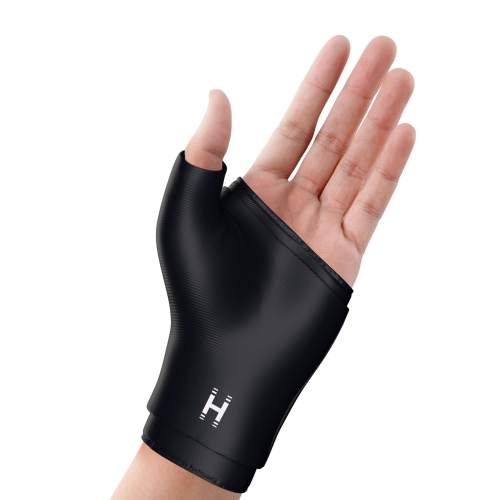 Your price for this item is $29.99
-
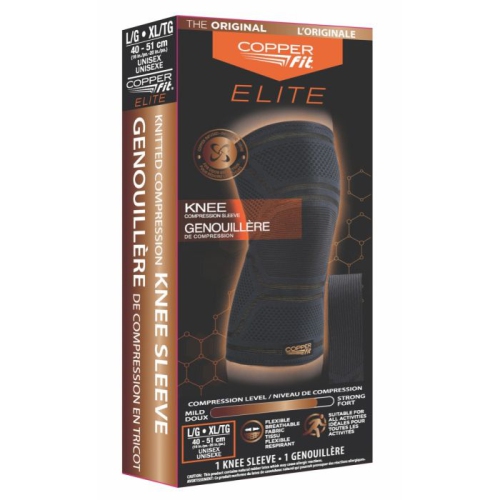 Your price for this item is $24.95
-
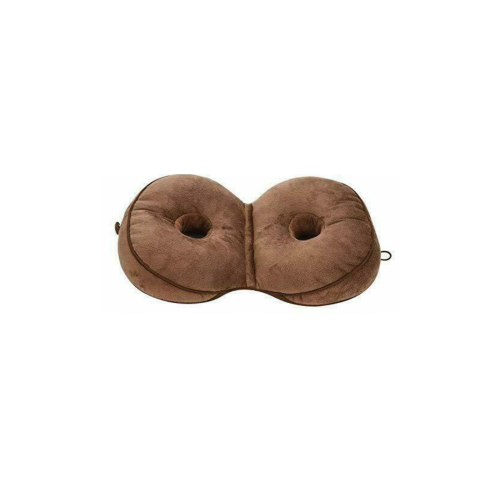 Your price for this item is $90
-
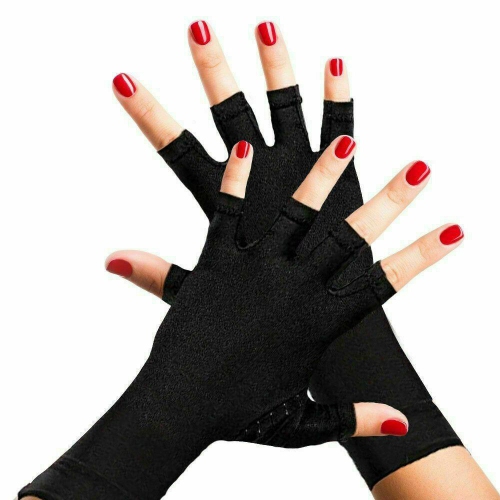 Your price for this item is $20
-
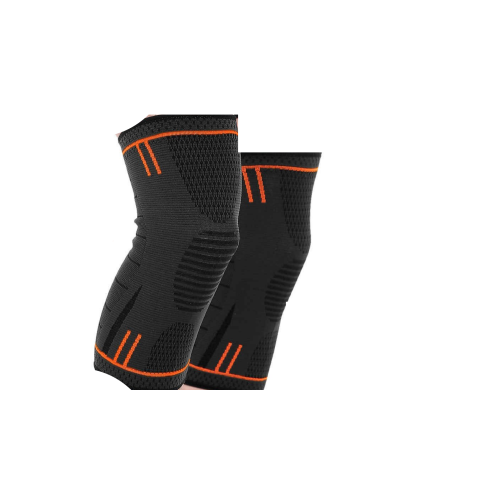 Your price for this item is $20
-
 Your price for this item is $30
Discover more categories related to Cycling Accessories for Men

Top Collections:
Pokemon Centers, Kindle Devices, Best Budget Office Chairs, Canon G7X Cameras, Apple iPhones 16, Samsung Galaxy Phones, Refurbished Apple Laptops, Laptops for Students, iPhone 15 Apple, Budget Smartphones
Some products may be subject to Environmental Handling Fees
(EHF) depending on your province.
Learn more about EHFs.