Dog Ramp for Car
Help your furry friend get in and out of your vehicle with ease using a dog ramp for cars. Whether you have a small pup or a larger breed, a dog ramp provides a safe and convenient solution for assisting your pet in accessing the car without causing strain on their joints. These ramps are designed to be lightweight yet sturdy, making them easy to transport and set up whenever needed.
Sort















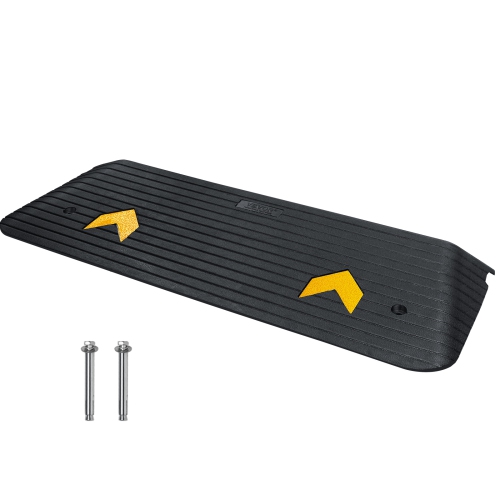
Easier vehicle access starts with the right ramp fit
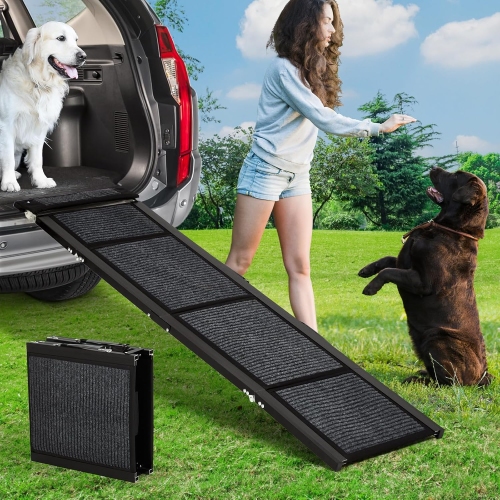
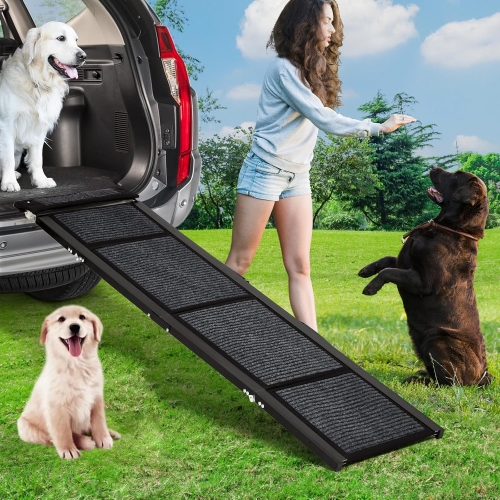
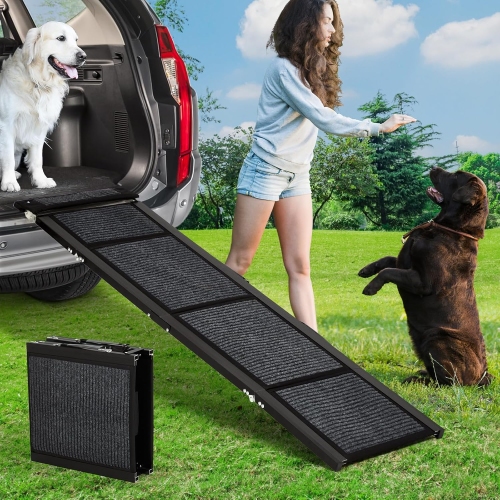
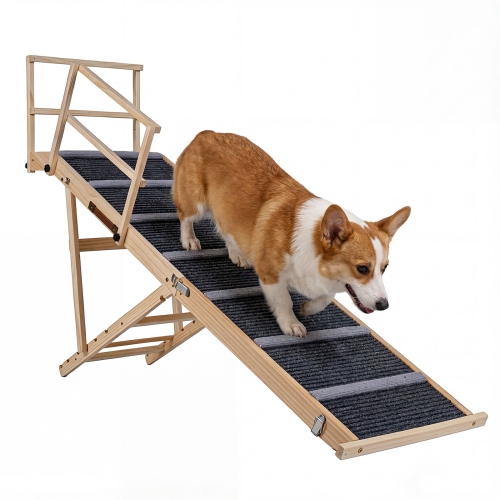
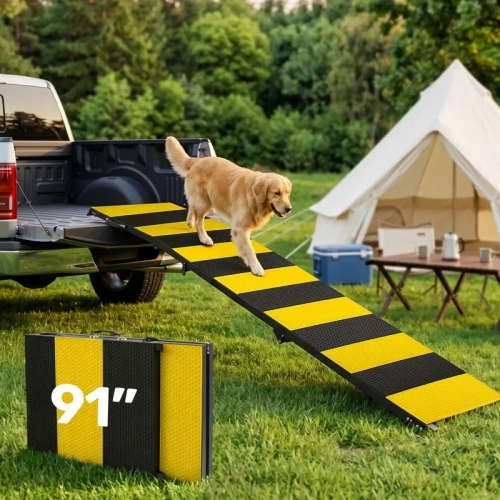
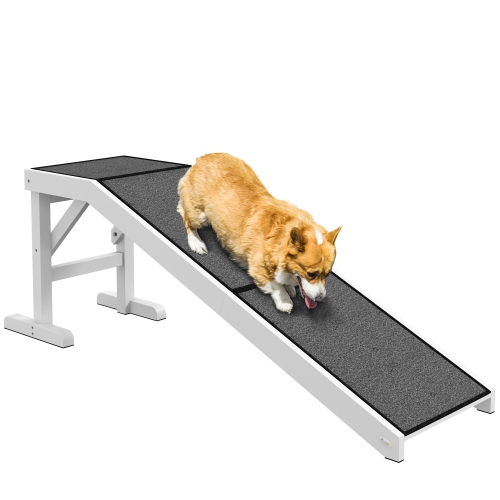
A dog ramp for a car creates a sloped walking surface between the ground and a vehicle’s entry point, giving pets an alternative to jumping in or being lifted. That can make everyday outings more manageable for senior dogs, small breeds facing a tall bumper, and larger dogs that are difficult for a person to carry safely. Even an active adult dog may benefit from a more gradual way to enter and leave a vehicle, particularly after a long walk or when the parking surface is uneven. Car ramps for dogs are designed around a few practical needs: a stable frame, secure contact with the vehicle, a walking surface that offers dependable grip, and a shape that is manageable to transport. Their suitability depends on both the pet and the vehicle, rather than breed size alone. A low hatchback and a tall SUV present very different entry heights, while a wide rear cargo opening offers a different landing area from a narrow passenger doorway. Ramp length matters because, at the same vehicle height, a longer ramp creates a gentler incline. A shorter ramp takes up less space on the ground but may feel steep to a hesitant dog. Width also affects confidence, especially for pets with a broad stance or a tendency to move sideways as they walk. Raised edges can help define the path, though they are not a substitute for supervision. For dogs with pain, weakness, or a recent procedure, the appropriate slope and movement restrictions are best discussed with a veterinarian. The related selection of Dog Ramps for Mobility Issues offers another way to explore ramps with a pet’s movement needs in mind. Whether the destination is a veterinary appointment, a quiet trail, or a family visit, the most useful fit is one that suits the dog’s stride, the vehicle’s loading height, and the person handling the ramp.
Materials and construction influence how a dog car ramp feels underfoot, how much it weighs, and how well it stands up to repeated loading. Aluminium frames can offer a useful balance of strength and portability, while moulded plastic designs may be easy to wipe down and carry. Neither material alone determines weight capacity; the full structure, including its joints, supports, and locking mechanisms, matters. A stated load rating should exceed the dog’s weight, and the ramp should be used within all manufacturer limits. Pets shift their weight as they climb, so a ramp that remains steady under movement is more reassuring than one that rocks or flexes noticeably. Walking surfaces vary, with textured rubber, carpet-like coverings, and abrasive traction finishes providing different textures for paws. Grip deserves close attention for a dog that takes short steps, has limited balance, or arrives at the car with damp feet. A coarse finish may provide traction but feel uncomfortable to sensitive paws, while a fabric-covered surface may hold moisture or grit and need more thorough cleaning. During the cooler months, wet leaves, mud, slush, and ice can interfere with footing, even on a textured surface. Keeping the ramp clear and using it on firm, level ground remain important. At the vehicle end, the upper support needs enough contact with a compatible loading edge to stay in place without resting on unstable trim. Non-slip feet, protective contact pads, and attachment straps may help with stability when they are part of the design and used as directed. Door opening width, bumper shape, and the height of the cargo floor all affect fit. A ramp intended for rear cargo access may not work at a side door, where the door panel or sill can restrict its position. Checking the vehicle’s actual loading point gives a clearer picture of compatibility than relying on labels such as car, SUV, or truck alone.
Portability often determines whether a ramp fits comfortably into daily life. Folding dog ramps collapse into shorter sections, making them easier to place beside travel bags or across a cargo area, while telescoping designs slide into themselves and may offer adjustable working lengths within their specified limits. Folded dimensions are just as relevant as extended length: a ramp needs a storage spot that does not obstruct the driver’s view, crowd the dog’s travel space, or leave a loose object in the vehicle. A carry handle can make the trip from a garage shelf to the bumper simpler, particularly when the other hand is holding a lead. The ramp’s own weight matters for anyone with limited lifting strength, and hinges or sliding sections should be manageable without putting fingers near pinch points. Once set up, a new walking surface may take some getting used to. Brief, calm introductions on the ground can help a dog explore the texture before attempting an incline; treats and patient encouragement are generally more useful than pulling a reluctant pet forward. During vehicle access, an adult should remain close enough to supervise without crowding the walking path, and the ramp should never be treated as a platform for people unless explicitly rated for that use. Everyday care helps preserve both grip and structural reliability. Removing sand and small stones prevents debris from collecting in hinges or sliding tracks, while cleaning the walking surface according to its material helps keep it usable after muddy outings. Fabric sections should dry fully before storage, and periodic checks for loose fittings, worn traction, cracks, or bent supports can reveal when repairs or replacement are needed. For a household that regularly travels with a dog, these details matter more than an elaborate feature list. A thoughtfully chosen ramp can also be a practical gift for a pet owner, provided the dog’s size, the vehicle measurements, and the recipient’s ability to carry and store it are known beforehand.
Top selling and popular products
-
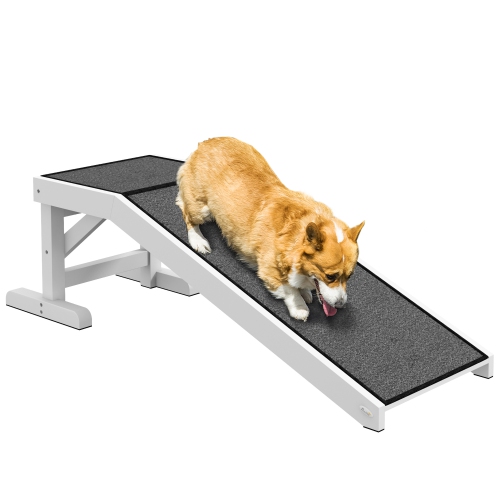 Your price for this item is $99.99
-
 Your price for this item is $283.99
-
 Your price for this item is $103.99
-
 Your price for this item is $120.99
-
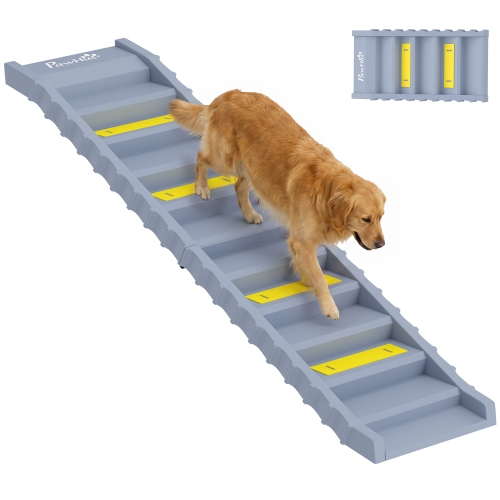 Your price for this item is $79.99
-
 Your price for this item is $111.9
-
 Your price for this item is $79.99
-
 Your price for this item is $84.99
Discover more categories related to Dog Ramp for Car
Top Collections:
Pokemon Centers, Kindle Devices, Best Budget Office Chairs, Canon G7X Cameras, Apple iPhones 16, Samsung Galaxy Phones, Refurbished Apple Laptops, Laptops for Students, iPhone 15 Apple, Budget Smartphones
Some products may be subject to Environmental Handling Fees
(EHF) depending on your province.
Learn more about EHFs.