E Bike Helmets
Stay safe and stylish on your electric bike adventures with this collection of E-bike helmets. Designed to provide maximum protection without compromising on comfort, these helmets are essential for almost any e-bike enthusiast. Whether you're cruising through the city streets or hitting the trails, this range of E-bike helmets offers a variety of styles and features to suit your needs. Browse through this selection to find the perfect helmet that combines safety and fashion for your next ride.
Sort
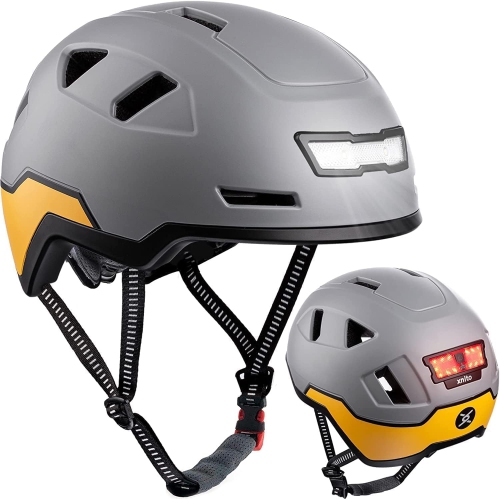
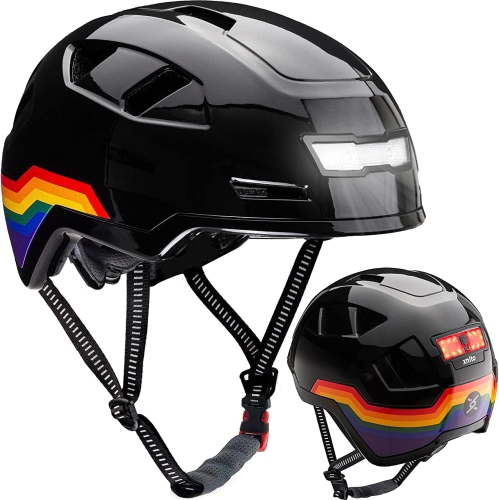


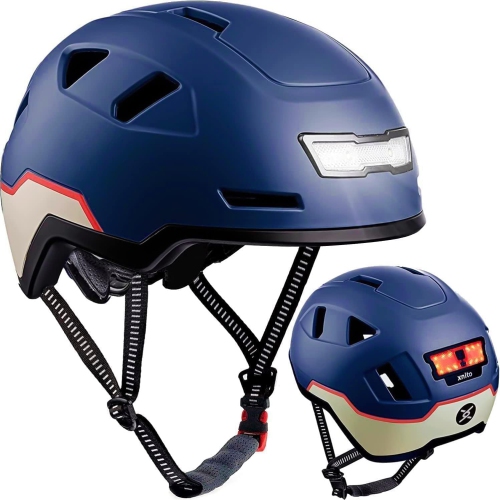


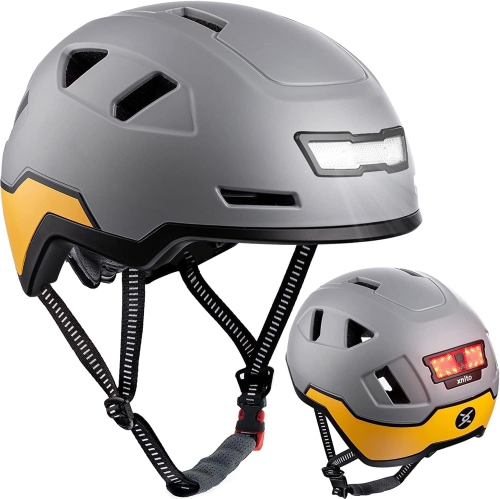
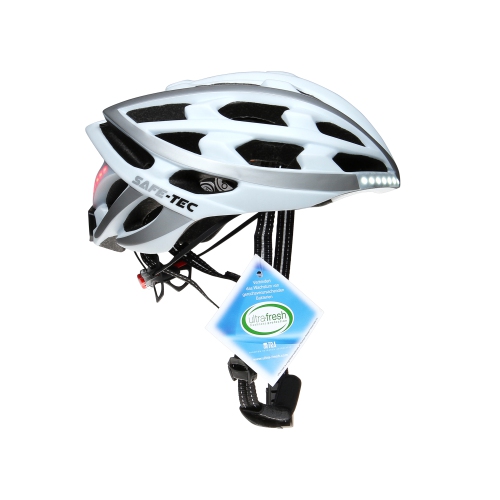
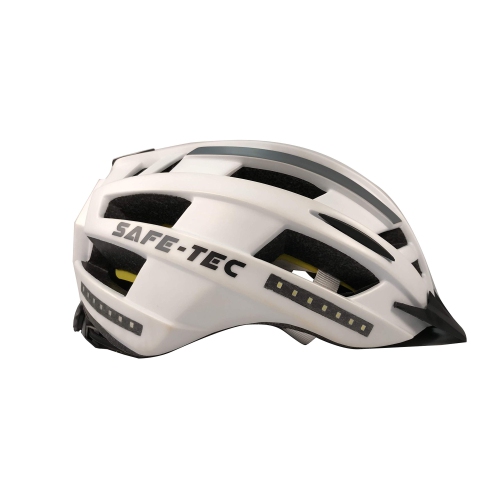
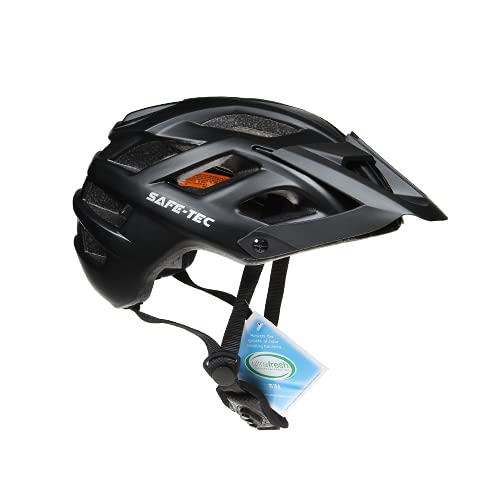

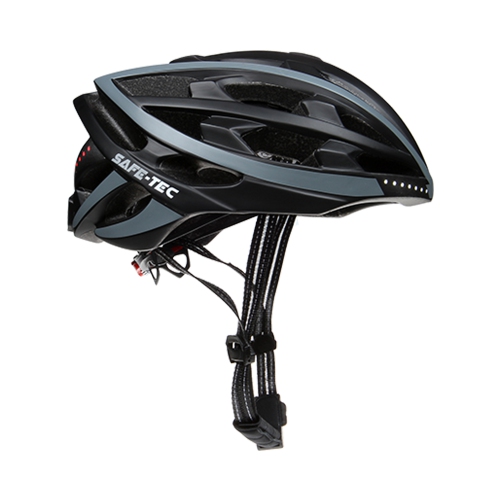
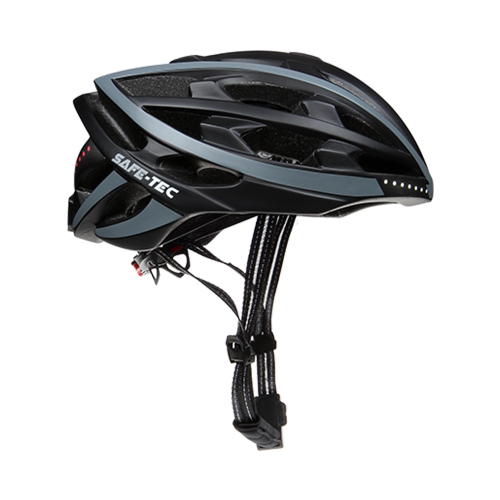
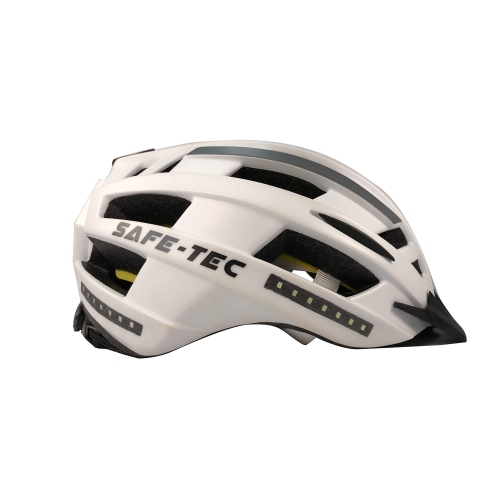

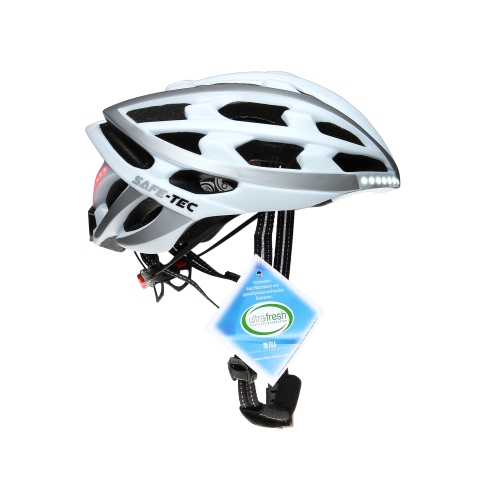
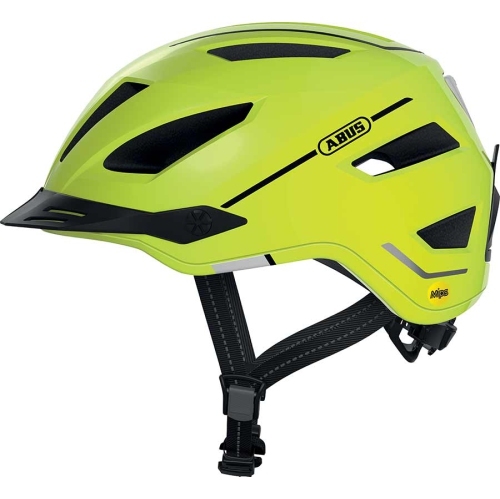
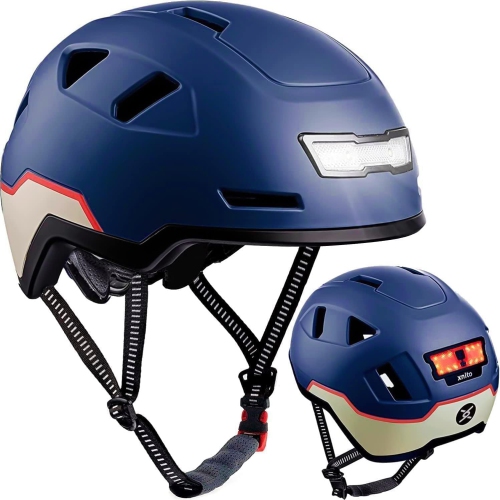
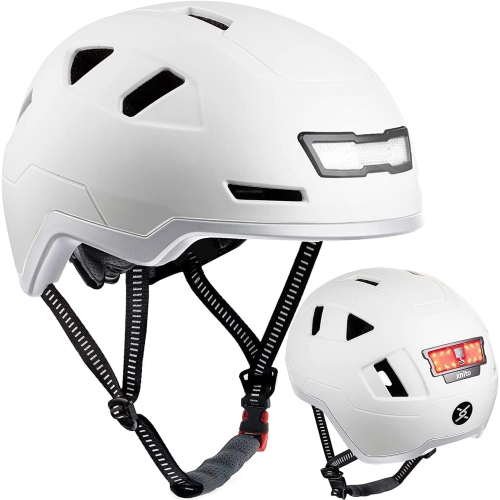

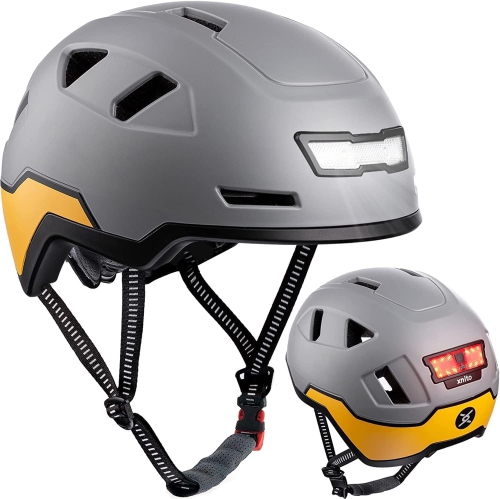
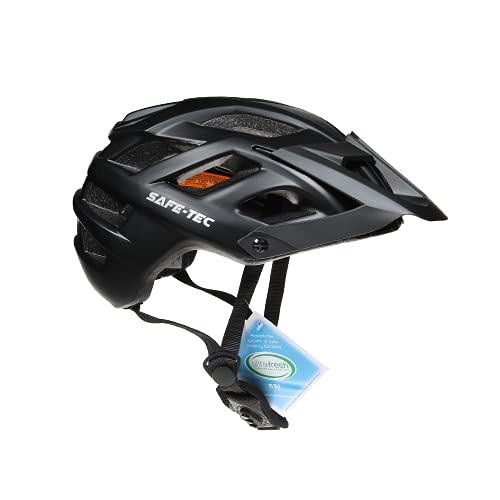


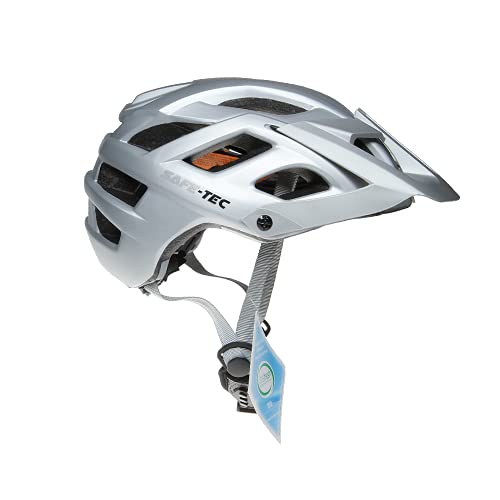
What to know about certification, fit, coverage, and visibility
E-bike helmets are designed for riders who want dependable head protection while travelling by pedal-assist or electric bicycle, whether they are commuting through busy streets, joining a weekend trail ride, or running errands around the neighbourhood. An e-bike can cover ground quickly, and the added speed makes a well-fitting helmet an important part of every ride. When browsing e-bike helmets, start by checking the certification information and intended riding speed. Standard bicycle helmets are commonly tested for conventional cycling conditions, while NTA 8776 certification is intended for speed-pedelec helmets and higher-speed riding, including speeds up to 45 km/h. CPSC certification is another important marking to look for when shopping in Canada, as it indicates that the helmet meets recognized bicycle helmet safety requirements. Certification should always be confirmed on the product packaging or manufacturer’s specifications, since requirements can differ depending on the helmet design and the market where it is sold. E-bike helmets often have a deeper profile around the back and sides of the head than lightweight recreational cycling helmets, providing added coverage around the temples and occipital area. That fuller shape can feel reassuring on a fast commute, especially when riding beside parked vehicles, crossing intersections, or navigating a multi-use path with changing traffic. Some designs include MIPS, or a similar rotational-impact system, which uses a low-friction layer inside the helmet to help manage certain rotational forces during an angled impact. This feature does not eliminate the risk of injury, but it can be a useful consideration for riders comparing helmets with similar fit, coverage, and certification details.
Fit is just as important as the features listed on the box. A helmet should sit level on the head, with the front edge positioned above the eyebrows rather than tipped back, and the side straps should meet in a comfortable V shape just below each ear. The chin strap should feel secure without pinching, leaving enough room for a finger or two beneath it. An adjustment dial at the rear makes it easier to fine-tune the fit over the course of a ride, while removable padding can help accommodate different head shapes and make cleaning simpler. Measure the widest part of the head according to the sizing guide, then try the helmet with the hairstyle, thin cap, or cycling accessories that will normally be worn. A helmet that shifts when the rider looks over a shoulder, leans forward, or travels over uneven pavement is not providing the best possible fit. Ventilation also deserves attention. Riders who pedal up a long hill may appreciate generous vents and moisture-managing pads, while commuters travelling in cooler conditions may prefer more coverage or room for a thin layer underneath. A visor can help reduce glare and shield the eyes from light rain, road spray, and low afternoon sun, although it should not block peripheral vision. Integrated rear lights, reflective details, and bright colour options can make a rider easier to notice, particularly during dawn, dusk, overcast afternoons, and the earlier sunsets that arrive during the cooler months. Rechargeable lights are convenient for regular commuters, but they require charging and should be checked before leaving home. Helmet lighting should complement, not replace, the bicycle’s required front and rear lights, reflectors, and other visibility equipment.
The right e-bike helmet depends on the rider’s route, bicycle, pace, and daily habits. A city commuter may value a streamlined shape, deeper rear coverage, a quick-adjust dial, and built-in lighting for trips through intersections and mixed traffic. Someone who rides on paved paths or rolling countryside may prioritize ventilation, a lightweight feel, a visor, and a secure fit that stays comfortable over longer distances. Riders using faster electric bicycles should pay close attention to the applicable speed rating and NTA 8776 certification rather than assuming every cycling helmet is suitable for their riding style. Parents and caregivers choosing a helmet for a teen should measure carefully and select a model that fits today, rather than buying one that is too large to allow for growth. An e-bike helmet can also be a thoughtful gift for a new rider, a commuter changing their travel routine, or a family member who has recently upgraded to an electric bicycle. Pairing the helmet with a practical routine—charging the light, fastening the strap, and checking the fit before every trip—helps turn safety into a natural part of getting ready. Keep in mind that helmets are designed for a single significant impact and should be replaced after a crash, even if the shell appears undamaged. They should also be replaced when the fit no longer feels secure, the shell or straps show damage, or the manufacturer’s recommended service period has passed. Store the helmet away from prolonged heat, direct sunlight, and harsh chemicals, and avoid placing heavy items on top of it in a cupboard or pannier. For riders comparing related protective gear for another type of electric ride, Electric Scooter Helmets offer a separate selection to review. Whether an e-bike is used for a short trip to work, a leisurely ride along a path, or everyday errands during changing seasons, choosing the correct certification, coverage, visibility features, and fit makes it easier to ride with confidence.
Fit is just as important as the features listed on the box. A helmet should sit level on the head, with the front edge positioned above the eyebrows rather than tipped back, and the side straps should meet in a comfortable V shape just below each ear. The chin strap should feel secure without pinching, leaving enough room for a finger or two beneath it. An adjustment dial at the rear makes it easier to fine-tune the fit over the course of a ride, while removable padding can help accommodate different head shapes and make cleaning simpler. Measure the widest part of the head according to the sizing guide, then try the helmet with the hairstyle, thin cap, or cycling accessories that will normally be worn. A helmet that shifts when the rider looks over a shoulder, leans forward, or travels over uneven pavement is not providing the best possible fit. Ventilation also deserves attention. Riders who pedal up a long hill may appreciate generous vents and moisture-managing pads, while commuters travelling in cooler conditions may prefer more coverage or room for a thin layer underneath. A visor can help reduce glare and shield the eyes from light rain, road spray, and low afternoon sun, although it should not block peripheral vision. Integrated rear lights, reflective details, and bright colour options can make a rider easier to notice, particularly during dawn, dusk, overcast afternoons, and the earlier sunsets that arrive during the cooler months. Rechargeable lights are convenient for regular commuters, but they require charging and should be checked before leaving home. Helmet lighting should complement, not replace, the bicycle’s required front and rear lights, reflectors, and other visibility equipment.
The right e-bike helmet depends on the rider’s route, bicycle, pace, and daily habits. A city commuter may value a streamlined shape, deeper rear coverage, a quick-adjust dial, and built-in lighting for trips through intersections and mixed traffic. Someone who rides on paved paths or rolling countryside may prioritize ventilation, a lightweight feel, a visor, and a secure fit that stays comfortable over longer distances. Riders using faster electric bicycles should pay close attention to the applicable speed rating and NTA 8776 certification rather than assuming every cycling helmet is suitable for their riding style. Parents and caregivers choosing a helmet for a teen should measure carefully and select a model that fits today, rather than buying one that is too large to allow for growth. An e-bike helmet can also be a thoughtful gift for a new rider, a commuter changing their travel routine, or a family member who has recently upgraded to an electric bicycle. Pairing the helmet with a practical routine—charging the light, fastening the strap, and checking the fit before every trip—helps turn safety into a natural part of getting ready. Keep in mind that helmets are designed for a single significant impact and should be replaced after a crash, even if the shell appears undamaged. They should also be replaced when the fit no longer feels secure, the shell or straps show damage, or the manufacturer’s recommended service period has passed. Store the helmet away from prolonged heat, direct sunlight, and harsh chemicals, and avoid placing heavy items on top of it in a cupboard or pannier. For riders comparing related protective gear for another type of electric ride, Electric Scooter Helmets offer a separate selection to review. Whether an e-bike is used for a short trip to work, a leisurely ride along a path, or everyday errands during changing seasons, choosing the correct certification, coverage, visibility features, and fit makes it easier to ride with confidence.
Top selling and popular products
-
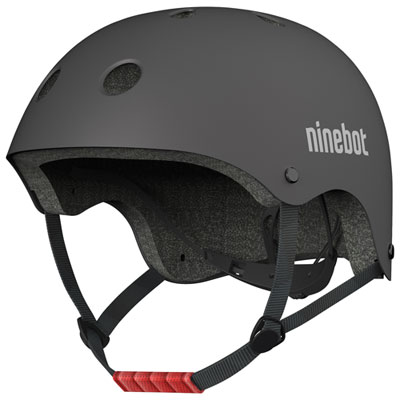 Your price for this item is $69.99
 -
 Your price for this item is $157.99
 -
![UNIVERSAL STUDIOS Pokémon Journeys: Season 23 - Destination: Coronation [DVD] In Multicolor](https://multimedia.bbycastatic.ca/multimedia/products/500x500/181/18197/18197813.jpeg) Your price for this item is $19.99
Your price for this item is $19.99 -
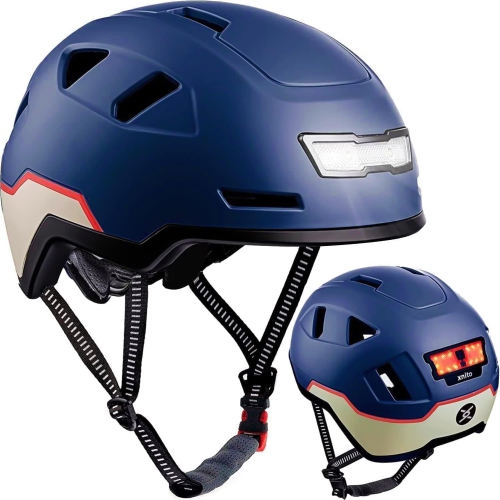 Your price for this item is $169
 -
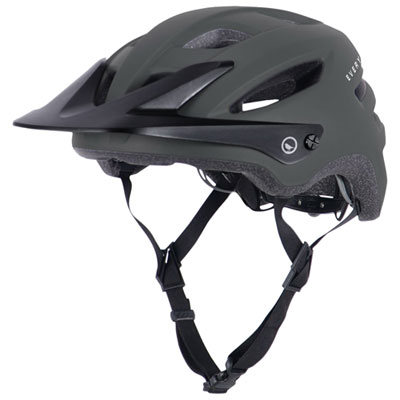 Your price for this item is $39.99
 -
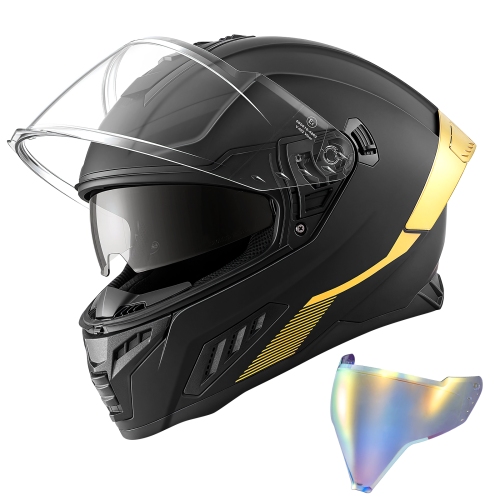 Your price for this item is $101.99
 -
 Your price for this item is $169
 -
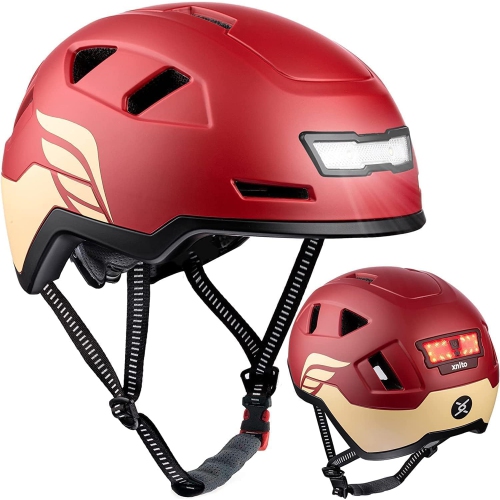 Your price for this item is $169
Discover more categories related to E Bike Helmets
Top Collections:
Pokemon Centers, Kindle Devices, Best Budget Office Chairs, Apple iPhones 16, Best Laptops for Writers, iPhone 15 Apple, Canon G7X Cameras, Refurbished Apple Laptops, Alarm Clock, Motorola Razr Phones
Some products may be subject to Environmental Handling Fees
(EHF) depending on your province.
Learn more about EHFs.