E Bikes With Pedal Assist
Looking for a fun and eco-friendly way to get around town? Look no further than our selection of e-bikes with pedal assist. These innovative bicycles combine the convenience of traditional biking with the added power of an electric motor, making them perfect for commuting, running errands, or simply enjoying a leisurely ride. With their pedal-assist feature, you can effortlessly conquer hills and travel longer distances without breaking a sweat.
Sort
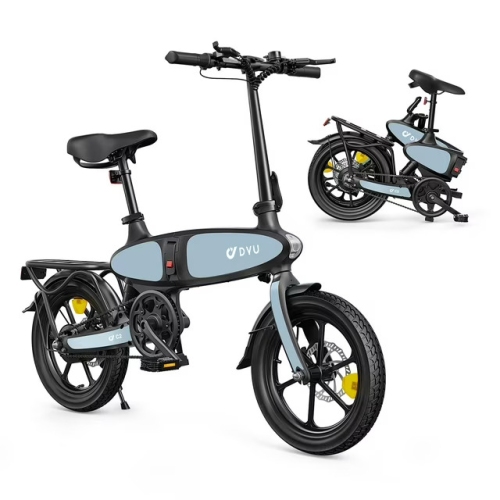
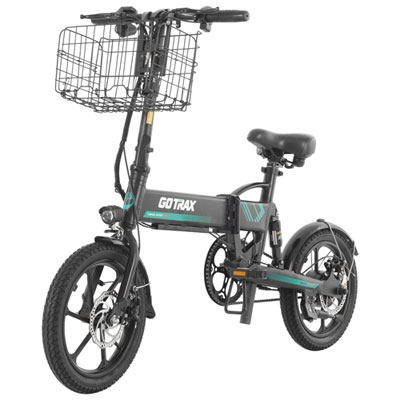
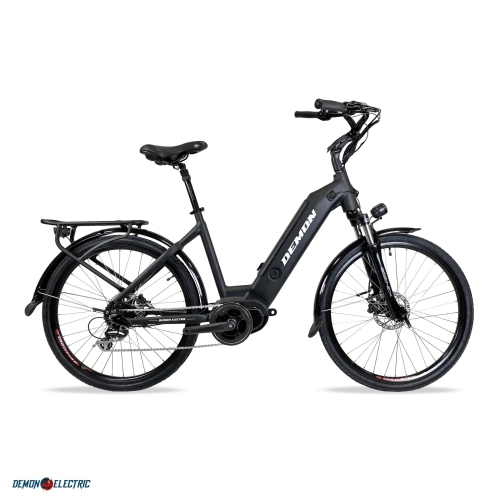

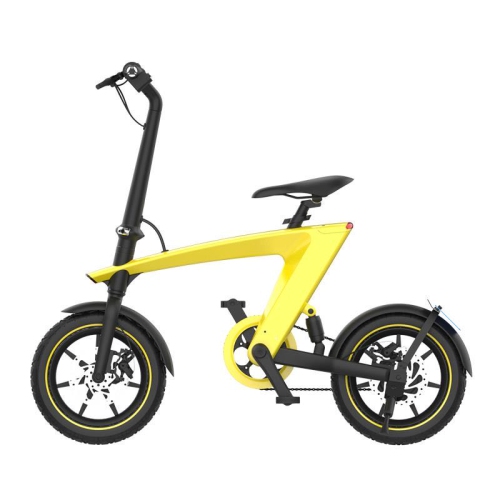
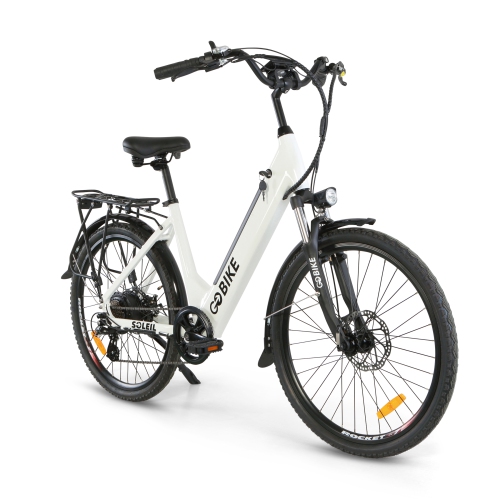
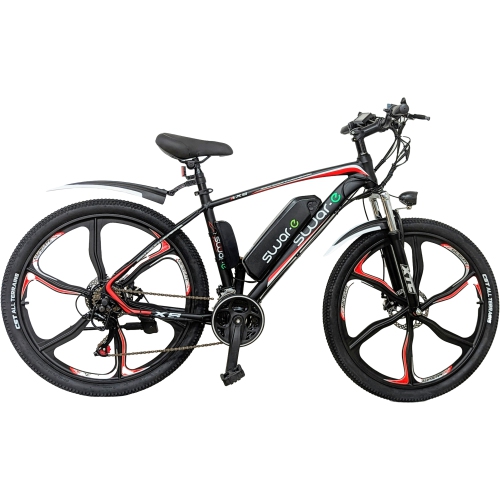
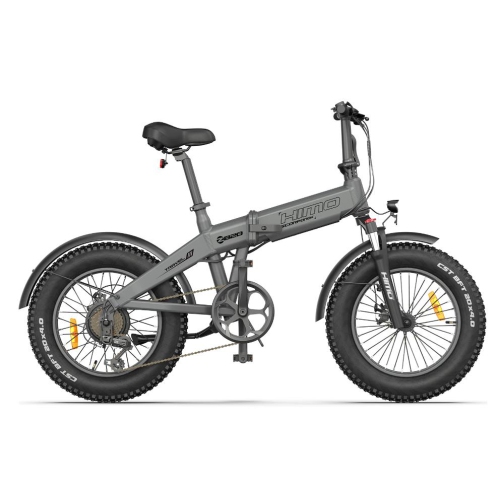
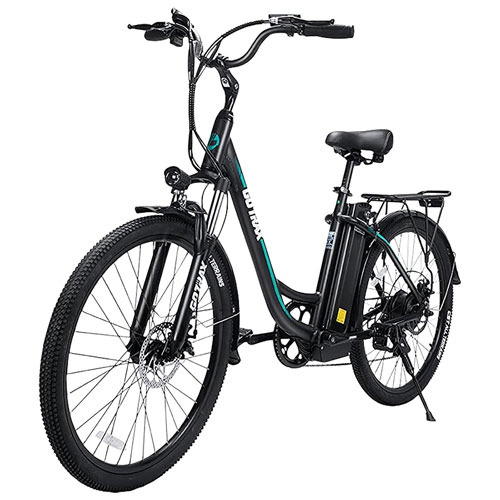


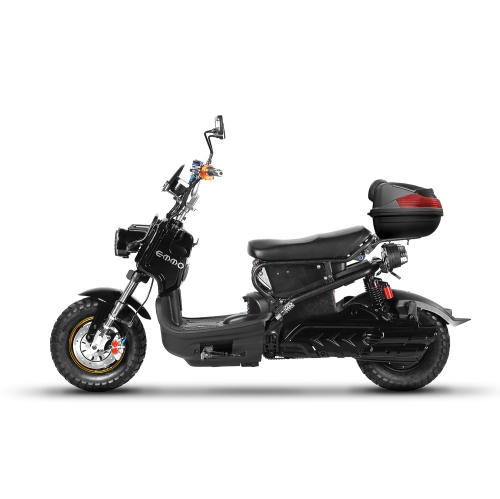
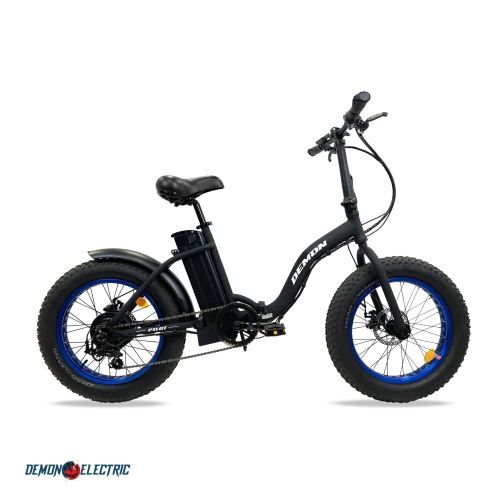
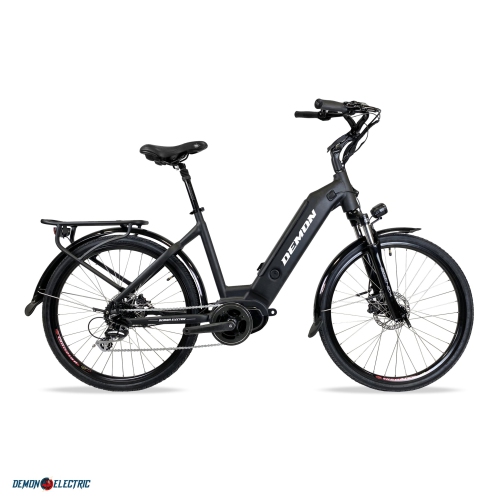
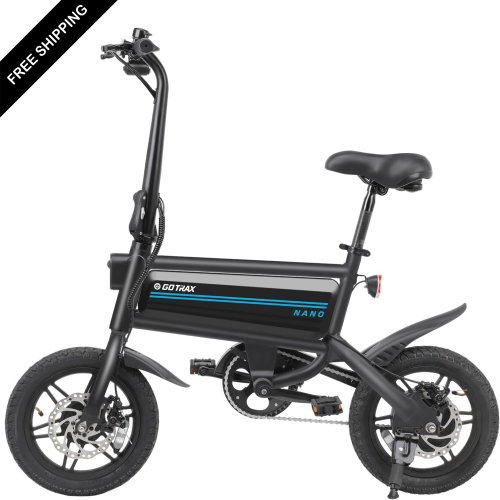

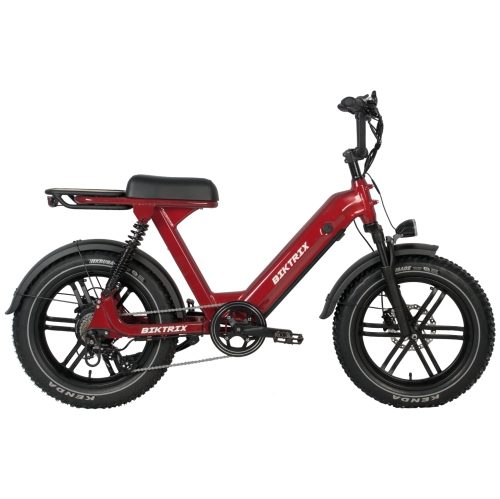
How motor assistance, batteries and safety shape your ride
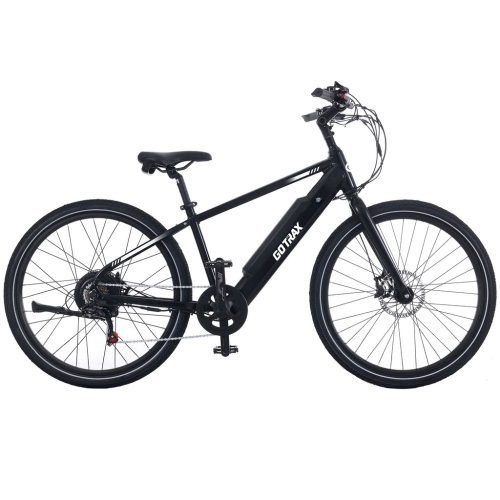
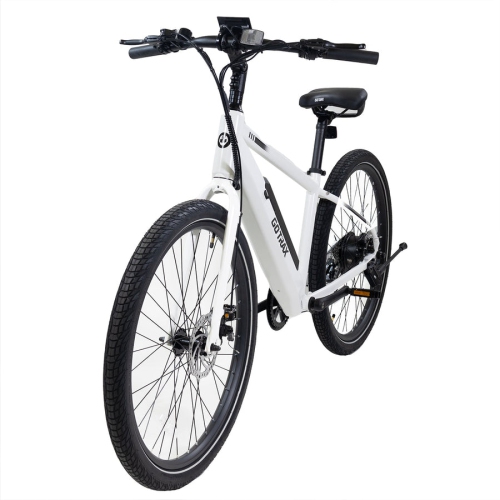
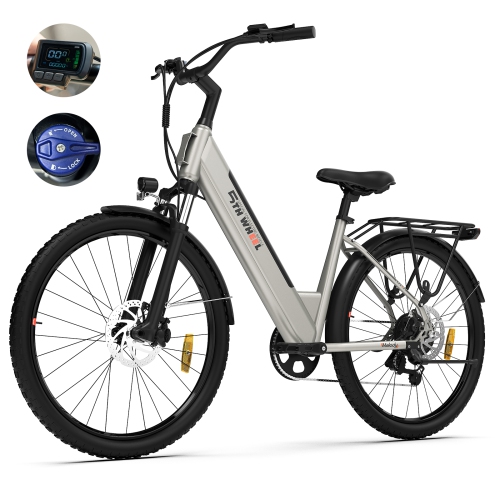
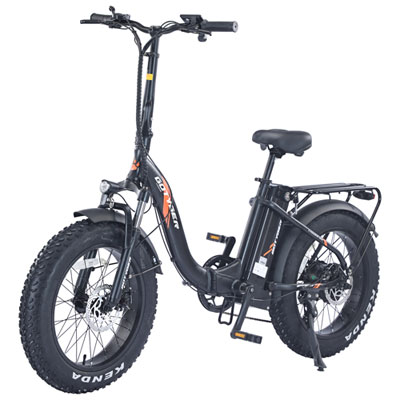
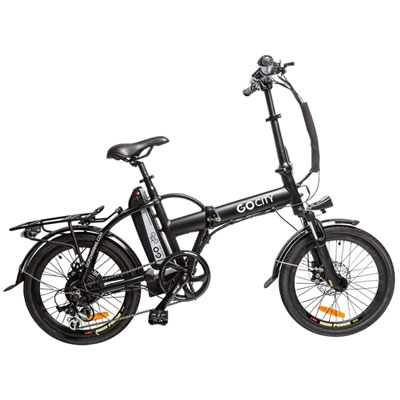
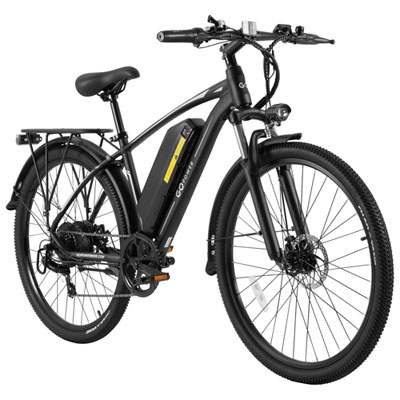
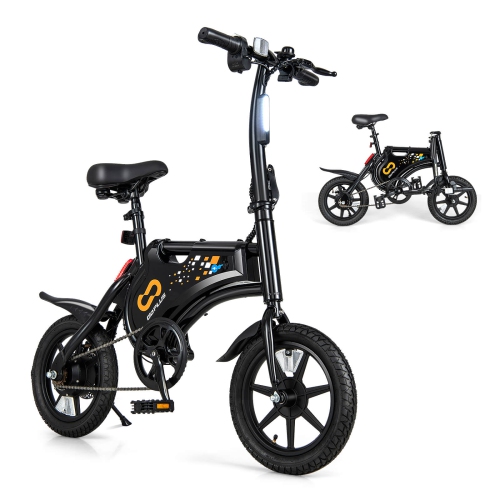
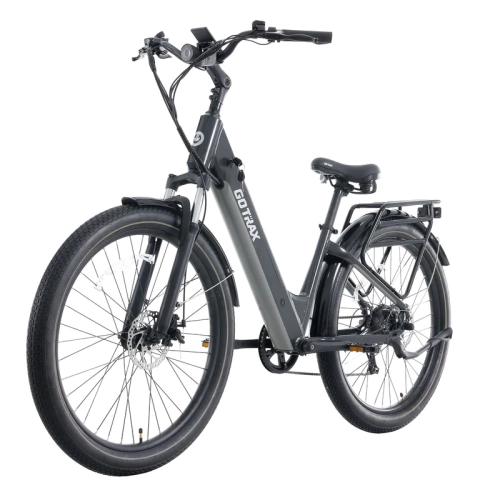
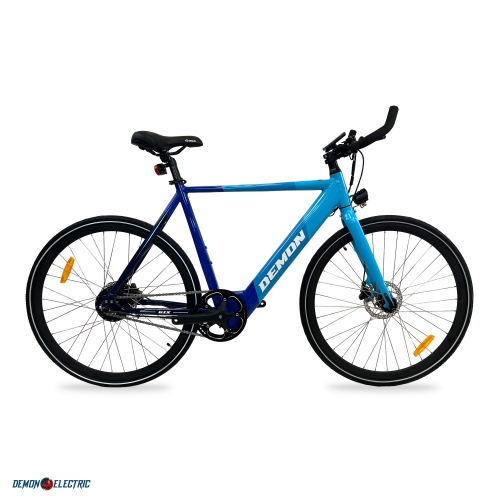
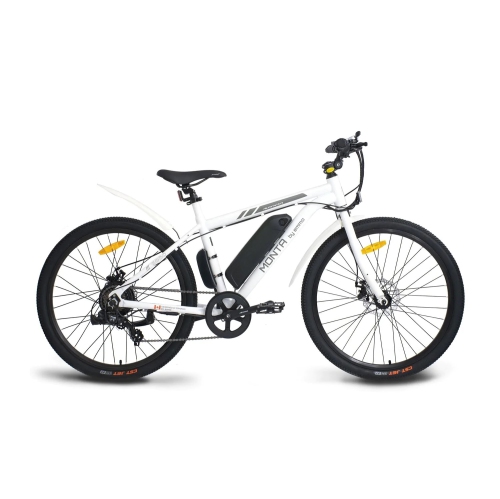
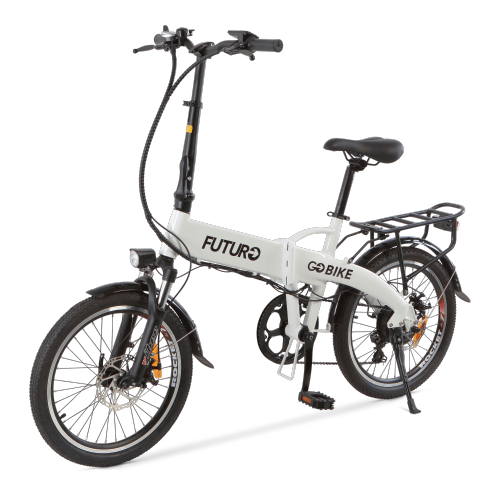
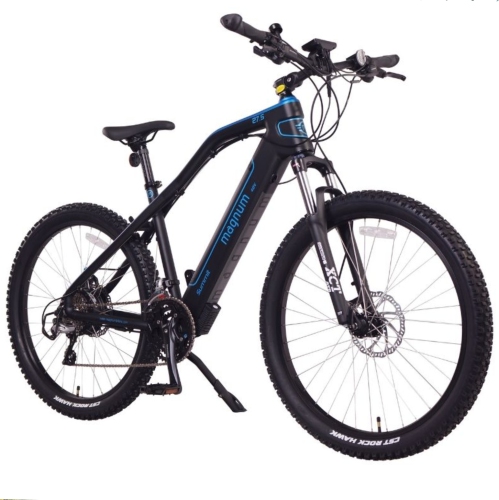
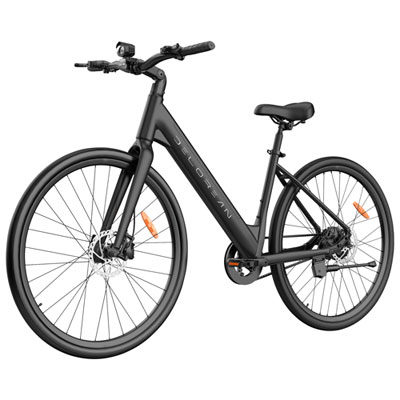
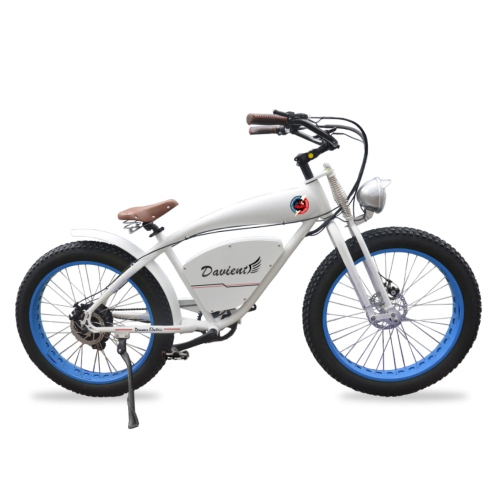
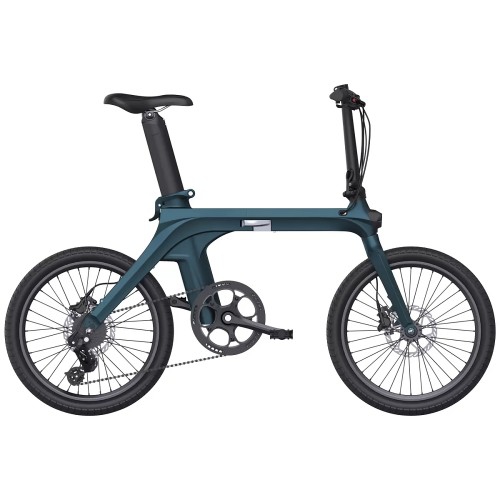
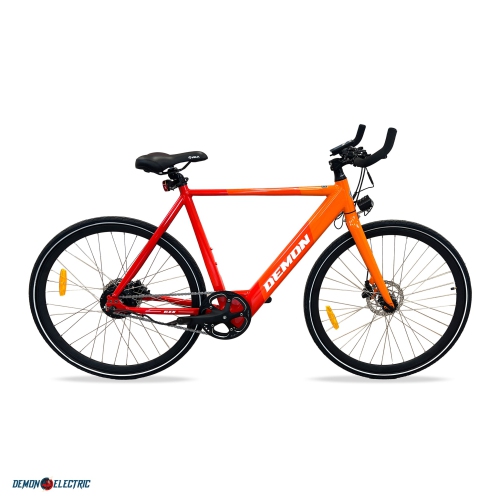
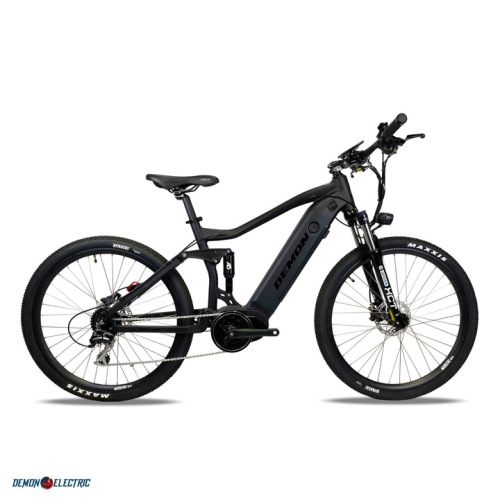
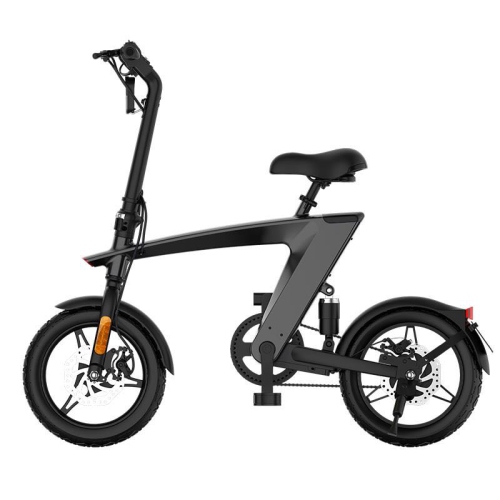
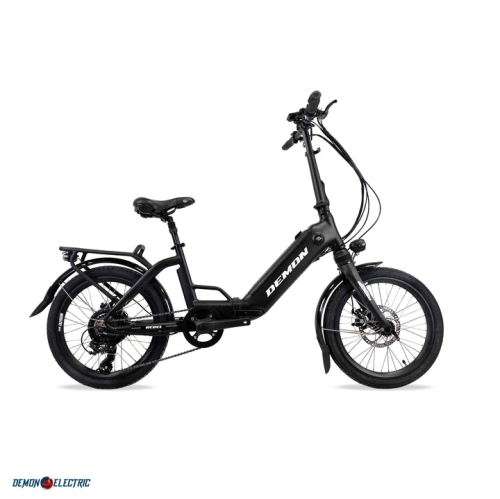
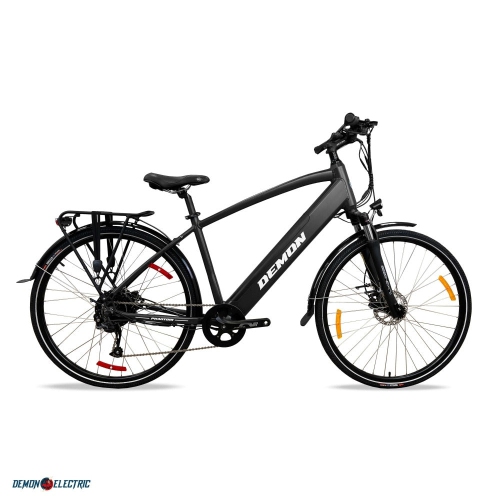
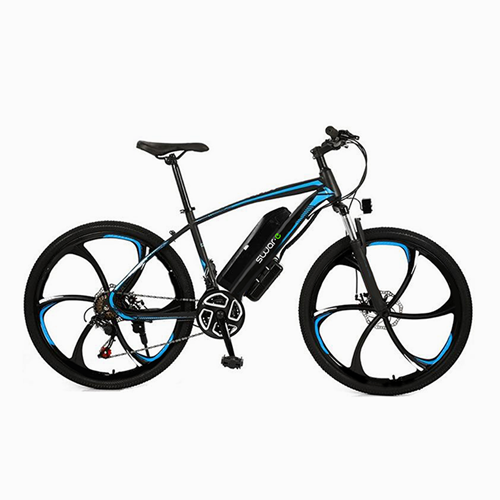
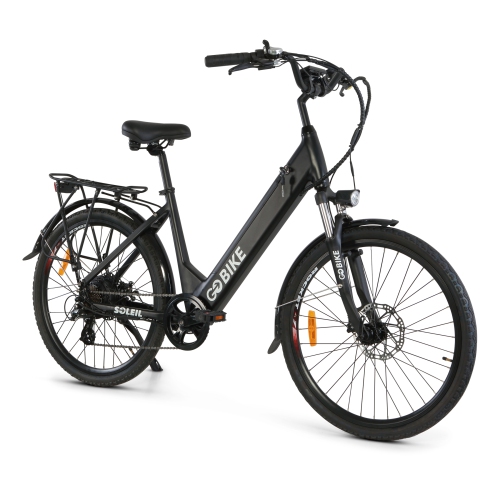
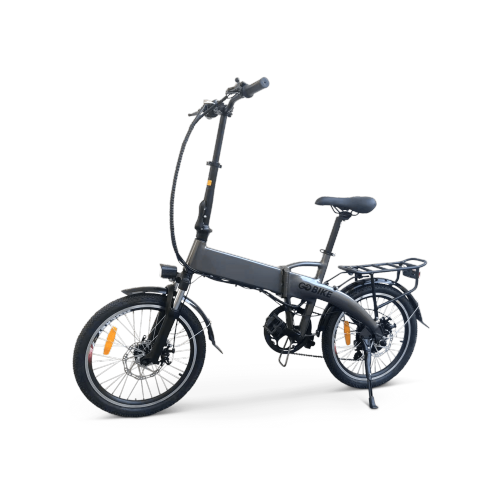
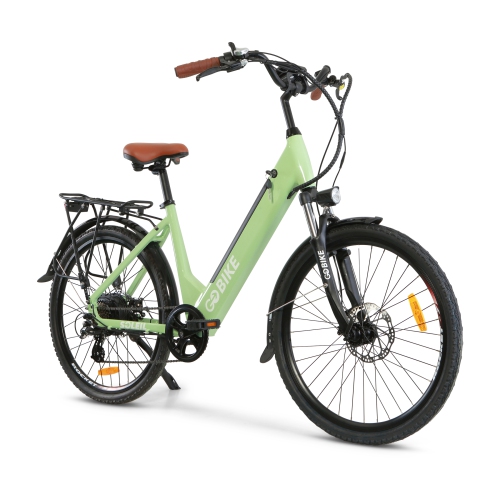
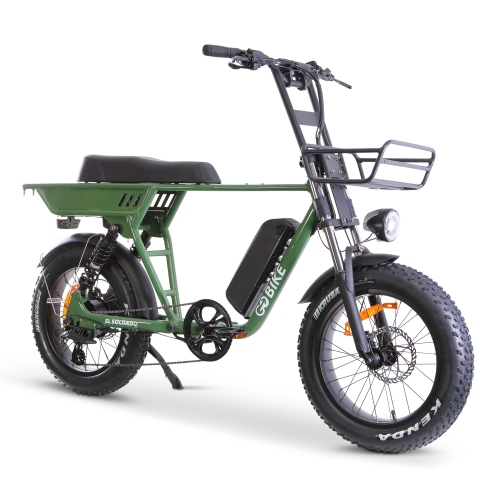
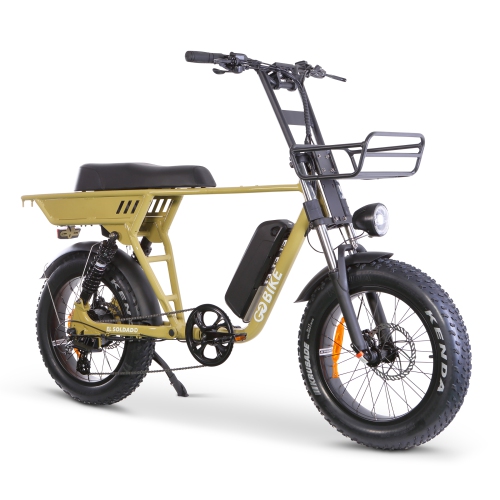
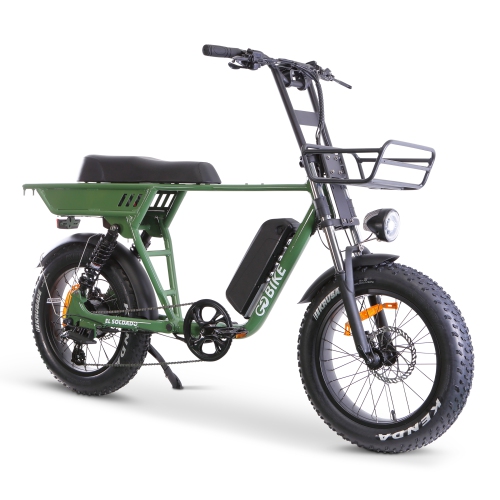
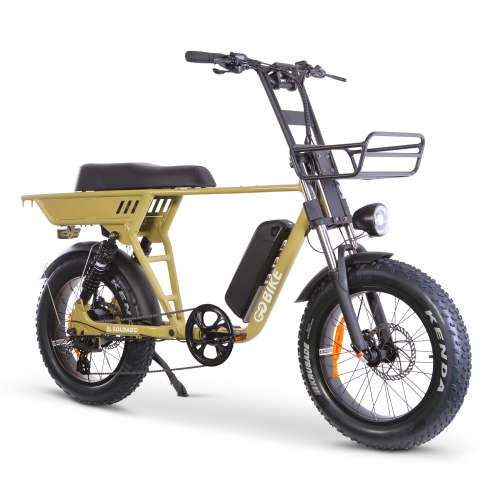
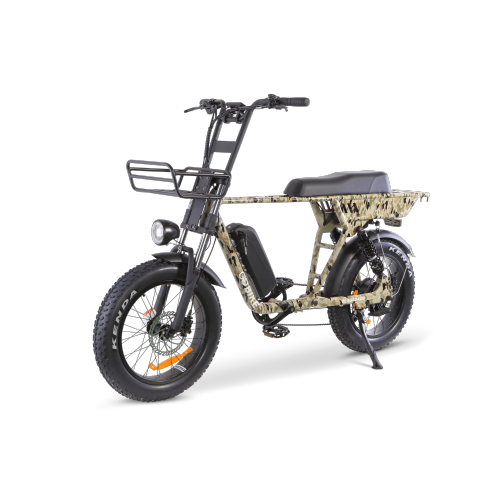
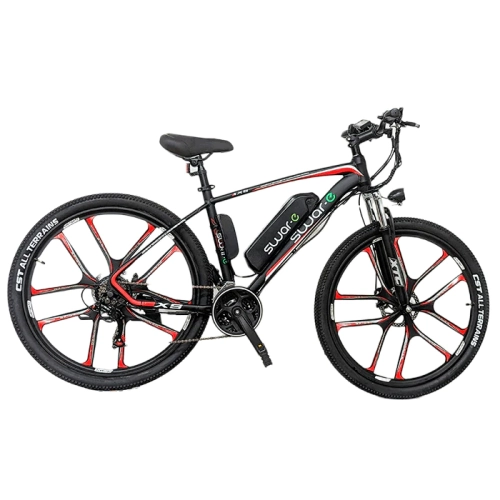
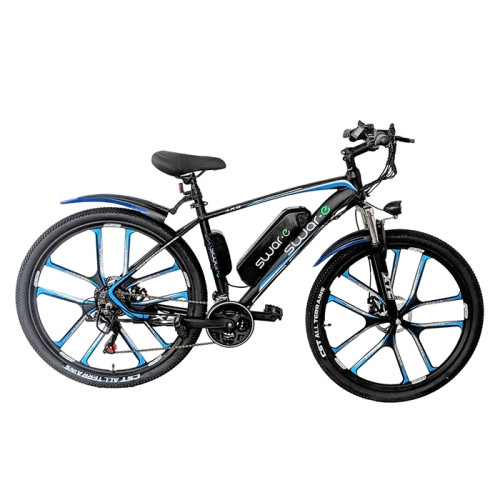
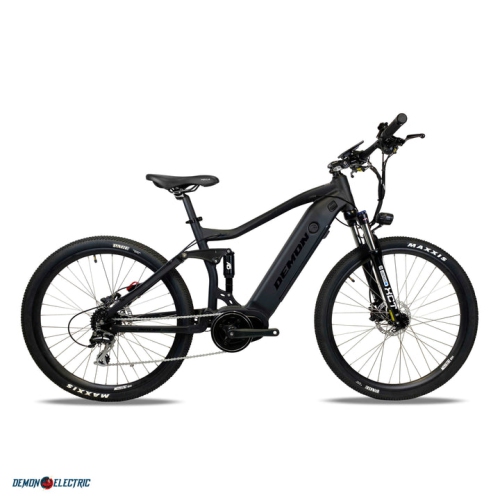
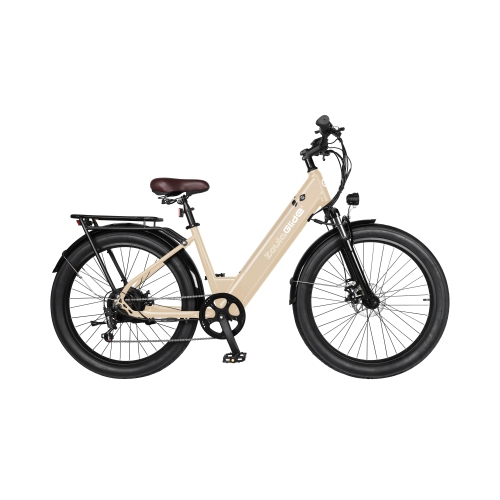
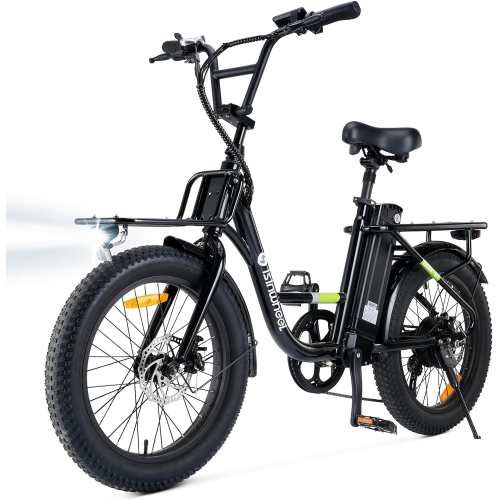
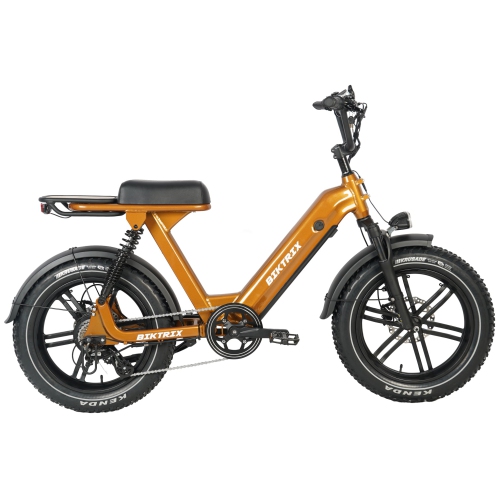
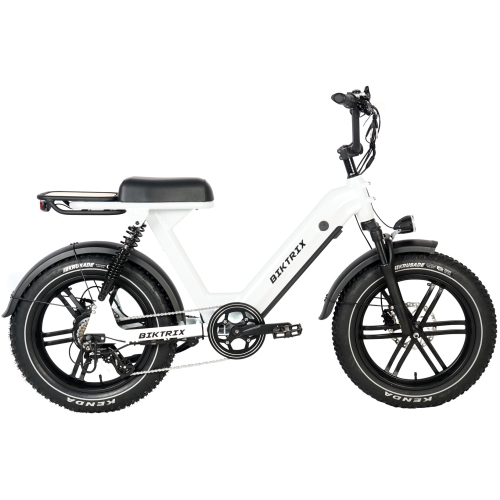
Pedal-assist e-bikes combine the familiar feel of a bicycle with a built-in electric motor that helps while you pedal. Unlike a throttle-controlled vehicle, a standard pedal-assist model requires the rider to keep moving the pedals for the motor to provide assistance. The result is a natural, steady push that can make hills, headwinds, longer distances and heavier loads feel more manageable. Assistance is usually selected through several power levels, from a gentle boost for an easygoing ride to stronger support for steep climbs or quick starts at intersections. Many e-bikes use a cadence sensor to detect when the pedals are turning, while others use a torque sensor to measure how firmly you are pedalling and adjust the motor response accordingly. Cadence sensors can feel simple and predictable, whereas torque sensors often deliver a more responsive experience that closely follows your effort. When comparing e bikes with pedal assist, consider where and how you expect to ride. A lightweight city-style frame may suit paved paths, neighbourhood streets and commuting, while a wider-tire design can offer more stability on packed gravel or uneven routes. Step-through frames are convenient for riders who prefer an easier mount and dismount, and upright handlebars can provide a comfortable view of traffic and surroundings. Riders who regularly travel over hills or carry groceries may also want to explore Mid Drive E Bikes, which position the motor near the bike’s crank for balanced handling and efficient support on varied terrain.
Battery capacity is another important consideration because it affects how far you can ride between charges. Manufacturer range estimates are typically based on controlled conditions, so real-world distance can change with rider weight, terrain, wind, temperature, tyre pressure, assist level and the amount of cargo being carried. A larger battery may be useful for longer commutes or rides where charging is not available, while a removable battery can make charging more convenient in an apartment, office or storage area. Look for a clear battery indicator and an easy-to-read display that shows assist level, speed and remaining charge without distracting you from the road. Charging time, battery placement and the availability of compatible replacement parts can also influence day-to-day convenience. Before choosing a frame, check the maximum rider and cargo capacity, stand-over height, seat adjustment range and handlebar position. Your feet should feel secure when stopped, and the controls should be reachable without taking your attention away from traffic. Brakes deserve particular attention as well, especially on heavier e-bikes or routes with frequent descents. Disc brakes can provide confident stopping performance, while integrated lights, reflectors, a bell, a kickstand and sturdy fenders can make regular rides more practical. A rear rack or compatible basket is helpful for carrying a backpack, work essentials or groceries without placing everything on your shoulders. These features can make a pedal-assist e-bike a thoughtful gift for a commuter, an active relative, a cottage owner or anyone who wants to spend more time cycling without every route feeling like a workout. The best choice still depends on the recipient’s comfort, storage space, riding experience and preferred terrain.
In Canada, standard pedal-assist e-bikes commonly provide motor assistance up to a maximum speed of 32 km/h and generally have a motor rated at 500 W or less under federal guidelines, but provincial, territorial and municipal rules can differ. Requirements for helmets, minimum rider age, approved equipment, bike-lane access and where e-bikes may be used should be checked with the applicable local authority before riding. A helmet that fits securely is essential, and reflective clothing or accessories can improve visibility as daylight becomes shorter. Before the first outing, charge the battery according to the manufacturer’s instructions, confirm that the wheels and seat are firmly secured, test both brakes and make sure the tyres are inflated to the recommended pressure. It is worth practising in a quiet area so you can become familiar with the extra weight, motor engagement and stopping distance before joining busy streets or shared paths. During the cooler months, battery performance may decrease in low temperatures, so store and charge the battery in a dry indoor location when possible and avoid leaving it exposed to extreme cold for extended periods. Wipe away water, grit and road salt after rides, keep the chain lubricated as directed and inspect the brakes and tyres regularly. Wet leaves, frost, snow and ice can reduce traction, so adjust your speed, leave extra room for braking and use routes appropriate for the conditions. With a comfortable fit, a suitable assist system and practical safety equipment, pedal-assist e-bikes can support everyday transportation, relaxed weekend rides and active outdoor routines across changing seasons.
Battery capacity is another important consideration because it affects how far you can ride between charges. Manufacturer range estimates are typically based on controlled conditions, so real-world distance can change with rider weight, terrain, wind, temperature, tyre pressure, assist level and the amount of cargo being carried. A larger battery may be useful for longer commutes or rides where charging is not available, while a removable battery can make charging more convenient in an apartment, office or storage area. Look for a clear battery indicator and an easy-to-read display that shows assist level, speed and remaining charge without distracting you from the road. Charging time, battery placement and the availability of compatible replacement parts can also influence day-to-day convenience. Before choosing a frame, check the maximum rider and cargo capacity, stand-over height, seat adjustment range and handlebar position. Your feet should feel secure when stopped, and the controls should be reachable without taking your attention away from traffic. Brakes deserve particular attention as well, especially on heavier e-bikes or routes with frequent descents. Disc brakes can provide confident stopping performance, while integrated lights, reflectors, a bell, a kickstand and sturdy fenders can make regular rides more practical. A rear rack or compatible basket is helpful for carrying a backpack, work essentials or groceries without placing everything on your shoulders. These features can make a pedal-assist e-bike a thoughtful gift for a commuter, an active relative, a cottage owner or anyone who wants to spend more time cycling without every route feeling like a workout. The best choice still depends on the recipient’s comfort, storage space, riding experience and preferred terrain.
In Canada, standard pedal-assist e-bikes commonly provide motor assistance up to a maximum speed of 32 km/h and generally have a motor rated at 500 W or less under federal guidelines, but provincial, territorial and municipal rules can differ. Requirements for helmets, minimum rider age, approved equipment, bike-lane access and where e-bikes may be used should be checked with the applicable local authority before riding. A helmet that fits securely is essential, and reflective clothing or accessories can improve visibility as daylight becomes shorter. Before the first outing, charge the battery according to the manufacturer’s instructions, confirm that the wheels and seat are firmly secured, test both brakes and make sure the tyres are inflated to the recommended pressure. It is worth practising in a quiet area so you can become familiar with the extra weight, motor engagement and stopping distance before joining busy streets or shared paths. During the cooler months, battery performance may decrease in low temperatures, so store and charge the battery in a dry indoor location when possible and avoid leaving it exposed to extreme cold for extended periods. Wipe away water, grit and road salt after rides, keep the chain lubricated as directed and inspect the brakes and tyres regularly. Wet leaves, frost, snow and ice can reduce traction, so adjust your speed, leave extra room for braking and use routes appropriate for the conditions. With a comfortable fit, a suitable assist system and practical safety equipment, pedal-assist e-bikes can support everyday transportation, relaxed weekend rides and active outdoor routines across changing seasons.
Top selling and popular products
-
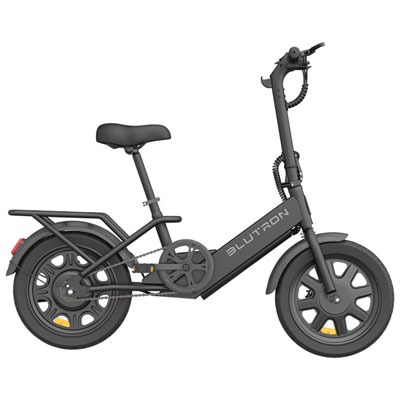 Your price for this item is $499.99
 -
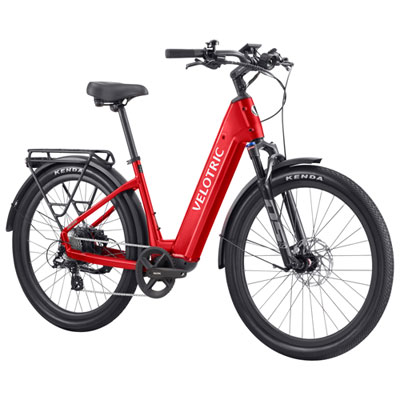 Your price for this item is $2499.99
 -
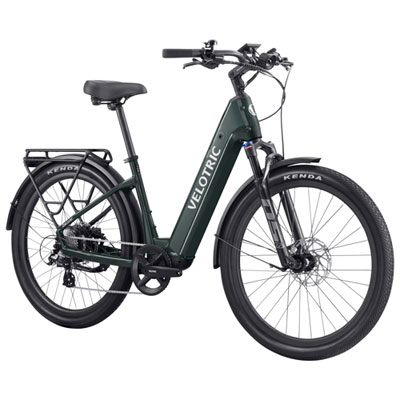 Your price for this item is $2499.99
 -
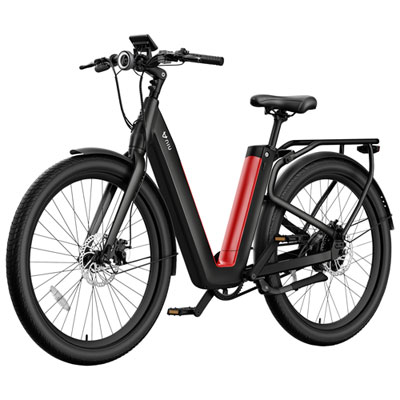 Your price for this item is $2699.99
 -
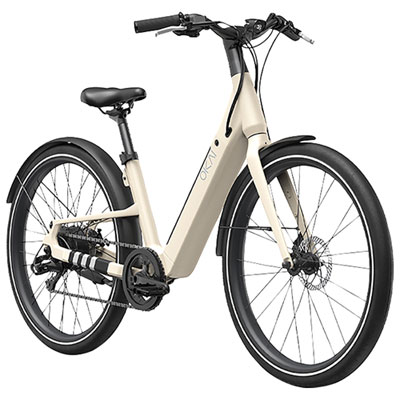 Your price for this item is $2199.99
 -
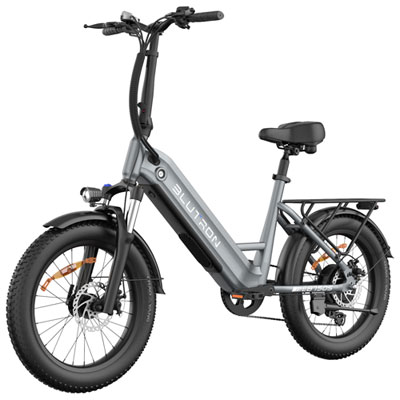 Your price for this item is $999.99
 -
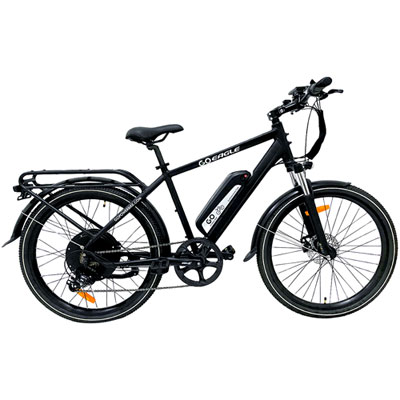 Your price for this item is $1399.97
 -
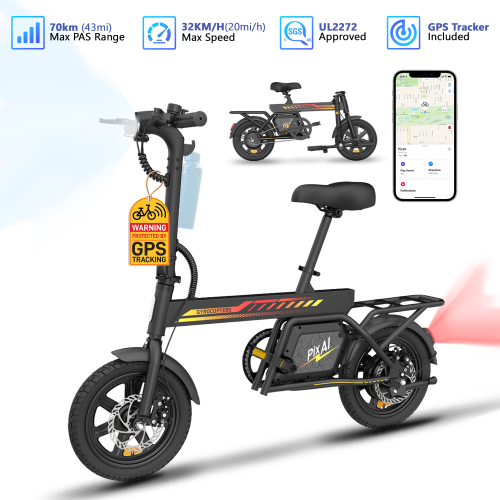 Your price for this item is $399.97
Discover more categories related to E Bikes With Pedal Assist
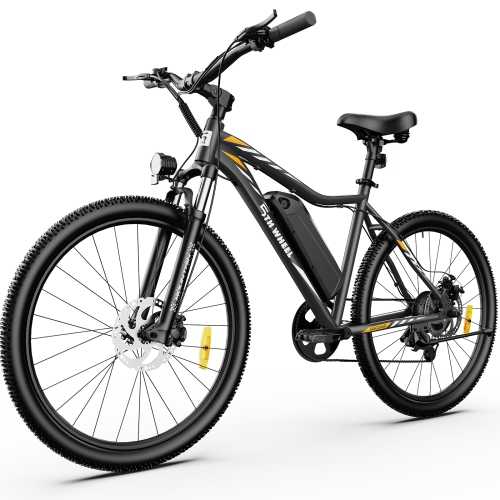
Top Collections:
Pokemon Centers, Kindle Devices, Best Budget Office Chairs, Apple iPhones 16, Canon G7X Cameras, iPhone 15 Apple, Alarm Clock, Refurbished Apple Laptops, Flip Phones, Best Laptops for Writers
Some products may be subject to Environmental Handling Fees
(EHF) depending on your province.
Learn more about EHFs.