Ebike Toronto
Explore a wide selection of options on the Ebike Toronto page, designed to help you navigate the city with ease and style. Whether you're commuting to work, running errands, or enjoying a leisurely ride along Toronto's scenic routes, find the perfect electric bike to match your needs. Discover models that combine performance and convenience, making your rides around Toronto smoother and more enjoyable. Start your journey toward effortless travel with the latest ebikes available online and in-store.
Sort
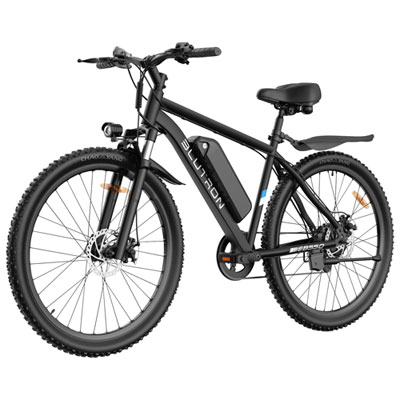
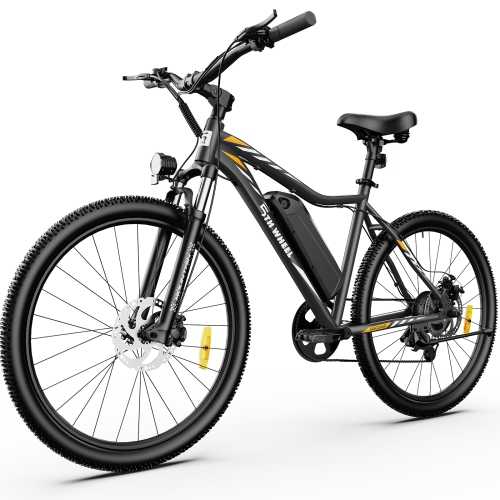
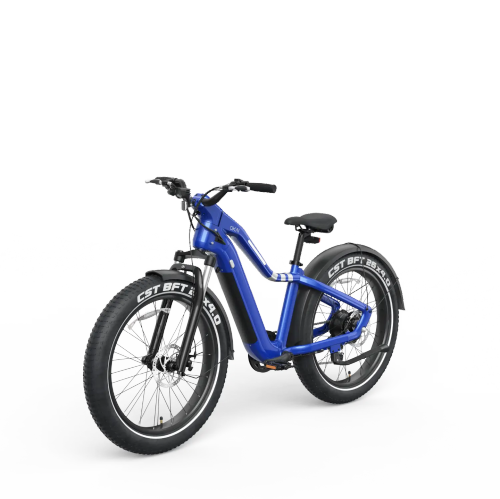
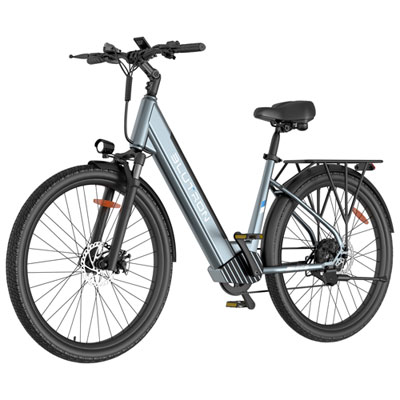
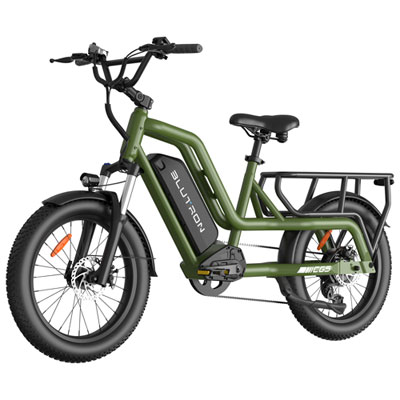
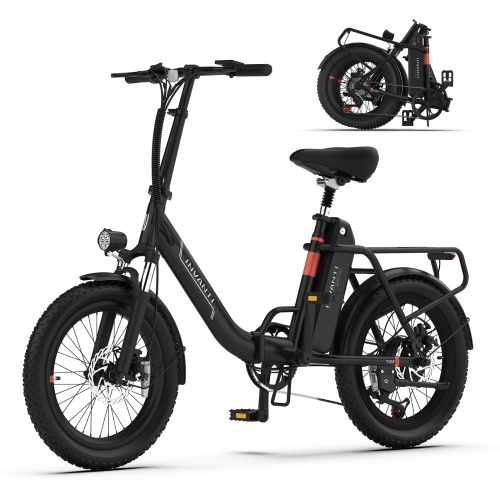
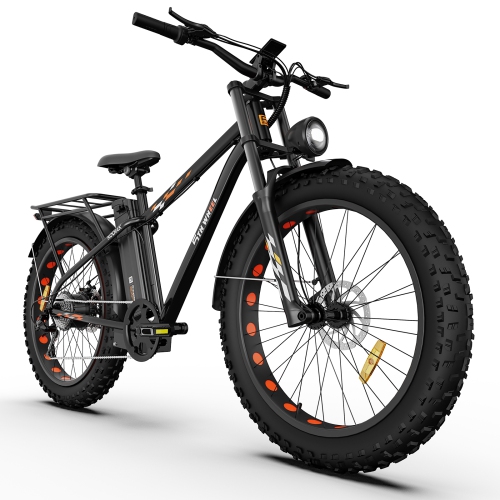
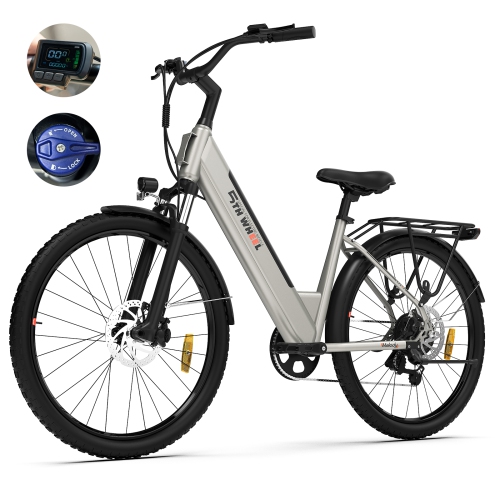

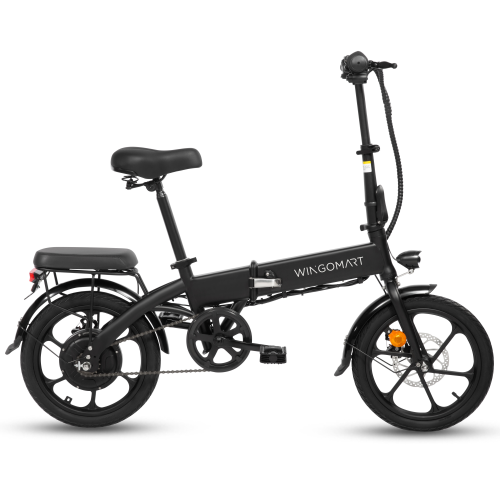
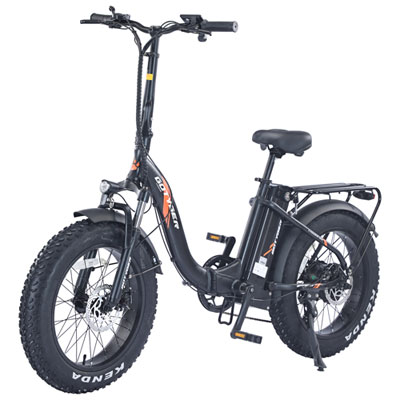
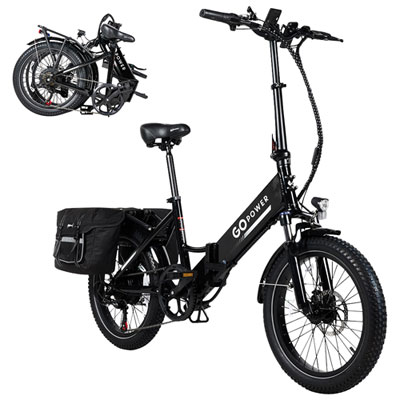
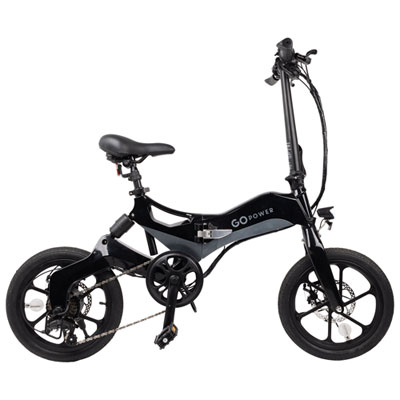
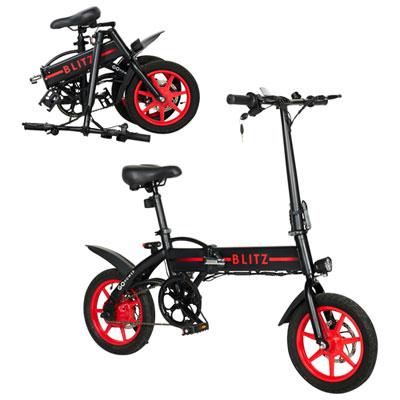
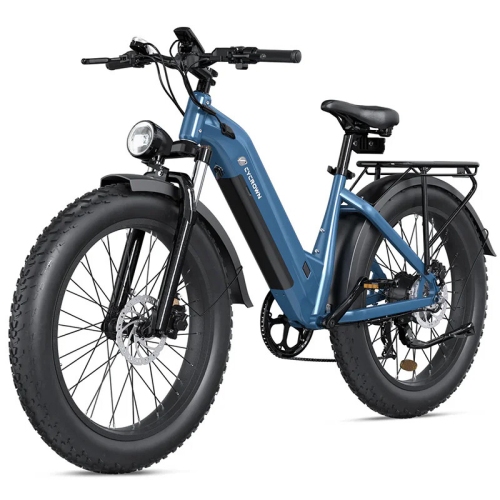
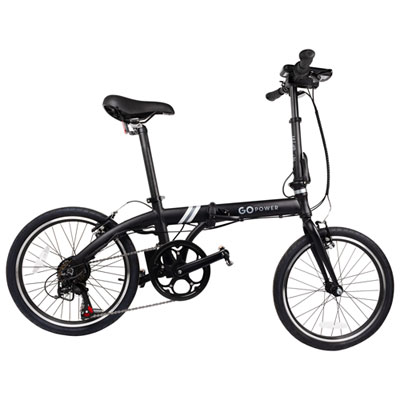
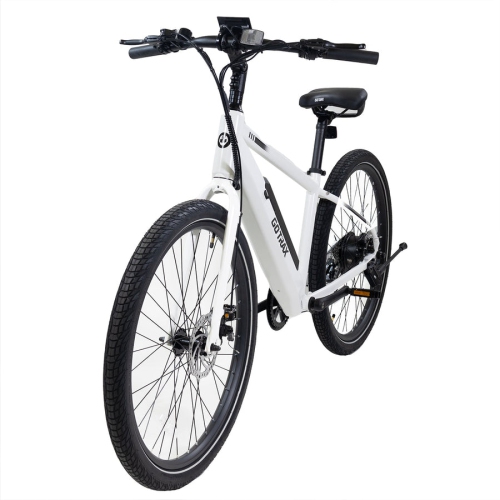
Motor assistance makes hills and loaded rides more manageable
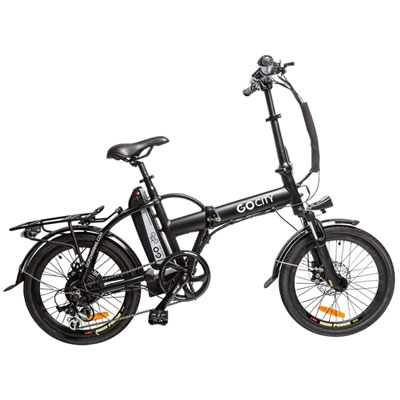
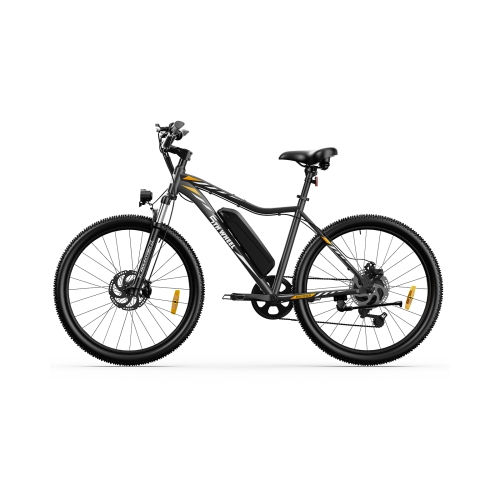
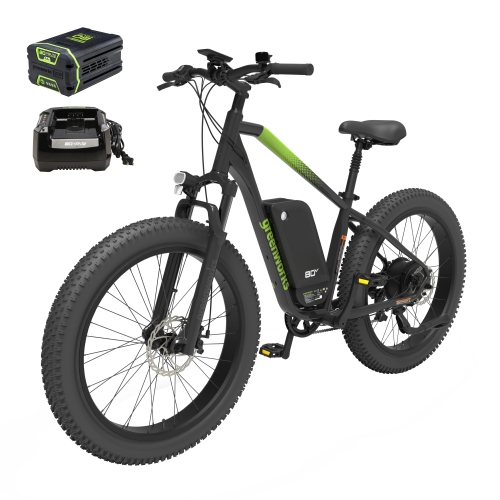
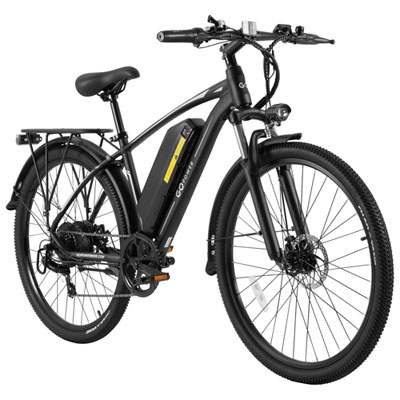
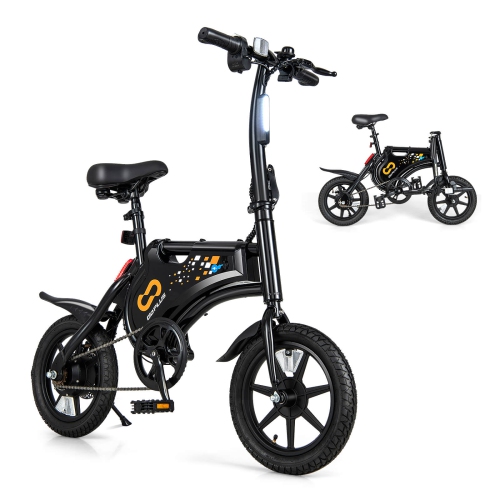
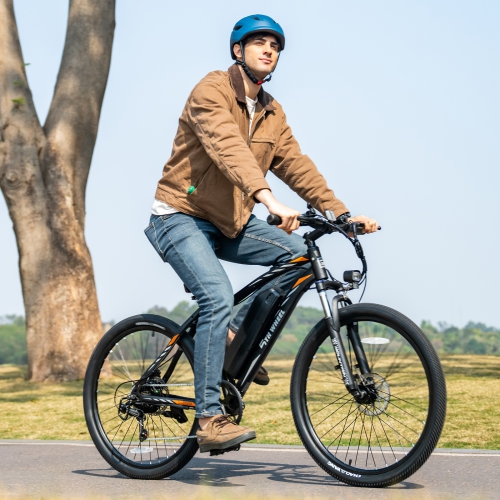
An e-bike in Toronto can serve as a daily commuter, a practical way to carry groceries, or a comfortable bicycle for longer rides across the city. Electric bicycles combine familiar cycling features with a battery and motor that provide assistance, making uphill stretches and journeys with a loaded rear rack more manageable. For someone travelling between home and work, that assistance can make the difference between arriving after a strenuous ride and maintaining a comfortable pace along the route. Pedal-assist systems add power while the rider pedals, while some designs also include throttle operation; the distinction matters for both riding feel and where the bicycle may be used. Toronto routes can involve painted bike lanes, separated cycle tracks, neighbourhood streets, and multi-use paths, and access rules are not identical across all of them. An e-bike’s classification and operating features matter, so riders should confirm Ontario requirements and City of Toronto rules for their bicycle and intended route. Ontario requires e-bike riders to be at least 16 and wear an approved bicycle or motorcycle helmet. Beyond those requirements, the most useful design depends on the journey. An upright city e-bike can provide a relaxed position for commuting, while a folding design may suit a small apartment or a trip that includes another form of transportation, subject to the operator’s rules. Cargo-oriented frames can accommodate groceries or work equipment within their stated load limits, and bicycles with wider tyres may offer added cushioning on uneven pavement. Wider tyres alone do not make a bicycle suitable for every surface, especially ice or wet streetcar tracks. Toronto’s rails deserve particular attention: a controlled crossing at close to a right angle helps reduce the chance of a wheel catching. For everyday urban riding, predictable handling, effective brakes, and a comfortable fit often matter more than an imposing frame or a high assistance setting. A bicycle that is easy to manoeuvre through a doorway and steady at low speed is better suited to regular use than one that feels awkward whenever the motor is off.
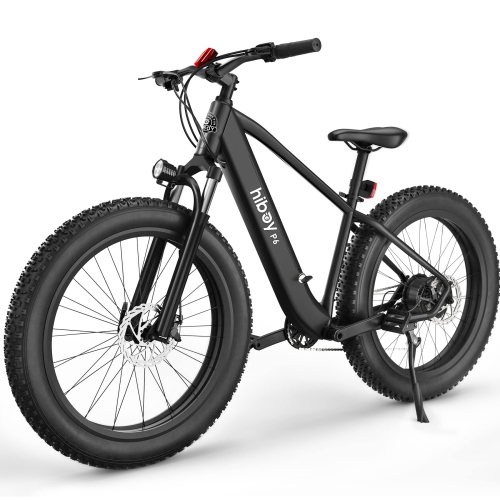
Fit and construction shape how an electric bicycle feels over hundreds of starts, stops, and turns. Frame size, handlebar reach, saddle adjustment, and the distance between the rider and the top tube all contribute to comfort and control. A step-through frame offers easier mounting when carrying panniers, wearing layered clothing, or dealing with limited hip movement, though its overall weight and dimensions still deserve attention. Riders sharing a bicycle need enough adjustment range for each person to reach the controls comfortably and maintain a suitable pedalling position. Aluminium frames are common because they balance weight and resistance to rust, while steel frames can provide a solid feel but need protection where paint is chipped. Total bicycle weight includes the battery, motor, and fitted accessories, which becomes especially noticeable on stairs or when lifting the bicycle onto a compatible vehicle rack. Folding hinges and latches should feel secure, and the folded dimensions need to suit the actual storage space rather than simply looking compact in a photograph. Motor placement also affects the ride: hub motors drive a wheel, while mid-drive motors work through the bicycle’s drivetrain and can make effective use of its gears on hills. Neither layout replaces the need for appropriate gearing or regular maintenance. Battery capacity, assistance level, rider and cargo weight, wind, hills, tyre pressure, and temperature all influence distance between charges. A stated range is therefore a reference point, not a promise for every Toronto commute. A removable battery can make charging more convenient when the bicycle stays in a garage or designated storage area, provided charging and storage follow the manufacturer’s directions. Integrated lights, full-length fenders, and a stable rack are useful details for rides that begin in daylight and finish after dark or follow damp roads. Brakes should provide controlled stopping with the expected load, and tyres should match the bicycle’s intended surfaces. Suspension can soften rough patches, but it also adds weight and service needs; on mostly paved routes, suitable tyres and a well-fitted riding position can contribute substantially to comfort without unnecessary complexity.
Routine care helps an e-bike stay dependable through Toronto’s cooler months, when road spray, grit, and salt can reach the drivetrain and electrical connections. Wiping the bicycle down after wet rides, drying exposed surfaces, and lubricating the chain with a suitable bicycle lubricant help limit corrosion and wear. High-pressure washing can force water into bearings and electrical components, so cleaning should follow the manufacturer’s instructions. Tyre pressure, brake function, wheel security, and light operation all deserve regular checks, especially on a bicycle used for frequent commuting or delivery work. Electrical assistance does not reduce the importance of mechanical servicing, and a heavier bicycle carrying bags can place substantial demands on brake pads and tyres. Batteries need particular care: use the specified compatible charger, keep charging areas dry and clear of combustible materials, and follow temperature limits for both charging and storage. A battery brought in from cold conditions may need time to reach the permitted charging temperature. Visible damage, swelling, unusual heat, or a change in charging behaviour calls for stopping use and seeking qualified support. Secure storage matters just as much as charging access. A sturdy lock suited to the bicycle, a fixed anchor point, and somewhere to shelter the frame from prolonged moisture make ownership more practical, whether the bicycle lives in a condo storage room or a home garage. For commuting, occasional errands, or longer leisure rides, the best match is a bicycle whose size, carrying capacity, and maintenance needs fit the rider’s routine. An e-bike can also be a thoughtful gift for an adult who enjoys cycling, but fit, storage arrangements, and riding preferences are worth settling together rather than guessing. Shoppers comparing electric bicycles for use in another province can also explore Ebike BC, keeping local operating rules and terrain in mind. In Toronto, a manageable frame, dependable braking, practical carrying options, and a charging routine that works at home form a strong foundation for regular riding.
Fit and construction shape how an electric bicycle feels over hundreds of starts, stops, and turns. Frame size, handlebar reach, saddle adjustment, and the distance between the rider and the top tube all contribute to comfort and control. A step-through frame offers easier mounting when carrying panniers, wearing layered clothing, or dealing with limited hip movement, though its overall weight and dimensions still deserve attention. Riders sharing a bicycle need enough adjustment range for each person to reach the controls comfortably and maintain a suitable pedalling position. Aluminium frames are common because they balance weight and resistance to rust, while steel frames can provide a solid feel but need protection where paint is chipped. Total bicycle weight includes the battery, motor, and fitted accessories, which becomes especially noticeable on stairs or when lifting the bicycle onto a compatible vehicle rack. Folding hinges and latches should feel secure, and the folded dimensions need to suit the actual storage space rather than simply looking compact in a photograph. Motor placement also affects the ride: hub motors drive a wheel, while mid-drive motors work through the bicycle’s drivetrain and can make effective use of its gears on hills. Neither layout replaces the need for appropriate gearing or regular maintenance. Battery capacity, assistance level, rider and cargo weight, wind, hills, tyre pressure, and temperature all influence distance between charges. A stated range is therefore a reference point, not a promise for every Toronto commute. A removable battery can make charging more convenient when the bicycle stays in a garage or designated storage area, provided charging and storage follow the manufacturer’s directions. Integrated lights, full-length fenders, and a stable rack are useful details for rides that begin in daylight and finish after dark or follow damp roads. Brakes should provide controlled stopping with the expected load, and tyres should match the bicycle’s intended surfaces. Suspension can soften rough patches, but it also adds weight and service needs; on mostly paved routes, suitable tyres and a well-fitted riding position can contribute substantially to comfort without unnecessary complexity.
Routine care helps an e-bike stay dependable through Toronto’s cooler months, when road spray, grit, and salt can reach the drivetrain and electrical connections. Wiping the bicycle down after wet rides, drying exposed surfaces, and lubricating the chain with a suitable bicycle lubricant help limit corrosion and wear. High-pressure washing can force water into bearings and electrical components, so cleaning should follow the manufacturer’s instructions. Tyre pressure, brake function, wheel security, and light operation all deserve regular checks, especially on a bicycle used for frequent commuting or delivery work. Electrical assistance does not reduce the importance of mechanical servicing, and a heavier bicycle carrying bags can place substantial demands on brake pads and tyres. Batteries need particular care: use the specified compatible charger, keep charging areas dry and clear of combustible materials, and follow temperature limits for both charging and storage. A battery brought in from cold conditions may need time to reach the permitted charging temperature. Visible damage, swelling, unusual heat, or a change in charging behaviour calls for stopping use and seeking qualified support. Secure storage matters just as much as charging access. A sturdy lock suited to the bicycle, a fixed anchor point, and somewhere to shelter the frame from prolonged moisture make ownership more practical, whether the bicycle lives in a condo storage room or a home garage. For commuting, occasional errands, or longer leisure rides, the best match is a bicycle whose size, carrying capacity, and maintenance needs fit the rider’s routine. An e-bike can also be a thoughtful gift for an adult who enjoys cycling, but fit, storage arrangements, and riding preferences are worth settling together rather than guessing. Shoppers comparing electric bicycles for use in another province can also explore Ebike BC, keeping local operating rules and terrain in mind. In Toronto, a manageable frame, dependable braking, practical carrying options, and a charging routine that works at home form a strong foundation for regular riding.
Top selling and popular products
-
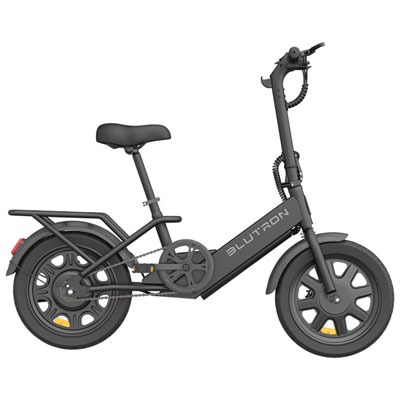 Your price for this item is $499.99
 -
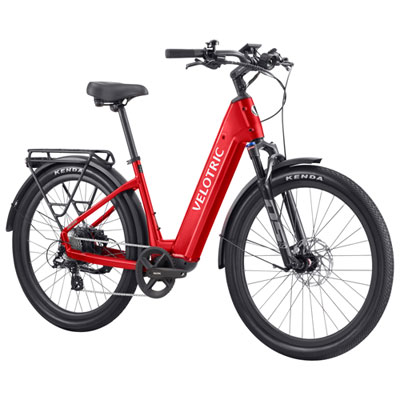 Your price for this item is $2499.99
 -
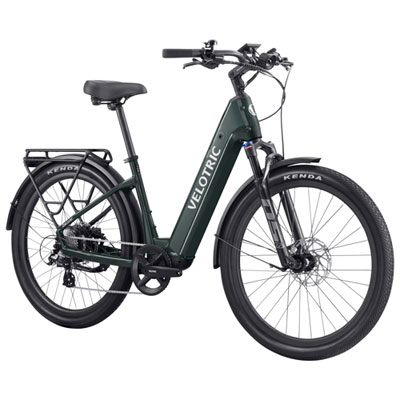 Your price for this item is $2499.99
 -
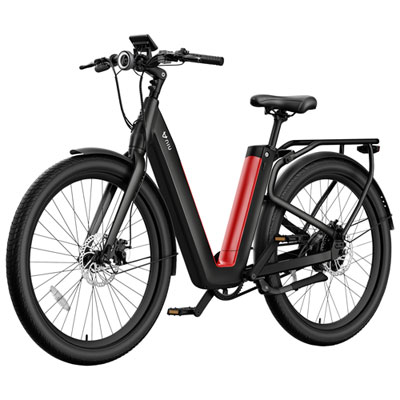 Your price for this item is $2699.99
 -
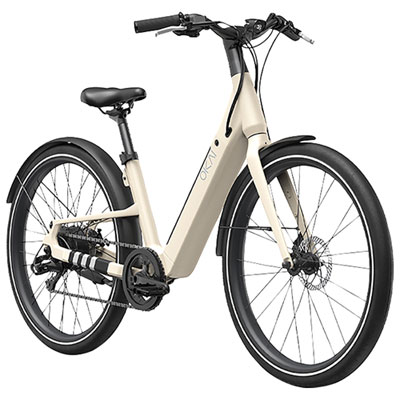 Your price for this item is $2199.99
 -
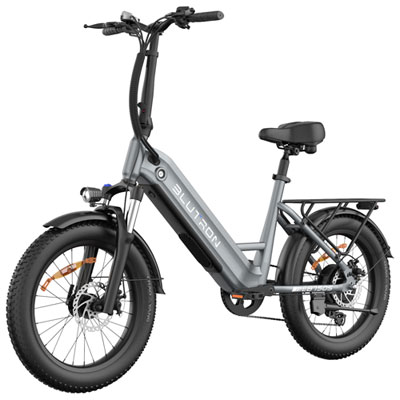 Your price for this item is $999.99
 -
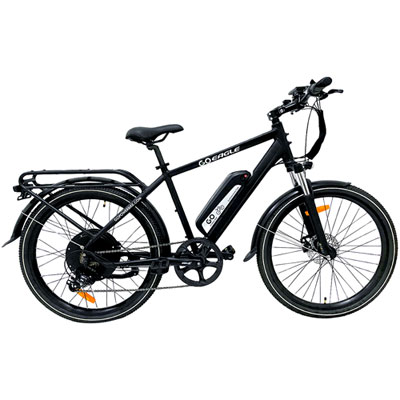 Your price for this item is $1399.97
 -
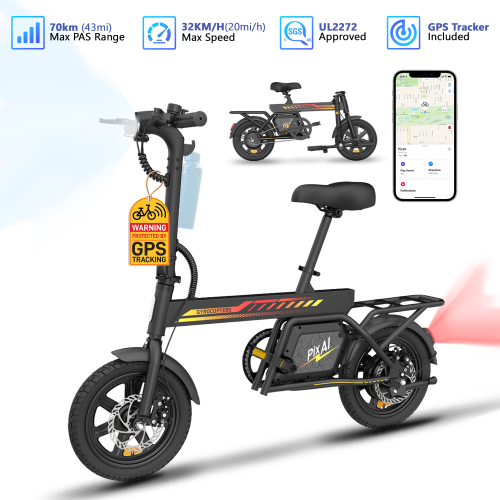 Your price for this item is $399.97
Discover more categories related to Ebike Toronto
Top Collections:
Pokemon Centers, Kindle Devices, Best Budget Office Chairs, Apple iPhones 16, Canon G7X Cameras, iPhone 15 Apple, Alarm Clock, Refurbished Apple Laptops, Flip Phones, Best Laptops for Writers
Some products may be subject to Environmental Handling Fees
(EHF) depending on your province.
Learn more about EHFs.