Electric Scooter Carriers
Looking for a convenient and efficient way to transport your electric scooter? Look no further! Our selection of electric scooter carriers offers the perfect solution for easily transporting your scooter wherever you go. Whether you're planning a road trip, heading to the park, or simply need a reliable carrier for everyday use, our range of options has got you covered. With sturdy construction, easy installation, and compatibility with various scooter models, our electric scooter carriers are designed to make your transportation experience hassle-free. Browse through our collection today and find the perfect carrier to take your electric scooter on the go!
Sort

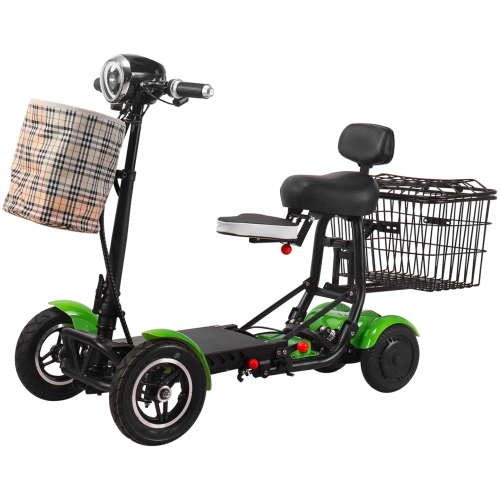
The right carrier balances fit, loading ease, and safety
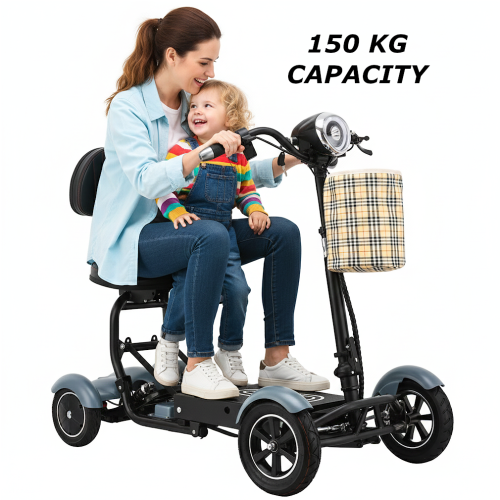
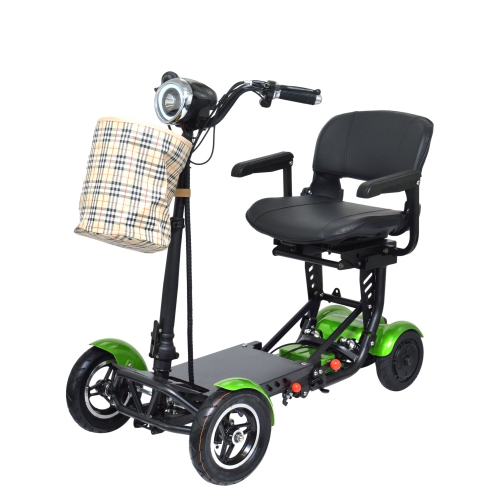
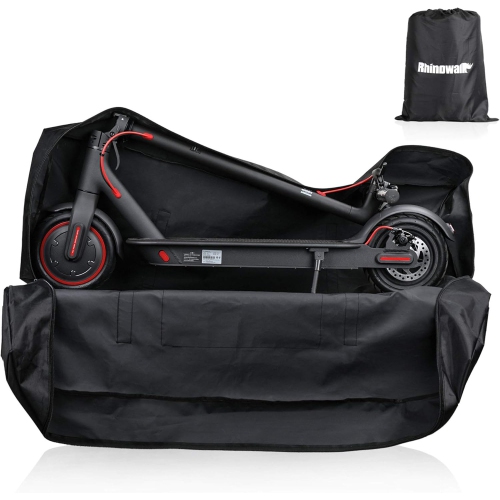
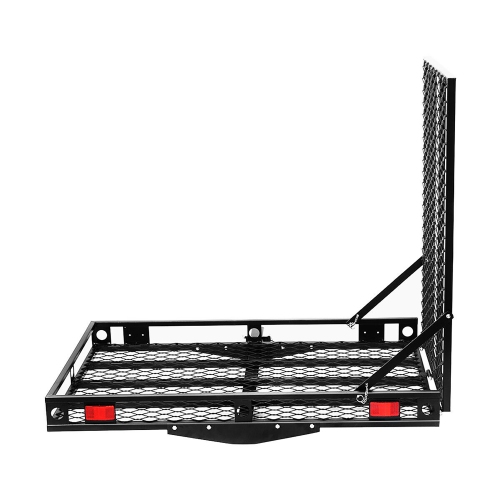
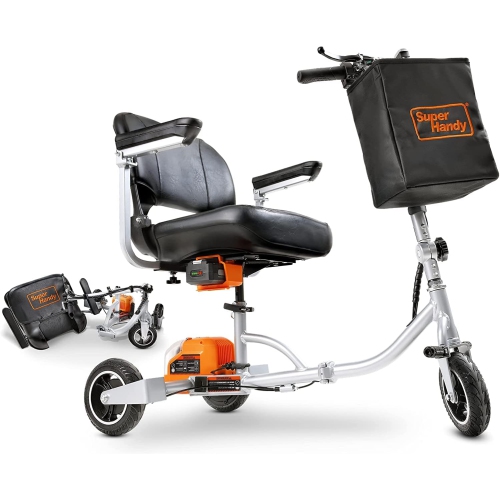
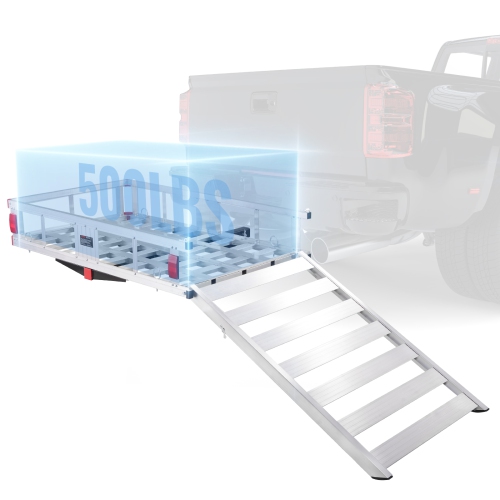
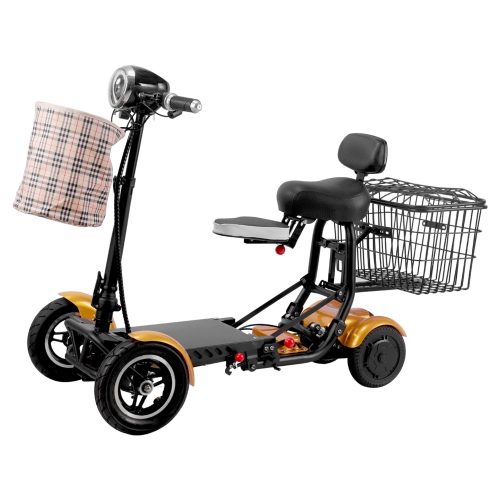
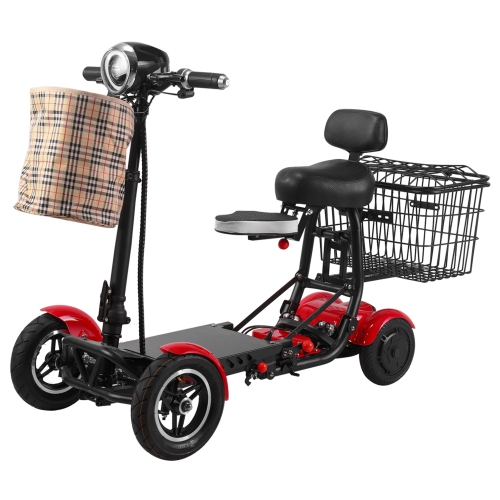
Electric scooter carriers make it easier to bring a scooter along for commuting, errands, recreation, appointments, and longer trips. The right carrier depends first on the type of scooter being transported and the vehicle doing the carrying. A lightweight stand-up electric scooter may fit inside a hatchback, trunk, or cargo area when folded, while a larger mobility scooter often requires an external platform, ramp, or powered lift. Hitch-mounted carriers attach to the vehicle’s trailer hitch receiver and provide a stable deck outside the vehicle, allowing the scooter to remain assembled during transport. Many include a folding ramp that lets you roll the scooter from ground level onto the platform instead of lifting it. Powered or automatic lifts take this convenience a step further by using an electric actuator to lower the platform, support the scooter, and raise it to travel height with minimal physical effort. These options can be especially useful for riders who have limited strength, balance, or mobility, as well as for caregivers who regularly transport a scooter for a family member. Smaller rear racks and cargo mounts serve a different purpose: they attach to the scooter itself and provide space for a bag, parcel, helmet, or other personal items. For related carrying solutions, browse Electric Scooter Luggage to help organize the items that travel with you.
Fit and capacity are among the most important details to check before choosing an electric scooter carrier. Begin by confirming the scooter’s total weight, including its battery and any accessories that will remain attached during transport. The carrier’s maximum weight rating should exceed that figure, rather than matching it closely, to provide a practical margin for loading and movement. Measure the scooter’s overall length, width, and wheelbase, then compare those dimensions with the carrier’s usable platform area. A wide mobility scooter, three-wheel model, or heavy-duty dual-motor scooter may need a deeper deck, raised side rails, or additional tie-down points. Also inspect the vehicle’s hitch receiver size and class. Many heavy-duty external carriers are designed for a 2-inch by 2-inch receiver, commonly found on Class III or Class IV trailer hitches, while a smaller receiver may require a properly rated adapter. Adapters can change the fit and may affect the allowable tongue weight, so the vehicle, hitch, carrier, and adapter ratings should all be considered together. The carrier’s loaded weight counts against the vehicle’s hitch capacity in addition to the scooter’s weight. Check the distance between the hitch and the rear bumper as well, since a longer scooter or folding ramp may need extra clearance. Some platforms tilt or fold when unloaded, which can help preserve access to a hatch, tailgate, or rear door, but the mechanism should still be checked for clearance with the scooter in place. A carrier with an integrated ramp can simplify loading, while a powered lift can reduce bending and lifting; either option should have a secure locking position before the vehicle moves.
A dependable loading routine helps protect the scooter, the carrier, and the vehicle during everyday use. Park on a level surface whenever possible, set the scooter’s brakes, and centre the wheels on the platform before securing it. Use rated straps at suitable frame points, keeping them clear of controls, cables, lights, and folding joints. Side rails, wheel chocks, safety pins, and anti-wobble hardware can help keep the scooter steady as the vehicle accelerates, brakes, and travels over uneven roads. After the first short drive, stop in a safe location to check that the straps remain tight and that the carrier has not shifted. External transport exposes the scooter to rain, dust, road spray, and cooler weather, so a weather-resistant cover and removable battery storage inside the vehicle may be useful when permitted by the scooter manufacturer. During the cooler months, road salt and moisture can collect around wheels, connectors, and metal hardware; wiping down exposed parts after a trip and storing the scooter in a dry area can help keep it ready for the next outing. An inside-the-vehicle solution may offer greater protection for a compact, foldable scooter, although it uses cargo space and may require lifting. External carriers preserve room for passengers, groceries, mobility equipment, or luggage, but they add length to the vehicle and may affect rear visibility, parking, and access to the tailgate. Review local requirements for rear lighting, licence plate visibility, and maximum load limits, and select a carrier that matches the way the scooter will actually be used. A well-matched carrier can make a familiar routine feel much simpler, whether that means loading up for a visit with family, taking a scooter to a paved trail, or keeping dependable transportation available while travelling during changing weather.
Fit and capacity are among the most important details to check before choosing an electric scooter carrier. Begin by confirming the scooter’s total weight, including its battery and any accessories that will remain attached during transport. The carrier’s maximum weight rating should exceed that figure, rather than matching it closely, to provide a practical margin for loading and movement. Measure the scooter’s overall length, width, and wheelbase, then compare those dimensions with the carrier’s usable platform area. A wide mobility scooter, three-wheel model, or heavy-duty dual-motor scooter may need a deeper deck, raised side rails, or additional tie-down points. Also inspect the vehicle’s hitch receiver size and class. Many heavy-duty external carriers are designed for a 2-inch by 2-inch receiver, commonly found on Class III or Class IV trailer hitches, while a smaller receiver may require a properly rated adapter. Adapters can change the fit and may affect the allowable tongue weight, so the vehicle, hitch, carrier, and adapter ratings should all be considered together. The carrier’s loaded weight counts against the vehicle’s hitch capacity in addition to the scooter’s weight. Check the distance between the hitch and the rear bumper as well, since a longer scooter or folding ramp may need extra clearance. Some platforms tilt or fold when unloaded, which can help preserve access to a hatch, tailgate, or rear door, but the mechanism should still be checked for clearance with the scooter in place. A carrier with an integrated ramp can simplify loading, while a powered lift can reduce bending and lifting; either option should have a secure locking position before the vehicle moves.
A dependable loading routine helps protect the scooter, the carrier, and the vehicle during everyday use. Park on a level surface whenever possible, set the scooter’s brakes, and centre the wheels on the platform before securing it. Use rated straps at suitable frame points, keeping them clear of controls, cables, lights, and folding joints. Side rails, wheel chocks, safety pins, and anti-wobble hardware can help keep the scooter steady as the vehicle accelerates, brakes, and travels over uneven roads. After the first short drive, stop in a safe location to check that the straps remain tight and that the carrier has not shifted. External transport exposes the scooter to rain, dust, road spray, and cooler weather, so a weather-resistant cover and removable battery storage inside the vehicle may be useful when permitted by the scooter manufacturer. During the cooler months, road salt and moisture can collect around wheels, connectors, and metal hardware; wiping down exposed parts after a trip and storing the scooter in a dry area can help keep it ready for the next outing. An inside-the-vehicle solution may offer greater protection for a compact, foldable scooter, although it uses cargo space and may require lifting. External carriers preserve room for passengers, groceries, mobility equipment, or luggage, but they add length to the vehicle and may affect rear visibility, parking, and access to the tailgate. Review local requirements for rear lighting, licence plate visibility, and maximum load limits, and select a carrier that matches the way the scooter will actually be used. A well-matched carrier can make a familiar routine feel much simpler, whether that means loading up for a visit with family, taking a scooter to a paved trail, or keeping dependable transportation available while travelling during changing weather.
Top selling and popular products
-
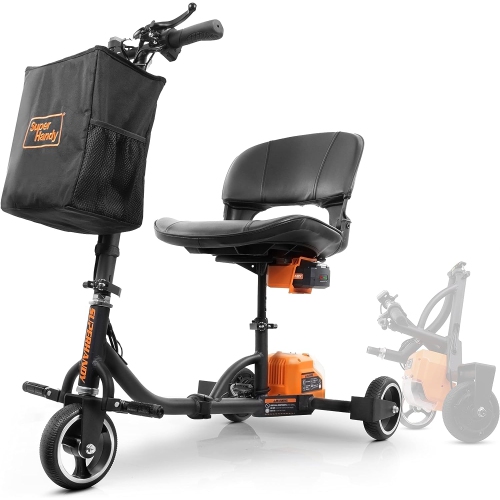 Your price for this item is $1199.99
 -
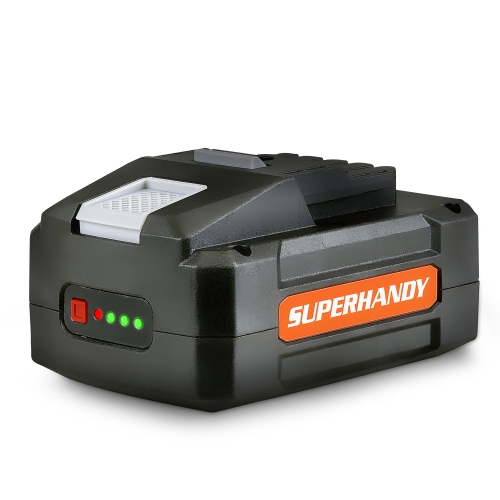 Your price for this item is $129.99
 -
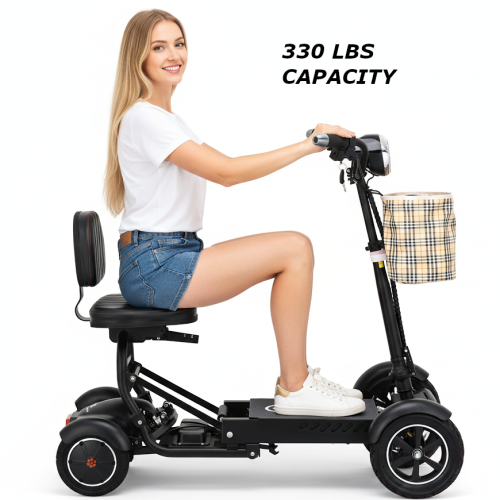 Your price for this item is $2149
 -
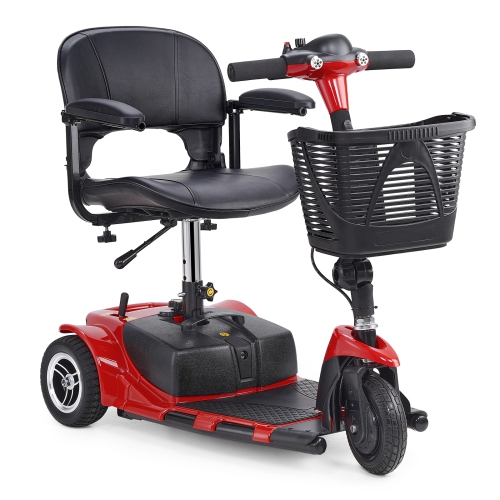 Your price for this item is $856.13
 -
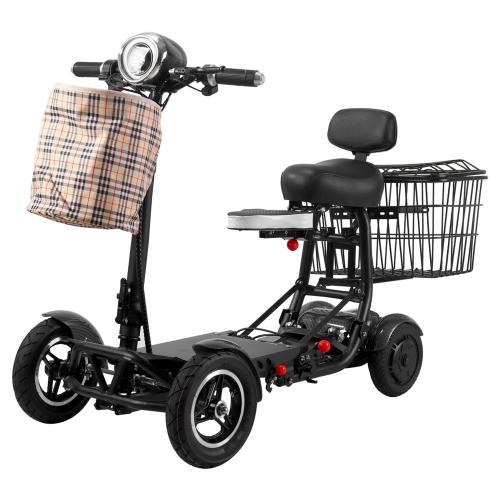 Your price for this item is $1239
 -
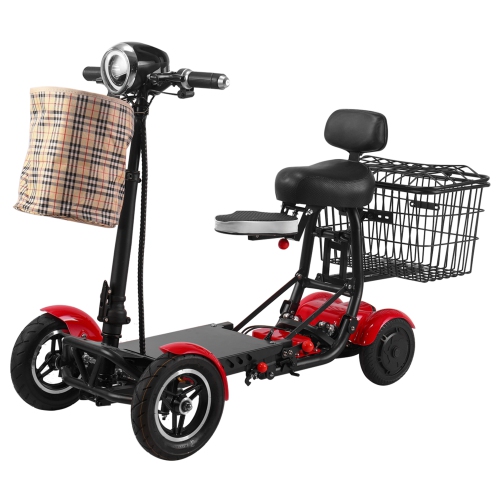 Your price for this item is $1239
 -
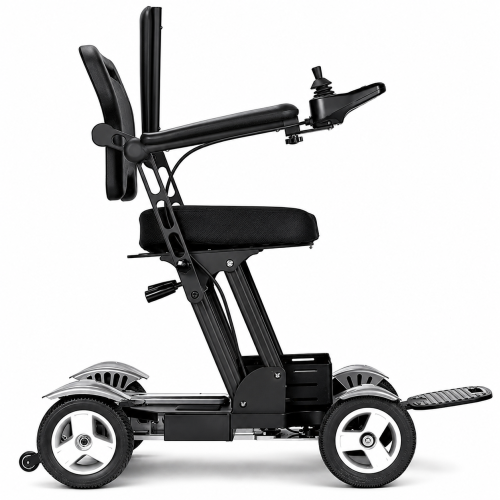 Your price for this item is $1339
 -
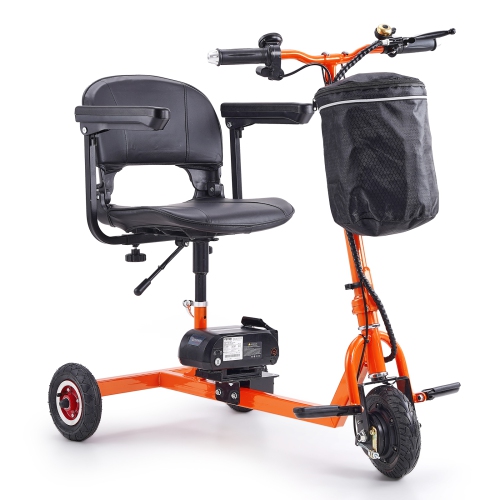 Your price for this item is $611.9
Discover more categories related to Electric Scooter Carriers
Top Collections:
Pokemon Centers, Kindle Devices, Best Budget Office Chairs, Apple iPhones 16, Canon G7X Cameras, iPhone 15 Apple, Alarm Clock, Refurbished Apple Laptops, Flip Phones, Best Laptops for Writers
Some products may be subject to Environmental Handling Fees
(EHF) depending on your province.
Learn more about EHFs.